Seleccionar un confiable proveedor de bolsas más frescas en 2026 no se trata solo de encontrar un proveedor; se trata de garantizar la integridad de sus productos sensibles a la temperatura. El mercado mundial de bolsas térmicas se valoró en aproximadamente $913.802 millón en 2021 y se espera que alcanzar los 1.299 millones de dólares 2025 antes de expandirse a $2.627 mil millones por 2033. Al mismo tiempo, El mercado de embalajes de cadena de frío creció hasta $35.56 mil millones en 2025 y se pronostica que aumentar a 40.750 millones de dólares en 2026. Estas cifras subrayan tanto la oportunidad como el riesgo.: alrededor 20 % de productos sensibles a la temperatura se dañan durante el transporte, lo que lleva a miles de millones en pérdidas. Se prevé que la demanda de servicios de cadena de frío se disparará a $647 mil millones por 2028. Para proteger sus resultados y su reputación, necesita asociarse con un proveedor que comprenda la ciencia del aislamiento, se adhiere a estrictos controles de calidad, Adopta la sostenibilidad y se mantiene al día con los avances tecnológicos..
Qué cubrirá esta guía
Factores clave a la hora de evaluar proveedores – incluida la capacidad de producción, calidad de los materiales, certificación y servicio.
Materiales aislantes – comparando espuma, paneles de vacío, Materiales de cambio de fase y tejidos reciclados..
Modelando tendencias 2026 – de materiales sostenibles a IoT, IA y blockchain en la logística de la cadena de frío.
Personalización y etiquetado privado. – comprender las opciones de diseño, cantidades mínimas de pedido y estrategias de marca.
Preguntas frecuentes – abordar inquietudes comunes de manera concisa, respuestas procesables.
¿Qué hace que un proveedor confiable de bolsas refrigeradoras sea confiable? 2026?
Seleccionar un proveedor va más allá del precio; se trata de los valores y capacidades que protegen sus productos. Un proveedor confiable ofrece materiales de alta calidad., aislamiento robusto, certificaciones y servicio responsivo. Deben demostrar escalabilidad de producción y estricto control de calidad.. Certificaciones como ISO 9001 o BRC/SQF para envases de calidad alimentaria indican que los proveedores cumplen con los estándares internacionales de seguridad y calidad.. Además, Los proveedores deben proporcionar opciones de personalización para alinearse con su marca y los requisitos del producto..
Explicación detallada
Al evaluar a un proveedor, empezar por evaluar su capacidad de producción. Por ejemplo, Los grandes minoristas a menudo requieren proveedores capaces de entregar miles de bolsas por mes sin comprometer la calidad.. Los proveedores deben compartir su producción mensual y su escalabilidad., garantizar que puedan manejar los picos de demanda. Calidad de los materiales viene el siguiente: telas de alto denier como 600Poliéster D o 900D, o PET reciclado (PET), Ofrecen durabilidad y resistencia a la abrasión.. Para aislamiento, espumas de células cerradas como polietileno expandido (EPE) y poliuretano (PU) Atrapa el aire y proporciona estructura.. Podrán incorporar bolsas premium paneles de aislamiento al vacío (VIP) o Materiales de cambio de fase (PCM) Para control de temperatura extendido. Un proveedor capacitado le explicará estas opciones y le ayudará a seleccionar la combinación correcta según sus requisitos de carga útil..
La personalización es igualmente importante. Los proveedores deben ofrecer impresión del logotipo, selección de color, Configuración de bolsillo y variaciones de tamaño.. También deben cumplir con estándares ambientales y sociales, utilizar materiales reciclados o biodegradables y adherirse a prácticas laborales éticas. Soporte de proveedores acreditados pedidos al por mayor, proporcionar entrega oportuna, y mantener una calidad constante. Finalmente, evaluar su comunicación y servicio – busque equipos de ventas receptivos, Soporte técnico para preguntas de diseño y disposición para suministrar muestras..
La selección de materiales importa
Los diferentes materiales de aislamiento ofrecen resultados únicos de rendimiento y sostenibilidad. Comprender las opciones le ayuda a encontrar la bolsa adecuada para su caso de uso.
| Material | Características | Significado práctico |
| Espuma EPE o PU | Las espumas de células cerradas atrapan pequeñas bolsas de aire, reduciendo la conducción y proporcionando estructura. El espesor de la espuma influye en el rendimiento: 3 La espuma de mm mantiene el contenido frío durante aproximadamente 6 horas., mientras 8 La espuma de mm combinada con revestimientos de aluminio puede mantener la temperatura durante 12 a 24 horas. | Equilibra el peso y el aislamiento; las espumas más espesas prolongan la duración del enfriamiento. |
| Película de aluminio/metalizada | Refleja el calor radiante, aumentar la resistencia térmica cuando se combina con espuma. | Mejora la retención de frío en ambientes soleados o cálidos.; imprescindible para uso en exteriores. |
| Paneles de aislamiento al vacío (VIP) | El interior casi al vacío elimina la convección y proporciona hasta cinco veces mejor aislamiento que la espuma estándar. | Ideal para productos farmacéuticos y de alto valor.; reduce el tamaño del paquete y el costo de envío al reducir el volumen requerido de la caja de enfriamiento. |
| Materiales de cambio de fase (PCM) | Absorber y liberar calor a temperaturas definidas, mantener un ambiente interno estable. | Útil para mantener rangos de temperatura estrechos, especialmente para vacunas y productos biológicos. |
| rPET reciclado o algodón orgánico | Los tejidos ecológicos derivados de plásticos reciclados o fibras naturales ofrecen durabilidad con un impacto medioambiental reducido.. | Se alinea con los objetivos de sostenibilidad y atrae a los consumidores conscientes del medio ambiente.. |
Consejos y consejos prácticos
Solicite pruebas de muestra: Solicite muestras de preproducción y realice pruebas de temperatura reales utilizando paquetes de gel y registradores de datos para validar las afirmaciones de aislamiento..
Insistir en la documentación: Asegúrese de que los materiales cumplan Estándares de contacto con alimentos de la FDA o la UE y que el rendimiento térmico ha sido verificado de forma independiente.
Plan de almacenamiento: Evaluar cómo se pliegan o apilan las bolsas cuando están vacías.; Los diseños plegables reducen los costos de almacén..
Revisar el soporte postventa: Un proveedor sólido brinda cobertura de garantía y respuesta rápida a problemas de calidad..
Ejemplo de caso: Una nueva empresa farmacéutica en Los Ángeles necesitaba bolsas hieleras para la entrega de vacunas en el último kilómetro. Después de evaluar varios proveedores, seleccionó uno que ofrece VIP alineado, Bolsas de rPET con espuma de 6 mm.. En pruebas de campo, Las bolsas se mantuvieron entre 2 y 8 °C durante 18 horas en condiciones de verano.. Esto permitió a la empresa administrar dosis en toda la ciudad sin variaciones de temperatura., reducir las pérdidas y aumentar la confianza del paciente.
Cómo evaluar la capacidad de fabricación y el control de calidad
A proveedor de bolsas más frescas debe manejar tanto el volumen como la precisión. La evaluación de la capacidad de fabricación garantiza que puedan escalar con su negocio., mientras que el control de calidad previene defectos. Busque proveedores que brinden transparencia sobre sus procesos de producción, protocolos de aseguramiento de calidad, y certificaciones.
Orientación directa
Los fabricantes confiables proporcionan datos claros sobre la producción., Mantener estrictos sistemas de control de calidad y contar con certificaciones reconocidas.. Solicite información sobre capacidad de producción mensual y máxima escalabilidad para manejar picos estacionales. Un proveedor confiable debe implementar Gestión de calidad certificada ISO y seguir Buenas prácticas de fabricación (BPF). Certificaciones como SQF o BRC demostrar el cumplimiento de estrictas normas de seguridad alimentaria, cada vez más requerido por los minoristas.
Discusión ampliada
Comience examinando la oferta del proveedor. tamaño de fábrica, mano de obra y maquinaria. Una instalación moderna que utiliza corte y soldadura automatizados puede producir bolsas consistentes a escala. Evaluar su abastecimiento de materia prima: ¿Compran tejidos y aislamientos certificados de productores acreditados?? Comprender la cadena de suministro reduce el riesgo de falsificación o componentes de calidad inferior..
El control de calidad debe abarcar inspección de material entrante, Verificaciones en proceso y pruebas del producto final.. Pregunte si el proveedor realiza pruebas de caída, pruebas de fugas, y pruebas de rendimiento térmico en cada lote. Las calibraciones de los equipos de monitoreo y los registros de pruebas deben estar disponibles para auditoría..
Considere el Experiencia del proveedor y cartera de clientes.. Las referencias de marcas establecidas indican confiabilidad.. Evaluar su capacidad para cumplir requisitos de personalización, como la impresión, Costuras especiales y formas únicas.. Además, revisar sus plazos de entrega y historial de envíos a tiempo. Algunos proveedores también ofrecen embalaje de etiqueta privada y servicios de gestión de inventario para agilizar su logística.
Certificaciones y controles clave
| Área de Evaluación | Qué buscar | Beneficio |
| Gestión de Calidad | ISO 9001 proceso de dar un título, Procedimientos operativos estándar documentados (Sops), Laboratorios internos para pruebas térmicas y de durabilidad. | Garantiza una calidad y trazabilidad constantes |
| Seguridad alimentaria | Certificación SQF o BRC; Cumplimiento de las regulaciones FDA/EFSA. | Garantiza que las bolsas sean seguras para el transporte de alimentos y productos farmacéuticos |
| Responsabilidad Social | Auditorías Sedex o SA8000; sin trabajo infantil; salarios justos | Alinea al proveedor con políticas de abastecimiento ético |
| Gestión Ambiental | ISO 14001 proceso de dar un título; uso de materiales reciclados | Reduce la huella ambiental y satisface a los clientes conscientes del medio ambiente. |
Consejos y consejos prácticos
Realizar una auditoría in situ o solicitar una inspección de un tercero. Los tours virtuales son una alternativa si viajar es complicado.
Revisar informes de prueba para rendimiento de aislamiento, capacidad de carga y durabilidad. Confirmar que las pruebas siguen estándares reconocidos. (p.ej., ASTM o ISTA).
Negociar acuerdos de nivel de servicio. (SLA) que especifican métricas de calidad y plazos de entrega, incluyendo sanciones por incumplimiento.
Planificar reservas de inventario para gestionar los plazos de fabricación y evitar desabastecimientos.
Ejemplo de caso: Se requiere una empresa de kits de comida. 50,000 Bolsas hieleras de marca para entregas a nivel nacional.. Eligió un proveedor cuya fábrica producía 20,000 unidades por mes y adheridas a ISO 9001 y estándares BRC. El proveedor proporcionó informes de inspección previos al envío y entregó el 97 % de los pedidos a tiempo.. Esta asociación ayudó a la empresa de kits de comida a escalar rápidamente durante los aumentos repentinos de la demanda impulsados por la pandemia., Mantener la seguridad alimentaria y la satisfacción del cliente..
Proveedores de Bolsas más frescas que dan forma a las tendencias en 2026
El panorama de la cadena de frío está evolucionando rápidamente. Para seguir siendo competitivo, Los proveedores de bolsas térmicas deben adoptar nuevas tecnologías., Prácticas de sostenibilidad y preferencias de los consumidores..
Orientación directa
Las principales tendencias incluyen la integración de IoT y sensores., adopción de blockchain e inteligencia artificial para la transparencia de la cadena de suministro, Mayor demanda de productos sensibles a la temperatura., y un creciente énfasis en la sostenibilidad. Los proveedores que adoptan estas innovaciones pueden ofrecer un rendimiento superior y cumplir con los requisitos reglamentarios..
Discusión ampliada
Avances tecnológicos están transformando la cadena de frío. dispositivos de iot proporcionar monitoreo de temperatura en tiempo real, humedad y ubicación a lo largo de la cadena de suministro. Esta capacidad reduce el deterioro y permite acciones correctivas más rápidas.. cadena de bloques permite registros de seguimiento inmutables, Garantizar la autenticidad del producto y el cumplimiento normativo.. IA y análisis predictivo optimizar rutas, pronosticar la demanda e identificar posibles interrupciones. Los proveedores que integran sensores inteligentes y ofrecen capacidades de registro de datos en sus bolsas térmicas brindan a los clientes información valiosa y tranquilidad..
Sostenibilidad es otro factor clave. Las empresas están adoptando embalaje ecológico, como materiales biodegradables y reciclables, e invertir en eficiencia energética métodos de producción. La cadena de frío incluso explora cambios en las temperaturas de almacenamiento (p.ej., cambiar los estándares de almacenamiento congelado de –18°C a –15°C) para reducir el uso de energía. Los proveedores de bolsas térmicas deben responder ofreciendo productos elaborados con PET reciclado y tejidos organicos, así como diseñar contenedores reutilizables para minimizar el desperdicio.
Comportamiento del consumidor y presiones regulatorias también moldea el mercado. Una creciente preferencia por alimentos frescos y orgánicos significa una mayor dependencia de la logística de la cadena de frío.. El comercio electrónico y la entrega a domicilio demandan rapidez, control de temperatura confiable. La Ley de Modernización de la Seguridad Alimentaria establece requisitos de control de temperatura más estrictos, empujando a las empresas a adoptar sensores inteligentes. Al mismo tiempo, Se prevé que el mercado mundial de envases de PET reciclado crezca de $12.76 mil millones en 2025 a $26.78 mil millones por 2034, destacando el cambio hacia materiales circulares.
Materiales Sostenibles y Economía Circular
| Tendencia | Descripción | Impacto práctico |
| Adopción de rPET | La demanda de envases de PET reciclado está aumentando, proyecta crecer desde $12.76 mil millones en 2025 a más de 26.780 millones de dólares 2034. Innovaciones como los marcadores moleculares garantizan la trazabilidad, rPET apto para alimentos. | Los proveedores que utilizan rPET pueden cumplir con las expectativas regulatorias y de los consumidores y al mismo tiempo reducir la huella de carbono.. |
| Tecnologías avanzadas de reciclaje | Los procesos mejorados de descontaminación y mezcla permiten obtener resinas recicladas de mayor calidad., mientras que los compuestos bioinspirados amortiguan la variabilidad. | Permite crear un tejido para bolsas más frescas que rivaliza con los materiales vírgenes en cuanto a resistencia y consistencia.. |
| Sistemas monomateriales | Las marcas apuestan por envases monomateriales para facilitar el reciclaje. | Alienta a los proveedores a diseñar bolsas con menos materiales mezclados y componentes fácilmente separables.. |
| Eficiencia Energética & Ajustes de temperatura | El almacenamiento en frío está explorando aumentar la temperatura estándar del congelador de –18°C a –15°C para reducir el uso de energía.. | Es posible que los proveedores necesiten ajustar el espesor del aislamiento para mantener el rendimiento bajo las nuevas pautas de temperatura.. |
Consejos y consejos prácticos
Invierta en envases inteligentes: Elija proveedores que incorporen sensores de iot u ofrezca bolsillos para registradores de datos extraíbles para cumplir con los requisitos de monitoreo en tiempo real.
Priorizar los materiales circulares: Opte por bolsos hechos de PET u otros tejidos reciclados. Pregunte sobre la trazabilidad del contenido reciclado y las certificaciones que verifican las afirmaciones de sostenibilidad..
Exija un alto rendimiento con menos volumen: Combinando VIP con Espuma, Puedes reducir el tamaño de la nevera portátil hasta 50 De % y mejorar el aislamiento mediante 2.5 veces.
Revisar la preparación regulatoria: Garantizar que los proveedores comprendan Ley de modernización de la seguridad alimentaria requisitos de monitoreo y puede integrar sensores o proporcionar accesorios para registradores de datos.
Ejemplo de caso: Un servicio de entrega de comidas orgánicas quería alinear su empaque con su misión de sustentabilidad. Seleccionó un proveedor que utiliza tejidos rPET y aislamiento reforzado VIP. El proveedor implementó códigos QR integrados en las etiquetas de las bolsas para mostrar la trazabilidad del contenido reciclado y bolsillos integrados para sensores IoT desechables.. Este enfoque satisfizo a los reguladores, tamaño de envío reducido y resonado entre los clientes conscientes del medio ambiente.
Asociación con un proveedor: Negociación y Personalización
Elegir el proveedor adecuado también implica negociar términos y comprender las opciones de personalización.. Bolsas nevera personalizadas Le permitirá diferenciar su marca y optimizar las dimensiones de las bolsas para sus productos..
Orientación directa
Negociar en función del volumen de pedidos., Actualizaciones de materiales y características personalizadas.. Busque un proveedor que sea flexible en términos de cantidades mínimas de pedido. (MOQ), precios y plazos de entrega. Discutir la inclusión de impresión de etiquetas privadas, compartimentos personalizados, y cierres especiales como cremalleras impermeables o solapas magnéticas. Garantizar que los términos del contrato cubran el control de calidad., horarios de entrega e imprevistos.
Discusión ampliada
Comience articulando las necesidades de su negocio: el número de unidades necesarias, la frecuencia de pedido esperada, y cualquier especificación de diseño. Solicitar un cotización detallada que desglosa los costos de materiales, mano de obra, impresión y herramientas. Compare cotizaciones de múltiples proveedores para comprender las tarifas del mercado y el espacio de negociación. Los descuentos por volumen son comunes; Por ejemplo, órdenes de 10,000 las unidades pueden obtener precios entre un 5 % y un 10 % más bajos que los pedidos de 2000 unidades. Sin embargo, No sacrifique la calidad del material por el precio: el costo total de reemplazar bolsas defectuosas o perder productos debido a fallas de temperatura es mucho mayor..
Considere el completo costo del ciclo de vida. Las bolsas reutilizables pueden tener un precio unitario más alto pero un costo total más bajo cuando se usan en múltiples entregas. Evaluar periodos de garantía y si el proveedor ofrece servicios de renovación o reparación.. Preguntar por resiliencia de la cadena de suministro, como sitios de fabricación de respaldo, para mitigar las perturbaciones.
Opciones de diseño personalizado
| Característica personalizada | Descripción | Valor para ti |
| Logo & Herrada | Impresión de logotipos en alta resolución. (serigrafía, transferencia de calor, o sublimación) además de combinación de colores personalizada | Mejora el reconocimiento de marca y el profesionalismo. |
| Compartimentos & Divisores | Interiores configurables con divisores móviles o bolsillos de malla | Mantiene los productos organizados y mejora la eficiencia de enfriamiento al reducir los espacios de aire. |
| Cierres & Manijas | Las opciones incluyen cremalleras impermeables, Solapas de velcro, sellos magnéticos, y asas reforzadas | Mejora la experiencia del usuario y evita fugas o pérdidas de temperatura |
| Forma & Tamaño | Adapte las dimensiones de la bolsa para que se ajusten a las especificaciones del producto o a los contenedores de envío. | Reduce el espacio vacío, Reducir el peso dimensional y mejorar el aislamiento. |
| Características inteligentes | Integración de bolsillos para registradores de datos, etiquetas de seguimiento, o códigos QR | Proporciona seguimiento y trazabilidad en tiempo real para el cumplimiento normativo. |
Consejos y consejos prácticos
Comience con una ejecución de prototipo: Antes de realizar un pedido grande, encargar un pequeño lote de bolsas personalizadas para probar la funcionalidad del diseño, Rendimiento de aislamiento y precisión de impresión..
Plan de embalaje y envío.: Determine si las bolsas se enviarán dobladas o preensambladas cuando se las envíen.. El plegado reduce el volumen de envío, pero puede requerir montaje a la llegada..
Aclarar la propiedad intelectual (IP): Al diseñar bolsos únicos, contratos seguros que protejan su diseño y eviten que el proveedor lo venda a la competencia.
Establecer un ciclo de colaboración: Programe revisiones y actualizaciones periódicas del diseño para perfeccionar las funciones en función de los comentarios de los usuarios y las tendencias cambiantes del mercado..
Ejemplo de caso: Una marca de bebidas tenía como objetivo crear una hielera personalizada para una promoción de verano.. Negoció con un proveedor para incluir divisores de botellas ajustables, un forro impermeable y un bolsillo exterior para un sensor de temperatura Bluetooth. Un lote de prototipos de 500 Las unidades fueron probadas en eventos al aire libre.. Después de comentarios positivos de los clientes, la marca ordenó 15,000 unidades, Aprovechar los descuentos por volumen y establecer una asociación a largo plazo con el proveedor..
Qué esperar en 2026 y más allá
En los próximos años veremos un crecimiento y una transformación continuos en la industria de las bolsas térmicas.. Los proveedores deben anticipar la evolución del mercado para mantenerse a la vanguardia.
Previsiones de crecimiento y dinámica del mercado
El Mercado de envases de cadena de frío. crecerá de $35.56 mil millones en 2025 a 40.750 millones de dólares en 2026, y se espera que alcanzar los 70.690 millones de dólares 2030 con una CAGR de 14.6–14,8 %. Mientras tanto, Se prevé que el mercado de bolsas más frías aumente ampliar desde $913.802 millones en 2021 a 2.627 millones de dólares por 2033. Este crecimiento está impulsado por la creciente demanda de dispositivos portátiles., soluciones convenientes para alimentos y bebidas, un sector de comercio electrónico en auge y la creciente popularidad de los kits de comida y la entrega a domicilio.
Los avances en materiales y tecnología darán forma a las características del producto.. VIP y PCM será más asequible y ampliamente adoptado, Permitir que las bolsas más frescas mantengan los productos fríos durante 48 a 72 horas.. Integración de IoT se convertirá en estándar, con sensores integrados en los revestimientos de las bolsas que proporcionan flujos de datos en tiempo real a los transportistas y consumidores. Mandatos de sostenibilidad seguirá apretando, favorecer a los proveedores que utilizan materiales reciclados o biodegradables y participan en sistemas circulares.
Instantánea del progreso
Monitoreo inteligente: Los sensores de IoT ya proporcionan seguimiento de la temperatura en tiempo real, humedad y ubicación. Plazos de cumplimiento, como el Ley de modernización de la seguridad alimentaria 2026 requisito de trazabilidad digital, hará del monitoreo inteligente una expectativa básica.
Tamaño de paquete reducido: La combinación de VIP con espuma de poliuretano puede reducir el tamaño de la nevera portátil en arriba a 50 % y aumentar la eficiencia del aislamiento 2.5 veces.
Materiales sostenibles: El rPET y otros materiales reciclados pasarán de ser un nicho a convertirse en algo común a medida que la demanda global de envases reciclados aumente. $12.76 mil millones en 2025 a 26.780 millones de dólares 2034.
Eficiencia Energética: Los sectores de almacenamiento en frío están explorando aumentar la temperatura de los congeladores de –18°C a –15°C para reducir el uso de energía., Incitar a los proveedores a ajustar los diseños de aislamiento..
Trazabilidad mejorada: Blockchain y la IA mejorarán la transparencia de la cadena de suministro, Garantizar la autenticidad del producto y el cumplimiento normativo..
Ideas del mercado
Si bien las perspectivas de crecimiento son brillantes, la competencia es feroz. El mercado está muy fragmentado., con numerosas marcas compitiendo en precio. para destacar, Los proveedores deben invertir en innovación, narración de marca y experiencia del cliente. También hay un impulso hacia de primera calidad, diseños de moda que atraen a los consumidores como accesorios de estilo de vida. Los proveedores que ofrecen diseños elegantes junto con rendimiento pueden obtener márgenes más altos y acceder a nuevos segmentos de consumidores..
Preguntas frecuentes
Q1: ¿Cuánto tiempo puede mantener fríos los artículos una bolsa térmica de un proveedor importante??
La calidad depende de los materiales y el diseño.. Bolsas con 3 mm de espuma EPE normalmente mantiene el contenido fresco durante aproximadamente 6 horas, mientras que las bolsas con 8 Revestimientos de espuma y aluminio de mm. puede mantener temperaturas durante 12–24 horas. Actualizando a paneles de aislamiento al vacío extiende el rendimiento a 48–120 horas.
Q2: ¿Los materiales reciclados son seguros para el contacto con alimentos??
Sí, cuando se procesa correctamente. Grado alimenticio PET debe cumplir con los estándares regulatorios y está cada vez más disponible gracias a innovaciones como marcadores moleculares que verifican el contenido reciclado y mantienen el cumplimiento de la FDA. Solicite siempre documentación para garantizar el cumplimiento.
Q3: ¿Qué certificaciones debo buscar al elegir un proveedor de bolsas térmicas??
Las certificaciones clave incluyen ISO 9001 para la gestión de calidad, BRC o SQF para normas de seguridad alimentaria, ISO 14001 para la gestión ambiental y Tres o SA8000 por cadenas de suministro éticas. Estas certificaciones indican profesionalismo y responsabilidad..
Q4: ¿Cómo mejoran los sensores de IoT el rendimiento de la cadena de frío??
Los sensores de IoT proporcionan Monitoreo en tiempo real de la temperatura., humedad y ubicación. Te ayudan a detectar desviaciones con prontitud, evitar el deterioro y cumplir con los requisitos reglamentarios, como las reglas de trazabilidad digital de la Ley de Modernización de la Seguridad Alimentaria.
Q5: ¿Pueden las bolsas térmicas personalizadas ser rentables??
Absolutamente. La personalización le permite diseñar una bolsa que se ajuste exactamente a su producto., Reducir los espacios vacíos y mejorar el aislamiento.. Con pedidos por volumen, Los costos unitarios pueden caer significativamente.. Los diseños reutilizables también reducen el costo total en múltiples usos..
Q6: ¿Qué papel juegan los materiales de cambio de fase??
Materiales de cambio de fase (PCM) Absorben y liberan calor a temperaturas específicas., mantener el interior de una bolsa más fresca cerca de una temperatura constante. Son particularmente valiosos para productos farmacéuticos y productos perecederos de alto valor que requieren un control térmico preciso..
P7: ¿Cómo minimizo los costos de envío cuando uso bolsas térmicas??
Utilice envases eficientes: VIP están a la altura cinco veces más eficiente que la espuma convencional. Te permiten reducir el tamaño de la caja refrigeradora., reduciendo el peso dimensional y los gastos de flete. Rellenar adecuadamente los espacios vacíos y seleccionar los materiales aislantes adecuados también reduce los costes..
Resumen y recomendaciones
Elegir el derecho proveedor de bolsas más frescas en 2026 requiere un cuidadoso equilibrio de calidad, capacidad, sostenibilidad y preparación tecnológica. El mercado mundial de bolsas térmicas está creciendo rápidamente, lo que refleja una mayor demanda de almacenamiento portátil de alimentos y bebidas.. Priorizar proveedores con fuerte capacidad de producción, Certificaciones verificadas y compromiso con la innovación.. Evalúe cuidadosamente las opciones de aislamiento: espumas de células cerradas, revestimientos de aluminio, Los VIP y PCM ofrecen distintas ventajas. Materiales sostenibles como rPET no sólo reduce el impacto ambiental sino que también atrae a consumidores conscientes del medio ambiente. Manténgase a la vanguardia de la evolución tendencias de la cadena de frío integrando sensores IoT, Adoptar materiales circulares y planificar nuevos estándares regulatorios.. Al asociarse con un proveedor con visión de futuro, usted puede proteger la integridad del producto, Cumplir con la normativa y diferenciar tu marca..
Siguientes pasos
Defina sus requisitos: Aclarar tipos de productos, volúmenes, Necesidades de aislamiento y objetivos de marca..
Proveedores preseleccionados: Centrarse en aquellos con certificaciones relevantes, capacidad probada y prácticas sostenibles.
Solicitar muestras y realizar pruebas.: Validar el rendimiento de temperatura y la durabilidad en condiciones del mundo real.
Negociar términos: Discutir MOQ, Tiempos de entrega, opciones de precios y personalización. Buscar acuerdos de nivel de servicio que salvaguarden la calidad.
Piloto y escala: Comience con un pedido pequeño para verificar la calidad y el rendimiento., luego ampliar una vez que esté satisfecho.
Monitorear tendencias: Manténgase informado sobre los cambios regulatorios, Materiales sostenibles e innovaciones tecnológicas para mantener competitivos sus envases..
Acerca de Tempk
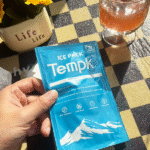
Templ es un innovador líder en soluciones de embalaje para la cadena de frío. Nuestro equipo combina décadas de experiencia en la industria con un compromiso con la sostenibilidad., ofreciendo una amplia gama de bolsas más frescas, cajas aisladas, Paquetes de gel y soluciones de embalaje inteligentes.. Utilizamos materiales de alta calidad, incluidas espumas de células cerradas., VIP, PCM y tejidos reciclados: para ofrecer un rendimiento térmico fiable. Nuestros procesos de fabricación se ajustan a ISO 9001 y BRC estándares para garantizar la calidad y la seguridad. Trabajando estrechamente con los clientes, Ofrecemos diseños personalizados y opciones de marcas privadas que se alinean con la identidad y los requisitos operativos de su marca..
Listo para mejorar el rendimiento de su cadena de frío? Póngase en contacto con Tempk hoy para obtener asesoramiento experto y soluciones personalizadas que mantengan sus productos seguros, fresco y compatible.