If you’re choosing an insulated box supplier in 2026, don’t start with “72-hora” labels or the cheapest quote. Comience con la realidad de su carril: banda de temperatura, tener tiempo, extremos estacionales, y manejo de riesgos. A well-designed shipper can protect product for 48–120 hours—but only when the box, refrigerante, and pack-out steps match your route. This guide gives you a practical way to shortlist suppliers, reduce temperature excursions, and control total landed cost.
This guide answers for you
¿Qué materiales (EPS, PPE, PU, personaje, fiber) fit your risk, presupuesto, y objetivos de sostenibilidad
Qué “pre-qualified” should mean when you evaluate an insulated box supplier
How to compare total cost (DIM weight, mano de obra, reclamos), no solo precio unitario
A 5-minute scorecard to shortlist the best insulated box supplier for your business
What do you really need from an insulated box supplier?
You need an insulated box supplier that solves your lane, not the one with the thickest walls. Think of shipping insulation like a winter coat. A coat that is warmer is useless if it doesn’t fit. Your product label, duración de la ruta, and handling decide the fit.
When you give a supplier a clear lane profile, you cut trial-and-error and shorten qualification time. You also avoid overpackaging that inflates freight charges and waste.
Build a one-page lane profile (su “packing recipe”)
| Lane Profile Item | What to Write Down | Simple Example | Lo que significa para ti |
|---|---|---|---|
| Target temperature band | Allowed internal range | 2–8 ° C / -20°C | Drives coolant and pack-out rules |
| Minimum hold time | Tránsito + buffer | 72h + 24h buffer | Protects you from delays |
| Seasonal extremes | Worst ambient exposure | Summer 35°C / Winter -10°C | Defines test profiles to request |
| Handling risk | Where it gets rough | Parcela + última milla | Drives outer carton + inserciones |
Consejos prácticos que puede usar hoy
Farmacéutico: write the exact label band and any excursion limits (tiempo + degrees).
Alimento: define “still safe” versus “still premium quality”—pack-out can change.
Remote lanes: add a 24-hour buffer before you compare any insulated box supplier.
Ejemplo del mundo real: A clinic shipping biologics reduced excursions after adding a buffer and right-sizing the pack-out. Training got simpler, and errors dropped.
Which insulated box supplier materials and coolants fit your lane?
A strong insulated box supplier helps you choose materials and coolant based on heat flow, tamaño, and handling—without burying you in lab jargon. En términos simples, insulation works like a thermos: better insulation slows temperature change, so your coolant lasts longer.
Material options (en lenguaje sencillo)
EPS (poliestireno expandido): bajo costo, común, usually single-use.
PPE (polipropileno expandido): tougher, reuse-friendly, handles rough networks.
Espuma (poliuretano): strong insulation in many shapes, often slimmer walls.
personaje (paneles aislados al vacío): high performance per thickness, cajas más pequeñas, higher care.
Fiber composites: lighter sustainability story, performance depends on design and pack-out.
Material match table you can use immediately
| Material | Mejor para | Compensaciones | Lo que significa para ti |
|---|---|---|---|
| EPS | Cost-sensitive, short/medium lanes | puede agrietarse, bulkier walls | Low unit price, bigger DIM risk |
| PPE | Reuse programs, manejo áspero | Needs return logistics | Menos daños, better durability |
| Espuma | Mid/long lanes needing slimmer size | Price varies by design | Often reduces size and coolant load |
| personaje | Carriles largos, high-value payloads | Precio más alto, handling care | Smaller cube, lower DIM and drift |
| Fiber composite | Sustainability-driven lanes | Needs strict pack-out | Lighter feel, disposal clarity matters |
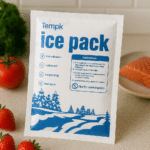
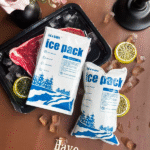
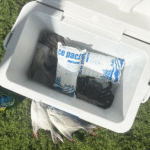
Elección de refrigerante: gel packs vs PCM vs dry ice
Cooling is half the system your insulated box supplier must get right. Most failures happen when coolant is wrong or preconditioning is skipped.
| refrigerante | Mejor para | Common Mistake | Lo que significa para ti |
|---|---|---|---|
| paquetes de gel | Short to medium lanes | Not frozen long enough | Warm arrivals, inconsistent results |
| PCM (material de cambio de fase) | Tight bands like 2–8°C | Punto de fusión incorrecto | Product goes too cold or too warm |
| hielo seco | Deep frozen shipments | No ventilation planning | Safety issues and carrier delays |
Practical tips you can apply
If DIM weight is killing you, ask for a smaller external cube (VIP or PU can help).
If damage rates are high, choose tougher EPP designs before buying “more insulation.”
If training varies by site, request a simpler pack-out with fewer components.
How can an insulated box supplier prove temperature performance?
A credible insulated box supplier proves performance with documented tests, instrucciones claras de embalaje, and repeatable configurations. You’re not buying “a box.” You’re buying a system: aislamiento, refrigerante, caja exterior, and packing steps.
If a supplier can’t show test evidence, you’re betting your product on marketing.
Qué “pre-qualified” should mean in 2026
“Pre-qualified” should mean the shipper was tested under defined temperature profiles with a defined pack-out. For temperature exposure testing, many teams reference ISTA temperature procedures (Por ejemplo, ISTA Procedure 7D describes evaluating package-products under external temperature exposures).
Your proof pack (ask every insulated box supplier for this)
| Proof Item | What It Should Include | Por qué te importa | Lo que significa para ti |
|---|---|---|---|
| Test summary report | Perfiles, carga útil, refrigerante, pass/fail | Confirms claims are real | Faster internal approval |
| Pack-out work instruction | Fotos, pasos, conditioning rules | Reduce el error humano | Fewer field excursions |
| Bill of materials (lista de materiales) | Exact parts + tolerancias | Prevents silent swaps | Consistent outcomes over time |
| Change-control statement | Notice + approval process | Protects validated lanes | Less requalification pain |
How to read a thermal report without being a scientist
Focus on what affects your lane:
Profile used: verano versus invierno, tiempo de permanencia, y traspasos
Payload simulation: real payload or justified dummy load
Colocación del sensor: where probes were placed and why those spots matter
Pass/fail rule: what range was required, y por cuanto tiempo
Practical tips for performance verification
Use a three-run rule: request at least three successful tests per lane profile.
Run a small field pilot before committing to one insulated box supplier.
Ask one hard question: “Show your worst result and what you changed.”
How do you audit an insulated box supplier’s quality and compliance?
A reliable insulated box supplier is measured by consistency, not a single perfect prototype. Quality is the boring part that saves you in peak season. This is where change control, lot traceability, and basic process discipline matter.
If you use ISO-style audits, ISO 9001 is widely used as a framework for building and continually improving a quality management system.
Batch-to-batch consistency checklist
| Control | Simple Acceptance Idea | Typical Risk if Missed | Lo que significa para ti |
|---|---|---|---|
| Densidad de la espuma / panel thickness | Must stay in a tight range | Faster heat leak | Tiempo de espera más corto |
| Coolant fill weight | Weight tolerance per pack | Early warm-up/freeze | Excursions and claims |
| Outer carton strength | Drop/stack rating defined | Crushed shippers | Damaged payload |
| Work instruction control | One approved pack-out sheet | Wrong packing steps | Higher human error |
| Lot coding | Cajas + coolant traceable | Slow investigations | Longer downtime |
Audit questions that reveal the truth
Ask for specifics, no promesas:
“What changed in your top three products last year?”
“How do you prevent substitutes from shipping by accident?”
“Show me a real corrective action report.”
Compliance quick checks (simple, no da miedo)
Regulated products: ask for documentation support and audit-ready files.
Dry ice lanes: confirm labeling guidance and safe handling instructions.
Sustainability claims: request material declarations and end-of-life guidance by region.
How do you compare insulated box suppliers on total cost?
Unit price is the wrong anchor. A cheaper box that fails costs more than a pricier one that works. Total cost includes freight, mano de obra, reclamos, and brand risk. A good insulated box supplier helps you model all four.
Total cost breakdown table
| Cost Bucket | ¿Qué lo impulsa? | Cómo reducirlo | Lo que significa para ti |
|---|---|---|---|
| Precio unitario | Material, volumen, supplier margin | Estandarizar SKU, commit volume | Lower per-box cost |
| Transporte (OSCURO) | Box outer dimensions | Right-size, use VIP or PU | Smaller cube = lower DIM |
| Mano de obra | Pack-out complexity | Fewer parts, clearer SOPs | Embalaje más rápido, menos errores |
| Reclamos | Excursiones, daño | Better testing, tougher design | Fewer refunds and complaints |
| Brand risk | Experiencia del cliente | Unboxing más limpio, menos desorden | Better reviews and retention |
Practical tips for cost control
Ask for a DIM-weight comparison: two suppliers may quote the same unit price but ship different cube sizes.
Track claims by SKU: one configuration may drive most of your losses.
Run a labor study: time your packers with each supplier’s pack-out and compare.
5-minute supplier scorecard
Use this table to compare 2–3 shortlisted insulated box suppliers. Score each on a 1–5 scale. The highest total usually wins, but weight the categories that matter most to your operation.
| Criterio | Qué comprobar | Puntaje (1–5) | Lo que significa para ti |
|---|---|---|---|
| Ajuste de carril | Does the supplier’s standard range cover your temperature band and hold time? | Faster qualification | |
| Test evidence | Can they show test reports, instrucciones de embalaje, and BOM? | Lower risk of surprises | |
| Costo total | Precio unitario + OSCURO + mano de obra + reclamos | True landed cost | |
| Consistencia de calidad | control de cambios, codificación de lotes, historial de auditoría | Reliable at scale | |
| Sostenibilidad | Material declarations, reuse options, end-of-life guidance | Meets your ESG goals | |
| Servicio | Tiempo de respuesta, apoyo técnico, flexibilidad | Easier to work with |
2026 trends and regulatory updates
The cold chain packaging market continues to grow. Grand View Research describes the global cold chain packaging market as valued at USD 26.89 mil millones en 2024, with projected expansion driven by pharmaceutical and food logistics.
For EU-bound shipments, the Packaging and Packaging Waste Regulation is a major forcing function. Public EU timelines describe 12 Agosto 2026 as a general application date for key provisions, so suppliers should help you prepare with material declarations and labeling-ready documentation.
Latest changes to watch
Lane-based validation by default: fewer generic “horas” reclamos, more profile-based testing
Menor, higher-performance shippers: better insulation per thickness to reduce DIM
Simpler pack-outs: fewer parts to reduce training time and mistakes
More reuse where realistic: EPP loops expand in dense return networks
Clear end-of-life guidance: more bids request disposal instructions by region
A quick note on durability testing
Thermal performance is not the same as surviving distribution hazards. Many teams use distribution-style test plans to uncover crushing, vibración, and drop failure points. ASTM describes D4169 as a practice that guides evaluation of shipping units using a uniform system with test levels representative of actual distribution.
Preguntas frecuentes
Q1: How do I choose an insulated box supplier for 2–8°C shipping? Choose an insulated box supplier that can show summer and winter test reports, a clear pack-out, y control de cambios escrito. Run a small pilot and train packers with photos. If the supplier can’t explain the “por qué” in plain words, treat it as risk.
Q2: What hold time should I request from an insulated box supplier? Request your real transit time plus a buffer, a menudo 24 horas. The right hold time depends on seasonality, retrasos, and how costly an excursion would be. Always compare suppliers using the same lane profile and buffer.
Q3: Are VIP shippers always better than EPS shippers? No siempre. VIP can cut size and improve long-duration performance, but it costs more and needs careful handling. Ask your insulated box supplier to model both options using your payload and freight pricing, then pilot the winner.
Q4: How many configurations should I standardize with my insulated box supplier? Empezar poco a poco. Many operations cover most lanes with a few sizes per temperature band. Fewer SKUs usually means fewer packing mistakes, entrenamiento más rápido, and cleaner purchasing control across multiple sites.
Q5: What documents should an insulated box supplier provide for qualification? Como mínimo: a test summary report, pack-out instructions with photos, a bill of materials, and a change-control statement. Those four items prevent most surprises. sin ellos, performance often drifts over time.
Q6: How can I reduce customer complaints about cold chain packaging? Tamaño correcto de la caja, reducir el desorden, and make unpacking simple. Ask your insulated box supplier to reduce empty space and improve presentation. A cleaner unboxing experience often improves reviews without sacrificing temperature control.
P7: Can an insulated box supplier help with sustainability goals? Sí, if they offer realistic reuse options, material declarations, and end-of-life guidance by region. The best suppliers help you reduce material through right-sizing first, then offer reuse or recyclable options where they truly work.
Resumen y recomendaciones
The right insulated box supplier is the one that matches your lane profile, proves performance with test reports, and delivers consistent quality at scale. Start by defining your temperature band, tener tiempo, extremos estacionales, and handling risks. Then demand a proof pack (test report, empacar, lista de materiales, control de cambios) and compare quotes by total cost, no precio unitario.
Siguiente paso: shortlist 2–3 suppliers, run a controlled pilot, score them with the 5-minute scorecard, and standardize the winning configurations for scale.
Acerca de Tempk
Y tempk, we build cold chain packaging as a system, not a single box. We combine insulated boxes with gel packs, dry ice options, and pack-out instructions that are designed for real shipping lanes. We focus on repeatable performance, consistent manufacturing, and documentation you can use for audits and onboarding.
Llamado a la acción: Share your lane profile (banda de temperatura, tener tiempo, and seasonal extremes). We can recommend a configuration and a simple pilot plan to qualify with confidence.