El chocolate es una de las delicias más estables que puedes comprar., sin embargo, su calidad puede disminuir rápidamente si se rompe la cadena de frío.. En un mundo donde el mercado mundial del chocolate encabeza 1,11 billones de dólares en 2023 y las condiciones climáticas extremas redujeron la producción de cacao en 12.9 %, Todo fabricante de grano a barra debe proteger la vida útil.. Esta guía responde cómo tú puede mantener el chocolate artesanal fresco desde la fábrica hasta la puerta. Explica por qué la actividad del agua, la temperatura y la humedad importan, Cómo las opciones de embalaje prolongan la longevidad, y que 2025 tendencias significan para la gestión sostenible de la cadena de frío. Las ideas a continuación están dirigidas tanto a aficionados como a profesionales., Usar un lenguaje sencillo para desmitificar la ciencia..
Este artículo responderá a tus preguntas.:
Factores clave que afectan la vida útil del chocolate en grano – entender la actividad del agua, composición y conservación en condiciones de cadena de frío.
Condiciones óptimas de almacenamiento para la oscuridad., chocolate con leche y blanco – Incluyendo rangos de temperatura y humedad que previenen la proliferación de grasa y azúcar..
Estrategias de envasado para prolongar la vida útil – explorar sistemas pasivos versus activos, Materiales barrera y embalajes en atmósfera modificada..
Actividad acuática, inclusiones y opciones de ingredientes – aprenda por qué los rellenos acortan la vida útil y cómo controlar la humedad.
Monitoreo y tecnología – descubre cómo los sensores de IoT, La IA y blockchain ayudan a mantener las condiciones.
2025 tendencias y conocimientos del mercado – manténgase al día con la sostenibilidad, Trazabilidad y tendencias de ingredientes funcionales..
¿Por qué El control de la cadena de frío es importante para la vida útil del chocolate desde grano hasta barra?
El chocolate en grano se mantiene seguro durante meses o años porque contiene poca agua libre y manteca de cacao estable., pero su textura y sabor se degradan rápidamente cuando se exponen al calor., humedad u oxígeno. La masa de cacao tiene baja actividad del agua (A_W) – una medida de agua libre que permite el crecimiento microbiano, normalmente entre 0.30 y 0.50, entonces las bacterias rara vez crecen. Sin embargo, Las altas temperaturas ablandan la manteca de cacao y provocan floración gorda, mientras que la humedad disuelve los azúcares y conduce a floración de azúcar. Porque los productores artesanales a menudo evitan los conservantes y utilizan ingredientes naturales., sus barras son especialmente sensibles: El chocolate orgánico prohíbe estabilizadores como PGPR o grasas hidrogenadas., haciéndolo más propenso a florecer y oxidarse.
El tipo de chocolate también determina la vida útil. Barras oscuras de alta calidad con ≥70 % El cacao puede permanecer fresco durante 18–24 meses porque la manteca de cacao y los flavonoides estabilizan los cristales de grasa. Chocolate con leche, que contiene sólidos lácteos y azúcar, dura aproximadamente 6–12 meses; chocolate blanco, carente de sólidos de cacao y antioxidantes, mantiene sólo 4–6 meses. Los chocolates y trufas rellenos tienen una vida útil más corta. 2–4 meses – porque crema, Las nueces y las frutas aumentan la actividad del agua..
Comprender la actividad del agua y su impacto en la vida útil
Actividad acuática (A_W) mide cuánta humedad hay disponible para microbios en lugar del contenido de humedad total. La mayoría de las bacterias, Los mohos y las levaduras necesitan una a_w arriba. 0.8 prosperar. El chocolate natural tiene una a_w alrededor. 0.30–0,50, por eso rara vez se estropea microbiológicamente. En cambio, oxidación de grasas y recristalización del azúcar determinar la vida útil: El calor hace que la manteca de cacao migre y se solidifique en la superficie. (floración gorda), Mientras que la humedad disuelve y recristaliza el azúcar superficial. (floración de azúcar). La floración no hace que el chocolate sea inseguro, pero indica una pérdida de calidad. La baja actividad del agua también explica por qué las semillas de cacao, el licor y la mantequilla pueden durar años cuando se mantiene seco.
| Tipo de chocolate | Rango típico de a_w | Vida útil aproximada* | Importancia para ti |
| Chocolate oscuro (≥70 % cacao) | 0.30–0,50 | 18–24 meses | La manteca de cacao alta y los antioxidantes hacen que las barras oscuras sean estables; ideal para almacenamiento a largo plazo y envío global. |
| Chocolate con leche | 0.35–0,50 | 6–12 meses | Los sólidos lácteos se oxidan más rápido que la manteca de cacao, por lo que el chocolate con leche necesita un control más estricto de la humedad y una vida útil más corta. |
| Chocolate blanco | 0.40–0,55 | 4–6 meses | Carece de sólidos de cacao y antioxidantes., haciéndolo propenso a enranciarse; el seguimiento continuo es esencial. |
| Bombones/trufas rellenos | >0.50 debido a inclusiones | 2–4 meses | Crema, los rellenos de caramelo y nueces aumentan la actividad del agua; consumir rápidamente o mantener una estricta cadena de frío. |
*Las gamas representan productos sin abrir almacenados en condiciones óptimas.. Una vez abierto, La vida útil se reduce aproximadamente a la mitad debido a la exposición al oxígeno y la humedad..
Rompiendo mitos: ¿Caduca el chocolate de grano a barra??
Las etiquetas de vida útil del chocolate son mejor por fechas, fechas no seguras. Porque la baja actividad acuosa del chocolate inhibe el crecimiento microbiano, a menudo sigue siendo comestible meses o incluso años después de la fecha impresa. Floración, esas vetas blanquecinas o polvo, Puede parecer poco atractivo pero lo hace. no hacer que el chocolate sea inseguro. La floración grasa se debe a las temperaturas cálidas y se siente resbaladiza.; La floración del azúcar ocurre cuando la humedad disuelve el azúcar y se siente granulada.. Ambas formas de floración se pueden derretir y volver a templar para hornear.. Solo malos olores, el crecimiento de moho o los sabores rancios son motivos para descartar el chocolate.
Cómo almacenar chocolate en grano para obtener la máxima vida útil
El ambiente de almacenamiento ideal para el chocolate en grano es fresco. (12–20 ºC / 54–68 °F), oscuro y seco, con humedad relativa inferior 50 %. El chocolate comienza a ablandarse bien antes de derretirse.; la manteca de cacao se derrite 30–32 ºC (86–90 °F). Manteniendo barras entre 12 °C y 20 °C y humedad bajo 50 % Previene la migración de grasas y la recristalización del azúcar.. El chocolate negro tolera temperaturas más frías; Las variedades de leche y blancas requieren un control de rango medio porque los sólidos de la leche absorben la humedad y se oxidan más rápido..
En casa, la despensa suele ser mejor. Evite la refrigeración a menos que la temperatura ambiente exceda 75 °F o la humedad es muy alta. Los frigoríficos introducen olores y condensación que provocan la floración del azúcar.. Cuando la refrigeración es inevitable, envolver las barras firmemente, colóquelos en un recipiente hermético, y déjelos volver a temperatura ambiente antes de desenvolverlos.. La congelación puede prolongar el almacenamiento hasta por un año, pero una aclimatación adecuada (24 horas en el frigorífico antes de congelar y descongelar gradualmente) es crucial para evitar el choque de temperatura.
Almacenamiento en el hogar versus cadena de frío: cual es la diferencia?
Para los consumidores, almacenar chocolate es simple: mantenlo en su envoltorio original, Colóquelo en un recipiente hermético y evite la luz.. La temperatura de la despensa (18–20 ºC) se adapta a la mayoría de los bares. En la cadena fría, sin embargo, La temperatura y la humedad deben permanecer constantes durante todo el almacenamiento., transporte y entrega de última milla. Después del templado, los chocolates se enfrían a aproximadamente 18–20 ºC antes del embalaje; picos arriba 30 °C Derretir la manteca de cacao y arruinar la textura.. Los almacenes deben contener 12–20 ºC con humedad debajo 50 % y proporcionar flujo de aire y oscuridad. Los vehículos deben ser pre enfriado y mantenido alrededor 55–65 °F (13–18 ºC); Los cambios rápidos de temperatura provocan la proliferación de grasas y azúcares.. Durante la entrega de última milla, El embalaje pasivo de la cadena de frío con paquetes de gel y revestimientos aislados mantiene las condiciones estables mientras los sensores de IoT le alertan sobre las desviaciones..
Temperatura & humedad por tipo de chocolate
| Tipo de chocolate | Temperatura ideal (°C/°F) | Rango de humedad | Nota práctica |
| Chocolate oscuro | 12–20 ºC (54–68 °F) | <50 % RH | Más estable; las ligeras fluctuaciones tienen menos impacto en la textura y el sabor. |
| Chocolate con leche | 13–18 ºC (55–65 °F) | <50 % RH | El mayor contenido de leche lo hace sensible a los cambios.; condiciones constantes previenen la floración. |
| Chocolate blanco | 13–18 ºC (55–65 °F) | <50 % RH | Más frágil debido a los bajos sólidos de cacao.; el seguimiento continuo es esencial. |
| Bombones/pralinés rellenos | 13–18 ºC (evitar la congelación) | <50 % RH | Los rellenos se agrietan si se congelan; Enfriar previamente el embalaje y evitar cambios de temperatura en el transporte aéreo.. |
Mejores prácticas de almacenamiento
Productos y embalajes preenfriados.: estabilizar la humedad y la temperatura antes de sellar.
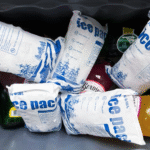
Utilice contenedores aislados y paquetes de gel.: mantener la temperatura objetivo durante el tránsito.
Monitorear constantemente: Los registradores de datos y los sensores de IoT registran la temperatura y la humedad..
Mantener el flujo de aire y evitar olores.: el chocolate absorbe fácilmente los olores cercanos; elija envases transpirables.
Escudo de la luz: El embalaje opaco previene el daño de los rayos UV y la oxidación..
Envolver bien en casa: una vez abierto, envuelva las barras en papel de aluminio o en una película apta para alimentos y guárdelas en recipientes herméticos. Etiqueta la fecha de apertura; El chocolate negro abierto se conserva aproximadamente un año y el chocolate con leche abierto seis meses..
Caso real: Un chocolatero artesanal que envía bombones desde Bélgica a Japón preenfría cada lote, Los empaqueta en cajas aisladas de EPS reciclado con paquetes de gel e incluye un sensor de temperatura.. Los datos en tiempo real garantizan que el chocolate permanezca dentro 55–65 °F durante el tránsito, evitando la floración y preservando un acabado brillante al llegar.
Estrategias de envasado para prolongar la vida útil del chocolate desde el grano hasta la barra
El embalaje protege el chocolate del calor, humedad, oxígeno y olores, extendiendo drásticamente la vida útil. Exposición a la luz, calor, La humedad y el oxígeno aceleran la oxidación y la floración.. Los envases equilibrados deben proteger el chocolate y al mismo tiempo satisfacer las expectativas de los consumidores en cuanto a materiales ecológicos..
El papel de las barreras y las atmósferas.
Barreras multicapa y embalaje en atmósfera modificada (MAPA) crear entornos protectores que ralenticen la degradación. MAP reemplaza el oxígeno con gases inertes como nitrógeno o dióxido de carbono, Reducir la oxidación y el enranciamiento de las grasas.. Diseños de embalaje resistentes a la temperatura. mantener el aislamiento y limitar la condensación. La elección de la barrera depende de los requisitos de vida útil.: Los artesanos que realizan envíos internacionales pueden optar por bolsas selladas al vacío o laminados reciclables con capas de aluminio.; Las entregas locales pueden utilizar papel compostable con lámina interior..
El embalaje adecuado es esencial para el chocolate en grano: Análisis de envases específicos para cada producto, que a menudo implican pruebas microbiológicas., Evaluación sensorial y envejecimiento acelerado: determine la vida útil y verifique que el empaque evite la floración.. Los fabricantes a veces se asocian con laboratorios especializados para realizar estos análisis porque es posible que los pequeños productores no tengan el equipo..
Sistemas de cadena de frío pasivos versus activos
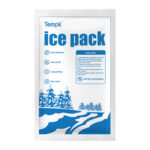
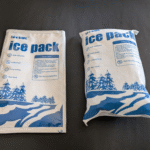
Los sistemas pasivos dependen de contenedores aislados, forros y paquetes de gel. son modulares, ligero y rentable, ideal para comercio electrónico, Entrega de última milla o envíos cortos de exportación.. Los paquetes de gel mantienen las temperaturas objetivo durante 24–72 horas y son más limpios que el hielo seco. Uso de sistemas activos camiones o contenedores frigoríficos (Reefers) que proporcionan un control preciso de la temperatura, especialmente para envíos de alto valor o de larga distancia. Los sistemas híbridos combinan aislamiento, Materiales de cambio de fase (PCM) y enfriamiento activo mínimo para equilibrar costo y rendimiento.
| Opción de enfriamiento | Características clave | Duración aproximada | Beneficios prácticos |
| Cajas aisladas | Materiales multicapa (poliestireno, papel, algodón) transferencia de calor lenta | 24–72 horas | Ligero, económico y personalizable; mejor para envíos cortos. |
| Materiales de cambio de fase (PCM) | Los paquetes de gel o PCM avanzados absorben/liberan calor durante el cambio de fase | 24–96 horas | Mantener una temperatura estable en un rango más amplio; reutilizable; requieren preacondicionamiento. |
| Contenedores activos | Unidades de refrigeración motorizadas que ofrecen un control preciso | ≥72 horas | Ideal para envíos de alto valor o de larga distancia; mayor costo y peso. |
| Sistemas híbridos | Combinar aislamiento, PCM y refrigeración activa mínima | 48–96 horas | Equilibrar coste y rendimiento; adaptable a varios climas. |
Lista de verificación del diseño de envases
Barrera primero: forre la caja con materiales resistentes a la humedad; esto bloquea la humedad y previene la floración del azúcar..
Sin contacto directo: coloque una capa entre el refrigerante y el chocolate para evitar puntos fríos que causen condensación.
Ajuste ceñido: reducir los espacios vacíos; El espacio vacío excesivo permite la circulación del aire y acelera la transferencia de calor..
Refrigerante previo a la condición: Los paquetes de gel o PCM deben acondicionarse a la temperatura objetivo antes de empacar.; Poner compresas heladas directamente sobre el chocolate provoca condensación..
Elige materiales sostenibles: revestimientos de papel compostables, Cada vez hay más espumas reciclables y películas biodegradables.; El embalaje sostenible es ahora una expectativa de la industria..
Caso real: Una tienda especializada de café a bar en California envía pedidos en línea en contenedores modulares pasivos con paquetes de gel. Durante el verano, programa entregas por la noche y agrega desecantes para absorber la humedad, asegurando que cada barra llegue con el mismo brillo y ajuste que en fábrica.
Gestión de la actividad del agua y los ingredientes.
Controlar la actividad del agua es crucial para la vida útil. Aunque el chocolate natural tiene bajo a_w, la humedad puede entrar a través de inclusiones (fruta, nueces, rellenos lácteos) o por alta humedad. La humedad aumenta la actividad del agua, haciendo que el chocolate sea menos estable. Las inclusiones introducen agua y azúcares que atraen la humedad y acortan la vida útil.. Para maximizar la longevidad, Los fabricantes de beans to bar deben seco ingredientes adecuadamente y temperamento chocolate correctamente: el templado adecuado estabiliza los cristales de manteca de cacao y previene la floración de grasa.
¿Por qué las inclusiones acortan la vida útil??
Rellenos como crema, caramelo o fruta aumentan la actividad del agua por encima 0.50. La alta actividad del agua facilita el crecimiento microbiano y acelera la cristalización del azúcar.. Es por eso Los chocolates rellenos conservan su máxima calidad durante sólo 2 a 4 meses., incluso bajo almacenamiento óptimo, mientras que las barras oscuras sólidas pueden durar años. Los frutos secos también aportan aceites que se oxidan rápidamente.; Las pastas de nueces deben tostarse y secarse antes de incluirlas..
| Tipo de producto | Impacto de la actividad acuática | Duración | Consejos prácticos |
| Barras simples de frijol a barra | bajo a_w (<0.50) debido al mínimo de agua libre | ≥12 meses | Mantener sellado; almacenar fresco y seco; ideal para envíos largos. |
| Trufas/chocolates rellenos | A_w alto debido a los lácteos, fruta o caramelo | 2–4 meses | Consumir rápidamente; utilice envases herméticos y refrigeración continua si realiza el envío. |
| Inclusiones de nueces | Los aceites se oxidan y se vuelven rancios. | 4–6 meses | Tuesta las nueces para reducir la humedad.; Sello de vacío para limitar el oxígeno.. |
Pasos sencillos para optimizar la vida útil
Mantenga los productos terminados por debajo de a_w ≈ 0.60 – medir la actividad del agua durante la producción o confiar en los certificados de los proveedores.
Seleccione los ingredientes con cuidado – elija inclusiones de baja humedad y trátelas secándolas o cubriéndolas.
Temperarse adecuadamente – Los cristales estabilizantes de manteca de cacao le dan al chocolate su brillo y brillo y reducen la floración de grasa..
sellarlo bien – utilizar envases que protejan de la luz y la humedad.
Controlar la actividad del agua no solo extiende la vida útil sino que también respeta el viaje del cacao desde el agricultor hasta el productor.. Cada paso, desde la cosecha y la fermentación hasta el envío, influye en el sabor final y la longevidad.
Monitoreo y mantenimiento de las condiciones durante el transporte.
El éxito de la cadena de frío depende de un seguimiento continuo y una intervención rápida. dispositivos de iot, Los rastreadores GPS y los registradores de datos brindan visibilidad en tiempo real de la temperatura y la humedad en toda la cadena de suministro.. Hardware para el seguimiento de la cadena de frío contabilizado encima 76 % de cuota de mercado en 2022, reflejando una adopción generalizada. Cuando los sensores detectan desviaciones, Las alertas permiten al personal redirigir los envíos o ajustar los sistemas de refrigeración., reducir el deterioro y el desperdicio.
Herramientas tecnológicas para el chocolate en cadena de frío
sensores de iot: Seguimiento de ubicación, temperatura y humedad en tiempo real; enviar alertas si los parámetros se salen de los rangos definidos.
Inteligencia artificial (AI): Analiza datos históricos y en tiempo real para optimizar rutas., predecir fallas de equipos y pronosticar la demanda. La planificación de rutas impulsada por IA puede reducir el tiempo de tránsito y el uso de energía.
Blockchain y libros de contabilidad federados: Proporcionar registros a prueba de manipulaciones de cada paso en la cadena de suministro del cacao.. Programas como Rainforest Alliance y Tony's Chocolonely han puesto a prueba blockchain para verificar la sostenibilidad y la equidad..
códigos QR & trazabilidad digital: Permitir a los consumidores rastrear los orígenes del cacao y el impacto ambiental., fortaleciendo la confianza.
Mantenimiento predictivo: Utilice datos de sensores para detectar problemas de refrigeración antes de que provoquen fallas en el envío, permitiendo reparaciones proactivas.
Durante el transporte, preenfriar camiones y contenedores antes de cargarlos, mantener un estrecho 13–18 ºC banda con <50 % humedad, y reducir el tiempo de permanencia en los muelles de carga. Utilice materiales acolchados para evitar roturas y mantenga separados los productos que emiten olores.. El preenfriamiento reduce la demanda de energía y minimiza el riesgo de condensación..
2025 últimos desarrollos y tendencias
Descripción general de la tendencia
El movimiento del chocolate bean to bar continúa evolucionando. indulgencia consciente, El embalaje sostenible y las cadenas de suministro rastreables ya no son opcionales.; son expectativas dominantes. Uno de cada tres consumidores está dispuesto a pagar más por un chocolate con afirmaciones de sostenibilidad verificadas. La crisis de los precios del cacao de 2024-25 ha aumentado la conciencia sobre los orígenes del cacao y las condiciones laborales, Incitar a las marcas a proporcionar datos de abastecimiento claros y un impacto en la comunidad medible..
Los envases sostenibles se están acelerando: libre de plastico, Los envoltorios compostables y biodegradables se están convirtiendo en estándar., además de envases recargables e incluso conceptos de envases comestibles. Herramientas de trazabilidad digital – códigos QR, Monitoreo satelital y blockchain: hacer que las cadenas de suministro sean transparentes. Ingredientes funcionales (proteína, adaptógenos, probióticos) están remodelando el chocolate, Con consumidores que buscan beneficios para la salud además de indulgencia.. Menor, Los formatos de porciones controladas y los envases resellables respaldan el consumo consciente de refrigerios..
Último progreso de un vistazo
Transparencia & trazabilidad: Las plataformas digitales permiten a los consumidores ver dónde se cultiva el cacao y cómo se compensa a los agricultores; Las marcas invierten en códigos QR y seguimiento satelital..
Embalaje sostenible: Compostable, Los envases biodegradables y recargables se están convirtiendo en algo básico.; Los diseños minimalistas utilizan menos tinta y menos materiales..
Abastecimiento ético & agricultura regenerativa: Los proyectos de comercio directo y desarrollo conjunto de agricultores diferencian las marcas; Las prácticas regenerativas y la producción neutra en carbono ganan terreno.
Funcional & ingredientes saludables: Barras con infusión de proteínas, adaptógenos (maca, ashwagandha), Los probióticos y los edulcorantes naturales se unen a las tendencias de bienestar..
Control de porciones & merienda: Los formatos de dosis única y resellables favorecen el consumo sobre la marcha y reducen el desperdicio.
Perspectiva del mercado: El mercado del chocolate artesanal sigue creciendo. Los productos bean to bar alcanzan precios superiores gracias a su alto contenido de cacao y su posicionamiento ético.. Mientras tanto, El mercado mundial del chocolate enfrenta desafíos de suministro debido al clima y las enfermedades., enfatizando la necesidad de una gestión eficiente de la cadena de frío.
Ideas del mercado
El mercado mundial del chocolate se valoró en más de 1,11 billones de dólares en 2023. El clima severo y las enfermedades de los cultivos redujeron la producción de cacao en 12.9 %, Duplicar los precios y presionar los márgenes.. Marcas bean to bar, que a menudo pagan a los agricultores una prima por la calidad y el trabajo justo, deben proteger sus inversiones mediante una mejor logística de la cadena de frío, Innovación en envases y adopción de tecnología.. La creciente demanda de transparencia y atributos de salud sugiere que los consumidores seguirán recompensando a las marcas que ofrecen una calidad excepcional y un abastecimiento ético..
Preguntas frecuentes
Q1: ¿Cuánto dura el chocolate negro en grano??
Chocolate negro de alta calidad con 70 % El cacao o superior puede permanecer fresco durante 18–24 meses cuando no está abierto y almacenado en 60–70 °F. Una vez abierto, su vida útil se reduce aproximadamente a la mitad y aproximadamente un año.. Manteniéndolo fresco, seco y en un recipiente hermético conserva el sabor y la textura..
Q2: ¿Debo refrigerar mi chocolate en grano??
Generalmente, No. La refrigeración introduce humedad y olores que provocan que el azúcar florezca y altere el sabor.. Refrigere únicamente si la temperatura ambiente excede 75 °F o la humedad es muy alta; envuélvalo bien y permita que la barra vuelva a la temperatura ambiente antes de desenvolverla.
Q3: ¿Qué es la flor de chocolate?, y es seguro?
La floración aparece como una capa blanca o gris sobre el chocolate.. Floración gorda Resulta de temperaturas cálidas que hacen que la manteca de cacao se separe y se vuelva a solidificar., mientras floración de azúcar Ocurre cuando la humedad disuelve el azúcar y éste recristaliza.. La floración afecta la apariencia y la textura, pero no hace que el chocolate sea inseguro. Derrita el chocolate florecido y vuelva a templarlo o úselo para hornear..
Q4: ¿El chocolate orgánico tiene una vida útil más corta??
Sí. El chocolate orgánico prohíbe los emulsionantes, Grasas y ceras hidrogenadas que estabilizan las barras convencionales.. Sin estos aditivos, La manteca de cacao y el azúcar son más propensos a florecer y oxidarse., por eso las barras orgánicas requieren un control más estricto de temperatura y humedad.
Q5: ¿Por qué es importante controlar la actividad del agua??
La actividad del agua dicta cuánta agua libre está disponible para el crecimiento microbiano y las reacciones químicas.. La mayoría de los microbios necesitan un_w arriba 0.8; el chocolate se sienta alrededor 0.30–0,50. Sin embargo, inclusiones y alta humedad pueden elevar a_w, acortando la vida útil. Mantener a_w abajo 0.60 y use ingredientes de baja humedad.
Resumen y recomendaciones
Control de llave:
Controlar la actividad y composición del agua. – el chocolate natural en barra tiene baja actividad de agua (0.30–0,50), dándole una larga vida útil, mientras que las inclusiones aumentan la humedad y acortan la longevidad.
Mantener la temperatura y humedad adecuadas. – guarde el chocolate entre 12 °C y 20 °C con humedad relativa inferior 50 %; Evite la refrigeración y la congelación a menos que sea absolutamente necesario..
Diseñar envases eficaces – utilizar barreras multicapa, MAP y contenedores isotérmicos; elige pasivo, Sistemas activos o híbridos según la duración y el valor del envío..
Monitorear la cadena de frío – Sensores de IoT, La IA y la cadena de bloques proporcionan visibilidad en tiempo real, optimización y trazabilidad de rutas.
Adoptar prácticas sostenibles y transparentes – los consumidores exigen abastecimiento ético y envases ecológicos. Invertir en agricultura regenerativa y trazabilidad digital genera confianza y un posicionamiento premium.
Acciones recomendadas:
Desarrollar un protocolo de cadena de frío.. Proyecto de procedimientos operativos estándar que cubren el preenfriamiento, embalaje, transporte y entrega. Capacite al personal para responder rápidamente a las variaciones de temperatura..
Elija el sistema de embalaje adecuado. Para entregas locales (<72 horas), El aislamiento pasivo con paquetes de gel puede ser suficiente.. Para envíos internacionales o productos de alto valor, invertir en contenedores híbridos o activos e incluir registradores de datos.
Implementar un monitoreo continuo. Implemente sensores de IoT e integre paneles de control impulsados por IA para optimizar rutas y predecir fallas..
Promover la sostenibilidad. Utilice materiales de embalaje compostables o reciclables y proporcione información clara sobre los orígenes del cacao a través de códigos QR..
Involucrar a los clientes. Educar a los consumidores sobre las prácticas de almacenamiento y animarlos a mantener la calidad en casa.. Proporcione instrucciones en el paquete o mediante un código QR que enlace a una página de atención.
Acerca de Tempk
Templ es un proveedor de soluciones de cadena de frío especializado en envases aislantes reutilizables y reciclables., Materiales de cambio de fase y sistemas de monitoreo de temperatura.. Nos centramos en la comida, sectores farmacéutico y de fabricación de precisión, y nuestro r&El equipo D prueba continuamente materiales y diseños para ofrecer un rendimiento térmico confiable. Nuestras cajas isotérmicas y packs de gel ayudar a mantener el chocolate en 15–20 ºC para 48–96 horas, permitiendo a los fabricantes de beans to bar enviar chocolate artesanal a todo el mundo sin comprometer la calidad. También ofrecemos Registradores de datos habilitados para IoT y software de optimización de rutas que se integran con tu plataforma logística, brindándole visibilidad y análisis en tiempo real.
Siguientes pasos: Si está listo para extender la vida útil de su chocolate o tiene preguntas sobre el empaque óptimo, contacta con nuestro equipo para una solución personalizada. Le ayudaremos a diseñar un plan de cadena de frío que equilibre los costos, sostenibilidad y calidad.