El mercado de la logística de la cadena de frío está en auge, and regulators are tightening expectations. necesitas saber cold chain management requirements to keep sensitive goods safe in transit. Por 2025 the pharmaceutical cold chain alone is projected to exceed US$65 billion and more than double by 2034. Global cold chain logistics—covering food, biologics and chemicals—is forecasted to grow from about US$293 billion in 2023 to over US$862 billion by 2032. Meeting requirements means maintaining precise temperatures, using validated packaging, monitoring conditions in real time and complying with evolving regulations. This guide explains what you must do and why it matters.
Core compliance elements – the specific requirements you must meet to preserve product integrity.
Building an effective system – nine elements of cold chain management and how to integrate them.
Regulación & embalaje - 2025 environmental and labeling rules that affect packaging.
Tecnología & AI – how IoT, blockchain and predictive analytics improve compliance.
Desafíos & soluciones – practical strategies to overcome temperature excursions, visibility gaps and equipment failures.
What are the core cold chain management requirements?
Keep products within the right temperature range and document every step. Authorities like the FDA and EMA require strict temperature control (2 °C – 8 °C for refrigerated goods, −20 °C for frozen and below −70 °C for ultra low storage). Compliance includes 24/7 escucha, equipo validado, almacenamiento seguro, embalaje especializado, detailed record keeping, contingency plans and trained personnel. Failing to meet any element can cause product degradation, fines or recalls.
Why temperature control matters for biologics and vaccines
Biologics and mRNA vaccines are highly sensitive to temperature swings. Research shows that many refrigerated vaccines lose up to 20 % of their effectiveness after just one hour above +8 °C. Cerca de 35 % de vacunas are compromised due to temperature mishandling, costing healthcare systems millions and endangering patients. To maintain potency, cold chain operators use ultra low freezers (below −80 °C) for cell and gene therapies and keep vaccines in the +2 °C a +8 rango de grados centígrados. Cryogenic freezers reaching −150 °C support gene therapy logistics. These precise ranges highlight why continuous monitoring and validated equipment are non negotiable.
Typical cold chain temperature ranges
| Rango de temperatura | Productos de ejemplo | Por que importa |
| Ambiente (15–30 ºC) | alimentos secos, algunos productos farmaceuticos | Ventilation avoids heat build up |
| Fresco (10–15 ºC) | Queso, productos frescos | Conserva el sabor y la textura. |
| Refrigerado (0–10 ºC) | Vacunas, productos lácteos | Previene el crecimiento bacteriano y mantiene la frescura. |
| Congelado (−30°C a 0 °C) | Carne, mariscos, postres congelados | Provides long term preservation; needs deep freezing |
| Ultrabajo (< −80°C) | Biológicos, Vacunas de ARNm | Requires cryogenic freezers and redundant power |
Consejos y consejos prácticos
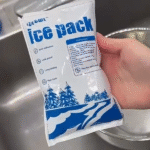
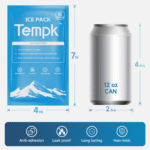
Farm to table shipments: Pre condition gel packs and use insulated packaging to keep produce between +2 °C y +8 °C. Add IoT sensors to alert you if the temperature rises.
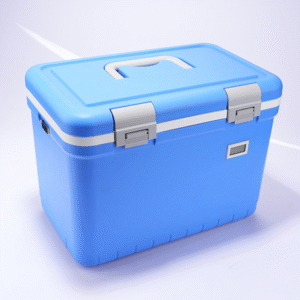
Farmacias y clínicas: Almacene las vacunas entre +2 °C y +8 °C, evitar la congelación, e instalar refrigeradores de grado médico con registradores de datos digitales.
Entregas de arte y flores.: mantener un fresco, ambiente ligeramente húmedo; pack items with moisture absorbing materials and monitor humidity alongside temperature.
Ejemplo del mundo real: en un 2025 estudio de caso, a mid size pharmaceutical distributor equipped its shipping network with IoT sensors and predictive analytics. The upgrade allowed real time alerts and predictive maintenance, reducing waste by 30 % and meeting Food Safety Modernization Act documentation requirements.
How to build an effective cold chain management system?
Integrate nine core elements to create a robust system. A cold chain management system combines technology, almacenamiento, embalaje, escucha, transporte, despacho de aduana, calificación, gestión y entrega de productos. Each element plays a specific role—technology provides thermal stability via reusable packaging and phase change materials, storage uses cold rooms and medical refrigerators, packaging protects goods during transit, monitoring supplies continuous data, transportation ensures temperature control, customs clearance avoids delays, qualification validates packaging, product management secures inventory and delivery optimises the last mile. Missing even one component creates vulnerability.
Monitoring and data: the heart of the system
Advanced sensors—IoT, RFID and Bluetooth data loggers—deliver real time visibility and alerts. Cuentas de hardware para 78.1 % del mercado mundial de monitoreo de la cadena de frío, showing the reliance on physical devices. Platforms integrate these devices with analytics to identify trends and trigger corrective actions. Por ejemplo, 24/7 monitoring with alerts and secure audit trails helps operators respond quickly to deviations and demonstrates compliance during inspections.
Mesa: elements of an effective cold chain system
| Elemento | Componentes clave | Objetivo | Tu comida para llevar |
| Tecnología | Envases térmicos reutilizables, materiales de cambio de fase | Proporciona estabilidad térmica y rendimiento predictivo. | Invierta en tecnología validada para mejorar la confiabilidad |
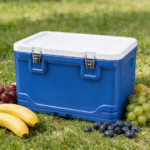
| Almacenamiento | Cuartos frios, refrigeradores médicos, contenedores aislados | Mantiene la temperatura durante el almacenamiento. | Use correct equipment and monitor capacity |
| Embalaje | Sobres aislados, contenedores, sistemas de paletas | Protects goods during handling and transit | Haga coincidir el embalaje con el producto y la duración del viaje |
| Escucha | Registradores de datos, indicadores de temperatura, sensores bluetooth | Ofrece visibilidad y alertas en tiempo real | Implemente un monitoreo continuo para detectar excursiones temprano |
| Transporte | Vehículos frigoríficos, Reefers, Telemática de IoT | Controla la temperatura durante el envío y la última milla. | Planificar rutas y programar mantenimiento. |
| Despacho de aduana | Documentación y cumplimiento adecuados | Evita retrasos y deterioros | Preparar trámites y coordinar con corredores. |
| Calificación | Pruebas de calificación de embalajes térmicos. | Garantiza que el embalaje cumpla con los estándares del PIB | Realizar validaciones y auditorías de rutina. |
| Gestión de productos | Almacenamiento adecuado, personal capacitado, suministros | Secures products through the lifecycle | Capacitar al personal y mantener el inventario de equipos. |
| Entrega | Gestión de riesgos, mensajeros experimentados | Reduces last mile excursions | Optimise last mile operations and contingency plans |
Practical tips for building your system
Conduct a gap analysis: map your operations against the nine elements and address weaknesses.
Elija el embalaje con cuidado: select thermal packaging appropriate for the product’s temperature range and consider reusable options to reduce waste.
Verificar la calificación de temperatura: perform qualification studies before shipping to ensure packaging works under extreme conditions.
Planificar la logística de última milla: coordinate with carriers, schedule deliveries during cooler times and provide recipients with narrow delivery windows to avoid excursions.
Educate your staff: train team members in proper handling, procedimientos de seguimiento y emergencia; update them as new products or regulations arrive.
What are the packaging and regulatory requirements in 2025?
Sostenibilidad, traceability and product specific rules shape packaging. Regulatory bodies worldwide are aligning around waste reduction, sostenibilidad y transparencia. Businesses must use packaging materials that are recyclable, compostable o reutilizable. Efficient packaging—lightweight and space saving—reduces environmental impact and operational costs. Clear and informative labels are required for recyclability instructions and material identification. Product specific regulations now demand tamper evident seals and moisture barriers for pharmaceuticals and electronics. Perishable goods packaging must maintain freshness and extend shelf life.
Responsabilidad extendida del productor (EPR) laws shift waste management burdens from governments to producers. States like Delaware and Illinois have banned Styrofoam containers and certain plastic bottles. Key principles driving packaging regulations include mandatory sustainable materials, restrictions on single use plastics, traceable labels, and enforcement mechanisms for non compliance. Companies must audit their packaging supply chain, source compliant materials and prepare for reporting requirements.
Sustainable refrigerants and materials
Cold chain operators are transitioning to eco friendly refrigerants such as hydrofluoroolefins (HFO) and CO₂ based systems, which have low global warming potential. Reusable insulated shippers and phase change materials reduce reliance on single use plastics. Some warehouses aim to reduce frozen storage temperatures from −18 °C to −15 °C to cut energy consumption. Using recycled or biodegradable packaging materials not only meets regulations but also improves brand reputation and operational sustainability.
Preparing for audits and documentation
Detailed record keeping is essential: mantener certificados de calibración, registros de temperatura, registros de entrenamiento e informes de desviaciones. Desarrollar procedimientos operativos estándar. (Sops) that cover general information, routine storage and handling, and emergency transport. Train staff during orientation and annually thereafter, and appoint a vaccine coordinator responsible for ordering, inventory management and responding to temperature excursions. Audit packaging suppliers for compliance with sustainability and hygiene requirements.
How do technology and AI transform cold chain management?
sensores de iot, blockchain and predictive analytics offer real time visibility and proactive risk management. Los dispositivos IoT monitorean la temperatura, humedad y ubicación, sending data to cloud platforms that trigger alerts when deviations occur. Blockchain creates an immutable ledger that improves traceability and prevents data manipulation. Artificial intelligence analyses historical data to optimise routes, pronosticar la demanda e identificar posibles interrupciones, reducir el riesgo de variaciones de temperatura. Solar powered cold rooms and portable cryogenic freezers extend refrigeration capabilities in remote areas.
Digitalisation and predictive maintenance
Fleet management software can optimise cold chain operations by providing real time monitoring, optimización de ruta, compliance tools and efficiency improvements. En 2025 cold chain management solutions incorporate AI driven analytics to predict equipment failures and schedule maintenance before breakdowns occur. Por ejemplo, data driven predictive maintenance prevents refrigeration unit failures that would otherwise compromise product integrity.
Estudio de caso
En 2025 a European pharmacy chain implemented IoT sensors recording temperature every five minutes across its inventory. Real time alerts enabled staff to adjust cooling units quickly, improving compliance and reducing product waste. Another example: a dairy exporter used AI predictions to anticipate customs clearance delays and route shipments accordingly, reducing clearance time by 40 %.
What are common challenges and how can you mitigate them?
Cumplimiento regulatorio, clima, visibility and equipment failures top the list. Regulatory compliance requires accurate documentation and detailed records at every stage. Weather conditions can cause sudden temperature fluctuations; operators must use enhanced insulation, backup power sources and reliable refrigeration to counteract external conditions. Lack of visibility increases the risk of unnoticed excursions; deploying continuous monitoring and instant communication solves this problem. Equipment failures can lead to immediate temperature loss and product compromise.
Strategies to overcome these challenges
Improve documentation: Use digital logs and integrated systems to ensure records are accurate and accessible.
Weather resilience: Choose packaging and vehicles that can withstand extreme temperatures, and plan routes that avoid severe conditions.
Visibilidad en tiempo real: Deploy IoT sensors and telematics for continuous temperature monitoring and immediate alerts.
Mantenimiento preventivo: Schedule regular maintenance and equip vehicles with backup refrigeration to minimise risk.
Risk mapping: Identify and address supply chain stress points; Por ejemplo, collaborate with customs brokers to reduce delays.
Best practices for cold chain logistics and shipping
Follow pre shipment, transit and post delivery protocols to preserve quality. Antes del envío, pre condition refrigerants to the correct temperature, assemble and store packages in a temperature controlled environment and train staff on SOPs. Durante el tránsito, include real time or passive temperature monitoring devices, avoid mid route handling and ensure documentation is secure and visible. Después de la entrega, inspect packaging promptly, download and review temperature data and conduct quality checks to confirm product integrity.
Holistic approach to cold chain success
Strong performance results from collaboration across suppliers, carriers and quality teams. A systems based approach reduces waste, avoids costly delays, maintains compliance and increases customer satisfaction. Pair packaging innovations with route optimisation and staff training to deliver reliable results.
2025 últimos desarrollos y tendencias
Descripción general de 2025 tendencias
Analysts report that the global cold chain logistics market will grow rapidly, reaching over US$862 billion by 2032 and potentially surpassing US$1.3 trillion by 2034. Trends shaping the industry include geopolitical resilience, enhanced visibility software, nuevas categorías de productos (proteínas de origen vegetal) and modernisation of cold storage facilities. Operators are adopting IoT and sensor technology, cadena de bloques, AI and predictive analytics to improve temperature control and logistics planning. Sustainable initiatives such as solar powered cold rooms, portable cryogenic freezers and eco friendly packaging are gaining traction.
Latest progress and their practical implications
Resiliencia geopolítica y planificación de capacidades: Flexible routes and diversified networks help companies navigate disruptions.
Enhanced visibility software: Real time platforms improve tracking and inventory planning, permitiendo una intervención inmediata.
New dietary products: The rise of plant based proteins introduces new temperature requirements and logistic complexities.
Modernised facilities: Upgrades to cold storage warehouses improve energy efficiency and automation while replacing harmful refrigerants.
IoT y sensores: Continuous monitoring reduces waste by allowing early corrective actions.
cadena de bloques: Improves traceability and reduces data manipulation, ensuring authentic supply chains.
AI & análisis predictivo: Optimises routes and predicts equipment failures.
Solar and cryogenic innovations: Solar powered cold rooms and portable cryogenic freezers extend cold chain reach.
Sustainable packaging and temperature adjustments: Shifting frozen storage from −18 °C to −15 °C to reduce energy use and employing biodegradable insulation.
Market insights and segmentation
Se prevé que el mercado mundial de monitoreo de la cadena de frío crecerá de 35.030 millones de dólares en 2024 a 119.740 millones de dólares EE.UU. 2030 con un 23 % Tocón. América del Norte tiene más de 33 % of revenue while Asia–Pacific posts the fastest growth. Hardware—including sensors and RFID devices—makes up 78.1 % de ingresos del mercado. Food and beverage applications account for encima 77 % de uso, while pharmaceuticals are the fastest growing segment. Data from Lascar Electronics shows the pharmaceutical cold chain sector will exceed 65 mil millones de dólares en 2025 y alcanzar over US$130 billion by 2034.
Preguntas frecuentes
Q1: What temperature range must I maintain for different products?
Most refrigerated pharmaceuticals require +2 °C – +8 °C. Standard frozen goods need −20 °C, while ultra low biologics may demand temperatures below −70 °C. Always consult product specific guidance and calibrate your equipment accordingly.
Q2: How often should I calibrate monitoring devices?
Regulatory guidelines recommend calibrating thermometers and refrigeration units at least twice a year and documenting the results. La calibración regular garantiza precisión y cumplimiento.
Q3: What is Extended Producer Responsibility (EPR) and how does it affect packaging?
EPR laws require producers to account for the entire lifecycle of their packaging, including disposal. Businesses must use recyclable or compostable materials and may face penalties for non compliance.
Q4: What technologies deliver real time visibility in cold chain logistics?
sensores de iot, RFID tags and Bluetooth data loggers provide continuous temperature and location data. Blockchain ensures data integrity and AI analyses trends to prevent excursions.
Resumen y recomendaciones
Meeting cold chain management requirements in 2025 involves more than just refrigeration. You must maintain precise temperature ranges, use validated storage and packaging, monitor conditions continuously and document every action. Integrating nine core elements—technology, almacenamiento, embalaje, escucha, transporte, despacho de aduana, calificación, product management and delivery—creates a resilient system. Regulatory and packaging rules emphasise sustainability and transparency. Tecnologías como IoT, blockchain and AI enable real time visibility and predictive maintenance. Common challenges such as weather, visibility gaps and equipment failures can be mitigated with robust processes and preventive strategies. By following best practices and staying abreast of trends, you can preserve product quality, ensure compliance and build consumer trust.
Próximos pasos viables
Perform a compliance audit: Evaluate your current procedures against regulatory requirements and the nine element framework. Identificar brechas en el control de temperatura., documentation or training.
Upgrade monitoring technology: Invierta en sensores de IoT, RFID tags and cloud based analytics to achieve real time visibility and automated alerts.
Revise packaging strategy: Source sustainable, compliant materials and validate them for your products’ temperature ranges. Replace single use plastics with reusable shippers and phase change materials.
Entrena a tu equipo: Schedule regular training on handling, protocolos de vigilancia y emergencia. Assign a coordinator to oversee cold chain procedures.
Plan de contingencias: Develop written SOPs for power outages, Fallos de equipos y retrasos en el transporte.. Equip facilities with backup generators and extra refrigerants.
Acerca de Tempk
We are specialists in temperature controlled logistics and packaging. Our research and development centre focuses on reusable and recyclable cold chain products, while our eco friendly solutions use low GWP refrigerants and durable insulation. We design packaging and monitoring systems tailored to pharmaceuticals, alimentos y otros bienes sensibles. Our team combines decades of experience with modern AI enabled tools to help clients maintain compliance and reduce waste.
Llamado a la acción
Listos para fortalecer tu cadena de frío? Contact our experts to audit your operations, select compliant packaging and implement real time monitoring. We’ll help you meet evolving 2025 regulations and protect your products.