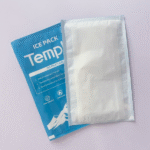
Cómo obtener una bolsa de hielo para inyección de agua B2B
Actualizado el 2026-02-10: This water injection ice pack B2B guide reflects current cold chain procurement and SEO expectations.
Introducción
Water injection ice pack B2B sourcing is easiest when you start from temperature risk and lane duration. Public health guidance often uses the +2°C to +8°C cold chain, while some products ship at -20°C. Those setpoints shape your coolant choice, objetivos de aislamiento, and monitoring plan across the shipment journey.
In the sections below, you learn how to specify, calificar, and source water injection ice pack B2B packs at scale.
Este artículo responderá
What a water injection ice pack B2B product is, and how it changes your inventory and labor model.
How water injection ice pack B2B compares with gel packs and PCM packs for setpoints and risk.
Which water injection ice pack B2B specifications reduce leakage, hinchazón, and inconsistent cooling at scale.
How to qualify a water injection ice pack B2B packout using lane profiles, sondas, and clear acceptance limits.
How to structure water injection ice pack B2B content for 2026 search behavior and B2B buyer intent.
water injection ice pack B2B basics
What a water injection ice pack B2B product is
A water injection ice pack B2B product is an empty coolant container built for onsite filling and freezing. UNICEF vaccine water packs show common design controls, including screw caps, internal seals, and visible filling lines. Those documents also specify “supplied empty” and reinforced walls to prevent swelling during deep freezing.
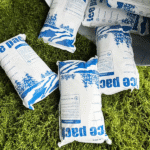
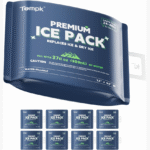
Commercial programs often use flexible pouches with an injection port and welded seams to reduce inbound volume. Some suppliers add absorbent polymers so filled packs handle more like gel and less like slush. These design choices change handling, but they do not remove the need for fill tolerance and leak testing.
Operacionalmente, water injection ice pack B2B moves work from the supplier to your facility floor. You trade inbound “water weight” for predictable filling labor, freezer capacity planning, y control de procesos. Buyers who already run conditioning steps can often integrate the process with minimal operational disruption.
Why water injection ice pack B2B cooling behaves predictably
Water stabilizes temperature near its phase point because melting absorbs significant energy without warming rapidly. General chemistry references commonly list water’s enthalpy of fusion near 6.01 kJ/mol, explaining the melt plateau. That plateau helps chilled payloads ride through short ambient spikes when packout geometry is consistent.
Consistency depends on conditioning discipline, because half-frozen packs melt faster and cool unevenly in practice. Supplier guidance for water-fill packs often recommends long freezing times before first use onsite. A simple conditioning log, tied to batch IDs, is usually enough to reduce variance dramatically.
Cold chain guidance stresses end-to-end quality management, rather than assuming cold temperatures guarantee safety. EU GDP expectations and USP storage guidance emphasize risk mitigation, escucha, and documentation as routine controls. Para envíos regulados, water injection ice pack B2B should be validated and controlled like any other critical packaging component.
When water injection ice pack B2B is the wrong choice
Water injection ice pack B2B can be a poor fit when your payload is freeze-sensitive near cold surfaces. Ice can create localized cold spots close to 0°C, which may freeze edge cases. In those lanes, a buffered packout or a different PCM setpoint can reduce risk materially.
It is also challenging when you lack filling discipline or freezer capacity during seasonal peaks. A missed conditioning step can collapse hold time and create service failures that erase savings. If you cannot measure fill mass and dwell time, prefilled packs can reduce variability greatly.
Finalmente, avoid water injection ice pack B2B when documentation needs exceed supplier capability and stability. Regulated buyers often require formal change control, trazabilidad, and supporting declarations for materials and processes. If those controls are weak, requalification costs can exceed any unit price benefit overall quickly.
water injection ice pack B2B compared with gel and PCM
water injection ice pack B2B vs prefilled gel packs
Gel packs and water injection ice pack B2B products can serve similar chilled lanes, yet operations differ. A manufacturer brochure for gel packs notes a freezing and melting point around 0°C and highlights durable HDPE construction. Prefilled gel reduces onsite labor, but you pay for extra inbound volume and storage space.
“Gel” chemistry varies by supplier, so you still need disclosures for audits and risk reviews. A technical data sheet example lists packaging layers and ingredients, which supports basic compatibility checks during audits. If you ship odor-sensitive goods, those disclosures also help you manage taint risk better.
Choose gel when labor is constrained and receiving space is often available for bulky inputs. Choose water injection ice pack B2B when storage is tight and filling can be standardized. The decision is really about your internal bottleneck, not the marketing label on the coolant.
water injection ice pack B2B vs PCM cold packs
PCM packs are engineered around a chosen melt point, which can support frozen or controlled lanes. One PCM datasheet describes control in a -26°C to -20°C range and positions as a dry ice alternative. That matters when ice at 0°C is not cold enough or not stable enough.
PCM can also reduce freezing risk for freeze-sensitive products when you choose a higher setpoint PCM. The tradeoff is higher unit cost and tighter conditioning requirements to hit the correct phase state. PCM is usually justified when payload value and compliance risk outweigh total consumable cost clearly.
Treat PCM as a specified material, not a commodity that can be swapped without revalidation. Request phase range, toxicity statements, and disposal guidance explicitly in the datasheet before purchasing at scale. Then validate under lane-realistic profiles rather than only stable lab temperatures during controlled qualification studies.
Product comparison table for water injection ice pack B2B buying
| Cooling product | Typical phase band | Best-fit B2B lanes | Ventaja clave | Modo de falla común |
|---|---|---|---|---|
| water injection ice pack B2B | Near 0°C | Many chilled parcels and foods | Ships empty, stores compactly | Fill variance and leakage |
| Paquete de gel precargado | Near 0°C | Chilled parcels with limited labor | Consistent mass, simpler operations | Inbound volume and disposal |
| Paquete frío de PCM | Setpoint-specific | Frozen or controlled setpoint lanes | Matched setpoints, stable profiles | Higher TCO and conditioning sensitivity |
water injection ice pack B2B specifications and QC
water injection ice pack B2B capacity and fill tolerance
A strong specification separates nominal capacity from allowed water content and acceptable variance. UNICEF water packs show this clearly by listing capacity and a permitted water content range. They also require reinforced walls and a filling line to reduce swelling and overfill fractures.
For pouch formats, specify fill weight tolerance instead of volume, because weight is faster to verify. Weight correlates directly to thermal mass, so it is practical for daily hold-time control. Also specify headspace, because freezing expansion loads seams and caps very predictably over repeated cycles.
Write the specification so your receiving team can enforce it quickly onsite without special equipment. Incluir dimensiones, peso vacío, filled weight limits, and a defined leak test method for auditing. If you cannot measure it quickly at receipt, you cannot control it later at scale.
water injection ice pack B2B materials and declarations
Food and life science buyers should not accept “food grade” without a traceable framework reference. European Commission explains that food contact materials must comply with Regulation (CE) No 1935/2004 en la UE. FDA guidance points users to Title 21 CFR and related inventories for indirect food additives and polymers.
Ask for a declaration of compliance, a material breakdown, and a change notification policy covering films and caps. If your product is odor-sensitive, request odor risk notes and storage guidance for the packs. If you ship medicines, require lot traceability and full audit-ready documentation for coolant components.
You should also request an MSDS or equivalent safety statement for additive or gel designs. A technical data sheet example lists packaging materials and ingredients, which supports basic compatibility checks during audits. This step reduces delays when customers ask for supporting evidence during onboarding and qualification reviews.
water injection ice pack B2B sealing and leak prevention
Leak control is the highest leverage quality requirement in water injection ice pack B2B programs. UNICEF specifications call for a removable cap with an internal water seal to prevent leakage. They also require reinforced walls to reduce deformation that can compromise seals after freezing severely.
For pouches, require seam technology disclosure and a measurable leak test definition with acceptance limits. A practical method is a freeze-thaw cycle followed by an absorbent paper wipe test. The goal is consistent detection of microleaks that damage cartons and labels in transit quickly.
Set supplier expectations on “no material changes without notice,” including cap resin and film grade. Small material changes can materially shift leak risk and thermal performance across repeated freeze cycles. Regulated guidance emphasizes documented procedures and risk mitigation, which supports strict contractual change control language.
water injection ice pack B2B product spec examples
# Example spec blocks for a water injection ice pack B2B comparison sheetwater_injection_ice_pack_b2b:
form_factor: “rigid pack with screw cap”
nominal_capacity_l: 0.3
water_content_l_range: “0.25-0.35”
supplied_empty: true
fill_line: true
leak_prevention: “internal cap seal”prefilled_gel_pack:
form_factor: “HDPE bottle pack”
phase_point_c: 0
supplied_filled: truepcm_cold_pack:
phase_range_c: “-26 to -20”
positioning: “dry ice alternative for frozen specimens”
water injection ice pack B2B QC table you can implement quickly
| control de calidad | método práctico | lo que previene | Recommended timing |
|---|---|---|---|
| Fill mass control | Weigh each fill batch and record | Hold-time drift and overfill cracks | Every shift start |
| Freeze conditioning log | Track freezer setpoint and dwell time | Half-frozen packs and short holds | Every batch |
| Leak sampling | Congelar, deshielo, limpiar, and paper test | Carton damage and label loss | Every lot |
| Visual seam or cap check | Inspect for splits and poor sealing | Early-life failures | Every receipt |
water injection ice pack B2B compliance and qualification
water injection ice pack B2B thermal qualification approach
Qualification starts with defining your lane assumptions and worst-case exposure windows for service reliability. ISTA describes STD-7E as a thermal testing standard based on real-world parcel transport data. Lane-realistic profiles make your qualification results far more transferable to real distribution performance across seasons.
Then qualify the full packaging system, not the ice pack alone, using controlled packouts and repeatable steps. Aislamiento, colocación del paquete, relleno de vacíos, and payload mass all change internal temperatures in measurable ways. Document packout photos and part numbers, so results survive future supplier changes and seasonal ramping.
Instrument the payload zone, not only shipper walls, because gradients can hide critical temperature failures. Regulated guidance expects continuous monitoring and defined excursion responses for temperature-sensitive products during storage and transport. This is especially important when you ship high-value medicines, diagnóstico, or clinical specimens internationally.
water injection ice pack B2B for pharmaceuticals and vaccines
Vaccine handling guidance frames the cold chain as an end-to-end, temperature-controlled system. WHO notes that Controlled Temperature Chain use permits limited excursions outside +2°C to +8°C for eligible products. This reinforces that coolant selection must always align strictly with stability data, not operational convenience.
EU GDP and USP guidance emphasize risk mitigation through written procedures, capacitación, and ongoing monitoring. That means your coolant process is part of your quality system, even when it looks simple. A water injection ice pack B2B program should therefore include traceability, control de cambios, and controlled packout documentation.
Use a freeze-risk review when considering water-based ice near 0°C for sensitive payloads. If freezing risk is high, add separation layers or move to a higher setpoint PCM. Validate with thermal testing, because the worst case often appears at edges and corners unexpectedly.
water injection ice pack B2B for food shipments
Food shipments add the requirement that packaging materials must be safe for contact or co-packaging. The European Commission summarizes the EU framework regulation, Regulación (CE) No 1935/2004, for food contact materials. En los EE.UU., FDA references Title 21 CFR and supporting inventories to establish regulatory status.
Ask suppliers for declarations that match the markets you sell into, not just their domestic market. If you serve multiple regions, require a clear compliance matrix and written controlled change notifications. For odor-sensitive foods, add a simple odor screening step at receiving for every new lot.
Plan for meltwater management, especially in corrugated packaging and unlined cartons during long transit events. Leak prevention and correct sealing matter more for food because wet boxes look like spoilage. A strong leak record also reduces disputes about carrier damage versus packaging defects later during claims.
water injection ice pack B2B case study for a chilled parcel lane
Imagine a meal-kit shipper with a two-day parcel service and a chilled target band for proteins and produce. The team previously purchased prefilled gel packs, which arrived bulky and required many pallets of storage. They considered water injection ice pack B2B because empty packs could store flat and fill onsite.
They wrote a specification based on capacity, tolerancia de llenado, and leak requirements similar to UNICEF-style language. They also added a conditioning log and a leak sampling step after a freeze-thaw cycle. That operational control reduced variance and made pilot results repeatable across all shifts and seasons.
For ROI, they modeled total cost of ownership rather than pack unit price alone strictly. They assigned a cost to each temperature excursion, incluyendo reembolsos, reenvíos, and quality investigations later. The model showed that reduced emergency buys and fewer claims paid back the added filling labor.
| controlador de retorno de la inversión | lo que rastreas | Why it matters for water injection ice pack B2B |
|---|---|---|
| Huella de almacenamiento | Pallets per month, overflow fees | Empty packs reduce inbound cube and free space for peak inventory |
| Mano de obra | Minutes per pack, rework rate | Fill and conditioning steps must be repeatable and auditable |
| Costo del fracaso | Excursiones, reclamos, reembolsos | One avoided failure can offset many packs in chilled parcels |
| Supplier stability | Change notices, defect trends | Stable materials reduce requalification cycles and audit risk |
water injection ice pack B2B trends
water injection ice pack B2B trends shaping procurement
Procurement specs are becoming tighter and more measurable, especially for reusable coolant programs everywhere now. UNICEF listings routinely specify dimensions, water content ranges, reinforced walls, and internal seals explicitly together. B2B buyers adopt similar language because field failures are costly and reputation-damaging in practice.
Thermal testing is shifting toward lane-derived exposure profiles and system-level performance metrics today. ISTA positions STD-7E as a thermal standard developed from real world transport lane data. This pushes teams to test what actually happens in distribution, not what a brochure predicts.
Expect stronger traceability requirements as reuse becomes much more common in B2B cold chain operations. Reuse can reduce waste, but it can also create variability as packs age in service. Retirement rules, inspection loops, and lot tracking reduce investigation time after excursions and customer disputes.
Cold chain lane profiling and thermal testing checklist
Reusable coolant pack filling SOP and training guide
Food contact materials compliance overview for packaging
Pharma GDP temperature monitoring and excursion playbook
Total cost of ownership calculator for cold chain consumables
Summary for water injection ice pack B2B decision makers
Water injection ice pack B2B works when you can control filling, acondicionamiento, and leak prevention consistently. Use measurable specifications, then qualify the full packaging system against a realistic lane profile. Document change control and traceability so results survive supplier changes and seasonal demand spikes.
Action plan for water injection ice pack B2B pilots
Define the temperature band, duración, and seasonal ambient exposure for each priority lane.
Choose a water injection ice pack B2B design and write a measurable specification and QC plan.
Pilot one lane with conditioning logs, payload probes, and leakage sampling after freeze-thaw cycles.
Convert data into a qualification report and a controlled packout SOP for high-volume operations.
Acerca de Tempk
Tempk publishes product guidance on water-fill coolant packs and handling steps for common cold chain use cases. Its public materials describe filling practice and long conditioning times as controlled steps. Use supplier instructions as a starting point, then validate with your lane data and compliance needs.
Calls to action for water injection ice pack B2B buyers
Start with a water injection ice pack B2B pilot lane and document every controllable variable for repeatability. Then request a documented supplier test plan aligned to lane profiles and your chosen standards. If you need faster commercialization, ask for a complete packout proposal with QC sampling rules.