Los chocolates pueden ser pequeños., pero son notoriamente sensibles al calor y la humedad.. Sin un proceso de enfriamiento controlado, La manteca de cacao se derrite y recristaliza., el azúcar absorbe la humedad, y tu golosina, que alguna vez fue brillante, desarrolla una flor blanca poco atractiva.. El mercado mundial del chocolate superó los 1,11 billones de dólares en 2023, y los consumidores esperan cada vez más una calidad superior entregada directamente en su puerta. En esta guía aprenderás cómo enfriamiento de chocolate refrigerado – la práctica de mantener el chocolate dentro de un rango preciso de temperatura y humedad durante todo el almacenamiento y transporte – protege el sabor, textura y beneficios. Nos basamos en investigaciones recientes., directrices industriales y las últimas 2025 tendencias para brindarle consejos prácticos.

¿Qué es el enfriamiento refrigerado del chocolate y por qué es importante?? Aprenda sobre la emulsión de manteca de cacao y azúcar y por qué el control de la temperatura previene la floración de grasa y azúcar..
Cómo mantener una temperatura y humedad óptimas? Descubre las gamas recomendadas (12–20°C y ≤50% de humedad relativa) y mira cómo reaccionan los diferentes tipos de chocolate.
¿Qué soluciones de embalaje y refrigeración funcionan mejor?? Comparar aislamiento pasivo, Materiales de cambio de fase y refrigeración activa..
¿Qué tecnologías están dando forma a la logística de la cadena de frío en 2025? Entender cómo funciona la IA, Los sensores de IoT y el análisis predictivo mejoran el control de la temperatura.
¿Cuáles son las últimas tendencias del mercado?? Explore el rápido crecimiento del sector de la cadena de frío y las cambiantes preferencias de los consumidores..
¿Qué es el enfriamiento de chocolate refrigerado y por qué es importante??
Enfriamiento de chocolate refrigerado se refiere a mantener el chocolate dentro de un rango estrecho de temperatura y humedad durante el almacenamiento., Envío y exhibición para preservar su calidad.. El chocolate es una emulsión de manteca de cacao., sólidos de azúcar y leche; cuando las temperaturas suben o bajan fuera de su zona de confort, Estos componentes se separan y recombinan de manera desigual.. El calor hace que la manteca de cacao se ablande y migre a la superficie., creando floración gorda; la humedad excesiva disuelve el azúcar, que recristaliza como floración de azúcar. Bloom no sólo opaca la apariencia sino que también cambia la textura y el sabor., impulsar las quejas de los clientes.
Por que importa: A 2001 Un estudio sobre chocolate negro relleno encontró que almacenar muestras a 18°C impedía la floración durante ocho semanas., mientras que el almacenamiento a 30°C provocó una rápida migración de la grasa y floración en tres semanas. Más allá de la estética, La floración reduce la calidad percibida y genera devoluciones o ventas con descuento.. Cuando los clientes de comercio electrónico gastan precios superiores, un acabado brillante y una señal nítida de frescura. Controlando las condiciones de enfriamiento, Los productores mantienen la confianza del cliente., Minimizar el desperdicio y proteger los márgenes de beneficio..
La ciencia detrás de la sensibilidad al chocolate
El chocolate comienza a ablandarse mucho antes de que se derrita por completo.; la manteca de cacao comienza a derretirse entre 86 y 90 °F (30–32 ° C). Incluso un solo pico de calor puede alterar las estructuras cristalinas, y volver a templar una barra floreada rara vez es factible durante la distribución.. Los diferentes tipos de chocolate tienen tolerancias ligeramente diferentes.: El chocolate negro contiene más manteca de cacao y puede soportar el extremo inferior del rango., Considerando que el chocolate con leche y el chocolate blanco con grasas lácteas añadidas y menos sólidos de cacao requieren un control más estricto.
| Tipo de chocolate | Temperatura ideal | Límite de humedad | Implicación práctica |
| Chocolate oscuro | 12–20 ° C | ≤50% | El alto contenido de cacao le permite tolerar condiciones más frías.. |
| Chocolate con leche | 12–20 ° C | ≤50% | Los sólidos lácteos añadidos la hacen sensible a los cambios de temperatura.. |
| Chocolate blanco | 12–20 ° C | ≤50% | Los bajos sólidos de cacao significan que las grasas se separan rápidamente. |
| Bombones rellenos/crema | 12–20 ° C | ≤50% | Propenso a agrietarse y disolverse el relleno cuando las condiciones fluctúan.. |
Por qué son importantes la temperatura y la humedad
Mantener un microclima estable evita la condensación y la floración.. Las directrices de la investigación y la industria coinciden en que los chocolates deben conservarse entre 54–68°F (12–20 ° C) con humedad relativa inferior 50 De %. El chocolate negro puede tolerar el extremo inferior., Mientras que el chocolate con leche y el chocolate blanco requieren un calor medio.. El preenfriamiento de los productos y del embalaje a 18-20 °C estabiliza la humedad interna y evita la condensación cuando los productos refrigerados se colocan en cajas aisladas..
Cómo mantener la temperatura y la humedad óptimas?
Cíñete al rango: Mantenga el chocolate entre 12 y 20 °C y una humedad relativa inferior al 50 %.. Utilice termómetros e higrómetros calibrados para monitorear las condiciones dentro de las salas de almacenamiento y contenedores de transporte.. Las fluctuaciones de temperatura de tan solo unos pocos grados pueden provocar florecimientos o grietas..
Controlar la humedad: La humedad se vuelve problemática cuando el aire alcanza su punto de rocío y se forma condensación en la superficie del chocolate.. Incorporar desecantes o revestimientos absorbentes de humedad Embalaje interior para absorber la humedad.. Evite almacenar chocolate cerca de productos con mucha humedad, como productos frescos..
Permitir el flujo de aire: El chocolate absorbe fácilmente los olores.. Asegúrese de que haya espacio alrededor de las cajas en el almacenamiento y los vehículos para que circule el aire.. Utilice tarimas o estanterías para evitar el contacto directo con el suelo del almacén..
Escudo de la luz: La luz solar directa o la iluminación brillante del almacén pueden calentar el chocolate y provocar fotooxidación.. Utilice envoltorios o cajas opacos para proteger de la luz..
Preenfriar y acondicionar: Antes del envío, enfriar los chocolates y los materiales de embalaje a 18-20°C. Colocar envases calientes alrededor del chocolate frío favorece la condensación. El preacondicionamiento reduce los gradientes de temperatura y estabiliza la humedad..
Elegir el embalaje y el refrigerante adecuados
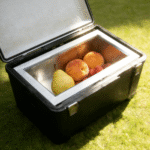
El embalaje es su primera línea de defensa contra el calor y la humedad.. Según los expertos en envasado de cadena de frío, la mayoría del chocolate prefiere 60–70°F (15–21°C). El aislamiento ralentiza la transferencia de calor, mientras que los refrigerantes absorben o liberan energía para mantener la temperatura deseada.
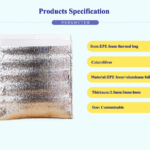
Materiales aislantes: Las opciones comunes incluyen poliestireno expandido. (EPS) espuma, forros de fibra de algodón, espumas a base de almidón, plástico de burbujas y papel reciclado. Alternativas de alto rendimiento como ClimaCell® ofrecen un rendimiento térmico excelente con mayor sostenibilidad y son fácilmente reciclables.
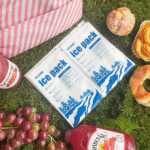
Refrigerantes: paquetes de gel, hielo seco y Materiales de cambio de fase (PCM) ayudar a mantener la temperatura. Los paquetes de gel a base de agua son eficaces alrededor de los 0 °C, pero menos a temperaturas más altas.; Los PCM especializados pueden mantener entre 15 y 20 °C durante períodos más prolongados.. Elija refrigerantes apropiados para las condiciones ambientales y la duración del envío.. en verano, es posible que necesite un aislamiento más grueso y más paquetes de PCM; en invierno, revestimientos más ligeros pueden ser suficientes. Los PCM deben estar preacondicionados (congelado o refrigerado) antes de empacar y cargar rápidamente para evitar picos de temperatura.
Embalaje principal: Las cajas o latas de chocolate resistentes brindan soporte estructural y protegen contra el aplastamiento.. Incluye una envoltura interior resistente a la humedad para evitar que la condensación llegue al chocolate..
Empacar consejos:
Calcular las dimensiones de la caja.: Deje un mínimo de espacio vacío dentro de la caja de envío.. Un paquete más denso mejora la eficiencia del aislamiento.
Utilice compresas frías correctamente: Coloque compresas frías en el fondo de la caja., envuelto para evitar la condensación. Los paquetes de gel a prueba de sudor reducen la humedad.
Adaptarse a la estacionalidad: Aumente el espesor del aislamiento y la cantidad de refrigerante para envíos de verano.; reducir para evitar la congelación en invierno【672121496036534†L164-L170】. Planifique los envíos a principios de semana para evitar retrasos durante el fin de semana.
Escenarios prácticos y estudios de casos
Regalos de lotes pequeños: Para regalos gourmet enviados en julio, utilizar servicios nocturnos, PCM preacondicionados y sobres desecantes. Evite el envío durante los fines de semana para evitar que los paquetes permanezcan en almacenes calurosos.
Órdenes corporativas: Los grandes pedidos de regalos corporativos se benefician de soluciones híbridas: cajas aisladas con paquetes PCM más refrigeración activa mínima. El registro de datos en tiempo real ayuda a los equipos a responder rápidamente a las desviaciones de temperatura.
Suscripciones: Los servicios de suscripción mensual deben ajustar los niveles de empaque y refrigerante estacionalmente y brindar a los clientes instrucciones de almacenamiento.. Proporcionar sensores dentro de los paquetes que indiquen visualmente si las temperaturas han cambiado..
Ejemplo del mundo real: Una empresa de logística que envía trufas gourmet a todos los continentes experimentó un rechazo de producto del 15% debido al aumento del azúcar en verano.. Después de agregar sensores y cambiar a empaques pasivos aislados, Las tasas de rechazo cayeron al 2%..
Soluciones de embalaje y refrigeración: Pasivo vs.. Activo
Comparación de aislamiento, PCM y refrigeración activa
| Solución | Características clave | Aproximadamente. Duración | Beneficios |
| Cajas aisladas | Materiales multicapa (poliestireno, papel, algodón) transferencia de calor lenta. | 24–72 horas | Ligero, barato, personalizable; ideal para envíos cortos. |
| Materiales de cambio de fase | Los paquetes de gel o PCM avanzados absorben y liberan calor durante los cambios de fase. | 24–96 horas | Mantener temperaturas estables en rangos más amplios; reutilizable y más duradero. |
| Contenedores activos | Las unidades de refrigeración motorizadas ofrecen un control preciso de la temperatura. | 72 horas+ | Adecuado para envíos de alto valor o de larga distancia; Más caro. |
| Soluciones híbridas | Combinar aislamiento, PCM y refrigeración activa mínima. | 48–96 horas | Equilibrar coste y rendimiento para envíos de media distancia. |
Elegir la opción correcta: Adapte el espesor y el material del aislamiento al clima y a la duración del envío. Para envíos inferiores a 72 horas en temperaturas moderadas, Las cajas aisladas y los PCM suelen ser suficientes. Para viajes más largos o de alto riesgo, Los sistemas activos o híbridos proporcionan seguridad adicional.. Integre siempre registradores de datos para monitorear las condiciones y permitir acciones correctivas..
Prácticas de embalaje sostenibles
La sostenibilidad es cada vez más importante en 2025. Sustituir los plásticos de un solo uso por materiales biodegradables o reciclables—como revestimientos de papel, espumas de raíz de hongos o paneles a base de almidón: reducen el desperdicio y mantienen el rendimiento. Los contenedores reutilizables amortizan los costos de múltiples envíos y respaldan las cadenas de suministro circulares. Al seleccionar el embalaje, equilibrar el espesor y el peso del aislamiento; Un aislamiento más pesado mejora el rendimiento pero aumenta los costos de envío y la huella ambiental.. Preacondicione los PCM a la temperatura deseada y marque claramente los paquetes como "Keep Cool" para fomentar una manipulación adecuada..
Cómo la tecnología mejora el enfriamiento del chocolate refrigerado
Las herramientas digitales han transformado la logística de la cadena de frío. Los sensores de IoT miden continuamente la temperatura, humedad y ubicación, ofreciendo visibilidad en tiempo real y alertas cuando las condiciones se desvían. El análisis predictivo utiliza datos de sensores para pronosticar fallas en los equipos o interrupciones en las rutas., reducir el tiempo de inactividad no planificado hasta 50 De % y reducir los costos de reparación al 10–20%. Los análisis de energía rastrean el uso de energía en unidades de refrigeración, optimizando el consumo y ahorrando entre un 10% y un 30% en costes energéticos.
Optimización de ruta: La IA analiza los patrones de tráfico, previsiones meteorológicas y ventanas de entrega para minimizar el tiempo de viaje y el consumo de combustible. Los algoritmos pueden desviar vehículos alrededor de áreas congestionadas o predecir retrasos debido al calor extremo, Permitir a los despachadores ajustar los cronogramas y proteger la calidad del producto..
Blockchain para la trazabilidad: Blockchain proporciona registros a prueba de manipulaciones de lecturas de temperatura y transferencias de custodia, Crear responsabilidad en toda la cadena de suministro.. Cuando se combina con sensores de IoT, Garantiza que cualquier variación de temperatura sea rastreable hasta una ubicación o hora específica..
Mantenimiento predictivo: Algoritmos inteligentes monitorean las vibraciones del compresor, Presiones de refrigerante y consumo de energía.. Al predecir fallas en los equipos antes de que ocurran, Los operadores pueden programar el mantenimiento de forma proactiva., evitando costosas averías.
gemelos digitales: Emergiendo en 2025, Los gemelos digitales replican virtualmente sistemas frigoríficos completos. Simulan cómo se comportan diferentes materiales de embalaje o estrategias de enfriamiento en diversas condiciones., Permitir a las empresas probar y optimizar los envíos antes de enviar productos reales..
2025 Últimos desarrollos y tendencias del mercado
Crecimiento y perspectivas del mercado
El mercado de la logística de la cadena de frío está en auge. Según la investigación de precedencia, El tamaño del mercado global de logística de cadena de frío fue 436.300 millones de dólares en 2025 y se prevé que aumente a 1.359,78 mil millones de dólares por 2034, reflejando una tasa de crecimiento anual compuesta (Tocón) de 13.46 De %. Se espera que la región de Asia Pacífico registre la CAGR más alta del 14,3%., impulsado por la urbanización, aumentar los ingresos disponibles y ampliar los canales de alimentación en línea. Sólo las instalaciones de preenfriamiento fueron valoradas en 204.400 millones de dólares en 2024, y la tecnología de hielo seco acaparó más del 55% del segmento de equipos de refrigeración.
Los chocolates se benefician de este crecimiento porque requieren un enfriamiento preciso pero no se pueden congelar.. Muchas nuevas empresas que producen chocolates veganos o funcionales carecen de experiencia en logística y, por lo tanto, se asocian con proveedores especializados de la cadena de frío.. Los alimentos de origen vegetal podrían representar 7.7 De % del mercado mundial de proteínas por 2030, impulsando la demanda de soluciones de cadena de frío de gama media que mantengan entre 12 y 20 °C sin congelarse.
Tendencias e innovaciones emergentes
Optimización de rutas impulsada por IA y mantenimiento predictivo: La IA ya no es una palabra de moda; es una herramienta práctica en la gestión de la cadena de frío. Analizando datos históricos y en tiempo real., La IA optimiza las rutas de entrega, predice fallas de equipos y pronostica la demanda. Esto reduce el uso de energía y el deterioro., garantizar que los chocolates lleguen más rápido.
IoT y monitoreo en tiempo real: Los dispositivos de IoT, como sensores inteligentes y rastreadores GPS, brindan visibilidad de extremo a extremo en toda la cadena de frío.. En 2022, hardware para el seguimiento de la cadena de frío mantuvo más de 76 De % de la cuota de mercado, señalando una adopción generalizada. Para envíos de chocolate, IoT garantiza la seguridad del producto y genera registros verificables para el cumplimiento normativo.
Sostenibilidad y mejoras de instalaciones: Muchas instalaciones de almacenamiento en frío construidas hace décadas se están actualizando con automatización, visibilidad mejorada y bajo PCA (potencial de calentamiento global) refrigerantes. Los sistemas de energía solar y el aislamiento avanzado reducen la huella de carbono y al mismo tiempo cumplen con regulaciones ambientales más estrictas..
Influencias geopolíticas y resiliencia: Interrupciones del comercio mundial, La congestión portuaria y las nuevas tarifas afectan la capacidad de la cadena de frío. A pesar de estas presiones, el mercado sigue siendo resistente. Los proveedores de logística integrada que pueden navegar por las aduanas y gestionar las interrupciones son cada vez más valiosos..
Proximidad a los consumidores: Para acortar los tiempos de tránsito y reducir las variaciones de temperatura., las empresas invierten en Centrado en el puerto y centrado en la producción. Almacenamiento en frío cerca de centros de envío y mercados clave.. Esta tendencia beneficia al chocolate porque los viajes más cortos reducen el riesgo de floración.
Preferencias del consumidor: Demanda de veganos, Los chocolates funcionales y de origen ético están aumentando. Estos productos suelen tener ingredientes y perfiles de fusión únicos., Requiriendo estrategias de enfriamiento personalizadas.
Consejos prácticos para adaptarse a las tendencias
Invierta en monitoreo en tiempo real: Agregue sensores de IoT y registradores de datos a cada envío. Las alertas en tiempo real le permiten intervenir antes de que se produzca la floración..
Adopte análisis predictivos: Utilice software para pronosticar fallas de equipos y planificar el mantenimiento., reduciendo el tiempo de inactividad.
Actualizar aislamiento: Considere materiales de alto rendimiento como papel reciclado o espumas biodegradables., que ofrecen rendimiento térmico y sostenibilidad.
Diversificar la distribución: Ubique los almacenes cerca de los sitios de producción y de los centros de clientes para reducir los tiempos y costos de tránsito..
Educar a los clientes: Proporcionar instrucciones claras sobre las condiciones de almacenamiento y el desembalaje para garantizar que la calidad se mantenga una vez que lleguen los productos..
Preguntas frecuentes
¿A qué temperatura se debe almacenar el chocolate??
Guarde el chocolate entre 54–68°F (12–20 ° C) con humedad relativa inferior 50 De %. El chocolate negro tolera el extremo más frío.; Las variedades de leche y blancas requieren temperaturas medias más estables..
¿Debo refrigerar el chocolate en casa??
en la mayoría de los casos, No. Los refrigeradores suelen estar demasiado fríos y húmedos., que puede causar condensación y floración de azúcar. Si la temperatura de su habitación excede regularmente los 70°F (21 ° C), Coloque el chocolate en un recipiente sellado dentro de una vinoteca. (45–67°F).
¿Qué es la floración gorda vs.. floración de azúcar?
La floración de grasa se produce cuando la manteca de cacao se derrite y vuelve a cristalizar en la superficie debido a las altas temperaturas. (por encima de ~80–90°F). La floración del azúcar ocurre cuando la humedad disuelve el azúcar., que luego cristaliza a medida que el chocolate se seca. Ambos provocan manchas blanquecinas y embotamiento..
¿Cuánto tiempo se puede almacenar el chocolate??
Cuando se almacena correctamente entre 12 y 20 °C y ≤50 % de humedad, el chocolate sólido puede durar hasta dos años, aunque sabe mejor durante el primer año. Los chocolates rellenos tienen una vida útil más corta debido a sus rellenos a base de agua..
¿Qué embalaje mantiene frío el chocolate durante el envío??
Utilice cajas aisladas combinadas con paquetes de material de cambio de fase o paquetes de gel.. Para envíos superiores a 72 horas o en climas extremos, Considere sistemas de refrigeración híbridos o activos..
¿Por qué es tan importante la humedad??
La alta humedad hace que el azúcar se disuelva y cristalice., llevando a la floración del azúcar. Una humedad baja por debajo del 10% puede secar los materiales de embalaje.. Apuntar 15–50% humedad relativa.
¿Cómo ayuda la IA en la logística de la cadena de frío??
La IA analiza los datos de los sensores para optimizar las rutas, pronosticar la demanda y detectar fallas en los equipos, reducir el deterioro y mejorar la eficiencia.
¿Qué son los materiales de cambio de fase? (PCM)?
Los PCM son sustancias que absorben o liberan calor cuando cambian de fase. (sólido a líquido o viceversa). Los PCM especializados pueden mantener temperaturas favorables para el chocolate (15–20 ° C) para duraciones más largas que los paquetes de gel estándar. Son reutilizables y más sostenibles.
Resumen y recomendaciones
El enfriamiento refrigerado del chocolate es esencial para preservar el acabado brillante., crujiente y rico sabor que los amantes del chocolate esperan. Las investigaciones muestran que almacenar chocolate en 18 ° C previene la floración mientras que las temperaturas más altas causan una rápida degradación. Las pautas de la industria recomiendan mantener 12–20 ° C y ≤50% humedad relativa. Elija embalajes que combinen materiales aislantes y de cambio de fase, Adaptar la cantidad de refrigerante a la temporada., y acondicionar previamente tanto los productos como el embalaje antes del envío. Aprovechar los sensores de IoT, Optimización de rutas mediante IA y mantenimiento predictivo para obtener visibilidad en tiempo real y reducir el deterioro. Adoptando embalajes sostenibles y logística eficiente, Protegerá la calidad y contribuirá a una cadena de suministro más ecológica..
Próximos pasos viables
Audite su proceso actual de cadena de frío. Mide temperaturas y humedad en cada punto desde la producción hasta la entrega.. Identificar dónde ocurren las excursiones..
Paquete de actualización. Seleccione PCM y cajas aisladas de alto rendimiento adaptadas a la longitud de su ruta y al clima. Utilice barreras contra la humedad y envases primarios resistentes..
Implementar tecnología de monitoreo. Instale sensores IoT y registradores de datos en cada envío. Utilice un panel para recibir alertas y análisis en tiempo real.
Entrena a tu equipo. Educar al personal sobre el acondicionamiento previo adecuado., Empaque las técnicas y el manejo para evitar picos de calor..
Plan para la estacionalidad. Ajuste las cantidades de aislamiento y refrigerante según la temperatura ambiente., y programar las entregas para minimizar la exposición al calor.
Comunicarse con los clientes. Proporcionar instrucciones claras sobre cómo almacenar y disfrutar sus chocolates en casa..
Explorar opciones sostenibles. Invierta en revestimientos reciclables, Espumas biodegradables y envases reutilizables para reducir el impacto ambiental..
Acerca de Tempk
Tempk se especializa en soluciones de embalaje de cadena de frío diseñadas para mantener temperaturas precisas para productos sensibles.. Nuestro enfoque impulsado por la investigación ha producido cajas aisladas., Los PCM y el IoT permitieron sistemas de monitoreo que mantienen los chocolates y otros productos perecederos dentro del 12–20 ° C punto dulce. Priorizamos la sostenibilidad mediante el uso de materiales reciclables y el desarrollo de contenedores reutilizables. Con décadas de experiencia, nosotros entregar confiable, Embalaje eficiente y respetuoso con el medio ambiente que ayuda a nuestros socios a reducir los residuos y mejorar la satisfacción del cliente..
Siguiente paso: Póngase en contacto con el equipo de Tempk para analizar soluciones personalizadas para sus envíos de chocolate.. Nuestros expertos pueden ayudarle a diseñar un paquete que equilibre el rendimiento, Costo y sostenibilidad mientras mantiene sus productos perfectos..