Caja de EPP resistente a la humedad: Por qué es importante para la logística de la cadena de frío?
Introducción:
Si gestionas envíos en cadena de frío, una humedad caja de EPP resistente puede hacer una gran diferencia. Estas cajas mantienen los productos sensibles a la temperatura seguros y secos.. Combinan aislamiento, durabilidad, y reutilización: esencial para los alimentos, vacunas, o bienes frágiles.
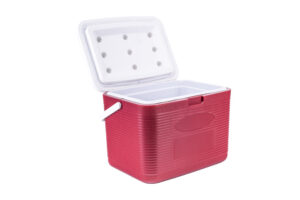
Qué es una caja de EPP resistente a la humedad y por qué es ideal para la logística de la cadena de frío.
Beneficios clave, incluido el aislamiento térmico, resistencia al agua, y protección contra impactos.
Cómo elegir y utilizar cajas de EPP para alimentos, productos farmaceuticos, u otros productos sensibles a la temperatura.
que reciente 2025 Las tendencias en el embalaje de la cadena de frío influyen en la adopción de las cajas de EPP..
¿Qué es exactamente una “caja de EPP resistente a la humedad”??
Respuesta corta: Una caja de EPP resistente a la humedad es un contenedor hecho de polipropileno expandido. (PPE) espuma que resiste la absorción de agua, Proporciona aislamiento térmico y protección contra impactos..
PPE (Polipropileno expandido) es una espuma de celda cerrada. Su estructura lo hace no higroscópico - lo que significa que lo hace no absorber agua, para que el contenido permanezca seco.
Debido a esto, una caja de EPP resistente a la humedad mantiene estable el control de la temperatura y la humedad, ideal para tareas de cadena de frío.
Propiedades del EPP relevantes para la resistencia a la humedad.
| Propiedad | Descripción | Beneficio para ti |
| Estructura de espuma de células cerradas. | Perlas de espuma soldadas firmemente, sin poros abiertos | Previene la absorción de agua: mantiene la carga seca |
| Superficie hidrofóbica | EPP repele el agua, aceites, quimicos | Protege contra la humedad, exposición química |
| Durable & resiliente | Alta absorción de impactos, Mantiene la forma después del impacto. | Transporte seguro incluso en caso de manipulación brusca |
El PPE también ofrece buen aislamiento térmico, resistencia al impacto, resistencia química, y fuerza ligera.
Por qué las cajas de EPP resistentes a la humedad destacan en la logística de la cadena de frío
Control térmico y de humedad: una doble garantía
Una caja de EPP resistente a la humedad no sólo aísla del calor y el frío; también mantiene la humedad fuera. Esto es especialmente crucial cuando se transportan productos perecederos como alimentos o productos farmacéuticos..
Estabilidad de temperatura: El aislamiento del EPP limita la transferencia de calor, ayudando a mantener las temperaturas internas requeridas.
Protección contra la humedad: Dado que el EPP no absorbe agua, la humedad interna se mantiene controlada. Esto evita la condensación o la acumulación de humedad, un problema común en la cadena de frío..
Efecto práctico: Sus productos refrigerados, como los lácteos, carnes, o vacunas: permanezca en condiciones seguras por más tiempo.
Durable, reutilizable, y rentable
Las cajas de EPP son ligeras pero resistentes. Resisten golpes, quimicos, y uso repetido sin deformarse.
Un peso más ligero reduce el combustible de envío y los costos de manipulación en comparación con los contenedores rígidos o de plástico pesados..
La reutilización significa que una caja sirve para muchos envíos, lo que reduce el desperdicio de embalaje y los costos a largo plazo..
Su resistencia protege los artículos delicados de las caídas., baches, o vibraciones durante el tránsito.
Higiénico y de fácil mantenimiento
la celda cerrada, La superficie de EPP no porosa es fácil de limpiar o esterilizar.. Resiste químicos, aceites, y contaminantes.
Esto hace que las cajas de EPP sean adecuadas para aplicaciones sensibles, como el transporte de suministros médicos o el servicio de alimentos, donde la higiene es importante..
Elegir la caja EPP adecuada para sus necesidades
Al seleccionar una caja de EPP resistente a la humedad, considere estos factores: tamaño, rendimiento de aislamiento, reutilización, y personalización.
Criterios de selección clave
Volumen y dimensiones: Asegúrese de que el espacio interno coincida perfectamente con sus productos para minimizar el espacio de aire y maximizar el aislamiento..
Clasificación de aislamiento / espesor de pared: Las paredes más gruesas o la densidad de espuma optimizada mejoran la retención de temperatura.
Diseño de sellado y tapa.: Una tapa hermética y un buen sellado ayudan a mantener estables la humedad y la temperatura..
Capacidad de limpieza & reutilización: Liso, Las superficies no porosas facilitan la limpieza, algo vital para el uso repetido..
Cumplimiento regulatorio: Para productos farmacéuticos o alimentos: asegúrese de que la caja cumpla con los estándares de higiene y seguridad pertinentes..
Casos de uso sugeridos
entrega de comida / abastecimiento: Para comidas frías o calientes donde se debe controlar la humedad y la temperatura..
Farmacéutico & transporte médico: Para vacunas, suero, o medicamentos sensibles a la temperatura que requieren estabilidad, almacenamiento en seco.
Entrega de productos perecederos mediante comercio electrónico.: Para servicio de entrega de comestibles y envío de productos lácteos, carne, o producir.
Contenedores reutilizables para logística interna: Para fábricas o almacenes que necesitan poco peso, cajas de almacenamiento duraderas.
Ejemplo: Un servicio de catering que utiliza cajas de EPP para las comidas mantuvo una temperatura interna segura durante 6 horas a una temperatura ambiente de 30 ℃, sin condensación ni humedad, mejorando la calidad de los alimentos en el momento de la entrega.
2025 Tendencias que afectan la adopción de cajas de EPP resistentes a la humedad
En 2025, La logística de la cadena de frío está experimentando algunas tendencias en evolución, muchas de las cuales favorecen los envases basados en EPP..
Demanda de sostenibilidad y economía circular — Más compradores exigen productos reutilizables, envases reciclables. EPP es 100% reciclable y apoya la reutilización, alinearse con los objetivos medioambientales.
El creciente transporte de cadena de frío para productos farmacéuticos — El aumento de la demanda mundial de vacunas y productos biológicos impulsa la demanda de contenedores aislados confiables.. Las cajas de EPP proporcionan una temperatura estable & control de humedad para tal uso.
Presión de costos y eficiencia — Con el aumento de los costos de combustible y envío, Los envases ligeros y reutilizables como el EPP reducen los costes logísticos con el tiempo..
Personalización y modularidad — Los proveedores ofrecen cada vez más cajas de EPP de tamaño personalizado, diseños apilables, y versiones fáciles de insertar/palet: buenas para diversas necesidades de la cadena de suministro.
Estas tendencias significan que el uso de cajas de EPP resistentes a la humedad se está convirtiendo en una mejor práctica en la logística moderna de la cadena de frío..
Preguntas frecuentes
Q1: ¿Pueden las cajas de EPP realmente prevenir la humedad o la condensación en el interior durante el transporte en cadena de frío??
Sí. Porque el EPP no es higroscópico y tiene una estructura de espuma de células cerradas., resiste la absorción de agua. Eso reduce el riesgo de entrada de humedad y condensación..
Q2: ¿Las cajas de EPP son reutilizables??
Definitivamente. Las cajas de EPP son duraderas, mantener la forma después de impactos repetidos, y se pueden limpiar o esterilizar, lo que los hace adecuados para muchos ciclos de reutilización.
Q3: ¿Las cajas de EPP son respetuosas con el medio ambiente??
Sí. EPP es 100% reciclable y libre de agentes químicos nocivos. Su peso ligero y su reutilización reducen los residuos en comparación con las opciones de un solo uso..
Q4: ¿Durante cuánto tiempo puede una caja aislada de EPP mantener la estabilidad de la temperatura??
La duración depende del espesor del aislamiento., temperatura externa, y carga, pero muchas cajas aisladas de EPP utilizadas en la cadena de frío pueden mantener de forma segura las condiciones requeridas durante varias horas o días. (dependiendo del diseño). Aplicaciones industriales recientes muestran resultados estables para tiempos de transporte típicos.
Resumen & Recomendaciones
En breve: Usando un caja de EPP resistente a la humedad le brinda un aislamiento térmico confiable, protección contra la humedad, resistencia al impacto, y reutilización: una poderosa combinación para la logística de la cadena de frío, entrega de comida, y envíos médicos. la celda cerrada, La naturaleza hidrofóbica del EPP garantiza que los productos permanezcan secos y seguros incluso en ambientes húmedos o de temperatura variable..
Si desea actualizar su embalaje:
Evalúe las dimensiones de su producto y las necesidades de temperatura..
Elija una caja de EPP con aislamiento y sellado adecuados.
Garantice los procedimientos de limpieza/esterilización si se reutiliza para alimentos o productos farmacéuticos..
Usar apilable, diseños modulares para mejorar la eficiencia de manejo.
Tempk, como alguien que se centra en el embalaje de la cadena de frío, puede ayudarle a suministrar cajas de EPP resistentes a la humedad de alta calidad y personalizadas según sus necesidades., combinando aislamiento y durabilidad para una rentabilidad, logística sostenible.
Siguiente paso (CTA): Si quieres, Puedo ayudar a delinear una plantilla de hoja de especificaciones para una caja de EPP resistente a la humedad. (tamaño, nivel de aislamiento, caza de focas, ciclos de reutilización) - como podría incluirlo en su artículo o folleto de producto.