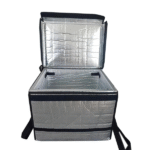
How Pharma Cold Chain Logistics Companies Drive Safe Delivery of Biologics
Introducción: When you need temperature sensitive vaccines and biologics to arrive potent, pharma cold chain logistics companies make it happen. These specialist carriers manage storage, packaging and transport within strict temperature ranges so the medicine you receive stays safe. En 2024 the pharmaceutical cold chain logistics market reached 18.610 millones de dólares y se prevé que supere 27 mil millones de dólares por 2033. Recent reports forecast the broader healthcare cold chain logistics industry at 65.140 millones de dólares en 2025 y 137.130 millones de dólares por 2034, creciendo en 8.63 % anualmente. This article explores key players, innovations and trends so you can choose the right partner and understand how the industry is evolving.

Which pharma cold chain logistics companies lead the market and what services do they offer?
How big is the pharmaceutical cold chain logistics market and where is it growing fastest?
What technologies and packaging innovations are transforming temperature controlled logistics?
What challenges and opportunities define the supply chain for biologics and vaccines?
What is the pharma cold chain and why does it matter?
Respuesta directa: Pharma cold chain logistics companies specialise in the storage and transportation of temperature sensitive products, incluyendo vacunas, terapias biológicas y genéticas. Utilizan almacenes frigoríficos, contenedores aislados, temperature controlled vehicles and real time monitoring to ensure medicines remain within strict temperature bands—typically 2 °C a 8 °C or even cryogenic conditions below −150 °C—to prevent degradation. Ahora que los productos biológicos representan aproximadamente 30 % de todas las drogas, maintaining a reliable cold chain is critical to patient safety and regulatory compliance.
Explicación expandida: Think of the cold chain as a relay race where each runner must carry a baton (tu medicina) without letting it warm up or freeze. Pharma cold chain logistics companies manage this relay from manufacturing to patient delivery, coordinating storage, transporte, embalaje y seguimiento. Realizan un seguimiento de la temperatura, humidity and location in real time via IoT sensors and digital control towers so that deviations are spotted immediately. Cold chain compliance also involves adhering to regional regulations and Good Distribution Practice (PIB) estándares. Companies invest in training, standardized procedures and validated equipment to meet these requirements. Without this meticulous infrastructure, sensitive biologics like vaccines and insulin would lose potency, poniendo en riesgo la salud pública.
Key elements of a pharmaceutical cold chain
| Elemento | Objetivo | Importancia práctica |
| Almacenamiento con temperatura controlada | Almacenes frigoríficos, cryogenic freezers and insulated rooms hold products at 2 °C-8 °C, –20 °C or –150 °C | Maintains drug efficacy and safety during inventory periods |
| Embalaje aislado | Los transportistas de un solo uso y reutilizables con materiales de cambio de fase protegen los envíos durante el tránsito | Evita las variaciones de temperatura y permite la entrega de última milla incluso a -70 °C |
| Monitoreo en tiempo real | sensores de iot, Las etiquetas RFID y las plataformas en la nube registran la temperatura, humedad y ubicación continuamente | Provides early alerts to prevent spoilage; 80 % of cold chain pharma shipments use real time monitoring |
| Coordinación logística | Planificación de ruta, customs clearance and documentation ensure timely delivery | Minimises delays that could compromise product integrity; esencial para las cadenas de suministro globales |
| Cumplimiento regulatorio | Estándares del PIB, ISO certifications and local regulations guide equipment and processes | Reduces legal risk and ensures quality across regions |
Practical tips for choosing cold chain services
Defina su perfil de temperatura: Determine whether your products need refrigerated (2–8 ° C), congelado (por debajo de −20 °C) o criogénico (<−150°C) transporte. Select a provider with equipment certified for that range.
Preguntar por el seguimiento: Elija empresas que ofrezcan seguimiento de temperatura y ubicación en tiempo real. IoT enabled control towers can prevent product loss and improve visibility.
Confirmar el cumplimiento del PIB: Ensure providers hold relevant certifications (p.ej., ISO 9001, PIB). This demonstrates standardised processes and quality control.
Considere la sostenibilidad: Reusable packaging and energy efficient vehicles reduce waste and may lower costs.
Plan de alcance global: If you ship internationally, work with providers experienced in customs documentation and multiple transportation modes.
ejemplo real: En febrero 2024 Lanzamiento de Sensitech TempTale GEO X, an IoT enabled temperature monitor tailored for life sciences logistics. The device allows real time analytics across air, océano, envíos por carretera y ferrocarril, enabling early interventions when deviations occur. Such innovations show how technology enhances cold chain visibility and compliance.
How large is the pharmaceutical cold chain logistics market?
Respuesta directa: El mercado de logística de la cadena de frío farmacéutica se valoró en 18.610 millones de dólares en 2024 y se pronostica que alcanzar los 27.110 millones de dólares 2033 en un tasa de crecimiento anual compuesta (Tocón) de 4.3 %. The wider healthcare cold chain logistics industry—including medical devices and blood products—was estimated at 59.970 millones de dólares en 2024, grew to 65.140 millones de dólares en 2025 y se proyecta que hit US$137.13 billion by 2034 con un 8.63 % Tocón. Growth is driven by rising demand for biologics and vaccines, stricter regulatory standards and investment in advanced monitoring and packaging.
Explicación expandida: The cold chain’s steady expansion reflects both the growing pipeline of temperature sensitive therapies and the globalisation of pharmaceutical supply. Biopharmaceuticals dominate revenue because monoclonal antibodies, cell and gene therapies and mRNA vaccines must remain within tight temperature ranges to retain efficacy. Simultáneamente, governments are investing in public health infrastructure; Por ejemplo, Se prevé que el segmento de logística de la cadena de frío farmacéutica de la India crezca a un ritmo 3.2 % anualmente y alcanzar 800 millones de dólares EE.UU. 2033, while Europe’s market is expected to rise from 21.550 millones de dólares en 2025 a US$34.70 billion in 2030 aproximadamente 10 % Tocón. Asia Pacific is the fastest growing region due to vaccine distribution programmes and expanding biologics manufacturing.
Panorama del mercado regional
| Región | 2024/25 market size | Forecast growth & conductores | Implicaciones prácticas |
| Europa | ~US$19.39 billion in 2024 aumentando a 21.550 millones de dólares en 2025 | ~ 10 % CAGR expected to reach 34.700 millones de dólares por 2030; high demand for ultra cold storage due to biologics and gene therapies | Providers must invest in cryogenic capacity and comply with strict EU GDP regulations |
| América del norte | Backbone of global cold chain | Investments by UPS, DHL and other integrators expand capacity; dominated by U.S. biologics and vaccine shipments | Emphasis on end to end logistics solutions and integration with clinical trials |
| India | US$0.57 billion in 2024 | 3.2 % CAGR to reach 800 millones de dólares EE.UU. 2033; government initiatives like the National Cold Chain Management Information System encourage investment | Opportunity for last mile distribution improvements and local partnerships |
| Asia Pacífico | Fastest growth region | Driven by vaccine distribution and biologics manufacturing; key players include DHL & Linaje | Rising infrastructure development and adoption of reusable packaging |
Dinámica y segmentación del mercado.
The sector is typically segmented by product type (vacunas, biofarmacéuticos, drogas), tipo de servicio (almacenamiento, transporte, embalaje), rango de temperatura (refrigerado, congelado, ambiente, criogénico) and mode of delivery (last mile vs hubs to distributor). According to DataM Intelligence, these segments help companies tailor solutions and forecast demand. Por ejemplo, el segmento biofarmacéutico generated the largest revenue in 2024, mientras el segmento de vacunas is expected to grow fastest due to ongoing immunisation campaigns. Among services, almacenamiento currently accounts for the largest share, pero transporte is projected to grow fastest as real time monitoring technologies reduce transit risk.
Leading pharma cold chain logistics companies in 2025
Respuesta directa: Leading pharma cold chain logistics companies include integrators, freight forwarders, packaging specialists and equipment manufacturers. Major logistics providers comprise UPS atención médica, DHL Ciencias de la vida & Cuidado de la salud, Fedex, Amerizancebergen, Salud Cardenal, Kuehne+Nagel, Logística CEVA y VersaFrío. Packaging and equipment innovators include Tecnologías de la cadena de frío (CCT), C Safe Global, Pelican Biotermal, Medio ambiente, Thermo Fisher Scientific, Azenta, Summit Appliance y DS Smith. These firms provide temperature controlled transport, cargadores aislados, embalaje reutilizable, cryogenic storage and digital monitoring solutions.
Explicación expandida: The pharmaceutical cold chain ecosystem consists of several types of companies:
1. Logística de terceros (3Por favor) and integrators
These firms manage end to end transportation and warehousing. They invest heavily in fleet capacity, acquisitions and digital platforms.
UPS atención médica has expanded its cold chain capabilities through acquisitions. En 2025 it acquired Germany’s Frigo Trans and BPL, adding Pan European temperature controlled warehousing and time critical freight forwarding. UPS invested more than €20 million en 2024 to add over 200 temperature controlled vehicles, doubling its global healthcare compliant distribution space to 1.7 million m². It also agreed to buy Canada’s Andlauer Healthcare Group para US$1.6 billion en abril 2025, adding nine distribution centres and 22 sucursales.
DHL Ciencias de la vida & Cuidado de la salud acquired CryoPDP en marzo 2025 to integrate temperature sensitive shipping, storage and packaging and strengthen its U.S. presence. DHL operates a global network of over 150 healthcare logistics facilities and emphasises sustainable packaging and alternative fuels.
Fedex continues to expand cold chain capacity through FedEx Express and Custom Critical units, providing temperature controlled air cargo and ground services. FedEx invests in IoT sensors and blockchain traceability.
Logística CEVA y Kuehne+Nagel offer specialised pharmaceutical logistics services, including GDP compliant warehouses, packaging and last mile delivery. They partner with airlines and biotech firms to ensure global reach.
VersaFrío (Canadá) y Logística de linaje (A NOSOTROS.) operate extensive cold storage networks. Lineage integrates warehouse robotics and smart software to optimise energy consumption and maintain temperature integrity. VersaCold focuses on end to end supply chain solutions for food and pharmaceuticals and is expanding across North America and Asia.
Amerizancebergen y Salud Cardenal provide pharmaceutical distribution services and cold chain packaging through subsidiary Sonoco ThermoSafe. They deliver high volume shipments to hospitals and pharmacies and manage real time monitoring systems.
2. Packaging and equipment specialists
These companies develop insulated shippers, reusable containers and storage equipment to protect pharmaceuticals.
Tecnologías de la cadena de frío (CCT) supplies reusable pallet shippers and the Torre CCT Élite sistema, launched at LogiPharma 2025. The company also rolled out a temperature controlled pallet shipper in April 2025 and is known for reusable packaging that reduces waste.
C Safe Global manufactures active container systems with controlled heating and cooling for air and ground transport. Its containers maintain 2 °C–8 °C y 15 °C–25 °C ranges for up to 120 horas.
Pelican Biotermal offers Credo Cube reusable shippers and single use CoolPall boxes. Its containers include integrated data loggers for temperature tracking.
Medio ambiente provides active air cargo containers using compressor driven cooling and battery power to maintain stable temperatures. UPS executives cite Envirotainer as essential for last mile delivery at −70 °C.
DS Smith debuted , a fibre based packaging solution providing arriba a 36 hours of thermal stability, at Pharmapack Europe 2025. The use of fibre reduces plastic waste and enhances recyclability.
Summit Appliance, Philipp Kirsch y Binder produce medical refrigerators, ultra low temperature freezers and climate chambers, enabling laboratory and clinical storage. German manufacturer Binder’s freezers operate from −40 °C to −90 °C and include password protection and alarm systems.
Azenta (formerly Brooks Automation) expanded its cold chain capabilities by acquiring B Sistemas médicos, offering automated storage and cryogenic transport solutions. The company also provides genomic sequencing services and sample tracking software.
Thermo Fisher Scientific supplies laboratory refrigerators, freezers and cryogenic dewars. En abril 2024, Cseguro (a Thermo Fisher subsidiary) introduced Multi Use Dewars con seguimiento en tiempo real, enabling cell and gene therapies to be transported at –150 °C.
3. Technology and monitoring providers
Sensitec offers IoT devices like TempTale GEO X for real time temperature monitoring across multiple transport modes.
TransVoyant provides AI powered supply chain tracking systems that create digital twins and predict disruptions.
CargoSense uses AI to predict shipment issues before departure.
Tag N Trac develops Bluetooth and cellular trackers for real time visibility and intelligent labelling.
How leading companies differentiate
| Compañía | Core services | Differentiators | Beneficio práctico |
| UPS atención médica | Global cold chain transport, almacenamiento, supply chain integration | Aggressive acquisitions (Frigo Trans, BPL, Andlauer), fleet expansion, visibilidad de extremo a extremo | Broader network and cryogenic capacity; reduced product loss via integrated monitoring |
| DHL Ciencias de la vida & Cuidado de la salud | Temperature controlled air and ground transport, almacenamiento, embalaje | Acquisition of CryoPDP; focus on sustainable packaging and alternative fuels | Enhanced service range and environmental compliance |
| Salud Cardenal & Amerizancebergen | Distribución farmacéutica, embalaje | 3PL services, embalaje especializado (Sonoco ThermoSafe), broad pharmacy network | Reliable distribution to hospitals and pharmacies; monitoreo en tiempo real |
| Linaje & VersaFrío | Cold storage and logistics | Facility networks with warehouse robotics and smart software; acquisitions across regions | Energy efficient operations and scalability |
| Tecnologías de la cadena de frío | Cargadores aislados, palets reutilizables | CCT Tower Elite and reusable pallet shipper innovations | Residuos reducidos, improved thermal performance |
| Medio ambiente | Active air cargo containers | Compressor driven cooling; battery power for long duration | Maintains cryogenic temperatures in air freight; essential for gene therapies |
| Azenta & Thermo Fisher | Cryogenic equipment, automatización | Acquisition of B Medical Systems; almacenamiento automatizado; real time tracking dewars | Enables cell and gene therapy distribution and long term biobank storage |
Practical tips when selecting a logistics partner
Assess network reach: Choose a provider with facilities near your manufacturing sites and customer locations to reduce transit times.
Evaluate innovation commitment: Look for companies investing in IoT, AI and reusable packaging; these tools reduce risk and environmental impact.
Check M&una actividad: Recent acquisitions signal growth and expanded capabilities; ensure the company integrates new assets seamlessly to maintain quality.
Verify sustainability policies: Many regulators and customers expect eco friendly packaging and reduced emissions. Partners with circular packaging and electric or biofuel fleets can improve your ESG profile.
Estudio de caso: En 2025, UPS Healthcare acquired Frigo Trans and BPL to enhance European cold chain services. These acquisitions provided UPS with temperature controlled warehousing from −196 °C to +25 °C and added time critical freight forwarding capabilities. The deal demonstrates how major players expand their networks and service offerings to meet growing demand.
Tech and packaging innovations shaping pharma cold chain logistics
Respuesta directa: The pharmaceutical cold chain is adopting innovations such as sensores de iot, AI driven control towers, trazabilidad de la cadena de bloques, embalaje reutilizable, materiales ecológicos y etiquetas inteligentes. Estas tecnologías mejoran la visibilidad, reducir el desperdicio y garantizar el cumplimiento.
Explicación expandida: IoT devices and digital twins are revolutionising cold chain management. Virtual control towers use AI and predictive analytics to track shipments in real time, anticipate delays and adjust routes. Sensitech’s TempTale GEO X and Tag N Trac’s trackers provide granular temperature and location data across multimodal transport. Blockchain platforms enable secure, tamper proof records of temperature data, which simplifies regulatory audits and prevents counterfeiting.
On the packaging front, empresas como DS Smith have introduced , a fiber based shipper offering up to 36 hours of thermal stability, reducing reliance on plastic and enabling easier recycling. Tecnologías de la cadena de frío launched Torre CCT Élite, a reusable shipper with modular insulation panels that maintain temperatures for extended periods. Reusable systems such as Élite de la torre and eco friendly cold packaging from Candor Expedite están ganando tracción. Los expertos estiman que 80 % of cold chain pharma shipments now utilise real time IoT monitoring, highlighting the widespread adoption of digital technologies.
Another emerging trend is control towers and digital twins. These systems create virtual models of shipments and allow logistics teams to monitor conditions like temperature, vibration and location simultaneously. Por ejemplo, Merck’s Global Health Innovation Fund invested in TransVoyant y CargoSense to deploy AI powered control towers that saved critical shipments during the pandemic. Future innovations may include etiquetas inteligentes with satellite connectivity, active cooling boxes powered by wireless charging and Optimización de rutas impulsada por IA to reduce fuel consumption and emissions.
Table of notable innovations
| Innovación | Descripción | Impact on cold chain logistics |
| Sensores habilitados para IoT & torres de control | Sensors collect temperature, datos de humedad y ubicación; digital twins and AI predict disruptions | Mejora la visibilidad, reduces spoilage and enables proactive responses |
| Sistemas de embalaje reutilizables | Shippers like CCT Tower Elite and Pelican’s Credo Cube can be reused for multiple shipments | Reduce el desperdicio, lowers total cost of ownership and supports sustainability |
| Fibre based packaging | DS Smith’s uses paper based materials and provides up to 36 horas de protección térmica | Minimises plastic consumption and simplifies recycling |
| Cryogenic dewars with real time tracking | CSafe’s Multi Use Dewars include sensors to monitor conditions for cell and gene therapies | Ensures ultra low temperatures and compliance for advanced therapies |
| cadena de bloques & digital certificates | Distributed ledgers record temperature data and chain of custody | Mejora la trazabilidad, security and regulatory auditing |
| Etiquetas inteligentes & enfriamiento activo | Future innovations include satellite enabled labels and wireless charged boxes | Provide global tracking and reduce energy consumption |
Practical tips for adopting new technology
Pilot new solutions: Test IoT devices or reusable shippers on small shipments to measure performance before full deployment.
Integrar sistemas de datos: Ensure monitoring devices can interface with your existing warehouse management or ERP systems.
Capacitar al personal: Implementing AI and blockchain requires new workflows. Provide training to logistics teams to interpret data and act on alerts.
Plan de logística inversa: Reusable packaging and smart labels require return processes. Coordinate with carriers to manage returns efficiently.
Estudio de caso: DS Smith’s packaging offers 36 hours of thermal stability using fibre materials. Pharma companies can now ship temperature sensitive products with lower environmental impact and without relying on single use plastic shippers.
Supply chain dynamics, challenges and opportunities
Respuesta directa: Pharma cold chain logistics account for 7–10 % of total pharmaceutical supply chain costs, y 40–60 % of overall logistics spend is dedicated to transportation and storage. While automation and IoT reduce risk, challenges include temperature excursions—around 4 % of shipments are compromised—and about 40 % of cold chain failures are due to poor monitoring. Opportunities arise from automation, AI, Iniciativas blockchain y sostenibilidad..
Explicación expandida: Managing pharmaceutical cold chain logistics involves coordinating many moving parts. Clinical trial materials and biologics require meticulous handling; aproximadamente 70 % of cold chain shipments involve clinical trial materials and real time monitoring. The global life sciences supply chain labour force is projected to grow 60 % por 2025, driven by automation and digitalisation. Despite these advances, temperature excursions remain a significant risk. La investigación muestra que acerca de 4 % of shipments are compromised y alrededor 40 % de fallas en la cadena de frío stem from poor monitoring.
Para superar estos desafíos, companies invest in training, adopt more reliable monitoring systems and automate storage and picking. Regulatory compliance poses another hurdle; each region has its own guidelines for packaging, labelling and documentation. Por ejemplo, the European Union requires GDP compliance and restricts carbon emissions, pushing providers to adopt electric vehicles and energy efficient refrigeration. Además, supply chain disruptions from pandemics and geopolitical events necessitate robust contingency planning and diversified transport modes.
On the opportunity side, technological innovations drive cost savings and sustainability. Automation lowers labour costs, while AI optimises routes to reduce fuel consumption. Reusable packaging and eco friendly materials support circular supply chains, aligning with global sustainability goals. Blockchain offers tamper proof traceability that simplifies audits and combats counterfeiting.
Real world challenges and solutions
Excursiones de temperatura: Use redundant sensors and real time alerts; implement corrective protocols to address deviations immediately.
Complejidad regulatoria: Partner with providers experienced in navigating international regulations; maintain documentation and training for compliance.
Infrastructure gaps in emerging markets: Collaborate with local operators; invest in mobile cold rooms or solar powered freezers.
Escasez de talento: Automate warehouse and transport processes; provide continuous training to retain skilled workers.
Estudio de caso: PackagingWebWire reports that temperature excursions remain a risk, with approximately 4 % of shipments compromised y 40 % of failures due to poor monitoring. Implementing real time monitoring and training can significantly reduce these risks.
Regional highlights and growth patterns
Respuesta directa: Europe and North America currently dominate the pharmaceutical cold chain, but Asia Pacific and India are experiencing the fastest growth. Europe’s market is projected to reach 34.700 millones de dólares por 2030 at around 10 % Tocón, driven by biologics and regulatory demands. North America remains the backbone due to investments by UPS, DHL and Lineage. en la india, the market is expected to grow at 3.2 % anualmente a 800 millones de dólares EE.UU. 2033, while Asia Pacific’s expansion is fuelled by vaccine distribution and biologics production.
Explicación expandida: The cold chain landscape varies by region:
Europa: High regulatory standards (PIB, GDP+) and a large base of biologics manufacturers drive the need for advanced cold chain solutions. Aproximadamente 80 % of pharmaceutical products in Europe require temperature controlled transport. Increased approvals of advanced therapies—such as CAR T cell treatments—necessitate cryogenic storage below −80 °C. Europe’s strong market growth also attracts mergers and acquisitions; UPS’s purchase of Frigo Trans and BPL is one example.
América del norte: Los EE. UU.. and Canada have extensive cold chain infrastructure and lead innovation adoption. Unión Postal Universal, DHL, Fedex, AmerisourceBergen and Cardinal Health invest heavily in automation, IA y envases sostenibles. Los EE. UU.. Administración de Alimentos y Medicamentos (FDA) enforces strict guidelines for biologics distribution, which fosters innovation and compliance. The region also benefits from a large clinical trials market requiring temperature controlled logistics.
Asia Pacífico: Rapidly expanding due to vaccine distribution programmes and expanding biologics and biosimilars manufacturing. Countries like China and India are investing in infrastructure through initiatives such as PM Gati Shakti in India. Asia Pacific’s growth also spurs innovations in packaging and local distribution.
India: Although the market size is modest compared with Europe and North America, India 3.2 % CAGR indicates steady growth. Government programmes like the National Cold Chain Management Information System y el Organismo Nacional de Acreditación para la Gestión de la Cadena de Frío (NAB MCP) aim to standardise and improve cold chain infrastructure. By promoting training and certification, these initiatives increase the reliability of local providers.
Key regional players and opportunities
| Región | Notable companies | Growth opportunities |
| Europa | Frigo Trans (Alemania), BPL, Deutsche Post DHL, Medio ambiente, Kuehne+Nagel, Logística CEVA | Demand for cryogenic and ultra cold storage; strict regulatory compliance; investment in sustainable packaging |
| América del norte | UPS atención médica, Fedex, Amerizancebergen, Salud Cardenal, Linaje, VersaFrío, Pelican Biotermal, DS Smith | Growing biologics pipeline; adoption of automation and AI; METRO&A consolidation creating integrated networks |
| Asia Pacífico | DHL, Linaje, Delhivery (India), Yusen Logistics, V Xpress, FulfillmentHubUSA | Vaccine distribution programmes; government initiatives; investment in local warehousing and last mile delivery |
| India | Cavalier Logistics, Prompt Brazil Logistics (global presence), Gati, IndiCold | Desarrollo de infraestructura; training and accreditation; potential for local manufacturing of packaging and sensors |
Estudio de caso: India’s National Accreditation Body for Cold Chain Management launched a platform in February 2025 for industry and academia to support policy makers and train cold chain professionals. Such initiatives improve standardisation and open opportunities for local providers.
2025 and future trends shaping pharma cold chain logistics companies
Descripción general de la tendencia: La cadena de frío farmacéutica está evolucionando rápidamente. Several trends will shape the industry over the next decade:
Increased investment in biologics and cell/gene therapies: The number of approved biologics, including mRNA and CAR T therapies, continúa subiendo. RootsAnalysis projects the pharmaceutical cold chain market to grow from 5.300 millones de dólares en 2023 a 9.600 millones de dólares por 2035. As more than 85 % de los productos biológicos requieren almacenamiento en frío, demand for temperature controlled logistics will surge.
Fusiones y adquisiciones (METRO&A): Major integrators will continue acquiring regional providers to expand networks. PackagingWebWire predicts further M&A activity by UPS, DHL and FedEx. UPS’s 2025 acquisitions and planned purchase of Andlauer Healthcare Group illustrate this trend.
Digitalisation and AI: sensores de iot, torres de control, blockchain and AI powered analytics will become standard. Real time monitoring already underpins 80 % de envíos, and AI will further optimise routing and predict delays. Digital twins create virtual replicas of shipments, providing complete visibility.
Sustainability and circular packaging: There is a growing focus on reusable, recyclable packaging and reduced carbon emissions. Reusable pallets and fibre based packaging like lower waste. Providers are investing in electric vehicles and alternative fuels to meet carbon reduction goals.
Regulatory convergence and accreditation: New standards such as the National Accreditation Body for Cold Chain Management in India help harmonise training and certification. Greater regulatory alignment across regions will simplify global transport but require continuous monitoring and documentation.
Automatización y robótica.: Warehouses are adopting automated storage and retrieval systems (ASRS), vehículos guiados autónomos (AGV) and robotics to improve efficiency. Companies like Lineage and United States Cold Storage use automation to handle thousands of pallets, reducing manual labour.
Smart labels and active cooling: The future may see digital package labels with satellite communications and active cooling boxes that recharge wirelessly. These innovations will extend the cold chain into remote areas and further reduce spoilage.
Últimos desarrollos de un vistazo
UPS acquisitions: UPS purchased Frigo Trans and BPL and announced plans to acquire Andlauer Healthcare Group for US$1.6 billion. This expansion adds cryogenic warehousing and time critical freight forwarding.
DHL’s CryoPDP integration: DHL Ciencias de la vida & Healthcare acquired CryoPDP in March 2025 to enhance temperature controlled shipping and storage.
Crecimiento de envases reutilizables: Cold Chain Technologies introduced reusable pallet shippers and the CCT Tower Elite, while DS Smith launched fibre based TailorTemp packaging.
AI & torres de control: Merck’s Global Health Innovation Fund invested in TransVoyant and CargoSense to build AI powered control towers that saved critical shipments.
Iniciativas gubernamentales: India’s PM Gati Shakti plan and the National Cold Chain Management Information System aim to strengthen logistics infrastructure. NIHFW and UNICEF support training and monitoring for national vaccine programs.
Ideas del mercado: Demand for ultra cold storage and cryogenic shipping is rising due to cell and gene therapies. Aproximadamente 80 % of European pharmaceutical products already require temperature controlled transport. This will push providers to expand cryogenic capacity, integrate new packaging and adopt digital tools. Mientras tanto, Asia Pacific’s rapid growth offers opportunities for companies to enter emerging markets and partner with local governments.
Preguntas frecuentes
- What are pharma cold chain logistics companies?
They are specialised logistics providers, packaging manufacturers and technology firms that store and transport temperature sensitive medicines like vaccines and biologics. They maintain strict temperature control using refrigerated warehouses, embalaje aislado, IoT monitoring and regulatory compliance protocols.
- How big is the pharmaceutical cold chain market?
El mercado de logística de la cadena de frío farmacéutica se valoró en 18.610 millones de dólares en 2024 y se prevé que alcance 27.110 millones de dólares por 2033. Se estima que la industria de logística de la cadena de frío de atención médica en general 65.140 millones de dólares en 2025 y 137.130 millones de dólares por 2034.
- Who are the leading pharma cold chain logistics companies?
Major players include UPS atención médica, DHL Ciencias de la vida & Cuidado de la salud, Fedex, Salud Cardenal, Amerizancebergen, Logística de linaje, VersaFrío, Tecnologías de la cadena de frío, C Safe Global, Pelican Biotermal, Medio ambiente, Azenta, Summit Appliance, Philipp Kirsch, Binder y DS Smith.
- What technologies ensure temperature integrity?
sensores de iot, Etiquetas RFID, data loggers and AI powered control towers monitor temperature, humedad y ubicación en tiempo real. Reusable and fibre based packaging, cryogenic dewars with sensors and blockchain traceability also help maintain product integrity and comply with regulations.
- How do companies manage temperature excursions?
They use redundant sensors, predictive analytics and trained personnel to detect deviations quickly and take corrective action. Real time alerts allow rerouting or replenishing cooling materials before product integrity is compromised.
- What challenges do pharma cold chain companies face?
Challenges include high operational costs (7–10 % of supply chain costs), complejidad regulatoria, talent shortages, infrastructure gaps in emerging markets and temperature excursions—about 4 % de los envíos experimentan desviaciones. Automatización, training and digital technologies help mitigate these challenges.
Resumen y recomendaciones
Control de llave: The pharmaceutical cold chain logistics market is expanding rapidly due to the growing pipeline of biologics and vaccines. Valorado en 18.610 millones de dólares en 2024 y se proyecta superar 27 mil millones de dólares por 2033, the market benefits from innovations such as IoT monitoring, AI driven control towers, reusable packaging and fibre based shippers. Leading players—UPS, DHL, Fedex, Salud Cardenal, Amerizancebergen, Linaje, VersaCold and Cold Chain Technologies—are investing in acquisitions, sustainability and digitalisation. Regional growth is strongest in Asia Pacific and India, while Europe and North America remain dominant. Los desafíos incluyen variaciones de temperatura., regulatory compliance and high costs, but opportunities lie in automation, cadena de bloques, sustainable packaging and emerging markets.
Consejo procesable:
Evaluate your supply chain: Identify where cold chain failures may occur and adopt IoT monitoring and control towers to improve visibility.
Asóciese estratégicamente: Choose logistics providers with global networks, robust certifications and a track record of innovation and sustainability.
Invierta en envases reutilizables: Reduce waste and costs by adopting reusable shippers like CCT Tower Elite and fibre based solutions like .
Prepare for regulatory changes: Stay informed about new standards such as India’s NAB CCM and evolving EU GDP guidelines to ensure compliance.
Plan for emerging markets: Expand into Asia Pacific and India where growth is fastest; collaborate with local partners and government initiatives to build infrastructure.
Acerca de Tempk
We are a leading provider of temperature controlled packaging and monitoring solutions for pharmaceutical and biotech companies. Our portfolio includes reusable insulated shippers, IoT enabled sensors and control tower software that ensure your biologics arrive safe and potent. Con 15 años de experiencia, we have supported clients through vaccine rollouts, clinical trials and global biologics distribution. Nuestras soluciones reducen el desperdicio, lower costs and meet regulatory requirements across major regions.
Llamado a la acción: Listo para optimizar su cadena de frío? Póngase en contacto con nuestros expertos for a personalised assessment and discover how Tempk’s reusable packaging and real time monitoring can protect your next shipment.