¿Cuáles son los estándares de control de temperatura en la cadena de frío para ingredientes de mariscos??
El pescado y los mariscos frescos se echan a perder rápidamente, por lo que es esencial comprender la cadena de frío de los ingredientes del marisco y sus estrictos estándares de control de temperatura.. Los mariscos frescos deben conservarse entre 0 °C y 5 °C, y los productos congelados deben permanecer a -18 °C o menos. Los EE. UU.. El Código de Alimentos de la FDA establece una temperatura máxima de mantenimiento en frío de 41 °F (5 °C) para todos los alimentos perecederos. en esto 2025 guía aprenderá por qué estos límites son importantes, cómo afrontarlos en tu negocio, y qué nuevas tecnologías y regulaciones darán forma a la cadena de frío de productos del mar en los próximos años.
Este artículo responderá
¿Por qué es estricto? El control de la temperatura es fundamental para los mariscos.? Explicamos cómo un enfriamiento adecuado frena el crecimiento microbiano y preserva la textura..
¿Qué normativa regula la cadena de frío de los productos del mar en 2025? Explorar FSMA, Leyes de higiene de la UE y los últimos protocolos..
¿Cómo se pueden mantener temperaturas seguras durante el almacenamiento y el transporte?? Descubra consejos prácticos, recomendaciones de equipos y herramientas de autoevaluación.
¿Qué papel juegan la trazabilidad y la documentación?? Vea cómo los registros digitales le ayudan a cumplir y gestionar las retiradas del mercado.
cuales son las claves 2025 tendencias e innovaciones? Más información sobre los sensores de IoT, Iniciativas de sostenibilidad y optimización de rutas de IA.
¿Por qué es fundamental el control de la temperatura en la cadena de frío de los productos del mar??
La ciencia detrás del deterioro
Los mariscos son muy perecederos porque las enzimas y bacterias descomponen rápidamente los tejidos después de la cosecha.. Mantener el pescado cerca de la temperatura del hielo derretido (0 °C a 5 °C) retarda el crecimiento microbiano y preserva la textura. Cuando las temperaturas suben a la “zona de peligro” entre 5 °C y 57 °C, bacterias como Salmonela y mi. coli puede duplicar cada 20 minutos, aumentar el riesgo de enfermedades transmitidas por los alimentos. Los CDC estiman que 48 Millones de estadounidenses sufren enfermedades transmitidas por los alimentos cada año., y muchos casos están vinculados a una gestión inadecuada de la cadena de frío..
fresco vs. congelado: diferentes umbrales
Encontrará dos categorías distintas en la cadena de frío de productos del mar.:
| Rango de temperatura | Ejemplos de productos | Beneficios | Lo que significa para ti |
| 0 °C – 5 °C | Pescado fresco, filetes enfriados, mariscos | Mantiene la textura, retarda el crecimiento bacteriano | Utilice hielo o habitaciones refrigeradas para mantenerse dentro de este rango.; monitorear continuamente |
| ≤ –18 °C | Pescado congelado, bloques de pescado, dedos de pescado | Detiene la actividad microbiana y prolonga la vida útil. | Invierta en congeladores validados y asegúrese de que los productos nunca se descongelen durante el transporte |
| 41 °F (5 °C) o inferior | Alimentos de alto riesgo (lácteos, carnes, mariscos) | Mantiene los productos fuera de la zona de peligro. | Verifique que las unidades de almacenamiento y vitrinas funcionen a o por debajo 5 °C |
Estas gamas forman la columna vertebral de los estándares globales.. Superarlos acelera el deterioro y reduce la vida útil.
Enfriamiento inmediato y monitoreo continuo
El tiempo es tu enemigo. La escalofriante guía de Perennia (referenciado por los reguladores) recomienda enfriar mariscos para 0 °C inmediatamente después de la captura. Los retrasos permiten que las enzimas se activen y las bacterias se multipliquen. La monitorización continua con registradores de datos o sensores IoT es vital. Los sensores envían alertas cuando las temperaturas se salen de los rangos seguros, permitiendo una acción correctiva rápida. Invertir en termómetros modernos y calibrarlos periódicamente garantiza la precisión.
¿Qué regulaciones rigen la cadena de frío de los mariscos en 2025?
Regulatory frameworks
Análisis de riesgos y puntos de control críticos (HACCP): Este programa fundamental requiere que usted identifique los peligros, Establecer puntos críticos de control y monitorearlos.. Constituye la base de la mayoría de las normas nacionales..
Buenas prácticas de fabricación (BPF) y Procedimientos Operativos Estándar de Saneamiento (POES): Estas reglas cubren la higiene de las instalaciones., diseño de equipos y capacitación del personal.
Ley de modernización de la seguridad alimentaria (FSMA, A NOSOTROS.):
Norma de transporte sanitario: Cargadores, Los cargadores y transportistas deben utilizar vehículos y equipos capaces de mantener temperaturas seguras y evitar la contaminación cruzada..
FSMA 204 (Regla de trazabilidad de alimentos): Los productos del mar en la Lista de Trazabilidad de Alimentos deben mantener registros de Elementos de Datos Clave en Eventos Críticos de Seguimiento y proporcionarlos a la FDA dentro de 24 horas. La fecha de cumplimiento original era enero. 2026, pero puede extenderse hasta julio 2028.
Programa de verificación de proveedores extranjeros (FSVP): Los importadores deben verificar que los proveedores extranjeros cumplan con los requisitos de los EE.UU.. estándares de seguridad y mantener la visibilidad de extremo a extremo.
Reglamento de higiene y pesca de la Unión Europea: Regulación de la UE 852/2004 Requiere mantener la cadena de frío para alimentos inseguros a temperatura ambiente.; enfatiza el control de temperatura y el seguimiento digital de embarcaciones para productos del mar.
Directrices de la FAO: La Organización para la Agricultura y la Alimentación señala que los productos pesqueros refrigerados deben mantenerse lo más cerca posible de 0 °C, mientras que el pescado congelado debe mantenerse a –18 °C o menos. Existen excepciones para el pescado congelado en salmuera destinado a enlatar., que puede transportarse a –9 °C.
El código alimentario de la FDA
Aunque el marisco tiene propiedades únicas, aún debe cumplir con las reglas generales de seguridad alimentaria. El Código de Alimentos de la FDA establece que alimentos frios, incluyendo mariscos, debe celebrarse en 41 °F (5 °C) o debajo. Superar este límite permite que las bacterias proliferen y puede provocar retiradas del mercado.. Muchas autoridades estatales y locales adoptan este código., entenderlo le ayudará a pasar las inspecciones.
Documentación y certificación
La documentación adecuada protege a los consumidores y facilita el comercio. Los documentos esenciales incluyen facturas de venta., notas de envío, certificados de origen y certificados sanitarios. Certificaciones como FSC 22000, BRCG o Logística IFS demostrar cumplimiento y aumentar la confianza del comprador. Mantenga copias digitales y manténgase actualizado sobre los cambios regulatorios.
Cómo mantener temperaturas seguras durante el almacenamiento y el transporte
Consejos prácticos y mejores prácticas de higiene.
- Enfriar inmediatamente y mantener 0 °C:despues de la captura, use hielo triturado o hielo en suspensión para reducir los mariscos a 0 °C. Mantenga esa temperatura durante todo el almacenamiento y transporte.; El abuso de temperatura es la causa principal de la pérdida de frescura..
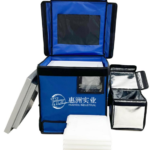
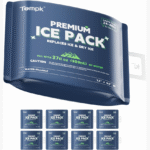
- Utilice embalaje y aislamiento adecuados.:Cajas aisladas, envasado al vacío, Las bolsas de hielo en gel y los revestimientos térmicos reducen las fluctuaciones térmicas.. Los vehículos multitemperatura permiten transportar diferentes productos sin comprometer el pescado.
- Adoptar las mejores prácticas de higiene.:Utilice agua limpia y hielo sanitario.; El hielo sucio transfiere bacterias y acelera el deterioro.. Capacitar al personal para evitar la contaminación cruzada al manipular mariscos crudos y cocidos..
- Implementar un monitoreo continuo:Equipar contenedores y vehículos con sensores IoT que registren la temperatura y la humedad. El Código Alimentario de la FDA recomienda revisar las unidades de almacenamiento cada cuatro horas.
- Gestionar hielo y refrigerantes:Llevar suficiente hielo para el volumen de captura., temperatura ambiente y duración del viaje. Considere el hielo de agua de mar para un almacenamiento más frío; se derrite más lentamente pero puede requerir una gestión adicional.
- Calibrar equipo:Verificar la precisión de los termómetros y sensores.; lecturas inexactas pueden provocar un abuso de temperatura involuntario.
Herramienta de decisión de autoevaluación
Utilice esta sencilla lista de verificación para evaluar sus operaciones. Para cada pregunta, respuesta Sí o No.
¿Enfrías el pescado para 0 °C o menos inmediatamente después de la captura?
¿Sus unidades de refrigeración son capaces de mantener una temperatura de 0 a 5 °C para pescado fresco y ≤ –18 °C para pescado congelado??
¿Tiene monitoreo de temperatura y ubicación en tiempo real en todas las etapas del transporte??
¿Su personal está capacitado en HACCP?, Procedimientos GMP y SSOP?
¿Está toda la documentación? (temperaturas, limpieza, trazabilidad) almacenados digitalmente y accesibles dentro 24 horas?
si respondiste No a cualquier pregunta, Considere invertir en equipos mejorados o capacitación.. Las plataformas digitales pueden automatizar el seguimiento de la temperatura y el mantenimiento de registros, y las auditorías periódicas ayudan a verificar el cumplimiento.
Opciones de equipamiento y embalaje.
| Equipo/Embalaje | Objetivo | Beneficios | como te ayuda |
| Cajas y revestimientos aislados | Mantener la temperatura durante el tránsito. | Reducir las fluctuaciones térmicas; reutilizable y ligero | Mantenga el pescado en 0 °C; proteger del calor externo |
| Paquetes de hielo de gel & placas eutécticas | Proporcionar frío sostenido | Libera la energía fría gradualmente.; reutilizable; menos sucio que el hielo suelto | Útil para paquetes pequeños y cargas mixtas. |
| Envasado al vacío & embalaje en atmósfera modificada (MAPA) | Reducir la exposición al oxígeno | Oxidación lenta y crecimiento bacteriano.; extender la vida útil | Ideal para filetes y productos listos para comer |
| Sensores de temperatura y registradores de datos IoT | Monitoreo continuo | Alertas en tiempo real cuando las temperaturas se desvían | Previene infracciones; apoya el cumplimiento y las auditorías |
| Vehículos multitemperatura | Compartimentos segmentados para diferentes zonas de temperatura. | Lleva juntos mariscos frescos y congelados; reducir los costos logísticos | Mantener la integridad del producto y satisfacer las diversas necesidades de los clientes. |
Infografía interactiva
Visualizar la cadena de frío de los mariscos, considere la siguiente ilustración. Muestra pescado envasado en cajas con hielo., un camión frigorífico, y sensores que siguen las condiciones en cada etapa. Este concepto destaca el flujo desde la cosecha hasta el mercado y subraya el papel del control de la temperatura..
¿Cómo respaldan la trazabilidad y la documentación el cumplimiento??
Etiquetado incorrecto y necesidad de trazabilidad
Las complejas cadenas de suministro hacen que los productos del mar sean susceptibles al fraude. A 2025 compilación de metaanálisis 35 A NOSOTROS. Los estudios encontraron un tasa general de etiquetado incorrecto de 39.1 % con sustitución de especies ocurriendo en 26.2 % de muestras. Este tipo de etiquetado erróneo erosiona la confianza del consumidor y puede comprometer la seguridad.. La trazabilidad de extremo a extremo reduce el etiquetado incorrecto y permite retiros específicos.
Construyendo un sistema de trazabilidad efectivo
Capturar datos de captura: fecha de registro, tiempo, especies, Ubicación y método de pesca inmediatamente después de la cosecha.. Los retrasos o las entradas estimadas aumentan el error y el fraude.
Asignar identificadores únicos: Etiquete cada captura o lote con números de lote, Códigos QR o etiquetas RFID. Al dividir o fusionar lotes, crear números de sublote y mantener relaciones entre padres e hijos.
Estandarizar formatos de datos: Utilice los estándares GS1 para garantizar la interoperabilidad entre embarcaciones, procesadores y minoristas.
Implementar seguimiento en tiempo real: Implemente sensores GPS e IoT para monitorear la ubicación y la temperatura. Blockchain o bases de datos seguras proporcionan registros a prueba de manipulaciones.
Educar y colaborar: entrenar a los pescadores, procesadores y controladores sobre la entrada precisa de datos y el manejo adecuado. Colaborar con agencias gubernamentales y ONG para obtener orientación y financiación..
Automatizar informes: Utilizar plataformas digitales para generar HACCP, Informes de cumplimiento de FSMA y GFSI automáticamente.
Beneficios de la trazabilidad
Los sistemas efectivos permiten retiros más rápidos, proteger la confianza en la marca y disuadir prácticas fraudulentas. Por ejemplo, un procesador implementó códigos QR y registros digitales para cada captura. Cuando se produjo una desviación de temperatura durante el transporte, rastrearon el problema hasta un lote específico y se comunicaron con los distribuidores en cuestión de minutos.. Este retiro específico les salvó de retirar un envío completo de los estantes..
Errores comunes y cómo evitarlos
Si bien las regulaciones y la tecnología proporcionan un marco, Las fallas operativas aún pueden socavar su cadena de frío.. A continuación se presentan problemas frecuentes y formas de abordarlos.:
Abuso de temperatura en la carga: El pescado en los bordes de una carga se calienta más rápido que el del centro.; garantizar un estiba uniforme y evitar dejar las puertas abiertas.
Mal embalaje y estiba: Los ajustes de temperatura incorrectos o el aislamiento inadecuado pueden provocar calentamiento o congelación.. Utilice embalajes adecuados y evite sobrecargar los palets..
Uso del transporte frigorífico para enfriar el pescado: Los vehículos deben mantener la temperatura., producto no frío y caliente. Enfriar previamente los mariscos antes de cargarlos.
Circulación de aire inadecuada: Asegurar la ventilación en contenedores y contenedores refrigerados para que el aire frío circule uniformemente..
Termómetros no calibrados: Calibre periódicamente sensores y termómetros para evitar lecturas falsas..
Personal no capacitado: Invertir en programas de formación para HACCP, GMP y POES. Capacite a los empleados para que todos puedan responder a las alarmas de temperatura..
2025 Tendencias e Innovaciones en la Cadena de Frío de Productos del Mar
Crecimiento del mercado y sostenibilidad
El mercado mundial de la logística de la cadena de frío está en auge. Precedence Research estima que el tamaño del mercado aumentará de 436.300 millones de dólares en 2025 a aproximadamente 1.359,78 mil millones de dólares EE.UU. 2034, una tasa de crecimiento anual compuesta de 13.46 %. Se prevé que Asia y el Pacífico crecerán aproximadamente 14.3 % anualmente. El crecimiento del consumo de productos del mar congelados es igualmente sorprendente: Se prevé que el mercado mundial de productos del mar congelados aumente de 24.780 millones de dólares en 2025 a 42.580 millones de dólares EE.UU. 2034. La sostenibilidad está en el centro de esta expansión.; Las empresas están adoptando envases ecológicos y refrigeración energéticamente eficiente para reducir el impacto ambiental..
Innovaciones tecnológicas
IoT y monitoreo en tiempo real: Los sensores conectados se han convertido en requisitos básicos para el seguimiento de la cadena de frío del pescado.. Proporcionan datos continuos de temperatura y humedad y activan alertas cuando se producen infracciones..
Optimización de rutas impulsada por IA: La inteligencia artificial ayuda a los proveedores de logística a optimizar las rutas de entrega, Reducir los tiempos de tránsito y el consumo de energía..
Blockchain y trazabilidad digital: Blockchain ofrece registros a prueba de manipulaciones y transparencia a nivel del consumidor. Se espera que el mercado de software de trazabilidad de productos del mar aumente de 705 millones de dólares en 2024 a 1.840 millones de dólares EE.UU. 2033.
IoT ambiental y sensores sin batería: Las etiquetas emergentes obtienen energía de las ondas de radio, permitiendo un bajo costo, monitoreo sin mantenimiento.
Refrigeración con energía solar: El aumento de los precios de la electricidad impulsa la adopción de sistemas de cadena de frío con energía solar. A NOSOTROS. Las tarifas solares comerciales oscilan entre 3,2 y 15,5 centavos por kWh., en comparación con una tasa de servicios públicos promedio de 13.1 centavos por kWh en 2024.
Enfoque en ciberseguridad: A medida que crece la adopción de IoT, Los gobiernos y las empresas hacen hincapié en proteger los sensores y las redes..
Nuevos protocolos e iniciativas de la industria.
En julio 2025, el Alianza Global de la Cadena de Frío (AMCC) y el Instituto Americano de Alimentos Congelados (AFFI) lanzó un protocolo que estandariza el monitoreo de temperatura en toda la cadena de suministro de alimentos congelados. El protocolo proporciona un sistema unificado, Enfoque basado en datos para rastrear las fluctuaciones de temperatura desde la producción hasta la distribución.. Su guía incluye la identificación de puntos críticos de monitoreo., establecer mediciones de referencia y adoptar mejores prácticas para la gestión de datos. La implementación promete mejorar la eficiencia operativa, mejorar la calidad de los alimentos y apoyar la sostenibilidad. Las fases futuras abordarán la optimización de la vida útil y la medición de energía..
Desarrollos regionales y actualizaciones regulatorias
En todo el mundo, Los gobiernos están endureciendo los requisitos e invirtiendo en infraestructura.. Europa está implementando trazabilidad digital y seguimiento de buques para productos del mar, e Indonesia y otras naciones se están alineando con GDST estándares. En América del Norte, El crecimiento del comercio electrónico estimula las inversiones en almacenamiento en frío y vehículos multitemperatura. Los reguladores también proponen ampliar la FSMA 204 plazo de cumplimiento hasta julio 2028, pero las empresas proactivas están adoptando sistemas de trazabilidad ahora para obtener una ventaja competitiva..
Preguntas frecuentes
Q1: ¿A qué temperatura se debe almacenar el pescado fresco y congelado??
El pescado fresco debe conservarse entre 0 °C y 5 °C, y el pescado congelado debe permanecer a -18 °C o menos. Para mantenimiento general del frío, la FDA requiere 41 °F (5 °C) o debajo.
Q2: ¿Qué documentos se requieren para exportar pescado??
Necesitas una factura de venta, nota de envío, certificado de origen, Certificados sanitarios y prueba de HACCP/FSSC. 22000 proceso de dar un título. El mantenimiento de registros digitales acelera el despacho de aduanas.
Q3: ¿Qué es FSMA? 204, y ¿cómo se aplica a los mariscos??
La Regla de Trazabilidad de Alimentos de la FSMA requiere que las empresas de productos del mar registren Elementos de Datos Clave en cada Evento de Seguimiento Crítico y proporcionen registros a la FDA dentro de 24 horas. Los plazos de cumplimiento podrán ampliarse hasta julio 2028, pero se recomienda la adopción temprana.
Q4: ¿Cómo puedo evitar el etiquetado incorrecto en mi suministro de productos del mar??
Utilice identificadores únicos (números de lote, Códigos QR o etiquetas RFID), mantener registros digitales precisos e implementar un seguimiento en tiempo real. Estandarizar formatos de datos y realizar auditorías periódicas.
Q5: ¿Existen diferencias entre la UE y los EE. UU.?. regulaciones?
Ambos marcos requieren un estricto control de temperatura y trazabilidad.. La UE enfatiza principios de higiene y seguimiento digital de buques, mientras que EE.UU.. se centra en el transporte sanitario y el mantenimiento de registros según la FSMA.
Q6: ¿Qué sucede si los mariscos se almacenan arriba? 5 °C?
Las bacterias se multiplican rápidamente en la zona de temperatura peligrosa. Incluso las desviaciones breves aceleran el deterioro y pueden provocar retiradas del mercado.. El monitoreo continuo y las acciones correctivas inmediatas son esenciales.
P7: ¿Qué innovaciones debería adoptar primero??
Comience con sensores de IoT y mantenimiento de registros digitales para monitoreo en tiempo real. Próximo, explore la optimización de rutas impulsada por IA y blockchain para la trazabilidad.
Resumen y recomendaciones
Puntos clave
Mantener temperaturas adecuadas: Mantenga los mariscos frescos entre 0 °C y 5 °C y productos congelados a −18 °C o menos. Siga las recomendaciones de la FDA 41 °F (5 °C) límite de mantenimiento en frío.
Cumplir con las regulaciones: Entender el HACCP, BPF/POES, FSMA y normas de la UE. Documente cada paso y manténgase actualizado sobre FSMA 204 plazos.
Invertir en equipos y monitoreo.: Utilice el embalaje aislado, bolsas de hielo en gel, Vehículos multitemperatura y sensores IoT.. Calibre los instrumentos periódicamente.
Construir sistemas de trazabilidad: Capturar datos de captura, asignar identificaciones únicas, estandarizar formatos e implementar seguimiento en tiempo real. La trazabilidad reduce el etiquetado incorrecto y permite retiradas específicas.
Manténgase a la vanguardia de las tendencias: Adoptar IoT, Tecnologías de IA y blockchain; Explore los sensores de IoT ambientales y de refrigeración con energía solar. Preste atención a los protocolos GCCA/AFFI y los desarrollos regionales..
Plan de acción
Audita tu cadena de frío: Utilice la lista de verificación de autoevaluación para identificar brechas. Inspeccionar las prácticas de enfriamiento., equipo y documentacion.
Implementar la trazabilidad digital: Adopte los estándares GS1, asigne identificadores de lote e invierta en sensores de IoT.
Entrena a tu equipo: Proporcionar HACCP, Capacitación en GMP y SSOP; enfatizar el transporte sanitario y el mantenimiento de registros.
Colaborar con reguladores y grupos industriales: Supervisar las actualizaciones de FSMA 204 y normas de la UE; participar en iniciativas GCCA/AFFI.
Explora tecnologías sostenibles: Considere la refrigeración con energía solar y los envases ecológicos.
Acerca de Tempk
Tempk es un proveedor líder de Soluciones de embalaje de cadena de frío y logística de temperatura controlada.. Desarrollamos cajas aisladas, bolsas de hielo en gel y recipientes térmicos reutilizables diseñados para conservar los mariscos, Productos farmacéuticos y otros productos perecederos dentro de estrictos rangos de temperatura.. Nuestros productos están respaldados por investigaciones., certificaciones de calidad y un R dedicado¢ro D. Integramos monitoreo de IoT para brindar seguimiento de temperatura en tiempo real, ayudándole a cumplir con HACCP, Estándares FSMA y UE. Centrándose en la sostenibilidad y la innovación, Simplificamos el cumplimiento y le permitimos entregar productos del mar de calidad a los clientes..
Llamado a la acción: Póngase en contacto con nuestros expertos para analizar cómo las soluciones de Tempk pueden respaldar sus operaciones de cadena de frío.. Si necesita asesoramiento sobre embalaje, Sistemas de monitoreo de IoT o ayuda para navegar los requisitos regulatorios, Estamos aquí para ayudarle a proteger sus productos., Satisfacer a los reguladores y construir su reputación de confiabilidad..