El transporte de productos lácteos por toda Europa requiere la máxima atención al control de la temperatura. Estos productos lácteos son muy perecederos., por lo que es esencial garantizar condiciones de temperatura constantes durante el tránsito. En este artículo, profundizaremos en las mejores prácticas y soluciones innovadoras en el transporte de leche a temperatura controlada, ofreciendo ideas sobre el 2025 panorama logístico.
Key Insights on Temperature-Controlled Transport for Creamery Products:
-
Best practices in temperature management para garantizar la seguridad del producto.
-
Latest trends in refrigeration technology driving efficiency in creamery transport.
-
Regulations and standards in Europe governing temperature-controlled deliveries.
¿Cómo funciona el transporte con temperatura controlada para productos de leche??
El transporte con temperatura controlada implica vehículos especializados que mantienen un entorno estable para mercancías sensibles.. Estos vehículos vienen equipados con unidades de refrigeración que mantienen la carga a una temperatura específica., normalmente entre 0°C y 4°C, dependiendo del producto cremoso.
Beneficios clave:
-
Frescura preservada: Productos lácteos como quesos., yogures, y el helado deben permanecer a temperaturas constantes para evitar que se echen a perder..
-
Mayor vida útil: Proper temperature control extends the product’s usability from warehouse to retail shelf.
With evolving technologies in the refrigeration sector, creamery transport has become more efficient and reliable. Modern refrigeration systems are equipped with smart sensors that monitor and adjust the internal temperature in real-time.
Latest Refrigeration Technology in Temperature-Controlled Transport
Innovative refrigeration technologies, including IoT-enabled sensors, help keep track of temperature and humidity levels, ensuring that dairy products are always in optimal conditions. These smart systems can send real-time alerts to both shippers and receivers, minimizing risks and maximizing product safety.
| Tecnología | Característica | Benefit to Transport |
|---|---|---|
| Sensores IoT | Monitoreo de temperatura en tiempo real | Ensures consistent temperature control throughout transit |
| Smart GPS Tracking | Location and temperature data sharing | Provides visibility and transparency in the supply chain |
| Battery-Powered Units | Continuous refrigeration | Prevents product spoilage even during vehicle stoppages |
Why is Temperature Control Vital for Creamery Transport?
Dairy products are highly sensitive to temperature fluctuations. A simple deviation from the ideal storage temperature can result in irreversible product degradation. Maintaining a constant temperature throughout the transport process is crucial for:
-
Preventing microbial growth
-
Maintaining taste and texture
-
Extending shelf life
Aplicación en el mundo real:
En Europa, dairy producers rely on temperature-controlled transport to meet stringent regulations that prevent contamination and spoilage. Por ejemplo, a French cheese manufacturer uses advanced thermal containers that keep its products at a consistent 2°C, ensuring that each wheel of cheese reaches the market with its flavor intact.
Best Practices for Temperature-Controlled Creamery Transport in Europe
Compliance with EU Regulations: Ensuring Safe Transport
Regulations governing the transportation of creamery products are stringent across Europe. The EU enforces several standards, incluido:
-
Monitoreo de temperatura: Vehicles must have active refrigeration and real-time monitoring systems.
-
Certified carriers: All transporters must be certified to handle perishable goods.
-
Sanitation protocols: Cleanliness standards must be maintained throughout the transport process.
Dairy companies must partner with carriers that comply with these regulations to ensure the quality and safety of their products.
Choosing the Right Packaging for Temperature-Controlled Transport
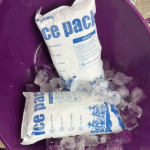
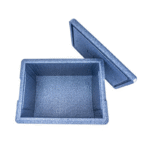
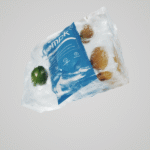
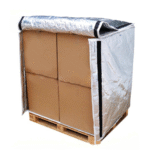
Temperature-controlled packaging is as crucial as the transport vehicle itself. Embalaje aislado, including vacuum-sealed bags and insulated boxes, helps maintain the desired temperature for extended periods.
Soluciones de embalaje:
-
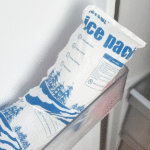
Bolsas térmicas: Keep products cold and prevent contamination during short transport periods.
-
Paneles de aislamiento de vacío (VIP): Ensure that temperatures remain stable over long distances.
By integrating these advanced packaging solutions with temperature-controlled vehicles, dairy products stay fresh, even in transit over several days.
[H2] What Are the Challenges in Temperature-Controlled Creamery Transport?
Despite advancements in refrigeration technology, several challenges persist in the transport of dairy products:
-
Fluctuations in energy costs: The high demand for refrigeration units can lead to spikes in fuel consumption and energy costs.
-
Cumplimiento regulatorio: Different European countries have varying regulations on the allowable temperature ranges and storage duration for dairy products.
-
Monitoreo de temperatura: Ensuring accurate temperature control throughout the entire supply chain, from factory to end-user, puede ser complejo.
Sin embargo, these challenges can be mitigated by choosing reliable transport providers and implementing best practices in temperature monitoring and packaging.
Industry Trends in Creamery Transport for 2025
2025 Trends Shaping Temperature-Controlled Transport
The temperature-controlled logistics industry is evolving rapidly, impulsado por las nuevas tecnologías, regulaciones, and consumer demand for fresh products. Algunas tendencias clave incluyen:
-
IoT-Driven Monitoring: Real-time data analytics and temperature tracking are becoming standard in the logistics industry. Smart sensors that monitor and communicate temperature data to stakeholders ensure that any issues are identified early, prevenir el deterioro.
-
Sustainability in Transport: As sustainability becomes a focal point for both consumers and businesses, there is an increasing shift towards eco-friendly and energy-efficient refrigeration solutions.
-
Automatización e IA: Robotics and AI are expected to play a larger role in loading, descarga, and route planning, Reducir el error humano y mejorar la eficiencia..
These trends reflect a growing emphasis on both operational efficiency and product quality in creamery transport.
Preguntas frecuentes: Common Questions About Temperature-Controlled Creamery Transport
Q1: How long can dairy products stay in temperature-controlled transport?
Most dairy products can safely stay in temperature-controlled transport for up to 72 horas. Sin embargo, this depends on the packaging and refrigeration system used. Para viajes más largos, additional temperature-control solutions are needed.
Q2: What temperature should dairy products be kept at during transport?
Dairy products should be kept at temperatures between 0°C and 4°C to ensure product safety and quality. para helado, a lower temperature of -18°C is recommended.
Conclusión: How to Choose the Right Temperature-Controlled Transport for Your Creamery Products
When selecting a temperature-controlled transport provider in Europe, es importante considerar:
-
Compliance with EU regulations and standards.
-
The reliability of refrigeration systems and real-time monitoring.
-
Eco-friendly packaging and sustainability efforts.
By integrating these factors into your logistics strategy, you can ensure that your creamery products are delivered safely and efficiently, preserving their quality from production to consumer.
Acerca de Tempk
Y tempk, we specialize in providing cutting-edge temperature-controlled transport solutions for the dairy industry. Our fleet of certified, refrigerated vehicles and advanced packaging options ensures that your creamery products remain fresh throughout the entire supply chain. With our commitment to regulatory compliance, sostenibilidad, y monitoreo en tiempo real, we are your trusted partner in dairy logistics.
Contáctenos today for a personalized consultation on optimizing your temperature-controlled creamery transport needs.