Las vacunas son productos que salvan vidas, sin embargo, su eficacia depende de cómo se manipulan entre la fábrica y el brazo del paciente.. Logística de la cadena de frío de vacunas refers to the network of refrigerated storage, transport and handling steps that keep vaccines within strict temperature ranges. Exposure to heat or freezing can quickly destroy potency; Estados Unidos. Centros para el Control y la Prevención de Enfermedades (Centros para el Control y la Prevención de Enfermedades) warns that even a single freeze event can ruin certain vaccines and lead to revaccination and financial loss. With billions of doses being shipped globally and more temperature sensitive biologics coming to market, understanding how to manage this cold chain is crucial. This guide explains the fundamentals, latest technologies and 2025 trends in cold chain logistics so you can protect vaccines and the communities that rely on them.
Esta guía le ayudará a comprender:
The basics of vaccine cold chain logistics: que es, why it matters and the temperature ranges for different vaccine types. The CDC notes that most routine vaccines require refrigeration between 2 °C and 8 °C, but some mRNA and gene therapies must stay well below −60 °C.
Key components of an effective cold chain: including purpose built storage, embalaje, data loggers and trained staff. The WHO estimates that up to 50 % of vaccines are wasted because of improper cold chain handling, so careful attention to these components is essential.
Tecnologías emergentes: como sensores de IoT, Optimización de rutas impulsada por IA, blockchain and drones that are revolutionising vaccine distribution.
Practical tips for compliance and sustainability: including how to reduce waste, comply with regulations and improve energy efficiency.
Frequently asked questions and a summary of latest trends a partir de 2025 so you stay ahead in a rapidly evolving field.
What is vaccine cold chain logistics and why is it crucial?
The cold chain protects vaccine potency by maintaining specific temperature ranges from production to administration. Según la guía de los CDC, the cold chain begins at the vaccine manufacturing plant and includes transportation, storage at central and local facilities and handling until the vaccine is given to the patient. For most traditional vaccines such as measles, mumps and tetanus, recommended storage is between 2 °C and 8 °C. Some newly developed mRNA vaccines or gene therapies require deep freeze conditions as low as −90 °C to −60 °C, and cell and gene therapies may need even colder environments below −150 °C.
Sin un control de temperatura adecuado, vaccines can lose potency and become ineffective. The CDC emphasises that a single exposure to freezing temperatures can irreversibly damage some vaccines. Temperature excursions also force healthcare providers to discard vials, leading to financial loss and missed immunisation opportunities. One industry report notes that a two hour deviation from the required range can spoil a shipment worth over US$500 000. These losses not only waste valuable vaccines but can undermine public trust when people must be revaccinated.
Vaccine cold chain logistics is therefore not just about refrigeration; it’s a comprehensive system encompassing equipment, procedimientos, monitoring and human factors. The WHO estimates that nearly half of vaccines are wasted globally due to poor cold chain practices. Failing to maintain the chain can leave entire communities vulnerable to preventable diseases.
Temperature categories for vaccines
Different types of vaccines and biologics have distinct storage requirements. Understanding these categories helps logistics teams choose the right equipment and packaging:
| Categoría | Rango de temperatura | Ejemplos | Lo que significa para ti |
| Vacunas refrigeradas | 2 °C a 8°C | Routine childhood vaccines, many inactivated vaccines | Requires purpose built refrigerators and careful monitoring; do not freeze or expose to light. |
| Vacunas congeladas | −50 °C to −15 °C | Varicela, some live attenuated vaccines | Needs medical grade freezers and contingency planning for power outages. |
| Vacunas ultrafrías | −90°C a −60°C | Vacunas de ARNm COVID 19 | Requires ultra low temperature freezers or portable cryogenic containers; may be stored at 2 °C–8 °C for limited time periods. |
| Cryogenic biologics | Below −150 °C | Terapias celulares y genéticas. | Needs liquid nitrogen freezers; strict handling protocols and specialised packaging to prevent evaporation of cryogens. |
| Room temperature medicines | 15 °C a 25°C | Some stable biologics, oral vaccines | Still require temperature control and monitoring to avoid exposure to extremes during transportation and storage. |
Key components of an effective vaccine cold chain
The cold chain is only as strong as its weakest link. A holistic approach includes specialised equipment, robust packaging, accurate monitoring and trained personnel.
Purpose built storage equipment
Use medical grade refrigerators and freezers that are specifically designed for vaccines. Consumer appliances cannot maintain narrow temperature ranges. Purpose built units include digital displays, temperature alarms and continuously circulating fans to ensure even cooling. The CDC recommends using these units, along with calibrated digital data loggers, to monitor temperature and record the minimum and maximum over each day. Ultra low temperature freezers are required for mRNA vaccines and must be able to maintain −90 °C to −60 °C.
Maintain cold chain equipment through regular calibration and maintenance. A data logger should be checked at least twice per day to document temperature ranges and ensure alarms are functioning. Generators and battery backup systems are vital for preventing temperature excursions during power outages. For remote clinics, solar powered refrigeration units offer an eco friendly option; in Southeast Asia, solar cold storage units have reduced energy costs because solar rates (3.2–15,5 céntimos por kWh) are lower than commercial electricity rates (13.10 centavos por kWh).
Insulated packaging and thermal protection
Choose packaging solutions based on transport distance and temperature requirements. There are two broad categories:
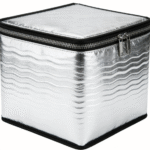
Sistemas pasivos use phase change materials or dry ice to maintain temperature without an external power source. These are suitable for last mile deliveries but need careful pre conditioning and can be heavy. Ultra cold shipments may require boxes filled with dry ice, which sublimates and must be replenished periodically.
Sistemas activos are powered containers or vans with built in refrigeration units. They provide more consistent temperatures over longer journeys but require access to power and are more expensive. Innovations like portable cryogenic freezers can maintain −80 °C to −150 °C for biologics and cell therapies.
Packaging should also protect vials from light, choque y vibración. Many manufacturers incorporate GPS trackers and tamper evident seals to deter theft and confirm integrity upon arrival.
Continuous temperature monitoring and data logging
Real time monitoring is the backbone of modern cold chain logistics. The CDC urges providers to check and record temperatures daily. Sin embargo, manual logs are prone to human error and provide limited visibility. IoT sensors and digital data loggers transmit temperature, humidity and location data throughout the journey. Cuando ocurre una excursión de temperatura, alerts prompt corrective actions such as adding coolant or rerouting shipments. Industry analysis shows that a two hour temperature deviation can spoil a shipment worth hundreds of thousands of dollars; real time monitoring allows interventions that prevent this loss.
Data loggers should be secure and tamper proof. Blockchain technology offers a transparent and immutable record of each step in the cold chain. One report highlights how combining IoT sensors with blockchain ensures traceability from manufacturer to patient, reduces the risk of counterfeits and simplifies audits.
Trained personnel and standard operating procedures
Human error is a major factor in vaccine waste. The WHO emphasises that even well designed systems can fail if staff do not understand procedures. Training should cover proper loading of refrigerators and transport containers, recognition of temperature excursion alarms, recording of min–max values, and safe handling of dry ice or liquid nitrogen. Staff should understand that some vaccines must never be shaken and that vials should be stored upright away from freezer coils.
Develop contingency plans for emergencies. Create step by step protocols for power failures, equipment breakdown and transport delays. Pre arranged contingency contacts and backup storage locations can save valuable doses during unforeseen events. The CDC’s Vaccine Storage and Handling Toolkit includes guidance on emergency transport procedures.
Sugerencias de enlaces internos
To further support readers, consider linking to related articles within your site. These internal links help distribute link equity and guide users to deeper content:
Refrigerated vaccine storage best practices – a guide to set up and maintenance of 2 °C–8 °C units.
Activo vs.. passive cold chain packaging – pros and cons of different container types.
Digital temperature monitoring systems – how data loggers, IoT sensors and blockchain work together.
Drone delivery in healthcare logistics – exploring autonomous last mile delivery.
Cold chain regulations and compliance – understanding global guidelines and certification schemes.
These descriptive anchor texts naturally incorporate keywords while aiding navigation.
Emerging technology transforming vaccine logistics
As vaccine volumes rise and biologics become more sensitive, technology plays an increasingly important role in protecting the cold chain. The following innovations are reshaping how vaccines are stored, transported and delivered.
Internet de las cosas (IoT) sensors and remote monitoring
IoT networks provide constant visibility into vaccine conditions. Sensor networks embed temperature probes, humidity sensors and GPS trackers into packaging and vehicles. Data streams are sent to dashboards so logistics teams can verify the temperature of each shipment in real time. Alerts enable proactive interventions such as adjusting refrigeration settings or rerouting a shipment before a threshold is crossed. These systems also reduce manual record keeping, lowering the risk of human error.
Integration with blockchain improves trust and compliance. By recording sensor data on blockchain ledgers, each temperature reading becomes tamper proof and auditable. This transparency is particularly useful for international shipments where regulators must verify that a vaccine was kept within the correct range throughout its journey.
Inteligencia artificial y análisis
AI is turning vast data streams into actionable insights. Machine learning algorithms analyse historical temperature patterns, route performance and climatic data to predict where and when excursions might occur. Por ejemplo, AI driven route optimisation chooses paths with the fewest delays, reducing transit time and keeping vaccines within safe ranges. AI can also forecast demand to match inventory with vaccination campaigns, minimising overstock and expiry waste.
Predictive maintenance ensures equipment reliability. Analizando los datos del sensor, AI can anticipate when a freezer might fail and schedule maintenance before a breakdown. This reduces unexpected outages that could compromise vaccine integrity.
Advanced packaging and cryogenic technologies
High performance insulations and phase change materials extend safe transit times. Modern packages use vacuum insulated panels, reflective foils and proprietary gels to maintain temperature for longer periods without electricity. Combining these materials with dry ice or liquid nitrogen provides stability in ultra cold shipments.
Portable cryogenic freezers enable mobile clinics. Biologics and cell therapies often require storage below −150 °C. Newer portable cryogenic units can maintain this temperature range while being transported, opening the door to advanced therapies reaching remote areas. These devices run on battery or renewable energy, making them suitable for field deployments.
Vehículos aéreos no tripulados (drones) para entrega de última milla
Drones are revolutionising last mile logistics, especialmente en regiones remotas. They bypass impassable roads and deliver doses quickly and safely. en madagascar, a project funded by Gavi and implemented by a local start up has been using drones since October 2024 to deliver up to 10 kg of vaccines across 50–100 km distances in about half an hour. Flights continue even during heavy rains and avoid dangerous road conditions. The programme serves multiple districts and ensures timely supply to remote clinics, demonstrating drones’ potential to close last mile gaps.
Regulatory environments are catching up. Many countries are drafting rules to permit medical drone deliveries. en la india, authorities have recently allowed medical drone trials, creating new opportunities for public private partnerships. Sin embargo, drone operations still require specialised training, licencing and integration with existing logistics networks.
Robótica y automatización de almacenes.
Robots streamline handling and sorting of cold chain products. Autonomous vehicles can move pallets in cold warehouses, while robotic arms load and unload packages into freezers. This reduces labour costs and minimises human exposure to cold temperatures. Coupled with AI, robots can be programmed to optimise stacking patterns to enhance airflow and maintain even temperatures.
Overcoming common challenges in vaccine cold chain logistics
Even with advanced technologies, cold chain logistics face obstacles. Addressing these challenges is key to reducing waste and ensuring vaccines reach communities safely.
Infrastructure limitations and energy challenges
Inconsistent power supplies can compromise vaccines. Many low and middle income countries lack stable electricity, making it difficult to maintain refrigeration. Solar powered units and battery backed refrigerators provide off grid solutions, as seen in Southeast Asia where solar cold storage units are becoming more common. Combining solar with energy storage and remote monitoring ensures continuous cooling even during cloudy periods.
Transport infrastructure affects delivery speed. Poor roads, traffic congestion and long distances can delay shipments. AI assisted route optimisation and use of drones help mitigate these delays by choosing the fastest routes and bypassing ground obstacles. Para distancias más largas, refrigerated containers on trains or ships may be necessary, and multi modal planning is essential.
Cumplimiento normativo y documentación
Navigating varied regulations across jurisdictions can be complex. National and international guidelines dictate how vaccines must be stored, labelled, transportado y monitoreado. Real time data logging and blockchain enhance traceability, making it easier to demonstrate compliance during audits.
Accurate record keeping is mandatory. Many regulators require documentation of temperature histories for each vaccine lot. Digital logs simplify this process and prevent manual errors. For shipments crossing borders, harmonising documentation with customs requirements and health authorities reduces delays.
Training and workforce development
Skill gaps can undermine sophisticated systems. New technologies require training in sensor installation, data interpretation and response protocols. Regular competency assessments and certification programmes help ensure that staff know how to react to alarms, handle dry ice safely and maintain equipment. Continuous professional development also improves retention and promotes innovation.
Waste reduction and sustainability
Reducing spoilage benefits both health outcomes and the environment. Preventing temperature excursions not only preserves vaccine potency but also reduces the carbon footprint associated with producing replacement doses. Integrating demand forecasting with ordering systems avoids overstocks and expirations.
Sustainable packaging and renewable energy solutions are gaining traction. Many companies now use recyclable or biodegradable insulating materials. Solar energy and energy efficient freezers lower the carbon footprint of cold chain facilities, and some regions even power cold warehouses with microgrids.
2025 tendencias y conocimientos del mercado
The cold chain landscape continues to evolve rapidly. Here are the trends shaping the sector as of late 2025:
Crecimiento del mercado e inversión.
The global pharmaceutical cold chain market was valued at around US$6.4 billion in 2024 and is expected to reach approximately US$6.6 billion in 2025, with long term forecasts projecting growth to US$9.6 billion by 2035. La creciente demanda de productos biológicos, vaccines and personalised medicines drives this expansion. Investors are funding start ups developing smart packaging, IoT platforms and drones.
Digitisation and data integration
Digital vaccine supply chain initiatives are gaining momentum. A literature review notes that digital technologies, incluyendo IoT, AI, robotics and blockchain, are being adopted to ensure real time tracking, transparency and efficiency. The World Health Organization’s “Global Strategy on Digital Health 2020 2025” encourages governments to adopt digital solutions to strengthen health systems. Expect continued investment in cloud platforms that integrate supply chain data and support predictive analytics for demand planning and risk management.
Centros regionales de innovación
El Sudeste Asiático se está convirtiendo en un centro para la innovación en la cadena de frío.. The region is addressing inconsistent power supply, long transport times and regulatory complexity by deploying blockchain for end to end traceability, almacenamiento con energía solar, AI route optimisation and IoT sensors. Governments and private companies in Asia, Africa and Latin America are investing in similar solutions to adapt to local challenges.
Last mile solutions and drone expansion
Drone programmes, such as the one delivering vaccines in Madagascar, demonstrate the viability of autonomous aircraft for remote deliveries. As regulatory frameworks mature, expect wider adoption of drones for routine vaccine distribution in areas with poor road infrastructure. Combining drones with community engagement and health worker training is crucial for acceptance and success.
Sostenibilidad y resiliencia
Climate change amplifies the risks of heatwaves, storms and supply disruptions. Cold chain systems are therefore integrating renewable energy, energy efficient designs and sustainable packaging to reduce emissions and enhance resilience. Off grid solutions such as solar powered refrigerators and modular cold rooms are key for remote clinics.
Preguntas frecuentes
¿Qué sucede si una vacuna se expone a temperaturas bajo cero??
Exposure to freezing temperatures can damage vaccines irreversibly. The CDC notes that a single freeze event can destroy potency and require revaccination. Always monitor temperatures and never store refrigerated vaccines in a freezer.
Can mRNA vaccines be stored in a regular refrigerator?
Ultra cold mRNA vaccines should normally be stored between −90 °C and −60 °C. Sin embargo, certain brands allow short term storage at 2 °C–8 °C for up to ten weeks. Consult manufacturer guidelines and ensure vials are not refrozen.
How can I monitor vaccine temperatures during transport?
Digital data loggers and IoT sensors provide continuous, datos de temperatura y ubicación en tiempo real. Alerts warn you of deviations, and blockchain records make the data tamper proof.
¿Son seguros los drones para entregar vacunas??
Sí. Trials in Madagascar have shown drones can transport up to 10 kg of vaccines over 50–100 km within half an hour, even in bad weather. Embalaje adecuado, validated flight paths and regulatory approval are necessary.
What are the energy requirements for cold chain equipment?
Medical grade refrigerators typically consume more energy than household units because they maintain stricter temperature ranges. Solar powered units are increasingly used in areas with unreliable power; in Southeast Asia, solar energy costs can be as low as 3.2–15.5 cents per kWh compared with 13.10 cents for grid power.
How can small clinics improve their cold chain?
Invest in purpose built refrigerators, calibrate data loggers regularly, train staff and develop emergency plans. Consider solar powered units or portable freezers if electricity supply is unreliable. Use digital monitoring to detect temperature excursions early.
Resumen y recomendaciones prácticas
Control de llave
Mantener temperaturas correctas: Vaccines must be kept within specific ranges to preserve potency. Refrigerated vaccines require 2 °C–8 °C; mRNA vaccines need ultra cold conditions. Avoid freezing refrigerated vaccines as this can destroy them.
Use purpose built equipment and packaging: Refrigeradores de grado médico, ultra cold freezers and well insulated containers prevent temperature fluctuations. Maintain and calibrate equipment regularly.
Monitorear continuamente: Employ IoT sensors, digital data loggers and blockchain to record temperature and location data in real time. Intervene promptly if alerts indicate a problem, evitando costosos deterioros.
Adopte las innovaciones: IA para la optimización de rutas, drones for last mile delivery and solar refrigeration enhance efficiency and sustainability.
Capacite al personal y planifique para emergencias.: Human factors are critical. Provide regular training on vaccine handling, monitor procedures and develop contingency plans.
Plan de acción
Assess current cold chain equipment and monitoring tools. Identify gaps in refrigeration, embalaje, data logging and backup power. Prioritise replacing household refrigerators with medical grade units.
Implement real time temperature monitoring. Deploy IoT sensors and choose platforms that integrate with blockchain or secure databases. Set up alarms that alert designated staff via SMS or email.
Optimise logistics routes and packaging. Use AI based route planning to minimise transit times and reduce exposure to extreme temperatures. Select packaging designed for the specific temperature requirements of your vaccines.
Invest in renewable energy where possible. Evaluate solar powered refrigerators or microgrids to ensure continuity in remote clinics. The long term cost savings and environmental benefits are significant.
Proporcionar formación continua.. Conduct periodic refresher courses, emphasising temperature monitoring, respuesta a emergencias y mantenimiento de equipos. Encourage staff to report issues promptly and reward compliance.
Acerca de Tempk
Tempk is a specialist in cold chain solutions, combining state of the art refrigeration equipment with digital monitoring platforms. Our purpose built units maintain precise temperatures across all categories, from 2 °C–8 °C refrigerators to ultra low freezers. Our cloud connected sensors provide real time data and alerts, and our system integrates with blockchain to ensure transparent records. We also offer training programmes to help customers comply with international standards. By partnering with healthcare providers worldwide, Tempk helps safeguard vaccine potency and improve patient outcomes.
Listo para optimizar su cadena de frío? Reach out to the Tempk team for expert advice and customised solutions. Our specialists can assess your facility, recommend appropriate equipment and help you implement digital monitoring to prevent vaccine wastage.