¿Cómo funciona un sistema de cadena de frío para vacunas? 2025?
Introducción: The integrity of every dose depends on a reliable sistema de cadena de frío para vacunas. This process maintains vaccines within strict temperature ranges from the factory to your patient’s arm. In 2025 el mercado de logística de vacunas se valora en torno al dólar 3.29 mil millones y casi 25 % of vaccines globally are lost due to temperature excursions. You’ll learn how a robust vaccine cold chain system protects potency, cumple con los requisitos de cumplimiento e incorpora tecnologías emergentes.
¿Qué es un sistema de cadena de frío para vacunas y por qué es esencial?? (definición y componentes)
¿Cómo se mantiene la temperatura adecuada en un sistema de cadena de frío para vacunas?? (rangos de temperatura & equipo)
¿Cómo se diseña una estrategia confiable de cadena de frío para vacunas en 2025? (plano paso a paso)
¿Qué innovaciones están dando forma a los sistemas de cadena de frío de las vacunas?? (digitalización, almacenamiento ultra bajo, drones, sostenibilidad, AI)
¿Cómo afectan las regulaciones y el cumplimiento a los sistemas de cadena de frío de vacunas?? (Centros para el Control y la Prevención de Enfermedades, OMS, PIB, DSCSA)
¿Qué beneficios le traerá un sistema de cadena de frío para vacunas?? (seguridad del paciente, reducción de residuos, confianza regulatoria)
What Is a Vaccine Cold Chain System and Why Does It Matter?
Definición y significado: A sistema de cadena de frío para vacunas is the network of refrigerated storage and transport that keeps vaccines within their recommended temperature ranges, generalmente 2 °C-8 °C for standard vaccines and –80 °C a –60 °C for many mRNA formulas. Deviations destroy active ingredients and compromise protection, which is why the World Health Organization estimates that 25 % of vaccines are damaged worldwide due to cold chain failures. Maintaining a stable vaccine cold chain system ensures patients receive potent vaccines, helps meet regulatory requirements and avoids the costs of wasted doses.
Importancia para ti: Whether you run a clinic, manage a laboratory or oversee distribution, a vaccine cold chain system protects your investment. Proper storage reduces revaccination, fosters community trust and shields your organization from liability.
Key Components of a Vaccine Cold Chain
Cada sistema de cadena de frío para vacunas comprises several interconnected elements that work together to preserve potency:
| Componente | Descripción | Importancia práctica |
| Almacenamiento con temperatura controlada | Refrigeradores (2 °C-8 °C), congeladores (–50 °C a –15 °C), congeladores ultrabajos (–90 °C a –60 °C) y unidades criogénicas (< –80°C) are used depending on the vaccine. | Ensures each vaccine stays within its required range; Por ejemplo, mRNA vaccines require –80 °C to –60 °C storage. |
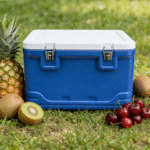
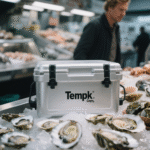
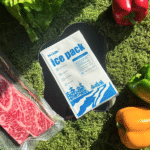
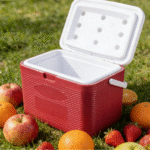
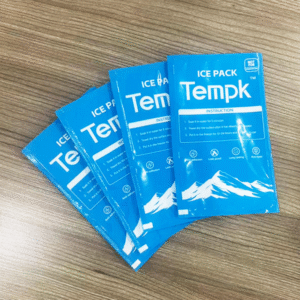
| Sistemas de embalaje | Sistemas pasivos use insulated boxes with gel packs or phase change materials; sistemas activos include powered containers with refrigeration units. | Passive packages suit short journeys; active systems handle long distances and extreme conditions. |
| Tecnología de monitoreo | Registradores de datos digitales, sensores de iot, GPS, RFID tags and cloud dashboards provide real time temperature, datos de humedad y ubicación. | Continuous monitoring enables immediate alerts and reduces vaccine waste by up to 50 %. |
| Personal capacitado y SOP | Personnel must understand packaging, interpret sensor alerts and follow standard operating procedures (Sops). | Consistent processes minimise human error and ensure compliance. |
| Cumplimiento regulatorio | Guidelines from CDC, OMS, la Ley de Seguridad de la Cadena de Suministro de Medicamentos (DSCSA) y Buenas Prácticas de Distribución (PIB) set storage rules and documentation requirements. | Adhering to regulations prevents fines and protects patient safety. |
Analogy: Think of a vaccine cold chain system like a marathon relay. Each runner (fabricante, expedidor, storage facility and clinic) must pass the baton (vacunas) without dropping it or letting it overheat. Even a small slip can ruin the race.
To make it practical for you
Audit your current storage units: Identify which vaccines require refrigeration (2 °C-8 °C) and which demand ultra low freezers.
Document your chain of custody: Use digital logs to record temperatures and hand offs—similar to tracking packages online.
Entrena a tu equipo regularmente: Develop SOPs and conduct drills to prepare for power outages and equipment failures.
Implementar sensores: Adopt IoT enabled monitoring devices to receive real time alerts if the temperature deviates.
Caso del mundo real: In a clinic equipped with Nexleaf’s ColdTrace sensors, un corte de energía desencadenó una alerta que permitió al personal restaurar la refrigeración antes de que las temperaturas de las vacunas excedieran los límites seguros, ahorrando casi 2,000 dosis.
How Do You Maintain the Right Temperature in a Vaccine Cold Chain System?
Respuesta central: Keeping vaccines potent means maintaining them within specified temperature ranges. For most routine vaccines, that’s between 2 °C y 8 °C. Frozen vaccines may require –20 °C a –30 °C, while mRNA and gene therapies demand –80 °C a –60 °C or lower. Failing to follow these ranges can render vaccines ineffective or harmful.
Buceo:
The CDC recommends storing refrigerated vaccines between 2 °C y 8 °C, with an ideal mid point of 5 °C. Never freeze these vaccines; the only exception is MMR which can be kept in a freezer.
Frozen vaccines—such as some polio and Ebola doses—must be kept between –50 °C y –15 °C. A stand alone freezer is the best unit for this purpose.
Vacunas ultrafrías (like Pfizer BioNTech’s mRNA products) requerir –90 °C a –60 °C almacenamiento. Sin embargo, once thawed they can stay at 2 °C–8 °C hasta 10 semanas.
Monitoring and Technologies for Real Time Visibility
Moderno vaccine cold chain systems leverage technology to maintain temperature and accountability:
| Tecnología | Descripción | Beneficio |
| Registradores de datos digitales | Devices that record temperatures continuously and store thousands of readings; they should be placed in the centre of the packaging. | Provide accurate historical records and help validate excursions. |
| sensores de iot | Sensors use cellular, GPS or Bluetooth to transmit real time temperature, datos de humedad y ubicación. | Enable remote monitoring, reduce waste by up to 50 % and integrate into dashboards. |
| RFID & rastreadores GPS | RFID tags trigger automated updates at checkpoints; GPS trackers provide real time location. | Improve route planning and ensure prompt interventions when delays occur. |
| Libros de contabilidad de cadena de bloques | Platforms like PharmaChain record every event in the supply chain, crear un historial de temperatura a prueba de manipulaciones. | Enhance trust, reduce fraud and facilitate regulatory audits. |
Consejo práctico: Integrate your sensors with a dashboard that sends SMS or email alerts. When a threshold is breached, you can act immediately—much like receiving an alert when your home freezer door is left open.
Practical Temperature Guidelines
Vacunas refrigeradas: Store between 2 °C y 8 °C and aim for an ideal 5 °C. Check and record min/max temperatures at the start of each workday.
Vacunas congeladas: Maintain between –50 °C and –15 °C. Use water bottles to stabilize temperature and never put vaccines on door shelves.
Vacunas ultrafrías: Store between –90 °C and –60 °C. For example, Comirnaty and Pfizer BioNTech vaccines may be kept at 2 °C–8 °C hasta 10 semanas después de la descongelación.
Cryogenic therapies: Use liquid nitrogen dewars for shipments requiring –150 °C and below; monitor both interior and exterior temperatures for safety.
Tips for everyday scenarios
Clinic refrigerators: Replace crisper bins with water bottles to help maintain temperature. Label bottles “Do Not Drink” and never store food alongside vaccines.
Power failure contingency: Keep spare generators or battery backups on site and plan transfers to alternate units when a freezer warms above its threshold.
Entregas remotas: Para clínicas rurales, use solar powered refrigerators and drones equipped with insulated packaging; early results show drones reduce product loss and improve on time delivery.
How Do You Design a Reliable Vaccine Cold Chain Strategy in 2025?
Respuesta central: Designing a robust sistema de cadena de frío para vacunas involves a structured, end to end approach. You need to assess risks, select proper packaging, validar equipo, planificar rutas, implementar un monitoreo continuo, prepare contingency plans and continuously improve.
Explicación expandida:
Evaluar riesgos y cartera de vacunas: Identify each vaccine’s temperature range and hold time. Map potential risks like long transit times, acceso de última milla y cortes de energía.
Elija el embalaje adecuado: Decide between passive or active systems based on shipment duration and temperature requirements. For 2 Envíos entre °C y 8 °C, Las cajas aisladas con paquetes de gel pueden ser suficientes.; for mRNA shipments use vacuum insulated shippers and dry ice or active containers.
Validar equipo: Calibrar refrigeradores, congeladores y sensores; perform test runs to measure temperature stability.
Planificar rutas y transportistas: Select carriers with validated cold chain capabilities. Use predictive analytics and AI to optimize routes; La IA puede reducir el tiempo de tránsito hasta 30 %.
Implementar un monitoreo continuo: Equipe cada envío con sensores IoT y registradores de datos; set alert thresholds and track shipments in real time.
Preparar planes de contingencia: Arrange alternative refrigeration facilities and emergency dry ice; train staff on response actions.
Mantener la documentación y el cumplimiento.: Registro de registros de temperatura, hand off times and chain of custody information; use blockchain or digital records to ensure authenticity.
Revisar y mejorar: Después de cada envío, evaluate metrics like temperature stability and incident responses; use data analytics to identify patterns and refine procedures.
Practical Tips for Different Scenarios
| Guión | Acciones recomendadas | Cómo te ayuda |
| Clínicas remotas con energía poco confiable | Deploy solar powered refrigerators and sensor based monitoring; use vaccines with longer shelf lives; train staff to pack shipments quickly. | Ensures vaccines remain potent even with intermittent power; mejora la resiliencia. |
| Entrega de última milla a zonas rurales | Use drone transport with temperature controlled packaging; programmes like Rwanda’s VaccAir show drones reduce product loss and improve delivery times. | Reaches hard to access regions quickly and reduces spoilage. |
| Envíos de terapia celular de alto valor | Utilice recipientes dewar de nitrógeno líquido criogénicos con envases que absorban los impactos.; include redundant sensors; arrange escort services. | Protects fragile therapies and ensures regulatory compliance. |
| Contingencia por falla del congelador | Keep spare generators or battery backups; transfer vaccines to alternative units; use digital alerts to notify staff. | Prevents temperature excursions and saves vaccines during unexpected failures. |
Elemento interactivo: Try a self assessment. Rate each of these areas (Evaluación de riesgos, embalaje, validación de equipos, planificación de ruta, escucha, contingencia) on a scale of 1–5. If any area scores below 3, focus on improving that aspect of your vaccine cold chain system.
What Innovations Are Shaping Vaccine Cold Chain Systems?
Respuesta central: New technologies are transforming how vaccine cold chain systems operate. Digitalización, ultra low temperature innovation, drones, sustainable packaging and AI all play crucial roles.
Digitalisation and Traceability
End to end visibility is now a baseline expectation. sensores de iot, plataformas en la nube, RFID tags and blockchain collectively provide real time data on location, temperature and custody. Blockchain ensures tamper proof records and reduces fraud.
Ultra Low Temperature Innovation
The rise of mRNA vaccines and gene therapies has increased demand for cryogenic logistics. Manufacturers are developing ultra low freezers and dry shippers that maintain –80 °C a –150 °C mientras reduce el uso de energía. These innovations support remote transport without compromising product viability.
Drones and Last Mile Automation
The medical drone delivery services market is expected to grow from Dólar estadounidense 358.8 millones en 2025 a USD 2.5 mil millones por 2034. Los drones reducen los tiempos de entrega, Evitar el tráfico y llegar a lugares remotos.. Programmes such as VaccAir integrate drones with insulated packaging to reduce product loss. Automated storage and retrieval systems in warehouses also reduce handling errors and operate 24/7.
Sustainable Packaging and Renewable Energy
La sostenibilidad ya no es opcional. The reusable cold chain packaging market will grow from Dólar estadounidense 4.97 mil millones en 2025 a USD 9.13 mil millones por 2034. Sistemas de refrigeración energéticamente eficientes, fuentes de energía renovables (p.ej., refrigeradores con energía solar) and recyclable materials reduce the carbon footprint of vaccine transportation.
Inteligencia artificial y análisis predictivo
La IA optimiza las rutas, pronostica la demanda y predice fallas en los equipos. Analizando datos históricos y en tiempo real., AI can reduce transit times by arriba a 30 %. Predictive maintenance uses sensor data to alert staff before a freezer fails.
Perspectivas del mercado y proyecciones de crecimiento
| Métrico | 2025 Valor | Projected Value | Notas |
| Vaccine logistics market | Dólar estadounidense 3.29 mil millones | Dólar estadounidense 4.25 mil millones por 2030 (Tocón 5.24 %) | Asia Pacífico es la región de más rápido crecimiento; Europe currently holds the largest share. |
| Vaccine storage & packaging market | Dólar estadounidense 4.78 mil millones en 2024 | Dólar estadounidense 8.11 mil millones por 2030 | Growth driven by mRNA vaccines and digital monitoring. |
| Mercado de envases reutilizables | Dólar estadounidense 4.97 mil millones en 2025 | Dólar estadounidense 9.13 mil millones por 2034 | Sustainability and cost savings fuel demand. |
| Medical drone delivery market | Dólar estadounidense 358.8 millones en 2025 | Dólar estadounidense 2.5 mil millones por 2034 | Rapid expansion due to last mile challenges. |
| Pharmaceutical cold chain market | N / A | Dólar estadounidense 1,454 mil millones por 2029 with CAGR 4.71 % | Gene and cell therapies drive growth. |
Llevar: Embracing these innovations can give you a competitive advantage. Digital tools enhance visibility, drones expand reach, sustainable packaging improves your environmental footprint and AI minimises waste and costs.
How Do Regulations and Compliance Affect Vaccine Cold Chain Systems?
Respuesta central: Regulatory frameworks define how vaccines should be stored, transported and recorded. Adherence ensures patient safety, avoids fines and maintains access to publicly funded vaccines.
Major Guidelines
Kit de herramientas de almacenamiento y manipulación de vacunas de los CDC: Provides comprehensive guidance on storage, transport and emergency handling. It recommends using digital data loggers with buffered probes and storing vaccines at the appropriate temperature ranges. The ideal refrigerator temperature is 5 °C.
WHO Vaccine Management Handbook: Offers global standards for vaccine cold chain systems and emphasises continuous temperature monitoring.
DSCSA (A NOSOTROS.): Requires electronic transaction data and digital tracking for pharmaceuticals to prevent counterfeiting and ensure traceability.
Buena práctica de distribución (PIB): Outlines standards for the distribution of pharmaceutical products. GDP emphasises proper packaging, documentation and temperature control.
Asociación Internacional de Transporte Aéreo (IATA): Sets guidelines for air cargo shipments, incluyendo empaque, etiquetado y control de temperatura.
Capacitación y procedimientos operativos estándar
Un obediente sistema de cadena de frío para vacunas requires well trained staff and documented procedures:
| Aspecto | Mejores prácticas | Por que importa |
| Capacitación del personal | Train healthcare professionals on proper handling, temperature monitoring and emergency response. | Reduces human errors and ensures consistent adherence to guidelines. |
| Procedimientos operativos estándar (Sops) | Define responsibilities, métodos de embalaje, route planning and corrective actions. | Provides a clear playbook for routine and emergency situations. |
| Protocolos de emergencia | Develop plans for power outages, fallas y retrasos en el equipo; keep backup generators and alternate storage facilities. | Minimises vaccine loss during unexpected events. |
| Documentación | Registro de registros de temperatura, chain of custody and transaction data; use digital systems or blockchain for authenticity. | Facilitates audits and proves compliance with DSCSA and GDP requirements. |
Consejo: Post “Do Not Unplug” signs on refrigerators and freezers to prevent accidental disconnections.
How Can Vaccine Cold Chain Systems Benefit Your Practice or Organization?
Investing in a resilient sistema de cadena de frío para vacunas offers tangible benefits:
Protect patient safety: Potent vaccines mean better immunity and fewer disease outbreaks.
Reduce waste and costs: With real time monitoring and proper packaging, you can reduce vaccine waste by up to 50 %, saving thousands of dollars annually.
Enhance reputation: Compliance with CDC and WHO guidelines builds trust among patients and regulators.
Expand access: Using drones and portable refrigerators enables you to reach remote communities quickly.
Future proof your operations: Implementing AI and digital traceability prepares your organisation for evolving regulations and technologies.
Consejos prácticos y recomendaciones.
Empiece poco a poco y escale: Begin by auditing one part of your vaccine cold chain system, such as monitoring sensors, then gradually upgrade packaging and transport.
Utilice análisis predictivos: Leverage AI to optimise routes and schedule equipment maintenance, reducing delays and preventing failures.
Involucrar socios: Colaborar con proveedores de embalaje, drone operators and technology firms to build an integrated solution; strategic partnerships can broaden market reach.
Measure performance: Track metrics like temperature excursions, transit times and delivery success; use data dashboards to identify bottlenecks.
Ejemplo de caso real: In a remote health program, solar powered refrigerators combined with drones delivered vaccines to rural clinics, cutting delivery time from several hours to less than 30 minutes and eliminating spoilage.
2025 Latest Vaccine Cold Chain Developments and Trends
Descripción general de la tendencia: En 2025 the vaccine cold chain sector is expanding, driven by innovations and regulatory shifts. Automation and robotics, sostenibilidad, seguimiento en tiempo real, modernisation, AI and strategic partnerships are among the key forces shaping this landscape.
Último progreso de un vistazo
Automatización y Robótica: Acerca de 80 % de los almacenes no están automatizados; adoption of automated storage and retrieval systems (COMO/RS) is increasing to address labour shortages and reduce errors. Robots improve throughput and maintain consistent temperature control.
Sostenibilidad: Cold chain infrastructure contributes roughly 2 % de las emisiones globales de CO₂. Las empresas están adoptando refrigeración energéticamente eficiente, energías renovables y envases reciclables.
Visibilidad de extremo a extremo: Hardware accounted for more than 76.4 % del mercado de seguimiento de la cadena de frío en 2022. IoT enabled devices provide real time data to optimise routes and ensure compliance.
Modernisation: Aging infrastructure is being upgraded with modern refrigeration systems, aislamiento, recopilación de datos y energía renovable in situ.
IA y análisis predictivo: La IA ayuda a pronosticar la demanda, plan routes and predict equipment maintenance, leading to smarter decisions and cost savings.
Crecimiento de la cadena de frío farmacéutica: Aproximadamente 20 % de los nuevos medicamentos son terapias basadas en genes y células que requieren un estricto control de la temperatura; the global pharmaceutical cold chain market is projected to reach Dólar estadounidense 1,454 mil millones por 2029 con un CAGR de 4.71 %.
Investment in Fresh Food and Last Mile Delivery: Se espera que el mercado de logística de la cadena de frío de alimentos de América del Norte alcance Dólar estadounidense 86.67 mil millones en 2025. The rise of plant based and organic products increases demand for refrigerated transport.
Alianzas Estratégicas: Por 2025 acerca de 74 % de datos logísticos Se espera que esté estandarizado., enabling seamless integration across supply chains and promoting collaboration among food manufacturers, proveedores de embalaje y proveedores de tecnología.
Market insights and evolving trends
The cold chain market is projected to grow from Dólar estadounidense 454.48 mil millones en 2025 a USD 776.01 mil millones por 2029, representando un CAGR de 12.2 %. The industry employs over 576,300 gente and has seen more than 2,800 patentes registered. Startups such as Coldcart (parcel shipping), Biocold Technologies (natural refrigeration), Botanic Energy (thermodynamic tech), FishLog (fisheries cold chain) and Cryo Vacc (vaccines storage and tracking) highlight ongoing innovation.
Preguntas frecuentes
Pregunta 1: How often should I monitor vaccine storage temperatures?
Check and record refrigerator and freezer temperatures at least twice daily—typically at the start and end of the workday. Digital data loggers with buffered probes offer the most accurate readings.
Pregunta 2: Can vaccines be refrozen if they thaw accidentally?
No. Una vez descongelado, most vaccines cannot be refrozen. For mRNA vaccines, thawed vials can remain at 2 °C–8 °C hasta 10 semanas, but refreezing may damage the product.
Pregunta 3: Are there specific temperature ranges for different vaccines?
Sí. Standard vaccines require 2 °C-8 °C, frozen vaccines need –50 °C to –15 °C and mRNA or gene therapies demand –80 °C to –60 °C or even lower.
Pregunta 4: ¿Qué debo hacer durante un corte de energía??
Immediately implement your emergency protocol: switch to backup generators, keep refrigerator and freezer doors closed and transfer vaccines to another unit if necessary. Digital alerts can help you act quickly.
Resumen y recomendaciones
Control de llave: A sistema de cadena de frío para vacunas is the backbone of vaccine potency and patient safety. Maintaining temperature ranges (2 °C–8 °C para la mayoría de las vacunas, –80 °C to –60 °C for mRNA formulas) prevents waste and ensures efficacy. Modern systems integrate passive and active packaging, sensores de iot, blockchain and AI to provide real time visibility and optimise routes. Designing a robust vaccine cold chain involves assessing risks, seleccionar el embalaje adecuado, equipo de validación, planificación de rutas, monitoring continuously and preparing contingency plans. Regulations from the CDC, OMS, GDP and DSCSA set the rules; adhering to them protects patients and builds trust.
Action steps for you:
Audit your current vaccine cold chain system: Map the temperature requirements of your vaccine portfolio and identify gaps.
Upgrade monitoring technology: Invest in digital data loggers, IoT sensors and blockchain records for real time tracking and traceability.
Standardise procedures: Develop SOPs for packing, transporte y respuesta a emergencias; train your team regularly and document every hand off.
Explore innovation: Consider drones for last mile delivery, sustainable packaging and AI powered route optimisation to future proof operations.
Mantente informado: Monitor regulatory updates from the CDC, OMS y IATA; update your protocols and equipment accordingly.
Acerca de Tempk
Tempk specialises in temperature controlled packaging and monitoring solutions tailored for the pharmaceutical and biotechnology sectors. Our products include cajas aisladas, gel and dry ice packs y Registradores de datos habilitados para IoT designed to maintain precise temperature ranges. We also offer unidades de refrigeración con energía solar for remote clinics and drone compatible shippers for last mile deliveries. By combining robust materials with digital monitoring, we help clients reduce vaccine waste, ensure regulatory compliance and support sustainability goals.
Listo para optimizar su sistema de cadena de frío de vacunas? Contact our experts to design a customised solution that protects your vaccines, reduces waste and positions your organisation at the forefront of healthcare innovation.