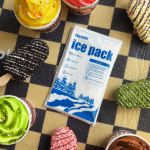
Mantener la integridad del producto en la logística moderna requiere más que bolsas de hielo y espuma. de hoy Contenedores frigoríficos VIP, equipado con Sensores habilitados para IoT, Están diseñados para un control de temperatura extremo.. VIP significa panel aislado al vacío – una tecnología súper aislante que retiene el calor o el frío mucho mejor que la espuma tradicional. Junto con el seguimiento de IoT, Estos contenedores proporcionan temperatura en tiempo real., datos de humedad y ubicación, Permitir a los operadores intervenir antes de que los productos se echen a perder.. A partir de diciembre 2025, Se prevé que la industria mundial de la cadena de frío alcance los USD 372 mil millones por 2029, y sobre 85 % de productos biológicos requieren un control preciso de la temperatura. Esta guía explica por qué los contenedores VIP junto con sensores de IoT ofrecen una protección inigualable para los productos farmacéuticos., alimentos y otros bienes perecederos.
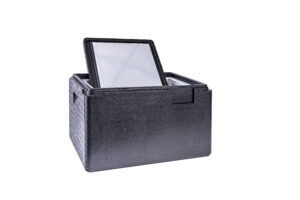
¿Qué hace que los paneles aislados al vacío sean tan efectivos?? – La ciencia detrás del súper aislamiento y cómo los VIP permiten espacios compactos, contenedores de larga duración.
¿Cómo transforman los sensores de IoT la logística de la cadena de frío?? – Del monitoreo en tiempo real a la conectividad satelital 5G, Descubra cómo los sensores inteligentes mejoran la visibilidad y reducen los residuos.
¿Qué tipo de solución de cadena de frío se adapta a su producto?? – Comparación de sistemas activos versus pasivos y cómo los contenedores VIP encajan en cada uno.
¿Qué factores debes considerar al seleccionar un contenedor?? – Rango de temperatura, duración, complejidad de la ruta, sostenibilidad y presupuesto.
¿Cuáles son las últimas tendencias para 2025? – Optimización de rutas de IA, La trazabilidad de blockchain y los materiales sostenibles dan forma a la próxima generación de tecnología de cadena de frío..
¿Qué hace que los paneles aislados al vacío sean tan efectivos en contenedores de envío refrigerados??
Respuesta directa
Paneles aislados al vacío (VIP) Ofrecen una resistencia térmica de cinco a diez veces mejor que el aislamiento convencional.iea-ebc.org, permitiendo que los contenedores mantengan la estabilidad de la temperatura durante 120 horas o más. Estos paneles son delgados, tableros rígidos rellenos con materiales de núcleo porosos como sílice pirógena y sellados en una envoltura hermética a los gases. Quitar el aire del panel reduce drásticamente la transferencia de calor por conducción y convección.. Porque el calor tiene menos vías de escape, Los VIP proporcionan altos valores R con un espesor mínimo, hacer que los contenedores sean más livianos y más eficientes en cuanto a espacio. En sistemas pasivos, Los VIP suelen combinarse con materiales de cambio de fase. (PCM) y fundas protectoras para crear una solución de cadena de frío de alto rendimiento que funciona sin electricidad.
Explicación expandida
Imagínese envolver un producto en un termo que nunca suda ni gotea.. El aislamiento tradicional de espuma o poliestireno actúa como una gruesa chaqueta de invierno: eficaz pero voluminoso.. Los paneles aislados al vacío actúan más como una manta de supervivencia de alta tecnología, ofreciendo mucho más aislamiento con sólo unos pocos centímetros de espesor. Según la Agencia Internacional de la Energía, El rendimiento del aislamiento VIP es cinco a diez veces mejor que los materiales convencionalesiea-ebc.org. Esto significa que un contenedor que utiliza VIP puede mantener su temperatura interna por mucho más tiempo sin dejar de ser liviano.. Peli Biotermal. Utilice paneles VIP con PCM de alto rendimiento para proporcionar temperaturas estables durante más 120 horas sin electricidad, hielo seco o pilas, haciéndolos ideales para envíos de larga distancia o retrasos. Los VIP también permiten una mayor capacidad de carga útil porque el aislamiento ocupa menos espacio., Reducir los costos de envío para productos sensibles al peso.. Cuando se combina con PCM, Los contenedores VIP pueden mantener rangos de temperatura específicos (como 2–8 °C, 15–25 °C o menos –18 °C) en varios climas.
Comparación de tecnologías de aislamiento.
| Tecnología | Valor de aislamiento típico | Duración típica (pasivo) | Lo que significa para ti |
| Poliestireno expandido (EPS) espuma | Valor R ~3,8–4,2 por pulgada | 24–48 h cuando se combina con paquetes de gel | Asequible y desechable pero voluminoso; adecuado para viajes cortos o artículos de baja sensibilidad. |
| Espuma de poliuretano | Valor R hasta 6.5 por pulgada | 48–72 h con bolsas de gel | Mayor aislamiento que el EPS; reutilizable pero más pesado y menos eficiente en cuanto a espacio. |
| Paneles aislados al vacío (personaje) | 5–10 × aislamiento de materiales tradicionales.iea-ebc.org | Arriba a 120 h o más | Retención térmica superior en capas delgadas; ideal para personas sensibles al peso, mercancías de alto valor y rutas largas. |
| Materiales de cambio de fase (PCM) | Absorción/liberación de energía específica de la temperatura | Prolonga la duración cuando se combina con aislamiento. | Mantiene puntos de ajuste de temperatura precisos; Se utiliza con VIP o espuma para absorber las oleadas de calor.. |
| Refrigeración activa | No depende del aislamiento; utiliza refrigeración motorizada | Continuo (requiere poder) | Proporciona un control preciso durante períodos prolongados.; más pesado y más caro; requiere electricidad o batería. |
Consejos y consejos prácticos
Haga coincidir la duración con la vida útil del producto: Si sus biológicos requieren 72 horas de transito, invertir en un transportista VIP de 120 horas puede brindar mayor tranquilidad, pero podría aumentar el costo. Considere los retrasos típicos de su ruta y elija en consecuencia.
Verifique el espesor del aislamiento versus la carga útil: Los contenedores VIP liberan espacio. Para envíos cobrados por volumen, La capacidad de carga útil adicional reduce los costos de transporte por unidad..
Combina VIP con materiales de cambio de fase: Los PCM absorben o liberan calor a una temperatura específica; combinarlos con VIP agrega un amortiguador térmico para manejar cargas máximas.
Utilice forros o mantas para mayor protección.: En condiciones extremas, agregar revestimientos reflectantes o mantas aislantes dentro del contenedor reduce aún más el intercambio de calor y protege contra el calor radiante.
Caso del mundo real: Una empresa de biotecnología utilizó un contenedor frigorífico inteligente con GPS y sensores de temperatura para enviar un producto de terapia genética al extranjero. Cuando un retraso en el puerto provocó que la temperatura del contenedor aumentara, Las alertas de IoT provocaron un desvío a una instalación de almacenamiento en frío cercana, guardando el envío. Este ejemplo muestra cómo combinar el aislamiento con el monitoreo en tiempo real evita costosos deterioros..
¿Cómo transforman los sensores de IoT la logística de la cadena de frío en 2025?
Respuesta directa
Los sensores habilitados para IoT proporcionan datos continuos sobre la temperatura, humedad, ubicación y shock, permitiendo intervenciones inmediatas cuando ocurren anomalías. Conectando sensores vía celular, Redes satelitales o 5G., Los operadores obtienen visibilidad en tiempo real del estado de sus envíos.. Las alertas pueden provocar cambios de ruta, enviar equipos de mantenimiento o ajustar automáticamente los sistemas de refrigeración. Los sistemas de IoT también almacenan datos para cumplimiento y análisis., ayudando a las empresas a optimizar el embalaje, reducir el desperdicio y demostrar el cumplimiento normativo. Se prevé que la base instalada de sistemas de seguimiento remoto para unidades refrigeradas crezca de 2.7 millones de dispositivos en 2023 a 4.5 millones por 2028, subrayando la rápida adopción de soluciones de cadena de frío conectadas.
Explicación expandida
Imagínese conducir un automóvil sin tablero: no sabría su velocidad, nivel de combustible o temperatura del motor. Los envíos tradicionales de la cadena de frío operan en un punto ciego similar. Los sensores de IoT actúan como un tablero para su contenedor refrigerado, Transmitir datos que revelen exactamente cómo se está desempeñando su envío.. Los sensores miden la temperatura, humedad e incluso golpes o vibraciones para detectar un mal manejo. El seguimiento de la ubicación mediante GPS garantiza que sepa dónde está el contenedor en todo momento. Cuando los datos cruzan un umbral predefinido, Los sistemas automatizados envían alertas a los equipos de logística.. Esta inmediatez les permite desviar los envíos, ajustar la configuración de refrigeración o proporcionar planes de contingencia antes de que cualquier producto se vea comprometido.
La tecnología sigue evolucionando. Ligero, Los contenedores aislados ahora vienen equipados con sensores IoT que monitorean la temperatura., humedad y ubicación en tiempo real. Estos “contenedores inteligentes” interactúan con plataformas en la nube que analizan tendencias y predicen posibles fallas.. Los contenedores avanzados incluso incorporan análisis impulsados por IA para anticipar las variaciones de temperatura antes de que ocurran., permitiendo el mantenimiento predictivo y la toma de decisiones proactiva.
Opciones de conectividad y monitoreo en tiempo real
| Tipo de sensor | que mide | Método de conectividad | Beneficio para ti |
| Sondas de temperatura y humedad. | Medición continua del clima interno. | bluetooth, celular, LoRaWAN o satélite | Alertas inmediatas cuando la temperatura o la humedad superan los rangos permitidos. |
| Sensores de golpes y vibraciones. | Eventos de impacto durante la manipulación o el transporte. | Datos del acelerómetro cargados a través de la puerta de enlace de IoT | Detectar mal manejo que podría comprometer productos biológicos o electrónicos delicados. |
| Módulos GPS y geocercas | Ubicación de contenedores y cumplimiento de ruta. | Módulos celulares o GPS; 5Conectividad satelital G | Seguimiento de envíos en tránsito; Redirigir para evitar retrasos y cadena de custodia de documentos.. |
| Monitores de energía y batería. (sistemas activos) | Estado de la batería y fallos eléctricos. | Wi-Fi o celular | Evite fallas en unidades de refrigeración motorizadas monitoreando el consumo de energía y prediciendo las necesidades de mantenimiento.. |
| Unidades de control | Integre datos de sensores y gestione sistemas de refrigeración | Computación perimetral con backhaul celular o satelital | Ajustar automáticamente las velocidades del ventilador, Ciclos de compresor o PCM para mantener la temperatura objetivo.. |
Consejos y consejos prácticos
Estandarice sus umbrales de alerta: Configure sensores para que las alertas se activen mucho antes de que un envío alcance límites críticos de temperatura.. Este margen le da a su equipo tiempo para responder..
Integre datos en un panel central: Los datos solo son útiles si puedes verlos. Utilice plataformas que consoliden los feeds de los sensores y proporcionen gráficos intuitivos., permitiéndole comparar envíos y detectar patrones.
Elija la conectividad adecuada: Es posible que los envíos de corta distancia solo necesiten puertas de enlace Bluetooth o LoRaWAN. Las rutas internacionales se benefician de la comunicación celular o satelital.; Asociaciones como Sateliot y Sensefinity brindan conectividad satelital 5G, ahorro de costes de mantenimiento significativos para las empresas medianas.
Aprovechar el análisis predictivo: Combine datos de IoT con aprendizaje automático para pronosticar fallas de equipos o interrupciones en rutas. Las plataformas impulsadas por IA analizan patrones históricos para predecir variaciones de temperatura.
Garantizar la seguridad y el cumplimiento de los datos: Los organismos reguladores exigen seguridad, registros a prueba de manipulaciones. Cifre transmisiones de datos y almacene registros históricos para auditorías.
Caso real: Una empresa láctea mundial redujo el deterioro en 30 % después de implementar el monitoreo de temperatura en tiempo real en toda su flota de contenedores frigoríficos. Los sensores alertaron a los conductores sobre el mal funcionamiento del compresor, permitiendo reparaciones rápidas y ahorrando inventario.
Soluciones de cadena de frío activa versus pasiva: la que se adapta a su producto?
Respuesta directa
Los sistemas activos de cadena de frío utilizan unidades de refrigeración eléctricas para mantener las temperaturas de forma continua., mientras que los sistemas pasivos dependen del aislamiento (como VIP), Materiales de cambio de fase y, a veces, hielo seco para regular el calor.. Los contenedores activos ofrecen un control preciso de la temperatura durante períodos prolongados, pero requieren energía y son más pesados y costosos.. Las soluciones pasivas son más ligeras, generalmente reutilizable y adecuado para viajes más cortos o cuando no hay energía disponible. Los contenedores VIP desdibujan las líneas: combinando aislamiento de alto rendimiento con PCM, Pueden ofrecer tiempos de espera comparables a algunos sistemas activos pero sin electricidad..
Explicación expandida
Piense en los sistemas activos como refrigeradores portátiles.. Contienen compresores y ventiladores alimentados por electricidad o baterías., haciéndolos ideales para envíos que requieren constante, Control preciso de la temperatura durante largos períodos.. Los contenedores activos se utilizan comúnmente para paletas grandes o productos biológicos de alto valor.. Según el análisis de Mercurio, Los contenedores activos incorporan paneles aislados al vacío., Materiales de cambio de fase y sistemas de control inteligentes para mantener la estabilidad incluso durante el tránsito prolongado.. También integran sensores IoT avanzados y algoritmos de IA para predecir las necesidades de mantenimiento y ajustar la salida de refrigeración..
Sistemas pasivos, por el contrario, Son embarcaciones diseñadas que utilizan aislamiento y paquetes de refrigerante para mantener la temperatura.. Son más ligeros y fáciles de manejar, pero ofrecen tiempos de espera finitos.. Los sistemas pasivos basados en VIP logran hasta 120 horas de protección térmica. La combinación de VIP con refrigerantes PCM permite que los contenedores pasivos imiten el rendimiento activo para rangos de temperatura específicos. El contenedor térmico global de World Courier utiliza aislamiento VIP y PCM para mantener las temperaturas requeridas por hasta 120 horas e incluye seguimiento opcional de temperatura y ubicación. Estos sistemas son reutilizables y parcialmente reciclables., haciéndolos más sostenibles. Sin embargo, todavía necesitan un acondicionamiento cuidadoso y es posible que no manejen retrasos impredecibles ni unidades activas.
Pros y contras de un vistazo
| Tipo de sistema | Ventajas | Contras | Mejor para |
| Activo | Control preciso de la temperatura en muchos rangos; operación continua; ideal para envíos ultralargos | Requiere fuente de energía; más pesado; mayores costos iniciales y de mantenimiento | Vacunas, terapias celulares, envíos que exceden 120 horas o donde la tolerancia a la temperatura es extremadamente estrecha |
| Pasivo (espuma) | Ligero; bajo costo; desechable; simple de usar | Duración limitada; voluminoso; no ecológico; mala eficiencia de aislamiento | Entregas de comida a domicilio., envíos de corta distancia |
| Pasivo (personaje + PCM) | Tiempos de espera extendidos (≥120h); aislamiento delgado; reutilizable; no se necesita electricidad | Costo más alto que la espuma; requiere preacondicionamiento; duración finita; Se necesita un manejo cuidadoso | biológicos internacionales, productos alimenticios de alto valor, Rutas con temperatura ambiente variable. |
Consejos y consejos prácticos
Evaluar la duración del envío y la complejidad de la ruta: Para envíos inferiores a 48 horas, Las cajas de espuma con paquetes de gel pueden ser suficientes.. Durante 48 a 120 horas o al transitar por climas extremos, personaje + Los contenedores PCM proporcionan una solución pasiva confiable. Más allá de 120 horas o cuando la precisión es crítica, pueden ser necesarios contenedores activos.
Considere la infraestructura: Los sistemas activos requieren energía durante el almacenamiento y, a veces, en tránsito.. Si su ruta incluye segmentos sin energía confiable, elija contenedores VIP pasivos.
Equilibrar la sostenibilidad y el coste: Los contenedores VIP reutilizables reducen el desperdicio y pueden compensar los mayores costos de compra en múltiples usos.. Evaluar la logística de devolución y los procesos de limpieza..
Tenga en cuenta el cumplimiento normativo: Los envíos de productos farmacéuticos a menudo requieren registros de temperatura detallados. Los sistemas activos registran datos automáticamente, pero los sistemas pasivos con sensores de IoT pueden proporcionar una trazabilidad similar.
Ejemplo: Los EE. UU.. Se espera que el mercado de envases farmacéuticos con temperatura controlada crezca desde USD 1.63 mil millones en 2024 a USD 2.68 mil millones por 2034, lo que refleja una mayor inversión en soluciones pasivas tanto activas como avanzadas.
¿Qué factores debes considerar al elegir un contenedor de envío refrigerado VIP??
Respuesta directa
Seleccione un recipiente según el rango de temperatura, duración, sensibilidad del producto, complejidad de la ruta, objetivos y costos de sostenibilidad. Evalúe si su producto necesita refrigeración (2–8 ° C), congelado (–20 ºC) o ultra frio (–60 °C a –196 °C) condiciones. Considere la duración del tránsito y los posibles retrasos: los contenedores VIP ofrecen hasta 120 horas de protección pasiva. La sensibilidad del producto importa: biológicos, Las vacunas y las terapias genéticas tienen tolerancias de temperatura estrechas.. Evaluar la complejidad de la ruta (múltiples traslados o clima extremo), y decidir si integrar sensores IoT para monitoreo en tiempo real. La sostenibilidad es cada vez más importante; Los contenedores VIP reutilizables reducen el desperdicio. Finalmente, equilibrar el costo con el riesgo; Invertir en envases de mayor rendimiento a menudo evita costosas pérdidas de productos..
Explicación expandida
Elegir un contenedor de cadena de frío es como seleccionar la maleta adecuada para un viaje: necesitas el tamaño correcto, características y durabilidad. Comience por determinar el rango de temperatura exacto. Es posible que los productos alimenticios sólo necesiten 0 °C a 10 °C, mientras que los productos biológicos pueden requerir entre 2 y 8 °C o –20 °C. Las terapias genéticas a menudo exigen condiciones criogénicas de –150 °C. Asegúrese de que el contenedor que elija esté calificado para su rango objetivo e incluya paquetes de PCM o medios criogénicos adecuados.
Duración y recorrido: Preguntar cuánto tiempo debe mantener el recipiente la temperatura deseada. ¿Su ruta incluye posibles retrasos en puertos o aduanas?? Por ejemplo, Se prevé que los dispositivos de seguimiento remoto para unidades refrigeradas aumenten a 4.5 millones por 2028, lo que indica un creciente reconocimiento de los riesgos del tránsito. Los contenedores VIP con PCM proporcionan hasta 120 horas de protección, pero si tu viaje es más largo o particularmente impredecible, considerar un sistema activo o planificar un reacondicionamiento provisional.
Sensibilidad del producto: Los productos biológicos sensibles se degradan rápidamente si se exponen a variaciones de temperatura. Por ejemplo, más que 85 % de los productos biológicos requieren almacenamiento en frío. Pequeñas variaciones pueden hacer que las vacunas sean ineficaces. Si tu carga es robusta (p.ej., chocolate), un cargador de espuma básico podría ser suficiente. Para medicamentos que salvan vidas o productos alimenticios de alto valor., elija un contenedor VIP con monitoreo de IoT para una máxima protección.
Infraestructura y logística: ¿Tiene su organización instalaciones para preacondicionar PCM y contenedores de devolución?? Los sistemas VIP requieren precarga de PCM y una carga cuidadosa. Si su cadena de suministro no puede manejar esto, Los contenedores activos con refrigeración "plug and play" podrían ser más simples. Evalúa tu capacidad de regresar, limpiar y almacenar contenedores.
Sostenibilidad y cumplimiento: Los contenedores reutilizables reducen el plástico de un solo uso y pueden reducir los costos a largo plazo. El mercado avanza hacia materiales ecológicos, Algunos sistemas VIP ofrecen componentes parcialmente reciclables y reutilizables.. Además, cumplimiento de las directrices (ISTA 7D, OMS, etc.) garantiza que su embalaje esté validado para uso internacional.
Costo total de propiedad: El precio de compra inicial es solo un factor. Considere el tiempo de acondicionamiento, logística de devolución, riesgo de pérdida de producto, y posibles sanciones por incumplimiento. Un contenedor de mayor rendimiento puede ahorrar dinero al evitar el deterioro o problemas regulatorios..
Consejos y consejos prácticos
Realizar una evaluación de riesgos: Mapee su cadena de suministro, identificar puntos potenciales de falla (retrasos, altas temperaturas) y igualar el rendimiento del contenedor en consecuencia.
Verificar certificaciones: Busque contenedores calificados según ISTA 7D o estándares similares. Estos protocolos simulan condiciones de envío del mundo real para validar el rendimiento..
Preguntar por la integración de sensores: Muchos contenedores VIP ofrecen rastreadores IoT opcionales para temperatura y ubicación. Evalúe si estos sensores satisfacen sus necesidades regulatorias y operativas.
Planificar la logística de devolución: Determinar cómo se devolverán los contenedores., limpiado y reubicado. Algunos proveedores ofrecen programas de alquiler o servicios administrados., reduciendo la complejidad.
Consulta con expertos: Proveedores como Peli BioThermal y World Courier brindan servicios de consultoría para configurar contenedores para productos y rutas específicas..
Consejo: En duda, ejecute un envío de prueba con registradores de datos para probar el rendimiento del contenedor en sus condiciones reales. Recopilará datos valiosos antes de ampliar.
IoT permitió tendencias e innovaciones en la cadena de frío en 2025
Descripción general de la tendencia
La industria de la cadena de frío está experimentando una rápida transformación digital. Optimización de rutas impulsada por IA, trazabilidad de la cadena de bloques, Refrigeración con energía solar y materiales sostenibles. se encuentran entre las innovaciones que impulsan el crecimiento. El mercado de embalaje térmico y logística de cadena de frío continúa expandiéndose a medida que aumenta el comercio internacional y la demanda de productos biológicos.. La industria global de la cadena de frío, valorado en USD 228.3 mil millones en 2024, se prevé que alcance los USD 372 mil millones por 2029, Gran parte de este crecimiento está impulsado por productos farmacéuticos y alimentos perecederos.. A continuación se muestran las tendencias clave que están dando forma 2025 y más allá.
Último progreso de un vistazo
IA y análisis predictivo: La inteligencia artificial analiza datos históricos de temperatura y rutas para pronosticar posibles excursiones y optimizar las rutas de entrega.. Los algoritmos de mantenimiento predictivo identifican cuándo las unidades de refrigeración necesitan servicio, reducir fallas inesperadas.
Blockchain para una trazabilidad mejorada: La tecnología Blockchain registra eventos inmutables de temperatura y ubicación, mejorar la transparencia y simplificar la documentación de cumplimiento.
Contenedores inteligentes con conectividad 5G: Asociaciones como Sateliot y Sensefinity han lanzado servicios satelitales 5G que transmiten datos desde miles de contenedores inteligentes., Ahorrando a las empresas navieras medianas importantes costes de mantenimiento.. Los contenedores inteligentes combinan sensores de IoT, GPS y módulos de comunicación avanzados para proporcionar estado en tiempo real e información predictiva.
Embalaje sostenible: Las empresas están adoptando materiales ecológicos., contenedores reutilizables y unidades refrigeradas alimentadas por energía solar. Por ejemplo, Los transportistas reutilizables como EcoFlex de Cold Chain Technologies reducen el uso de combustibles fósiles en 60 % y las emisiones de gases de efecto invernadero por 48 %, prevenir 80 millones de libras de residuos de vertederos.
Carteras de clientes ampliadas: El auge de la carne de origen vegetal, Las proteínas cultivadas en laboratorio y los alimentos especiales aumentan la variedad de productos sensibles a la temperatura.. Los proveedores de la cadena de frío están desarrollando tamaños de contenedores y servicios flexibles para apoyar a los productores más pequeños y a los nuevos productos..
Modernización y automatización de instalaciones.: Las actualizaciones de las instalaciones de almacenamiento en frío incluyen sistemas automatizados de almacenamiento y recuperación. (COMO/RS), Robótica y mejora de la eficiencia energética.. Los robots manipulan mercancías en ambientes de hasta –25 °C, reducir la exposición de los trabajadores.
Sistemas VIP reutilizables en logística farmacéutica: Crēdo Cargo y soluciones similares brindan protección térmica duradera utilizando VIP y PCM. Muchos de estos sistemas están disponibles a través de programas de alquiler., Reducir el gasto de capital y promover la sostenibilidad..
Ideas del mercado
La demanda de soluciones confiables para la cadena de frío está aumentando en todas las regiones. El mercado de la cadena de frío de la India está creciendo rápidamente debido al alto consumo de lácteos y la expansión de los restaurantes de servicio rápido.. Se prevé que los alimentos de origen vegetal alcancen los 162 mil millones de dólares en 2030, Impulsando la necesidad de logística con temperatura controlada.. En América del Norte y Europa, El aumento de la producción de productos biológicos y las complejas cadenas de suministro impulsan la demanda de envasado y monitoreo avanzados..
Las expectativas de los consumidores también están evolucionando. Los estudios muestran que los consumidores están dispuestos a pagar alrededor 9.7 % más por bienes producidos de forma sostenible, alentar a las empresas a adoptar soluciones más ecológicas. Programas gubernamentales, como el Programa de Exportación de Lácteos del Reino Unido, apoyar las exportaciones de productos sensibles a la temperatura.
Preguntas frecuentes
Q1: ¿Cuánto tiempo pueden los contenedores refrigerados VIP mantener fríos los productos??
La mayoría de los contenedores pasivos VIP mantienen la temperatura hasta 120 horas (cinco dias). Algunas unidades avanzadas como la oferta Crēdo Cargo de Peli BioThermal encima 120 Horas de estabilidad sin electricidad.. La duración depende de las condiciones ambientales., Tipo de PCM y tamaño del contenedor.
Q2: ¿Son los contenedores VIP respetuosos con el medio ambiente??
Sí. Los contenedores VIP suelen ser reutilizables y reciclables.. Reducen el espesor del aislamiento y, por tanto, el consumo de material., y cuando se combina con PCM reutilizables, Reducen significativamente los residuos en comparación con las cajas de espuma de un solo uso.. Muchos proveedores ofrecen programas de devolución para restaurar y reacondicionar contenedores..
Q3: ¿Los sensores de IoT añaden un costo significativo??
El coste de los sensores de IoT ha disminuido, especialmente con la adopción a gran escala. El precio es pequeño en comparación con el costo potencial del deterioro del producto.. Muchos proveedores integran sensores en las tarifas de alquiler, y el retorno de la inversión proviene de la reducción de residuos y un mejor cumplimiento normativo..
Q4: ¿Cuál es la diferencia entre PCM y hielo seco??
Los PCM absorben o liberan calor a una temperatura específica. Mantienen rangos estrechos (p.ej., 2–8 ° C) y no son peligrosos. hielo seco (Co₂ sólido) Se sublima a –78,5 °C y se utiliza para envíos ultrafríos, pero plantea riesgos de seguridad y requiere un manejo especial.. Los PCM son más seguros y permiten un control de temperatura más preciso.
Q5: ¿Cómo devuelvo los contenedores VIP después de su uso??
Muchos fabricantes ofrecen programas de devolución o alquiler.. Se recogen los contenedores, inspeccionado, limpiado y reacondicionado para su reutilización. La coordinación con el proveedor garantiza el cumplimiento de los protocolos de limpieza y ayuda a realizar un seguimiento de los ciclos de vida de los contenedores..
Resumen y recomendaciones
Mantener la integridad de la temperatura es fundamental para los productos biológicos que salvan vidas, vacunas y alimentos perecederos. Contenedores frigoríficos VIP, combinado con Sensores habilitados para IoT, ofrecer una solución convincente. La tecnología VIP ofrece aislamiento hasta cinco a diez veces mejor que los materiales tradicionalesiea-ebc.org, permitiendo tiempos de espera pasivos de 120 horas o más. Los sensores de IoT proporcionan datos en tiempo real sobre la temperatura, humedad y ubicación, permitiendo intervenciones proactivas. Al elegir un contenedor, considerar el rango de temperatura, duración, sensibilidad del producto, Complejidad de la ruta y objetivos de sostenibilidad.. Para envíos de menos de cinco días que requieren un aislamiento robusto y sin energía, personaje + contenedores PCM son ideales. Para envíos más largos o más críticos, Pueden ser necesarios sistemas activos o soluciones híbridas.. Invertir en monitoreo habilitado para IoT garantiza el cumplimiento, reduce el desperdicio y mejora la eficiencia operativa. La rápida digitalización de la industria de la cadena de frío y el énfasis en la sostenibilidad hacen que estas tecnologías sean esenciales para seguir siendo competitivos en 2025 y más allá.
Próximos pasos viables
Evalúe su cadena de frío actual: Identificar puntos débiles como el deterioro del producto., Falta de visibilidad o alto desperdicio de envases.. Calcule los ahorros potenciales derivados de un mejor aislamiento y monitoreo.
Consultar con proveedores: Comuníquese con proveedores de contenedores VIP y plataformas de sensores de IoT. Solicitar datos sobre tiempos de espera, rangos de temperatura y capacidades de integración. Muchos proveedores ofrecen pruebas y análisis de retorno de la inversión..
Pilotar contenedores inteligentes: Comience con un pequeño lote de contenedores VIP equipados con sensores.. Supervise los perfiles de temperatura y compárelos con las soluciones existentes.
Entrena a tu equipo: Educar al personal sobre el acondicionamiento adecuado de los paquetes de PCM., protocolos de carga, y responder a alertas de IoT. Asegúrese de que todos comprendan cómo manipular y devolver los contenedores..
Escalar e integrar: Basado en resultados piloto, escale su implementación. Integre datos de sensores en su sistema de gestión de la cadena de suministro y utilice análisis para perfeccionar las rutas y la planificación del inventario..
Siguiendo estos pasos, su organización puede aprovechar las últimas innovaciones en la cadena de frío para proteger los productos, reducir costos y cumplir con las expectativas de sustentabilidad.
Acerca de Tempk
Tempk se especializa en diseñar y suministrar soluciones avanzadas de embalaje para la cadena de frío.. Nuestros productos incluyen cajas aisladas VIP., paquetes de gel, Sistemas de envío habilitados para PCM y IoT. Combinamos una profunda experiencia en la industria con materiales modernos. para ayudar a las empresas farmacéuticas, Los alimentos y la electrónica protegen sus productos sensibles a la temperatura.. Nuestro embalaje reutilizable reduce los residuos y el impacto medioambiental manteniendo un alto rendimiento.. Con una red global de centros de servicio., proporcionamos apoyo consultivo para configurar el embalaje para productos y rutas específicas.
Siguientes pasos
Para obtener orientación personalizada sobre cómo seleccionar un contenedor de envío refrigerado VIP o implementar el monitoreo de IoT, Póngase en contacto con los expertos de Tempk hoy. Estamos listos para ayudarlo a diseñar una solución de cadena de frío que garantice la seguridad del producto., cumplimiento normativo y rentabilidad.