Última actualización: Enero 9, 2026
Una cotización de caja aislada debería indicarle más que un precio unitario. Debería mostrar lo que estás comprando., lo que protege, y qué suposiciones lo hacen “trabajar.” En 2026, Muchos compradores están cambiando a cotizaciones basadas en el desempeño., porque dos cajas pueden parecer idénticas pero funcionar de manera muy diferente. En muchas construcciones, Los materiales aislantes pueden representar entre el 40% y el 55% del coste total., Tan pequeños cambios en las especificaciones mueven el precio rápidamente..
Este artículo te ayudará:
Lea una cotización de caja aislada línea por línea (entonces nada es “ficticio”)
Controle los mayores factores de coste de cotización de cajas aisladas (sin protección contra cortes)
Copie y pegue una plantilla de solicitud de cotización precisa para cotización de cajas aisladas
Compare cotizaciones de cajas aisladas usando un cuadro de mando simple
Planificar 2026 tendencias que afectan el costo, cumplimiento, y tiempo de entrega
Respuesta directa: Una cotización de caja aislada utilizable incluye la construcción., el objetivo de rendimiento, y las suposiciones detrás de ese objetivo. Si faltan los supuestos, no tienes un “cita.” Tienes una suposición. Deberías ver los materiales., dimensiones interior/exterior, límites de carga útil, tipo y cantidad de refrigerante, tiempo de espera esperado bajo un perfil definido, Niveles MOQ, plazo de entrega, y qué está incluido y qué está excluido.
Explicación expandida: Piense en una cotización como un plan de seguro.. El precio no tiene sentido sin detalles de cobertura.. Si un proveedor supone que el calor del verano, una carga útil más pesada, y una regla de pasa/falla más estricta, su cotización será mayor. Quieres que todos los proveedores tengan el mismo precio “cobertura,” para que puedas negociar de forma justa y evitar fracasos posteriores.
Las líneas de pedido que debes exigir (no asumir)
| Partida de cotización | Qué pueden escribir los proveedores | lo que debes aclarar | Significado práctico para ti |
|---|---|---|---|
| Material de la caja | EPS / PPE / personaje / kit de revestimiento | Calificación, densidad, espesor de pared | Durabilidad, aislamiento, riesgo de daño |
| Dimensiones | “Tamaño estándar” | Interno + dimensiones exteriores | El costo del flete puede cambiar dramáticamente |
| Carga útil | “Hasta X kilos” | Formato del producto + densidad | Afecta la necesidad y la estabilidad del refrigerante |
| tiempo de espera | “48–72 horas” | Perfil, rango ambiental, regla de pasar/fallar | Evitan “rendimiento del papel” |
| Banda de temperatura | “2–8 ° C” | excursión permitida + regla de no congelación | Previene daños por congelación y quejas. |
| Refrigerante | Gel / PCM / hielo seco | Cantidad + colocación + acondicionamiento | Impulsa el costo real y el cumplimiento |
| Evidencia | “Validado” | Método + alcance + tipo de informe | Prueba que puedes defender en las revisiones de control de calidad |
| Empaquetado | “Montaje incluido” | Diagrama + Pasos del POE | Coherencia entre equipos y sitios |
| Inclusiones | “conjunto completo” | Cinta, separadores, etiquetas, cajas de cartón? | Evita complementos sorpresa |
| Cantidad mínima de pedido & se rompe | Precios escalonados | 100 / 500 / 2,000 precios | Ayuda a la elaboración de presupuestos y la negociación. |
| Tiempo de entrega | “2–4 semanas” | Muestra versus producción en masa | Protege su calendario de lanzamiento |
| Términos comerciales | EXW / ENGAÑAR / DDP | ¿Qué versión de Incoterms? | Asegura “manzanas con manzanas” costo |
Consejos prácticos que puede usar hoy
Solicitar suposiciones por escrito.: rango ambiental, duración, carga útil, y límites de pasa/falla.
Solicitar un “lo que está excluido” sección: transporte, refrigerante, etiquetas, pruebas, y montaje.
Comparabilidad de fuerzas: Cada proveedor cotiza el mismo carril y el mismo objetivo de rendimiento..
Caso real: Un transportista de alimentos pensó que estaban comprando “48-hora” protección. Una vez que se aclararon las suposiciones sobre los carriles de verano y la masa de carga útil, el “barato” la cotización dejó de ser barata.
¿Por qué varía tanto el precio de una caja isotérmica??
Respuesta directa: Las grandes brechas generalmente significan que los proveedores imaginaron envíos diferentes. Cuando tu petición es vaga, El proveedor de almohadillas corre el riesgo de tener un aislamiento más grueso., más refrigerante, o servicios extras. Eso crea cotizaciones que no puedes comparar..
Explicación expandida: Cotizar sin detalles sobre el carril es como fijar el precio de un viaje en taxi sin destino. Obtendrás tres números, pero no describirán el mismo viaje. La mayoría de las diferencias provienen de estos tres grupos.:
Construir & materiales: De qué está hecho el cargador y cómo se ensambla
Prueba de rendimiento: pruebas, informes, instrucciones de embalaje, alcance de validación
Alcance del servicio: muestras, personalización, inventario, control de cambios, capacitación
2 minutos “brecha de cotización” escanear
If the price gap is >20%, Verifique primero las dimensiones exteriores y la cantidad de refrigerante..
Si los plazos de entrega difieren, pregunte qué hay en stock y qué se debe mecanizar.
Si las afirmaciones de desempeño parecen similares, preguntar qué cuenta como un fracaso (un pico o promedio?).
Factores de costos de cotización de cajas aisladas que usted puede controlar
Respuesta central: No se pueden controlar los precios de la resina ni los costos de mano de obra. Pero puedes controlar qué tan clara es tu solicitud de cotización y cuántos residuos envías.. Las entradas estrictas reducen “relleno” y evitar que pagues por protección que no necesitas.
Desglose en lenguaje sencillo: Los ahorros más fáciles suelen consistir en ajustar el tamaño y hacer coincidir el tiempo de espera con el tránsito real., no cortar el aislamiento a ciegas. Incluso su suposición de duración del tránsito puede hacer variar el precio notablemente (a menudo alrededor de ±15%).
| Impulsor de costos | ¿Qué cambia el costo? | Impacto típico de la cotización | Lo que significa para ti |
|---|---|---|---|
| Tamaño de la caja | Volumen interno + espacio vacío | Más grande = más alto | El sobredimensionamiento quema refrigerante y carga |
| tiempo de espera | 24horas frente a 72 horas + buffer de retardo | Más largo = más alto | Las horas extra pueden obligar a un nivel más alto |
| Banda de temperatura | 2–8°C frente a congelado | Más apretado = más alto | Las ventanas estrechas necesitan un mejor control |
| Realismo de carril | pico de verano + mínimo de invierno | Extremos = superior | “carriles promedio” a menudo te subprotegen |
| Nivel de prueba | reclamación vs informe | Más pruebas = más alto | Menos desviaciones más tarde |
| Plan de reutilización | de un solo uso vs retornable | depende | Sólo gana si los rendimientos son fiables |
| Dimensiones externas | peso dimensional | puede dominar | El flete puede superar el costo de los materiales |
EPS, PPE, VIP: ¿Qué cambia más tu cotización??
| Estilo de construcción | Fortalezas | Compensaciones | Lo mejor para ti cuando... |
|---|---|---|---|
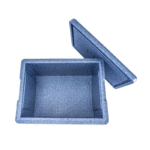
| Enfriador moldeado de EPS | precio unitario bajo, común | voluminoso, puede agrietarse | carriles cortos, productos de bajo riesgo |
| Transportador reutilizable EPP | durable, reutilizable | más alto por adelantado | envío frecuente + bucle de retorno |
| Transportista mejorado VIP | fuerte aislamiento, larga duración | costo unitario más alto | carriles largos, estaciones extremas, tamaño apretado |
| Kit de revestimiento en caja de cartón | almacenamiento fácil, luz | rendimiento limitado | carriles suaves, la velocidad importa |
| Sistema de cobertura de palets | estabiliza palets | no para paquetes | envío de paletas con consistencia de carriles |
Movimientos prácticos de costos (seguro y repetible)
Primero el tamaño correcto: Menos aire significa menos refrigerante y menos volumen de carga..
Estandarizar tamaños: las herramientas personalizadas y la expansión de SKU aumentan el costo y el tiempo de entrega.
Pedir 3 volúmenes: 100 / 500 / 2,000 unidades para que los precios sean utilizables.
Solicitar dos versiones: a “inclinarse” cita y un “seguro” cotización con buffer.
Caso real: Un distribuidor de productos del mar redujo el costo en 18% después de cambiar de “72-hora por costumbre” al rendimiento validado de 48 horas que coincidía con el tiempo de entrega real.
Cómo solicitar una cotización precisa de cajas isotérmicas (plantilla de solicitud de cotización)
Respuesta directa: Obtendrá una cotización precisa de cajas aisladas cuando proporcione condiciones de envío reales. El proveedor deja de adivinar, y dejas de pagar por márgenes de seguridad que no pediste.
que compartir (entradas mínimas):
Rango de temperatura (ejemplo: 2–8 ° C, “no debe congelarse,” o congelado)
Tiempo puerta a puerta + buffer de retardo
Tamaño de carga útil, peso, y formato (líquido, gel, sólido)
Detalles del carril (origen → destino), estacionalidad, y la intensidad del manejo
Modo de envío (aire, parcela, suelo, paleta) y expectativas de servicio
herramienta de decisión: define tu objetivo en 90 artículos de segunda clase
Responda estas preguntas y péguelas en su RFQ:
¿Cuál es su rango de temperatura objetivo y no negociables? (como “sin congelar”)?
¿Cuál es tu verdadero tiempo puerta a puerta?, más tu buffer de retardo?
¿Cuál es su peor riesgo ambiental en verano e invierno??
¿Cuál es la masa de carga útil y el formato del producto??
¿Necesita un informe para los clientes?, QA, o reguladores?
Consejos prácticos para agilizar tu cotización
Pedir “bien / mejor / mejor” opción, ni un solo numero.
Pregunte por líneas de costo de entrega: caja + refrigerante + accesorios + asamblea.
Preguntar por dimensiones exteriores + peso del barco para estimar el flete con antelación.
Cómo comparar de manera justa las cotizaciones de cajas aisladas (tanteador + matemáticas rápidas)
respuesta directa: Compare el rendimiento por dólar, no solo el precio unitario. Una cotización de caja aislada más barata puede convertirse en la opción más cara después del deterioro, reenvíos, y flete.
Lista de verificación de manzanas con manzanas:
Misma carga útil y embalaje interno.
Objetivo y buffer de misma duración
Mismas suposiciones de frío/calor
Misma regla de pasa/falla
Mismos artículos incluidos. (solo caja versus kit completo + asamblea)
Cuadro de mando comparativo de cotizaciones de cajas aisladas
| Categoría | 0 agujas | 1 punto | 2 agujas |
|---|---|---|---|
| Supuestos documentados | Desaparecido | Parcial | Claro + escrito |
| Evidencia de desempeño | Ninguno | Sólo reclamar | Método + informe |
| claridad de la lista de materiales | Impreciso | Mayormente claro | Completamente detallado |
| Fiabilidad del suministro | No claro | Fijado | Fijado + contingencia |
| Calidad & trazabilidad | Desaparecido | Básico | Sistema documentado |
| Guía de embalaje | Ninguno | Básico | Detallado + capacitación |
Cómo usarlo: Una cita con una puntuación de 10 a 12 suele ser más segura que una con una puntuación de 5 a 7, incluso con un precio unitario más alto.
Comprobación rápida de cordura (matemáticas simples del comprador)
Costo de destino = precio unitario + refrigerante + accesorios + asamblea + transporte
Costo por hora protegida = costo en destino ÷ horas validadas dentro del rango
Esto mantiene la negociación honesta., porque vincula el gasto con la protección verificada.
Trampas ocultas de costos de aterrizaje: transporte, Incoterms, y “excluido” elementos
Respuesta directa: El mayor coste oculto suele ser el flete.. Las dimensiones exteriores y el peso del barco pueden costar más que los materiales.. Si la cita dice “EXW” y necesitas “DDP,” no estas comparando lo mismo.
Exclusiones comunes que inflan su costo real
| Exclusión | Por que importa | que preguntar |
|---|---|---|
| Transporte | Puede exceder el costo del material | Pregunte por DDP o precio de entrega |
| Refrigerante | Gel/PCM añade costo y peso | Pregunta por el precio del kit completo |
| Accesorios | Cinta, etiquetas, separadores | Solicite una lista de materiales detallada |
| Asamblea | Mano de obra en su sitio | Solicite un presupuesto de mano de obra para el embalaje. |
| Pruebas | Informes de validación | Preguntar si está incluido o extra |
Consejo práctico
Pida a cada proveedor que cotice los mismos Incoterms y los mismos “kit completo” alcance. Eso hace que la comparación sea real..
¿Qué está cambiando en 2026? Tendencias que afectan la cotización de tu caja isotérmica
Respuesta directa: Dos fuerzas están remodelando las cotizaciones de las cajas aisladas: (1) presión de costos de materiales y logística, y (2) expectativas de sostenibilidad. Muchos compradores también están reduciendo la dependencia del hielo seco en la medida de lo posible., y pidiendo documentación más clara desde el principio.
Últimos desarrollos a seguir
Precios más basados en el rendimiento: pagas por protección validada, no solo dimensiones
Más reutilización donde las devoluciones funcionan: Los sistemas reutilizables ganan cuando la logística inversa es confiable.
Más escrutinio sobre los materiales: Reciclabalidad, etiquetado, y la documentación de sustancias importa más
Más presión de hielo seco: costo, manejo de aerolíneas, y requisitos de documentación
Perfiles de prueba más estandarizados: facilitar las comparaciones cuando se escriben suposiciones
Insight del mercado: La demanda de envases de cadena de frío sigue creciendo, y cada vez más compradores se centran en el coste total de propiedad en lugar del precio unitario. Esto empuja a los proveedores a detallar y justificar los costos con mayor claridad..
Puntuación de preparación de cotización de caja aislada (interactivo)
Añade tus puntos. Luego elija qué tan detallada debe ser su próxima solicitud de cotización de cajas isotérmicas..
Q1: ¿Qué tan estricta es su ventana de temperatura??
Ancho (15–25°C): 1
Medio (2–8 ° C): 3
muy estricto (no debe congelarse / congelado): 5
Q2: ¿Cuánto dura el tiempo puerta a puerta??
≤24 horas: 1
24–48 horas: 3
≥72 horas o retrasos frecuentes: 5
Q3: ¿Qué tan duros son tus carriles??
Climas mayormente templados: 1
Veranos calurosos o inviernos fríos: 3
Ambos extremos o muchos traspasos: 5
Q4: ¿Qué tan costoso es un fracaso??
Bajo: 1
Medio: 3
Alto (pérdida, impacto en el cumplimiento, riesgo del cliente): 5
Q5: ¿Cuántos remitentes envías mensualmente??
<100: 1
100–1.000: 3
>1,000: 5
Significado de la puntuación:
5–9: Comience con opciones estándar y una solicitud de cotización nítida.
10–17: Solicite datos de prueba y ajuste semipersonalizados.
18–25: Solicite una cotización de caja aislada personalizada con perfiles de carril y alcance de validación.
Preguntas frecuentes sobre cotización de cajas isotérmicas
Q1: ¿Qué hace que una cotización de caja aislada sea precisa?? Rango de temperatura claro, duración, carga útil, y supuestos realistas de calor/frío, además de un buffer de retardo establecido.
Q2: ¿Por qué varían tanto las cotizaciones de las cajas isotérmicas?? Porque los proveedores asumen carriles diferentes, cargas útiles, niveles de prueba, y artículos incluidos. Las entradas faltantes crean relleno.
Q3: ¿Es siempre mejor una cotización de caja aislada más alta?? No. Un valor más alto solo ayuda cuando coincide con los riesgos reales de su carril e incluye evidencia que realmente necesita.
Q4: ¿Puedo negociar el precio de las cajas aisladas sin aumentar el riesgo?? Sí. Estandarizar tamaños, reduciendo el espacio vacío, y comprometer niveles de volumen a menudo reduce los costos de manera segura.
Q5: ¿Cuál es el mayor costo oculto al comparar cotizaciones?? Transporte. Las dimensiones exteriores y el peso total del barco pueden cambiar el costo de desembarque más que los materiales..
Q6: ¿Con qué frecuencia debo volver a cotizar?? Al menos anualmente, y en cualquier momento tu carril, carga útil, estacionalidad, o los requisitos de cumplimiento cambian.
Resumen y recomendaciones
Una cotización sólida de caja aislada es una oferta basada en el rendimiento, no es un número en la página uno. Define tu carril, carga útil, banda de temperatura, y espera el tiempo primero. Luego exija un alcance detallado y supuestos escritos para que las cotizaciones sean comparables.. Utilice el cuadro de mando para clasificar la evidencia, claridad de la lista de materiales, y confiabilidad, no solo precio unitario. Finalmente, optimizar reduciendo el desperdicio (espacio vacío y carga), no protección.
Tu próximo paso (plan de acción sencillo)
Copie la plantilla de RFQ y complétela hoy.
envíalo a 3 proveedores y solicitar los mismos Incoterms y los mismos supuestos.
Solicite tres niveles de volumen y un “magro versus seguro” conjunto de opciones.
Califica cada cita, luego ejecute un envío piloto antes de escalar.
Acerca de Tempk
Templ (Shanghai Huizhou Industrial Co., Limitado.) se estableció en 2011 y tiene su sede en Shanghai. Proporcionamos productos de embalaje con temperatura controlada para la logística de la cadena de frío alimentaria y farmacéutica., incluyendo paquetes de hielo de gel, paquetes de hielo seco, cajas aisladas, revestimientos de cajas aisladas, y bolsas térmicas. Nuestro enfoque es simple: suposiciones claras, cotizaciones detalladas, y rendimiento que puedes validar.
Llamado a la acción: Comparte tu carril (origen → destino), carga útil, objetivo de temperatura, y espera el tiempo. Le ayudaremos a convertir eso en una solicitud de cotización de caja aislada que sea clara, comparable, y listo para la adquisición.