


Cold Chain Logistics Packaging for Defined Shipping Conditions
Cold Chain Logistics Packaging for Defined Shipping Conditions

Cold Chain Logistics Packaging for Defined Shipping Conditions
Cold chain logistics packaging should be selected as part of a shipping system, not purchased as a generic insulated box or a fixed quantity of gel packs. A useful system begins with the condition the product must hold, then connects the payload, paparan rute, isolasi, media pendingin, loading pattern and operating steps needed to protect that condition.
Packaging is one control within the distribution process. It can reduce the temperature risk that a shipment sees, but it does not replace carrier selection, menerima disiplin, product stability decisions or an agreed response to an excursion. Clarifying those boundaries early prevents a packaging quotation from being mistaken for a logistics guarantee.
Define the system boundary before comparing options
| Part of the system | What it should answer | Typical owner or decision maker |
|---|---|---|
| Persyaratan produk | What temperature or handling limits, sensitivities and release rules apply? | Product owner and quality team. |
| Konfigurasi kemasan | Pengirim yang mana, isolasi, pendingin, hambatan, layout and closure are approved? | Kemasan, engineering and operations. |
| Transport process | Which carrier, serah terima, tingkat layanan, storage points and contingency actions apply? | Logistics owner and carrier or forwarder. |
| Evidence and records | What test, pemantauan, dokumen, training and review evidence is needed? | Kualitas, operations and the responsible business owner. |
The division of responsibility can change by contract and market. The important point is that no critical requirement is left between the packaging supplier, pengirim, carrier and receiver. In temperature-sensitive pharmaceutical transport, WHO guidance treats the outer shipper, ancillary packaging and temperature-stabilizing medium as a complete shipping system and highlights the handoffs where control can be lost.
Use a request brief that creates comparable proposals
Two quotes are not comparable if one supplier assumes a small payload, short route and mild weather while another plans for a larger load and seasonal delay. A structured request brief makes the technical and commercial conversation faster by separating known inputs from open decisions.
- Product and condition. State the product handling requirement, sensitivitas beku atau panas, keadaan awal, orientation needs and any non-thermal protection requirements.
- Muatan. Provide internal usable-space needs, dimensi produk, massa total, minimum and maximum fill cases, and whether multiple SKUs share the shipper.
- Route and exposure. Describe origin and destination, durasi yang diharapkan, moda transportasi, transfer, likely delay points, seasonal conditions and receiver availability.
- Operating model. Explain who conditions coolant, tempat pengepakan terjadi, whether materials are staged, who closes the shipment, and how receiving or returns are handled.
- Decision needed. Specify whether the immediate need is a sourcing proposal, sample-fit review, gambar paket, thermal test plan, monitoring plan or a controlled packing instruction.
Choose the packaging architecture around the risk
A passive system usually combines an insulating layer with conditioned cooling or phase-change media and a controlled payload arrangement. The outer handling case, isolasi, coolant and internal spacers each serve a different purpose. More insulation or more coolant is not automatically safer; the configuration must protect against both warm exposure and unintended cold contact.
The most appropriate architecture depends on the required condition and the operational limits. Sebuah kompak, predictable local route may prioritize speed and repeatable assembly. A lane with multiple handoffs may need a different margin, monitoring plan or contingency arrangement. A reusable system may introduce a return, inspection and component-conditioning process that should be planned, tidak diasumsikan.
Ask what evidence supports the proposal
A proposal should distinguish between component information and system evidence. A material datasheet can explain an insulation material. A coolant specification can describe the coolant. Neither proves that the loaded shipment will meet its requirement on a particular route. Ask what full configuration, muatan, metode persiapan, profil eksternal, duration and sensor locations were used for any reported test.
For pharmaceutical products when the thermal container provides the primary environmental control, Health Canada guidance recommends qualification against the expected ambient extremes and selection based on product requirements, volume, route profile and estimated transport time. That does not create a universal legal rule for every product category, but it is a sound reminder that the complete system and the exposure assumptions must be visible.
Turn the design into an operating package
A commercial packout becomes operational only when the team can reproduce it. The release package should normally include the approved bill of materials, packing drawing or photos, instruksi pengkondisian, urutan perakitan, label and document requirements, component substitution rules, inspection checkpoints and an escalation path for delays or damaged components.
Do not separate the technical design from warehouse reality. If coolant must be conditioned for a particular state, define how that state is identified. If the configuration depends on a maximum staging interval, make the clock visible. If a receiver must retrieve a monitor or inspect a damage indicator, make that action part of the handoff instruction.
Keep the system current when conditions change
Review the configuration whenever a meaningful input changes: presentasi produk, jangkauan muatan, komponen kemasan, geometri pengepakan, proses pengkondisian, rute, pembawa, musim, expected dwell time or acceptance rule. The purpose is not to recreate qualification for every shipment. It is to avoid treating old evidence as if it automatically covers a new configuration.
The strongest cold chain logistics packaging projects start with a defined shipping condition and end with a reproducible operating process. That creates a more useful basis for sourcing, pengujian, training and later improvement than a request for a box that can “hold temperature” without stated conditions.
Langkah selanjutnya
Send a concise shipment brief: kondisi produk, dimensi dan massa muatan, route and exposure assumptions, kemasan saat ini, kendala penanganan, required evidence and target implementation date. The resulting review can then focus on a defined packaging system, not an unsupported universal performance claim.
Referensi
- WHO Technical Supplement Temperature Controlled Transport Operations by Road and Air
- Health Canada Guidelines for Temperature Control of Drug Products during Storage and Transportation
Temperature Controlled Packout Define It Before Testing
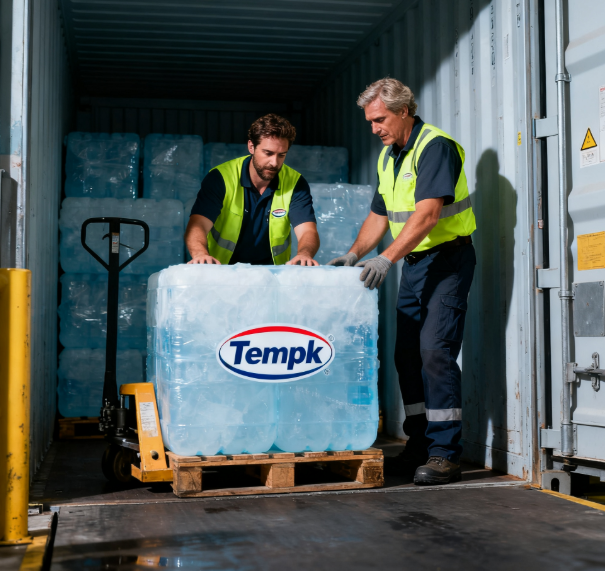
Temperature Controlled Packout Define It Before Testing
A temperature controlled packout is not a box with coolant added at the last minute. It is a documented shipping configuration: muatan, isolasi, cooling or phase-change media, lapisan pemisahan, geometri pengepakan, penutup, preparation method and operating instructions. The configuration must be clear before a sample test can answer a useful question.
This matters because materials do not perform in isolation. The same shipper can behave differently when payload mass, tingkat pengisian, pengkondisian cairan pendingin, ruang kosong, staging time or ambient exposure changes. A complete packout is the unit that should be designed, reviewed and, jika diperlukan, memenuhi syarat.
Start with a shipment brief not a component request
The best starting point is a small set of agreed inputs. These do not have to be perfect, but unconfirmed items should be visible rather than silently replaced with assumptions. The product owner defines the handling requirement; packaging and operations define what must be built and checked.
| Masukan | Question to settle | Apa yang diubahnya |
|---|---|---|
| Persyaratan produk | Dalam kondisi apa produk harus tetap berada dalam kondisi tersebut, and is it vulnerable to freezing, panas, orientasi, humidity or shock? | The acceptable thermal direction and required barriers. |
| Profil muatan | What are the dimensions, massa, starting condition and permitted fill range? | Ruang yang dapat digunakan, massa termal, restraint and the layout to evaluate. |
| Paparan distribusi | What are the expected transit duration, serah terima, penundaan, season and ambient extremes? | The design profile and margin to assess. |
| Operating model | Where will materials be stored, dikondisikan, assembled and handed to the carrier? | Whether the configuration can be reproduced outside a controlled trial. |
| Diperlukan bukti | Is the immediate need a fit check, a development test, an operational check, a lane review or a formal qualification? | The test plan and the claims that may be made afterward. |
Specify the packout as a controlled configuration
The configuration should be identifiable enough that another trained person can build the same unit. A configuration sheet or controlled drawing should include component names and sizes, jumlah dan status cairan pendingin, posisi muatan, barrier or divider location, void-control material, metode penutupan, any monitoring device and the sequence of assembly.
Define the permitted payload range rather than approving only an ideal full box. A lower fill can create more air space, change restraint and alter the relationship between payload and coolant. If an arrangement has not been evaluated, it should be treated as a new condition to review rather than as an automatic extension of the largest load.
Design for both heat ingress and local cold exposure
Isolasi memperlambat perpindahan panas; it does not set a safe payload temperature on its own. Cooling media can provide thermal reserve, but can also create a local cold-side risk when the layout or preparation method is wrong. Lapisan pemisahan, spacing and the position of the payload are therefore functional parts of the packout, not cosmetic additions.
For medicines under the relevant regulatory scope, EU GDP guidance says cool-packs in insulated boxes should be positioned to avoid direct product contact where freezing is a concern, and that personnel should be trained on assembly procedures. The specific protection method must still be selected against the actual product requirement and evidence.
Test a question that has boundaries
A test report is useful only when it names the question it answered. The protocol should state the configuration, muatan, coolant-conditioning method, profil eksternal, lamanya, sensor locations and acceptance criteria. The result applies to those documented conditions. It should not be converted into a universal hold-time promise for other routes, loads or seasons.
Health Canada guidance uses the same practical framing for drugs when a thermal packout is the main means of environmental control: container selection should consider product requirements, volume, route-related ambient extremes and estimated maximum transport time; qualification should match expected ambient extremes. These are useful questions for any risk-sensitive packout, even though the legal context differs by market and product.
Deploy the design with a short work instruction
Once a configuration is selected, convert it into a packing instruction that a warehouse team can execute consistently. Use a photo or drawing at the point of assembly and make the checks observable. The goal is not paperwork for its own sake; it is to ensure the tested arrangement and the shipped arrangement are the same.
- Before assembly. Verify product applicability, identitas komponen, physical condition and coolant preparation.
- Selama perakitan. Follow the approved sequence, keep required barriers in place and control the time-sensitive steps.
- Sebelum rilis. Konfirmasikan penutupan, label, dokumen, logger status where used and any required configuration record.
- At handoff and receipt. Define the carrier handoff, receiver checks and the path for delay, damage or a temperature concern.
Review the packout when a meaningful input changes
A packout should be reviewed when the product, muatan, isolasi, pendingin, metode pengkondisian, geometri pengepakan, rute, musim, carrier process or acceptance basis changes. Not every change requires a full redevelopment, but each deserves a deliberate decision about whether existing evidence still applies.
A temperature controlled packout earns confidence when its design, evidence and operation stay connected. Select the components around the shipment profile, document the arrangement, assess it under defined conditions and train the assembly team to reproduce the result.
Langkah selanjutnya
For a useful packout review, memberikan kondisi produk, dimensi dan massa muatan, kondisi awal, expected duration and route risks, current packing layout, coolant preparation method and the result you need to support. This allows the packaging discussion to begin with the system rather than a generic box specification.
Referensi
- WHO Technical Supplement Temperature Controlled Transport Operations by Road and Air
- European Commission Guidelines on Good Distribution Practice of Medicinal Products for Human Use
- Health Canada Guidelines for Temperature Control of Drug Products during Storage and Transportation
Pharmaceutical Packout SOP for Controlled Shipment Preparation
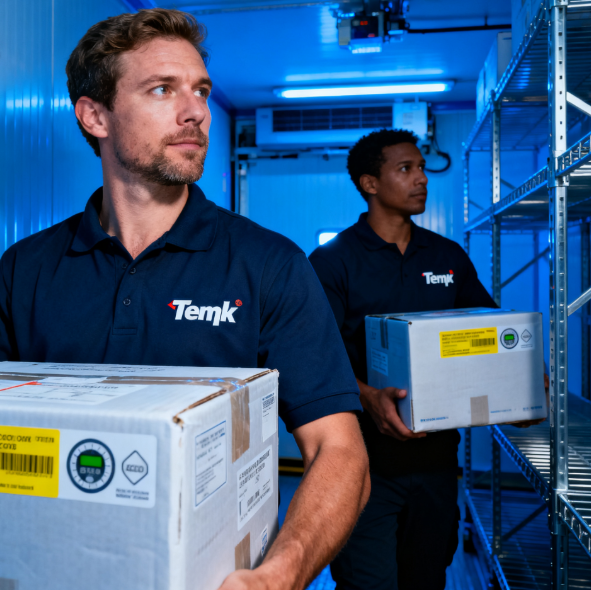
Pharmaceutical Packout SOP Build a Controlled Shipping Instruction
A pharmaceutical packout SOP should make one approved shipment configuration repeatable at the point of use. It does not replace product stability data, transport qualification or a quality agreement. Its job is narrower and essential: tell trained personnel which configuration is permitted, bagaimana mempersiapkannya, where the product and cooling media go, what must be recorded, and when to stop and escalate.
Untuk obat-obatan yang sensitif terhadap suhu, the instruction should be written from the approved product requirement and the defined distribution use case, not from a carton or gel-pack specification. European Union GDP guidance describes a written procedure for seasonal control and unexpected events, and calls for training when cool-packs are used in insulated boxes. The exact legal and quality requirements still depend on the product, market and responsible quality organization.
An SOP controls the configuration it does not prove the configuration
Qualification asks whether a defined system can meet agreed acceptance criteria under its documented conditions. The SOP asks whether the operation reproduced that defined system. Mixing these two questions creates avoidable risk. A laboratory result cannot rescue an improvised assembly, while a well-written instruction cannot make an unqualified configuration suitable for a new lane.
WHO describes a shipping system as the completed package: wadah luar, internal ancillary components and temperature-stabilizing medium. That is the right level of control for the SOP. The document should identify the complete configuration and the conditions that make it valid, rather than listing a box and coolant as if they independently establish performance.
Define the controlled fields before writing the steps
| Controlled field | What the SOP should state | Why it cannot be left to memory |
|---|---|---|
| Approved configuration | Configuration ID, approved component list, payload band and intended use. | Prevents a similar-looking box or substitute component from being treated as equivalent. |
| Kondisi produk | Required handling condition, starting-state requirement and any freeze or orientation sensitivity supplied by the product owner. | The packaging team should not invent product limits. |
| Persiapan cairan pendingin | Tipe pendingin, identifikasi, keadaan pengkondisian, staging method and release check. | A coolant name alone does not show whether it is ready for the approved layout. |
| Penataan fisik | Urutan, hambatan, pemisah, void-control materials and closure method, supported by a drawing or photo. | Local contact and free space can change the exposure seen by the payload. |
| Monitoring and labels | Logger model or configuration where used, penempatan, activation check, external labels and document package. | Records must connect to the actual shipment, not a generic procedure. |
| Time controls | Maximum approved staging or assembly windows where these form part of the approved process. | Time is a process input, not an informal operational preference. |
Build the instruction around hold points
A usable packout SOP reads like an operational sequence with decision gates. It should identify the role that performs each action and the evidence needed to pass to the next stage. This is clearer than a long narrative and easier to train against.
- Shipment applicability. Confirm the order matches the approved product, tujuan, jangkauan muatan, service level and configuration. Stop if a new route, Ukuran paket, product presentation or transit assumption falls outside the approved scope.
- Material release. Verify the approved shipper, isolasi, pendingin, pemisah, labels and monitoring devices are available, identifiable and in an acceptable condition.
- Pengkondisian dan pementasan. Prepare cooling media and other components according to the approved work instruction. Record or verify the required state before the payload is exposed to the assembly area.
- Perakitan. Follow a numbered sequence with a visual packing layout. Build in the approved separation layer; do not allow a worker to decide ad hoc whether direct coolant contact is acceptable.
- Final release. Periksa penutupan, Label, dokumentasi, logger status and the absence of unapproved substitutions. The person releasing the unit should be able to identify the configuration used.
- Handover and receiving. State the required handoff instructions, receiver actions, data-handling route and escalation path for visible damage, delay or a temperature concern.
Use the SOP to prevent the most common assembly errors
The most valuable controls are often ordinary details: a clear distinction between coolant states, a barrier that is never omitted, a packing image that shows the payload zone, and a defined response when the intended carrier collection is delayed. EU GDP specifically notes the need to prevent direct contact between the product and cool-packs where freezing is a concern, to train staff on seasonal packout configurations, and to control cool-pack reuse so incompletely cooled packs are not used by mistake.
If dry ice is considered, write a separate check for product and primary-package compatibility, dokumentasi yang diperlukan, carrier acceptance and safety handling. A thermal assembly instruction is not evidence that the shipment is acceptable for every transport mode.
Make deviations and change control visible
The SOP should specify what requires a stop, a quality decision or a documented rework. Useful examples include a missing approved component, an out-of-scope payload, a component held beyond its allowed staging condition, a wrong label, koleksi yang terlambat, visible shipper damage or a monitoring-device failure. The response must be owned; an operator should not have to infer whether a substitute is acceptable.
Change control should cover any change that could affect the configuration or its evidence: pengirim, isolasi, pendingin, geometri muatan, metode pengkondisian, assembly layout, rencana penebang, route assumptions or acceptance criteria. The change may need only a document review, or it may need new evidence. That decision belongs to the responsible quality and technical owners.
A short final-release record is more useful than a vague signature
A practical record links the shipment to the configuration. It can capture the configuration ID, lot or batch references for critical components where required, operator dan verifikator, tanggal dan waktu, order or shipment identifier, catatan pengecualian, and monitoring-device identifier. The record should make a later review possible without asking the warehouse team to reconstruct what happened from memory.
Before adopting this framework, have the product owner and quality team confirm the labeled storage requirements, approved excursion handling, documentation retention, market-specific obligations and the evidence that supports each configuration. A controlled SOP is strongest when it turns those approved decisions into a clear action at the packing bench.
Langkah selanjutnya
Prepare a shipment brief with the product handling requirement, dimensi dan massa muatan, target lane, expected duration and delays, current packing arrangement, conditioning method and the evidence already available. That brief provides the basis for a defined packout review or an SOP update.
Referensi
- European Commission Guidelines on Good Distribution Practice of Medicinal Products for Human Use
- WHO Technical Supplement Temperature Controlled Transport Operations by Road and Air
- Health Canada Guidelines for Temperature Control of Drug Products during Storage and Transportation
How to Qualify Passive Cold Chain Packouts for Healthcare and Veterinary Products
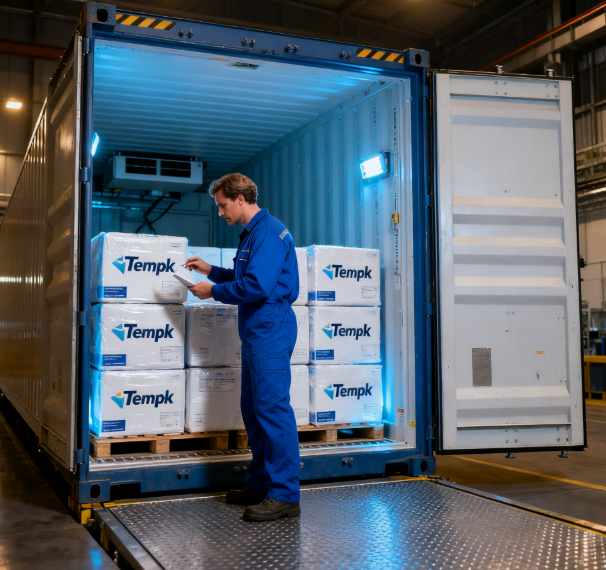
A passive cold-chain packout should be qualified against the product it protects, not against a generic refrigerant claim. Healthcare and veterinary shipments may both use insulated shippers and gel-based coolants, but their products, kondisi penyimpanan yang diberi label, persyaratan pasar, and quality processes can differ. The shared principle is simple: identify the product requirement first, design the complete packout around it, and document the evidence and limits of the result.
Begin With the Product Requirement
The relevant quality owner should define the storage condition, the permitted handling and shipping deviations, whether direct coolant contact is allowed, the duration and route profile to be evaluated, and the method used to decide whether a shipment is acceptable. The packaging team then translates that information into an insulated shipper, pengaturan pendingin, instruksi pengkondisian, rencana pemantauan, and packout procedure.
FDA material for biological products advises handlers to consult the product label and record time and temperature conditions when assessing possible excursions. FDA VICH stability guidance also discusses the need to address short-term deviations outside labelled storage conditions during shipping or handling. These sources do not qualify any particular gel pack; they reinforce why the packout needs to be product-specific and documented.
Referensi: FDA guidance on storage conditions and excursion records for biological products.
Referensi: FDA VICH GL51 stability guidance.
Build the Whole Packout
| Elemen | Qualification question | Bukti untuk disimpan |
|---|---|---|
| Muatan | What condition and physical protection does the product require? | Product requirement and defined acceptance criteria. |
| Pendingin | Which format, jumlah, keadaan pengkondisian, and placement are intended? | Approved component specification and packout drawing. |
| Insulation and carton | How do dimensions, bahan, and closure affect usable volume and heat gain? | Configuration record including internal layout. |
| Profil rute | Which ambient, transfer, menunda, and orientation conditions are represented? | Test profile and reason it represents the intended lane. |
| Pemantauan | What sensors or indicators are used and where are they placed? | Peta sensor, data review method, and decision rule. |
Keep Healthcare and Veterinary Contexts Separate
The same technical framework can be used for both applications, but product and regulatory conclusions should not be copied from one to the other. A hospital shipment may involve medicines, biologis, sampel, or other materials with specific product labelling and site procedures. A veterinary shipment may involve medicines, biologis, Bahan Laboratorium, or other products governed by different product and market conditions. The responsible quality team should confirm the applicable requirements for the product and destination before the packaging claim is finalized.
Make the Test Reproducible
A chamber or route simulation is most useful when another team can repeat it. Record the sample lot, pengirim, isolasi, jenis dan jumlah cairan pendingin, metode pengkondisian, massa muatan dan geometri, urutan perakitan, kondisi awal, sensor, profil lingkungan, orientasi, delay condition, dan hasil. If an assumption changes, decide whether the change is minor enough to document or large enough to require a repeat evaluation.
Avoid Misleading Claims
Do not describe a gel block, kantong, or logger as proof of compliance. Seorang logger mencatat kondisi; itu tidak memberikan perlindungan. An insulated carton can reduce heat gain, but it is not automatically qualified.
Define the Scope of Evidence
A successful test under one ambient profile is evidence for those conditions, not a promise for every season or destination. Clear wording protects both the reader and the quality process.
Release Checklist
- Product requirement and test acceptance criteria are documented before trial work begins.
- Component data and full-packout results are labelled separately.
- The test profile represents the intended route and an agreed contingency condition.
- The final work instruction shows coolant placement, hambatan, penutup, dan menerima tindakan.
- Any product-specific regulatory or stability decision remains with the responsible quality owner.
Ice Cream Shipping Packaging Gel Refrigerants and Route Testing
Ice cream shipping design should begin with the condition that the product must retain at receipt, not with a generic claim that a carton stays cold. A gel refrigerant can be part of an effective frozen-dessert packout, but the outcome depends on product starting condition, isolasi, tata letak pendingin, profil transit, penundaan, and the standard used to judge the delivery. The most useful packaging plan turns those variables into a repeatable route test.
Define the Product Acceptance Condition
The product owner should identify the condition that defines an acceptable delivery. This may include product temperature, physical appearance, tekstur, evidence of thawing or refreezing, integritas paket, and applicable food-safety controls. The packaging supplier or designer should not invent these limits from a coolant product sheet. Setelah kondisi penerimaan jelas, the packout can be designed to challenge it.
USDA guidance lists frozen gel packs and dry ice as possible cold sources for mail-order perishable foods. That is useful context, but it is not a qualification method for an ice cream carton. A selected coolant must still be tested within the intended shipper, muatan, jalur, and handling scenario.
Referensi: USDA FSIS mail order food safety guidance.
Choose a Gel Refrigerant Layout
| Keputusan desain | Mengapa itu penting | Test observation |
|---|---|---|
| Coolant format | kantong, pembalut, and blocks occupy space and contact the payload differently. | Does the format fit without crushing product or creating large voids? |
| Penempatan cairan pendingin | Atas, samping, basis, and distributed arrangements change the heat path. | Are there warmer zones or direct-contact risks inside the carton? |
| Isolasi | The liner or shipper changes both thermal behavior and usable interior volume. | Does the insulation fit the stated payload without reducing the intended load? |
| Pengkondisian | Beku, dinginkan, or partly conditioned coolant changes the starting heat balance. | Can the packing team consistently achieve the specified condition? |
| Delay allowance | A realistic contingency defines whether the packout is resilient enough. | How does the product condition change after the agreed delay profile? |
Why a Stand Alone Hold Time Is Not Enough
A stated number of hours is meaningful only when the test setup is known. Dimensi karton, isolasi, massa produk, kuantitas pendingin, suhu awal, paparan lingkungan, aliran udara, orientasi, penanganan, and sensor placement can all change the result. A low-payload test in a controlled chamber cannot be assumed to represent a full carton moving through a parcel network.
Run a Route Relevant Trial
A useful pilot uses the proposed shipment configuration rather than an idealized version of it. Pack the intended product or a justified simulator in the intended carton. Condition the coolant according to the proposed work instruction. Place sensors where they answer the real question, not only where temperature appears most favorable. Challenge the packout with a representative transit scenario and a pre-agreed delay condition if it is part of the design requirement.
Inspect More Than Temperature
The test result should record physical observations as well as temperature data. Check container damage, migrasi kelembaban, deformasi paket, kondisi segel, penampilan produk, and the signs that the product-quality team has defined as unacceptable. A carton can produce a reasonable logger trace while still creating a handling or product-quality problem.
Plan for Seasonal Change
A packout that works in a mild test window may require a different coolant configuration during hot weather or on a more demanding lane. Keep the original test assumptions visible, then define when the configuration will be rechecked. A seasonal review is more useful than updating a page with an unqualified universal claim.
Practical Checklist
- Define delivery acceptance before selecting coolant size or quantity.
- Test the full carton, muatan, isolasi, and coolant layout together.
- Record conditioning and sensor placement so the trial can be repeated.
- Separate food-handling guidance from route-specific packaging evidence.
- Review the configuration when the product, karton, jalur, or seasonal risk changes.
How to Select Gel Pack Formats for Temperature Sensitive Shipping
The right gel pack format is chosen by the shipment it must support, not by a generic claim about how cold or how long a pack lasts. Sebuah kantong, bantalan, memblokir, or super absorbent polymer gel pack can all be useful in the right configuration. The real question is whether the coolant, isolasi, karton, muatan, metode pengkondisian, and route work together under defined conditions.
Treat the Gel Pack as a Component
A gel pack absorbs heat and can help slow temperature change inside a passive shipper. It does not establish the allowable product range, qualify the carton, or guarantee a delivery outcome on its own. Product owners should first define the allowable temperature range, sensitivity to direct cold contact, kondisi produk awal, expected transit profile, dan kriteria penerimaan. That information makes the cooling component easier to select and test.
Super absorbent polymer is used in some gel-pack formulations to retain water in a manageable gel structure. The name of the absorbent material does not by itself establish a temperature range or route duration. Perumusan, jumlah pengisian, konstruksi kantong, keadaan pengkondisian, and the complete packout all influence the result.
Background reference: an example of SAP supplied for gel-pack manufacturing. Product-specific claims on that page should not be treated as industry-wide performance values.
Match the Format to the Packing Task
| Format | Where it can help | Question to answer before use |
|---|---|---|
| Flexible pouch | Conforms around irregular payloads and can fit variable headspace. | Will close contact create a local cold risk or damage labels and packaging? |
| Flat pad | Supports layered packouts with limited vertical space. | Can the pad be positioned without blocking airflow or creating large voids? |
| Block or brick | Provides repeatable geometry and can simplify operator placement. | Does the fixed shape fit the interior layout without reducing usable payload volume? |
| Multi-unit layout | Allows coolant to be distributed around a large or irregular shipment. | Can the packing team reproduce the same placement every time? |
Conditioning Is Part of the Specification
A coolant’s starting condition can change the packout outcome as much as its nominal weight. A pack frozen solid, dinginkan, or prepared for a controlled range will not behave in the same way. The work instruction should state the equipment, titik setel, conditioning duration, batas pementasan, and the action to take when the required condition has not been achieved. This converts conditioning from informal freezer practice into a controllable step.
Ask What the Test Actually Represents
A useful test record names the shipper, isolasi, payload or payload simulator, kuantitas pendingin, suhu awal, metode pengkondisian, lokasi sensor, profil lingkungan, orientasi, dan rentang penerimaan. Tanpa detail ini, a hold-time number cannot be transferred safely to another carton or route. Component tests can still be valuable, but they should be labelled as component tests rather than proof of full system performance.
Control Sample to Production Consistency
Once a packout is approved, the production specification should protect the assumptions behind it. Confirm how dimensions, fill targets, konstruksi film, integritas segel, identifikasi banyak, and change notification are controlled. A small change in pouch thickness or fill distribution can affect fit, penanganan, and thermal behavior even when the product looks similar.
Gel Cooling Batteries for Cut Flower Shipping
A gel cooling battery can help reduce heat gain during flower transport, but floral shipping requires more than making the carton cold. Flower type, kondisi panen, pra-pendinginan, hidrasi, sleeve design, kondensasi, paparan rute, and direct contact with the coolant can all influence the arrival condition. The packaging goal is to support floral quality without creating cold injury, kerusakan air, or mechanical damage inside the carton.
Start With the Flower and the Process
Temperature management for cut flowers is species dependent. Mississippi State University notes that most cut flowers are commonly refrigerated around 35–40°F, while some tropical flowers are held warmer, and temperatures near freezing can damage plant tissue. These figures are handling context rather than a universal shipment target. A mixed floral box should be evaluated against the most sensitive flowers in the load.
Referensi: Mississippi State University guidance on handling fresh flowers.
Cooling should also begin before the shipper is closed. Oklahoma State University recommends prompt cooling to remove field heat and explains that higher storage temperatures can reduce vase life. A gel battery is most effective when it supports a defined cold-chain process rather than attempting to remove all field heat after flowers are packed.
Referensi: Oklahoma State University guidance on cut flower care and cooling.
Identify the Main Floral Risk
| Mempertaruhkan | Packout response | What to inspect after transit |
|---|---|---|
| Warm flowers at packing | Pre-cool before packing and avoid treating the coolant as the only cooling step. | Starting condition and visible heat stress at receipt. |
| Cold sensitive flowers | Use separation and a temperature plan that protects the most sensitive product. | Water-soaked tissue, perubahan warna, and other cold-injury signs. |
| Kondensasi | Use appropriate barriers, penempatan, and moisture-management design. | Wet sleeves, label yang rusak, moisture on blooms, dan pelunakan karton. |
| Long narrow cartons | Match coolant geometry and location to the box shape and airflow path. | Temperature variation between the ends of the carton. |
| Mixed species orders | Group or separate flowers when one cooling approach could compromise another. | Appearance and handling outcome for each product group. |
Position the Cooling Battery Carefully
A cooling battery should not be pressed directly against blooms or fragile foliage unless the exact configuration has been evaluated. Sebuah kapal, pembagi, kantong, or dedicated compartment can help manage local temperature and water. The placement of the coolant changes the heat path: an overhead pack, side pack, and distributed layout can produce different results in the same carton.
Measure the Visual Outcome
A floral test should record more than a temperature trace. Include dehydration, memar, kondensasi, kondisi lengan, flower opening, and any water-soaked or transparent tissue. Where the process permits, compare vase-life observations after arrival. These details help the team understand whether the coolant arrangement supports product quality rather than simply producing a cold reading.
Use a Trial That Represents Operations
Use the actual flower mix, karton, lengan baju, liner, cooling-battery format, pengkondisian rutin, and order-packing sequence. Record the starting condition, penempatan cairan pendingin, profil rute, and delivery observations. If the shipment includes a hot-weather lane or a handoff risk, define the additional challenge before the trial begins. The result should be expressed as evidence for that configuration and condition, not as a universal flower-life guarantee.
Practical Checklist
- Confirm the species mix and identify cold-sensitive flowers before choosing a coolant condition.
- Pre-cool flowers and pack them in the intended operating environment.
- Use barriers or dedicated spaces when direct coolant contact could harm blooms or packaging.
- Assess moisture and visual quality alongside temperature data.
- Retest when flower mix, desain karton, tata letak pendingin, rute, atau perubahan musim.
Petunjuk Pengemasan Rantai Dingin: Urutan yang Dapat Diulang untuk Setiap Pengiriman
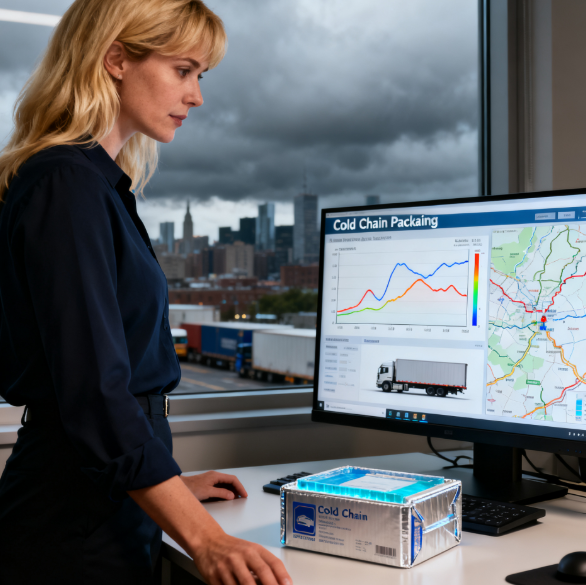
Petunjuk Pengemasan Rantai Dingin: Urutan yang Dapat Diulang untuk Setiap Pengiriman
Cold chain packout instructions convert an approved packaging configuration into a sequence that an operator can follow at the packing station. The instructions should identify the correct components, explain how they are prepared and positioned, show where the payload and logger belong, and define the checks required before dispatch.
They are not a substitute for qualification or approval of the packaging system. The configuration defines the tested or approved arrangement; packout instructions preserve that arrangement during routine use. If an operator must guess how much coolant to use, where a barrier belongs, or whether a substitute component is acceptable, the instructions are not sufficiently controlled.
Sebelum berkemas: confirm the correct configuration
Begin by matching the shipment to the approved configuration. Check the product or order identity, payload size and quantity, destination or route, and current configuration revision. Confirm that the planned payload is within the approved range and that the required monitoring method is available.
Do not begin assembly if the shipment falls outside the documented conditions. Examples include an unusually large payload, a different product arrangement, rute yang tidak disetujui, or a requested delivery time that exceeds the supported plan. Hold the shipment and contact the designated packaging, logistik, or quality owner.
Prepare the full component kit
Use the current bill of materials or pick list. Depending on the approved system, the kit may include the outer shipper, lapisan insulasi, coolant elements, internal barriers, sisipan, isi kosong, logger, Label, segel, dan dokumen pengiriman. Each critical component should be identifiable by a part number or controlled label.
Check the quantity and condition before assembling the shipper. Segregate damaged, bocor, terkontaminasi, or unidentified items. A component that looks similar to the approved item should not be treated as interchangeable without authorization.
Confirm coolant conditioning
Coolant preparation is configuration-specific. Different gel packs or phase-change materials may require different conditioning procedures, so there is no universal freezer duration or preparation state that applies to every system. Follow the approved instruction for the exact coolant and configuration.
The instruction should explain how readiness is confirmed and how coolant in different states is identified and stored. Do not mix ready-to-use coolant with packs that are still conditioning or awaiting inspection. If the required state cannot be verified, do not estimate it by touch or appearance; follow the hold and escalation process.
For systems that use different seasonal variants, the approved selection rule must be clear. Staff should not independently add or remove coolant because the day feels warmer or colder than usual.
Assemble the shipper in the approved order
Use a numbered diagram or annotated photograph showing the package orientation and component placement. The exact sequence varies by system, but the instruction should define each critical action:
- Prepare the outer shipper and insulation. Check that the container and liner are the approved types, berorientasi dengan benar, and free of damage that could affect fit or closure.
- Install the base components. Place the specified base insulation, menyisipkan, or coolant in the exact position shown.
- Add the required barriers. Install separators or contact barriers where specified. Do not cut them smaller, fold them differently, or replace them with generic padding unless the change has been approved.
- Position the coolant. Use the approved component count and location. If the configuration prohibits direct contact between coolant and payload, verify that the barrier fully separates them.
- Muat muatannya. Check product identity and quantity, use the specified orientation, and keep the load within the approved fill range. Do not force extra units into the shipper or rearrange the layout to make the lid close.
- Add remaining components. Install the specified top layer, isi kosong, pengekangan, or additional barriers. Ensure the payload cannot shift into an unintended position during handling.
- Place the logger. Position and activate the approved monitoring device according to the monitoring plan. Record its identifier against the shipment where required.
- Close the shipper. Seat the lid or closure fully and apply the specified tape, segel, or locking method.
- Apply labels and documents. Confirm that the shipment identity and required handling labels are readable and that all required documents are included.
This sequence is an operational framework, not a universal layer pattern. The approved configuration diagram controls the actual order, posisi pendingin, and barrier arrangement for each system.
Place the logger for its intended purpose
Pencatat data suhu mencatat kondisi di lokasi pemeriksaannya; it does not cool the payload or guarantee that every product in the shipper experiences the same temperature. The sensor position should therefore match the approved monitoring plan. Moving the probe to make it easier to reach can change what the reading represents.
The instruction should identify the device, show the exact probe location, define any activation or start step, and explain how the record is associated with the shipment. If the device is missing, rusak, not activated, or displaying an error, stop and follow the defined exception process rather than dispatching without an approved decision.
Complete the release check
The final check should be based on observable criteria. Tergantung pada sistemnya, memeriksa:
- Correct configuration revision and component identities.
- Required coolant condition and quantity.
- Correct barrier coverage and coolant placement.
- Identitas muatan, orientasi, and permitted fill range.
- Lokasi pencatat, pengaktifan, and shipment association.
- Penutup, segel, label, and document completeness.
- Completion of required records and approvals.
A general statement such as “inspect package before shipping” is not enough if the critical details are not specified. Where a second-person verification is required, define exactly which elements the verifier must confirm.
Dispatch and handoff
After release, move the package to the designated dispatch area and protect it from unauthorized opening or exposure outside the approved staging conditions. Record the required dispatch information and complete the carrier handoff. If the carrier is late, the package is opened, the shipper is damaged, or the route changes, do not assume that the original release remains valid. Follow the approved escalation rule.
Proses penerimaan juga harus didefinisikan. The receiver may need to inspect the outer package, transfer the product promptly to its required storage environment, review monitoring data, and report damage or a suspected temperature excursion. Packout instructions should identify the receiving documents or labels needed to support this handoff.
What to do when the packout cannot be completed as written
Stop and escalate when a required component is missing, the coolant state is uncertain, the payload does not fit, a barrier is damaged, the logger fails, or an unapproved substitution appears necessary. Record the shipment identifier, revisi konfigurasi, komponen yang terkena dampak, waktu, and reason for the hold. The designated owner should decide whether to replace materials, mengemas ulang, perform further assessment, or cancel the shipment.
Do not let an operator resolve a design issue by adding more coolant, changing the layer order, or removing a barrier. Such changes may alter thermal performance and can make the actual shipment different from the configuration that was assessed.
How to make instructions usable at scale
A strong instruction sheet combines controlled text with clear visuals. Include the configuration name and revision, a component list, the sequence of actions, coolant conditioning reference, batas muatan, penempatan logger, persyaratan penutupan, release checklist, and stop-and-escalate conditions. Use separate diagrams for genuinely different approved variants.
Sebelum rilis, test the document with an operator who did not write it. Provide the approved materials and ask the operator to complete a representative packout without coaching. Observe where the person hesitates or guesses, compare the finished assembly with the approved diagram, and revise the instruction to remove ambiguity. Withdraw obsolete copies and train affected staff whenever the controlled version changes.
Untuk produk obat, applicable distribution guidance and the organization’s quality system may impose additional requirements for packaging selection, pemantauan suhu, pelatihan, dan catatan. Other cold chain applications may follow different rules. Dalam setiap kasus, packout instructions should match the approved configuration and should not imply that a particular duration or temperature outcome is guaranteed unless the evidence supports that claim.
The goal is straightforward: every trained operator should be able to assemble the approved package in the same way, verify the critical details, and recognize when a shipment must be held. Clear packout instructions protect both thermal performance and the integrity of the operational record.
Troubleshooting at the packing station
The instruction should give operators a short, unambiguous response for common problems:
- A required component is missing: pause the packout and obtain the approved component; do not replace it with a visually similar item.
- Coolant readiness is uncertain: segregate the pack and confirm its status using the approved method before use.
- The payload does not fit: stop and check the permitted payload range; do not force the lid closed or remove a barrier.
- The logger fails or is unavailable: hold the shipment and follow the monitoring exception process.
- The shipper is damaged or has been opened after release: protect the product and request an authorized assessment before dispatch.
- The pickup is delayed or the route changes: compare the event with the approved shipping plan and escalate when it falls outside the stated conditions.
These responses should point to real roles and records in the company’s process. A generic instruction to “contact a supervisor” is less useful than naming the responsible role and specifying the shipment details needed for a decision. The packout sheet should not attempt to resolve every unusual event; it should help the operator recognize the limit of the approved method and stop before an improvised change becomes an undocumented configuration.
SOP Pengemasan Rantai Dingin: Jadikan Setiap Paket yang Disetujui Dapat Diulang
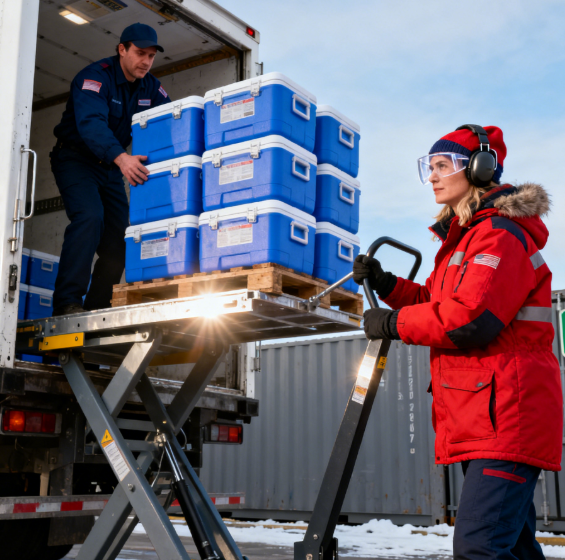
SOP Pengemasan Rantai Dingin: Jadikan Setiap Paket yang Disetujui Dapat Diulang
A cold chain packaging SOP defines how an approved temperature-controlled shipping system is prepared, diperiksa, dilepaskan, dan didokumentasikan. Tujuannya adalah agar metode yang disetujui dapat diulangi di seluruh operator, bergeser, fasilitas, dan tanggal pengiriman. Perusahaan tidak boleh meminta pengepakan untuk langsung merancang solusi termal atau memutuskan apakah penggantian yang dilakukan secara improvisasi dapat diterima.
SOP ini menghubungkan tiga bentuk pengendalian yang berbeda: konfigurasi pengemasan menentukan isi sistem; kualifikasi atau bukti uji mendukung penggunaannya dalam kondisi yang ditentukan; dan SOP mengontrol bagaimana orang melaksanakan proses yang disetujui. Sebuah proses yang lengkap membutuhkan ketiganya. Laporan pengujian tidak dapat memastikan bahwa bahan yang digunakan benar setiap hari, dan SOP yang terperinci tidak dapat membuktikan bahwa paket yang belum diuji cocok untuk suatu rute.
Tentukan ruang lingkup dan hierarki dokumen
Mulailah dengan menyatakan produk mana, rentang muatan, situs, jalur pelayaran, dan sistem pengemasan yang tercakup dalam SOP. Identifikasi pengecualian, seperti pengiriman darurat, muatan yang terlalu besar, tujuan yang tidak disetujui, atau wadah rusak yang dapat digunakan kembali. Kasus-kasus ini harus mengikuti prosedur terpisah yang disetujui atau dieskalasi ke pihak yang bertanggung jawab atas kualitas atau peran teknis.
Referensi dokumen yang dikontrol berdasarkan judul, pengidentifikasi, dan revisi. Tergantung pada operasinya, kumpulan dokumen mungkin termasuk:
- Persyaratan pengiriman produk dan batas suhu yang disetujui.
- Spesifikasi konfigurasi kemasan dan bill of material.
- Protokol kualifikasi, laporan pengujian, atau bukti kinerja lainnya.
- Instruksi kerja paket dengan diagram atau foto.
- Instruksi pemantauan suhu dan proses peninjauan data.
- Daftar periksa, catatan pengiriman, bentuk penyimpangan, dan catatan kendali perubahan.
Simpan parameter penting di bawah kendali dokumen. Jika kuantitas cairan pendingin, posisi komponen, batas muatan, atau lokasi logger disalin ke beberapa dokumen, organisasi harus memastikan bahwa setiap referensi tetap tersinkronisasi ketika konfigurasi berubah.
Tetapkan tanggung jawab sebelum pekerjaan dimulai
SOP harus mengidentifikasi siapa yang memiliki prosedur tersebut, yang mungkin mengemas kiriman, yang memverifikasi langkah-langkah penting, yang meninjau catatan pemantauan, dan siapa yang dapat mengizinkan penyimpangan atau perubahan konfigurasi. Orang yang sama mungkin memegang lebih dari satu peran dalam sebuah operasi kecil, namun tanggung jawabnya harus tetap jelas.
Pembagian tanggung jawab yang khas adalah:
- Pemilik pengemasan atau teknik: memelihara konfigurasi yang disetujui dan menilai perubahan teknis.
- Operator pengepakan: memeriksa bahan, mengikuti instruksi kerja saat ini, dan mencatat langkah-langkah yang diperlukan.
- Peran pemverifikasi atau pelepasan: mengonfirmasi bahwa pemeriksaan kritis telah selesai ketika pemeriksaan orang kedua diperlukan.
- Pengambil keputusan yang berkualitas atau ditunjuk: menilai penyimpangan, laporan tamasya, dan usulan perubahan.
- Peran pengiriman atau logistik: mengkonfirmasi rute, serah terima pembawa, waktu pengiriman, dan pengaturan penerimaan.
Sesuaikan peran dengan alur kerja aktual organisasi. Jangan memberikan persetujuan pada jabatan yang tidak ada di fasilitas tersebut.
Tetapkan prasyarat dan kontrol material
Sebelum membuka pengirim, operator harus mengkonfirmasi identitas pesanan, konfigurasi yang disetujui, jangkauan muatan, dan revisi instruksi saat ini. Komponen yang diperlukan harus tersedia dan dapat diidentifikasi. Area pengepakan harus sesuai untuk pekerjaan dan memungkinkan operator menyelesaikan rangkaian pekerjaan tanpa gangguan yang dapat dihindari.
SOP harus menjelaskan cara memeriksa setiap item penting:
- Pengirim luar yang benar, isolasi, pendingin, hambatan, isi kosong, dan bahan penutup.
- Pendingin disiapkan sesuai dengan prosedur pengkondisian yang disetujui.
- Identitas muatan, kuantitas, kondisi kemasan, dan pengaturan pemuatan yang diizinkan.
- Pencatat suhu atau perangkat pemantauan yang diperlukan, termasuk status dan identifikasinya.
- Label yang diperlukan, dokumen, segel, dan tanda penanganan.
- Kebersihan dan kondisi fisik komponen yang dapat digunakan kembali, jika memungkinkan.
Nyatakan apa yang terjadi jika suatu barang gagal diperiksa. Komponen yang rusak atau tidak disetujui harus dipisahkan sehingga komponen tersebut tidak dapat dikembalikan ke stok yang dapat digunakan karena kesalahan. Jangan gunakan instruksi yang tidak jelas seperti “pilih cairan pendingin yang sesuai”; lihat daftar komponen dan prosedur pengkondisian yang disetujui.
Tulis langkah-langkah pengepakan sebagai tindakan yang dapat diamati
SOP praktis harus menunjuk pada instruksi pengemasan yang terkontrol dan menentukan urutan pada tingkat yang memungkinkan operator memverifikasi penyelesaian. Pengaturan teknis yang tepat harus berasal dari konfigurasi yang disetujui, namun alur operasional umumnya mencakup tahapan berikut:
- Verifikasi pesanan dan konfigurasi. Cocokkan pengiriman dengan produk yang disetujui, muatan, rute, dan revisi konfigurasi.
- Periksa dan tahapan komponen. Konfirmasikan identitas, kondisi, kuantitas, dan status pengkondisian apa pun yang diperlukan.
- Siapkan pengirimnya. Rakit insulasi dan komponen internal yang ditentukan dalam orientasi yang diperlukan.
- Muat cairan pendingin dan penghalang. Ikuti diagram yang disetujui dan jauhkan cairan pendingin dari muatan yang desainnya memerlukan pemisah.
- Muat dan amankan muatannya. Gunakan orientasi yang ditentukan, rentang pengisian, jarak, dan metode pengekangan.
- Tempatkan perangkat pemantauan. Gunakan lokasi sensor yang ditentukan dan selesaikan langkah awal atau aktivasi yang diperlukan.
- Tutup dan beri label. Terapkan penutupan yang ditentukan, segel, Label, dan dokumen.
- Selesaikan pemeriksaan rilis. Verifikasi pengaturan akhir dan catat semua pengidentifikasi dan hasil yang diperlukan.
- Transfer ke pengiriman. Lindungi paket tertutup dari pembukaan yang tidak sah dan ikuti proses pementasan dan serah terima operator yang disetujui.
SOP tidak boleh bergantung pada “kemas dengan hati-hati” atau “gunakan cairan pendingin secukupnya”. Frasa tersebut menyerahkan keputusan desain kepada operator. Gunakan ID komponen yang dikontrol, sebuah diagram, urutan kata yang jelas, dan pemeriksaan obyektif untuk langkah-langkah yang mempengaruhi kinerja.
Tentukan keputusan pemantauan dan pelepasan
Pencatat data suhu mencatat suhu di lokasi probe; itu tidak secara aktif melindungi muatan. SOP harus menyatakan siapa yang mengaktifkan perangkat, bagaimana pengidentifikasinya dikaitkan dengan kiriman, tempat probe ditempatkan, bagaimana rekaman itu diambil, dan siapa yang meninjau hasilnya. Persyaratan pemantauan bergantung pada produk, penilaian risiko, kebutuhan pelanggan, dan kerangka kualitas yang berlaku.
Sebelum pengiriman, gerbang pelepasan harus mengonfirmasi bahwa konfigurasi yang disetujui telah diikuti, muatannya berada dalam kisaran yang diizinkan, komponen dan hambatan yang diperlukan ada, paket ditutup dengan benar, dan label sudah lengkap. Jika prosesnya memerlukan pemeriksaan orang kedua, mengidentifikasi dengan tepat item mana yang harus diverifikasi. Jangan mengumpulkan tanda tangan tanpa menjelaskan apa yang dikonfirmasi oleh penandatangan.
Jadikan penyimpangan dan penundaan dapat ditindaklanjuti
SOP harus memberi tahu staf kapan harus berhenti, bukan berimprovisasi. Pemicu umum mencakup komponen yang hilang, persiapan cairan pendingin yang salah, pengirim yang rusak, muatan di luar jangkauan, seorang pencatat yang gagal, rute yang tidak disetujui, penjemputan yang terlewat, atau paket yang telah dibuka setelah rilis.
Untuk setiap penyimpangan, mendefinisikan:
- Penahanan segera: berhenti berkemas, menahan kirimannya, atau memisahkan bahan yang terkena dampak.
- Pemberitahuan: sebutkan peran yang harus dihubungi.
- Informasi yang diperlukan: ID pengiriman, revisi konfigurasi, waktu, komponen yang terkena dampak, data pemantauan, dan deskripsi acara.
- Otoritas disposisi: siapa yang memutuskan apakah akan mengemas ulang, mengganti, menilai lebih lanjut, melepaskan, atau menolak.
- Dokumentasi: bagaimana keputusan dan tindakan perbaikan dicatat.
Pengiriman yang terlambat tidak boleh ditangani dengan menebak berapa lama paket tersebut akan tetap berlaku. Peran yang bertanggung jawab harus menilai penundaan terhadap konfigurasi yang disetujui, asumsi rute, dan bukti yang dapat diterapkan. Jika bukti yang ada tidak menutupi keadaan, pengiriman harus mengikuti proses eskalasi organisasi.
Kontrol varian musiman dan komponen yang dapat digunakan kembali
Jika ada beberapa konfigurasi yang disetujui, tentukan aturan untuk memilih setiap varian, siapa yang membuat pilihan itu, dan bagaimana pilihan tersebut dicatat. Hindari arahan musiman yang tidak jelas seperti “tambahkan lebih banyak cairan pendingin saat cuaca panas”. Varian harus berupa konfigurasi terkontrol dengan komponen dan instruksi perakitan yang ditentukan.
Untuk produk obat, Panduan Praktik Distribusi yang Baik Eropa membahas pelatihan untuk konfigurasi kotak berinsulasi musiman dan pengendalian penggunaan kembali cairan pendingin, termasuk mencegah paket yang didinginkan secara tidak lengkap agar tidak digunakan secara tidak sengaja. Persyaratan tepatnya bergantung pada produk dan yurisdiksi, tetapi prinsip pengoperasiannya berguna secara luas: membedakan status komponen dengan jelas dan mencegah penggunaan kembali yang tidak terkendali.
Untuk pengirim yang dapat digunakan kembali, mendefinisikan penanganan pengembalian, inspeksi, pembersihan jika diperlukan, kriteria kerusakan, dan lepaskan kembali ke layanan. Inspeksi visual dapat mengidentifikasi beberapa kerusakan, namun hal ini tidak secara otomatis membuktikan bahwa wadah yang dapat digunakan kembali tetap mempertahankan kinerja termal aslinya.
Latih operator dan simpan catatan yang berguna
Pelatihan harus mencakup urutan dan alasan di balik pengendalian kritis. Operator harus memahami mengapa penghalang mungkin diperlukan, mengapa posisi cairan pendingin penting, mengapa logger memiliki lokasi yang ditentukan, dan mengapa komponen pengganti tidak dapat dianggap setara. Menilai kembali pelatihan ketika prosedur atau konfigurasi berubah, dan menyimpan bukti sesuai dengan sistem mutu yang berlaku.
Catatan pengiriman harus memungkinkan penyelidikan untuk merekonstruksi apa yang terjadi. Tergantung pada risiko, mencatat pengenal pengiriman, revisi konfigurasi, operator dan verifikator, tanggal dan waktu, pengidentifikasi komponen atau lot jika diperlukan, ID penebang, pemeriksaan pelepasan, serah terima pembawa, dan penyimpangan apa pun. Tentukan periode penyimpanan dalam prosedur pencatatan yang berlaku daripada mengasumsikan satu durasi universal.
Tinjau SOP ketika proses berubah
Tinjau SOP setelah perubahan payload, rute, komponen kemasan, metode pengkondisian cairan pendingin, dimensi pengirim, pemasok, daerah pengepakan, metode pemantauan, atau proses penerimaan. Pemilik kemasan harus menilai apakah perubahan tersebut mempengaruhi konfigurasi yang disetujui atau bukti yang mendukungnya. Perbarui dokumen yang dikontrol dan latih staf yang terkena dampak sebelum metode yang direvisi digunakan.
Untuk pengiriman farmasi, persyaratan PDB yang berlaku dan sistem mutu organisasi menentukan pengendalian yang diperlukan. Kategori produk lain mungkin mengikuti aturan berbeda. Hindari mengklaim bahwa satu SOP secara otomatis menjamin kepatuhan global.
SOP pengemasan rantai dingin yang kuat ringkas pada saat penggunaan, secara teknis selaras dengan konfigurasi yang disetujui, dan eksplisit tentang keputusan pelepasan dan pengecualian. Tinjau dengan mengamati paket sebenarnya, tidak hanya dengan mengoreksi dokumen. Jika operator terlatih tidak dapat menyelesaikan proses dengan benar hanya dengan menggunakan instruksi saat ini, memperbaiki prosedur sebelum mengandalkannya dalam skala besar.
Periksa apakah SOP sudah berjalan
Tinjau prosedur menggunakan bukti dari operasi rutin, tidak hanya status persetujuan dokumen. Sinyal yang berguna mencakup daftar periksa yang tidak lengkap, penggantian komponen secara berulang, kesalahan pengkondisian cairan pendingin, kegagalan aktivasi logger, kerusakan ditemukan pada saat penerimaan, dan penyimpangan suhu yang berulang. Carilah pola secara bergiliran, lokasi, revisi konfigurasi, dan jenis pengiriman yang catatannya memungkinkan perbandingan tersebut.
Kesalahan yang berulang mungkin menunjukkan bahwa suatu kontrol sulit dilakukan, suatu komponen tidak teridentifikasi dengan baik, atau stasiun pengepakan mendorong jalan pintas. Tindakan korektif harus mengatasi penyebabnya. Ketika perubahan mempengaruhi konfigurasi yang disetujui, asumsi rute, atau rencana pemantauan, mengarahkannya melalui tinjauan teknis dan kualitas sebelum memperbarui SOP. Setelah prosedur revisi disetujui, menarik salinan usang dan memastikan bahwa operator yang terkena dampak memahami langkah-langkah yang diubah.
Putaran umpan balik ini membantu menjaga SOP tetap selaras dengan pekerjaan sebenarnya sambil menjaga perbedaan antara meningkatkan instruksi operasional dan mengubah desain kemasan yang mendasarinya..
Konfigurasi Pengemasan Rantai Dingin: Desain Di Sekitar Rute dan Muatan
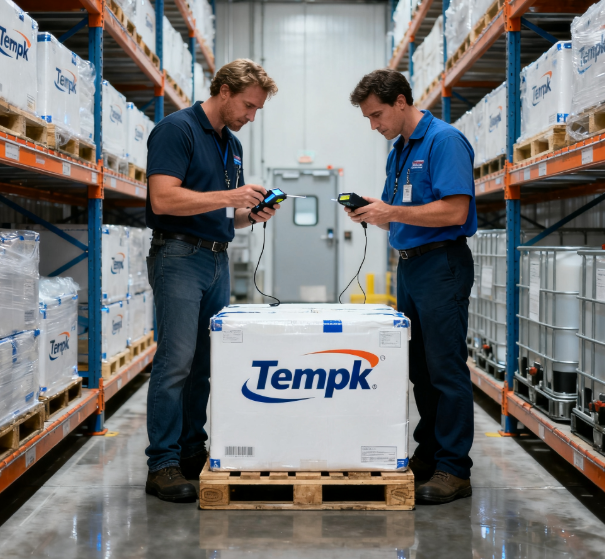
Konfigurasi Pengemasan Rantai Dingin: Desain Di Sekitar Rute dan Muatan
A cold chain packaging configuration is the approved combination of shipper, isolasi, pendingin, pengaturan internal, batas muatan, pemantauan, penutup, and handling instructions used to protect a specific shipment. The configuration should be selected around the product’s temperature requirements and the conditions it may encounter—not around a box size or a supplier’s generic hold-time claim.
The distinction matters because the performance of a temperature-controlled package comes from the assembled system. Paket gel adalah komponen pendingin. Isolasi memperlambat perpindahan panas. A temperature data logger records conditions at its sensor location. None of these elements alone demonstrates that the shipment will remain within its required temperature range. That conclusion depends on the complete configuration, kondisi pengujian, dan rute yang dituju.
Define the shipping task before choosing components
Start with a design brief that captures the intended use and the decisions the package must support. Termasuk:
- Batas produk: acceptable temperature range, sensitivity to freezing or overheating, and product-owner handling requirements.
- Muatan: ukuran, massa, jumlah unit, kemasan sekunder, kepadatan pemuatan, and expected variation between shipments.
- Rute: asal, tujuan, moda transportasi, waktu transit yang direncanakan, likely dwell periods, titik perpindahan, and possible delays.
- Lingkungan: expected seasonal exposure and the conditions at pickup, hub, bea cukai, dan pengiriman.
- Operasi: who packs the shipper, tempat pengepakan terjadi, whether the package is reusable, and what the receiver must do.
- Bukti: pemantauan yang diperlukan, Kriteria penerimaan, dokumentasi tes, keterlacakan, dan penanganan penyimpangan.
The product owner or quality function should determine the acceptable shipping conditions. A labeled storage range is an important input, but it should not automatically become the packout design target without considering product stability and the risks of distribution.
Build the configuration as a coupled system
A passive temperature-controlled package usually combines an outer container, isolasi, pendingin, separators or barriers, isi kosong, kemasan muatan, seorang penebang kayu, and closure and labeling elements. Each component contributes a different function, and changes to one component can affect the others.
Insulation slows heat transfer but does not compensate for every weak point in the enclosure. A lid that does not seat consistently, a damaged panel, or a poorly controlled opening may undermine the design. Coolant provides thermal capacity, but its effect depends on its mass, persiapan, lokasi, dan kontak dengan muatan. Internal barriers can reduce direct contact, while also changing the thermal path. Payload arrangement influences both heat transfer and physical stability.
This is why a coolant datasheet, insulation specification, or empty-box test cannot independently establish shipment performance. The relevant evidence must represent the assembled package and its intended load.
Make the trade-offs explicit
There is rarely one configuration that maximizes every desirable attribute. More insulation may reduce heat transfer but increase outer dimensions and reduce usable payload space. More coolant may extend thermal capacity under some conditions but increase shipping weight and create a local freezing risk. A larger shipper may simplify loading but allow a partial payload to move or leave uncontrolled air spaces. A reusable container may reduce recurring packaging consumption but introduce return logistics, inspeksi, pembersihan, and refurbishment requirements.
| Pilihan desain | Potential benefit | Trade-off to evaluate |
|---|---|---|
| Increased insulation | Slower heat transfer through package walls | Larger dimensions, less usable volume, biaya |
| Additional coolant | Greater thermal reserve in some configurations | Berat, menangani beban, risiko kontak langsung |
| More internal barriers | Better control of contact and position | Added steps, possible change to heat transfer |
| Larger shipper | Easier loading or more payload capacity | More empty space and possible product movement |
| Reusable system | Repeated use when properly managed | Arus balik, inspeksi, pembersihan, component-life control |
The best choice is the configuration that meets the defined requirements and can be assembled consistently. Avoid optimizing a single specification while ignoring the complete shipping task.
Specify the internal arrangement so it can be repeated
A controlled configuration should define the exact components and how they fit together. Include component identifiers, dimensi pengirim, coolant type and approved conditioning procedure, kuantitas dan posisi cairan pendingin, bahan penghalang, orientasi muatan, allowed fill range, lokasi pencatat, metode penutupan, dan penempatan label.
Show the sequence in a diagram or annotated photograph when spatial relationships matter. A written instruction such as “place coolant around the product” may be too vague to reproduce. Specify which faces receive coolant, where a barrier is required, whether products may touch one another, and how empty space is managed.
The specification should also identify prohibited substitutions. A different gel pack, lapisan insulasi, pemisah, or box may look similar while having different thermal behavior. Any substitution should follow a documented assessment and approval process rather than an informal decision at the packing station.
Use route conditions to define the test
The planned carrier transit time is not the entire exposure. A shipment may wait at a collection point, remain on a loading dock, transfer between vehicles, be delayed at a border, or arrive after a receiving site has closed. Seasonal exposure and route variability should be considered when selecting the test conditions.
WHO technical supplements treat transport-route profiling and shipping-container qualification as related but distinct activities. Route information helps characterize the external environment; package qualification evaluates whether a defined system can perform under specified conditions. Neither should be casually substituted for the other.
Untuk produk obat, European Good Distribution Practice guidance says packaging selection should consider the product’s transport requirements, space needed for the shipment, mengantisipasi suhu eksternal yang ekstrem, maximum transport time including transit storage, dan status validasi kemasan. Other product categories may be governed by different requirements, so the applicable quality and regulatory framework should be confirmed.
If a new route is longer, more variable, or exposed to different temperatures than the route represented in the existing evidence, mendokumentasikan kesenjangan tersebut. Decide whether the current evidence remains applicable, whether additional testing is needed, or whether operational controls must change.
Define monitoring around the risk question
A temperature logger is an evidence tool, not a cooling device. Its reading represents the temperature at the probe location, which may differ from the temperature experienced by products elsewhere in the package. The sensor location should therefore be selected to answer a defined question: represent the payload environment, investigate a potential cold spot, or characterize a known warm area.
The monitoring plan should identify the device, calibration or verification status where required, penempatan, start and stop steps, sampling settings, tinjauan data, and response to missing or abnormal records. Untuk pengiriman yang diatur, the user requirement and applicable procedures determine what monitoring is needed. Avoid placing the sensor wherever it is easiest to reach if that location does not represent the risk being assessed.
Build evidence that another team can reproduce
A defensible configuration file should contain:
- The approved bill of materials, gambar, dan revisi konfigurasi.
- A packout diagram and controlled assembly instructions.
- Dimensi muatan, massa, permitted load range, and loading arrangement.
- Coolant conditioning and handling requirements.
- The test protocol, profil lingkungan, lokasi sensor, Kriteria penerimaan, dan laporkan.
- Any route assumptions or limitations on where the configuration may be used.
- Menerima cek, eskalasi tamasya, dan persyaratan pengendalian perubahan.
A statement that a package “passed testing” is incomplete without the tested configuration, kondisi pengujian, dan kriteria penerimaan. ISTA’s thermal packaging resources distinguish development tests used to compare designs from qualification processes intended to support defined claims. The selected method should fit the decision being made.
Keep the approved configuration under control
Performance can change when the payload, rute, pendingin, isolasi, dimensi kotak, pemasok, proses pembuatan, or packing method changes. The change may appear minor, but the team should assess whether it affects heat transfer, massa termal, bugar, or handling before use. A documented change-control process should identify who assesses the impact, bukti apa yang diperlukan, and who authorizes release.
Untuk sistem yang dapat digunakan kembali, add inspection criteria for damaged insulation, penutupan yang aus, bagian yang hilang, kontaminasi, and coolant condition. European Good Distribution Practice guidance also highlights the need to control coolant reuse so that incompletely cooled packs are not mistakenly used and different pack states can be distinguished. The exact controls should match the system design and applicable procedures.
Approval checklist for buyers and engineers
Before approving a cold chain packaging configuration, confirm that the team can answer these questions clearly:
- What product and payload range is covered?
- Which routes and environmental conditions are represented by the evidence?
- What exact components, keadaan pendingin, hambatan, and loading sequence are approved?
- Di mana logger ditempatkan, and what does its reading represent?
- What are the acceptance criteria and the response to an excursion?
- Which changes require reassessment or requalification?
- Can trained operators pack the shipment correctly using the controlled instructions alone?
A cold chain packaging configuration is ready for operational use when the design, bukti, and work instructions agree. If the configuration depends on an undocumented packing trick or a component substitution that has never been assessed, it is not yet a controlled system. Define the route and payload requirements first, review the complete configuration with the relevant quality and logistics teams, and request a proposal that makes its assumptions and evidence explicit.
Verify consistency from sample to routine production
The sample used during review should represent the components and assembly method that will be supplied and packed in routine operation. Confirm that the same insulation, model pendingin, hambatan, dimensi pengirim, closure materials, and instructions are used. If the supplier changes a material source or manufacturing process, the change should be assessed for its potential effect rather than accepted because the external appearance is unchanged.
A practical operator trial is valuable before release. Ask trained packers to assemble the configuration using only the controlled instruction, then compare the finished packout with the approved drawing. Record any ambiguity, component-fit issue, or step that requires an undocumented workaround. Correct those issues before scaling up. After release, use incoming inspection and periodic record review to check that routine shipments continue to match the approved configuration.
The configuration is strongest when its technical evidence, physical components, and operating instructions all describe the same system.