


Produsen Makanan Laut Paket Gel Termal: Panduan Sampel-ke-Pasokan
Produsen Makanan Laut Paket Gel Termal: Panduan Sampel-ke-Pasokan
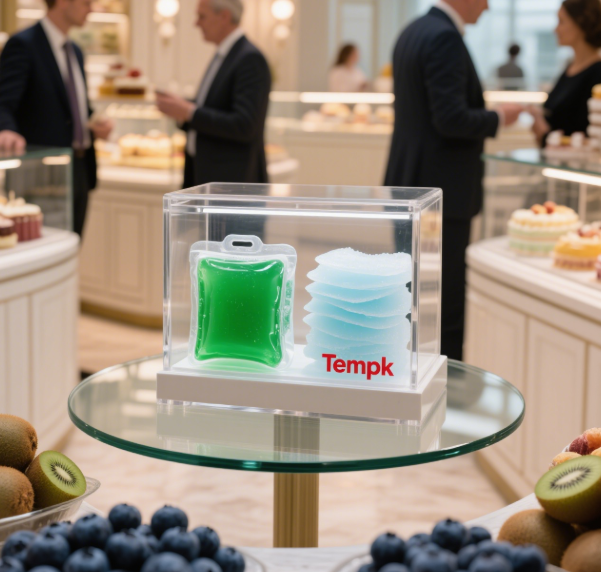
Produsen Makanan Laut Paket Gel Termal: Kerangka Kerja Sampel-untuk-Pasokan yang Praktis
Sebuah sampel dapat membeku, terasa tahan lama, dan masih menjadi pilihan komersial yang salah. Pengadaan dimulai ketika sampel diterjemahkan ke dalam spesifikasi produksi yang terkontrol, kualitas, dan operasi dapat diulang. Untuk pembeli yang mencari produsen makanan laut paket gel termal, keputusan utamanya adalah apakah cairan pendinginnya, karton, isolasi, beban produk, pengendalian sanitasi, dan merutekan pekerjaan sebagai satu paket higienis. Keputusan pengadaan yang dapat dipertahankan menggabungkan batasan produk, bukti material, pengujian paket, kontrol pemasok, dan rencana realistis untuk penggunaan sehari-hari.
Keputusan akhir ada di tangan pengolah makanan laut, eksportir, grosir, operator peralatan makan, and cold-chain packaging engineers, sering kali digunakan pada aplikasi seperti karton ikan segar, distribusi kerang, perlengkapan makanan laut yang sudah disiapkan, dan pengiriman grosir jarak pendek. Tinjauan terintegrasi menghubungkan pengguna'kebutuhannya, produk jadi, pengendalian pemasok, bukti paket, dan eksekusi harian. Hal ini membuat asumsi tetap terlihat sehingga item yang sama tidak disetujui untuk penggunaan yang lebih luas daripada bukti yang didukung.
Bangun File Keputusan Sebelum Memilih Paket
Peta persetujuan untuk produsen makanan laut kemasan gel termal harus berisi lima keputusan terkait: apa barang jadinya, dimana itu akan digunakan, risiko mana yang penting, bukti apa yang menutup risiko tersebut, dan bagaimana produksi akan tetap setara dengan sampel yang disetujui. Urutan ini mencegah tim untuk memulai dengan item katalog yang menarik dan menemukan kegunaannya nanti. Hal ini juga memberikan pemasok cara yang jelas untuk mengungkapkan batasan tanpa dikenakan sanksi karena menolak jaminan yang tidak realistis.
Tulis pernyataan tujuan penggunaan dalam bahasa operasional. Beri nama muatannya, kondisi yang diperlukan, wadah, rute, pengaturan kontak, metode pengkondisian, dan keputusan saat menerima. Kemudian identifikasi kemungkinan penggunaan yang mana, termasuk karton ikan segar, distribusi kerang, perlengkapan makanan laut yang sudah disiapkan, dan pengiriman grosir jarak pendek, berada di dalam persetujuan pertama dan yang tetap berada di luarnya. Pengendalian cakupan sangat penting ketika satu nama komersial dapat merujuk pada distribusi pangan, Perawatan kesehatan, perawatan pribadi, atau penanganan industri.
Jaga agar batasan produk tetap eksplisit: Paket gel menghilangkan atau menyangga panas, namun hal ini tidak menggantikan pendinginan produk, penanganan yang higienis, wadah terisolasi, atau rencana keamanan pangan khusus produk. Pernyataan tersebut harus muncul dalam ringkasan teknis dan pelatihan, tidak hanya dalam catatan hukum. Operator dan tim penjualan perlu memahami komponen gel itu, wadah terisolasi, paket yang berkualitas, dan rute yang dipantau menjalankan fungsi yang berbeda. Mintalah tim yang bertanggung jawab dalam ekspor makanan laut global dan distribusi domestik mengkonfirmasi interpretasi spesifik pasar.
Tetapkan setiap keputusan kepada pemilik. Tim produk menentukan kondisi yang dapat diterima; kemasan mendefinisikan asumsi kesesuaian dan perpindahan panas; bukti tinjauan kualitas dan perubahan; operasi menegaskan kapasitas persiapan; pengadaan mengontrol spesifikasi komersial; menerima hasil catatan. Ketika kepemilikannya tidak jelas, kesenjangan sering kali diisi dengan bahasa pemasaran pemasok daripada keputusan pembeli yang terdokumentasi. Gunakan hasilnya saat menyelidiki pendinginan yang tidak merata yang disebabkan oleh penempatan yang buruk dalam program ini.
Terjemahkan Paket Selesai menjadi Atribut Terkendali
The specification should describe thermal gel packs engineered for seafood packing and distribution as a finished article. Sertakan dimensi tanpa syarat dan terkondisi, isi atau massa, penampilan, konstruksi film atau cangkang, jahitan atau penutupan, mencetak, label, pengepakan individu, karton, penyimpanan, dan metode pemeriksaan. Sebutkan toleransi dan kategori cacat. Jika suatu properti penting hanya setelah dibekukan, pembengkakan, pemanas, pamer, atau pembersihan, menentukan persiapan sebelum diukur.
Informasi formulasi harus cukup untuk tinjauan bahaya dan paparan yang sebenarnya. Nama dagang untuk pengental atau polimer tidak menggambarkan kualitas air, aditif, pengawet, pewarna, sisa, atau kompatibilitas dengan wadahnya. SDS dapat mendukung komunikasi bahaya, namun bukti terpisah mungkin diperlukan untuk kontak makanan, kontak kulit, klaim medis, pembuangan, atau kinerja termal. Ajukan pertanyaan yang tepat sebelum meminta dokumen. Terapkan pemeriksaan ini pada distribusi kerang dan tetapkan pemiliknya sebelum persetujuan sampel.
Kondisi kegagalan yang dapat diperkirakan harus direpresentasikan. Dalam program ini mereka menyertakan tusukan sirip, kerang, atau staples karton, air lelehan dan kondensasi di sekitar label, pendinginan tidak merata yang disebabkan oleh penempatan yang buruk, dan kontaminasi silang setelah kerusakan paket. Evaluasi harus menunjukkan bagaimana kegagalan dicegah, terdeteksi, terkandung, diselidiki, dan ditautkan kembali ke banyak hal. This turns broad requirements such as 'tahan bocor' atau 'aman' into testable controls and response rules. Kaitkan bukti tersebut dengan kode item yang disetujui dan lot pemasok untuk kemasan gel termal yang dirancang untuk pengemasan dan distribusi makanan laut.
Untuk catatan rilis, tentukan batas paparan dengan kata yang sama yang digunakan oleh operasi. Kontak langsung dengan makanan laut yang dapat dimakan tidak boleh dilakukan. Tentukan apakah produk tersebut dikantongi, disegel baki, dibungkus, atau terbuka, kemudian dapatkan bukti untuk kondisi kontak yang tepat. Kesimpulan yang disetujui harus mencakup kebocoran yang dapat diperkirakan, pembersihan, dan penanganan pengguna serta pemisahan normal. Mintalah tim yang bertanggung jawab dalam ekspor makanan laut global dan distribusi domestik mengkonfirmasi interpretasi spesifik pasar.
| Gerbang persetujuan | Bukti keputusan | Kondisi rilis |
|---|---|---|
| Gunakan definisi | Muatan, rute, isolasi, kontak, dan pernyataan penerimaan | Semua asumsi penting dimiliki dan dicatat |
| Sampel representatif | Bahan akhir, rumus, proses, karya seni, dan pengepakan | Perbedaan dari produksi ditutup atau dinilai secara formal |
| Bukti fungsional | Penahanan, pengkondisian, penanganan, dan data termal yang relevan dengan penggunaan | Metode, sampel, dan keterbatasan terlihat |
| Kontrol pemasok | Peran situs, banyak catatan, rencana pemeriksaan, dan mengubah proses | Akuntabilitas mencapai operasi produksi yang sebenarnya |
| Kesiapan operasional | Instruksi kerja, pelatihan, menerima, dan penyimpangan alur kerja | Pembeli dapat mereproduksi dan memantau keadaan yang disetujui |
Gerbang ini menciptakan urutan, bukan tumpukan dokumen. Suatu program tidak boleh maju karena satu sertifikat terlihat kuat sebagai sampel, rute, atau instruksi pengoperasian masih bersifat sementara. Keputusan rilis menjadi lebih mudah dipertahankan ketika setiap gerbang mengacu pada kode produk dan konfigurasi yang sama. Sertakan keputusan tersebut dalam instruksi operator untuk peralatan makanan laut yang disiapkan.
Kualifikasi Menghubungkan Kondisi Tes ke Rute
Pernyataan kinerja hanya berguna jika kondisinya diketahui. Catat wadah terisolasi, muatan, kuantitas dan posisi cairan pendingin, suhu awal, proses pengkondisian, profil lingkungan, lamanya, lokasi sensor, kriteria lulus, dan setiap pembukaan pintu atau acara penanganan. Laporan tersebut harus mengidentifikasi paket pengujian yang tepat. Tanpa bidang itu, nilai jam tidak dapat dibandingkan secara adil atau ditransfer dengan aman ke rute lain. Terapkan pemeriksaan ini untuk pengiriman grosir jarak pendek dan tetapkan pemiliknya sebelum persetujuan sampel.
Pekerjaan laboratorium dan pemantauan jalur menjawab pertanyaan yang berbeda. Profil terkontrol membantu membandingkan desain dan menetapkan konfigurasi yang memenuhi syarat. Data rute menunjukkan bagaimana operator, serah terima, memanggungkan, cuaca, dan variasi pengoperasian berinteraksi dengan desain itu. Gunakan penyimpangan untuk menyempurnakan model risiko, jangan berasumsi bahwa lebih banyak cairan pendingin selalu menjadi jawabannya. Pendingin ekstra dapat menghabiskan muatan, tambahkan ongkos kirim, dan menciptakan permukaan yang lebih dingin. Kaitkan bukti tersebut dengan kode item yang disetujui dan lot pemasok untuk kemasan gel termal yang dirancang untuk pengemasan dan distribusi makanan laut.
Rencana pengoperasiannya harus diuji di lokasi yang akan menggunakannya. Produk dan kemasan didinginkan terlebih dahulu sesuai dengan rencana keamanan pangan, pisahkan persiapan cairan pendingin dari penanganan produk mentah, dan memeriksa setiap kemasan yang rusak karena berpotensi terjadi kontaminasi. Pergeseran yang representatif harus memastikan kapasitas persiapan, disiplin pementasan, inspeksi, dan eskalasi sebelum volume dilakukan. Mintalah tim yang bertanggung jawab dalam ekspor makanan laut global dan distribusi domestik mengkonfirmasi interpretasi spesifik pasar.
Tentukan pemicu rekualifikasi pada saat persetujuan. Muatan baru, pembawa, musim, isolasi, ukuran paket, perumusan, tempat produksi, atau metode pengkondisian dapat membatalkan asumsi meskipun deskripsi pembelian tidak berubah. Data tren dari penerimaan dan pengaduan harus ditinjau untuk perubahan yang lebih kecil yang dapat membenarkan pengujian yang ditargetkan sebelum terjadi kegagalan yang terlihat. Gunakan hasilnya saat menyelidiki pendinginan yang tidak merata yang disebabkan oleh penempatan yang buruk dalam program ini.
Pilih Pemasok di Balik Penawaran
Untuk produsen makanan laut paket gel termal, mengidentifikasi apakah setiap penawar adalah penjual yang sah, pabrik, konverter, pengisi, distributor, pengimpor, atau pemilik label pribadi. Petakan siapa yang membeli bahan-bahan penting, menyetujui perubahan formula, mengatur parameter segel, melepaskan banyak, menyimpan catatan, dan menangani keluhan. Distributor dapat menjadi mitra yang efektif jika mereka mempunyai kendali atas pabrik yang terdokumentasi; sebuah pabrik masih bisa menjadi lemah jika tanggung jawabnya terpecah-pecah.
Gunakan sampel bertahap. Sampel awal mengeksplorasi dimensi dan penanganan. Sampel teknik mengkonfirmasi konstruksi yang dimaksudkan. Sampel yang mewakili produksi memverifikasi jalur yang diusulkan, perkakas, bahan, rumus, karya seni, dan pengepakan. Beri label pada setiap sampel dengan status dan lotnya. Persetujuan akhir tidak boleh bergantung pada unit yang disiapkan dengan metode laboratorium khusus yang tidak dapat direproduksi oleh galur normal. Terapkan pemeriksaan ini pada distribusi kerang dan tetapkan pemiliknya sebelum persetujuan sampel.
Ketentuan komersial harus mempertahankan kendali teknis. Ikat pesanan dengan revisi spesifikasi dan karya seni, menentukan pengemasan dan inspeksi, dokumen negara dan catatan harapan, dan memerlukan pemberitahuan untuk perubahan penting. Diskusikan pola pesanan, puncak, paparan bahan mentah, kendala kapasitas, kemungkinan, waktu pengaduan, dan disposisi stok yang tidak sesuai. Harga satuan yang rendah belum lengkap jika berpindah pemeriksaan, mengemas ulang, atau biaya kegagalan ditanggung pembeli. Kaitkan bukti tersebut dengan kode item yang disetujui dan lot pemasok untuk kemasan gel termal yang dirancang untuk pengemasan dan distribusi makanan laut.
Perencanaan regional untuk ekspor makanan laut global dan distribusi domestik menambah peran importir, bahasa, klaim, instruksi pembuangan, dan distribusi lokal. Bea masuk keamanan pangan berbeda-beda menurut produk dan pasar. Di Amerika Serikat, aturan transportasi sanitasi sesuai, peralatan yang dapat dibersihkan dan kontrol suhu jika diperlukan; Perusahaan makanan laut juga harus menyelaraskan paket tersebut dengan analisis bahaya dan kriteria penerimaannya. Konfirmasikan bahwa identitas model tetap konsisten di seluruh laporan, dokumen SDS, faktur, Label, dan karton, dengan referensi silang terkontrol di mana label pribadi dan kode pabrik berbeda.
Uji Praktis Kerangka Kerja
Gunakan skenario ini untuk menantang logika persetujuan. Pengekspor makanan laut melihat suhu yang dapat diterima pada saat pengiriman tetapi sudut yang hangat pada saat penerimaan. Menambahkan lebih banyak gel secara membabi buta dapat mengurangi muatan dan menimbulkan risiko pembekuan. Investigasi yang lebih baik memetakan posisi paket, pra-pengkondisian, angin karton, waktu serah terima, dan lokasi logger sebelum mengganti massa cairan pendingin. Ini adalah situasi pengadaan yang hipotetis, bukan hasil pelanggan yang diklaim, dan tujuannya adalah untuk mengekspos variabel-variabel yang membutuhkan pemilik. Sertakan keputusan tersebut dalam instruksi operator untuk peralatan makanan laut yang disiapkan.
Tim harus membekukan asumsi yang ada sebelum memodifikasi desain. Menangkap geometri muatan dan kondisi awal, isolasi, persiapan pendingin, penempatan, paparan lingkungan, serah terima, rencana sensor, dan aturan penerimaan. Kemudian pilih perubahan terkecil yang mengatasi risiko yang diamati. Mengubah massa pendingin, isolasi, penempatan, dan waktu pemuatan bersama mungkin menghasilkan izin tetapi hanya mengajarkan sedikit tentang kontrol mana yang penting. Catat kesimpulannya dalam catatan pelepasan terkontrol untuk produsen makanan laut kemasan gel termal.
Penawar menerima pola fakta yang sama dan mengembalikan konfigurasi yang diusulkan dengan batasan eksplisit. Pembeli tidak hanya membandingkan harga, tetapi juga seberapa jelas proposal tersebut menghubungkan kelompok tersebut dengan rutenya, seberapa representatif sampel tersebut, data mana yang tersedia, dan bagaimana perubahan akan dikendalikan. Once the configuration passes the buyer's review, instruksi kerja dan kriteria penerimaan dirilis dengan revisi yang sama. Terapkan pemeriksaan ini untuk pengiriman grosir jarak pendek dan tetapkan pemiliknya sebelum persetujuan sampel.
Mengurangi Limbah dengan Memperbaiki Sistem
Dalam skala besar, permasalahan lingkungan harus tetap terkait dengan operasi. Paket yang dapat digunakan kembali dapat digunakan pada rute makanan laut yang tertutup, tapi pengendalian bau, verifikasi pencucian, tingkat kerugian, dan transportasi pulang pergi bisa melebihi penghematan material. Dokumentasikan asumsi di balik perbandingan sehingga terjadi perubahan rute, tingkat pengembalian, pembersihan, atau pembuangan tidak meninggalkan klaim lama yang melekat pada sistem yang berbeda. Mintalah tim yang bertanggung jawab dalam ekspor makanan laut global dan distribusi domestik mengkonfirmasi interpretasi spesifik pasar.
Evaluasi materi, energi beku, berat paket, isolasi, kehilangan produk, pembersihan, pemulihan, transportasi terbalik, dan pembuangan dalam satu batas. Penggunaan kembali merupakan hal yang menarik pada rute tertutup yang stabil dengan tingkat pengembalian yang tinggi dan inspeksi yang terkendali. Ini mungkin tidak efektif dalam jaringan terbuka. Demikian pula, klaim pembuangan hanya berguna bila pengguna menerima instruksi yang akurat dan infrastruktur lokal dapat melaksanakan hasil yang dinyatakan. Gunakan hasilnya saat menyelidiki pendinginan yang tidak merata yang disebabkan oleh penempatan yang buruk dalam program ini.
Proyek pengurangan yang terbaik mungkin adalah paket musiman yang lebih kecil, pra-pendinginan yang lebih baik, pementasan yang lebih pendek, kontrol kekosongan yang lebih baik, atau segmentasi rute. Perubahan ini dapat menurunkan cairan pendingin dan pengangkutan sekaligus meningkatkan keandalan. Pemasaran lingkungan harus menggambarkan perbaikan yang telah terbukti secara sempit dan menghindari implikasi bahwa satu sifat material membuat keseluruhan pengiriman berkelanjutan. Cantumkan keputusan tersebut dalam instruksi operator untuk karton ikan segar.
Pertanyaan Terakhir Sebelum Rilis
Bisakah satu spesifikasi paket gel mencakup beberapa produk?
Mungkin, tetapi hanya setelah ruang desain umum ditetapkan. Sensitivitas produk mungkin berbeda, geometri, kondisi awal, jalur kontak, dan kriteria penerimaan. Untuk kegunaan seperti karton ikan segar, distribusi kerang, perlengkapan makanan laut yang sudah disiapkan, dan pengiriman grosir jarak pendek, mendokumentasikan kombinasi mana yang dinilai dan mana yang memerlukan paket terpisah. Kode pembelian umum tidak boleh menyembunyikan instruksi khusus aplikasi.
Apa yang harus memicu evaluasi ulang setelah peluncuran?
Evaluasi kembali bila suatu material kritis, rumus, lokasi produksi, alat, proses segel, ukuran paket, isolasi, muatan, rute, metode pengkondisian, pembawa, atau kriteria penerimaan berubah. Tren pengaduan dan pergeseran musiman yang tidak dapat dijelaskan juga dapat memicu peninjauan kembali. Perjanjian kualitas harus menyatakan siapa yang memberi tahu siapa dan bukti apa yang diperlukan sebelum konfigurasi yang direvisi dirilis. Gunakan hasilnya saat menyelidiki tusukan sirip, kerang, atau staples karton dalam program ini.
Bagaimana cara membuat daftar pilihan untuk produsen makanan laut paket gel termal?
Berikan pengarahan terkontrol yang sama kepada setiap penawar: penggunaan yang dimaksudkan, muatan, kondisi yang diperlukan, isolasi, rute, pengkondisian, jalur kontak, pola pesanan, dan target pasar. Nilai tanggapan untuk transparansi manufaktur, bukti, keterwakilan sampel, mengubah kendali, dan kesesuaian operasi. Jangan mengurutkan klaim jam yang tidak didukung di atas proposal yang dengan jelas menyatakan batas pengujiannya. Catat kesimpulannya dalam catatan pelepasan terkontrol untuk produsen makanan laut kemasan gel termal.
Sampel mana yang harus disetujui oleh tim mutu?
Menyetujui sampel perwakilan produksi yang terkait dengan spesifikasi akhir, bahan, rumus, perkakas, mencetak, label, dan karton. Prototipe yang diisi dengan tangan dapat mendukung pekerjaan desain awal tetapi tidak boleh diproduksi massal. Simpan sampel yang ditandatangani sebagai referensi visual saat menggunakan batas inspeksi obyektif untuk dimensi, mengisi, segel, penampilan, dan pemeriksaan fungsional. Kaitkan bukti tersebut dengan kode item yang disetujui dan lot pemasok untuk kemasan gel termal yang dirancang untuk pengemasan dan distribusi makanan laut.
Lepaskan Sistem, Lalu Tonton
Keputusan produsen makanan laut paket gel termal yang kuat berakhir dengan satu produk yang dikontrol, satu penggunaan yang ditentukan, bukti dengan keterbatasan yang terlihat, proses pergantian pemasok, dan instruksi kerja yang dapat direproduksi oleh pembeli. Ini juga memulai putaran umpan balik operasi. Tinjau banyak cacat, pengecualian pengkondisian, data rute, keluhan, dan perubahan agar desain yang disetujui tidak menyimpang dari kondisi yang membenarkannya.
Tentang tempk
Tempk supplies flexible gel ice packs, batu bata es yang kaku, paket injeksi air, dan komponen pengemasan rantai dingin berinsulasi. Untuk kemasan gel termal yang dirancang untuk pengemasan dan distribusi makanan laut, kami dapat meninjau format yang diminta, ukuran, Kustomisasi, sedang mengemas, dan masukan pasokan komersial dengan tim Anda. The final choice should be evaluated in the buyer's complete packout and market context, jadi pertanyaan yang paling berguna mencakup muatannya, kondisi yang diperlukan, rute, isolasi, jalur kontak, dan pola pesanan yang diharapkan.
Kirimkan kepada Tempk ringkasan terkontrol untuk proyek produsen makanan laut paket gel termal Anda saat Anda siap membandingkan sampel yang mewakili produksi dengan rute dan persyaratan persetujuan Anda.
Distributor Paket Gel Termal Kanada: Panduan Sampel-ke-Pasokan

Distributor Paket Gel Termal Kanada: Kerangka Kerja Sampel-untuk-Pasokan yang Praktis
Kesalahan yang paling merugikan dalam pembelian ini adalah jarang memilih paket yang terlihat terlalu sederhana. Ini menyetujui cairan pendingin sebelum tim menentukan batas produk, rute, jalur kontak, dan bukti yang diperlukan pada saat penerimaan. Untuk pembeli yang mencari distributor paket gel termal Kanada, keputusan utamanya adalah apakah distributor dapat mendukung dokumentasi Kanada, kebutuhan saluran bilingual, pengisian regional, dan pembeli's actual temperature-control process. Keputusan pengadaan yang dapat dipertahankan menggabungkan batasan produk, bukti material, pengujian paket, kontrol pemasok, dan rencana realistis untuk penggunaan sehari-hari.
Keputusan akhir berada di tangan importir Kanada, distributor regional, bisnis makanan, pemasok layanan kesehatan, dan tim pengadaan, sering kali di seluruh aplikasi seperti pengiriman makanan berpendingin, paket dukungan klinis, pengiriman komunitas terpencil, dan tas jinjing terisolasi yang dapat digunakan kembali. Tinjauan terintegrasi menghubungkan pengguna'kebutuhannya, produk jadi, pengendalian pemasok, bukti paket, dan eksekusi harian. Hal ini membuat asumsi tetap terlihat sehingga item yang sama tidak disetujui untuk penggunaan yang lebih luas daripada bukti yang didukung.
Mulailah dengan Peta Persetujuan
Peta persetujuan untuk distributor paket gel termal Kanada harus berisi lima keputusan terkait: apa barang jadinya, dimana itu akan digunakan, risiko mana yang penting, bukti apa yang menutup risiko tersebut, dan bagaimana produksi akan tetap setara dengan sampel yang disetujui. Urutan ini mencegah tim untuk memulai dengan item katalog yang menarik dan menemukan kegunaannya nanti. Hal ini juga memberikan pemasok cara yang jelas untuk mengungkapkan batasan tanpa dikenakan sanksi karena menolak jaminan yang tidak realistis.
Tulis pernyataan tujuan penggunaan dalam bahasa operasional. Beri nama muatannya, kondisi yang diperlukan, wadah, rute, pengaturan kontak, metode pengkondisian, dan keputusan saat menerima. Kemudian identifikasi kemungkinan penggunaan yang mana, termasuk pengiriman makanan berpendingin, paket dukungan klinis, pengiriman komunitas terpencil, dan tas jinjing terisolasi yang dapat digunakan kembali, berada di dalam persetujuan pertama dan yang tetap berada di luarnya. Pengendalian cakupan sangat penting ketika satu nama komersial dapat merujuk pada distribusi pangan, Perawatan kesehatan, perawatan pribadi, atau penanganan industri.
Jaga agar batasan produk tetap eksplisit: Distributor Kanada memasok ketersediaan cairan pendingin; itu tidak dengan sendirinya memenuhi syarat pengirim lengkap. Batas produk, isolasi, muatan, paparan rute, dan pemantauan masih perlu didefinisikan. Pernyataan tersebut harus muncul dalam ringkasan teknis dan pelatihan, tidak hanya dalam catatan hukum. Operator dan tim penjualan perlu memahami komponen gel itu, wadah terisolasi, paket yang berkualitas, dan rute yang dipantau menjalankan fungsi yang berbeda. Mintalah tim yang bertanggung jawab di Kanada untuk mengkonfirmasi interpretasi spesifik pasar.
Tetapkan setiap keputusan kepada pemilik. Tim produk menentukan kondisi yang dapat diterima; kemasan mendefinisikan asumsi kesesuaian dan perpindahan panas; bukti tinjauan kualitas dan perubahan; operasi menegaskan kapasitas persiapan; pengadaan mengontrol spesifikasi komersial; menerima hasil catatan. Ketika kepemilikannya tidak jelas, kesenjangan sering kali diisi dengan bahasa pemasaran pemasok daripada keputusan pembeli yang terdokumentasi. Gunakan hasilnya saat menyelidiki kerusakan kondensasi pada jaringan parsel dalam program ini.
Menyetujui Produk, Bukan Bahan Generik
The specification should describe thermal gel packs distributed for Canadian food, Perawatan kesehatan, dan program rantai dingin komersial sebagai produk jadi. Sertakan dimensi tanpa syarat dan terkondisi, isi atau massa, penampilan, konstruksi film atau cangkang, jahitan atau penutupan, mencetak, label, pengepakan individu, karton, penyimpanan, dan metode pemeriksaan. Sebutkan toleransi dan kategori cacat. Jika suatu properti penting hanya setelah dibekukan, pembengkakan, pemanas, pamer, atau pembersihan, menentukan persiapan sebelum diukur.
Informasi formulasi harus cukup untuk tinjauan bahaya dan paparan yang sebenarnya. Nama dagang untuk pengental atau polimer tidak menggambarkan kualitas air, aditif, pengawet, pewarna, sisa, atau kompatibilitas dengan wadahnya. SDS dapat mendukung komunikasi bahaya, namun bukti terpisah mungkin diperlukan untuk kontak makanan, kontak kulit, klaim medis, pembuangan, atau kinerja termal. Ajukan pertanyaan yang tepat sebelum meminta dokumen. Terapkan pemeriksaan ini ke paket dukungan klinis dan tetapkan pemiliknya sebelum persetujuan sampel.
Kondisi kegagalan yang dapat diperkirakan harus direpresentasikan. Dalam program ini memasukkan inkonsistensi stok antar wilayah, klaim disalin dari pasar lain, kerusakan kondensasi dalam jaringan parsel, dan ketertelusuran lot yang hilang. Evaluasi harus menunjukkan bagaimana kegagalan dicegah, terdeteksi, terkandung, diselidiki, dan ditautkan kembali ke banyak hal. This turns broad requirements such as 'tahan bocor' atau 'aman' into testable controls and response rules. Kaitkan bukti tersebut dengan kode item yang disetujui dan lot pemasok untuk paket gel termal yang didistribusikan untuk makanan Kanada, Perawatan kesehatan, dan program rantai dingin komersial.
Untuk catatan rilis, tentukan batas paparan dengan kata yang sama yang digunakan oleh operasi. Konfirmasikan situasi kontak langsung dan kewajiban pengemasan makanan Kanada yang berlaku untuk kemasan jadi. Jangan menganggap ikon penggunaan makanan sebagai bukti yang cukup. Kesimpulan yang disetujui harus mencakup kebocoran yang dapat diperkirakan, pembersihan, dan penanganan pengguna serta pemisahan normal. Mintalah tim yang bertanggung jawab di Kanada untuk mengkonfirmasi interpretasi spesifik pasar.
| Gerbang persetujuan | Bukti keputusan | Kondisi rilis |
|---|---|---|
| Gunakan definisi | Muatan, rute, isolasi, kontak, dan pernyataan penerimaan | Semua asumsi penting dimiliki dan dicatat |
| Sampel representatif | Bahan akhir, rumus, proses, karya seni, dan pengepakan | Perbedaan dari produksi ditutup atau dinilai secara formal |
| Bukti fungsional | Penahanan, pengkondisian, penanganan, dan data termal yang relevan dengan penggunaan | Metode, sampel, dan keterbatasan terlihat |
| Kontrol pemasok | Peran situs, banyak catatan, rencana pemeriksaan, dan mengubah proses | Akuntabilitas mencapai operasi produksi yang sebenarnya |
| Kesiapan operasional | Instruksi kerja, pelatihan, menerima, dan penyimpangan alur kerja | Pembeli dapat mereproduksi dan memantau keadaan yang disetujui |
Gerbang ini menciptakan urutan, bukan tumpukan dokumen. Suatu program tidak boleh maju karena satu sertifikat terlihat kuat sebagai sampel, rute, atau instruksi pengoperasian masih bersifat sementara. Keputusan rilis menjadi lebih mudah dipertahankan ketika setiap gerbang mengacu pada kode produk dan konfigurasi yang sama. Sertakan keputusan tersebut dalam instruksi operator untuk pengiriman komunitas jarak jauh.
Jadikan Klaim Kinerja Dapat Ditelusuri
Pernyataan kinerja hanya berguna jika kondisinya diketahui. Catat wadah terisolasi, muatan, kuantitas dan posisi cairan pendingin, suhu awal, proses pengkondisian, profil lingkungan, lamanya, lokasi sensor, kriteria lulus, dan setiap pembukaan pintu atau acara penanganan. Laporan tersebut harus mengidentifikasi paket pengujian yang tepat. Tanpa bidang itu, nilai jam tidak dapat dibandingkan secara adil atau ditransfer dengan aman ke rute lain. Terapkan pemeriksaan ini pada tas jinjing berinsulasi yang dapat digunakan kembali dan tetapkan pemiliknya sebelum persetujuan sampel.
Pekerjaan laboratorium dan pemantauan jalur menjawab pertanyaan yang berbeda. Profil terkontrol membantu membandingkan desain dan menetapkan konfigurasi yang memenuhi syarat. Data rute menunjukkan bagaimana operator, serah terima, memanggungkan, cuaca, dan variasi pengoperasian berinteraksi dengan desain itu. Gunakan penyimpangan untuk menyempurnakan model risiko, jangan berasumsi bahwa lebih banyak cairan pendingin selalu menjadi jawabannya. Pendingin ekstra dapat menghabiskan muatan, tambahkan ongkos kirim, dan menciptakan permukaan yang lebih dingin. Kaitkan bukti tersebut dengan kode item yang disetujui dan lot pemasok untuk paket gel termal yang didistribusikan untuk makanan Kanada, Perawatan kesehatan, dan program rantai dingin komersial.
Rencana pengoperasiannya harus diuji di lokasi yang akan menggunakannya. Jalur Kanada dapat menggabungkan jarak jauh, serah terima jarak jauh, dan perubahan musim yang kuat. Kualifikasi harus mengikuti model rute dibandingkan mengandalkan rata-rata nasional secara umum. Pergeseran yang representatif harus memastikan kapasitas persiapan, disiplin pementasan, inspeksi, dan eskalasi sebelum volume dilakukan. Mintalah tim yang bertanggung jawab di Kanada untuk mengkonfirmasi interpretasi spesifik pasar.
Tentukan pemicu rekualifikasi pada saat persetujuan. Muatan baru, pembawa, musim, isolasi, ukuran paket, perumusan, tempat produksi, atau metode pengkondisian dapat membatalkan asumsi meskipun deskripsi pembelian tidak berubah. Data tren dari penerimaan dan pengaduan harus ditinjau untuk perubahan yang lebih kecil yang dapat membenarkan pengujian yang ditargetkan sebelum terjadi kegagalan yang terlihat. Gunakan hasilnya saat menyelidiki kerusakan kondensasi pada jaringan parsel dalam program ini.
Akuntabilitas Adalah Persyaratan Komersial
Untuk distributor paket gel termal Kanada, mengidentifikasi apakah setiap penawar adalah penjual yang sah, pabrik, konverter, pengisi, distributor, pengimpor, atau pemilik label pribadi. Petakan siapa yang membeli bahan-bahan penting, menyetujui perubahan formula, mengatur parameter segel, melepaskan banyak, menyimpan catatan, dan menangani keluhan. Distributor dapat menjadi mitra yang efektif jika mereka mempunyai kendali atas pabrik yang terdokumentasi; sebuah pabrik masih bisa menjadi lemah jika tanggung jawabnya terpecah-pecah.
Gunakan sampel bertahap. Sampel awal mengeksplorasi dimensi dan penanganan. Sampel teknik mengkonfirmasi konstruksi yang dimaksudkan. Sampel yang mewakili produksi memverifikasi jalur yang diusulkan, perkakas, bahan, rumus, karya seni, dan pengepakan. Beri label pada setiap sampel dengan status dan lotnya. Persetujuan akhir tidak boleh bergantung pada unit yang disiapkan dengan metode laboratorium khusus yang tidak dapat direproduksi oleh galur normal. Terapkan pemeriksaan ini ke paket dukungan klinis dan tetapkan pemiliknya sebelum persetujuan sampel.
Ketentuan komersial harus mempertahankan kendali teknis. Ikat pesanan dengan revisi spesifikasi dan karya seni, menentukan pengemasan dan inspeksi, dokumen negara dan catatan harapan, dan memerlukan pemberitahuan untuk perubahan penting. Diskusikan pola pesanan, puncak, paparan bahan mentah, kendala kapasitas, kemungkinan, waktu pengaduan, dan disposisi stok yang tidak sesuai. Harga satuan yang rendah belum lengkap jika berpindah pemeriksaan, mengemas ulang, atau biaya kegagalan ditanggung pembeli. Kaitkan bukti tersebut dengan kode item yang disetujui dan lot pemasok untuk paket gel termal yang didistribusikan untuk makanan Kanada, Perawatan kesehatan, dan program rantai dingin komersial.
Perencanaan regional untuk Kanada menambah peran importir, bahasa, klaim, instruksi pembuangan, dan distribusi lokal. Kerangka kerja Makanan Aman untuk Warga Kanada berlaku untuk banyak produk impor, diekspor, dan makanan yang diperdagangkan antarprovinsi. CFIA mendefinisikan makanan yang didinginkan dalam konteks SFCR sebagai makanan yang disimpan 4 derajat Celcius atau kurang tanpa dibekukan, tetapi persyaratan yang benar tetap bergantung pada makanan dan proses spesifiknya. Konfirmasikan bahwa identitas model tetap konsisten di seluruh laporan, dokumen SDS, faktur, Label, dan karton, dengan referensi silang terkontrol di mana label pribadi dan kode pabrik berbeda.
Gunakan Satu Skenario untuk Mengungkap Asumsi Tersembunyi
Gunakan skenario ini untuk menantang logika persetujuan. Distributor melayani Toronto dari stok lokal tetapi mengirimkan ke rekening utara melalui jaringan multi-hari. Paket gel yang sama mungkin cocok untuk kedua bisnis hanya jika insulasinya, muatan, pengkondisian, dan waktu darurat disesuaikan dan diverifikasi untuk setiap jalur. Ini adalah situasi pengadaan yang hipotetis, bukan hasil pelanggan yang diklaim, dan tujuannya adalah untuk mengekspos variabel-variabel yang membutuhkan pemilik. Sertakan keputusan tersebut dalam instruksi operator untuk pengiriman komunitas jarak jauh.
Tim harus membekukan asumsi yang ada sebelum memodifikasi desain. Menangkap geometri muatan dan kondisi awal, isolasi, persiapan pendingin, penempatan, paparan lingkungan, serah terima, rencana sensor, dan aturan penerimaan. Kemudian pilih perubahan terkecil yang mengatasi risiko yang diamati. Mengubah massa pendingin, isolasi, penempatan, dan waktu pemuatan bersama mungkin menghasilkan izin tetapi hanya mengajarkan sedikit tentang kontrol mana yang penting. Catat kesimpulannya dalam catatan pelepasan terkontrol untuk distributor paket gel termal Kanada.
Penawar menerima pola fakta yang sama dan mengembalikan konfigurasi yang diusulkan dengan batasan eksplisit. Pembeli tidak hanya membandingkan harga, tetapi juga seberapa jelas proposal tersebut menghubungkan kelompok tersebut dengan rutenya, seberapa representatif sampel tersebut, data mana yang tersedia, dan bagaimana perubahan akan dikendalikan. Once the configuration passes the buyer's review, instruksi kerja dan kriteria penerimaan dirilis dengan revisi yang sama. Terapkan pemeriksaan ini pada tas jinjing berinsulasi yang dapat digunakan kembali dan tetapkan pemiliknya sebelum persetujuan sampel.
Nilai Lingkungan Harus Bertahan Dalam Operasi
Dalam skala besar, permasalahan lingkungan harus tetap terkait dengan operasi. Stok regional dapat mengurangi pengiriman darurat, sementara paket yang dapat dikembalikan dapat membantu jaringan tertutup. Kedua manfaat tersebut perlu diseimbangkan terhadap duplikasi inventaris, kontrol pencucian, dan kerugian. Dokumentasikan asumsi di balik perbandingan sehingga terjadi perubahan rute, tingkat pengembalian, pembersihan, atau pembuangan tidak meninggalkan klaim lama yang melekat pada sistem yang berbeda. Mintalah tim yang bertanggung jawab di Kanada untuk mengkonfirmasi interpretasi spesifik pasar.
Evaluasi materi, energi beku, berat paket, isolasi, kehilangan produk, pembersihan, pemulihan, transportasi terbalik, dan pembuangan dalam satu batas. Penggunaan kembali merupakan hal yang menarik pada rute tertutup yang stabil dengan tingkat pengembalian yang tinggi dan inspeksi yang terkendali. Ini mungkin tidak efektif dalam jaringan terbuka. Demikian pula, klaim pembuangan hanya berguna bila pengguna menerima instruksi yang akurat dan infrastruktur lokal dapat melaksanakan hasil yang dinyatakan. Gunakan hasilnya saat menyelidiki kerusakan kondensasi pada jaringan parsel dalam program ini.
Proyek pengurangan yang terbaik mungkin adalah paket musiman yang lebih kecil, pra-pendinginan yang lebih baik, pementasan yang lebih pendek, kontrol kekosongan yang lebih baik, atau segmentasi rute. Perubahan ini dapat menurunkan cairan pendingin dan pengangkutan sekaligus meningkatkan keandalan. Pemasaran lingkungan harus menggambarkan perbaikan yang telah terbukti secara sempit dan menghindari implikasi bahwa satu sifat material membuat keseluruhan pengiriman berkelanjutan. Sertakan keputusan dalam instruksi operator untuk pengiriman makanan berpendingin.
Pertanyaan Terakhir Sebelum Rilis
Kapan pengujian termal diperlukan?
Pengujian diperlukan ketika pembeli mengandalkan kemasan untuk menjaga kondisi produk melalui rute yang ditentukan. Studi ini harus mengidentifikasi kondisi awal, profil lingkungan, muatan, isolasi, konfigurasi pendingin, lokasi sensor, dan aturan penerimaan. Mempertaruhkan, sensitivitas produk, variabilitas jalur, dan ekspektasi peraturan menentukan apakah diperlukan kualifikasi tambahan dan pemantauan berkelanjutan. Kaitkan bukti tersebut dengan kode item yang disetujui dan lot pemasok untuk paket gel termal yang didistribusikan untuk makanan Kanada, Perawatan kesehatan, dan program rantai dingin komersial.
Bisakah satu spesifikasi paket gel mencakup beberapa produk?
Mungkin, tetapi hanya setelah ruang desain umum ditetapkan. Sensitivitas produk mungkin berbeda, geometri, kondisi awal, jalur kontak, dan kriteria penerimaan. Untuk penggunaan seperti pengiriman makanan berpendingin, paket dukungan klinis, pengiriman komunitas terpencil, dan tas jinjing terisolasi yang dapat digunakan kembali, mendokumentasikan kombinasi mana yang dinilai dan mana yang memerlukan paket terpisah. Kode pembelian umum tidak boleh menyembunyikan instruksi khusus aplikasi.
Apa yang harus memicu evaluasi ulang setelah peluncuran?
Evaluasi kembali bila suatu material kritis, rumus, lokasi produksi, alat, proses segel, ukuran paket, isolasi, muatan, rute, metode pengkondisian, pembawa, atau kriteria penerimaan berubah. Tren pengaduan dan pergeseran musiman yang tidak dapat dijelaskan juga dapat memicu peninjauan kembali. Perjanjian kualitas harus menyatakan siapa yang memberi tahu siapa dan bukti apa yang diperlukan sebelum konfigurasi yang direvisi dirilis. Catat kesimpulannya dalam catatan pelepasan terkontrol untuk distributor paket gel termal Kanada.
Bagaimana cara membuat daftar pendek untuk distributor paket gel termal Kanada?
Berikan pengarahan terkontrol yang sama kepada setiap penawar: penggunaan yang dimaksudkan, muatan, kondisi yang diperlukan, isolasi, rute, pengkondisian, jalur kontak, pola pesanan, dan target pasar. Nilai tanggapan untuk transparansi manufaktur, bukti, keterwakilan sampel, mengubah kendali, dan kesesuaian operasi. Jangan mengurutkan klaim jam yang tidak didukung di atas proposal yang dengan jelas menyatakan batas pengujiannya. Kaitkan bukti tersebut dengan kode item yang disetujui dan lot pemasok untuk paket gel termal yang didistribusikan untuk makanan Kanada, Perawatan kesehatan, dan program rantai dingin komersial.
Persetujuan Akhir Adalah Titik Awal yang Terkelola
Keputusan distributor Kanada paket gel termal yang kuat berakhir dengan satu produk yang dikontrol, satu penggunaan yang ditentukan, bukti dengan keterbatasan yang terlihat, proses pergantian pemasok, dan instruksi kerja yang dapat direproduksi oleh pembeli. Ini juga memulai putaran umpan balik operasi. Tinjau banyak cacat, pengecualian pengkondisian, data rute, keluhan, dan perubahan agar desain yang disetujui tidak menyimpang dari kondisi yang membenarkannya.
Tentang tempk
Tempk supplies flexible gel ice packs, batu bata es yang kaku, paket injeksi air, dan komponen pengemasan rantai dingin berinsulasi. Untuk paket gel termal yang didistribusikan untuk makanan Kanada, Perawatan kesehatan, dan program rantai dingin komersial, kami dapat meninjau format yang diminta, ukuran, Kustomisasi, sedang mengemas, dan masukan pasokan komersial dengan tim Anda. The final choice should be evaluated in the buyer's complete packout and market context, jadi pertanyaan yang paling berguna mencakup muatannya, kondisi yang diperlukan, rute, isolasi, jalur kontak, dan pola pesanan yang diharapkan.
Kirimkan kepada Tempk ringkasan terkontrol untuk proyek distributor paket gel termal Kanada Anda saat Anda siap membandingkan sampel yang mewakili produksi dengan rute dan persyaratan persetujuan Anda.
Pemasok Layanan Kesehatan Paket Gel Polimer Penyerap Super: Panduan Sampel-ke-Pasokan

Pemasok Layanan Kesehatan Paket Gel Polimer Penyerap Super: Kerangka Kerja Sampel-untuk-Pasokan yang Praktis
Kesalahan yang paling merugikan dalam pembelian ini adalah jarang memilih paket yang terlihat terlalu sederhana. Ini menyetujui cairan pendingin sebelum tim menentukan batas produk, rute, jalur kontak, dan bukti yang diperlukan pada saat penerimaan. Untuk pembeli yang mencari pemasok layanan kesehatan paket gel polimer penyerap super, keputusan utamanya adalah apakah pemasok mengontrol formulasi lengkap dan kinerja kemasan tersegel daripada menjual nama polimer sebagai jalan pintas demi keselamatan. Keputusan pengadaan yang dapat dipertahankan menggabungkan batasan produk, bukti material, pengujian paket, kontrol pemasok, dan rencana realistis untuk penggunaan sehari-hari.
Keputusan akhir berada di tangan tim sumber layanan kesehatan, perakit peralatan medis, pembeli logistik laboratorium, dan manajer kualitas, sering kali di seluruh aplikasi seperti peralatan kesehatan dengan buffer suhu, dukungan transportasi spesimen, aksesoris terapi dingin, dan pendingin pengiriman yang diaktifkan air. Tinjauan terintegrasi menghubungkan pengguna'kebutuhannya, produk jadi, pengendalian pemasok, bukti paket, dan eksekusi harian. Hal ini membuat asumsi tetap terlihat sehingga item yang sama tidak disetujui untuk penggunaan yang lebih luas daripada bukti yang didukung.
Tentukan Apa yang Harus Dibuktikan oleh Pembelian yang Berhasil
Peta persetujuan untuk pemasok layanan kesehatan paket gel polimer penyerap super harus berisi lima keputusan terkait: apa barang jadinya, dimana itu akan digunakan, risiko mana yang penting, bukti apa yang menutup risiko tersebut, dan bagaimana produksi akan tetap setara dengan sampel yang disetujui. Urutan ini mencegah tim untuk memulai dengan item katalog yang menarik dan menemukan kegunaannya nanti. Hal ini juga memberikan pemasok cara yang jelas untuk mengungkapkan batasan tanpa dikenakan sanksi karena menolak jaminan yang tidak realistis.
Tulis pernyataan tujuan penggunaan dalam bahasa operasional. Beri nama muatannya, kondisi yang diperlukan, wadah, rute, pengaturan kontak, metode pengkondisian, dan keputusan saat menerima. Kemudian identifikasi kemungkinan penggunaan yang mana, termasuk peralatan kesehatan dengan buffer suhu, dukungan transportasi spesimen, aksesoris terapi dingin, dan pendingin pengiriman yang diaktifkan air, berada di dalam persetujuan pertama dan yang tetap berada di luarnya. Pengendalian cakupan sangat penting ketika satu nama komersial dapat merujuk pada distribusi pangan, Perawatan kesehatan, perawatan pribadi, atau penanganan industri.
Jaga agar batasan produk tetap eksplisit: Polimer superabsorben menggambarkan fungsi material, bukan persetujuan produk jadi. Identitas polimer, sisa, aditif, kualitas air, sistem pengawet, film, segel, dan pemaparan yang dimaksudkan, semua hal penting. Pernyataan tersebut harus muncul dalam ringkasan teknis dan pelatihan, tidak hanya dalam catatan hukum. Operator dan tim penjualan perlu memahami komponen gel itu, wadah terisolasi, paket yang berkualitas, dan rute yang dipantau menjalankan fungsi yang berbeda. Mintalah tim yang bertanggung jawab dalam pasokan layanan kesehatan global mengkonfirmasi interpretasi spesifik pasar.
Tetapkan setiap keputusan kepada pemilik. Tim produk menentukan kondisi yang dapat diterima; kemasan mendefinisikan asumsi kesesuaian dan perpindahan panas; bukti tinjauan kualitas dan perubahan; operasi menegaskan kapasitas persiapan; pengadaan mengontrol spesifikasi komersial; menerima hasil catatan. Ketika kepemilikannya tidak jelas, kesenjangan sering kali diisi dengan bahasa pemasaran pemasok daripada keputusan pembeli yang terdokumentasi. Gunakan hasilnya saat menyelidiki klaim tidak beracun yang tidak didukung dalam program ini.
Spesifikasinya Harus Mencapai Lini Produksi
Spesifikasi harus menjelaskan kemasan gel perawatan kesehatan yang diformulasikan dengan polimer superabsorben atau sistem pengikat air terkait sebagai produk jadi.. Sertakan dimensi tanpa syarat dan terkondisi, isi atau massa, penampilan, konstruksi film atau cangkang, jahitan atau penutupan, mencetak, label, pengepakan individu, karton, penyimpanan, dan metode pemeriksaan. Sebutkan toleransi dan kategori cacat. Jika suatu properti penting hanya setelah dibekukan, pembengkakan, pemanas, pamer, atau pembersihan, menentukan persiapan sebelum diukur.
Informasi formulasi harus cukup untuk tinjauan bahaya dan paparan yang sebenarnya. Nama dagang untuk pengental atau polimer tidak menggambarkan kualitas air, aditif, pengawet, pewarna, sisa, atau kompatibilitas dengan wadahnya. SDS dapat mendukung komunikasi bahaya, namun bukti terpisah mungkin diperlukan untuk kontak makanan, kontak kulit, klaim medis, pembuangan, atau kinerja termal. Ajukan pertanyaan yang tepat sebelum meminta dokumen. Terapkan pemeriksaan ini pada dukungan pengangkutan spesimen dan tetapkan pemiliknya sebelum persetujuan sampel.
Kondisi kegagalan yang dapat diperkirakan harus direpresentasikan. Dalam program ini mereka memasukkan debu polimer atau tumpahan selama pengisian, sineresis gel atau pemisahan cairan, klaim tidak beracun yang tidak didukung, dan variasi pembengkakan setelah aktivasi air. Evaluasi harus menunjukkan bagaimana kegagalan dicegah, terdeteksi, terkandung, diselidiki, dan ditautkan kembali ke banyak hal. This turns broad requirements such as 'tahan bocor' atau 'aman' into testable controls and response rules. Kaitkan bukti tersebut dengan kode item yang disetujui dan lot pemasok untuk kemasan gel perawatan kesehatan yang diformulasikan dengan polimer superabsorben atau sistem pengikat air terkait.
Untuk catatan rilis, tentukan batas paparan dengan kata yang sama yang digunakan oleh operasi. Jaga agar cairan pendingin terpisah secara fisik dari muatan layanan kesehatan kecuali sistem yang telah selesai telah dinilai untuk kontak yang dimaksud. Do not treat a generic 'tidak beracun' statement as a substitute for exposure-specific evidence. Kesimpulan yang disetujui harus mencakup kebocoran yang dapat diperkirakan, pembersihan, dan penanganan pengguna serta pemisahan normal. Mintalah tim yang bertanggung jawab dalam pasokan layanan kesehatan global mengkonfirmasi interpretasi spesifik pasar.
| Gerbang persetujuan | Bukti keputusan | Kondisi rilis |
|---|---|---|
| Gunakan definisi | Muatan, rute, isolasi, kontak, dan pernyataan penerimaan | Semua asumsi penting dimiliki dan dicatat |
| Sampel representatif | Bahan akhir, rumus, proses, karya seni, dan pengepakan | Perbedaan dari produksi ditutup atau dinilai secara formal |
| Bukti fungsional | Penahanan, pengkondisian, penanganan, dan data termal yang relevan dengan penggunaan | Metode, sampel, dan keterbatasan terlihat |
| Kontrol pemasok | Peran situs, banyak catatan, rencana pemeriksaan, dan mengubah proses | Akuntabilitas mencapai operasi produksi yang sebenarnya |
| Kesiapan operasional | Instruksi kerja, pelatihan, menerima, dan penyimpangan alur kerja | Pembeli dapat mereproduksi dan memantau keadaan yang disetujui |
Gerbang ini menciptakan urutan, bukan tumpukan dokumen. Suatu program tidak boleh maju karena satu sertifikat terlihat kuat sebagai sampel, rute, atau instruksi pengoperasian masih bersifat sementara. Keputusan rilis menjadi lebih mudah dipertahankan ketika setiap gerbang mengacu pada kode produk dan konfigurasi yang sama. Cantumkan keputusan ini dalam instruksi operator untuk aksesori terapi dingin.
Gunakan Bukti Termal yang Batasannya Terlihat
Pernyataan kinerja hanya berguna jika kondisinya diketahui. Catat wadah terisolasi, muatan, kuantitas dan posisi cairan pendingin, suhu awal, proses pengkondisian, profil lingkungan, lamanya, lokasi sensor, kriteria lulus, dan setiap pembukaan pintu atau acara penanganan. Laporan tersebut harus mengidentifikasi paket pengujian yang tepat. Tanpa bidang itu, nilai jam tidak dapat dibandingkan secara adil atau ditransfer dengan aman ke rute lain. Terapkan pemeriksaan ini pada cairan pendingin pengiriman yang diaktifkan air dan tetapkan pemiliknya sebelum persetujuan sampel.
Pekerjaan laboratorium dan pemantauan jalur menjawab pertanyaan yang berbeda. Profil terkontrol membantu membandingkan desain dan menetapkan konfigurasi yang memenuhi syarat. Data rute menunjukkan bagaimana operator, serah terima, memanggungkan, cuaca, dan variasi pengoperasian berinteraksi dengan desain itu. Gunakan penyimpangan untuk menyempurnakan model risiko, jangan berasumsi bahwa lebih banyak cairan pendingin selalu menjadi jawabannya. Pendingin ekstra dapat menghabiskan muatan, tambahkan ongkos kirim, dan menciptakan permukaan yang lebih dingin. Kaitkan bukti tersebut dengan kode item yang disetujui dan lot pemasok untuk kemasan gel perawatan kesehatan yang diformulasikan dengan polimer superabsorben atau sistem pengikat air terkait.
Rencana pengoperasiannya harus diuji di lokasi yang akan menggunakannya. Untuk format yang diaktifkan air, tentukan air aktivasi, mengisi kuantitas, metode rendam, langkah pembuangan, dan dimensi bengkak yang dapat diterima; perbedaan prosedural kecil dapat mengubah bentuk paket dan ruang muatan yang dapat digunakan. Pergeseran yang representatif harus memastikan kapasitas persiapan, disiplin pementasan, inspeksi, dan eskalasi sebelum volume dilakukan. Mintalah tim yang bertanggung jawab dalam pasokan layanan kesehatan global mengkonfirmasi interpretasi spesifik pasar.
Tentukan pemicu rekualifikasi pada saat persetujuan. Muatan baru, pembawa, musim, isolasi, ukuran paket, perumusan, tempat produksi, atau metode pengkondisian dapat membatalkan asumsi meskipun deskripsi pembelian tidak berubah. Data tren dari penerimaan dan pengaduan harus ditinjau untuk perubahan yang lebih kecil yang dapat membenarkan pengujian yang ditargetkan sebelum terjadi kegagalan yang terlihat. Gunakan hasilnya saat menyelidiki klaim tidak beracun yang tidak didukung dalam program ini.
Dari Perbandingan Tawaran hingga Hubungan Pasokan Terkendali
Untuk pemasok layanan kesehatan paket gel polimer penyerap super, mengidentifikasi apakah setiap penawar adalah penjual yang sah, pabrik, konverter, pengisi, distributor, pengimpor, atau pemilik label pribadi. Petakan siapa yang membeli bahan-bahan penting, menyetujui perubahan formula, mengatur parameter segel, melepaskan banyak, menyimpan catatan, dan menangani keluhan. Distributor dapat menjadi mitra yang efektif jika mereka mempunyai kendali atas pabrik yang terdokumentasi; sebuah pabrik masih bisa menjadi lemah jika tanggung jawabnya terpecah-pecah.
Gunakan sampel bertahap. Sampel awal mengeksplorasi dimensi dan penanganan. Sampel teknik mengkonfirmasi konstruksi yang dimaksudkan. Sampel yang mewakili produksi memverifikasi jalur yang diusulkan, perkakas, bahan, rumus, karya seni, dan pengepakan. Beri label pada setiap sampel dengan status dan lotnya. Persetujuan akhir tidak boleh bergantung pada unit yang disiapkan dengan metode laboratorium khusus yang tidak dapat direproduksi oleh galur normal. Terapkan pemeriksaan ini pada dukungan pengangkutan spesimen dan tetapkan pemiliknya sebelum persetujuan sampel.
Ketentuan komersial harus mempertahankan kendali teknis. Ikat pesanan dengan revisi spesifikasi dan karya seni, menentukan pengemasan dan inspeksi, dokumen negara dan catatan harapan, dan memerlukan pemberitahuan untuk perubahan penting. Diskusikan pola pesanan, puncak, paparan bahan mentah, kendala kapasitas, kemungkinan, waktu pengaduan, dan disposisi stok yang tidak sesuai. Harga satuan yang rendah belum lengkap jika berpindah pemeriksaan, mengemas ulang, atau biaya kegagalan ditanggung pembeli. Kaitkan bukti tersebut dengan kode item yang disetujui dan lot pemasok untuk kemasan gel perawatan kesehatan yang diformulasikan dengan polimer superabsorben atau sistem pengikat air terkait.
Perencanaan regional untuk pasokan layanan kesehatan global menambah peran importir, bahasa, klaim, instruksi pembuangan, dan distribusi lokal. Pembeli layanan kesehatan harus mengarahkan formulasi, bahaya, pelabelan, dan pertanyaan penggunaan akhir melalui tim kualitas dan regulasi. SDS material mendukung komunikasi bahaya namun tidak dengan sendirinya membuktikan kesesuaian medis, status kontak makanan, atau kinerja termal. Konfirmasikan bahwa identitas model tetap konsisten di seluruh laporan, dokumen SDS, faktur, Label, dan karton, dengan referensi silang terkontrol di mana label pribadi dan kode pabrik berbeda.
Seperti Apa Jalur Sampel-ke-Pasokan
Gunakan skenario ini untuk menantang logika persetujuan. Seorang perakit kit menginginkan yang kering, paket yang diaktifkan air untuk mengurangi ruang gudang. Sebelum persetujuan, tim menjalankan proses aktivasi tertulis dengan beberapa operator, mengukur variasi dimensi, memeriksa segel setelah bengkak, dan mengonfirmasi bahwa paket yang dihasilkan masih memenuhi izin muatan yang diperlukan. Ini adalah situasi pengadaan yang hipotetis, bukan hasil pelanggan yang diklaim, dan tujuannya adalah untuk mengekspos variabel-variabel yang membutuhkan pemilik. Cantumkan keputusan ini dalam instruksi operator untuk aksesori terapi dingin.
Tim harus membekukan asumsi yang ada sebelum memodifikasi desain. Menangkap geometri muatan dan kondisi awal, isolasi, persiapan pendingin, penempatan, paparan lingkungan, serah terima, rencana sensor, dan aturan penerimaan. Kemudian pilih perubahan terkecil yang mengatasi risiko yang diamati. Mengubah massa pendingin, isolasi, penempatan, dan waktu pemuatan bersama mungkin menghasilkan izin tetapi hanya mengajarkan sedikit tentang kontrol mana yang penting. Catat kesimpulannya dalam catatan pelepasan terkontrol untuk pemasok layanan kesehatan paket gel polimer penyerap super.
Penawar menerima pola fakta yang sama dan mengembalikan konfigurasi yang diusulkan dengan batasan eksplisit. Pembeli tidak hanya membandingkan harga, tetapi juga seberapa jelas proposal tersebut menghubungkan kelompok tersebut dengan rutenya, seberapa representatif sampel tersebut, data mana yang tersedia, dan bagaimana perubahan akan dikendalikan. Once the configuration passes the buyer's review, instruksi kerja dan kriteria penerimaan dirilis dengan revisi yang sama. Terapkan pemeriksaan ini pada cairan pendingin pengiriman yang diaktifkan air dan tetapkan pemiliknya sebelum persetujuan sampel.
Ukuran yang Tepat Sebelum Membuat Klaim Ramah Lingkungan
Dalam skala besar, permasalahan lingkungan harus tetap terkait dengan operasi. Format pengiriman kering yang ringan dapat mengurangi massa masuk, namun perbandingannya harus mencakup persalinan aktivasi, penggunaan air, menolak, kebocoran, dan pembuangan di tempat tujuan. Dokumentasikan asumsi di balik perbandingan sehingga terjadi perubahan rute, tingkat pengembalian, pembersihan, atau pembuangan tidak meninggalkan klaim lama yang melekat pada sistem yang berbeda. Mintalah tim yang bertanggung jawab dalam pasokan layanan kesehatan global mengkonfirmasi interpretasi spesifik pasar.
Evaluasi materi, energi beku, berat paket, isolasi, kehilangan produk, pembersihan, pemulihan, transportasi terbalik, dan pembuangan dalam satu batas. Penggunaan kembali merupakan hal yang menarik pada rute tertutup yang stabil dengan tingkat pengembalian yang tinggi dan inspeksi yang terkendali. Ini mungkin tidak efektif dalam jaringan terbuka. Demikian pula, klaim pembuangan hanya berguna bila pengguna menerima instruksi yang akurat dan infrastruktur lokal dapat melaksanakan hasil yang dinyatakan. Gunakan hasilnya saat menyelidiki klaim tidak beracun yang tidak didukung dalam program ini.
Proyek pengurangan yang terbaik mungkin adalah paket musiman yang lebih kecil, pra-pendinginan yang lebih baik, pementasan yang lebih pendek, kontrol kekosongan yang lebih baik, atau segmentasi rute. Perubahan ini dapat menurunkan cairan pendingin dan pengangkutan sekaligus meningkatkan keandalan. Pemasaran lingkungan harus menggambarkan perbaikan yang telah terbukti secara sempit dan menghindari implikasi bahwa satu sifat material membuat keseluruhan pengiriman berkelanjutan. Sertakan keputusan ini dalam instruksi operator untuk peralatan kesehatan dengan buffer suhu.
Pertanyaan Terakhir Sebelum Rilis
Kapan pengujian termal diperlukan?
Pengujian diperlukan ketika pembeli mengandalkan kemasan untuk menjaga kondisi produk melalui rute yang ditentukan. Studi ini harus mengidentifikasi kondisi awal, profil lingkungan, muatan, isolasi, konfigurasi pendingin, lokasi sensor, dan aturan penerimaan. Mempertaruhkan, sensitivitas produk, variabilitas jalur, dan ekspektasi peraturan menentukan apakah diperlukan kualifikasi tambahan dan pemantauan berkelanjutan. Kaitkan bukti tersebut dengan kode item yang disetujui dan lot pemasok untuk kemasan gel perawatan kesehatan yang diformulasikan dengan polimer superabsorben atau sistem pengikat air terkait.
Bisakah satu spesifikasi paket gel mencakup beberapa produk?
Mungkin, tetapi hanya setelah ruang desain umum ditetapkan. Sensitivitas produk mungkin berbeda, geometri, kondisi awal, jalur kontak, dan kriteria penerimaan. Untuk penggunaan seperti peralatan kesehatan dengan buffer suhu, dukungan transportasi spesimen, aksesoris terapi dingin, dan pendingin pengiriman yang diaktifkan air, mendokumentasikan kombinasi mana yang dinilai dan mana yang memerlukan paket terpisah. Kode pembelian umum tidak boleh menyembunyikan instruksi khusus aplikasi.
Apa yang harus memicu evaluasi ulang setelah peluncuran?
Evaluasi kembali bila suatu material kritis, rumus, lokasi produksi, alat, proses segel, ukuran paket, isolasi, muatan, rute, metode pengkondisian, pembawa, atau kriteria penerimaan berubah. Tren pengaduan dan pergeseran musiman yang tidak dapat dijelaskan juga dapat memicu peninjauan kembali. Perjanjian kualitas harus menyatakan siapa yang memberi tahu siapa dan bukti apa yang diperlukan sebelum konfigurasi yang direvisi dirilis. Catat kesimpulannya dalam catatan pelepasan terkontrol untuk pemasok layanan kesehatan paket gel polimer penyerap super.
Bagaimana cara membuat daftar pendek untuk pemasok layanan kesehatan paket gel polimer penyerap super?
Berikan pengarahan terkontrol yang sama kepada setiap penawar: penggunaan yang dimaksudkan, muatan, kondisi yang diperlukan, isolasi, rute, pengkondisian, jalur kontak, pola pesanan, dan target pasar. Nilai tanggapan untuk transparansi manufaktur, bukti, keterwakilan sampel, mengubah kendali, dan kesesuaian operasi. Jangan mengurutkan klaim jam yang tidak didukung di atas proposal yang dengan jelas menyatakan batas pengujiannya. Kaitkan bukti tersebut dengan kode item yang disetujui dan lot pemasok untuk kemasan gel perawatan kesehatan yang diformulasikan dengan polimer superabsorben atau sistem pengikat air terkait.
Keputusan Pembelian yang Dapat Dipertahankan
Keputusan pemasok layanan kesehatan paket gel polimer penyerap super yang kuat berakhir dengan satu produk yang terkontrol, satu penggunaan yang ditentukan, bukti dengan keterbatasan yang terlihat, proses pergantian pemasok, dan instruksi kerja yang dapat direproduksi oleh pembeli. Ini juga memulai putaran umpan balik operasi. Tinjau banyak cacat, pengecualian pengkondisian, data rute, keluhan, dan perubahan agar desain yang disetujui tidak menyimpang dari kondisi yang membenarkannya.
Tentang tempk
Tempk supplies flexible gel ice packs, batu bata es yang kaku, paket injeksi air, dan komponen pengemasan rantai dingin berinsulasi. Untuk kemasan gel perawatan kesehatan yang diformulasikan dengan polimer superabsorben atau sistem pengikat air terkait, kami dapat meninjau format yang diminta, ukuran, Kustomisasi, sedang mengemas, dan masukan pasokan komersial dengan tim Anda. The final choice should be evaluated in the buyer's complete packout and market context, jadi pertanyaan yang paling berguna mencakup muatannya, kondisi yang diperlukan, rute, isolasi, jalur kontak, dan pola pesanan yang diharapkan.
Kirimkan kepada Tempk ringkasan terkontrol untuk proyek pemasok layanan kesehatan paket gel polimer penyerap super Anda saat Anda siap membandingkan sampel yang mewakili produksi dengan rute dan persyaratan persetujuan Anda.
Distributor Blok Pendingin Gel China: Panduan Sampel-ke-Pasokan
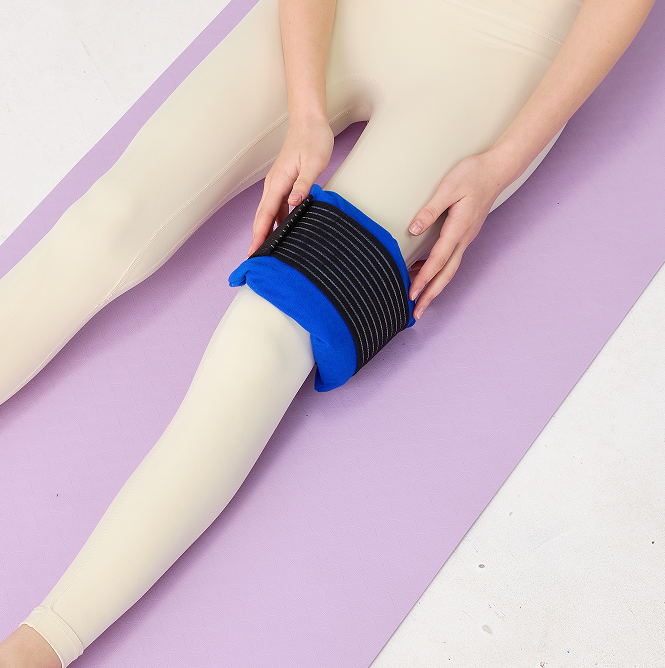
Distributor Blok Pendingin Gel China: Kerangka Kerja Sampel-untuk-Pasokan yang Praktis
Ketika paket rantai dingin gagal, paket gel mudah dicurigai. Dalam praktiknya, kegagalan sering muncul pada antarmuka: pemuatan hangat, pengkondisian yang tidak lengkap, ruang kosong, serah terima yang lama, segel yang rusak, atau aturan penerimaan yang tidak jelas. Untuk pembeli yang mencari distributor blok pendingin gel China, keputusan utamanya adalah apakah distributor dapat mengendalikan pabrik, dokumentasi, perkakas, mengubah pemberitahuan, dan ekspor eksekusi. Keputusan pengadaan yang dapat dipertahankan menggabungkan batasan produk, bukti material, pengujian paket, kontrol pemasok, dan rencana realistis untuk penggunaan sehari-hari.
Keputusan akhir ada di tangan importir, merek yang lebih keren, pemasok layanan makanan, dan tim pengadaan industri, sering kali di seluruh aplikasi seperti pendingin sisi keras, peti makanan yang dapat dikembalikan, kotak transportasi laboratorium, dan aksesoris penyimpanan dingin eceran. Tinjauan terintegrasi menghubungkan pengguna'kebutuhannya, produk jadi, pengendalian pemasok, bukti paket, dan eksekusi harian. Hal ini membuat asumsi tetap terlihat sehingga item yang sama tidak disetujui untuk penggunaan yang lebih luas daripada bukti yang didukung.
Bangun File Keputusan Sebelum Memilih Paket
Peta persetujuan untuk distributor blok pendingin gel di Tiongkok harus berisi lima keputusan terkait: apa barang jadinya, dimana itu akan digunakan, risiko mana yang penting, bukti apa yang menutup risiko tersebut, dan bagaimana produksi akan tetap setara dengan sampel yang disetujui. Urutan ini mencegah tim untuk memulai dengan item katalog yang menarik dan menemukan kegunaannya nanti. Hal ini juga memberikan pemasok cara yang jelas untuk mengungkapkan batasan tanpa dikenakan sanksi karena menolak jaminan yang tidak realistis.
Tulis pernyataan tujuan penggunaan dalam bahasa operasional. Beri nama muatannya, kondisi yang diperlukan, wadah, rute, pengaturan kontak, metode pengkondisian, dan keputusan saat menerima. Kemudian identifikasi kemungkinan penggunaan yang mana, termasuk pendingin sisi keras, peti makanan yang dapat dikembalikan, kotak transportasi laboratorium, dan aksesoris penyimpanan dingin eceran, berada di dalam persetujuan pertama dan yang tetap berada di luarnya. Pengendalian cakupan sangat penting ketika satu nama komersial dapat merujuk pada distribusi pangan, Perawatan kesehatan, perawatan pribadi, atau penanganan industri.
Jaga agar batasan produk tetap eksplisit: Distributor dapat menyederhanakan sumber, tetapi mungkin tidak memiliki proses pencetakan atau pengisian. Pembeli memerlukan rantai transparan mulai dari formulasi resin dan cairan pendingin hingga pemeriksaan akhir dan pengepakan ekspor. Pernyataan tersebut harus muncul dalam ringkasan teknis dan pelatihan, tidak hanya dalam catatan hukum. Operator dan tim penjualan perlu memahami komponen gel itu, wadah terisolasi, paket yang berkualitas, dan rute yang dipantau menjalankan fungsi yang berbeda. Mintalah tim yang bertanggung jawab dalam pasokan ekspor Tiongkok mengonfirmasi interpretasi spesifik pasar.
Tetapkan setiap keputusan kepada pemilik. Tim produk menentukan kondisi yang dapat diterima; kemasan mendefinisikan asumsi kesesuaian dan perpindahan panas; bukti tinjauan kualitas dan perubahan; operasi menegaskan kapasitas persiapan; pengadaan mengontrol spesifikasi komersial; menerima hasil catatan. Ketika kepemilikannya tidak jelas, kesenjangan sering kali diisi dengan bahasa pemasaran pemasok daripada keputusan pembeli yang terdokumentasi. Gunakan hasilnya saat menyelidiki volume yang dinyatakan tanpa konteks ruang yang dapat digunakan dalam program ini.
Terjemahkan Paket Selesai menjadi Atribut Terkendali
Spesifikasi tersebut harus menjelaskan blok pendingin gel kaku yang bersumber melalui distributor yang berbasis di Tiongkok sebagai barang jadi. Sertakan dimensi tanpa syarat dan terkondisi, isi atau massa, penampilan, konstruksi film atau cangkang, jahitan atau penutupan, mencetak, label, pengepakan individu, karton, penyimpanan, dan metode pemeriksaan. Sebutkan toleransi dan kategori cacat. Jika suatu properti penting hanya setelah dibekukan, pembengkakan, pemanas, pamer, atau pembersihan, menentukan persiapan sebelum diukur.
Informasi formulasi harus cukup untuk tinjauan bahaya dan paparan yang sebenarnya. Nama dagang untuk pengental atau polimer tidak menggambarkan kualitas air, aditif, pengawet, pewarna, sisa, atau kompatibilitas dengan wadahnya. SDS dapat mendukung komunikasi bahaya, namun bukti terpisah mungkin diperlukan untuk kontak makanan, kontak kulit, klaim medis, pembuangan, atau kinerja termal. Ajukan pertanyaan yang tepat sebelum meminta dokumen. Terapkan pemeriksaan ini pada peti makanan yang dapat dikembalikan dan tetapkan pemiliknya sebelum persetujuan sampel.
Kondisi kegagalan yang dapat diperkirakan harus direpresentasikan. Dalam program ini termasuk retakan pada dinding atau penutup setelah benturan, substitusi pabrik yang tersembunyi, volume dinyatakan tanpa konteks ruang yang dapat digunakan, dan ketidakcocokan cetakan atau karton pada produksi massal. Evaluasi harus menunjukkan bagaimana kegagalan dicegah, terdeteksi, terkandung, diselidiki, dan ditautkan kembali ke banyak hal. This turns broad requirements such as 'tahan bocor' atau 'aman' into testable controls and response rules. Kaitkan bukti tersebut dengan kode item yang disetujui dan lot pemasok untuk blok pendingin gel kaku yang bersumber melalui distributor yang berbasis di Tiongkok.
Untuk catatan rilis, tentukan batas paparan dengan kata yang sama yang digunakan oleh operasi. Jika blok dapat menghubungi makanan, konfirmasi artikel jadi dan ketentuan penggunaan. Pernyataan resin generik tidak mencakup pewarna, penutupan, tinta, atau isian gel. Kesimpulan yang disetujui harus mencakup kebocoran yang dapat diperkirakan, pembersihan, dan penanganan pengguna serta pemisahan normal. Mintalah tim yang bertanggung jawab dalam pasokan ekspor Tiongkok mengonfirmasi interpretasi spesifik pasar.
| Gerbang persetujuan | Bukti keputusan | Kondisi rilis |
|---|---|---|
| Gunakan definisi | Muatan, rute, isolasi, kontak, dan pernyataan penerimaan | Semua asumsi penting dimiliki dan dicatat |
| Sampel representatif | Bahan akhir, rumus, proses, karya seni, dan pengepakan | Perbedaan dari produksi ditutup atau dinilai secara formal |
| Bukti fungsional | Penahanan, pengkondisian, penanganan, dan data termal yang relevan dengan penggunaan | Metode, sampel, dan keterbatasan terlihat |
| Kontrol pemasok | Peran situs, banyak catatan, rencana pemeriksaan, dan mengubah proses | Akuntabilitas mencapai operasi produksi yang sebenarnya |
| Kesiapan operasional | Instruksi kerja, pelatihan, menerima, dan penyimpangan alur kerja | Pembeli dapat mereproduksi dan memantau keadaan yang disetujui |
Gerbang ini menciptakan urutan, bukan tumpukan dokumen. Suatu program tidak boleh maju karena satu sertifikat terlihat kuat sebagai sampel, rute, atau instruksi pengoperasian masih bersifat sementara. Keputusan rilis menjadi lebih mudah dipertahankan ketika setiap gerbang mengacu pada kode produk dan konfigurasi yang sama. Cantumkan keputusan tersebut dalam instruksi operator untuk kotak transportasi laboratorium.
Kualifikasi Menghubungkan Kondisi Tes ke Rute
Pernyataan kinerja hanya berguna jika kondisinya diketahui. Catat wadah terisolasi, muatan, kuantitas dan posisi cairan pendingin, suhu awal, proses pengkondisian, profil lingkungan, lamanya, lokasi sensor, kriteria lulus, dan setiap pembukaan pintu atau acara penanganan. Laporan tersebut harus mengidentifikasi paket pengujian yang tepat. Tanpa bidang itu, nilai jam tidak dapat dibandingkan secara adil atau ditransfer dengan aman ke rute lain. Terapkan pemeriksaan ini pada aksesori penyimpanan dingin eceran dan tetapkan pemiliknya sebelum persetujuan sampel.
Pekerjaan laboratorium dan pemantauan jalur menjawab pertanyaan yang berbeda. Profil terkontrol membantu membandingkan desain dan menetapkan konfigurasi yang memenuhi syarat. Data rute menunjukkan bagaimana operator, serah terima, memanggungkan, cuaca, dan variasi pengoperasian berinteraksi dengan desain itu. Gunakan penyimpangan untuk menyempurnakan model risiko, jangan berasumsi bahwa lebih banyak cairan pendingin selalu menjadi jawabannya. Pendingin ekstra dapat menghabiskan muatan, tambahkan ongkos kirim, dan menciptakan permukaan yang lebih dingin. Kaitkan bukti tersebut dengan kode item yang disetujui dan lot pemasok untuk blok pendingin gel kaku yang bersumber melalui distributor yang berbasis di Tiongkok.
Rencana pengoperasiannya harus diuji di lokasi yang akan menggunakannya. Blok kaku memerlukan izin beku dan rencana penumpukan. Operator harus mengetahui cara memeriksa tutup, sudut, lasan, dan unit bengkak atau terdistorsi sebelum dimasukkan ke dalam pendingin. Pergeseran yang representatif harus memastikan kapasitas persiapan, disiplin pementasan, inspeksi, dan eskalasi sebelum volume dilakukan. Mintalah tim yang bertanggung jawab dalam pasokan ekspor Tiongkok mengonfirmasi interpretasi spesifik pasar.
Tentukan pemicu rekualifikasi pada saat persetujuan. Muatan baru, pembawa, musim, isolasi, ukuran paket, perumusan, tempat produksi, atau metode pengkondisian dapat membatalkan asumsi meskipun deskripsi pembelian tidak berubah. Data tren dari penerimaan dan pengaduan harus ditinjau untuk perubahan yang lebih kecil yang dapat membenarkan pengujian yang ditargetkan sebelum terjadi kegagalan yang terlihat. Gunakan hasilnya saat menyelidiki volume yang dinyatakan tanpa konteks ruang yang dapat digunakan dalam program ini.
Pilih Pemasok di Balik Penawaran
Untuk blok pendingin gel distributor China, mengidentifikasi apakah setiap penawar adalah penjual yang sah, pabrik, konverter, pengisi, distributor, pengimpor, atau pemilik label pribadi. Petakan siapa yang membeli bahan-bahan penting, menyetujui perubahan formula, mengatur parameter segel, melepaskan banyak, menyimpan catatan, dan menangani keluhan. Distributor dapat menjadi mitra yang efektif jika mereka mempunyai kendali atas pabrik yang terdokumentasi; sebuah pabrik masih bisa menjadi lemah jika tanggung jawabnya terpecah-pecah.
Gunakan sampel bertahap. Sampel awal mengeksplorasi dimensi dan penanganan. Sampel teknik mengkonfirmasi konstruksi yang dimaksudkan. Sampel yang mewakili produksi memverifikasi jalur yang diusulkan, perkakas, bahan, rumus, karya seni, dan pengepakan. Beri label pada setiap sampel dengan status dan lotnya. Persetujuan akhir tidak boleh bergantung pada unit yang disiapkan dengan metode laboratorium khusus yang tidak dapat direproduksi oleh galur normal. Terapkan pemeriksaan ini pada peti makanan yang dapat dikembalikan dan tetapkan pemiliknya sebelum persetujuan sampel.
Ketentuan komersial harus mempertahankan kendali teknis. Ikat pesanan dengan revisi spesifikasi dan karya seni, menentukan pengemasan dan inspeksi, dokumen negara dan catatan harapan, dan memerlukan pemberitahuan untuk perubahan penting. Diskusikan pola pesanan, puncak, paparan bahan mentah, kendala kapasitas, kemungkinan, waktu pengaduan, dan disposisi stok yang tidak sesuai. Harga satuan yang rendah belum lengkap jika berpindah pemeriksaan, mengemas ulang, atau biaya kegagalan ditanggung pembeli. Kaitkan bukti tersebut dengan kode item yang disetujui dan lot pemasok untuk blok pendingin gel kaku yang bersumber melalui distributor yang berbasis di Tiongkok.
Perencanaan regional untuk pasokan ekspor Tiongkok menambah peran importir, bahasa, klaim, instruksi pembuangan, dan distribusi lokal. Persyaratan impor menjadi milik pasar tujuan, not merely the supplier's location. Mintalah distributor untuk memetakan dokumen mana saja yang berasal dari pabrik, laboratorium, penyedia barang, dan penjual sah. Konfirmasikan bahwa identitas model tetap konsisten di seluruh laporan, dokumen SDS, faktur, Label, dan karton, dengan referensi silang terkontrol di mana label pribadi dan kode pabrik berbeda.
Uji Praktis Kerangka Kerja
Gunakan skenario ini untuk menantang logika persetujuan. Importir menyetujui sampel biru, kemudian menerima produksi dengan nuansa tutup dan dinding yang sedikit berbeda. Tanpa sampel emas yang ditandatangani, bill of material yang terkendali, dan klausul pemberitahuan perubahan, distributor mungkin menganggap penggantian tersebut hanya sekedar kosmetik sementara pembeli melihat adanya risiko kebocoran. Ini adalah situasi pengadaan yang hipotetis, bukan hasil pelanggan yang diklaim, dan tujuannya adalah untuk mengekspos variabel-variabel yang membutuhkan pemilik. Cantumkan keputusan tersebut dalam instruksi operator untuk kotak transportasi laboratorium.
Tim harus membekukan asumsi yang ada sebelum memodifikasi desain. Menangkap geometri muatan dan kondisi awal, isolasi, persiapan pendingin, penempatan, paparan lingkungan, serah terima, rencana sensor, dan aturan penerimaan. Kemudian pilih perubahan terkecil yang mengatasi risiko yang diamati. Mengubah massa pendingin, isolasi, penempatan, dan waktu pemuatan bersama mungkin menghasilkan izin tetapi hanya mengajarkan sedikit tentang kontrol mana yang penting. Catat kesimpulannya dalam catatan pelepasan terkontrol untuk blok pendingin gel distributor Cina.
Penawar menerima pola fakta yang sama dan mengembalikan konfigurasi yang diusulkan dengan batasan eksplisit. Pembeli tidak hanya membandingkan harga, tetapi juga seberapa jelas proposal tersebut menghubungkan kelompok tersebut dengan rutenya, seberapa representatif sampel tersebut, data mana yang tersedia, dan bagaimana perubahan akan dikendalikan. Once the configuration passes the buyer's review, instruksi kerja dan kriteria penerimaan dirilis dengan revisi yang sama. Terapkan pemeriksaan ini pada aksesori penyimpanan dingin eceran dan tetapkan pemiliknya sebelum persetujuan sampel.
Mengurangi Limbah dengan Memperbaiki Sistem
Dalam skala besar, permasalahan lingkungan harus tetap terkait dengan operasi. Blok yang tahan lama dapat mengurangi penggunaan kemasan sekali pakai pada rute tertutup, tapi tingkat pengembaliannya, beban pembersihan, topi pengganti, dan pengiriman balik harus dimasukkan dalam perbandingan. Dokumentasikan asumsi di balik perbandingan sehingga terjadi perubahan rute, tingkat pengembalian, pembersihan, atau pembuangan tidak meninggalkan klaim lama yang melekat pada sistem yang berbeda. Mintalah tim yang bertanggung jawab dalam pasokan ekspor Tiongkok mengonfirmasi interpretasi spesifik pasar.
Evaluasi materi, energi beku, berat paket, isolasi, kehilangan produk, pembersihan, pemulihan, transportasi terbalik, dan pembuangan dalam satu batas. Penggunaan kembali merupakan hal yang menarik pada rute tertutup yang stabil dengan tingkat pengembalian yang tinggi dan inspeksi yang terkendali. Ini mungkin tidak efektif dalam jaringan terbuka. Demikian pula, klaim pembuangan hanya berguna bila pengguna menerima instruksi yang akurat dan infrastruktur lokal dapat melaksanakan hasil yang dinyatakan. Gunakan hasilnya saat menyelidiki volume yang dinyatakan tanpa konteks ruang yang dapat digunakan dalam program ini.
Proyek pengurangan yang terbaik mungkin adalah paket musiman yang lebih kecil, pra-pendinginan yang lebih baik, pementasan yang lebih pendek, kontrol kekosongan yang lebih baik, atau segmentasi rute. Perubahan ini dapat menurunkan cairan pendingin dan pengangkutan sekaligus meningkatkan keandalan. Pemasaran lingkungan harus menggambarkan perbaikan yang telah terbukti secara sempit dan menghindari implikasi bahwa satu sifat material membuat keseluruhan pengiriman berkelanjutan. Cantumkan keputusan ini dalam instruksi operator untuk pendingin sisi keras.
Pertanyaan Terakhir Sebelum Rilis
Sampel mana yang harus disetujui oleh tim mutu?
Menyetujui sampel perwakilan produksi yang terkait dengan spesifikasi akhir, bahan, rumus, perkakas, mencetak, label, dan karton. Prototipe yang diisi dengan tangan dapat mendukung pekerjaan desain awal tetapi tidak boleh diproduksi massal. Simpan sampel yang ditandatangani sebagai referensi visual saat menggunakan batas inspeksi obyektif untuk dimensi, mengisi, segel, penampilan, dan pemeriksaan fungsional. Kaitkan bukti tersebut dengan kode item yang disetujui dan lot pemasok untuk blok pendingin gel kaku yang bersumber melalui distributor yang berbasis di Tiongkok.
Kapan pengujian termal diperlukan?
Pengujian diperlukan ketika pembeli mengandalkan kemasan untuk menjaga kondisi produk melalui rute yang ditentukan. Studi ini harus mengidentifikasi kondisi awal, profil lingkungan, muatan, isolasi, konfigurasi pendingin, lokasi sensor, dan aturan penerimaan. Mempertaruhkan, sensitivitas produk, variabilitas jalur, dan ekspektasi peraturan menentukan apakah diperlukan kualifikasi tambahan dan pemantauan berkelanjutan. Gunakan hasilnya saat menyelidiki retakan dinding atau tutup setelah benturan dalam program ini.
Bisakah satu spesifikasi paket gel mencakup beberapa produk?
Mungkin, tetapi hanya setelah ruang desain umum ditetapkan. Sensitivitas produk mungkin berbeda, geometri, kondisi awal, jalur kontak, dan kriteria penerimaan. Untuk penggunaan seperti pendingin sisi keras, peti makanan yang dapat dikembalikan, kotak transportasi laboratorium, dan aksesoris penyimpanan dingin eceran, mendokumentasikan kombinasi mana yang dinilai dan mana yang memerlukan paket terpisah. Kode pembelian umum tidak boleh menyembunyikan instruksi khusus aplikasi.
Apa yang harus memicu evaluasi ulang setelah peluncuran?
Evaluasi kembali bila suatu material kritis, rumus, lokasi produksi, alat, proses segel, ukuran paket, isolasi, muatan, rute, metode pengkondisian, pembawa, atau kriteria penerimaan berubah. Tren pengaduan dan pergeseran musiman yang tidak dapat dijelaskan juga dapat memicu peninjauan kembali. Perjanjian kualitas harus menyatakan siapa yang memberi tahu siapa dan bukti apa yang diperlukan sebelum konfigurasi yang direvisi dirilis. Kaitkan bukti tersebut dengan kode item yang disetujui dan lot pemasok untuk blok pendingin gel kaku yang bersumber melalui distributor yang berbasis di Tiongkok.
Lepaskan Sistem, Lalu Tonton
Keputusan distributor Cina blok pendingin gel yang kuat berakhir dengan satu produk yang dikendalikan, satu penggunaan yang ditentukan, bukti dengan keterbatasan yang terlihat, proses pergantian pemasok, dan instruksi kerja yang dapat direproduksi oleh pembeli. Ini juga memulai putaran umpan balik operasi. Tinjau banyak cacat, pengecualian pengkondisian, data rute, keluhan, dan perubahan agar desain yang disetujui tidak menyimpang dari kondisi yang membenarkannya.
Tentang tempk
Tempk supplies flexible gel ice packs, batu bata es yang kaku, paket injeksi air, dan komponen pengemasan rantai dingin berinsulasi. Untuk blok pendingin gel kaku yang bersumber melalui distributor yang berbasis di Tiongkok, kami dapat meninjau format yang diminta, ukuran, Kustomisasi, sedang mengemas, dan masukan pasokan komersial dengan tim Anda. The final choice should be evaluated in the buyer's complete packout and market context, jadi pertanyaan yang paling berguna mencakup muatannya, kondisi yang diperlukan, rute, isolasi, jalur kontak, dan pola pesanan yang diharapkan.
Kirimkan kepada Tempk ringkasan terkontrol untuk proyek distributor Cina blok pendingin gel Anda ketika Anda siap membandingkan sampel yang mewakili produksi dengan rute dan persyaratan persetujuan Anda.
Grosir Bahan Kimia Bata Pendingin Gel: Panduan Sampel-ke-Pasokan
Grosir Bahan Kimia Bata Pendingin Gel: Kerangka Kerja Sampel-untuk-Pasokan yang Praktis
Buyers often compare gel packs by dimensions and unit price. Bidang-bidang itu penting, tapi mereka tidak banyak bicara tentang perilaku anjing laut, pengkondisian, ruang muatan yang dapat digunakan, dokumentasi, atau kinerja dalam sistem insulasi akhir. For a buyer searching for a gel refrigerant brick chemical wholesaler, the central decision is whether the coolant and shipper are compatible with the product SDS, klasifikasi bahaya, kisaran suhu yang diperlukan, dan moda transportasi. Keputusan pengadaan yang dapat dipertahankan menggabungkan batasan produk, bukti material, pengujian paket, kontrol pemasok, dan rencana realistis untuk penggunaan sehari-hari.
The final decision belongs to chemical wholesalers, pemasok laboratorium, tim berkualitas, and temperature-sensitive materials distributors, often across applications such as reagent shipments, sampel industri, perlengkapan laboratorium, and temperature-sensitive chemical products. Tinjauan terintegrasi menghubungkan pengguna'kebutuhannya, produk jadi, pengendalian pemasok, bukti paket, dan eksekusi harian. Hal ini membuat asumsi tetap terlihat sehingga item yang sama tidak disetujui untuk penggunaan yang lebih luas daripada bukti yang didukung.
Tentukan Apa yang Harus Dibuktikan oleh Pembelian yang Berhasil
The approval map for a gel refrigerant brick chemical wholesaler should contain five linked decisions: apa barang jadinya, dimana itu akan digunakan, risiko mana yang penting, bukti apa yang menutup risiko tersebut, dan bagaimana produksi akan tetap setara dengan sampel yang disetujui. Urutan ini mencegah tim untuk memulai dengan item katalog yang menarik dan menemukan kegunaannya nanti. Hal ini juga memberikan pemasok cara yang jelas untuk mengungkapkan batasan tanpa dikenakan sanksi karena menolak jaminan yang tidak realistis.
Tulis pernyataan tujuan penggunaan dalam bahasa operasional. Beri nama muatannya, kondisi yang diperlukan, wadah, rute, pengaturan kontak, metode pengkondisian, dan keputusan saat menerima. Kemudian identifikasi kemungkinan penggunaan yang mana, including reagent shipments, sampel industri, perlengkapan laboratorium, and temperature-sensitive chemical products, berada di dalam persetujuan pertama dan yang tetap berada di luarnya. Pengendalian cakupan sangat penting ketika satu nama komersial dapat merujuk pada distribusi pangan, Perawatan kesehatan, perawatan pribadi, atau penanganan industri.
Jaga agar batasan produk tetap eksplisit: A refrigerant brick controls heat flow; it does not make a hazardous material non-hazardous, replace dangerous-goods packaging, or define the chemical's storage limits. Pernyataan tersebut harus muncul dalam ringkasan teknis dan pelatihan, tidak hanya dalam catatan hukum. Operator dan tim penjualan perlu memahami komponen gel itu, wadah terisolasi, paket yang berkualitas, dan rute yang dipantau menjalankan fungsi yang berbeda. Have the responsible team in global chemical and laboratory distribution confirm the market-specific interpretation.
Tetapkan setiap keputusan kepada pemilik. Tim produk menentukan kondisi yang dapat diterima; kemasan mendefinisikan asumsi kesesuaian dan perpindahan panas; bukti tinjauan kualitas dan perubahan; operasi menegaskan kapasitas persiapan; pengadaan mengontrol spesifikasi komersial; menerima hasil catatan. Ketika kepemilikannya tidak jelas, kesenjangan sering kali diisi dengan bahasa pemasaran pemasok daripada keputusan pembeli yang terdokumentasi. Use the result when investigating rigid brick damaging inner containers in this program.
Spesifikasinya Harus Mencapai Lini Produksi
The specification should describe rigid gel refrigerant bricks used around chemicals, reagen, Bahan Laboratorium, and industrial samples as a finished article. Sertakan dimensi tanpa syarat dan terkondisi, isi atau massa, penampilan, konstruksi film atau cangkang, jahitan atau penutupan, mencetak, label, pengepakan individu, karton, penyimpanan, dan metode pemeriksaan. Sebutkan toleransi dan kategori cacat. Jika suatu properti penting hanya setelah dibekukan, pembengkakan, pemanas, pamer, atau pembersihan, menentukan persiapan sebelum diukur.
Informasi formulasi harus cukup untuk tinjauan bahaya dan paparan yang sebenarnya. Nama dagang untuk pengental atau polimer tidak menggambarkan kualitas air, aditif, pengawet, pewarna, sisa, atau kompatibilitas dengan wadahnya. SDS dapat mendukung komunikasi bahaya, namun bukti terpisah mungkin diperlukan untuk kontak makanan, kontak kulit, klaim medis, pembuangan, atau kinerja termal. Ajukan pertanyaan yang tepat sebelum meminta dokumen. Apply this check to industrial samples and assign its owner before sample approval.
Kondisi kegagalan yang dapat diperkirakan harus direpresentasikan. In this program they include chemical incompatibility after leakage, coolant mistaken for product, rigid brick damaging inner containers, and temperature claims copied across different reagents. Evaluasi harus menunjukkan bagaimana kegagalan dicegah, terdeteksi, terkandung, diselidiki, dan ditautkan kembali ke banyak hal. This turns broad requirements such as 'tahan bocor' atau 'aman' into testable controls and response rules. Tie the evidence to the approved item code and supplier lot for rigid gel refrigerant bricks used around chemicals, reagen, Bahan Laboratorium, dan sampel industri.
Untuk catatan rilis, tentukan batas paparan dengan kata yang sama yang digunakan oleh operasi. Do not assume the outer brick is harmless in every exposure. Review the coolant formulation, casing, leak scenario, and compatibility with both the chemical payload and secondary containment. Kesimpulan yang disetujui harus mencakup kebocoran yang dapat diperkirakan, pembersihan, dan penanganan pengguna serta pemisahan normal. Have the responsible team in global chemical and laboratory distribution confirm the market-specific interpretation.
| Gerbang persetujuan | Bukti keputusan | Kondisi rilis |
|---|---|---|
| Gunakan definisi | Muatan, rute, isolasi, kontak, dan pernyataan penerimaan | Semua asumsi penting dimiliki dan dicatat |
| Sampel representatif | Bahan akhir, rumus, proses, karya seni, dan pengepakan | Perbedaan dari produksi ditutup atau dinilai secara formal |
| Bukti fungsional | Penahanan, pengkondisian, penanganan, dan data termal yang relevan dengan penggunaan | Metode, sampel, dan keterbatasan terlihat |
| Kontrol pemasok | Peran situs, banyak catatan, rencana pemeriksaan, dan mengubah proses | Akuntabilitas mencapai operasi produksi yang sebenarnya |
| Kesiapan operasional | Instruksi kerja, pelatihan, menerima, dan penyimpangan alur kerja | Pembeli dapat mereproduksi dan memantau keadaan yang disetujui |
Gerbang ini menciptakan urutan, bukan tumpukan dokumen. Suatu program tidak boleh maju karena satu sertifikat terlihat kuat sebagai sampel, rute, atau instruksi pengoperasian masih bersifat sementara. Keputusan rilis menjadi lebih mudah dipertahankan ketika setiap gerbang mengacu pada kode produk dan konfigurasi yang sama. Include the decision in the operator instruction for laboratory kits.
Gunakan Bukti Termal yang Batasannya Terlihat
Pernyataan kinerja hanya berguna jika kondisinya diketahui. Catat wadah terisolasi, muatan, kuantitas dan posisi cairan pendingin, suhu awal, proses pengkondisian, profil lingkungan, lamanya, lokasi sensor, kriteria lulus, dan setiap pembukaan pintu atau acara penanganan. Laporan tersebut harus mengidentifikasi paket pengujian yang tepat. Tanpa bidang itu, nilai jam tidak dapat dibandingkan secara adil atau ditransfer dengan aman ke rute lain. Apply this check to temperature-sensitive chemical products and assign its owner before sample approval.
Pekerjaan laboratorium dan pemantauan jalur menjawab pertanyaan yang berbeda. Profil terkontrol membantu membandingkan desain dan menetapkan konfigurasi yang memenuhi syarat. Data rute menunjukkan bagaimana operator, serah terima, memanggungkan, cuaca, dan variasi pengoperasian berinteraksi dengan desain itu. Gunakan penyimpangan untuk menyempurnakan model risiko, jangan berasumsi bahwa lebih banyak cairan pendingin selalu menjadi jawabannya. Pendingin ekstra dapat menghabiskan muatan, tambahkan ongkos kirim, dan menciptakan permukaan yang lebih dingin. Tie the evidence to the approved item code and supplier lot for rigid gel refrigerant bricks used around chemicals, reagen, Bahan Laboratorium, dan sampel industri.
Rencana pengoperasiannya harus diuji di lokasi yang akan menggunakannya. Use distinct colors or labels where confusion is possible, prevent bricks from crushing primary containers, and quarantine any shipment with coolant leakage until compatibility and product integrity are assessed. Pergeseran yang representatif harus memastikan kapasitas persiapan, disiplin pementasan, inspeksi, dan eskalasi sebelum volume dilakukan. Have the responsible team in global chemical and laboratory distribution confirm the market-specific interpretation.
Tentukan pemicu rekualifikasi pada saat persetujuan. Muatan baru, pembawa, musim, isolasi, ukuran paket, perumusan, tempat produksi, atau metode pengkondisian dapat membatalkan asumsi meskipun deskripsi pembelian tidak berubah. Data tren dari penerimaan dan pengaduan harus ditinjau untuk perubahan yang lebih kecil yang dapat membenarkan pengujian yang ditargetkan sebelum terjadi kegagalan yang terlihat. Use the result when investigating rigid brick damaging inner containers in this program.
Dari Perbandingan Tawaran hingga Hubungan Pasokan Terkendali
For a gel refrigerant brick chemical wholesaler, mengidentifikasi apakah setiap penawar adalah penjual yang sah, pabrik, konverter, pengisi, distributor, pengimpor, atau pemilik label pribadi. Petakan siapa yang membeli bahan-bahan penting, menyetujui perubahan formula, mengatur parameter segel, melepaskan banyak, menyimpan catatan, dan menangani keluhan. Distributor dapat menjadi mitra yang efektif jika mereka mempunyai kendali atas pabrik yang terdokumentasi; sebuah pabrik masih bisa menjadi lemah jika tanggung jawabnya terpecah-pecah.
Gunakan sampel bertahap. Sampel awal mengeksplorasi dimensi dan penanganan. Sampel teknik mengkonfirmasi konstruksi yang dimaksudkan. Sampel yang mewakili produksi memverifikasi jalur yang diusulkan, perkakas, bahan, rumus, karya seni, dan pengepakan. Beri label pada setiap sampel dengan status dan lotnya. Persetujuan akhir tidak boleh bergantung pada unit yang disiapkan dengan metode laboratorium khusus yang tidak dapat direproduksi oleh galur normal. Apply this check to industrial samples and assign its owner before sample approval.
Ketentuan komersial harus mempertahankan kendali teknis. Ikat pesanan dengan revisi spesifikasi dan karya seni, menentukan pengemasan dan inspeksi, dokumen negara dan catatan harapan, dan memerlukan pemberitahuan untuk perubahan penting. Diskusikan pola pesanan, puncak, paparan bahan mentah, kendala kapasitas, kemungkinan, waktu pengaduan, dan disposisi stok yang tidak sesuai. Harga satuan yang rendah belum lengkap jika berpindah pemeriksaan, mengemas ulang, atau biaya kegagalan ditanggung pembeli. Tie the evidence to the approved item code and supplier lot for rigid gel refrigerant bricks used around chemicals, reagen, Bahan Laboratorium, dan sampel industri.
Regional planning for global chemical and laboratory distribution adds importer roles, bahasa, klaim, instruksi pembuangan, dan distribusi lokal. The shipped chemical's classification, SDS, packaging instruction, and carrier rules take priority. Buyers should have dangerous-goods and quality specialists review the complete package where regulated materials are involved. Konfirmasikan bahwa identitas model tetap konsisten di seluruh laporan, dokumen SDS, faktur, Label, dan karton, dengan referensi silang terkontrol di mana label pribadi dan kode pabrik berbeda.
Seperti Apa Jalur Sampel-ke-Pasokan
Gunakan skenario ini untuk menantang logika persetujuan. A wholesaler ships two reagents that share the same nominal storage band but have different freeze sensitivity and dangerous-goods classifications. One brick configuration should not be approved until both the thermal and transport-safety requirements are reviewed separately. Ini adalah situasi pengadaan yang hipotetis, bukan hasil pelanggan yang diklaim, dan tujuannya adalah untuk mengekspos variabel-variabel yang membutuhkan pemilik. Include the decision in the operator instruction for laboratory kits.
Tim harus membekukan asumsi yang ada sebelum memodifikasi desain. Menangkap geometri muatan dan kondisi awal, isolasi, persiapan pendingin, penempatan, paparan lingkungan, serah terima, rencana sensor, dan aturan penerimaan. Kemudian pilih perubahan terkecil yang mengatasi risiko yang diamati. Mengubah massa pendingin, isolasi, penempatan, dan waktu pemuatan bersama mungkin menghasilkan izin tetapi hanya mengajarkan sedikit tentang kontrol mana yang penting. Record the conclusion in the controlled release record for the gel refrigerant brick chemical wholesaler.
Penawar menerima pola fakta yang sama dan mengembalikan konfigurasi yang diusulkan dengan batasan eksplisit. Pembeli tidak hanya membandingkan harga, tetapi juga seberapa jelas proposal tersebut menghubungkan kelompok tersebut dengan rutenya, seberapa representatif sampel tersebut, data mana yang tersedia, dan bagaimana perubahan akan dikendalikan. Once the configuration passes the buyer's review, instruksi kerja dan kriteria penerimaan dirilis dengan revisi yang sama. Apply this check to temperature-sensitive chemical products and assign its owner before sample approval.
Ukuran yang Tepat Sebelum Membuat Klaim Ramah Lingkungan
Dalam skala besar, permasalahan lingkungan harus tetap terkait dengan operasi. Rigid reusable bricks can suit closed laboratory routes, but decontamination, kepemilikan, return classification, and loss can make reuse inappropriate for some chemicals. Dokumentasikan asumsi di balik perbandingan sehingga terjadi perubahan rute, tingkat pengembalian, pembersihan, atau pembuangan tidak meninggalkan klaim lama yang melekat pada sistem yang berbeda. Have the responsible team in global chemical and laboratory distribution confirm the market-specific interpretation.
Evaluasi materi, energi beku, berat paket, isolasi, kehilangan produk, pembersihan, pemulihan, transportasi terbalik, dan pembuangan dalam satu batas. Penggunaan kembali merupakan hal yang menarik pada rute tertutup yang stabil dengan tingkat pengembalian yang tinggi dan inspeksi yang terkendali. Ini mungkin tidak efektif dalam jaringan terbuka. Demikian pula, klaim pembuangan hanya berguna bila pengguna menerima instruksi yang akurat dan infrastruktur lokal dapat melaksanakan hasil yang dinyatakan. Use the result when investigating rigid brick damaging inner containers in this program.
Proyek pengurangan yang terbaik mungkin adalah paket musiman yang lebih kecil, pra-pendinginan yang lebih baik, pementasan yang lebih pendek, kontrol kekosongan yang lebih baik, atau segmentasi rute. Perubahan ini dapat menurunkan cairan pendingin dan pengangkutan sekaligus meningkatkan keandalan. Pemasaran lingkungan harus menggambarkan perbaikan yang telah terbukti secara sempit dan menghindari implikasi bahwa satu sifat material membuat keseluruhan pengiriman berkelanjutan. Include the decision in the operator instruction for reagent shipments.
Pertanyaan Terakhir Sebelum Rilis
Apa yang harus memicu evaluasi ulang setelah peluncuran?
Evaluasi kembali bila suatu material kritis, rumus, lokasi produksi, alat, proses segel, ukuran paket, isolasi, muatan, rute, metode pengkondisian, pembawa, atau kriteria penerimaan berubah. Tren pengaduan dan pergeseran musiman yang tidak dapat dijelaskan juga dapat memicu peninjauan kembali. Perjanjian kualitas harus menyatakan siapa yang memberi tahu siapa dan bukti apa yang diperlukan sebelum konfigurasi yang direvisi dirilis. Tie the evidence to the approved item code and supplier lot for rigid gel refrigerant bricks used around chemicals, reagen, Bahan Laboratorium, dan sampel industri.
How do I create a shortlist for a gel refrigerant brick chemical wholesaler?
Berikan pengarahan terkontrol yang sama kepada setiap penawar: penggunaan yang dimaksudkan, muatan, kondisi yang diperlukan, isolasi, rute, pengkondisian, jalur kontak, pola pesanan, dan target pasar. Nilai tanggapan untuk transparansi manufaktur, bukti, keterwakilan sampel, mengubah kendali, dan kesesuaian operasi. Jangan mengurutkan klaim jam yang tidak didukung di atas proposal yang dengan jelas menyatakan batas pengujiannya. Use the result when investigating chemical incompatibility after leakage in this program.
Sampel mana yang harus disetujui oleh tim mutu?
Menyetujui sampel perwakilan produksi yang terkait dengan spesifikasi akhir, bahan, rumus, perkakas, mencetak, label, dan karton. Prototipe yang diisi dengan tangan dapat mendukung pekerjaan desain awal tetapi tidak boleh diproduksi massal. Simpan sampel yang ditandatangani sebagai referensi visual saat menggunakan batas inspeksi obyektif untuk dimensi, mengisi, segel, penampilan, dan pemeriksaan fungsional. Record the conclusion in the controlled release record for the gel refrigerant brick chemical wholesaler.
Kapan pengujian termal diperlukan?
Pengujian diperlukan ketika pembeli mengandalkan kemasan untuk menjaga kondisi produk melalui rute yang ditentukan. Studi ini harus mengidentifikasi kondisi awal, profil lingkungan, muatan, isolasi, konfigurasi pendingin, lokasi sensor, dan aturan penerimaan. Mempertaruhkan, sensitivitas produk, variabilitas jalur, dan ekspektasi peraturan menentukan apakah diperlukan kualifikasi tambahan dan pemantauan berkelanjutan. Tie the evidence to the approved item code and supplier lot for rigid gel refrigerant bricks used around chemicals, reagen, Bahan Laboratorium, dan sampel industri.
Keputusan Pembelian yang Dapat Dipertahankan
A strong gel refrigerant brick chemical wholesaler decision ends with one controlled product, satu penggunaan yang ditentukan, bukti dengan keterbatasan yang terlihat, proses pergantian pemasok, dan instruksi kerja yang dapat direproduksi oleh pembeli. Ini juga memulai putaran umpan balik operasi. Tinjau banyak cacat, pengecualian pengkondisian, data rute, keluhan, dan perubahan agar desain yang disetujui tidak menyimpang dari kondisi yang membenarkannya.
Tentang tempk
Tempk supplies flexible gel ice packs, batu bata es yang kaku, paket injeksi air, dan komponen pengemasan rantai dingin berinsulasi. For rigid gel refrigerant bricks used around chemicals, reagen, Bahan Laboratorium, dan sampel industri, kami dapat meninjau format yang diminta, ukuran, Kustomisasi, sedang mengemas, dan masukan pasokan komersial dengan tim Anda. The final choice should be evaluated in the buyer's complete packout and market context, jadi pertanyaan yang paling berguna mencakup muatannya, kondisi yang diperlukan, rute, isolasi, jalur kontak, dan pola pesanan yang diharapkan.
Send Tempk the controlled brief for your gel refrigerant brick chemical wholesaler project when you are ready to compare a production-representative sample with your route and approval requirements.
Pemasok Gel Pack Jerman: Dari Persetujuan Sampel hingga Pasokan yang Andal
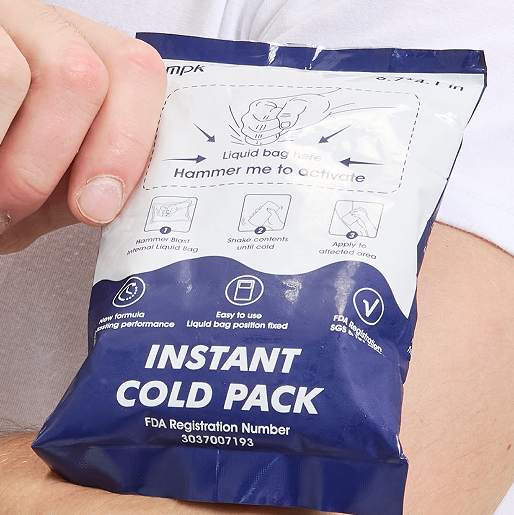
Pemasok Gel Pack Jerman: Kerangka Kerja Sampel-untuk-Pasokan yang Praktis
Ketika paket rantai dingin gagal, paket gel mudah dicurigai. Dalam praktiknya, kegagalan sering muncul pada antarmuka: pemuatan hangat, pengkondisian yang tidak lengkap, ruang kosong, serah terima yang lama, segel yang rusak, atau aturan penerimaan yang tidak jelas. For a buyer searching for a gel pack Germany supplier, the central decision is whether the pack and its documentation can be placed into the buyer's actual German supply chain without unsupported safety or environmental claims. Keputusan pengadaan yang dapat dipertahankan menggabungkan batasan produk, bukti material, pengujian paket, kontrol pemasok, dan rencana realistis untuk penggunaan sehari-hari.
The final decision belongs to German importers, food and healthcare distributors, insinyur pengemasan, dan tim pengadaan, often across applications such as food delivery, pharmaceutical secondary packaging, laboratory shipments, and reusable urban distribution. Tinjauan terintegrasi menghubungkan pengguna'kebutuhannya, produk jadi, pengendalian pemasok, bukti paket, dan eksekusi harian. Hal ini membuat asumsi tetap terlihat sehingga item yang sama tidak disetujui untuk penggunaan yang lebih luas daripada bukti yang didukung.
Mulailah dengan Peta Persetujuan
The approval map for a gel pack Germany supplier should contain five linked decisions: apa barang jadinya, dimana itu akan digunakan, risiko mana yang penting, bukti apa yang menutup risiko tersebut, dan bagaimana produksi akan tetap setara dengan sampel yang disetujui. Urutan ini mencegah tim untuk memulai dengan item katalog yang menarik dan menemukan kegunaannya nanti. Hal ini juga memberikan pemasok cara yang jelas untuk mengungkapkan batasan tanpa dikenakan sanksi karena menolak jaminan yang tidak realistis.
Tulis pernyataan tujuan penggunaan dalam bahasa operasional. Beri nama muatannya, kondisi yang diperlukan, wadah, rute, pengaturan kontak, metode pengkondisian, dan keputusan saat menerima. Kemudian identifikasi kemungkinan penggunaan yang mana, termasuk pengantaran makanan, pharmaceutical secondary packaging, laboratory shipments, and reusable urban distribution, berada di dalam persetujuan pertama dan yang tetap berada di luarnya. Pengendalian cakupan sangat penting ketika satu nama komersial dapat merujuk pada distribusi pangan, Perawatan kesehatan, perawatan pribadi, atau penanganan industri.
Jaga agar batasan produk tetap eksplisit: Paket gel adalah komponen pendingin. It does not make an insulated box a qualified thermal shipping system and it is not automatically a food-contact article merely because it travels near food. Pernyataan tersebut harus muncul dalam ringkasan teknis dan pelatihan, tidak hanya dalam catatan hukum. Operator dan tim penjualan perlu memahami komponen gel itu, wadah terisolasi, paket yang berkualitas, dan rute yang dipantau menjalankan fungsi yang berbeda. Have the responsible team in Germany and the European Union confirm the market-specific interpretation.
Tetapkan setiap keputusan kepada pemilik. Tim produk menentukan kondisi yang dapat diterima; kemasan mendefinisikan asumsi kesesuaian dan perpindahan panas; bukti tinjauan kualitas dan perubahan; operasi menegaskan kapasitas persiapan; pengadaan mengontrol spesifikasi komersial; menerima hasil catatan. Ketika kepemilikannya tidak jelas, kesenjangan sering kali diisi dengan bahasa pemasaran pemasok daripada keputusan pembeli yang terdokumentasi. Use the result when investigating unverified recyclability claims in this program.
Menyetujui Produk, Bukan Bahan Generik
The specification should describe sealed gel packs for German and wider European cold-chain programs as a finished article. Sertakan dimensi tanpa syarat dan terkondisi, isi atau massa, penampilan, konstruksi film atau cangkang, jahitan atau penutupan, mencetak, label, pengepakan individu, karton, penyimpanan, dan metode pemeriksaan. Sebutkan toleransi dan kategori cacat. Jika suatu properti penting hanya setelah dibekukan, pembengkakan, pemanas, pamer, atau pembersihan, menentukan persiapan sebelum diukur.
Informasi formulasi harus cukup untuk tinjauan bahaya dan paparan yang sebenarnya. Nama dagang untuk pengental atau polimer tidak menggambarkan kualitas air, aditif, pengawet, pewarna, sisa, atau kompatibilitas dengan wadahnya. SDS dapat mendukung komunikasi bahaya, namun bukti terpisah mungkin diperlukan untuk kontak makanan, kontak kulit, klaim medis, pembuangan, atau kinerja termal. Ajukan pertanyaan yang tepat sebelum meminta dokumen. Apply this check to pharmaceutical secondary packaging and assign its owner before sample approval.
Kondisi kegagalan yang dapat diperkirakan harus direpresentasikan. In this program they include incomplete formulation or safety documentation, ambiguous food-contact language, unverified recyclability claims, and poor condensation and seal control. Evaluasi harus menunjukkan bagaimana kegagalan dicegah, terdeteksi, terkandung, diselidiki, dan ditautkan kembali ke banyak hal. This turns broad requirements such as 'tahan bocor' atau 'aman' into testable controls and response rules. Tie the evidence to the approved item code and supplier lot for sealed gel packs for German and wider European cold-chain programs.
Untuk catatan rilis, tentukan batas paparan dengan kata yang sama yang digunakan oleh operasi. If the gel pack can touch unpackaged food, the contact materials and intended conditions of use need specific review. If it remains separated by primary packaging, document that configuration instead of claiming universal food-contact approval. Kesimpulan yang disetujui harus mencakup kebocoran yang dapat diperkirakan, pembersihan, dan penanganan pengguna serta pemisahan normal. Have the responsible team in Germany and the European Union confirm the market-specific interpretation.
| Gerbang persetujuan | Bukti keputusan | Kondisi rilis |
|---|---|---|
| Gunakan definisi | Muatan, rute, isolasi, kontak, dan pernyataan penerimaan | Semua asumsi penting dimiliki dan dicatat |
| Sampel representatif | Bahan akhir, rumus, proses, karya seni, dan pengepakan | Perbedaan dari produksi ditutup atau dinilai secara formal |
| Bukti fungsional | Penahanan, pengkondisian, penanganan, dan data termal yang relevan dengan penggunaan | Metode, sampel, dan keterbatasan terlihat |
| Kontrol pemasok | Peran situs, banyak catatan, rencana pemeriksaan, dan mengubah proses | Akuntabilitas mencapai operasi produksi yang sebenarnya |
| Kesiapan operasional | Instruksi kerja, pelatihan, menerima, dan penyimpangan alur kerja | Pembeli dapat mereproduksi dan memantau keadaan yang disetujui |
Gerbang ini menciptakan urutan, bukan tumpukan dokumen. Suatu program tidak boleh maju karena satu sertifikat terlihat kuat sebagai sampel, rute, atau instruksi pengoperasian masih bersifat sementara. Keputusan rilis menjadi lebih mudah dipertahankan ketika setiap gerbang mengacu pada kode produk dan konfigurasi yang sama. Include the decision in the operator instruction for laboratory shipments.
Jadikan Klaim Kinerja Dapat Ditelusuri
Pernyataan kinerja hanya berguna jika kondisinya diketahui. Catat wadah terisolasi, muatan, kuantitas dan posisi cairan pendingin, suhu awal, proses pengkondisian, profil lingkungan, lamanya, lokasi sensor, kriteria lulus, dan setiap pembukaan pintu atau acara penanganan. Laporan tersebut harus mengidentifikasi paket pengujian yang tepat. Tanpa bidang itu, nilai jam tidak dapat dibandingkan secara adil atau ditransfer dengan aman ke rute lain. Apply this check to reusable urban distribution and assign its owner before sample approval.
Pekerjaan laboratorium dan pemantauan jalur menjawab pertanyaan yang berbeda. Profil terkontrol membantu membandingkan desain dan menetapkan konfigurasi yang memenuhi syarat. Data rute menunjukkan bagaimana operator, serah terima, memanggungkan, cuaca, dan variasi pengoperasian berinteraksi dengan desain itu. Gunakan penyimpangan untuk menyempurnakan model risiko, jangan berasumsi bahwa lebih banyak cairan pendingin selalu menjadi jawabannya. Pendingin ekstra dapat menghabiskan muatan, tambahkan ongkos kirim, dan menciptakan permukaan yang lebih dingin. Tie the evidence to the approved item code and supplier lot for sealed gel packs for German and wider European cold-chain programs.
Rencana pengoperasiannya harus diuji di lokasi yang akan menggunakannya. Plan German-language handling information where the sales channel or workplace process needs it, and align waste instructions with the actual local collection route rather than a generic recycling symbol. Pergeseran yang representatif harus memastikan kapasitas persiapan, disiplin pementasan, inspeksi, dan eskalasi sebelum volume dilakukan. Have the responsible team in Germany and the European Union confirm the market-specific interpretation.
Tentukan pemicu rekualifikasi pada saat persetujuan. Muatan baru, pembawa, musim, isolasi, ukuran paket, perumusan, tempat produksi, atau metode pengkondisian dapat membatalkan asumsi meskipun deskripsi pembelian tidak berubah. Data tren dari penerimaan dan pengaduan harus ditinjau untuk perubahan yang lebih kecil yang dapat membenarkan pengujian yang ditargetkan sebelum terjadi kegagalan yang terlihat. Use the result when investigating unverified recyclability claims in this program.
Akuntabilitas Adalah Persyaratan Komersial
For a gel pack Germany supplier, mengidentifikasi apakah setiap penawar adalah penjual yang sah, pabrik, konverter, pengisi, distributor, pengimpor, atau pemilik label pribadi. Petakan siapa yang membeli bahan-bahan penting, menyetujui perubahan formula, mengatur parameter segel, melepaskan banyak, menyimpan catatan, dan menangani keluhan. Distributor dapat menjadi mitra yang efektif jika mereka mempunyai kendali atas pabrik yang terdokumentasi; sebuah pabrik masih bisa menjadi lemah jika tanggung jawabnya terpecah-pecah.
Gunakan sampel bertahap. Sampel awal mengeksplorasi dimensi dan penanganan. Sampel teknik mengkonfirmasi konstruksi yang dimaksudkan. Sampel yang mewakili produksi memverifikasi jalur yang diusulkan, perkakas, bahan, rumus, karya seni, dan pengepakan. Beri label pada setiap sampel dengan status dan lotnya. Persetujuan akhir tidak boleh bergantung pada unit yang disiapkan dengan metode laboratorium khusus yang tidak dapat direproduksi oleh galur normal. Apply this check to pharmaceutical secondary packaging and assign its owner before sample approval.
Ketentuan komersial harus mempertahankan kendali teknis. Ikat pesanan dengan revisi spesifikasi dan karya seni, menentukan pengemasan dan inspeksi, dokumen negara dan catatan harapan, dan memerlukan pemberitahuan untuk perubahan penting. Diskusikan pola pesanan, puncak, paparan bahan mentah, kendala kapasitas, kemungkinan, waktu pengaduan, dan disposisi stok yang tidak sesuai. Harga satuan yang rendah belum lengkap jika berpindah pemeriksaan, mengemas ulang, atau biaya kegagalan ditanggung pembeli. Tie the evidence to the approved item code and supplier lot for sealed gel packs for German and wider European cold-chain programs.
Regional planning for Germany and the European Union adds importer roles, bahasa, klaim, instruksi pembuangan, dan distribusi lokal. German buyers should assess the intended contact scenario, applicable chemicals documentation, medicinal-product distribution duties where relevant, and the EU packaging framework. Peraturan (UE) 2025/40 berlaku dari 12 Agustus 2026, so packaging claims and design choices deserve current legal review. Konfirmasikan bahwa identitas model tetap konsisten di seluruh laporan, dokumen SDS, faktur, Label, dan karton, dengan referensi silang terkontrol di mana label pribadi dan kode pabrik berbeda.
Gunakan Satu Skenario untuk Mengungkap Asumsi Tersembunyi
Gunakan skenario ini untuk menantang logika persetujuan. A German meal-kit distributor is comparing a flexible pack with a rigid brick. The right choice depends on carton geometry, kontrol kondensasi, logistik pengembalian, and the evidence behind disposal claims, not on country of manufacture alone. Ini adalah situasi pengadaan yang hipotetis, bukan hasil pelanggan yang diklaim, dan tujuannya adalah untuk mengekspos variabel-variabel yang membutuhkan pemilik. Include the decision in the operator instruction for laboratory shipments.
Tim harus membekukan asumsi yang ada sebelum memodifikasi desain. Menangkap geometri muatan dan kondisi awal, isolasi, persiapan pendingin, penempatan, paparan lingkungan, serah terima, rencana sensor, dan aturan penerimaan. Kemudian pilih perubahan terkecil yang mengatasi risiko yang diamati. Mengubah massa pendingin, isolasi, penempatan, dan waktu pemuatan bersama mungkin menghasilkan izin tetapi hanya mengajarkan sedikit tentang kontrol mana yang penting. Record the conclusion in the controlled release record for the gel pack Germany supplier.
Penawar menerima pola fakta yang sama dan mengembalikan konfigurasi yang diusulkan dengan batasan eksplisit. Pembeli tidak hanya membandingkan harga, tetapi juga seberapa jelas proposal tersebut menghubungkan kelompok tersebut dengan rutenya, seberapa representatif sampel tersebut, data mana yang tersedia, dan bagaimana perubahan akan dikendalikan. Once the configuration passes the buyer's review, instruksi kerja dan kriteria penerimaan dirilis dengan revisi yang sama. Apply this check to reusable urban distribution and assign its owner before sample approval.
Nilai Lingkungan Harus Bertahan Dalam Operasi
Dalam skala besar, permasalahan lingkungan harus tetap terkait dengan operasi. The strongest sustainability case is usually a measured reduction in total packaging and failed shipments, supported by a realistic reuse or recovery system rather than a broad green label. Dokumentasikan asumsi di balik perbandingan sehingga terjadi perubahan rute, tingkat pengembalian, pembersihan, atau pembuangan tidak meninggalkan klaim lama yang melekat pada sistem yang berbeda. Have the responsible team in Germany and the European Union confirm the market-specific interpretation.
Evaluasi materi, energi beku, berat paket, isolasi, kehilangan produk, pembersihan, pemulihan, transportasi terbalik, dan pembuangan dalam satu batas. Penggunaan kembali merupakan hal yang menarik pada rute tertutup yang stabil dengan tingkat pengembalian yang tinggi dan inspeksi yang terkendali. Ini mungkin tidak efektif dalam jaringan terbuka. Demikian pula, klaim pembuangan hanya berguna bila pengguna menerima instruksi yang akurat dan infrastruktur lokal dapat melaksanakan hasil yang dinyatakan. Use the result when investigating unverified recyclability claims in this program.
Proyek pengurangan yang terbaik mungkin adalah paket musiman yang lebih kecil, pra-pendinginan yang lebih baik, pementasan yang lebih pendek, kontrol kekosongan yang lebih baik, atau segmentasi rute. Perubahan ini dapat menurunkan cairan pendingin dan pengangkutan sekaligus meningkatkan keandalan. Pemasaran lingkungan harus menggambarkan perbaikan yang telah terbukti secara sempit dan menghindari implikasi bahwa satu sifat material membuat keseluruhan pengiriman berkelanjutan. Include the decision in the operator instruction for food delivery.
Pertanyaan Terakhir Sebelum Rilis
Sampel mana yang harus disetujui oleh tim mutu?
Menyetujui sampel perwakilan produksi yang terkait dengan spesifikasi akhir, bahan, rumus, perkakas, mencetak, label, dan karton. Prototipe yang diisi dengan tangan dapat mendukung pekerjaan desain awal tetapi tidak boleh diproduksi massal. Simpan sampel yang ditandatangani sebagai referensi visual saat menggunakan batas inspeksi obyektif untuk dimensi, mengisi, segel, penampilan, dan pemeriksaan fungsional. Tie the evidence to the approved item code and supplier lot for sealed gel packs for German and wider European cold-chain programs.
Kapan pengujian termal diperlukan?
Pengujian diperlukan ketika pembeli mengandalkan kemasan untuk menjaga kondisi produk melalui rute yang ditentukan. Studi ini harus mengidentifikasi kondisi awal, profil lingkungan, muatan, isolasi, konfigurasi pendingin, lokasi sensor, dan aturan penerimaan. Mempertaruhkan, sensitivitas produk, variabilitas jalur, dan ekspektasi peraturan menentukan apakah diperlukan kualifikasi tambahan dan pemantauan berkelanjutan. Use the result when investigating incomplete formulation or safety documentation in this program.
Bisakah satu spesifikasi paket gel mencakup beberapa produk?
Mungkin, tetapi hanya setelah ruang desain umum ditetapkan. Sensitivitas produk mungkin berbeda, geometri, kondisi awal, jalur kontak, dan kriteria penerimaan. For uses such as food delivery, pharmaceutical secondary packaging, laboratory shipments, and reusable urban distribution, mendokumentasikan kombinasi mana yang dinilai dan mana yang memerlukan paket terpisah. Kode pembelian umum tidak boleh menyembunyikan instruksi khusus aplikasi.
Apa yang harus memicu evaluasi ulang setelah peluncuran?
Evaluasi kembali bila suatu material kritis, rumus, lokasi produksi, alat, proses segel, ukuran paket, isolasi, muatan, rute, metode pengkondisian, pembawa, atau kriteria penerimaan berubah. Tren pengaduan dan pergeseran musiman yang tidak dapat dijelaskan juga dapat memicu peninjauan kembali. Perjanjian kualitas harus menyatakan siapa yang memberi tahu siapa dan bukti apa yang diperlukan sebelum konfigurasi yang direvisi dirilis. Tie the evidence to the approved item code and supplier lot for sealed gel packs for German and wider European cold-chain programs.
Persetujuan Akhir Adalah Titik Awal yang Terkelola
A strong gel pack Germany supplier decision ends with one controlled product, satu penggunaan yang ditentukan, bukti dengan keterbatasan yang terlihat, proses pergantian pemasok, dan instruksi kerja yang dapat direproduksi oleh pembeli. Ini juga memulai putaran umpan balik operasi. Tinjau banyak cacat, pengecualian pengkondisian, data rute, keluhan, dan perubahan agar desain yang disetujui tidak menyimpang dari kondisi yang membenarkannya.
Tentang tempk
Tempk supplies flexible gel ice packs, batu bata es yang kaku, paket injeksi air, dan komponen pengemasan rantai dingin berinsulasi. For sealed gel packs for German and wider European cold-chain programs, kami dapat meninjau format yang diminta, ukuran, Kustomisasi, sedang mengemas, dan masukan pasokan komersial dengan tim Anda. The final choice should be evaluated in the buyer's complete packout and market context, jadi pertanyaan yang paling berguna mencakup muatannya, kondisi yang diperlukan, rute, isolasi, jalur kontak, dan pola pesanan yang diharapkan.
Send Tempk the controlled brief for your gel pack Germany supplier project when you are ready to compare a production-representative sample with your route and approval requirements.
Paket Gel Coklat Massal: Dari Persetujuan Sampel hingga Pasokan yang Andal
Paket Gel Coklat Massal: Kerangka Kerja Sampel-untuk-Pasokan yang Praktis
Buyers often compare gel packs by dimensions and unit price. Bidang-bidang itu penting, tapi mereka tidak banyak bicara tentang perilaku anjing laut, pengkondisian, ruang muatan yang dapat digunakan, dokumentasi, atau kinerja dalam sistem insulasi akhir. Untuk pembeli yang mencari coklat kemasan gel massal, keputusan utamanya adalah apakah kemasannya mencegah kerusakan panas tanpa membuat coklat terkena suhu dingin yang berlebihan, kondensasi, atau kontak langsung. Keputusan pengadaan yang dapat dipertahankan menggabungkan batasan produk, bukti material, pengujian paket, kontrol pemasok, dan rencana realistis untuk penggunaan sehari-hari.
Keputusan akhir ada di tangan produsen coklat, merek kotak hadiah, pusat pemenuhan, dan distributor grosir, sering kali melintasi aplikasi seperti parsel coklat premium, program hadiah musiman, sampel bahan, dan pengisian ulang ritel. Tinjauan terintegrasi menghubungkan pengguna'kebutuhannya, produk jadi, pengendalian pemasok, bukti paket, dan eksekusi harian. Hal ini membuat asumsi tetap terlihat sehingga item yang sama tidak disetujui untuk penggunaan yang lebih luas daripada bukti yang didukung.
Mulailah dengan Peta Persetujuan
The approval map for a gel pack chocolate bulk should contain five linked decisions: apa barang jadinya, dimana itu akan digunakan, risiko mana yang penting, bukti apa yang menutup risiko tersebut, dan bagaimana produksi akan tetap setara dengan sampel yang disetujui. Urutan ini mencegah tim untuk memulai dengan item katalog yang menarik dan menemukan kegunaannya nanti. Hal ini juga memberikan pemasok cara yang jelas untuk mengungkapkan batasan tanpa dikenakan sanksi karena menolak jaminan yang tidak realistis.
Tulis pernyataan tujuan penggunaan dalam bahasa operasional. Beri nama muatannya, kondisi yang diperlukan, wadah, rute, pengaturan kontak, metode pengkondisian, dan keputusan saat menerima. Kemudian identifikasi kemungkinan penggunaan yang mana, including premium chocolate parcels, program hadiah musiman, sampel bahan, dan pengisian ulang ritel, berada di dalam persetujuan pertama dan yang tetap berada di luarnya. Pengendalian cakupan sangat penting ketika satu nama komersial dapat merujuk pada distribusi pangan, Perawatan kesehatan, perawatan pribadi, atau penanganan industri.
Jaga agar batasan produk tetap eksplisit: Chocolate shipping is a temperature-moderation problem, not simply a request for the coldest available pack. Product formulation, kemasan, waktu transit, and recovery from cold conditions all affect appearance and texture. Pernyataan tersebut harus muncul dalam ringkasan teknis dan pelatihan, tidak hanya dalam catatan hukum. Operator dan tim penjualan perlu memahami komponen gel itu, wadah terisolasi, paket yang berkualitas, dan rute yang dipantau menjalankan fungsi yang berbeda. Have the responsible team in global e-commerce and wholesale confectionery confirm the market-specific interpretation.
Tetapkan setiap keputusan kepada pemilik. Tim produk menentukan kondisi yang dapat diterima; kemasan mendefinisikan asumsi kesesuaian dan perpindahan panas; bukti tinjauan kualitas dan perubahan; operasi menegaskan kapasitas persiapan; pengadaan mengontrol spesifikasi komersial; menerima hasil catatan. Ketika kepemilikannya tidak jelas, kesenjangan sering kali diisi dengan bahasa pemasaran pemasok daripada keputusan pembeli yang terdokumentasi. Use the result when investigating insulation gaps around gift boxes in this program.
Menyetujui Produk, Bukan Bahan Generik
The specification should describe bulk gel packs used to moderate temperature around chocolate and confectionery shipments as a finished article. Sertakan dimensi tanpa syarat dan terkondisi, isi atau massa, penampilan, konstruksi film atau cangkang, jahitan atau penutupan, mencetak, label, pengepakan individu, karton, penyimpanan, dan metode pemeriksaan. Sebutkan toleransi dan kategori cacat. Jika suatu properti penting hanya setelah dibekukan, pembengkakan, pemanas, pamer, atau pembersihan, menentukan persiapan sebelum diukur.
Informasi formulasi harus cukup untuk tinjauan bahaya dan paparan yang sebenarnya. Nama dagang untuk pengental atau polimer tidak menggambarkan kualitas air, aditif, pengawet, pewarna, sisa, atau kompatibilitas dengan wadahnya. SDS dapat mendukung komunikasi bahaya, namun bukti terpisah mungkin diperlukan untuk kontak makanan, kontak kulit, klaim medis, pembuangan, atau kinerja termal. Ajukan pertanyaan yang tepat sebelum meminta dokumen. Apply this check to seasonal gift programs and assign its owner before sample approval.
Kondisi kegagalan yang dapat diperkirakan harus direpresentasikan. In this program they include condensation when a cold parcel is opened, localized overcooling beside the pack, insulation gaps around gift boxes, and bulk packs that occupy too much sellable volume. Evaluasi harus menunjukkan bagaimana kegagalan dicegah, terdeteksi, terkandung, diselidiki, dan ditautkan kembali ke banyak hal. This turns broad requirements such as 'tahan bocor' atau 'aman' into testable controls and response rules. Tie the evidence to the approved item code and supplier lot for bulk gel packs used to moderate temperature around chocolate and confectionery shipments.
Untuk catatan rilis, tentukan batas paparan dengan kata yang sama yang digunakan oleh operasi. The gel pack should normally be separated from unpackaged confectionery. Review the complete contact pathway, including leaks, kondensasi, and transfer from printed or secondary materials. Kesimpulan yang disetujui harus mencakup kebocoran yang dapat diperkirakan, pembersihan, dan penanganan pengguna serta pemisahan normal. Have the responsible team in global e-commerce and wholesale confectionery confirm the market-specific interpretation.
| Gerbang persetujuan | Bukti keputusan | Kondisi rilis |
|---|---|---|
| Gunakan definisi | Muatan, rute, isolasi, kontak, dan pernyataan penerimaan | Semua asumsi penting dimiliki dan dicatat |
| Sampel representatif | Bahan akhir, rumus, proses, karya seni, dan pengepakan | Perbedaan dari produksi ditutup atau dinilai secara formal |
| Bukti fungsional | Penahanan, pengkondisian, penanganan, dan data termal yang relevan dengan penggunaan | Metode, sampel, dan keterbatasan terlihat |
| Kontrol pemasok | Peran situs, banyak catatan, rencana pemeriksaan, dan mengubah proses | Akuntabilitas mencapai operasi produksi yang sebenarnya |
| Kesiapan operasional | Instruksi kerja, pelatihan, menerima, dan penyimpangan alur kerja | Pembeli dapat mereproduksi dan memantau keadaan yang disetujui |
Gerbang ini menciptakan urutan, bukan tumpukan dokumen. Suatu program tidak boleh maju karena satu sertifikat terlihat kuat sebagai sampel, rute, atau instruksi pengoperasian masih bersifat sementara. Keputusan rilis menjadi lebih mudah dipertahankan ketika setiap gerbang mengacu pada kode produk dan konfigurasi yang sama. Include the decision in the operator instruction for ingredient samples.
Jadikan Klaim Kinerja Dapat Ditelusuri
Pernyataan kinerja hanya berguna jika kondisinya diketahui. Catat wadah terisolasi, muatan, kuantitas dan posisi cairan pendingin, suhu awal, proses pengkondisian, profil lingkungan, lamanya, lokasi sensor, kriteria lulus, dan setiap pembukaan pintu atau acara penanganan. Laporan tersebut harus mengidentifikasi paket pengujian yang tepat. Tanpa bidang itu, nilai jam tidak dapat dibandingkan secara adil atau ditransfer dengan aman ke rute lain. Apply this check to retail replenishment and assign its owner before sample approval.
Pekerjaan laboratorium dan pemantauan jalur menjawab pertanyaan yang berbeda. Profil terkontrol membantu membandingkan desain dan menetapkan konfigurasi yang memenuhi syarat. Data rute menunjukkan bagaimana operator, serah terima, memanggungkan, cuaca, dan variasi pengoperasian berinteraksi dengan desain itu. Gunakan penyimpangan untuk menyempurnakan model risiko, jangan berasumsi bahwa lebih banyak cairan pendingin selalu menjadi jawabannya. Pendingin ekstra dapat menghabiskan muatan, tambahkan ongkos kirim, dan menciptakan permukaan yang lebih dingin. Tie the evidence to the approved item code and supplier lot for bulk gel packs used to moderate temperature around chocolate and confectionery shipments.
Rencana pengoperasiannya harus diuji di lokasi yang akan menggunakannya. Use a written staging process so operators know when gel packs leave the freezer or conditioning area, where they sit in the carton, and how to prevent direct pressure on presentation packaging. Pergeseran yang representatif harus memastikan kapasitas persiapan, disiplin pementasan, inspeksi, dan eskalasi sebelum volume dilakukan. Have the responsible team in global e-commerce and wholesale confectionery confirm the market-specific interpretation.
Tentukan pemicu rekualifikasi pada saat persetujuan. Muatan baru, pembawa, musim, isolasi, ukuran paket, perumusan, tempat produksi, atau metode pengkondisian dapat membatalkan asumsi meskipun deskripsi pembelian tidak berubah. Data tren dari penerimaan dan pengaduan harus ditinjau untuk perubahan yang lebih kecil yang dapat membenarkan pengujian yang ditargetkan sebelum terjadi kegagalan yang terlihat. Use the result when investigating insulation gaps around gift boxes in this program.
Akuntabilitas Adalah Persyaratan Komersial
For a gel pack chocolate bulk, mengidentifikasi apakah setiap penawar adalah penjual yang sah, pabrik, konverter, pengisi, distributor, pengimpor, atau pemilik label pribadi. Petakan siapa yang membeli bahan-bahan penting, menyetujui perubahan formula, mengatur parameter segel, melepaskan banyak, menyimpan catatan, dan menangani keluhan. Distributor dapat menjadi mitra yang efektif jika mereka mempunyai kendali atas pabrik yang terdokumentasi; sebuah pabrik masih bisa menjadi lemah jika tanggung jawabnya terpecah-pecah.
Gunakan sampel bertahap. Sampel awal mengeksplorasi dimensi dan penanganan. Sampel teknik mengkonfirmasi konstruksi yang dimaksudkan. Sampel yang mewakili produksi memverifikasi jalur yang diusulkan, perkakas, bahan, rumus, karya seni, dan pengepakan. Beri label pada setiap sampel dengan status dan lotnya. Persetujuan akhir tidak boleh bergantung pada unit yang disiapkan dengan metode laboratorium khusus yang tidak dapat direproduksi oleh galur normal. Apply this check to seasonal gift programs and assign its owner before sample approval.
Ketentuan komersial harus mempertahankan kendali teknis. Ikat pesanan dengan revisi spesifikasi dan karya seni, menentukan pengemasan dan inspeksi, dokumen negara dan catatan harapan, dan memerlukan pemberitahuan untuk perubahan penting. Diskusikan pola pesanan, puncak, paparan bahan mentah, kendala kapasitas, kemungkinan, waktu pengaduan, dan disposisi stok yang tidak sesuai. Harga satuan yang rendah belum lengkap jika berpindah pemeriksaan, mengemas ulang, atau biaya kegagalan ditanggung pembeli. Tie the evidence to the approved item code and supplier lot for bulk gel packs used to moderate temperature around chocolate and confectionery shipments.
Regional planning for global e-commerce and wholesale confectionery adds importer roles, bahasa, klaim, instruksi pembuangan, dan distribusi lokal. There is no single universal shipping temperature for all chocolate. Buyers should confirm limits with the product owner and validate a packout against seasonal routes instead of copying a frozen-food configuration. Konfirmasikan bahwa identitas model tetap konsisten di seluruh laporan, dokumen SDS, faktur, Label, dan karton, dengan referensi silang terkontrol di mana label pribadi dan kode pabrik berbeda.
Gunakan Satu Skenario untuk Mengungkap Asumsi Tersembunyi
Gunakan skenario ini untuk menantang logika persetujuan. A gift-box company ships the same assortment from two fulfillment centers. One site packs directly from a freezer and the other stages coolant before use. The different process can produce different chocolate outcomes even when both locations buy the same gel pack. Ini adalah situasi pengadaan yang hipotetis, bukan hasil pelanggan yang diklaim, dan tujuannya adalah untuk mengekspos variabel-variabel yang membutuhkan pemilik. Include the decision in the operator instruction for ingredient samples.
Tim harus membekukan asumsi yang ada sebelum memodifikasi desain. Menangkap geometri muatan dan kondisi awal, isolasi, persiapan pendingin, penempatan, paparan lingkungan, serah terima, rencana sensor, dan aturan penerimaan. Kemudian pilih perubahan terkecil yang mengatasi risiko yang diamati. Mengubah massa pendingin, isolasi, penempatan, dan waktu pemuatan bersama mungkin menghasilkan izin tetapi hanya mengajarkan sedikit tentang kontrol mana yang penting. Record the conclusion in the controlled release record for the gel pack chocolate bulk.
Penawar menerima pola fakta yang sama dan mengembalikan konfigurasi yang diusulkan dengan batasan eksplisit. Pembeli tidak hanya membandingkan harga, tetapi juga seberapa jelas proposal tersebut menghubungkan kelompok tersebut dengan rutenya, seberapa representatif sampel tersebut, data mana yang tersedia, dan bagaimana perubahan akan dikendalikan. Once the configuration passes the buyer's review, instruksi kerja dan kriteria penerimaan dirilis dengan revisi yang sama. Apply this check to retail replenishment and assign its owner before sample approval.
Nilai Lingkungan Harus Bertahan Dalam Operasi
Dalam skala besar, permasalahan lingkungan harus tetap terkait dengan operasi. Right-sizing often produces a better environmental result than simply choosing a reusable pack: unnecessary coolant adds freezing energy, berat paket, and freight while reducing payload efficiency. Dokumentasikan asumsi di balik perbandingan sehingga terjadi perubahan rute, tingkat pengembalian, pembersihan, atau pembuangan tidak meninggalkan klaim lama yang melekat pada sistem yang berbeda. Have the responsible team in global e-commerce and wholesale confectionery confirm the market-specific interpretation.
Evaluasi materi, energi beku, berat paket, isolasi, kehilangan produk, pembersihan, pemulihan, transportasi terbalik, dan pembuangan dalam satu batas. Penggunaan kembali merupakan hal yang menarik pada rute tertutup yang stabil dengan tingkat pengembalian yang tinggi dan inspeksi yang terkendali. Ini mungkin tidak efektif dalam jaringan terbuka. Demikian pula, klaim pembuangan hanya berguna bila pengguna menerima instruksi yang akurat dan infrastruktur lokal dapat melaksanakan hasil yang dinyatakan. Use the result when investigating insulation gaps around gift boxes in this program.
Proyek pengurangan yang terbaik mungkin adalah paket musiman yang lebih kecil, pra-pendinginan yang lebih baik, pementasan yang lebih pendek, kontrol kekosongan yang lebih baik, atau segmentasi rute. Perubahan ini dapat menurunkan cairan pendingin dan pengangkutan sekaligus meningkatkan keandalan. Pemasaran lingkungan harus menggambarkan perbaikan yang telah terbukti secara sempit dan menghindari implikasi bahwa satu sifat material membuat keseluruhan pengiriman berkelanjutan. Include the decision in the operator instruction for premium chocolate parcels.
Pertanyaan Terakhir Sebelum Rilis
Apa yang harus memicu evaluasi ulang setelah peluncuran?
Evaluasi kembali bila suatu material kritis, rumus, lokasi produksi, alat, proses segel, ukuran paket, isolasi, muatan, rute, metode pengkondisian, pembawa, atau kriteria penerimaan berubah. Tren pengaduan dan pergeseran musiman yang tidak dapat dijelaskan juga dapat memicu peninjauan kembali. Perjanjian kualitas harus menyatakan siapa yang memberi tahu siapa dan bukti apa yang diperlukan sebelum konfigurasi yang direvisi dirilis. Tie the evidence to the approved item code and supplier lot for bulk gel packs used to moderate temperature around chocolate and confectionery shipments.
How do I create a shortlist for a gel pack chocolate bulk?
Berikan pengarahan terkontrol yang sama kepada setiap penawar: penggunaan yang dimaksudkan, muatan, kondisi yang diperlukan, isolasi, rute, pengkondisian, jalur kontak, pola pesanan, dan target pasar. Nilai tanggapan untuk transparansi manufaktur, bukti, keterwakilan sampel, mengubah kendali, dan kesesuaian operasi. Jangan mengurutkan klaim jam yang tidak didukung di atas proposal yang dengan jelas menyatakan batas pengujiannya. Use the result when investigating condensation when a cold parcel is opened in this program.
Sampel mana yang harus disetujui oleh tim mutu?
Menyetujui sampel perwakilan produksi yang terkait dengan spesifikasi akhir, bahan, rumus, perkakas, mencetak, label, dan karton. Prototipe yang diisi dengan tangan dapat mendukung pekerjaan desain awal tetapi tidak boleh diproduksi massal. Simpan sampel yang ditandatangani sebagai referensi visual saat menggunakan batas inspeksi obyektif untuk dimensi, mengisi, segel, penampilan, dan pemeriksaan fungsional. Record the conclusion in the controlled release record for the gel pack chocolate bulk.
Kapan pengujian termal diperlukan?
Pengujian diperlukan ketika pembeli mengandalkan kemasan untuk menjaga kondisi produk melalui rute yang ditentukan. Studi ini harus mengidentifikasi kondisi awal, profil lingkungan, muatan, isolasi, konfigurasi pendingin, lokasi sensor, dan aturan penerimaan. Mempertaruhkan, sensitivitas produk, variabilitas jalur, dan ekspektasi peraturan menentukan apakah diperlukan kualifikasi tambahan dan pemantauan berkelanjutan. Tie the evidence to the approved item code and supplier lot for bulk gel packs used to moderate temperature around chocolate and confectionery shipments.
Persetujuan Akhir Adalah Titik Awal yang Terkelola
A strong gel pack chocolate bulk decision ends with one controlled product, satu penggunaan yang ditentukan, bukti dengan keterbatasan yang terlihat, proses pergantian pemasok, dan instruksi kerja yang dapat direproduksi oleh pembeli. Ini juga memulai putaran umpan balik operasi. Tinjau banyak cacat, pengecualian pengkondisian, data rute, keluhan, dan perubahan agar desain yang disetujui tidak menyimpang dari kondisi yang membenarkannya.
Tentang tempk
Tempk supplies flexible gel ice packs, batu bata es yang kaku, paket injeksi air, dan komponen pengemasan rantai dingin berinsulasi. For bulk gel packs used to moderate temperature around chocolate and confectionery shipments, kami dapat meninjau format yang diminta, ukuran, Kustomisasi, sedang mengemas, dan masukan pasokan komersial dengan tim Anda. The final choice should be evaluated in the buyer's complete packout and market context, jadi pertanyaan yang paling berguna mencakup muatannya, kondisi yang diperlukan, rute, isolasi, jalur kontak, dan pola pesanan yang diharapkan.
Send Tempk the controlled brief for your gel pack chocolate bulk project when you are ready to compare a production-representative sample with your route and approval requirements.
Pemasok Medis Bantalan Pendingin Gel: Dari Persetujuan Sampel hingga Pasokan yang Andal

Pemasok Medis Bantalan Pendingin Gel: Kerangka Kerja Sampel-untuk-Pasokan yang Praktis
Ungkapan pada kutipan pemasok dapat menggambarkan suatu produk, lokasi sumber, atau posisi pemasaran. Sebelum membandingkan penawaran, pembeli perlu menjelaskan apa arti frasa tersebut dalam operasi sebenarnya. For a buyer searching for a gel cooling pad medical supplier, the central decision is whether the finished pad, its instructions, dan pemasok's documentation fit the intended medical or wellness claim. Keputusan pengadaan yang dapat dipertahankan menggabungkan batasan produk, bukti material, pengujian paket, kontrol pemasok, dan rencana realistis untuk penggunaan sehari-hari.
The final decision belongs to medical distributors, clinic procurement teams, rehabilitation brands, and private-label program managers, often across applications such as cold-therapy kits, post-procedure comfort products, sports-recovery lines, and clinic and pharmacy stock. Tinjauan terintegrasi menghubungkan pengguna'kebutuhannya, produk jadi, pengendalian pemasok, bukti paket, dan eksekusi harian. Hal ini membuat asumsi tetap terlihat sehingga item yang sama tidak disetujui untuk penggunaan yang lebih luas daripada bukti yang didukung.
Bangun File Keputusan Sebelum Memilih Paket
The approval map for a gel cooling pad medical supplier should contain five linked decisions: apa barang jadinya, dimana itu akan digunakan, risiko mana yang penting, bukti apa yang menutup risiko tersebut, dan bagaimana produksi akan tetap setara dengan sampel yang disetujui. Urutan ini mencegah tim untuk memulai dengan item katalog yang menarik dan menemukan kegunaannya nanti. Hal ini juga memberikan pemasok cara yang jelas untuk mengungkapkan batasan tanpa dikenakan sanksi karena menolak jaminan yang tidak realistis.
Tulis pernyataan tujuan penggunaan dalam bahasa operasional. Beri nama muatannya, kondisi yang diperlukan, wadah, rute, pengaturan kontak, metode pengkondisian, dan keputusan saat menerima. Kemudian identifikasi kemungkinan penggunaan yang mana, including cold-therapy kits, post-procedure comfort products, sports-recovery lines, and clinic and pharmacy stock, berada di dalam persetujuan pertama dan yang tetap berada di luarnya. Pengendalian cakupan sangat penting ketika satu nama komersial dapat merujuk pada distribusi pangan, Perawatan kesehatan, perawatan pribadi, atau penanganan industri.
Jaga agar batasan produk tetap eksplisit: A gel cooling pad is a thermal comfort product, not proof of clinical performance. Tujuan penggunaan, pelabelan, duration of skin exposure, and the target market determine which regulatory and quality controls may apply. Pernyataan tersebut harus muncul dalam ringkasan teknis dan pelatihan, tidak hanya dalam catatan hukum. Operator dan tim penjualan perlu memahami komponen gel itu, wadah terisolasi, paket yang berkualitas, dan rute yang dipantau menjalankan fungsi yang berbeda. Have the responsible team in United States and global healthcare channels confirm the market-specific interpretation.
Tetapkan setiap keputusan kepada pemilik. Tim produk menentukan kondisi yang dapat diterima; kemasan mendefinisikan asumsi kesesuaian dan perpindahan panas; bukti tinjauan kualitas dan perubahan; operasi menegaskan kapasitas persiapan; pengadaan mengontrol spesifikasi komersial; menerima hasil catatan. Ketika kepemilikannya tidak jelas, kesenjangan sering kali diisi dengan bahasa pemasaran pemasok daripada keputusan pembeli yang terdokumentasi. Use the result when investigating unsupported medical claims in this program.
Terjemahkan Paket Selesai menjadi Atribut Terkendali
The specification should describe gel cooling pads intended for healthcare, terapi, and wellness programs as a finished article. Sertakan dimensi tanpa syarat dan terkondisi, isi atau massa, penampilan, konstruksi film atau cangkang, jahitan atau penutupan, mencetak, label, pengepakan individu, karton, penyimpanan, dan metode pemeriksaan. Sebutkan toleransi dan kategori cacat. Jika suatu properti penting hanya setelah dibekukan, pembengkakan, pemanas, pamer, atau pembersihan, menentukan persiapan sebelum diukur.
Informasi formulasi harus cukup untuk tinjauan bahaya dan paparan yang sebenarnya. Nama dagang untuk pengental atau polimer tidak menggambarkan kualitas air, aditif, pengawet, pewarna, sisa, atau kompatibilitas dengan wadahnya. SDS dapat mendukung komunikasi bahaya, namun bukti terpisah mungkin diperlukan untuk kontak makanan, kontak kulit, klaim medis, pembuangan, atau kinerja termal. Ajukan pertanyaan yang tepat sebelum meminta dokumen. Apply this check to post-procedure comfort products and assign its owner before sample approval.
Kondisi kegagalan yang dapat diperkirakan harus direpresentasikan. In this program they include seam leakage during repeated flexing, unclear heating or cooling instructions, unsupported medical claims, and inconsistent gel feel between production lots. Evaluasi harus menunjukkan bagaimana kegagalan dicegah, terdeteksi, terkandung, diselidiki, dan ditautkan kembali ke banyak hal. This turns broad requirements such as 'tahan bocor' atau 'aman' into testable controls and response rules. Tie the evidence to the approved item code and supplier lot for gel cooling pads intended for healthcare, terapi, and wellness programs.
Untuk catatan rilis, tentukan batas paparan dengan kata yang sama yang digunakan oleh operasi. A pad used against skin raises different questions from a coolant sealed outside a medicine pouch. Confirm the cover material, lengan penghalang, peringatan, and foreseeable misuse for the intended body-contact arrangement. Kesimpulan yang disetujui harus mencakup kebocoran yang dapat diperkirakan, pembersihan, dan penanganan pengguna serta pemisahan normal. Have the responsible team in United States and global healthcare channels confirm the market-specific interpretation.
| Gerbang persetujuan | Bukti keputusan | Kondisi rilis |
|---|---|---|
| Gunakan definisi | Muatan, rute, isolasi, kontak, dan pernyataan penerimaan | Semua asumsi penting dimiliki dan dicatat |
| Sampel representatif | Bahan akhir, rumus, proses, karya seni, dan pengepakan | Perbedaan dari produksi ditutup atau dinilai secara formal |
| Bukti fungsional | Penahanan, pengkondisian, penanganan, dan data termal yang relevan dengan penggunaan | Metode, sampel, dan keterbatasan terlihat |
| Kontrol pemasok | Peran situs, banyak catatan, rencana pemeriksaan, dan mengubah proses | Akuntabilitas mencapai operasi produksi yang sebenarnya |
| Kesiapan operasional | Instruksi kerja, pelatihan, menerima, dan penyimpangan alur kerja | Pembeli dapat mereproduksi dan memantau keadaan yang disetujui |
Gerbang ini menciptakan urutan, bukan tumpukan dokumen. Suatu program tidak boleh maju karena satu sertifikat terlihat kuat sebagai sampel, rute, atau instruksi pengoperasian masih bersifat sementara. Keputusan rilis menjadi lebih mudah dipertahankan ketika setiap gerbang mengacu pada kode produk dan konfigurasi yang sama. Include the decision in the operator instruction for sports-recovery lines.
Kualifikasi Menghubungkan Kondisi Tes ke Rute
Pernyataan kinerja hanya berguna jika kondisinya diketahui. Catat wadah terisolasi, muatan, kuantitas dan posisi cairan pendingin, suhu awal, proses pengkondisian, profil lingkungan, lamanya, lokasi sensor, kriteria lulus, dan setiap pembukaan pintu atau acara penanganan. Laporan tersebut harus mengidentifikasi paket pengujian yang tepat. Tanpa bidang itu, nilai jam tidak dapat dibandingkan secara adil atau ditransfer dengan aman ke rute lain. Apply this check to clinic and pharmacy stock and assign its owner before sample approval.
Pekerjaan laboratorium dan pemantauan jalur menjawab pertanyaan yang berbeda. Profil terkontrol membantu membandingkan desain dan menetapkan konfigurasi yang memenuhi syarat. Data rute menunjukkan bagaimana operator, serah terima, memanggungkan, cuaca, dan variasi pengoperasian berinteraksi dengan desain itu. Gunakan penyimpangan untuk menyempurnakan model risiko, jangan berasumsi bahwa lebih banyak cairan pendingin selalu menjadi jawabannya. Pendingin ekstra dapat menghabiskan muatan, tambahkan ongkos kirim, dan menciptakan permukaan yang lebih dingin. Tie the evidence to the approved item code and supplier lot for gel cooling pads intended for healthcare, terapi, and wellness programs.
Rencana pengoperasiannya harus diuji di lokasi yang akan menggunakannya. Healthcare programs should define cleaning, inspeksi, penyimpanan, and retirement criteria before a reusable pad enters routine circulation. Pergeseran yang representatif harus memastikan kapasitas persiapan, disiplin pementasan, inspeksi, dan eskalasi sebelum volume dilakukan. Have the responsible team in United States and global healthcare channels confirm the market-specific interpretation.
Tentukan pemicu rekualifikasi pada saat persetujuan. Muatan baru, pembawa, musim, isolasi, ukuran paket, perumusan, tempat produksi, atau metode pengkondisian dapat membatalkan asumsi meskipun deskripsi pembelian tidak berubah. Data tren dari penerimaan dan pengaduan harus ditinjau untuk perubahan yang lebih kecil yang dapat membenarkan pengujian yang ditargetkan sebelum terjadi kegagalan yang terlihat. Use the result when investigating unsupported medical claims in this program.
Pilih Pemasok di Balik Penawaran
For a gel cooling pad medical supplier, mengidentifikasi apakah setiap penawar adalah penjual yang sah, pabrik, konverter, pengisi, distributor, pengimpor, atau pemilik label pribadi. Petakan siapa yang membeli bahan-bahan penting, menyetujui perubahan formula, mengatur parameter segel, melepaskan banyak, menyimpan catatan, dan menangani keluhan. Distributor dapat menjadi mitra yang efektif jika mereka mempunyai kendali atas pabrik yang terdokumentasi; sebuah pabrik masih bisa menjadi lemah jika tanggung jawabnya terpecah-pecah.
Gunakan sampel bertahap. Sampel awal mengeksplorasi dimensi dan penanganan. Sampel teknik mengkonfirmasi konstruksi yang dimaksudkan. Sampel yang mewakili produksi memverifikasi jalur yang diusulkan, perkakas, bahan, rumus, karya seni, dan pengepakan. Beri label pada setiap sampel dengan status dan lotnya. Persetujuan akhir tidak boleh bergantung pada unit yang disiapkan dengan metode laboratorium khusus yang tidak dapat direproduksi oleh galur normal. Apply this check to post-procedure comfort products and assign its owner before sample approval.
Ketentuan komersial harus mempertahankan kendali teknis. Ikat pesanan dengan revisi spesifikasi dan karya seni, menentukan pengemasan dan inspeksi, dokumen negara dan catatan harapan, dan memerlukan pemberitahuan untuk perubahan penting. Diskusikan pola pesanan, puncak, paparan bahan mentah, kendala kapasitas, kemungkinan, waktu pengaduan, dan disposisi stok yang tidak sesuai. Harga satuan yang rendah belum lengkap jika berpindah pemeriksaan, mengemas ulang, atau biaya kegagalan ditanggung pembeli. Tie the evidence to the approved item code and supplier lot for gel cooling pads intended for healthcare, terapi, and wellness programs.
Regional planning for United States and global healthcare channels adds importer roles, bahasa, klaim, instruksi pembuangan, dan distribusi lokal. KITA. regulations identify reusable and disposable hot or cold packs in Class I device categories, but a buyer must confirm the exact classification, pengecualian, establishment duties, pelabelan, and intended-use limitations for the finished product. Konfirmasikan bahwa identitas model tetap konsisten di seluruh laporan, dokumen SDS, faktur, Label, dan karton, dengan referensi silang terkontrol di mana label pribadi dan kode pabrik berbeda.
Uji Praktis Kerangka Kerja
Gunakan skenario ini untuk menantang logika persetujuan. A clinic group wants one private-label pad for discharge kits and rehabilitation rooms. The procurement team must separate the comfort function from any medical claim, test the final instructions with users, and approve a production sample that includes the actual film, gel, mencetak, dan konfigurasi karton. Ini adalah situasi pengadaan yang hipotetis, bukan hasil pelanggan yang diklaim, dan tujuannya adalah untuk mengekspos variabel-variabel yang membutuhkan pemilik. Include the decision in the operator instruction for sports-recovery lines.
Tim harus membekukan asumsi yang ada sebelum memodifikasi desain. Menangkap geometri muatan dan kondisi awal, isolasi, persiapan pendingin, penempatan, paparan lingkungan, serah terima, rencana sensor, dan aturan penerimaan. Kemudian pilih perubahan terkecil yang mengatasi risiko yang diamati. Mengubah massa pendingin, isolasi, penempatan, dan waktu pemuatan bersama mungkin menghasilkan izin tetapi hanya mengajarkan sedikit tentang kontrol mana yang penting. Record the conclusion in the controlled release record for the gel cooling pad medical supplier.
Penawar menerima pola fakta yang sama dan mengembalikan konfigurasi yang diusulkan dengan batasan eksplisit. Pembeli tidak hanya membandingkan harga, tetapi juga seberapa jelas proposal tersebut menghubungkan kelompok tersebut dengan rutenya, seberapa representatif sampel tersebut, data mana yang tersedia, dan bagaimana perubahan akan dikendalikan. Once the configuration passes the buyer's review, instruksi kerja dan kriteria penerimaan dirilis dengan revisi yang sama. Apply this check to clinic and pharmacy stock and assign its owner before sample approval.
Mengurangi Limbah dengan Memperbaiki Sistem
Dalam skala besar, permasalahan lingkungan harus tetap terkait dengan operasi. Reuse can reduce replacement volume only when the pad survives cleaning and inspection and users actually return or retain it for the intended number of cycles. Dokumentasikan asumsi di balik perbandingan sehingga terjadi perubahan rute, tingkat pengembalian, pembersihan, atau pembuangan tidak meninggalkan klaim lama yang melekat pada sistem yang berbeda. Have the responsible team in United States and global healthcare channels confirm the market-specific interpretation.
Evaluasi materi, energi beku, berat paket, isolasi, kehilangan produk, pembersihan, pemulihan, transportasi terbalik, dan pembuangan dalam satu batas. Penggunaan kembali merupakan hal yang menarik pada rute tertutup yang stabil dengan tingkat pengembalian yang tinggi dan inspeksi yang terkendali. Ini mungkin tidak efektif dalam jaringan terbuka. Demikian pula, klaim pembuangan hanya berguna bila pengguna menerima instruksi yang akurat dan infrastruktur lokal dapat melaksanakan hasil yang dinyatakan. Use the result when investigating unsupported medical claims in this program.
Proyek pengurangan yang terbaik mungkin adalah paket musiman yang lebih kecil, pra-pendinginan yang lebih baik, pementasan yang lebih pendek, kontrol kekosongan yang lebih baik, atau segmentasi rute. Perubahan ini dapat menurunkan cairan pendingin dan pengangkutan sekaligus meningkatkan keandalan. Pemasaran lingkungan harus menggambarkan perbaikan yang telah terbukti secara sempit dan menghindari implikasi bahwa satu sifat material membuat keseluruhan pengiriman berkelanjutan. Include the decision in the operator instruction for cold-therapy kits.
Pertanyaan Terakhir Sebelum Rilis
How do I create a shortlist for a gel cooling pad medical supplier?
Berikan pengarahan terkontrol yang sama kepada setiap penawar: penggunaan yang dimaksudkan, muatan, kondisi yang diperlukan, isolasi, rute, pengkondisian, jalur kontak, pola pesanan, dan target pasar. Nilai tanggapan untuk transparansi manufaktur, bukti, keterwakilan sampel, mengubah kendali, dan kesesuaian operasi. Jangan mengurutkan klaim jam yang tidak didukung di atas proposal yang dengan jelas menyatakan batas pengujiannya. Tie the evidence to the approved item code and supplier lot for gel cooling pads intended for healthcare, terapi, and wellness programs.
Sampel mana yang harus disetujui oleh tim mutu?
Menyetujui sampel perwakilan produksi yang terkait dengan spesifikasi akhir, bahan, rumus, perkakas, mencetak, label, dan karton. Prototipe yang diisi dengan tangan dapat mendukung pekerjaan desain awal tetapi tidak boleh diproduksi massal. Simpan sampel yang ditandatangani sebagai referensi visual saat menggunakan batas inspeksi obyektif untuk dimensi, mengisi, segel, penampilan, dan pemeriksaan fungsional. Use the result when investigating seam leakage during repeated flexing in this program.
Kapan pengujian termal diperlukan?
Pengujian diperlukan ketika pembeli mengandalkan kemasan untuk menjaga kondisi produk melalui rute yang ditentukan. Studi ini harus mengidentifikasi kondisi awal, profil lingkungan, muatan, isolasi, konfigurasi pendingin, lokasi sensor, dan aturan penerimaan. Mempertaruhkan, sensitivitas produk, variabilitas jalur, dan ekspektasi peraturan menentukan apakah diperlukan kualifikasi tambahan dan pemantauan berkelanjutan. Record the conclusion in the controlled release record for the gel cooling pad medical supplier.
Bisakah satu spesifikasi paket gel mencakup beberapa produk?
Mungkin, tetapi hanya setelah ruang desain umum ditetapkan. Sensitivitas produk mungkin berbeda, geometri, kondisi awal, jalur kontak, dan kriteria penerimaan. For uses such as cold-therapy kits, post-procedure comfort products, sports-recovery lines, and clinic and pharmacy stock, mendokumentasikan kombinasi mana yang dinilai dan mana yang memerlukan paket terpisah. Kode pembelian umum tidak boleh menyembunyikan instruksi khusus aplikasi.
Lepaskan Sistem, Lalu Tonton
A strong gel cooling pad medical supplier decision ends with one controlled product, satu penggunaan yang ditentukan, bukti dengan keterbatasan yang terlihat, proses pergantian pemasok, dan instruksi kerja yang dapat direproduksi oleh pembeli. Ini juga memulai putaran umpan balik operasi. Tinjau banyak cacat, pengecualian pengkondisian, data rute, keluhan, dan perubahan agar desain yang disetujui tidak menyimpang dari kondisi yang membenarkannya.
Tentang tempk
Tempk supplies flexible gel ice packs, batu bata es yang kaku, paket injeksi air, dan komponen pengemasan rantai dingin berinsulasi. For gel cooling pads intended for healthcare, terapi, and wellness programs, kami dapat meninjau format yang diminta, ukuran, Kustomisasi, sedang mengemas, dan masukan pasokan komersial dengan tim Anda. The final choice should be evaluated in the buyer's complete packout and market context, jadi pertanyaan yang paling berguna mencakup muatannya, kondisi yang diperlukan, rute, isolasi, jalur kontak, dan pola pesanan yang diharapkan.
Send Tempk the controlled brief for your gel cooling pad medical supplier project when you are ready to compare a production-representative sample with your route and approval requirements.
Akumulator Pendingin Gel Produsen AS: Panduan Sampel-ke-Pasokan
Akumulator Pendingin Gel Produsen AS: Kerangka Kerja Sampel-untuk-Pasokan yang Praktis
Ungkapan pada kutipan pemasok dapat menggambarkan suatu produk, lokasi sumber, atau posisi pemasaran. Sebelum membandingkan penawaran, pembeli perlu menjelaskan apa arti frasa tersebut dalam operasi sebenarnya. Untuk pembeli yang mencari akumulator pendingin gel pabrikan USA, keputusan utamanya adalah apakah klaim AS. peran manufaktur, asal materi, pengendalian produksi, dan dokumentasi penggunaan akhir jelas dan dapat diaudit. Keputusan pengadaan yang dapat dipertahankan menggabungkan batasan produk, bukti material, pengujian paket, kontrol pemasok, dan rencana realistis untuk penggunaan sehari-hari.
Keputusan akhir ada di tangan AS. distributor, merek OEM, manajer rantai dingin, dan tim sumber, sering kali melintasi aplikasi seperti paket makanan, perlengkapan kesehatan, sampel industri, dan pendingin pengiriman yang dapat digunakan kembali. Tinjauan terintegrasi menghubungkan pengguna'kebutuhannya, produk jadi, pengendalian pemasok, bukti paket, dan eksekusi harian. Hal ini membuat asumsi tetap terlihat sehingga item yang sama tidak disetujui untuk penggunaan yang lebih luas daripada bukti yang didukung.
Tentukan Apa yang Harus Dibuktikan oleh Pembelian yang Berhasil
Peta persetujuan untuk akumulator pendingin gel dari pabrikan AS harus berisi lima keputusan terkait: apa barang jadinya, dimana itu akan digunakan, risiko mana yang penting, bukti apa yang menutup risiko tersebut, dan bagaimana produksi akan tetap setara dengan sampel yang disetujui. Urutan ini mencegah tim untuk memulai dengan item katalog yang menarik dan menemukan kegunaannya nanti. Hal ini juga memberikan pemasok cara yang jelas untuk mengungkapkan batasan tanpa dikenakan sanksi karena menolak jaminan yang tidak realistis.
Tulis pernyataan tujuan penggunaan dalam bahasa operasional. Beri nama muatannya, kondisi yang diperlukan, wadah, rute, pengaturan kontak, metode pengkondisian, dan keputusan saat menerima. Kemudian identifikasi kemungkinan penggunaan yang mana, termasuk paket makanan, perlengkapan kesehatan, sampel industri, dan pendingin pengiriman yang dapat digunakan kembali, berada di dalam persetujuan pertama dan yang tetap berada di luarnya. Pengendalian cakupan sangat penting ketika satu nama komersial dapat merujuk pada distribusi pangan, Perawatan kesehatan, perawatan pribadi, atau penanganan industri.
Jaga agar batasan produk tetap eksplisit: Kata produsen harus menggambarkan siapa yang mengendalikan konversi, isian, penyegelan, pengujian, dan lepaskan. Kantor penjualan domestik, pengimpor, atau pemilik label pribadi mungkin memainkan peran yang berbeda. Pernyataan tersebut harus muncul dalam ringkasan teknis dan pelatihan, tidak hanya dalam catatan hukum. Operator dan tim penjualan perlu memahami komponen gel itu, wadah terisolasi, paket yang berkualitas, dan rute yang dipantau menjalankan fungsi yang berbeda. Mintalah tim yang bertanggung jawab di Amerika Serikat untuk mengkonfirmasi interpretasi spesifik pasar.
Tetapkan setiap keputusan kepada pemilik. Tim produk menentukan kondisi yang dapat diterima; kemasan mendefinisikan asumsi kesesuaian dan perpindahan panas; bukti tinjauan kualitas dan perubahan; operasi menegaskan kapasitas persiapan; pengadaan mengontrol spesifikasi komersial; menerima hasil catatan. Ketika kepemilikannya tidak jelas, kesenjangan sering kali diisi dengan bahasa pemasaran pemasok daripada keputusan pembeli yang terdokumentasi. Gunakan hasilnya saat menyelidiki kegagalan segel setelah distribusi dalam program ini.
Spesifikasinya Harus Mencapai Lini Produksi
Spesifikasi tersebut harus menjelaskan akumulator pendingin gel dan paket penyimpanan dingin tersegel yang dipasok untuk AS. program sebagai artikel jadi. Sertakan dimensi tanpa syarat dan terkondisi, isi atau massa, penampilan, konstruksi film atau cangkang, jahitan atau penutupan, mencetak, label, pengepakan individu, karton, penyimpanan, dan metode pemeriksaan. Sebutkan toleransi dan kategori cacat. Jika suatu properti penting hanya setelah dibekukan, pembengkakan, pemanas, pamer, atau pembersihan, menentukan persiapan sebelum diukur.
Informasi formulasi harus cukup untuk tinjauan bahaya dan paparan yang sebenarnya. Nama dagang untuk pengental atau polimer tidak menggambarkan kualitas air, aditif, pengawet, pewarna, sisa, atau kompatibilitas dengan wadahnya. SDS dapat mendukung komunikasi bahaya, namun bukti terpisah mungkin diperlukan untuk kontak makanan, kontak kulit, klaim medis, pembuangan, atau kinerja termal. Ajukan pertanyaan yang tepat sebelum meminta dokumen. Terapkan pemeriksaan ini ke peralatan layanan kesehatan dan tetapkan pemiliknya sebelum persetujuan sampel.
Kondisi kegagalan yang dapat diperkirakan harus direpresentasikan. Dalam program ini mereka memasukkan perwakilan negara asal yang tidak jelas, perubahan formula tanpa pemberitahuan, kegagalan segel setelah distribusi, dan klaim lingkungan hidup tanpa pembuktian. Evaluasi harus menunjukkan bagaimana kegagalan dicegah, terdeteksi, terkandung, diselidiki, dan ditautkan kembali ke banyak hal. This turns broad requirements such as 'tahan bocor' atau 'aman' into testable controls and response rules. Kaitkan bukti tersebut dengan kode item yang disetujui dan lot pemasok untuk akumulator pendingin gel dan paket penyimpanan dingin tersegel yang dipasok untuk AS. program.
Untuk catatan rilis, tentukan batas paparan dengan kata yang sama yang digunakan oleh operasi. Pendingin tersegel di luar kemasan utama merupakan skenario peraturan yang berbeda dari permukaan yang dimaksudkan untuk bersentuhan dengan makanan atau kulit. Dokumentasikan konfigurasi aktual dan jalur kebocoran yang dapat diperkirakan. Kesimpulan yang disetujui harus mencakup kebocoran yang dapat diperkirakan, pembersihan, dan penanganan pengguna serta pemisahan normal. Mintalah tim yang bertanggung jawab di Amerika Serikat untuk mengkonfirmasi interpretasi spesifik pasar.
| Gerbang persetujuan | Bukti keputusan | Kondisi rilis |
|---|---|---|
| Gunakan definisi | Muatan, rute, isolasi, kontak, dan pernyataan penerimaan | Semua asumsi penting dimiliki dan dicatat |
| Sampel representatif | Bahan akhir, rumus, proses, karya seni, dan pengepakan | Perbedaan dari produksi ditutup atau dinilai secara formal |
| Bukti fungsional | Penahanan, pengkondisian, penanganan, dan data termal yang relevan dengan penggunaan | Metode, sampel, dan keterbatasan terlihat |
| Kontrol pemasok | Peran situs, banyak catatan, rencana pemeriksaan, dan mengubah proses | Akuntabilitas mencapai operasi produksi yang sebenarnya |
| Kesiapan operasional | Instruksi kerja, pelatihan, menerima, dan penyimpangan alur kerja | Pembeli dapat mereproduksi dan memantau keadaan yang disetujui |
Gerbang ini menciptakan urutan, bukan tumpukan dokumen. Suatu program tidak boleh maju karena satu sertifikat terlihat kuat sebagai sampel, rute, atau instruksi pengoperasian masih bersifat sementara. Keputusan rilis menjadi lebih mudah dipertahankan ketika setiap gerbang mengacu pada kode produk dan konfigurasi yang sama. Sertakan keputusan dalam instruksi operator untuk sampel industri.
Gunakan Bukti Termal yang Batasannya Terlihat
Pernyataan kinerja hanya berguna jika kondisinya diketahui. Catat wadah terisolasi, muatan, kuantitas dan posisi cairan pendingin, suhu awal, proses pengkondisian, profil lingkungan, lamanya, lokasi sensor, kriteria lulus, dan setiap pembukaan pintu atau acara penanganan. Laporan tersebut harus mengidentifikasi paket pengujian yang tepat. Tanpa bidang itu, nilai jam tidak dapat dibandingkan secara adil atau ditransfer dengan aman ke rute lain. Terapkan pemeriksaan ini pada pendingin pengiriman yang dapat digunakan kembali dan tetapkan pemiliknya sebelum persetujuan sampel.
Pekerjaan laboratorium dan pemantauan jalur menjawab pertanyaan yang berbeda. Profil terkontrol membantu membandingkan desain dan menetapkan konfigurasi yang memenuhi syarat. Data rute menunjukkan bagaimana operator, serah terima, memanggungkan, cuaca, dan variasi pengoperasian berinteraksi dengan desain itu. Gunakan penyimpangan untuk menyempurnakan model risiko, jangan berasumsi bahwa lebih banyak cairan pendingin selalu menjadi jawabannya. Pendingin ekstra dapat menghabiskan muatan, tambahkan ongkos kirim, dan menciptakan permukaan yang lebih dingin. Kaitkan bukti tersebut dengan kode item yang disetujui dan lot pemasok untuk akumulator pendingin gel dan paket penyimpanan dingin tersegel yang dipasok untuk AS. program.
Rencana pengoperasiannya harus diuji di lokasi yang akan menggunakannya. Tentukan inspeksi masuk, pengkondisian freezer, instruksi kerja paket, pemisahan kerusakan, dan ketertelusuran pengaduan sebelum diluncurkan secara nasional. Pergeseran yang representatif harus memastikan kapasitas persiapan, disiplin pementasan, inspeksi, dan eskalasi sebelum volume dilakukan. Mintalah tim yang bertanggung jawab di Amerika Serikat untuk mengkonfirmasi interpretasi spesifik pasar.
Tentukan pemicu rekualifikasi pada saat persetujuan. Muatan baru, pembawa, musim, isolasi, ukuran paket, perumusan, tempat produksi, atau metode pengkondisian dapat membatalkan asumsi meskipun deskripsi pembelian tidak berubah. Data tren dari penerimaan dan pengaduan harus ditinjau untuk perubahan yang lebih kecil yang dapat membenarkan pengujian yang ditargetkan sebelum terjadi kegagalan yang terlihat. Gunakan hasilnya saat menyelidiki kegagalan segel setelah distribusi dalam program ini.
Dari Perbandingan Tawaran hingga Hubungan Pasokan Terkendali
Untuk akumulator pendingin gel pabrikan USA, mengidentifikasi apakah setiap penawar adalah penjual yang sah, pabrik, konverter, pengisi, distributor, pengimpor, atau pemilik label pribadi. Petakan siapa yang membeli bahan-bahan penting, menyetujui perubahan formula, mengatur parameter segel, melepaskan banyak, menyimpan catatan, dan menangani keluhan. Distributor dapat menjadi mitra yang efektif jika mereka mempunyai kendali atas pabrik yang terdokumentasi; sebuah pabrik masih bisa menjadi lemah jika tanggung jawabnya terpecah-pecah.
Gunakan sampel bertahap. Sampel awal mengeksplorasi dimensi dan penanganan. Sampel teknik mengkonfirmasi konstruksi yang dimaksudkan. Sampel yang mewakili produksi memverifikasi jalur yang diusulkan, perkakas, bahan, rumus, karya seni, dan pengepakan. Beri label pada setiap sampel dengan status dan lotnya. Persetujuan akhir tidak boleh bergantung pada unit yang disiapkan dengan metode laboratorium khusus yang tidak dapat direproduksi oleh galur normal. Terapkan pemeriksaan ini ke peralatan layanan kesehatan dan tetapkan pemiliknya sebelum persetujuan sampel.
Ketentuan komersial harus mempertahankan kendali teknis. Ikat pesanan dengan revisi spesifikasi dan karya seni, menentukan pengemasan dan inspeksi, dokumen negara dan catatan harapan, dan memerlukan pemberitahuan untuk perubahan penting. Diskusikan pola pesanan, puncak, paparan bahan mentah, kendala kapasitas, kemungkinan, waktu pengaduan, dan disposisi stok yang tidak sesuai. Harga satuan yang rendah belum lengkap jika berpindah pemeriksaan, mengemas ulang, atau biaya kegagalan ditanggung pembeli. Kaitkan bukti tersebut dengan kode item yang disetujui dan lot pemasok untuk akumulator pendingin gel dan paket penyimpanan dingin tersegel yang dipasok untuk AS. program.
Perencanaan regional untuk Amerika Serikat menambah peran importir, bahasa, klaim, instruksi pembuangan, dan distribusi lokal. KITA. aplikasi makanan mungkin melibatkan pertimbangan kontak makanan FDA dan transportasi sanitasi, sementara produk terapi dapat masuk dalam kategori perangkat medis tergantung pada tujuan penggunaan. Klaim pemasaran lingkungan harus spesifik dan didukung, bukan luas atau tersirat. Konfirmasikan bahwa identitas model tetap konsisten di seluruh laporan, dokumen SDS, faktur, Label, dan karton, dengan referensi silang terkontrol di mana label pribadi dan kode pabrik berbeda.
Seperti Apa Jalur Sampel-ke-Pasokan
Gunakan skenario ini untuk menantang logika persetujuan. A.S. distributor asks three bidders for a 'domestik' accumulator. Tindak lanjut yang berguna adalah konversi film, persiapan gel, isian, penyegelan, pencetakan, dan pemeriksaan akhir terjadi, dan entitas mana yang memiliki kontrol perubahan untuk setiap langkah. Ini adalah situasi pengadaan yang hipotetis, bukan hasil pelanggan yang diklaim, dan tujuannya adalah untuk mengekspos variabel-variabel yang membutuhkan pemilik. Sertakan keputusan dalam instruksi operator untuk sampel industri.
Tim harus membekukan asumsi yang ada sebelum memodifikasi desain. Menangkap geometri muatan dan kondisi awal, isolasi, persiapan pendingin, penempatan, paparan lingkungan, serah terima, rencana sensor, dan aturan penerimaan. Kemudian pilih perubahan terkecil yang mengatasi risiko yang diamati. Mengubah massa pendingin, isolasi, penempatan, dan waktu pemuatan bersama mungkin menghasilkan izin tetapi hanya mengajarkan sedikit tentang kontrol mana yang penting. Catat kesimpulannya dalam catatan rilis terkontrol untuk akumulator pendingin gel pabrikan AS.
Penawar menerima pola fakta yang sama dan mengembalikan konfigurasi yang diusulkan dengan batasan eksplisit. Pembeli tidak hanya membandingkan harga, tetapi juga seberapa jelas proposal tersebut menghubungkan kelompok tersebut dengan rutenya, seberapa representatif sampel tersebut, data mana yang tersedia, dan bagaimana perubahan akan dikendalikan. Once the configuration passes the buyer's review, instruksi kerja dan kriteria penerimaan dirilis dengan revisi yang sama. Terapkan pemeriksaan ini pada pendingin pengiriman yang dapat digunakan kembali dan tetapkan pemiliknya sebelum persetujuan sampel.
Ukuran yang Tepat Sebelum Membuat Klaim Ramah Lingkungan
Dalam skala besar, permasalahan lingkungan harus tetap terkait dengan operasi. Pengadaan dalam negeri dapat memperpendek beberapa jalur logistik, namun keberlanjutan harus diukur pada seluruh bahan mentah, energi, kargo, tingkat kegagalan, dan pemulihan, bukan disimpulkan dari label negara. Dokumentasikan asumsi di balik perbandingan sehingga terjadi perubahan rute, tingkat pengembalian, pembersihan, atau pembuangan tidak meninggalkan klaim lama yang melekat pada sistem yang berbeda. Mintalah tim yang bertanggung jawab di Amerika Serikat untuk mengkonfirmasi interpretasi spesifik pasar.
Evaluasi materi, energi beku, berat paket, isolasi, kehilangan produk, pembersihan, pemulihan, transportasi terbalik, dan pembuangan dalam satu batas. Penggunaan kembali merupakan hal yang menarik pada rute tertutup yang stabil dengan tingkat pengembalian yang tinggi dan inspeksi yang terkendali. Ini mungkin tidak efektif dalam jaringan terbuka. Demikian pula, klaim pembuangan hanya berguna bila pengguna menerima instruksi yang akurat dan infrastruktur lokal dapat melaksanakan hasil yang dinyatakan. Gunakan hasilnya saat menyelidiki kegagalan segel setelah distribusi dalam program ini.
Proyek pengurangan yang terbaik mungkin adalah paket musiman yang lebih kecil, pra-pendinginan yang lebih baik, pementasan yang lebih pendek, kontrol kekosongan yang lebih baik, atau segmentasi rute. Perubahan ini dapat menurunkan cairan pendingin dan pengangkutan sekaligus meningkatkan keandalan. Pemasaran lingkungan harus menggambarkan perbaikan yang telah terbukti secara sempit dan menghindari implikasi bahwa satu sifat material membuat keseluruhan pengiriman berkelanjutan. Cantumkan keputusan tersebut dalam instruksi operator paket makanan.
Pertanyaan Terakhir Sebelum Rilis
Bagaimana cara membuat daftar pilihan untuk akumulator pendingin gel pabrikan AS?
Berikan pengarahan terkontrol yang sama kepada setiap penawar: penggunaan yang dimaksudkan, muatan, kondisi yang diperlukan, isolasi, rute, pengkondisian, jalur kontak, pola pesanan, dan target pasar. Nilai tanggapan untuk transparansi manufaktur, bukti, keterwakilan sampel, mengubah kendali, dan kesesuaian operasi. Jangan mengurutkan klaim jam yang tidak didukung di atas proposal yang dengan jelas menyatakan batas pengujiannya. Kaitkan bukti tersebut dengan kode item yang disetujui dan lot pemasok untuk akumulator pendingin gel dan paket penyimpanan dingin tersegel yang dipasok untuk AS. program.
Sampel mana yang harus disetujui oleh tim mutu?
Menyetujui sampel perwakilan produksi yang terkait dengan spesifikasi akhir, bahan, rumus, perkakas, mencetak, label, dan karton. Prototipe yang diisi dengan tangan dapat mendukung pekerjaan desain awal tetapi tidak boleh diproduksi massal. Simpan sampel yang ditandatangani sebagai referensi visual saat menggunakan batas inspeksi obyektif untuk dimensi, mengisi, segel, penampilan, dan pemeriksaan fungsional. Gunakan hasilnya ketika menyelidiki ketidakjelasan representasi negara asal dalam program ini.
Kapan pengujian termal diperlukan?
Pengujian diperlukan ketika pembeli mengandalkan kemasan untuk menjaga kondisi produk melalui rute yang ditentukan. Studi ini harus mengidentifikasi kondisi awal, profil lingkungan, muatan, isolasi, konfigurasi pendingin, lokasi sensor, dan aturan penerimaan. Mempertaruhkan, sensitivitas produk, variabilitas jalur, dan ekspektasi peraturan menentukan apakah diperlukan kualifikasi tambahan dan pemantauan berkelanjutan. Catat kesimpulannya dalam catatan rilis terkontrol untuk akumulator pendingin gel pabrikan AS.
Bisakah satu spesifikasi paket gel mencakup beberapa produk?
Mungkin, tetapi hanya setelah ruang desain umum ditetapkan. Sensitivitas produk mungkin berbeda, geometri, kondisi awal, jalur kontak, dan kriteria penerimaan. Untuk kegunaan seperti parsel makanan, perlengkapan kesehatan, sampel industri, dan pendingin pengiriman yang dapat digunakan kembali, mendokumentasikan kombinasi mana yang dinilai dan mana yang memerlukan paket terpisah. Kode pembelian umum tidak boleh menyembunyikan instruksi khusus aplikasi.
Keputusan Pembelian yang Dapat Dipertahankan
Akumulator pendingin gel yang kuat Keputusan pabrikan AS berakhir dengan satu produk yang dikontrol, satu penggunaan yang ditentukan, bukti dengan keterbatasan yang terlihat, proses pergantian pemasok, dan instruksi kerja yang dapat direproduksi oleh pembeli. Ini juga memulai putaran umpan balik operasi. Tinjau banyak cacat, pengecualian pengkondisian, data rute, keluhan, dan perubahan agar desain yang disetujui tidak menyimpang dari kondisi yang membenarkannya.
Tentang tempk
Tempk supplies flexible gel ice packs, batu bata es yang kaku, paket injeksi air, dan komponen pengemasan rantai dingin berinsulasi. Untuk akumulator pendingin gel dan paket penyimpanan dingin tersegel yang dipasok untuk AS. program, kami dapat meninjau format yang diminta, ukuran, Kustomisasi, sedang mengemas, dan masukan pasokan komersial dengan tim Anda. The final choice should be evaluated in the buyer's complete packout and market context, jadi pertanyaan yang paling berguna mencakup muatannya, kondisi yang diperlukan, rute, isolasi, jalur kontak, dan pola pesanan yang diharapkan.
Kirimkan kepada Tempk ringkasan terkontrol untuk proyek pabrikan akumulator pendingin gel AS saat Anda siap membandingkan sampel yang mewakili produksi dengan rute dan persyaratan persetujuan Anda.
Grosir Daging Paket Pendingin Gel: Dari Persetujuan Sampel hingga Pasokan yang Andal

Grosir Daging Paket Pendingin Gel: Kerangka Kerja Sampel-untuk-Pasokan yang Praktis
Buyers often compare gel packs by dimensions and unit price. Bidang-bidang itu penting, tapi mereka tidak banyak bicara tentang perilaku anjing laut, pengkondisian, ruang muatan yang dapat digunakan, dokumentasi, atau kinerja dalam sistem insulasi akhir. For a buyer searching for a gel cooler pack meat wholesale, the central decision is whether the coolant supports a sanitary, product-specific chilled or frozen process without creating leakage, kontaminasi, or overcooling risk. Keputusan pengadaan yang dapat dipertahankan menggabungkan batasan produk, bukti material, pengujian paket, kontrol pemasok, dan rencana realistis untuk penggunaan sehari-hari.
The final decision belongs to meat processors, butcher networks, grosir, operator peralatan makan, and food logistics teams, often across applications such as chilled meat cartons, frozen specialty cuts, pengisian ulang ritel, and home-delivery meat boxes. Tinjauan terintegrasi menghubungkan pengguna'kebutuhannya, produk jadi, pengendalian pemasok, bukti paket, dan eksekusi harian. Hal ini membuat asumsi tetap terlihat sehingga item yang sama tidak disetujui untuk penggunaan yang lebih luas daripada bukti yang didukung.
Bangun File Keputusan Sebelum Memilih Paket
The approval map for a gel cooler pack meat wholesale should contain five linked decisions: apa barang jadinya, dimana itu akan digunakan, risiko mana yang penting, bukti apa yang menutup risiko tersebut, dan bagaimana produksi akan tetap setara dengan sampel yang disetujui. Urutan ini mencegah tim untuk memulai dengan item katalog yang menarik dan menemukan kegunaannya nanti. Hal ini juga memberikan pemasok cara yang jelas untuk mengungkapkan batasan tanpa dikenakan sanksi karena menolak jaminan yang tidak realistis.
Tulis pernyataan tujuan penggunaan dalam bahasa operasional. Beri nama muatannya, kondisi yang diperlukan, wadah, rute, pengaturan kontak, metode pengkondisian, dan keputusan saat menerima. Kemudian identifikasi kemungkinan penggunaan yang mana, including chilled meat cartons, frozen specialty cuts, pengisian ulang ritel, and home-delivery meat boxes, berada di dalam persetujuan pertama dan yang tetap berada di luarnya. Pengendalian cakupan sangat penting ketika satu nama komersial dapat merujuk pada distribusi pangan, Perawatan kesehatan, perawatan pribadi, atau penanganan industri.
Jaga agar batasan produk tetap eksplisit: Gel packs support temperature control but do not replace rapid product chilling, hygienic primary packaging, a hazard-control plan, or suitable refrigerated equipment where required. Pernyataan tersebut harus muncul dalam ringkasan teknis dan pelatihan, tidak hanya dalam catatan hukum. Operator dan tim penjualan perlu memahami komponen gel itu, wadah terisolasi, paket yang berkualitas, dan rute yang dipantau menjalankan fungsi yang berbeda. Have the responsible team in global meat wholesale and delivery confirm the market-specific interpretation.
Tetapkan setiap keputusan kepada pemilik. Tim produk menentukan kondisi yang dapat diterima; kemasan mendefinisikan asumsi kesesuaian dan perpindahan panas; bukti tinjauan kualitas dan perubahan; operasi menegaskan kapasitas persiapan; pengadaan mengontrol spesifikasi komersial; menerima hasil catatan. Ketika kepemilikannya tidak jelas, kesenjangan sering kali diisi dengan bahasa pemasaran pemasok daripada keputusan pembeli yang terdokumentasi. Use the result when investigating coolant placed against temperature-sensitive surfaces in this program.
Terjemahkan Paket Selesai menjadi Atribut Terkendali
The specification should describe wholesale gel cooler packs for meat processing, distribusi, dan pengiriman sebagai barang jadi. Sertakan dimensi tanpa syarat dan terkondisi, isi atau massa, penampilan, konstruksi film atau cangkang, jahitan atau penutupan, mencetak, label, pengepakan individu, karton, penyimpanan, dan metode pemeriksaan. Sebutkan toleransi dan kategori cacat. Jika suatu properti penting hanya setelah dibekukan, pembengkakan, pemanas, pamer, atau pembersihan, menentukan persiapan sebelum diukur.
Informasi formulasi harus cukup untuk tinjauan bahaya dan paparan yang sebenarnya. Nama dagang untuk pengental atau polimer tidak menggambarkan kualitas air, aditif, pengawet, pewarna, sisa, atau kompatibilitas dengan wadahnya. SDS dapat mendukung komunikasi bahaya, namun bukti terpisah mungkin diperlukan untuk kontak makanan, kontak kulit, klaim medis, pembuangan, atau kinerja termal. Ajukan pertanyaan yang tepat sebelum meminta dokumen. Apply this check to frozen specialty cuts and assign its owner before sample approval.
Kondisi kegagalan yang dapat diperkirakan harus direpresentasikan. In this program they include puncture from bones or sharp tray edges, cross-contamination from damaged packs, coolant placed against temperature-sensitive surfaces, and dirty reusable packs returning to production. Evaluasi harus menunjukkan bagaimana kegagalan dicegah, terdeteksi, terkandung, diselidiki, dan ditautkan kembali ke banyak hal. This turns broad requirements such as 'tahan bocor' atau 'aman' into testable controls and response rules. Tie the evidence to the approved item code and supplier lot for wholesale gel cooler packs for meat processing, distribusi, dan pengiriman.
Untuk catatan rilis, tentukan batas paparan dengan kata yang sama yang digunakan oleh operasi. The meat should remain in suitable primary packaging. If a pack can touch exposed product after damage, assess that foreseeable event rather than relying on normal-use separation alone. Kesimpulan yang disetujui harus mencakup kebocoran yang dapat diperkirakan, pembersihan, dan penanganan pengguna serta pemisahan normal. Have the responsible team in global meat wholesale and delivery confirm the market-specific interpretation.
| Gerbang persetujuan | Bukti keputusan | Kondisi rilis |
|---|---|---|
| Gunakan definisi | Muatan, rute, isolasi, kontak, dan pernyataan penerimaan | Semua asumsi penting dimiliki dan dicatat |
| Sampel representatif | Bahan akhir, rumus, proses, karya seni, dan pengepakan | Perbedaan dari produksi ditutup atau dinilai secara formal |
| Bukti fungsional | Penahanan, pengkondisian, penanganan, dan data termal yang relevan dengan penggunaan | Metode, sampel, dan keterbatasan terlihat |
| Kontrol pemasok | Peran situs, banyak catatan, rencana pemeriksaan, dan mengubah proses | Akuntabilitas mencapai operasi produksi yang sebenarnya |
| Kesiapan operasional | Instruksi kerja, pelatihan, menerima, dan penyimpangan alur kerja | Pembeli dapat mereproduksi dan memantau keadaan yang disetujui |
Gerbang ini menciptakan urutan, bukan tumpukan dokumen. Suatu program tidak boleh maju karena satu sertifikat terlihat kuat sebagai sampel, rute, atau instruksi pengoperasian masih bersifat sementara. Keputusan rilis menjadi lebih mudah dipertahankan ketika setiap gerbang mengacu pada kode produk dan konfigurasi yang sama. Include the decision in the operator instruction for retail replenishment.
Kualifikasi Menghubungkan Kondisi Tes ke Rute
Pernyataan kinerja hanya berguna jika kondisinya diketahui. Catat wadah terisolasi, muatan, kuantitas dan posisi cairan pendingin, suhu awal, proses pengkondisian, profil lingkungan, lamanya, lokasi sensor, kriteria lulus, dan setiap pembukaan pintu atau acara penanganan. Laporan tersebut harus mengidentifikasi paket pengujian yang tepat. Tanpa bidang itu, nilai jam tidak dapat dibandingkan secara adil atau ditransfer dengan aman ke rute lain. Apply this check to home-delivery meat boxes and assign its owner before sample approval.
Pekerjaan laboratorium dan pemantauan jalur menjawab pertanyaan yang berbeda. Profil terkontrol membantu membandingkan desain dan menetapkan konfigurasi yang memenuhi syarat. Data rute menunjukkan bagaimana operator, serah terima, memanggungkan, cuaca, dan variasi pengoperasian berinteraksi dengan desain itu. Gunakan penyimpangan untuk menyempurnakan model risiko, jangan berasumsi bahwa lebih banyak cairan pendingin selalu menjadi jawabannya. Pendingin ekstra dapat menghabiskan muatan, tambahkan ongkos kirim, dan menciptakan permukaan yang lebih dingin. Tie the evidence to the approved item code and supplier lot for wholesale gel cooler packs for meat processing, distribusi, dan pengiriman.
Rencana pengoperasiannya harus diuji di lokasi yang akan menggunakannya. Separate raw-meat zones from clean coolant storage and refreezing. Define who may return packs, how they are washed, and when a stained, memotong, bengkak, or leaking unit is discarded. Pergeseran yang representatif harus memastikan kapasitas persiapan, disiplin pementasan, inspeksi, dan eskalasi sebelum volume dilakukan. Have the responsible team in global meat wholesale and delivery confirm the market-specific interpretation.
Tentukan pemicu rekualifikasi pada saat persetujuan. Muatan baru, pembawa, musim, isolasi, ukuran paket, perumusan, tempat produksi, atau metode pengkondisian dapat membatalkan asumsi meskipun deskripsi pembelian tidak berubah. Data tren dari penerimaan dan pengaduan harus ditinjau untuk perubahan yang lebih kecil yang dapat membenarkan pengujian yang ditargetkan sebelum terjadi kegagalan yang terlihat. Use the result when investigating coolant placed against temperature-sensitive surfaces in this program.
Pilih Pemasok di Balik Penawaran
For a gel cooler pack meat wholesale, mengidentifikasi apakah setiap penawar adalah penjual yang sah, pabrik, konverter, pengisi, distributor, pengimpor, atau pemilik label pribadi. Petakan siapa yang membeli bahan-bahan penting, menyetujui perubahan formula, mengatur parameter segel, melepaskan banyak, menyimpan catatan, dan menangani keluhan. Distributor dapat menjadi mitra yang efektif jika mereka mempunyai kendali atas pabrik yang terdokumentasi; sebuah pabrik masih bisa menjadi lemah jika tanggung jawabnya terpecah-pecah.
Gunakan sampel bertahap. Sampel awal mengeksplorasi dimensi dan penanganan. Sampel teknik mengkonfirmasi konstruksi yang dimaksudkan. Sampel yang mewakili produksi memverifikasi jalur yang diusulkan, perkakas, bahan, rumus, karya seni, dan pengepakan. Beri label pada setiap sampel dengan status dan lotnya. Persetujuan akhir tidak boleh bergantung pada unit yang disiapkan dengan metode laboratorium khusus yang tidak dapat direproduksi oleh galur normal. Apply this check to frozen specialty cuts and assign its owner before sample approval.
Ketentuan komersial harus mempertahankan kendali teknis. Ikat pesanan dengan revisi spesifikasi dan karya seni, menentukan pengemasan dan inspeksi, dokumen negara dan catatan harapan, dan memerlukan pemberitahuan untuk perubahan penting. Diskusikan pola pesanan, puncak, paparan bahan mentah, kendala kapasitas, kemungkinan, waktu pengaduan, dan disposisi stok yang tidak sesuai. Harga satuan yang rendah belum lengkap jika berpindah pemeriksaan, mengemas ulang, atau biaya kegagalan ditanggung pembeli. Tie the evidence to the approved item code and supplier lot for wholesale gel cooler packs for meat processing, distribusi, dan pengiriman.
Regional planning for global meat wholesale and delivery adds importer roles, bahasa, klaim, instruksi pembuangan, dan distribusi lokal. Temperature and sanitary requirements vary with species, bentuk produk, proses, dan pasar. KITA. sanitary transportation rules, Misalnya, address cleanable equipment and temperatures necessary for safe transport rather than prescribing one gel-pack formula. Konfirmasikan bahwa identitas model tetap konsisten di seluruh laporan, dokumen SDS, faktur, Label, dan karton, dengan referensi silang terkontrol di mana label pribadi dan kode pabrik berbeda.
Uji Praktis Kerangka Kerja
Gunakan skenario ini untuk menantang logika persetujuan. A wholesaler uses one carton for boneless vacuum packs and bone-in cuts. The latter create more puncture and void-space risk. A better bulk specification may require a protective layer or a different pack format rather than one universal SKU. Ini adalah situasi pengadaan yang hipotetis, bukan hasil pelanggan yang diklaim, dan tujuannya adalah untuk mengekspos variabel-variabel yang membutuhkan pemilik. Include the decision in the operator instruction for retail replenishment.
Tim harus membekukan asumsi yang ada sebelum memodifikasi desain. Menangkap geometri muatan dan kondisi awal, isolasi, persiapan pendingin, penempatan, paparan lingkungan, serah terima, rencana sensor, dan aturan penerimaan. Kemudian pilih perubahan terkecil yang mengatasi risiko yang diamati. Mengubah massa pendingin, isolasi, penempatan, dan waktu pemuatan bersama mungkin menghasilkan izin tetapi hanya mengajarkan sedikit tentang kontrol mana yang penting. Record the conclusion in the controlled release record for the gel cooler pack meat wholesale.
Penawar menerima pola fakta yang sama dan mengembalikan konfigurasi yang diusulkan dengan batasan eksplisit. Pembeli tidak hanya membandingkan harga, tetapi juga seberapa jelas proposal tersebut menghubungkan kelompok tersebut dengan rutenya, seberapa representatif sampel tersebut, data mana yang tersedia, dan bagaimana perubahan akan dikendalikan. Once the configuration passes the buyer's review, instruksi kerja dan kriteria penerimaan dirilis dengan revisi yang sama. Apply this check to home-delivery meat boxes and assign its owner before sample approval.
Mengurangi Limbah dengan Memperbaiki Sistem
Dalam skala besar, permasalahan lingkungan harus tetap terkait dengan operasi. Closed-loop reuse may reduce waste in a butcher network; open parcel delivery often produces low recovery. Choose the system that matches actual reverse logistics. Dokumentasikan asumsi di balik perbandingan sehingga terjadi perubahan rute, tingkat pengembalian, pembersihan, atau pembuangan tidak meninggalkan klaim lama yang melekat pada sistem yang berbeda. Have the responsible team in global meat wholesale and delivery confirm the market-specific interpretation.
Evaluasi materi, energi beku, berat paket, isolasi, kehilangan produk, pembersihan, pemulihan, transportasi terbalik, dan pembuangan dalam satu batas. Penggunaan kembali merupakan hal yang menarik pada rute tertutup yang stabil dengan tingkat pengembalian yang tinggi dan inspeksi yang terkendali. Ini mungkin tidak efektif dalam jaringan terbuka. Demikian pula, klaim pembuangan hanya berguna bila pengguna menerima instruksi yang akurat dan infrastruktur lokal dapat melaksanakan hasil yang dinyatakan. Use the result when investigating coolant placed against temperature-sensitive surfaces in this program.
Proyek pengurangan yang terbaik mungkin adalah paket musiman yang lebih kecil, pra-pendinginan yang lebih baik, pementasan yang lebih pendek, kontrol kekosongan yang lebih baik, atau segmentasi rute. Perubahan ini dapat menurunkan cairan pendingin dan pengangkutan sekaligus meningkatkan keandalan. Pemasaran lingkungan harus menggambarkan perbaikan yang telah terbukti secara sempit dan menghindari implikasi bahwa satu sifat material membuat keseluruhan pengiriman berkelanjutan. Include the decision in the operator instruction for chilled meat cartons.
Pertanyaan Terakhir Sebelum Rilis
Apa yang harus memicu evaluasi ulang setelah peluncuran?
Evaluasi kembali bila suatu material kritis, rumus, lokasi produksi, alat, proses segel, ukuran paket, isolasi, muatan, rute, metode pengkondisian, pembawa, atau kriteria penerimaan berubah. Tren pengaduan dan pergeseran musiman yang tidak dapat dijelaskan juga dapat memicu peninjauan kembali. Perjanjian kualitas harus menyatakan siapa yang memberi tahu siapa dan bukti apa yang diperlukan sebelum konfigurasi yang direvisi dirilis. Tie the evidence to the approved item code and supplier lot for wholesale gel cooler packs for meat processing, distribusi, dan pengiriman.
How do I create a shortlist for a gel cooler pack meat wholesale?
Berikan pengarahan terkontrol yang sama kepada setiap penawar: penggunaan yang dimaksudkan, muatan, kondisi yang diperlukan, isolasi, rute, pengkondisian, jalur kontak, pola pesanan, dan target pasar. Nilai tanggapan untuk transparansi manufaktur, bukti, keterwakilan sampel, mengubah kendali, dan kesesuaian operasi. Jangan mengurutkan klaim jam yang tidak didukung di atas proposal yang dengan jelas menyatakan batas pengujiannya. Use the result when investigating puncture from bones or sharp tray edges in this program.
Sampel mana yang harus disetujui oleh tim mutu?
Menyetujui sampel perwakilan produksi yang terkait dengan spesifikasi akhir, bahan, rumus, perkakas, mencetak, label, dan karton. Prototipe yang diisi dengan tangan dapat mendukung pekerjaan desain awal tetapi tidak boleh diproduksi massal. Simpan sampel yang ditandatangani sebagai referensi visual saat menggunakan batas inspeksi obyektif untuk dimensi, mengisi, segel, penampilan, dan pemeriksaan fungsional. Record the conclusion in the controlled release record for the gel cooler pack meat wholesale.
Kapan pengujian termal diperlukan?
Pengujian diperlukan ketika pembeli mengandalkan kemasan untuk menjaga kondisi produk melalui rute yang ditentukan. Studi ini harus mengidentifikasi kondisi awal, profil lingkungan, muatan, isolasi, konfigurasi pendingin, lokasi sensor, dan aturan penerimaan. Mempertaruhkan, sensitivitas produk, variabilitas jalur, dan ekspektasi peraturan menentukan apakah diperlukan kualifikasi tambahan dan pemantauan berkelanjutan. Tie the evidence to the approved item code and supplier lot for wholesale gel cooler packs for meat processing, distribusi, dan pengiriman.
Lepaskan Sistem, Lalu Tonton
A strong gel cooler pack meat wholesale decision ends with one controlled product, satu penggunaan yang ditentukan, bukti dengan keterbatasan yang terlihat, proses pergantian pemasok, dan instruksi kerja yang dapat direproduksi oleh pembeli. Ini juga memulai putaran umpan balik operasi. Tinjau banyak cacat, pengecualian pengkondisian, data rute, keluhan, dan perubahan agar desain yang disetujui tidak menyimpang dari kondisi yang membenarkannya.
Tentang tempk
Tempk supplies flexible gel ice packs, batu bata es yang kaku, paket injeksi air, dan komponen pengemasan rantai dingin berinsulasi. For wholesale gel cooler packs for meat processing, distribusi, dan pengiriman, kami dapat meninjau format yang diminta, ukuran, Kustomisasi, sedang mengemas, dan masukan pasokan komersial dengan tim Anda. The final choice should be evaluated in the buyer's complete packout and market context, jadi pertanyaan yang paling berguna mencakup muatannya, kondisi yang diperlukan, rute, isolasi, jalur kontak, dan pola pesanan yang diharapkan.
Send Tempk the controlled brief for your gel cooler pack meat wholesale project when you are ready to compare a production-representative sample with your route and approval requirements.