


Cara Mengevaluasi Grosir Perawatan Pribadi Gel Ice Brick untuk Penggunaan di Dunia Nyata
Cara Mengevaluasi Grosir Perawatan Pribadi Gel Ice Brick untuk Penggunaan di Dunia Nyata

Cara Mengevaluasi Grosir Perawatan Pribadi Gel Ice Brick untuk Penggunaan di Dunia Nyata
The best sourcing decision for gel ice brick personal care wholesale begins with a boundary: the gel ice brick is one component of a thermal or therapeutic system. Ia tidak dapat menentukan kesesuaian dengan sendirinya. Pembelian yang dapat dipertahankan menghubungkan muatan atau tujuan penggunaan, metode pengkondisian, kemasan di sekitarnya, rute, perilaku operator, bukti kualitas, dan pemasok's ability to hold the approved specification.
Kegagalan yang patut dicegah sering kali bukanlah harga satuan yang tinggi. Batasan suhu harus didasarkan pada stabilitas produk jadi dan kompatibilitas kemasan, bukan dari titik beku batu bata. Ini adalah memilih batu bata besar untuk merasakan daya pendinginan sambil mengabaikan volume yang dapat digunakan, jembatan dingin, paket lecet, dan batas stabilitas formula kosmetik. Panduan ini menunjukkan cara menerjemahkan batasan tersebut ke dalam spesifikasi sampel, pertanyaan pemasok, uji coba paket, menerima cek, dan jalur terkendali dari pesanan percontohan hingga pasokan rutin.
Aturan Keputusan yang Mencegah Sebagian Besar Kesalahan
Batu bata es gel yang cocok untuk kemasan krim yang kaku, topeng, kit, dan distribusi salon harus sesuai dengan paket fisik, memasuki proses dalam kondisi yang ditentukan, tetap utuh selama penanganan yang diharapkan, dan didukung oleh spesifikasi yang dapat direproduksi oleh produksi. Batu bata es yang kaku mungkin stabil secara operasional namun salah secara termal untuk produk yang sensitif terhadap pembekuan atau kontak dingin lokal. Hal ini juga harus disertai dengan informasi yang cukup bagi tim lintas fungsi untuk menilai pembersihan, penggunaan kembali, pembuangan, keterlacakan, dan mengubah risiko.
Pertama tentukan empat pertanyaan. Berapa lama dan melalui paparan apa sistem harus beroperasi? Kondisi apa yang harus dihindari oleh payload atau pengalaman pengguna? Di mana cairan pendingin dapat ditempatkan tanpa menyebabkan kerusakan kontak atau titik dingin? Bukti apa yang memungkinkan tim kualitas dan operasi menyetujui harga produk yang sama dengan pengadaan? Jika salah satu dari pertanyaan ini tidak ada pemiliknya, kutipan yang lebih rendah hanya memindahkan biaya ke pengujian, mengolah lagi, klaim, atau penggantian darurat.
Stabilitas dan Presentasi Kosmetik Dapat Menarik Arah Berlawanan
Batasan suhu harus didasarkan pada stabilitas produk jadi dan kompatibilitas kemasan, bukan dari titik beku batu bata.
Batu bata es yang kaku mungkin stabil secara operasional namun salah secara termal untuk produk yang sensitif terhadap pembekuan atau kontak dingin lokal.
Untuk aplikasi ini, keputusan penerimaan harus ditulis sebelum sampel tiba. Kemudian uji penanganan kasus terburuk yang normal dan kredibel. Tentukan apa yang membuat produk tidak dapat digunakan, bukti apa yang diperlukan, dan siapa yang dapat menyetujui suatu penyimpangan. Hal ini mencegah tinjauan sampel menjadi diskusi subjektif tentang apakah kemasannya terlihat kuat atau terasa dingin.
Disiplin yang sama meningkatkan komunikasi pemasok. Pemasok terpilih yang mengajukan pertanyaan hati-hati sering kali lebih berguna daripada pemasok yang langsung menjanjikan jangka waktu tetap tanpa melihat muatan atau kontainernya.. Daripada meminta paket terbaik, kirimkan ringkasan lamaran singkat dan minta pemasok untuk mengidentifikasi asumsi, keterbatasan, dan kesenjangan informasi.
Mulailah Dengan Batas Muatan dan Kegagalan
Untuk produk perawatan pribadi yang sensitif terhadap suhu, persyaratannya harus ditulis sebagai ringkasan sistem. Hal ini juga harus menyatakan apakah tujuannya adalah keamanan produk, pelestarian kualitas, pengalaman pengiriman yang disukai, kenyamanan terapeutik, atau kondisi peraturan yang terdokumentasi. Ini harus menggambarkan kondisi awal muatan, batas yang dapat diterima, massa dan pengaturan muatan, ruang internal yang dapat digunakan, isolasi, durasi rute, penundaan yang diharapkan, paparan lingkungan, dan proses penerimaan. Tujuan-tujuan ini saling berkaitan, tetapi keduanya tidak dapat dipertukarkan.
A cold pack absorbs heat because energy moves from warmer areas toward colder areas. Itulah mengapa perilaku fase penting. Sedangkan suatu formulasi mengalami perubahan tahap, ia dapat menyerap sejumlah besar energi dengan perubahan suhu yang lebih kecil dibandingkan dengan pemanasan yang masuk akal saja. Namun titik fase hanyalah satu properti. Massa total, panas laten dan masuk akal, suhu awal, bidang kontak, kebocoran panas isolasi, dan celah udara semuanya mempengaruhi hasilnya. Pemasok terpilih tidak boleh mereduksi hubungan ini menjadi klaim yang tidak dapat dijelaskan mengenai jam pendinginan.
Geometri mengubah properti material menjadi perilaku paket. Kesesuaian dapat meningkatkan kontak tetapi juga dapat menciptakan tekanan dan ketebalan yang tidak merata. Kantong fleksibel dapat disesuaikan dengan produk perawatan pribadi yang sensitif terhadap suhu, sementara batu bata yang kaku dapat menciptakan jarak yang berulang dan pengendalian inventaris yang lebih mudah. Kekakuan dapat melindungi cairan pendingin tetapi menghabiskan ruang yang dapat digunakan atau menciptakan jembatan dingin yang terkonsentrasi. Batu bata yang kaku harus ditahan dan dipisahkan dari stoples yang mudah pecah, pompa, dan karton yang dihias; penutup dan penutup memerlukan perlindungan benturan.
Untuk seleksi akhir, Oleh karena itu, perbandingan yang terkontrol bukanlah kantong versus batu bata yang berdiri sendiri. Perbandingan tersebut mengungkapkan apakah keunggulan material nyata dapat bertahan dalam geometri nyata dan instruksi kerja nyata. Ini adalah paket kandidat A versus paket kandidat B dengan muatan yang sama, isolasi, pengkondisian awal, metode pemuatan, profil lingkungan, dan kriteria penerimaan.
Bangun Paket di Sekitar Variabel Terkendali
Pendingin, wadah terisolasi, muatan, isi kosong, pemisah, dan urutan pembebanan membentuk satu sistem termal. Jumlah kemasan yang dipinjam dari karton lain merupakan bukti lemah karena ketebalan isolasi, luas permukaan luar, ruang kepala, massa termal muatan, dan suhu awal bisa berbeda. Batu bata es yang kaku mungkin stabil secara operasional namun salah secara termal untuk produk yang sensitif terhadap pembekuan atau kontak dingin lokal. Bahkan orientasi pun penting ketika udara dingin mulai mereda, udara hangat masuk melalui tutupnya, atau bungkusan berpindah selama pengangkutan.
Pengkondisian layak mendapatkan instruksi kerjanya sendiri. Sebuah paket yang nominalnya sama SKU dapat berperilaku berbeda jika satu unit dikondisikan penuh, yang lain memiliki inti yang hangat, dan yang ketiga duduk di bangku cadangan saat pergantian shift. Ini harus menentukan keadaan freezer atau lemari es, pengaturan selama pengkondisian, ekspektasi pemulihan minimum setelah pintu dibuka, waktu transfer ke stasiun pengepakan, dan apa yang dilakukan operator dengan unit yang dikondisikan sebagian atau dicairkan.
Latihan persetujuan dimulai dengan konfigurasi terdokumentasi dan muatan yang representatif. Suhu udara di samping cairan pendingin belum tentu sama dengan suhu produk. Sensor atau indikator, saat digunakan, harus dipilih dan ditempatkan untuk menjawab pertanyaan penerimaan. Tes ini harus menangkap kemungkinan lokasi yang hangat dan dingin, dan harus mewakili paparan ambien dan peristiwa penanganan yang kredibel, bukan kondisi ruangan yang mudah dan konstan.
Hasil harus dicatat dengan lot paket yang tepat, keadaan pengkondisian, muatan, isolasi, diagram pemuatan, lokasi sensor, profil lingkungan, dan penyimpangan apa pun. Menambahkan cairan pendingin secara membabi buta dapat mengurangi volume yang dapat digunakan, meningkatkan massa barang, atau menyebabkan pendinginan berlebihan sambil membiarkan celah udara asli atau kebocoran tutup tidak terselesaikan. Jika kinerja gagal, mengubah satu variabel terkontrol pada waktu yang memungkinkan.
Pertanyaan Pemasok yang Mengubah Keputusan
| Bidang keputusan | Seperti apa rupanya | Tindakan pembeli |
|---|---|---|
| Kesesuaian termal | Formulasi pertandingan, massa, geometri, dan pengkondisian pada muatan dan sistem. | Minta datanya, lalu uji paket lengkap di bawah profil yang representatif. |
| Kesesuaian fisik | Konfirmasikan ruang yang dapat digunakan, dimensi beku, titik kontak, dan gerakan. | Buat sampel dengan wadah sebenarnya, muatan, pemisah, dan penutupan. |
| Integritas | Kontrol film atau cangkang, jahitan, topi, sudut, dan massa terisi. | Tinjau pemeriksaan rilis, toleransi, penanganan pengaduan, dan sampel yang disimpan. |
| Operasi | Buat pengondisian, memuat, inspeksi, dan pensiun dapat diulang. | Jalankan uji coba jalur pengepakan dengan operator normal dan tekanan waktu yang realistis. |
| Dokumentasi | Tautkan setiap lot yang disediakan ke spesifikasi yang disetujui. | Konfirmasikan pengkodean lot, catatan, informasi keselamatan, dan mengubah pemberitahuan. |
| Akhir kehidupan | Bedakan penggunaan kembali, pembuangan isinya, dan pembuangan kemasan luar. | Verifikasi klaim terhadap bukti formulasi dan peraturan setempat. |
Matriks keputusan membuat diskusi tetap berpusat pada bukti dan bukan kata sifat. Dialah yang dapat menentukan SKU yang ditawarkan, jelaskan batasannya, mereproduksinya, and cooperate with the cross-functional team's qualification and receiving process. Saat membandingkan es batu bata gel dengan kemasan krim yang kaku, topeng, kit, dan distribusi salon, pemasok dengan skor tertinggi belum tentu merupakan pemasok yang menawarkan opsi terbanyak.
Gunakan tabel dua kali: pertama yang menyaring pemasok, kemudian membandingkan sampel yang disetujui dengan proposal produksi. Perbedaan tersebut harus diselesaikan sebelum pesanan pembelian menjadi satu-satunya spesifikasi dalam hubungan tersebut. Pemasok terpilih mungkin memberikan prototipe yang sangat baik tetapi mengutip konstruksi produksi, metode cetak, paket kasus, atau situs yang berbeda dari unit yang dievaluasi.
Rencana Peluncuran Terkendali
Mulailah dengan yang kecil, kumpulan sampel yang terdokumentasi. Sertakan operator normal selama uji coba. Satuan foto dan ukuran, identifikasi catatan, periksa segel dan permukaan, kondisikan mereka menggunakan metode yang diusulkan, dan membangun paket sebenarnya. Kemasan yang berhasil hanya jika dirakit oleh insinyur yang merancangnya belum siap untuk didistribusikan secara rutin.
Setelah tinjauan termal dan penanganan, menentukan sampel emas atau referensi yang disetujui dan mengubah temuan menjadi spesifikasi pembelian dan instruksi kerja. Sampling plans should reflect risk and the cross-functional team's quality system. Menerima inspeksi kemudian dapat fokus pada karakteristik kritis: identitas, jumlah kasus, kerusakan yang terlihat, ukuran, massa terisi jika diperlukan, keterbacaan cetak atau label, banyak pengkodean, dan pemeriksaan segel atau penutupan yang dipilih.
Kapasitas operasional adalah bagian dari kesesuaian produk. Tim lintas fungsi Anda harus membuat model ruang freezer atau lemari es, siklus pengkondisian, waktu pementasan, tenaga kerja, stok cadangan, puncak musiman, dan apa yang terjadi setelah pengiriman atau pengembalian produk gagal. Batu bata yang kaku harus ditahan dan dipisahkan dari stoples yang mudah pecah, pompa, dan karton yang dihias; penutup dan penutup memerlukan perlindungan benturan. Biaya-biaya ini dapat melebihi perbedaan kecil dalam harga satuan.
Setelah produksi dimulai, memantau keluhan berdasarkan mode kegagalan, bukan berdasarkan tingkat kerusakan tunggal. Perbedaan tersebut menunjukkan apakah tindakan perbaikan berada di tangan pemasok cairan pendingin, desain paket, proses gudang, pembawa, atau situs penerima. Pisahkan kebocoran, tusukan, segel terbelah, masalah dimensi, kerusakan cetak, pengkondisian yang tidak memadai, kesalahan pengepakan, tamasya termal, dan menerima kerusakan.
Menyetujui Sistem, Kemudian Kontrol Perubahan
Kewajiban peraturan perawatan pribadi dan klaim lingkungan berbeda-beda di setiap pasar; paket harus mendukung, tidak mempersulit, merek's documented handling and safety approach. Pernyataan seperti cocok untuk semua pengiriman medis, menjaga produk tetap dingin selama beberapa jam tertentu, or environmentally safe everywhere are too broad unless the underlying evidence truly covers the cross-functional team's configuration and market. Bahasa klaim yang paling dapat dipertahankan adalah bahasa spesifik tentang apa yang telah diuji, dalam kondisi apa, dan oleh siapa.
File pemasok terpilih mungkin mencakup spesifikasi terkontrol, menggambar, informasi keselamatan, deklarasi materi, ringkasan tes, sertifikat mutu yang relevan dengan sistem manufaktur, format rekaman lot atau batch, proses pengaduan, dan komitmen pengendalian perubahan. Sertifikat sistem manajemen umum, Misalnya, tidak membuktikan kinerja termal, dan laporan migrasi atau material tidak memenuhi syarat jalur pelayaran. Dokumen-dokumen ini menjawab pertanyaan yang berbeda.
Pembuangan akhir atau penggunaan kembali bahasa jalur memerlukan disiplin yang sama. Tim pemberi persetujuan harus meminta identifikasi material dan menghindari klaim daur ulang yang tidak didukung. Cangkang kaku dan gel internal mungkin memerlukan keputusan pembuangan terpisah. Jika penggunaan kembali diusulkan, menghitung apakah unit benar-benar dikembalikan, dibersihkan, diperiksa, direkondisi, dan ditempatkan kembali ke layanan. Kemasan tahan lama yang tidak pernah dikembalikan dapat menghabiskan lebih banyak bahan tanpa memberikan manfaat penggunaan kembali yang diharapkan. Sebaliknya, format sekali pakai dapat mengurangi pengangkutan terbalik namun menimbulkan beban pembuangan yang lebih besar.
Kontrol perubahan pasca-persetujuan melindungi pekerjaan yang diinvestasikan dalam persetujuan. Pengganti yang terlihat sama dapat memiliki fleksibilitas yang berbeda, perilaku membekukan, massa termal, atau mode kegagalan. Tim lintas fungsi Anda harus mengidentifikasi perubahan yang memerlukan pemberitahuan atau evaluasi ulang, seperti formulasi gel, kelas polimer, lapisan film, pola segel, isi massa, ukuran, lokasi produksi, metode pencetakan, atau pengepakan kasus.
Apa yang Berubah Saat Program Berkembang di Pasar Perawatan Pribadi
Skala menambah variabilitas sebelum menambah volume. Sebuah program nasional atau lintas batas harus menentukan elemen mana yang tetap dan mana yang dapat diadaptasi secara lokal. Lebih banyak situs berarti freezer yang berbeda, pola pergeseran, kepadatan penyimpanan, pemutusan operator, tingkat pengembalian, metode pembersihan, dan interpretasi dari instruksi yang sama. SKU pendingin, keadaan pengkondisian, jumlah paket, diagram pemuatan, dan kriteria pensiun biasanya merupakan kandidat yang buruk untuk penggantian informal.
Geografi distribusi juga mengubah risiko komersial. Tim pemberi persetujuan harus memetakan jalur dari tempat produksi ke stasiun pengepakan, termasuk siapa yang memiliki inventaris selama penundaan dan bagaimana kasus-kasus yang rusak dikarantina. Impor waktu tunggu, izin bea cukai, inventaris lokal, kebutuhan bahasa, pelabelan kasus, stok pengganti, dan tanggapan keluhan dapat menentukan apakah suatu produk yang secara teknis baik dapat digunakan secara operasional.
Distributor lokal dapat menambah nilai dengan menyimpan stok, menerjemahkan instruksi, mengkonsolidasikan permintaan, dan mendukung uji coba. Jika distributor mengemas ulang, memberi label ulang, atau menyimpan produk tersebut, tanggung jawab untuk ketertelusuran, kondisi penyimpanan, pemeriksaan kerusakan, dan komunikasi perubahan harus eksplisit. Nilai tersebut harus terlihat dalam definisi dan catatan layanan.
Pertanyaan untuk Dimasukkan ke dalam Tinjauan Pemasok
- Apakah dimensi eksternal dan massa pengisian dikontrol dengan cukup ketat untuk pengemasan otomatis?
- Bagaimana cara uji kebocoran tutup atau las?
- Penghalang apa yang direkomendasikan di sekitar kaca atau kemasan utama yang dihias?
- Bisa mewarnai, cetakan, pelabelan, dan pengepakan karton tetap konsisten di seluruh lot grosir?
Jawabannya harus spesifik terhadap konstruksi yang dikutip. Catatlah asumsi-asumsi yang belum terselesaikan dalam rencana uji coba alih-alih membiarkannya menjadi kriteria penerimaan yang diam-diam. Jika respons hanya merujuk pada rangkaian produk, tanyakan apakah setiap ukuran menggunakan formulasi yang sama, film, metode segel, instruksi pengkondisian, dan kontrol pelepasan.
Perbandingan harga harus menggunakan ketentuan pengiriman yang sama, kuantitas kasus, ruang lingkup pelabelan, tingkat pemeriksaan, paket dokumentasi, dan kebijakan penggantian. Untuk pasokan internasional, juga membedakan waktu tunggu produksi dari total waktu pengisian ulang dan menentukan bagaimana penggantian yang mendesak akan ditangani. Jika tidak, harga item baris terendah mungkin tidak termasuk pekerjaan yang disertakan oleh pemasok lain.
Pertanyaan yang sering diajukan
Bisakah batu bata es gel menjamin jumlah jam pendinginan yang tetap?
Tidak dengan sendirinya. Perlakukan klaim durasi sebagai sesuatu yang bermakna hanya jika konfigurasi pengujian sebanding dengan konfigurasi pengujian Anda. Durasi tergantung pada formulasi dan massa yang tepat, kondisi awal, isolasi, muatan, jumlah paket, penempatan, profil lingkungan, dan pembukaan atau penanganan acara. Evaluasi paket lengkap yang representatif lebih kuat dibandingkan klaim paket mandiri.
Sebaiknya cold pack menyentuh produk secara langsung?
Itu tergantung pada sensitivitas produk dan desain kemasan. Batasan suhu harus didasarkan pada stabilitas produk jadi dan kompatibilitas kemasan, bukan dari titik beku batu bata. Kontak langsung dapat meningkatkan perpindahan panas lokal, tapi itu juga bisa menyebabkan pembekuan, tekanan, kondensasi, abrasi, atau kerusakan presentasi. Gunakan pemisah atau jarak terkendali bila diperlukan dan sertakan penempatan dalam diagram pemuatan yang disetujui.
Apa yang harus diperiksa pembeli ketika unit massal tiba?
Konfirmasikan identitas, kode banyak, jumlah kasus, kerusakan transit yang jelas, kebocoran, kondisi segel atau penutupan, ukuran, massa terisi jika diperlukan, dan keterbacaan pada cetakan atau label. Karantina perubahan yang tidak dapat dijelaskan daripada mengirimkannya langsung ke area pengondisian. Bandingkan unit yang dipilih dengan referensi yang disetujui.
Apakah dapat digunakan kembali secara otomatis berarti lebih berkelanjutan?
TIDAK. Jika tingkat pengembalian rendah atau pembersihan dan transportasi dilakukan secara intensif, manfaat yang diharapkan mungkin tidak muncul. Penggunaan kembali dapat mengurangi permintaan material saat kemasan dikembalikan, dibersihkan, diperiksa, direkondisi, dan menggunakan waktu yang cukup untuk membenarkan logistik terbalik. Bandingkan skenario program yang realistis dan dokumentasikan asumsi-asumsinya.
Keputusan Akhir Pengadaan
Pilihan terakhir dari batu bata es gel harus melalui empat ulasan: kesesuaian termal atau kasus penggunaan, kesesuaian fisik dan operasional, bukti kualitas, dan kelangsungan komersial. Paket uji coba dan persetujuan yang disiplin mengubah pembelian komoditas menjadi komponen sistem yang dapat dikontrol. Jika unit yang diusulkan hanya lolos tinjauan penawaran, proses pengadaannya tidak lengkap.
Tentang tempk
Tempk, merek Shanghai Tempk Industrial Co., Ltd., supplies gel ice packs and related cold-chain packaging for food, Perawatan kesehatan, mencicipi, pengecer, dan aplikasi distribusi. Final suitability should be confirmed against the cross-functional team's payload, rute, proses pengkondisian, kondisi penanganan, dan diperlukan bukti. Untuk kemasan krim yang kaku, topeng, kit, dan distribusi salon, kita bisa mendiskusikan dimensi paket, berat terisi, format film atau cangkang, pencetakan, kemasan karton, dan bagaimana calon cairan pendingin dapat masuk ke dalam kemasan berinsulasi.
Langkah selanjutnya
Sebelum meminta harga produksi, menyediakan kebutuhan produk, ruang paket yang dapat digunakan, jalan sekitar, kendala operator, dan bukti persetujuan yang Anda perlukan. Tempk dapat menggunakan laporan singkat tersebut untuk mengidentifikasi sampel batu bata es gel untuk tinjauan lintas fungsi.
Cara Mengevaluasi Grosir Perawatan Pribadi Paket Gel Freezer untuk Penggunaan di Dunia Nyata

Cara Mengevaluasi Grosir Perawatan Pribadi Paket Gel Freezer untuk Penggunaan di Dunia Nyata
The best sourcing decision for gel freezer pack personal care wholesaler begins with a boundary: paket freezer gel adalah salah satu komponen sistem termal atau terapeutik. Ia tidak dapat menentukan kesesuaian dengan sendirinya. Pembelian yang dapat dipertahankan menghubungkan muatan atau tujuan penggunaan, metode pengkondisian, kemasan di sekitarnya, rute, perilaku operator, bukti kualitas, dan pemasok's ability to hold the approved specification.
Kegagalan yang patut dicegah sering kali bukanlah harga satuan yang tinggi. The finished product's stability and packaging studies should determine whether refrigeration, dukungan keren, atau hanya buffering panas yang sesuai. Hal ini menyamakan kemasan awal yang lebih dingin dengan perlindungan yang lebih baik bahkan ketika produk mungkin sensitif terhadap pemisahan fasa, kristalisasi, kerusakan pompa, atau label kerusakan. Panduan ini menunjukkan cara menerjemahkan batasan tersebut ke dalam spesifikasi sampel, pertanyaan pemasok, uji coba paket, menerima cek, dan jalur terkendali dari pesanan percontohan hingga pasokan rutin.
Aturan Keputusan yang Mencegah Sebagian Besar Kesalahan
Paket freezer gel yang cocok untuk pengiriman cuaca hangat, perlengkapan pemberi pengaruh, persediaan salon, dan pengisian ulang secara eceran harus sesuai dengan kemasan fisik, memasuki proses dalam kondisi yang ditentukan, tetap utuh selama penanganan yang diharapkan, dan didukung oleh spesifikasi yang dapat direproduksi oleh produksi. Pengkondisian freezer dapat menciptakan kontak yang lebih dingin daripada yang dapat ditoleransi oleh kosmetik, jadi hambatan dan kondisi pengondisian alternatif mungkin memerlukan evaluasi. Hal ini juga harus disertai dengan informasi yang cukup bagi tim lintas fungsi untuk menilai pembersihan, penggunaan kembali, pembuangan, keterlacakan, dan mengubah risiko.
Pertama tentukan empat pertanyaan. Berapa lama dan melalui paparan apa sistem harus beroperasi? Kondisi apa yang harus dihindari oleh payload atau pengalaman pengguna? Di mana cairan pendingin dapat ditempatkan tanpa menyebabkan kerusakan kontak atau titik dingin? Bukti apa yang memungkinkan tim kualitas dan operasi menyetujui harga produk yang sama dengan pengadaan? Jika salah satu dari pertanyaan ini tidak ada pemiliknya, kutipan yang lebih rendah hanya memindahkan biaya ke pengujian, mengolah lagi, klaim, atau penggantian darurat.
Stabilitas dan Presentasi Kosmetik Dapat Menarik Arah Berlawanan
The finished product's stability and packaging studies should determine whether refrigeration, dukungan keren, atau hanya buffering panas yang sesuai.
Pengkondisian freezer dapat menciptakan kontak yang lebih dingin daripada yang dapat ditoleransi oleh kosmetik, jadi hambatan dan kondisi pengondisian alternatif mungkin memerlukan evaluasi.
Untuk aplikasi ini, keputusan penerimaan harus ditulis sebelum sampel tiba. Kemudian uji penanganan kasus terburuk yang normal dan kredibel. Tentukan apa yang membuat produk tidak dapat digunakan, bukti apa yang diperlukan, dan siapa yang dapat menyetujui suatu penyimpangan. Hal ini mencegah tinjauan sampel menjadi diskusi subjektif tentang apakah kemasannya terlihat kuat atau terasa dingin.
Disiplin yang sama meningkatkan komunikasi pemasok. Pemasok terpilih yang mengajukan pertanyaan hati-hati sering kali lebih berguna daripada pemasok yang langsung menjanjikan jangka waktu tetap tanpa melihat muatan atau kontainernya.. Daripada meminta paket terbaik, kirimkan ringkasan lamaran singkat dan minta pemasok untuk mengidentifikasi asumsi, keterbatasan, dan kesenjangan informasi.
Mulailah Dengan Batas Muatan dan Kegagalan
Untuk produk perawatan pribadi dan perlengkapan kecantikan, persyaratannya harus ditulis sebagai ringkasan sistem. Hal ini juga harus menyatakan apakah tujuannya adalah keamanan produk, pelestarian kualitas, pengalaman pengiriman yang disukai, kenyamanan terapeutik, atau kondisi peraturan yang terdokumentasi. Ini harus menggambarkan kondisi awal muatan, batas yang dapat diterima, massa dan pengaturan muatan, ruang internal yang dapat digunakan, isolasi, durasi rute, penundaan yang diharapkan, paparan lingkungan, dan proses penerimaan. Tujuan-tujuan ini saling berkaitan, tetapi keduanya tidak dapat dipertukarkan.
A cold pack absorbs heat because energy moves from warmer areas toward colder areas. Itulah mengapa perilaku fase penting. Sedangkan suatu formulasi mengalami perubahan tahap, ia dapat menyerap sejumlah besar energi dengan perubahan suhu yang lebih kecil dibandingkan dengan pemanasan yang masuk akal saja. Namun titik fase hanyalah satu properti. Massa total, panas laten dan masuk akal, suhu awal, bidang kontak, kebocoran panas isolasi, dan celah udara semuanya mempengaruhi hasilnya. Pemasok terpilih tidak boleh mereduksi hubungan ini menjadi klaim yang tidak dapat dijelaskan mengenai jam pendinginan.
Geometri mengubah properti material menjadi perilaku paket. Kesesuaian dapat meningkatkan kontak tetapi juga dapat menciptakan tekanan dan ketebalan yang tidak merata. Kantong fleksibel dapat disesuaikan dengan produk perawatan pribadi dan perlengkapan kecantikan, sementara batu bata yang kaku dapat menciptakan jarak yang berulang dan pengendalian inventaris yang lebih mudah. Kekakuan dapat melindungi cairan pendingin tetapi menghabiskan ruang yang dapat digunakan atau menciptakan jembatan dingin yang terkonsentrasi. Kemasannya harus sesuai dengan ruang kosong dan tetap terpisah dari stoples yang rentan, penetes, pompa, dan permukaan dekoratif.
Untuk seleksi akhir, Oleh karena itu, perbandingan yang terkontrol bukanlah kantong versus batu bata yang berdiri sendiri. Perbandingan tersebut mengungkapkan apakah keunggulan material nyata dapat bertahan dalam geometri nyata dan instruksi kerja nyata. Ini adalah paket kandidat A versus paket kandidat B dengan muatan yang sama, isolasi, pengkondisian awal, metode pemuatan, profil lingkungan, dan kriteria penerimaan.
Bangun Paket di Sekitar Variabel Terkendali
Pendingin, wadah terisolasi, muatan, isi kosong, pemisah, dan urutan pembebanan membentuk satu sistem termal. Jumlah kemasan yang dipinjam dari karton lain merupakan bukti lemah karena ketebalan isolasi, luas permukaan luar, ruang kepala, massa termal muatan, dan suhu awal bisa berbeda. Pengkondisian freezer dapat menciptakan kontak yang lebih dingin daripada yang dapat ditoleransi oleh kosmetik, jadi hambatan dan kondisi pengondisian alternatif mungkin memerlukan evaluasi. Bahkan orientasi pun penting ketika udara dingin mulai mereda, udara hangat masuk melalui tutupnya, atau bungkusan berpindah selama pengangkutan.
Pengkondisian layak mendapatkan instruksi kerjanya sendiri. Sebuah paket yang nominalnya sama SKU dapat berperilaku berbeda jika satu unit dikondisikan penuh, yang lain memiliki inti yang hangat, dan yang ketiga duduk di bangku cadangan saat pergantian shift. Ini harus menentukan keadaan freezer atau lemari es, pengaturan selama pengkondisian, ekspektasi pemulihan minimum setelah pintu dibuka, waktu transfer ke stasiun pengepakan, dan apa yang dilakukan operator dengan unit yang dikondisikan sebagian atau dicairkan.
Latihan persetujuan dimulai dengan konfigurasi terdokumentasi dan muatan yang representatif. Suhu udara di samping cairan pendingin belum tentu sama dengan suhu produk. Sensor atau indikator, saat digunakan, harus dipilih dan ditempatkan untuk menjawab pertanyaan penerimaan. Tes ini harus menangkap kemungkinan lokasi yang hangat dan dingin, dan harus mewakili paparan ambien dan peristiwa penanganan yang kredibel, bukan kondisi ruangan yang mudah dan konstan.
Hasil harus dicatat dengan lot paket yang tepat, keadaan pengkondisian, muatan, isolasi, diagram pemuatan, lokasi sensor, profil lingkungan, dan penyimpangan apa pun. Menambahkan cairan pendingin secara membabi buta dapat mengurangi volume yang dapat digunakan, meningkatkan massa barang, atau menyebabkan pendinginan berlebihan sambil membiarkan celah udara asli atau kebocoran tutup tidak terselesaikan. Jika kinerja gagal, mengubah satu variabel terkontrol pada waktu yang memungkinkan.
Pertanyaan Pemasok yang Mengubah Keputusan
| Bidang keputusan | Seperti apa rupanya | Tindakan pembeli |
|---|---|---|
| Kesesuaian termal | Formulasi pertandingan, massa, geometri, dan pengkondisian pada muatan dan sistem. | Minta datanya, lalu uji paket lengkap di bawah profil yang representatif. |
| Kesesuaian fisik | Konfirmasikan ruang yang dapat digunakan, dimensi beku, titik kontak, dan gerakan. | Buat sampel dengan wadah sebenarnya, muatan, pemisah, dan penutupan. |
| Integritas | Kontrol film atau cangkang, jahitan, topi, sudut, dan massa terisi. | Tinjau pemeriksaan rilis, toleransi, penanganan pengaduan, dan sampel yang disimpan. |
| Operasi | Buat pengondisian, memuat, inspeksi, dan pensiun dapat diulang. | Jalankan uji coba jalur pengepakan dengan operator normal dan tekanan waktu yang realistis. |
| Dokumentasi | Tautkan setiap lot yang disediakan ke spesifikasi yang disetujui. | Konfirmasikan pengkodean lot, catatan, informasi keselamatan, dan mengubah pemberitahuan. |
| Akhir kehidupan | Bedakan penggunaan kembali, pembuangan isinya, dan pembuangan kemasan luar. | Verifikasi klaim terhadap bukti formulasi dan peraturan setempat. |
Matriks keputusan membuat diskusi tetap berpusat pada bukti dan bukan kata sifat. Dialah yang dapat menentukan SKU yang ditawarkan, jelaskan batasannya, mereproduksinya, and cooperate with the cross-functional team's qualification and receiving process. Saat membandingkan paket freezer gel untuk pengiriman cuaca hangat, perlengkapan pemberi pengaruh, persediaan salon, dan pengisian ulang ritel, pemasok dengan skor tertinggi belum tentu merupakan pemasok yang menawarkan opsi terbanyak.
Gunakan tabel dua kali: pertama yang menyaring pemasok, kemudian membandingkan sampel yang disetujui dengan proposal produksi. Perbedaan tersebut harus diselesaikan sebelum pesanan pembelian menjadi satu-satunya spesifikasi dalam hubungan tersebut. Pemasok terpilih mungkin memberikan prototipe yang sangat baik tetapi mengutip konstruksi produksi, metode cetak, paket kasus, atau situs yang berbeda dari unit yang dievaluasi.
Rencana Peluncuran Terkendali
Mulailah dengan yang kecil, kumpulan sampel yang terdokumentasi. Sertakan operator normal selama uji coba. Satuan foto dan ukuran, identifikasi catatan, periksa segel dan permukaan, kondisikan mereka menggunakan metode yang diusulkan, dan membangun paket sebenarnya. Kemasan yang berhasil hanya jika dirakit oleh insinyur yang merancangnya belum siap untuk didistribusikan secara rutin.
Setelah tinjauan termal dan penanganan, menentukan sampel emas atau referensi yang disetujui dan mengubah temuan menjadi spesifikasi pembelian dan instruksi kerja. Sampling plans should reflect risk and the cross-functional team's quality system. Menerima inspeksi kemudian dapat fokus pada karakteristik kritis: identitas, jumlah kasus, kerusakan yang terlihat, ukuran, massa terisi jika diperlukan, keterbacaan cetak atau label, banyak pengkodean, dan pemeriksaan segel atau penutupan yang dipilih.
Kapasitas operasional adalah bagian dari kesesuaian produk. Tim lintas fungsi Anda harus membuat model ruang freezer atau lemari es, siklus pengkondisian, waktu pementasan, tenaga kerja, stok cadangan, puncak musiman, dan apa yang terjadi setelah pengiriman atau pengembalian produk gagal. Kemasannya harus sesuai dengan ruang kosong dan tetap terpisah dari stoples yang rentan, penetes, pompa, dan permukaan dekoratif. Biaya-biaya ini dapat melebihi perbedaan kecil dalam harga satuan.
Setelah produksi dimulai, memantau keluhan berdasarkan mode kegagalan, bukan berdasarkan tingkat kerusakan tunggal. Perbedaan tersebut menunjukkan apakah tindakan perbaikan berada di tangan pemasok cairan pendingin, desain paket, proses gudang, pembawa, atau situs penerima. Pisahkan kebocoran, tusukan, segel terbelah, masalah dimensi, kerusakan cetak, pengkondisian yang tidak memadai, kesalahan pengepakan, tamasya termal, dan menerima kerusakan.
Menyetujui Sistem, Kemudian Kontrol Perubahan
Pedagang grosir harus menyelaraskan keamanan produk, klaim label, instruksi penyimpanan, dan pengendalian distribusi; paket freezer gel hanyalah salah satu bagian dari sistem itu. Pernyataan seperti cocok untuk semua pengiriman medis, menjaga produk tetap dingin selama beberapa jam tertentu, or environmentally safe everywhere are too broad unless the underlying evidence truly covers the cross-functional team's configuration and market. Bahasa klaim yang paling dapat dipertahankan adalah bahasa spesifik tentang apa yang telah diuji, dalam kondisi apa, dan oleh siapa.
File pemasok terpilih mungkin mencakup spesifikasi terkontrol, menggambar, informasi keselamatan, deklarasi materi, ringkasan tes, sertifikat mutu yang relevan dengan sistem manufaktur, format rekaman lot atau batch, proses pengaduan, dan komitmen pengendalian perubahan. Sertifikat sistem manajemen umum, Misalnya, tidak membuktikan kinerja termal, dan laporan migrasi atau material tidak memenuhi syarat jalur pelayaran. Dokumen-dokumen ini menjawab pertanyaan yang berbeda.
Pembuangan akhir atau penggunaan kembali bahasa jalur memerlukan disiplin yang sama. Klaim yang dapat digunakan kembali harus mencakup jalur pengembalian atau penggunaan rumah tangga yang realistis. Petunjuk pembuangan konsumen memerlukan bukti formulasi dan relevansi lokal. Jika penggunaan kembali diusulkan, menghitung apakah unit benar-benar dikembalikan, dibersihkan, diperiksa, direkondisi, dan ditempatkan kembali ke layanan. Kemasan tahan lama yang tidak pernah dikembalikan dapat menghabiskan lebih banyak bahan tanpa memberikan manfaat penggunaan kembali yang diharapkan. Sebaliknya, format sekali pakai dapat mengurangi pengangkutan terbalik namun menimbulkan beban pembuangan yang lebih besar.
Kontrol perubahan pasca-persetujuan melindungi pekerjaan yang diinvestasikan dalam persetujuan. Pengganti yang terlihat sama dapat memiliki fleksibilitas yang berbeda, perilaku membekukan, massa termal, atau mode kegagalan. Tim lintas fungsi Anda harus mengidentifikasi perubahan yang memerlukan pemberitahuan atau evaluasi ulang, seperti formulasi gel, kelas polimer, lapisan film, pola segel, isi massa, ukuran, lokasi produksi, metode pencetakan, atau pengepakan kasus.
Apa yang Berubah Saat Program Berkembang di Pasar Perawatan Pribadi
Skala menambah variabilitas sebelum menambah volume. Sebuah program nasional atau lintas batas harus menentukan elemen mana yang tetap dan mana yang dapat diadaptasi secara lokal. Lebih banyak situs berarti freezer yang berbeda, pola pergeseran, kepadatan penyimpanan, pemutusan operator, tingkat pengembalian, metode pembersihan, dan interpretasi dari instruksi yang sama. SKU pendingin, keadaan pengkondisian, jumlah paket, diagram pemuatan, dan kriteria pensiun biasanya merupakan kandidat yang buruk untuk penggantian informal.
Geografi distribusi juga mengubah risiko komersial. Tim pemberi persetujuan harus memetakan jalur dari tempat produksi ke stasiun pengepakan, termasuk siapa yang memiliki inventaris selama penundaan dan bagaimana kasus-kasus yang rusak dikarantina. Impor waktu tunggu, izin bea cukai, inventaris lokal, kebutuhan bahasa, pelabelan kasus, stok pengganti, dan tanggapan keluhan dapat menentukan apakah suatu produk yang secara teknis baik dapat digunakan secara operasional.
Distributor lokal dapat menambah nilai dengan menyimpan stok, menerjemahkan instruksi, mengkonsolidasikan permintaan, dan mendukung uji coba. Jika distributor mengemas ulang, memberi label ulang, atau menyimpan produk tersebut, tanggung jawab untuk ketertelusuran, kondisi penyimpanan, pemeriksaan kerusakan, dan komunikasi perubahan harus eksplisit. Nilai tersebut harus terlihat dalam definisi dan catatan layanan.
Pertanyaan untuk Dimasukkan ke dalam Tinjauan Pemasok
- Bisakah kita menguji dengan kondisi freezer, didinginkan, dan status paket alternatif?
- Permukaan film mana yang paling kecil kemungkinannya untuk lecet atau memindahkan kelembapan ke karton?
- Bagaimana berat isi dan segel dikontrol pada pesanan besar?
- Dapatkah instruksi disesuaikan tanpa membuat klaim lingkungan atau kinerja yang tidak terverifikasi?
Jawabannya harus spesifik terhadap konstruksi yang dikutip. Catatlah asumsi-asumsi yang belum terselesaikan dalam rencana uji coba alih-alih membiarkannya menjadi kriteria penerimaan yang diam-diam. Jika respons hanya merujuk pada rangkaian produk, tanyakan apakah setiap ukuran menggunakan formulasi yang sama, film, metode segel, instruksi pengkondisian, dan kontrol pelepasan.
Perbandingan harga harus menggunakan ketentuan pengiriman yang sama, kuantitas kasus, ruang lingkup pelabelan, tingkat pemeriksaan, paket dokumentasi, dan kebijakan penggantian. Untuk pasokan internasional, juga membedakan waktu tunggu produksi dari total waktu pengisian ulang dan menentukan bagaimana penggantian yang mendesak akan ditangani. Jika tidak, harga item baris terendah mungkin tidak termasuk pekerjaan yang disertakan oleh pemasok lain.
Pertanyaan yang sering diajukan
Dapatkah paket freezer gel menjamin jumlah jam pendinginan yang tetap?
Tidak dengan sendirinya. Perlakukan klaim durasi sebagai sesuatu yang bermakna hanya jika konfigurasi pengujian sebanding dengan konfigurasi pengujian Anda. Durasi tergantung pada formulasi dan massa yang tepat, kondisi awal, isolasi, muatan, jumlah paket, penempatan, profil lingkungan, dan pembukaan atau penanganan acara. Evaluasi paket lengkap yang representatif lebih kuat dibandingkan klaim paket mandiri.
Sebaiknya cold pack menyentuh produk secara langsung?
Itu tergantung pada sensitivitas produk dan desain kemasan. The finished product's stability and packaging studies should determine whether refrigeration, dukungan keren, atau hanya buffering panas yang sesuai. Kontak langsung dapat meningkatkan perpindahan panas lokal, tapi itu juga bisa menyebabkan pembekuan, tekanan, kondensasi, abrasi, atau kerusakan presentasi. Gunakan pemisah atau jarak terkendali bila diperlukan dan sertakan penempatan dalam diagram pemuatan yang disetujui.
Apa yang harus diperiksa pembeli ketika unit massal tiba?
Konfirmasikan identitas, kode banyak, jumlah kasus, kerusakan transit yang jelas, kebocoran, kondisi segel atau penutupan, ukuran, massa terisi jika diperlukan, dan keterbacaan pada cetakan atau label. Karantina perubahan yang tidak dapat dijelaskan daripada mengirimkannya langsung ke area pengondisian. Bandingkan unit yang dipilih dengan referensi yang disetujui.
Apakah dapat digunakan kembali secara otomatis berarti lebih berkelanjutan?
TIDAK. Jika tingkat pengembalian rendah atau pembersihan dan transportasi dilakukan secara intensif, manfaat yang diharapkan mungkin tidak muncul. Penggunaan kembali dapat mengurangi permintaan material saat kemasan dikembalikan, dibersihkan, diperiksa, direkondisi, dan menggunakan waktu yang cukup untuk membenarkan logistik terbalik. Bandingkan skenario program yang realistis dan dokumentasikan asumsi-asumsinya.
Keputusan Akhir Pengadaan
Pilihan terakhir paket freezer gel harus melalui empat ulasan: kesesuaian termal atau kasus penggunaan, kesesuaian fisik dan operasional, bukti kualitas, dan kelangsungan komersial. Paket uji coba dan persetujuan yang disiplin mengubah pembelian komoditas menjadi komponen sistem yang dapat dikontrol. Jika unit yang diusulkan hanya lolos tinjauan penawaran, proses pengadaannya tidak lengkap.
Tentang tempk
Tempk, merek Shanghai Tempk Industrial Co., Ltd., supplies gel ice packs and related cold-chain packaging for food, Perawatan kesehatan, mencicipi, pengecer, dan aplikasi distribusi. Final suitability should be confirmed against the cross-functional team's payload, rute, proses pengkondisian, kondisi penanganan, dan diperlukan bukti. Untuk pengiriman cuaca hangat, perlengkapan pemberi pengaruh, persediaan salon, dan pengisian ulang ritel, kita bisa mendiskusikan dimensi paket, berat terisi, format film atau cangkang, pencetakan, kemasan karton, dan bagaimana calon cairan pendingin dapat masuk ke dalam kemasan berinsulasi.
Langkah selanjutnya
Sebelum meminta harga produksi, menyediakan kebutuhan produk, ruang paket yang dapat digunakan, jalan sekitar, kendala operator, dan bukti persetujuan yang Anda perlukan. Tempk dapat menggunakan laporan singkat tersebut untuk mengidentifikasi sampel paket freezer gel untuk tinjauan lintas fungsi.
Cara Mengevaluasi Pemasok Sensitif Suhu Baterai Pendingin Gel untuk Penggunaan di Dunia Nyata

Cara Mengevaluasi Pemasok Sensitif Suhu Baterai Pendingin Gel untuk Penggunaan di Dunia Nyata
The best sourcing decision for gel cooling battery temperature sensitive supplier begins with a boundary: baterai pendingin gel adalah salah satu komponen sistem termal atau terapeutik. Ia tidak dapat menentukan kesesuaian dengan sendirinya. Pembelian yang dapat dipertahankan menghubungkan muatan atau tujuan penggunaan, metode pengkondisian, kemasan di sekitarnya, rute, perilaku operator, bukti kualitas, dan pemasok's ability to hold the approved specification.
Kegagalan yang patut dicegah sering kali bukanlah harga satuan yang tinggi. Spesifikasi muatan menentukan kondisi yang diijinkan dan oleh karena itu rentang fase dan desain paket yang relevan. Ini memperlakukan kapasitas pendinginan sebagai klaim label yang tidak bergantung pada suhu awal, perilaku fase, massa muatan, isolasi, penempatan, dan kebocoran panas. Panduan ini menunjukkan cara menerjemahkan batasan tersebut ke dalam spesifikasi sampel, pertanyaan pemasok, uji coba paket, menerima cek, dan jalur terkendali dari pesanan percontohan hingga pasokan rutin.
Aturan Keputusan yang Mencegah Sebagian Besar Kesalahan
A suitable gel cooling battery for passive thermal packaging, tas jinjing yang dapat digunakan kembali, dan distribusi paket yang terkontrol harus sesuai dengan paket fisik, memasuki proses dalam kondisi yang ditentukan, tetap utuh selama penanganan yang diharapkan, dan didukung oleh spesifikasi yang dapat direproduksi oleh produksi. Kata baterai menggambarkan energi panas yang tersimpan, bukan jaminan durasi atau kisaran suhu universal. Hal ini juga harus disertai dengan informasi yang cukup bagi tim lintas fungsi untuk menilai pembersihan, penggunaan kembali, pembuangan, keterlacakan, dan mengubah risiko.
Pertama tentukan empat pertanyaan. Berapa lama dan melalui paparan apa sistem harus beroperasi? Kondisi apa yang harus dihindari oleh payload atau pengalaman pengguna? Di mana cairan pendingin dapat ditempatkan tanpa menyebabkan kerusakan kontak atau titik dingin? Bukti apa yang memungkinkan tim kualitas dan operasi menyetujui harga produk yang sama dengan pengadaan? Jika salah satu dari pertanyaan ini tidak ada pemiliknya, kutipan yang lebih rendah hanya memindahkan biaya ke pengujian, mengolah lagi, klaim, atau penggantian darurat.
Kapasitas Pendinginan Tidak Dapat Dibaca Dari Ukurannya Saja
Spesifikasi muatan menentukan kondisi yang diijinkan dan oleh karena itu rentang fase dan desain paket yang relevan.
Kata baterai menggambarkan energi panas yang tersimpan, bukan jaminan durasi atau kisaran suhu universal.
Untuk aplikasi ini, keputusan penerimaan harus ditulis sebelum sampel tiba. Kemudian uji penanganan kasus terburuk yang normal dan kredibel. Tentukan apa yang membuat produk tidak dapat digunakan, bukti apa yang diperlukan, dan siapa yang dapat menyetujui suatu penyimpangan. Hal ini mencegah tinjauan sampel menjadi diskusi subjektif tentang apakah kemasannya terlihat kuat atau terasa dingin.
Disiplin yang sama meningkatkan komunikasi pemasok. Pemasok terpilih yang mengajukan pertanyaan hati-hati sering kali lebih berguna daripada pemasok yang langsung menjanjikan jangka waktu tetap tanpa melihat muatan atau kontainernya.. Daripada meminta paket terbaik, kirimkan ringkasan lamaran singkat dan minta pemasok untuk mengidentifikasi asumsi, keterbatasan, dan kesenjangan informasi.
Mulailah Dengan Batas Muatan dan Kegagalan
Untuk produk yang sensitif terhadap suhu, persyaratannya harus ditulis sebagai ringkasan sistem. Hal ini juga harus menyatakan apakah tujuannya adalah keamanan produk, pelestarian kualitas, pengalaman pengiriman yang disukai, kenyamanan terapeutik, atau kondisi peraturan yang terdokumentasi. Ini harus menggambarkan kondisi awal muatan, batas yang dapat diterima, massa dan pengaturan muatan, ruang internal yang dapat digunakan, isolasi, durasi rute, penundaan yang diharapkan, paparan lingkungan, dan proses penerimaan. Tujuan-tujuan ini saling berkaitan, tetapi keduanya tidak dapat dipertukarkan.
A cold pack absorbs heat because energy moves from warmer areas toward colder areas. Itulah mengapa perilaku fase penting. Sedangkan suatu formulasi mengalami perubahan tahap, ia dapat menyerap sejumlah besar energi dengan perubahan suhu yang lebih kecil dibandingkan dengan pemanasan yang masuk akal saja. Namun titik fase hanyalah satu properti. Massa total, panas laten dan masuk akal, suhu awal, bidang kontak, kebocoran panas isolasi, dan celah udara semuanya mempengaruhi hasilnya. Pemasok terpilih tidak boleh mereduksi hubungan ini menjadi klaim yang tidak dapat dijelaskan mengenai jam pendinginan.
Geometri mengubah properti material menjadi perilaku paket. Kesesuaian dapat meningkatkan kontak tetapi juga dapat menciptakan tekanan dan ketebalan yang tidak merata. Kantong fleksibel dapat disesuaikan dengan produk yang sensitif terhadap suhu, sementara batu bata yang kaku dapat menciptakan jarak yang berulang dan pengendalian inventaris yang lebih mudah. Kekakuan dapat melindungi cairan pendingin tetapi menghabiskan ruang yang dapat digunakan atau menciptakan jembatan dingin yang terkonsentrasi. Baterai kaku atau semi-kaku memerlukan jarak dan penahan dimensi; baterai fleksibel memerlukan perlindungan tusukan dan kontrol bentuk.
Untuk seleksi akhir, Oleh karena itu, perbandingan yang terkontrol bukanlah kantong versus batu bata yang berdiri sendiri. Perbandingan tersebut mengungkapkan apakah keunggulan material nyata dapat bertahan dalam geometri nyata dan instruksi kerja nyata. Ini adalah paket kandidat A versus paket kandidat B dengan muatan yang sama, isolasi, pengkondisian awal, metode pemuatan, profil lingkungan, dan kriteria penerimaan.
Bangun Paket di Sekitar Variabel Terkendali
Pendingin, wadah terisolasi, muatan, isi kosong, pemisah, dan urutan pembebanan membentuk satu sistem termal. Jumlah kemasan yang dipinjam dari karton lain merupakan bukti lemah karena ketebalan isolasi, luas permukaan luar, ruang kepala, massa termal muatan, dan suhu awal bisa berbeda. Kata baterai menggambarkan energi panas yang tersimpan, bukan jaminan durasi atau kisaran suhu universal. Bahkan orientasi pun penting ketika udara dingin mulai mereda, udara hangat masuk melalui tutupnya, atau bungkusan berpindah selama pengangkutan.
Pengkondisian layak mendapatkan instruksi kerjanya sendiri. Sebuah paket yang nominalnya sama SKU dapat berperilaku berbeda jika satu unit dikondisikan penuh, yang lain memiliki inti yang hangat, dan yang ketiga duduk di bangku cadangan saat pergantian shift. Ini harus menentukan keadaan freezer atau lemari es, pengaturan selama pengkondisian, ekspektasi pemulihan minimum setelah pintu dibuka, waktu transfer ke stasiun pengepakan, dan apa yang dilakukan operator dengan unit yang dikondisikan sebagian atau dicairkan.
Latihan persetujuan dimulai dengan konfigurasi terdokumentasi dan muatan yang representatif. Suhu udara di samping cairan pendingin belum tentu sama dengan suhu produk. Sensor atau indikator, saat digunakan, harus dipilih dan ditempatkan untuk menjawab pertanyaan penerimaan. Tes ini harus menangkap kemungkinan lokasi yang hangat dan dingin, dan harus mewakili paparan ambien dan peristiwa penanganan yang kredibel, bukan kondisi ruangan yang mudah dan konstan.
Hasil harus dicatat dengan lot paket yang tepat, keadaan pengkondisian, muatan, isolasi, diagram pemuatan, lokasi sensor, profil lingkungan, dan penyimpangan apa pun. Menambahkan cairan pendingin secara membabi buta dapat mengurangi volume yang dapat digunakan, meningkatkan massa barang, atau menyebabkan pendinginan berlebihan sambil membiarkan celah udara asli atau kebocoran tutup tidak terselesaikan. Jika kinerja gagal, mengubah satu variabel terkontrol pada waktu yang memungkinkan.
Pertanyaan Pemasok yang Mengubah Keputusan
| Bidang keputusan | Seperti apa rupanya | Tindakan pembeli |
|---|---|---|
| Kesesuaian termal | Formulasi pertandingan, massa, geometri, dan pengkondisian pada muatan dan sistem. | Minta datanya, lalu uji paket lengkap di bawah profil yang representatif. |
| Kesesuaian fisik | Konfirmasikan ruang yang dapat digunakan, dimensi beku, titik kontak, dan gerakan. | Buat sampel dengan wadah sebenarnya, muatan, pemisah, dan penutupan. |
| Integritas | Kontrol film atau cangkang, jahitan, topi, sudut, dan massa terisi. | Tinjau pemeriksaan rilis, toleransi, penanganan pengaduan, dan sampel yang disimpan. |
| Operasi | Buat pengondisian, memuat, inspeksi, dan pensiun dapat diulang. | Jalankan uji coba jalur pengepakan dengan operator normal dan tekanan waktu yang realistis. |
| Dokumentasi | Tautkan setiap lot yang disediakan ke spesifikasi yang disetujui. | Konfirmasikan pengkodean lot, catatan, informasi keselamatan, dan mengubah pemberitahuan. |
| Akhir kehidupan | Bedakan penggunaan kembali, pembuangan isinya, dan pembuangan kemasan luar. | Verifikasi klaim terhadap bukti formulasi dan peraturan setempat. |
Matriks keputusan membuat diskusi tetap berpusat pada bukti dan bukan kata sifat. Dialah yang dapat menentukan SKU yang ditawarkan, jelaskan batasannya, mereproduksinya, and cooperate with the cross-functional team's qualification and receiving process. Saat membandingkan baterai pendingin gel dengan kemasan termal pasif, tas jinjing yang dapat digunakan kembali, dan distribusi paket terkendali, pemasok dengan skor tertinggi belum tentu merupakan pemasok yang menawarkan opsi terbanyak.
Gunakan tabel dua kali: pertama yang menyaring pemasok, kemudian membandingkan sampel yang disetujui dengan proposal produksi. Perbedaan tersebut harus diselesaikan sebelum pesanan pembelian menjadi satu-satunya spesifikasi dalam hubungan tersebut. Pemasok terpilih mungkin memberikan prototipe yang sangat baik tetapi mengutip konstruksi produksi, metode cetak, paket kasus, atau situs yang berbeda dari unit yang dievaluasi.
Rencana Peluncuran Terkendali
Mulailah dengan yang kecil, kumpulan sampel yang terdokumentasi. Sertakan operator normal selama uji coba. Satuan foto dan ukuran, identifikasi catatan, periksa segel dan permukaan, kondisikan mereka menggunakan metode yang diusulkan, dan membangun paket sebenarnya. Kemasan yang berhasil hanya jika dirakit oleh insinyur yang merancangnya belum siap untuk didistribusikan secara rutin.
Setelah tinjauan termal dan penanganan, menentukan sampel emas atau referensi yang disetujui dan mengubah temuan menjadi spesifikasi pembelian dan instruksi kerja. Sampling plans should reflect risk and the cross-functional team's quality system. Menerima inspeksi kemudian dapat fokus pada karakteristik kritis: identitas, jumlah kasus, kerusakan yang terlihat, ukuran, massa terisi jika diperlukan, keterbacaan cetak atau label, banyak pengkodean, dan pemeriksaan segel atau penutupan yang dipilih.
Kapasitas operasional adalah bagian dari kesesuaian produk. Tim lintas fungsi Anda harus membuat model ruang freezer atau lemari es, siklus pengkondisian, waktu pementasan, tenaga kerja, stok cadangan, puncak musiman, dan apa yang terjadi setelah pengiriman atau pengembalian produk gagal. Baterai kaku atau semi-kaku memerlukan jarak dan penahan dimensi; baterai fleksibel memerlukan perlindungan tusukan dan kontrol bentuk. Biaya-biaya ini dapat melebihi perbedaan kecil dalam harga satuan.
Setelah produksi dimulai, memantau keluhan berdasarkan mode kegagalan, bukan berdasarkan tingkat kerusakan tunggal. Perbedaan tersebut menunjukkan apakah tindakan perbaikan berada di tangan pemasok cairan pendingin, desain paket, proses gudang, pembawa, atau situs penerima. Pisahkan kebocoran, tusukan, segel terbelah, masalah dimensi, kerusakan cetak, pengkondisian yang tidak memadai, kesalahan pengepakan, tamasya termal, dan menerima kerusakan.
Menyetujui Sistem, Kemudian Kontrol Perubahan
Untuk keperluan farmasi, baterai pendingin harus dievaluasi sebagai komponen dalam sistem pengiriman yang memenuhi syarat dengan prosedur pengondisian dan pemuatan yang terdokumentasi. Pernyataan seperti cocok untuk semua pengiriman medis, menjaga produk tetap dingin selama beberapa jam tertentu, or environmentally safe everywhere are too broad unless the underlying evidence truly covers the cross-functional team's configuration and market. Bahasa klaim yang paling dapat dipertahankan adalah bahasa spesifik tentang apa yang telah diuji, dalam kondisi apa, dan oleh siapa.
File pemasok terpilih mungkin mencakup spesifikasi terkontrol, menggambar, informasi keselamatan, deklarasi materi, ringkasan tes, sertifikat mutu yang relevan dengan sistem manufaktur, format rekaman lot atau batch, proses pengaduan, dan komitmen pengendalian perubahan. Sertifikat sistem manajemen umum, Misalnya, tidak membuktikan kinerja termal, dan laporan migrasi atau material tidak memenuhi syarat jalur pelayaran. Dokumen-dokumen ini menjawab pertanyaan yang berbeda.
Pembuangan akhir atau penggunaan kembali bahasa jalur memerlukan disiplin yang sama. Jika penggunaan kembali diusulkan, menghitung apakah unit benar-benar dikembalikan, dibersihkan, diperiksa, direkondisi, dan ditempatkan kembali ke layanan. Pernyataan material dan panduan pembuangan harus mencakup cairan pendingin dan penutup; keduanya mungkin mengikuti rute akhir kehidupan yang berbeda. Kemasan tahan lama yang tidak pernah dikembalikan dapat menghabiskan lebih banyak bahan tanpa memberikan manfaat penggunaan kembali yang diharapkan. Sebaliknya, format sekali pakai dapat mengurangi pengangkutan terbalik namun menimbulkan beban pembuangan yang lebih besar.
Kontrol perubahan pasca-persetujuan melindungi pekerjaan yang diinvestasikan dalam persetujuan. Pengganti yang terlihat sama dapat memiliki fleksibilitas yang berbeda, perilaku membekukan, massa termal, atau mode kegagalan. Tim lintas fungsi Anda harus mengidentifikasi perubahan yang memerlukan pemberitahuan atau evaluasi ulang, seperti formulasi gel, kelas polimer, lapisan film, pola segel, isi massa, ukuran, lokasi produksi, metode pencetakan, atau pengepakan kasus.
Apa yang Berubah Saat Program Berkembang di Pasar Rantai Dingin Global
Skala menambah variabilitas sebelum menambah volume. Sebuah program nasional atau lintas batas harus menentukan elemen mana yang tetap dan mana yang dapat diadaptasi secara lokal. Lebih banyak situs berarti freezer yang berbeda, pola pergeseran, kepadatan penyimpanan, pemutusan operator, tingkat pengembalian, metode pembersihan, dan interpretasi dari instruksi yang sama. SKU pendingin, keadaan pengkondisian, jumlah paket, diagram pemuatan, dan kriteria pensiun biasanya merupakan kandidat yang buruk untuk penggantian informal.
Geografi distribusi juga mengubah risiko komersial. Tim pemberi persetujuan harus memetakan jalur dari tempat produksi ke stasiun pengepakan, termasuk siapa yang memiliki inventaris selama penundaan dan bagaimana kasus-kasus yang rusak dikarantina. Impor waktu tunggu, izin bea cukai, inventaris lokal, kebutuhan bahasa, pelabelan kasus, stok pengganti, dan tanggapan keluhan dapat menentukan apakah suatu produk yang secara teknis baik dapat digunakan secara operasional.
Distributor lokal dapat menambah nilai dengan menyimpan stok, menerjemahkan instruksi, mengkonsolidasikan permintaan, dan mendukung uji coba. Jika distributor mengemas ulang, memberi label ulang, atau menyimpan produk tersebut, tanggung jawab untuk ketertelusuran, kondisi penyimpanan, pemeriksaan kerusakan, dan komunikasi perubahan harus eksplisit. Nilai tersebut harus terlihat dalam definisi dan catatan layanan.
Pertanyaan untuk Dimasukkan ke dalam Tinjauan Pemasok
- Data entalpi atau perubahan fasa apa yang tersedia untuk formulasi yang tepat?
- Keadaan pengkondisian mana yang diperlukan sebelum pengepakan?
- Bagaimana massanya, tingkat pengisian, geometri, dan integritas penutupan terkendali?
- Dapatkah pemasok memberikan kontrol perubahan dan ketertelusuran lot untuk program kualifikasi?
Jawabannya harus spesifik terhadap konstruksi yang dikutip. Catatlah asumsi-asumsi yang belum terselesaikan dalam rencana uji coba alih-alih membiarkannya menjadi kriteria penerimaan yang diam-diam. Jika respons hanya merujuk pada rangkaian produk, tanyakan apakah setiap ukuran menggunakan formulasi yang sama, film, metode segel, instruksi pengkondisian, dan kontrol pelepasan.
Perbandingan harga harus menggunakan ketentuan pengiriman yang sama, kuantitas kasus, ruang lingkup pelabelan, tingkat pemeriksaan, paket dokumentasi, dan kebijakan penggantian. Untuk pasokan internasional, juga membedakan waktu tunggu produksi dari total waktu pengisian ulang dan menentukan bagaimana penggantian yang mendesak akan ditangani. Jika tidak, harga item baris terendah mungkin tidak termasuk pekerjaan yang disertakan oleh pemasok lain.
Pertanyaan yang sering diajukan
Dapatkah baterai pendingin gel menjamin jumlah jam pendinginan yang tetap?
Tidak dengan sendirinya. Perlakukan klaim durasi sebagai sesuatu yang bermakna hanya jika konfigurasi pengujian sebanding dengan konfigurasi pengujian Anda. Durasi tergantung pada formulasi dan massa yang tepat, kondisi awal, isolasi, muatan, jumlah paket, penempatan, profil lingkungan, dan pembukaan atau penanganan acara. Evaluasi paket lengkap yang representatif lebih kuat dibandingkan klaim paket mandiri.
Sebaiknya cold pack menyentuh produk secara langsung?
Itu tergantung pada sensitivitas produk dan desain kemasan. Spesifikasi muatan menentukan kondisi yang diijinkan dan oleh karena itu rentang fase dan desain paket yang relevan. Kontak langsung dapat meningkatkan perpindahan panas lokal, tapi itu juga bisa menyebabkan pembekuan, tekanan, kondensasi, abrasi, atau kerusakan presentasi. Gunakan pemisah atau jarak terkendali bila diperlukan dan sertakan penempatan dalam diagram pemuatan yang disetujui.
Apa yang harus diperiksa pembeli ketika unit massal tiba?
Konfirmasikan identitas, kode banyak, jumlah kasus, kerusakan transit yang jelas, kebocoran, kondisi segel atau penutupan, ukuran, massa terisi jika diperlukan, dan keterbacaan pada cetakan atau label. Karantina perubahan yang tidak dapat dijelaskan daripada mengirimkannya langsung ke area pengondisian. Bandingkan unit yang dipilih dengan referensi yang disetujui.
Apakah dapat digunakan kembali secara otomatis berarti lebih berkelanjutan?
TIDAK. Jika tingkat pengembalian rendah atau pembersihan dan transportasi dilakukan secara intensif, manfaat yang diharapkan mungkin tidak muncul. Penggunaan kembali dapat mengurangi permintaan material saat kemasan dikembalikan, dibersihkan, diperiksa, direkondisi, dan menggunakan waktu yang cukup untuk membenarkan logistik terbalik. Bandingkan skenario program yang realistis dan dokumentasikan asumsi-asumsinya.
Keputusan Akhir Pengadaan
Pilihan terakhir baterai pendingin gel harus bertahan dalam empat ulasan: kesesuaian termal atau kasus penggunaan, kesesuaian fisik dan operasional, bukti kualitas, dan kelangsungan komersial. Paket uji coba dan persetujuan yang disiplin mengubah pembelian komoditas menjadi komponen sistem yang dapat dikontrol. Jika unit yang diusulkan hanya lolos tinjauan penawaran, proses pengadaannya tidak lengkap.
Tentang tempk
Tempk, merek Shanghai Tempk Industrial Co., Ltd., supplies gel ice packs and related cold-chain packaging for food, Perawatan kesehatan, mencicipi, pengecer, dan aplikasi distribusi. Final suitability should be confirmed against the cross-functional team's payload, rute, proses pengkondisian, kondisi penanganan, dan diperlukan bukti. Untuk kemasan termal pasif, tas jinjing yang dapat digunakan kembali, dan distribusi paket terkendali, kita bisa mendiskusikan dimensi paket, berat terisi, format film atau cangkang, pencetakan, kemasan karton, dan bagaimana calon cairan pendingin dapat masuk ke dalam kemasan berinsulasi.
Langkah selanjutnya
Sebelum meminta harga produksi, menyediakan kebutuhan produk, ruang paket yang dapat digunakan, jalan sekitar, kendala operator, dan bukti persetujuan yang Anda perlukan. Tempk dapat menggunakan laporan singkat tersebut untuk mengidentifikasi sampel baterai pendingin gel untuk tinjauan lintas fungsi.
Cara Mengevaluasi Distributor Akumulator Pendingin Gel Amerika Serikat untuk Penggunaan di Dunia Nyata
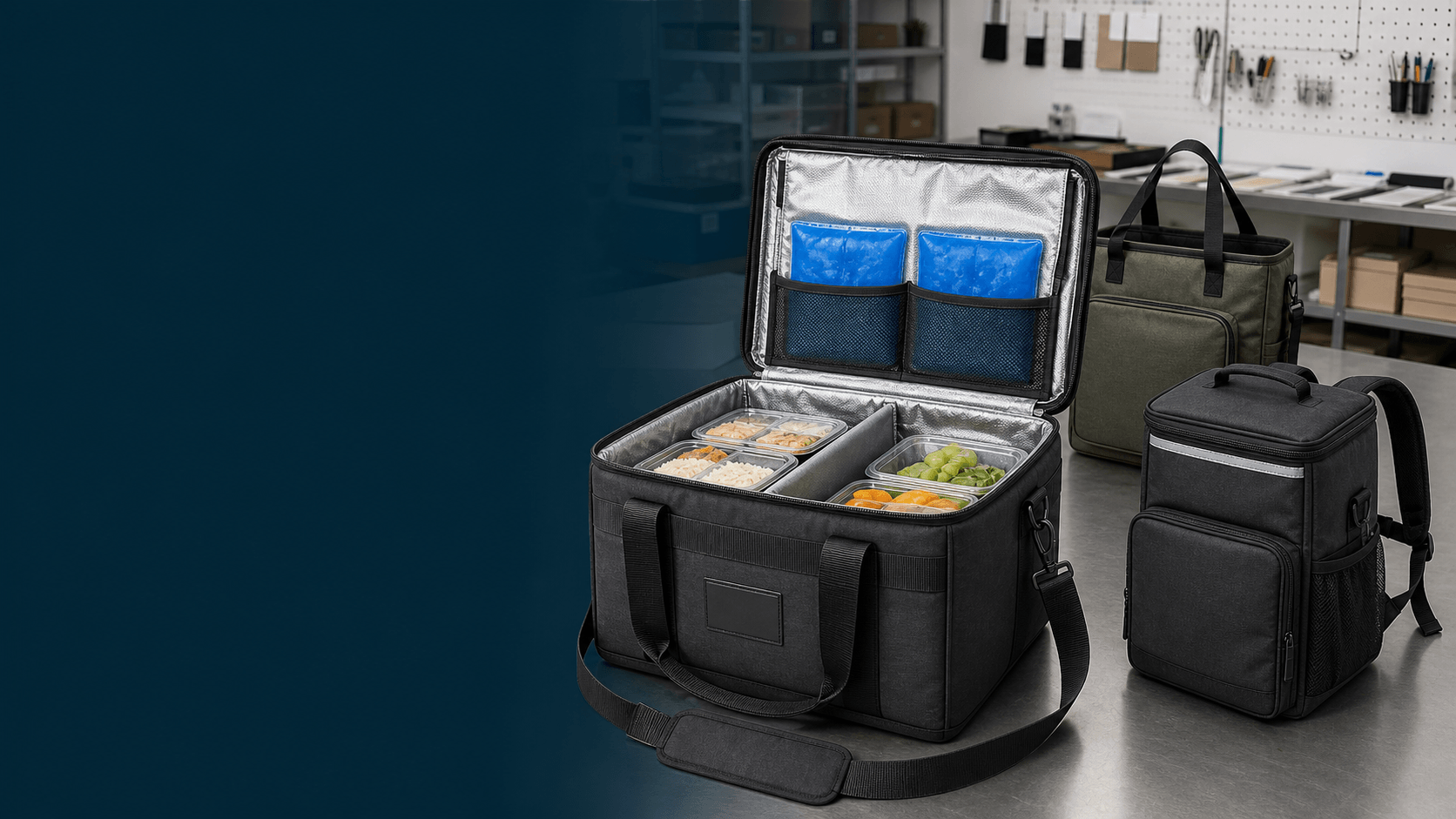
Cara Mengevaluasi Distributor Akumulator Pendingin Gel Amerika Serikat untuk Penggunaan di Dunia Nyata
Keputusan sumber terbaik untuk akumulator pendingin gel Distributor Amerika dimulai dengan batasan: akumulator pendingin gel adalah salah satu komponen sistem termal atau terapeutik. Ia tidak dapat menentukan kesesuaian dengan sendirinya. Pembelian yang dapat dipertahankan menghubungkan muatan atau tujuan penggunaan, metode pengkondisian, kemasan di sekitarnya, rute, perilaku operator, bukti kualitas, dan pemasok's ability to hold the approved specification.
Kegagalan yang patut dicegah sering kali bukanlah harga satuan yang tinggi. Kategori produk mungkin termasuk makanan, kesehatan, laboratorium, atau barang komersial, jadi kisaran suhu yang diperlukan harus berasal dari pemilik muatan dan bukan dari pemasok cairan pendingin. Ia membeli ukuran generik berdasarkan harga satuan dan menemukan bahwa ukurannya tidak sesuai dengan pengirimnya, alur kerja freezer, atau profil rute. Panduan ini menunjukkan cara menerjemahkan batasan tersebut ke dalam spesifikasi sampel, pertanyaan pemasok, uji coba paket, menerima cek, dan jalur terkendali dari pesanan percontohan hingga pasokan rutin.
Aturan Keputusan yang Mencegah Sebagian Besar Kesalahan
Akumulator pendingin gel yang cocok untuk distribusi regional, penjualan kembali label pribadi, dan paket paket berulang harus sesuai dengan paket fisik, memasuki proses dalam kondisi yang ditentukan, tetap utuh selama penanganan yang diharapkan, dan didukung oleh spesifikasi yang dapat direproduksi oleh produksi. Akumulator gel saja bukanlah pengirim yang memenuhi syarat dan tidak membuktikan bahwa paket akan tetap berada dalam kisaran target apa pun. Hal ini juga harus disertai dengan informasi yang cukup bagi tim lintas fungsi untuk menilai pembersihan, penggunaan kembali, pembuangan, keterlacakan, dan mengubah risiko.
Pertama tentukan empat pertanyaan. Berapa lama dan melalui paparan apa sistem harus beroperasi? Kondisi apa yang harus dihindari oleh payload atau pengalaman pengguna? Di mana cairan pendingin dapat ditempatkan tanpa menyebabkan kerusakan kontak atau titik dingin? Bukti apa yang memungkinkan tim kualitas dan operasi menyetujui harga produk yang sama dengan pengadaan? Jika salah satu dari pertanyaan ini tidak ada pemiliknya, kutipan yang lebih rendah hanya memindahkan biaya ke pengujian, mengolah lagi, klaim, atau penggantian darurat.
Kontak Fleksibel Memiliki Manfaat dan Batasan
Kategori produk mungkin termasuk makanan, kesehatan, laboratorium, atau barang komersial, jadi kisaran suhu yang diperlukan harus berasal dari pemilik muatan dan bukan dari pemasok cairan pendingin.
Akumulator gel saja bukanlah pengirim yang memenuhi syarat dan tidak membuktikan bahwa paket akan tetap berada dalam kisaran target apa pun.
Untuk aplikasi ini, keputusan penerimaan harus ditulis sebelum sampel tiba. Kemudian uji penanganan kasus terburuk yang normal dan kredibel. Tentukan apa yang membuat produk tidak dapat digunakan, bukti apa yang diperlukan, dan siapa yang dapat menyetujui suatu penyimpangan. Hal ini mencegah tinjauan sampel menjadi diskusi subjektif tentang apakah kemasannya terlihat kuat atau terasa dingin.
Disiplin yang sama meningkatkan komunikasi pemasok. Pemasok terpilih yang mengajukan pertanyaan hati-hati sering kali lebih berguna daripada pemasok yang langsung menjanjikan jangka waktu tetap tanpa melihat muatan atau kontainernya.. Daripada meminta paket terbaik, kirimkan ringkasan lamaran singkat dan minta pemasok untuk mengidentifikasi asumsi, keterbatasan, dan kesenjangan informasi.
Mulailah Dengan Batas Muatan dan Kegagalan
Untuk paket yang sensitif terhadap suhu, persyaratannya harus ditulis sebagai ringkasan sistem. Hal ini juga harus menyatakan apakah tujuannya adalah keamanan produk, pelestarian kualitas, pengalaman pengiriman yang disukai, kenyamanan terapeutik, atau kondisi peraturan yang terdokumentasi. Ini harus menggambarkan kondisi awal muatan, batas yang dapat diterima, massa dan pengaturan muatan, ruang internal yang dapat digunakan, isolasi, durasi rute, penundaan yang diharapkan, paparan lingkungan, dan proses penerimaan. Tujuan-tujuan ini saling berkaitan, tetapi keduanya tidak dapat dipertukarkan.
A cold pack absorbs heat because energy moves from warmer areas toward colder areas. Itulah mengapa perilaku fase penting. Sedangkan suatu formulasi mengalami perubahan tahap, ia dapat menyerap sejumlah besar energi dengan perubahan suhu yang lebih kecil dibandingkan dengan pemanasan yang masuk akal saja. Namun titik fase hanyalah satu properti. Massa total, panas laten dan masuk akal, suhu awal, bidang kontak, kebocoran panas isolasi, dan celah udara semuanya mempengaruhi hasilnya. Pemasok terpilih tidak boleh mereduksi hubungan ini menjadi klaim yang tidak dapat dijelaskan mengenai jam pendinginan.
Geometri mengubah properti material menjadi perilaku paket. Kesesuaian dapat meningkatkan kontak tetapi juga dapat menciptakan tekanan dan ketebalan yang tidak merata. Kantong fleksibel dapat disesuaikan dengan paket yang sensitif terhadap suhu, sementara batu bata yang kaku dapat menciptakan jarak yang berulang dan pengendalian inventaris yang lebih mudah. Kekakuan dapat melindungi cairan pendingin tetapi menghabiskan ruang yang dapat digunakan atau menciptakan jembatan dingin yang terkonsentrasi. Distributor harus merencanakan palet, kasus, dan penanganan paket individual, karena segel yang masih bertahan dalam penggunaan parsel mungkin masih rusak akibat pinggiran karton yang tajam atau tumpukan gudang yang terkompresi.
Untuk seleksi akhir, Oleh karena itu, perbandingan yang terkontrol bukanlah kantong versus batu bata yang berdiri sendiri. Perbandingan tersebut mengungkapkan apakah keunggulan material nyata dapat bertahan dalam geometri nyata dan instruksi kerja nyata. Ini adalah paket kandidat A versus paket kandidat B dengan muatan yang sama, isolasi, pengkondisian awal, metode pemuatan, profil lingkungan, dan kriteria penerimaan.
Bangun Paket di Sekitar Variabel Terkendali
Pendingin, wadah terisolasi, muatan, isi kosong, pemisah, dan urutan pembebanan membentuk satu sistem termal. Jumlah kemasan yang dipinjam dari karton lain merupakan bukti lemah karena ketebalan isolasi, luas permukaan luar, ruang kepala, massa termal muatan, dan suhu awal bisa berbeda. Akumulator gel saja bukanlah pengirim yang memenuhi syarat dan tidak membuktikan bahwa paket akan tetap berada dalam kisaran target apa pun. Bahkan orientasi pun penting ketika udara dingin mulai mereda, udara hangat masuk melalui tutupnya, atau bungkusan berpindah selama pengangkutan.
Pengkondisian layak mendapatkan instruksi kerjanya sendiri. Sebuah paket yang nominalnya sama SKU dapat berperilaku berbeda jika satu unit dikondisikan penuh, yang lain memiliki inti yang hangat, dan yang ketiga duduk di bangku cadangan saat pergantian shift. Ini harus menentukan keadaan freezer atau lemari es, pengaturan selama pengkondisian, ekspektasi pemulihan minimum setelah pintu dibuka, waktu transfer ke stasiun pengepakan, dan apa yang dilakukan operator dengan unit yang dikondisikan sebagian atau dicairkan.
Latihan persetujuan dimulai dengan konfigurasi terdokumentasi dan muatan yang representatif. Suhu udara di samping cairan pendingin belum tentu sama dengan suhu produk. Sensor atau indikator, saat digunakan, harus dipilih dan ditempatkan untuk menjawab pertanyaan penerimaan. Tes ini harus menangkap kemungkinan lokasi yang hangat dan dingin, dan harus mewakili paparan ambien dan peristiwa penanganan yang kredibel, bukan kondisi ruangan yang mudah dan konstan.
Hasil harus dicatat dengan lot paket yang tepat, keadaan pengkondisian, muatan, isolasi, diagram pemuatan, lokasi sensor, profil lingkungan, dan penyimpangan apa pun. Menambahkan cairan pendingin secara membabi buta dapat mengurangi volume yang dapat digunakan, meningkatkan massa barang, atau menyebabkan pendinginan berlebihan sambil membiarkan celah udara asli atau kebocoran tutup tidak terselesaikan. Jika kinerja gagal, mengubah satu variabel terkontrol pada waktu yang memungkinkan.
Pertanyaan Pemasok yang Mengubah Keputusan
| Bidang keputusan | Seperti apa rupanya | Tindakan pembeli |
|---|---|---|
| Kesesuaian termal | Formulasi pertandingan, massa, geometri, dan pengkondisian pada muatan dan sistem. | Minta datanya, lalu uji paket lengkap di bawah profil yang representatif. |
| Kesesuaian fisik | Konfirmasikan ruang yang dapat digunakan, dimensi beku, titik kontak, dan gerakan. | Buat sampel dengan wadah sebenarnya, muatan, pemisah, dan penutupan. |
| Integritas | Kontrol film atau cangkang, jahitan, topi, sudut, dan massa terisi. | Tinjau pemeriksaan rilis, toleransi, penanganan pengaduan, dan sampel yang disimpan. |
| Operasi | Buat pengondisian, memuat, inspeksi, dan pensiun dapat diulang. | Jalankan uji coba jalur pengepakan dengan operator normal dan tekanan waktu yang realistis. |
| Dokumentasi | Tautkan setiap lot yang disediakan ke spesifikasi yang disetujui. | Konfirmasikan pengkodean lot, catatan, informasi keselamatan, dan mengubah pemberitahuan. |
| Akhir kehidupan | Bedakan penggunaan kembali, pembuangan isinya, dan pembuangan kemasan luar. | Verifikasi klaim terhadap bukti formulasi dan peraturan setempat. |
Matriks keputusan membuat diskusi tetap berpusat pada bukti dan bukan kata sifat. Dialah yang dapat menentukan SKU yang ditawarkan, jelaskan batasannya, mereproduksinya, and cooperate with the cross-functional team's qualification and receiving process. Saat membandingkan akumulator pendingin gel untuk distribusi regional, penjualan kembali label pribadi, dan ulangi paket parsel, pemasok dengan skor tertinggi belum tentu merupakan pemasok yang menawarkan opsi terbanyak.
Gunakan tabel dua kali: pertama yang menyaring pemasok, kemudian membandingkan sampel yang disetujui dengan proposal produksi. Perbedaan tersebut harus diselesaikan sebelum pesanan pembelian menjadi satu-satunya spesifikasi dalam hubungan tersebut. Pemasok terpilih mungkin memberikan prototipe yang sangat baik tetapi mengutip konstruksi produksi, metode cetak, paket kasus, atau situs yang berbeda dari unit yang dievaluasi.
Rencana Peluncuran Terkendali
Mulailah dengan yang kecil, kumpulan sampel yang terdokumentasi. Sertakan operator normal selama uji coba. Satuan foto dan ukuran, identifikasi catatan, periksa segel dan permukaan, kondisikan mereka menggunakan metode yang diusulkan, dan membangun paket sebenarnya. Kemasan yang berhasil hanya jika dirakit oleh insinyur yang merancangnya belum siap untuk didistribusikan secara rutin.
Setelah tinjauan termal dan penanganan, menentukan sampel emas atau referensi yang disetujui dan mengubah temuan menjadi spesifikasi pembelian dan instruksi kerja. Sampling plans should reflect risk and the cross-functional team's quality system. Menerima inspeksi kemudian dapat fokus pada karakteristik kritis: identitas, jumlah kasus, kerusakan yang terlihat, ukuran, massa terisi jika diperlukan, keterbacaan cetak atau label, banyak pengkodean, dan pemeriksaan segel atau penutupan yang dipilih.
Kapasitas operasional adalah bagian dari kesesuaian produk. Tim lintas fungsi Anda harus membuat model ruang freezer atau lemari es, siklus pengkondisian, waktu pementasan, tenaga kerja, stok cadangan, puncak musiman, dan apa yang terjadi setelah pengiriman atau pengembalian produk gagal. Distributor harus merencanakan palet, kasus, dan penanganan paket individual, karena segel yang masih bertahan dalam penggunaan parsel mungkin masih rusak akibat pinggiran karton yang tajam atau tumpukan gudang yang terkompresi. Biaya-biaya ini dapat melebihi perbedaan kecil dalam harga satuan.
Setelah produksi dimulai, memantau keluhan berdasarkan mode kegagalan, bukan berdasarkan tingkat kerusakan tunggal. Perbedaan tersebut menunjukkan apakah tindakan perbaikan berada di tangan pemasok cairan pendingin, desain paket, proses gudang, pembawa, atau situs penerima. Pisahkan kebocoran, tusukan, segel terbelah, masalah dimensi, kerusakan cetak, pengkondisian yang tidak memadai, kesalahan pengepakan, tamasya termal, dan menerima kerusakan.
Menyetujui Sistem, Kemudian Kontrol Perubahan
Untuk muatan yang diatur, the cross-functional team's quality team may require lane qualification, mengubah kendali, keterlacakan, dan dokumentasi material pendukung. Pernyataan seperti cocok untuk semua pengiriman medis, menjaga produk tetap dingin selama beberapa jam tertentu, or environmentally safe everywhere are too broad unless the underlying evidence truly covers the cross-functional team's configuration and market. Bahasa klaim yang paling dapat dipertahankan adalah bahasa spesifik tentang apa yang telah diuji, dalam kondisi apa, dan oleh siapa.
File pemasok terpilih mungkin mencakup spesifikasi terkontrol, menggambar, informasi keselamatan, deklarasi materi, ringkasan tes, sertifikat mutu yang relevan dengan sistem manufaktur, format rekaman lot atau batch, proses pengaduan, dan komitmen pengendalian perubahan. Sertifikat sistem manajemen umum, Misalnya, tidak membuktikan kinerja termal, dan laporan migrasi atau material tidak memenuhi syarat jalur pelayaran. Dokumen-dokumen ini menjawab pertanyaan yang berbeda.
Pembuangan akhir atau penggunaan kembali bahasa jalur memerlukan disiplin yang sama. Jika penggunaan kembali diusulkan, menghitung apakah unit benar-benar dikembalikan, dibersihkan, diperiksa, direkondisi, dan ditempatkan kembali ke layanan. Petunjuk pembuangan harus didasarkan pada informasi keselamatan formulasi dan peraturan limbah atau air limbah setempat, bukan pada slogan lingkungan yang tidak memenuhi syarat. Kemasan tahan lama yang tidak pernah dikembalikan dapat menghabiskan lebih banyak bahan tanpa memberikan manfaat penggunaan kembali yang diharapkan. Sebaliknya, format sekali pakai dapat mengurangi pengangkutan terbalik namun menimbulkan beban pembuangan yang lebih besar.
Kontrol perubahan pasca-persetujuan melindungi pekerjaan yang diinvestasikan dalam persetujuan. Pengganti yang terlihat sama dapat memiliki fleksibilitas yang berbeda, perilaku membekukan, massa termal, atau mode kegagalan. Tim lintas fungsi Anda harus mengidentifikasi perubahan yang memerlukan pemberitahuan atau evaluasi ulang, seperti formulasi gel, kelas polimer, lapisan film, pola segel, isi massa, ukuran, lokasi produksi, metode pencetakan, atau pengepakan kasus.
Apa yang Berubah Saat Program Berkembang di Amerika Serikat
Skala menambah variabilitas sebelum menambah volume. Sebuah program nasional atau lintas batas harus menentukan elemen mana yang tetap dan mana yang dapat diadaptasi secara lokal. Lebih banyak situs berarti freezer yang berbeda, pola pergeseran, kepadatan penyimpanan, pemutusan operator, tingkat pengembalian, metode pembersihan, dan interpretasi dari instruksi yang sama. SKU pendingin, keadaan pengkondisian, jumlah paket, diagram pemuatan, dan kriteria pensiun biasanya merupakan kandidat yang buruk untuk penggantian informal.
Geografi distribusi juga mengubah risiko komersial. Tim pemberi persetujuan harus memetakan jalur dari tempat produksi ke stasiun pengepakan, termasuk siapa yang memiliki inventaris selama penundaan dan bagaimana kasus-kasus yang rusak dikarantina. Impor waktu tunggu, izin bea cukai, inventaris lokal, kebutuhan bahasa, pelabelan kasus, stok pengganti, dan tanggapan keluhan dapat menentukan apakah suatu produk yang secara teknis baik dapat digunakan secara operasional.
Distributor lokal dapat menambah nilai dengan menyimpan stok, menerjemahkan instruksi, mengkonsolidasikan permintaan, dan mendukung uji coba. Jika distributor mengemas ulang, memberi label ulang, atau menyimpan produk tersebut, tanggung jawab untuk ketertelusuran, kondisi penyimpanan, pemeriksaan kerusakan, dan komunikasi perubahan harus eksplisit. Nilai tersebut harus terlihat dalam definisi dan catatan layanan.
Pertanyaan untuk Dimasukkan ke dalam Tinjauan Pemasok
- Dapatkah lot produksi ditelusuri ke masukan film dan gel?
- Dimensi yang mana, beban, format cetak, dan jumlah karton adalah spesifikasi yang dikontrol?
- Proses pemberitahuan perubahan apa yang berlaku pada film, pola segel, formulasi gel, atau lokasi produksi?
- Dapatkah pemasok mendukung jumlah percontohan sebelum peluncuran nasional?
Jawabannya harus spesifik terhadap konstruksi yang dikutip. Catatlah asumsi-asumsi yang belum terselesaikan dalam rencana uji coba alih-alih membiarkannya menjadi kriteria penerimaan yang diam-diam. Jika respons hanya merujuk pada rangkaian produk, tanyakan apakah setiap ukuran menggunakan formulasi yang sama, film, metode segel, instruksi pengkondisian, dan kontrol pelepasan.
Perbandingan harga harus menggunakan ketentuan pengiriman yang sama, kuantitas kasus, ruang lingkup pelabelan, tingkat pemeriksaan, paket dokumentasi, dan kebijakan penggantian. Untuk pasokan internasional, juga membedakan waktu tunggu produksi dari total waktu pengisian ulang dan menentukan bagaimana penggantian yang mendesak akan ditangani. Jika tidak, harga item baris terendah mungkin tidak termasuk pekerjaan yang disertakan oleh pemasok lain.
Pertanyaan yang sering diajukan
Dapatkah akumulator pendingin gel menjamin jumlah jam pendinginan yang tetap?
Tidak dengan sendirinya. Perlakukan klaim durasi sebagai sesuatu yang bermakna hanya jika konfigurasi pengujian sebanding dengan konfigurasi pengujian Anda. Durasi tergantung pada formulasi dan massa yang tepat, kondisi awal, isolasi, muatan, jumlah paket, penempatan, profil lingkungan, dan pembukaan atau penanganan acara. Evaluasi paket lengkap yang representatif lebih kuat dibandingkan klaim paket mandiri.
Sebaiknya cold pack menyentuh produk secara langsung?
Itu tergantung pada sensitivitas produk dan desain kemasan. Kategori produk mungkin termasuk makanan, kesehatan, laboratorium, atau barang komersial, jadi kisaran suhu yang diperlukan harus berasal dari pemilik muatan dan bukan dari pemasok cairan pendingin. Kontak langsung dapat meningkatkan perpindahan panas lokal, tapi itu juga bisa menyebabkan pembekuan, tekanan, kondensasi, abrasi, atau kerusakan presentasi. Gunakan pemisah atau jarak terkendali bila diperlukan dan sertakan penempatan dalam diagram pemuatan yang disetujui.
Apa yang harus diperiksa pembeli ketika unit massal tiba?
Konfirmasikan identitas, kode banyak, jumlah kasus, kerusakan transit yang jelas, kebocoran, kondisi segel atau penutupan, ukuran, massa terisi jika diperlukan, dan keterbacaan pada cetakan atau label. Karantina perubahan yang tidak dapat dijelaskan daripada mengirimkannya langsung ke area pengondisian. Bandingkan unit yang dipilih dengan referensi yang disetujui.
Apakah dapat digunakan kembali secara otomatis berarti lebih berkelanjutan?
TIDAK. Jika tingkat pengembalian rendah atau pembersihan dan transportasi dilakukan secara intensif, manfaat yang diharapkan mungkin tidak muncul. Penggunaan kembali dapat mengurangi permintaan material saat kemasan dikembalikan, dibersihkan, diperiksa, direkondisi, dan menggunakan waktu yang cukup untuk membenarkan logistik terbalik. Bandingkan skenario program yang realistis dan dokumentasikan asumsi-asumsinya.
Keputusan Akhir Pengadaan
Pilihan terakhir akumulator pendingin gel harus melalui empat ulasan: kesesuaian termal atau kasus penggunaan, kesesuaian fisik dan operasional, bukti kualitas, dan kelangsungan komersial. Paket uji coba dan persetujuan yang disiplin mengubah pembelian komoditas menjadi komponen sistem yang dapat dikontrol. Jika unit yang diusulkan hanya lolos tinjauan penawaran, proses pengadaannya tidak lengkap.
Tentang tempk
Tempk, merek Shanghai Tempk Industrial Co., Ltd., supplies gel ice packs and related cold-chain packaging for food, Perawatan kesehatan, mencicipi, pengecer, dan aplikasi distribusi. Final suitability should be confirmed against the cross-functional team's payload, rute, proses pengkondisian, kondisi penanganan, dan diperlukan bukti. Untuk distribusi regional, penjualan kembali label pribadi, dan ulangi paket parsel, kita bisa mendiskusikan dimensi paket, berat terisi, format film atau cangkang, pencetakan, kemasan karton, dan bagaimana calon cairan pendingin dapat masuk ke dalam kemasan berinsulasi.
Langkah selanjutnya
Sebelum meminta harga produksi, menyediakan kebutuhan produk, ruang paket yang dapat digunakan, jalan sekitar, kendala operator, dan bukti persetujuan yang Anda perlukan. Tempk dapat menggunakan laporan singkat tersebut untuk mengidentifikasi sampel akumulator pendingin gel untuk tinjauan lintas fungsi.
Cara Mengevaluasi Grosir Minuman Kemasan Gel Fleksibel untuk Penggunaan di Dunia Nyata
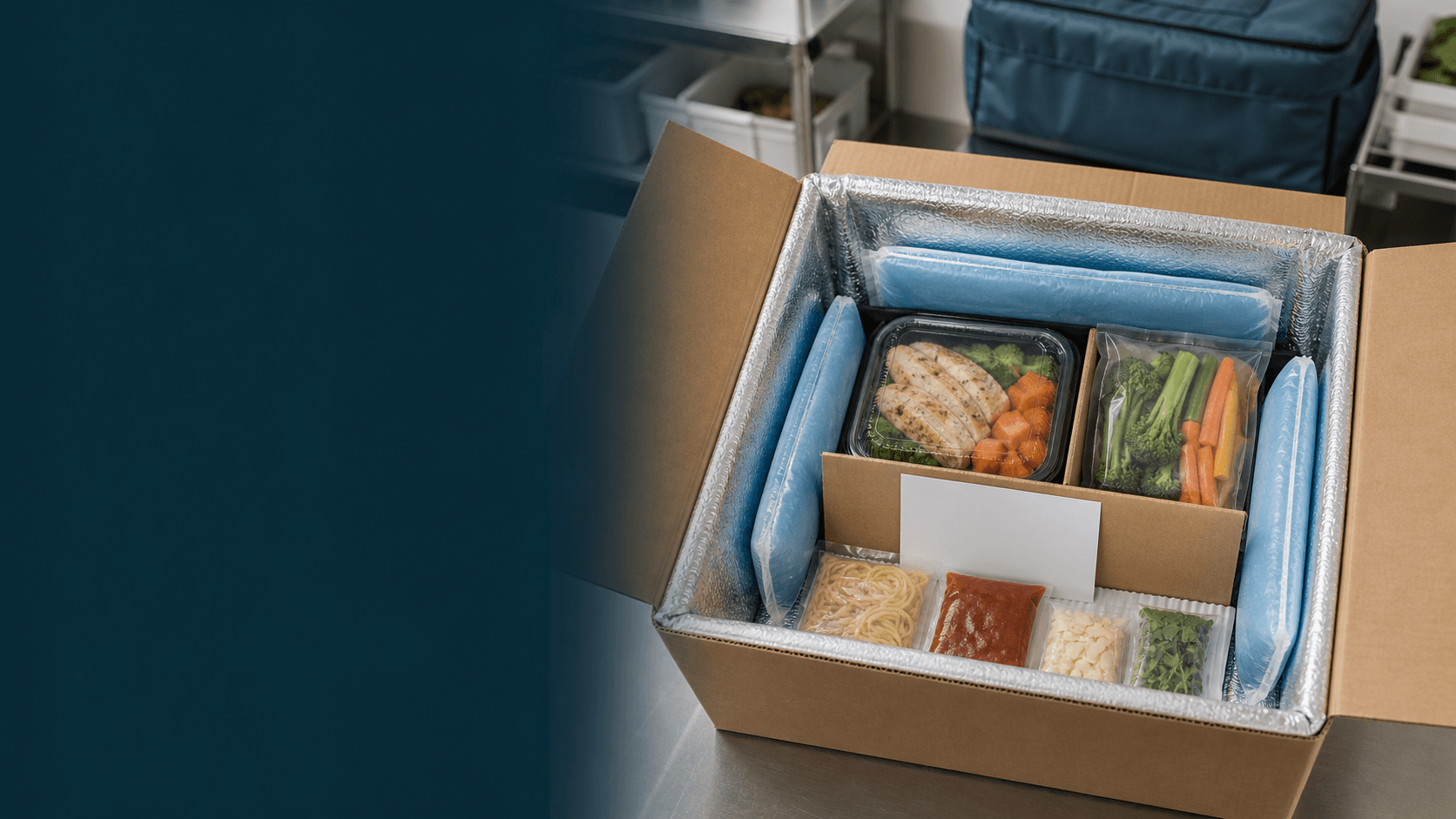
Cara Mengevaluasi Grosir Minuman Kemasan Gel Fleksibel untuk Penggunaan di Dunia Nyata
Keputusan sumber terbaik untuk grosir minuman kemasan gel fleksibel dimulai dengan batasan: paket gel fleksibel adalah salah satu komponen sistem termal atau terapeutik. Ia tidak dapat menentukan kesesuaian dengan sendirinya. Pembelian yang dapat dipertahankan menghubungkan muatan atau tujuan penggunaan, metode pengkondisian, kemasan di sekitarnya, rute, perilaku operator, bukti kualitas, dan pemasok's ability to hold the approved specification.
Kegagalan yang patut dicegah sering kali bukanlah harga satuan yang tinggi. Produsen minuman harus menentukan apakah pengirimannya penting bagi keselamatan, didorong oleh kualitas, atau hanya dimaksudkan untuk menjadi keren, karena tujuan tersebut memerlukan bukti yang berbeda. Ini memaksimalkan kontak langsung dan jumlah paket tanpa memeriksa apakah ada kondensasi, kerusakan label, pecahnya botol, penumpasan, atau beban yang tidak perlu merusak pengalaman pengiriman. Panduan ini menunjukkan cara menerjemahkan batasan tersebut ke dalam spesifikasi sampel, pertanyaan pemasok, uji coba paket, menerima cek, dan jalur terkendali dari pesanan percontohan hingga pasokan rutin.
Aturan Keputusan yang Mencegah Sebagian Besar Kesalahan
Paket gel fleksibel yang cocok untuk paket langsung ke konsumen, pendingin acara, dan pengiriman lokal harus sesuai dengan kemasan fisik, memasuki proses dalam kondisi yang ditentukan, tetap utuh selama penanganan yang diharapkan, dan didukung oleh spesifikasi yang dapat direproduksi oleh produksi. A cold pack cannot cool a large warm beverage load efficiently if the packout was designed only to maintain already chilled product. Hal ini juga harus disertai dengan informasi yang cukup bagi tim lintas fungsi untuk menilai pembersihan, penggunaan kembali, pembuangan, keterlacakan, dan mengubah risiko.
Pertama tentukan empat pertanyaan. Berapa lama dan melalui paparan apa sistem harus beroperasi? Kondisi apa yang harus dihindari oleh payload atau pengalaman pengguna? Di mana cairan pendingin dapat ditempatkan tanpa menyebabkan kerusakan kontak atau titik dingin? Bukti apa yang memungkinkan tim kualitas dan operasi menyetujui harga produk yang sama dengan pengadaan? Jika salah satu dari pertanyaan ini tidak ada pemiliknya, kutipan yang lebih rendah hanya memindahkan biaya ke pengujian, mengolah lagi, klaim, atau penggantian darurat.
Maintenance Cooling Is Different From Pull-Down Cooling
Produsen minuman harus menentukan apakah pengirimannya penting bagi keselamatan, didorong oleh kualitas, atau hanya dimaksudkan untuk menjadi keren, karena tujuan tersebut memerlukan bukti yang berbeda.
A cold pack cannot cool a large warm beverage load efficiently if the packout was designed only to maintain already chilled product.
Untuk aplikasi ini, keputusan penerimaan harus ditulis sebelum sampel tiba. Kemudian uji penanganan kasus terburuk yang normal dan kredibel. Tentukan apa yang membuat produk tidak dapat digunakan, bukti apa yang diperlukan, dan siapa yang dapat menyetujui suatu penyimpangan. Hal ini mencegah tinjauan sampel menjadi diskusi subjektif tentang apakah kemasannya terlihat kuat atau terasa dingin.
Disiplin yang sama meningkatkan komunikasi pemasok. Pemasok terpilih yang mengajukan pertanyaan hati-hati sering kali lebih berguna daripada pemasok yang langsung menjanjikan jangka waktu tetap tanpa melihat muatan atau kontainernya.. Daripada meminta paket terbaik, kirimkan ringkasan lamaran singkat dan minta pemasok untuk mengidentifikasi asumsi, keterbatasan, dan kesenjangan informasi.
Mulailah Dengan Batas Muatan dan Kegagalan
For chilled beverages and beverage kits, persyaratannya harus ditulis sebagai ringkasan sistem. Hal ini juga harus menyatakan apakah tujuannya adalah keamanan produk, pelestarian kualitas, pengalaman pengiriman yang disukai, kenyamanan terapeutik, atau kondisi peraturan yang terdokumentasi. Ini harus menggambarkan kondisi awal muatan, batas yang dapat diterima, massa dan pengaturan muatan, ruang internal yang dapat digunakan, isolasi, durasi rute, penundaan yang diharapkan, paparan lingkungan, dan proses penerimaan. Tujuan-tujuan ini saling berkaitan, tetapi keduanya tidak dapat dipertukarkan.
A cold pack absorbs heat because energy moves from warmer areas toward colder areas. Itulah mengapa perilaku fase penting. Sedangkan suatu formulasi mengalami perubahan tahap, ia dapat menyerap sejumlah besar energi dengan perubahan suhu yang lebih kecil dibandingkan dengan pemanasan yang masuk akal saja. Namun titik fase hanyalah satu properti. Massa total, panas laten dan masuk akal, suhu awal, bidang kontak, kebocoran panas isolasi, dan celah udara semuanya mempengaruhi hasilnya. Pemasok terpilih tidak boleh mereduksi hubungan ini menjadi klaim yang tidak dapat dijelaskan mengenai jam pendinginan.
Geometri mengubah properti material menjadi perilaku paket. Kesesuaian dapat meningkatkan kontak tetapi juga dapat menciptakan tekanan dan ketebalan yang tidak merata. A flexible pouch can conform around chilled beverages and beverage kits, sementara batu bata yang kaku dapat menciptakan jarak yang berulang dan pengendalian inventaris yang lebih mudah. Kekakuan dapat melindungi cairan pendingin tetapi menghabiskan ruang yang dapat digunakan atau menciptakan jembatan dingin yang terkonsentrasi. Flexible packs can wrap curved containers, but they should be restrained so they do not slide, lipat dengan tajam, or concentrate pressure on closures and labels.
Untuk seleksi akhir, Oleh karena itu, perbandingan yang terkontrol bukanlah kantong versus batu bata yang berdiri sendiri. Perbandingan tersebut mengungkapkan apakah keunggulan material nyata dapat bertahan dalam geometri nyata dan instruksi kerja nyata. Ini adalah paket kandidat A versus paket kandidat B dengan muatan yang sama, isolasi, pengkondisian awal, metode pemuatan, profil lingkungan, dan kriteria penerimaan.
Bangun Paket di Sekitar Variabel Terkendali
Pendingin, wadah terisolasi, muatan, isi kosong, pemisah, dan urutan pembebanan membentuk satu sistem termal. Jumlah kemasan yang dipinjam dari karton lain merupakan bukti lemah karena ketebalan isolasi, luas permukaan luar, ruang kepala, massa termal muatan, dan suhu awal bisa berbeda. A cold pack cannot cool a large warm beverage load efficiently if the packout was designed only to maintain already chilled product. Bahkan orientasi pun penting ketika udara dingin mulai mereda, udara hangat masuk melalui tutupnya, atau bungkusan berpindah selama pengangkutan.
Pengkondisian layak mendapatkan instruksi kerjanya sendiri. Sebuah paket yang nominalnya sama SKU dapat berperilaku berbeda jika satu unit dikondisikan penuh, yang lain memiliki inti yang hangat, dan yang ketiga duduk di bangku cadangan saat pergantian shift. Ini harus menentukan keadaan freezer atau lemari es, pengaturan selama pengkondisian, ekspektasi pemulihan minimum setelah pintu dibuka, waktu transfer ke stasiun pengepakan, dan apa yang dilakukan operator dengan unit yang dikondisikan sebagian atau dicairkan.
Latihan persetujuan dimulai dengan konfigurasi terdokumentasi dan muatan yang representatif. Suhu udara di samping cairan pendingin belum tentu sama dengan suhu produk. Sensor atau indikator, saat digunakan, harus dipilih dan ditempatkan untuk menjawab pertanyaan penerimaan. Tes ini harus menangkap kemungkinan lokasi yang hangat dan dingin, dan harus mewakili paparan ambien dan peristiwa penanganan yang kredibel, bukan kondisi ruangan yang mudah dan konstan.
Hasil harus dicatat dengan lot paket yang tepat, keadaan pengkondisian, muatan, isolasi, diagram pemuatan, lokasi sensor, profil lingkungan, dan penyimpangan apa pun. Menambahkan cairan pendingin secara membabi buta dapat mengurangi volume yang dapat digunakan, meningkatkan massa barang, atau menyebabkan pendinginan berlebihan sambil membiarkan celah udara asli atau kebocoran tutup tidak terselesaikan. Jika kinerja gagal, mengubah satu variabel terkontrol pada waktu yang memungkinkan.
Pertanyaan Pemasok yang Mengubah Keputusan
| Bidang keputusan | Seperti apa rupanya | Tindakan pembeli |
|---|---|---|
| Kesesuaian termal | Formulasi pertandingan, massa, geometri, dan pengkondisian pada muatan dan sistem. | Minta datanya, lalu uji paket lengkap di bawah profil yang representatif. |
| Kesesuaian fisik | Konfirmasikan ruang yang dapat digunakan, dimensi beku, titik kontak, dan gerakan. | Buat sampel dengan wadah sebenarnya, muatan, pemisah, dan penutupan. |
| Integritas | Kontrol film atau cangkang, jahitan, topi, sudut, dan massa terisi. | Tinjau pemeriksaan rilis, toleransi, penanganan pengaduan, dan sampel yang disimpan. |
| Operasi | Buat pengondisian, memuat, inspeksi, dan pensiun dapat diulang. | Jalankan uji coba jalur pengepakan dengan operator normal dan tekanan waktu yang realistis. |
| Dokumentasi | Tautkan setiap lot yang disediakan ke spesifikasi yang disetujui. | Konfirmasikan pengkodean lot, catatan, informasi keselamatan, dan mengubah pemberitahuan. |
| Akhir kehidupan | Bedakan penggunaan kembali, pembuangan isinya, dan pembuangan kemasan luar. | Verifikasi klaim terhadap bukti formulasi dan peraturan setempat. |
Matriks keputusan membuat diskusi tetap berpusat pada bukti dan bukan kata sifat. Dialah yang dapat menentukan SKU yang ditawarkan, jelaskan batasannya, mereproduksinya, and cooperate with the cross-functional team's qualification and receiving process. When comparing a flexible gel pack for direct-to-consumer parcels, pendingin acara, and local delivery, pemasok dengan skor tertinggi belum tentu merupakan pemasok yang menawarkan opsi terbanyak.
Gunakan tabel dua kali: pertama yang menyaring pemasok, kemudian membandingkan sampel yang disetujui dengan proposal produksi. Perbedaan tersebut harus diselesaikan sebelum pesanan pembelian menjadi satu-satunya spesifikasi dalam hubungan tersebut. Pemasok terpilih mungkin memberikan prototipe yang sangat baik tetapi mengutip konstruksi produksi, metode cetak, paket kasus, atau situs yang berbeda dari unit yang dievaluasi.
Rencana Peluncuran Terkendali
Mulailah dengan yang kecil, kumpulan sampel yang terdokumentasi. Sertakan operator normal selama uji coba. Satuan foto dan ukuran, identifikasi catatan, periksa segel dan permukaan, kondisikan mereka menggunakan metode yang diusulkan, dan membangun paket sebenarnya. Kemasan yang berhasil hanya jika dirakit oleh insinyur yang merancangnya belum siap untuk didistribusikan secara rutin.
Setelah tinjauan termal dan penanganan, menentukan sampel emas atau referensi yang disetujui dan mengubah temuan menjadi spesifikasi pembelian dan instruksi kerja. Sampling plans should reflect risk and the cross-functional team's quality system. Menerima inspeksi kemudian dapat fokus pada karakteristik kritis: identitas, jumlah kasus, kerusakan yang terlihat, ukuran, massa terisi jika diperlukan, keterbacaan cetak atau label, banyak pengkodean, dan pemeriksaan segel atau penutupan yang dipilih.
Kapasitas operasional adalah bagian dari kesesuaian produk. Tim lintas fungsi Anda harus membuat model ruang freezer atau lemari es, siklus pengkondisian, waktu pementasan, tenaga kerja, stok cadangan, puncak musiman, dan apa yang terjadi setelah pengiriman atau pengembalian produk gagal. Flexible packs can wrap curved containers, but they should be restrained so they do not slide, lipat dengan tajam, or concentrate pressure on closures and labels. Biaya-biaya ini dapat melebihi perbedaan kecil dalam harga satuan.
Setelah produksi dimulai, memantau keluhan berdasarkan mode kegagalan, bukan berdasarkan tingkat kerusakan tunggal. Perbedaan tersebut menunjukkan apakah tindakan perbaikan berada di tangan pemasok cairan pendingin, desain paket, proses gudang, pembawa, atau situs penerima. Pisahkan kebocoran, tusukan, segel terbelah, masalah dimensi, kerusakan cetak, pengkondisian yang tidak memadai, kesalahan pengepakan, tamasya termal, dan menerima kerusakan.
Menyetujui Sistem, Kemudian Kontrol Perubahan
Food-safety requirements vary by beverage and market. Bahasa klaim yang paling dapat dipertahankan adalah bahasa spesifik tentang apa yang telah diuji, dalam kondisi apa, dan oleh siapa. Gel packs are cold sources, not a substitute for a process designed around the product's hazards and distribution conditions. Pernyataan seperti cocok untuk semua pengiriman medis, menjaga produk tetap dingin selama beberapa jam tertentu, or environmentally safe everywhere are too broad unless the underlying evidence truly covers the cross-functional team's configuration and market.
File pemasok terpilih mungkin mencakup spesifikasi terkontrol, menggambar, informasi keselamatan, deklarasi materi, ringkasan tes, sertifikat mutu yang relevan dengan sistem manufaktur, format rekaman lot atau batch, proses pengaduan, dan komitmen pengendalian perubahan. Sertifikat sistem manajemen umum, Misalnya, tidak membuktikan kinerja termal, dan laporan migrasi atau material tidak memenuhi syarat jalur pelayaran. Dokumen-dokumen ini menjawab pertanyaan yang berbeda.
Pembuangan akhir atau penggunaan kembali bahasa jalur memerlukan disiplin yang sama. Jika penggunaan kembali diusulkan, menghitung apakah unit benar-benar dikembalikan, dibersihkan, diperiksa, direkondisi, dan ditempatkan kembali ke layanan. Program grosir harus membandingkan penggunaan kembali, pembuangan pelanggan, dan opsi logistik balik dengan menggunakan data operasional nyata dibandingkan menghitung label yang dapat digunakan kembali sebagai dampak lingkungan. Kemasan tahan lama yang tidak pernah dikembalikan dapat menghabiskan lebih banyak bahan tanpa memberikan manfaat penggunaan kembali yang diharapkan. Sebaliknya, format sekali pakai dapat mengurangi pengangkutan terbalik namun menimbulkan beban pembuangan yang lebih besar.
Kontrol perubahan pasca-persetujuan melindungi pekerjaan yang diinvestasikan dalam persetujuan. Pengganti yang terlihat sama dapat memiliki fleksibilitas yang berbeda, perilaku membekukan, massa termal, atau mode kegagalan. Tim lintas fungsi Anda harus mengidentifikasi perubahan yang memerlukan pemberitahuan atau evaluasi ulang, seperti formulasi gel, kelas polimer, lapisan film, pola segel, isi massa, ukuran, lokasi produksi, metode pencetakan, atau pengepakan kasus.
Apa yang Berubah Saat Program Berkembang di Pasar Makanan dan Minuman
Skala menambah variabilitas sebelum menambah volume. Sebuah program nasional atau lintas batas harus menentukan elemen mana yang tetap dan mana yang dapat diadaptasi secara lokal. Lebih banyak situs berarti freezer yang berbeda, pola pergeseran, kepadatan penyimpanan, pemutusan operator, tingkat pengembalian, metode pembersihan, dan interpretasi dari instruksi yang sama. SKU pendingin, keadaan pengkondisian, jumlah paket, diagram pemuatan, dan kriteria pensiun biasanya merupakan kandidat yang buruk untuk penggantian informal.
Geografi distribusi juga mengubah risiko komersial. Tim pemberi persetujuan harus memetakan jalur dari tempat produksi ke stasiun pengepakan, termasuk siapa yang memiliki inventaris selama penundaan dan bagaimana kasus-kasus yang rusak dikarantina. Impor waktu tunggu, izin bea cukai, inventaris lokal, kebutuhan bahasa, pelabelan kasus, stok pengganti, dan tanggapan keluhan dapat menentukan apakah suatu produk yang secara teknis baik dapat digunakan secara operasional.
Distributor lokal dapat menambah nilai dengan menyimpan stok, menerjemahkan instruksi, mengkonsolidasikan permintaan, dan mendukung uji coba. Jika distributor mengemas ulang, memberi label ulang, atau menyimpan produk tersebut, tanggung jawab untuk ketertelusuran, kondisi penyimpanan, pemeriksaan kerusakan, dan komunikasi perubahan harus eksplisit. Nilai tersebut harus terlihat dalam definisi dan catatan layanan.
Pertanyaan untuk Dimasukkan ke dalam Tinjauan Pemasok
- Bagaimana kemasannya sesuai dengan konfigurasi botol atau kaleng kita yang sebenarnya?
- Akankah film mentransfer warna, bau, atau kelembapan pada label ritel?
- Kontrol tusukan dan segel apa yang digunakan?
- Bisakah pemasok mengemas unit dalam jumlah yang sesuai dengan alur kerja stasiun pemenuhan kami?
Jawabannya harus spesifik terhadap konstruksi yang dikutip. Catatlah asumsi-asumsi yang belum terselesaikan dalam rencana uji coba alih-alih membiarkannya menjadi kriteria penerimaan yang diam-diam. Jika respons hanya merujuk pada rangkaian produk, tanyakan apakah setiap ukuran menggunakan formulasi yang sama, film, metode segel, instruksi pengkondisian, dan kontrol pelepasan.
Perbandingan harga harus menggunakan ketentuan pengiriman yang sama, kuantitas kasus, ruang lingkup pelabelan, tingkat pemeriksaan, paket dokumentasi, dan kebijakan penggantian. Untuk pasokan internasional, juga membedakan waktu tunggu produksi dari total waktu pengisian ulang dan menentukan bagaimana penggantian yang mendesak akan ditangani. Jika tidak, harga item baris terendah mungkin tidak termasuk pekerjaan yang disertakan oleh pemasok lain.
Pertanyaan yang sering diajukan
Dapatkah paket gel fleksibel menjamin jumlah jam pendinginan yang tetap?
Tidak dengan sendirinya. Perlakukan klaim durasi sebagai sesuatu yang bermakna hanya jika konfigurasi pengujian sebanding dengan konfigurasi pengujian Anda. Durasi tergantung pada formulasi dan massa yang tepat, kondisi awal, isolasi, muatan, jumlah paket, penempatan, profil lingkungan, dan pembukaan atau penanganan acara. Evaluasi paket lengkap yang representatif lebih kuat dibandingkan klaim paket mandiri.
Sebaiknya cold pack menyentuh produk secara langsung?
Itu tergantung pada sensitivitas produk dan desain kemasan. Produsen minuman harus menentukan apakah pengirimannya penting bagi keselamatan, didorong oleh kualitas, atau hanya dimaksudkan untuk menjadi keren, karena tujuan tersebut memerlukan bukti yang berbeda. Kontak langsung dapat meningkatkan perpindahan panas lokal, tapi itu juga bisa menyebabkan pembekuan, tekanan, kondensasi, abrasi, atau kerusakan presentasi. Gunakan pemisah atau jarak terkendali bila diperlukan dan sertakan penempatan dalam diagram pemuatan yang disetujui.
Apa yang harus diperiksa pembeli ketika unit massal tiba?
Konfirmasikan identitas, kode banyak, jumlah kasus, kerusakan transit yang jelas, kebocoran, kondisi segel atau penutupan, ukuran, massa terisi jika diperlukan, dan keterbacaan pada cetakan atau label. Karantina perubahan yang tidak dapat dijelaskan daripada mengirimkannya langsung ke area pengondisian. Bandingkan unit yang dipilih dengan referensi yang disetujui.
Apakah dapat digunakan kembali secara otomatis berarti lebih berkelanjutan?
TIDAK. Jika tingkat pengembalian rendah atau pembersihan dan transportasi dilakukan secara intensif, manfaat yang diharapkan mungkin tidak muncul. Penggunaan kembali dapat mengurangi permintaan material saat kemasan dikembalikan, dibersihkan, diperiksa, direkondisi, dan menggunakan waktu yang cukup untuk membenarkan logistik terbalik. Bandingkan skenario program yang realistis dan dokumentasikan asumsi-asumsinya.
Keputusan Akhir Pengadaan
Pilihan terakhir dari paket gel fleksibel harus melalui empat ulasan: kesesuaian termal atau kasus penggunaan, kesesuaian fisik dan operasional, bukti kualitas, dan kelangsungan komersial. Paket uji coba dan persetujuan yang disiplin mengubah pembelian komoditas menjadi komponen sistem yang dapat dikontrol. Jika unit yang diusulkan hanya lolos tinjauan penawaran, proses pengadaannya tidak lengkap.
Tentang tempk
Tempk, merek Shanghai Tempk Industrial Co., Ltd., supplies gel ice packs and related cold-chain packaging for food, Perawatan kesehatan, mencicipi, pengecer, dan aplikasi distribusi. Final suitability should be confirmed against the cross-functional team's payload, rute, proses pengkondisian, kondisi penanganan, dan diperlukan bukti. Untuk paket langsung ke konsumen, pendingin acara, and local delivery, kita bisa mendiskusikan dimensi paket, berat terisi, format film atau cangkang, pencetakan, kemasan karton, dan bagaimana calon cairan pendingin dapat masuk ke dalam kemasan berinsulasi.
Langkah selanjutnya
Sebelum meminta harga produksi, menyediakan kebutuhan produk, ruang paket yang dapat digunakan, jalan sekitar, kendala operator, dan bukti persetujuan yang Anda perlukan. Tempk dapat menggunakan laporan singkat tersebut untuk mengidentifikasi sampel paket gel fleksibel untuk tinjauan lintas fungsi.
Cara Mengevaluasi Massal Perawatan Pribadi Paket Gel Ramah Saluran untuk Penggunaan di Dunia Nyata
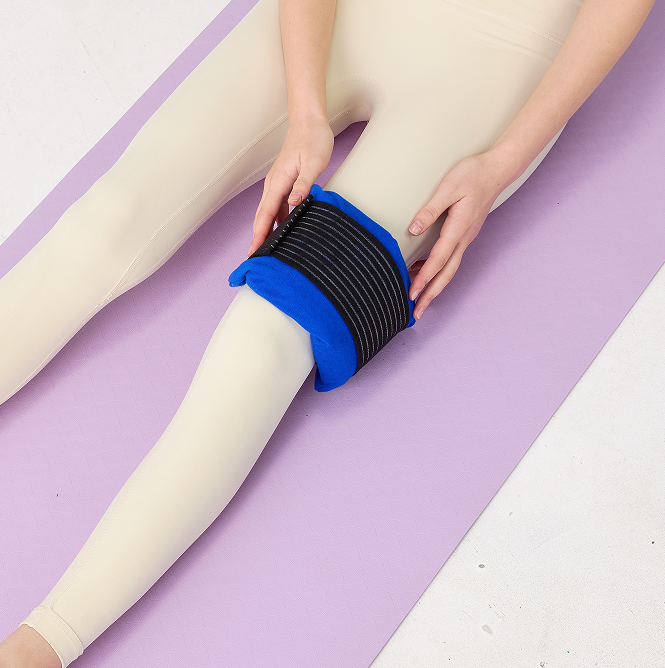
Cara Mengevaluasi Massal Perawatan Pribadi Paket Gel Ramah Saluran untuk Penggunaan di Dunia Nyata
The best sourcing decision for drain friendly gel pack personal care bulk begins with a boundary: the drain-friendly gel pack is one component of a thermal or therapeutic system. Ia tidak dapat menentukan kesesuaian dengan sendirinya. Pembelian yang dapat dipertahankan menghubungkan muatan atau tujuan penggunaan, metode pengkondisian, kemasan di sekitarnya, rute, perilaku operator, bukti kualitas, dan pemasok's ability to hold the approved specification.
Kegagalan yang patut dicegah sering kali bukanlah harga satuan yang tinggi. The finished personal-care product still needs its own stability limits; a drain-friendly coolant does not justify unnecessary refrigeration. It is turning a convenient disposal instruction into a universal environmental claim without checking polymer behavior, treatment-plant acceptance, packaging separation, or local restrictions. Panduan ini menunjukkan cara menerjemahkan batasan tersebut ke dalam spesifikasi sampel, pertanyaan pemasok, uji coba paket, menerima cek, dan jalur terkendali dari pesanan percontohan hingga pasokan rutin.
Aturan Keputusan yang Mencegah Sebagian Besar Kesalahan
A suitable drain-friendly gel pack for bulk e-commerce shipping with simplified consumer disposal should fit the physical packout, memasuki proses dalam kondisi yang ditentukan, tetap utuh selama penanganan yang diharapkan, dan didukung oleh spesifikasi yang dapat direproduksi oleh produksi. A soluble or dispersible gel can still be inappropriate for a drain if the quantity, perumusan, plumbing condition, or municipal rule does not support discharge. Hal ini juga harus disertai dengan informasi yang cukup bagi tim lintas fungsi untuk menilai pembersihan, penggunaan kembali, pembuangan, keterlacakan, dan mengubah risiko.
Pertama tentukan empat pertanyaan. Berapa lama dan melalui paparan apa sistem harus beroperasi? Kondisi apa yang harus dihindari oleh payload atau pengalaman pengguna? Di mana cairan pendingin dapat ditempatkan tanpa menyebabkan kerusakan kontak atau titik dingin? Bukti apa yang memungkinkan tim kualitas dan operasi menyetujui harga produk yang sama dengan pengadaan? Jika salah satu dari pertanyaan ini tidak ada pemiliknya, kutipan yang lebih rendah hanya memindahkan biaya ke pengujian, mengolah lagi, klaim, atau penggantian darurat.
Drain-Friendly Is a Conditional Instruction, Not a Universal Property
The finished personal-care product still needs its own stability limits; a drain-friendly coolant does not justify unnecessary refrigeration.
A soluble or dispersible gel can still be inappropriate for a drain if the quantity, perumusan, plumbing condition, or municipal rule does not support discharge.
Untuk aplikasi ini, keputusan penerimaan harus ditulis sebelum sampel tiba. Kemudian uji penanganan kasus terburuk yang normal dan kredibel. Tentukan apa yang membuat produk tidak dapat digunakan, bukti apa yang diperlukan, dan siapa yang dapat menyetujui suatu penyimpangan. Hal ini mencegah tinjauan sampel menjadi diskusi subjektif tentang apakah kemasannya terlihat kuat atau terasa dingin.
Disiplin yang sama meningkatkan komunikasi pemasok. Pemasok terpilih yang mengajukan pertanyaan hati-hati sering kali lebih berguna daripada pemasok yang langsung menjanjikan jangka waktu tetap tanpa melihat muatan atau kontainernya.. Daripada meminta paket terbaik, kirimkan ringkasan lamaran singkat dan minta pemasok untuk mengidentifikasi asumsi, keterbatasan, dan kesenjangan informasi.
Mulailah Dengan Batas Muatan dan Kegagalan
Untuk produk perawatan pribadi yang sensitif terhadap suhu, persyaratannya harus ditulis sebagai ringkasan sistem. Hal ini juga harus menyatakan apakah tujuannya adalah keamanan produk, pelestarian kualitas, pengalaman pengiriman yang disukai, kenyamanan terapeutik, atau kondisi peraturan yang terdokumentasi. Ini harus menggambarkan kondisi awal muatan, batas yang dapat diterima, massa dan pengaturan muatan, ruang internal yang dapat digunakan, isolasi, durasi rute, penundaan yang diharapkan, paparan lingkungan, dan proses penerimaan. Tujuan-tujuan ini saling berkaitan, tetapi keduanya tidak dapat dipertukarkan.
A cold pack absorbs heat because energy moves from warmer areas toward colder areas. Itulah mengapa perilaku fase penting. Sedangkan suatu formulasi mengalami perubahan tahap, ia dapat menyerap sejumlah besar energi dengan perubahan suhu yang lebih kecil dibandingkan dengan pemanasan yang masuk akal saja. Namun titik fase hanyalah satu properti. Massa total, panas laten dan masuk akal, suhu awal, bidang kontak, kebocoran panas isolasi, dan celah udara semuanya mempengaruhi hasilnya. Pemasok terpilih tidak boleh mereduksi hubungan ini menjadi klaim yang tidak dapat dijelaskan mengenai jam pendinginan.
Geometri mengubah properti material menjadi perilaku paket. Kesesuaian dapat meningkatkan kontak tetapi juga dapat menciptakan tekanan dan ketebalan yang tidak merata. Kantong fleksibel dapat disesuaikan dengan produk perawatan pribadi yang sensitif terhadap suhu, sementara batu bata yang kaku dapat menciptakan jarak yang berulang dan pengendalian inventaris yang lebih mudah. Kekakuan dapat melindungi cairan pendingin tetapi menghabiskan ruang yang dapat digunakan atau menciptakan jembatan dingin yang terkonsentrasi. Instructions must separate the gel contents from the outer film and explain what to do if the pouch is damaged, terkontaminasi, or only partially thawed.
Untuk seleksi akhir, Oleh karena itu, perbandingan yang terkontrol bukanlah kantong versus batu bata yang berdiri sendiri. Perbandingan tersebut mengungkapkan apakah keunggulan material nyata dapat bertahan dalam geometri nyata dan instruksi kerja nyata. Ini adalah paket kandidat A versus paket kandidat B dengan muatan yang sama, isolasi, pengkondisian awal, metode pemuatan, profil lingkungan, dan kriteria penerimaan.
Bangun Paket di Sekitar Variabel Terkendali
Pendingin, wadah terisolasi, muatan, isi kosong, pemisah, dan urutan pembebanan membentuk satu sistem termal. Jumlah kemasan yang dipinjam dari karton lain merupakan bukti lemah karena ketebalan isolasi, luas permukaan luar, ruang kepala, massa termal muatan, dan suhu awal bisa berbeda. A soluble or dispersible gel can still be inappropriate for a drain if the quantity, perumusan, plumbing condition, or municipal rule does not support discharge. Bahkan orientasi pun penting ketika udara dingin mulai mereda, udara hangat masuk melalui tutupnya, atau bungkusan berpindah selama pengangkutan.
Pengkondisian layak mendapatkan instruksi kerjanya sendiri. Sebuah paket yang nominalnya sama SKU dapat berperilaku berbeda jika satu unit dikondisikan penuh, yang lain memiliki inti yang hangat, dan yang ketiga duduk di bangku cadangan saat pergantian shift. Ini harus menentukan keadaan freezer atau lemari es, pengaturan selama pengkondisian, ekspektasi pemulihan minimum setelah pintu dibuka, waktu transfer ke stasiun pengepakan, dan apa yang dilakukan operator dengan unit yang dikondisikan sebagian atau dicairkan.
Latihan persetujuan dimulai dengan konfigurasi terdokumentasi dan muatan yang representatif. Suhu udara di samping cairan pendingin belum tentu sama dengan suhu produk. Sensor atau indikator, saat digunakan, harus dipilih dan ditempatkan untuk menjawab pertanyaan penerimaan. Tes ini harus menangkap kemungkinan lokasi yang hangat dan dingin, dan harus mewakili paparan ambien dan peristiwa penanganan yang kredibel, bukan kondisi ruangan yang mudah dan konstan.
Hasil harus dicatat dengan lot paket yang tepat, keadaan pengkondisian, muatan, isolasi, diagram pemuatan, lokasi sensor, profil lingkungan, dan penyimpangan apa pun. Menambahkan cairan pendingin secara membabi buta dapat mengurangi volume yang dapat digunakan, meningkatkan massa barang, atau menyebabkan pendinginan berlebihan sambil membiarkan celah udara asli atau kebocoran tutup tidak terselesaikan. Jika kinerja gagal, mengubah satu variabel terkontrol pada waktu yang memungkinkan.
Pertanyaan Pemasok yang Mengubah Keputusan
| Bidang keputusan | Seperti apa rupanya | Tindakan pembeli |
|---|---|---|
| Kesesuaian termal | Formulasi pertandingan, massa, geometri, dan pengkondisian pada muatan dan sistem. | Minta datanya, lalu uji paket lengkap di bawah profil yang representatif. |
| Kesesuaian fisik | Konfirmasikan ruang yang dapat digunakan, dimensi beku, titik kontak, dan gerakan. | Buat sampel dengan wadah sebenarnya, muatan, pemisah, dan penutupan. |
| Integritas | Kontrol film atau cangkang, jahitan, topi, sudut, dan massa terisi. | Tinjau pemeriksaan rilis, toleransi, penanganan pengaduan, dan sampel yang disimpan. |
| Operasi | Buat pengondisian, memuat, inspeksi, dan pensiun dapat diulang. | Jalankan uji coba jalur pengepakan dengan operator normal dan tekanan waktu yang realistis. |
| Dokumentasi | Tautkan setiap lot yang disediakan ke spesifikasi yang disetujui. | Konfirmasikan pengkodean lot, catatan, informasi keselamatan, dan mengubah pemberitahuan. |
| Akhir kehidupan | Bedakan penggunaan kembali, pembuangan isinya, dan pembuangan kemasan luar. | Verifikasi klaim terhadap bukti formulasi dan peraturan setempat. |
Matriks keputusan membuat diskusi tetap berpusat pada bukti dan bukan kata sifat. Dialah yang dapat menentukan SKU yang ditawarkan, jelaskan batasannya, mereproduksinya, and cooperate with the cross-functional team's qualification and receiving process. When comparing a drain-friendly gel pack for bulk e-commerce shipping with simplified consumer disposal, pemasok dengan skor tertinggi belum tentu merupakan pemasok yang menawarkan opsi terbanyak.
Gunakan tabel dua kali: pertama yang menyaring pemasok, kemudian membandingkan sampel yang disetujui dengan proposal produksi. Perbedaan tersebut harus diselesaikan sebelum pesanan pembelian menjadi satu-satunya spesifikasi dalam hubungan tersebut. Pemasok terpilih mungkin memberikan prototipe yang sangat baik tetapi mengutip konstruksi produksi, metode cetak, paket kasus, atau situs yang berbeda dari unit yang dievaluasi.
Rencana Peluncuran Terkendali
Mulailah dengan yang kecil, kumpulan sampel yang terdokumentasi. Sertakan operator normal selama uji coba. Satuan foto dan ukuran, identifikasi catatan, periksa segel dan permukaan, kondisikan mereka menggunakan metode yang diusulkan, dan membangun paket sebenarnya. Kemasan yang berhasil hanya jika dirakit oleh insinyur yang merancangnya belum siap untuk didistribusikan secara rutin.
Setelah tinjauan termal dan penanganan, menentukan sampel emas atau referensi yang disetujui dan mengubah temuan menjadi spesifikasi pembelian dan instruksi kerja. Sampling plans should reflect risk and the cross-functional team's quality system. Menerima inspeksi kemudian dapat fokus pada karakteristik kritis: identitas, jumlah kasus, kerusakan yang terlihat, ukuran, massa terisi jika diperlukan, keterbacaan cetak atau label, banyak pengkodean, dan pemeriksaan segel atau penutupan yang dipilih.
Kapasitas operasional adalah bagian dari kesesuaian produk. Tim lintas fungsi Anda harus membuat model ruang freezer atau lemari es, siklus pengkondisian, waktu pementasan, tenaga kerja, stok cadangan, puncak musiman, dan apa yang terjadi setelah pengiriman atau pengembalian produk gagal. Instructions must separate the gel contents from the outer film and explain what to do if the pouch is damaged, terkontaminasi, or only partially thawed. Biaya-biaya ini dapat melebihi perbedaan kecil dalam harga satuan.
Setelah produksi dimulai, memantau keluhan berdasarkan mode kegagalan, bukan berdasarkan tingkat kerusakan tunggal. Perbedaan tersebut menunjukkan apakah tindakan perbaikan berada di tangan pemasok cairan pendingin, desain paket, proses gudang, pembawa, atau situs penerima. Pisahkan kebocoran, tusukan, segel terbelah, masalah dimensi, kerusakan cetak, pengkondisian yang tidak memadai, kesalahan pengepakan, tamasya termal, dan menerima kerusakan.
Menyetujui Sistem, Kemudian Kontrol Perubahan
Environmental marketing claims may be regulated. Bahasa klaim yang paling dapat dipertahankan adalah bahasa spesifik tentang apa yang telah diuji, dalam kondisi apa, dan oleh siapa. Procurement and legal teams should review wording against the available test data and the markets where the pack will be distributed. Pernyataan seperti cocok untuk semua pengiriman medis, menjaga produk tetap dingin selama beberapa jam tertentu, or environmentally safe everywhere are too broad unless the underlying evidence truly covers the cross-functional team's configuration and market.
File pemasok terpilih mungkin mencakup spesifikasi terkontrol, menggambar, informasi keselamatan, deklarasi materi, ringkasan tes, sertifikat mutu yang relevan dengan sistem manufaktur, format rekaman lot atau batch, proses pengaduan, dan komitmen pengendalian perubahan. Sertifikat sistem manajemen umum, Misalnya, tidak membuktikan kinerja termal, dan laporan migrasi atau material tidak memenuhi syarat jalur pelayaran. Dokumen-dokumen ini menjawab pertanyaan yang berbeda.
Pembuangan akhir atau penggunaan kembali bahasa jalur memerlukan disiplin yang sama. Approval teams should request evidence and confirm local acceptance. Drain compatibility is not the same as biodegradability, kemampuan kompos, or permission to discharge any volume. Jika penggunaan kembali diusulkan, menghitung apakah unit benar-benar dikembalikan, dibersihkan, diperiksa, direkondisi, dan ditempatkan kembali ke layanan. Kemasan tahan lama yang tidak pernah dikembalikan dapat menghabiskan lebih banyak bahan tanpa memberikan manfaat penggunaan kembali yang diharapkan. Sebaliknya, format sekali pakai dapat mengurangi pengangkutan terbalik namun menimbulkan beban pembuangan yang lebih besar.
Kontrol perubahan pasca-persetujuan melindungi pekerjaan yang diinvestasikan dalam persetujuan. Pengganti yang terlihat sama dapat memiliki fleksibilitas yang berbeda, perilaku membekukan, massa termal, atau mode kegagalan. Tim lintas fungsi Anda harus mengidentifikasi perubahan yang memerlukan pemberitahuan atau evaluasi ulang, seperti formulasi gel, kelas polimer, lapisan film, pola segel, isi massa, ukuran, lokasi produksi, metode pencetakan, atau pengepakan kasus.
What Changes When the Program Scales in Consumer Markets
Skala menambah variabilitas sebelum menambah volume. Sebuah program nasional atau lintas batas harus menentukan elemen mana yang tetap dan mana yang dapat diadaptasi secara lokal. Lebih banyak situs berarti freezer yang berbeda, pola pergeseran, kepadatan penyimpanan, pemutusan operator, tingkat pengembalian, metode pembersihan, dan interpretasi dari instruksi yang sama. SKU pendingin, keadaan pengkondisian, jumlah paket, diagram pemuatan, dan kriteria pensiun biasanya merupakan kandidat yang buruk untuk penggantian informal.
Geografi distribusi juga mengubah risiko komersial. Tim pemberi persetujuan harus memetakan jalur dari tempat produksi ke stasiun pengepakan, termasuk siapa yang memiliki inventaris selama penundaan dan bagaimana kasus-kasus yang rusak dikarantina. Impor waktu tunggu, izin bea cukai, inventaris lokal, kebutuhan bahasa, pelabelan kasus, stok pengganti, dan tanggapan keluhan dapat menentukan apakah suatu produk yang secara teknis baik dapat digunakan secara operasional.
Distributor lokal dapat menambah nilai dengan menyimpan stok, menerjemahkan instruksi, mengkonsolidasikan permintaan, dan mendukung uji coba. Jika distributor mengemas ulang, memberi label ulang, atau menyimpan produk tersebut, tanggung jawab untuk ketertelusuran, kondisi penyimpanan, pemeriksaan kerusakan, dan komunikasi perubahan harus eksplisit. Nilai tersebut harus terlihat dalam definisi dan catatan layanan.
Pertanyaan untuk Dimasukkan ke dalam Tinjauan Pemasok
- What exactly makes the formulation drain-friendly?
- Which test method and discharge conditions support the instruction?
- What should consumers do with the outer film?
- How will the supplier notify buyers if the polymer or additive package changes?
Jawabannya harus spesifik terhadap konstruksi yang dikutip. Catatlah asumsi-asumsi yang belum terselesaikan dalam rencana uji coba alih-alih membiarkannya menjadi kriteria penerimaan yang diam-diam. Jika respons hanya merujuk pada rangkaian produk, tanyakan apakah setiap ukuran menggunakan formulasi yang sama, film, metode segel, instruksi pengkondisian, dan kontrol pelepasan.
Perbandingan harga harus menggunakan ketentuan pengiriman yang sama, kuantitas kasus, ruang lingkup pelabelan, tingkat pemeriksaan, paket dokumentasi, dan kebijakan penggantian. Untuk pasokan internasional, juga membedakan waktu tunggu produksi dari total waktu pengisian ulang dan menentukan bagaimana penggantian yang mendesak akan ditangani. Jika tidak, harga item baris terendah mungkin tidak termasuk pekerjaan yang disertakan oleh pemasok lain.
Pertanyaan yang sering diajukan
Can a drain-friendly gel pack guarantee a fixed number of cooling hours?
Tidak dengan sendirinya. Perlakukan klaim durasi sebagai sesuatu yang bermakna hanya jika konfigurasi pengujian sebanding dengan konfigurasi pengujian Anda. Durasi tergantung pada formulasi dan massa yang tepat, kondisi awal, isolasi, muatan, jumlah paket, penempatan, profil lingkungan, dan pembukaan atau penanganan acara. Evaluasi paket lengkap yang representatif lebih kuat dibandingkan klaim paket mandiri.
Sebaiknya cold pack menyentuh produk secara langsung?
Itu tergantung pada sensitivitas produk dan desain kemasan. The finished personal-care product still needs its own stability limits; a drain-friendly coolant does not justify unnecessary refrigeration. Kontak langsung dapat meningkatkan perpindahan panas lokal, tapi itu juga bisa menyebabkan pembekuan, tekanan, kondensasi, abrasi, atau kerusakan presentasi. Gunakan pemisah atau jarak terkendali bila diperlukan dan sertakan penempatan dalam diagram pemuatan yang disetujui.
Apa yang harus diperiksa pembeli ketika unit massal tiba?
Konfirmasikan identitas, kode banyak, jumlah kasus, kerusakan transit yang jelas, kebocoran, kondisi segel atau penutupan, ukuran, massa terisi jika diperlukan, dan keterbacaan pada cetakan atau label. Karantina perubahan yang tidak dapat dijelaskan daripada mengirimkannya langsung ke area pengondisian. Bandingkan unit yang dipilih dengan referensi yang disetujui.
Apakah dapat digunakan kembali secara otomatis berarti lebih berkelanjutan?
TIDAK. Jika tingkat pengembalian rendah atau pembersihan dan transportasi dilakukan secara intensif, manfaat yang diharapkan mungkin tidak muncul. Penggunaan kembali dapat mengurangi permintaan material saat kemasan dikembalikan, dibersihkan, diperiksa, direkondisi, dan menggunakan waktu yang cukup untuk membenarkan logistik terbalik. Bandingkan skenario program yang realistis dan dokumentasikan asumsi-asumsinya.
Keputusan Akhir Pengadaan
The final choice of drain-friendly gel pack should survive four reviews: kesesuaian termal atau kasus penggunaan, kesesuaian fisik dan operasional, bukti kualitas, dan kelangsungan komersial. Paket uji coba dan persetujuan yang disiplin mengubah pembelian komoditas menjadi komponen sistem yang dapat dikontrol. Jika unit yang diusulkan hanya lolos tinjauan penawaran, proses pengadaannya tidak lengkap.
Tentang tempk
Tempk, merek Shanghai Tempk Industrial Co., Ltd., supplies gel ice packs and related cold-chain packaging for food, Perawatan kesehatan, mencicipi, pengecer, dan aplikasi distribusi. Final suitability should be confirmed against the cross-functional team's payload, rute, proses pengkondisian, kondisi penanganan, dan diperlukan bukti. For bulk e-commerce shipping with simplified consumer disposal, kita bisa mendiskusikan dimensi paket, berat terisi, format film atau cangkang, pencetakan, kemasan karton, dan bagaimana calon cairan pendingin dapat masuk ke dalam kemasan berinsulasi.
Langkah selanjutnya
Sebelum meminta harga produksi, menyediakan kebutuhan produk, ruang paket yang dapat digunakan, jalan sekitar, kendala operator, dan bukti persetujuan yang Anda perlukan. Tempk can use that brief to identify drain-friendly gel pack samples for a cross-functional review.
Cara Mengevaluasi Massal Darah Paket Gel Cryotherapy untuk Penggunaan di Dunia Nyata
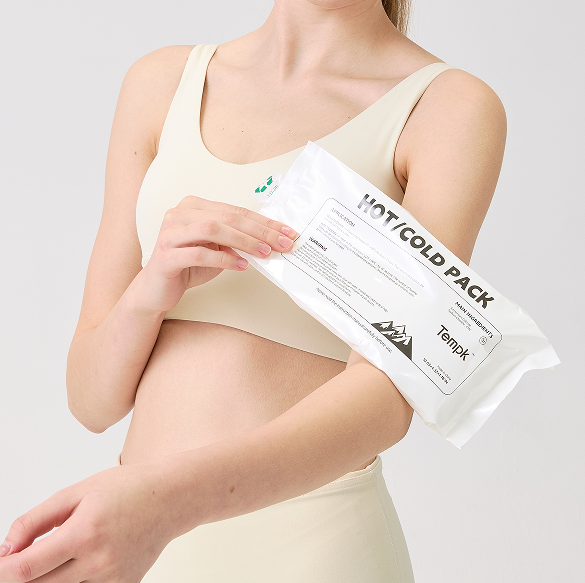
Cara Mengevaluasi Massal Darah Paket Gel Cryotherapy untuk Penggunaan di Dunia Nyata
The best sourcing decision for cryotherapy gel pack blood bulk begins with a boundary: the gel pack is one component of a thermal or therapeutic system. Ia tidak dapat menentukan kesesuaian dengan sendirinya. Pembelian yang dapat dipertahankan menghubungkan muatan atau tujuan penggunaan, metode pengkondisian, kemasan di sekitarnya, rute, perilaku operator, bukti kualitas, dan pemasok's ability to hold the approved specification.
Kegagalan yang patut dicegah sering kali bukanlah harga satuan yang tinggi. Blood components have product-specific storage and transport requirements. It is using a consumer cryotherapy pack for blood transport without a blood-product-specific packout, metode pemisahan, rencana pemantauan suhu, dan bukti kualifikasi. The responsible blood service must define them and confirm the correct coolant arrangement. Panduan ini menunjukkan cara menerjemahkan batasan tersebut ke dalam spesifikasi sampel, pertanyaan pemasok, uji coba paket, menerima cek, dan jalur terkendali dari pesanan percontohan hingga pasokan rutin.
Aturan Keputusan yang Mencegah Sebagian Besar Kesalahan
A suitable gel pack for blood transport packouts and reusable cold-therapy supply programs should fit the physical packout, memasuki proses dalam kondisi yang ditentukan, tetap utuh selama penanganan yang diharapkan, dan didukung oleh spesifikasi yang dapat direproduksi oleh produksi. A cryotherapy claim does not qualify a product for blood transport, and suitability for blood transport does not automatically make it safe for direct therapeutic use. Hal ini juga harus disertai dengan informasi yang cukup bagi tim lintas fungsi untuk menilai pembersihan, penggunaan kembali, pembuangan, keterlacakan, dan mengubah risiko.
Pertama tentukan empat pertanyaan. Berapa lama dan melalui paparan apa sistem harus beroperasi? Kondisi apa yang harus dihindari oleh payload atau pengalaman pengguna? Di mana cairan pendingin dapat ditempatkan tanpa menyebabkan kerusakan kontak atau titik dingin? Bukti apa yang memungkinkan tim kualitas dan operasi menyetujui harga produk yang sama dengan pengadaan? Jika salah satu dari pertanyaan ini tidak ada pemiliknya, kutipan yang lebih rendah hanya memindahkan biaya ke pengujian, mengolah lagi, klaim, atau penggantian darurat.
Do Not Merge Cryotherapy and Blood-Transport Specifications
Blood components have product-specific storage and transport requirements. The responsible blood service must define them and confirm the correct coolant arrangement.
A cryotherapy claim does not qualify a product for blood transport, and suitability for blood transport does not automatically make it safe for direct therapeutic use.
Untuk aplikasi ini, keputusan penerimaan harus ditulis sebelum sampel tiba. Kemudian uji penanganan kasus terburuk yang normal dan kredibel. Tentukan apa yang membuat produk tidak dapat digunakan, bukti apa yang diperlukan, dan siapa yang dapat menyetujui suatu penyimpangan. Hal ini mencegah tinjauan sampel menjadi diskusi subjektif tentang apakah kemasannya terlihat kuat atau terasa dingin.
Disiplin yang sama meningkatkan komunikasi pemasok. Pemasok terpilih yang mengajukan pertanyaan hati-hati sering kali lebih berguna daripada pemasok yang langsung menjanjikan jangka waktu tetap tanpa melihat muatan atau kontainernya.. Daripada meminta paket terbaik, kirimkan ringkasan lamaran singkat dan minta pemasok untuk mengidentifikasi asumsi, keterbatasan, dan kesenjangan informasi.
Mulailah Dengan Batas Muatan dan Kegagalan
For blood products or therapy programs, persyaratannya harus ditulis sebagai ringkasan sistem. Hal ini juga harus menyatakan apakah tujuannya adalah keamanan produk, pelestarian kualitas, pengalaman pengiriman yang disukai, kenyamanan terapeutik, atau kondisi peraturan yang terdokumentasi. Ini harus menggambarkan kondisi awal muatan, batas yang dapat diterima, massa dan pengaturan muatan, ruang internal yang dapat digunakan, isolasi, durasi rute, penundaan yang diharapkan, paparan lingkungan, dan proses penerimaan. Tujuan-tujuan ini saling berkaitan, tetapi keduanya tidak dapat dipertukarkan.
A cold pack absorbs heat because energy moves from warmer areas toward colder areas. Itulah mengapa perilaku fase penting. Sedangkan suatu formulasi mengalami perubahan tahap, ia dapat menyerap sejumlah besar energi dengan perubahan suhu yang lebih kecil dibandingkan dengan pemanasan yang masuk akal saja. Namun titik fase hanyalah satu properti. Massa total, panas laten dan masuk akal, suhu awal, bidang kontak, kebocoran panas isolasi, dan celah udara semuanya mempengaruhi hasilnya. Pemasok terpilih tidak boleh mereduksi hubungan ini menjadi klaim yang tidak dapat dijelaskan mengenai jam pendinginan.
Geometri mengubah properti material menjadi perilaku paket. Kesesuaian dapat meningkatkan kontak tetapi juga dapat menciptakan tekanan dan ketebalan yang tidak merata. A flexible pouch can conform around blood products or therapy programs, sementara batu bata yang kaku dapat menciptakan jarak yang berulang dan pengendalian inventaris yang lebih mudah. Kekakuan dapat melindungi cairan pendingin tetapi menghabiskan ruang yang dapat digunakan atau menciptakan jembatan dingin yang terkonsentrasi. WHO blood cold-chain guidance warns against direct contact between blood and frozen ice packs in relevant transport situations; barriers and pack geometry therefore matter.
Untuk seleksi akhir, Oleh karena itu, perbandingan yang terkontrol bukanlah kantong versus batu bata yang berdiri sendiri. Perbandingan tersebut mengungkapkan apakah keunggulan material nyata dapat bertahan dalam geometri nyata dan instruksi kerja nyata. Ini adalah paket kandidat A versus paket kandidat B dengan muatan yang sama, isolasi, pengkondisian awal, metode pemuatan, profil lingkungan, dan kriteria penerimaan.
Bangun Paket di Sekitar Variabel Terkendali
Pendingin, wadah terisolasi, muatan, isi kosong, pemisah, dan urutan pembebanan membentuk satu sistem termal. Jumlah kemasan yang dipinjam dari karton lain merupakan bukti lemah karena ketebalan isolasi, luas permukaan luar, ruang kepala, massa termal muatan, dan suhu awal bisa berbeda. A cryotherapy claim does not qualify a product for blood transport, and suitability for blood transport does not automatically make it safe for direct therapeutic use. Bahkan orientasi pun penting ketika udara dingin mulai mereda, udara hangat masuk melalui tutupnya, atau bungkusan berpindah selama pengangkutan.
Pengkondisian layak mendapatkan instruksi kerjanya sendiri. Sebuah paket yang nominalnya sama SKU dapat berperilaku berbeda jika satu unit dikondisikan penuh, yang lain memiliki inti yang hangat, dan yang ketiga duduk di bangku cadangan saat pergantian shift. Ini harus menentukan keadaan freezer atau lemari es, pengaturan selama pengkondisian, ekspektasi pemulihan minimum setelah pintu dibuka, waktu transfer ke stasiun pengepakan, dan apa yang dilakukan operator dengan unit yang dikondisikan sebagian atau dicairkan.
Latihan persetujuan dimulai dengan konfigurasi terdokumentasi dan muatan yang representatif. Suhu udara di samping cairan pendingin belum tentu sama dengan suhu produk. Sensor atau indikator, saat digunakan, harus dipilih dan ditempatkan untuk menjawab pertanyaan penerimaan. Tes ini harus menangkap kemungkinan lokasi yang hangat dan dingin, dan harus mewakili paparan ambien dan peristiwa penanganan yang kredibel, bukan kondisi ruangan yang mudah dan konstan.
Hasil harus dicatat dengan lot paket yang tepat, keadaan pengkondisian, muatan, isolasi, diagram pemuatan, lokasi sensor, profil lingkungan, dan penyimpangan apa pun. Menambahkan cairan pendingin secara membabi buta dapat mengurangi volume yang dapat digunakan, meningkatkan massa barang, atau menyebabkan pendinginan berlebihan sambil membiarkan celah udara asli atau kebocoran tutup tidak terselesaikan. Jika kinerja gagal, mengubah satu variabel terkontrol pada waktu yang memungkinkan.
Pertanyaan Pemasok yang Mengubah Keputusan
| Bidang keputusan | Seperti apa rupanya | Tindakan pembeli |
|---|---|---|
| Kesesuaian termal | Formulasi pertandingan, massa, geometri, dan pengkondisian pada muatan dan sistem. | Minta datanya, lalu uji paket lengkap di bawah profil yang representatif. |
| Kesesuaian fisik | Konfirmasikan ruang yang dapat digunakan, dimensi beku, titik kontak, dan gerakan. | Buat sampel dengan wadah sebenarnya, muatan, pemisah, dan penutupan. |
| Integritas | Kontrol film atau cangkang, jahitan, topi, sudut, dan massa terisi. | Tinjau pemeriksaan rilis, toleransi, penanganan pengaduan, dan sampel yang disimpan. |
| Operasi | Buat pengondisian, memuat, inspeksi, dan pensiun dapat diulang. | Jalankan uji coba jalur pengepakan dengan operator normal dan tekanan waktu yang realistis. |
| Dokumentasi | Tautkan setiap lot yang disediakan ke spesifikasi yang disetujui. | Konfirmasikan pengkodean lot, catatan, informasi keselamatan, dan mengubah pemberitahuan. |
| Akhir kehidupan | Bedakan penggunaan kembali, pembuangan isinya, dan pembuangan kemasan luar. | Verifikasi klaim terhadap bukti formulasi dan peraturan setempat. |
Matriks keputusan membuat diskusi tetap berpusat pada bukti dan bukan kata sifat. Dialah yang dapat menentukan SKU yang ditawarkan, jelaskan batasannya, mereproduksinya, and cooperate with the cross-functional team's qualification and receiving process. When comparing a gel pack for blood transport packouts and reusable cold-therapy supply programs, pemasok dengan skor tertinggi belum tentu merupakan pemasok yang menawarkan opsi terbanyak.
Gunakan tabel dua kali: pertama yang menyaring pemasok, kemudian membandingkan sampel yang disetujui dengan proposal produksi. Perbedaan tersebut harus diselesaikan sebelum pesanan pembelian menjadi satu-satunya spesifikasi dalam hubungan tersebut. Pemasok terpilih mungkin memberikan prototipe yang sangat baik tetapi mengutip konstruksi produksi, metode cetak, paket kasus, atau situs yang berbeda dari unit yang dievaluasi.
Rencana Peluncuran Terkendali
Mulailah dengan yang kecil, kumpulan sampel yang terdokumentasi. Sertakan operator normal selama uji coba. Satuan foto dan ukuran, identifikasi catatan, periksa segel dan permukaan, kondisikan mereka menggunakan metode yang diusulkan, dan membangun paket sebenarnya. Kemasan yang berhasil hanya jika dirakit oleh insinyur yang merancangnya belum siap untuk didistribusikan secara rutin.
Setelah tinjauan termal dan penanganan, menentukan sampel emas atau referensi yang disetujui dan mengubah temuan menjadi spesifikasi pembelian dan instruksi kerja. Sampling plans should reflect risk and the cross-functional team's quality system. Menerima inspeksi kemudian dapat fokus pada karakteristik kritis: identitas, jumlah kasus, kerusakan yang terlihat, ukuran, massa terisi jika diperlukan, keterbacaan cetak atau label, banyak pengkodean, dan pemeriksaan segel atau penutupan yang dipilih.
Kapasitas operasional adalah bagian dari kesesuaian produk. Tim lintas fungsi Anda harus membuat model ruang freezer atau lemari es, siklus pengkondisian, waktu pementasan, tenaga kerja, stok cadangan, puncak musiman, dan apa yang terjadi setelah pengiriman atau pengembalian produk gagal. WHO blood cold-chain guidance warns against direct contact between blood and frozen ice packs in relevant transport situations; barriers and pack geometry therefore matter. Biaya-biaya ini dapat melebihi perbedaan kecil dalam harga satuan.
Setelah produksi dimulai, memantau keluhan berdasarkan mode kegagalan, bukan berdasarkan tingkat kerusakan tunggal. Perbedaan tersebut menunjukkan apakah tindakan perbaikan berada di tangan pemasok cairan pendingin, desain paket, proses gudang, pembawa, atau situs penerima. Pisahkan kebocoran, tusukan, segel terbelah, masalah dimensi, kerusakan cetak, pengkondisian yang tidak memadai, kesalahan pengepakan, tamasya termal, dan menerima kerusakan.
Menyetujui Sistem, Kemudian Kontrol Perubahan
Blood transport decisions should follow the blood service's validated procedures and applicable national rules; claims about a pack cannot replace those controls. Pernyataan seperti cocok untuk semua pengiriman medis, menjaga produk tetap dingin selama beberapa jam tertentu, or environmentally safe everywhere are too broad unless the underlying evidence truly covers the cross-functional team's configuration and market. Bahasa klaim yang paling dapat dipertahankan adalah bahasa spesifik tentang apa yang telah diuji, dalam kondisi apa, dan oleh siapa.
File pemasok terpilih mungkin mencakup spesifikasi terkontrol, menggambar, informasi keselamatan, deklarasi materi, ringkasan tes, sertifikat mutu yang relevan dengan sistem manufaktur, format rekaman lot atau batch, proses pengaduan, dan komitmen pengendalian perubahan. Sertifikat sistem manajemen umum, Misalnya, tidak membuktikan kinerja termal, dan laporan migrasi atau material tidak memenuhi syarat jalur pelayaran. Dokumen-dokumen ini menjawab pertanyaan yang berbeda.
Pembuangan akhir atau penggunaan kembali bahasa jalur memerlukan disiplin yang sama. Jika penggunaan kembali diusulkan, menghitung apakah unit benar-benar dikembalikan, dibersihkan, diperiksa, direkondisi, dan ditempatkan kembali ke layanan. Any pack exposed to biological contamination may require a different disposal route from an unused commercial coolant, regardless of the gel's ordinary waste classification. Kemasan tahan lama yang tidak pernah dikembalikan dapat menghabiskan lebih banyak bahan tanpa memberikan manfaat penggunaan kembali yang diharapkan. Sebaliknya, format sekali pakai dapat mengurangi pengangkutan terbalik namun menimbulkan beban pembuangan yang lebih besar.
Kontrol perubahan pasca-persetujuan melindungi pekerjaan yang diinvestasikan dalam persetujuan. Pengganti yang terlihat sama dapat memiliki fleksibilitas yang berbeda, perilaku membekukan, massa termal, atau mode kegagalan. Tim lintas fungsi Anda harus mengidentifikasi perubahan yang memerlukan pemberitahuan atau evaluasi ulang, seperti formulasi gel, kelas polimer, lapisan film, pola segel, isi massa, ukuran, lokasi produksi, metode pencetakan, atau pengepakan kasus.
What Changes When the Program Scales in Healthcare Markets
Skala menambah variabilitas sebelum menambah volume. Sebuah program nasional atau lintas batas harus menentukan elemen mana yang tetap dan mana yang dapat diadaptasi secara lokal. Lebih banyak situs berarti freezer yang berbeda, pola pergeseran, kepadatan penyimpanan, pemutusan operator, tingkat pengembalian, metode pembersihan, dan interpretasi dari instruksi yang sama. SKU pendingin, keadaan pengkondisian, jumlah paket, diagram pemuatan, dan kriteria pensiun biasanya merupakan kandidat yang buruk untuk penggantian informal.
Geografi distribusi juga mengubah risiko komersial. Tim pemberi persetujuan harus memetakan jalur dari tempat produksi ke stasiun pengepakan, termasuk siapa yang memiliki inventaris selama penundaan dan bagaimana kasus-kasus yang rusak dikarantina. Impor waktu tunggu, izin bea cukai, inventaris lokal, kebutuhan bahasa, pelabelan kasus, stok pengganti, dan tanggapan keluhan dapat menentukan apakah suatu produk yang secara teknis baik dapat digunakan secara operasional.
Distributor lokal dapat menambah nilai dengan menyimpan stok, menerjemahkan instruksi, mengkonsolidasikan permintaan, dan mendukung uji coba. Jika distributor mengemas ulang, memberi label ulang, atau menyimpan produk tersebut, tanggung jawab untuk ketertelusuran, kondisi penyimpanan, pemeriksaan kerusakan, dan komunikasi perubahan harus eksplisit. Nilai tersebut harus terlihat dalam definisi dan catatan layanan.
Pertanyaan untuk Dimasukkan ke dalam Tinjauan Pemasok
- Is this SKU intended for patient contact, shipping use, or both under separate specifications?
- What barrier and conditioning instructions are available for blood transport evaluation?
- How are leaks, kekuatan segel, and lot traceability controlled?
- Can the supplier keep therapeutic labeling separate from logistics labeling?
Jawabannya harus spesifik terhadap konstruksi yang dikutip. Catatlah asumsi-asumsi yang belum terselesaikan dalam rencana uji coba alih-alih membiarkannya menjadi kriteria penerimaan yang diam-diam. Jika respons hanya merujuk pada rangkaian produk, tanyakan apakah setiap ukuran menggunakan formulasi yang sama, film, metode segel, instruksi pengkondisian, dan kontrol pelepasan.
Perbandingan harga harus menggunakan ketentuan pengiriman yang sama, kuantitas kasus, ruang lingkup pelabelan, tingkat pemeriksaan, paket dokumentasi, dan kebijakan penggantian. Untuk pasokan internasional, juga membedakan waktu tunggu produksi dari total waktu pengisian ulang dan menentukan bagaimana penggantian yang mendesak akan ditangani. Jika tidak, harga item baris terendah mungkin tidak termasuk pekerjaan yang disertakan oleh pemasok lain.
Pertanyaan yang sering diajukan
Can a gel pack guarantee a fixed number of cooling hours?
Tidak dengan sendirinya. Perlakukan klaim durasi sebagai sesuatu yang bermakna hanya jika konfigurasi pengujian sebanding dengan konfigurasi pengujian Anda. Durasi tergantung pada formulasi dan massa yang tepat, kondisi awal, isolasi, muatan, jumlah paket, penempatan, profil lingkungan, dan pembukaan atau penanganan acara. Evaluasi paket lengkap yang representatif lebih kuat dibandingkan klaim paket mandiri.
Sebaiknya cold pack menyentuh produk secara langsung?
Itu tergantung pada sensitivitas produk dan desain kemasan. Blood components have product-specific storage and transport requirements. Kontak langsung dapat meningkatkan perpindahan panas lokal, tapi itu juga bisa menyebabkan pembekuan, tekanan, kondensasi, abrasi, atau kerusakan presentasi. The responsible blood service must define them and confirm the correct coolant arrangement. Gunakan pemisah atau jarak terkendali bila diperlukan dan sertakan penempatan dalam diagram pemuatan yang disetujui.
Apa yang harus diperiksa pembeli ketika unit massal tiba?
Konfirmasikan identitas, kode banyak, jumlah kasus, kerusakan transit yang jelas, kebocoran, kondisi segel atau penutupan, ukuran, massa terisi jika diperlukan, dan keterbacaan pada cetakan atau label. Karantina perubahan yang tidak dapat dijelaskan daripada mengirimkannya langsung ke area pengondisian. Bandingkan unit yang dipilih dengan referensi yang disetujui.
Apakah dapat digunakan kembali secara otomatis berarti lebih berkelanjutan?
TIDAK. Jika tingkat pengembalian rendah atau pembersihan dan transportasi dilakukan secara intensif, manfaat yang diharapkan mungkin tidak muncul. Penggunaan kembali dapat mengurangi permintaan material saat kemasan dikembalikan, dibersihkan, diperiksa, direkondisi, dan menggunakan waktu yang cukup untuk membenarkan logistik terbalik. Bandingkan skenario program yang realistis dan dokumentasikan asumsi-asumsinya.
Keputusan Akhir Pengadaan
The final choice of gel pack should survive four reviews: kesesuaian termal atau kasus penggunaan, kesesuaian fisik dan operasional, bukti kualitas, dan kelangsungan komersial. Paket uji coba dan persetujuan yang disiplin mengubah pembelian komoditas menjadi komponen sistem yang dapat dikontrol. Jika unit yang diusulkan hanya lolos tinjauan penawaran, proses pengadaannya tidak lengkap.
Tentang tempk
Tempk, merek Shanghai Tempk Industrial Co., Ltd., supplies gel ice packs and related cold-chain packaging for food, Perawatan kesehatan, mencicipi, pengecer, dan aplikasi distribusi. Final suitability should be confirmed against the cross-functional team's payload, rute, proses pengkondisian, kondisi penanganan, dan diperlukan bukti. For blood transport packouts and reusable cold-therapy supply programs, kita bisa mendiskusikan dimensi paket, berat terisi, format film atau cangkang, pencetakan, kemasan karton, dan bagaimana calon cairan pendingin dapat masuk ke dalam kemasan berinsulasi.
Langkah selanjutnya
Sebelum meminta harga produksi, menyediakan kebutuhan produk, ruang paket yang dapat digunakan, jalan sekitar, kendala operator, dan bukti persetujuan yang Anda perlukan. Tempk can use that brief to identify gel pack samples for a cross-functional review.
Cara Mengevaluasi Distributor Layanan Kesehatan Cool Gel Pack untuk Penggunaan di Dunia Nyata

Cara Mengevaluasi Distributor Layanan Kesehatan Cool Gel Pack untuk Penggunaan di Dunia Nyata
The best sourcing decision for cool gel pack healthcare distributor begins with a boundary: the cool gel pack is one component of a thermal or therapeutic system. Ia tidak dapat menentukan kesesuaian dengan sendirinya. Pembelian yang dapat dipertahankan menghubungkan muatan atau tujuan penggunaan, metode pengkondisian, kemasan di sekitarnya, rute, perilaku operator, bukti kualitas, dan pemasok's ability to hold the approved specification.
Kegagalan yang patut dicegah sering kali bukanlah harga satuan yang tinggi. Each payload owner should define storage and transport conditions. It is using one generic gel-pack specification across medicines, bahan diagnostik, care kits, and patient therapy even though the risks and controls differ. The distributor must keep those requirements visible at SKU and packout level. Panduan ini menunjukkan cara menerjemahkan batasan tersebut ke dalam spesifikasi sampel, pertanyaan pemasok, uji coba paket, menerima cek, dan jalur terkendali dari pesanan percontohan hingga pasokan rutin.
Aturan Keputusan yang Mencegah Sebagian Besar Kesalahan
A suitable cool gel pack for regional healthcare replenishment and temperature-managed parcel delivery should fit the physical packout, memasuki proses dalam kondisi yang ditentukan, tetap utuh selama penanganan yang diharapkan, dan didukung oleh spesifikasi yang dapat direproduksi oleh produksi. A coolant pack does not monitor temperature, confer compliance, or make an unqualified container suitable for a sensitive healthcare product. Hal ini juga harus disertai dengan informasi yang cukup bagi tim lintas fungsi untuk menilai pembersihan, penggunaan kembali, pembuangan, keterlacakan, dan mengubah risiko.
Pertama tentukan empat pertanyaan. Berapa lama dan melalui paparan apa sistem harus beroperasi? Kondisi apa yang harus dihindari oleh payload atau pengalaman pengguna? Di mana cairan pendingin dapat ditempatkan tanpa menyebabkan kerusakan kontak atau titik dingin? Bukti apa yang memungkinkan tim kualitas dan operasi menyetujui harga produk yang sama dengan pengadaan? Jika salah satu dari pertanyaan ini tidak ada pemiliknya, kutipan yang lebih rendah hanya memindahkan biaya ke pengujian, mengolah lagi, klaim, atau penggantian darurat.
Keep Logistics Cooling Separate From Medical Claims
Each payload owner should define storage and transport conditions. The distributor must keep those requirements visible at SKU and packout level.
A coolant pack does not monitor temperature, confer compliance, or make an unqualified container suitable for a sensitive healthcare product.
Untuk aplikasi ini, keputusan penerimaan harus ditulis sebelum sampel tiba. Kemudian uji penanganan kasus terburuk yang normal dan kredibel. Tentukan apa yang membuat produk tidak dapat digunakan, bukti apa yang diperlukan, dan siapa yang dapat menyetujui suatu penyimpangan. Hal ini mencegah tinjauan sampel menjadi diskusi subjektif tentang apakah kemasannya terlihat kuat atau terasa dingin.
Disiplin yang sama meningkatkan komunikasi pemasok. Pemasok terpilih yang mengajukan pertanyaan hati-hati sering kali lebih berguna daripada pemasok yang langsung menjanjikan jangka waktu tetap tanpa melihat muatan atau kontainernya.. Daripada meminta paket terbaik, kirimkan ringkasan lamaran singkat dan minta pemasok untuk mengidentifikasi asumsi, keterbatasan, dan kesenjangan informasi.
Mulailah Dengan Batas Muatan dan Kegagalan
Untuk produk kesehatan, sampel, and care kits, persyaratannya harus ditulis sebagai ringkasan sistem. Hal ini juga harus menyatakan apakah tujuannya adalah keamanan produk, pelestarian kualitas, pengalaman pengiriman yang disukai, kenyamanan terapeutik, atau kondisi peraturan yang terdokumentasi. Ini harus menggambarkan kondisi awal muatan, batas yang dapat diterima, massa dan pengaturan muatan, ruang internal yang dapat digunakan, isolasi, durasi rute, penundaan yang diharapkan, paparan lingkungan, dan proses penerimaan. Tujuan-tujuan ini saling berkaitan, tetapi keduanya tidak dapat dipertukarkan.
A cold pack absorbs heat because energy moves from warmer areas toward colder areas. Itulah mengapa perilaku fase penting. Sedangkan suatu formulasi mengalami perubahan tahap, ia dapat menyerap sejumlah besar energi dengan perubahan suhu yang lebih kecil dibandingkan dengan pemanasan yang masuk akal saja. Namun titik fase hanyalah satu properti. Massa total, panas laten dan masuk akal, suhu awal, bidang kontak, kebocoran panas isolasi, dan celah udara semuanya mempengaruhi hasilnya. Pemasok terpilih tidak boleh mereduksi hubungan ini menjadi klaim yang tidak dapat dijelaskan mengenai jam pendinginan.
Geometri mengubah properti material menjadi perilaku paket. Kesesuaian dapat meningkatkan kontak tetapi juga dapat menciptakan tekanan dan ketebalan yang tidak merata. A flexible pouch can conform around healthcare products, sampel, and care kits, sementara batu bata yang kaku dapat menciptakan jarak yang berulang dan pengendalian inventaris yang lebih mudah. Kekakuan dapat melindungi cairan pendingin tetapi menghabiskan ruang yang dapat digunakan atau menciptakan jembatan dingin yang terkonsentrasi. Kode warna, banyak label, zona penyimpanan, and controlled packing instructions can prevent operators from using the wrong pack or conditioning state.
Untuk seleksi akhir, Oleh karena itu, perbandingan yang terkontrol bukanlah kantong versus batu bata yang berdiri sendiri. Perbandingan tersebut mengungkapkan apakah keunggulan material nyata dapat bertahan dalam geometri nyata dan instruksi kerja nyata. Ini adalah paket kandidat A versus paket kandidat B dengan muatan yang sama, isolasi, pengkondisian awal, metode pemuatan, profil lingkungan, dan kriteria penerimaan.
Bangun Paket di Sekitar Variabel Terkendali
Pendingin, wadah terisolasi, muatan, isi kosong, pemisah, dan urutan pembebanan membentuk satu sistem termal. Jumlah kemasan yang dipinjam dari karton lain merupakan bukti lemah karena ketebalan isolasi, luas permukaan luar, ruang kepala, massa termal muatan, dan suhu awal bisa berbeda. A coolant pack does not monitor temperature, confer compliance, or make an unqualified container suitable for a sensitive healthcare product. Bahkan orientasi pun penting ketika udara dingin mulai mereda, udara hangat masuk melalui tutupnya, atau bungkusan berpindah selama pengangkutan.
Pengkondisian layak mendapatkan instruksi kerjanya sendiri. Sebuah paket yang nominalnya sama SKU dapat berperilaku berbeda jika satu unit dikondisikan penuh, yang lain memiliki inti yang hangat, dan yang ketiga duduk di bangku cadangan saat pergantian shift. Ini harus menentukan keadaan freezer atau lemari es, pengaturan selama pengkondisian, ekspektasi pemulihan minimum setelah pintu dibuka, waktu transfer ke stasiun pengepakan, dan apa yang dilakukan operator dengan unit yang dikondisikan sebagian atau dicairkan.
Latihan persetujuan dimulai dengan konfigurasi terdokumentasi dan muatan yang representatif. Suhu udara di samping cairan pendingin belum tentu sama dengan suhu produk. Sensor atau indikator, saat digunakan, harus dipilih dan ditempatkan untuk menjawab pertanyaan penerimaan. Tes ini harus menangkap kemungkinan lokasi yang hangat dan dingin, dan harus mewakili paparan ambien dan peristiwa penanganan yang kredibel, bukan kondisi ruangan yang mudah dan konstan.
Hasil harus dicatat dengan lot paket yang tepat, keadaan pengkondisian, muatan, isolasi, diagram pemuatan, lokasi sensor, profil lingkungan, dan penyimpangan apa pun. Menambahkan cairan pendingin secara membabi buta dapat mengurangi volume yang dapat digunakan, meningkatkan massa barang, atau menyebabkan pendinginan berlebihan sambil membiarkan celah udara asli atau kebocoran tutup tidak terselesaikan. Jika kinerja gagal, mengubah satu variabel terkontrol pada waktu yang memungkinkan.
Pertanyaan Pemasok yang Mengubah Keputusan
| Bidang keputusan | Seperti apa rupanya | Tindakan pembeli |
|---|---|---|
| Kesesuaian termal | Formulasi pertandingan, massa, geometri, dan pengkondisian pada muatan dan sistem. | Minta datanya, lalu uji paket lengkap di bawah profil yang representatif. |
| Kesesuaian fisik | Konfirmasikan ruang yang dapat digunakan, dimensi beku, titik kontak, dan gerakan. | Buat sampel dengan wadah sebenarnya, muatan, pemisah, dan penutupan. |
| Integritas | Kontrol film atau cangkang, jahitan, topi, sudut, dan massa terisi. | Tinjau pemeriksaan rilis, toleransi, penanganan pengaduan, dan sampel yang disimpan. |
| Operasi | Buat pengondisian, memuat, inspeksi, dan pensiun dapat diulang. | Jalankan uji coba jalur pengepakan dengan operator normal dan tekanan waktu yang realistis. |
| Dokumentasi | Tautkan setiap lot yang disediakan ke spesifikasi yang disetujui. | Konfirmasikan pengkodean lot, catatan, informasi keselamatan, dan mengubah pemberitahuan. |
| Akhir kehidupan | Bedakan penggunaan kembali, pembuangan isinya, dan pembuangan kemasan luar. | Verifikasi klaim terhadap bukti formulasi dan peraturan setempat. |
Matriks keputusan membuat diskusi tetap berpusat pada bukti dan bukan kata sifat. Dialah yang dapat menentukan SKU yang ditawarkan, jelaskan batasannya, mereproduksinya, and cooperate with the cross-functional team's qualification and receiving process. When comparing a cool gel pack for regional healthcare replenishment and temperature-managed parcel delivery, pemasok dengan skor tertinggi belum tentu merupakan pemasok yang menawarkan opsi terbanyak.
Gunakan tabel dua kali: pertama yang menyaring pemasok, kemudian membandingkan sampel yang disetujui dengan proposal produksi. Perbedaan tersebut harus diselesaikan sebelum pesanan pembelian menjadi satu-satunya spesifikasi dalam hubungan tersebut. Pemasok terpilih mungkin memberikan prototipe yang sangat baik tetapi mengutip konstruksi produksi, metode cetak, paket kasus, atau situs yang berbeda dari unit yang dievaluasi.
Rencana Peluncuran Terkendali
Mulailah dengan yang kecil, kumpulan sampel yang terdokumentasi. Sertakan operator normal selama uji coba. Satuan foto dan ukuran, identifikasi catatan, periksa segel dan permukaan, kondisikan mereka menggunakan metode yang diusulkan, dan membangun paket sebenarnya. Kemasan yang berhasil hanya jika dirakit oleh insinyur yang merancangnya belum siap untuk didistribusikan secara rutin.
Setelah tinjauan termal dan penanganan, menentukan sampel emas atau referensi yang disetujui dan mengubah temuan menjadi spesifikasi pembelian dan instruksi kerja. Sampling plans should reflect risk and the cross-functional team's quality system. Menerima inspeksi kemudian dapat fokus pada karakteristik kritis: identitas, jumlah kasus, kerusakan yang terlihat, ukuran, massa terisi jika diperlukan, keterbacaan cetak atau label, banyak pengkodean, dan pemeriksaan segel atau penutupan yang dipilih.
Kapasitas operasional adalah bagian dari kesesuaian produk. Tim lintas fungsi Anda harus membuat model ruang freezer atau lemari es, siklus pengkondisian, waktu pementasan, tenaga kerja, stok cadangan, puncak musiman, dan apa yang terjadi setelah pengiriman atau pengembalian produk gagal. Kode warna, banyak label, zona penyimpanan, and controlled packing instructions can prevent operators from using the wrong pack or conditioning state. Biaya-biaya ini dapat melebihi perbedaan kecil dalam harga satuan.
Setelah produksi dimulai, memantau keluhan berdasarkan mode kegagalan, bukan berdasarkan tingkat kerusakan tunggal. Perbedaan tersebut menunjukkan apakah tindakan perbaikan berada di tangan pemasok cairan pendingin, desain paket, proses gudang, pembawa, atau situs penerima. Pisahkan kebocoran, tusukan, segel terbelah, masalah dimensi, kerusakan cetak, pengkondisian yang tidak memadai, kesalahan pengepakan, tamasya termal, dan menerima kerusakan.
Menyetujui Sistem, Kemudian Kontrol Perubahan
Applicable quality, mengangkut, and product rules depend on what is being shipped and where. Bahasa klaim yang paling dapat dipertahankan adalah bahasa spesifik tentang apa yang telah diuji, dalam kondisi apa, dan oleh siapa. A distributor should maintain customer-approved procedures and evidence. Pernyataan seperti cocok untuk semua pengiriman medis, menjaga produk tetap dingin selama beberapa jam tertentu, or environmentally safe everywhere are too broad unless the underlying evidence truly covers the cross-functional team's configuration and market.
File pemasok terpilih mungkin mencakup spesifikasi terkontrol, menggambar, informasi keselamatan, deklarasi materi, ringkasan tes, sertifikat mutu yang relevan dengan sistem manufaktur, format rekaman lot atau batch, proses pengaduan, dan komitmen pengendalian perubahan. Sertifikat sistem manajemen umum, Misalnya, tidak membuktikan kinerja termal, dan laporan migrasi atau material tidak memenuhi syarat jalur pelayaran. Dokumen-dokumen ini menjawab pertanyaan yang berbeda.
Pembuangan akhir atau penggunaan kembali bahasa jalur memerlukan disiplin yang sama. Jika penggunaan kembali diusulkan, menghitung apakah unit benar-benar dikembalikan, dibersihkan, diperiksa, direkondisi, dan ditempatkan kembali ke layanan. The correct disposal route depends on gel composition and contamination status; ordinary commercial waste assumptions may not apply after healthcare use. Kemasan tahan lama yang tidak pernah dikembalikan dapat menghabiskan lebih banyak bahan tanpa memberikan manfaat penggunaan kembali yang diharapkan. Sebaliknya, format sekali pakai dapat mengurangi pengangkutan terbalik namun menimbulkan beban pembuangan yang lebih besar.
Kontrol perubahan pasca-persetujuan melindungi pekerjaan yang diinvestasikan dalam persetujuan. Pengganti yang terlihat sama dapat memiliki fleksibilitas yang berbeda, perilaku membekukan, massa termal, atau mode kegagalan. Tim lintas fungsi Anda harus mengidentifikasi perubahan yang memerlukan pemberitahuan atau evaluasi ulang, seperti formulasi gel, kelas polimer, lapisan film, pola segel, isi massa, ukuran, lokasi produksi, metode pencetakan, atau pengepakan kasus.
What Changes When the Program Scales in Healthcare Markets
Skala menambah variabilitas sebelum menambah volume. Sebuah program nasional atau lintas batas harus menentukan elemen mana yang tetap dan mana yang dapat diadaptasi secara lokal. Lebih banyak situs berarti freezer yang berbeda, pola pergeseran, kepadatan penyimpanan, pemutusan operator, tingkat pengembalian, metode pembersihan, dan interpretasi dari instruksi yang sama. SKU pendingin, keadaan pengkondisian, jumlah paket, diagram pemuatan, dan kriteria pensiun biasanya merupakan kandidat yang buruk untuk penggantian informal.
Geografi distribusi juga mengubah risiko komersial. Tim pemberi persetujuan harus memetakan jalur dari tempat produksi ke stasiun pengepakan, termasuk siapa yang memiliki inventaris selama penundaan dan bagaimana kasus-kasus yang rusak dikarantina. Impor waktu tunggu, izin bea cukai, inventaris lokal, kebutuhan bahasa, pelabelan kasus, stok pengganti, dan tanggapan keluhan dapat menentukan apakah suatu produk yang secara teknis baik dapat digunakan secara operasional.
Distributor lokal dapat menambah nilai dengan menyimpan stok, menerjemahkan instruksi, mengkonsolidasikan permintaan, dan mendukung uji coba. Jika distributor mengemas ulang, memberi label ulang, atau menyimpan produk tersebut, tanggung jawab untuk ketertelusuran, kondisi penyimpanan, pemeriksaan kerusakan, dan komunikasi perubahan harus eksplisit. Nilai tersebut harus terlihat dalam definisi dan catatan layanan.
Pertanyaan untuk Dimasukkan ke dalam Tinjauan Pemasok
- Can different formulations or conditioning states be visually distinguished?
- What documentation links each lot to the approved specification?
- How does the supplier manage complaints and field leaks?
- Can packout samples be reserved for qualification and change comparisons?
Jawabannya harus spesifik terhadap konstruksi yang dikutip. Catatlah asumsi-asumsi yang belum terselesaikan dalam rencana uji coba alih-alih membiarkannya menjadi kriteria penerimaan yang diam-diam. Jika respons hanya merujuk pada rangkaian produk, tanyakan apakah setiap ukuran menggunakan formulasi yang sama, film, metode segel, instruksi pengkondisian, dan kontrol pelepasan.
Perbandingan harga harus menggunakan ketentuan pengiriman yang sama, kuantitas kasus, ruang lingkup pelabelan, tingkat pemeriksaan, paket dokumentasi, dan kebijakan penggantian. Untuk pasokan internasional, juga membedakan waktu tunggu produksi dari total waktu pengisian ulang dan menentukan bagaimana penggantian yang mendesak akan ditangani. Jika tidak, harga item baris terendah mungkin tidak termasuk pekerjaan yang disertakan oleh pemasok lain.
Pertanyaan yang sering diajukan
Can a cool gel pack guarantee a fixed number of cooling hours?
Tidak dengan sendirinya. Perlakukan klaim durasi sebagai sesuatu yang bermakna hanya jika konfigurasi pengujian sebanding dengan konfigurasi pengujian Anda. Durasi tergantung pada formulasi dan massa yang tepat, kondisi awal, isolasi, muatan, jumlah paket, penempatan, profil lingkungan, dan pembukaan atau penanganan acara. Evaluasi paket lengkap yang representatif lebih kuat dibandingkan klaim paket mandiri.
Sebaiknya cold pack menyentuh produk secara langsung?
Itu tergantung pada sensitivitas produk dan desain kemasan. Each payload owner should define storage and transport conditions. Kontak langsung dapat meningkatkan perpindahan panas lokal, tapi itu juga bisa menyebabkan pembekuan, tekanan, kondensasi, abrasi, atau kerusakan presentasi. The distributor must keep those requirements visible at SKU and packout level. Gunakan pemisah atau jarak terkendali bila diperlukan dan sertakan penempatan dalam diagram pemuatan yang disetujui.
Apa yang harus diperiksa pembeli ketika unit massal tiba?
Konfirmasikan identitas, kode banyak, jumlah kasus, kerusakan transit yang jelas, kebocoran, kondisi segel atau penutupan, ukuran, massa terisi jika diperlukan, dan keterbacaan pada cetakan atau label. Karantina perubahan yang tidak dapat dijelaskan daripada mengirimkannya langsung ke area pengondisian. Bandingkan unit yang dipilih dengan referensi yang disetujui.
Apakah dapat digunakan kembali secara otomatis berarti lebih berkelanjutan?
TIDAK. Jika tingkat pengembalian rendah atau pembersihan dan transportasi dilakukan secara intensif, manfaat yang diharapkan mungkin tidak muncul. Penggunaan kembali dapat mengurangi permintaan material saat kemasan dikembalikan, dibersihkan, diperiksa, direkondisi, dan menggunakan waktu yang cukup untuk membenarkan logistik terbalik. Bandingkan skenario program yang realistis dan dokumentasikan asumsi-asumsinya.
Keputusan Akhir Pengadaan
The final choice of cool gel pack should survive four reviews: kesesuaian termal atau kasus penggunaan, kesesuaian fisik dan operasional, bukti kualitas, dan kelangsungan komersial. Paket uji coba dan persetujuan yang disiplin mengubah pembelian komoditas menjadi komponen sistem yang dapat dikontrol. Jika unit yang diusulkan hanya lolos tinjauan penawaran, proses pengadaannya tidak lengkap.
Tentang tempk
Tempk, merek Shanghai Tempk Industrial Co., Ltd., supplies gel ice packs and related cold-chain packaging for food, Perawatan kesehatan, mencicipi, pengecer, dan aplikasi distribusi. Final suitability should be confirmed against the cross-functional team's payload, rute, proses pengkondisian, kondisi penanganan, dan diperlukan bukti. For regional healthcare replenishment and temperature-managed parcel delivery, kita bisa mendiskusikan dimensi paket, berat terisi, format film atau cangkang, pencetakan, kemasan karton, dan bagaimana calon cairan pendingin dapat masuk ke dalam kemasan berinsulasi.
Langkah selanjutnya
Sebelum meminta harga produksi, menyediakan kebutuhan produk, ruang paket yang dapat digunakan, jalan sekitar, kendala operator, dan bukti persetujuan yang Anda perlukan. Tempk can use that brief to identify cool gel pack samples for a cross-functional review.
Cara Mengevaluasi Grosir Kosmetik Paket Gel Dingin untuk Penggunaan di Dunia Nyata
Cara Mengevaluasi Grosir Kosmetik Paket Gel Dingin untuk Penggunaan di Dunia Nyata
The best sourcing decision for cold gel pack cosmetics wholesale begins with a boundary: the cold gel pack is one component of a thermal or therapeutic system. Ia tidak dapat menentukan kesesuaian dengan sendirinya. Pembelian yang dapat dipertahankan menghubungkan muatan atau tujuan penggunaan, metode pengkondisian, kemasan di sekitarnya, rute, perilaku operator, bukti kualitas, dan pemasok's ability to hold the approved specification.
Kegagalan yang patut dicegah sering kali bukanlah harga satuan yang tinggi. The brand or responsible person should define storage and transport limits from stability work for the finished formula and its primary package. It is assuming that every cosmetic benefits from direct contact with a frozen pack, even when emulsion stability, viskositas, applicator function, or package decoration may be affected. Panduan ini menunjukkan cara menerjemahkan batasan tersebut ke dalam spesifikasi sampel, pertanyaan pemasok, uji coba paket, menerima cek, dan jalur terkendali dari pesanan percontohan hingga pasokan rutin.
Aturan Keputusan yang Mencegah Sebagian Besar Kesalahan
A suitable cold gel pack for wholesale beauty distribution, kotak berlangganan, and warm-weather parcel delivery should fit the physical packout, memasuki proses dalam kondisi yang ditentukan, tetap utuh selama penanganan yang diharapkan, dan didukung oleh spesifikasi yang dapat direproduksi oleh produksi. Cold gel packs cannot repair a formula that was not designed or tested for the distribution environment, and colder is not automatically safer. Hal ini juga harus disertai dengan informasi yang cukup bagi tim lintas fungsi untuk menilai pembersihan, penggunaan kembali, pembuangan, keterlacakan, dan mengubah risiko.
Pertama tentukan empat pertanyaan. Berapa lama dan melalui paparan apa sistem harus beroperasi? Kondisi apa yang harus dihindari oleh payload atau pengalaman pengguna? Di mana cairan pendingin dapat ditempatkan tanpa menyebabkan kerusakan kontak atau titik dingin? Bukti apa yang memungkinkan tim kualitas dan operasi menyetujui harga produk yang sama dengan pengadaan? Jika salah satu dari pertanyaan ini tidak ada pemiliknya, kutipan yang lebih rendah hanya memindahkan biaya ke pengujian, mengolah lagi, klaim, atau penggantian darurat.
Stabilitas dan Presentasi Kosmetik Dapat Menarik Arah Berlawanan
The brand or responsible person should define storage and transport limits from stability work for the finished formula and its primary package.
Cold gel packs cannot repair a formula that was not designed or tested for the distribution environment, and colder is not automatically safer.
Untuk aplikasi ini, keputusan penerimaan harus ditulis sebelum sampel tiba. Kemudian uji penanganan kasus terburuk yang normal dan kredibel. Tentukan apa yang membuat produk tidak dapat digunakan, bukti apa yang diperlukan, dan siapa yang dapat menyetujui suatu penyimpangan. Hal ini mencegah tinjauan sampel menjadi diskusi subjektif tentang apakah kemasannya terlihat kuat atau terasa dingin.
Disiplin yang sama meningkatkan komunikasi pemasok. Pemasok terpilih yang mengajukan pertanyaan hati-hati sering kali lebih berguna daripada pemasok yang langsung menjanjikan jangka waktu tetap tanpa melihat muatan atau kontainernya.. Daripada meminta paket terbaik, kirimkan ringkasan lamaran singkat dan minta pemasok untuk mengidentifikasi asumsi, keterbatasan, dan kesenjangan informasi.
Mulailah Dengan Batas Muatan dan Kegagalan
For temperature-sensitive cosmetics and personal-care products, persyaratannya harus ditulis sebagai ringkasan sistem. Hal ini juga harus menyatakan apakah tujuannya adalah keamanan produk, pelestarian kualitas, pengalaman pengiriman yang disukai, kenyamanan terapeutik, atau kondisi peraturan yang terdokumentasi. Ini harus menggambarkan kondisi awal muatan, batas yang dapat diterima, massa dan pengaturan muatan, ruang internal yang dapat digunakan, isolasi, durasi rute, penundaan yang diharapkan, paparan lingkungan, dan proses penerimaan. Tujuan-tujuan ini saling berkaitan, tetapi keduanya tidak dapat dipertukarkan.
A cold pack absorbs heat because energy moves from warmer areas toward colder areas. Itulah mengapa perilaku fase penting. Sedangkan suatu formulasi mengalami perubahan tahap, ia dapat menyerap sejumlah besar energi dengan perubahan suhu yang lebih kecil dibandingkan dengan pemanasan yang masuk akal saja. Namun titik fase hanyalah satu properti. Massa total, panas laten dan masuk akal, suhu awal, bidang kontak, kebocoran panas isolasi, dan celah udara semuanya mempengaruhi hasilnya. Pemasok terpilih tidak boleh mereduksi hubungan ini menjadi klaim yang tidak dapat dijelaskan mengenai jam pendinginan.
Geometri mengubah properti material menjadi perilaku paket. Kesesuaian dapat meningkatkan kontak tetapi juga dapat menciptakan tekanan dan ketebalan yang tidak merata. A flexible pouch can conform around temperature-sensitive cosmetics and personal-care products, sementara batu bata yang kaku dapat menciptakan jarak yang berulang dan pengendalian inventaris yang lebih mudah. Kekakuan dapat melindungi cairan pendingin tetapi menghabiskan ruang yang dapat digunakan atau menciptakan jembatan dingin yang terkonsentrasi. Pouches should not crush pumps, stoples kaca, airless dispensers, or decorative cartons; separators can control contact and protect presentation.
Untuk seleksi akhir, Oleh karena itu, perbandingan yang terkontrol bukanlah kantong versus batu bata yang berdiri sendiri. Perbandingan tersebut mengungkapkan apakah keunggulan material nyata dapat bertahan dalam geometri nyata dan instruksi kerja nyata. Ini adalah paket kandidat A versus paket kandidat B dengan muatan yang sama, isolasi, pengkondisian awal, metode pemuatan, profil lingkungan, dan kriteria penerimaan.
Bangun Paket di Sekitar Variabel Terkendali
Pendingin, wadah terisolasi, muatan, isi kosong, pemisah, dan urutan pembebanan membentuk satu sistem termal. Jumlah kemasan yang dipinjam dari karton lain merupakan bukti lemah karena ketebalan isolasi, luas permukaan luar, ruang kepala, massa termal muatan, dan suhu awal bisa berbeda. Cold gel packs cannot repair a formula that was not designed or tested for the distribution environment, and colder is not automatically safer. Bahkan orientasi pun penting ketika udara dingin mulai mereda, udara hangat masuk melalui tutupnya, atau bungkusan berpindah selama pengangkutan.
Pengkondisian layak mendapatkan instruksi kerjanya sendiri. Sebuah paket yang nominalnya sama SKU dapat berperilaku berbeda jika satu unit dikondisikan penuh, yang lain memiliki inti yang hangat, dan yang ketiga duduk di bangku cadangan saat pergantian shift. Ini harus menentukan keadaan freezer atau lemari es, pengaturan selama pengkondisian, ekspektasi pemulihan minimum setelah pintu dibuka, waktu transfer ke stasiun pengepakan, dan apa yang dilakukan operator dengan unit yang dikondisikan sebagian atau dicairkan.
Latihan persetujuan dimulai dengan konfigurasi terdokumentasi dan muatan yang representatif. Suhu udara di samping cairan pendingin belum tentu sama dengan suhu produk. Sensor atau indikator, saat digunakan, harus dipilih dan ditempatkan untuk menjawab pertanyaan penerimaan. Tes ini harus menangkap kemungkinan lokasi yang hangat dan dingin, dan harus mewakili paparan ambien dan peristiwa penanganan yang kredibel, bukan kondisi ruangan yang mudah dan konstan.
Hasil harus dicatat dengan lot paket yang tepat, keadaan pengkondisian, muatan, isolasi, diagram pemuatan, lokasi sensor, profil lingkungan, dan penyimpangan apa pun. Menambahkan cairan pendingin secara membabi buta dapat mengurangi volume yang dapat digunakan, meningkatkan massa barang, atau menyebabkan pendinginan berlebihan sambil membiarkan celah udara asli atau kebocoran tutup tidak terselesaikan. Jika kinerja gagal, mengubah satu variabel terkontrol pada waktu yang memungkinkan.
Pertanyaan Pemasok yang Mengubah Keputusan
| Bidang keputusan | Seperti apa rupanya | Tindakan pembeli |
|---|---|---|
| Kesesuaian termal | Formulasi pertandingan, massa, geometri, dan pengkondisian pada muatan dan sistem. | Minta datanya, lalu uji paket lengkap di bawah profil yang representatif. |
| Kesesuaian fisik | Konfirmasikan ruang yang dapat digunakan, dimensi beku, titik kontak, dan gerakan. | Buat sampel dengan wadah sebenarnya, muatan, pemisah, dan penutupan. |
| Integritas | Kontrol film atau cangkang, jahitan, topi, sudut, dan massa terisi. | Tinjau pemeriksaan rilis, toleransi, penanganan pengaduan, dan sampel yang disimpan. |
| Operasi | Buat pengondisian, memuat, inspeksi, dan pensiun dapat diulang. | Jalankan uji coba jalur pengepakan dengan operator normal dan tekanan waktu yang realistis. |
| Dokumentasi | Tautkan setiap lot yang disediakan ke spesifikasi yang disetujui. | Konfirmasikan pengkodean lot, catatan, informasi keselamatan, dan mengubah pemberitahuan. |
| Akhir kehidupan | Bedakan penggunaan kembali, pembuangan isinya, dan pembuangan kemasan luar. | Verifikasi klaim terhadap bukti formulasi dan peraturan setempat. |
Matriks keputusan membuat diskusi tetap berpusat pada bukti dan bukan kata sifat. Dialah yang dapat menentukan SKU yang ditawarkan, jelaskan batasannya, mereproduksinya, and cooperate with the cross-functional team's qualification and receiving process. When comparing a cold gel pack for wholesale beauty distribution, kotak berlangganan, and warm-weather parcel delivery, pemasok dengan skor tertinggi belum tentu merupakan pemasok yang menawarkan opsi terbanyak.
Gunakan tabel dua kali: pertama yang menyaring pemasok, kemudian membandingkan sampel yang disetujui dengan proposal produksi. Perbedaan tersebut harus diselesaikan sebelum pesanan pembelian menjadi satu-satunya spesifikasi dalam hubungan tersebut. Pemasok terpilih mungkin memberikan prototipe yang sangat baik tetapi mengutip konstruksi produksi, metode cetak, paket kasus, atau situs yang berbeda dari unit yang dievaluasi.
Rencana Peluncuran Terkendali
Mulailah dengan yang kecil, kumpulan sampel yang terdokumentasi. Sertakan operator normal selama uji coba. Satuan foto dan ukuran, identifikasi catatan, periksa segel dan permukaan, kondisikan mereka menggunakan metode yang diusulkan, dan membangun paket sebenarnya. Kemasan yang berhasil hanya jika dirakit oleh insinyur yang merancangnya belum siap untuk didistribusikan secara rutin.
Setelah tinjauan termal dan penanganan, menentukan sampel emas atau referensi yang disetujui dan mengubah temuan menjadi spesifikasi pembelian dan instruksi kerja. Sampling plans should reflect risk and the cross-functional team's quality system. Menerima inspeksi kemudian dapat fokus pada karakteristik kritis: identitas, jumlah kasus, kerusakan yang terlihat, ukuran, massa terisi jika diperlukan, keterbacaan cetak atau label, banyak pengkodean, dan pemeriksaan segel atau penutupan yang dipilih.
Kapasitas operasional adalah bagian dari kesesuaian produk. Tim lintas fungsi Anda harus membuat model ruang freezer atau lemari es, siklus pengkondisian, waktu pementasan, tenaga kerja, stok cadangan, puncak musiman, dan apa yang terjadi setelah pengiriman atau pengembalian produk gagal. Pouches should not crush pumps, stoples kaca, airless dispensers, or decorative cartons; separators can control contact and protect presentation. Biaya-biaya ini dapat melebihi perbedaan kecil dalam harga satuan.
Setelah produksi dimulai, memantau keluhan berdasarkan mode kegagalan, bukan berdasarkan tingkat kerusakan tunggal. Perbedaan tersebut menunjukkan apakah tindakan perbaikan berada di tangan pemasok cairan pendingin, desain paket, proses gudang, pembawa, atau situs penerima. Pisahkan kebocoran, tusukan, segel terbelah, masalah dimensi, kerusakan cetak, pengkondisian yang tidak memadai, kesalahan pengepakan, tamasya termal, dan menerima kerusakan.
Menyetujui Sistem, Kemudian Kontrol Perubahan
Di Amerika Serikat, cosmetic marketers are responsible for product safety; temperature controls should therefore be tied to the finished product's substantiated stability and handling instructions. Pernyataan seperti cocok untuk semua pengiriman medis, menjaga produk tetap dingin selama beberapa jam tertentu, or environmentally safe everywhere are too broad unless the underlying evidence truly covers the cross-functional team's configuration and market. Bahasa klaim yang paling dapat dipertahankan adalah bahasa spesifik tentang apa yang telah diuji, dalam kondisi apa, dan oleh siapa.
File pemasok terpilih mungkin mencakup spesifikasi terkontrol, menggambar, informasi keselamatan, deklarasi materi, ringkasan tes, sertifikat mutu yang relevan dengan sistem manufaktur, format rekaman lot atau batch, proses pengaduan, dan komitmen pengendalian perubahan. Sertifikat sistem manajemen umum, Misalnya, tidak membuktikan kinerja termal, dan laporan migrasi atau material tidak memenuhi syarat jalur pelayaran. Dokumen-dokumen ini menjawab pertanyaan yang berbeda.
Pembuangan akhir atau penggunaan kembali bahasa jalur memerlukan disiplin yang sama. Jika penggunaan kembali diusulkan, menghitung apakah unit benar-benar dikembalikan, dibersihkan, diperiksa, direkondisi, dan ditempatkan kembali ke layanan. A wholesaler should request formulation and packaging disposal information and avoid claiming drainability or biodegradability without evidence and local acceptance. Kemasan tahan lama yang tidak pernah dikembalikan dapat menghabiskan lebih banyak bahan tanpa memberikan manfaat penggunaan kembali yang diharapkan. Sebaliknya, format sekali pakai dapat mengurangi pengangkutan terbalik namun menimbulkan beban pembuangan yang lebih besar.
Kontrol perubahan pasca-persetujuan melindungi pekerjaan yang diinvestasikan dalam persetujuan. Pengganti yang terlihat sama dapat memiliki fleksibilitas yang berbeda, perilaku membekukan, massa termal, atau mode kegagalan. Tim lintas fungsi Anda harus mengidentifikasi perubahan yang memerlukan pemberitahuan atau evaluasi ulang, seperti formulasi gel, kelas polimer, lapisan film, pola segel, isi massa, ukuran, lokasi produksi, metode pencetakan, atau pengepakan kasus.
What Changes When the Program Scales in Global Beauty And Personal-Care Markets
Skala menambah variabilitas sebelum menambah volume. Sebuah program nasional atau lintas batas harus menentukan elemen mana yang tetap dan mana yang dapat diadaptasi secara lokal. Lebih banyak situs berarti freezer yang berbeda, pola pergeseran, kepadatan penyimpanan, pemutusan operator, tingkat pengembalian, metode pembersihan, dan interpretasi dari instruksi yang sama. SKU pendingin, keadaan pengkondisian, jumlah paket, diagram pemuatan, dan kriteria pensiun biasanya merupakan kandidat yang buruk untuk penggantian informal.
Geografi distribusi juga mengubah risiko komersial. Tim pemberi persetujuan harus memetakan jalur dari tempat produksi ke stasiun pengepakan, termasuk siapa yang memiliki inventaris selama penundaan dan bagaimana kasus-kasus yang rusak dikarantina. Impor waktu tunggu, izin bea cukai, inventaris lokal, kebutuhan bahasa, pelabelan kasus, stok pengganti, dan tanggapan keluhan dapat menentukan apakah suatu produk yang secara teknis baik dapat digunakan secara operasional.
Distributor lokal dapat menambah nilai dengan menyimpan stok, menerjemahkan instruksi, mengkonsolidasikan permintaan, dan mendukung uji coba. Jika distributor mengemas ulang, memberi label ulang, atau menyimpan produk tersebut, tanggung jawab untuk ketertelusuran, kondisi penyimpanan, pemeriksaan kerusakan, dan komunikasi perubahan harus eksplisit. Nilai tersebut harus terlihat dalam definisi dan catatan layanan.
Pertanyaan untuk Dimasukkan ke dalam Tinjauan Pemasok
- Which film structure resists puncture from cosmetic cartons and closures?
- Can pack dimensions be matched to the void space without pressing on retail packaging?
- What odor, kebocoran, and seal tests are used for release?
- Can printed handling text remain legible after freezing and condensation?
Jawabannya harus spesifik terhadap konstruksi yang dikutip. Catatlah asumsi-asumsi yang belum terselesaikan dalam rencana uji coba alih-alih membiarkannya menjadi kriteria penerimaan yang diam-diam. Jika respons hanya merujuk pada rangkaian produk, tanyakan apakah setiap ukuran menggunakan formulasi yang sama, film, metode segel, instruksi pengkondisian, dan kontrol pelepasan.
Perbandingan harga harus menggunakan ketentuan pengiriman yang sama, kuantitas kasus, ruang lingkup pelabelan, tingkat pemeriksaan, paket dokumentasi, dan kebijakan penggantian. Untuk pasokan internasional, juga membedakan waktu tunggu produksi dari total waktu pengisian ulang dan menentukan bagaimana penggantian yang mendesak akan ditangani. Jika tidak, harga item baris terendah mungkin tidak termasuk pekerjaan yang disertakan oleh pemasok lain.
Pertanyaan yang sering diajukan
Can a cold gel pack guarantee a fixed number of cooling hours?
Tidak dengan sendirinya. Perlakukan klaim durasi sebagai sesuatu yang bermakna hanya jika konfigurasi pengujian sebanding dengan konfigurasi pengujian Anda. Durasi tergantung pada formulasi dan massa yang tepat, kondisi awal, isolasi, muatan, jumlah paket, penempatan, profil lingkungan, dan pembukaan atau penanganan acara. Evaluasi paket lengkap yang representatif lebih kuat dibandingkan klaim paket mandiri.
Sebaiknya cold pack menyentuh produk secara langsung?
Itu tergantung pada sensitivitas produk dan desain kemasan. The brand or responsible person should define storage and transport limits from stability work for the finished formula and its primary package. Kontak langsung dapat meningkatkan perpindahan panas lokal, tapi itu juga bisa menyebabkan pembekuan, tekanan, kondensasi, abrasi, atau kerusakan presentasi. Gunakan pemisah atau jarak terkendali bila diperlukan dan sertakan penempatan dalam diagram pemuatan yang disetujui.
Apa yang harus diperiksa pembeli ketika unit massal tiba?
Konfirmasikan identitas, kode banyak, jumlah kasus, kerusakan transit yang jelas, kebocoran, kondisi segel atau penutupan, ukuran, massa terisi jika diperlukan, dan keterbacaan pada cetakan atau label. Karantina perubahan yang tidak dapat dijelaskan daripada mengirimkannya langsung ke area pengondisian. Bandingkan unit yang dipilih dengan referensi yang disetujui.
Apakah dapat digunakan kembali secara otomatis berarti lebih berkelanjutan?
TIDAK. Jika tingkat pengembalian rendah atau pembersihan dan transportasi dilakukan secara intensif, manfaat yang diharapkan mungkin tidak muncul. Penggunaan kembali dapat mengurangi permintaan material saat kemasan dikembalikan, dibersihkan, diperiksa, direkondisi, dan menggunakan waktu yang cukup untuk membenarkan logistik terbalik. Bandingkan skenario program yang realistis dan dokumentasikan asumsi-asumsinya.
Keputusan Akhir Pengadaan
The final choice of cold gel pack should survive four reviews: kesesuaian termal atau kasus penggunaan, kesesuaian fisik dan operasional, bukti kualitas, dan kelangsungan komersial. Paket uji coba dan persetujuan yang disiplin mengubah pembelian komoditas menjadi komponen sistem yang dapat dikontrol. Jika unit yang diusulkan hanya lolos tinjauan penawaran, proses pengadaannya tidak lengkap.
Tentang tempk
Tempk, merek Shanghai Tempk Industrial Co., Ltd., supplies gel ice packs and related cold-chain packaging for food, Perawatan kesehatan, mencicipi, pengecer, dan aplikasi distribusi. Final suitability should be confirmed against the cross-functional team's payload, rute, proses pengkondisian, kondisi penanganan, dan diperlukan bukti. For wholesale beauty distribution, kotak berlangganan, and warm-weather parcel delivery, kita bisa mendiskusikan dimensi paket, berat terisi, format film atau cangkang, pencetakan, kemasan karton, dan bagaimana calon cairan pendingin dapat masuk ke dalam kemasan berinsulasi.
Langkah selanjutnya
Sebelum meminta harga produksi, menyediakan kebutuhan produk, ruang paket yang dapat digunakan, jalan sekitar, kendala operator, dan bukti persetujuan yang Anda perlukan. Tempk can use that brief to identify cold gel pack samples for a cross-functional review.
Cara Mengevaluasi Grosir Medis Paket Gel Rantai Dingin untuk Penggunaan di Dunia Nyata
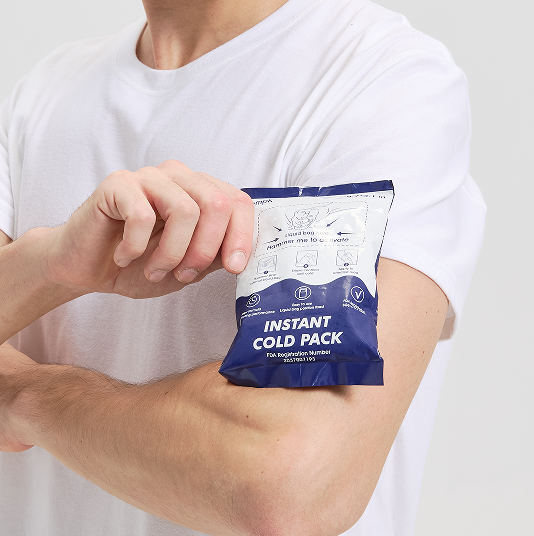
Cara Mengevaluasi Grosir Medis Paket Gel Rantai Dingin untuk Penggunaan di Dunia Nyata
The best sourcing decision for cold chain gel pack medical wholesaler begins with a boundary: the cold-chain gel pack is one component of a thermal or therapeutic system. Ia tidak dapat menentukan kesesuaian dengan sendirinya. Pembelian yang dapat dipertahankan menghubungkan muatan atau tujuan penggunaan, metode pengkondisian, kemasan di sekitarnya, rute, perilaku operator, bukti kualitas, dan pemasok's ability to hold the approved specification.
Kegagalan yang patut dicegah sering kali bukanlah harga satuan yang tinggi. The medicinal product owner must define acceptable conditions from approved labeling, data stabilitas, dan prosedur mutu. It is treating a medical-looking pouch as evidence of compliance without checking product stability limits, data kualifikasi, instruksi paket, atau mengubah kendali. Panduan ini menunjukkan cara menerjemahkan batasan tersebut ke dalam spesifikasi sampel, pertanyaan pemasok, uji coba paket, menerima cek, dan jalur terkendali dari pesanan percontohan hingga pasokan rutin.
Aturan Keputusan yang Mencegah Sebagian Besar Kesalahan
A suitable cold-chain gel pack for clinic replenishment, diagnostic supply distribution, and qualified passive shipping systems should fit the physical packout, memasuki proses dalam kondisi yang ditentukan, tetap utuh selama penanganan yang diharapkan, dan didukung oleh spesifikasi yang dapat direproduksi oleh produksi. A gel pack is a refrigerant component, not a medical authorization, pencatat data, or proof that a shipping system is qualified for every lane. Hal ini juga harus disertai dengan informasi yang cukup bagi tim lintas fungsi untuk menilai pembersihan, penggunaan kembali, pembuangan, keterlacakan, dan mengubah risiko.
Pertama tentukan empat pertanyaan. Berapa lama dan melalui paparan apa sistem harus beroperasi? Kondisi apa yang harus dihindari oleh payload atau pengalaman pengguna? Di mana cairan pendingin dapat ditempatkan tanpa menyebabkan kerusakan kontak atau titik dingin? Bukti apa yang memungkinkan tim kualitas dan operasi menyetujui harga produk yang sama dengan pengadaan? Jika salah satu dari pertanyaan ini tidak ada pemiliknya, kutipan yang lebih rendah hanya memindahkan biaya ke pengujian, mengolah lagi, klaim, atau penggantian darurat.
Keep Logistics Cooling Separate From Medical Claims
The medicinal product owner must define acceptable conditions from approved labeling, data stabilitas, dan prosedur mutu.
A gel pack is a refrigerant component, not a medical authorization, pencatat data, or proof that a shipping system is qualified for every lane.
Untuk aplikasi ini, keputusan penerimaan harus ditulis sebelum sampel tiba. Kemudian uji penanganan kasus terburuk yang normal dan kredibel. Tentukan apa yang membuat produk tidak dapat digunakan, bukti apa yang diperlukan, dan siapa yang dapat menyetujui suatu penyimpangan. Hal ini mencegah tinjauan sampel menjadi diskusi subjektif tentang apakah kemasannya terlihat kuat atau terasa dingin.
Disiplin yang sama meningkatkan komunikasi pemasok. Pemasok terpilih yang mengajukan pertanyaan hati-hati sering kali lebih berguna daripada pemasok yang langsung menjanjikan jangka waktu tetap tanpa melihat muatan atau kontainernya.. Daripada meminta paket terbaik, kirimkan ringkasan lamaran singkat dan minta pemasok untuk mengidentifikasi asumsi, keterbatasan, dan kesenjangan informasi.
Mulailah Dengan Batas Muatan dan Kegagalan
For temperature-sensitive medical products, persyaratannya harus ditulis sebagai ringkasan sistem. Hal ini juga harus menyatakan apakah tujuannya adalah keamanan produk, pelestarian kualitas, pengalaman pengiriman yang disukai, kenyamanan terapeutik, atau kondisi peraturan yang terdokumentasi. Ini harus menggambarkan kondisi awal muatan, batas yang dapat diterima, massa dan pengaturan muatan, ruang internal yang dapat digunakan, isolasi, durasi rute, penundaan yang diharapkan, paparan lingkungan, dan proses penerimaan. Tujuan-tujuan ini saling berkaitan, tetapi keduanya tidak dapat dipertukarkan.
A cold pack absorbs heat because energy moves from warmer areas toward colder areas. Itulah mengapa perilaku fase penting. Sedangkan suatu formulasi mengalami perubahan tahap, ia dapat menyerap sejumlah besar energi dengan perubahan suhu yang lebih kecil dibandingkan dengan pemanasan yang masuk akal saja. Namun titik fase hanyalah satu properti. Massa total, panas laten dan masuk akal, suhu awal, bidang kontak, kebocoran panas isolasi, dan celah udara semuanya mempengaruhi hasilnya. Pemasok terpilih tidak boleh mereduksi hubungan ini menjadi klaim yang tidak dapat dijelaskan mengenai jam pendinginan.
Geometri mengubah properti material menjadi perilaku paket. Kesesuaian dapat meningkatkan kontak tetapi juga dapat menciptakan tekanan dan ketebalan yang tidak merata. A flexible pouch can conform around temperature-sensitive medical products, sementara batu bata yang kaku dapat menciptakan jarak yang berulang dan pengendalian inventaris yang lebih mudah. Kekakuan dapat melindungi cairan pendingin tetapi menghabiskan ruang yang dapat digunakan atau menciptakan jembatan dingin yang terkonsentrasi. Pengkondisian paket, penempatan, hambatan, and loading sequence should be controlled in work instructions so operators do not improvise at the packing bench.
Untuk seleksi akhir, Oleh karena itu, perbandingan yang terkontrol bukanlah kantong versus batu bata yang berdiri sendiri. Perbandingan tersebut mengungkapkan apakah keunggulan material nyata dapat bertahan dalam geometri nyata dan instruksi kerja nyata. Ini adalah paket kandidat A versus paket kandidat B dengan muatan yang sama, isolasi, pengkondisian awal, metode pemuatan, profil lingkungan, dan kriteria penerimaan.
Bangun Paket di Sekitar Variabel Terkendali
Pendingin, wadah terisolasi, muatan, isi kosong, pemisah, dan urutan pembebanan membentuk satu sistem termal. Jumlah kemasan yang dipinjam dari karton lain merupakan bukti lemah karena ketebalan isolasi, luas permukaan luar, ruang kepala, massa termal muatan, dan suhu awal bisa berbeda. A gel pack is a refrigerant component, not a medical authorization, pencatat data, or proof that a shipping system is qualified for every lane. Bahkan orientasi pun penting ketika udara dingin mulai mereda, udara hangat masuk melalui tutupnya, atau bungkusan berpindah selama pengangkutan.
Pengkondisian layak mendapatkan instruksi kerjanya sendiri. Sebuah paket yang nominalnya sama SKU dapat berperilaku berbeda jika satu unit dikondisikan penuh, yang lain memiliki inti yang hangat, dan yang ketiga duduk di bangku cadangan saat pergantian shift. Ini harus menentukan keadaan freezer atau lemari es, pengaturan selama pengkondisian, ekspektasi pemulihan minimum setelah pintu dibuka, waktu transfer ke stasiun pengepakan, dan apa yang dilakukan operator dengan unit yang dikondisikan sebagian atau dicairkan.
Latihan persetujuan dimulai dengan konfigurasi terdokumentasi dan muatan yang representatif. Suhu udara di samping cairan pendingin belum tentu sama dengan suhu produk. Sensor atau indikator, saat digunakan, harus dipilih dan ditempatkan untuk menjawab pertanyaan penerimaan. Tes ini harus menangkap kemungkinan lokasi yang hangat dan dingin, dan harus mewakili paparan ambien dan peristiwa penanganan yang kredibel, bukan kondisi ruangan yang mudah dan konstan.
Hasil harus dicatat dengan lot paket yang tepat, keadaan pengkondisian, muatan, isolasi, diagram pemuatan, lokasi sensor, profil lingkungan, dan penyimpangan apa pun. Menambahkan cairan pendingin secara membabi buta dapat mengurangi volume yang dapat digunakan, meningkatkan massa barang, atau menyebabkan pendinginan berlebihan sambil membiarkan celah udara asli atau kebocoran tutup tidak terselesaikan. Jika kinerja gagal, mengubah satu variabel terkontrol pada waktu yang memungkinkan.
Pertanyaan Pemasok yang Mengubah Keputusan
| Bidang keputusan | Seperti apa rupanya | Tindakan pembeli |
|---|---|---|
| Kesesuaian termal | Formulasi pertandingan, massa, geometri, dan pengkondisian pada muatan dan sistem. | Minta datanya, lalu uji paket lengkap di bawah profil yang representatif. |
| Kesesuaian fisik | Konfirmasikan ruang yang dapat digunakan, dimensi beku, titik kontak, dan gerakan. | Buat sampel dengan wadah sebenarnya, muatan, pemisah, dan penutupan. |
| Integritas | Kontrol film atau cangkang, jahitan, topi, sudut, dan massa terisi. | Tinjau pemeriksaan rilis, toleransi, penanganan pengaduan, dan sampel yang disimpan. |
| Operasi | Buat pengondisian, memuat, inspeksi, dan pensiun dapat diulang. | Jalankan uji coba jalur pengepakan dengan operator normal dan tekanan waktu yang realistis. |
| Dokumentasi | Tautkan setiap lot yang disediakan ke spesifikasi yang disetujui. | Konfirmasikan pengkodean lot, catatan, informasi keselamatan, dan mengubah pemberitahuan. |
| Akhir kehidupan | Bedakan penggunaan kembali, pembuangan isinya, dan pembuangan kemasan luar. | Verifikasi klaim terhadap bukti formulasi dan peraturan setempat. |
Matriks keputusan membuat diskusi tetap berpusat pada bukti dan bukan kata sifat. Dialah yang dapat menentukan SKU yang ditawarkan, jelaskan batasannya, mereproduksinya, and cooperate with the cross-functional team's qualification and receiving process. When comparing a cold-chain gel pack for clinic replenishment, diagnostic supply distribution, and qualified passive shipping systems, pemasok dengan skor tertinggi belum tentu merupakan pemasok yang menawarkan opsi terbanyak.
Gunakan tabel dua kali: pertama yang menyaring pemasok, kemudian membandingkan sampel yang disetujui dengan proposal produksi. Perbedaan tersebut harus diselesaikan sebelum pesanan pembelian menjadi satu-satunya spesifikasi dalam hubungan tersebut. Pemasok terpilih mungkin memberikan prototipe yang sangat baik tetapi mengutip konstruksi produksi, metode cetak, paket kasus, atau situs yang berbeda dari unit yang dievaluasi.
Rencana Peluncuran Terkendali
Mulailah dengan yang kecil, kumpulan sampel yang terdokumentasi. Sertakan operator normal selama uji coba. Satuan foto dan ukuran, identifikasi catatan, periksa segel dan permukaan, kondisikan mereka menggunakan metode yang diusulkan, dan membangun paket sebenarnya. Kemasan yang berhasil hanya jika dirakit oleh insinyur yang merancangnya belum siap untuk didistribusikan secara rutin.
Setelah tinjauan termal dan penanganan, menentukan sampel emas atau referensi yang disetujui dan mengubah temuan menjadi spesifikasi pembelian dan instruksi kerja. Sampling plans should reflect risk and the cross-functional team's quality system. Menerima inspeksi kemudian dapat fokus pada karakteristik kritis: identitas, jumlah kasus, kerusakan yang terlihat, ukuran, massa terisi jika diperlukan, keterbacaan cetak atau label, banyak pengkodean, dan pemeriksaan segel atau penutupan yang dipilih.
Kapasitas operasional adalah bagian dari kesesuaian produk. Tim lintas fungsi Anda harus membuat model ruang freezer atau lemari es, siklus pengkondisian, waktu pementasan, tenaga kerja, stok cadangan, puncak musiman, dan apa yang terjadi setelah pengiriman atau pengembalian produk gagal. Pengkondisian paket, penempatan, hambatan, and loading sequence should be controlled in work instructions so operators do not improvise at the packing bench. Biaya-biaya ini dapat melebihi perbedaan kecil dalam harga satuan.
Setelah produksi dimulai, memantau keluhan berdasarkan mode kegagalan, bukan berdasarkan tingkat kerusakan tunggal. Perbedaan tersebut menunjukkan apakah tindakan perbaikan berada di tangan pemasok cairan pendingin, desain paket, proses gudang, pembawa, atau situs penerima. Pisahkan kebocoran, tusukan, segel terbelah, masalah dimensi, kerusakan cetak, pengkondisian yang tidak memadai, kesalahan pengepakan, tamasya termal, dan menerima kerusakan.
Menyetujui Sistem, Kemudian Kontrol Perubahan
WHO guidance treats time- and temperature-sensitive pharmaceutical distribution as a system problem involving qualification, kondisi rute, pemantauan, dan prosedur terdokumentasi. Pernyataan seperti cocok untuk semua pengiriman medis, menjaga produk tetap dingin selama beberapa jam tertentu, or environmentally safe everywhere are too broad unless the underlying evidence truly covers the cross-functional team's configuration and market. Bahasa klaim yang paling dapat dipertahankan adalah bahasa spesifik tentang apa yang telah diuji, dalam kondisi apa, dan oleh siapa.
File pemasok terpilih mungkin mencakup spesifikasi terkontrol, menggambar, informasi keselamatan, deklarasi materi, ringkasan tes, sertifikat mutu yang relevan dengan sistem manufaktur, format rekaman lot atau batch, proses pengaduan, dan komitmen pengendalian perubahan. Sertifikat sistem manajemen umum, Misalnya, tidak membuktikan kinerja termal, dan laporan migrasi atau material tidak memenuhi syarat jalur pelayaran. Dokumen-dokumen ini menjawab pertanyaan yang berbeda.
Pembuangan akhir atau penggunaan kembali bahasa jalur memerlukan disiplin yang sama. Jika penggunaan kembali diusulkan, menghitung apakah unit benar-benar dikembalikan, dibersihkan, diperiksa, direkondisi, dan ditempatkan kembali ke layanan. Disposal must follow the gel formulation information, contamination status, and local healthcare or commercial waste rules. Kemasan tahan lama yang tidak pernah dikembalikan dapat menghabiskan lebih banyak bahan tanpa memberikan manfaat penggunaan kembali yang diharapkan. Sebaliknya, format sekali pakai dapat mengurangi pengangkutan terbalik namun menimbulkan beban pembuangan yang lebih besar.
Kontrol perubahan pasca-persetujuan melindungi pekerjaan yang diinvestasikan dalam persetujuan. Pengganti yang terlihat sama dapat memiliki fleksibilitas yang berbeda, perilaku membekukan, massa termal, atau mode kegagalan. Tim lintas fungsi Anda harus mengidentifikasi perubahan yang memerlukan pemberitahuan atau evaluasi ulang, seperti formulasi gel, kelas polimer, lapisan film, pola segel, isi massa, ukuran, lokasi produksi, metode pencetakan, atau pengepakan kasus.
What Changes When the Program Scales in Regulated Healthcare Supply Chains
Skala menambah variabilitas sebelum menambah volume. Sebuah program nasional atau lintas batas harus menentukan elemen mana yang tetap dan mana yang dapat diadaptasi secara lokal. Lebih banyak situs berarti freezer yang berbeda, pola pergeseran, kepadatan penyimpanan, pemutusan operator, tingkat pengembalian, metode pembersihan, dan interpretasi dari instruksi yang sama. SKU pendingin, keadaan pengkondisian, jumlah paket, diagram pemuatan, dan kriteria pensiun biasanya merupakan kandidat yang buruk untuk penggantian informal.
Geografi distribusi juga mengubah risiko komersial. Tim pemberi persetujuan harus memetakan jalur dari tempat produksi ke stasiun pengepakan, termasuk siapa yang memiliki inventaris selama penundaan dan bagaimana kasus-kasus yang rusak dikarantina. Impor waktu tunggu, izin bea cukai, inventaris lokal, kebutuhan bahasa, pelabelan kasus, stok pengganti, dan tanggapan keluhan dapat menentukan apakah suatu produk yang secara teknis baik dapat digunakan secara operasional.
Distributor lokal dapat menambah nilai dengan menyimpan stok, menerjemahkan instruksi, mengkonsolidasikan permintaan, dan mendukung uji coba. Jika distributor mengemas ulang, memberi label ulang, atau menyimpan produk tersebut, tanggung jawab untuk ketertelusuran, kondisi penyimpanan, pemeriksaan kerusakan, dan komunikasi perubahan harus eksplisit. Nilai tersebut harus terlihat dalam definisi dan catatan layanan.
Pertanyaan untuk Dimasukkan ke dalam Tinjauan Pemasok
- Is the formulation and film specification fixed under change control?
- What lot traceability and certificate documentation are available?
- Can samples be supplied for thermal qualification using our payload and ambient profiles?
- How are seal integrity and net content checked during production?
Jawabannya harus spesifik terhadap konstruksi yang dikutip. Catatlah asumsi-asumsi yang belum terselesaikan dalam rencana uji coba alih-alih membiarkannya menjadi kriteria penerimaan yang diam-diam. Jika respons hanya merujuk pada rangkaian produk, tanyakan apakah setiap ukuran menggunakan formulasi yang sama, film, metode segel, instruksi pengkondisian, dan kontrol pelepasan.
Perbandingan harga harus menggunakan ketentuan pengiriman yang sama, kuantitas kasus, ruang lingkup pelabelan, tingkat pemeriksaan, paket dokumentasi, dan kebijakan penggantian. Untuk pasokan internasional, juga membedakan waktu tunggu produksi dari total waktu pengisian ulang dan menentukan bagaimana penggantian yang mendesak akan ditangani. Jika tidak, harga item baris terendah mungkin tidak termasuk pekerjaan yang disertakan oleh pemasok lain.
Pertanyaan yang sering diajukan
Can a cold-chain gel pack guarantee a fixed number of cooling hours?
Tidak dengan sendirinya. Perlakukan klaim durasi sebagai sesuatu yang bermakna hanya jika konfigurasi pengujian sebanding dengan konfigurasi pengujian Anda. Durasi tergantung pada formulasi dan massa yang tepat, kondisi awal, isolasi, muatan, jumlah paket, penempatan, profil lingkungan, dan pembukaan atau penanganan acara. Evaluasi paket lengkap yang representatif lebih kuat dibandingkan klaim paket mandiri.
Sebaiknya cold pack menyentuh produk secara langsung?
Itu tergantung pada sensitivitas produk dan desain kemasan. The medicinal product owner must define acceptable conditions from approved labeling, data stabilitas, dan prosedur mutu. Kontak langsung dapat meningkatkan perpindahan panas lokal, tapi itu juga bisa menyebabkan pembekuan, tekanan, kondensasi, abrasi, atau kerusakan presentasi. Gunakan pemisah atau jarak terkendali bila diperlukan dan sertakan penempatan dalam diagram pemuatan yang disetujui.
Apa yang harus diperiksa pembeli ketika unit massal tiba?
Konfirmasikan identitas, kode banyak, jumlah kasus, kerusakan transit yang jelas, kebocoran, kondisi segel atau penutupan, ukuran, massa terisi jika diperlukan, dan keterbacaan pada cetakan atau label. Karantina perubahan yang tidak dapat dijelaskan daripada mengirimkannya langsung ke area pengondisian. Bandingkan unit yang dipilih dengan referensi yang disetujui.
Apakah dapat digunakan kembali secara otomatis berarti lebih berkelanjutan?
TIDAK. Jika tingkat pengembalian rendah atau pembersihan dan transportasi dilakukan secara intensif, manfaat yang diharapkan mungkin tidak muncul. Penggunaan kembali dapat mengurangi permintaan material saat kemasan dikembalikan, dibersihkan, diperiksa, direkondisi, dan menggunakan waktu yang cukup untuk membenarkan logistik terbalik. Bandingkan skenario program yang realistis dan dokumentasikan asumsi-asumsinya.
Keputusan Akhir Pengadaan
The final choice of cold-chain gel pack should survive four reviews: kesesuaian termal atau kasus penggunaan, kesesuaian fisik dan operasional, bukti kualitas, dan kelangsungan komersial. Paket uji coba dan persetujuan yang disiplin mengubah pembelian komoditas menjadi komponen sistem yang dapat dikontrol. Jika unit yang diusulkan hanya lolos tinjauan penawaran, proses pengadaannya tidak lengkap.
Tentang tempk
Tempk, merek Shanghai Tempk Industrial Co., Ltd., supplies gel ice packs and related cold-chain packaging for food, Perawatan kesehatan, mencicipi, pengecer, dan aplikasi distribusi. Final suitability should be confirmed against the cross-functional team's payload, rute, proses pengkondisian, kondisi penanganan, dan diperlukan bukti. Untuk pengisian klinik, diagnostic supply distribution, and qualified passive shipping systems, kita bisa mendiskusikan dimensi paket, berat terisi, format film atau cangkang, pencetakan, kemasan karton, dan bagaimana calon cairan pendingin dapat masuk ke dalam kemasan berinsulasi.
Langkah selanjutnya
Sebelum meminta harga produksi, menyediakan kebutuhan produk, ruang paket yang dapat digunakan, jalan sekitar, kendala operator, dan bukti persetujuan yang Anda perlukan. Tempk can use that brief to identify cold-chain gel pack samples for a cross-functional review.