


Pemasok Rantai Pasokan Medis Kotak Es Vaksin: Pilihan, Biaya, dan Kerangka Kualifikasi
Pemasok Rantai Pasokan Medis Kotak Es Vaksin: Pilihan, Biaya, dan Kerangka Kualifikasi
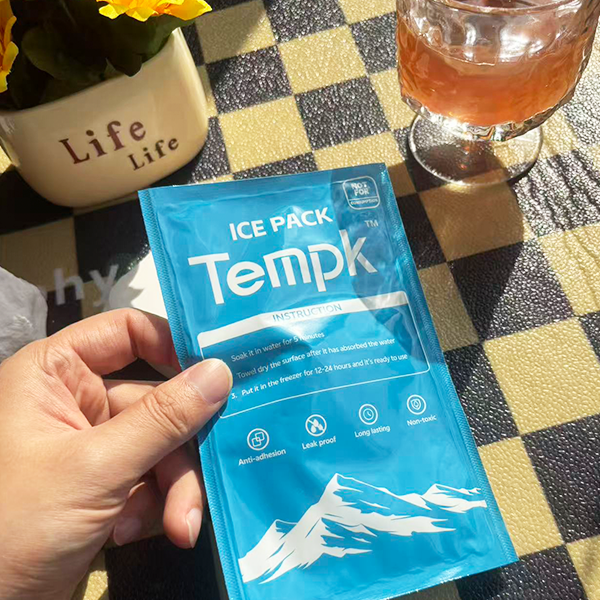
Pemasok Rantai Pasokan Medis Kotak Es Vaksin: Pilihan, Biaya, dan Kerangka Kualifikasi
Mulailah dengan kondisi pengiriman atau layanan, bukan foto kotaknya. A vaccine ice box medical supply chain supplier should be selected only after the buyer has defined what goes inside, suhu atau kondisi penanganan apa yang penting, berapa lama paparan dapat bertahan, dan bukti apa saja yang diperlukan pada saat penerimaan.
Kerangka kerja terakhir menggabungkan pendidikan produk, pemeriksaan teknik, analisis komersial, kesadaran kualifikasi, dan tata kelola pemasok ke dalam satu metode pengadaan. Tujuannya bukan untuk menjanjikan kinerja universal, tetapi untuk menunjukkan apa yang harus didefinisikan, diuji, didokumentasikan, dan diverifikasi sebelum peningkatan skala.
Cakupan yang Jelas Mencegah Sebagian Besar Kesalahan Pembelian
Kotak berinsulasi memperlambat perpindahan panas; itu tidak menciptakan lingkungan dingin yang tidak terbatas. Untuk topik ini, definisi yang berguna adalah kotak pendingin vaksin atau sistem pembawa yang isolasinya, tata letak pendingin, perlindungan beku, kapasitas, dan cara penanganannya sesuai dengan program. Oleh karena itu, kinerja bergantung pada kondisi muatan yang diperlukan, suhu awal setiap komponen, jumlah dan penempatan media pendingin, segel tutupnya, pergerakan udara dalam, paparan lingkungan, dan waktu antara pengepakan dan penerimaan. Pemasok dapat menjual kotak luar yang sama ke beberapa pasar, namun setiap pasar memerlukan paket yang berbeda dan bukti yang berbeda. Pembeli harus menjaga konstruksi produk, konfigurasi termal, prosedur operasi, dan status kualifikasi sebagai bidang terpisah dalam spesifikasi. Dalam catatan persetujuan akhir, menghubungkan persyaratan, respons pemasok, observasi sampel, bukti uji, ruang lingkup komersial, dan keputusan yang bertanggung jawab dalam satu jalur yang dapat dilacak.
Pekerjaan yang dimaksud adalah mengangkut vaksin antar toko, situs penjangkauan, Klinik, dan titik penerimaan dengan tetap menjaga kondisi penyimpanan yang diberi label. Pernyataan itu harus dibuat lebih tepat pada saat RFQ: mengidentifikasi jenis produk, dimensi muatan, kondisi yang dapat diterima, rute, serah terima, durasi yang direncanakan, musiman yang ekstrem, pemantauan, pembersihan, dan menerima keputusan. Jika suatu parameter tidak diketahui, tandai sebagai item verifikasi terbuka. Do not let a catalog label such as 'medis,' 'kelas makanan,' 'tugas berat,' atau 'rantai dingin' replace evidence. Pemasok yang kuat akan membantu memperjelas batasan dan membedakan kontainer stok, paket yang dirakit, dan sistem pengiriman yang berkualitas. Perlakukan asumsi yang belum terselesaikan sebagai risiko yang dikelola dengan pemilik dan tanggal jatuh tempo, bukan sebagai penerimaan diam-diam yang baru terlihat setelah peningkatan skala besar.
Gunakan Total Biaya Landed dan Lifecycle, Bukan Harga Satuan Saja
Untuk pembelian ini, biaya dibentuk berdasarkan kategori produk, desain isolasi dan penutupan, fitur pencegahan pembekuan, kapasitas vaksin yang dapat digunakan, set pendingin, aksesoris pemantauan, bukti pengujian, dan dukungan lapangan. Kutipan harus menyatakan item mana yang disertakan, mata uang, perlakuan pajak, Incoterm jika relevan, sampel dan status perkakas, dasar pembayaran, dan masa berlaku. Harga satuan tidak dapat dibandingkan jika salah satu pemasok menyertakan karton ekspor yang diperkuat, inspeksi, aksesoris, atau pengujian dan yang lain mengecualikannya. Buatlah lembar perbandingan yang menggunakan gambar yang sama, tagihan bahan, tingkat kualitas, metode pengemasan, jumlah pesanan, dan titik pengiriman. Item yang tidak diketahui harus tetap terlihat sebagai tunjangan dan bukannya dianggap nol. Jika materinya, dimensi, sumber, paket, dasar tes, rute, atau perubahan instruksi pengoperasian, menilai dampaknya sebelum mengasumsikan persetujuan sebelumnya masih berlaku.
Total biaya juga mencakup konsekuensi kegagalan. Mengemas ulang, angkutan darurat, peluncuran tertunda, ulasan perjalanan suhu, muatan rusak, kembali, klaim garansi, tenaga kerja gudang tambahan, dan persediaan usang mungkin lebih besar daripada perbedaan harga satuan yang kecil. Ini tidak berarti memilih penawaran tertinggi. Hal ini berarti mengidentifikasi pengendalian mana yang mengurangi risiko material dan fitur mana yang menambah biaya tanpa manfaat yang jelas. Diskusi penurunan biaya akan menjadi paling produktif setelah persyaratan penting dilindungi: menyederhanakan dekorasi, standarisasi komponen, meningkatkan kepadatan karton, atau gunakan platform stok sebelum melemahkan isolasi, penutup, kekuatan penanganan, atau bukti kualitas. Dalam catatan persetujuan akhir, menghubungkan persyaratan, respons pemasok, observasi sampel, bukti uji, ruang lingkup komersial, dan keputusan yang bertanggung jawab dalam satu jalur yang dapat dilacak.
Pilihan Teknis yang Layak Mendapatkan Kriteria Penerimaan Tertulis
Panas masuk melalui dinding, tutup, sendi, bukaan, dan jembatan konduktif apa pun yang dibuat oleh perangkat keras. Kecepatannya dipengaruhi oleh perbedaan suhu, luas permukaan yang terbuka, sifat isolasi, ketebalan, geometri, kebocoran udara, dan waktu. Insulasi yang lebih tebal dapat membantu, tetapi juga mengurangi volume yang dapat digunakan atau menambah ukuran eksternal. Penutup yang lebih rapat dapat mengurangi pertukaran udara, namun tetap harus tetap dapat dioperasikan setelah penanganan berulang kali. Film reflektif dapat mengubah perpindahan panas radiasi dalam suatu rakitan tertentu, namun hal ini tidak dapat menggantikan isolasi yang memadai atau penutupan yang terkendali. Oleh karena itu, perbandingan yang benar adalah desain rakitan yang diuji dalam kondisi yang relevan, bukan satu nama material. Perlakukan asumsi yang belum terselesaikan sebagai risiko yang dikelola dengan pemilik dan tanggal jatuh tempo, bukan sebagai penerimaan diam-diam yang baru terlihat setelah peningkatan skala besar.
Media pendingin dan penempatan muatan menentukan apa yang dilindungi oleh insulasi. Conditioned gel packs or phase-change materials may be used for some refrigerated applications; barang beku atau sistem es kering mengikuti aturan yang berbeda. Kontak langsung dapat membuat produk sensitif terkena titik dingin setempat, jadi hambatan, keranjang, pengatur jarak, atau pengkondisian terkontrol mungkin penting. Ruang udara yang kosong juga mengubah kinerja dan memungkinkan komponen berpindah. Pembeli harus meminta gambar paket yang mengidentifikasi setiap komponen, orientasi, kuantitas, dan langkah persiapan. Gambar itu menjadi alat pelatihan, referensi catatan tes, dan garis dasar inspeksi, bukan saran informal. Keputusan terpadu harus melindungi tujuan penggunaan sekaligus menjaga kategori produk, desain isolasi dan penutupan, fitur pencegahan pembekuan, kapasitas vaksin yang dapat digunakan, set pendingin, aksesoris pemantauan, bukti pengujian, dan dukungan lapangan terlihat dalam model biaya total.
Cocokkan Pembawa dengan Program Imunisasi
Penanganan vaksin tidak dapat direduksi menjadi sasaran flu yang umum. Banyak vaksin berpendingin disimpan di lemari es 2 C ke 8 C, but the manufacturer's instructions for the exact product govern. Beberapa produk rusak karena pembekuan, while others have different frozen or ultra-cold requirements. Kerangka kerja penyimpanan dan penanganan CDC menekankan pemeliharaan rantai dingin dan mengikuti informasi spesifik produk. Hal ini membuat pengkondisian cairan pendingin, pemisahan dari kemasan beku, pemantauan suhu, dan prosedur perjalanan yang penting dalam ringkasan pengadaan. Keputusan terpadu harus melindungi tujuan penggunaan sekaligus menjaga kategori produk, desain isolasi dan penutupan, fitur pencegahan pembekuan, kapasitas vaksin yang dapat digunakan, set pendingin, aksesoris pemantauan, bukti pengujian, dan dukungan lapangan terlihat dalam model biaya total.
WHO PQS menangani kotak dingin, kotak berkapasitas besar, kotak jangka panjang, desain pencegahan pembekuan, dan pembawa vaksin sebagai kategori peralatan berbeda dengan spesifikasi kinerja dan protokol verifikasi terpisah. Pembeli harus mengkonfirmasi apakah prakualifikasi WHO diwajibkan oleh program pengadaan dan kemudian memverifikasi produk yang tercantum secara tepat, tidak menyimpulkan status dari model serupa. Kegunaan lapangan juga penting: instruksi harus jelas, tutupnya harus mendukung akses terkontrol, dan ruang vaksin yang dapat digunakan harus dinyatakan dengan konfigurasi pendingin yang ditentukan terpasang. Jika materinya, dimensi, sumber, paket, dasar tes, rute, atau perubahan instruksi pengoperasian, menilai dampaknya sebelum mengasumsikan persetujuan sebelumnya masih berlaku.
Kualifikasi, Pemantauan, dan Kontrol Perubahan Bekerja Sama
Rencana kualifikasi praktis dimulai dengan kondisi produk target dan skenario pengoperasian terburuk yang dapat dipercaya. Ini harus mendefinisikan muatan yang representatif, komponen kemasan, pengkondisian, urutan pengepakan, lokasi sensor, profil lingkungan, lamanya, acara pembuka jika relevan, Kriteria penerimaan, dan margin kontingensi. Profil termal ISTA dapat mendukung perbandingan standar untuk aplikasi parsel yang sesuai, tapi itu tidak menggantikan pengetahuan tentang jalur tertentu. Untuk saluran lain, pengirim dapat menggunakan data jalur yang dipetakan, profil musiman, pengujian distribusi, dan penilaian risiko. Metode yang dipilih harus disetujui oleh fungsi kualitas dan logistik yang bertanggung jawab. Perlakukan asumsi yang belum terselesaikan sebagai risiko yang dikelola dengan pemilik dan tanggal jatuh tempo, bukan sebagai penerimaan diam-diam yang baru terlihat setelah peningkatan skala besar.
Pemantauan tidak menciptakan perlindungan suhu; ini memberikan bukti tentang paparan. Pilih akurasi logger, status kalibrasi, interval perekaman, memulai prosedur, penempatan, logika alarm, akses data, dan format laporan perjalanan sesuai risiko produk. Urutan operasionalnya adalah menyiapkan cairan pendingin dengan benar, memuat keranjang atau penghalang, membatasi bukaan, mendokumentasikan pengiriman, pemantauan suhu, dan mengembalikan atau membersihkan pembawa. Penyimpangan memerlukan jalur peninjauan yang ditentukan, bukan asumsi otomatis bahwa muatan dapat diterima atau tidak dapat digunakan. Setelah persetujuan, setiap perubahan pada isolasi, damar, pendingin, ukuran, pemasok, penutup, instruksi pengepakan, profil pengujian, rute, atau muatan mungkin memerlukan penilaian terdokumentasi dan kemungkinan kualifikasi ulang. Keputusan terpadu harus melindungi tujuan penggunaan sekaligus menjaga kategori produk, desain isolasi dan penutupan, fitur pencegahan pembekuan, kapasitas vaksin yang dapat digunakan, set pendingin, aksesoris pemantauan, bukti pengujian, dan dukungan lapangan terlihat dalam model biaya total.
Pemasok Daftar Pendek Dengan Bukti dan Tata Kelola
Pertanyaan utama pemasok adalah apakah pemasok menawarkan perangkat dan kemasan yang sesuai dengan vaksin yang sebenarnya, durasi perjalanan, lingkungan penanganan, dan kerangka pengadaan. Evaluasi klasifikasi produk yang jelas, Status PQS WHO bila diperlukan, instruksi yang dapat diakses, komponen cadangan, konsistensi banyak, dan dokumentasi paket siap pelatihan. Tanyakan siapa yang memiliki setiap proses, operasi mana yang disubkontrakkan, bagaimana dimensi dan material penting diperiksa, bagaimana produk yang ditolak dikendalikan, dan bagaimana sampel yang disetujui dikaitkan dengan produksi. Jika pemasok menawarkan pengujian, mengidentifikasi laboratorium, metode, muatan, tata letak sensor, profil lingkungan, ukuran sampel, dan melaporkan kepemilikan. Laporan yang disempurnakan hanya berguna jika menjelaskan konfigurasi yang ingin Anda beli. Dalam catatan persetujuan akhir, menghubungkan persyaratan, respons pemasok, observasi sampel, bukti uji, ruang lingkup komersial, dan keputusan yang bertanggung jawab dalam satu jalur yang dapat dilacak.
- Gambar dan revisi bill of material mana yang akan mengatur produksi?
- Apa arti kapasitas yang dikutip setelah paket operasi diinstal?
- Klaim mana yang didukung oleh laporan pengujian, deklarasi materi, atau catatan pemeriksaan?
- Bagaimana sampel diidentifikasi dan dihubungkan dengan lot produksi selanjutnya?
- Perubahan apa yang memerlukan persetujuan tertulis dari pelanggan sebelum diterapkan?
- Siapa yang menyelidiki ketidaksesuaian dan seberapa cepat pembendungan dimulai?
Jawaban yang baik bersifat spesifik dan dapat diaudit. Pemasok yang menjelaskan keterbatasan seringkali lebih berguna daripada pemasok yang memberi label pada setiap model yang cocok untuk setiap pasar. Selama uji tuntas, membandingkan dokumen dengan sampel fisik. Ukur dimensi kritis, periksa tutup dan penutupnya, tinjau permukaan dan kontinuitas isolasi jika terlihat, mengemas muatan yang representatif, dan memotret konfigurasi yang disetujui. Hasilnya harus menjadi acuan terkendali pengadaan itu, kualitas, gudang, dan tim pemasok semuanya dapat mengenalinya. Perlakukan asumsi yang belum terselesaikan sebagai risiko yang dikelola dengan pemilik dan tanggal jatuh tempo, bukan sebagai penerimaan diam-diam yang baru terlihat setelah peningkatan skala besar.
| Gerbang persetujuan | Apa yang harus diperbaiki | Catatan rilis |
|---|---|---|
| Produk dan rute | Mencegah kotak generik diperlakukan sebagai solusi universal | Kasus penggunaan tertulis, profil muatan dan rute |
| Ruang yang dapat digunakan | Media pendingin dan pembagi mengurangi volume muatan praktis | Gambar paket berdimensi dan uji pengepakan |
| Vaksin dan cairan pendingin | Sensitivitas pembekuan dan kondisi label bervariasi menurut produk | Instruksi produk, pengkondisian cairan pendingin dan rencana pemantauan |
| Konstruksi | Bahan, sendi, tutup dan perangkat keras mempengaruhi aliran panas dan penanganan | Menggambar, bill of material dan pemeriksaan sampel |
| Operasi | Desain yang baik bisa gagal jika staf mengemasnya secara berbeda | Instruksi kerja dan rencana pelatihan yang terkendali |
| Pengendalian produksi | Sampel yang disetujui harus mewakili unit massal | Sampel emas, rencana inspeksi dan perjanjian pengendalian perubahan |
| Ruang lingkup komersial | Penawaran harga yang rendah mungkin tidak termasuk item biaya besar | Kutipan yang dinormalisasi dan model biaya tetap |
| Akhir penggunaan | Penggunaan kembali atau pembuangan harus sesuai dengan jaringan sebenarnya | Pembersihan, inspeksi, rencana pengembalian dan pemulihan |
Tabel adalah alat bantu pengambilan keputusan, bukan pengganti kualifikasi. Itu membuat hal-hal yang tidak diketahui tetap terlihat dan menghubungkan setiap klaim penting ke sebuah dokumen, mencicipi, tes, atau kontrol pengoperasian yang dapat ditinjau pembeli sebelum dirilis.
Gunakan Tinjauan Skenario Sebelum Merilis Pesanan
Pertimbangkan skenario tipikal ini: tim penjangkauan melakukan beberapa kali pemberhentian di daerah panas dimana staf membuka wadah berulang kali dan harus menghindari penempatan botol yang sensitif terhadap pembekuan pada kemasan beku. Tim harus memetakan setiap periode ketika produk yang dikemas berada di luar penyimpanan terkendali, termasuk pementasan sebelum pengambilan, memuat, hub, pemeriksaan bea cukai atau keamanan, pengiriman terlewat, menunggu di tanda terima, dan penanganan pengembalian. Untuk setiap langkah, mengidentifikasi durasi yang diharapkan, paparan lingkungan, siapa pemilik kiriman tersebut, apakah kotak itu boleh dibuka, dan data apa yang tersedia. Ini memperlihatkan apakah persyaratan utamanya adalah isolasi, pengaturan pendingin yang berbeda, penutupan yang lebih kuat, pelabelan yang lebih jelas, layanan operator lebih cepat, paket darurat, atau meningkatkan disiplin penerimaan. Keputusan terpadu harus melindungi tujuan penggunaan sekaligus menjaga kategori produk, desain isolasi dan penutupan, fitur pencegahan pembekuan, kapasitas vaksin yang dapat digunakan, set pendingin, aksesoris pemantauan, bukti pengujian, dan dukungan lapangan terlihat dalam model biaya total.
Tinjauan yang sama harus menanyakan apa yang terjadi ketika kondisi tidak ideal. Risiko yang relevan termasuk paparan beku, paparan hangat, pembukaan tutup berulang kali, pengkondisian cairan pendingin yang salah, ruang udara yang tidak terpakai, pemantauan suhu yang buruk, dan penanganan lapangan yang kasar. Beri peringkat berdasarkan tingkat keparahannya, kemungkinan, dan kemampuan deteksi, kemudian menetapkan pencegahan dan respons. Beberapa kontrol termasuk dalam produk, seperti penghalang atau pegangan yang lebih kuat. Yang lainnya termasuk dalam prosedur ini, seperti waktu pengkondisian, pesanan pengepakan, pra-pendinginan, pelatihan staf, instruksi pembawa, atau daftar periksa penerimaan. Pemasok dapat menyumbangkan bukti desain, namun kepemilikan rute tetap berada pada pengirim dan mitra logistiknya. Jika materinya, dimensi, sumber, paket, dasar tes, rute, atau perubahan instruksi pengoperasian, menilai dampaknya sebelum mengasumsikan persetujuan sebelumnya masih berlaku.
Rencana Gerbang Panggung Menjaga Peningkatan Skala Tetap Dapat Dibalik
RFQ yang efektif memisahkan persyaratan wajib dari preferensi dan pertanyaan terbuka. Lampirkan sketsa muatan berdimensi, volume pesanan yang diharapkan, pasar pengiriman, garis waktu sasaran, kebutuhan pengemasan dan pelabelan, dan skenario operasi. Minta pemasok untuk menyatakan kepatuhannya, pengecualian, atau usulan alternatif terhadap setiap lini. Hal ini untuk menghindari masalah umum: pemasok diam-diam mengutip produk standar terdekatnya sementara pembeli berasumsi bahwa persyaratan khusus telah diterima. Perbandingan komersial harus dimulai hanya setelah pengecualian teknis terlihat dan tanggung jawab untuk pengujian, sampel, cetakan, kargo, dan dokumen ditugaskan. Dalam catatan persetujuan akhir, menghubungkan persyaratan, respons pemasok, observasi sampel, bukti uji, ruang lingkup komersial, dan keputusan yang bertanggung jawab dalam satu jalur yang dapat dilacak.
Gunakan gerbang panggung sehingga pembelanjaan mengikuti bukti. Gerbang konsep menyetujui persyaratan tersebut; gerbang teknik menyetujui gambar dan bahan; gerbang sampel memeriksa kesesuaian dan fungsinya; gerbang percontohan memeriksa kontrol produksi dan pengemasan; dan gerbang pelepasan mengotorisasi volume. Di setiap gerbang, mencatat masalah terbuka, pemilik, tanggal jatuh tempo, dan revisi yang tepat ditinjau. Hal ini memudahkan untuk menjeda atau memperbaiki proyek sebelum masalah dikalikan ke seluruh urutan. Hal ini juga menciptakan sejarah yang berguna untuk pengurangan biaya di kemudian hari, perpindahan pemasok, atau perubahan desain. Perlakukan asumsi yang belum terselesaikan sebagai risiko yang dikelola dengan pemilik dan tanggal jatuh tempo, bukan sebagai penerimaan diam-diam yang baru terlihat setelah peningkatan skala besar.
Membuat Klaim Lingkungan Dengan Bukti Operasional
Prioritas lingkungan adalah melindungi muatan dengan kombinasi material yang paling tidak praktis, energi, pendingin, tenaga kerja, dan transportasi. Sebuah paket yang menggunakan lebih sedikit bahan tetapi menyebabkan kehilangan produk tidak serta merta memberikan hasil yang lebih baik. Pendekatan yang relevan di sini adalah masa pakai yang lama hanya saat pembersihan, inspeksi, memperbaiki, pengendalian kerugian, dan kepemilikan kembali praktis di jaringan lapangan. Bandingkan opsi sekali pakai dan dapat digunakan kembali melalui jaringan sebenarnya: jarak keluar, jarak kembali, pembersihan, pengeringan, inspeksi, tingkat kerugian, memperbaiki, penyimpanan, dan jalur akhir penggunaan. Avoid broad claims such as 'zero waste' atau 'carbon neutral' unless a defined study and scope support them. Jika materinya, dimensi, sumber, paket, dasar tes, rute, atau perubahan instruksi pengoperasian, menilai dampaknya sebelum mengasumsikan persetujuan sebelumnya masih berlaku.
Desain masih dapat menghilangkan inefisiensi yang nyata. Dimensi eksternal ukuran yang tepat, meningkatkan kepadatan muatan, menstandarkan komponen dengan keausan tinggi, hindari lapisan dekoratif yang mempersulit pemulihan, dan pilih karton yang melindungi produk tanpa mengirimkan udara berlebih. Untuk armada yang dapat digunakan kembali, berikan setiap aset status pemilik dan pemeriksaan. Pensiunkan kotak dengan isolasi yang rusak, kelopak mata terdistorsi, permukaan yang terkontaminasi, atau penutupan yang tidak dapat diandalkan. Keberlanjutan akan menjadi lebih kuat jika dikaitkan dengan hasil operasional yang terukur: lebih sedikit pengiriman yang rusak, layanan aman yang lebih lama, pemanfaatan kubus yang lebih baik, pembersihan terkontrol, dan jalur pemulihan yang kredibel. Dalam catatan persetujuan akhir, menghubungkan persyaratan, respons pemasok, observasi sampel, bukti uji, ruang lingkup komersial, dan keputusan yang bertanggung jawab dalam satu jalur yang dapat dilacak.
Pertanyaan Pembeli
Apakah ice box vaksin perlu prakualifikasi WHO?
Itu tergantung pada program pengadaan dan tujuan penggunaan. WHO PQS menerbitkan spesifikasi dan daftar produk yang berbeda untuk kotak pendingin dan pembawa vaksin, termasuk kategori pencegahan pembekuan. Konfirmasikan apakah prakualifikasi itu wajib, kemudian verifikasi model yang tepat dan daftar saat ini daripada mengandalkan klaim pemasok umum.
Bagaimana seharusnya pembeli membandingkan klaim kinerja pemasok?
Bandingkan kondisi pengujian lengkap, tidak hanya durasi atau suhu judul. Tinjau muatan, pendingin, pengkondisian, penempatan sensor, profil lingkungan, bukaan, konstruksi sampel, batas penerimaan, dan apakah unit yang diuji sesuai dengan produksi. Jika detail ini hilang, perlakukan klaim sebagai topik untuk verifikasi dan bukan sebagai fakta pembelian.
Apa kesalahan paling umum dalam pesanan massal?
Kesalahan yang sering terjadi adalah menyetujui tampilan namun membiarkan detail fungsional tidak ditentukan. Dimensi dalam, ruang yang dapat digunakan, tutup pas, isolasi, perangkat keras, paket, karton, inspeksi, dan perubahan yang diizinkan harus ditulis sebelum produksi. Sampel yang ditandatangani sangat membantu, tapi gambar, Kriteria penerimaan, dan mengubah kontrol membuat persetujuan dapat diulang.
Jika kutipan terendah menang?
Hanya setelah setiap kutipan dinormalisasi ke spesifikasi dan cakupan pengiriman yang sama. Sertakan perkakas, aksesoris, pengujian, inspeksi, karton, kargo, tugas, buruh gudang, paparan garansi, dan risiko kegagalan. Harga yang lebih rendah dapat menjadi keputusan yang tepat ketika bukti dan pengendaliannya setara; berisiko bila harga rendah datang dari ruang lingkup yang tidak diketahui.
Kapan kotak yang dapat digunakan kembali merupakan pilihan yang lebih baik?
Penggunaan kembali bisa menjadi menarik jika dikendalikan, rute berulang dengan kepemilikan, transportasi kembali, pembersihan, pengeringan, inspeksi, memperbaiki, dan manajemen kerugian. Kurang meyakinkan ketika kotak-kotak menghilang, kembali kosong dalam jarak jauh, atau tidak dapat dibersihkan dengan aman. Evaluasilah perulangan yang sebenarnya daripada berasumsi bahwa label yang dapat digunakan kembali menjamin dampak lingkungan yang lebih baik.
Keputusan Praktis
Seleksi akhir harus menghubungkan empat keputusan: kesesuaian produk dan rute, bukti teknis, total biaya, dan tata kelola pemasok. Ketika keputusan-keputusan itu dicatat, pembeli dapat melakukan penskalaan dengan lebih sedikit kejutan dan dasar peninjauan kualitas yang lebih jelas.
Tentang tempk
Tempk mendukung pembeli mengembangkan paket rantai dingin pasif dengan kotak pendingin, isolasi, Paket gel, batu bata PCM, kantong termal, dan format pengiriman medis. Permintaan pemasok rantai pasokan medis kotak es vaksin dapat ditinjau dengan lebih efektif ketika pembeli menyediakan rute, muatan, kondisi yang diperlukan, penanganan, kuantitas sasaran, dan menguji ekspektasi. Tempk dapat membantu mengidentifikasi opsi untuk evaluasi, sementara pengirim dan tim mutunya tetap bertanggung jawab untuk menyetujui permohonan dan rute.
Diskusikan ringkasan teknis, rencana sampel, dan kriteria penerimaan massal dengan Tempk sebelum mengunci pesanan komersial.
Produsen Rantai Pasokan Medis Kotak Es Farmasi: Pilihan, Biaya, dan Kerangka Kualifikasi
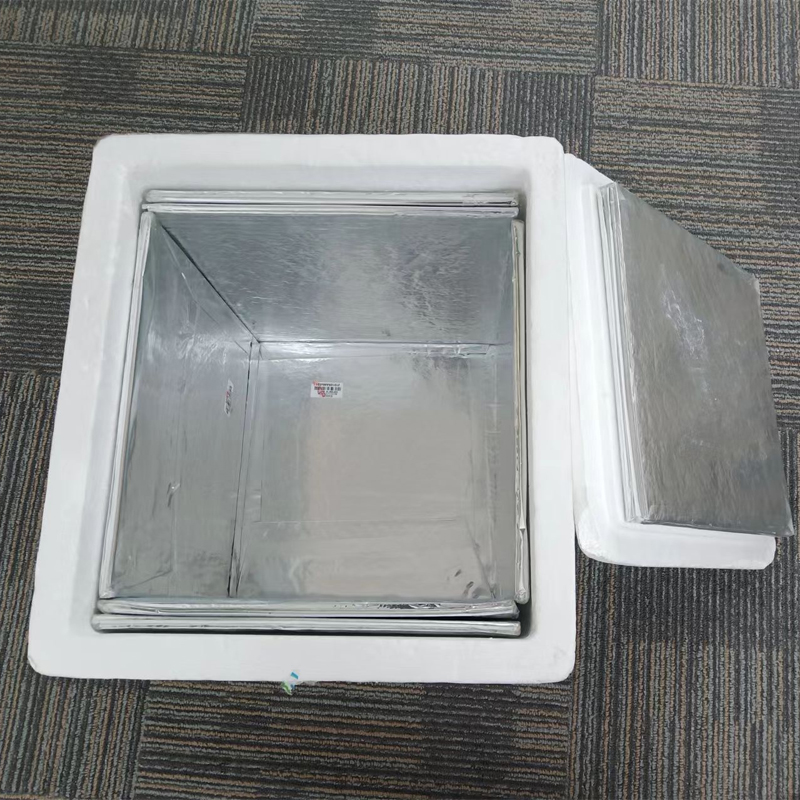
Produsen Rantai Pasokan Medis Kotak Es Farmasi: Pilihan, Biaya, dan Kerangka Kualifikasi
Mulailah dengan kondisi pengiriman atau layanan, bukan foto kotaknya. A pharmaceutical ice box medical supply chain manufacturer should be selected only after the buyer has defined what goes inside, suhu atau kondisi penanganan apa yang penting, berapa lama paparan dapat bertahan, dan bukti apa saja yang diperlukan pada saat penerimaan.
Kerangka kerja terakhir menggabungkan pendidikan produk, pemeriksaan teknik, analisis komersial, kesadaran kualifikasi, dan tata kelola pemasok ke dalam satu metode pengadaan. Tujuannya bukan untuk menjanjikan kinerja universal, tetapi untuk menunjukkan apa yang harus didefinisikan, diuji, didokumentasikan, dan diverifikasi sebelum peningkatan skala.
Cakupan yang Jelas Mencegah Sebagian Besar Kesalahan Pembelian
Kotak berinsulasi memperlambat perpindahan panas; itu tidak menciptakan lingkungan dingin yang tidak terbatas. Untuk topik ini, the useful definition is a passive insulated shipper assembled from a box, isolasi, media pendingin, pengaturan muatan, dan rencana pemantauan. Oleh karena itu, kinerja bergantung pada kondisi muatan yang diperlukan, suhu awal setiap komponen, jumlah dan penempatan media pendingin, segel tutupnya, pergerakan udara dalam, paparan lingkungan, dan waktu antara pengepakan dan penerimaan. Pemasok dapat menjual kotak luar yang sama ke beberapa pasar, namun setiap pasar memerlukan paket yang berbeda dan bukti yang berbeda. Pembeli harus menjaga konstruksi produk, konfigurasi termal, prosedur operasi, dan status kualifikasi sebagai bidang terpisah dalam spesifikasi. Dalam catatan persetujuan akhir, menghubungkan persyaratan, respons pemasok, observasi sampel, bukti uji, ruang lingkup komersial, dan keputusan yang bertanggung jawab dalam satu jalur yang dapat dilacak.
Pekerjaan yang dimaksud adalah memindahkan obat-obatan, Diagnostik, reagen, atau produk perawatan kesehatan sensitif suhu lainnya melalui jalur distribusi terkendali. Pernyataan itu harus dibuat lebih tepat pada saat RFQ: mengidentifikasi jenis produk, dimensi muatan, kondisi yang dapat diterima, rute, serah terima, durasi yang direncanakan, musiman yang ekstrem, pemantauan, pembersihan, dan menerima keputusan. Jika suatu parameter tidak diketahui, tandai sebagai item verifikasi terbuka. Do not let a catalog label such as 'medis,' 'kelas makanan,' 'tugas berat,' atau 'rantai dingin' replace evidence. Pemasok yang kuat akan membantu memperjelas batasan dan membedakan kontainer stok, paket yang dirakit, dan sistem pengiriman yang berkualitas. Perlakukan asumsi yang belum terselesaikan sebagai risiko yang dikelola dengan pemilik dan tanggal jatuh tempo, bukan sebagai penerimaan diam-diam yang baru terlihat setelah peningkatan skala besar.
Gunakan Total Biaya Landed dan Lifecycle, Bukan Harga Satuan Saja
Untuk pembelian ini, biaya dibentuk oleh perkakas, arsitektur isolasi, media pendingin, pemantauan, pekerjaan kualifikasi, jumlah pesanan, dokumentasi kualitas, kargo, dan mengubah kendali. Kutipan harus menyatakan item mana yang disertakan, mata uang, perlakuan pajak, Incoterm jika relevan, sampel dan status perkakas, dasar pembayaran, dan masa berlaku. Harga satuan tidak dapat dibandingkan jika salah satu pemasok menyertakan karton ekspor yang diperkuat, inspeksi, aksesoris, atau pengujian dan yang lain mengecualikannya. Buatlah lembar perbandingan yang menggunakan gambar yang sama, tagihan bahan, tingkat kualitas, metode pengemasan, jumlah pesanan, dan titik pengiriman. Item yang tidak diketahui harus tetap terlihat sebagai tunjangan dan bukannya dianggap nol. Jika materinya, dimensi, sumber, paket, dasar tes, rute, atau perubahan instruksi pengoperasian, menilai dampaknya sebelum mengasumsikan persetujuan sebelumnya masih berlaku.
Total biaya juga mencakup konsekuensi kegagalan. Mengemas ulang, angkutan darurat, peluncuran tertunda, ulasan perjalanan suhu, muatan rusak, kembali, klaim garansi, tenaga kerja gudang tambahan, dan persediaan usang mungkin lebih besar daripada perbedaan harga satuan yang kecil. Ini tidak berarti memilih penawaran tertinggi. Hal ini berarti mengidentifikasi pengendalian mana yang mengurangi risiko material dan fitur mana yang menambah biaya tanpa manfaat yang jelas. Diskusi penurunan biaya akan menjadi paling produktif setelah persyaratan penting dilindungi: menyederhanakan dekorasi, standarisasi komponen, meningkatkan kepadatan karton, atau gunakan platform stok sebelum melemahkan isolasi, penutup, kekuatan penanganan, atau bukti kualitas. Dalam catatan persetujuan akhir, menghubungkan persyaratan, respons pemasok, observasi sampel, bukti uji, ruang lingkup komersial, dan keputusan yang bertanggung jawab dalam satu jalur yang dapat dilacak.
Pilihan Teknis yang Layak Mendapatkan Kriteria Penerimaan Tertulis
Panas masuk melalui dinding, tutup, sendi, bukaan, dan jembatan konduktif apa pun yang dibuat oleh perangkat keras. Kecepatannya dipengaruhi oleh perbedaan suhu, luas permukaan yang terbuka, sifat isolasi, ketebalan, geometri, kebocoran udara, dan waktu. Insulasi yang lebih tebal dapat membantu, tetapi juga mengurangi volume yang dapat digunakan atau menambah ukuran eksternal. Penutup yang lebih rapat dapat mengurangi pertukaran udara, namun tetap harus tetap dapat dioperasikan setelah penanganan berulang kali. Film reflektif dapat mengubah perpindahan panas radiasi dalam suatu rakitan tertentu, namun hal ini tidak dapat menggantikan isolasi yang memadai atau penutupan yang terkendali. Oleh karena itu, perbandingan yang benar adalah desain rakitan yang diuji dalam kondisi yang relevan, bukan satu nama material. Perlakukan asumsi yang belum terselesaikan sebagai risiko yang dikelola dengan pemilik dan tanggal jatuh tempo, bukan sebagai penerimaan diam-diam yang baru terlihat setelah peningkatan skala besar.
Media pendingin dan penempatan muatan menentukan apa yang dilindungi oleh insulasi. Conditioned gel packs or phase-change materials may be used for some refrigerated applications; barang beku atau sistem es kering mengikuti aturan yang berbeda. Kontak langsung dapat membuat produk sensitif terkena titik dingin setempat, jadi hambatan, keranjang, pengatur jarak, atau pengkondisian terkontrol mungkin penting. Ruang udara yang kosong juga mengubah kinerja dan memungkinkan komponen berpindah. Pembeli harus meminta gambar paket yang mengidentifikasi setiap komponen, orientasi, kuantitas, dan langkah persiapan. Gambar itu menjadi alat pelatihan, referensi catatan tes, dan garis dasar inspeksi, bukan saran informal. Keputusan terpadu harus melindungi tujuan penggunaan sekaligus menjaga peralatan, arsitektur isolasi, media pendingin, pemantauan, pekerjaan kualifikasi, jumlah pesanan, dokumentasi kualitas, kargo, dan kendali perubahan yang terlihat dalam model biaya total.
Bangun Sistem Pengiriman yang Kualitasnya Dapat Ditinjau Ulang
Keputusan distribusi farmasi dimulai dengan kondisi penyimpanan dan pengangkutan resmi produk. A 2 C ke 8 Kisaran C umum untuk banyak obat-obatan yang didinginkan, tapi itu tidak universal. Suhu ruangan terkontrol, beku, sangat dingin, atau ketentuan berlabel lainnya mungkin berlaku. Unit mutu harus menetapkan batas penerimaan, penanganan tamasya yang diperbolehkan, dokumentasi, dan melepaskan tanggung jawab. Insinyur pengemasan kemudian dapat mengembangkan kemasan sesuai batas tersebut daripada memilih kotak terlebih dahulu dan kemudian mencoba membuat produk sesuai. Keputusan terpadu harus melindungi tujuan penggunaan sekaligus menjaga peralatan, arsitektur isolasi, media pendingin, pemantauan, pekerjaan kualifikasi, jumlah pesanan, dokumentasi kualitas, kargo, dan kendali perubahan yang terlihat dalam model biaya total.
Pedoman Praktik Distribusi yang Baik Eropa menjelaskan bahwa pengendalian yang tidak memadai dapat mempengaruhi kualitas dan integritas produk obat. Dalam praktiknya, pembeli harus mengharapkan diskusi berbasis risiko mengenai durasi rute, kondisi eksternal, pemilihan kontainer, pemantauan, dan serah terima. Pemasok dapat mendukung elemen pengemasan, tetapi tidak dapat menyatakan kepatuhan pengiriman di setiap pasar. Pengirim tetap bertanggung jawab untuk menilai produk, jalur, prosedur, pembawa, data, dan persyaratan lokal. Batasan ini harus muncul dalam perjanjian teknis dan tanggung jawab pengendalian perubahan. Jika materinya, dimensi, sumber, paket, dasar tes, rute, atau perubahan instruksi pengoperasian, menilai dampaknya sebelum mengasumsikan persetujuan sebelumnya masih berlaku.
Kualifikasi, Pemantauan, dan Kontrol Perubahan Bekerja Sama
Rencana kualifikasi praktis dimulai dengan kondisi produk target dan skenario pengoperasian terburuk yang dapat dipercaya. Ini harus mendefinisikan muatan yang representatif, komponen kemasan, pengkondisian, urutan pengepakan, lokasi sensor, profil lingkungan, lamanya, acara pembuka jika relevan, Kriteria penerimaan, dan margin kontingensi. Profil termal ISTA dapat mendukung perbandingan standar untuk aplikasi parsel yang sesuai, tapi itu tidak menggantikan pengetahuan tentang jalur tertentu. Untuk saluran lain, pengirim dapat menggunakan data jalur yang dipetakan, profil musiman, pengujian distribusi, dan penilaian risiko. Metode yang dipilih harus disetujui oleh fungsi kualitas dan logistik yang bertanggung jawab. Perlakukan asumsi yang belum terselesaikan sebagai risiko yang dikelola dengan pemilik dan tanggal jatuh tempo, bukan sebagai penerimaan diam-diam yang baru terlihat setelah peningkatan skala besar.
Pemantauan tidak menciptakan perlindungan suhu; ini memberikan bukti tentang paparan. Pilih akurasi logger, status kalibrasi, interval perekaman, memulai prosedur, penempatan, logika alarm, akses data, dan format laporan perjalanan sesuai risiko produk. Urutan operasionalnya adalah pengkondisian media pendingin, pementasan muatan, pengepakan dalam urutan yang ditentukan, penyegelan, pelabelan, pemantauan, dan memeriksa kiriman pada saat diterima. Penyimpangan memerlukan jalur peninjauan yang ditentukan, bukan asumsi otomatis bahwa muatan dapat diterima atau tidak dapat digunakan. Setelah persetujuan, setiap perubahan pada isolasi, damar, pendingin, ukuran, pemasok, penutup, instruksi pengepakan, profil pengujian, rute, atau muatan mungkin memerlukan penilaian terdokumentasi dan kemungkinan kualifikasi ulang. Keputusan terpadu harus melindungi tujuan penggunaan sekaligus menjaga peralatan, arsitektur isolasi, media pendingin, pemantauan, pekerjaan kualifikasi, jumlah pesanan, dokumentasi kualitas, kargo, dan kendali perubahan yang terlihat dalam model biaya total.
Pemasok Daftar Pendek Dengan Bukti dan Tata Kelola
Pertanyaan utama pemasok adalah apakah produsen dapat menerjemahkan persyaratan suhu produk dan profil rute ke dalam kemasan berulang dibandingkan hanya menjual wadah kosong.. Evaluasi konsistensi sampel hingga produksi, ketertelusuran material, kontrol dimensi, dukungan paket, dan manajemen perubahan desain yang disiplin. Tanyakan siapa yang memiliki setiap proses, operasi mana yang disubkontrakkan, bagaimana dimensi dan material penting diperiksa, bagaimana produk yang ditolak dikendalikan, dan bagaimana sampel yang disetujui dikaitkan dengan produksi. Jika pemasok menawarkan pengujian, mengidentifikasi laboratorium, metode, muatan, tata letak sensor, profil lingkungan, ukuran sampel, dan melaporkan kepemilikan. Laporan yang disempurnakan hanya berguna jika menjelaskan konfigurasi yang ingin Anda beli. Dalam catatan persetujuan akhir, menghubungkan persyaratan, respons pemasok, observasi sampel, bukti uji, ruang lingkup komersial, dan keputusan yang bertanggung jawab dalam satu jalur yang dapat dilacak.
- Gambar dan revisi bill of material mana yang akan mengatur produksi?
- Apa arti kapasitas yang dikutip setelah paket operasi diinstal?
- Klaim mana yang didukung oleh laporan pengujian, deklarasi materi, atau catatan pemeriksaan?
- Bagaimana sampel diidentifikasi dan dihubungkan dengan lot produksi selanjutnya?
- Perubahan apa yang memerlukan persetujuan tertulis dari pelanggan sebelum diterapkan?
- Siapa yang menyelidiki ketidaksesuaian dan seberapa cepat pembendungan dimulai?
Jawaban yang baik bersifat spesifik dan dapat diaudit. Pemasok yang menjelaskan keterbatasan seringkali lebih berguna daripada pemasok yang memberi label pada setiap model yang cocok untuk setiap pasar. Selama uji tuntas, membandingkan dokumen dengan sampel fisik. Ukur dimensi kritis, periksa tutup dan penutupnya, tinjau permukaan dan kontinuitas isolasi jika terlihat, mengemas muatan yang representatif, dan memotret konfigurasi yang disetujui. Hasilnya harus menjadi acuan terkendali pengadaan itu, kualitas, gudang, dan tim pemasok semuanya dapat mengenalinya. Perlakukan asumsi yang belum terselesaikan sebagai risiko yang dikelola dengan pemilik dan tanggal jatuh tempo, bukan sebagai penerimaan diam-diam yang baru terlihat setelah peningkatan skala besar.
| Gerbang persetujuan | Apa yang harus diperbaiki | Catatan rilis |
|---|---|---|
| Produk dan rute | Mencegah kotak generik diperlakukan sebagai solusi universal | Kasus penggunaan tertulis, profil muatan dan rute |
| Ruang yang dapat digunakan | Media pendingin dan pembagi mengurangi volume muatan praktis | Gambar paket berdimensi dan uji pengepakan |
| Bukti termal | Durasi klaim tergantung pada payload, pengkondisian dan profil ambien | Lengkapi metode pengujian dan laporan untuk konfigurasi yang diusulkan |
| Konstruksi | Bahan, sendi, tutup dan perangkat keras mempengaruhi aliran panas dan penanganan | Menggambar, bill of material dan pemeriksaan sampel |
| Operasi | Desain yang baik bisa gagal jika staf mengemasnya secara berbeda | Instruksi kerja dan rencana pelatihan yang terkendali |
| Pengendalian produksi | Sampel yang disetujui harus mewakili unit massal | Sampel emas, rencana inspeksi dan perjanjian pengendalian perubahan |
| Ruang lingkup komersial | Penawaran harga yang rendah mungkin tidak termasuk item biaya besar | Kutipan yang dinormalisasi dan model biaya tetap |
| Akhir penggunaan | Penggunaan kembali atau pembuangan harus sesuai dengan jaringan sebenarnya | Pembersihan, inspeksi, rencana pengembalian dan pemulihan |
Tabel adalah alat bantu pengambilan keputusan, bukan pengganti kualifikasi. Itu membuat hal-hal yang tidak diketahui tetap terlihat dan menghubungkan setiap klaim penting ke sebuah dokumen, mencicipi, tes, atau kontrol pengoperasian yang dapat ditinjau pembeli sebelum dirilis.
Gunakan Tinjauan Skenario Sebelum Merilis Pesanan
Pertimbangkan skenario tipikal ini: distributor regional mengirimkan jumlah kasus yang beragam dari gudang pusat ke rumah sakit melalui jaringan parsel dengan paparan yang tertunda di akhir pekan. Tim harus memetakan setiap periode ketika produk yang dikemas berada di luar penyimpanan terkendali, termasuk pementasan sebelum pengambilan, memuat, hub, pemeriksaan bea cukai atau keamanan, pengiriman terlewat, menunggu di tanda terima, dan penanganan pengembalian. Untuk setiap langkah, mengidentifikasi durasi yang diharapkan, paparan lingkungan, siapa pemilik kiriman tersebut, apakah kotak itu boleh dibuka, dan data apa yang tersedia. Ini memperlihatkan apakah persyaratan utamanya adalah isolasi, pengaturan pendingin yang berbeda, penutupan yang lebih kuat, pelabelan yang lebih jelas, layanan operator lebih cepat, paket darurat, atau meningkatkan disiplin penerimaan. Keputusan terpadu harus melindungi tujuan penggunaan sekaligus menjaga peralatan, arsitektur isolasi, media pendingin, pemantauan, pekerjaan kualifikasi, jumlah pesanan, dokumentasi kualitas, kargo, dan kendali perubahan yang terlihat dalam model biaya total.
Tinjauan yang sama harus menanyakan apa yang terjadi ketika kondisi tidak ideal. Risiko yang relevan termasuk pembekuan di dekat permukaan cairan pendingin, masuknya panas pada tutupnya, perakitan paket yang tidak konsisten, penundaan yang tidak direncanakan, dan dokumentasi rilis yang lemah. Beri peringkat berdasarkan tingkat keparahannya, kemungkinan, dan kemampuan deteksi, kemudian menetapkan pencegahan dan respons. Beberapa kontrol termasuk dalam produk, seperti penghalang atau pegangan yang lebih kuat. Yang lainnya termasuk dalam prosedur ini, seperti waktu pengkondisian, pesanan pengepakan, pra-pendinginan, pelatihan staf, instruksi pembawa, atau daftar periksa penerimaan. Pemasok dapat menyumbangkan bukti desain, namun kepemilikan rute tetap berada pada pengirim dan mitra logistiknya. Jika materinya, dimensi, sumber, paket, dasar tes, rute, atau perubahan instruksi pengoperasian, menilai dampaknya sebelum mengasumsikan persetujuan sebelumnya masih berlaku.
Rencana Gerbang Panggung Menjaga Peningkatan Skala Tetap Dapat Dibalik
RFQ yang efektif memisahkan persyaratan wajib dari preferensi dan pertanyaan terbuka. Lampirkan sketsa muatan berdimensi, volume pesanan yang diharapkan, pasar pengiriman, garis waktu sasaran, kebutuhan pengemasan dan pelabelan, dan skenario operasi. Minta pemasok untuk menyatakan kepatuhannya, pengecualian, atau usulan alternatif terhadap setiap lini. Hal ini untuk menghindari masalah umum: pemasok diam-diam mengutip produk standar terdekatnya sementara pembeli berasumsi bahwa persyaratan khusus telah diterima. Perbandingan komersial harus dimulai hanya setelah pengecualian teknis terlihat dan tanggung jawab untuk pengujian, sampel, cetakan, kargo, dan dokumen ditugaskan. Dalam catatan persetujuan akhir, menghubungkan persyaratan, respons pemasok, observasi sampel, bukti uji, ruang lingkup komersial, dan keputusan yang bertanggung jawab dalam satu jalur yang dapat dilacak.
Gunakan gerbang panggung sehingga pembelanjaan mengikuti bukti. Gerbang konsep menyetujui persyaratan tersebut; gerbang teknik menyetujui gambar dan bahan; gerbang sampel memeriksa kesesuaian dan fungsinya; gerbang percontohan memeriksa kontrol produksi dan pengemasan; dan gerbang pelepasan mengotorisasi volume. Di setiap gerbang, mencatat masalah terbuka, pemilik, tanggal jatuh tempo, dan revisi yang tepat ditinjau. Hal ini memudahkan untuk menjeda atau memperbaiki proyek sebelum masalah dikalikan ke seluruh urutan. Hal ini juga menciptakan sejarah yang berguna untuk pengurangan biaya di kemudian hari, perpindahan pemasok, atau perubahan desain. Perlakukan asumsi yang belum terselesaikan sebagai risiko yang dikelola dengan pemilik dan tanggal jatuh tempo, bukan sebagai penerimaan diam-diam yang baru terlihat setelah peningkatan skala besar.
Membuat Klaim Lingkungan Dengan Bukti Operasional
Prioritas lingkungan adalah melindungi muatan dengan kombinasi material yang paling tidak praktis, energi, pendingin, tenaga kerja, dan transportasi. Sebuah paket yang menggunakan lebih sedikit bahan tetapi menyebabkan kehilangan produk tidak serta merta memberikan hasil yang lebih baik. Pendekatan yang relevan di sini adalah mengurangi kehilangan produk terlebih dahulu, kemudian mengevaluasi efisiensi material, kepadatan paket, logistik pengembalian, dan kontrol penggunaan kembali yang realistis. Bandingkan opsi sekali pakai dan dapat digunakan kembali melalui jaringan sebenarnya: jarak keluar, jarak kembali, pembersihan, pengeringan, inspeksi, tingkat kerugian, memperbaiki, penyimpanan, dan jalur akhir penggunaan. Avoid broad claims such as 'zero waste' atau 'carbon neutral' unless a defined study and scope support them. Jika materinya, dimensi, sumber, paket, dasar tes, rute, atau perubahan instruksi pengoperasian, menilai dampaknya sebelum mengasumsikan persetujuan sebelumnya masih berlaku.
Desain masih dapat menghilangkan inefisiensi yang nyata. Dimensi eksternal ukuran yang tepat, meningkatkan kepadatan muatan, menstandarkan komponen dengan keausan tinggi, hindari lapisan dekoratif yang mempersulit pemulihan, dan pilih karton yang melindungi produk tanpa mengirimkan udara berlebih. Untuk armada yang dapat digunakan kembali, berikan setiap aset status pemilik dan pemeriksaan. Pensiunkan kotak dengan isolasi yang rusak, kelopak mata terdistorsi, permukaan yang terkontaminasi, atau penutupan yang tidak dapat diandalkan. Keberlanjutan akan menjadi lebih kuat jika dikaitkan dengan hasil operasional yang terukur: lebih sedikit pengiriman yang rusak, layanan aman yang lebih lama, pemanfaatan kubus yang lebih baik, pembersihan terkontrol, dan jalur pemulihan yang kredibel. Dalam catatan persetujuan akhir, menghubungkan persyaratan, respons pemasok, observasi sampel, bukti uji, ruang lingkup komersial, dan keputusan yang bertanggung jawab dalam satu jalur yang dapat dilacak.
FAQ Pengadaan Praktis
Apakah setiap pengirim berinsulasi pasif dirakit dari sebuah kotak, isolasi, media pendingin, pengaturan muatan, dan rencana pemantauan yang sesuai untuk pengiriman rantai dingin?
TIDAK. Kesesuaian tergantung pada kondisi produk, rute, lamanya, muatan, media pendingin, metode pengepakan, paparan lingkungan, penanganan, dan bukti. An insulated container may be a useful component without being a qualified shipping system. Mintalah rincian pengujian yang terkait dengan konfigurasi yang diusulkan dan mintalah tim kualitas atau logistik yang bertanggung jawab meninjau penggunaan akhir.
Bagaimana seharusnya pembeli membandingkan klaim kinerja pemasok?
Bandingkan kondisi pengujian lengkap, tidak hanya durasi atau suhu judul. Tinjau muatan, pendingin, pengkondisian, penempatan sensor, profil lingkungan, bukaan, konstruksi sampel, batas penerimaan, dan apakah unit yang diuji sesuai dengan produksi. Jika detail ini hilang, perlakukan klaim sebagai topik untuk verifikasi dan bukan sebagai fakta pembelian.
Apa kesalahan paling umum dalam pesanan massal?
Kesalahan yang sering terjadi adalah menyetujui tampilan namun membiarkan detail fungsional tidak ditentukan. Dimensi dalam, ruang yang dapat digunakan, tutup pas, isolasi, perangkat keras, paket, karton, inspeksi, dan perubahan yang diizinkan harus ditulis sebelum produksi. Sampel yang ditandatangani sangat membantu, tapi gambar, Kriteria penerimaan, dan mengubah kontrol membuat persetujuan dapat diulang.
Jika kutipan terendah menang?
Hanya setelah setiap kutipan dinormalisasi ke spesifikasi dan cakupan pengiriman yang sama. Sertakan perkakas, aksesoris, pengujian, inspeksi, karton, kargo, tugas, buruh gudang, paparan garansi, dan risiko kegagalan. Harga yang lebih rendah dapat menjadi keputusan yang tepat ketika bukti dan pengendaliannya setara; berisiko bila harga rendah datang dari ruang lingkup yang tidak diketahui.
Kapan kotak yang dapat digunakan kembali merupakan pilihan yang lebih baik?
Penggunaan kembali bisa menjadi menarik jika dikendalikan, rute berulang dengan kepemilikan, transportasi kembali, pembersihan, pengeringan, inspeksi, memperbaiki, dan manajemen kerugian. Kurang meyakinkan ketika kotak-kotak menghilang, kembali kosong dalam jarak jauh, atau tidak dapat dibersihkan dengan aman. Evaluasilah perulangan yang sebenarnya daripada berasumsi bahwa label yang dapat digunakan kembali menjamin dampak lingkungan yang lebih baik.
Kesimpulan
Seleksi akhir harus menghubungkan empat keputusan: kesesuaian produk dan rute, bukti teknis, total biaya, dan tata kelola pemasok. Ketika keputusan-keputusan itu dicatat, pembeli dapat melakukan penskalaan dengan lebih sedikit kejutan dan dasar peninjauan kualitas yang lebih jelas.
Tentang tempk
Tempk mendukung pembeli mengembangkan paket rantai dingin pasif dengan kotak pendingin, isolasi, Paket gel, batu bata PCM, kantong termal, dan format pengiriman medis. Permintaan produsen rantai pasokan medis kotak es farmasi dapat ditinjau dengan lebih efektif ketika rute pasokan pembeli, muatan, kondisi yang diperlukan, penanganan, kuantitas sasaran, dan menguji ekspektasi. Tempk dapat membantu mengidentifikasi opsi untuk evaluasi, sementara pengirim dan tim mutunya tetap bertanggung jawab untuk menyetujui permohonan dan rute.
Diskusikan ringkasan teknis, rencana sampel, dan kriteria penerimaan massal dengan Tempk sebelum mengunci pesanan komersial.
Pemasok Distribusi Industri Makanan Kotak Es Farmasi: Pilihan, Biaya, dan Kerangka Kualifikasi
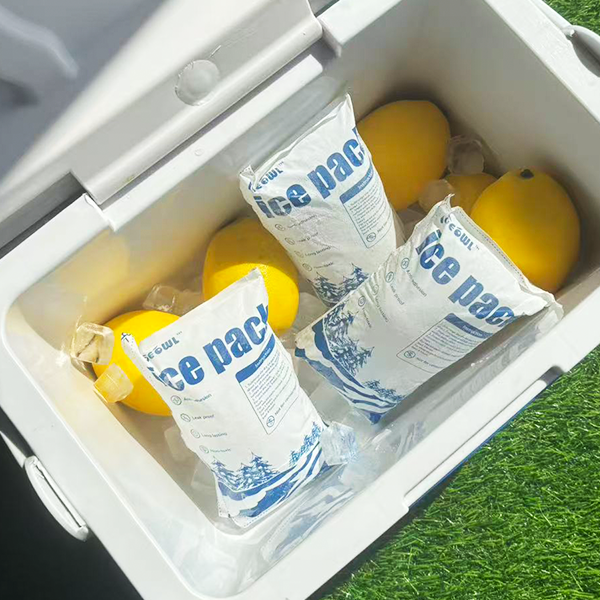
Pemasok Distribusi Industri Makanan Kotak Es Farmasi: Pilihan, Biaya, dan Kerangka Kualifikasi
Mulailah dengan kondisi pengiriman atau layanan, bukan foto kotaknya. Pemasok distribusi industri makanan kotak es farmasi harus dipilih hanya setelah pembeli menentukan apa yang ada di dalamnya, suhu atau kondisi penanganan apa yang penting, berapa lama paparan dapat bertahan, dan bukti apa saja yang diperlukan pada saat penerimaan.
Kerangka kerja terakhir menggabungkan pendidikan produk, pemeriksaan teknik, analisis komersial, kesadaran kualifikasi, dan tata kelola pemasok ke dalam satu metode pengadaan. Tujuannya bukan untuk menjanjikan kinerja universal, tetapi untuk menunjukkan apa yang harus didefinisikan, diuji, didokumentasikan, dan diverifikasi sebelum peningkatan skala.
Cakupan yang Jelas Mencegah Sebagian Besar Kesalahan Pembelian
Kotak berinsulasi memperlambat perpindahan panas; itu tidak menciptakan lingkungan dingin yang tidak terbatas. Untuk topik ini, definisi yang berguna adalah kotak distribusi terisolasi yang dikonfigurasi berdasarkan keamanan pangan, kualitas produk, kebersihan, waktu rute, dan persyaratan penerimaan. Oleh karena itu, kinerja bergantung pada kondisi muatan yang diperlukan, suhu awal setiap komponen, jumlah dan penempatan media pendingin, segel tutupnya, pergerakan udara dalam, paparan lingkungan, dan waktu antara pengepakan dan penerimaan. Pemasok dapat menjual kotak luar yang sama ke beberapa pasar, namun setiap pasar memerlukan paket yang berbeda dan bukti yang berbeda. Pembeli harus menjaga konstruksi produk, konfigurasi termal, prosedur operasi, dan status kualifikasi sebagai bidang terpisah dalam spesifikasi. Dalam catatan persetujuan akhir, menghubungkan persyaratan, respons pemasok, observasi sampel, bukti uji, ruang lingkup komersial, dan keputusan yang bertanggung jawab dalam satu jalur yang dapat dilacak.
Pekerjaan yang dimaksud adalah mendistribusikan dingin, beku, atau makanan sensitif terhadap panas yang kemasannya harus sesuai dengan praktik penanganan dan sanitasi yang sebenarnya. Pernyataan itu harus dibuat lebih tepat pada saat RFQ: mengidentifikasi jenis produk, dimensi muatan, kondisi yang dapat diterima, rute, serah terima, durasi yang direncanakan, musiman yang ekstrem, pemantauan, pembersihan, dan menerima keputusan. Jika suatu parameter tidak diketahui, tandai sebagai item verifikasi terbuka. Do not let a catalog label such as 'medis,' 'kelas makanan,' 'tugas berat,' atau 'rantai dingin' replace evidence. Pemasok yang kuat akan membantu memperjelas batasan dan membedakan kontainer stok, paket yang dirakit, dan sistem pengiriman yang berkualitas. Perlakukan asumsi yang belum terselesaikan sebagai risiko yang dikelola dengan pemilik dan tanggal jatuh tempo, bukan sebagai penerimaan diam-diam yang baru terlihat setelah peningkatan skala besar.
Gunakan Total Biaya Landed dan Lifecycle, Bukan Harga Satuan Saja
Untuk pembelian ini, biaya ditentukan oleh batas kontak food grade, isolasi, pendingin, liner, metode pembersihan, mengemas tenaga kerja, pemantauan, tingkat kerugian, kubus barang, dan penanganan pengembalian. Kutipan harus menyatakan item mana yang disertakan, mata uang, perlakuan pajak, Incoterm jika relevan, sampel dan status perkakas, dasar pembayaran, dan masa berlaku. Harga satuan tidak dapat dibandingkan jika salah satu pemasok menyertakan karton ekspor yang diperkuat, inspeksi, aksesoris, atau pengujian dan yang lain mengecualikannya. Buatlah lembar perbandingan yang menggunakan gambar yang sama, tagihan bahan, tingkat kualitas, metode pengemasan, jumlah pesanan, dan titik pengiriman. Item yang tidak diketahui harus tetap terlihat sebagai tunjangan dan bukannya dianggap nol. Jika materinya, dimensi, sumber, paket, dasar tes, rute, atau perubahan instruksi pengoperasian, menilai dampaknya sebelum mengasumsikan persetujuan sebelumnya masih berlaku.
Total biaya juga mencakup konsekuensi kegagalan. Mengemas ulang, angkutan darurat, peluncuran tertunda, ulasan perjalanan suhu, muatan rusak, kembali, klaim garansi, tenaga kerja gudang tambahan, dan persediaan usang mungkin lebih besar daripada perbedaan harga satuan yang kecil. Ini tidak berarti memilih penawaran tertinggi. Hal ini berarti mengidentifikasi pengendalian mana yang mengurangi risiko material dan fitur mana yang menambah biaya tanpa manfaat yang jelas. Diskusi penurunan biaya akan menjadi paling produktif setelah persyaratan penting dilindungi: menyederhanakan dekorasi, standarisasi komponen, meningkatkan kepadatan karton, atau gunakan platform stok sebelum melemahkan isolasi, penutup, kekuatan penanganan, atau bukti kualitas. Dalam catatan persetujuan akhir, menghubungkan persyaratan, respons pemasok, observasi sampel, bukti uji, ruang lingkup komersial, dan keputusan yang bertanggung jawab dalam satu jalur yang dapat dilacak.
Pilihan Teknis yang Layak Mendapatkan Kriteria Penerimaan Tertulis
Panas masuk melalui dinding, tutup, sendi, bukaan, dan jembatan konduktif apa pun yang dibuat oleh perangkat keras. Kecepatannya dipengaruhi oleh perbedaan suhu, luas permukaan yang terbuka, sifat isolasi, ketebalan, geometri, kebocoran udara, dan waktu. Insulasi yang lebih tebal dapat membantu, tetapi juga mengurangi volume yang dapat digunakan atau menambah ukuran eksternal. Penutup yang lebih rapat dapat mengurangi pertukaran udara, namun tetap harus tetap dapat dioperasikan setelah penanganan berulang kali. Film reflektif dapat mengubah perpindahan panas radiasi dalam suatu rakitan tertentu, namun hal ini tidak dapat menggantikan isolasi yang memadai atau penutupan yang terkendali. Oleh karena itu, perbandingan yang benar adalah desain rakitan yang diuji dalam kondisi yang relevan, bukan satu nama material. Perlakukan asumsi yang belum terselesaikan sebagai risiko yang dikelola dengan pemilik dan tanggal jatuh tempo, bukan sebagai penerimaan diam-diam yang baru terlihat setelah peningkatan skala besar.
Media pendingin dan penempatan muatan menentukan apa yang dilindungi oleh insulasi. Conditioned gel packs or phase-change materials may be used for some refrigerated applications; barang beku atau sistem es kering mengikuti aturan yang berbeda. Kontak langsung dapat membuat produk sensitif terkena titik dingin setempat, jadi hambatan, keranjang, pengatur jarak, atau pengkondisian terkontrol mungkin penting. Ruang udara yang kosong juga mengubah kinerja dan memungkinkan komponen berpindah. Pembeli harus meminta gambar paket yang mengidentifikasi setiap komponen, orientasi, kuantitas, dan langkah persiapan. Gambar itu menjadi alat pelatihan, referensi catatan tes, dan garis dasar inspeksi, bukan saran informal. Keputusan terpadu harus melindungi tujuan penggunaan sekaligus menjaga batas kontak food grade, isolasi, pendingin, liner, metode pembersihan, mengemas tenaga kerja, pemantauan, tingkat kerugian, kubus barang, dan penanganan pengembalian terlihat dalam model biaya total.
Gunakan Disiplin Kefarmasian Tanpa Menyalin Klaim Farmasi
Distribusi makanan dapat memperoleh manfaat dari gambar kemasan yang disiplin, pemantauan suhu, keterlacakan, dan mengubah kendali, namun perusahaan tersebut tidak boleh meminjam klaim farmasi yang tidak berlaku. Persyaratan keamanan dan mutu pangan bergantung pada komoditasnya, tahap pemrosesan, rute, menerima kontrol, dan peraturan setempat. AS. Aturan transportasi sanitasi FDA dimaksudkan untuk mencegah risiko seperti kegagalan pendinginan, pembersihan yang tidak memadai, dan perlindungan yang tidak memadai selama pengangkutan. Kekhawatiran tersebut diterjemahkan langsung ke dalam kebersihan kontainer, penahanan cairan pendingin, kondisi kendaraan, dan prosedur penanganan. Keputusan terpadu harus melindungi tujuan penggunaan sekaligus menjaga batas kontak food grade, isolasi, pendingin, liner, metode pembersihan, mengemas tenaga kerja, pemantauan, tingkat kerugian, kubus barang, dan penanganan pengembalian terlihat dalam model biaya total.
Kemasan makanan juga harus mengatur kelembapan, bau, kebocoran, dan kontak langsung. Pengembunan dapat melemahkan karton sekunder atau menimbulkan masalah sanitasi. Kotak bekas perlu dicuci secara realistis, pengeringan, inspeksi, dan proses segregasi. Jika permukaan bagian dalam tidak dimaksudkan untuk kontak langsung dengan makanan, muatannya harus tetap dalam kemasan utama yang sesuai. Tanyakan kepada pemasok informasi penting yang relevan dengan batasan kontak yang dimaksudkan dan jangan berasumsi bahwa frasa pemasaran umum menetapkan kesesuaian peraturan di setiap pasar tujuan.. Jika materinya, dimensi, sumber, paket, dasar tes, rute, atau perubahan instruksi pengoperasian, menilai dampaknya sebelum mengasumsikan persetujuan sebelumnya masih berlaku.
Kualifikasi, Pemantauan, dan Kontrol Perubahan Bekerja Sama
Rencana kualifikasi praktis dimulai dengan kondisi produk target dan skenario pengoperasian terburuk yang dapat dipercaya. Ini harus mendefinisikan muatan yang representatif, komponen kemasan, pengkondisian, urutan pengepakan, lokasi sensor, profil lingkungan, lamanya, acara pembuka jika relevan, Kriteria penerimaan, dan margin kontingensi. Profil termal ISTA dapat mendukung perbandingan standar untuk aplikasi parsel yang sesuai, tapi itu tidak menggantikan pengetahuan tentang jalur tertentu. Untuk saluran lain, pengirim dapat menggunakan data jalur yang dipetakan, profil musiman, pengujian distribusi, dan penilaian risiko. Metode yang dipilih harus disetujui oleh fungsi kualitas dan logistik yang bertanggung jawab. Perlakukan asumsi yang belum terselesaikan sebagai risiko yang dikelola dengan pemilik dan tanggal jatuh tempo, bukan sebagai penerimaan diam-diam yang baru terlihat setelah peningkatan skala besar.
Pemantauan tidak menciptakan perlindungan suhu; ini memberikan bukti tentang paparan. Pilih akurasi logger, status kalibrasi, interval perekaman, memulai prosedur, penempatan, logika alarm, akses data, dan format laporan perjalanan sesuai risiko produk. Urutan operasionalnya adalah pendinginan awal jika diperlukan, pemuatan higienis, pemisahan cairan pendingin, penyegelan, pengiriman rute, pemeriksaan suhu, pembersihan, dan pemeriksaan kembali. Penyimpangan memerlukan jalur peninjauan yang ditentukan, bukan asumsi otomatis bahwa muatan dapat diterima atau tidak dapat digunakan. Setelah persetujuan, setiap perubahan pada isolasi, damar, pendingin, ukuran, pemasok, penutup, instruksi pengepakan, profil pengujian, rute, atau muatan mungkin memerlukan penilaian terdokumentasi dan kemungkinan kualifikasi ulang. Keputusan terpadu harus melindungi tujuan penggunaan sekaligus menjaga batas kontak food grade, isolasi, pendingin, liner, metode pembersihan, mengemas tenaga kerja, pemantauan, tingkat kerugian, kubus barang, dan penanganan pengembalian terlihat dalam model biaya total.
Pemasok Daftar Pendek Dengan Bukti dan Tata Kelola
Pertanyaan utama pemasok adalah kontrol gaya farmasi manakah yang memberikan nilai tambah dalam distribusi makanan dan persyaratan mana yang harus tetap spesifik pada makanan tersebut, rute, dan mengatur pasar. Evaluasi dokumentasi kebersihan, pernyataan material jika relevan, pengulangan dimensi, pengendalian kebocoran, panduan pembersihan, dan bukti terkait dengan rute yang direncanakan. Tanyakan siapa yang memiliki setiap proses, operasi mana yang disubkontrakkan, bagaimana dimensi dan material penting diperiksa, bagaimana produk yang ditolak dikendalikan, dan bagaimana sampel yang disetujui dikaitkan dengan produksi. Jika pemasok menawarkan pengujian, mengidentifikasi laboratorium, metode, muatan, tata letak sensor, profil lingkungan, ukuran sampel, dan melaporkan kepemilikan. Laporan yang disempurnakan hanya berguna jika menjelaskan konfigurasi yang ingin Anda beli. Dalam catatan persetujuan akhir, menghubungkan persyaratan, respons pemasok, observasi sampel, bukti uji, ruang lingkup komersial, dan keputusan yang bertanggung jawab dalam satu jalur yang dapat dilacak.
- Gambar dan revisi bill of material mana yang akan mengatur produksi?
- Apa arti kapasitas yang dikutip setelah paket operasi diinstal?
- Klaim mana yang didukung oleh laporan pengujian, deklarasi materi, atau catatan pemeriksaan?
- Bagaimana sampel diidentifikasi dan dihubungkan dengan lot produksi selanjutnya?
- Perubahan apa yang memerlukan persetujuan tertulis dari pelanggan sebelum diterapkan?
- Siapa yang menyelidiki ketidaksesuaian dan seberapa cepat pembendungan dimulai?
Jawaban yang baik bersifat spesifik dan dapat diaudit. Pemasok yang menjelaskan keterbatasan seringkali lebih berguna daripada pemasok yang memberi label pada setiap model yang cocok untuk setiap pasar. Selama uji tuntas, membandingkan dokumen dengan sampel fisik. Ukur dimensi kritis, periksa tutup dan penutupnya, tinjau permukaan dan kontinuitas isolasi jika terlihat, mengemas muatan yang representatif, dan memotret konfigurasi yang disetujui. Hasilnya harus menjadi acuan terkendali pengadaan itu, kualitas, gudang, dan tim pemasok semuanya dapat mengenalinya. Perlakukan asumsi yang belum terselesaikan sebagai risiko yang dikelola dengan pemilik dan tanggal jatuh tempo, bukan sebagai penerimaan diam-diam yang baru terlihat setelah peningkatan skala besar.
| Gerbang persetujuan | Apa yang harus diperbaiki | Catatan rilis |
|---|---|---|
| Produk dan rute | Mencegah kotak generik diperlakukan sebagai solusi universal | Kasus penggunaan tertulis, profil muatan dan rute |
| Ruang yang dapat digunakan | Media pendingin dan pembagi mengurangi volume muatan praktis | Gambar paket berdimensi dan uji pengepakan |
| Bukti termal | Durasi klaim tergantung pada payload, pengkondisian dan profil ambien | Lengkapi metode pengujian dan laporan untuk konfigurasi yang diusulkan |
| Konstruksi | Bahan, sendi, tutup dan perangkat keras mempengaruhi aliran panas dan penanganan | Menggambar, bill of material dan pemeriksaan sampel |
| Operasi | Desain yang baik bisa gagal jika staf mengemasnya secara berbeda | Instruksi kerja dan rencana pelatihan yang terkendali |
| Pengendalian produksi | Sampel yang disetujui harus mewakili unit massal | Sampel emas, rencana inspeksi dan perjanjian pengendalian perubahan |
| Ruang lingkup komersial | Penawaran harga yang rendah mungkin tidak termasuk item biaya besar | Kutipan yang dinormalisasi dan model biaya tetap |
| Akhir penggunaan | Penggunaan kembali atau pembuangan harus sesuai dengan jaringan sebenarnya | Pembersihan, inspeksi, rencana pengembalian dan pemulihan |
Tabel adalah alat bantu pengambilan keputusan, bukan pengganti kualifikasi. Itu membuat hal-hal yang tidak diketahui tetap terlihat dan menghubungkan setiap klaim penting ke sebuah dokumen, mencicipi, tes, atau kontrol pengoperasian yang dapat ditinjau pembeli sebelum dirilis.
Gunakan Tinjauan Skenario Sebelum Merilis Pesanan
Pertimbangkan skenario tipikal ini: distributor makanan premium mengirimkan produk dingin ke restoran melalui beberapa dermaga yang bersih, kecepatan penerimaan, dan variabilitas rute penting. Tim harus memetakan setiap periode ketika produk yang dikemas berada di luar penyimpanan terkendali, termasuk pementasan sebelum pengambilan, memuat, hub, pemeriksaan bea cukai atau keamanan, pengiriman terlewat, menunggu di tanda terima, dan penanganan pengembalian. Untuk setiap langkah, mengidentifikasi durasi yang diharapkan, paparan lingkungan, siapa pemilik kiriman tersebut, apakah kotak itu boleh dibuka, dan data apa yang tersedia. Ini memperlihatkan apakah persyaratan utamanya adalah isolasi, pengaturan pendingin yang berbeda, penutupan yang lebih kuat, pelabelan yang lebih jelas, layanan operator lebih cepat, paket darurat, atau meningkatkan disiplin penerimaan. Keputusan terpadu harus melindungi tujuan penggunaan sekaligus menjaga batas kontak food grade, isolasi, pendingin, liner, metode pembersihan, mengemas tenaga kerja, pemantauan, tingkat kerugian, kubus barang, dan penanganan pengembalian terlihat dalam model biaya total.
Tinjauan yang sama harus menanyakan apa yang terjadi ketika kondisi tidak ideal. Risiko yang relevan termasuk pendinginan yang lemah, kontaminasi silang, kondensasi, cairan pendingin bocor, bungkusan yang dihancurkan, ruang kepala yang berlebihan, pengiriman tertunda, dan suhu penerimaan yang tidak menentu. Beri peringkat berdasarkan tingkat keparahannya, kemungkinan, dan kemampuan deteksi, kemudian menetapkan pencegahan dan respons. Beberapa kontrol termasuk dalam produk, seperti penghalang atau pegangan yang lebih kuat. Yang lainnya termasuk dalam prosedur ini, seperti waktu pengkondisian, pesanan pengepakan, pra-pendinginan, pelatihan staf, instruksi pembawa, atau daftar periksa penerimaan. Pemasok dapat menyumbangkan bukti desain, namun kepemilikan rute tetap berada pada pengirim dan mitra logistiknya. Jika materinya, dimensi, sumber, paket, dasar tes, rute, atau perubahan instruksi pengoperasian, menilai dampaknya sebelum mengasumsikan persetujuan sebelumnya masih berlaku.
Rencana Gerbang Panggung Menjaga Peningkatan Skala Tetap Dapat Dibalik
RFQ yang efektif memisahkan persyaratan wajib dari preferensi dan pertanyaan terbuka. Lampirkan sketsa muatan berdimensi, volume pesanan yang diharapkan, pasar pengiriman, garis waktu sasaran, kebutuhan pengemasan dan pelabelan, dan skenario operasi. Minta pemasok untuk menyatakan kepatuhannya, pengecualian, atau usulan alternatif terhadap setiap lini. Hal ini untuk menghindari masalah umum: pemasok diam-diam mengutip produk standar terdekatnya sementara pembeli berasumsi bahwa persyaratan khusus telah diterima. Perbandingan komersial harus dimulai hanya setelah pengecualian teknis terlihat dan tanggung jawab untuk pengujian, sampel, cetakan, kargo, dan dokumen ditugaskan. Dalam catatan persetujuan akhir, menghubungkan persyaratan, respons pemasok, observasi sampel, bukti uji, ruang lingkup komersial, dan keputusan yang bertanggung jawab dalam satu jalur yang dapat dilacak.
Gunakan gerbang panggung sehingga pembelanjaan mengikuti bukti. Gerbang konsep menyetujui persyaratan tersebut; gerbang teknik menyetujui gambar dan bahan; gerbang sampel memeriksa kesesuaian dan fungsinya; gerbang percontohan memeriksa kontrol produksi dan pengemasan; dan gerbang pelepasan mengotorisasi volume. Di setiap gerbang, mencatat masalah terbuka, pemilik, tanggal jatuh tempo, dan revisi yang tepat ditinjau. Hal ini memudahkan untuk menjeda atau memperbaiki proyek sebelum masalah dikalikan ke seluruh urutan. Hal ini juga menciptakan sejarah yang berguna untuk pengurangan biaya di kemudian hari, perpindahan pemasok, atau perubahan desain. Perlakukan asumsi yang belum terselesaikan sebagai risiko yang dikelola dengan pemilik dan tanggal jatuh tempo, bukan sebagai penerimaan diam-diam yang baru terlihat setelah peningkatan skala besar.
Membuat Klaim Lingkungan Dengan Bukti Operasional
Prioritas lingkungan adalah melindungi muatan dengan kombinasi material yang paling tidak praktis, energi, pendingin, tenaga kerja, dan transportasi. Sebuah paket yang menggunakan lebih sedikit bahan tetapi menyebabkan kehilangan produk tidak serta merta memberikan hasil yang lebih baik. Pendekatan yang relevan di sini adalah menyeimbangkan perlindungan produk dengan ukuran kemasan yang tepat, komponen yang dapat didaur ulang atau digunakan kembali, mil pulang pergi yang efisien, dan operasi pencucian yang realistis. Bandingkan opsi sekali pakai dan dapat digunakan kembali melalui jaringan sebenarnya: jarak keluar, jarak kembali, pembersihan, pengeringan, inspeksi, tingkat kerugian, memperbaiki, penyimpanan, dan jalur akhir penggunaan. Avoid broad claims such as 'zero waste' atau 'carbon neutral' unless a defined study and scope support them. Jika materinya, dimensi, sumber, paket, dasar tes, rute, atau perubahan instruksi pengoperasian, menilai dampaknya sebelum mengasumsikan persetujuan sebelumnya masih berlaku.
Desain masih dapat menghilangkan inefisiensi yang nyata. Dimensi eksternal ukuran yang tepat, meningkatkan kepadatan muatan, menstandarkan komponen dengan keausan tinggi, hindari lapisan dekoratif yang mempersulit pemulihan, dan pilih karton yang melindungi produk tanpa mengirimkan udara berlebih. Untuk armada yang dapat digunakan kembali, berikan setiap aset status pemilik dan pemeriksaan. Pensiunkan kotak dengan isolasi yang rusak, kelopak mata terdistorsi, permukaan yang terkontaminasi, atau penutupan yang tidak dapat diandalkan. Keberlanjutan akan menjadi lebih kuat jika dikaitkan dengan hasil operasional yang terukur: lebih sedikit pengiriman yang rusak, layanan aman yang lebih lama, pemanfaatan kubus yang lebih baik, pembersihan terkontrol, dan jalur pemulihan yang kredibel. Dalam catatan persetujuan akhir, menghubungkan persyaratan, respons pemasok, observasi sampel, bukti uji, ruang lingkup komersial, dan keputusan yang bertanggung jawab dalam satu jalur yang dapat dilacak.
Pertanyaan yang sering diajukan
Apakah setiap kotak distribusi terisolasi dikonfigurasi berdasarkan keamanan pangan, kualitas produk, kebersihan, waktu rute, dan persyaratan penerimaan yang sesuai untuk pengiriman rantai dingin?
TIDAK. Kesesuaian tergantung pada kondisi produk, rute, lamanya, muatan, media pendingin, metode pengepakan, paparan lingkungan, penanganan, dan bukti. An insulated container may be a useful component without being a qualified shipping system. Mintalah rincian pengujian yang terkait dengan konfigurasi yang diusulkan dan mintalah tim kualitas atau logistik yang bertanggung jawab meninjau penggunaan akhir.
Bagaimana seharusnya pembeli membandingkan klaim kinerja pemasok?
Bandingkan kondisi pengujian lengkap, tidak hanya durasi atau suhu judul. Tinjau muatan, pendingin, pengkondisian, penempatan sensor, profil lingkungan, bukaan, konstruksi sampel, batas penerimaan, dan apakah unit yang diuji sesuai dengan produksi. Jika detail ini hilang, perlakukan klaim sebagai topik untuk verifikasi dan bukan sebagai fakta pembelian.
Apa kesalahan paling umum dalam pesanan massal?
Kesalahan yang sering terjadi adalah menyetujui tampilan namun membiarkan detail fungsional tidak ditentukan. Dimensi dalam, ruang yang dapat digunakan, tutup pas, isolasi, perangkat keras, paket, karton, inspeksi, dan perubahan yang diizinkan harus ditulis sebelum produksi. Sampel yang ditandatangani sangat membantu, tapi gambar, Kriteria penerimaan, dan mengubah kontrol membuat persetujuan dapat diulang.
Jika kutipan terendah menang?
Hanya setelah setiap kutipan dinormalisasi ke spesifikasi dan cakupan pengiriman yang sama. Sertakan perkakas, aksesoris, pengujian, inspeksi, karton, kargo, tugas, buruh gudang, paparan garansi, dan risiko kegagalan. Harga yang lebih rendah dapat menjadi keputusan yang tepat ketika bukti dan pengendaliannya setara; berisiko bila harga rendah datang dari ruang lingkup yang tidak diketahui.
Kapan kotak yang dapat digunakan kembali merupakan pilihan yang lebih baik?
Penggunaan kembali bisa menjadi menarik jika dikendalikan, rute berulang dengan kepemilikan, transportasi kembali, pembersihan, pengeringan, inspeksi, memperbaiki, dan manajemen kerugian. Kurang meyakinkan ketika kotak-kotak menghilang, kembali kosong dalam jarak jauh, atau tidak dapat dibersihkan dengan aman. Evaluasilah perulangan yang sebenarnya daripada berasumsi bahwa label yang dapat digunakan kembali menjamin dampak lingkungan yang lebih baik.
Tampilan Akhir Pengadaan
Seleksi akhir harus menghubungkan empat keputusan: kesesuaian produk dan rute, bukti teknis, total biaya, dan tata kelola pemasok. Ketika keputusan-keputusan itu dicatat, pembeli dapat melakukan penskalaan dengan lebih sedikit kejutan dan dasar peninjauan kualitas yang lebih jelas.
Tentang tempk
Tempk mendukung pembeli mengembangkan paket rantai dingin pasif dengan kotak pendingin, isolasi, Paket gel, batu bata PCM, kantong termal, dan format pengiriman medis. Permintaan pemasok distribusi industri makanan kotak es farmasi dapat ditinjau dengan lebih efektif ketika pembeli menyediakan rute, muatan, kondisi yang diperlukan, penanganan, kuantitas sasaran, dan menguji ekspektasi. Tempk dapat membantu mengidentifikasi opsi untuk evaluasi, sementara pengirim dan tim mutunya tetap bertanggung jawab untuk menyetujui permohonan dan rute.
Diskusikan ringkasan teknis, rencana sampel, dan kriteria penerimaan massal dengan Tempk sebelum mengunci pesanan komersial.
Pemasok Kotak Es Terisolasi yang Kompatibel dengan Es Kering: Pilihan, Biaya, dan Kerangka Kualifikasi
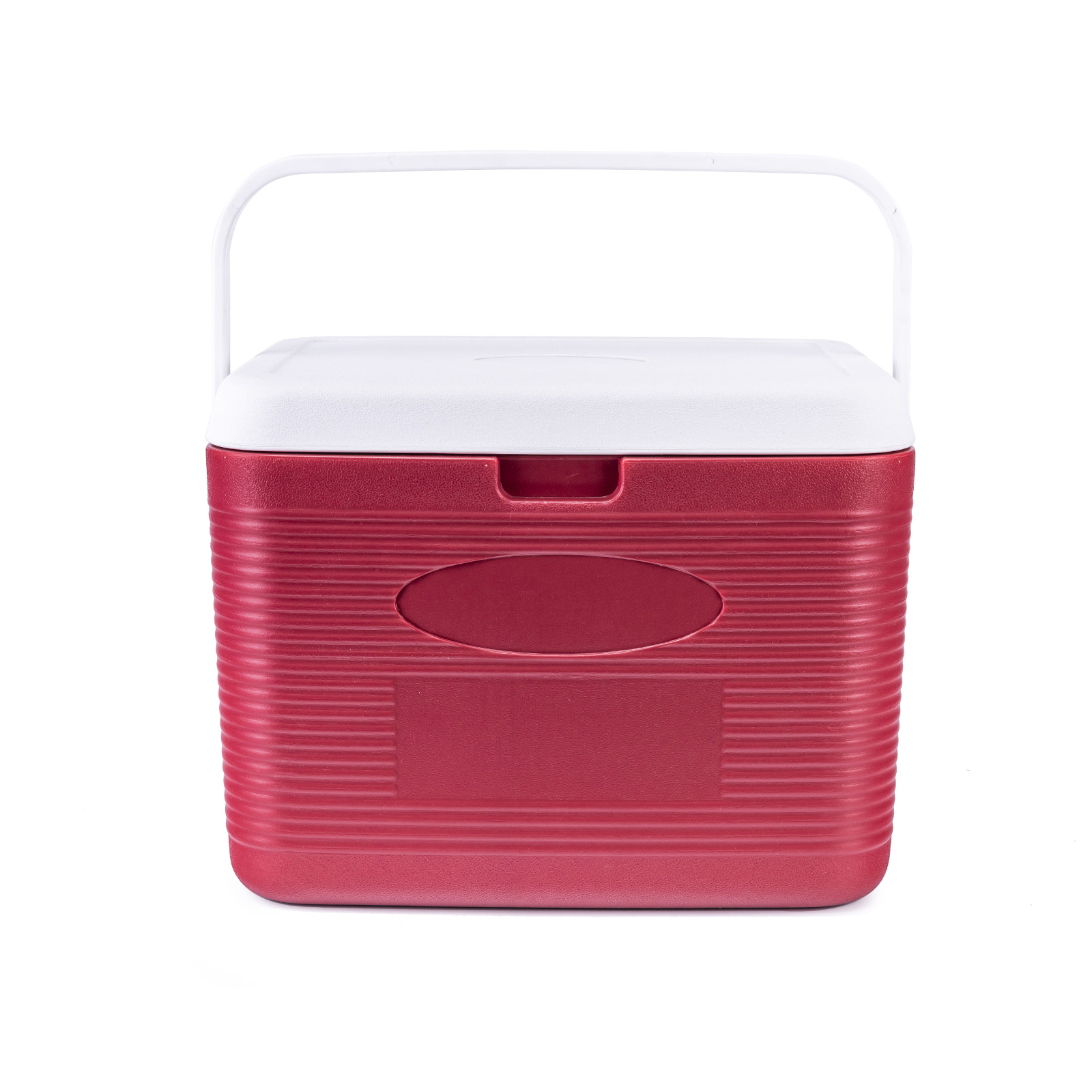
Pemasok Kotak Es Terisolasi yang Kompatibel dengan Es Kering: Pilihan, Biaya, dan Kerangka Kualifikasi
Mulailah dengan kondisi pengiriman atau layanan, bukan foto kotaknya. A dry ice compatible insulated ice box supplier should be selected only after the buyer has defined what goes inside, suhu atau kondisi penanganan apa yang penting, berapa lama paparan dapat bertahan, dan bukti apa saja yang diperlukan pada saat penerimaan.
Kerangka kerja terakhir menggabungkan pendidikan produk, pemeriksaan teknik, analisis komersial, kesadaran kualifikasi, dan tata kelola pemasok ke dalam satu metode pengadaan. Tujuannya bukan untuk menjanjikan kinerja universal, tetapi untuk menunjukkan apa yang harus didefinisikan, diuji, didokumentasikan, dan diverifikasi sebelum peningkatan skala.
Cakupan yang Jelas Mencegah Sebagian Besar Kesalahan Pembelian
Perlindungan termal berasal dari konfigurasi, bukan dari nama produknya saja. Untuk topik ini, definisi yang berguna adalah paket pengiriman terisolasi yang bahannya, penutup, jalur ventilasi, perlindungan muatan, tanda, dan petunjuk pengoperasian sesuai untuk jalur es kering yang direncanakan. Oleh karena itu, kinerja bergantung pada kondisi muatan yang diperlukan, suhu awal setiap komponen, jumlah dan penempatan media pendingin, segel tutupnya, pergerakan udara dalam, paparan lingkungan, dan waktu antara pengepakan dan penerimaan. Pemasok dapat menjual kotak luar yang sama ke beberapa pasar, namun setiap pasar memerlukan paket yang berbeda dan bukti yang berbeda. Pembeli harus menjaga konstruksi produk, konfigurasi termal, prosedur operasi, dan status kualifikasi sebagai bidang terpisah dalam spesifikasi. Dalam catatan persetujuan akhir, menghubungkan persyaratan, respons pemasok, observasi sampel, bukti uji, ruang lingkup komersial, dan keputusan yang bertanggung jawab dalam satu jalur yang dapat dilacak.
Pekerjaan yang dimaksudkan adalah mengirimkan muatan beku atau sangat dingin di mana karbon dioksida padat digunakan sebagai zat pendingin dan pelepasan gas harus dikelola dengan aman.. Pernyataan itu harus dibuat lebih tepat pada saat RFQ: mengidentifikasi jenis produk, dimensi muatan, kondisi yang dapat diterima, rute, serah terima, durasi yang direncanakan, musiman yang ekstrem, pemantauan, pembersihan, dan menerima keputusan. Jika suatu parameter tidak diketahui, tandai sebagai item verifikasi terbuka. Do not let a catalog label such as 'medis,' 'kelas makanan,' 'tugas berat,' atau 'rantai dingin' replace evidence. Pemasok yang kuat akan membantu memperjelas batasan dan membedakan kontainer stok, paket yang dirakit, dan sistem pengiriman yang berkualitas. Perlakukan asumsi yang belum terselesaikan sebagai risiko yang dikelola dengan pemilik dan tanggal jatuh tempo, bukan sebagai penerimaan diam-diam yang baru terlihat setelah peningkatan skala besar.
Gunakan Total Biaya Landed dan Lifecycle, Bukan Harga Satuan Saja
Untuk pembelian ini, biaya dibentuk oleh isolasi, plastik atau pelapis yang kompatibel, desain ventilasi, penutup, kuantitas es kering ditentukan melalui pengujian, persiapan barang berbahaya, pemantauan, dan kemungkinan rute. Kutipan harus menyatakan item mana yang disertakan, mata uang, perlakuan pajak, Incoterm jika relevan, sampel dan status perkakas, dasar pembayaran, dan masa berlaku. Harga satuan tidak dapat dibandingkan jika salah satu pemasok menyertakan karton ekspor yang diperkuat, inspeksi, aksesoris, atau pengujian dan yang lain mengecualikannya. Buatlah lembar perbandingan yang menggunakan gambar yang sama, tagihan bahan, tingkat kualitas, metode pengemasan, jumlah pesanan, dan titik pengiriman. Item yang tidak diketahui harus tetap terlihat sebagai tunjangan dan bukannya dianggap nol. Jika materinya, dimensi, sumber, paket, dasar tes, rute, atau perubahan instruksi pengoperasian, menilai dampaknya sebelum mengasumsikan persetujuan sebelumnya masih berlaku.
Total biaya juga mencakup konsekuensi kegagalan. Mengemas ulang, angkutan darurat, peluncuran tertunda, ulasan perjalanan suhu, muatan rusak, kembali, klaim garansi, tenaga kerja gudang tambahan, dan persediaan usang mungkin lebih besar daripada perbedaan harga satuan yang kecil. Ini tidak berarti memilih penawaran tertinggi. Hal ini berarti mengidentifikasi pengendalian mana yang mengurangi risiko material dan fitur mana yang menambah biaya tanpa manfaat yang jelas. Diskusi penurunan biaya akan menjadi paling produktif setelah persyaratan penting dilindungi: menyederhanakan dekorasi, standarisasi komponen, meningkatkan kepadatan karton, atau gunakan platform stok sebelum melemahkan isolasi, penutup, kekuatan penanganan, atau bukti kualitas. Dalam catatan persetujuan akhir, menghubungkan persyaratan, respons pemasok, observasi sampel, bukti uji, ruang lingkup komersial, dan keputusan yang bertanggung jawab dalam satu jalur yang dapat dilacak.
Pilihan Teknis yang Layak Mendapatkan Kriteria Penerimaan Tertulis
Panas masuk melalui dinding, tutup, sendi, bukaan, dan jembatan konduktif apa pun yang dibuat oleh perangkat keras. Kecepatannya dipengaruhi oleh perbedaan suhu, luas permukaan yang terbuka, sifat isolasi, ketebalan, geometri, kebocoran udara, dan waktu. Insulasi yang lebih tebal dapat membantu, tetapi juga mengurangi volume yang dapat digunakan atau menambah ukuran eksternal. Penutup yang lebih rapat dapat mengurangi pertukaran udara, namun tetap harus tetap dapat dioperasikan setelah penanganan berulang kali. Film reflektif dapat mengubah perpindahan panas radiasi dalam suatu rakitan tertentu, namun hal ini tidak dapat menggantikan isolasi yang memadai atau penutupan yang terkendali. Oleh karena itu, perbandingan yang benar adalah desain rakitan yang diuji dalam kondisi yang relevan, bukan satu nama material. Perlakukan asumsi yang belum terselesaikan sebagai risiko yang dikelola dengan pemilik dan tanggal jatuh tempo, bukan sebagai penerimaan diam-diam yang baru terlihat setelah peningkatan skala besar.
Media pendingin dan penempatan muatan menentukan apa yang dilindungi oleh insulasi. Conditioned gel packs or phase-change materials may be used for some refrigerated applications; barang beku atau sistem es kering mengikuti aturan yang berbeda. Kontak langsung dapat membuat produk sensitif terkena titik dingin setempat, jadi hambatan, keranjang, pengatur jarak, atau pengkondisian terkontrol mungkin penting. Ruang udara yang kosong juga mengubah kinerja dan memungkinkan komponen berpindah. Pembeli harus meminta gambar paket yang mengidentifikasi setiap komponen, orientasi, kuantitas, dan langkah persiapan. Gambar itu menjadi alat pelatihan, referensi catatan tes, dan garis dasar inspeksi, bukan saran informal. Keputusan terpadu harus melindungi tujuan penggunaan sekaligus menjaga isolasi, plastik atau pelapis yang kompatibel, desain ventilasi, penutup, kuantitas es kering ditentukan melalui pengujian, persiapan barang berbahaya, pemantauan, dan kemungkinan rute yang terlihat dalam model biaya total.
Setujui Konfigurasi Es Kering Lengkap
Es kering adalah karbon dioksida padat. Ini menyublim menjadi gas daripada meleleh menjadi air cair, jadi wadah kedap udara dapat menimbulkan tekanan yang berbahaya. Peraturan penerbangan dan prosedur pengangkut memerlukan perhatian terhadap ventilasi, tanda, jumlah bersih, dokumentasi, dan penerimaan. FAA secara tegas menyatakan bahwa paket penumpang yang berisi es kering tidak boleh kedap udara dan harus memungkinkan keluarnya gas karbon dioksida; persyaratan kargo komersial mungkin lebih rinci. Pembeli harus mengonfirmasi peraturan saat ini dengan pengangkut dan tim barang berbahaya untuk setiap mode dan jalur. Keputusan terpadu harus melindungi tujuan penggunaan sekaligus menjaga isolasi, plastik atau pelapis yang kompatibel, desain ventilasi, penutup, kuantitas es kering ditentukan melalui pengujian, persiapan barang berbahaya, pemantauan, dan kemungkinan rute yang terlihat dalam model biaya total.
Kompatibilitas juga mencakup perilaku kotak pada suhu rendah, liner, penutup, tape, Label, sensor, dan pengemasan muatan. Beberapa bahan menjadi rapuh, perekat mungkin kehilangan kinerja, dan kontak langsung dapat merusak produk atau wadah utama. Kuantitas zat pendingin tidak dapat dipilih dari tabel universal karena bergantung pada insulasi, muatan, kondisi awal, profil lingkungan, tunjangan penundaan, dan kisaran suhu yang diizinkan. Memerlukan dokumentasi, tested configuration and a safe loading instruction rather than a general statement that a box is 'dry ice compatible.' Jika materinya, dimensi, sumber, paket, dasar tes, rute, atau perubahan instruksi pengoperasian, menilai dampaknya sebelum mengasumsikan persetujuan sebelumnya masih berlaku.
Kualifikasi, Pemantauan, dan Kontrol Perubahan Bekerja Sama
Rencana kualifikasi praktis dimulai dengan kondisi produk target dan skenario pengoperasian terburuk yang dapat dipercaya. Ini harus mendefinisikan muatan yang representatif, komponen kemasan, pengkondisian, urutan pengepakan, lokasi sensor, profil lingkungan, lamanya, acara pembuka jika relevan, Kriteria penerimaan, dan margin kontingensi. Profil termal ISTA dapat mendukung perbandingan standar untuk aplikasi parsel yang sesuai, tapi itu tidak menggantikan pengetahuan tentang jalur tertentu. Untuk saluran lain, pengirim dapat menggunakan data jalur yang dipetakan, profil musiman, pengujian distribusi, dan penilaian risiko. Metode yang dipilih harus disetujui oleh fungsi kualitas dan logistik yang bertanggung jawab. Perlakukan asumsi yang belum terselesaikan sebagai risiko yang dikelola dengan pemilik dan tanggal jatuh tempo, bukan sebagai penerimaan diam-diam yang baru terlihat setelah peningkatan skala besar.
Pemantauan tidak menciptakan perlindungan suhu; ini memberikan bukti tentang paparan. Pilih akurasi logger, status kalibrasi, interval perekaman, memulai prosedur, penempatan, logika alarm, akses data, dan format laporan perjalanan sesuai risiko produk. Urutan operasionalnya adalah penanganan es kering yang aman, pemuatan refrigeran yang dihitung, penempatan produk yang dilindungi, penutupan tidak kedap udara, penandaan dan dokumentasi yang diperlukan, penerimaan operator, dan kontrol penerimaan. Penyimpangan memerlukan jalur peninjauan yang ditentukan, bukan asumsi otomatis bahwa muatan dapat diterima atau tidak dapat digunakan. Setelah persetujuan, setiap perubahan pada isolasi, damar, pendingin, ukuran, pemasok, penutup, instruksi pengepakan, profil pengujian, rute, atau muatan mungkin memerlukan penilaian terdokumentasi dan kemungkinan kualifikasi ulang. Keputusan terpadu harus melindungi tujuan penggunaan sekaligus menjaga isolasi, plastik atau pelapis yang kompatibel, desain ventilasi, penutup, kuantitas es kering ditentukan melalui pengujian, persiapan barang berbahaya, pemantauan, dan kemungkinan rute yang terlihat dalam model biaya total.
Pemasok Daftar Pendek Dengan Bukti dan Tata Kelola
The central supplier question is whether the supplier understands dry ice as both a thermal component and a regulated dangerous-goods consideration rather than simply a colder ice pack. Evaluasi bukti kompatibilitas material, instruksi ventilasi, konfigurasi yang diuji, konsistensi dimensi, dukungan dokumentasi yang sadar operator, dan peringatan penggunaan yang aman. Tanyakan siapa yang memiliki setiap proses, operasi mana yang disubkontrakkan, bagaimana dimensi dan material penting diperiksa, bagaimana produk yang ditolak dikendalikan, dan bagaimana sampel yang disetujui dikaitkan dengan produksi. Jika pemasok menawarkan pengujian, mengidentifikasi laboratorium, metode, muatan, tata letak sensor, profil lingkungan, ukuran sampel, dan melaporkan kepemilikan. Laporan yang disempurnakan hanya berguna jika menjelaskan konfigurasi yang ingin Anda beli. Dalam catatan persetujuan akhir, menghubungkan persyaratan, respons pemasok, observasi sampel, bukti uji, ruang lingkup komersial, dan keputusan yang bertanggung jawab dalam satu jalur yang dapat dilacak.
- Gambar dan revisi bill of material mana yang akan mengatur produksi?
- Apa arti kapasitas yang dikutip setelah paket operasi diinstal?
- Klaim mana yang didukung oleh laporan pengujian, deklarasi materi, atau catatan pemeriksaan?
- Bagaimana sampel diidentifikasi dan dihubungkan dengan lot produksi selanjutnya?
- Perubahan apa yang memerlukan persetujuan tertulis dari pelanggan sebelum diterapkan?
- Siapa yang menyelidiki ketidaksesuaian dan seberapa cepat pembendungan dimulai?
Jawaban yang baik bersifat spesifik dan dapat diaudit. Pemasok yang menjelaskan keterbatasan seringkali lebih berguna daripada pemasok yang memberi label pada setiap model yang cocok untuk setiap pasar. Selama uji tuntas, membandingkan dokumen dengan sampel fisik. Ukur dimensi kritis, periksa tutup dan penutupnya, tinjau permukaan dan kontinuitas isolasi jika terlihat, mengemas muatan yang representatif, dan memotret konfigurasi yang disetujui. Hasilnya harus menjadi acuan terkendali pengadaan itu, kualitas, gudang, dan tim pemasok semuanya dapat mengenalinya. Perlakukan asumsi yang belum terselesaikan sebagai risiko yang dikelola dengan pemilik dan tanggal jatuh tempo, bukan sebagai penerimaan diam-diam yang baru terlihat setelah peningkatan skala besar.
| Gerbang persetujuan | Apa yang harus diperbaiki | Catatan rilis |
|---|---|---|
| Produk dan rute | Mencegah kotak generik diperlakukan sebagai solusi universal | Kasus penggunaan tertulis, profil muatan dan rute |
| Ruang yang dapat digunakan | Media pendingin dan pembagi mengurangi volume muatan praktis | Gambar paket berdimensi dan uji pengepakan |
| Konfigurasi es kering | Pelepasan gas, perilaku material dan pemuatan zat pendingin mempengaruhi keselamatan dan kinerja | Desain ventilasi, ulasan operator, catatan pengujian dan instruksi pengepakan |
| Konstruksi | Bahan, sendi, tutup dan perangkat keras mempengaruhi aliran panas dan penanganan | Menggambar, bill of material dan pemeriksaan sampel |
| Operasi | Desain yang baik bisa gagal jika staf mengemasnya secara berbeda | Instruksi kerja dan rencana pelatihan yang terkendali |
| Pengendalian produksi | Sampel yang disetujui harus mewakili unit massal | Sampel emas, rencana inspeksi dan perjanjian pengendalian perubahan |
| Ruang lingkup komersial | Penawaran harga yang rendah mungkin tidak termasuk item biaya besar | Kutipan yang dinormalisasi dan model biaya tetap |
| Akhir penggunaan | Penggunaan kembali atau pembuangan harus sesuai dengan jaringan sebenarnya | Pembersihan, inspeksi, rencana pengembalian dan pemulihan |
Tabel adalah alat bantu pengambilan keputusan, bukan pengganti kualifikasi. Itu membuat hal-hal yang tidak diketahui tetap terlihat dan menghubungkan setiap klaim penting ke sebuah dokumen, mencicipi, tes, atau kontrol pengoperasian yang dapat ditinjau pembeli sebelum dirilis.
Gunakan Tinjauan Skenario Sebelum Merilis Pesanan
Pertimbangkan skenario tipikal ini: sebuah laboratorium mengirimkan spesimen beku melalui udara dan membutuhkan paket yang tahan terhadap penundaan sekaligus memungkinkan gas karbon dioksida keluar tanpa memaparkan muatannya. Tim harus memetakan setiap periode ketika produk yang dikemas berada di luar penyimpanan terkendali, termasuk pementasan sebelum pengambilan, memuat, hub, pemeriksaan bea cukai atau keamanan, pengiriman terlewat, menunggu di tanda terima, dan penanganan pengembalian. Untuk setiap langkah, mengidentifikasi durasi yang diharapkan, paparan lingkungan, siapa pemilik kiriman tersebut, apakah kotak itu boleh dibuka, dan data apa yang tersedia. Ini memperlihatkan apakah persyaratan utamanya adalah isolasi, pengaturan pendingin yang berbeda, penutupan yang lebih kuat, pelabelan yang lebih jelas, layanan operator lebih cepat, paket darurat, atau meningkatkan disiplin penerimaan. Keputusan terpadu harus melindungi tujuan penggunaan sekaligus menjaga isolasi, plastik atau pelapis yang kompatibel, desain ventilasi, penutup, kuantitas es kering ditentukan melalui pengujian, persiapan barang berbahaya, pemantauan, dan kemungkinan rute yang terlihat dalam model biaya total.
Tinjauan yang sama harus menanyakan apa yang terjadi ketika kondisi tidak ideal. Risiko yang relevan mencakup penumpukan tekanan di ruang kedap udara, bahan rapuh, kerusakan kontak langsung, pendingin yang tidak mencukupi, sublimasi berlebihan, kondensasi, perpindahan oksigen, dan penandaan yang salah. Beri peringkat berdasarkan tingkat keparahannya, kemungkinan, dan kemampuan deteksi, kemudian menetapkan pencegahan dan respons. Beberapa kontrol termasuk dalam produk, seperti penghalang atau pegangan yang lebih kuat. Yang lainnya termasuk dalam prosedur ini, seperti waktu pengkondisian, pesanan pengepakan, pra-pendinginan, pelatihan staf, instruksi pembawa, atau daftar periksa penerimaan. Pemasok dapat menyumbangkan bukti desain, namun kepemilikan rute tetap berada pada pengirim dan mitra logistiknya. Jika materinya, dimensi, sumber, paket, dasar tes, rute, atau perubahan instruksi pengoperasian, menilai dampaknya sebelum mengasumsikan persetujuan sebelumnya masih berlaku.
Rencana Gerbang Panggung Menjaga Peningkatan Skala Tetap Dapat Dibalik
RFQ yang efektif memisahkan persyaratan wajib dari preferensi dan pertanyaan terbuka. Lampirkan sketsa muatan berdimensi, volume pesanan yang diharapkan, pasar pengiriman, garis waktu sasaran, kebutuhan pengemasan dan pelabelan, dan skenario operasi. Minta pemasok untuk menyatakan kepatuhannya, pengecualian, atau usulan alternatif terhadap setiap lini. Hal ini untuk menghindari masalah umum: pemasok diam-diam mengutip produk standar terdekatnya sementara pembeli berasumsi bahwa persyaratan khusus telah diterima. Perbandingan komersial harus dimulai hanya setelah pengecualian teknis terlihat dan tanggung jawab untuk pengujian, sampel, cetakan, kargo, dan dokumen ditugaskan. Dalam catatan persetujuan akhir, menghubungkan persyaratan, respons pemasok, observasi sampel, bukti uji, ruang lingkup komersial, dan keputusan yang bertanggung jawab dalam satu jalur yang dapat dilacak.
Gunakan gerbang panggung sehingga pembelanjaan mengikuti bukti. Gerbang konsep menyetujui persyaratan tersebut; gerbang teknik menyetujui gambar dan bahan; gerbang sampel memeriksa kesesuaian dan fungsinya; gerbang percontohan memeriksa kontrol produksi dan pengemasan; dan gerbang pelepasan mengotorisasi volume. Di setiap gerbang, mencatat masalah terbuka, pemilik, tanggal jatuh tempo, dan revisi yang tepat ditinjau. Hal ini memudahkan untuk menjeda atau memperbaiki proyek sebelum masalah dikalikan ke seluruh urutan. Hal ini juga menciptakan sejarah yang berguna untuk pengurangan biaya di kemudian hari, perpindahan pemasok, atau perubahan desain. Perlakukan asumsi yang belum terselesaikan sebagai risiko yang dikelola dengan pemilik dan tanggal jatuh tempo, bukan sebagai penerimaan diam-diam yang baru terlihat setelah peningkatan skala besar.
Membuat Klaim Lingkungan Dengan Bukti Operasional
Prioritas lingkungan adalah melindungi muatan dengan kombinasi material yang paling tidak praktis, energi, pendingin, tenaga kerja, dan transportasi. Sebuah paket yang menggunakan lebih sedikit bahan tetapi menyebabkan kehilangan produk tidak serta merta memberikan hasil yang lebih baik. Pendekatan yang relevan di sini adalah ukuran insulasi dan zat pendingin yang tepat, mencegah kegagalan pengiriman, dan mempertimbangkan komponen luar yang dapat digunakan kembali hanya jika kontaminasi dan pengendalian pengembalian memungkinkan. Bandingkan opsi sekali pakai dan dapat digunakan kembali melalui jaringan sebenarnya: jarak keluar, jarak kembali, pembersihan, pengeringan, inspeksi, tingkat kerugian, memperbaiki, penyimpanan, dan jalur akhir penggunaan. Avoid broad claims such as 'zero waste' atau 'carbon neutral' unless a defined study and scope support them. Jika materinya, dimensi, sumber, paket, dasar tes, rute, atau perubahan instruksi pengoperasian, menilai dampaknya sebelum mengasumsikan persetujuan sebelumnya masih berlaku.
Desain masih dapat menghilangkan inefisiensi yang nyata. Dimensi eksternal ukuran yang tepat, meningkatkan kepadatan muatan, menstandarkan komponen dengan keausan tinggi, hindari lapisan dekoratif yang mempersulit pemulihan, dan pilih karton yang melindungi produk tanpa mengirimkan udara berlebih. Untuk armada yang dapat digunakan kembali, berikan setiap aset status pemilik dan pemeriksaan. Pensiunkan kotak dengan isolasi yang rusak, kelopak mata terdistorsi, permukaan yang terkontaminasi, atau penutupan yang tidak dapat diandalkan. Keberlanjutan akan menjadi lebih kuat jika dikaitkan dengan hasil operasional yang terukur: lebih sedikit pengiriman yang rusak, layanan aman yang lebih lama, pemanfaatan kubus yang lebih baik, pembersihan terkontrol, dan jalur pemulihan yang kredibel. Dalam catatan persetujuan akhir, menghubungkan persyaratan, respons pemasok, observasi sampel, bukti uji, ruang lingkup komersial, dan keputusan yang bertanggung jawab dalam satu jalur yang dapat dilacak.
Pertanyaan yang sering diajukan
Bisakah pengirim es kering kedap udara?
TIDAK. Es kering melepaskan gas karbon dioksida saat menyublim, jadi tekanan tidak boleh terjebak. Paket tersebut harus memungkinkan pelepasan gas dan harus memenuhi perusahaan pengangkut yang berlaku, modal, tanda, kuantitas, dan aturan dokumentasi. Telah melatih personel barang berbahaya untuk memastikan persyaratan terkini untuk jalur yang direncanakan.
Bagaimana seharusnya pembeli membandingkan klaim kinerja pemasok?
Bandingkan kondisi pengujian lengkap, tidak hanya durasi atau suhu judul. Tinjau muatan, pendingin, pengkondisian, penempatan sensor, profil lingkungan, bukaan, konstruksi sampel, batas penerimaan, dan apakah unit yang diuji sesuai dengan produksi. Jika detail ini hilang, perlakukan klaim sebagai topik untuk verifikasi dan bukan sebagai fakta pembelian.
Apa kesalahan paling umum dalam pesanan massal?
Kesalahan yang sering terjadi adalah menyetujui tampilan namun membiarkan detail fungsional tidak ditentukan. Dimensi dalam, ruang yang dapat digunakan, tutup pas, isolasi, perangkat keras, paket, karton, inspeksi, dan perubahan yang diizinkan harus ditulis sebelum produksi. Sampel yang ditandatangani sangat membantu, tapi gambar, Kriteria penerimaan, dan mengubah kontrol membuat persetujuan dapat diulang.
Jika kutipan terendah menang?
Hanya setelah setiap kutipan dinormalisasi ke spesifikasi dan cakupan pengiriman yang sama. Sertakan perkakas, aksesoris, pengujian, inspeksi, karton, kargo, tugas, buruh gudang, paparan garansi, dan risiko kegagalan. Harga yang lebih rendah dapat menjadi keputusan yang tepat ketika bukti dan pengendaliannya setara; berisiko bila harga rendah datang dari ruang lingkup yang tidak diketahui.
Kapan kotak yang dapat digunakan kembali merupakan pilihan yang lebih baik?
Penggunaan kembali bisa menjadi menarik jika dikendalikan, rute berulang dengan kepemilikan, transportasi kembali, pembersihan, pengeringan, inspeksi, memperbaiki, dan manajemen kerugian. Kurang meyakinkan ketika kotak-kotak menghilang, kembali kosong dalam jarak jauh, atau tidak dapat dibersihkan dengan aman. Evaluasilah perulangan yang sebenarnya daripada berasumsi bahwa label yang dapat digunakan kembali menjamin dampak lingkungan yang lebih baik.
Tampilan Akhir Pengadaan
Seleksi akhir harus menghubungkan empat keputusan: kesesuaian produk dan rute, bukti teknis, total biaya, dan tata kelola pemasok. Ketika keputusan-keputusan itu dicatat, pembeli dapat melakukan penskalaan dengan lebih sedikit kejutan dan dasar peninjauan kualitas yang lebih jelas.
Tentang tempk
Tempk mendukung pembeli mengembangkan paket rantai dingin pasif dengan kotak pendingin, isolasi, Paket gel, batu bata PCM, kantong termal, dan format pengiriman medis. A dry ice compatible insulated ice box supplier request can be reviewed more effectively when the buyer supplies route, muatan, kondisi yang diperlukan, penanganan, kuantitas sasaran, dan menguji ekspektasi. Tempk dapat membantu mengidentifikasi opsi untuk evaluasi, sementara pengirim dan tim mutunya tetap bertanggung jawab untuk menyetujui permohonan dan rute.
Diskusikan ringkasan teknis, rencana sampel, dan kriteria penerimaan massal dengan Tempk sebelum mengunci pesanan komersial.
Penjual Kotak Pendingin: Pilihan, Biaya, dan Kerangka Kualifikasi
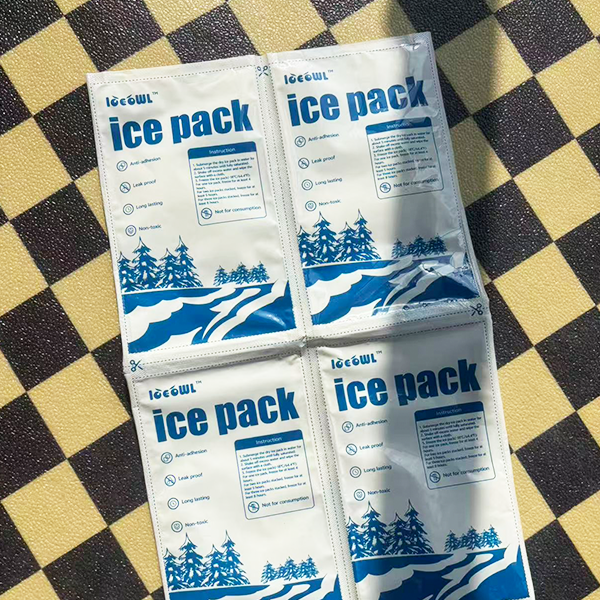
Penjual Kotak Pendingin: Pilihan, Biaya, dan Kerangka Kualifikasi
Mulailah dengan kondisi pengiriman atau layanan, bukan foto kotaknya. Vendor kotak pendingin harus dipilih hanya setelah pembeli menentukan apa yang ada di dalamnya, suhu atau kondisi penanganan apa yang penting, berapa lama paparan dapat bertahan, dan bukti apa saja yang diperlukan pada saat penerimaan.
Kerangka kerja terakhir menggabungkan pendidikan produk, pemeriksaan teknik, analisis komersial, kesadaran kualifikasi, dan tata kelola pemasok ke dalam satu metode pengadaan. Tujuannya bukan untuk menjanjikan kinerja universal, tetapi untuk menunjukkan apa yang harus didefinisikan, diuji, didokumentasikan, dan diverifikasi sebelum peningkatan skala.
Cakupan yang Jelas Mencegah Sebagian Besar Kesalahan Pembelian
Kotak berinsulasi memperlambat perpindahan panas; itu tidak menciptakan lingkungan dingin yang tidak terbatas. Untuk topik ini, definisi yang berguna adalah kotak pendingin stok atau khusus yang disertakan dengan spesifikasi yang disepakati, kumpulan dokumentasi, metode pengemasan, rencana pengiriman, dan tanggung jawab layanan. Oleh karena itu, kinerja bergantung pada kondisi muatan yang diperlukan, suhu awal setiap komponen, jumlah dan penempatan media pendingin, segel tutupnya, pergerakan udara dalam, paparan lingkungan, dan waktu antara pengepakan dan penerimaan. Pemasok dapat menjual kotak luar yang sama ke beberapa pasar, namun setiap pasar memerlukan paket yang berbeda dan bukti yang berbeda. Pembeli harus menjaga konstruksi produk, konfigurasi termal, prosedur operasi, dan status kualifikasi sebagai bidang terpisah dalam spesifikasi. Dalam catatan persetujuan akhir, menghubungkan persyaratan, respons pemasok, observasi sampel, bukti uji, ruang lingkup komersial, dan keputusan yang bertanggung jawab dalam satu jalur yang dapat dilacak.
Pekerjaan yang dimaksudkan adalah memilih vendor untuk proyek satu kali, program pengisian ulang, penjualan lagi, atau lini produk yang disesuaikan. Pernyataan itu harus dibuat lebih tepat pada saat RFQ: mengidentifikasi jenis produk, dimensi muatan, kondisi yang dapat diterima, rute, serah terima, durasi yang direncanakan, musiman yang ekstrem, pemantauan, pembersihan, dan menerima keputusan. Jika suatu parameter tidak diketahui, tandai sebagai item verifikasi terbuka. Do not let a catalog label such as 'medis,' 'kelas makanan,' 'tugas berat,' atau 'rantai dingin' replace evidence. Pemasok yang kuat akan membantu memperjelas batasan dan membedakan kontainer stok, paket yang dirakit, dan sistem pengiriman yang berkualitas. Perlakukan asumsi yang belum terselesaikan sebagai risiko yang dikelola dengan pemilik dan tanggal jatuh tempo, bukan sebagai penerimaan diam-diam yang baru terlihat setelah peningkatan skala besar.
Gunakan Total Biaya Landed dan Lifecycle, Bukan Harga Satuan Saja
Untuk pembelian ini, biaya dibentuk oleh tingkat produk, Kustomisasi, bukti, jumlah pesanan, logistik, ketentuan pembayaran, inspeksi, jaminan, upaya komunikasi, dan risiko kontinuitas. Kutipan harus menyatakan item mana yang disertakan, mata uang, perlakuan pajak, Incoterm jika relevan, sampel dan status perkakas, dasar pembayaran, dan masa berlaku. Harga satuan tidak dapat dibandingkan jika salah satu pemasok menyertakan karton ekspor yang diperkuat, inspeksi, aksesoris, atau pengujian dan yang lain mengecualikannya. Buatlah lembar perbandingan yang menggunakan gambar yang sama, tagihan bahan, tingkat kualitas, metode pengemasan, jumlah pesanan, dan titik pengiriman. Item yang tidak diketahui harus tetap terlihat sebagai tunjangan dan bukannya dianggap nol. Jika materinya, dimensi, sumber, paket, dasar tes, rute, atau perubahan instruksi pengoperasian, menilai dampaknya sebelum mengasumsikan persetujuan sebelumnya masih berlaku.
Total biaya juga mencakup konsekuensi kegagalan. Mengemas ulang, angkutan darurat, peluncuran tertunda, ulasan perjalanan suhu, muatan rusak, kembali, klaim garansi, tenaga kerja gudang tambahan, dan persediaan usang mungkin lebih besar daripada perbedaan harga satuan yang kecil. Ini tidak berarti memilih penawaran tertinggi. Hal ini berarti mengidentifikasi pengendalian mana yang mengurangi risiko material dan fitur mana yang menambah biaya tanpa manfaat yang jelas. Diskusi penurunan biaya akan menjadi paling produktif setelah persyaratan penting dilindungi: menyederhanakan dekorasi, standarisasi komponen, meningkatkan kepadatan karton, atau gunakan platform stok sebelum melemahkan isolasi, penutup, kekuatan penanganan, atau bukti kualitas. Dalam catatan persetujuan akhir, menghubungkan persyaratan, respons pemasok, observasi sampel, bukti uji, ruang lingkup komersial, dan keputusan yang bertanggung jawab dalam satu jalur yang dapat dilacak.
Pilihan Teknis yang Layak Mendapatkan Kriteria Penerimaan Tertulis
Panas masuk melalui dinding, tutup, sendi, bukaan, dan jembatan konduktif apa pun yang dibuat oleh perangkat keras. Kecepatannya dipengaruhi oleh perbedaan suhu, luas permukaan yang terbuka, sifat isolasi, ketebalan, geometri, kebocoran udara, dan waktu. Insulasi yang lebih tebal dapat membantu, tetapi juga mengurangi volume yang dapat digunakan atau menambah ukuran eksternal. Penutup yang lebih rapat dapat mengurangi pertukaran udara, namun tetap harus tetap dapat dioperasikan setelah penanganan berulang kali. Film reflektif dapat mengubah perpindahan panas radiasi dalam suatu rakitan tertentu, namun hal ini tidak dapat menggantikan isolasi yang memadai atau penutupan yang terkendali. Oleh karena itu, perbandingan yang benar adalah desain rakitan yang diuji dalam kondisi yang relevan, bukan satu nama material. Perlakukan asumsi yang belum terselesaikan sebagai risiko yang dikelola dengan pemilik dan tanggal jatuh tempo, bukan sebagai penerimaan diam-diam yang baru terlihat setelah peningkatan skala besar.
Media pendingin dan penempatan muatan menentukan apa yang dilindungi oleh insulasi. Conditioned gel packs or phase-change materials may be used for some refrigerated applications; barang beku atau sistem es kering mengikuti aturan yang berbeda. Kontak langsung dapat membuat produk sensitif terkena titik dingin setempat, jadi hambatan, keranjang, pengatur jarak, atau pengkondisian terkontrol mungkin penting. Ruang udara yang kosong juga mengubah kinerja dan memungkinkan komponen berpindah. Pembeli harus meminta gambar paket yang mengidentifikasi setiap komponen, orientasi, kuantitas, dan langkah persiapan. Gambar itu menjadi alat pelatihan, referensi catatan tes, dan garis dasar inspeksi, bukan saran informal. Keputusan terpadu harus melindungi tujuan penggunaan sekaligus menjaga tingkat produk, Kustomisasi, bukti, jumlah pesanan, logistik, ketentuan pembayaran, inspeksi, jaminan, upaya komunikasi, dan risiko kontinuitas yang terlihat dalam model biaya total.
Ubah Setiap Klaim Penting Menjadi Bukti
Commercial cooler boxes can be rotationally molded, cetakan injeksi, cetakan tiup, dibuat, atau dibuat dari rakitan dan pelapis berbusa. Setiap rute konstruksi mempunyai implikasi yang berbeda terhadap perkakas, konsistensi dinding, penampilan, berat, memperbaiki, jumlah pesanan, dan kustomisasi. Tidak ada metode yang otomatis menjadi yang terbaik. Spesifikasi harus fokus pada hasil yang penting dalam layanan yang diharapkan: dimensi dalam, penutupan pas, resistensi terhadap penanganan yang diharapkan, kontinuitas isolasi, kemampuan bersih, retensi komponen, dan standar visual di mana produk tersebut dapat dilihat oleh konsumen. Keputusan terpadu harus melindungi tujuan penggunaan sekaligus menjaga tingkat produk, Kustomisasi, bukti, jumlah pesanan, logistik, ketentuan pembayaran, inspeksi, jaminan, upaya komunikasi, dan risiko kontinuitas yang terlihat dalam model biaya total.
Klaim termal memerlukan konteks. Tanyakan muatan apa yang digunakan, bagaimana komponen dikondisikan, tempat sensor ditempatkan, profil ambien apa yang diterapkan, bagaimana tutupnya ditangani, dan kriteria penerimaan apa yang mendefinisikan kesuksesan. Durasi yang lama pada pengujian ringan tidak dapat dianggap sebagai performa pada rute yang berat. ISTA 7E menawarkan profil panas dan dingin standar untuk kemasan transportasi termal dalam pengiriman paket, sementara kualifikasi jalur khusus mungkin masih diperlukan. Bukti harus sesuai dengan rencana penggunaan, bukan menghiasi kutipan. Jika materinya, dimensi, sumber, paket, dasar tes, rute, atau perubahan instruksi pengoperasian, menilai dampaknya sebelum mengasumsikan persetujuan sebelumnya masih berlaku.
Kualifikasi, Pemantauan, dan Kontrol Perubahan Bekerja Sama
Rencana kualifikasi praktis dimulai dengan kondisi produk target dan skenario pengoperasian terburuk yang dapat dipercaya. Ini harus mendefinisikan muatan yang representatif, komponen kemasan, pengkondisian, urutan pengepakan, lokasi sensor, profil lingkungan, lamanya, acara pembuka jika relevan, Kriteria penerimaan, dan margin kontingensi. Profil termal ISTA dapat mendukung perbandingan standar untuk aplikasi parsel yang sesuai, tapi itu tidak menggantikan pengetahuan tentang jalur tertentu. Untuk saluran lain, pengirim dapat menggunakan data jalur yang dipetakan, profil musiman, pengujian distribusi, dan penilaian risiko. Metode yang dipilih harus disetujui oleh fungsi kualitas dan logistik yang bertanggung jawab. Perlakukan asumsi yang belum terselesaikan sebagai risiko yang dikelola dengan pemilik dan tanggal jatuh tempo, bukan sebagai penerimaan diam-diam yang baru terlihat setelah peningkatan skala besar.
Pemantauan tidak menciptakan perlindungan suhu; ini memberikan bukti tentang paparan. Pilih akurasi logger, status kalibrasi, interval perekaman, memulai prosedur, penempatan, logika alarm, akses data, dan format laporan perjalanan sesuai risiko produk. Urutan operasional adalah persyaratan singkat, penemuan vendor, tinjauan bukti, percobaan sampel, normalisasi kutipan, perintah percontohan, menerima pemeriksaan, dan tinjauan kinerja. Penyimpangan memerlukan jalur peninjauan yang ditentukan, bukan asumsi otomatis bahwa muatan dapat diterima atau tidak dapat digunakan. Setelah persetujuan, setiap perubahan pada isolasi, damar, pendingin, ukuran, pemasok, penutup, instruksi pengepakan, profil pengujian, rute, atau muatan mungkin memerlukan penilaian terdokumentasi dan kemungkinan kualifikasi ulang. Keputusan terpadu harus melindungi tujuan penggunaan sekaligus menjaga tingkat produk, Kustomisasi, bukti, jumlah pesanan, logistik, ketentuan pembayaran, inspeksi, jaminan, upaya komunikasi, dan risiko kontinuitas yang terlihat dalam model biaya total.
Pemasok Daftar Pendek Dengan Bukti dan Tata Kelola
Pertanyaan utama pemasok adalah vendor mana yang dapat menunjukkan kelayakan untuk digunakan, pengulangan, klaim yang transparan, dan eksekusi yang andal di seluruh siklus pesanan. Evaluasi spesifikasi yang akurat, sampel terkontrol, visibilitas manufaktur, pemeriksaan kualitas yang terdokumentasi, disiplin pengiriman, dan kepemilikan resolusi ketidaksesuaian. Tanyakan siapa yang memiliki setiap proses, operasi mana yang disubkontrakkan, bagaimana dimensi dan material penting diperiksa, bagaimana produk yang ditolak dikendalikan, dan bagaimana sampel yang disetujui dikaitkan dengan produksi. Jika pemasok menawarkan pengujian, mengidentifikasi laboratorium, metode, muatan, tata letak sensor, profil lingkungan, ukuran sampel, dan melaporkan kepemilikan. Laporan yang disempurnakan hanya berguna jika menjelaskan konfigurasi yang ingin Anda beli. Dalam catatan persetujuan akhir, menghubungkan persyaratan, respons pemasok, observasi sampel, bukti uji, ruang lingkup komersial, dan keputusan yang bertanggung jawab dalam satu jalur yang dapat dilacak.
- Gambar dan revisi bill of material mana yang akan mengatur produksi?
- Apa arti kapasitas yang dikutip setelah paket operasi diinstal?
- Klaim mana yang didukung oleh laporan pengujian, deklarasi materi, atau catatan pemeriksaan?
- Bagaimana sampel diidentifikasi dan dihubungkan dengan lot produksi selanjutnya?
- Perubahan apa yang memerlukan persetujuan tertulis dari pelanggan sebelum diterapkan?
- Siapa yang menyelidiki ketidaksesuaian dan seberapa cepat pembendungan dimulai?
Jawaban yang baik bersifat spesifik dan dapat diaudit. Pemasok yang menjelaskan keterbatasan seringkali lebih berguna daripada pemasok yang memberi label pada setiap model yang cocok untuk setiap pasar. Selama uji tuntas, membandingkan dokumen dengan sampel fisik. Ukur dimensi kritis, periksa tutup dan penutupnya, tinjau permukaan dan kontinuitas isolasi jika terlihat, mengemas muatan yang representatif, dan memotret konfigurasi yang disetujui. Hasilnya harus menjadi acuan terkendali pengadaan itu, kualitas, gudang, dan tim pemasok semuanya dapat mengenalinya. Perlakukan asumsi yang belum terselesaikan sebagai risiko yang dikelola dengan pemilik dan tanggal jatuh tempo, bukan sebagai penerimaan diam-diam yang baru terlihat setelah peningkatan skala besar.
| Gerbang persetujuan | Apa yang harus diperbaiki | Catatan rilis |
|---|---|---|
| Produk dan rute | Mencegah kotak generik diperlakukan sebagai solusi universal | Kasus penggunaan tertulis, profil muatan dan rute |
| Ruang yang dapat digunakan | Media pendingin dan pembagi mengurangi volume muatan praktis | Gambar paket berdimensi dan uji pengepakan |
| Bukti termal | Durasi klaim tergantung pada payload, pengkondisian dan profil ambien | Lengkapi metode pengujian dan laporan untuk konfigurasi yang diusulkan |
| Konstruksi | Bahan, sendi, tutup dan perangkat keras mempengaruhi aliran panas dan penanganan | Menggambar, bill of material dan pemeriksaan sampel |
| Operasi | Desain yang baik bisa gagal jika staf mengemasnya secara berbeda | Instruksi kerja dan rencana pelatihan yang terkendali |
| Pengendalian produksi | Sampel yang disetujui harus mewakili unit massal | Sampel emas, rencana inspeksi dan perjanjian pengendalian perubahan |
| Ruang lingkup komersial | Penawaran harga yang rendah mungkin tidak termasuk item biaya besar | Kutipan yang dinormalisasi dan model biaya tetap |
| Akhir penggunaan | Penggunaan kembali atau pembuangan harus sesuai dengan jaringan sebenarnya | Pembersihan, inspeksi, rencana pengembalian dan pemulihan |
Tabel adalah alat bantu pengambilan keputusan, bukan pengganti kualifikasi. Itu membuat hal-hal yang tidak diketahui tetap terlihat dan menghubungkan setiap klaim penting ke sebuah dokumen, mencicipi, tes, atau kontrol pengoperasian yang dapat ditinjau pembeli sebelum dirilis.
Gunakan Tinjauan Skenario Sebelum Merilis Pesanan
Pertimbangkan skenario tipikal ini: pembeli menemukan banyak pendingin yang serupa secara visual secara online tetapi membutuhkan vendor yang dapat membuktikan dimensi dalamnya, desain penutupan, kesesuaian pembersihan, dan konsistensi produksi. Tim harus memetakan setiap periode ketika produk yang dikemas berada di luar penyimpanan terkendali, termasuk pementasan sebelum pengambilan, memuat, hub, pemeriksaan bea cukai atau keamanan, pengiriman terlewat, menunggu di tanda terima, dan penanganan pengembalian. Untuk setiap langkah, mengidentifikasi durasi yang diharapkan, paparan lingkungan, siapa pemilik kiriman tersebut, apakah kotak itu boleh dibuka, dan data apa yang tersedia. Ini memperlihatkan apakah persyaratan utamanya adalah isolasi, pengaturan pendingin yang berbeda, penutupan yang lebih kuat, pelabelan yang lebih jelas, layanan operator lebih cepat, paket darurat, atau meningkatkan disiplin penerimaan. Keputusan terpadu harus melindungi tujuan penggunaan sekaligus menjaga tingkat produk, Kustomisasi, bukti, jumlah pesanan, logistik, ketentuan pembayaran, inspeksi, jaminan, upaya komunikasi, dan risiko kontinuitas yang terlihat dalam model biaya total.
Tinjauan yang sama harus menanyakan apa yang terjadi ketika kondisi tidak ideal. Risiko yang relevan mencakup ambiguitas katalog, bias sampel, pergantian pemain, dimensi yang tidak lengkap, pengujian yang tidak jelas, waktu tunggu yang tidak stabil, karton yang buruk, dan tindakan perbaikan yang tidak pasti. Beri peringkat berdasarkan tingkat keparahannya, kemungkinan, dan kemampuan deteksi, kemudian menetapkan pencegahan dan respons. Beberapa kontrol termasuk dalam produk, seperti penghalang atau pegangan yang lebih kuat. Yang lainnya termasuk dalam prosedur ini, seperti waktu pengkondisian, pesanan pengepakan, pra-pendinginan, pelatihan staf, instruksi pembawa, atau daftar periksa penerimaan. Pemasok dapat menyumbangkan bukti desain, namun kepemilikan rute tetap berada pada pengirim dan mitra logistiknya. Jika materinya, dimensi, sumber, paket, dasar tes, rute, atau perubahan instruksi pengoperasian, menilai dampaknya sebelum mengasumsikan persetujuan sebelumnya masih berlaku.
Rencana Gerbang Panggung Menjaga Peningkatan Skala Tetap Dapat Dibalik
RFQ yang efektif memisahkan persyaratan wajib dari preferensi dan pertanyaan terbuka. Lampirkan sketsa muatan berdimensi, volume pesanan yang diharapkan, pasar pengiriman, garis waktu sasaran, kebutuhan pengemasan dan pelabelan, dan skenario operasi. Minta pemasok untuk menyatakan kepatuhannya, pengecualian, atau usulan alternatif terhadap setiap lini. Hal ini untuk menghindari masalah umum: pemasok diam-diam mengutip produk standar terdekatnya sementara pembeli berasumsi bahwa persyaratan khusus telah diterima. Perbandingan komersial harus dimulai hanya setelah pengecualian teknis terlihat dan tanggung jawab untuk pengujian, sampel, cetakan, kargo, dan dokumen ditugaskan. Dalam catatan persetujuan akhir, menghubungkan persyaratan, respons pemasok, observasi sampel, bukti uji, ruang lingkup komersial, dan keputusan yang bertanggung jawab dalam satu jalur yang dapat dilacak.
Gunakan gerbang panggung sehingga pembelanjaan mengikuti bukti. Gerbang konsep menyetujui persyaratan tersebut; gerbang teknik menyetujui gambar dan bahan; gerbang sampel memeriksa kesesuaian dan fungsinya; gerbang percontohan memeriksa kontrol produksi dan pengemasan; dan gerbang pelepasan mengotorisasi volume. Di setiap gerbang, mencatat masalah terbuka, pemilik, tanggal jatuh tempo, dan revisi yang tepat ditinjau. Hal ini memudahkan untuk menjeda atau memperbaiki proyek sebelum masalah dikalikan ke seluruh urutan. Hal ini juga menciptakan sejarah yang berguna untuk pengurangan biaya di kemudian hari, perpindahan pemasok, atau perubahan desain. Perlakukan asumsi yang belum terselesaikan sebagai risiko yang dikelola dengan pemilik dan tanggal jatuh tempo, bukan sebagai penerimaan diam-diam yang baru terlihat setelah peningkatan skala besar.
Membuat Klaim Lingkungan Dengan Bukti Operasional
Prioritas lingkungan adalah melindungi muatan dengan kombinasi material yang paling tidak praktis, energi, pendingin, tenaga kerja, dan transportasi. Sebuah paket yang menggunakan lebih sedikit bahan tetapi menyebabkan kehilangan produk tidak serta merta memberikan hasil yang lebih baik. Pendekatan yang relevan di sini adalah membeli untuk masa pakai sebenarnya, meminimalkan kerusakan dan pengembalian, memilih komponen yang dapat diperbaiki, dan memverifikasi apakah penggunaan kembali berfungsi di saluran yang dimaksud. Bandingkan opsi sekali pakai dan dapat digunakan kembali melalui jaringan sebenarnya: jarak keluar, jarak kembali, pembersihan, pengeringan, inspeksi, tingkat kerugian, memperbaiki, penyimpanan, dan jalur akhir penggunaan. Avoid broad claims such as 'zero waste' atau 'carbon neutral' unless a defined study and scope support them. Jika materinya, dimensi, sumber, paket, dasar tes, rute, atau perubahan instruksi pengoperasian, menilai dampaknya sebelum mengasumsikan persetujuan sebelumnya masih berlaku.
Desain masih dapat menghilangkan inefisiensi yang nyata. Dimensi eksternal ukuran yang tepat, meningkatkan kepadatan muatan, menstandarkan komponen dengan keausan tinggi, hindari lapisan dekoratif yang mempersulit pemulihan, dan pilih karton yang melindungi produk tanpa mengirimkan udara berlebih. Untuk armada yang dapat digunakan kembali, berikan setiap aset status pemilik dan pemeriksaan. Pensiunkan kotak dengan isolasi yang rusak, kelopak mata terdistorsi, permukaan yang terkontaminasi, atau penutupan yang tidak dapat diandalkan. Keberlanjutan akan menjadi lebih kuat jika dikaitkan dengan hasil operasional yang terukur: lebih sedikit pengiriman yang rusak, layanan aman yang lebih lama, pemanfaatan kubus yang lebih baik, pembersihan terkontrol, dan jalur pemulihan yang kredibel. Dalam catatan persetujuan akhir, menghubungkan persyaratan, respons pemasok, observasi sampel, bukti uji, ruang lingkup komersial, dan keputusan yang bertanggung jawab dalam satu jalur yang dapat dilacak.
Pertanyaan yang sering diajukan
Apakah setiap stock atau custom cooler box disertakan dengan spesifikasi yang disepakati, kumpulan dokumentasi, metode pengemasan, rencana pengiriman, dan tanggung jawab layanan yang sesuai untuk pengiriman rantai dingin?
TIDAK. Kesesuaian tergantung pada kondisi produk, rute, lamanya, muatan, media pendingin, metode pengepakan, paparan lingkungan, penanganan, dan bukti. An insulated container may be a useful component without being a qualified shipping system. Mintalah rincian pengujian yang terkait dengan konfigurasi yang diusulkan dan mintalah tim kualitas atau logistik yang bertanggung jawab meninjau penggunaan akhir.
Bagaimana seharusnya pembeli membandingkan klaim kinerja pemasok?
Bandingkan kondisi pengujian lengkap, tidak hanya durasi atau suhu judul. Tinjau muatan, pendingin, pengkondisian, penempatan sensor, profil lingkungan, bukaan, konstruksi sampel, batas penerimaan, dan apakah unit yang diuji sesuai dengan produksi. Jika detail ini hilang, perlakukan klaim sebagai topik untuk verifikasi dan bukan sebagai fakta pembelian.
Apa kesalahan paling umum dalam pesanan massal?
Kesalahan yang sering terjadi adalah menyetujui tampilan namun membiarkan detail fungsional tidak ditentukan. Dimensi dalam, ruang yang dapat digunakan, tutup pas, isolasi, perangkat keras, paket, karton, inspeksi, dan perubahan yang diizinkan harus ditulis sebelum produksi. Sampel yang ditandatangani sangat membantu, tapi gambar, Kriteria penerimaan, dan mengubah kontrol membuat persetujuan dapat diulang.
Jika kutipan terendah menang?
Hanya setelah setiap kutipan dinormalisasi ke spesifikasi dan cakupan pengiriman yang sama. Sertakan perkakas, aksesoris, pengujian, inspeksi, karton, kargo, tugas, buruh gudang, paparan garansi, dan risiko kegagalan. Harga yang lebih rendah dapat menjadi keputusan yang tepat ketika bukti dan pengendaliannya setara; berisiko bila harga rendah datang dari ruang lingkup yang tidak diketahui.
Kapan kotak yang dapat digunakan kembali merupakan pilihan yang lebih baik?
Penggunaan kembali bisa menjadi menarik jika dikendalikan, rute berulang dengan kepemilikan, transportasi kembali, pembersihan, pengeringan, inspeksi, memperbaiki, dan manajemen kerugian. Kurang meyakinkan ketika kotak-kotak menghilang, kembali kosong dalam jarak jauh, atau tidak dapat dibersihkan dengan aman. Evaluasilah perulangan yang sebenarnya daripada berasumsi bahwa label yang dapat digunakan kembali menjamin dampak lingkungan yang lebih baik.
Tampilan Akhir Pengadaan
Seleksi akhir harus menghubungkan empat keputusan: kesesuaian produk dan rute, bukti teknis, total biaya, dan tata kelola pemasok. Ketika keputusan-keputusan itu dicatat, pembeli dapat melakukan penskalaan dengan lebih sedikit kejutan dan dasar peninjauan kualitas yang lebih jelas.
Tentang tempk
Tempk mendukung pembeli mengembangkan paket rantai dingin pasif dengan kotak pendingin, isolasi, Paket gel, batu bata PCM, kantong termal, dan format pengiriman medis. Permintaan vendor kotak pendingin dapat ditinjau dengan lebih efektif ketika pembeli menyediakan rute, muatan, kondisi yang diperlukan, penanganan, kuantitas sasaran, dan menguji ekspektasi. Tempk dapat membantu mengidentifikasi opsi untuk evaluasi, sementara pengirim dan tim mutunya tetap bertanggung jawab untuk menyetujui permohonan dan rute.
Diskusikan ringkasan teknis, rencana sampel, dan kriteria penerimaan massal dengan Tempk sebelum mengunci pesanan komersial.
Biaya Vendor Kotak Pendingin: Pilihan, Biaya, dan Kerangka Kualifikasi

Biaya Vendor Kotak Pendingin: Pilihan, Biaya, dan Kerangka Kualifikasi
Mulailah dengan kondisi pengiriman atau layanan, bukan foto kotaknya. Biaya vendor kotak pendingin harus dipilih hanya setelah pembeli menentukan apa yang ada di dalamnya, suhu atau kondisi penanganan apa yang penting, berapa lama paparan dapat bertahan, dan bukti apa saja yang diperlukan pada saat penerimaan.
Kerangka kerja terakhir menggabungkan pendidikan produk, pemeriksaan teknik, analisis komersial, kesadaran kualifikasi, dan tata kelola pemasok ke dalam satu metode pengadaan. Tujuannya bukan untuk menjanjikan kinerja universal, tetapi untuk menunjukkan apa yang harus didefinisikan, diuji, didokumentasikan, dan diverifikasi sebelum peningkatan skala.
Cakupan yang Jelas Mencegah Sebagian Besar Kesalahan Pembelian
Perlindungan termal berasal dari konfigurasi, bukan dari nama produknya saja. Untuk topik ini, definisi yang berguna adalah kutipan vendor yang menggabungkan spesifikasi produk, ruang lingkup komersial, Kustomisasi, jaminan kualitas, kemasan, logistik, dan alokasi risiko. Oleh karena itu, kinerja bergantung pada kondisi muatan yang diperlukan, suhu awal setiap komponen, jumlah dan penempatan media pendingin, segel tutupnya, pergerakan udara dalam, paparan lingkungan, dan waktu antara pengepakan dan penerimaan. Pemasok dapat menjual kotak luar yang sama ke beberapa pasar, namun setiap pasar memerlukan paket yang berbeda dan bukti yang berbeda. Pembeli harus menjaga konstruksi produk, konfigurasi termal, prosedur operasi, dan status kualifikasi sebagai bidang terpisah dalam spesifikasi. Dalam catatan persetujuan akhir, menghubungkan persyaratan, respons pemasok, observasi sampel, bukti uji, ruang lingkup komersial, dan keputusan yang bertanggung jawab dalam satu jalur yang dapat dilacak.
Pekerjaan yang dimaksudkan adalah mengevaluasi penawaran kotak pendingin sebelum memesan sampel, pembelian armada, program penjualan kembali, atau peluncuran label pribadi. Pernyataan itu harus dibuat lebih tepat pada saat RFQ: mengidentifikasi jenis produk, dimensi muatan, kondisi yang dapat diterima, rute, serah terima, durasi yang direncanakan, musiman yang ekstrem, pemantauan, pembersihan, dan menerima keputusan. Jika suatu parameter tidak diketahui, tandai sebagai item verifikasi terbuka. Do not let a catalog label such as 'medis,' 'kelas makanan,' 'tugas berat,' atau 'rantai dingin' replace evidence. Pemasok yang kuat akan membantu memperjelas batasan dan membedakan kontainer stok, paket yang dirakit, dan sistem pengiriman yang berkualitas. Perlakukan asumsi yang belum terselesaikan sebagai risiko yang dikelola dengan pemilik dan tanggal jatuh tempo, bukan sebagai penerimaan diam-diam yang baru terlihat setelah peningkatan skala besar.
Gunakan Total Biaya Landed dan Lifecycle, Bukan Harga Satuan Saja
Untuk pembelian ini, biaya dibentuk oleh unit dasar, bahan, Kustomisasi, perkakas, aksesoris, pengujian, kemasan, pesanan minimum, kargo, tugas, inspeksi, pembiayaan, jaminan, dan risiko gangguan. Kutipan harus menyatakan item mana yang disertakan, mata uang, perlakuan pajak, Incoterm jika relevan, sampel dan status perkakas, dasar pembayaran, dan masa berlaku. Harga satuan tidak dapat dibandingkan jika salah satu pemasok menyertakan karton ekspor yang diperkuat, inspeksi, aksesoris, atau pengujian dan yang lain mengecualikannya. Buatlah lembar perbandingan yang menggunakan gambar yang sama, tagihan bahan, tingkat kualitas, metode pengemasan, jumlah pesanan, dan titik pengiriman. Item yang tidak diketahui harus tetap terlihat sebagai tunjangan dan bukannya dianggap nol. Jika materinya, dimensi, sumber, paket, dasar tes, rute, atau perubahan instruksi pengoperasian, menilai dampaknya sebelum mengasumsikan persetujuan sebelumnya masih berlaku.
Total biaya juga mencakup konsekuensi kegagalan. Mengemas ulang, angkutan darurat, peluncuran tertunda, ulasan perjalanan suhu, muatan rusak, kembali, klaim garansi, tenaga kerja gudang tambahan, dan persediaan usang mungkin lebih besar daripada perbedaan harga satuan yang kecil. Ini tidak berarti memilih penawaran tertinggi. Hal ini berarti mengidentifikasi pengendalian mana yang mengurangi risiko material dan fitur mana yang menambah biaya tanpa manfaat yang jelas. Diskusi penurunan biaya akan menjadi paling produktif setelah persyaratan penting dilindungi: menyederhanakan dekorasi, standarisasi komponen, meningkatkan kepadatan karton, atau gunakan platform stok sebelum melemahkan isolasi, penutup, kekuatan penanganan, atau bukti kualitas. Dalam catatan persetujuan akhir, menghubungkan persyaratan, respons pemasok, observasi sampel, bukti uji, ruang lingkup komersial, dan keputusan yang bertanggung jawab dalam satu jalur yang dapat dilacak.
Pilihan Teknis yang Layak Mendapatkan Kriteria Penerimaan Tertulis
Panas masuk melalui dinding, tutup, sendi, bukaan, dan jembatan konduktif apa pun yang dibuat oleh perangkat keras. Kecepatannya dipengaruhi oleh perbedaan suhu, luas permukaan yang terbuka, sifat isolasi, ketebalan, geometri, kebocoran udara, dan waktu. Insulasi yang lebih tebal dapat membantu, tetapi juga mengurangi volume yang dapat digunakan atau menambah ukuran eksternal. Penutup yang lebih rapat dapat mengurangi pertukaran udara, namun tetap harus tetap dapat dioperasikan setelah penanganan berulang kali. Film reflektif dapat mengubah perpindahan panas radiasi dalam suatu rakitan tertentu, namun hal ini tidak dapat menggantikan isolasi yang memadai atau penutupan yang terkendali. Oleh karena itu, perbandingan yang benar adalah desain rakitan yang diuji dalam kondisi yang relevan, bukan satu nama material. Perlakukan asumsi yang belum terselesaikan sebagai risiko yang dikelola dengan pemilik dan tanggal jatuh tempo, bukan sebagai penerimaan diam-diam yang baru terlihat setelah peningkatan skala besar.
Media pendingin dan penempatan muatan menentukan apa yang dilindungi oleh insulasi. Conditioned gel packs or phase-change materials may be used for some refrigerated applications; barang beku atau sistem es kering mengikuti aturan yang berbeda. Kontak langsung dapat membuat produk sensitif terkena titik dingin setempat, jadi hambatan, keranjang, pengatur jarak, atau pengkondisian terkontrol mungkin penting. Ruang udara yang kosong juga mengubah kinerja dan memungkinkan komponen berpindah. Pembeli harus meminta gambar paket yang mengidentifikasi setiap komponen, orientasi, kuantitas, dan langkah persiapan. Gambar itu menjadi alat pelatihan, referensi catatan tes, dan garis dasar inspeksi, bukan saran informal. Keputusan terpadu harus melindungi tujuan penggunaan sekaligus menjaga unit dasar, bahan, Kustomisasi, perkakas, aksesoris, pengujian, kemasan, pesanan minimum, kargo, tugas, inspeksi, pembiayaan, jaminan, dan risiko gangguan yang terlihat dalam model biaya total.
Ubah Setiap Klaim Penting Menjadi Bukti
Commercial cooler boxes can be rotationally molded, cetakan injeksi, cetakan tiup, dibuat, atau dibuat dari rakitan dan pelapis berbusa. Setiap rute konstruksi mempunyai implikasi yang berbeda terhadap perkakas, konsistensi dinding, penampilan, berat, memperbaiki, jumlah pesanan, dan kustomisasi. Tidak ada metode yang otomatis menjadi yang terbaik. Spesifikasi harus fokus pada hasil yang penting dalam layanan yang diharapkan: dimensi dalam, penutupan pas, resistensi terhadap penanganan yang diharapkan, kontinuitas isolasi, kemampuan bersih, retensi komponen, dan standar visual di mana produk tersebut dapat dilihat oleh konsumen. Keputusan terpadu harus melindungi tujuan penggunaan sekaligus menjaga unit dasar, bahan, Kustomisasi, perkakas, aksesoris, pengujian, kemasan, pesanan minimum, kargo, tugas, inspeksi, pembiayaan, jaminan, dan risiko gangguan yang terlihat dalam model biaya total.
Klaim termal memerlukan konteks. Tanyakan muatan apa yang digunakan, bagaimana komponen dikondisikan, tempat sensor ditempatkan, profil ambien apa yang diterapkan, bagaimana tutupnya ditangani, dan kriteria penerimaan apa yang mendefinisikan kesuksesan. Durasi yang lama pada pengujian ringan tidak dapat dianggap sebagai performa pada rute yang berat. ISTA 7E menawarkan profil panas dan dingin standar untuk kemasan transportasi termal dalam pengiriman paket, sementara kualifikasi jalur khusus mungkin masih diperlukan. Bukti harus sesuai dengan rencana penggunaan, bukan menghiasi kutipan. Jika materinya, dimensi, sumber, paket, dasar tes, rute, atau perubahan instruksi pengoperasian, menilai dampaknya sebelum mengasumsikan persetujuan sebelumnya masih berlaku.
Kualifikasi, Pemantauan, dan Kontrol Perubahan Bekerja Sama
Rencana kualifikasi praktis dimulai dengan kondisi produk target dan skenario pengoperasian terburuk yang dapat dipercaya. Ini harus mendefinisikan muatan yang representatif, komponen kemasan, pengkondisian, urutan pengepakan, lokasi sensor, profil lingkungan, lamanya, acara pembuka jika relevan, Kriteria penerimaan, dan margin kontingensi. Profil termal ISTA dapat mendukung perbandingan standar untuk aplikasi parsel yang sesuai, tapi itu tidak menggantikan pengetahuan tentang jalur tertentu. Untuk saluran lain, pengirim dapat menggunakan data jalur yang dipetakan, profil musiman, pengujian distribusi, dan penilaian risiko. Metode yang dipilih harus disetujui oleh fungsi kualitas dan logistik yang bertanggung jawab. Perlakukan asumsi yang belum terselesaikan sebagai risiko yang dikelola dengan pemilik dan tanggal jatuh tempo, bukan sebagai penerimaan diam-diam yang baru terlihat setelah peningkatan skala besar.
Pemantauan tidak menciptakan perlindungan suhu; ini memberikan bukti tentang paparan. Pilih akurasi logger, status kalibrasi, interval perekaman, memulai prosedur, penempatan, logika alarm, akses data, dan format laporan perjalanan sesuai risiko produk. Urutan operasionalnya adalah RFQ umum, normalisasi kutipan, verifikasi sampel, uji tuntas vendor, model total biaya tetap, perintah percontohan, menerima pemeriksaan, dan tindakan korektif. Penyimpangan memerlukan jalur peninjauan yang ditentukan, bukan asumsi otomatis bahwa muatan dapat diterima atau tidak dapat digunakan. Setelah persetujuan, setiap perubahan pada isolasi, damar, pendingin, ukuran, pemasok, penutup, instruksi pengepakan, profil pengujian, rute, atau muatan mungkin memerlukan penilaian terdokumentasi dan kemungkinan kualifikasi ulang. Keputusan terpadu harus melindungi tujuan penggunaan sekaligus menjaga unit dasar, bahan, Kustomisasi, perkakas, aksesoris, pengujian, kemasan, pesanan minimum, kargo, tugas, inspeksi, pembiayaan, jaminan, dan risiko gangguan yang terlihat dalam model biaya total.
Pemasok Daftar Pendek Dengan Bukti dan Tata Kelola
Pertanyaan utama pemasok adalah bagaimana mengidentifikasi biaya di balik harga dan menghindari penawaran murah yang mengalihkan biaya ke pengerjaan ulang, kargo, penundaan, kembali, atau kehilangan penjualan. Evaluasi cakupan keseluruhan, bukti di balik klaim, kejelasan komersial, ketertelusuran sampel, tanggung jawab kualitas, visibilitas pengiriman, dan kecepatan tindakan korektif. Tanyakan siapa yang memiliki setiap proses, operasi mana yang disubkontrakkan, bagaimana dimensi dan material penting diperiksa, bagaimana produk yang ditolak dikendalikan, dan bagaimana sampel yang disetujui dikaitkan dengan produksi. Jika pemasok menawarkan pengujian, mengidentifikasi laboratorium, metode, muatan, tata letak sensor, profil lingkungan, ukuran sampel, dan melaporkan kepemilikan. Laporan yang disempurnakan hanya berguna jika menjelaskan konfigurasi yang ingin Anda beli. Dalam catatan persetujuan akhir, menghubungkan persyaratan, respons pemasok, observasi sampel, bukti uji, ruang lingkup komersial, dan keputusan yang bertanggung jawab dalam satu jalur yang dapat dilacak.
- Gambar dan revisi bill of material mana yang akan mengatur produksi?
- Apa arti kapasitas yang dikutip setelah paket operasi diinstal?
- Klaim mana yang didukung oleh laporan pengujian, deklarasi materi, atau catatan pemeriksaan?
- Bagaimana sampel diidentifikasi dan dihubungkan dengan lot produksi selanjutnya?
- Perubahan apa yang memerlukan persetujuan tertulis dari pelanggan sebelum diterapkan?
- Siapa yang menyelidiki ketidaksesuaian dan seberapa cepat pembendungan dimulai?
Jawaban yang baik bersifat spesifik dan dapat diaudit. Pemasok yang menjelaskan keterbatasan seringkali lebih berguna daripada pemasok yang memberi label pada setiap model yang cocok untuk setiap pasar. Selama uji tuntas, membandingkan dokumen dengan sampel fisik. Ukur dimensi kritis, periksa tutup dan penutupnya, tinjau permukaan dan kontinuitas isolasi jika terlihat, mengemas muatan yang representatif, dan memotret konfigurasi yang disetujui. Hasilnya harus menjadi acuan terkendali pengadaan itu, kualitas, gudang, dan tim pemasok semuanya dapat mengenalinya. Perlakukan asumsi yang belum terselesaikan sebagai risiko yang dikelola dengan pemilik dan tanggal jatuh tempo, bukan sebagai penerimaan diam-diam yang baru terlihat setelah peningkatan skala besar.
| Gerbang persetujuan | Apa yang harus diperbaiki | Catatan rilis |
|---|---|---|
| Produk dan rute | Mencegah kotak generik diperlakukan sebagai solusi universal | Kasus penggunaan tertulis, profil muatan dan rute |
| Ruang yang dapat digunakan | Media pendingin dan pembagi mengurangi volume muatan praktis | Gambar paket berdimensi dan uji pengepakan |
| Bukti termal | Durasi klaim tergantung pada payload, pengkondisian dan profil ambien | Lengkapi metode pengujian dan laporan untuk konfigurasi yang diusulkan |
| Konstruksi | Bahan, sendi, tutup dan perangkat keras mempengaruhi aliran panas dan penanganan | Menggambar, bill of material dan pemeriksaan sampel |
| Operasi | Desain yang baik bisa gagal jika staf mengemasnya secara berbeda | Instruksi kerja dan rencana pelatihan yang terkendali |
| Pengendalian produksi | Sampel yang disetujui harus mewakili unit massal | Sampel emas, rencana inspeksi dan perjanjian pengendalian perubahan |
| Ruang lingkup komersial | Penawaran harga yang rendah mungkin tidak termasuk item biaya besar | Kutipan yang dinormalisasi dan model biaya tetap |
| Akhir penggunaan | Penggunaan kembali atau pembuangan harus sesuai dengan jaringan sebenarnya | Pembersihan, inspeksi, rencana pengembalian dan pemulihan |
Tabel adalah alat bantu pengambilan keputusan, bukan pengganti kualifikasi. Itu membuat hal-hal yang tidak diketahui tetap terlihat dan menghubungkan setiap klaim penting ke sebuah dokumen, mencicipi, tes, atau kontrol pengoperasian yang dapat ditinjau pembeli sebelum dirilis.
Gunakan Tinjauan Skenario Sebelum Merilis Pesanan
Pertimbangkan skenario tipikal ini: dua vendor mengutip pendingin yang terlihat sama, tetapi yang satu mencakup karton kuat dan inspeksi sementara yang lain tidak termasuk aksesori, pengujian, dan pengiriman ke pelabuhan. Tim harus memetakan setiap periode ketika produk yang dikemas berada di luar penyimpanan terkendali, termasuk pementasan sebelum pengambilan, memuat, hub, pemeriksaan bea cukai atau keamanan, pengiriman terlewat, menunggu di tanda terima, dan penanganan pengembalian. Untuk setiap langkah, mengidentifikasi durasi yang diharapkan, paparan lingkungan, siapa pemilik kiriman tersebut, apakah kotak itu boleh dibuka, dan data apa yang tersedia. Ini memperlihatkan apakah persyaratan utamanya adalah isolasi, pengaturan pendingin yang berbeda, penutupan yang lebih kuat, pelabelan yang lebih jelas, layanan operator lebih cepat, paket darurat, atau meningkatkan disiplin penerimaan. Keputusan terpadu harus melindungi tujuan penggunaan sekaligus menjaga unit dasar, bahan, Kustomisasi, perkakas, aksesoris, pengujian, kemasan, pesanan minimum, kargo, tugas, inspeksi, pembiayaan, jaminan, dan risiko gangguan yang terlihat dalam model biaya total.
Tinjauan yang sama harus menanyakan apa yang terjadi ketika kondisi tidak ideal. Risiko yang relevan mencakup cakupan penawaran yang tidak lengkap, Incoterms yang tidak cocok, aksesoris yang hilang, tes yang tidak jelas, karton lemah, perkakas yang tidak dianggarkan, perbedaan produksi sampel, dan sengketa klaim. Beri peringkat berdasarkan tingkat keparahannya, kemungkinan, dan kemampuan deteksi, kemudian menetapkan pencegahan dan respons. Beberapa kontrol termasuk dalam produk, seperti penghalang atau pegangan yang lebih kuat. Yang lainnya termasuk dalam prosedur ini, seperti waktu pengkondisian, pesanan pengepakan, pra-pendinginan, pelatihan staf, instruksi pembawa, atau daftar periksa penerimaan. Pemasok dapat menyumbangkan bukti desain, namun kepemilikan rute tetap berada pada pengirim dan mitra logistiknya. Jika materinya, dimensi, sumber, paket, dasar tes, rute, atau perubahan instruksi pengoperasian, menilai dampaknya sebelum mengasumsikan persetujuan sebelumnya masih berlaku.
Rencana Gerbang Panggung Menjaga Peningkatan Skala Tetap Dapat Dibalik
RFQ yang efektif memisahkan persyaratan wajib dari preferensi dan pertanyaan terbuka. Lampirkan sketsa muatan berdimensi, volume pesanan yang diharapkan, pasar pengiriman, garis waktu sasaran, kebutuhan pengemasan dan pelabelan, dan skenario operasi. Minta pemasok untuk menyatakan kepatuhannya, pengecualian, atau usulan alternatif terhadap setiap lini. Hal ini untuk menghindari masalah umum: pemasok diam-diam mengutip produk standar terdekatnya sementara pembeli berasumsi bahwa persyaratan khusus telah diterima. Perbandingan komersial harus dimulai hanya setelah pengecualian teknis terlihat dan tanggung jawab untuk pengujian, sampel, cetakan, kargo, dan dokumen ditugaskan. Dalam catatan persetujuan akhir, menghubungkan persyaratan, respons pemasok, observasi sampel, bukti uji, ruang lingkup komersial, dan keputusan yang bertanggung jawab dalam satu jalur yang dapat dilacak.
Gunakan gerbang panggung sehingga pembelanjaan mengikuti bukti. Gerbang konsep menyetujui persyaratan tersebut; gerbang teknik menyetujui gambar dan bahan; gerbang sampel memeriksa kesesuaian dan fungsinya; gerbang percontohan memeriksa kontrol produksi dan pengemasan; dan gerbang pelepasan mengotorisasi volume. Di setiap gerbang, mencatat masalah terbuka, pemilik, tanggal jatuh tempo, dan revisi yang tepat ditinjau. Hal ini memudahkan untuk menjeda atau memperbaiki proyek sebelum masalah dikalikan ke seluruh urutan. Hal ini juga menciptakan sejarah yang berguna untuk pengurangan biaya di kemudian hari, perpindahan pemasok, atau perubahan desain. Perlakukan asumsi yang belum terselesaikan sebagai risiko yang dikelola dengan pemilik dan tanggal jatuh tempo, bukan sebagai penerimaan diam-diam yang baru terlihat setelah peningkatan skala besar.
Membuat Klaim Lingkungan Dengan Bukti Operasional
Prioritas lingkungan adalah melindungi muatan dengan kombinasi material yang paling tidak praktis, energi, pendingin, tenaga kerja, dan transportasi. Sebuah paket yang menggunakan lebih sedikit bahan tetapi menyebabkan kehilangan produk tidak serta merta memberikan hasil yang lebih baik. Pendekatan yang relevan di sini adalah mengukur biaya per periode layanan yang berguna, mengurangi kerusakan, meningkatkan efisiensi karton, dan menghindari pemesanan berlebihan hanya untuk mencapai harga satuan nominal yang rendah. Bandingkan opsi sekali pakai dan dapat digunakan kembali melalui jaringan sebenarnya: jarak keluar, jarak kembali, pembersihan, pengeringan, inspeksi, tingkat kerugian, memperbaiki, penyimpanan, dan jalur akhir penggunaan. Avoid broad claims such as 'zero waste' atau 'carbon neutral' unless a defined study and scope support them. Jika materinya, dimensi, sumber, paket, dasar tes, rute, atau perubahan instruksi pengoperasian, menilai dampaknya sebelum mengasumsikan persetujuan sebelumnya masih berlaku.
Desain masih dapat menghilangkan inefisiensi yang nyata. Dimensi eksternal ukuran yang tepat, meningkatkan kepadatan muatan, menstandarkan komponen dengan keausan tinggi, hindari lapisan dekoratif yang mempersulit pemulihan, dan pilih karton yang melindungi produk tanpa mengirimkan udara berlebih. Untuk armada yang dapat digunakan kembali, berikan setiap aset status pemilik dan pemeriksaan. Pensiunkan kotak dengan isolasi yang rusak, kelopak mata terdistorsi, permukaan yang terkontaminasi, atau penutupan yang tidak dapat diandalkan. Keberlanjutan akan menjadi lebih kuat jika dikaitkan dengan hasil operasional yang terukur: lebih sedikit pengiriman yang rusak, layanan aman yang lebih lama, pemanfaatan kubus yang lebih baik, pembersihan terkontrol, dan jalur pemulihan yang kredibel. Dalam catatan persetujuan akhir, menghubungkan persyaratan, respons pemasok, observasi sampel, bukti uji, ruang lingkup komersial, dan keputusan yang bertanggung jawab dalam satu jalur yang dapat dilacak.
Pertanyaan Sebelum Persetujuan
Apakah setiap kutipan vendor yang menggabungkan spesifikasi produk, ruang lingkup komersial, Kustomisasi, jaminan kualitas, kemasan, logistik, dan alokasi risiko yang sesuai untuk pengiriman rantai dingin?
TIDAK. Kesesuaian tergantung pada kondisi produk, rute, lamanya, muatan, media pendingin, metode pengepakan, paparan lingkungan, penanganan, dan bukti. An insulated container may be a useful component without being a qualified shipping system. Mintalah rincian pengujian yang terkait dengan konfigurasi yang diusulkan dan mintalah tim kualitas atau logistik yang bertanggung jawab meninjau penggunaan akhir.
Bagaimana seharusnya pembeli membandingkan klaim kinerja pemasok?
Bandingkan kondisi pengujian lengkap, tidak hanya durasi atau suhu judul. Tinjau muatan, pendingin, pengkondisian, penempatan sensor, profil lingkungan, bukaan, konstruksi sampel, batas penerimaan, dan apakah unit yang diuji sesuai dengan produksi. Jika detail ini hilang, perlakukan klaim sebagai topik untuk verifikasi dan bukan sebagai fakta pembelian.
Apa kesalahan paling umum dalam pesanan massal?
Kesalahan yang sering terjadi adalah menyetujui tampilan namun membiarkan detail fungsional tidak ditentukan. Dimensi dalam, ruang yang dapat digunakan, tutup pas, isolasi, perangkat keras, paket, karton, inspeksi, dan perubahan yang diizinkan harus ditulis sebelum produksi. Sampel yang ditandatangani sangat membantu, tapi gambar, Kriteria penerimaan, dan mengubah kontrol membuat persetujuan dapat diulang.
Jika kutipan terendah menang?
Hanya setelah setiap kutipan dinormalisasi ke spesifikasi dan cakupan pengiriman yang sama. Sertakan perkakas, aksesoris, pengujian, inspeksi, karton, kargo, tugas, buruh gudang, paparan garansi, dan risiko kegagalan. Harga yang lebih rendah dapat menjadi keputusan yang tepat ketika bukti dan pengendaliannya setara; berisiko bila harga rendah datang dari ruang lingkup yang tidak diketahui.
Kapan kotak yang dapat digunakan kembali merupakan pilihan yang lebih baik?
Penggunaan kembali bisa menjadi menarik jika dikendalikan, rute berulang dengan kepemilikan, transportasi kembali, pembersihan, pengeringan, inspeksi, memperbaiki, dan manajemen kerugian. Kurang meyakinkan ketika kotak-kotak menghilang, kembali kosong dalam jarak jauh, atau tidak dapat dibersihkan dengan aman. Evaluasilah perulangan yang sebenarnya daripada berasumsi bahwa label yang dapat digunakan kembali menjamin dampak lingkungan yang lebih baik.
Dari Penawaran hingga Penggunaan Terkendali
Seleksi akhir harus menghubungkan empat keputusan: kesesuaian produk dan rute, bukti teknis, total biaya, dan tata kelola pemasok. Ketika keputusan-keputusan itu dicatat, pembeli dapat melakukan penskalaan dengan lebih sedikit kejutan dan dasar peninjauan kualitas yang lebih jelas.
Tentang tempk
Tempk mendukung pembeli mengembangkan paket rantai dingin pasif dengan kotak pendingin, isolasi, Paket gel, batu bata PCM, kantong termal, dan format pengiriman medis. Permintaan biaya vendor kotak pendingin dapat ditinjau dengan lebih efektif ketika pembeli menyediakan rute, muatan, kondisi yang diperlukan, penanganan, kuantitas sasaran, dan menguji ekspektasi. Tempk dapat membantu mengidentifikasi opsi untuk evaluasi, sementara pengirim dan tim mutunya tetap bertanggung jawab untuk menyetujui permohonan dan rute.
Diskusikan ringkasan teknis, rencana sampel, dan kriteria penerimaan massal dengan Tempk sebelum mengunci pesanan komersial.
Kotak Pendingin OEM: Pilihan, Biaya, dan Kerangka Kualifikasi
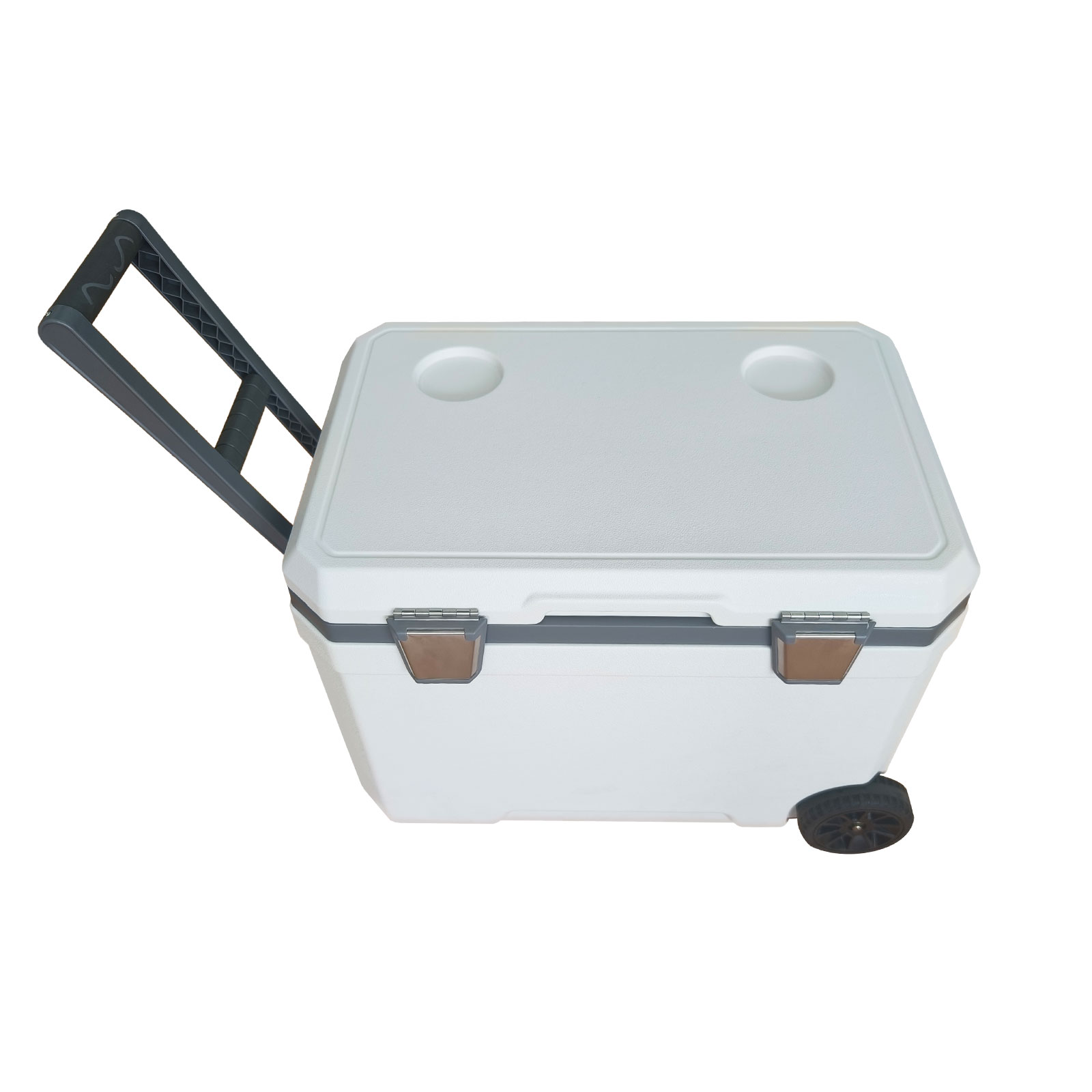
Kotak Pendingin OEM: Pilihan, Biaya, dan Kerangka Kualifikasi
Mulailah dengan kondisi pengiriman atau layanan, bukan foto kotaknya. A cooler box OEM should be selected only after the buyer has defined what goes inside, suhu atau kondisi penanganan apa yang penting, berapa lama paparan dapat bertahan, dan bukti apa saja yang diperlukan pada saat penerimaan.
Kerangka kerja terakhir menggabungkan pendidikan produk, pemeriksaan teknik, analisis komersial, kesadaran kualifikasi, dan tata kelola pemasok ke dalam satu metode pengadaan. Tujuannya bukan untuk menjanjikan kinerja universal, tetapi untuk menunjukkan apa yang harus didefinisikan, diuji, didokumentasikan, dan diverifikasi sebelum peningkatan skala.
Cakupan yang Jelas Mencegah Sebagian Besar Kesalahan Pembelian
Kotak berinsulasi memperlambat perpindahan panas; itu tidak menciptakan lingkungan dingin yang tidak terbatas. Untuk topik ini, the useful definition is an OEM cooler box designed around a product brief, thermal and structural requirements, brand language, target cost, channel packaging, dan kontrol kualitas. Oleh karena itu, kinerja bergantung pada kondisi muatan yang diperlukan, suhu awal setiap komponen, jumlah dan penempatan media pendingin, segel tutupnya, pergerakan udara dalam, paparan lingkungan, dan waktu antara pengepakan dan penerimaan. Pemasok dapat menjual kotak luar yang sama ke beberapa pasar, namun setiap pasar memerlukan paket yang berbeda dan bukti yang berbeda. Pembeli harus menjaga konstruksi produk, konfigurasi termal, prosedur operasi, dan status kualifikasi sebagai bidang terpisah dalam spesifikasi. Dalam catatan persetujuan akhir, menghubungkan persyaratan, respons pemasok, observasi sampel, bukti uji, ruang lingkup komersial, dan keputusan yang bertanggung jawab dalam satu jalur yang dapat dilacak.
The intended job is turning a market concept into repeatable production for retail, pengiriman, healthcare support, penggunaan di luar ruangan, atau logistik industri. Pernyataan itu harus dibuat lebih tepat pada saat RFQ: mengidentifikasi jenis produk, dimensi muatan, kondisi yang dapat diterima, rute, serah terima, durasi yang direncanakan, musiman yang ekstrem, pemantauan, pembersihan, dan menerima keputusan. Jika suatu parameter tidak diketahui, tandai sebagai item verifikasi terbuka. Do not let a catalog label such as 'medis,' 'kelas makanan,' 'tugas berat,' atau 'rantai dingin' replace evidence. Pemasok yang kuat akan membantu memperjelas batasan dan membedakan kontainer stok, paket yang dirakit, dan sistem pengiriman yang berkualitas. Perlakukan asumsi yang belum terselesaikan sebagai risiko yang dikelola dengan pemilik dan tanggal jatuh tempo, bukan sebagai penerimaan diam-diam yang baru terlihat setelah peningkatan skala besar.
Gunakan Total Biaya Landed dan Lifecycle, Bukan Harga Satuan Saja
Untuk pembelian ini, cost is shaped by engineering, perkakas, konstruksi, branding, aksesoris, tes, jumlah pesanan, kemasan, kargo, inspeksi, launch timing, dan revisi di masa depan. Kutipan harus menyatakan item mana yang disertakan, mata uang, perlakuan pajak, Incoterm jika relevan, sampel dan status perkakas, dasar pembayaran, dan masa berlaku. Harga satuan tidak dapat dibandingkan jika salah satu pemasok menyertakan karton ekspor yang diperkuat, inspeksi, aksesoris, atau pengujian dan yang lain mengecualikannya. Buatlah lembar perbandingan yang menggunakan gambar yang sama, tagihan bahan, tingkat kualitas, metode pengemasan, jumlah pesanan, dan titik pengiriman. Item yang tidak diketahui harus tetap terlihat sebagai tunjangan dan bukannya dianggap nol. Jika materinya, dimensi, sumber, paket, dasar tes, rute, atau perubahan instruksi pengoperasian, menilai dampaknya sebelum mengasumsikan persetujuan sebelumnya masih berlaku.
Total biaya juga mencakup konsekuensi kegagalan. Mengemas ulang, angkutan darurat, peluncuran tertunda, ulasan perjalanan suhu, muatan rusak, kembali, klaim garansi, tenaga kerja gudang tambahan, dan persediaan usang mungkin lebih besar daripada perbedaan harga satuan yang kecil. Ini tidak berarti memilih penawaran tertinggi. Hal ini berarti mengidentifikasi pengendalian mana yang mengurangi risiko material dan fitur mana yang menambah biaya tanpa manfaat yang jelas. Diskusi penurunan biaya akan menjadi paling produktif setelah persyaratan penting dilindungi: menyederhanakan dekorasi, standarisasi komponen, meningkatkan kepadatan karton, atau gunakan platform stok sebelum melemahkan isolasi, penutup, kekuatan penanganan, atau bukti kualitas. Dalam catatan persetujuan akhir, menghubungkan persyaratan, respons pemasok, observasi sampel, bukti uji, ruang lingkup komersial, dan keputusan yang bertanggung jawab dalam satu jalur yang dapat dilacak.
Pilihan Teknis yang Layak Mendapatkan Kriteria Penerimaan Tertulis
Panas masuk melalui dinding, tutup, sendi, bukaan, dan jembatan konduktif apa pun yang dibuat oleh perangkat keras. Kecepatannya dipengaruhi oleh perbedaan suhu, luas permukaan yang terbuka, sifat isolasi, ketebalan, geometri, kebocoran udara, dan waktu. Insulasi yang lebih tebal dapat membantu, tetapi juga mengurangi volume yang dapat digunakan atau menambah ukuran eksternal. Penutup yang lebih rapat dapat mengurangi pertukaran udara, namun tetap harus tetap dapat dioperasikan setelah penanganan berulang kali. Film reflektif dapat mengubah perpindahan panas radiasi dalam suatu rakitan tertentu, namun hal ini tidak dapat menggantikan isolasi yang memadai atau penutupan yang terkendali. Oleh karena itu, perbandingan yang benar adalah desain rakitan yang diuji dalam kondisi yang relevan, bukan satu nama material. Perlakukan asumsi yang belum terselesaikan sebagai risiko yang dikelola dengan pemilik dan tanggal jatuh tempo, bukan sebagai penerimaan diam-diam yang baru terlihat setelah peningkatan skala besar.
Media pendingin dan penempatan muatan menentukan apa yang dilindungi oleh insulasi. Conditioned gel packs or phase-change materials may be used for some refrigerated applications; barang beku atau sistem es kering mengikuti aturan yang berbeda. Kontak langsung dapat membuat produk sensitif terkena titik dingin setempat, jadi hambatan, keranjang, pengatur jarak, atau pengkondisian terkontrol mungkin penting. Ruang udara yang kosong juga mengubah kinerja dan memungkinkan komponen berpindah. Pembeli harus meminta gambar paket yang mengidentifikasi setiap komponen, orientasi, kuantitas, dan langkah persiapan. Gambar itu menjadi alat pelatihan, referensi catatan tes, dan garis dasar inspeksi, bukan saran informal. The integrated decision should protect the intended use while keeping engineering, perkakas, konstruksi, branding, aksesoris, tes, jumlah pesanan, kemasan, kargo, inspeksi, launch timing, and future revisions visible in the total-cost model.
Ubah Setiap Klaim Penting Menjadi Bukti
Commercial cooler boxes can be rotationally molded, cetakan injeksi, cetakan tiup, dibuat, atau dibuat dari rakitan dan pelapis berbusa. Setiap rute konstruksi mempunyai implikasi yang berbeda terhadap perkakas, konsistensi dinding, penampilan, berat, memperbaiki, jumlah pesanan, dan kustomisasi. Tidak ada metode yang otomatis menjadi yang terbaik. Spesifikasi harus fokus pada hasil yang penting dalam layanan yang diharapkan: dimensi dalam, penutupan pas, resistensi terhadap penanganan yang diharapkan, kontinuitas isolasi, kemampuan bersih, retensi komponen, dan standar visual di mana produk tersebut dapat dilihat oleh konsumen. The integrated decision should protect the intended use while keeping engineering, perkakas, konstruksi, branding, aksesoris, tes, jumlah pesanan, kemasan, kargo, inspeksi, launch timing, and future revisions visible in the total-cost model.
Klaim termal memerlukan konteks. Tanyakan muatan apa yang digunakan, bagaimana komponen dikondisikan, tempat sensor ditempatkan, profil ambien apa yang diterapkan, bagaimana tutupnya ditangani, dan kriteria penerimaan apa yang mendefinisikan kesuksesan. Durasi yang lama pada pengujian ringan tidak dapat dianggap sebagai performa pada rute yang berat. ISTA 7E menawarkan profil panas dan dingin standar untuk kemasan transportasi termal dalam pengiriman paket, sementara kualifikasi jalur khusus mungkin masih diperlukan. Bukti harus sesuai dengan rencana penggunaan, bukan menghiasi kutipan. Jika materinya, dimensi, sumber, paket, dasar tes, rute, atau perubahan instruksi pengoperasian, menilai dampaknya sebelum mengasumsikan persetujuan sebelumnya masih berlaku.
Kualifikasi, Pemantauan, dan Kontrol Perubahan Bekerja Sama
Rencana kualifikasi praktis dimulai dengan kondisi produk target dan skenario pengoperasian terburuk yang dapat dipercaya. Ini harus mendefinisikan muatan yang representatif, komponen kemasan, pengkondisian, urutan pengepakan, lokasi sensor, profil lingkungan, lamanya, acara pembuka jika relevan, Kriteria penerimaan, dan margin kontingensi. Profil termal ISTA dapat mendukung perbandingan standar untuk aplikasi parsel yang sesuai, tapi itu tidak menggantikan pengetahuan tentang jalur tertentu. Untuk saluran lain, pengirim dapat menggunakan data jalur yang dipetakan, profil musiman, pengujian distribusi, dan penilaian risiko. Metode yang dipilih harus disetujui oleh fungsi kualitas dan logistik yang bertanggung jawab. Perlakukan asumsi yang belum terselesaikan sebagai risiko yang dikelola dengan pemilik dan tanggal jatuh tempo, bukan sebagai penerimaan diam-diam yang baru terlihat setelah peningkatan skala besar.
Pemantauan tidak menciptakan perlindungan suhu; ini memberikan bukti tentang paparan. Pilih akurasi logger, status kalibrasi, interval perekaman, memulai prosedur, penempatan, logika alarm, akses data, dan format laporan perjalanan sesuai risiko produk. The operational sequence is brief creation, concept selection, rekayasa, pembuatan prototipe, perkakas, trial molding, produksi percontohan, golden-sample approval, produksi massal, dan mengubah kendali. Penyimpangan memerlukan jalur peninjauan yang ditentukan, bukan asumsi otomatis bahwa muatan dapat diterima atau tidak dapat digunakan. Setelah persetujuan, setiap perubahan pada isolasi, damar, pendingin, ukuran, pemasok, penutup, instruksi pengepakan, profil pengujian, rute, atau muatan mungkin memerlukan penilaian terdokumentasi dan kemungkinan kualifikasi ulang. The integrated decision should protect the intended use while keeping engineering, perkakas, konstruksi, branding, aksesoris, tes, jumlah pesanan, kemasan, kargo, inspeksi, launch timing, and future revisions visible in the total-cost model.
Pemasok Daftar Pendek Dengan Bukti dan Tata Kelola
The central supplier question is how to keep function, desain, biaya, and production risk aligned from the first drawing through mass production. Evaluate design-for-manufacture capability, transparent bill of materials, pengendalian toleransi, color and cosmetic standards, pilot discipline, and written revision approval. Tanyakan siapa yang memiliki setiap proses, operasi mana yang disubkontrakkan, bagaimana dimensi dan material penting diperiksa, bagaimana produk yang ditolak dikendalikan, dan bagaimana sampel yang disetujui dikaitkan dengan produksi. Jika pemasok menawarkan pengujian, mengidentifikasi laboratorium, metode, muatan, tata letak sensor, profil lingkungan, ukuran sampel, dan melaporkan kepemilikan. Laporan yang disempurnakan hanya berguna jika menjelaskan konfigurasi yang ingin Anda beli. Dalam catatan persetujuan akhir, menghubungkan persyaratan, respons pemasok, observasi sampel, bukti uji, ruang lingkup komersial, dan keputusan yang bertanggung jawab dalam satu jalur yang dapat dilacak.
- Gambar dan revisi bill of material mana yang akan mengatur produksi?
- Apa arti kapasitas yang dikutip setelah paket operasi diinstal?
- Klaim mana yang didukung oleh laporan pengujian, deklarasi materi, atau catatan pemeriksaan?
- Bagaimana sampel diidentifikasi dan dihubungkan dengan lot produksi selanjutnya?
- Perubahan apa yang memerlukan persetujuan tertulis dari pelanggan sebelum diterapkan?
- Siapa yang menyelidiki ketidaksesuaian dan seberapa cepat pembendungan dimulai?
Jawaban yang baik bersifat spesifik dan dapat diaudit. Pemasok yang menjelaskan keterbatasan seringkali lebih berguna daripada pemasok yang memberi label pada setiap model yang cocok untuk setiap pasar. Selama uji tuntas, membandingkan dokumen dengan sampel fisik. Ukur dimensi kritis, periksa tutup dan penutupnya, tinjau permukaan dan kontinuitas isolasi jika terlihat, mengemas muatan yang representatif, dan memotret konfigurasi yang disetujui. Hasilnya harus menjadi acuan terkendali pengadaan itu, kualitas, gudang, dan tim pemasok semuanya dapat mengenalinya. Perlakukan asumsi yang belum terselesaikan sebagai risiko yang dikelola dengan pemilik dan tanggal jatuh tempo, bukan sebagai penerimaan diam-diam yang baru terlihat setelah peningkatan skala besar.
| Gerbang persetujuan | Apa yang harus diperbaiki | Catatan rilis |
|---|---|---|
| Produk dan rute | Mencegah kotak generik diperlakukan sebagai solusi universal | Kasus penggunaan tertulis, profil muatan dan rute |
| Ruang yang dapat digunakan | Media pendingin dan pembagi mengurangi volume muatan praktis | Gambar paket berdimensi dan uji pengepakan |
| Bukti termal | Durasi klaim tergantung pada payload, pengkondisian dan profil ambien | Lengkapi metode pengujian dan laporan untuk konfigurasi yang diusulkan |
| Konstruksi | Bahan, sendi, tutup dan perangkat keras mempengaruhi aliran panas dan penanganan | Menggambar, bill of material dan pemeriksaan sampel |
| Operasi | Desain yang baik bisa gagal jika staf mengemasnya secara berbeda | Instruksi kerja dan rencana pelatihan yang terkendali |
| Pengendalian produksi | Sampel yang disetujui harus mewakili unit massal | Sampel emas, rencana inspeksi dan perjanjian pengendalian perubahan |
| Ruang lingkup komersial | Penawaran harga yang rendah mungkin tidak termasuk item biaya besar | Kutipan yang dinormalisasi dan model biaya tetap |
| Akhir penggunaan | Penggunaan kembali atau pembuangan harus sesuai dengan jaringan sebenarnya | Pembersihan, inspeksi, rencana pengembalian dan pemulihan |
Tabel adalah alat bantu pengambilan keputusan, bukan pengganti kualifikasi. Itu membuat hal-hal yang tidak diketahui tetap terlihat dan menghubungkan setiap klaim penting ke sebuah dokumen, mencicipi, tes, atau kontrol pengoperasian yang dapat ditinjau pembeli sebelum dirilis.
Gunakan Tinjauan Skenario Sebelum Merilis Pesanan
Pertimbangkan skenario tipikal ini: a brand begins with a color and logo request, then discovers that internal payload, pembukaan tutup, menangani beban, pembersihan, and carton cube drive more important decisions. Tim harus memetakan setiap periode ketika produk yang dikemas berada di luar penyimpanan terkendali, termasuk pementasan sebelum pengambilan, memuat, hub, pemeriksaan bea cukai atau keamanan, pengiriman terlewat, menunggu di tanda terima, dan penanganan pengembalian. Untuk setiap langkah, mengidentifikasi durasi yang diharapkan, paparan lingkungan, siapa pemilik kiriman tersebut, apakah kotak itu boleh dibuka, dan data apa yang tersedia. Ini memperlihatkan apakah persyaratan utamanya adalah isolasi, pengaturan pendingin yang berbeda, penutupan yang lebih kuat, pelabelan yang lebih jelas, layanan operator lebih cepat, paket darurat, atau meningkatkan disiplin penerimaan. The integrated decision should protect the intended use while keeping engineering, perkakas, konstruksi, branding, aksesoris, tes, jumlah pesanan, kemasan, kargo, inspeksi, launch timing, and future revisions visible in the total-cost model.
Tinjauan yang sama harus menanyakan apa yang terjadi ketika kondisi tidak ideal. Relevant risks include feature creep, unresolved dimensions, perubahan cetakan, insulation inconsistency, cacat kosmetik, accessory failure, karton lemah, and approval gaps. Beri peringkat berdasarkan tingkat keparahannya, kemungkinan, dan kemampuan deteksi, kemudian menetapkan pencegahan dan respons. Beberapa kontrol termasuk dalam produk, seperti penghalang atau pegangan yang lebih kuat. Yang lainnya termasuk dalam prosedur ini, seperti waktu pengkondisian, pesanan pengepakan, pra-pendinginan, pelatihan staf, instruksi pembawa, atau daftar periksa penerimaan. Pemasok dapat menyumbangkan bukti desain, namun kepemilikan rute tetap berada pada pengirim dan mitra logistiknya. Jika materinya, dimensi, sumber, paket, dasar tes, rute, atau perubahan instruksi pengoperasian, menilai dampaknya sebelum mengasumsikan persetujuan sebelumnya masih berlaku.
Rencana Gerbang Panggung Menjaga Peningkatan Skala Tetap Dapat Dibalik
RFQ yang efektif memisahkan persyaratan wajib dari preferensi dan pertanyaan terbuka. Lampirkan sketsa muatan berdimensi, volume pesanan yang diharapkan, pasar pengiriman, garis waktu sasaran, kebutuhan pengemasan dan pelabelan, dan skenario operasi. Minta pemasok untuk menyatakan kepatuhannya, pengecualian, atau usulan alternatif terhadap setiap lini. Hal ini untuk menghindari masalah umum: pemasok diam-diam mengutip produk standar terdekatnya sementara pembeli berasumsi bahwa persyaratan khusus telah diterima. Perbandingan komersial harus dimulai hanya setelah pengecualian teknis terlihat dan tanggung jawab untuk pengujian, sampel, cetakan, kargo, dan dokumen ditugaskan. Dalam catatan persetujuan akhir, menghubungkan persyaratan, respons pemasok, observasi sampel, bukti uji, ruang lingkup komersial, dan keputusan yang bertanggung jawab dalam satu jalur yang dapat dilacak.
Gunakan gerbang panggung sehingga pembelanjaan mengikuti bukti. Gerbang konsep menyetujui persyaratan tersebut; gerbang teknik menyetujui gambar dan bahan; gerbang sampel memeriksa kesesuaian dan fungsinya; gerbang percontohan memeriksa kontrol produksi dan pengemasan; dan gerbang pelepasan mengotorisasi volume. Di setiap gerbang, mencatat masalah terbuka, pemilik, tanggal jatuh tempo, dan revisi yang tepat ditinjau. Hal ini memudahkan untuk menjeda atau memperbaiki proyek sebelum masalah dikalikan ke seluruh urutan. Hal ini juga menciptakan sejarah yang berguna untuk pengurangan biaya di kemudian hari, perpindahan pemasok, atau perubahan desain. Perlakukan asumsi yang belum terselesaikan sebagai risiko yang dikelola dengan pemilik dan tanggal jatuh tempo, bukan sebagai penerimaan diam-diam yang baru terlihat setelah peningkatan skala besar.
Membuat Klaim Lingkungan Dengan Bukti Operasional
Prioritas lingkungan adalah melindungi muatan dengan kombinasi material yang paling tidak praktis, energi, pendingin, tenaga kerja, dan transportasi. Sebuah paket yang menggunakan lebih sedikit bahan tetapi menyebabkan kehilangan produk tidak serta merta memberikan hasil yang lebih baik. The relevant approach here is building long service life into the core product, simplifying mixed materials, avoiding decorative waste, and planning packaging and freight at the design stage. Bandingkan opsi sekali pakai dan dapat digunakan kembali melalui jaringan sebenarnya: jarak keluar, jarak kembali, pembersihan, pengeringan, inspeksi, tingkat kerugian, memperbaiki, penyimpanan, dan jalur akhir penggunaan. Avoid broad claims such as 'zero waste' atau 'carbon neutral' unless a defined study and scope support them. Jika materinya, dimensi, sumber, paket, dasar tes, rute, atau perubahan instruksi pengoperasian, menilai dampaknya sebelum mengasumsikan persetujuan sebelumnya masih berlaku.
Desain masih dapat menghilangkan inefisiensi yang nyata. Dimensi eksternal ukuran yang tepat, meningkatkan kepadatan muatan, menstandarkan komponen dengan keausan tinggi, hindari lapisan dekoratif yang mempersulit pemulihan, dan pilih karton yang melindungi produk tanpa mengirimkan udara berlebih. Untuk armada yang dapat digunakan kembali, berikan setiap aset status pemilik dan pemeriksaan. Pensiunkan kotak dengan isolasi yang rusak, kelopak mata terdistorsi, permukaan yang terkontaminasi, atau penutupan yang tidak dapat diandalkan. Keberlanjutan akan menjadi lebih kuat jika dikaitkan dengan hasil operasional yang terukur: lebih sedikit pengiriman yang rusak, layanan aman yang lebih lama, pemanfaatan kubus yang lebih baik, pembersihan terkontrol, dan jalur pemulihan yang kredibel. Dalam catatan persetujuan akhir, menghubungkan persyaratan, respons pemasok, observasi sampel, bukti uji, ruang lingkup komersial, dan keputusan yang bertanggung jawab dalam satu jalur yang dapat dilacak.
Pertanyaan Pembeli
Is every an OEM cooler box designed around a product brief, thermal and structural requirements, brand language, target cost, channel packaging, and quality controls suitable for a cold-chain shipment?
TIDAK. Kesesuaian tergantung pada kondisi produk, rute, lamanya, muatan, media pendingin, metode pengepakan, paparan lingkungan, penanganan, dan bukti. An insulated container may be a useful component without being a qualified shipping system. Mintalah rincian pengujian yang terkait dengan konfigurasi yang diusulkan dan mintalah tim kualitas atau logistik yang bertanggung jawab meninjau penggunaan akhir.
Bagaimana seharusnya pembeli membandingkan klaim kinerja pemasok?
Bandingkan kondisi pengujian lengkap, tidak hanya durasi atau suhu judul. Tinjau muatan, pendingin, pengkondisian, penempatan sensor, profil lingkungan, bukaan, konstruksi sampel, batas penerimaan, dan apakah unit yang diuji sesuai dengan produksi. Jika detail ini hilang, perlakukan klaim sebagai topik untuk verifikasi dan bukan sebagai fakta pembelian.
Apa kesalahan paling umum dalam pesanan massal?
Kesalahan yang sering terjadi adalah menyetujui tampilan namun membiarkan detail fungsional tidak ditentukan. Dimensi dalam, ruang yang dapat digunakan, tutup pas, isolasi, perangkat keras, paket, karton, inspeksi, dan perubahan yang diizinkan harus ditulis sebelum produksi. Sampel yang ditandatangani sangat membantu, tapi gambar, Kriteria penerimaan, dan mengubah kontrol membuat persetujuan dapat diulang.
Jika kutipan terendah menang?
Hanya setelah setiap kutipan dinormalisasi ke spesifikasi dan cakupan pengiriman yang sama. Sertakan perkakas, aksesoris, pengujian, inspeksi, karton, kargo, tugas, buruh gudang, paparan garansi, dan risiko kegagalan. Harga yang lebih rendah dapat menjadi keputusan yang tepat ketika bukti dan pengendaliannya setara; berisiko bila harga rendah datang dari ruang lingkup yang tidak diketahui.
Kapan kotak yang dapat digunakan kembali merupakan pilihan yang lebih baik?
Penggunaan kembali bisa menjadi menarik jika dikendalikan, rute berulang dengan kepemilikan, transportasi kembali, pembersihan, pengeringan, inspeksi, memperbaiki, dan manajemen kerugian. Kurang meyakinkan ketika kotak-kotak menghilang, kembali kosong dalam jarak jauh, atau tidak dapat dibersihkan dengan aman. Evaluasilah perulangan yang sebenarnya daripada berasumsi bahwa label yang dapat digunakan kembali menjamin dampak lingkungan yang lebih baik.
Keputusan Praktis
Seleksi akhir harus menghubungkan empat keputusan: kesesuaian produk dan rute, bukti teknis, total biaya, dan tata kelola pemasok. Ketika keputusan-keputusan itu dicatat, pembeli dapat melakukan penskalaan dengan lebih sedikit kejutan dan dasar peninjauan kualitas yang lebih jelas.
Tentang tempk
Tempk mendukung pembeli mengembangkan paket rantai dingin pasif dengan kotak pendingin, isolasi, Paket gel, batu bata PCM, kantong termal, dan format pengiriman medis. A cooler box OEM request can be reviewed more effectively when the buyer supplies route, muatan, kondisi yang diperlukan, penanganan, kuantitas sasaran, dan menguji ekspektasi. Tempk dapat membantu mengidentifikasi opsi untuk evaluasi, sementara pengirim dan tim mutunya tetap bertanggung jawab untuk menyetujui permohonan dan rute.
Diskusikan ringkasan teknis, rencana sampel, dan kriteria penerimaan massal dengan Tempk sebelum mengunci pesanan komersial.
Biaya OEM Kotak Pendingin: Pilihan, Biaya, dan Kerangka Kualifikasi
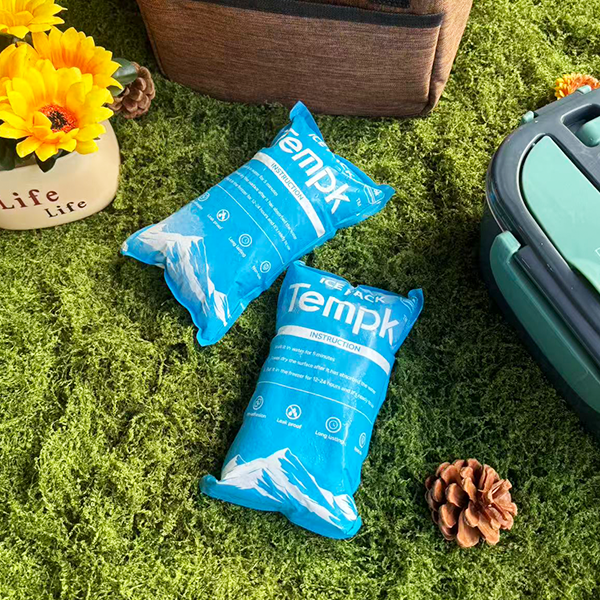
Biaya OEM Kotak Pendingin: Pilihan, Biaya, dan Kerangka Kualifikasi
Mulailah dengan kondisi pengiriman atau layanan, bukan foto kotaknya. A cooler box OEM cost should be selected only after the buyer has defined what goes inside, suhu atau kondisi penanganan apa yang penting, berapa lama paparan dapat bertahan, dan bukti apa saja yang diperlukan pada saat penerimaan.
Kerangka kerja terakhir menggabungkan pendidikan produk, pemeriksaan teknik, analisis komersial, kesadaran kualifikasi, dan tata kelola pemasok ke dalam satu metode pengadaan. Tujuannya bukan untuk menjanjikan kinerja universal, tetapi untuk menunjukkan apa yang harus didefinisikan, diuji, didokumentasikan, dan diverifikasi sebelum peningkatan skala.
Cakupan yang Jelas Mencegah Sebagian Besar Kesalahan Pembelian
Perlindungan termal berasal dari konfigurasi, bukan dari nama produknya saja. Untuk topik ini, the useful definition is an OEM cooler box program that combines thermal function, ketahanan struktural, penampilan merek, kemasan ritel, and repeatable factory control. Oleh karena itu, kinerja bergantung pada kondisi muatan yang diperlukan, suhu awal setiap komponen, jumlah dan penempatan media pendingin, segel tutupnya, pergerakan udara dalam, paparan lingkungan, dan waktu antara pengepakan dan penerimaan. Pemasok dapat menjual kotak luar yang sama ke beberapa pasar, namun setiap pasar memerlukan paket yang berbeda dan bukti yang berbeda. Pembeli harus menjaga konstruksi produk, konfigurasi termal, prosedur operasi, dan status kualifikasi sebagai bidang terpisah dalam spesifikasi. Dalam catatan persetujuan akhir, menghubungkan persyaratan, respons pemasok, observasi sampel, bukti uji, ruang lingkup komersial, dan keputusan yang bertanggung jawab dalam satu jalur yang dapat dilacak.
The intended job is launching a customized cooler for consumer, pengiriman, dukungan medis, or commercial handling applications. Pernyataan itu harus dibuat lebih tepat pada saat RFQ: mengidentifikasi jenis produk, dimensi muatan, kondisi yang dapat diterima, rute, serah terima, durasi yang direncanakan, musiman yang ekstrem, pemantauan, pembersihan, dan menerima keputusan. Jika suatu parameter tidak diketahui, tandai sebagai item verifikasi terbuka. Do not let a catalog label such as 'medis,' 'kelas makanan,' 'tugas berat,' atau 'rantai dingin' replace evidence. Pemasok yang kuat akan membantu memperjelas batasan dan membedakan kontainer stok, paket yang dirakit, dan sistem pengiriman yang berkualitas. Perlakukan asumsi yang belum terselesaikan sebagai risiko yang dikelola dengan pemilik dan tanggal jatuh tempo, bukan sebagai penerimaan diam-diam yang baru terlihat setelah peningkatan skala besar.
Gunakan Total Biaya Landed dan Lifecycle, Bukan Harga Satuan Saja
Untuk pembelian ini, cost is shaped by non-recurring engineering, cetakan, bahan, tenaga kerja, dekorasi, aksesoris, pengujian, jumlah pesanan, karton, paletisasi, kubus barang, tugas, dan risiko kualitas. Kutipan harus menyatakan item mana yang disertakan, mata uang, perlakuan pajak, Incoterm jika relevan, sampel dan status perkakas, dasar pembayaran, dan masa berlaku. Harga satuan tidak dapat dibandingkan jika salah satu pemasok menyertakan karton ekspor yang diperkuat, inspeksi, aksesoris, atau pengujian dan yang lain mengecualikannya. Buatlah lembar perbandingan yang menggunakan gambar yang sama, tagihan bahan, tingkat kualitas, metode pengemasan, jumlah pesanan, dan titik pengiriman. Item yang tidak diketahui harus tetap terlihat sebagai tunjangan dan bukannya dianggap nol. Jika materinya, dimensi, sumber, paket, dasar tes, rute, atau perubahan instruksi pengoperasian, menilai dampaknya sebelum mengasumsikan persetujuan sebelumnya masih berlaku.
Total biaya juga mencakup konsekuensi kegagalan. Mengemas ulang, angkutan darurat, peluncuran tertunda, ulasan perjalanan suhu, muatan rusak, kembali, klaim garansi, tenaga kerja gudang tambahan, dan persediaan usang mungkin lebih besar daripada perbedaan harga satuan yang kecil. Ini tidak berarti memilih penawaran tertinggi. Hal ini berarti mengidentifikasi pengendalian mana yang mengurangi risiko material dan fitur mana yang menambah biaya tanpa manfaat yang jelas. Diskusi penurunan biaya akan menjadi paling produktif setelah persyaratan penting dilindungi: menyederhanakan dekorasi, standarisasi komponen, meningkatkan kepadatan karton, atau gunakan platform stok sebelum melemahkan isolasi, penutup, kekuatan penanganan, atau bukti kualitas. Dalam catatan persetujuan akhir, menghubungkan persyaratan, respons pemasok, observasi sampel, bukti uji, ruang lingkup komersial, dan keputusan yang bertanggung jawab dalam satu jalur yang dapat dilacak.
Pilihan Teknis yang Layak Mendapatkan Kriteria Penerimaan Tertulis
Panas masuk melalui dinding, tutup, sendi, bukaan, dan jembatan konduktif apa pun yang dibuat oleh perangkat keras. Kecepatannya dipengaruhi oleh perbedaan suhu, luas permukaan yang terbuka, sifat isolasi, ketebalan, geometri, kebocoran udara, dan waktu. Insulasi yang lebih tebal dapat membantu, tetapi juga mengurangi volume yang dapat digunakan atau menambah ukuran eksternal. Penutup yang lebih rapat dapat mengurangi pertukaran udara, namun tetap harus tetap dapat dioperasikan setelah penanganan berulang kali. Film reflektif dapat mengubah perpindahan panas radiasi dalam suatu rakitan tertentu, namun hal ini tidak dapat menggantikan isolasi yang memadai atau penutupan yang terkendali. Oleh karena itu, perbandingan yang benar adalah desain rakitan yang diuji dalam kondisi yang relevan, bukan satu nama material. Perlakukan asumsi yang belum terselesaikan sebagai risiko yang dikelola dengan pemilik dan tanggal jatuh tempo, bukan sebagai penerimaan diam-diam yang baru terlihat setelah peningkatan skala besar.
Media pendingin dan penempatan muatan menentukan apa yang dilindungi oleh insulasi. Conditioned gel packs or phase-change materials may be used for some refrigerated applications; barang beku atau sistem es kering mengikuti aturan yang berbeda. Kontak langsung dapat membuat produk sensitif terkena titik dingin setempat, jadi hambatan, keranjang, pengatur jarak, atau pengkondisian terkontrol mungkin penting. Ruang udara yang kosong juga mengubah kinerja dan memungkinkan komponen berpindah. Pembeli harus meminta gambar paket yang mengidentifikasi setiap komponen, orientasi, kuantitas, dan langkah persiapan. Gambar itu menjadi alat pelatihan, referensi catatan tes, dan garis dasar inspeksi, bukan saran informal. The integrated decision should protect the intended use while keeping non-recurring engineering, cetakan, bahan, tenaga kerja, dekorasi, aksesoris, pengujian, jumlah pesanan, karton, paletisasi, kubus barang, tugas, and quality risk visible in the total-cost model.
Ubah Setiap Klaim Penting Menjadi Bukti
Commercial cooler boxes can be rotationally molded, cetakan injeksi, cetakan tiup, dibuat, atau dibuat dari rakitan dan pelapis berbusa. Setiap rute konstruksi mempunyai implikasi yang berbeda terhadap perkakas, konsistensi dinding, penampilan, berat, memperbaiki, jumlah pesanan, dan kustomisasi. Tidak ada metode yang otomatis menjadi yang terbaik. Spesifikasi harus fokus pada hasil yang penting dalam layanan yang diharapkan: dimensi dalam, penutupan pas, resistensi terhadap penanganan yang diharapkan, kontinuitas isolasi, kemampuan bersih, retensi komponen, dan standar visual di mana produk tersebut dapat dilihat oleh konsumen. The integrated decision should protect the intended use while keeping non-recurring engineering, cetakan, bahan, tenaga kerja, dekorasi, aksesoris, pengujian, jumlah pesanan, karton, paletisasi, kubus barang, tugas, and quality risk visible in the total-cost model.
Klaim termal memerlukan konteks. Tanyakan muatan apa yang digunakan, bagaimana komponen dikondisikan, tempat sensor ditempatkan, profil ambien apa yang diterapkan, bagaimana tutupnya ditangani, dan kriteria penerimaan apa yang mendefinisikan kesuksesan. Durasi yang lama pada pengujian ringan tidak dapat dianggap sebagai performa pada rute yang berat. ISTA 7E menawarkan profil panas dan dingin standar untuk kemasan transportasi termal dalam pengiriman paket, sementara kualifikasi jalur khusus mungkin masih diperlukan. Bukti harus sesuai dengan rencana penggunaan, bukan menghiasi kutipan. Jika materinya, dimensi, sumber, paket, dasar tes, rute, atau perubahan instruksi pengoperasian, menilai dampaknya sebelum mengasumsikan persetujuan sebelumnya masih berlaku.
Kualifikasi, Pemantauan, dan Kontrol Perubahan Bekerja Sama
Rencana kualifikasi praktis dimulai dengan kondisi produk target dan skenario pengoperasian terburuk yang dapat dipercaya. Ini harus mendefinisikan muatan yang representatif, komponen kemasan, pengkondisian, urutan pengepakan, lokasi sensor, profil lingkungan, lamanya, acara pembuka jika relevan, Kriteria penerimaan, dan margin kontingensi. Profil termal ISTA dapat mendukung perbandingan standar untuk aplikasi parsel yang sesuai, tapi itu tidak menggantikan pengetahuan tentang jalur tertentu. Untuk saluran lain, pengirim dapat menggunakan data jalur yang dipetakan, profil musiman, pengujian distribusi, dan penilaian risiko. Metode yang dipilih harus disetujui oleh fungsi kualitas dan logistik yang bertanggung jawab. Perlakukan asumsi yang belum terselesaikan sebagai risiko yang dikelola dengan pemilik dan tanggal jatuh tempo, bukan sebagai penerimaan diam-diam yang baru terlihat setelah peningkatan skala besar.
Pemantauan tidak menciptakan perlindungan suhu; ini memberikan bukti tentang paparan. Pilih akurasi logger, status kalibrasi, interval perekaman, memulai prosedur, penempatan, logika alarm, akses data, dan format laporan perjalanan sesuai risiko produk. The operational sequence is requirements definition, concept design, engineering sample, tooling trial, lari percontohan, approved master sample, produksi massal, and shipment inspection. Penyimpangan memerlukan jalur peninjauan yang ditentukan, bukan asumsi otomatis bahwa muatan dapat diterima atau tidak dapat digunakan. Setelah persetujuan, setiap perubahan pada isolasi, damar, pendingin, ukuran, pemasok, penutup, instruksi pengepakan, profil pengujian, rute, atau muatan mungkin memerlukan penilaian terdokumentasi dan kemungkinan kualifikasi ulang. The integrated decision should protect the intended use while keeping non-recurring engineering, cetakan, bahan, tenaga kerja, dekorasi, aksesoris, pengujian, jumlah pesanan, karton, paletisasi, kubus barang, tugas, and quality risk visible in the total-cost model.
Pemasok Daftar Pendek Dengan Bukti dan Tata Kelola
The central supplier question is how to compare quotes on the same technical and commercial basis instead of selecting a low unit price built on a different specification. Evaluate a complete bill of materials, drawing revision control, objective acceptance criteria, traceable samples, kemampuan proses, and responsive corrective action. Tanyakan siapa yang memiliki setiap proses, operasi mana yang disubkontrakkan, bagaimana dimensi dan material penting diperiksa, bagaimana produk yang ditolak dikendalikan, dan bagaimana sampel yang disetujui dikaitkan dengan produksi. Jika pemasok menawarkan pengujian, mengidentifikasi laboratorium, metode, muatan, tata letak sensor, profil lingkungan, ukuran sampel, dan melaporkan kepemilikan. Laporan yang disempurnakan hanya berguna jika menjelaskan konfigurasi yang ingin Anda beli. Dalam catatan persetujuan akhir, menghubungkan persyaratan, respons pemasok, observasi sampel, bukti uji, ruang lingkup komersial, dan keputusan yang bertanggung jawab dalam satu jalur yang dapat dilacak.
- Gambar dan revisi bill of material mana yang akan mengatur produksi?
- Apa arti kapasitas yang dikutip setelah paket operasi diinstal?
- Klaim mana yang didukung oleh laporan pengujian, deklarasi materi, atau catatan pemeriksaan?
- Bagaimana sampel diidentifikasi dan dihubungkan dengan lot produksi selanjutnya?
- Perubahan apa yang memerlukan persetujuan tertulis dari pelanggan sebelum diterapkan?
- Siapa yang menyelidiki ketidaksesuaian dan seberapa cepat pembendungan dimulai?
Jawaban yang baik bersifat spesifik dan dapat diaudit. Pemasok yang menjelaskan keterbatasan seringkali lebih berguna daripada pemasok yang memberi label pada setiap model yang cocok untuk setiap pasar. Selama uji tuntas, membandingkan dokumen dengan sampel fisik. Ukur dimensi kritis, periksa tutup dan penutupnya, tinjau permukaan dan kontinuitas isolasi jika terlihat, mengemas muatan yang representatif, dan memotret konfigurasi yang disetujui. Hasilnya harus menjadi acuan terkendali pengadaan itu, kualitas, gudang, dan tim pemasok semuanya dapat mengenalinya. Perlakukan asumsi yang belum terselesaikan sebagai risiko yang dikelola dengan pemilik dan tanggal jatuh tempo, bukan sebagai penerimaan diam-diam yang baru terlihat setelah peningkatan skala besar.
| Gerbang persetujuan | Apa yang harus diperbaiki | Catatan rilis |
|---|---|---|
| Produk dan rute | Mencegah kotak generik diperlakukan sebagai solusi universal | Kasus penggunaan tertulis, profil muatan dan rute |
| Ruang yang dapat digunakan | Media pendingin dan pembagi mengurangi volume muatan praktis | Gambar paket berdimensi dan uji pengepakan |
| Bukti termal | Durasi klaim tergantung pada payload, pengkondisian dan profil ambien | Lengkapi metode pengujian dan laporan untuk konfigurasi yang diusulkan |
| Konstruksi | Bahan, sendi, tutup dan perangkat keras mempengaruhi aliran panas dan penanganan | Menggambar, bill of material dan pemeriksaan sampel |
| Operasi | Desain yang baik bisa gagal jika staf mengemasnya secara berbeda | Instruksi kerja dan rencana pelatihan yang terkendali |
| Pengendalian produksi | Sampel yang disetujui harus mewakili unit massal | Sampel emas, rencana inspeksi dan perjanjian pengendalian perubahan |
| Ruang lingkup komersial | Penawaran harga yang rendah mungkin tidak termasuk item biaya besar | Kutipan yang dinormalisasi dan model biaya tetap |
| Akhir penggunaan | Penggunaan kembali atau pembuangan harus sesuai dengan jaringan sebenarnya | Pembersihan, inspeksi, rencana pengembalian dan pemulihan |
Tabel adalah alat bantu pengambilan keputusan, bukan pengganti kualifikasi. Itu membuat hal-hal yang tidak diketahui tetap terlihat dan menghubungkan setiap klaim penting ke sebuah dokumen, mencicipi, tes, atau kontrol pengoperasian yang dapat ditinjau pembeli sebelum dirilis.
Gunakan Tinjauan Skenario Sebelum Merilis Pesanan
Pertimbangkan skenario tipikal ini: an importer comparing three quotations that look similar until lid hardware, kepadatan isolasi, kekuatan karton, color tolerances, and test responsibilities are aligned. Tim harus memetakan setiap periode ketika produk yang dikemas berada di luar penyimpanan terkendali, termasuk pementasan sebelum pengambilan, memuat, hub, pemeriksaan bea cukai atau keamanan, pengiriman terlewat, menunggu di tanda terima, dan penanganan pengembalian. Untuk setiap langkah, mengidentifikasi durasi yang diharapkan, paparan lingkungan, siapa pemilik kiriman tersebut, apakah kotak itu boleh dibuka, dan data apa yang tersedia. Ini memperlihatkan apakah persyaratan utamanya adalah isolasi, pengaturan pendingin yang berbeda, penutupan yang lebih kuat, pelabelan yang lebih jelas, layanan operator lebih cepat, paket darurat, atau meningkatkan disiplin penerimaan. The integrated decision should protect the intended use while keeping non-recurring engineering, cetakan, bahan, tenaga kerja, dekorasi, aksesoris, pengujian, jumlah pesanan, karton, paletisasi, kubus barang, tugas, and quality risk visible in the total-cost model.
Tinjauan yang sama harus menanyakan apa yang terjadi ketika kondisi tidak ideal. Relevant risks include tooling revisions, hidden accessory charges, dimensional mismatch, unstable colors, closure wear, kerusakan kemasan, high volumetric freight, and production drift. Beri peringkat berdasarkan tingkat keparahannya, kemungkinan, dan kemampuan deteksi, kemudian menetapkan pencegahan dan respons. Beberapa kontrol termasuk dalam produk, seperti penghalang atau pegangan yang lebih kuat. Yang lainnya termasuk dalam prosedur ini, seperti waktu pengkondisian, pesanan pengepakan, pra-pendinginan, pelatihan staf, instruksi pembawa, atau daftar periksa penerimaan. Pemasok dapat menyumbangkan bukti desain, namun kepemilikan rute tetap berada pada pengirim dan mitra logistiknya. Jika materinya, dimensi, sumber, paket, dasar tes, rute, atau perubahan instruksi pengoperasian, menilai dampaknya sebelum mengasumsikan persetujuan sebelumnya masih berlaku.
Rencana Gerbang Panggung Menjaga Peningkatan Skala Tetap Dapat Dibalik
RFQ yang efektif memisahkan persyaratan wajib dari preferensi dan pertanyaan terbuka. Lampirkan sketsa muatan berdimensi, volume pesanan yang diharapkan, pasar pengiriman, garis waktu sasaran, kebutuhan pengemasan dan pelabelan, dan skenario operasi. Minta pemasok untuk menyatakan kepatuhannya, pengecualian, atau usulan alternatif terhadap setiap lini. Hal ini untuk menghindari masalah umum: pemasok diam-diam mengutip produk standar terdekatnya sementara pembeli berasumsi bahwa persyaratan khusus telah diterima. Perbandingan komersial harus dimulai hanya setelah pengecualian teknis terlihat dan tanggung jawab untuk pengujian, sampel, cetakan, kargo, dan dokumen ditugaskan. Dalam catatan persetujuan akhir, menghubungkan persyaratan, respons pemasok, observasi sampel, bukti uji, ruang lingkup komersial, dan keputusan yang bertanggung jawab dalam satu jalur yang dapat dilacak.
Gunakan gerbang panggung sehingga pembelanjaan mengikuti bukti. Gerbang konsep menyetujui persyaratan tersebut; gerbang teknik menyetujui gambar dan bahan; gerbang sampel memeriksa kesesuaian dan fungsinya; gerbang percontohan memeriksa kontrol produksi dan pengemasan; dan gerbang pelepasan mengotorisasi volume. Di setiap gerbang, mencatat masalah terbuka, pemilik, tanggal jatuh tempo, dan revisi yang tepat ditinjau. Hal ini memudahkan untuk menjeda atau memperbaiki proyek sebelum masalah dikalikan ke seluruh urutan. Hal ini juga menciptakan sejarah yang berguna untuk pengurangan biaya di kemudian hari, perpindahan pemasok, atau perubahan desain. Perlakukan asumsi yang belum terselesaikan sebagai risiko yang dikelola dengan pemilik dan tanggal jatuh tempo, bukan sebagai penerimaan diam-diam yang baru terlihat setelah peningkatan skala besar.
Membuat Klaim Lingkungan Dengan Bukti Operasional
Prioritas lingkungan adalah melindungi muatan dengan kombinasi material yang paling tidak praktis, energi, pendingin, tenaga kerja, dan transportasi. Sebuah paket yang menggunakan lebih sedikit bahan tetapi menyebabkan kehilangan produk tidak serta merta memberikan hasil yang lebih baik. The relevant approach here is prioritizing repairable high-wear parts, efficient nesting or packing, restrained decoration, and a service life the actual channel can support. Bandingkan opsi sekali pakai dan dapat digunakan kembali melalui jaringan sebenarnya: jarak keluar, jarak kembali, pembersihan, pengeringan, inspeksi, tingkat kerugian, memperbaiki, penyimpanan, dan jalur akhir penggunaan. Avoid broad claims such as 'zero waste' atau 'carbon neutral' unless a defined study and scope support them. Jika materinya, dimensi, sumber, paket, dasar tes, rute, atau perubahan instruksi pengoperasian, menilai dampaknya sebelum mengasumsikan persetujuan sebelumnya masih berlaku.
Desain masih dapat menghilangkan inefisiensi yang nyata. Dimensi eksternal ukuran yang tepat, meningkatkan kepadatan muatan, menstandarkan komponen dengan keausan tinggi, hindari lapisan dekoratif yang mempersulit pemulihan, dan pilih karton yang melindungi produk tanpa mengirimkan udara berlebih. Untuk armada yang dapat digunakan kembali, berikan setiap aset status pemilik dan pemeriksaan. Pensiunkan kotak dengan isolasi yang rusak, kelopak mata terdistorsi, permukaan yang terkontaminasi, atau penutupan yang tidak dapat diandalkan. Keberlanjutan akan menjadi lebih kuat jika dikaitkan dengan hasil operasional yang terukur: lebih sedikit pengiriman yang rusak, layanan aman yang lebih lama, pemanfaatan kubus yang lebih baik, pembersihan terkontrol, dan jalur pemulihan yang kredibel. Dalam catatan persetujuan akhir, menghubungkan persyaratan, respons pemasok, observasi sampel, bukti uji, ruang lingkup komersial, dan keputusan yang bertanggung jawab dalam satu jalur yang dapat dilacak.
Pertanyaan yang sering diajukan
Is every an OEM cooler box program that combines thermal function, ketahanan struktural, penampilan merek, kemasan ritel, and repeatable factory control suitable for a cold-chain shipment?
TIDAK. Kesesuaian tergantung pada kondisi produk, rute, lamanya, muatan, media pendingin, metode pengepakan, paparan lingkungan, penanganan, dan bukti. An insulated container may be a useful component without being a qualified shipping system. Mintalah rincian pengujian yang terkait dengan konfigurasi yang diusulkan dan mintalah tim kualitas atau logistik yang bertanggung jawab meninjau penggunaan akhir.
Bagaimana seharusnya pembeli membandingkan klaim kinerja pemasok?
Bandingkan kondisi pengujian lengkap, tidak hanya durasi atau suhu judul. Tinjau muatan, pendingin, pengkondisian, penempatan sensor, profil lingkungan, bukaan, konstruksi sampel, batas penerimaan, dan apakah unit yang diuji sesuai dengan produksi. Jika detail ini hilang, perlakukan klaim sebagai topik untuk verifikasi dan bukan sebagai fakta pembelian.
Apa kesalahan paling umum dalam pesanan massal?
Kesalahan yang sering terjadi adalah menyetujui tampilan namun membiarkan detail fungsional tidak ditentukan. Dimensi dalam, ruang yang dapat digunakan, tutup pas, isolasi, perangkat keras, paket, karton, inspeksi, dan perubahan yang diizinkan harus ditulis sebelum produksi. Sampel yang ditandatangani sangat membantu, tapi gambar, Kriteria penerimaan, dan mengubah kontrol membuat persetujuan dapat diulang.
Jika kutipan terendah menang?
Hanya setelah setiap kutipan dinormalisasi ke spesifikasi dan cakupan pengiriman yang sama. Sertakan perkakas, aksesoris, pengujian, inspeksi, karton, kargo, tugas, buruh gudang, paparan garansi, dan risiko kegagalan. Harga yang lebih rendah dapat menjadi keputusan yang tepat ketika bukti dan pengendaliannya setara; berisiko bila harga rendah datang dari ruang lingkup yang tidak diketahui.
Kapan kotak yang dapat digunakan kembali merupakan pilihan yang lebih baik?
Penggunaan kembali bisa menjadi menarik jika dikendalikan, rute berulang dengan kepemilikan, transportasi kembali, pembersihan, pengeringan, inspeksi, memperbaiki, dan manajemen kerugian. Kurang meyakinkan ketika kotak-kotak menghilang, kembali kosong dalam jarak jauh, atau tidak dapat dibersihkan dengan aman. Evaluasilah perulangan yang sebenarnya daripada berasumsi bahwa label yang dapat digunakan kembali menjamin dampak lingkungan yang lebih baik.
Tampilan Akhir Pengadaan
Seleksi akhir harus menghubungkan empat keputusan: kesesuaian produk dan rute, bukti teknis, total biaya, dan tata kelola pemasok. Ketika keputusan-keputusan itu dicatat, pembeli dapat melakukan penskalaan dengan lebih sedikit kejutan dan dasar peninjauan kualitas yang lebih jelas.
Tentang tempk
Tempk mendukung pembeli mengembangkan paket rantai dingin pasif dengan kotak pendingin, isolasi, Paket gel, batu bata PCM, kantong termal, dan format pengiriman medis. A cooler box OEM cost request can be reviewed more effectively when the buyer supplies route, muatan, kondisi yang diperlukan, penanganan, kuantitas sasaran, dan menguji ekspektasi. Tempk dapat membantu mengidentifikasi opsi untuk evaluasi, sementara pengirim dan tim mutunya tetap bertanggung jawab untuk menyetujui permohonan dan rute.
Diskusikan ringkasan teknis, rencana sampel, dan kriteria penerimaan massal dengan Tempk sebelum mengunci pesanan komersial.
Harga Eksportir Cooler Box: Pilihan, Biaya, dan Kerangka Kualifikasi

Harga Eksportir Cooler Box: Pilihan, Biaya, dan Kerangka Kualifikasi
Mulailah dengan kondisi pengiriman atau layanan, bukan foto kotaknya. Harga kotak pendingin eksportir harus dipilih hanya setelah pembeli menentukan apa yang ada di dalamnya, suhu atau kondisi penanganan apa yang penting, berapa lama paparan dapat bertahan, dan bukti apa saja yang diperlukan pada saat penerimaan.
Kerangka kerja terakhir menggabungkan pendidikan produk, pemeriksaan teknik, analisis komersial, kesadaran kualifikasi, dan tata kelola pemasok ke dalam satu metode pengadaan. Tujuannya bukan untuk menjanjikan kinerja universal, tetapi untuk menunjukkan apa yang harus didefinisikan, diuji, didokumentasikan, dan diverifikasi sebelum peningkatan skala.
Cakupan yang Jelas Mencegah Sebagian Besar Kesalahan Pembelian
Kotak berinsulasi memperlambat perpindahan panas; itu tidak menciptakan lingkungan dingin yang tidak terbatas. Untuk topik ini, definisi yang berguna adalah tawaran ekspor yang menggabungkan kotak pendingin, kemasan ekspor, jumlah pesanan, Incoterm, inspeksi, dokumen, kubus barang, dan biaya tujuan. Oleh karena itu, kinerja bergantung pada kondisi muatan yang diperlukan, suhu awal setiap komponen, jumlah dan penempatan media pendingin, segel tutupnya, pergerakan udara dalam, paparan lingkungan, dan waktu antara pengepakan dan penerimaan. Pemasok dapat menjual kotak luar yang sama ke beberapa pasar, namun setiap pasar memerlukan paket yang berbeda dan bukti yang berbeda. Pembeli harus menjaga konstruksi produk, konfigurasi termal, prosedur operasi, dan status kualifikasi sebagai bidang terpisah dalam spesifikasi. Dalam catatan persetujuan akhir, menghubungkan persyaratan, respons pemasok, observasi sampel, bukti uji, ruang lingkup komersial, dan keputusan yang bertanggung jawab dalam satu jalur yang dapat dilacak.
Pekerjaan yang dimaksud adalah membandingkan pasokan stok di luar negeri, grosir, label pribadi, atau program kotak pendingin khusus. Pernyataan itu harus dibuat lebih tepat pada saat RFQ: mengidentifikasi jenis produk, dimensi muatan, kondisi yang dapat diterima, rute, serah terima, durasi yang direncanakan, musiman yang ekstrem, pemantauan, pembersihan, dan menerima keputusan. Jika suatu parameter tidak diketahui, tandai sebagai item verifikasi terbuka. Do not let a catalog label such as 'medis,' 'kelas makanan,' 'tugas berat,' atau 'rantai dingin' replace evidence. Pemasok yang kuat akan membantu memperjelas batasan dan membedakan kontainer stok, paket yang dirakit, dan sistem pengiriman yang berkualitas. Perlakukan asumsi yang belum terselesaikan sebagai risiko yang dikelola dengan pemilik dan tanggal jatuh tempo, bukan sebagai penerimaan diam-diam yang baru terlihat setelah peningkatan skala besar.
Gunakan Total Biaya Landed dan Lifecycle, Bukan Harga Satuan Saja
Untuk pembelian ini, biaya dibentuk oleh konstruksi produk, Kustomisasi, ukuran pesanan, karton ekspor, pemuatan palet atau lantai, Incoterm, kargo, asuransi, tugas, pajak, inspeksi, dan penanganan tujuan. Kutipan harus menyatakan item mana yang disertakan, mata uang, perlakuan pajak, Incoterm jika relevan, sampel dan status perkakas, dasar pembayaran, dan masa berlaku. Harga satuan tidak dapat dibandingkan jika salah satu pemasok menyertakan karton ekspor yang diperkuat, inspeksi, aksesoris, atau pengujian dan yang lain mengecualikannya. Buatlah lembar perbandingan yang menggunakan gambar yang sama, tagihan bahan, tingkat kualitas, metode pengemasan, jumlah pesanan, dan titik pengiriman. Item yang tidak diketahui harus tetap terlihat sebagai tunjangan dan bukannya dianggap nol. Jika materinya, dimensi, sumber, paket, dasar tes, rute, atau perubahan instruksi pengoperasian, menilai dampaknya sebelum mengasumsikan persetujuan sebelumnya masih berlaku.
Total biaya juga mencakup konsekuensi kegagalan. Mengemas ulang, angkutan darurat, peluncuran tertunda, ulasan perjalanan suhu, muatan rusak, kembali, klaim garansi, tenaga kerja gudang tambahan, dan persediaan usang mungkin lebih besar daripada perbedaan harga satuan yang kecil. Ini tidak berarti memilih penawaran tertinggi. Hal ini berarti mengidentifikasi pengendalian mana yang mengurangi risiko material dan fitur mana yang menambah biaya tanpa manfaat yang jelas. Diskusi penurunan biaya akan menjadi paling produktif setelah persyaratan penting dilindungi: menyederhanakan dekorasi, standarisasi komponen, meningkatkan kepadatan karton, atau gunakan platform stok sebelum melemahkan isolasi, penutup, kekuatan penanganan, atau bukti kualitas. Dalam catatan persetujuan akhir, menghubungkan persyaratan, respons pemasok, observasi sampel, bukti uji, ruang lingkup komersial, dan keputusan yang bertanggung jawab dalam satu jalur yang dapat dilacak.
Pilihan Teknis yang Layak Mendapatkan Kriteria Penerimaan Tertulis
Panas masuk melalui dinding, tutup, sendi, bukaan, dan jembatan konduktif apa pun yang dibuat oleh perangkat keras. Kecepatannya dipengaruhi oleh perbedaan suhu, luas permukaan yang terbuka, sifat isolasi, ketebalan, geometri, kebocoran udara, dan waktu. Insulasi yang lebih tebal dapat membantu, tetapi juga mengurangi volume yang dapat digunakan atau menambah ukuran eksternal. Penutup yang lebih rapat dapat mengurangi pertukaran udara, namun tetap harus tetap dapat dioperasikan setelah penanganan berulang kali. Film reflektif dapat mengubah perpindahan panas radiasi dalam suatu rakitan tertentu, namun hal ini tidak dapat menggantikan isolasi yang memadai atau penutupan yang terkendali. Oleh karena itu, perbandingan yang benar adalah desain rakitan yang diuji dalam kondisi yang relevan, bukan satu nama material. Perlakukan asumsi yang belum terselesaikan sebagai risiko yang dikelola dengan pemilik dan tanggal jatuh tempo, bukan sebagai penerimaan diam-diam yang baru terlihat setelah peningkatan skala besar.
Media pendingin dan penempatan muatan menentukan apa yang dilindungi oleh insulasi. Conditioned gel packs or phase-change materials may be used for some refrigerated applications; barang beku atau sistem es kering mengikuti aturan yang berbeda. Kontak langsung dapat membuat produk sensitif terkena titik dingin setempat, jadi hambatan, keranjang, pengatur jarak, atau pengkondisian terkontrol mungkin penting. Ruang udara yang kosong juga mengubah kinerja dan memungkinkan komponen berpindah. Pembeli harus meminta gambar paket yang mengidentifikasi setiap komponen, orientasi, kuantitas, dan langkah persiapan. Gambar itu menjadi alat pelatihan, referensi catatan tes, dan garis dasar inspeksi, bukan saran informal. Keputusan terpadu harus melindungi tujuan penggunaan sekaligus menjaga konstruksi produk, Kustomisasi, ukuran pesanan, karton ekspor, pemuatan palet atau lantai, Incoterm, kargo, asuransi, tugas, pajak, inspeksi, dan penanganan tujuan terlihat dalam model biaya total.
Ubah Setiap Klaim Penting Menjadi Bukti
Commercial cooler boxes can be rotationally molded, cetakan injeksi, cetakan tiup, dibuat, atau dibuat dari rakitan dan pelapis berbusa. Setiap rute konstruksi mempunyai implikasi yang berbeda terhadap perkakas, konsistensi dinding, penampilan, berat, memperbaiki, jumlah pesanan, dan kustomisasi. Tidak ada metode yang otomatis menjadi yang terbaik. Spesifikasi harus fokus pada hasil yang penting dalam layanan yang diharapkan: dimensi dalam, penutupan pas, resistensi terhadap penanganan yang diharapkan, kontinuitas isolasi, kemampuan bersih, retensi komponen, dan standar visual di mana produk tersebut dapat dilihat oleh konsumen. Keputusan terpadu harus melindungi tujuan penggunaan sekaligus menjaga konstruksi produk, Kustomisasi, ukuran pesanan, karton ekspor, pemuatan palet atau lantai, Incoterm, kargo, asuransi, tugas, pajak, inspeksi, dan penanganan tujuan terlihat dalam model biaya total.
Klaim termal memerlukan konteks. Tanyakan muatan apa yang digunakan, bagaimana komponen dikondisikan, tempat sensor ditempatkan, profil ambien apa yang diterapkan, bagaimana tutupnya ditangani, dan kriteria penerimaan apa yang mendefinisikan kesuksesan. Durasi yang lama pada pengujian ringan tidak dapat dianggap sebagai performa pada rute yang berat. ISTA 7E menawarkan profil panas dan dingin standar untuk kemasan transportasi termal dalam pengiriman paket, sementara kualifikasi jalur khusus mungkin masih diperlukan. Bukti harus sesuai dengan rencana penggunaan, bukan menghiasi kutipan. Jika materinya, dimensi, sumber, paket, dasar tes, rute, atau perubahan instruksi pengoperasian, menilai dampaknya sebelum mengasumsikan persetujuan sebelumnya masih berlaku.
Kualifikasi, Pemantauan, dan Kontrol Perubahan Bekerja Sama
Rencana kualifikasi praktis dimulai dengan kondisi produk target dan skenario pengoperasian terburuk yang dapat dipercaya. Ini harus mendefinisikan muatan yang representatif, komponen kemasan, pengkondisian, urutan pengepakan, lokasi sensor, profil lingkungan, lamanya, acara pembuka jika relevan, Kriteria penerimaan, dan margin kontingensi. Profil termal ISTA dapat mendukung perbandingan standar untuk aplikasi parsel yang sesuai, tapi itu tidak menggantikan pengetahuan tentang jalur tertentu. Untuk saluran lain, pengirim dapat menggunakan data jalur yang dipetakan, profil musiman, pengujian distribusi, dan penilaian risiko. Metode yang dipilih harus disetujui oleh fungsi kualitas dan logistik yang bertanggung jawab. Perlakukan asumsi yang belum terselesaikan sebagai risiko yang dikelola dengan pemilik dan tanggal jatuh tempo, bukan sebagai penerimaan diam-diam yang baru terlihat setelah peningkatan skala besar.
Pemantauan tidak menciptakan perlindungan suhu; ini memberikan bukti tentang paparan. Pilih akurasi logger, status kalibrasi, interval perekaman, memulai prosedur, penempatan, logika alarm, akses data, dan format laporan perjalanan sesuai risiko produk. Urutan operasionalnya adalah persiapan RFQ, Penyelarasan incoterm, persetujuan sampel, karton dan memuat ulasan, pemeriksaan pra-pengiriman, ekspor dokumen, pemesanan barang, izin bea cukai, dan tanda terima. Penyimpangan memerlukan jalur peninjauan yang ditentukan, bukan asumsi otomatis bahwa muatan dapat diterima atau tidak dapat digunakan. Setelah persetujuan, setiap perubahan pada isolasi, damar, pendingin, ukuran, pemasok, penutup, instruksi pengepakan, profil pengujian, rute, atau muatan mungkin memerlukan penilaian terdokumentasi dan kemungkinan kualifikasi ulang. Keputusan terpadu harus melindungi tujuan penggunaan sekaligus menjaga konstruksi produk, Kustomisasi, ukuran pesanan, karton ekspor, pemuatan palet atau lantai, Incoterm, kargo, asuransi, tugas, pajak, inspeksi, dan penanganan tujuan terlihat dalam model biaya total.
Pemasok Daftar Pendek Dengan Bukti dan Tata Kelola
Pertanyaan utama pemasok adalah bagaimana mengkonversi kuotasi eksportir ke dalam pandangan biaya mendarat yang sebanding tanpa memperlakukan harga pabrik atau pelabuhan sebagai harga akhir.. Evaluasi pengalaman ekspor, data pengepakan yang akurat, dokumentasi terkendali, kekuatan karton, memuat rencana, bukti produksi, visibilitas jadwal, dan penyelesaian masalah. Tanyakan siapa yang memiliki setiap proses, operasi mana yang disubkontrakkan, bagaimana dimensi dan material penting diperiksa, bagaimana produk yang ditolak dikendalikan, dan bagaimana sampel yang disetujui dikaitkan dengan produksi. Jika pemasok menawarkan pengujian, mengidentifikasi laboratorium, metode, muatan, tata letak sensor, profil lingkungan, ukuran sampel, dan melaporkan kepemilikan. Laporan yang disempurnakan hanya berguna jika menjelaskan konfigurasi yang ingin Anda beli. Dalam catatan persetujuan akhir, menghubungkan persyaratan, respons pemasok, observasi sampel, bukti uji, ruang lingkup komersial, dan keputusan yang bertanggung jawab dalam satu jalur yang dapat dilacak.
- Gambar dan revisi bill of material mana yang akan mengatur produksi?
- Apa arti kapasitas yang dikutip setelah paket operasi diinstal?
- Klaim mana yang didukung oleh laporan pengujian, deklarasi materi, atau catatan pemeriksaan?
- Bagaimana sampel diidentifikasi dan dihubungkan dengan lot produksi selanjutnya?
- Perubahan apa yang memerlukan persetujuan tertulis dari pelanggan sebelum diterapkan?
- Siapa yang menyelidiki ketidaksesuaian dan seberapa cepat pembendungan dimulai?
Jawaban yang baik bersifat spesifik dan dapat diaudit. Pemasok yang menjelaskan keterbatasan seringkali lebih berguna daripada pemasok yang memberi label pada setiap model yang cocok untuk setiap pasar. Selama uji tuntas, membandingkan dokumen dengan sampel fisik. Ukur dimensi kritis, periksa tutup dan penutupnya, tinjau permukaan dan kontinuitas isolasi jika terlihat, mengemas muatan yang representatif, dan memotret konfigurasi yang disetujui. Hasilnya harus menjadi acuan terkendali pengadaan itu, kualitas, gudang, dan tim pemasok semuanya dapat mengenalinya. Perlakukan asumsi yang belum terselesaikan sebagai risiko yang dikelola dengan pemilik dan tanggal jatuh tempo, bukan sebagai penerimaan diam-diam yang baru terlihat setelah peningkatan skala besar.
| Gerbang persetujuan | Apa yang harus diperbaiki | Catatan rilis |
|---|---|---|
| Produk dan rute | Mencegah kotak generik diperlakukan sebagai solusi universal | Kasus penggunaan tertulis, profil muatan dan rute |
| Ruang yang dapat digunakan | Media pendingin dan pembagi mengurangi volume muatan praktis | Gambar paket berdimensi dan uji pengepakan |
| Bukti termal | Durasi klaim tergantung pada payload, pengkondisian dan profil ambien | Lengkapi metode pengujian dan laporan untuk konfigurasi yang diusulkan |
| Konstruksi | Bahan, sendi, tutup dan perangkat keras mempengaruhi aliran panas dan penanganan | Menggambar, bill of material dan pemeriksaan sampel |
| Operasi | Desain yang baik bisa gagal jika staf mengemasnya secara berbeda | Instruksi kerja dan rencana pelatihan yang terkendali |
| Pengendalian produksi | Sampel yang disetujui harus mewakili unit massal | Sampel emas, rencana inspeksi dan perjanjian pengendalian perubahan |
| Ruang lingkup komersial | Penawaran harga yang rendah mungkin tidak termasuk item biaya besar | Kutipan yang dinormalisasi dan model biaya tetap |
| Akhir penggunaan | Penggunaan kembali atau pembuangan harus sesuai dengan jaringan sebenarnya | Pembersihan, inspeksi, rencana pengembalian dan pemulihan |
Tabel adalah alat bantu pengambilan keputusan, bukan pengganti kualifikasi. Itu membuat hal-hal yang tidak diketahui tetap terlihat dan menghubungkan setiap klaim penting ke sebuah dokumen, mencicipi, tes, atau kontrol pengoperasian yang dapat ditinjau pembeli sebelum dirilis.
Gunakan Tinjauan Skenario Sebelum Merilis Pesanan
Pertimbangkan skenario tipikal ini: importir menghemat harga satuan yang ditetapkan namun kehilangan keuntungan ketika karton berukuran besar mengurangi penggunaan kontainer dan biaya penanganan tujuan tidak termasuk. Tim harus memetakan setiap periode ketika produk yang dikemas berada di luar penyimpanan terkendali, termasuk pementasan sebelum pengambilan, memuat, hub, pemeriksaan bea cukai atau keamanan, pengiriman terlewat, menunggu di tanda terima, dan penanganan pengembalian. Untuk setiap langkah, mengidentifikasi durasi yang diharapkan, paparan lingkungan, siapa pemilik kiriman tersebut, apakah kotak itu boleh dibuka, dan data apa yang tersedia. Ini memperlihatkan apakah persyaratan utamanya adalah isolasi, pengaturan pendingin yang berbeda, penutupan yang lebih kuat, pelabelan yang lebih jelas, layanan operator lebih cepat, paket darurat, atau meningkatkan disiplin penerimaan. Keputusan terpadu harus melindungi tujuan penggunaan sekaligus menjaga konstruksi produk, Kustomisasi, ukuran pesanan, karton ekspor, pemuatan palet atau lantai, Incoterm, kargo, asuransi, tugas, pajak, inspeksi, dan penanganan tujuan terlihat dalam model biaya total.
Tinjauan yang sama harus menanyakan apa yang terjadi ketika kondisi tidak ideal. Risiko yang relevan antara lain Incoterms yang tidak jelas, meremehkan angkutan volumetrik, karton ekspor yang lemah, biaya pelabuhan, pertanyaan klasifikasi tugas, dokumen terlambat, pemuatan campuran, dan variasi produksi. Beri peringkat berdasarkan tingkat keparahannya, kemungkinan, dan kemampuan deteksi, kemudian menetapkan pencegahan dan respons. Beberapa kontrol termasuk dalam produk, seperti penghalang atau pegangan yang lebih kuat. Yang lainnya termasuk dalam prosedur ini, seperti waktu pengkondisian, pesanan pengepakan, pra-pendinginan, pelatihan staf, instruksi pembawa, atau daftar periksa penerimaan. Pemasok dapat menyumbangkan bukti desain, namun kepemilikan rute tetap berada pada pengirim dan mitra logistiknya. Jika materinya, dimensi, sumber, paket, dasar tes, rute, atau perubahan instruksi pengoperasian, menilai dampaknya sebelum mengasumsikan persetujuan sebelumnya masih berlaku.
Rencana Gerbang Panggung Menjaga Peningkatan Skala Tetap Dapat Dibalik
RFQ yang efektif memisahkan persyaratan wajib dari preferensi dan pertanyaan terbuka. Lampirkan sketsa muatan berdimensi, volume pesanan yang diharapkan, pasar pengiriman, garis waktu sasaran, kebutuhan pengemasan dan pelabelan, dan skenario operasi. Minta pemasok untuk menyatakan kepatuhannya, pengecualian, atau usulan alternatif terhadap setiap lini. Hal ini untuk menghindari masalah umum: pemasok diam-diam mengutip produk standar terdekatnya sementara pembeli berasumsi bahwa persyaratan khusus telah diterima. Perbandingan komersial harus dimulai hanya setelah pengecualian teknis terlihat dan tanggung jawab untuk pengujian, sampel, cetakan, kargo, dan dokumen ditugaskan. Dalam catatan persetujuan akhir, menghubungkan persyaratan, respons pemasok, observasi sampel, bukti uji, ruang lingkup komersial, dan keputusan yang bertanggung jawab dalam satu jalur yang dapat dilacak.
Gunakan gerbang panggung sehingga pembelanjaan mengikuti bukti. Gerbang konsep menyetujui persyaratan tersebut; gerbang teknik menyetujui gambar dan bahan; gerbang sampel memeriksa kesesuaian dan fungsinya; gerbang percontohan memeriksa kontrol produksi dan pengemasan; dan gerbang pelepasan mengotorisasi volume. Di setiap gerbang, mencatat masalah terbuka, pemilik, tanggal jatuh tempo, dan revisi yang tepat ditinjau. Hal ini memudahkan untuk menjeda atau memperbaiki proyek sebelum masalah dikalikan ke seluruh urutan. Hal ini juga menciptakan sejarah yang berguna untuk pengurangan biaya di kemudian hari, perpindahan pemasok, atau perubahan desain. Perlakukan asumsi yang belum terselesaikan sebagai risiko yang dikelola dengan pemilik dan tanggal jatuh tempo, bukan sebagai penerimaan diam-diam yang baru terlihat setelah peningkatan skala besar.
Membuat Klaim Lingkungan Dengan Bukti Operasional
Prioritas lingkungan adalah melindungi muatan dengan kombinasi material yang paling tidak praktis, energi, pendingin, tenaga kerja, dan transportasi. Sebuah paket yang menggunakan lebih sedikit bahan tetapi menyebabkan kehilangan produk tidak serta merta memberikan hasil yang lebih baik. Pendekatan yang relevan di sini adalah meningkatkan kepadatan pengiriman, mengurangi kerusakan, memilih produk yang tahan lama, dan menghindari pengemasan yang tidak perlu sekaligus melindungi rute ekspor yang panjang. Bandingkan opsi sekali pakai dan dapat digunakan kembali melalui jaringan sebenarnya: jarak keluar, jarak kembali, pembersihan, pengeringan, inspeksi, tingkat kerugian, memperbaiki, penyimpanan, dan jalur akhir penggunaan. Avoid broad claims such as 'zero waste' atau 'carbon neutral' unless a defined study and scope support them. Jika materinya, dimensi, sumber, paket, dasar tes, rute, atau perubahan instruksi pengoperasian, menilai dampaknya sebelum mengasumsikan persetujuan sebelumnya masih berlaku.
Desain masih dapat menghilangkan inefisiensi yang nyata. Dimensi eksternal ukuran yang tepat, meningkatkan kepadatan muatan, menstandarkan komponen dengan keausan tinggi, hindari lapisan dekoratif yang mempersulit pemulihan, dan pilih karton yang melindungi produk tanpa mengirimkan udara berlebih. Untuk armada yang dapat digunakan kembali, berikan setiap aset status pemilik dan pemeriksaan. Pensiunkan kotak dengan isolasi yang rusak, kelopak mata terdistorsi, permukaan yang terkontaminasi, atau penutupan yang tidak dapat diandalkan. Keberlanjutan akan menjadi lebih kuat jika dikaitkan dengan hasil operasional yang terukur: lebih sedikit pengiriman yang rusak, layanan aman yang lebih lama, pemanfaatan kubus yang lebih baik, pembersihan terkontrol, dan jalur pemulihan yang kredibel. Dalam catatan persetujuan akhir, menghubungkan persyaratan, respons pemasok, observasi sampel, bukti uji, ruang lingkup komersial, dan keputusan yang bertanggung jawab dalam satu jalur yang dapat dilacak.
FAQ Pengadaan Praktis
Apakah setiap tawaran ekspor yang menggabungkan kotak pendingin, kemasan ekspor, jumlah pesanan, Incoterm, inspeksi, dokumen, kubus barang, dan biaya tujuan yang sesuai untuk pengiriman rantai dingin?
TIDAK. Kesesuaian tergantung pada kondisi produk, rute, lamanya, muatan, media pendingin, metode pengepakan, paparan lingkungan, penanganan, dan bukti. An insulated container may be a useful component without being a qualified shipping system. Mintalah rincian pengujian yang terkait dengan konfigurasi yang diusulkan dan mintalah tim kualitas atau logistik yang bertanggung jawab meninjau penggunaan akhir.
Bagaimana seharusnya pembeli membandingkan klaim kinerja pemasok?
Bandingkan kondisi pengujian lengkap, tidak hanya durasi atau suhu judul. Tinjau muatan, pendingin, pengkondisian, penempatan sensor, profil lingkungan, bukaan, konstruksi sampel, batas penerimaan, dan apakah unit yang diuji sesuai dengan produksi. Jika detail ini hilang, perlakukan klaim sebagai topik untuk verifikasi dan bukan sebagai fakta pembelian.
Apa kesalahan paling umum dalam pesanan massal?
Kesalahan yang sering terjadi adalah menyetujui tampilan namun membiarkan detail fungsional tidak ditentukan. Dimensi dalam, ruang yang dapat digunakan, tutup pas, isolasi, perangkat keras, paket, karton, inspeksi, dan perubahan yang diizinkan harus ditulis sebelum produksi. Sampel yang ditandatangani sangat membantu, tapi gambar, Kriteria penerimaan, dan mengubah kontrol membuat persetujuan dapat diulang.
Jika kutipan terendah menang?
Hanya setelah setiap kutipan dinormalisasi ke spesifikasi dan cakupan pengiriman yang sama. Sertakan perkakas, aksesoris, pengujian, inspeksi, karton, kargo, tugas, buruh gudang, paparan garansi, dan risiko kegagalan. Harga yang lebih rendah dapat menjadi keputusan yang tepat ketika bukti dan pengendaliannya setara; berisiko bila harga rendah datang dari ruang lingkup yang tidak diketahui.
Kapan kotak yang dapat digunakan kembali merupakan pilihan yang lebih baik?
Penggunaan kembali bisa menjadi menarik jika dikendalikan, rute berulang dengan kepemilikan, transportasi kembali, pembersihan, pengeringan, inspeksi, memperbaiki, dan manajemen kerugian. Kurang meyakinkan ketika kotak-kotak menghilang, kembali kosong dalam jarak jauh, atau tidak dapat dibersihkan dengan aman. Evaluasilah perulangan yang sebenarnya daripada berasumsi bahwa label yang dapat digunakan kembali menjamin dampak lingkungan yang lebih baik.
Kesimpulan
Seleksi akhir harus menghubungkan empat keputusan: kesesuaian produk dan rute, bukti teknis, total biaya, dan tata kelola pemasok. Ketika keputusan-keputusan itu dicatat, pembeli dapat melakukan penskalaan dengan lebih sedikit kejutan dan dasar peninjauan kualitas yang lebih jelas.
Tentang tempk
Tempk mendukung pembeli mengembangkan paket rantai dingin pasif dengan kotak pendingin, isolasi, Paket gel, batu bata PCM, kantong termal, dan format pengiriman medis. Permintaan harga kotak pendingin eksportir dapat ditinjau dengan lebih efektif ketika pembeli menyediakan rute, muatan, kondisi yang diperlukan, penanganan, kuantitas sasaran, dan menguji ekspektasi. Tempk dapat membantu mengidentifikasi opsi untuk evaluasi, sementara pengirim dan tim mutunya tetap bertanggung jawab untuk menyetujui permohonan dan rute.
Diskusikan ringkasan teknis, rencana sampel, dan kriteria penerimaan massal dengan Tempk sebelum mengunci pesanan komersial.
Biaya Perusahaan Kotak Pendingin: Pilihan, Biaya, dan Kerangka Kualifikasi

Biaya Perusahaan Kotak Pendingin: Pilihan, Biaya, dan Kerangka Kualifikasi
Mulailah dengan kondisi pengiriman atau layanan, bukan foto kotaknya. A cooler box company cost should be selected only after the buyer has defined what goes inside, suhu atau kondisi penanganan apa yang penting, berapa lama paparan dapat bertahan, dan bukti apa saja yang diperlukan pada saat penerimaan.
Kerangka kerja terakhir menggabungkan pendidikan produk, pemeriksaan teknik, analisis komersial, kesadaran kualifikasi, dan tata kelola pemasok ke dalam satu metode pengadaan. Tujuannya bukan untuk menjanjikan kinerja universal, tetapi untuk menunjukkan apa yang harus didefinisikan, diuji, didokumentasikan, dan diverifikasi sebelum peningkatan skala.
Cakupan yang Jelas Mencegah Sebagian Besar Kesalahan Pembelian
Perlindungan termal berasal dari konfigurasi, bukan dari nama produknya saja. Untuk topik ini, the useful definition is a cooler box offer viewed as a combination of product, rekayasa, kontrol kualitas, istilah komersial, kemasan, logistik, dan dukungan pemasok. Oleh karena itu, kinerja bergantung pada kondisi muatan yang diperlukan, suhu awal setiap komponen, jumlah dan penempatan media pendingin, segel tutupnya, pergerakan udara dalam, paparan lingkungan, dan waktu antara pengepakan dan penerimaan. Pemasok dapat menjual kotak luar yang sama ke beberapa pasar, namun setiap pasar memerlukan paket yang berbeda dan bukti yang berbeda. Pembeli harus menjaga konstruksi produk, konfigurasi termal, prosedur operasi, dan status kualifikasi sebagai bidang terpisah dalam spesifikasi. Dalam catatan persetujuan akhir, menghubungkan persyaratan, respons pemasok, observasi sampel, bukti uji, ruang lingkup komersial, dan keputusan yang bertanggung jawab dalam satu jalur yang dapat dilacak.
The intended job is choosing a company for stock purchases, label pribadi, custom development, or repeat distribution orders. Pernyataan itu harus dibuat lebih tepat pada saat RFQ: mengidentifikasi jenis produk, dimensi muatan, kondisi yang dapat diterima, rute, serah terima, durasi yang direncanakan, musiman yang ekstrem, pemantauan, pembersihan, dan menerima keputusan. Jika suatu parameter tidak diketahui, tandai sebagai item verifikasi terbuka. Do not let a catalog label such as 'medis,' 'kelas makanan,' 'tugas berat,' atau 'rantai dingin' replace evidence. Pemasok yang kuat akan membantu memperjelas batasan dan membedakan kontainer stok, paket yang dirakit, dan sistem pengiriman yang berkualitas. Perlakukan asumsi yang belum terselesaikan sebagai risiko yang dikelola dengan pemilik dan tanggal jatuh tempo, bukan sebagai penerimaan diam-diam yang baru terlihat setelah peningkatan skala besar.
Gunakan Total Biaya Landed dan Lifecycle, Bukan Harga Satuan Saja
Untuk pembelian ini, biaya dibentuk oleh konstruksi produk, Kustomisasi, kontrol kualitas, dokumentasi, ukuran pesanan, kemasan, Incoterms, kargo, tugas, inspeksi, jaminan, and disruption exposure. Kutipan harus menyatakan item mana yang disertakan, mata uang, perlakuan pajak, Incoterm jika relevan, sampel dan status perkakas, dasar pembayaran, dan masa berlaku. Harga satuan tidak dapat dibandingkan jika salah satu pemasok menyertakan karton ekspor yang diperkuat, inspeksi, aksesoris, atau pengujian dan yang lain mengecualikannya. Buatlah lembar perbandingan yang menggunakan gambar yang sama, tagihan bahan, tingkat kualitas, metode pengemasan, jumlah pesanan, dan titik pengiriman. Item yang tidak diketahui harus tetap terlihat sebagai tunjangan dan bukannya dianggap nol. Jika materinya, dimensi, sumber, paket, dasar tes, rute, atau perubahan instruksi pengoperasian, menilai dampaknya sebelum mengasumsikan persetujuan sebelumnya masih berlaku.
Total biaya juga mencakup konsekuensi kegagalan. Mengemas ulang, angkutan darurat, peluncuran tertunda, ulasan perjalanan suhu, muatan rusak, kembali, klaim garansi, tenaga kerja gudang tambahan, dan persediaan usang mungkin lebih besar daripada perbedaan harga satuan yang kecil. Ini tidak berarti memilih penawaran tertinggi. Hal ini berarti mengidentifikasi pengendalian mana yang mengurangi risiko material dan fitur mana yang menambah biaya tanpa manfaat yang jelas. Diskusi penurunan biaya akan menjadi paling produktif setelah persyaratan penting dilindungi: menyederhanakan dekorasi, standarisasi komponen, meningkatkan kepadatan karton, atau gunakan platform stok sebelum melemahkan isolasi, penutup, kekuatan penanganan, atau bukti kualitas. Dalam catatan persetujuan akhir, menghubungkan persyaratan, respons pemasok, observasi sampel, bukti uji, ruang lingkup komersial, dan keputusan yang bertanggung jawab dalam satu jalur yang dapat dilacak.
Pilihan Teknis yang Layak Mendapatkan Kriteria Penerimaan Tertulis
Panas masuk melalui dinding, tutup, sendi, bukaan, dan jembatan konduktif apa pun yang dibuat oleh perangkat keras. Kecepatannya dipengaruhi oleh perbedaan suhu, luas permukaan yang terbuka, sifat isolasi, ketebalan, geometri, kebocoran udara, dan waktu. Insulasi yang lebih tebal dapat membantu, tetapi juga mengurangi volume yang dapat digunakan atau menambah ukuran eksternal. Penutup yang lebih rapat dapat mengurangi pertukaran udara, namun tetap harus tetap dapat dioperasikan setelah penanganan berulang kali. Film reflektif dapat mengubah perpindahan panas radiasi dalam suatu rakitan tertentu, namun hal ini tidak dapat menggantikan isolasi yang memadai atau penutupan yang terkendali. Oleh karena itu, perbandingan yang benar adalah desain rakitan yang diuji dalam kondisi yang relevan, bukan satu nama material. Perlakukan asumsi yang belum terselesaikan sebagai risiko yang dikelola dengan pemilik dan tanggal jatuh tempo, bukan sebagai penerimaan diam-diam yang baru terlihat setelah peningkatan skala besar.
Media pendingin dan penempatan muatan menentukan apa yang dilindungi oleh insulasi. Conditioned gel packs or phase-change materials may be used for some refrigerated applications; barang beku atau sistem es kering mengikuti aturan yang berbeda. Kontak langsung dapat membuat produk sensitif terkena titik dingin setempat, jadi hambatan, keranjang, pengatur jarak, atau pengkondisian terkontrol mungkin penting. Ruang udara yang kosong juga mengubah kinerja dan memungkinkan komponen berpindah. Pembeli harus meminta gambar paket yang mengidentifikasi setiap komponen, orientasi, kuantitas, dan langkah persiapan. Gambar itu menjadi alat pelatihan, referensi catatan tes, dan garis dasar inspeksi, bukan saran informal. Keputusan terpadu harus melindungi tujuan penggunaan sekaligus menjaga konstruksi produk, Kustomisasi, kontrol kualitas, dokumentasi, ukuran pesanan, kemasan, Incoterms, kargo, tugas, inspeksi, jaminan, and disruption exposure visible in the total-cost model.
Ubah Setiap Klaim Penting Menjadi Bukti
Commercial cooler boxes can be rotationally molded, cetakan injeksi, cetakan tiup, dibuat, atau dibuat dari rakitan dan pelapis berbusa. Setiap rute konstruksi mempunyai implikasi yang berbeda terhadap perkakas, konsistensi dinding, penampilan, berat, memperbaiki, jumlah pesanan, dan kustomisasi. Tidak ada metode yang otomatis menjadi yang terbaik. Spesifikasi harus fokus pada hasil yang penting dalam layanan yang diharapkan: dimensi dalam, penutupan pas, resistensi terhadap penanganan yang diharapkan, kontinuitas isolasi, kemampuan bersih, retensi komponen, dan standar visual di mana produk tersebut dapat dilihat oleh konsumen. Keputusan terpadu harus melindungi tujuan penggunaan sekaligus menjaga konstruksi produk, Kustomisasi, kontrol kualitas, dokumentasi, ukuran pesanan, kemasan, Incoterms, kargo, tugas, inspeksi, jaminan, and disruption exposure visible in the total-cost model.
Klaim termal memerlukan konteks. Tanyakan muatan apa yang digunakan, bagaimana komponen dikondisikan, tempat sensor ditempatkan, profil ambien apa yang diterapkan, bagaimana tutupnya ditangani, dan kriteria penerimaan apa yang mendefinisikan kesuksesan. Durasi yang lama pada pengujian ringan tidak dapat dianggap sebagai performa pada rute yang berat. ISTA 7E menawarkan profil panas dan dingin standar untuk kemasan transportasi termal dalam pengiriman paket, sementara kualifikasi jalur khusus mungkin masih diperlukan. Bukti harus sesuai dengan rencana penggunaan, bukan menghiasi kutipan. Jika materinya, dimensi, sumber, paket, dasar tes, rute, atau perubahan instruksi pengoperasian, menilai dampaknya sebelum mengasumsikan persetujuan sebelumnya masih berlaku.
Kualifikasi, Pemantauan, dan Kontrol Perubahan Bekerja Sama
Rencana kualifikasi praktis dimulai dengan kondisi produk target dan skenario pengoperasian terburuk yang dapat dipercaya. Ini harus mendefinisikan muatan yang representatif, komponen kemasan, pengkondisian, urutan pengepakan, lokasi sensor, profil lingkungan, lamanya, acara pembuka jika relevan, Kriteria penerimaan, dan margin kontingensi. Profil termal ISTA dapat mendukung perbandingan standar untuk aplikasi parsel yang sesuai, tapi itu tidak menggantikan pengetahuan tentang jalur tertentu. Untuk saluran lain, pengirim dapat menggunakan data jalur yang dipetakan, profil musiman, pengujian distribusi, dan penilaian risiko. Metode yang dipilih harus disetujui oleh fungsi kualitas dan logistik yang bertanggung jawab. Perlakukan asumsi yang belum terselesaikan sebagai risiko yang dikelola dengan pemilik dan tanggal jatuh tempo, bukan sebagai penerimaan diam-diam yang baru terlihat setelah peningkatan skala besar.
Pemantauan tidak menciptakan perlindungan suhu; ini memberikan bukti tentang paparan. Pilih akurasi logger, status kalibrasi, interval perekaman, memulai prosedur, penempatan, logika alarm, akses data, dan format laporan perjalanan sesuai risiko produk. The operational sequence is request for quotation, specification alignment, perbandingan sampel, supplier verification, commercial negotiation, perintah percontohan, menerima pemeriksaan, dan mengulas. Penyimpangan memerlukan jalur peninjauan yang ditentukan, bukan asumsi otomatis bahwa muatan dapat diterima atau tidak dapat digunakan. Setelah persetujuan, setiap perubahan pada isolasi, damar, pendingin, ukuran, pemasok, penutup, instruksi pengepakan, profil pengujian, rute, atau muatan mungkin memerlukan penilaian terdokumentasi dan kemungkinan kualifikasi ulang. Keputusan terpadu harus melindungi tujuan penggunaan sekaligus menjaga konstruksi produk, Kustomisasi, kontrol kualitas, dokumentasi, ukuran pesanan, kemasan, Incoterms, kargo, tugas, inspeksi, jaminan, and disruption exposure visible in the total-cost model.
Pemasok Daftar Pendek Dengan Bukti dan Tata Kelola
The central supplier question is what the quoted price includes, what it excludes, and what failure or change costs may appear after purchase order placement. Evaluate quotation transparency, technical competence, kontrol sampel, production visibility, response discipline, delivery planning, and evidence for important claims. Tanyakan siapa yang memiliki setiap proses, operasi mana yang disubkontrakkan, bagaimana dimensi dan material penting diperiksa, bagaimana produk yang ditolak dikendalikan, dan bagaimana sampel yang disetujui dikaitkan dengan produksi. Jika pemasok menawarkan pengujian, mengidentifikasi laboratorium, metode, muatan, tata letak sensor, profil lingkungan, ukuran sampel, dan melaporkan kepemilikan. Laporan yang disempurnakan hanya berguna jika menjelaskan konfigurasi yang ingin Anda beli. Dalam catatan persetujuan akhir, menghubungkan persyaratan, respons pemasok, observasi sampel, bukti uji, ruang lingkup komersial, dan keputusan yang bertanggung jawab dalam satu jalur yang dapat dilacak.
- Gambar dan revisi bill of material mana yang akan mengatur produksi?
- Apa arti kapasitas yang dikutip setelah paket operasi diinstal?
- Klaim mana yang didukung oleh laporan pengujian, deklarasi materi, atau catatan pemeriksaan?
- Bagaimana sampel diidentifikasi dan dihubungkan dengan lot produksi selanjutnya?
- Perubahan apa yang memerlukan persetujuan tertulis dari pelanggan sebelum diterapkan?
- Siapa yang menyelidiki ketidaksesuaian dan seberapa cepat pembendungan dimulai?
Jawaban yang baik bersifat spesifik dan dapat diaudit. Pemasok yang menjelaskan keterbatasan seringkali lebih berguna daripada pemasok yang memberi label pada setiap model yang cocok untuk setiap pasar. Selama uji tuntas, membandingkan dokumen dengan sampel fisik. Ukur dimensi kritis, periksa tutup dan penutupnya, tinjau permukaan dan kontinuitas isolasi jika terlihat, mengemas muatan yang representatif, dan memotret konfigurasi yang disetujui. Hasilnya harus menjadi acuan terkendali pengadaan itu, kualitas, gudang, dan tim pemasok semuanya dapat mengenalinya. Perlakukan asumsi yang belum terselesaikan sebagai risiko yang dikelola dengan pemilik dan tanggal jatuh tempo, bukan sebagai penerimaan diam-diam yang baru terlihat setelah peningkatan skala besar.
| Gerbang persetujuan | Apa yang harus diperbaiki | Catatan rilis |
|---|---|---|
| Produk dan rute | Mencegah kotak generik diperlakukan sebagai solusi universal | Kasus penggunaan tertulis, profil muatan dan rute |
| Ruang yang dapat digunakan | Media pendingin dan pembagi mengurangi volume muatan praktis | Gambar paket berdimensi dan uji pengepakan |
| Bukti termal | Durasi klaim tergantung pada payload, pengkondisian dan profil ambien | Lengkapi metode pengujian dan laporan untuk konfigurasi yang diusulkan |
| Konstruksi | Bahan, sendi, tutup dan perangkat keras mempengaruhi aliran panas dan penanganan | Menggambar, bill of material dan pemeriksaan sampel |
| Operasi | Desain yang baik bisa gagal jika staf mengemasnya secara berbeda | Instruksi kerja dan rencana pelatihan yang terkendali |
| Pengendalian produksi | Sampel yang disetujui harus mewakili unit massal | Sampel emas, rencana inspeksi dan perjanjian pengendalian perubahan |
| Ruang lingkup komersial | Penawaran harga yang rendah mungkin tidak termasuk item biaya besar | Kutipan yang dinormalisasi dan model biaya tetap |
| Akhir penggunaan | Penggunaan kembali atau pembuangan harus sesuai dengan jaringan sebenarnya | Pembersihan, inspeksi, rencana pengembalian dan pemulihan |
Tabel adalah alat bantu pengambilan keputusan, bukan pengganti kualifikasi. Itu membuat hal-hal yang tidak diketahui tetap terlihat dan menghubungkan setiap klaim penting ke sebuah dokumen, mencicipi, tes, atau kontrol pengoperasian yang dapat ditinjau pembeli sebelum dirilis.
Gunakan Tinjauan Skenario Sebelum Merilis Pesanan
Pertimbangkan skenario tipikal ini: a buyer receives a lower quote from a trading company and a higher quote from a manufacturer, but neither quotation uses the same materials, tes, atau persyaratan pengiriman. Tim harus memetakan setiap periode ketika produk yang dikemas berada di luar penyimpanan terkendali, termasuk pementasan sebelum pengambilan, memuat, hub, pemeriksaan bea cukai atau keamanan, pengiriman terlewat, menunggu di tanda terima, dan penanganan pengembalian. Untuk setiap langkah, mengidentifikasi durasi yang diharapkan, paparan lingkungan, siapa pemilik kiriman tersebut, apakah kotak itu boleh dibuka, dan data apa yang tersedia. Ini memperlihatkan apakah persyaratan utamanya adalah isolasi, pengaturan pendingin yang berbeda, penutupan yang lebih kuat, pelabelan yang lebih jelas, layanan operator lebih cepat, paket darurat, atau meningkatkan disiplin penerimaan. Keputusan terpadu harus melindungi tujuan penggunaan sekaligus menjaga konstruksi produk, Kustomisasi, kontrol kualitas, dokumentasi, ukuran pesanan, kemasan, Incoterms, kargo, tugas, inspeksi, jaminan, and disruption exposure visible in the total-cost model.
Tinjauan yang sama harus menanyakan apa yang terjadi ketika kondisi tidak ideal. Relevant risks include ambiguous specifications, low-price substitutions, overlooked molds, karton lemah, freight surprises, inconsistent batches, claims without test context, and slow corrective action. Beri peringkat berdasarkan tingkat keparahannya, kemungkinan, dan kemampuan deteksi, kemudian menetapkan pencegahan dan respons. Beberapa kontrol termasuk dalam produk, seperti penghalang atau pegangan yang lebih kuat. Yang lainnya termasuk dalam prosedur ini, seperti waktu pengkondisian, pesanan pengepakan, pra-pendinginan, pelatihan staf, instruksi pembawa, atau daftar periksa penerimaan. Pemasok dapat menyumbangkan bukti desain, namun kepemilikan rute tetap berada pada pengirim dan mitra logistiknya. Jika materinya, dimensi, sumber, paket, dasar tes, rute, atau perubahan instruksi pengoperasian, menilai dampaknya sebelum mengasumsikan persetujuan sebelumnya masih berlaku.
Rencana Gerbang Panggung Menjaga Peningkatan Skala Tetap Dapat Dibalik
RFQ yang efektif memisahkan persyaratan wajib dari preferensi dan pertanyaan terbuka. Lampirkan sketsa muatan berdimensi, volume pesanan yang diharapkan, pasar pengiriman, garis waktu sasaran, kebutuhan pengemasan dan pelabelan, dan skenario operasi. Minta pemasok untuk menyatakan kepatuhannya, pengecualian, atau usulan alternatif terhadap setiap lini. Hal ini untuk menghindari masalah umum: pemasok diam-diam mengutip produk standar terdekatnya sementara pembeli berasumsi bahwa persyaratan khusus telah diterima. Perbandingan komersial harus dimulai hanya setelah pengecualian teknis terlihat dan tanggung jawab untuk pengujian, sampel, cetakan, kargo, dan dokumen ditugaskan. Dalam catatan persetujuan akhir, menghubungkan persyaratan, respons pemasok, observasi sampel, bukti uji, ruang lingkup komersial, dan keputusan yang bertanggung jawab dalam satu jalur yang dapat dilacak.
Gunakan gerbang panggung sehingga pembelanjaan mengikuti bukti. Gerbang konsep menyetujui persyaratan tersebut; gerbang teknik menyetujui gambar dan bahan; gerbang sampel memeriksa kesesuaian dan fungsinya; gerbang percontohan memeriksa kontrol produksi dan pengemasan; dan gerbang pelepasan mengotorisasi volume. Di setiap gerbang, mencatat masalah terbuka, pemilik, tanggal jatuh tempo, dan revisi yang tepat ditinjau. Hal ini memudahkan untuk menjeda atau memperbaiki proyek sebelum masalah dikalikan ke seluruh urutan. Hal ini juga menciptakan sejarah yang berguna untuk pengurangan biaya di kemudian hari, perpindahan pemasok, atau perubahan desain. Perlakukan asumsi yang belum terselesaikan sebagai risiko yang dikelola dengan pemilik dan tanggal jatuh tempo, bukan sebagai penerimaan diam-diam yang baru terlihat setelah peningkatan skala besar.
Membuat Klaim Lingkungan Dengan Bukti Operasional
Prioritas lingkungan adalah melindungi muatan dengan kombinasi material yang paling tidak praktis, energi, pendingin, tenaga kerja, dan transportasi. Sebuah paket yang menggunakan lebih sedikit bahan tetapi menyebabkan kehilangan produk tidak serta merta memberikan hasil yang lebih baik. The relevant approach here is looking beyond purchase price to product life, transport efficiency, pencegahan kerusakan, pilihan perbaikan, limbah kemasan, and end-of-use handling. Bandingkan opsi sekali pakai dan dapat digunakan kembali melalui jaringan sebenarnya: jarak keluar, jarak kembali, pembersihan, pengeringan, inspeksi, tingkat kerugian, memperbaiki, penyimpanan, dan jalur akhir penggunaan. Avoid broad claims such as 'zero waste' atau 'carbon neutral' unless a defined study and scope support them. Jika materinya, dimensi, sumber, paket, dasar tes, rute, atau perubahan instruksi pengoperasian, menilai dampaknya sebelum mengasumsikan persetujuan sebelumnya masih berlaku.
Desain masih dapat menghilangkan inefisiensi yang nyata. Dimensi eksternal ukuran yang tepat, meningkatkan kepadatan muatan, menstandarkan komponen dengan keausan tinggi, hindari lapisan dekoratif yang mempersulit pemulihan, dan pilih karton yang melindungi produk tanpa mengirimkan udara berlebih. Untuk armada yang dapat digunakan kembali, berikan setiap aset status pemilik dan pemeriksaan. Pensiunkan kotak dengan isolasi yang rusak, kelopak mata terdistorsi, permukaan yang terkontaminasi, atau penutupan yang tidak dapat diandalkan. Keberlanjutan akan menjadi lebih kuat jika dikaitkan dengan hasil operasional yang terukur: lebih sedikit pengiriman yang rusak, layanan aman yang lebih lama, pemanfaatan kubus yang lebih baik, pembersihan terkontrol, dan jalur pemulihan yang kredibel. Dalam catatan persetujuan akhir, menghubungkan persyaratan, respons pemasok, observasi sampel, bukti uji, ruang lingkup komersial, dan keputusan yang bertanggung jawab dalam satu jalur yang dapat dilacak.
FAQ Pengadaan Praktis
Is every a cooler box offer viewed as a combination of product, rekayasa, kontrol kualitas, istilah komersial, kemasan, logistik, and supplier support suitable for a cold-chain shipment?
TIDAK. Kesesuaian tergantung pada kondisi produk, rute, lamanya, muatan, media pendingin, metode pengepakan, paparan lingkungan, penanganan, dan bukti. An insulated container may be a useful component without being a qualified shipping system. Mintalah rincian pengujian yang terkait dengan konfigurasi yang diusulkan dan mintalah tim kualitas atau logistik yang bertanggung jawab meninjau penggunaan akhir.
Bagaimana seharusnya pembeli membandingkan klaim kinerja pemasok?
Bandingkan kondisi pengujian lengkap, tidak hanya durasi atau suhu judul. Tinjau muatan, pendingin, pengkondisian, penempatan sensor, profil lingkungan, bukaan, konstruksi sampel, batas penerimaan, dan apakah unit yang diuji sesuai dengan produksi. Jika detail ini hilang, perlakukan klaim sebagai topik untuk verifikasi dan bukan sebagai fakta pembelian.
Apa kesalahan paling umum dalam pesanan massal?
Kesalahan yang sering terjadi adalah menyetujui tampilan namun membiarkan detail fungsional tidak ditentukan. Dimensi dalam, ruang yang dapat digunakan, tutup pas, isolasi, perangkat keras, paket, karton, inspeksi, dan perubahan yang diizinkan harus ditulis sebelum produksi. Sampel yang ditandatangani sangat membantu, tapi gambar, Kriteria penerimaan, dan mengubah kontrol membuat persetujuan dapat diulang.
Jika kutipan terendah menang?
Hanya setelah setiap kutipan dinormalisasi ke spesifikasi dan cakupan pengiriman yang sama. Sertakan perkakas, aksesoris, pengujian, inspeksi, karton, kargo, tugas, buruh gudang, paparan garansi, dan risiko kegagalan. Harga yang lebih rendah dapat menjadi keputusan yang tepat ketika bukti dan pengendaliannya setara; berisiko bila harga rendah datang dari ruang lingkup yang tidak diketahui.
Kapan kotak yang dapat digunakan kembali merupakan pilihan yang lebih baik?
Penggunaan kembali bisa menjadi menarik jika dikendalikan, rute berulang dengan kepemilikan, transportasi kembali, pembersihan, pengeringan, inspeksi, memperbaiki, dan manajemen kerugian. Kurang meyakinkan ketika kotak-kotak menghilang, kembali kosong dalam jarak jauh, atau tidak dapat dibersihkan dengan aman. Evaluasilah perulangan yang sebenarnya daripada berasumsi bahwa label yang dapat digunakan kembali menjamin dampak lingkungan yang lebih baik.
Kesimpulan
Seleksi akhir harus menghubungkan empat keputusan: kesesuaian produk dan rute, bukti teknis, total biaya, dan tata kelola pemasok. Ketika keputusan-keputusan itu dicatat, pembeli dapat melakukan penskalaan dengan lebih sedikit kejutan dan dasar peninjauan kualitas yang lebih jelas.
Tentang tempk
Tempk mendukung pembeli mengembangkan paket rantai dingin pasif dengan kotak pendingin, isolasi, Paket gel, batu bata PCM, kantong termal, dan format pengiriman medis. A cooler box company cost request can be reviewed more effectively when the buyer supplies route, muatan, kondisi yang diperlukan, penanganan, kuantitas sasaran, dan menguji ekspektasi. Tempk dapat membantu mengidentifikasi opsi untuk evaluasi, sementara pengirim dan tim mutunya tetap bertanggung jawab untuk menyetujui permohonan dan rute.
Diskusikan ringkasan teknis, rencana sampel, dan kriteria penerimaan massal dengan Tempk sebelum mengunci pesanan komersial.