


Biaya OEM Kotak Keren: Pilihan, Biaya, dan Kerangka Kualifikasi
Biaya OEM Kotak Keren: Pilihan, Biaya, dan Kerangka Kualifikasi
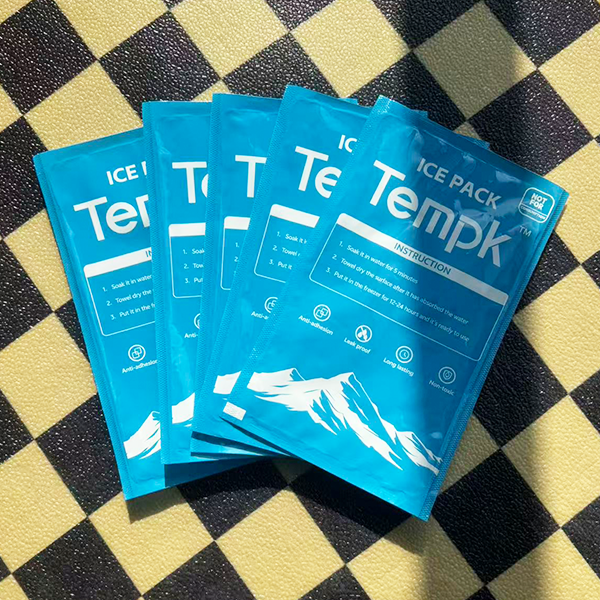
Biaya OEM Kotak Keren: Pilihan, Biaya, dan Kerangka Kualifikasi
Mulailah dengan kondisi pengiriman atau layanan, bukan foto kotaknya. Biaya OEM kotak pendingin harus dipilih hanya setelah pembeli menentukan apa yang ada di dalamnya, suhu atau kondisi penanganan apa yang penting, berapa lama paparan dapat bertahan, dan bukti apa saja yang diperlukan pada saat penerimaan.
Kerangka kerja terakhir menggabungkan pendidikan produk, pemeriksaan teknik, analisis komersial, kesadaran kualifikasi, dan tata kelola pemasok ke dalam satu metode pengadaan. Tujuannya bukan untuk menjanjikan kinerja universal, tetapi untuk menunjukkan apa yang harus didefinisikan, diuji, didokumentasikan, dan diverifikasi sebelum peningkatan skala.
Cakupan yang Jelas Mencegah Sebagian Besar Kesalahan Pembelian
Kotak berinsulasi memperlambat perpindahan panas; itu tidak menciptakan lingkungan dingin yang tidak terbatas. Untuk topik ini, definisi yang berguna adalah kotak berinsulasi khusus yang cangkangnya, isolasi, tutup, perangkat keras, grafis, aksesoris, kemasan, dan rencana mutu dikembangkan untuk program label swasta. Oleh karena itu, kinerja bergantung pada kondisi muatan yang diperlukan, suhu awal setiap komponen, jumlah dan penempatan media pendingin, segel tutupnya, pergerakan udara dalam, paparan lingkungan, dan waktu antara pengepakan dan penerimaan. Pemasok dapat menjual kotak luar yang sama ke beberapa pasar, namun setiap pasar memerlukan paket yang berbeda dan bukti yang berbeda. Pembeli harus menjaga konstruksi produk, konfigurasi termal, prosedur operasi, dan status kualifikasi sebagai bidang terpisah dalam spesifikasi. Dalam catatan persetujuan akhir, menghubungkan persyaratan, respons pemasok, observasi sampel, bukti uji, ruang lingkup komersial, dan keputusan yang bertanggung jawab dalam satu jalur yang dapat dilacak.
Pekerjaan yang dimaksud adalah membangun ritel yang terdiferensiasi, pengiriman makanan, di luar ruangan, Perawatan kesehatan, atau produk logistik tanpa kehilangan kendali atas perkakas dan biaya pendaratan. Pernyataan itu harus dibuat lebih tepat pada saat RFQ: mengidentifikasi jenis produk, dimensi muatan, kondisi yang dapat diterima, rute, serah terima, durasi yang direncanakan, musiman yang ekstrem, pemantauan, pembersihan, dan menerima keputusan. Jika suatu parameter tidak diketahui, tandai sebagai item verifikasi terbuka. Do not let a catalog label such as 'medis,' 'kelas makanan,' 'tugas berat,' atau 'rantai dingin' replace evidence. Pemasok yang kuat akan membantu memperjelas batasan dan membedakan kontainer stok, paket yang dirakit, dan sistem pengiriman yang berkualitas. Perlakukan asumsi yang belum terselesaikan sebagai risiko yang dikelola dengan pemilik dan tanggal jatuh tempo, bukan sebagai penerimaan diam-diam yang baru terlihat setelah peningkatan skala besar.
Gunakan Total Biaya Landed dan Lifecycle, Bukan Harga Satuan Saja
Untuk pembelian ini, biaya dibentuk oleh perkakas, rekayasa desain, resin dan isolasi, perangkat keras, pencetakan, aksesoris, Moq, inspeksi, kemasan, kargo, tugas, tunjangan garansi, dan pengerjaan ulang risiko. Kutipan harus menyatakan item mana yang disertakan, mata uang, perlakuan pajak, Incoterm jika relevan, sampel dan status perkakas, dasar pembayaran, dan masa berlaku. Harga satuan tidak dapat dibandingkan jika salah satu pemasok menyertakan karton ekspor yang diperkuat, inspeksi, aksesoris, atau pengujian dan yang lain mengecualikannya. Buatlah lembar perbandingan yang menggunakan gambar yang sama, tagihan bahan, tingkat kualitas, metode pengemasan, jumlah pesanan, dan titik pengiriman. Item yang tidak diketahui harus tetap terlihat sebagai tunjangan dan bukannya dianggap nol. Jika materinya, dimensi, sumber, paket, dasar tes, rute, atau perubahan instruksi pengoperasian, menilai dampaknya sebelum mengasumsikan persetujuan sebelumnya masih berlaku.
Total biaya juga mencakup konsekuensi kegagalan. Mengemas ulang, angkutan darurat, peluncuran tertunda, ulasan perjalanan suhu, muatan rusak, kembali, klaim garansi, tenaga kerja gudang tambahan, dan persediaan usang mungkin lebih besar daripada perbedaan harga satuan yang kecil. Ini tidak berarti memilih penawaran tertinggi. Hal ini berarti mengidentifikasi pengendalian mana yang mengurangi risiko material dan fitur mana yang menambah biaya tanpa manfaat yang jelas. Diskusi penurunan biaya akan menjadi paling produktif setelah persyaratan penting dilindungi: menyederhanakan dekorasi, standarisasi komponen, meningkatkan kepadatan karton, atau gunakan platform stok sebelum melemahkan isolasi, penutup, kekuatan penanganan, atau bukti kualitas. Dalam catatan persetujuan akhir, menghubungkan persyaratan, respons pemasok, observasi sampel, bukti uji, ruang lingkup komersial, dan keputusan yang bertanggung jawab dalam satu jalur yang dapat dilacak.
Pilihan Teknis yang Layak Mendapatkan Kriteria Penerimaan Tertulis
Panas masuk melalui dinding, tutup, sendi, bukaan, dan jembatan konduktif apa pun yang dibuat oleh perangkat keras. Kecepatannya dipengaruhi oleh perbedaan suhu, luas permukaan yang terbuka, sifat isolasi, ketebalan, geometri, kebocoran udara, dan waktu. Insulasi yang lebih tebal dapat membantu, tetapi juga mengurangi volume yang dapat digunakan atau menambah ukuran eksternal. Penutup yang lebih rapat dapat mengurangi pertukaran udara, namun tetap harus tetap dapat dioperasikan setelah penanganan berulang kali. Film reflektif dapat mengubah perpindahan panas radiasi dalam suatu rakitan tertentu, namun hal ini tidak dapat menggantikan isolasi yang memadai atau penutupan yang terkendali. Oleh karena itu, perbandingan yang benar adalah desain rakitan yang diuji dalam kondisi yang relevan, bukan satu nama material. Perlakukan asumsi yang belum terselesaikan sebagai risiko yang dikelola dengan pemilik dan tanggal jatuh tempo, bukan sebagai penerimaan diam-diam yang baru terlihat setelah peningkatan skala besar.
Media pendingin dan penempatan muatan menentukan apa yang dilindungi oleh insulasi. Conditioned gel packs or phase-change materials may be used for some refrigerated applications; barang beku atau sistem es kering mengikuti aturan yang berbeda. Kontak langsung dapat membuat produk sensitif terkena titik dingin setempat, jadi hambatan, keranjang, pengatur jarak, atau pengkondisian terkontrol mungkin penting. Ruang udara yang kosong juga mengubah kinerja dan memungkinkan komponen berpindah. Pembeli harus meminta gambar paket yang mengidentifikasi setiap komponen, orientasi, kuantitas, dan langkah persiapan. Gambar itu menjadi alat pelatihan, referensi catatan tes, dan garis dasar inspeksi, bukan saran informal. Keputusan terpadu harus melindungi tujuan penggunaan sekaligus menjaga peralatan, rekayasa desain, resin dan isolasi, perangkat keras, pencetakan, aksesoris, Moq, inspeksi, kemasan, kargo, tugas, tunjangan garansi, dan risiko pengerjaan ulang yang terlihat dalam model biaya total.
Ubah Setiap Klaim Penting Menjadi Bukti
Commercial cooler boxes can be rotationally molded, cetakan injeksi, cetakan tiup, dibuat, atau dibuat dari rakitan dan pelapis berbusa. Setiap rute konstruksi mempunyai implikasi yang berbeda terhadap perkakas, konsistensi dinding, penampilan, berat, memperbaiki, jumlah pesanan, dan kustomisasi. Tidak ada metode yang otomatis menjadi yang terbaik. Spesifikasi harus fokus pada hasil yang penting dalam layanan yang diharapkan: dimensi dalam, penutupan pas, resistensi terhadap penanganan yang diharapkan, kontinuitas isolasi, kemampuan bersih, retensi komponen, dan standar visual di mana produk tersebut dapat dilihat oleh konsumen. Keputusan terpadu harus melindungi tujuan penggunaan sekaligus menjaga peralatan, rekayasa desain, resin dan isolasi, perangkat keras, pencetakan, aksesoris, Moq, inspeksi, kemasan, kargo, tugas, tunjangan garansi, dan risiko pengerjaan ulang yang terlihat dalam model biaya total.
Klaim termal memerlukan konteks. Tanyakan muatan apa yang digunakan, bagaimana komponen dikondisikan, tempat sensor ditempatkan, profil ambien apa yang diterapkan, bagaimana tutupnya ditangani, dan kriteria penerimaan apa yang mendefinisikan kesuksesan. Durasi yang lama pada pengujian ringan tidak dapat dianggap sebagai performa pada rute yang berat. ISTA 7E menawarkan profil panas dan dingin standar untuk kemasan transportasi termal dalam pengiriman paket, sementara kualifikasi jalur khusus mungkin masih diperlukan. Bukti harus sesuai dengan rencana penggunaan, bukan menghiasi kutipan. Jika materinya, dimensi, sumber, paket, dasar tes, rute, atau perubahan instruksi pengoperasian, menilai dampaknya sebelum mengasumsikan persetujuan sebelumnya masih berlaku.
Kualifikasi, Pemantauan, dan Kontrol Perubahan Bekerja Sama
Rencana kualifikasi praktis dimulai dengan kondisi produk target dan skenario pengoperasian terburuk yang dapat dipercaya. Ini harus mendefinisikan muatan yang representatif, komponen kemasan, pengkondisian, urutan pengepakan, lokasi sensor, profil lingkungan, lamanya, acara pembuka jika relevan, Kriteria penerimaan, dan margin kontingensi. Profil termal ISTA dapat mendukung perbandingan standar untuk aplikasi parsel yang sesuai, tapi itu tidak menggantikan pengetahuan tentang jalur tertentu. Untuk saluran lain, pengirim dapat menggunakan data jalur yang dipetakan, profil musiman, pengujian distribusi, dan penilaian risiko. Metode yang dipilih harus disetujui oleh fungsi kualitas dan logistik yang bertanggung jawab. Perlakukan asumsi yang belum terselesaikan sebagai risiko yang dikelola dengan pemilik dan tanggal jatuh tempo, bukan sebagai penerimaan diam-diam yang baru terlihat setelah peningkatan skala besar.
Pemantauan tidak menciptakan perlindungan suhu; ini memberikan bukti tentang paparan. Pilih akurasi logger, status kalibrasi, interval perekaman, memulai prosedur, penempatan, logika alarm, akses data, dan format laporan perjalanan sesuai risiko produk. Urutan operasionalnya adalah pembekuan desain, tinjauan prototipe, persetujuan perkakas, produksi percontohan, Inspeksi Kualitas, validasi kemasan, pengiriman, dan kontrol perubahan pasca peluncuran. Penyimpangan memerlukan jalur peninjauan yang ditentukan, bukan asumsi otomatis bahwa muatan dapat diterima atau tidak dapat digunakan. Setelah persetujuan, setiap perubahan pada isolasi, damar, pendingin, ukuran, pemasok, penutup, instruksi pengepakan, profil pengujian, rute, atau muatan mungkin memerlukan penilaian terdokumentasi dan kemungkinan kualifikasi ulang. Keputusan terpadu harus melindungi tujuan penggunaan sekaligus menjaga peralatan, rekayasa desain, resin dan isolasi, perangkat keras, pencetakan, aksesoris, Moq, inspeksi, kemasan, kargo, tugas, tunjangan garansi, dan risiko pengerjaan ulang yang terlihat dalam model biaya total.
Pemasok Daftar Pendek Dengan Bukti dan Tata Kelola
Pertanyaan utama pemasok adalah pilihan desain mana yang menciptakan nilai pelanggan dan mana yang hanya menambah peralatan, perakitan, inspeksi, kargo, atau paparan garansi. Evaluasi kepemilikan alat yang transparan, gambar, pengendalian toleransi, sampel emas, pemeriksaan masuk, bukti percontohan, dan persetujuan perubahan secara tertulis. Tanyakan siapa yang memiliki setiap proses, operasi mana yang disubkontrakkan, bagaimana dimensi dan material penting diperiksa, bagaimana produk yang ditolak dikendalikan, dan bagaimana sampel yang disetujui dikaitkan dengan produksi. Jika pemasok menawarkan pengujian, mengidentifikasi laboratorium, metode, muatan, tata letak sensor, profil lingkungan, ukuran sampel, dan melaporkan kepemilikan. Laporan yang disempurnakan hanya berguna jika menjelaskan konfigurasi yang ingin Anda beli. Dalam catatan persetujuan akhir, menghubungkan persyaratan, respons pemasok, observasi sampel, bukti uji, ruang lingkup komersial, dan keputusan yang bertanggung jawab dalam satu jalur yang dapat dilacak.
- Gambar dan revisi bill of material mana yang akan mengatur produksi?
- Apa arti kapasitas yang dikutip setelah paket operasi diinstal?
- Klaim mana yang didukung oleh laporan pengujian, deklarasi materi, atau catatan pemeriksaan?
- Bagaimana sampel diidentifikasi dan dihubungkan dengan lot produksi selanjutnya?
- Perubahan apa yang memerlukan persetujuan tertulis dari pelanggan sebelum diterapkan?
- Siapa yang menyelidiki ketidaksesuaian dan seberapa cepat pembendungan dimulai?
Jawaban yang baik bersifat spesifik dan dapat diaudit. Pemasok yang menjelaskan keterbatasan seringkali lebih berguna daripada pemasok yang memberi label pada setiap model yang cocok untuk setiap pasar. Selama uji tuntas, membandingkan dokumen dengan sampel fisik. Ukur dimensi kritis, periksa tutup dan penutupnya, tinjau permukaan dan kontinuitas isolasi jika terlihat, mengemas muatan yang representatif, dan memotret konfigurasi yang disetujui. Hasilnya harus menjadi acuan terkendali pengadaan itu, kualitas, gudang, dan tim pemasok semuanya dapat mengenalinya. Perlakukan asumsi yang belum terselesaikan sebagai risiko yang dikelola dengan pemilik dan tanggal jatuh tempo, bukan sebagai penerimaan diam-diam yang baru terlihat setelah peningkatan skala besar.
| Gerbang persetujuan | Apa yang harus diperbaiki | Catatan rilis |
|---|---|---|
| Produk dan rute | Mencegah kotak generik diperlakukan sebagai solusi universal | Kasus penggunaan tertulis, profil muatan dan rute |
| Ruang yang dapat digunakan | Media pendingin dan pembagi mengurangi volume muatan praktis | Gambar paket berdimensi dan uji pengepakan |
| Bukti termal | Durasi klaim tergantung pada payload, pengkondisian dan profil ambien | Lengkapi metode pengujian dan laporan untuk konfigurasi yang diusulkan |
| Konstruksi | Bahan, sendi, tutup dan perangkat keras mempengaruhi aliran panas dan penanganan | Menggambar, bill of material dan pemeriksaan sampel |
| Operasi | Desain yang baik bisa gagal jika staf mengemasnya secara berbeda | Instruksi kerja dan rencana pelatihan yang terkendali |
| Pengendalian produksi | Sampel yang disetujui harus mewakili unit massal | Sampel emas, rencana inspeksi dan perjanjian pengendalian perubahan |
| Ruang lingkup komersial | Penawaran harga yang rendah mungkin tidak termasuk item biaya besar | Kutipan yang dinormalisasi dan model biaya tetap |
| Akhir penggunaan | Penggunaan kembali atau pembuangan harus sesuai dengan jaringan sebenarnya | Pembersihan, inspeksi, rencana pengembalian dan pemulihan |
Tabel adalah alat bantu pengambilan keputusan, bukan pengganti kualifikasi. Itu membuat hal-hal yang tidak diketahui tetap terlihat dan menghubungkan setiap klaim penting ke sebuah dokumen, mencicipi, tes, atau kontrol pengoperasian yang dapat ditinjau pembeli sebelum dirilis.
Gunakan Tinjauan Skenario Sebelum Merilis Pesanan
Pertimbangkan skenario tipikal ini: merek yang meminta logo cetakan, warna baru, tali bahu, pembatas yang dapat dilepas, dan karton ritel sebelum dimensi internal atau permintaan tahunan dikonfirmasi. Tim harus memetakan setiap periode ketika produk yang dikemas berada di luar penyimpanan terkendali, termasuk pementasan sebelum pengambilan, memuat, hub, pemeriksaan bea cukai atau keamanan, pengiriman terlewat, menunggu di tanda terima, dan penanganan pengembalian. Untuk setiap langkah, mengidentifikasi durasi yang diharapkan, paparan lingkungan, siapa pemilik kiriman tersebut, apakah kotak itu boleh dibuka, dan data apa yang tersedia. Ini memperlihatkan apakah persyaratan utamanya adalah isolasi, pengaturan pendingin yang berbeda, penutupan yang lebih kuat, pelabelan yang lebih jelas, layanan operator lebih cepat, paket darurat, atau meningkatkan disiplin penerimaan. Keputusan terpadu harus melindungi tujuan penggunaan sekaligus menjaga peralatan, rekayasa desain, resin dan isolasi, perangkat keras, pencetakan, aksesoris, Moq, inspeksi, kemasan, kargo, tugas, tunjangan garansi, dan risiko pengerjaan ulang yang terlihat dalam model biaya total.
Tinjauan yang sama harus menanyakan apa yang terjadi ketika kondisi tidak ideal. Risiko terkait mencakup spesifikasi yang tidak jelas, perubahan kosmetik yang terlambat, penyegelan tutup yang lemah, isolasi yang tidak konsisten, karton pengiriman berukuran besar, penyimpangan warna, dan penggantian material yang tidak disetujui. Beri peringkat berdasarkan tingkat keparahannya, kemungkinan, dan kemampuan deteksi, kemudian menetapkan pencegahan dan respons. Beberapa kontrol termasuk dalam produk, seperti penghalang atau pegangan yang lebih kuat. Yang lainnya termasuk dalam prosedur ini, seperti waktu pengkondisian, pesanan pengepakan, pra-pendinginan, pelatihan staf, instruksi pembawa, atau daftar periksa penerimaan. Pemasok dapat menyumbangkan bukti desain, namun kepemilikan rute tetap berada pada pengirim dan mitra logistiknya. Jika materinya, dimensi, sumber, paket, dasar tes, rute, atau perubahan instruksi pengoperasian, menilai dampaknya sebelum mengasumsikan persetujuan sebelumnya masih berlaku.
Rencana Gerbang Panggung Menjaga Peningkatan Skala Tetap Dapat Dibalik
RFQ yang efektif memisahkan persyaratan wajib dari preferensi dan pertanyaan terbuka. Lampirkan sketsa muatan berdimensi, volume pesanan yang diharapkan, pasar pengiriman, garis waktu sasaran, kebutuhan pengemasan dan pelabelan, dan skenario operasi. Minta pemasok untuk menyatakan kepatuhannya, pengecualian, atau usulan alternatif terhadap setiap lini. Hal ini untuk menghindari masalah umum: pemasok diam-diam mengutip produk standar terdekatnya sementara pembeli berasumsi bahwa persyaratan khusus telah diterima. Perbandingan komersial harus dimulai hanya setelah pengecualian teknis terlihat dan tanggung jawab untuk pengujian, sampel, cetakan, kargo, dan dokumen ditugaskan. Dalam catatan persetujuan akhir, menghubungkan persyaratan, respons pemasok, observasi sampel, bukti uji, ruang lingkup komersial, dan keputusan yang bertanggung jawab dalam satu jalur yang dapat dilacak.
Gunakan gerbang panggung sehingga pembelanjaan mengikuti bukti. Gerbang konsep menyetujui persyaratan tersebut; gerbang teknik menyetujui gambar dan bahan; gerbang sampel memeriksa kesesuaian dan fungsinya; gerbang percontohan memeriksa kontrol produksi dan pengemasan; dan gerbang pelepasan mengotorisasi volume. Di setiap gerbang, mencatat masalah terbuka, pemilik, tanggal jatuh tempo, dan revisi yang tepat ditinjau. Hal ini memudahkan untuk menjeda atau memperbaiki proyek sebelum masalah dikalikan ke seluruh urutan. Hal ini juga menciptakan sejarah yang berguna untuk pengurangan biaya di kemudian hari, perpindahan pemasok, atau perubahan desain. Perlakukan asumsi yang belum terselesaikan sebagai risiko yang dikelola dengan pemilik dan tanggal jatuh tempo, bukan sebagai penerimaan diam-diam yang baru terlihat setelah peningkatan skala besar.
Membuat Klaim Lingkungan Dengan Bukti Operasional
Prioritas lingkungan adalah melindungi muatan dengan kombinasi material yang paling tidak praktis, energi, pendingin, tenaga kerja, dan transportasi. Sebuah paket yang menggunakan lebih sedikit bahan tetapi menyebabkan kehilangan produk tidak serta merta memberikan hasil yang lebih baik. Pendekatan yang relevan di sini adalah merancang untuk penggunaan yang tahan lama dan pengiriman yang efisien sambil menghindari kerumitan kosmetik atau bahan campuran yang tidak menciptakan nilai pelanggan. Bandingkan opsi sekali pakai dan dapat digunakan kembali melalui jaringan sebenarnya: jarak keluar, jarak kembali, pembersihan, pengeringan, inspeksi, tingkat kerugian, memperbaiki, penyimpanan, dan jalur akhir penggunaan. Avoid broad claims such as 'zero waste' atau 'carbon neutral' unless a defined study and scope support them. Jika materinya, dimensi, sumber, paket, dasar tes, rute, atau perubahan instruksi pengoperasian, menilai dampaknya sebelum mengasumsikan persetujuan sebelumnya masih berlaku.
Desain masih dapat menghilangkan inefisiensi yang nyata. Dimensi eksternal ukuran yang tepat, meningkatkan kepadatan muatan, menstandarkan komponen dengan keausan tinggi, hindari lapisan dekoratif yang mempersulit pemulihan, dan pilih karton yang melindungi produk tanpa mengirimkan udara berlebih. Untuk armada yang dapat digunakan kembali, berikan setiap aset status pemilik dan pemeriksaan. Pensiunkan kotak dengan isolasi yang rusak, kelopak mata terdistorsi, permukaan yang terkontaminasi, atau penutupan yang tidak dapat diandalkan. Keberlanjutan akan menjadi lebih kuat jika dikaitkan dengan hasil operasional yang terukur: lebih sedikit pengiriman yang rusak, layanan aman yang lebih lama, pemanfaatan kubus yang lebih baik, pembersihan terkontrol, dan jalur pemulihan yang kredibel. Dalam catatan persetujuan akhir, menghubungkan persyaratan, respons pemasok, observasi sampel, bukti uji, ruang lingkup komersial, dan keputusan yang bertanggung jawab dalam satu jalur yang dapat dilacak.
Pertanyaan Sebelum Persetujuan
Apakah setiap kotak berinsulasi khusus cocok untuk pengiriman rantai dingin?
TIDAK. Kesesuaian tergantung pada kondisi produk, rute, lamanya, muatan, media pendingin, metode pengepakan, paparan lingkungan, penanganan, dan bukti. An insulated container may be a useful component without being a qualified shipping system. Mintalah rincian pengujian yang terkait dengan konfigurasi yang diusulkan dan mintalah tim kualitas atau logistik yang bertanggung jawab meninjau penggunaan akhir.
Bagaimana seharusnya pembeli membandingkan klaim kinerja pemasok?
Bandingkan kondisi pengujian lengkap, tidak hanya durasi atau suhu judul. Tinjau muatan, pendingin, pengkondisian, penempatan sensor, profil lingkungan, bukaan, konstruksi sampel, batas penerimaan, dan apakah unit yang diuji sesuai dengan produksi. Jika detail ini hilang, perlakukan klaim sebagai topik untuk verifikasi dan bukan sebagai fakta pembelian.
Apa kesalahan paling umum dalam pesanan massal?
Kesalahan yang sering terjadi adalah menyetujui tampilan namun membiarkan detail fungsional tidak ditentukan. Dimensi dalam, ruang yang dapat digunakan, tutup pas, isolasi, perangkat keras, paket, karton, inspeksi, dan perubahan yang diizinkan harus ditulis sebelum produksi. Sampel yang ditandatangani sangat membantu, tapi gambar, Kriteria penerimaan, dan mengubah kontrol membuat persetujuan dapat diulang.
Jika kutipan terendah menang?
Hanya setelah setiap kutipan dinormalisasi ke spesifikasi dan cakupan pengiriman yang sama. Sertakan perkakas, aksesoris, pengujian, inspeksi, karton, kargo, tugas, buruh gudang, paparan garansi, dan risiko kegagalan. Harga yang lebih rendah dapat menjadi keputusan yang tepat ketika bukti dan pengendaliannya setara; berisiko bila harga rendah datang dari ruang lingkup yang tidak diketahui.
Kapan kotak yang dapat digunakan kembali merupakan pilihan yang lebih baik?
Penggunaan kembali bisa menjadi menarik jika dikendalikan, rute berulang dengan kepemilikan, transportasi kembali, pembersihan, pengeringan, inspeksi, memperbaiki, dan manajemen kerugian. Kurang meyakinkan ketika kotak-kotak menghilang, kembali kosong dalam jarak jauh, atau tidak dapat dibersihkan dengan aman. Evaluasilah perulangan yang sebenarnya daripada berasumsi bahwa label yang dapat digunakan kembali menjamin dampak lingkungan yang lebih baik.
Dari Penawaran hingga Penggunaan Terkendali
Seleksi akhir harus menghubungkan empat keputusan: kesesuaian produk dan rute, bukti teknis, total biaya, dan tata kelola pemasok. Ketika keputusan-keputusan itu dicatat, pembeli dapat melakukan penskalaan dengan lebih sedikit kejutan dan dasar peninjauan kualitas yang lebih jelas.
Tentang tempk
Tempk mendukung pembeli mengembangkan paket rantai dingin pasif dengan kotak pendingin, isolasi, Paket gel, batu bata PCM, kantong termal, dan format pengiriman medis. Permintaan biaya OEM kotak pendingin dapat ditinjau dengan lebih efektif ketika pembeli menyediakan rute, muatan, kondisi yang diperlukan, penanganan, kuantitas sasaran, dan menguji ekspektasi. Tempk dapat membantu mengidentifikasi opsi untuk evaluasi, sementara pengirim dan tim mutunya tetap bertanggung jawab untuk menyetujui permohonan dan rute.
Diskusikan ringkasan teknis, rencana sampel, dan kriteria penerimaan massal dengan Tempk sebelum mengunci pesanan komersial.
Produsen Kotak Keren: Pilihan, Biaya, dan Kerangka Kualifikasi
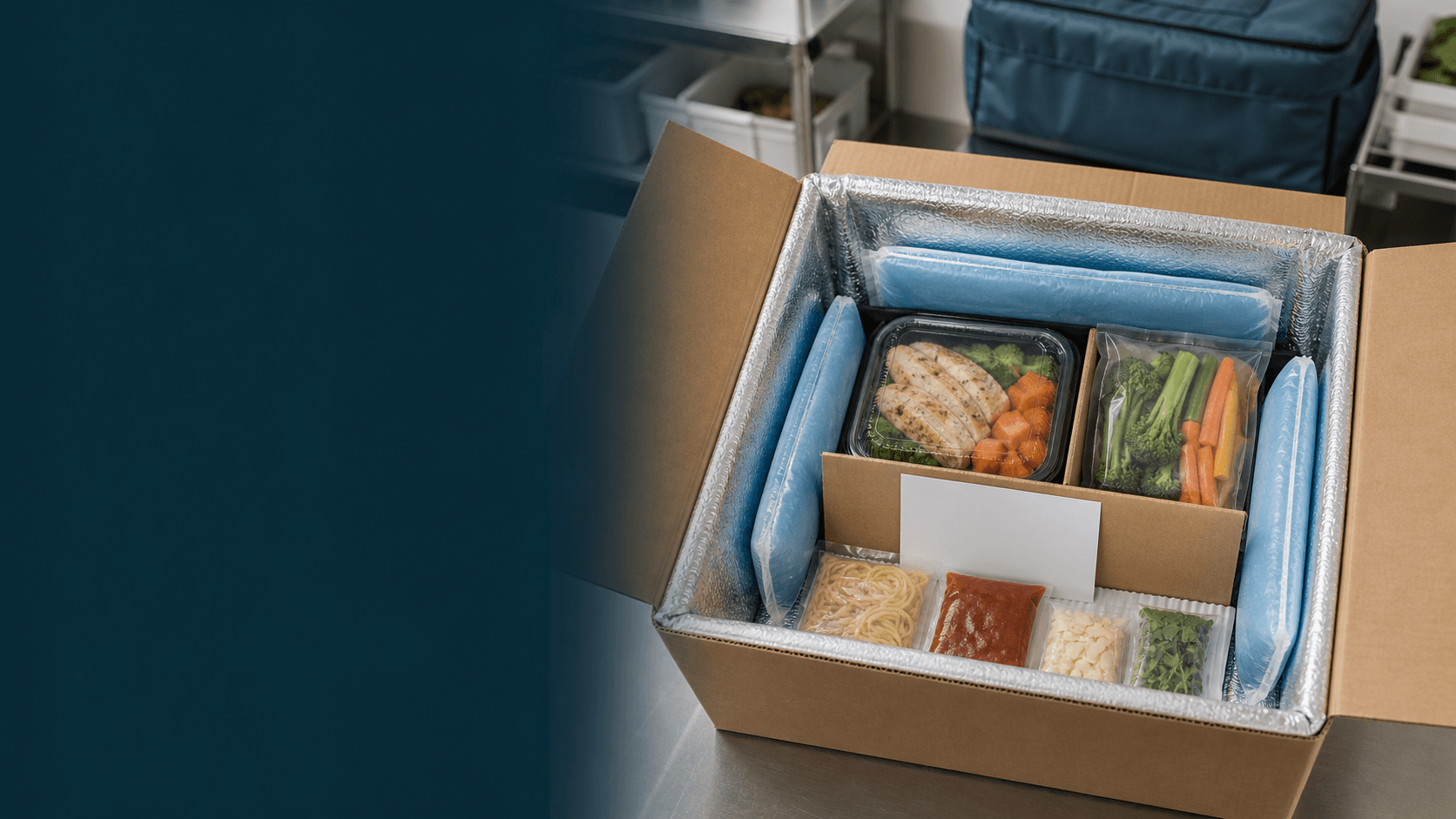
Produsen Kotak Keren: Pilihan, Biaya, dan Kerangka Kualifikasi
Mulailah dengan kondisi pengiriman atau layanan, bukan foto kotaknya. A cool box manufacturer should be selected only after the buyer has defined what goes inside, suhu atau kondisi penanganan apa yang penting, berapa lama paparan dapat bertahan, dan bukti apa saja yang diperlukan pada saat penerimaan.
Kerangka kerja terakhir menggabungkan pendidikan produk, pemeriksaan teknik, analisis komersial, kesadaran kualifikasi, dan tata kelola pemasok ke dalam satu metode pengadaan. Tujuannya bukan untuk menjanjikan kinerja universal, tetapi untuk menunjukkan apa yang harus didefinisikan, diuji, didokumentasikan, dan diverifikasi sebelum peningkatan skala.
Cakupan yang Jelas Mencegah Sebagian Besar Kesalahan Pembelian
Wadah merupakan salah satu komponen kinerja, bukan jaminan penuh. Untuk topik ini, the useful definition is an insulated box platform selected by usable space, struktur isolasi, penutup, kemampuan bersih, kekuatan penanganan, aksesoris, dan kompatibilitas paket. Oleh karena itu, kinerja bergantung pada kondisi muatan yang diperlukan, suhu awal setiap komponen, jumlah dan penempatan media pendingin, segel tutupnya, pergerakan udara dalam, paparan lingkungan, dan waktu antara pengepakan dan penerimaan. Pemasok dapat menjual kotak luar yang sama ke beberapa pasar, namun setiap pasar memerlukan paket yang berbeda dan bukti yang berbeda. Pembeli harus menjaga konstruksi produk, konfigurasi termal, prosedur operasi, dan status kualifikasi sebagai bidang terpisah dalam spesifikasi. Dalam catatan persetujuan akhir, menghubungkan persyaratan, respons pemasok, observasi sampel, bukti uji, ruang lingkup komersial, dan keputusan yang bertanggung jawab dalam satu jalur yang dapat dilacak.
The intended job is sourcing stock, dimodifikasi, or fully custom cool boxes for repeated commercial use. Pernyataan itu harus dibuat lebih tepat pada saat RFQ: mengidentifikasi jenis produk, dimensi muatan, kondisi yang dapat diterima, rute, serah terima, durasi yang direncanakan, musiman yang ekstrem, pemantauan, pembersihan, dan menerima keputusan. Jika suatu parameter tidak diketahui, tandai sebagai item verifikasi terbuka. Do not let a catalog label such as 'medis,' 'kelas makanan,' 'tugas berat,' atau 'rantai dingin' replace evidence. Pemasok yang kuat akan membantu memperjelas batasan dan membedakan kontainer stok, paket yang dirakit, dan sistem pengiriman yang berkualitas. Perlakukan asumsi yang belum terselesaikan sebagai risiko yang dikelola dengan pemilik dan tanggal jatuh tempo, bukan sebagai penerimaan diam-diam yang baru terlihat setelah peningkatan skala besar.
Gunakan Total Biaya Landed dan Lifecycle, Bukan Harga Satuan Saja
Untuk pembelian ini, cost is shaped by stock versus custom design, perkakas, bahan, construction method, volume pesanan, aksesoris, pengujian, kemasan, kargo, inspeksi, dan penanganan purna jual. Kutipan harus menyatakan item mana yang disertakan, mata uang, perlakuan pajak, Incoterm jika relevan, sampel dan status perkakas, dasar pembayaran, dan masa berlaku. Harga satuan tidak dapat dibandingkan jika salah satu pemasok menyertakan karton ekspor yang diperkuat, inspeksi, aksesoris, atau pengujian dan yang lain mengecualikannya. Buatlah lembar perbandingan yang menggunakan gambar yang sama, tagihan bahan, tingkat kualitas, metode pengemasan, jumlah pesanan, dan titik pengiriman. Item yang tidak diketahui harus tetap terlihat sebagai tunjangan dan bukannya dianggap nol. Jika materinya, dimensi, sumber, paket, dasar tes, rute, atau perubahan instruksi pengoperasian, menilai dampaknya sebelum mengasumsikan persetujuan sebelumnya masih berlaku.
Total biaya juga mencakup konsekuensi kegagalan. Mengemas ulang, angkutan darurat, peluncuran tertunda, ulasan perjalanan suhu, muatan rusak, kembali, klaim garansi, tenaga kerja gudang tambahan, dan persediaan usang mungkin lebih besar daripada perbedaan harga satuan yang kecil. Ini tidak berarti memilih penawaran tertinggi. Hal ini berarti mengidentifikasi pengendalian mana yang mengurangi risiko material dan fitur mana yang menambah biaya tanpa manfaat yang jelas. Diskusi penurunan biaya akan menjadi paling produktif setelah persyaratan penting dilindungi: menyederhanakan dekorasi, standarisasi komponen, meningkatkan kepadatan karton, atau gunakan platform stok sebelum melemahkan isolasi, penutup, kekuatan penanganan, atau bukti kualitas. Dalam catatan persetujuan akhir, menghubungkan persyaratan, respons pemasok, observasi sampel, bukti uji, ruang lingkup komersial, dan keputusan yang bertanggung jawab dalam satu jalur yang dapat dilacak.
Pilihan Teknis yang Layak Mendapatkan Kriteria Penerimaan Tertulis
Panas masuk melalui dinding, tutup, sendi, bukaan, dan jembatan konduktif apa pun yang dibuat oleh perangkat keras. Kecepatannya dipengaruhi oleh perbedaan suhu, luas permukaan yang terbuka, sifat isolasi, ketebalan, geometri, kebocoran udara, dan waktu. Insulasi yang lebih tebal dapat membantu, tetapi juga mengurangi volume yang dapat digunakan atau menambah ukuran eksternal. Penutup yang lebih rapat dapat mengurangi pertukaran udara, namun tetap harus tetap dapat dioperasikan setelah penanganan berulang kali. Film reflektif dapat mengubah perpindahan panas radiasi dalam suatu rakitan tertentu, namun hal ini tidak dapat menggantikan isolasi yang memadai atau penutupan yang terkendali. Oleh karena itu, perbandingan yang benar adalah desain rakitan yang diuji dalam kondisi yang relevan, bukan satu nama material. Perlakukan asumsi yang belum terselesaikan sebagai risiko yang dikelola dengan pemilik dan tanggal jatuh tempo, bukan sebagai penerimaan diam-diam yang baru terlihat setelah peningkatan skala besar.
Media pendingin dan penempatan muatan menentukan apa yang dilindungi oleh insulasi. Conditioned gel packs or phase-change materials may be used for some refrigerated applications; barang beku atau sistem es kering mengikuti aturan yang berbeda. Kontak langsung dapat membuat produk sensitif terkena titik dingin setempat, jadi hambatan, keranjang, pengatur jarak, atau pengkondisian terkontrol mungkin penting. Ruang udara yang kosong juga mengubah kinerja dan memungkinkan komponen berpindah. Pembeli harus meminta gambar paket yang mengidentifikasi setiap komponen, orientasi, kuantitas, dan langkah persiapan. Gambar itu menjadi alat pelatihan, referensi catatan tes, dan garis dasar inspeksi, bukan saran informal. The integrated decision should protect the intended use while keeping stock versus custom design, perkakas, bahan, construction method, volume pesanan, aksesoris, pengujian, kemasan, kargo, inspeksi, and after-sales handling visible in the total-cost model.
Ubah Setiap Klaim Penting Menjadi Bukti
Commercial cooler boxes can be rotationally molded, cetakan injeksi, cetakan tiup, dibuat, atau dibuat dari rakitan dan pelapis berbusa. Setiap rute konstruksi mempunyai implikasi yang berbeda terhadap perkakas, konsistensi dinding, penampilan, berat, memperbaiki, jumlah pesanan, dan kustomisasi. Tidak ada metode yang otomatis menjadi yang terbaik. Spesifikasi harus fokus pada hasil yang penting dalam layanan yang diharapkan: dimensi dalam, penutupan pas, resistensi terhadap penanganan yang diharapkan, kontinuitas isolasi, kemampuan bersih, retensi komponen, dan standar visual di mana produk tersebut dapat dilihat oleh konsumen. The integrated decision should protect the intended use while keeping stock versus custom design, perkakas, bahan, construction method, volume pesanan, aksesoris, pengujian, kemasan, kargo, inspeksi, and after-sales handling visible in the total-cost model.
Klaim termal memerlukan konteks. Tanyakan muatan apa yang digunakan, bagaimana komponen dikondisikan, tempat sensor ditempatkan, profil ambien apa yang diterapkan, bagaimana tutupnya ditangani, dan kriteria penerimaan apa yang mendefinisikan kesuksesan. Durasi yang lama pada pengujian ringan tidak dapat dianggap sebagai performa pada rute yang berat. ISTA 7E menawarkan profil panas dan dingin standar untuk kemasan transportasi termal dalam pengiriman paket, sementara kualifikasi jalur khusus mungkin masih diperlukan. Bukti harus sesuai dengan rencana penggunaan, bukan menghiasi kutipan. Jika materinya, dimensi, sumber, paket, dasar tes, rute, atau perubahan instruksi pengoperasian, menilai dampaknya sebelum mengasumsikan persetujuan sebelumnya masih berlaku.
Kualifikasi, Pemantauan, dan Kontrol Perubahan Bekerja Sama
Rencana kualifikasi praktis dimulai dengan kondisi produk target dan skenario pengoperasian terburuk yang dapat dipercaya. Ini harus mendefinisikan muatan yang representatif, komponen kemasan, pengkondisian, urutan pengepakan, lokasi sensor, profil lingkungan, lamanya, acara pembuka jika relevan, Kriteria penerimaan, dan margin kontingensi. Profil termal ISTA dapat mendukung perbandingan standar untuk aplikasi parsel yang sesuai, tapi itu tidak menggantikan pengetahuan tentang jalur tertentu. Untuk saluran lain, pengirim dapat menggunakan data jalur yang dipetakan, profil musiman, pengujian distribusi, dan penilaian risiko. Metode yang dipilih harus disetujui oleh fungsi kualitas dan logistik yang bertanggung jawab. Perlakukan asumsi yang belum terselesaikan sebagai risiko yang dikelola dengan pemilik dan tanggal jatuh tempo, bukan sebagai penerimaan diam-diam yang baru terlihat setelah peningkatan skala besar.
Pemantauan tidak menciptakan perlindungan suhu; ini memberikan bukti tentang paparan. Pilih akurasi logger, status kalibrasi, interval perekaman, memulai prosedur, penempatan, logika alarm, akses data, dan format laporan perjalanan sesuai risiko produk. The operational sequence is specification review, persetujuan sampel, capability check, perencanaan produksi, in-process control, pemeriksaan akhir, sedang mengemas, and shipment. Penyimpangan memerlukan jalur peninjauan yang ditentukan, bukan asumsi otomatis bahwa muatan dapat diterima atau tidak dapat digunakan. Setelah persetujuan, setiap perubahan pada isolasi, damar, pendingin, ukuran, pemasok, penutup, instruksi pengepakan, profil pengujian, rute, atau muatan mungkin memerlukan penilaian terdokumentasi dan kemungkinan kualifikasi ulang. The integrated decision should protect the intended use while keeping stock versus custom design, perkakas, bahan, construction method, volume pesanan, aksesoris, pengujian, kemasan, kargo, inspeksi, and after-sales handling visible in the total-cost model.
Pemasok Daftar Pendek Dengan Bukti dan Tata Kelola
The central supplier question is whether the factory can control the complete product and document consistent production rather than only present a broad catalog. Evaluate control over molding or fabrication, konsistensi isolasi, dimensi kritis, penutupan pas, component sourcing, identifikasi kumpulan, dan tindakan korektif. Tanyakan siapa yang memiliki setiap proses, operasi mana yang disubkontrakkan, bagaimana dimensi dan material penting diperiksa, bagaimana produk yang ditolak dikendalikan, dan bagaimana sampel yang disetujui dikaitkan dengan produksi. Jika pemasok menawarkan pengujian, mengidentifikasi laboratorium, metode, muatan, tata letak sensor, profil lingkungan, ukuran sampel, dan melaporkan kepemilikan. Laporan yang disempurnakan hanya berguna jika menjelaskan konfigurasi yang ingin Anda beli. Dalam catatan persetujuan akhir, menghubungkan persyaratan, respons pemasok, observasi sampel, bukti uji, ruang lingkup komersial, dan keputusan yang bertanggung jawab dalam satu jalur yang dapat dilacak.
- Gambar dan revisi bill of material mana yang akan mengatur produksi?
- Apa arti kapasitas yang dikutip setelah paket operasi diinstal?
- Klaim mana yang didukung oleh laporan pengujian, deklarasi materi, atau catatan pemeriksaan?
- Bagaimana sampel diidentifikasi dan dihubungkan dengan lot produksi selanjutnya?
- Perubahan apa yang memerlukan persetujuan tertulis dari pelanggan sebelum diterapkan?
- Siapa yang menyelidiki ketidaksesuaian dan seberapa cepat pembendungan dimulai?
Jawaban yang baik bersifat spesifik dan dapat diaudit. Pemasok yang menjelaskan keterbatasan seringkali lebih berguna daripada pemasok yang memberi label pada setiap model yang cocok untuk setiap pasar. Selama uji tuntas, membandingkan dokumen dengan sampel fisik. Ukur dimensi kritis, periksa tutup dan penutupnya, tinjau permukaan dan kontinuitas isolasi jika terlihat, mengemas muatan yang representatif, dan memotret konfigurasi yang disetujui. Hasilnya harus menjadi acuan terkendali pengadaan itu, kualitas, gudang, dan tim pemasok semuanya dapat mengenalinya. Perlakukan asumsi yang belum terselesaikan sebagai risiko yang dikelola dengan pemilik dan tanggal jatuh tempo, bukan sebagai penerimaan diam-diam yang baru terlihat setelah peningkatan skala besar.
| Gerbang persetujuan | Apa yang harus diperbaiki | Catatan rilis |
|---|---|---|
| Produk dan rute | Mencegah kotak generik diperlakukan sebagai solusi universal | Kasus penggunaan tertulis, profil muatan dan rute |
| Ruang yang dapat digunakan | Media pendingin dan pembagi mengurangi volume muatan praktis | Gambar paket berdimensi dan uji pengepakan |
| Bukti termal | Durasi klaim tergantung pada payload, pengkondisian dan profil ambien | Lengkapi metode pengujian dan laporan untuk konfigurasi yang diusulkan |
| Konstruksi | Bahan, sendi, tutup dan perangkat keras mempengaruhi aliran panas dan penanganan | Menggambar, bill of material dan pemeriksaan sampel |
| Operasi | Desain yang baik bisa gagal jika staf mengemasnya secara berbeda | Instruksi kerja dan rencana pelatihan yang terkendali |
| Pengendalian produksi | Sampel yang disetujui harus mewakili unit massal | Sampel emas, rencana inspeksi dan perjanjian pengendalian perubahan |
| Ruang lingkup komersial | Penawaran harga yang rendah mungkin tidak termasuk item biaya besar | Kutipan yang dinormalisasi dan model biaya tetap |
| Akhir penggunaan | Penggunaan kembali atau pembuangan harus sesuai dengan jaringan sebenarnya | Pembersihan, inspeksi, rencana pengembalian dan pemulihan |
Tabel adalah alat bantu pengambilan keputusan, bukan pengganti kualifikasi. Itu membuat hal-hal yang tidak diketahui tetap terlihat dan menghubungkan setiap klaim penting ke sebuah dokumen, mencicipi, tes, atau kontrol pengoperasian yang dapat ditinjau pembeli sebelum dirilis.
Gunakan Tinjauan Skenario Sebelum Merilis Pesanan
Pertimbangkan skenario tipikal ini: a distributor needs one box family for food delivery and another for temperature-sensitive supplies, with shared handling features but different packouts. Tim harus memetakan setiap periode ketika produk yang dikemas berada di luar penyimpanan terkendali, termasuk pementasan sebelum pengambilan, memuat, hub, pemeriksaan bea cukai atau keamanan, pengiriman terlewat, menunggu di tanda terima, dan penanganan pengembalian. Untuk setiap langkah, mengidentifikasi durasi yang diharapkan, paparan lingkungan, siapa pemilik kiriman tersebut, apakah kotak itu boleh dibuka, dan data apa yang tersedia. Ini memperlihatkan apakah persyaratan utamanya adalah isolasi, pengaturan pendingin yang berbeda, penutupan yang lebih kuat, pelabelan yang lebih jelas, layanan operator lebih cepat, paket darurat, atau meningkatkan disiplin penerimaan. The integrated decision should protect the intended use while keeping stock versus custom design, perkakas, bahan, construction method, volume pesanan, aksesoris, pengujian, kemasan, kargo, inspeksi, and after-sales handling visible in the total-cost model.
Tinjauan yang sama harus menanyakan apa yang terjadi ketika kondisi tidak ideal. Relevant risks include poor dimensional control, distorsi tutup, insulation voids, pegangan yang lemah, sulit dibersihkan, unstable accessories, and unannounced production changes. Beri peringkat berdasarkan tingkat keparahannya, kemungkinan, dan kemampuan deteksi, kemudian menetapkan pencegahan dan respons. Beberapa kontrol termasuk dalam produk, seperti penghalang atau pegangan yang lebih kuat. Yang lainnya termasuk dalam prosedur ini, seperti waktu pengkondisian, pesanan pengepakan, pra-pendinginan, pelatihan staf, instruksi pembawa, atau daftar periksa penerimaan. Pemasok dapat menyumbangkan bukti desain, namun kepemilikan rute tetap berada pada pengirim dan mitra logistiknya. Jika materinya, dimensi, sumber, paket, dasar tes, rute, atau perubahan instruksi pengoperasian, menilai dampaknya sebelum mengasumsikan persetujuan sebelumnya masih berlaku.
Rencana Gerbang Panggung Menjaga Peningkatan Skala Tetap Dapat Dibalik
RFQ yang efektif memisahkan persyaratan wajib dari preferensi dan pertanyaan terbuka. Lampirkan sketsa muatan berdimensi, volume pesanan yang diharapkan, pasar pengiriman, garis waktu sasaran, kebutuhan pengemasan dan pelabelan, dan skenario operasi. Minta pemasok untuk menyatakan kepatuhannya, pengecualian, atau usulan alternatif terhadap setiap lini. Hal ini untuk menghindari masalah umum: pemasok diam-diam mengutip produk standar terdekatnya sementara pembeli berasumsi bahwa persyaratan khusus telah diterima. Perbandingan komersial harus dimulai hanya setelah pengecualian teknis terlihat dan tanggung jawab untuk pengujian, sampel, cetakan, kargo, dan dokumen ditugaskan. Dalam catatan persetujuan akhir, menghubungkan persyaratan, respons pemasok, observasi sampel, bukti uji, ruang lingkup komersial, dan keputusan yang bertanggung jawab dalam satu jalur yang dapat dilacak.
Gunakan gerbang panggung sehingga pembelanjaan mengikuti bukti. Gerbang konsep menyetujui persyaratan tersebut; gerbang teknik menyetujui gambar dan bahan; gerbang sampel memeriksa kesesuaian dan fungsinya; gerbang percontohan memeriksa kontrol produksi dan pengemasan; dan gerbang pelepasan mengotorisasi volume. Di setiap gerbang, mencatat masalah terbuka, pemilik, tanggal jatuh tempo, dan revisi yang tepat ditinjau. Hal ini memudahkan untuk menjeda atau memperbaiki proyek sebelum masalah dikalikan ke seluruh urutan. Hal ini juga menciptakan sejarah yang berguna untuk pengurangan biaya di kemudian hari, perpindahan pemasok, atau perubahan desain. Perlakukan asumsi yang belum terselesaikan sebagai risiko yang dikelola dengan pemilik dan tanggal jatuh tempo, bukan sebagai penerimaan diam-diam yang baru terlihat setelah peningkatan skala besar.
Membuat Klaim Lingkungan Dengan Bukti Operasional
Prioritas lingkungan adalah melindungi muatan dengan kombinasi material yang paling tidak praktis, energi, pendingin, tenaga kerja, dan transportasi. Sebuah paket yang menggunakan lebih sedikit bahan tetapi menyebabkan kehilangan produk tidak serta merta memberikan hasil yang lebih baik. The relevant approach here is selecting the simplest construction that meets service conditions, reducing damage and product loss, and planning reuse only where collection and cleaning work. Bandingkan opsi sekali pakai dan dapat digunakan kembali melalui jaringan sebenarnya: jarak keluar, jarak kembali, pembersihan, pengeringan, inspeksi, tingkat kerugian, memperbaiki, penyimpanan, dan jalur akhir penggunaan. Avoid broad claims such as 'zero waste' atau 'carbon neutral' unless a defined study and scope support them. Jika materinya, dimensi, sumber, paket, dasar tes, rute, atau perubahan instruksi pengoperasian, menilai dampaknya sebelum mengasumsikan persetujuan sebelumnya masih berlaku.
Desain masih dapat menghilangkan inefisiensi yang nyata. Dimensi eksternal ukuran yang tepat, meningkatkan kepadatan muatan, menstandarkan komponen dengan keausan tinggi, hindari lapisan dekoratif yang mempersulit pemulihan, dan pilih karton yang melindungi produk tanpa mengirimkan udara berlebih. Untuk armada yang dapat digunakan kembali, berikan setiap aset status pemilik dan pemeriksaan. Pensiunkan kotak dengan isolasi yang rusak, kelopak mata terdistorsi, permukaan yang terkontaminasi, atau penutupan yang tidak dapat diandalkan. Keberlanjutan akan menjadi lebih kuat jika dikaitkan dengan hasil operasional yang terukur: lebih sedikit pengiriman yang rusak, layanan aman yang lebih lama, pemanfaatan kubus yang lebih baik, pembersihan terkontrol, dan jalur pemulihan yang kredibel. Dalam catatan persetujuan akhir, menghubungkan persyaratan, respons pemasok, observasi sampel, bukti uji, ruang lingkup komersial, dan keputusan yang bertanggung jawab dalam satu jalur yang dapat dilacak.
Pertanyaan yang sering diajukan
Is every an insulated box platform selected by usable space, struktur isolasi, penutup, kemampuan bersih, kekuatan penanganan, aksesoris, and packout compatibility suitable for a cold-chain shipment?
TIDAK. Kesesuaian tergantung pada kondisi produk, rute, lamanya, muatan, media pendingin, metode pengepakan, paparan lingkungan, penanganan, dan bukti. An insulated container may be a useful component without being a qualified shipping system. Mintalah rincian pengujian yang terkait dengan konfigurasi yang diusulkan dan mintalah tim kualitas atau logistik yang bertanggung jawab meninjau penggunaan akhir.
Bagaimana seharusnya pembeli membandingkan klaim kinerja pemasok?
Bandingkan kondisi pengujian lengkap, tidak hanya durasi atau suhu judul. Tinjau muatan, pendingin, pengkondisian, penempatan sensor, profil lingkungan, bukaan, konstruksi sampel, batas penerimaan, dan apakah unit yang diuji sesuai dengan produksi. Jika detail ini hilang, perlakukan klaim sebagai topik untuk verifikasi dan bukan sebagai fakta pembelian.
Apa kesalahan paling umum dalam pesanan massal?
Kesalahan yang sering terjadi adalah menyetujui tampilan namun membiarkan detail fungsional tidak ditentukan. Dimensi dalam, ruang yang dapat digunakan, tutup pas, isolasi, perangkat keras, paket, karton, inspeksi, dan perubahan yang diizinkan harus ditulis sebelum produksi. Sampel yang ditandatangani sangat membantu, tapi gambar, Kriteria penerimaan, dan mengubah kontrol membuat persetujuan dapat diulang.
Jika kutipan terendah menang?
Hanya setelah setiap kutipan dinormalisasi ke spesifikasi dan cakupan pengiriman yang sama. Sertakan perkakas, aksesoris, pengujian, inspeksi, karton, kargo, tugas, buruh gudang, paparan garansi, dan risiko kegagalan. Harga yang lebih rendah dapat menjadi keputusan yang tepat ketika bukti dan pengendaliannya setara; berisiko bila harga rendah datang dari ruang lingkup yang tidak diketahui.
Kapan kotak yang dapat digunakan kembali merupakan pilihan yang lebih baik?
Penggunaan kembali bisa menjadi menarik jika dikendalikan, rute berulang dengan kepemilikan, transportasi kembali, pembersihan, pengeringan, inspeksi, memperbaiki, dan manajemen kerugian. Kurang meyakinkan ketika kotak-kotak menghilang, kembali kosong dalam jarak jauh, atau tidak dapat dibersihkan dengan aman. Evaluasilah perulangan yang sebenarnya daripada berasumsi bahwa label yang dapat digunakan kembali menjamin dampak lingkungan yang lebih baik.
Tampilan Akhir Pengadaan
Seleksi akhir harus menghubungkan empat keputusan: kesesuaian produk dan rute, bukti teknis, total biaya, dan tata kelola pemasok. Ketika keputusan-keputusan itu dicatat, pembeli dapat melakukan penskalaan dengan lebih sedikit kejutan dan dasar peninjauan kualitas yang lebih jelas.
Tentang tempk
Tempk mendukung pembeli mengembangkan paket rantai dingin pasif dengan kotak pendingin, isolasi, Paket gel, batu bata PCM, kantong termal, dan format pengiriman medis. A cool box manufacturer request can be reviewed more effectively when the buyer supplies route, muatan, kondisi yang diperlukan, penanganan, kuantitas sasaran, dan menguji ekspektasi. Tempk dapat membantu mengidentifikasi opsi untuk evaluasi, sementara pengirim dan tim mutunya tetap bertanggung jawab untuk menyetujui permohonan dan rute.
Diskusikan ringkasan teknis, rencana sampel, dan kriteria penerimaan massal dengan Tempk sebelum mengunci pesanan komersial.
Biaya Distributor Cool Box: Pilihan, Biaya, dan Kerangka Kualifikasi

Biaya Distributor Cool Box: Pilihan, Biaya, dan Kerangka Kualifikasi
Mulailah dengan kondisi pengiriman atau layanan, bukan foto kotaknya. Biaya distributor kotak pendingin sebaiknya dipilih hanya setelah pembeli menentukan apa yang ada di dalamnya, suhu atau kondisi penanganan apa yang penting, berapa lama paparan dapat bertahan, dan bukti apa saja yang diperlukan pada saat penerimaan.
Kerangka kerja terakhir menggabungkan pendidikan produk, pemeriksaan teknik, analisis komersial, kesadaran kualifikasi, dan tata kelola pemasok ke dalam satu metode pengadaan. Tujuannya bukan untuk menjanjikan kinerja universal, tetapi untuk menunjukkan apa yang harus didefinisikan, diuji, didokumentasikan, dan diverifikasi sebelum peningkatan skala.
Cakupan yang Jelas Mencegah Sebagian Besar Kesalahan Pembelian
Perlindungan termal berasal dari konfigurasi, bukan dari nama produknya saja. Untuk topik ini, definisi yang berguna adalah kotak pendingin yang dibeli dengan inventaris distributor, layanan lokal, akses tingkat lebih kecil, kenyamanan pengiriman, dan dukungan komersial termasuk dalam penawaran. Oleh karena itu, kinerja bergantung pada kondisi muatan yang diperlukan, suhu awal setiap komponen, jumlah dan penempatan media pendingin, segel tutupnya, pergerakan udara dalam, paparan lingkungan, dan waktu antara pengepakan dan penerimaan. Pemasok dapat menjual kotak luar yang sama ke beberapa pasar, namun setiap pasar memerlukan paket yang berbeda dan bukti yang berbeda. Pembeli harus menjaga konstruksi produk, konfigurasi termal, prosedur operasi, dan status kualifikasi sebagai bidang terpisah dalam spesifikasi. Dalam catatan persetujuan akhir, menghubungkan persyaratan, respons pemasok, observasi sampel, bukti uji, ruang lingkup komersial, dan keputusan yang bertanggung jawab dalam satu jalur yang dapat dilacak.
Pekerjaan yang dimaksudkan adalah membeli stok produk atau mengisi kembali armada komersial tanpa volume pesanan langsung dari pabrik. Pernyataan itu harus dibuat lebih tepat pada saat RFQ: mengidentifikasi jenis produk, dimensi muatan, kondisi yang dapat diterima, rute, serah terima, durasi yang direncanakan, musiman yang ekstrem, pemantauan, pembersihan, dan menerima keputusan. Jika suatu parameter tidak diketahui, tandai sebagai item verifikasi terbuka. Do not let a catalog label such as 'medis,' 'kelas makanan,' 'tugas berat,' atau 'rantai dingin' replace evidence. Pemasok yang kuat akan membantu memperjelas batasan dan membedakan kontainer stok, paket yang dirakit, dan sistem pengiriman yang berkualitas. Perlakukan asumsi yang belum terselesaikan sebagai risiko yang dikelola dengan pemilik dan tanggal jatuh tempo, bukan sebagai penerimaan diam-diam yang baru terlihat setelah peningkatan skala besar.
Gunakan Total Biaya Landed dan Lifecycle, Bukan Harga Satuan Saja
Untuk pembelian ini, biaya dibentuk oleh margin distributor, pergudangan lokal, jumlah pesanan, zona pengiriman, kemasan, kargo, pajak, aksesoris, batas penyesuaian, melayani, dan risiko persediaan. Kutipan harus menyatakan item mana yang disertakan, mata uang, perlakuan pajak, Incoterm jika relevan, sampel dan status perkakas, dasar pembayaran, dan masa berlaku. Harga satuan tidak dapat dibandingkan jika salah satu pemasok menyertakan karton ekspor yang diperkuat, inspeksi, aksesoris, atau pengujian dan yang lain mengecualikannya. Buatlah lembar perbandingan yang menggunakan gambar yang sama, tagihan bahan, tingkat kualitas, metode pengemasan, jumlah pesanan, dan titik pengiriman. Item yang tidak diketahui harus tetap terlihat sebagai tunjangan dan bukannya dianggap nol. Jika materinya, dimensi, sumber, paket, dasar tes, rute, atau perubahan instruksi pengoperasian, menilai dampaknya sebelum mengasumsikan persetujuan sebelumnya masih berlaku.
Total biaya juga mencakup konsekuensi kegagalan. Mengemas ulang, angkutan darurat, peluncuran tertunda, ulasan perjalanan suhu, muatan rusak, kembali, klaim garansi, tenaga kerja gudang tambahan, dan persediaan usang mungkin lebih besar daripada perbedaan harga satuan yang kecil. Ini tidak berarti memilih penawaran tertinggi. Hal ini berarti mengidentifikasi pengendalian mana yang mengurangi risiko material dan fitur mana yang menambah biaya tanpa manfaat yang jelas. Diskusi penurunan biaya akan menjadi paling produktif setelah persyaratan penting dilindungi: menyederhanakan dekorasi, standarisasi komponen, meningkatkan kepadatan karton, atau gunakan platform stok sebelum melemahkan isolasi, penutup, kekuatan penanganan, atau bukti kualitas. Dalam catatan persetujuan akhir, menghubungkan persyaratan, respons pemasok, observasi sampel, bukti uji, ruang lingkup komersial, dan keputusan yang bertanggung jawab dalam satu jalur yang dapat dilacak.
Pilihan Teknis yang Layak Mendapatkan Kriteria Penerimaan Tertulis
Panas masuk melalui dinding, tutup, sendi, bukaan, dan jembatan konduktif apa pun yang dibuat oleh perangkat keras. Kecepatannya dipengaruhi oleh perbedaan suhu, luas permukaan yang terbuka, sifat isolasi, ketebalan, geometri, kebocoran udara, dan waktu. Insulasi yang lebih tebal dapat membantu, tetapi juga mengurangi volume yang dapat digunakan atau menambah ukuran eksternal. Penutup yang lebih rapat dapat mengurangi pertukaran udara, namun tetap harus tetap dapat dioperasikan setelah penanganan berulang kali. Film reflektif dapat mengubah perpindahan panas radiasi dalam suatu rakitan tertentu, namun hal ini tidak dapat menggantikan isolasi yang memadai atau penutupan yang terkendali. Oleh karena itu, perbandingan yang benar adalah desain rakitan yang diuji dalam kondisi yang relevan, bukan satu nama material. Perlakukan asumsi yang belum terselesaikan sebagai risiko yang dikelola dengan pemilik dan tanggal jatuh tempo, bukan sebagai penerimaan diam-diam yang baru terlihat setelah peningkatan skala besar.
Media pendingin dan penempatan muatan menentukan apa yang dilindungi oleh insulasi. Conditioned gel packs or phase-change materials may be used for some refrigerated applications; barang beku atau sistem es kering mengikuti aturan yang berbeda. Kontak langsung dapat membuat produk sensitif terkena titik dingin setempat, jadi hambatan, keranjang, pengatur jarak, atau pengkondisian terkontrol mungkin penting. Ruang udara yang kosong juga mengubah kinerja dan memungkinkan komponen berpindah. Pembeli harus meminta gambar paket yang mengidentifikasi setiap komponen, orientasi, kuantitas, dan langkah persiapan. Gambar itu menjadi alat pelatihan, referensi catatan tes, dan garis dasar inspeksi, bukan saran informal. Keputusan terpadu harus melindungi tujuan penggunaan sekaligus menjaga margin distributor, pergudangan lokal, jumlah pesanan, zona pengiriman, kemasan, kargo, pajak, aksesoris, batas penyesuaian, melayani, dan risiko inventaris yang terlihat dalam model biaya total.
Ubah Setiap Klaim Penting Menjadi Bukti
Commercial cooler boxes can be rotationally molded, cetakan injeksi, cetakan tiup, dibuat, atau dibuat dari rakitan dan pelapis berbusa. Setiap rute konstruksi mempunyai implikasi yang berbeda terhadap perkakas, konsistensi dinding, penampilan, berat, memperbaiki, jumlah pesanan, dan kustomisasi. Tidak ada metode yang otomatis menjadi yang terbaik. Spesifikasi harus fokus pada hasil yang penting dalam layanan yang diharapkan: dimensi dalam, penutupan pas, resistensi terhadap penanganan yang diharapkan, kontinuitas isolasi, kemampuan bersih, retensi komponen, dan standar visual di mana produk tersebut dapat dilihat oleh konsumen. Keputusan terpadu harus melindungi tujuan penggunaan sekaligus menjaga margin distributor, pergudangan lokal, jumlah pesanan, zona pengiriman, kemasan, kargo, pajak, aksesoris, batas penyesuaian, melayani, dan risiko inventaris yang terlihat dalam model biaya total.
Klaim termal memerlukan konteks. Tanyakan muatan apa yang digunakan, bagaimana komponen dikondisikan, tempat sensor ditempatkan, profil ambien apa yang diterapkan, bagaimana tutupnya ditangani, dan kriteria penerimaan apa yang mendefinisikan kesuksesan. Durasi yang lama pada pengujian ringan tidak dapat dianggap sebagai performa pada rute yang berat. ISTA 7E menawarkan profil panas dan dingin standar untuk kemasan transportasi termal dalam pengiriman paket, sementara kualifikasi jalur khusus mungkin masih diperlukan. Bukti harus sesuai dengan rencana penggunaan, bukan menghiasi kutipan. Jika materinya, dimensi, sumber, paket, dasar tes, rute, atau perubahan instruksi pengoperasian, menilai dampaknya sebelum mengasumsikan persetujuan sebelumnya masih berlaku.
Kualifikasi, Pemantauan, dan Kontrol Perubahan Bekerja Sama
Rencana kualifikasi praktis dimulai dengan kondisi produk target dan skenario pengoperasian terburuk yang dapat dipercaya. Ini harus mendefinisikan muatan yang representatif, komponen kemasan, pengkondisian, urutan pengepakan, lokasi sensor, profil lingkungan, lamanya, acara pembuka jika relevan, Kriteria penerimaan, dan margin kontingensi. Profil termal ISTA dapat mendukung perbandingan standar untuk aplikasi parsel yang sesuai, tapi itu tidak menggantikan pengetahuan tentang jalur tertentu. Untuk saluran lain, pengirim dapat menggunakan data jalur yang dipetakan, profil musiman, pengujian distribusi, dan penilaian risiko. Metode yang dipilih harus disetujui oleh fungsi kualitas dan logistik yang bertanggung jawab. Perlakukan asumsi yang belum terselesaikan sebagai risiko yang dikelola dengan pemilik dan tanggal jatuh tempo, bukan sebagai penerimaan diam-diam yang baru terlihat setelah peningkatan skala besar.
Pemantauan tidak menciptakan perlindungan suhu; ini memberikan bukti tentang paparan. Pilih akurasi logger, status kalibrasi, interval perekaman, memulai prosedur, penempatan, logika alarm, akses data, dan format laporan perjalanan sesuai risiko produk. Urutan operasionalnya adalah perbandingan produk, konfirmasi stok, perhitungan biaya mendarat, pemeriksaan sampel, penempatan pesanan, menerima cek, dan tindak lanjut layanan. Penyimpangan memerlukan jalur peninjauan yang ditentukan, bukan asumsi otomatis bahwa muatan dapat diterima atau tidak dapat digunakan. Setelah persetujuan, setiap perubahan pada isolasi, damar, pendingin, ukuran, pemasok, penutup, instruksi pengepakan, profil pengujian, rute, atau muatan mungkin memerlukan penilaian terdokumentasi dan kemungkinan kualifikasi ulang. Keputusan terpadu harus melindungi tujuan penggunaan sekaligus menjaga margin distributor, pergudangan lokal, jumlah pesanan, zona pengiriman, kemasan, kargo, pajak, aksesoris, batas penyesuaian, melayani, dan risiko inventaris yang terlihat dalam model biaya total.
Pemasok Daftar Pendek Dengan Bukti dan Tata Kelola
Pertanyaan utama pemasok adalah kapan margin distributor dibenarkan oleh biaya transaksi yang lebih rendah, ketersediaan lebih cepat, pengangkutan konsolidasi, dukungan garansi, dan mengurangi eksposur inventaris. Evaluasi informasi produk resmi, persediaan saat ini, model yang dapat dilacak, rute garansi yang jelas, komitmen pengiriman yang realistis, dan akses ke dokumentasi pabrikan. Tanyakan siapa yang memiliki setiap proses, operasi mana yang disubkontrakkan, bagaimana dimensi dan material penting diperiksa, bagaimana produk yang ditolak dikendalikan, dan bagaimana sampel yang disetujui dikaitkan dengan produksi. Jika pemasok menawarkan pengujian, mengidentifikasi laboratorium, metode, muatan, tata letak sensor, profil lingkungan, ukuran sampel, dan melaporkan kepemilikan. Laporan yang disempurnakan hanya berguna jika menjelaskan konfigurasi yang ingin Anda beli. Dalam catatan persetujuan akhir, menghubungkan persyaratan, respons pemasok, observasi sampel, bukti uji, ruang lingkup komersial, dan keputusan yang bertanggung jawab dalam satu jalur yang dapat dilacak.
- Gambar dan revisi bill of material mana yang akan mengatur produksi?
- Apa arti kapasitas yang dikutip setelah paket operasi diinstal?
- Klaim mana yang didukung oleh laporan pengujian, deklarasi materi, atau catatan pemeriksaan?
- Bagaimana sampel diidentifikasi dan dihubungkan dengan lot produksi selanjutnya?
- Perubahan apa yang memerlukan persetujuan tertulis dari pelanggan sebelum diterapkan?
- Siapa yang menyelidiki ketidaksesuaian dan seberapa cepat pembendungan dimulai?
Jawaban yang baik bersifat spesifik dan dapat diaudit. Pemasok yang menjelaskan keterbatasan seringkali lebih berguna daripada pemasok yang memberi label pada setiap model yang cocok untuk setiap pasar. Selama uji tuntas, membandingkan dokumen dengan sampel fisik. Ukur dimensi kritis, periksa tutup dan penutupnya, tinjau permukaan dan kontinuitas isolasi jika terlihat, mengemas muatan yang representatif, dan memotret konfigurasi yang disetujui. Hasilnya harus menjadi acuan terkendali pengadaan itu, kualitas, gudang, dan tim pemasok semuanya dapat mengenalinya. Perlakukan asumsi yang belum terselesaikan sebagai risiko yang dikelola dengan pemilik dan tanggal jatuh tempo, bukan sebagai penerimaan diam-diam yang baru terlihat setelah peningkatan skala besar.
| Gerbang persetujuan | Apa yang harus diperbaiki | Catatan rilis |
|---|---|---|
| Produk dan rute | Mencegah kotak generik diperlakukan sebagai solusi universal | Kasus penggunaan tertulis, profil muatan dan rute |
| Ruang yang dapat digunakan | Media pendingin dan pembagi mengurangi volume muatan praktis | Gambar paket berdimensi dan uji pengepakan |
| Bukti termal | Durasi klaim tergantung pada payload, pengkondisian dan profil ambien | Lengkapi metode pengujian dan laporan untuk konfigurasi yang diusulkan |
| Konstruksi | Bahan, sendi, tutup dan perangkat keras mempengaruhi aliran panas dan penanganan | Menggambar, bill of material dan pemeriksaan sampel |
| Operasi | Desain yang baik bisa gagal jika staf mengemasnya secara berbeda | Instruksi kerja dan rencana pelatihan yang terkendali |
| Pengendalian produksi | Sampel yang disetujui harus mewakili unit massal | Sampel emas, rencana inspeksi dan perjanjian pengendalian perubahan |
| Ruang lingkup komersial | Penawaran harga yang rendah mungkin tidak termasuk item biaya besar | Kutipan yang dinormalisasi dan model biaya tetap |
| Akhir penggunaan | Penggunaan kembali atau pembuangan harus sesuai dengan jaringan sebenarnya | Pembersihan, inspeksi, rencana pengembalian dan pemulihan |
Tabel adalah alat bantu pengambilan keputusan, bukan pengganti kualifikasi. Itu membuat hal-hal yang tidak diketahui tetap terlihat dan menghubungkan setiap klaim penting ke sebuah dokumen, mencicipi, tes, atau kontrol pengoperasian yang dapat ditinjau pembeli sebelum dirilis.
Gunakan Tinjauan Skenario Sebelum Merilis Pesanan
Pertimbangkan skenario tipikal ini: operator regional membutuhkan kotak pengganti di beberapa kota dan lebih menghargai stok lokal daripada harga pabrik yang lebih rendah yang terkait dengan pesanan minimum yang besar. Tim harus memetakan setiap periode ketika produk yang dikemas berada di luar penyimpanan terkendali, termasuk pementasan sebelum pengambilan, memuat, hub, pemeriksaan bea cukai atau keamanan, pengiriman terlewat, menunggu di tanda terima, dan penanganan pengembalian. Untuk setiap langkah, mengidentifikasi durasi yang diharapkan, paparan lingkungan, siapa pemilik kiriman tersebut, apakah kotak itu boleh dibuka, dan data apa yang tersedia. Ini memperlihatkan apakah persyaratan utamanya adalah isolasi, pengaturan pendingin yang berbeda, penutupan yang lebih kuat, pelabelan yang lebih jelas, layanan operator lebih cepat, paket darurat, atau meningkatkan disiplin penerimaan. Keputusan terpadu harus melindungi tujuan penggunaan sekaligus menjaga margin distributor, pergudangan lokal, jumlah pesanan, zona pengiriman, kemasan, kargo, pajak, aksesoris, batas penyesuaian, melayani, dan risiko inventaris yang terlihat dalam model biaya total.
Tinjauan yang sama harus menanyakan apa yang terjadi ketika kondisi tidak ideal. Risiko yang relevan termasuk membandingkan produk yang berbeda, dengan asumsi stok lokal, mengabaikan biaya pengiriman atau pajak, tanggung jawab garansi tidak jelas, inventaris usang, dan lemahnya akses terhadap bukti teknis. Beri peringkat berdasarkan tingkat keparahannya, kemungkinan, dan kemampuan deteksi, kemudian menetapkan pencegahan dan respons. Beberapa kontrol termasuk dalam produk, seperti penghalang atau pegangan yang lebih kuat. Yang lainnya termasuk dalam prosedur ini, seperti waktu pengkondisian, pesanan pengepakan, pra-pendinginan, pelatihan staf, instruksi pembawa, atau daftar periksa penerimaan. Pemasok dapat menyumbangkan bukti desain, namun kepemilikan rute tetap berada pada pengirim dan mitra logistiknya. Jika materinya, dimensi, sumber, paket, dasar tes, rute, atau perubahan instruksi pengoperasian, menilai dampaknya sebelum mengasumsikan persetujuan sebelumnya masih berlaku.
Rencana Gerbang Panggung Menjaga Peningkatan Skala Tetap Dapat Dibalik
RFQ yang efektif memisahkan persyaratan wajib dari preferensi dan pertanyaan terbuka. Lampirkan sketsa muatan berdimensi, volume pesanan yang diharapkan, pasar pengiriman, garis waktu sasaran, kebutuhan pengemasan dan pelabelan, dan skenario operasi. Minta pemasok untuk menyatakan kepatuhannya, pengecualian, atau usulan alternatif terhadap setiap lini. Hal ini untuk menghindari masalah umum: pemasok diam-diam mengutip produk standar terdekatnya sementara pembeli berasumsi bahwa persyaratan khusus telah diterima. Perbandingan komersial harus dimulai hanya setelah pengecualian teknis terlihat dan tanggung jawab untuk pengujian, sampel, cetakan, kargo, dan dokumen ditugaskan. Dalam catatan persetujuan akhir, menghubungkan persyaratan, respons pemasok, observasi sampel, bukti uji, ruang lingkup komersial, dan keputusan yang bertanggung jawab dalam satu jalur yang dapat dilacak.
Gunakan gerbang panggung sehingga pembelanjaan mengikuti bukti. Gerbang konsep menyetujui persyaratan tersebut; gerbang teknik menyetujui gambar dan bahan; gerbang sampel memeriksa kesesuaian dan fungsinya; gerbang percontohan memeriksa kontrol produksi dan pengemasan; dan gerbang pelepasan mengotorisasi volume. Di setiap gerbang, mencatat masalah terbuka, pemilik, tanggal jatuh tempo, dan revisi yang tepat ditinjau. Hal ini memudahkan untuk menjeda atau memperbaiki proyek sebelum masalah dikalikan ke seluruh urutan. Hal ini juga menciptakan sejarah yang berguna untuk pengurangan biaya di kemudian hari, perpindahan pemasok, atau perubahan desain. Perlakukan asumsi yang belum terselesaikan sebagai risiko yang dikelola dengan pemilik dan tanggal jatuh tempo, bukan sebagai penerimaan diam-diam yang baru terlihat setelah peningkatan skala besar.
Membuat Klaim Lingkungan Dengan Bukti Operasional
Prioritas lingkungan adalah melindungi muatan dengan kombinasi material yang paling tidak praktis, energi, pendingin, tenaga kerja, dan transportasi. Sebuah paket yang menggunakan lebih sedikit bahan tetapi menyebabkan kehilangan produk tidak serta merta memberikan hasil yang lebih baik. Pendekatan yang relevan di sini adalah penyampaian yang terkonsolidasi, lebih sedikit pengiriman darurat, pemilihan produk yang tahan lama, opsi pengambilan kembali jika tersedia, dan menghindari kelebihan safety stock. Bandingkan opsi sekali pakai dan dapat digunakan kembali melalui jaringan sebenarnya: jarak keluar, jarak kembali, pembersihan, pengeringan, inspeksi, tingkat kerugian, memperbaiki, penyimpanan, dan jalur akhir penggunaan. Avoid broad claims such as 'zero waste' atau 'carbon neutral' unless a defined study and scope support them. Jika materinya, dimensi, sumber, paket, dasar tes, rute, atau perubahan instruksi pengoperasian, menilai dampaknya sebelum mengasumsikan persetujuan sebelumnya masih berlaku.
Desain masih dapat menghilangkan inefisiensi yang nyata. Dimensi eksternal ukuran yang tepat, meningkatkan kepadatan muatan, menstandarkan komponen dengan keausan tinggi, hindari lapisan dekoratif yang mempersulit pemulihan, dan pilih karton yang melindungi produk tanpa mengirimkan udara berlebih. Untuk armada yang dapat digunakan kembali, berikan setiap aset status pemilik dan pemeriksaan. Pensiunkan kotak dengan isolasi yang rusak, kelopak mata terdistorsi, permukaan yang terkontaminasi, atau penutupan yang tidak dapat diandalkan. Keberlanjutan akan menjadi lebih kuat jika dikaitkan dengan hasil operasional yang terukur: lebih sedikit pengiriman yang rusak, layanan aman yang lebih lama, pemanfaatan kubus yang lebih baik, pembersihan terkontrol, dan jalur pemulihan yang kredibel. Dalam catatan persetujuan akhir, menghubungkan persyaratan, respons pemasok, observasi sampel, bukti uji, ruang lingkup komersial, dan keputusan yang bertanggung jawab dalam satu jalur yang dapat dilacak.
Pertanyaan Pembeli
Apakah setiap kotak pendingin dibeli dengan inventaris distributor, layanan lokal, akses tingkat lebih kecil, kenyamanan pengiriman, dan dukungan komersial termasuk dalam penawaran yang sesuai untuk pengiriman rantai dingin?
TIDAK. Kesesuaian tergantung pada kondisi produk, rute, lamanya, muatan, media pendingin, metode pengepakan, paparan lingkungan, penanganan, dan bukti. An insulated container may be a useful component without being a qualified shipping system. Mintalah rincian pengujian yang terkait dengan konfigurasi yang diusulkan dan mintalah tim kualitas atau logistik yang bertanggung jawab meninjau penggunaan akhir.
Bagaimana seharusnya pembeli membandingkan klaim kinerja pemasok?
Bandingkan kondisi pengujian lengkap, tidak hanya durasi atau suhu judul. Tinjau muatan, pendingin, pengkondisian, penempatan sensor, profil lingkungan, bukaan, konstruksi sampel, batas penerimaan, dan apakah unit yang diuji sesuai dengan produksi. Jika detail ini hilang, perlakukan klaim sebagai topik untuk verifikasi dan bukan sebagai fakta pembelian.
Apa kesalahan paling umum dalam pesanan massal?
Kesalahan yang sering terjadi adalah menyetujui tampilan namun membiarkan detail fungsional tidak ditentukan. Dimensi dalam, ruang yang dapat digunakan, tutup pas, isolasi, perangkat keras, paket, karton, inspeksi, dan perubahan yang diizinkan harus ditulis sebelum produksi. Sampel yang ditandatangani sangat membantu, tapi gambar, Kriteria penerimaan, dan mengubah kontrol membuat persetujuan dapat diulang.
Jika kutipan terendah menang?
Hanya setelah setiap kutipan dinormalisasi ke spesifikasi dan cakupan pengiriman yang sama. Sertakan perkakas, aksesoris, pengujian, inspeksi, karton, kargo, tugas, buruh gudang, paparan garansi, dan risiko kegagalan. Harga yang lebih rendah dapat menjadi keputusan yang tepat ketika bukti dan pengendaliannya setara; berisiko bila harga rendah datang dari ruang lingkup yang tidak diketahui.
Kapan kotak yang dapat digunakan kembali merupakan pilihan yang lebih baik?
Penggunaan kembali bisa menjadi menarik jika dikendalikan, rute berulang dengan kepemilikan, transportasi kembali, pembersihan, pengeringan, inspeksi, memperbaiki, dan manajemen kerugian. Kurang meyakinkan ketika kotak-kotak menghilang, kembali kosong dalam jarak jauh, atau tidak dapat dibersihkan dengan aman. Evaluasilah perulangan yang sebenarnya daripada berasumsi bahwa label yang dapat digunakan kembali menjamin dampak lingkungan yang lebih baik.
Keputusan Praktis
Seleksi akhir harus menghubungkan empat keputusan: kesesuaian produk dan rute, bukti teknis, total biaya, dan tata kelola pemasok. Ketika keputusan-keputusan itu dicatat, pembeli dapat melakukan penskalaan dengan lebih sedikit kejutan dan dasar peninjauan kualitas yang lebih jelas.
Tentang tempk
Tempk mendukung pembeli mengembangkan paket rantai dingin pasif dengan kotak pendingin, isolasi, Paket gel, batu bata PCM, kantong termal, dan format pengiriman medis. Permintaan biaya distributor cool box dapat ditinjau lebih efektif ketika pembeli menyediakan rute, muatan, kondisi yang diperlukan, penanganan, kuantitas sasaran, dan menguji ekspektasi. Tempk dapat membantu mengidentifikasi opsi untuk evaluasi, sementara pengirim dan tim mutunya tetap bertanggung jawab untuk menyetujui permohonan dan rute.
Diskusikan ringkasan teknis, rencana sampel, dan kriteria penerimaan massal dengan Tempk sebelum mengunci pesanan komersial.
Logistik Rantai Dingin Kotak Es Rantai Dingin: Pilihan, Biaya, dan Kerangka Kualifikasi

Logistik Rantai Dingin Kotak Es Rantai Dingin: Pilihan, Biaya, dan Kerangka Kualifikasi
Mulailah dengan kondisi pengiriman atau layanan, bukan foto kotaknya. A cold chain ice box cold chain logistics should be selected only after the buyer has defined what goes inside, suhu atau kondisi penanganan apa yang penting, berapa lama paparan dapat bertahan, dan bukti apa saja yang diperlukan pada saat penerimaan.
Kerangka kerja terakhir menggabungkan pendidikan produk, pemeriksaan teknik, analisis komersial, kesadaran kualifikasi, dan tata kelola pemasok ke dalam satu metode pengadaan. Tujuannya bukan untuk menjanjikan kinerja universal, tetapi untuk menunjukkan apa yang harus didefinisikan, diuji, didokumentasikan, dan diverifikasi sebelum peningkatan skala.
Cakupan yang Jelas Mencegah Sebagian Besar Kesalahan Pembelian
Wadah merupakan salah satu komponen kinerja, bukan jaminan penuh. Untuk topik ini, the useful definition is a passive thermal packaging system that links an insulated box with cooling media, instruksi paket, pemantauan, penanganan, dan kontrol rute. Oleh karena itu, kinerja bergantung pada kondisi muatan yang diperlukan, suhu awal setiap komponen, jumlah dan penempatan media pendingin, segel tutupnya, pergerakan udara dalam, paparan lingkungan, dan waktu antara pengepakan dan penerimaan. Pemasok dapat menjual kotak luar yang sama ke beberapa pasar, namun setiap pasar memerlukan paket yang berbeda dan bukti yang berbeda. Pembeli harus menjaga konstruksi produk, konfigurasi termal, prosedur operasi, dan status kualifikasi sebagai bidang terpisah dalam spesifikasi. Dalam catatan persetujuan akhir, menghubungkan persyaratan, respons pemasok, observasi sampel, bukti uji, ruang lingkup komersial, dan keputusan yang bertanggung jawab dalam satu jalur yang dapat dilacak.
Pekerjaan yang dimaksudkan adalah melindungi barang-barang yang sensitif terhadap suhu di seluruh penyimpanan, memanggungkan, mengangkut, serah terima, penundaan, dan tanda terima akhir. Pernyataan itu harus dibuat lebih tepat pada saat RFQ: mengidentifikasi jenis produk, dimensi muatan, kondisi yang dapat diterima, rute, serah terima, durasi yang direncanakan, musiman yang ekstrem, pemantauan, pembersihan, dan menerima keputusan. Jika suatu parameter tidak diketahui, tandai sebagai item verifikasi terbuka. Do not let a catalog label such as 'medis,' 'kelas makanan,' 'tugas berat,' atau 'rantai dingin' replace evidence. Pemasok yang kuat akan membantu memperjelas batasan dan membedakan kontainer stok, paket yang dirakit, dan sistem pengiriman yang berkualitas. Perlakukan asumsi yang belum terselesaikan sebagai risiko yang dikelola dengan pemilik dan tanggal jatuh tempo, bukan sebagai penerimaan diam-diam yang baru terlihat setelah peningkatan skala besar.
Gunakan Total Biaya Landed dan Lifecycle, Bukan Harga Satuan Saja
Untuk pembelian ini, biaya dibentuk oleh kotak dan cairan pendingin, mengemas tenaga kerja, pemantauan, kualifikasi, layanan rute, menunda kemungkinan, pelatihan, logistik terbalik, pembersihan, dan kehilangan atau kerusakan. Kutipan harus menyatakan item mana yang disertakan, mata uang, perlakuan pajak, Incoterm jika relevan, sampel dan status perkakas, dasar pembayaran, dan masa berlaku. Harga satuan tidak dapat dibandingkan jika salah satu pemasok menyertakan karton ekspor yang diperkuat, inspeksi, aksesoris, atau pengujian dan yang lain mengecualikannya. Buatlah lembar perbandingan yang menggunakan gambar yang sama, tagihan bahan, tingkat kualitas, metode pengemasan, jumlah pesanan, dan titik pengiriman. Item yang tidak diketahui harus tetap terlihat sebagai tunjangan dan bukannya dianggap nol. Jika materinya, dimensi, sumber, paket, dasar tes, rute, atau perubahan instruksi pengoperasian, menilai dampaknya sebelum mengasumsikan persetujuan sebelumnya masih berlaku.
Total biaya juga mencakup konsekuensi kegagalan. Mengemas ulang, angkutan darurat, peluncuran tertunda, ulasan perjalanan suhu, muatan rusak, kembali, klaim garansi, tenaga kerja gudang tambahan, dan persediaan usang mungkin lebih besar daripada perbedaan harga satuan yang kecil. Ini tidak berarti memilih penawaran tertinggi. Hal ini berarti mengidentifikasi pengendalian mana yang mengurangi risiko material dan fitur mana yang menambah biaya tanpa manfaat yang jelas. Diskusi penurunan biaya akan menjadi paling produktif setelah persyaratan penting dilindungi: menyederhanakan dekorasi, standarisasi komponen, meningkatkan kepadatan karton, atau gunakan platform stok sebelum melemahkan isolasi, penutup, kekuatan penanganan, atau bukti kualitas. Dalam catatan persetujuan akhir, menghubungkan persyaratan, respons pemasok, observasi sampel, bukti uji, ruang lingkup komersial, dan keputusan yang bertanggung jawab dalam satu jalur yang dapat dilacak.
Pilihan Teknis yang Layak Mendapatkan Kriteria Penerimaan Tertulis
Panas masuk melalui dinding, tutup, sendi, bukaan, dan jembatan konduktif apa pun yang dibuat oleh perangkat keras. Kecepatannya dipengaruhi oleh perbedaan suhu, luas permukaan yang terbuka, sifat isolasi, ketebalan, geometri, kebocoran udara, dan waktu. Insulasi yang lebih tebal dapat membantu, tetapi juga mengurangi volume yang dapat digunakan atau menambah ukuran eksternal. Penutup yang lebih rapat dapat mengurangi pertukaran udara, namun tetap harus tetap dapat dioperasikan setelah penanganan berulang kali. Film reflektif dapat mengubah perpindahan panas radiasi dalam suatu rakitan tertentu, namun hal ini tidak dapat menggantikan isolasi yang memadai atau penutupan yang terkendali. Oleh karena itu, perbandingan yang benar adalah desain rakitan yang diuji dalam kondisi yang relevan, bukan satu nama material. Perlakukan asumsi yang belum terselesaikan sebagai risiko yang dikelola dengan pemilik dan tanggal jatuh tempo, bukan sebagai penerimaan diam-diam yang baru terlihat setelah peningkatan skala besar.
Media pendingin dan penempatan muatan menentukan apa yang dilindungi oleh insulasi. Conditioned gel packs or phase-change materials may be used for some refrigerated applications; barang beku atau sistem es kering mengikuti aturan yang berbeda. Kontak langsung dapat membuat produk sensitif terkena titik dingin setempat, jadi hambatan, keranjang, pengatur jarak, atau pengkondisian terkontrol mungkin penting. Ruang udara yang kosong juga mengubah kinerja dan memungkinkan komponen berpindah. Pembeli harus meminta gambar paket yang mengidentifikasi setiap komponen, orientasi, kuantitas, dan langkah persiapan. Gambar itu menjadi alat pelatihan, referensi catatan tes, dan garis dasar inspeksi, bukan saran informal. Keputusan terpadu harus melindungi tujuan penggunaan sekaligus menjaga kotak dan cairan pendingin, mengemas tenaga kerja, pemantauan, kualifikasi, layanan rute, menunda kemungkinan, pelatihan, logistik terbalik, pembersihan, dan kerugian atau kerusakan yang terlihat dalam model biaya total.
Ubah Setiap Klaim Penting Menjadi Bukti
Commercial cooler boxes can be rotationally molded, cetakan injeksi, cetakan tiup, dibuat, atau dibuat dari rakitan dan pelapis berbusa. Setiap rute konstruksi mempunyai implikasi yang berbeda terhadap perkakas, konsistensi dinding, penampilan, berat, memperbaiki, jumlah pesanan, dan kustomisasi. Tidak ada metode yang otomatis menjadi yang terbaik. Spesifikasi harus fokus pada hasil yang penting dalam layanan yang diharapkan: dimensi dalam, penutupan pas, resistensi terhadap penanganan yang diharapkan, kontinuitas isolasi, kemampuan bersih, retensi komponen, dan standar visual di mana produk tersebut dapat dilihat oleh konsumen. Keputusan terpadu harus melindungi tujuan penggunaan sekaligus menjaga kotak dan cairan pendingin, mengemas tenaga kerja, pemantauan, kualifikasi, layanan rute, menunda kemungkinan, pelatihan, logistik terbalik, pembersihan, dan kerugian atau kerusakan yang terlihat dalam model biaya total.
Klaim termal memerlukan konteks. Tanyakan muatan apa yang digunakan, bagaimana komponen dikondisikan, tempat sensor ditempatkan, profil ambien apa yang diterapkan, bagaimana tutupnya ditangani, dan kriteria penerimaan apa yang mendefinisikan kesuksesan. Durasi yang lama pada pengujian ringan tidak dapat dianggap sebagai performa pada rute yang berat. ISTA 7E menawarkan profil panas dan dingin standar untuk kemasan transportasi termal dalam pengiriman paket, sementara kualifikasi jalur khusus mungkin masih diperlukan. Bukti harus sesuai dengan rencana penggunaan, bukan menghiasi kutipan. Jika materinya, dimensi, sumber, paket, dasar tes, rute, atau perubahan instruksi pengoperasian, menilai dampaknya sebelum mengasumsikan persetujuan sebelumnya masih berlaku.
Kualifikasi, Pemantauan, dan Kontrol Perubahan Bekerja Sama
Rencana kualifikasi praktis dimulai dengan kondisi produk target dan skenario pengoperasian terburuk yang dapat dipercaya. Ini harus mendefinisikan muatan yang representatif, komponen kemasan, pengkondisian, urutan pengepakan, lokasi sensor, profil lingkungan, lamanya, acara pembuka jika relevan, Kriteria penerimaan, dan margin kontingensi. Profil termal ISTA dapat mendukung perbandingan standar untuk aplikasi parsel yang sesuai, tapi itu tidak menggantikan pengetahuan tentang jalur tertentu. Untuk saluran lain, pengirim dapat menggunakan data jalur yang dipetakan, profil musiman, pengujian distribusi, dan penilaian risiko. Metode yang dipilih harus disetujui oleh fungsi kualitas dan logistik yang bertanggung jawab. Perlakukan asumsi yang belum terselesaikan sebagai risiko yang dikelola dengan pemilik dan tanggal jatuh tempo, bukan sebagai penerimaan diam-diam yang baru terlihat setelah peningkatan skala besar.
Pemantauan tidak menciptakan perlindungan suhu; ini memberikan bukti tentang paparan. Pilih akurasi logger, status kalibrasi, interval perekaman, memulai prosedur, penempatan, logika alarm, akses data, dan format laporan perjalanan sesuai risiko produk. Urutan operasionalnya adalah pembuatan profil rute, pengkondisian awal, perakitan paket, rilis pengiriman, pengendalian serah terima, pemantauan, pemeriksaan penerimaan, ulasan tamasya, dan menggunakan kembali manajemen. Penyimpangan memerlukan jalur peninjauan yang ditentukan, bukan asumsi otomatis bahwa muatan dapat diterima atau tidak dapat digunakan. Setelah persetujuan, setiap perubahan pada isolasi, damar, pendingin, ukuran, pemasok, penutup, instruksi pengepakan, profil pengujian, rute, atau muatan mungkin memerlukan penilaian terdokumentasi dan kemungkinan kualifikasi ulang. Keputusan terpadu harus melindungi tujuan penggunaan sekaligus menjaga kotak dan cairan pendingin, mengemas tenaga kerja, pemantauan, kualifikasi, layanan rute, menunda kemungkinan, pelatihan, logistik terbalik, pembersihan, dan kerugian atau kerusakan yang terlihat dalam model biaya total.
Pemasok Daftar Pendek Dengan Bukti dan Tata Kelola
Pertanyaan utama pemasok adalah bagaimana kotak es harus diintegrasikan ke dalam proses logistik sehingga kinerja termal didukung oleh pengoperasian yang berulang. Evaluasi bukti yang terkait dengan rute tersebut, instruksi perakitan yang jelas, komponen yang dapat dilacak, dukungan untuk konfigurasi musiman, dan spesifikasi produksi yang stabil. Tanyakan siapa yang memiliki setiap proses, operasi mana yang disubkontrakkan, bagaimana dimensi dan material penting diperiksa, bagaimana produk yang ditolak dikendalikan, dan bagaimana sampel yang disetujui dikaitkan dengan produksi. Jika pemasok menawarkan pengujian, mengidentifikasi laboratorium, metode, muatan, tata letak sensor, profil lingkungan, ukuran sampel, dan melaporkan kepemilikan. Laporan yang disempurnakan hanya berguna jika menjelaskan konfigurasi yang ingin Anda beli. Dalam catatan persetujuan akhir, menghubungkan persyaratan, respons pemasok, observasi sampel, bukti uji, ruang lingkup komersial, dan keputusan yang bertanggung jawab dalam satu jalur yang dapat dilacak.
- Gambar dan revisi bill of material mana yang akan mengatur produksi?
- Apa arti kapasitas yang dikutip setelah paket operasi diinstal?
- Klaim mana yang didukung oleh laporan pengujian, deklarasi materi, atau catatan pemeriksaan?
- Bagaimana sampel diidentifikasi dan dihubungkan dengan lot produksi selanjutnya?
- Perubahan apa yang memerlukan persetujuan tertulis dari pelanggan sebelum diterapkan?
- Siapa yang menyelidiki ketidaksesuaian dan seberapa cepat pembendungan dimulai?
Jawaban yang baik bersifat spesifik dan dapat diaudit. Pemasok yang menjelaskan keterbatasan seringkali lebih berguna daripada pemasok yang memberi label pada setiap model yang cocok untuk setiap pasar. Selama uji tuntas, membandingkan dokumen dengan sampel fisik. Ukur dimensi kritis, periksa tutup dan penutupnya, tinjau permukaan dan kontinuitas isolasi jika terlihat, mengemas muatan yang representatif, dan memotret konfigurasi yang disetujui. Hasilnya harus menjadi acuan terkendali pengadaan itu, kualitas, gudang, dan tim pemasok semuanya dapat mengenalinya. Perlakukan asumsi yang belum terselesaikan sebagai risiko yang dikelola dengan pemilik dan tanggal jatuh tempo, bukan sebagai penerimaan diam-diam yang baru terlihat setelah peningkatan skala besar.
| Gerbang persetujuan | Apa yang harus diperbaiki | Catatan rilis |
|---|---|---|
| Produk dan rute | Mencegah kotak generik diperlakukan sebagai solusi universal | Kasus penggunaan tertulis, profil muatan dan rute |
| Ruang yang dapat digunakan | Media pendingin dan pembagi mengurangi volume muatan praktis | Gambar paket berdimensi dan uji pengepakan |
| Bukti termal | Durasi klaim tergantung pada payload, pengkondisian dan profil ambien | Lengkapi metode pengujian dan laporan untuk konfigurasi yang diusulkan |
| Konstruksi | Bahan, sendi, tutup dan perangkat keras mempengaruhi aliran panas dan penanganan | Menggambar, bill of material dan pemeriksaan sampel |
| Operasi | Desain yang baik bisa gagal jika staf mengemasnya secara berbeda | Instruksi kerja dan rencana pelatihan yang terkendali |
| Pengendalian produksi | Sampel yang disetujui harus mewakili unit massal | Sampel emas, rencana inspeksi dan perjanjian pengendalian perubahan |
| Ruang lingkup komersial | Penawaran harga yang rendah mungkin tidak termasuk item biaya besar | Kutipan yang dinormalisasi dan model biaya tetap |
| Akhir penggunaan | Penggunaan kembali atau pembuangan harus sesuai dengan jaringan sebenarnya | Pembersihan, inspeksi, rencana pengembalian dan pemulihan |
Tabel adalah alat bantu pengambilan keputusan, bukan pengganti kualifikasi. Itu membuat hal-hal yang tidak diketahui tetap terlihat dan menghubungkan setiap klaim penting ke sebuah dokumen, mencicipi, tes, atau kontrol pengoperasian yang dapat ditinjau pembeli sebelum dirilis.
Gunakan Tinjauan Skenario Sebelum Merilis Pesanan
Pertimbangkan skenario tipikal ini: kiriman parsel melewati dermaga asal yang hangat, sebuah hub udara, sebuah van pengiriman, dan area penerima rumah sakit, dengan risiko terkonsentrasi pada serah terima daripada waktu jelajah. Tim harus memetakan setiap periode ketika produk yang dikemas berada di luar penyimpanan terkendali, termasuk pementasan sebelum pengambilan, memuat, hub, pemeriksaan bea cukai atau keamanan, pengiriman terlewat, menunggu di tanda terima, dan penanganan pengembalian. Untuk setiap langkah, mengidentifikasi durasi yang diharapkan, paparan lingkungan, siapa pemilik kiriman tersebut, apakah kotak itu boleh dibuka, dan data apa yang tersedia. Ini memperlihatkan apakah persyaratan utamanya adalah isolasi, pengaturan pendingin yang berbeda, penutupan yang lebih kuat, pelabelan yang lebih jelas, layanan operator lebih cepat, paket darurat, atau meningkatkan disiplin penerimaan. Keputusan terpadu harus melindungi tujuan penggunaan sekaligus menjaga kotak dan cairan pendingin, mengemas tenaga kerja, pemantauan, kualifikasi, layanan rute, menunda kemungkinan, pelatihan, logistik terbalik, pembersihan, dan kerugian atau kerusakan yang terlihat dalam model biaya total.
Tinjauan yang sama harus menanyakan apa yang terjadi ketika kondisi tidak ideal. Risiko yang relevan termasuk muatan panas, pengkondisian cairan pendingin yang salah, pementasan yang panjang, dermaga terbuka, pemindaian yang terlewat, hub yang tidak terkendali, pembukaan tutup, penundaan rute, dan lemahnya pengambilan keputusan. Beri peringkat berdasarkan tingkat keparahannya, kemungkinan, dan kemampuan deteksi, kemudian menetapkan pencegahan dan respons. Beberapa kontrol termasuk dalam produk, seperti penghalang atau pegangan yang lebih kuat. Yang lainnya termasuk dalam prosedur ini, seperti waktu pengkondisian, pesanan pengepakan, pra-pendinginan, pelatihan staf, instruksi pembawa, atau daftar periksa penerimaan. Pemasok dapat menyumbangkan bukti desain, namun kepemilikan rute tetap berada pada pengirim dan mitra logistiknya. Jika materinya, dimensi, sumber, paket, dasar tes, rute, atau perubahan instruksi pengoperasian, menilai dampaknya sebelum mengasumsikan persetujuan sebelumnya masih berlaku.
Rencana Gerbang Panggung Menjaga Peningkatan Skala Tetap Dapat Dibalik
RFQ yang efektif memisahkan persyaratan wajib dari preferensi dan pertanyaan terbuka. Lampirkan sketsa muatan berdimensi, volume pesanan yang diharapkan, pasar pengiriman, garis waktu sasaran, kebutuhan pengemasan dan pelabelan, dan skenario operasi. Minta pemasok untuk menyatakan kepatuhannya, pengecualian, atau usulan alternatif terhadap setiap lini. Hal ini untuk menghindari masalah umum: pemasok diam-diam mengutip produk standar terdekatnya sementara pembeli berasumsi bahwa persyaratan khusus telah diterima. Perbandingan komersial harus dimulai hanya setelah pengecualian teknis terlihat dan tanggung jawab untuk pengujian, sampel, cetakan, kargo, dan dokumen ditugaskan. Dalam catatan persetujuan akhir, menghubungkan persyaratan, respons pemasok, observasi sampel, bukti uji, ruang lingkup komersial, dan keputusan yang bertanggung jawab dalam satu jalur yang dapat dilacak.
Gunakan gerbang panggung sehingga pembelanjaan mengikuti bukti. Gerbang konsep menyetujui persyaratan tersebut; gerbang teknik menyetujui gambar dan bahan; gerbang sampel memeriksa kesesuaian dan fungsinya; gerbang percontohan memeriksa kontrol produksi dan pengemasan; dan gerbang pelepasan mengotorisasi volume. Di setiap gerbang, mencatat masalah terbuka, pemilik, tanggal jatuh tempo, dan revisi yang tepat ditinjau. Hal ini memudahkan untuk menjeda atau memperbaiki proyek sebelum masalah dikalikan ke seluruh urutan. Hal ini juga menciptakan sejarah yang berguna untuk pengurangan biaya di kemudian hari, perpindahan pemasok, atau perubahan desain. Perlakukan asumsi yang belum terselesaikan sebagai risiko yang dikelola dengan pemilik dan tanggal jatuh tempo, bukan sebagai penerimaan diam-diam yang baru terlihat setelah peningkatan skala besar.
Membuat Klaim Lingkungan Dengan Bukti Operasional
Prioritas lingkungan adalah melindungi muatan dengan kombinasi material yang paling tidak praktis, energi, pendingin, tenaga kerja, dan transportasi. Sebuah paket yang menggunakan lebih sedikit bahan tetapi menyebabkan kehilangan produk tidak serta merta memberikan hasil yang lebih baik. Pendekatan yang relevan di sini adalah mencegah produk rusak, mengatur ukuran paket dengan tepat, mengurangi zat pendingin yang tidak diperlukan, dan memperlakukan kemasan yang dapat digunakan kembali sebagai lingkaran logistik yang dikelola. Bandingkan opsi sekali pakai dan dapat digunakan kembali melalui jaringan sebenarnya: jarak keluar, jarak kembali, pembersihan, pengeringan, inspeksi, tingkat kerugian, memperbaiki, penyimpanan, dan jalur akhir penggunaan. Avoid broad claims such as 'zero waste' atau 'carbon neutral' unless a defined study and scope support them. Jika materinya, dimensi, sumber, paket, dasar tes, rute, atau perubahan instruksi pengoperasian, menilai dampaknya sebelum mengasumsikan persetujuan sebelumnya masih berlaku.
Desain masih dapat menghilangkan inefisiensi yang nyata. Dimensi eksternal ukuran yang tepat, meningkatkan kepadatan muatan, menstandarkan komponen dengan keausan tinggi, hindari lapisan dekoratif yang mempersulit pemulihan, dan pilih karton yang melindungi produk tanpa mengirimkan udara berlebih. Untuk armada yang dapat digunakan kembali, berikan setiap aset status pemilik dan pemeriksaan. Pensiunkan kotak dengan isolasi yang rusak, kelopak mata terdistorsi, permukaan yang terkontaminasi, atau penutupan yang tidak dapat diandalkan. Keberlanjutan akan menjadi lebih kuat jika dikaitkan dengan hasil operasional yang terukur: lebih sedikit pengiriman yang rusak, layanan aman yang lebih lama, pemanfaatan kubus yang lebih baik, pembersihan terkontrol, dan jalur pemulihan yang kredibel. Dalam catatan persetujuan akhir, menghubungkan persyaratan, respons pemasok, observasi sampel, bukti uji, ruang lingkup komersial, dan keputusan yang bertanggung jawab dalam satu jalur yang dapat dilacak.
FAQ Pengadaan Praktis
Merupakan sistem pengemasan termal pasif yang menghubungkan kotak berinsulasi dengan media pendingin, instruksi paket, pemantauan, penanganan, dan kontrol rute yang sesuai untuk pengiriman rantai dingin?
TIDAK. Kesesuaian tergantung pada kondisi produk, rute, lamanya, muatan, media pendingin, metode pengepakan, paparan lingkungan, penanganan, dan bukti. An insulated container may be a useful component without being a qualified shipping system. Mintalah rincian pengujian yang terkait dengan konfigurasi yang diusulkan dan mintalah tim kualitas atau logistik yang bertanggung jawab meninjau penggunaan akhir.
Bagaimana seharusnya pembeli membandingkan klaim kinerja pemasok?
Bandingkan kondisi pengujian lengkap, tidak hanya durasi atau suhu judul. Tinjau muatan, pendingin, pengkondisian, penempatan sensor, profil lingkungan, bukaan, konstruksi sampel, batas penerimaan, dan apakah unit yang diuji sesuai dengan produksi. Jika detail ini hilang, perlakukan klaim sebagai topik untuk verifikasi dan bukan sebagai fakta pembelian.
Apa kesalahan paling umum dalam pesanan massal?
Kesalahan yang sering terjadi adalah menyetujui tampilan namun membiarkan detail fungsional tidak ditentukan. Dimensi dalam, ruang yang dapat digunakan, tutup pas, isolasi, perangkat keras, paket, karton, inspeksi, dan perubahan yang diizinkan harus ditulis sebelum produksi. Sampel yang ditandatangani sangat membantu, tapi gambar, Kriteria penerimaan, dan mengubah kontrol membuat persetujuan dapat diulang.
Jika kutipan terendah menang?
Hanya setelah setiap kutipan dinormalisasi ke spesifikasi dan cakupan pengiriman yang sama. Sertakan perkakas, aksesoris, pengujian, inspeksi, karton, kargo, tugas, buruh gudang, paparan garansi, dan risiko kegagalan. Harga yang lebih rendah dapat menjadi keputusan yang tepat ketika bukti dan pengendaliannya setara; berisiko bila harga rendah datang dari ruang lingkup yang tidak diketahui.
Kapan kotak yang dapat digunakan kembali merupakan pilihan yang lebih baik?
Penggunaan kembali bisa menjadi menarik jika dikendalikan, rute berulang dengan kepemilikan, transportasi kembali, pembersihan, pengeringan, inspeksi, memperbaiki, dan manajemen kerugian. Kurang meyakinkan ketika kotak-kotak menghilang, kembali kosong dalam jarak jauh, atau tidak dapat dibersihkan dengan aman. Evaluasilah perulangan yang sebenarnya daripada berasumsi bahwa label yang dapat digunakan kembali menjamin dampak lingkungan yang lebih baik.
Kesimpulan
Seleksi akhir harus menghubungkan empat keputusan: kesesuaian produk dan rute, bukti teknis, total biaya, dan tata kelola pemasok. Ketika keputusan-keputusan itu dicatat, pembeli dapat melakukan penskalaan dengan lebih sedikit kejutan dan dasar peninjauan kualitas yang lebih jelas.
Tentang tempk
Tempk mendukung pembeli mengembangkan paket rantai dingin pasif dengan kotak pendingin, isolasi, Paket gel, batu bata PCM, kantong termal, dan format pengiriman medis. Permintaan logistik rantai dingin kotak es rantai dingin dapat ditinjau dengan lebih efektif ketika pembeli menyediakan rute, muatan, kondisi yang diperlukan, penanganan, kuantitas sasaran, dan menguji ekspektasi. Tempk dapat membantu mengidentifikasi opsi untuk evaluasi, sementara pengirim dan tim mutunya tetap bertanggung jawab untuk menyetujui permohonan dan rute.
Diskusikan ringkasan teknis, rencana sampel, dan kriteria penerimaan massal dengan Tempk sebelum mengunci pesanan komersial.
40 Produsen Kotak Es Rantai Dingin Liter: Pilihan, Biaya, dan Kerangka Kualifikasi

40 Produsen Kotak Es Rantai Dingin Liter: Pilihan, Biaya, dan Kerangka Kualifikasi
Mulailah dengan kondisi pengiriman atau layanan, bukan foto kotaknya. A 40 liter cold chain ice box manufacturer should be selected only after the buyer has defined what goes inside, suhu atau kondisi penanganan apa yang penting, berapa lama paparan dapat bertahan, dan bukti apa saja yang diperlukan pada saat penerimaan.
Kerangka kerja terakhir menggabungkan pendidikan produk, pemeriksaan teknik, analisis komersial, kesadaran kualifikasi, dan tata kelola pemasok ke dalam satu metode pengadaan. Tujuannya bukan untuk menjanjikan kinerja universal, tetapi untuk menunjukkan apa yang harus didefinisikan, diuji, didokumentasikan, dan diverifikasi sebelum peningkatan skala.
Cakupan yang Jelas Mencegah Sebagian Besar Kesalahan Pembelian
Wadah merupakan salah satu komponen kinerja, bukan jaminan penuh. Untuk topik ini, definisi yang berguna adalah nominal 40 liter insulated box whose usable payload space depends on wall thickness, media pendingin, pemisah, keranjang, sensor, dan izin yang diperlukan. Oleh karena itu, kinerja bergantung pada kondisi muatan yang diperlukan, suhu awal setiap komponen, jumlah dan penempatan media pendingin, segel tutupnya, pergerakan udara dalam, paparan lingkungan, dan waktu antara pengepakan dan penerimaan. Pemasok dapat menjual kotak luar yang sama ke beberapa pasar, namun setiap pasar memerlukan paket yang berbeda dan bukti yang berbeda. Pembeli harus menjaga konstruksi produk, konfigurasi termal, prosedur operasi, dan status kualifikasi sebagai bidang terpisah dalam spesifikasi. Dalam catatan persetujuan akhir, menghubungkan persyaratan, respons pemasok, observasi sampel, bukti uji, ruang lingkup komersial, dan keputusan yang bertanggung jawab dalam satu jalur yang dapat dilacak.
Pekerjaan yang dimaksudkan adalah memindahkan muatan moderat pada rute yang mudah dibawa, kepadatan pengepakan, perlindungan suhu, dan kekuatan handling harus seimbang. Pernyataan itu harus dibuat lebih tepat pada saat RFQ: mengidentifikasi jenis produk, dimensi muatan, kondisi yang dapat diterima, rute, serah terima, durasi yang direncanakan, musiman yang ekstrem, pemantauan, pembersihan, dan menerima keputusan. Jika suatu parameter tidak diketahui, tandai sebagai item verifikasi terbuka. Do not let a catalog label such as 'medis,' 'kelas makanan,' 'tugas berat,' atau 'rantai dingin' replace evidence. Pemasok yang kuat akan membantu memperjelas batasan dan membedakan kontainer stok, paket yang dirakit, dan sistem pengiriman yang berkualitas. Perlakukan asumsi yang belum terselesaikan sebagai risiko yang dikelola dengan pemilik dan tanggal jatuh tempo, bukan sebagai penerimaan diam-diam yang baru terlihat setelah peningkatan skala besar.
Gunakan Total Biaya Landed dan Lifecycle, Bukan Harga Satuan Saja
Untuk pembelian ini, biaya dibentuk oleh konstruksi, ketebalan dinding, media pendingin, aksesoris, menangani, penutupan, Kustomisasi, pengujian, jumlah pesanan, kubus barang, dan dokumentasi kualitas. Kutipan harus menyatakan item mana yang disertakan, mata uang, perlakuan pajak, Incoterm jika relevan, sampel dan status perkakas, dasar pembayaran, dan masa berlaku. Harga satuan tidak dapat dibandingkan jika salah satu pemasok menyertakan karton ekspor yang diperkuat, inspeksi, aksesoris, atau pengujian dan yang lain mengecualikannya. Buatlah lembar perbandingan yang menggunakan gambar yang sama, tagihan bahan, tingkat kualitas, metode pengemasan, jumlah pesanan, dan titik pengiriman. Item yang tidak diketahui harus tetap terlihat sebagai tunjangan dan bukannya dianggap nol. Jika materinya, dimensi, sumber, paket, dasar tes, rute, atau perubahan instruksi pengoperasian, menilai dampaknya sebelum mengasumsikan persetujuan sebelumnya masih berlaku.
Total biaya juga mencakup konsekuensi kegagalan. Mengemas ulang, angkutan darurat, peluncuran tertunda, ulasan perjalanan suhu, muatan rusak, kembali, klaim garansi, tenaga kerja gudang tambahan, dan persediaan usang mungkin lebih besar daripada perbedaan harga satuan yang kecil. Ini tidak berarti memilih penawaran tertinggi. Hal ini berarti mengidentifikasi pengendalian mana yang mengurangi risiko material dan fitur mana yang menambah biaya tanpa manfaat yang jelas. Diskusi penurunan biaya akan menjadi paling produktif setelah persyaratan penting dilindungi: menyederhanakan dekorasi, standarisasi komponen, meningkatkan kepadatan karton, atau gunakan platform stok sebelum melemahkan isolasi, penutup, kekuatan penanganan, atau bukti kualitas. Dalam catatan persetujuan akhir, menghubungkan persyaratan, respons pemasok, observasi sampel, bukti uji, ruang lingkup komersial, dan keputusan yang bertanggung jawab dalam satu jalur yang dapat dilacak.
Pilihan Teknis yang Layak Mendapatkan Kriteria Penerimaan Tertulis
Panas masuk melalui dinding, tutup, sendi, bukaan, dan jembatan konduktif apa pun yang dibuat oleh perangkat keras. Kecepatannya dipengaruhi oleh perbedaan suhu, luas permukaan yang terbuka, sifat isolasi, ketebalan, geometri, kebocoran udara, dan waktu. Insulasi yang lebih tebal dapat membantu, tetapi juga mengurangi volume yang dapat digunakan atau menambah ukuran eksternal. Penutup yang lebih rapat dapat mengurangi pertukaran udara, namun tetap harus tetap dapat dioperasikan setelah penanganan berulang kali. Film reflektif dapat mengubah perpindahan panas radiasi dalam suatu rakitan tertentu, namun hal ini tidak dapat menggantikan isolasi yang memadai atau penutupan yang terkendali. Oleh karena itu, perbandingan yang benar adalah desain rakitan yang diuji dalam kondisi yang relevan, bukan satu nama material. Perlakukan asumsi yang belum terselesaikan sebagai risiko yang dikelola dengan pemilik dan tanggal jatuh tempo, bukan sebagai penerimaan diam-diam yang baru terlihat setelah peningkatan skala besar.
Media pendingin dan penempatan muatan menentukan apa yang dilindungi oleh insulasi. Conditioned gel packs or phase-change materials may be used for some refrigerated applications; barang beku atau sistem es kering mengikuti aturan yang berbeda. Kontak langsung dapat membuat produk sensitif terkena titik dingin setempat, jadi hambatan, keranjang, pengatur jarak, atau pengkondisian terkontrol mungkin penting. Ruang udara yang kosong juga mengubah kinerja dan memungkinkan komponen berpindah. Pembeli harus meminta gambar paket yang mengidentifikasi setiap komponen, orientasi, kuantitas, dan langkah persiapan. Gambar itu menjadi alat pelatihan, referensi catatan tes, dan garis dasar inspeksi, bukan saran informal. Keputusan terpadu harus melindungi tujuan penggunaan sekaligus menjaga konstruksi, ketebalan dinding, media pendingin, aksesoris, menangani, penutupan, Kustomisasi, pengujian, jumlah pesanan, kubus barang, dan dokumentasi kualitas terlihat dalam model biaya total.
Setujui Volume Kotor dan Volume Paket Secara Terpisah
Sebuah nominal 40 penunjukan liter berguna untuk klasifikasi produk, namun tidak memberitahu pembeli berapa banyak produk yang dapat dikirimkan. Volume internal kotor dapat dikurangi dengan media pendingin, pemisah, keranjang, sensor, kemasan pelindung, dan izin pengelolaan udara. Dimensi luar juga bergantung pada ketebalan dinding dan penutup. RFQ harus menyatakan dimensi internal bruto, amplop muatan yang dapat digunakan setelah pengemasan, dimensi eksternal, massa kosong, massa bermuatan yang diharapkan, dan metode pengukuran tepat yang digunakan untuk setiap gambar. Keputusan terpadu harus melindungi tujuan penggunaan sekaligus menjaga konstruksi, ketebalan dinding, media pendingin, aksesoris, menangani, penutupan, Kustomisasi, pengujian, jumlah pesanan, kubus barang, dan dokumentasi kualitas terlihat dalam model biaya total.
Penanganan manusia menjadi penting pada ukuran ini. Menangani, izin pegangan, retensi tutup, perilaku tumpukan, dan rute melalui pintu, rak, kendaraan, dan daerah penerima harus ditinjau dengan beban yang realistis. Desain termal yang bekerja di ruang stasioner mungkin masih gagal secara operasional jika staf tidak dapat berkemas, mengangkat, aman, atau bersihkan secara konsisten. Gunakan uji coba paket fisik dengan muatan yang representatif sebelum memastikan bahwa kapasitas nominalnya sesuai. Jika materinya, dimensi, sumber, paket, dasar tes, rute, atau perubahan instruksi pengoperasian, menilai dampaknya sebelum mengasumsikan persetujuan sebelumnya masih berlaku.
Kualifikasi, Pemantauan, dan Kontrol Perubahan Bekerja Sama
Rencana kualifikasi praktis dimulai dengan kondisi produk target dan skenario pengoperasian terburuk yang dapat dipercaya. Ini harus mendefinisikan muatan yang representatif, komponen kemasan, pengkondisian, urutan pengepakan, lokasi sensor, profil lingkungan, lamanya, acara pembuka jika relevan, Kriteria penerimaan, dan margin kontingensi. Profil termal ISTA dapat mendukung perbandingan standar untuk aplikasi parsel yang sesuai, tapi itu tidak menggantikan pengetahuan tentang jalur tertentu. Untuk saluran lain, pengirim dapat menggunakan data jalur yang dipetakan, profil musiman, pengujian distribusi, dan penilaian risiko. Metode yang dipilih harus disetujui oleh fungsi kualitas dan logistik yang bertanggung jawab. Perlakukan asumsi yang belum terselesaikan sebagai risiko yang dikelola dengan pemilik dan tanggal jatuh tempo, bukan sebagai penerimaan diam-diam yang baru terlihat setelah peningkatan skala besar.
Pemantauan tidak menciptakan perlindungan suhu; ini memberikan bukti tentang paparan. Pilih akurasi logger, status kalibrasi, interval perekaman, memulai prosedur, penempatan, logika alarm, akses data, dan format laporan perjalanan sesuai risiko produk. Urutan operasionalnya adalah definisi muatan, gambar paket, ulasan berbobot penuh, uji coba pengepakan prototipe, evaluasi termal, penanganan percobaan, ulasan pembersihan, dan inspeksi produksi. Penyimpangan memerlukan jalur peninjauan yang ditentukan, bukan asumsi otomatis bahwa muatan dapat diterima atau tidak dapat digunakan. Setelah persetujuan, setiap perubahan pada isolasi, damar, pendingin, ukuran, pemasok, penutup, instruksi pengepakan, profil pengujian, rute, atau muatan mungkin memerlukan penilaian terdokumentasi dan kemungkinan kualifikasi ulang. Keputusan terpadu harus melindungi tujuan penggunaan sekaligus menjaga konstruksi, ketebalan dinding, media pendingin, aksesoris, menangani, penutupan, Kustomisasi, pengujian, jumlah pesanan, kubus barang, dan dokumentasi kualitas terlihat dalam model biaya total.
Pemasok Daftar Pendek Dengan Bukti dan Tata Kelola
Pertanyaan utama pemasok adalah apakah kapasitas yang disebutkan menggambarkan volume internal kotor atau ruang muatan praktis setelah paket yang memenuhi syarat dipasang. Evaluasi gambar berdimensi jelas, definisi volume kotor dan dapat digunakan, batas berat yang dimuat, kontrol pegangan dan penutupan, pengulangan paket, dan menguji bukti. Tanyakan siapa yang memiliki setiap proses, operasi mana yang disubkontrakkan, bagaimana dimensi dan material penting diperiksa, bagaimana produk yang ditolak dikendalikan, dan bagaimana sampel yang disetujui dikaitkan dengan produksi. Jika pemasok menawarkan pengujian, mengidentifikasi laboratorium, metode, muatan, tata letak sensor, profil lingkungan, ukuran sampel, dan melaporkan kepemilikan. Laporan yang disempurnakan hanya berguna jika menjelaskan konfigurasi yang ingin Anda beli. Dalam catatan persetujuan akhir, menghubungkan persyaratan, respons pemasok, observasi sampel, bukti uji, ruang lingkup komersial, dan keputusan yang bertanggung jawab dalam satu jalur yang dapat dilacak.
- Gambar dan revisi bill of material mana yang akan mengatur produksi?
- Apa arti kapasitas yang dikutip setelah paket operasi diinstal?
- Klaim mana yang didukung oleh laporan pengujian, deklarasi materi, atau catatan pemeriksaan?
- Bagaimana sampel diidentifikasi dan dihubungkan dengan lot produksi selanjutnya?
- Perubahan apa yang memerlukan persetujuan tertulis dari pelanggan sebelum diterapkan?
- Siapa yang menyelidiki ketidaksesuaian dan seberapa cepat pembendungan dimulai?
Jawaban yang baik bersifat spesifik dan dapat diaudit. Pemasok yang menjelaskan keterbatasan seringkali lebih berguna daripada pemasok yang memberi label pada setiap model yang cocok untuk setiap pasar. Selama uji tuntas, membandingkan dokumen dengan sampel fisik. Ukur dimensi kritis, periksa tutup dan penutupnya, tinjau permukaan dan kontinuitas isolasi jika terlihat, mengemas muatan yang representatif, dan memotret konfigurasi yang disetujui. Hasilnya harus menjadi acuan terkendali pengadaan itu, kualitas, gudang, dan tim pemasok semuanya dapat mengenalinya. Perlakukan asumsi yang belum terselesaikan sebagai risiko yang dikelola dengan pemilik dan tanggal jatuh tempo, bukan sebagai penerimaan diam-diam yang baru terlihat setelah peningkatan skala besar.
| Gerbang persetujuan | Apa yang harus diperbaiki | Catatan rilis |
|---|---|---|
| Produk dan rute | Mencegah kotak generik diperlakukan sebagai solusi universal | Kasus penggunaan tertulis, profil muatan dan rute |
| Klaim empat puluh liter | Kapasitas nominal atau kotor bukanlah ruang muatan yang dapat digunakan | Metode pengukuran, dimensi kotor dan uji coba paket yang dimuat |
| Bukti termal | Durasi klaim tergantung pada payload, pengkondisian dan profil ambien | Lengkapi metode pengujian dan laporan untuk konfigurasi yang diusulkan |
| Konstruksi | Bahan, sendi, tutup dan perangkat keras mempengaruhi aliran panas dan penanganan | Menggambar, bill of material dan pemeriksaan sampel |
| Operasi | Desain yang baik bisa gagal jika staf mengemasnya secara berbeda | Instruksi kerja dan rencana pelatihan yang terkendali |
| Pengendalian produksi | Sampel yang disetujui harus mewakili unit massal | Sampel emas, rencana inspeksi dan perjanjian pengendalian perubahan |
| Ruang lingkup komersial | Penawaran harga yang rendah mungkin tidak termasuk item biaya besar | Kutipan yang dinormalisasi dan model biaya tetap |
| Akhir penggunaan | Penggunaan kembali atau pembuangan harus sesuai dengan jaringan sebenarnya | Pembersihan, inspeksi, rencana pengembalian dan pemulihan |
Tabel adalah alat bantu pengambilan keputusan, bukan pengganti kualifikasi. Itu membuat hal-hal yang tidak diketahui tetap terlihat dan menghubungkan setiap klaim penting ke sebuah dokumen, mencicipi, tes, atau kontrol pengoperasian yang dapat ditinjau pembeli sebelum dirilis.
Gunakan Tinjauan Skenario Sebelum Merilis Pesanan
Pertimbangkan skenario tipikal ini: distributor mengharapkan a 40 kotak liter untuk dibawa 40 liter produk, kemudian menemukan bahwa cairan pendingin dan pembagi menempati bagian interior yang berarti. Tim harus memetakan setiap periode ketika produk yang dikemas berada di luar penyimpanan terkendali, termasuk pementasan sebelum pengambilan, memuat, hub, pemeriksaan bea cukai atau keamanan, pengiriman terlewat, menunggu di tanda terima, dan penanganan pengembalian. Untuk setiap langkah, mengidentifikasi durasi yang diharapkan, paparan lingkungan, siapa pemilik kiriman tersebut, apakah kotak itu boleh dibuka, dan data apa yang tersedia. Ini memperlihatkan apakah persyaratan utamanya adalah isolasi, pengaturan pendingin yang berbeda, penutupan yang lebih kuat, pelabelan yang lebih jelas, layanan operator lebih cepat, paket darurat, atau meningkatkan disiplin penerimaan. Keputusan terpadu harus melindungi tujuan penggunaan sekaligus menjaga konstruksi, ketebalan dinding, media pendingin, aksesoris, menangani, penutupan, Kustomisasi, pengujian, jumlah pesanan, kubus barang, dan dokumentasi kualitas terlihat dalam model biaya total.
Tinjauan yang sama harus menanyakan apa yang terjadi ketika kondisi tidak ideal. Risiko yang relevan mencakup kesalahpahaman kapasitas, beban beban yang berlebihan, ergonomi pegangan yang buruk, jembatan termal, kebocoran tutup, perpindahan cairan pendingin, penumpukan tidak stabil, dan penyimpangan dimensi sampel-ke-produksi. Beri peringkat berdasarkan tingkat keparahannya, kemungkinan, dan kemampuan deteksi, kemudian menetapkan pencegahan dan respons. Beberapa kontrol termasuk dalam produk, seperti penghalang atau pegangan yang lebih kuat. Yang lainnya termasuk dalam prosedur ini, seperti waktu pengkondisian, pesanan pengepakan, pra-pendinginan, pelatihan staf, instruksi pembawa, atau daftar periksa penerimaan. Pemasok dapat menyumbangkan bukti desain, namun kepemilikan rute tetap berada pada pengirim dan mitra logistiknya. Jika materinya, dimensi, sumber, paket, dasar tes, rute, atau perubahan instruksi pengoperasian, menilai dampaknya sebelum mengasumsikan persetujuan sebelumnya masih berlaku.
Rencana Gerbang Panggung Menjaga Peningkatan Skala Tetap Dapat Dibalik
RFQ yang efektif memisahkan persyaratan wajib dari preferensi dan pertanyaan terbuka. Lampirkan sketsa muatan berdimensi, volume pesanan yang diharapkan, pasar pengiriman, garis waktu sasaran, kebutuhan pengemasan dan pelabelan, dan skenario operasi. Minta pemasok untuk menyatakan kepatuhannya, pengecualian, atau usulan alternatif terhadap setiap lini. Hal ini untuk menghindari masalah umum: pemasok diam-diam mengutip produk standar terdekatnya sementara pembeli berasumsi bahwa persyaratan khusus telah diterima. Perbandingan komersial harus dimulai hanya setelah pengecualian teknis terlihat dan tanggung jawab untuk pengujian, sampel, cetakan, kargo, dan dokumen ditugaskan. Dalam catatan persetujuan akhir, menghubungkan persyaratan, respons pemasok, observasi sampel, bukti uji, ruang lingkup komersial, dan keputusan yang bertanggung jawab dalam satu jalur yang dapat dilacak.
Gunakan gerbang panggung sehingga pembelanjaan mengikuti bukti. Gerbang konsep menyetujui persyaratan tersebut; gerbang teknik menyetujui gambar dan bahan; gerbang sampel memeriksa kesesuaian dan fungsinya; gerbang percontohan memeriksa kontrol produksi dan pengemasan; dan gerbang pelepasan mengotorisasi volume. Di setiap gerbang, mencatat masalah terbuka, pemilik, tanggal jatuh tempo, dan revisi yang tepat ditinjau. Hal ini memudahkan untuk menjeda atau memperbaiki proyek sebelum masalah dikalikan ke seluruh urutan. Hal ini juga menciptakan sejarah yang berguna untuk pengurangan biaya di kemudian hari, perpindahan pemasok, atau perubahan desain. Perlakukan asumsi yang belum terselesaikan sebagai risiko yang dikelola dengan pemilik dan tanggal jatuh tempo, bukan sebagai penerimaan diam-diam yang baru terlihat setelah peningkatan skala besar.
Membuat Klaim Lingkungan Dengan Bukti Operasional
Prioritas lingkungan adalah melindungi muatan dengan kombinasi material yang paling tidak praktis, energi, pendingin, tenaga kerja, dan transportasi. Sebuah paket yang menggunakan lebih sedikit bahan tetapi menyebabkan kehilangan produk tidak serta merta memberikan hasil yang lebih baik. Pendekatan yang relevan di sini adalah menggunakan kapasitas secara efisien, menghindari pengiriman berukuran besar, memperpanjang umur layanan melalui inspeksi, dan merencanakan logistik terbalik sebelum mendeklarasikan model yang dapat digunakan kembali. Bandingkan opsi sekali pakai dan dapat digunakan kembali melalui jaringan sebenarnya: jarak keluar, jarak kembali, pembersihan, pengeringan, inspeksi, tingkat kerugian, memperbaiki, penyimpanan, dan jalur akhir penggunaan. Avoid broad claims such as 'zero waste' atau 'carbon neutral' unless a defined study and scope support them. Jika materinya, dimensi, sumber, paket, dasar tes, rute, atau perubahan instruksi pengoperasian, menilai dampaknya sebelum mengasumsikan persetujuan sebelumnya masih berlaku.
Desain masih dapat menghilangkan inefisiensi yang nyata. Dimensi eksternal ukuran yang tepat, meningkatkan kepadatan muatan, menstandarkan komponen dengan keausan tinggi, hindari lapisan dekoratif yang mempersulit pemulihan, dan pilih karton yang melindungi produk tanpa mengirimkan udara berlebih. Untuk armada yang dapat digunakan kembali, berikan setiap aset status pemilik dan pemeriksaan. Pensiunkan kotak dengan isolasi yang rusak, kelopak mata terdistorsi, permukaan yang terkontaminasi, atau penutupan yang tidak dapat diandalkan. Keberlanjutan akan menjadi lebih kuat jika dikaitkan dengan hasil operasional yang terukur: lebih sedikit pengiriman yang rusak, layanan aman yang lebih lama, pemanfaatan kubus yang lebih baik, pembersihan terkontrol, dan jalur pemulihan yang kredibel. Dalam catatan persetujuan akhir, menghubungkan persyaratan, respons pemasok, observasi sampel, bukti uji, ruang lingkup komersial, dan keputusan yang bertanggung jawab dalam satu jalur yang dapat dilacak.
Pertanyaan Sebelum Persetujuan
Apakah a 40 kotak liter menyediakan 40 liter ruang muatan?
Belum tentu. Angka tersebut mungkin menggambarkan volume internal nominal atau kotor. Media pendingin, jangka pembagi garis, keranjang, sensor, dan jarak bebas pelindung mengurangi ruang yang dapat digunakan. Tanyakan dimensi internal dan eksternal, metode pengukuran, dan gambar paket, lalu muat sampel yang representatif sebelum menyetujui ukurannya.
Bagaimana seharusnya pembeli membandingkan klaim kinerja pemasok?
Bandingkan kondisi pengujian lengkap, tidak hanya durasi atau suhu judul. Tinjau muatan, pendingin, pengkondisian, penempatan sensor, profil lingkungan, bukaan, konstruksi sampel, batas penerimaan, dan apakah unit yang diuji sesuai dengan produksi. Jika detail ini hilang, perlakukan klaim sebagai topik untuk verifikasi dan bukan sebagai fakta pembelian.
Apa kesalahan paling umum dalam pesanan massal?
Kesalahan yang sering terjadi adalah menyetujui tampilan namun membiarkan detail fungsional tidak ditentukan. Dimensi dalam, ruang yang dapat digunakan, tutup pas, isolasi, perangkat keras, paket, karton, inspeksi, dan perubahan yang diizinkan harus ditulis sebelum produksi. Sampel yang ditandatangani sangat membantu, tapi gambar, Kriteria penerimaan, dan mengubah kontrol membuat persetujuan dapat diulang.
Jika kutipan terendah menang?
Hanya setelah setiap kutipan dinormalisasi ke spesifikasi dan cakupan pengiriman yang sama. Sertakan perkakas, aksesoris, pengujian, inspeksi, karton, kargo, tugas, buruh gudang, paparan garansi, dan risiko kegagalan. Harga yang lebih rendah dapat menjadi keputusan yang tepat ketika bukti dan pengendaliannya setara; berisiko bila harga rendah datang dari ruang lingkup yang tidak diketahui.
Kapan kotak yang dapat digunakan kembali merupakan pilihan yang lebih baik?
Penggunaan kembali bisa menjadi menarik jika dikendalikan, rute berulang dengan kepemilikan, transportasi kembali, pembersihan, pengeringan, inspeksi, memperbaiki, dan manajemen kerugian. Kurang meyakinkan ketika kotak-kotak menghilang, kembali kosong dalam jarak jauh, atau tidak dapat dibersihkan dengan aman. Evaluasilah perulangan yang sebenarnya daripada berasumsi bahwa label yang dapat digunakan kembali menjamin dampak lingkungan yang lebih baik.
Dari Penawaran hingga Penggunaan Terkendali
Seleksi akhir harus menghubungkan empat keputusan: kesesuaian produk dan rute, bukti teknis, total biaya, dan tata kelola pemasok. Ketika keputusan-keputusan itu dicatat, pembeli dapat melakukan penskalaan dengan lebih sedikit kejutan dan dasar peninjauan kualitas yang lebih jelas.
Tentang tempk
Tempk mendukung pembeli mengembangkan paket rantai dingin pasif dengan kotak pendingin, isolasi, Paket gel, batu bata PCM, kantong termal, dan format pengiriman medis. A 40 liter cold chain ice box manufacturer request can be reviewed more effectively when the buyer supplies route, muatan, kondisi yang diperlukan, penanganan, kuantitas sasaran, dan menguji ekspektasi. Tempk dapat membantu mengidentifikasi opsi untuk evaluasi, sementara pengirim dan tim mutunya tetap bertanggung jawab untuk menyetujui permohonan dan rute.
Diskusikan ringkasan teknis, rencana sampel, dan kriteria penerimaan massal dengan Tempk sebelum mengunci pesanan komersial.
Produsen Rantai Pasokan Medis Kotak Es Vaksin: Kerangka Pembeli Lengkap

Produsen Rantai Pasokan Medis Kotak Es Vaksin: Kerangka Seleksi Pemasok Berbasis Bukti
The right answer to vaccine ice box medical supply chain manufacturer begins with a controlled use case, bukan model katalog. Tentukan muatannya, kondisi yang diperlukan, rute, paparan lingkungan, paket, penanganan, pembersihan, bukti, dan volume komersial sebelum memilih kotak. Produk akhir harus dinilai berdasarkan kapasitas yang dapat digunakan, konstruksi, kesesuaian operasional, konsistensi produksi, dan total biaya pengiriman.
Tujuan praktisnya adalah apakah pabrikan dapat mendukung peralatan, pendingin, pemantauan, instruksi, pemeliharaan, dan kontinuitas pasokan di seluruh jaringan operasi. Kerangka keputusan berikut menyatukan produk yang paling berguna, teknis, kepatuhan, operasional, dan pertimbangan pembelian sambil tetap menjaga agar semua pernyataan kinerja terikat pada kondisi yang benar-benar mendukungnya.
Kotak Berinsulasi Hanya Satu Bagian dari Kontrol Suhu
Kotak es vaksin untuk rantai pasokan medis memberikan penghalang terhadap aliran panas dan wadah pelindung. Itu tidak menghasilkan suhu yang terkontrol dengan sendirinya. Kinerja pasif bergantung pada isolasi, jenis dan pengkondisian pendingin, massa pendingin, massa muatan, suhu awal produk, pengaturan internal, profil lingkungan, perilaku pembukaan, dan kriteria penerimaan. Perubahan pada salah satu dari ini dapat mengubah hasil bahkan ketika kotak luarnya tidak berubah.
Perbedaan ini sangat penting untuk makanan, farmasi, vaksin, dan penggunaan uji klinis. Pernyataan material mungkin menunjukkan bahwa suatu komponen cocok untuk kondisi kontak yang diinginkan. Uji struktural mungkin menunjukkan bahwa pegangan atau slot dapat bertahan terhadap beban tertentu. Laporan termal mungkin menunjukkan bagaimana satu paket berperilaku dalam satu profil. Kualifikasi rute kemudian dapat menilai jalur operasi. Dokumen-dokumen ini menjawab pertanyaan-pertanyaan yang berbeda dan tidak boleh saling menggantikan. Untuk persetujuan pemasok, meninjau poin ini untuk jaringan pasokan vaksin dengan operasi dan kualitasnya.
Minta pabrikan untuk menyatakan setiap klaim kinerja beserta konfigurasinya. Jika pemasok tidak dapat memberikan konteks itu, perlakukan klaim sebagai indikasi skrining saja. Pernyataan tersebut harus mengidentifikasi ukuran kotak dan revisinya, muatan, pendingin, pengkondisian, diagram pemuatan, posisi monitor, profil lingkungan, lamanya, dan rentang penerimaan. Tujuan praktisnya bukanlah untuk meminta laporan laboratorium untuk setiap percakapan awal, namun untuk mencegah judul yang tidak didukung menjadi spesifikasi pembelian.
Gunakan Spesifikasi WHO dan Nasional pada Cakupan yang Benar
Banyak vaksin berpendingin disimpan dan didistribusikan dalam suhu 2°C hingga 8°C, namun kisaran tersebut tidak boleh diasumsikan untuk setiap vaksin atau setiap tahap. Pelabelan produk tetap menjadi sumber resmi, dan beberapa produk memerlukan kondisi beku atau lainnya. Paparan beku dapat merusak vaksin tertentu yang didinginkan secara permanen, jadi cairan pendingin yang lebih dingin tidak secara otomatis lebih aman. Kemasannya harus melindungi terhadap perolehan panas dan pembekuan yang tidak diinginkan. Sebelum rilis final, catat poin ini untuk jaringan pasokan vaksin sebagai persyaratan yang terkendali.
WHO PQS mempertahankan spesifikasi kinerja dan protokol verifikasi terpisah untuk kotak pendingin vaksin dan pembawa vaksin, termasuk kategori dengan teknologi pencegah pembekuan. Klasifikasi ini penting. Pendingin serba guna mungkin berguna untuk tugas-tugas non-program, tetapi produk tersebut tidak boleh direpresentasikan sebagai cold box vaksin yang telah memenuhi syarat WHO kecuali produk sebenarnya telah terdaftar dan didukung oleh dokumentasi yang berlaku.. Pembeli harus memverifikasi modelnya, kategori spesifikasi, protokol pengujian, dan status daftar saat ini. Saat peluncuran produksi, menguji asumsi ini untuk jaringan pasokan vaksin terhadap rute yang dimaksudkan.
Pengendalian operasional sama pentingnya dengan peralatan. Paket pendingin memerlukan jenis dan pengkondisian yang benar. Karton vaksin memerlukan jarak yang terkendali. Monitor harus ditempatkan dan dibaca sesuai prosedur. Pengguna memerlukan diagram pengepakan sederhana, pemeriksaan kerusakan, instruksi pembersihan, dan bimbingan untuk tamasya. Panduan CDC dan WHO menekankan bahwa kualitas rantai dingin adalah proses bersama mulai dari penyimpanan dan pengangkutan hingga penerimaan dan penggunaan; kotak yang mahal tidak dapat mengimbangi alur kerja yang tidak terkendali. Dalam keputusan akhir, periksa titik jaringan pasokan vaksin terhadap muatan sebenarnya.
Spesifikasi Kotak Dimulai di Luar Kotak
Spesifikasi pertama harus menjelaskan pekerjaan pengoperasian: menghubungkan titik penyimpanan, kendaraan, depot, Klinik, dan lokasi penjangkauan dengan langkah transportasi pasif terkendali yang menjaga kondisi spesifik produk vaksin. Ini harus mengidentifikasi pengguna, lokasi pemuatan, lokasi penerima, serah terima yang diharapkan, dan saat dimana tanggung jawab suhu berubah. Hal ini mencegah pemasok mengisi asumsi yang tidak diketahui. Ini juga memungkinkan operasi, kualitas, dan tim pengadaan untuk meninjau persyaratan yang sama daripada mempertahankan versi informal yang terpisah.
Definisi muatan memerlukan lebih banyak detail daripada berat atau volume nominal. Catat dimensi paket utama, batas orientasi, jumlah unit, kondisi termal pada pengepakan, ruang kepala, daerah-daerah yang rapuh, dan apakah beban harus tetap terpisah dari cairan pendingin. Muatan yang direncanakan mungkin termasuk karton vaksin, pengencer, paket pendingin, jangka pembagi garis, monitor, dokumen, dan terkadang mencampurkan komoditas kesehatan berdasarkan kebijakan yang ditentukan. Rongga yang tampak cukup besar bisa menjadi tidak dapat digunakan jika bukaannya sempit, sudut-sudutnya sangat terpancar, atau keranjang dan pembatas menghabiskan dimensi kritis.
Pemetaan rute juga sama pentingnya. Untuk toko pusat hingga toko regional, distribusi distrik, pengiriman klinik, penjangkauan, redistribusi darurat, dan membalikkan pergerakan peralatan kosong, catat waktu transit yang direncanakan, kemungkinan penundaan, suhu pementasan, sinar matahari langsung, sirkulasi udara kendaraan, pembukaan berulang, transfer antar operator, dan menerima pemeriksaan. Masukan ini tidak menghasilkan jaminan waktu tunggu dengan sendirinya, namun peraturan ini menentukan kondisi yang harus ditiru oleh pemasok atau laboratorium penguji. Tanpa mereka, kutipan hanya dapat mencakup kotak umum, bukan proses distribusi yang dapat diandalkan. Untuk persetujuan pemasok, nyatakan kondisi yang berlaku untuk jaringan pasokan vaksin dalam respons pemasok.
Arsitektur Material dan Pengorbanan Aliran Panas
Kotak berinsulasi tipikal dapat menggabungkan konstruksi berinsulasi yang dipilih tidak hanya untuk kinerja laboratorium tetapi juga untuk penanganan kasar, paparan lingkungan yang tinggi, pembersihan, memperbaiki, dan kemampuan pemeliharaan lokal. Struktur luar melindungi dari benturan dan menyediakan titik pemasangan. Insulasi memperlambat konduksi dan konveksi. Sambungan tutupnya, mengeringkan, menangani bos, pengencang, dan tepi panel dapat menciptakan jembatan termal atau jalur kebocoran. Untuk alasan itu, nama material saja tidak memprediksi kinerja. Dua kotak yang dibuat dengan polimer nominal yang sama mungkin berperilaku berbeda karena ketebalan dinding, kualitas busa, geometri, dan perakitan. Dalam keputusan akhir, menghubungkan keputusan jaringan pasokan vaksin ini dengan gambar dan kemasan yang disetujui.
Opsi-opsi umum membawa konsekuensi yang berbeda-beda. Cangkang polimer keras dapat dibersihkan dan tahan lama, tetapi mereka menambah bobot dan membutuhkan pencetakan yang terkontrol. EPP dapat memberikan bobot yang ringan, struktur tangguh untuk penanganan berulang, sementara permukaan busa yang terbuka mungkin memerlukan pemeriksaan kebersihan dan kerusakan yang cermat. EPS dapat menghemat biaya untuk penggunaan satu arah yang terlindungi, namun dapat pecah jika ditangani secara kasar berulang kali. Busa PU dapat memberikan isolasi kaku di dalam cangkang. Panel berinsulasi vakum dapat mengurangi perpindahan panas melalui permukaan yang luas, tapi efek tepi, perlindungan tusukan, dan pengendalian manufaktur menjadi penting. Sebelum rilis final, nyatakan kondisi yang berlaku untuk jaringan pasokan vaksin dalam respons pemasok.
Spesifikasi material harus mengidentifikasi risiko yang diharapkan: kapasitas pemasok, konsistensi batch, kontinuitas suku cadang, pelabelan, kriteria pemeriksaan, bahasa dokumentasi, kemasan untuk pengiriman jarak jauh, dan mengubah pemberitahuan. Itu harus mengontrol resin dasar atau tingkat busa, pigmen, aditif, bahan paking, perekat, perangkat keras, dan lapisan atau label bagian dalam apa pun. Kapan pergantian pemain diperbolehkan, menentukan bukti persetujuan. Jika tidak, perubahan produksi yang terlihat kecil secara komersial dapat mengubah status kontak makanan, bau, fleksibilitas, konduktivitas termal, bugar, atau ketahanan jangka panjang. Untuk persetujuan pemasok, periksa titik jaringan pasokan vaksin terhadap muatan sebenarnya.
Kerangka Keputusan Akhir
| Gerbang | Pertanyaan | Lepaskan bukti |
|---|---|---|
| Gerbang kasus penggunaan | Apakah muatannya, rute, kondisi, dan proses penanganannya ditentukan? | Persyaratan pengguna yang disetujui |
| Gerbang pas | Apakah kemasan akhir sesuai dengan pengangkatan dan penutupan yang aman? | Gambar paket dan sampel terukur |
| Gerbang bukti | Apakah klaim terkait dengan materi yang tepat, kotak, paket, atau jalur? | Peta bukti dan laporan pengujian |
| Gerbang berkualitas | Dapatkah produksi mereproduksi konfigurasi yang disetujui? | Rencana peninjauan dan inspeksi pilot-lot |
| Gerbang biaya | Apakah kutipan dinormalisasi ke cakupan dan dasar pengiriman yang sama? | Model biaya pendaratan dan siklus hidup |
| Gerbang operasi | Bisakah pengguna berkemas, menerima, membersihkan, memeriksa, dan mengembalikannya dengan benar? | Instruksi terkendali dan rencana pelatihan |
| Ganti gerbang | Akankah pergantian pemain memerlukan peninjauan kembali? | Bill of material dan perjanjian kontrol perubahan |
| Gerbang aplikasi | Apakah pabrikan dapat mendukung peralatan, pendingin, pemantauan, instruksi, pemeliharaan, dan kontinuitas pasokan di seluruh jaringan operasi | Persyaratan yang ditandatangani dan daftar asumsi yang belum terselesaikan |
Matriks ini akan berfungsi paling baik bila diselesaikan secara bersama-sama melalui pengadaan, Operasi, rekayasa, dan kualitas. Hal ini mengubah preferensi umum menjadi bukti yang dapat ditinjau dan mengungkap asumsi yang hilang sebelum negosiasi harga. Tidak setiap proyek membutuhkan kedalaman yang sama, namun setiap klaim kritis harus memiliki pemilik dan cara yang pasti untuk memverifikasinya. Sebelum rilis final, nyatakan kondisi yang berlaku untuk jaringan pasokan vaksin dalam respons pemasok.
Harga Adalah Output dari suatu Konfigurasi
Struktur biaya mencakup kuantitas peralatan, persediaan cairan pendingin, monitor, suku cadang, pelatihan, ruang penyimpanan, mengangkut, pemeliharaan, kerugian, dan waktu tunggu pengisian ulang. Pemasok dapat menawarkan harga yang sangat berbeda namun semuanya tampaknya menawarkan ukuran yang sama. Perbedaan mungkin berasal dari ketebalan isolasi, kelas materi, proses, perangkat keras, inspeksi, kemasan, atau hanya dari item yang dikecualikan. Perbandingan yang adil memerlukan satu lembar konfigurasi dan satu tabel perbandingan komersial. Sebelum rilis final, nyatakan kondisi yang berlaku untuk jaringan pasokan vaksin dalam respons pemasok.
Pisahkan biaya satu kali dari biaya berulang. perkakas, cetakan, karya seni, rekayasa, dan beberapa pengujian mungkin dilakukan satu kali atau diamortisasi. Konstruksi satuan, aksesoris, inspeksi, karton, dan pengiriman kembali terjadi. Kemudian pisahkan biaya perolehan dari biaya operasional: pendingin pendingin, pencucian, pengeringan, penyimpanan, pelacakan aset, transportasi kembali, kerusakan, memperbaiki, dan penggantian. Metrik terbaik mungkin adalah biaya per rute yang berhasil daripada harga pembelian per kotak. Dalam keputusan akhir, mengkonfirmasi cakupan bukti untuk jaringan pasokan vaksin sebelum membeli.
Pengangkutan perlu mendapat perhatian awal karena kotak berinsulasi bisa berukuran besar. Dimensi eksternal, bersarang, keruntuhan, kuantitas karton, pola palet, dan pemuatan peti kemas dapat mengubah biaya pendaratan lebih dari sekadar selisih kecil harga pabrik. Minta pemasok untuk memberikan ketentuan pengiriman dan konfigurasi pengepakan yang sama. Ketika kotak yang dapat digunakan kembali kembali dalam keadaan kosong, kubus terbalik dan tenaga kerja penanganan juga harus dimasukkan dalam model. Saat peluncuran produksi, menempatkan persyaratan ini untuk jaringan pasokan vaksin dalam daftar periksa penerimaan.
Skenario Pembelian Praktis
Pertimbangkan situasi khas ini: sebuah program distrik memiliki cukup kotak pendingin di atas kertas, namun banyak unit yang tidak tersedia karena paket pendinginnya hilang, tutupnya rusak, dan tidak ada daftar aset yang mengidentifikasi lokasi peralatan. Tim harus mengukur muatannya, membangun paket yang diusulkan, memetakan rutenya, dan amati bagaimana pengguna mengangkat, aman, membuka, membersihkan, dan mengembalikan kotak itu. Respons pertama yang harus dilakukan bukanlah memilih ukuran katalog. Hal ini menciptakan catatan bersama tentang kendala sebenarnya.
Berikutnya, pembeli harus meminta dua atau tiga alternatif terkontrol sebagai pengganti katalog yang panjang. Salah satu opsi mungkin memprioritaskan bobot yang lebih rendah, daya tahan berulang lainnya, dan ketahanan termal yang lebih tinggi atau volume yang lebih dapat digunakan. Setiap opsi harus mencantumkan apa yang disertakan, bukti apa yang ada, apa yang masih perlu diuji, dan perubahan operasi apa yang diperlukan. Tim kemudian dapat membandingkan trade-off alih-alih memperdebatkan fitur-fitur yang terisolasi. Sebelum rilis final, mengkonfirmasi bahwa pengendalian produksi mempertahankan poin ini untuk jaringan pasokan vaksin.
Selesaikan urutannya melalui sampel teknik, uji coba paket, produksi percontohan, dan pelepasan resmi. Catat pengukuran dimensi dan observasi penanganan, bukan hanya sekedar foto. Untuk penggunaan yang sensitif terhadap suhu, konfirmasikan paket lengkap di bawah profil yang sesuai dan tentukan bagaimana perjalanan akan ditangani. Hasilnya adalah keputusan pengadaan yang terikat pada bukti dan alur kerja, bukan pada janji yang nantinya tidak bisa direproduksi. Dalam keputusan akhir, menguji asumsi ini untuk jaringan pasokan vaksin terhadap rute yang dimaksudkan.
Disiplin Operasional Melindungi Konfigurasi Berkualitas
Sebuah kotak bergerak melewati orang dan tempat, tidak hanya melalui ruang termal. Rencana operasi harus mencakup pengkondisian awal, sedang mengemas, penutup, pelabelan, memantau aktivasi, penyerahan, menerima, bongkar, pembersihan, pengeringan, inspeksi, penyimpanan, dan kembali. Untuk toko pusat hingga toko regional, distribusi distrik, pengiriman klinik, penjangkauan, redistribusi darurat, dan membalikkan pergerakan peralatan kosong, risiko tertinggi mungkin adalah dermaga pemuatan atau pengiriman yang gagal daripada waktu kendaraan yang direncanakan. Untuk persetujuan pemasok, melindungi keputusan jaringan pasokan vaksin melalui pengendalian perubahan.
Instruksi harus bersifat visual dan spesifik konfigurasi. Tunjukkan posisi cairan pendingin, orientasi produk, penempatan pembatas, memantau lokasi, urutan penutupan, dan kriteria penolakan. Gunakan label yang tahan terhadap pembersihan dan lingkungan rute. Jika kotak memiliki saluran air, tali pengikat, roda, gasket yang dapat diganti, atau pegangan tali, termasuk titik pemeriksaan untuk komponen tersebut. Kompleksitas harus dikurangi sedapat mungkin karena pengguna terkadang tidak mengingat prosedur yang panjang. Dalam keputusan akhir, menetapkan pemilik dan metode penerimaan jaringan pasokan vaksin.
Tim penerima memerlukan jalur keputusan. Mereka harus tahu cara memeriksa segelnya, membaca monitornya, mengidentifikasi kerusakan, merekam tamasya, mengkarantina muatannya, dan hubungi petugas kualitas yang bertanggung jawab. Kotak yang dikembalikan tidak secara otomatis dikembalikan ke armada yang bersih. Langkah karantina dan inspeksi sederhana mencegah cangkang retak, colokan yang hilang, pegangan yang terkontaminasi, atau mengganti cairan pendingin karena melemahkan sistem secara diam-diam. Dalam keputusan akhir, verifikasi hal ini pada unit perwakilan yang digunakan untuk jaringan pasokan vaksin.
Tinjauan Pabrik Harus Mengikuti Risiko Kritis
Pertanyaan utama pemasok adalah apakah produsen dapat mendukung peralatan, pendingin, pemantauan, instruksi, pemeliharaan, dan kontinuitas pasokan di seluruh jaringan operasi. Pembicaraan harus beralih dari klaim yang luas ke rincian yang terkendali. Pabrikan yang kredibel harus mampu menerjemahkan persyaratan tersebut ke dalam gambar, definisi materi, titik pemeriksaan, dan rencana pengujian. Tanyakan siapa pemilik cetakan itu, operasi mana yang dilakukan secara internal, bagaimana pemasok komponen penting disetujui, dan bagaimana bill of material dipertahankan. Katalog yang luas mungkin berguna, tapi itu bukan bukti pengendalian proses.
Bangun proses persetujuan berdasarkan kematangan sampel yang progresif. Sampel pertama menegaskan dimensi dasar dan ergonomis. Sampel teknik yang direvisi menegaskan materi, perlengkapan, Label, dan paket sesuai. Tempat percontohan memeriksa alat-alat produksi, perakitan, inspeksi, kemasan, dan variasi di beberapa unit. Sampel emas yang disetujui harus dikaitkan dengan gambar dan kriteria penerimaan yang terukur. Menyetujui satu sampel yang disiapkan secara khusus tanpa jembatan ini merupakan sumber kejutan produksi massal. Sebelum rilis final, mencantumkan batasan ini dalam petunjuk pengoperasian jaringan pasokan vaksin.
Tinjauan kualitas harus fokus pada kapasitas pemasok, konsistensi batch, kontinuitas suku cadang, pelabelan, kriteria pemeriksaan, bahasa dokumentasi, kemasan untuk pengiriman jarak jauh, dan mengubah pemberitahuan. Tanyakan bagaimana unit yang tidak sesuai diidentifikasi, apakah pengukuran dicatat, bagaimana keluhan diselidiki, dan bagaimana perubahan teknis dikomunikasikan. Untuk program dengan kontrol tinggi, memerlukan persetujuan terlebih dahulu sebelum penggantian. Untuk penggunaan konsumen dengan risiko rendah, sistemnya bisa lebih sederhana, tapi dimensi kritis, bahan, dan fitur keselamatan masih memerlukan kriteria penerimaan yang obyektif. Dalam keputusan akhir, meninjau poin ini untuk jaringan pasokan vaksin dengan operasi dan kualitasnya.
Resin yang Dapat Didaur Ulang Tidak Menyelesaikan Kisah Siklus Hidup
Pertanyaan keberlanjutan yang relevan dapat diperbaiki, aset yang dapat digunakan kembali dengan sistem inventaris dan pemeliharaan daripada kotak yang hilang setelah pengiriman atau gagal karena tidak ada yang memiliki proses pengembalian. Sistem ringan satu arah mungkin lebih baik pada jalur yang tersebar dimana tingkat pengembaliannya rendah. Kotak yang dapat digunakan kembali dapat mengurangi konsumsi kemasan pada loop tertutup yang stabil, tetapi itu juga membutuhkan lebih banyak material, pembersihan, penyimpanan, dan transportasi kembali. Pilihan harus dibuat berdasarkan jaringan operasi, bukan berdasarkan satu atribut pemasaran saja.
Ukuran yang tepat sering kali merupakan peningkatan tercepat. Volume berlebih meningkatkan area isolasi, permintaan pendingin, kubus barang, dan ruang gudang. Perangkat keras yang dibangun secara berlebihan menambah massa. Produk yang tidak dibangun akan rusak lebih awal dan menghasilkan limbah pengganti. Desain yang bagus menggunakan material yang cukup di tempat yang tepat, melindungi komponen aus yang dapat diganti, dan memungkinkan inspeksi sebelum unit yang rusak dapat digunakan kembali. Dalam keputusan akhir, meninjau poin ini untuk jaringan pasokan vaksin dengan operasi dan kualitasnya.
Lacak serangkaian kecil indikator praktis: tingkat pengembalian, perjalanan per aset, alasan kerusakan, waktu mencuci, waktu pengeringan, komponen yang hilang, kubus kembali kosong, dan jalur pensiun. Data ini menunjukkan apakah sistemnya membaik. Klaim keberlanjutan harus diperbarui ketika rute berubah. Sebuah kotak yang digunakan untuk lima puluh perjalanan lokal yang dikontrol memiliki jejak yang berbeda dari kotak yang sama yang dikirim sekali melintasi jalur internasional dan tidak pernah dikembalikan. Untuk persetujuan pemasok, nyatakan kondisi yang berlaku untuk jaringan pasokan vaksin dalam respons pemasok.
Alur Kerja Persetujuan Internal Sederhana
Pada penerimaan batch, memverifikasi spesifikasi yang dikontrol serta penampilan. Konfirmasikan dimensi internal yang penting, penutupan tutupnya, perangkat keras, Label, aksesoris, dan pengemasan sesuai dengan spesifikasi yang disetujui. Pilih beberapa unit dari karton yang berbeda. Catat hasilnya sehingga keluhan selanjutnya dapat dibandingkan dengan kumpulan asli, bukan dengan memori atau sampel tunggal. Dalam keputusan akhir, menghubungkan item ini untuk jaringan pasokan vaksin dengan kriteria penerimaan yang terukur.
Tetapkan kriteria kerusakan dan karantina sebelum digunakan. Retak, segel yang cacat, colokan yang hilang, pegangan berjumbai, jangkar yang longgar, permukaan yang terkontaminasi, panel tertusuk, atau cairan pendingin yang tidak disetujui akan memicu karantina. Beberapa item dapat diperbaiki dengan komponen yang dikontrol; yang lain harus pensiun. Aturan yang jelas mencegah pengguna menyimpan kotak yang terlihat rusak hanya karena kotak tersebut masih tertutup. Saat peluncuran produksi, periksa titik jaringan pasokan vaksin terhadap muatan sebenarnya.
Pertahankan catatan perubahan singkat untuk materi, pemasok, cetakan, proses, ukuran, Label, kemasan, dan paket. Tinjau apakah setiap perubahan memengaruhi status kontak, bukti termal, tes struktural, kargo, pembersihan, atau instruksi pengguna. Disiplin ini tidak terbatas pada program yang diatur. Ini melindungi pembeli mana pun dari penyimpangan konfigurasi bertahap pada pesanan berulang. Dalam keputusan akhir, periksa titik jaringan pasokan vaksin terhadap muatan sebenarnya.
Pertanyaan untuk Ditanyakan Sebelum Memesan
Untuk kotak es vaksin ini untuk rantai pasokan medis, pertanyaan-pertanyaan berikut memberikan nilai lebih dibandingkan menanyakan apakah pemasok dapat diandalkan. Mereka memaksakan diskusi menuju tujuan penggunaan, spesifikasi terukur, dan bukti. Saat peluncuran produksi, mendokumentasikan keterbatasan jaringan pasokan vaksin daripada menyiratkan kesesuaian universal.
- Lepaskan pertanyaan: Tingkat jaringan dan rute mana yang akan dilayani oleh setiap kotak?
- Lepaskan pertanyaan: Apakah produk yang terdaftar di WHO PQS atau spesifikasi nasional diperlukan?
- Lepaskan pertanyaan: Berapa set cairan pendingin, monitor, suku cadang, dan peralatan pembersih diperlukan per kotak?
- Lepaskan pertanyaan: Bisakah pabrikan mempertahankan konfigurasi yang sama di seluruh pesanan pengisian ulang??
- Lepaskan pertanyaan: Bagaimana pengguna lapangan mengidentifikasi kerusakan dan mengkarantina unit yang tidak dapat diperbaiki?
- Lepaskan pertanyaan: Dokumentasi dan materi pelatihan apa yang diperlukan untuk tim lokal?
Jawaban lengkapnya mungkin berupa gambar, meja, mencicipi, rencana pengujian, atau batasan yang terdokumentasi. Pemasok tidak perlu memiliki setiap laporan akhir sebelum pengembangan awal, tetapi harus dapat menyatakan apa yang diketahui, apa yang diasumsikan, apa yang bisa disesuaikan, dan apa yang harus diuji. Transparansi tersebut merupakan sinyal risiko yang lebih baik dibandingkan daftar panjang sertifikasi yang tidak didukung. Sebelum rilis final, mengkonfirmasi bahwa pengendalian produksi mempertahankan poin ini untuk jaringan pasokan vaksin.
Jika Tidak, Proyek Bagus Menjadi Salah
Poin-poin di bawah ini patut diperiksa sebelum perkakas atau produksi massal. Masing-masing dapat menciptakan pengerjaan ulang yang dapat dihindari jika masih belum terselesaikan selama pemilihan pemasok. Sebelum rilis final, menetapkan pemilik dan metode penerimaan jaringan pasokan vaksin.
- Lepaskan pemblokir: membeli kotak tanpa paket pendingin yang cukup dan kompatibel.
- Lepaskan pemblokir: menghitung unit terdistribusi, bukan unit yang dapat diservis.
- Lepaskan pemblokir: mengabaikan bahasa, piktogram, dan pelatihan pengguna.
- Lepaskan pemblokir: dengan asumsi spesifikasi pengadaan saja menciptakan penggunaan lapangan yang benar.
- Lepaskan pemblokir: gagal merencanakan suku cadang dan waktu tunggu penggantian.
Perlakukan bendera merah sebagai permintaan bukti, bukan penolakan otomatis. Ini harus memicu klarifikasi spesifik, pemeriksaan sampel, atau permintaan bukti. Tujuan praktisnya adalah untuk mengatasi ketidakpastian ketika perubahan masih memerlukan biaya yang murah. Pabrikan terpilih yang merespons dengan gambar, kondisi, dan tindakan korektif lebih berguna dibandingkan tindakan yang mengulangi klaim yang luas. Untuk persetujuan pemasok, mengkonfirmasi cakupan bukti untuk jaringan pasokan vaksin sebelum membeli.
Pertanyaan yang sering diajukan
Apakah kotak es vaksin untuk rantai pasokan medis cukup untuk mengendalikan suhu?
TIDAK. Kotak memperlambat perpindahan panas, tapi hasil lengkapnya tergantung cairan pendingin, muatan, suhu awal, pola pemuatan, paparan lingkungan, penanganan, dan pemantauan. Setiap durasi yang dinyatakan harus mengidentifikasi konfigurasi yang diuji dan kriteria penerimaan. Untuk produk yang diatur atau bernilai tinggi, paket tambahan atau kualifikasi jalur mungkin diperlukan. Dalam keputusan akhir, menetapkan pemilik dan metode penerimaan jaringan pasokan vaksin.
Apakah setiap kotak es vaksin telah memenuhi prakualifikasi WHO?
TIDAK. WHO PQS mencantumkan produk dan kategori kinerja tertentu dengan protokol verifikasi. Pembeli yang memerlukan peralatan prakualifikasi harus memverifikasi model yang tepat dan daftar saat ini. Pendingin berinsulasi umum dapat mendukung tugas lain, namun vaksin tersebut tidak boleh direpresentasikan sebagai cold box vaksin yang terdaftar tanpa bukti spesifik produk. Saat peluncuran produksi, meninjau poin ini untuk jaringan pasokan vaksin dengan operasi dan kualitasnya.
Dapatkah satu hasil waktu tunggu laboratorium digunakan untuk setiap rute?
Hanya jika kondisinya cocok. Hasil laboratorium berlaku untuk profil ambien yang diuji, muatan, pendingin, memantau posisi, dan rentang penerimaan. Ini dapat mendukung perencanaan rute, namun terdapat perbedaan penundaan yang signifikan, sinar matahari langsung, frekuensi pembukaan, kondisi kendaraan, atau muatan mungkin memerlukan penilaian atau kualifikasi lebih lanjut. Sebelum rilis final, periksa titik jaringan pasokan vaksin terhadap muatan sebenarnya.
Apa tes sampel pertama yang terbaik?
Gunakan kebugaran fisik sebagai gerbang sampel pertama. Muat muatan sebenarnya, pendingin, pembagi, monitor, Label, dan aksesoris. Periksa penutupan, pengangkatan, mengakses, pembersihan, dan waktu pengepakan. Setelah konfigurasi fisik stabil, pengujian termal dan struktural menjadi lebih bermakna dan kecil kemungkinannya untuk diulangi setelah perubahan desain. Sebelum rilis final, catat poin ini untuk jaringan pasokan vaksin sebagai persyaratan yang terkendali.
Kesimpulan Praktis
Seleksi akhir untuk produsen rantai pasokan medis kotak es vaksin harus lulus enam tes: kesesuaian kasus penggunaan, kapasitas yang dapat digunakan, bukti, konsistensi produksi, kesederhanaan pengoperasian, dan total biaya. Pemasok yang menyatakan asumsi, keterbatasan dokumen, dan mendukung verifikasi percontohan lebih berharga daripada menawarkan klaim universal. Lepaskan perintah hanya jika konfigurasi dan tanggung jawabnya cukup jelas untuk diulangi.
Tentang tempk
Tempk adalah merek kemasan rantai dingin dari Shanghai Tempk Industrial Co., Ltd. The company develops and supplies products including gel packs, batu bata es yang kaku, tas terisolasi, Kotak Epp, kotak pendingin medis, liner terisolasi, dan penutup palet. Untuk proyek yang melibatkan kotak berinsulasi, Tempk bisa mendiskusikan kapasitas, struktur isolasi, kompatibilitas cairan pendingin, fitur khusus, dan persyaratan paket. Kesesuaian dan kinerja produk harus dikonfirmasi terhadap muatan spesifik, rute, kondisi suhu, dan bukti yang diperlukan oleh pembeli. Saat peluncuran produksi, mengkonfirmasi cakupan bukti untuk jaringan pasokan vaksin sebelum membeli.
Langkah selanjutnya
Sebelum pemilihan pemasok akhir, berbagi tingkat rantai pasokan, spesifikasi program, volume vaksin, kondisi rute, praktik lapangan, dan rencana pengisian ulang sehingga Tempk dapat mendiskusikan konfigurasi yang dapat diskalakan.
Produsen Kotak Es Medis Slot Tie-Down: Kerangka Pembeli Lengkap
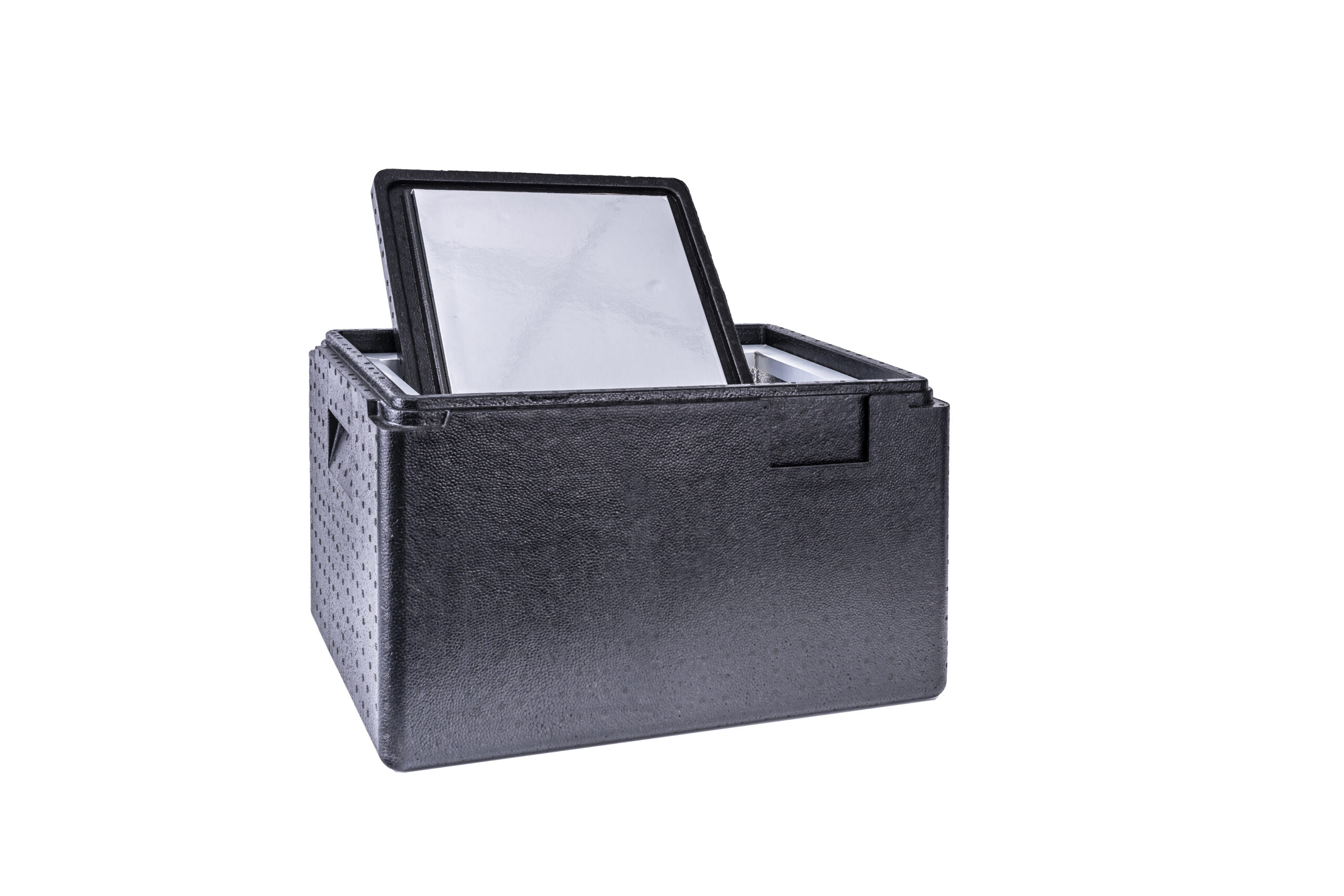
Produsen Kotak Es Medis Slot Tie-Down: Spesifikasi Praktis dan Kerangka Pengadaan
A good medical ice box with tie-down slots is one whose claims can be traced to a defined configuration. Pembeli harus dapat mengidentifikasi apa yang terbukti pada tingkat material, apa yang diuji pada tingkat kotak jadi, apa yang termasuk dalam paket lengkap, dan apa yang masih memerlukan konfirmasi khusus jalur. Pembedaan ini mencegah kegagalan pengadaan yang paling umum terjadi: kapasitas tidak jelas, durasi yang belum diverifikasi, klaim kepatuhan yang salah tempat, dan sampel yang tidak mewakili produksi massal.
Tujuan praktisnya adalah apakah fitur pengikat diintegrasikan ke dalam jalur beban struktural dan prosedur pengoperasian yang terverifikasi, bukan ditambahkan sebagai slot kosmetik.. Kerangka keputusan berikut menyatukan produk yang paling berguna, teknis, kepatuhan, operasional, dan pertimbangan pembelian sambil tetap menjaga agar semua pernyataan kinerja terikat pada kondisi yang benar-benar mendukungnya.
Tulis Persyaratan Pengoperasian dalam Bahasa Biasa
Spesifikasi pertama harus menjelaskan pekerjaan pengoperasian: mengamankan kotak transportasi medis ke kendaraan, troli, palet, atau memegang rangka tanpa menghancurkan tutupnya, menghalangi akses, atau merusak isolasi. Ini harus mengidentifikasi pengguna, lokasi pemuatan, lokasi penerima, serah terima yang diharapkan, dan saat dimana tanggung jawab suhu berubah. Hal ini mencegah produsen mengisi asumsi yang tidak diketahui. Ini juga memungkinkan operasi, kualitas, dan tim pengadaan untuk meninjau persyaratan yang sama daripada mempertahankan versi informal yang terpisah.
Definisi muatan memerlukan lebih banyak detail daripada berat atau volume nominal. Beban yang direncanakan mungkin termasuk obat-obatan, vaksin, Diagnostik, sampel, perangkat, atau perlengkapan klinis yang mungkin memerlukan orientasi yang cermat, keterlacakan, dan pemantauan suhu. Catat dimensi paket utama, batas orientasi, jumlah unit, kondisi termal pada pengepakan, ruang kepala, daerah-daerah yang rapuh, dan apakah beban harus tetap terpisah dari cairan pendingin. Rongga yang tampak cukup besar bisa menjadi tidak dapat digunakan jika bukaannya sempit, sudut-sudutnya sangat terpancar, atau keranjang dan pembatas menghabiskan dimensi kritis. Sebelum rilis final, tinjau poin ini untuk desain kotak medis yang terikat dengan pengoperasian dan kualitas.
Pemetaan rute juga sama pentingnya. Untuk transfer ambulans, penjangkauan seluler, serah terima sisi udara, pemberian layanan kesehatan jarak jauh, dan operasi lapangan dengan getaran, pengereman, dan pengekangan berulang kali, catat waktu transit yang direncanakan, kemungkinan penundaan, suhu pementasan, sinar matahari langsung, sirkulasi udara kendaraan, pembukaan berulang, transfer antar operator, dan menerima pemeriksaan. Masukan ini tidak menghasilkan jaminan waktu tunggu dengan sendirinya, namun peraturan ini menentukan kondisi yang harus ditiru oleh pemasok atau laboratorium penguji. Tanpa mereka, kutipan hanya dapat mencakup kotak umum, bukan proses distribusi yang dapat diandalkan. Saat peluncuran produksi, tinjau poin ini untuk desain kotak medis yang terikat dengan pengoperasian dan kualitas.
Slot Pengikat Harus Membawa Beban Pengekangan dengan Aman
Slot pengikat memerlukan sistem penahan yang ditentukan. Tentukan rak, palet, troli, atau titik kendaraan; lebar tali; arah beban; dan pengereman yang diharapkan, getaran, dan menangani peristiwa. Slot yang hanya berukuran berdasarkan tampilannya dapat memotong anyaman, menekuk dinding, atau letakkan kompresi pada segel tutupnya. Dalam keputusan akhir, verifikasi poin ini pada unit representatif yang digunakan untuk desain kotak medis pengikat.
Jalur beban harus melewati struktur cangkang yang diperkuat dan bukan melalui bibir tipis atau panel insulasi. Jari-jari tepi harus melindungi tali, dan tali pengikat tidak boleh menutupi bukaannya, tampilan monitor, label pengiriman, atau merusak segel. Jika pengguna harus mengakses kotak itu sambil ditahan, alur kerja tersebut harus ditunjukkan dengan rak dan sarung tangan sebenarnya yang digunakan dalam servis. Sebelum rilis final, nyatakan ketentuan yang berlaku untuk desain kotak medis pengikat dalam tanggapan pemasok.
Logistik medis menambah persyaratan prosedural. Kotak aman masih memerlukan pengemasan yang terkontrol, pemantauan suhu, pembersihan, dan langkah-langkah lacak balak. Pengekangan tidak boleh dianggap sebagai kepatuhan farmasi. Ini adalah salah satu fitur pengendalian risiko yang desainnya harus didukung oleh pemeriksaan dimensi, pengujian beban berulang, kriteria pemeriksaan, dan menghapus instruksi pengguna.
Dimana Produk Berakhir dan Sistem Termal Dimulai
Kotak es medis dengan slot pengikat memberikan penghalang aliran panas dan penutup pelindung. Itu tidak menghasilkan suhu yang terkontrol dengan sendirinya. Kinerja pasif bergantung pada isolasi, jenis dan pengkondisian pendingin, massa pendingin, massa muatan, suhu awal produk, pengaturan internal, profil lingkungan, perilaku pembukaan, dan kriteria penerimaan. Perubahan pada salah satu dari ini dapat mengubah hasil meskipun kotak luarnya tidak berubah.
Perbedaan cakupan ini sangat penting untuk pangan, farmasi, vaksin, dan penggunaan uji klinis. Uji struktural mungkin menunjukkan bahwa pegangan atau slot dapat bertahan terhadap beban tertentu. Pernyataan material mungkin menunjukkan bahwa suatu komponen cocok untuk kondisi kontak yang diinginkan. Laporan termal mungkin menunjukkan bagaimana satu paket berperilaku dalam satu profil. Kualifikasi rute kemudian dapat menilai jalur operasi. Dokumen-dokumen ini menjawab pertanyaan-pertanyaan yang berbeda dan tidak boleh saling menggantikan. Sebelum rilis final, tinjau poin ini untuk desain kotak medis yang terikat dengan pengoperasian dan kualitas.
Minta pabrikan untuk menyatakan setiap klaim kinerja beserta konfigurasinya. Pernyataan tersebut harus mengidentifikasi ukuran kotak dan revisinya, muatan, pendingin, pengkondisian, diagram pemuatan, posisi monitor, profil lingkungan, lamanya, dan rentang penerimaan. Jika pemasok tidak dapat memberikan konteks itu, perlakukan klaim sebagai indikasi skrining saja. Tujuan praktisnya bukanlah untuk meminta laporan laboratorium untuk setiap percakapan awal, namun untuk mencegah judul yang tidak didukung menjadi spesifikasi pembelian. Sebelum rilis final, hubungkan item ini untuk desain kotak medis pengikat ke kriteria penerimaan yang dapat diukur.
“Kelas Makanan,“” Kelas Medis,” dan “Memenuhi Syarat” Tidak Dapat Dipertukarkan
Bukti yang relevan bergantung pada produk- dan persyaratan kualitas khusus rute, prosedur transportasi, kontrol pembersihan, dan bukti bahwa paket lengkap mempertahankan kondisi yang disyaratkan; slot pengikat itu sendiri tidak menciptakan kepatuhan medis. Di Amerika Serikat, Status kontak dengan makanan terikat pada zat yang diizinkan dan kondisi penggunaan yang dimaksudkan, termasuk jenis makanan dan suhu. Di Uni Eropa, bahan yang bersentuhan dengan makanan yang dipasarkan berada di bawah peraturan kerangka kerja dan persyaratan praktik manufaktur yang baik, dengan aturan tambahan untuk kelompok material tertentu. A generic declaration that a plastic is 'kelas makanan' is therefore only a starting point. Sebelum rilis final, melindungi keputusan untuk desain kotak medis yang diikat melalui kontrol perubahan.
Penggunaan medis dan farmasi menambahkan lapisan yang berbeda. Pelabelan produk dan sponsor atau prosedur mutu menentukan kondisi yang diperlukan. PDB, GCP, panduan imunisasi, aturan kargo udara, atau spesifikasi program nasional mungkin berlaku tergantung pada pengirimannya. Kotak tersebut tidak memenuhi persyaratan hanya karena polimernya dapat bersentuhan dengan makanan atau karena dapat digunakan kembali. Proses lengkapnya mungkin memerlukan instruksi pengemasan yang memenuhi syarat, pemantauan yang dikalibrasi, penanganan penyimpangan, pelatihan, dan lacak balak yang terdokumentasi. Sebelum rilis final, catat poin ini untuk desain kotak medis pengikat sebagai persyaratan terkendali.
Buat peta bukti dengan empat kolom: mengeklaim, obyek, kondisi, dan dokumen. Pertimbangkan kasus ini: klaim material milik resin bernama dan tujuan penggunaannya; klaim struktural termasuk dalam desain akhir dan metode pembebanan; klaim termal milik konfigurasi dan profil lengkap; klaim rute termasuk dalam jalur operasi. Peta ini mengungkap kesenjangan dan mencegah satu sertifikat melampaui cakupannya. Saat peluncuran produksi, catat poin ini untuk desain kotak medis pengikat sebagai persyaratan terkendali.
Daftar Periksa Rilis untuk Konfigurasi yang Dipilih
| Gerbang | Pertanyaan | Lepaskan bukti |
|---|---|---|
| Gerbang kasus penggunaan | Apakah muatannya, rute, kondisi, dan proses penanganannya ditentukan? | Persyaratan pengguna yang disetujui |
| Gerbang pas | Apakah kemasan akhir sesuai dengan pengangkatan dan penutupan yang aman? | Gambar paket dan sampel terukur |
| Gerbang bukti | Apakah klaim terkait dengan materi yang tepat, kotak, paket, atau jalur? | Peta bukti dan laporan pengujian |
| Gerbang berkualitas | Dapatkah produksi mereproduksi konfigurasi yang disetujui? | Rencana peninjauan dan inspeksi pilot-lot |
| Gerbang biaya | Apakah kutipan dinormalisasi ke cakupan dan dasar pengiriman yang sama? | Model biaya pendaratan dan siklus hidup |
| Gerbang operasi | Bisakah pengguna berkemas, menerima, membersihkan, memeriksa, dan mengembalikannya dengan benar? | Instruksi terkendali dan rencana pelatihan |
| Ganti gerbang | Akankah pergantian pemain memerlukan peninjauan kembali? | Bill of material dan perjanjian kontrol perubahan |
| Gerbang aplikasi | Apakah fitur pengikat diintegrasikan ke dalam jalur beban struktural dan prosedur pengoperasian yang terverifikasi, bukan ditambahkan sebagai slot kosmetik | Persyaratan yang ditandatangani dan daftar asumsi yang belum terselesaikan |
Matriks ini akan berfungsi paling baik bila diselesaikan secara bersama-sama melalui pengadaan, Operasi, rekayasa, dan kualitas. Hal ini mengubah preferensi umum menjadi bukti yang dapat ditinjau dan mengungkap asumsi yang hilang sebelum negosiasi harga. Tidak setiap proyek membutuhkan kedalaman yang sama, namun setiap klaim kritis harus memiliki pemilik dan cara yang pasti untuk memverifikasinya. Saat peluncuran produksi, cantumkan persyaratan desain kotak medis pengikat ini dalam daftar periksa penerimaan.
Dari Sampel Katalog hingga Produksi Terkendali
Pertanyaan utama pemasok adalah apakah fitur pengikat diintegrasikan ke dalam jalur beban struktural dan prosedur pengoperasian yang terverifikasi, bukan ditambahkan sebagai slot kosmetik.. Pabrikan yang kredibel harus mampu menerjemahkan persyaratan tersebut ke dalam gambar, definisi materi, titik pemeriksaan, dan rencana pengujian. Pembicaraan harus beralih dari klaim yang luas ke rincian yang terkendali. Tanyakan siapa pemilik cetakan itu, operasi mana yang dilakukan secara internal, bagaimana pemasok komponen penting disetujui, dan bagaimana bill of material dipertahankan. Katalog yang luas mungkin berguna, tapi itu bukan bukti pengendalian proses.
Rencana pengambilan sampel bertahap mengurangi kejutan produksi. Sampel pertama menegaskan dimensi dasar dan ergonomis. Sampel teknik yang direvisi menegaskan materi, perlengkapan, Label, dan paket sesuai. Tempat percontohan memeriksa alat-alat produksi, perakitan, inspeksi, kemasan, dan variasi di beberapa unit. Sampel emas yang disetujui harus dikaitkan dengan gambar dan kriteria penerimaan yang terukur. Menyetujui satu sampel yang disiapkan secara khusus tanpa jembatan ini merupakan sumber kejutan produksi massal. Saat peluncuran produksi, menetapkan pemilik dan metode penerimaan untuk desain kotak medis pengikat.
Tinjauan kualitas harus fokus pada dimensi slot, pemutihan stres, celah, resistensi tarik-melalui, abrasi tali, pemuatan berulang, dampak setelah pengekangan, dan bebas dari ujung yang tajam. Tanyakan bagaimana unit yang tidak sesuai diidentifikasi, apakah pengukuran dicatat, bagaimana keluhan diselidiki, dan bagaimana perubahan teknis dikomunikasikan. Untuk program dengan kontrol tinggi, memerlukan persetujuan terlebih dahulu sebelum penggantian. Untuk penggunaan konsumen dengan risiko rendah, sistemnya bisa lebih sederhana, tapi dimensi kritis, bahan, dan fitur keselamatan masih memerlukan kriteria penerimaan yang obyektif. Sebelum rilis final, catat poin ini untuk desain kotak medis pengikat sebagai persyaratan terkendali.
Dari Mana Sebenarnya Biaya Cooler Box Berasal
Struktur biaya mencakup kompleksitas perkakas, geometri yang diperkuat, sisipan, perangkat keras, pengujian validasi, aksesoris tali, suku cadang pengganti, dan pemeriksaan dimensi kritis. Pemasok dapat menawarkan harga yang sangat berbeda namun semuanya tampaknya menawarkan ukuran yang sama. Perbedaan mungkin berasal dari ketebalan isolasi, kelas materi, proses, perangkat keras, inspeksi, kemasan, atau hanya dari item yang dikecualikan. Perbandingan yang adil memerlukan satu lembar konfigurasi dan satu tabel perbandingan komersial. Dalam keputusan akhir, selesaikan masalah ini untuk desain kotak medis pengikat sebelum kualifikasi termal.
Pisahkan biaya satu kali dari biaya berulang. perkakas, cetakan, karya seni, rekayasa, dan beberapa pengujian mungkin dilakukan satu kali atau diamortisasi. Konstruksi satuan, aksesoris, inspeksi, karton, dan pengiriman kembali terjadi. Kemudian pisahkan biaya perolehan dari biaya operasional: pendingin pendingin, pencucian, pengeringan, penyimpanan, pelacakan aset, transportasi kembali, kerusakan, memperbaiki, dan penggantian. Metrik terbaik mungkin adalah biaya per rute yang berhasil daripada harga pembelian per kotak. Dalam keputusan akhir, selesaikan masalah ini untuk desain kotak medis pengikat sebelum kualifikasi termal.
Pengangkutan perlu mendapat perhatian awal karena kotak berinsulasi bisa berukuran besar. Dimensi eksternal, bersarang, keruntuhan, kuantitas karton, pola palet, dan pemuatan peti kemas dapat mengubah biaya pendaratan lebih dari sekadar selisih kecil harga pabrik. Minta pemasok untuk memberikan ketentuan pengiriman dan konfigurasi pengepakan yang sama. Ketika kotak yang dapat digunakan kembali kembali dalam keadaan kosong, kubus terbalik dan tenaga kerja penanganan juga harus dimasukkan dalam model. Dalam keputusan akhir, sertakan batasan ini dalam petunjuk pengoperasian untuk desain kotak medis pengikat.
Rancang Proses Harian di Samping Kotak
Sebuah kotak bergerak melewati orang dan tempat, tidak hanya melalui ruang termal. Rencana operasi harus mencakup pengkondisian awal, sedang mengemas, penutup, pelabelan, memantau aktivasi, penyerahan, menerima, bongkar, pembersihan, pengeringan, inspeksi, penyimpanan, dan kembali. Untuk transfer ambulans, penjangkauan seluler, serah terima sisi udara, pemberian layanan kesehatan jarak jauh, dan operasi lapangan dengan getaran, pengereman, dan pengekangan berulang kali, risiko tertinggi mungkin adalah dermaga pemuatan atau pengiriman yang gagal daripada waktu kendaraan yang direncanakan. Untuk persetujuan pemasok, menetapkan pemilik dan metode penerimaan untuk desain kotak medis pengikat.
Instruksi harus bersifat visual dan spesifik konfigurasi. Gunakan label yang tahan terhadap pembersihan dan lingkungan rute. Tunjukkan posisi cairan pendingin, orientasi produk, penempatan pembatas, memantau lokasi, urutan penutupan, dan kriteria penolakan. Jika kotak memiliki saluran air, tali pengikat, roda, gasket yang dapat diganti, atau pegangan tali, termasuk titik pemeriksaan untuk komponen tersebut. Kompleksitas harus dikurangi sedapat mungkin karena pengguna terkadang tidak mengingat prosedur yang panjang. Sebelum rilis final, verifikasi poin ini pada unit representatif yang digunakan untuk desain kotak medis pengikat.
Tim penerima memerlukan jalur keputusan. Mereka harus tahu cara memeriksa segelnya, membaca monitornya, mengidentifikasi kerusakan, merekam tamasya, mengkarantina muatannya, dan hubungi petugas kualitas yang bertanggung jawab. Kotak yang dikembalikan tidak secara otomatis dikembalikan ke armada yang bersih. Langkah karantina dan inspeksi sederhana mencegah cangkang retak, colokan yang hilang, pegangan yang terkontaminasi, atau mengganti cairan pendingin karena melemahkan sistem secara diam-diam. Saat peluncuran produksi, catat poin ini untuk desain kotak medis pengikat sebagai persyaratan terkendali.
Penggunaan Kembali Hanya Berfungsi Saat Kotaknya Kembali
Pertanyaan keberlanjutan yang relevan adalah sistem pengamanan yang mencegah jatuh dan kerusakan, Mendukung penggunaan berulang, dan menghindari kemasan berlebih sekali pakai, asalkan tali dan kotak diperiksa dan dikembalikan. Kotak yang dapat digunakan kembali dapat mengurangi konsumsi kemasan pada loop tertutup yang stabil, tetapi itu juga membutuhkan lebih banyak material, pembersihan, penyimpanan, dan transportasi kembali. Sistem ringan satu arah mungkin lebih baik pada jalur yang tersebar dimana tingkat pengembaliannya rendah. Pilihan harus dibuat berdasarkan jaringan operasi, bukan berdasarkan satu atribut pemasaran saja.
Ukuran yang tepat sering kali merupakan peningkatan tercepat. Perangkat keras yang dibangun secara berlebihan menambah massa. Volume berlebih meningkatkan area isolasi, permintaan pendingin, kubus barang, dan ruang gudang. Produk yang tidak dibangun akan rusak lebih awal dan menghasilkan limbah pengganti. Desain yang bagus menggunakan material yang cukup di tempat yang tepat, melindungi komponen aus yang dapat diganti, dan memungkinkan inspeksi sebelum unit yang rusak dapat digunakan kembali. Sebelum rilis final, cantumkan persyaratan desain kotak medis pengikat ini dalam daftar periksa penerimaan.
Lacak serangkaian kecil indikator praktis: tingkat pengembalian, perjalanan per aset, alasan kerusakan, waktu mencuci, waktu pengeringan, komponen yang hilang, kubus kembali kosong, dan jalur pensiun. Data ini menunjukkan apakah sistemnya membaik. Klaim keberlanjutan harus diperbarui ketika rute berubah. Sebuah kotak yang digunakan untuk lima puluh perjalanan lokal yang dikontrol memiliki jejak yang berbeda dari kotak yang sama yang dikirim sekali melintasi jalur internasional dan tidak pernah dikembalikan. Saat peluncuran produksi, periksa titik desain kotak medis pengikat terhadap muatan sebenarnya.
Tinjauan Rute Khas
Pertimbangkan situasi khas ini: sebuah klinik keliling mengikatkan sebuah kotak ke rak kendaraan, tetapi talinya melewati segel tutupnya dan menekan salah satu sudutnya, membuat penutupan tidak rata dan membuat tampilan logger tidak terbaca. Tim harus mengukur muatannya, membangun paket yang diusulkan, memetakan rutenya, dan amati bagaimana pengguna mengangkat, aman, membuka, membersihkan, dan mengembalikan kotak itu. Respons pertama yang harus dilakukan bukanlah memilih ukuran katalog. Hal ini menciptakan catatan bersama tentang kendala sebenarnya.
Berikutnya, pembeli harus meminta dua atau tiga alternatif terkontrol daripada katalog yang panjang. Salah satu opsi mungkin memprioritaskan bobot yang lebih rendah, daya tahan berulang lainnya, dan ketahanan termal yang lebih tinggi atau volume yang lebih dapat digunakan. Setiap opsi harus mencantumkan apa yang disertakan, bukti apa yang ada, apa yang masih perlu diuji, dan perubahan operasi apa yang diperlukan. Tim kemudian dapat membandingkan trade-off alih-alih memperdebatkan fitur-fitur yang terisolasi. Untuk persetujuan pemasok, kaitkan keputusan untuk desain kotak medis pengikat ini dengan gambar dan kemasan yang disetujui.
Selesaikan urutannya melalui sampel teknik, uji coba paket, produksi percontohan, dan pelepasan resmi. Untuk penggunaan yang sensitif terhadap suhu, konfirmasikan paket lengkap di bawah profil yang sesuai dan tentukan bagaimana perjalanan akan ditangani. Catat pengukuran dimensi dan observasi penanganan, bukan hanya sekedar foto. Hasilnya adalah keputusan pengadaan yang terikat pada bukti dan alur kerja, bukan pada janji yang nantinya tidak bisa direproduksi. Sebelum rilis final, nyatakan ketentuan yang berlaku untuk desain kotak medis pengikat dalam tanggapan pemasok.
Lima Kesalahan yang Menghasilkan Pengerjaan Ulang yang Mahal
Poin-poin di bawah ini patut diperiksa sebelum perkakas atau produksi massal. Masing-masing dapat menciptakan pengerjaan ulang yang dapat dihindari jika masih belum terselesaikan selama pemilihan pemasok. Untuk persetujuan pemasok, uji asumsi ini untuk desain kotak medis pengikat terhadap rute yang diinginkan.
- Lepaskan pemblokir: tali perutean melintasi tutup yang dapat dikompres.
- Lepaskan pemblokir: menggunakan tepi slot yang tajam yang merusak anyaman.
- Lepaskan pemblokir: dengan asumsi bukaan pegangan dapat berfungsi sebagai jangkar penahan.
- Lepaskan pemblokir: mengabaikan akses darurat dan persyaratan bukti kerusakan.
- Lepaskan pemblokir: menentukan geometri pengikat sebelum memilih pola rak atau palet kendaraan.
Tidak semua kekhawatiran dapat didiskualifikasi, tapi masing-masing perlu penutupan. Ini harus memicu klarifikasi spesifik, pemeriksaan sampel, atau permintaan bukti. Hasil yang diharapkan adalah mengatasi ketidakpastian meskipun perubahan masih memerlukan biaya yang murah. Pemasok yang merespons dengan gambar, kondisi, dan tindakan korektif lebih berguna dibandingkan tindakan yang mengulangi klaim yang luas. Sebelum rilis final, hubungkan item ini untuk desain kotak medis pengikat ke kriteria penerimaan yang dapat diukur.
Apa yang Harus Dicakup oleh Jawaban Pemasok yang Berguna
Untuk kotak es medis ini dengan slot pengikat, pertanyaan-pertanyaan berikut memberikan nilai lebih dibandingkan menanyakan apakah pemasok dapat diandalkan. Mereka memaksakan diskusi menuju tujuan penggunaan, spesifikasi terukur, dan bukti. Untuk persetujuan pemasok, tinjau poin ini untuk desain kotak medis yang terikat dengan pengoperasian dan kualitas.
- Lepaskan pertanyaan: Kendaraan atau platform penanganan apa yang akan menahan kotak tersebut?
- Lepaskan pertanyaan: Lebar tali yang mana, arah, dan beban operasional maksimum yang harus diterima slot?
- Lepaskan pertanyaan: Bisakah kotaknya terbuka, menutup, dan menampilkan label atau memantau data saat diamankan?
- Lepaskan pertanyaan: Apakah slot diperkuat secara terpisah dari rongga isolasi?
- Lepaskan pertanyaan: Getaran yang mana, dampak, dan pemeriksaan beban berulang mendukung desain?
- Lepaskan pertanyaan: Bagaimana tali pengikat dibersihkan, diperiksa, dan diganti dalam program logistik medis?
Jawaban lengkapnya mungkin berupa gambar, meja, mencicipi, rencana pengujian, atau batasan yang terdokumentasi. Pemasok tidak perlu memiliki setiap laporan akhir sebelum pengembangan awal, tetapi harus dapat menyatakan apa yang diketahui, apa yang diasumsikan, apa yang bisa disesuaikan, dan apa yang harus diuji. Transparansi tersebut merupakan sinyal risiko yang lebih baik dibandingkan daftar panjang sertifikasi yang tidak didukung. Untuk persetujuan pemasok, kaitkan keputusan untuk desain kotak medis pengikat ini dengan gambar dan kemasan yang disetujui.
Bagaimana Mendokumentasikan Asumsi dan Keterbatasan
Unit produksi baru memerlukan cek penerimaan yang terdokumentasi, bukan sekedar pandangan visual. Konfirmasikan dimensi internal yang penting, penutupan tutupnya, perangkat keras, Label, aksesoris, dan pengemasan sesuai dengan spesifikasi yang disetujui. Pilih beberapa unit dari karton yang berbeda. Catat hasilnya sehingga keluhan selanjutnya dapat dibandingkan dengan kumpulan asli, bukan dengan memori atau sampel tunggal.
Tetapkan batas kemudahan servis terlebih dahulu. Beberapa item dapat diperbaiki dengan komponen yang dikontrol; yang lain harus pensiun. Retak, segel yang cacat, colokan yang hilang, pegangan berjumbai, jangkar yang longgar, permukaan yang terkontaminasi, panel tertusuk, atau cairan pendingin yang tidak disetujui akan memicu karantina. Aturan yang jelas mencegah pengguna menyimpan kotak yang terlihat rusak hanya karena kotak tersebut masih tertutup. Untuk persetujuan pemasok, sertakan batasan ini dalam petunjuk pengoperasian untuk desain kotak medis pengikat.
Pertahankan materi penutup riwayat perubahan, pemasok, cetakan, proses, ukuran, Label, kemasan, dan paket. Tinjau apakah setiap perubahan memengaruhi status kontak, bukti termal, tes struktural, kargo, pembersihan, atau instruksi pengguna. Disiplin ini tidak terbatas pada program yang diatur. Ini melindungi pembeli mana pun dari penyimpangan konfigurasi bertahap pada pesanan berulang. Saat peluncuran produksi, periksa titik desain kotak medis pengikat terhadap muatan sebenarnya.
Pertanyaan yang Sering Ditanyakan Pembeli
Apakah kotak es medis dengan slot pengikat cukup untuk mengontrol suhu?
TIDAK. Setiap durasi yang dinyatakan harus mengidentifikasi konfigurasi yang diuji dan kriteria penerimaan. Kotak memperlambat perpindahan panas, tapi hasil lengkapnya tergantung cairan pendingin, muatan, suhu awal, pola pemuatan, paparan lingkungan, penanganan, dan pemantauan. Untuk produk yang diatur atau bernilai tinggi, paket tambahan atau kualifikasi jalur mungkin diperlukan. Sebelum rilis final, mendokumentasikan keterbatasan desain kotak medis yang diikat daripada menyiratkan kesesuaian universal.
Bisakah bukaan pegangan digunakan sebagai slot pengikat?
Hanya jika desain telah dievaluasi untuk beban dan arah pengekangan yang diinginkan. Tali dapat merusak pegangan, kompres tutupnya, atau membuat jalur beban yang tajam. Pegangan jinjing dan jangkar penahan memiliki fungsi yang berbeda. Gunakan yang berdedikasi, antarmuka yang diperkuat ketika pengamanan kendaraan diperlukan.
Dapatkah satu hasil waktu tunggu laboratorium digunakan untuk setiap rute?
Bukan tanpa tinjauan kondisi demi kondisi. Hasil laboratorium berlaku untuk profil ambien yang diuji, muatan, pendingin, memantau posisi, dan rentang penerimaan. Ini dapat mendukung perencanaan rute, namun terdapat perbedaan penundaan yang signifikan, sinar matahari langsung, frekuensi pembukaan, kondisi kendaraan, atau muatan mungkin memerlukan penilaian atau kualifikasi lebih lanjut. Sebelum rilis final, mengkonfirmasi bahwa pengendalian produksi mempertahankan titik ini untuk desain kotak medis yang terikat.
Apa tes sampel pertama yang terbaik?
Pemeriksaan praktis paling awal adalah paket dimensi penuh. Periksa penutupan, pengangkatan, mengakses, pembersihan, dan waktu pengepakan. Muat muatan sebenarnya, pendingin, pembagi, monitor, Label, dan aksesoris. Setelah konfigurasi fisik stabil, pengujian termal dan struktural menjadi lebih bermakna dan kecil kemungkinannya untuk diulangi setelah perubahan desain. Saat peluncuran produksi, catat poin ini untuk desain kotak medis pengikat sebagai persyaratan terkendali.
Kesimpulan
The final selection for tie-down slot medical ice box manufacturer should pass six tests: kesesuaian kasus penggunaan, kapasitas yang dapat digunakan, bukti, konsistensi produksi, kesederhanaan pengoperasian, dan total biaya. Pemasok yang menyatakan asumsi, keterbatasan dokumen, dan mendukung verifikasi percontohan lebih berharga daripada menawarkan klaim universal. Lepaskan perintah hanya jika konfigurasi dan tanggung jawabnya cukup jelas untuk diulangi.
Tentang tempk
Tempk, merek Shanghai Tempk Industrial Co., Ltd., works across passive cold-chain packaging categories such as coolant packs, batu bata PCM yang kaku, tas terisolasi, wadah EPP, kotak pendingin medis, liner, dan penutup termal. Perannya dalam proyek kotak adalah membantu menerjemahkan persyaratan rute dan muatan menjadi produk praktis dan arah pengemasan. Dimensi akhir, bahan, aksesoris, kondisi pengujian, dan dokumentasi harus disepakati dalam spesifikasi yang terkendali sebelum produksi. Dalam keputusan akhir, konfirmasikan cakupan bukti untuk desain kotak medis pengikat sebelum membeli.
Langkah selanjutnya
Sebelum pemilihan pemasok akhir, berbagi kendaraan, metode pengekangan, berat kotak, kebutuhan akses, dan paket medis sehingga Tempk dapat meninjau konsep slot pengikat yang sesuai.
Pemasok Kotak Es Industri Gagang Tali: Kerangka Pembeli Lengkap

Pemasok Kotak Es Industri Gagang Tali: Spesifikasi Praktis dan Kerangka Pengadaan
A good industrial ice box with rope handles is one whose claims can be traced to a defined configuration. Pembeli harus dapat mengidentifikasi apa yang terbukti pada tingkat material, apa yang diuji pada tingkat kotak jadi, apa yang termasuk dalam paket lengkap, dan apa yang masih memerlukan konfirmasi khusus jalur. Pembedaan ini mencegah kegagalan pengadaan yang paling umum terjadi: kapasitas tidak jelas, durasi yang belum diverifikasi, klaim kepatuhan yang salah tempat, dan sampel yang tidak mewakili produksi massal.
Tujuan praktisnya adalah apakah pegangan tali meningkatkan ergonomi dan kemudahan servis di lingkungan pengoperasian atau menyebabkan tersangkut, pembersihan, keseimbangan, dan risiko keterikatan. Kerangka keputusan berikut menyatukan produk yang paling berguna, teknis, kepatuhan, operasional, dan pertimbangan pembelian sambil tetap menjaga agar semua pernyataan kinerja terikat pada kondisi yang benar-benar mendukungnya.
Mengubah Permintaan yang Tidak Jelas Menjadi Spesifikasi yang Dapat Diuji
Pertimbangkan situasi khas ini: kotak perikanan mudah diangkat saat kering, tapi tali basah terpelintir karena beban, menarik satu sisi lebih tinggi, dan terseret melalui air yang terkontaminasi selama pembongkaran. Respons pertama yang harus dilakukan bukanlah memilih ukuran katalog. Tim harus mengukur muatannya, membangun paket yang diusulkan, memetakan rutenya, dan amati bagaimana pengguna mengangkat, aman, membuka, membersihkan, dan mengembalikan kotak itu. Hal ini menciptakan catatan bersama tentang kendala sebenarnya. Saat peluncuran produksi, catat titik ini untuk rakitan pegangan tali sebagai persyaratan terkendali.
Berikutnya, pembeli harus meminta dua atau tiga alternatif terkontrol daripada katalog yang panjang. Salah satu opsi mungkin memprioritaskan bobot yang lebih rendah, daya tahan berulang lainnya, dan ketahanan termal yang lebih tinggi atau volume yang lebih dapat digunakan. Setiap opsi harus mencantumkan apa yang disertakan, bukti apa yang ada, apa yang masih perlu diuji, dan perubahan operasi apa yang diperlukan. Tim kemudian dapat membandingkan trade-off alih-alih memperdebatkan fitur-fitur yang terisolasi. Untuk persetujuan pemasok, hubungkan item ini untuk rakitan pegangan tali ke kriteria penerimaan yang dapat diukur.
Selesaikan urutannya melalui sampel teknik, uji coba paket, produksi percontohan, dan pelepasan resmi. Catat pengukuran dimensi dan observasi penanganan, bukan hanya sekedar foto. Untuk penggunaan yang sensitif terhadap suhu, konfirmasikan paket lengkap di bawah profil yang sesuai dan tentukan bagaimana perjalanan akan ditangani. Hasilnya adalah keputusan pengadaan yang terikat pada bukti dan alur kerja, bukan pada janji yang nantinya tidak bisa direproduksi. Saat peluncuran produksi, dokumentasikan batasan perakitan pegangan tali daripada menyiratkan kesesuaian universal.
Mulailah Dengan Beban, Rute, dan Titik Serah Terima
Spesifikasi pertama harus menjelaskan pekerjaan pengoperasian: menyediakan pengangkatan dan pengangkutan dua titik yang fleksibel untuk kotak berinsulasi berat sekaligus menahan abrasi, kelembaban, dingin, kontaminasi, dan penanganan berulang. Ini harus mengidentifikasi pengguna, lokasi pemuatan, lokasi penerima, serah terima yang diharapkan, dan saat dimana tanggung jawab suhu berubah. Hal ini mencegah vendor mengisi asumsi yang tidak diketahui. Ini juga memungkinkan operasi, kualitas, dan tim pengadaan untuk meninjau persyaratan yang sama daripada mempertahankan versi informal yang terpisah.
Definisi muatan memerlukan lebih banyak detail daripada berat atau volume nominal. Beban yang direncanakan mungkin termasuk es, hidangan laut, minuman, paket makanan, peralatan, sampel, atau isi industri yang dapat membuat kotak yang terisi penuh jauh lebih berat daripada produk kosong. Catat dimensi paket utama, batas orientasi, jumlah unit, kondisi termal pada pengepakan, ruang kepala, daerah-daerah yang rapuh, dan apakah beban harus tetap terpisah dari cairan pendingin. Rongga yang tampak cukup besar bisa menjadi tidak dapat digunakan jika bukaannya sempit, sudut-sudutnya sangat terpancar, atau keranjang dan pembatas menghabiskan dimensi kritis. Saat peluncuran produksi, kaitkan keputusan untuk perakitan pegangan tali ini dengan gambar dan kemasan yang disetujui.
Pemetaan rute juga sama pentingnya. Untuk penggunaan di sisi dermaga, distribusi makanan, kerja lapangan, pemuatan kendaraan, penanganan gudang, dan banyak orang membawa tanah yang tidak rata, catat waktu transit yang direncanakan, kemungkinan penundaan, suhu pementasan, sinar matahari langsung, sirkulasi udara kendaraan, pembukaan berulang, transfer antar operator, dan menerima pemeriksaan. Masukan ini tidak menghasilkan jaminan waktu tunggu dengan sendirinya, namun peraturan ini menentukan kondisi yang harus ditiru oleh pemasok atau laboratorium penguji. Tanpa mereka, kutipan hanya dapat mencakup kotak umum, bukan proses distribusi yang dapat diandalkan. Saat peluncuran produksi, tempatkan persyaratan ini untuk rakitan pegangan tali dalam daftar periksa penerimaan.
Jangan Ubah Komponen Menjadi Janji Kinerja Universal
Kotak es industri dengan pegangan tali memberikan penghalang aliran panas dan penutup pelindung. Itu tidak menghasilkan suhu yang terkontrol dengan sendirinya. Kinerja pasif bergantung pada isolasi, jenis dan pengkondisian pendingin, massa pendingin, massa muatan, suhu awal produk, pengaturan internal, profil lingkungan, perilaku pembukaan, dan kriteria penerimaan. Perubahan pada salah satu dari ini dapat mengubah hasil bahkan ketika kotak luarnya tidak berubah.
Perbedaan ini sangat penting untuk makanan, farmasi, vaksin, dan penggunaan uji klinis. Pernyataan material mungkin menunjukkan bahwa suatu komponen cocok untuk kondisi kontak yang diinginkan. Uji struktural mungkin menunjukkan bahwa pegangan atau slot dapat bertahan terhadap beban tertentu. Laporan termal mungkin menunjukkan bagaimana satu paket berperilaku dalam satu profil. Kualifikasi rute kemudian dapat menilai jalur operasi. Dokumen-dokumen ini menjawab pertanyaan-pertanyaan yang berbeda dan tidak boleh saling menggantikan. Dalam keputusan akhir, tempatkan persyaratan ini untuk rakitan pegangan tali dalam daftar periksa penerimaan.
Minta pemasok untuk menyatakan setiap klaim kinerja beserta konfigurasinya. Pernyataan tersebut perlu menentukan ukuran kotak dan revisi, muatan, pendingin, pengkondisian, diagram pemuatan, posisi monitor, profil lingkungan, lamanya, dan rentang penerimaan. Jika pemasok tidak dapat memberikan konteks itu, perlakukan klaim sebagai indikasi skrining saja. Tujuannya bukan untuk meminta laporan laboratorium untuk setiap percakapan awal, namun untuk mencegah judul yang tidak didukung menjadi spesifikasi pembelian. Untuk persetujuan pemasok, selesaikan poin ini untuk perakitan pegangan tali sebelum kualifikasi termal.
Gagang Tali Adalah Sistem Beban, Bukan Dekorasi
Kinerja pegangan tali tergantung pada perakitan lengkap: serat, diameter, lengan baju, penghentian, jangkar, penguatan cangkang, menangani jatuh, and the user's hand position. Tali dengan kekuatan putus yang tinggi masih tidak cocok jika licin saat basah, memotong ke tangan, atau mentransfer beban ke bos yang dibentuk lemah. Dalam keputusan akhir, verifikasikan hal ini pada unit representatif yang digunakan untuk perakitan pegangan tali.
Tentukan berat kemasan maksimum dan metode pengangkutan. Lift kendaraan pendek dapat mentolerir penurunan pegangan yang berbeda dari pengangkutan panjang. Gendongan untuk dua orang memerlukan panjang pegangan yang seimbang dan jarak yang cukup untuk menjauhkan tangan dari dinding. Tali tidak boleh terseret di tanah, penumpukan blok, label yang tidak jelas, atau tersangkut pada konveyor dan perangkat keras pintu. Untuk persetujuan pemasok, periksa titik rakitan pegangan tali dengan muatan sebenarnya.
Inspeksi dan penggantian adalah bagian dari desain. Rakitan yang dapat diganti dapat memperpanjang masa pakai, tetapi hanya jika suku cadang pengganti distandarisasi dan jangkar tetap dapat diakses tanpa merusak insulasi. Abrasi, garam, bahan kimia pembersih, paparan sinar ultraviolet, dan siklus basah-kering yang berulang dapat mengubah tali dan perlengkapannya. Sertakan lampiran shell dalam pengujian beban bukti dan siklus.
Bangun Peta Bukti Daripada Mengumpulkan Lencana
Bukti yang relevan bergantung pada kontak makanan atau kontrol kebersihan di mana pegangan dapat menyentuh permukaan yang bersentuhan dengan makanan, ditambah aturan penanganan tempat kerja dan pengujian beban khusus produk. Di Uni Eropa, bahan yang bersentuhan dengan makanan yang dipasarkan berada di bawah peraturan kerangka kerja dan persyaratan praktik manufaktur yang baik, dengan aturan tambahan untuk kelompok material tertentu. Di Amerika Serikat, Status kontak dengan makanan terikat pada zat yang diizinkan dan kondisi penggunaan yang dimaksudkan, termasuk jenis makanan dan suhu. A generic declaration that a plastic is 'kelas makanan' is therefore only a starting point.
Penggunaan medis dan farmasi menambahkan lapisan yang berbeda. Pelabelan produk dan sponsor atau prosedur mutu menentukan kondisi yang diperlukan. PDB, GCP, panduan imunisasi, aturan kargo udara, atau spesifikasi program nasional mungkin berlaku tergantung pada pengirimannya. Wadah tidak memenuhi persyaratan hanya karena polimernya dapat bersentuhan dengan makanan atau karena dapat digunakan kembali. Proses lengkapnya mungkin memerlukan instruksi pengemasan yang memenuhi syarat, pemantauan yang dikalibrasi, penanganan penyimpangan, pelatihan, dan lacak balak yang terdokumentasi.
Buat peta bukti dengan empat kolom: mengeklaim, obyek, kondisi, dan dokumen. Misalnya, klaim material milik resin bernama dan tujuan penggunaannya; klaim struktural termasuk dalam desain akhir dan metode pembebanan; klaim termal milik konfigurasi dan profil lengkap; klaim rute termasuk dalam jalur operasi. Peta ini mengungkap kesenjangan dan mencegah satu sertifikat melampaui cakupannya. Untuk persetujuan pemasok, tetapkan pemilik dan metode penerimaan untuk perakitan pegangan tali.
Menerima, Pembersihan, Inspeksi, dan Pengembalian Adalah Persyaratan Produk
Sebuah kotak bergerak melewati orang dan tempat, tidak hanya melalui ruang termal. Rencana operasi harus mencakup pengkondisian awal, sedang mengemas, penutup, pelabelan, memantau aktivasi, penyerahan, menerima, bongkar, pembersihan, pengeringan, inspeksi, penyimpanan, dan kembali. Untuk penggunaan di sisi dermaga, distribusi makanan, kerja lapangan, pemuatan kendaraan, penanganan gudang, dan banyak orang membawa tanah yang tidak rata, risiko tertinggi mungkin adalah dermaga pemuatan atau pengiriman yang gagal melebihi waktu yang direncanakan.
Instruksi harus bersifat visual dan spesifik konfigurasi. Tunjukkan posisi cairan pendingin, orientasi produk, penempatan pembatas, memantau lokasi, urutan penutupan, dan kriteria penolakan. Gunakan label yang tahan terhadap pembersihan dan lingkungan rute. Jika kotak memiliki saluran air, tali pengikat, roda, gasket yang dapat diganti, atau pegangan tali, termasuk titik pemeriksaan untuk komponen tersebut. Kompleksitas harus dikurangi sedapat mungkin karena pengguna terkadang tidak mengingat prosedur yang panjang. Saat peluncuran produksi, selesaikan poin ini untuk perakitan pegangan tali sebelum kualifikasi termal.
Tim penerima memerlukan jalur keputusan. Mereka harus tahu cara memeriksa segelnya, membaca monitornya, mengidentifikasi kerusakan, merekam tamasya, mengkarantina muatannya, dan hubungi petugas kualitas yang bertanggung jawab. Kotak yang dikembalikan tidak secara otomatis dikembalikan ke armada yang bersih. Langkah karantina dan inspeksi sederhana mencegah cangkang retak, colokan yang hilang, pegangan yang terkontaminasi, atau mengganti cairan pendingin karena melemahkan sistem secara diam-diam. Dalam keputusan akhir, nyatakan kondisi yang berlaku untuk perakitan pegangan tali dalam tanggapan pemasok.
Daftar Periksa Rilis untuk Konfigurasi yang Dipilih
| Gerbang | Pertanyaan | Lepaskan bukti |
|---|---|---|
| Gerbang kasus penggunaan | Apakah muatannya, rute, kondisi, dan proses penanganannya ditentukan? | Persyaratan pengguna yang disetujui |
| Gerbang pas | Apakah kemasan akhir sesuai dengan pengangkatan dan penutupan yang aman? | Gambar paket dan sampel terukur |
| Gerbang bukti | Apakah klaim terkait dengan materi yang tepat, kotak, paket, atau jalur? | Peta bukti dan laporan pengujian |
| Gerbang berkualitas | Dapatkah produksi mereproduksi konfigurasi yang disetujui? | Rencana peninjauan dan inspeksi pilot-lot |
| Gerbang biaya | Apakah kutipan dinormalisasi ke cakupan dan dasar pengiriman yang sama? | Model biaya pendaratan dan siklus hidup |
| Gerbang operasi | Bisakah pengguna berkemas, menerima, membersihkan, memeriksa, dan mengembalikannya dengan benar? | Instruksi terkendali dan rencana pelatihan |
| Ganti gerbang | Akankah pergantian pemain memerlukan peninjauan kembali? | Bill of material dan perjanjian kontrol perubahan |
| Gerbang aplikasi | Apakah pegangan tali meningkatkan ergonomi dan kemudahan servis di lingkungan pengoperasian atau menyebabkan tersangkut, pembersihan, keseimbangan, dan risiko keterikatan | Persyaratan yang ditandatangani dan daftar asumsi yang belum terselesaikan |
Perbandingan tersebut menjadi lebih bermanfaat bila dikaji bersama oleh bagian pengadaan, Operasi, rekayasa, dan kualitas. Hal ini mengubah preferensi umum menjadi bukti yang dapat ditinjau dan mengungkap asumsi yang hilang sebelum negosiasi harga. Tidak setiap proyek membutuhkan kedalaman yang sama, namun setiap klaim kritis harus memiliki pemilik dan cara yang pasti untuk memverifikasinya. Dalam keputusan akhir, sertakan batasan ini dalam petunjuk pengoperasian untuk rakitan pegangan tali.
Normalisasikan Kutipan Sebelum Bernegosiasi
Struktur biaya mencakup perakitan tali, tulangan jangkar yang dibentuk, perlengkapan, tenaga kerja, kit pengganti, pengujian, gangguan pengepakan, dan potensi kerusakan akibat pegangan yang longgar saat transit. Pemasok dapat menawarkan harga yang sangat berbeda namun semuanya tampaknya menawarkan ukuran yang sama. Perbedaan mungkin berasal dari ketebalan isolasi, kelas materi, proses, perangkat keras, inspeksi, kemasan, atau hanya dari item yang dikecualikan. Perbandingan yang adil memerlukan satu lembar konfigurasi dan satu tabel perbandingan komersial. Untuk persetujuan pemasok, tetapkan pemilik dan metode penerimaan untuk perakitan pegangan tali.
Pisahkan biaya satu kali dari biaya berulang. perkakas, cetakan, karya seni, rekayasa, dan beberapa pengujian mungkin dilakukan satu kali atau diamortisasi. Konstruksi satuan, aksesoris, inspeksi, karton, dan pengiriman kembali terjadi. Kemudian pisahkan biaya perolehan dari biaya operasional: pendingin pendingin, pencucian, pengeringan, penyimpanan, pelacakan aset, transportasi kembali, kerusakan, memperbaiki, dan penggantian. Metrik terbaik mungkin adalah biaya per rute yang berhasil daripada harga pembelian per kotak. Saat peluncuran produksi, verifikasikan hal ini pada unit representatif yang digunakan untuk perakitan pegangan tali.
Pengangkutan perlu mendapat perhatian awal karena kotak berinsulasi bisa berukuran besar. Minta pemasok untuk memberikan ketentuan pengiriman dan konfigurasi pengepakan yang sama. Dimensi eksternal, bersarang, keruntuhan, kuantitas karton, pola palet, dan pemuatan peti kemas dapat mengubah biaya pendaratan lebih dari sekadar selisih kecil harga pabrik. Ketika kotak yang dapat digunakan kembali kembali dalam keadaan kosong, kubus terbalik dan tenaga kerja penanganan juga harus dimasukkan dalam model. Untuk persetujuan pemasok, pastikan bahwa pengendalian produksi mempertahankan titik ini untuk perakitan pegangan tali.
Cara Memilih Produsen Tanpa Menebak
Pertanyaan utama pemasok adalah apakah pegangan tali meningkatkan ergonomi dan kemudahan servis di lingkungan pengoperasian atau menyebabkan tersangkut, pembersihan, keseimbangan, dan risiko keterikatan. Pembicaraan harus beralih dari klaim yang luas ke rincian yang terkendali. Pabrikan yang kredibel harus mampu menerjemahkan persyaratan tersebut ke dalam gambar, definisi materi, titik pemeriksaan, dan rencana pengujian. Tanyakan siapa pemilik cetakan itu, operasi mana yang dilakukan secara internal, bagaimana pemasok komponen penting disetujui, dan bagaimana bill of material dipertahankan. Katalog yang luas mungkin berguna, tapi itu bukan bukti pengendalian proses.
Bangun proses persetujuan berdasarkan kematangan sampel yang progresif. Sampel pertama menegaskan dimensi dasar dan ergonomis. Sampel teknik yang direvisi menegaskan materi, perlengkapan, Label, dan paket sesuai. Tempat percontohan memeriksa alat-alat produksi, perakitan, inspeksi, kemasan, dan variasi di beberapa unit. Sampel emas yang disetujui harus dikaitkan dengan gambar dan kriteria penerimaan yang terukur. Menyetujui satu sampel yang disiapkan secara khusus tanpa jembatan ini merupakan sumber kejutan produksi massal. Sebelum rilis final, verifikasikan hal ini pada unit representatif yang digunakan untuk perakitan pegangan tali.
Tinjauan kualitas harus fokus pada beban bukti, siklus pengangkatan berulang, pegangan basah, abrasi, selip simpul, retaknya lampiran, menangani simetri, tepi yang tajam, dan perangkap kontaminasi. Tanyakan bagaimana unit yang tidak sesuai diidentifikasi, apakah pengukuran dicatat, bagaimana keluhan diselidiki, dan bagaimana perubahan teknis dikomunikasikan. Untuk program dengan kontrol tinggi, memerlukan persetujuan terlebih dahulu sebelum penggantian. Untuk penggunaan konsumen dengan risiko rendah, sistemnya bisa lebih sederhana, tapi dimensi kritis, bahan, dan fitur keselamatan masih memerlukan kriteria penerimaan yang obyektif. Saat peluncuran produksi, konfirmasikan cakupan bukti untuk rakitan pegangan tali sebelum membeli.
Catatan Pengadaan untuk Tinjauan Akhir
Untuk ini kotak es industri dengan pegangan tali, pertanyaan-pertanyaan berikut memberikan nilai lebih dibandingkan menanyakan apakah pemasok dapat diandalkan. Mereka memaksakan diskusi menuju tujuan penggunaan, spesifikasi terukur, dan bukti. Saat peluncuran produksi, tempatkan persyaratan ini untuk rakitan pegangan tali dalam daftar periksa penerimaan.
- Lepaskan pertanyaan: Berapa berat maksimum yang dikemas dan apakah kotak tersebut dapat dibawa oleh satu atau dua orang?
- Lepaskan pertanyaan: Akankah talinya terkena air garam, bahan kimia pembersih, minyak, atau pembekuan?
- Lepaskan pertanyaan: Dapatkah pegangan dilepas dan diganti tanpa membuka dinding insulasi?
- Lepaskan pertanyaan: Bagaimana jangkar diperkuat dan diperiksa apakah ada keretakan?
- Lepaskan pertanyaan: Apakah pegangan jatuh mengganggu penumpukan, Label, saluran air, atau penahan kendaraan?
- Lepaskan pertanyaan: Uji beban bukti dan siklus apa yang mewakili penggunaan sebenarnya?
Jawaban lengkapnya mungkin berupa gambar, meja, mencicipi, rencana pengujian, atau batasan yang terdokumentasi. Pemasok tidak perlu memiliki setiap laporan akhir sebelum pengembangan awal, tetapi harus dapat menyatakan apa yang diketahui, apa yang diasumsikan, apa yang bisa disesuaikan, dan apa yang harus diuji. Transparansi tersebut merupakan sinyal risiko yang lebih baik dibandingkan daftar panjang sertifikasi yang tidak didukung. Saat peluncuran produksi, tempatkan persyaratan ini untuk rakitan pegangan tali dalam daftar periksa penerimaan.
Ukur Bahan, Kargo, Pembersihan, dan Kehidupan Pelayanan Bersama
Pertanyaan keberlanjutan yang relevan adalah rakitan pegangan yang dapat diganti sehingga memperpanjang umur kotak, asalkan penggantiannya distandarisasi dan tali dapat dibersihkan atau dipisahkan secara bertanggung jawab di akhir masa pakainya. Kotak yang dapat digunakan kembali dapat mengurangi konsumsi kemasan pada loop tertutup yang stabil, tetapi itu juga membutuhkan lebih banyak material, pembersihan, penyimpanan, dan transportasi kembali. Sistem ringan satu arah mungkin lebih baik pada jalur yang tersebar dimana tingkat pengembaliannya rendah. Pilihan harus dibuat berdasarkan jaringan operasi, bukan berdasarkan satu atribut pemasaran saja.
Ukuran yang tepat sering kali merupakan peningkatan tercepat. Volume berlebih meningkatkan area isolasi, permintaan pendingin, kubus barang, dan ruang gudang. Perangkat keras yang dibangun secara berlebihan menambah massa. Produk yang tidak dibangun akan rusak lebih awal dan menghasilkan limbah pengganti. Desain yang bagus menggunakan material yang cukup di tempat yang tepat, melindungi komponen aus yang dapat diganti, dan memungkinkan inspeksi sebelum unit yang rusak dapat digunakan kembali. Untuk persetujuan pemasok, sertakan batasan ini dalam petunjuk pengoperasian untuk rakitan pegangan tali.
Lacak serangkaian kecil indikator praktis: tingkat pengembalian, perjalanan per aset, alasan kerusakan, waktu mencuci, waktu pengeringan, komponen yang hilang, kubus kembali kosong, dan jalur pensiun. Data ini menunjukkan apakah sistemnya membaik. Klaim keberlanjutan harus diperbarui ketika rute berubah. Sebuah kotak yang digunakan untuk lima puluh perjalanan lokal yang dikontrol memiliki jejak yang berbeda dari kotak yang sama yang dikirim sekali melintasi jalur internasional dan tidak pernah dikembalikan. Untuk persetujuan pemasok, pastikan bahwa pengendalian produksi mempertahankan titik ini untuk perakitan pegangan tali.
Bendera Merah yang Harus Ditangkap Sebelum Membeli
Poin-poin di bawah ini patut diperiksa sebelum perkakas atau produksi massal. Masing-masing dapat menciptakan pengerjaan ulang yang dapat dihindari jika masih belum terselesaikan selama pemilihan pemasok. Saat peluncuran produksi, selesaikan poin ini untuk perakitan pegangan tali sebelum kualifikasi termal.
- Lepaskan pemblokir: hanya menguji talinya dan bukan jangkar yang dibentuk.
- Lepaskan pemblokir: memilih tali basah halus yang sulit digenggam.
- Lepaskan pemblokir: memungkinkan pegangan panjang tersangkut di konveyor atau pintu kendaraan.
- Lepaskan pemblokir: menempatkan simpul di ceruk yang memerangkap kotoran.
- Lepaskan pemblokir: menggunakan uji angkat kotak kosong untuk muatan industri berat.
Seorang calon vendor dapat mengatasi tanda peringatan tersebut dengan jelas, respons yang dapat diuji. Ini harus memicu klarifikasi spesifik, pemeriksaan sampel, atau permintaan bukti. Tujuan operasinya adalah untuk mengatasi ketidakpastian sementara perubahan masih memerlukan biaya yang murah. Pemasok yang merespons dengan gambar, kondisi, dan tindakan korektif lebih berguna dibandingkan tindakan yang mengulangi klaim yang luas. Dalam keputusan akhir, sertakan batasan ini dalam petunjuk pengoperasian untuk rakitan pegangan tali.
Alur Kerja Persetujuan Internal Sederhana
Unit produksi baru memerlukan cek penerimaan yang terdokumentasi, bukan sekedar pandangan visual. Konfirmasikan dimensi internal yang penting, penutupan tutupnya, perangkat keras, Label, aksesoris, dan pengemasan sesuai dengan spesifikasi yang disetujui. Pilih beberapa unit dari karton yang berbeda. Catat hasilnya sehingga keluhan selanjutnya dapat dibandingkan dengan kumpulan asli, bukan dengan memori atau sampel tunggal. Saat peluncuran produksi, sertakan batasan ini dalam petunjuk pengoperasian untuk rakitan pegangan tali.
Tetapkan batas kemudahan servis terlebih dahulu. Beberapa item dapat diperbaiki dengan komponen yang dikontrol; yang lain harus pensiun. Retak, segel yang cacat, colokan yang hilang, pegangan berjumbai, jangkar yang longgar, permukaan yang terkontaminasi, panel tertusuk, atau cairan pendingin yang tidak disetujui akan memicu karantina. Aturan yang jelas mencegah pengguna menyimpan kotak yang terlihat rusak hanya karena kotak tersebut masih tertutup. Untuk persetujuan pemasok, tinjau poin ini untuk perakitan pegangan tali dengan pengoperasian dan kualitas.
Pertahankan catatan perubahan singkat untuk materi, pemasok, cetakan, proses, ukuran, Label, kemasan, dan paket. Tinjau apakah setiap perubahan memengaruhi status kontak, bukti termal, tes struktural, kargo, pembersihan, atau instruksi pengguna. Disiplin ini tidak terbatas pada program yang diatur. Ini melindungi pembeli mana pun dari penyimpangan konfigurasi bertahap pada pesanan berulang. Sebelum rilis final, konfirmasikan cakupan bukti untuk rakitan pegangan tali sebelum membeli.
Pertanyaan yang Sering Ditanyakan Pembeli
Merupakan kotak es industri dengan pegangan tali yang cukup untuk mengontrol suhu?
TIDAK. Setiap durasi yang dinyatakan harus mengidentifikasi konfigurasi yang diuji dan kriteria penerimaan. Kotak memperlambat perpindahan panas, tapi hasil lengkapnya tergantung cairan pendingin, muatan, suhu awal, pola pemuatan, paparan lingkungan, penanganan, dan pemantauan. Untuk produk yang diatur atau bernilai tinggi, paket tambahan atau kualifikasi jalur mungkin diperlukan. Untuk persetujuan pemasok, kaitkan keputusan untuk perakitan pegangan tali ini dengan gambar dan kemasan yang disetujui.
Apakah pegangan tali cocok untuk kotak es industri berat?
Bisa jadi, asalkan perakitan lengkap ditentukan untuk berat kemasan, pegangan basah, abrasi, bahan kimia, suhu rendah, dan pengangkatan berulang kali. Jangkar yang dibentuk, penghentian, panjang pegangan, and replacement method are as important as the rope's nominal strength. Sebelum rilis final, hubungkan item ini untuk rakitan pegangan tali ke kriteria penerimaan yang dapat diukur.
Dapatkah satu hasil waktu tunggu laboratorium digunakan untuk setiap rute?
Bukan tanpa tinjauan kondisi demi kondisi. Hasil laboratorium berlaku untuk profil ambien yang diuji, muatan, pendingin, memantau posisi, dan rentang penerimaan. Ini dapat mendukung perencanaan rute, namun terdapat perbedaan penundaan yang signifikan, sinar matahari langsung, frekuensi pembukaan, kondisi kendaraan, atau muatan mungkin memerlukan penilaian atau kualifikasi lebih lanjut. Sebelum rilis final, tetapkan pemilik dan metode penerimaan untuk perakitan pegangan tali.
Apa tes sampel pertama yang terbaik?
Gunakan kebugaran fisik sebagai gerbang sampel pertama. Muat muatan sebenarnya, pendingin, pembagi, monitor, Label, dan aksesoris. Periksa penutupan, pengangkatan, mengakses, pembersihan, dan waktu pengepakan. Setelah konfigurasi fisik stabil, pengujian termal dan struktural menjadi lebih bermakna dan kecil kemungkinannya untuk diulangi setelah perubahan desain. Dalam keputusan akhir, uji asumsi ini untuk rakitan pegangan tali terhadap rute yang diinginkan.
Bagaimana seharusnya pembeli mengelola perubahan produksi?
Kontrol bahan-bahan penting, ukuran, dan komponen melalui bill of material. Mewajibkan produsen untuk memberitahukan perubahan sebelum penerapan dan memberikan bukti untuk ditinjau. Perubahan pada isolasi, pendingin, gasket, pigmen, Label, menangani, atau proses manufaktur dapat mempengaruhi kecocokan, status kontak, daya tahan, atau kinerja yang berkualitas.
Perspektif Pembelian Akhir
The final selection for rope handles industrial ice box supplier should pass six tests: kesesuaian kasus penggunaan, kapasitas yang dapat digunakan, bukti, konsistensi produksi, kesederhanaan pengoperasian, dan total biaya. Produsen terpilih yang menyatakan asumsi, keterbatasan dokumen, dan mendukung verifikasi percontohan lebih berharga daripada menawarkan klaim universal. Lepaskan perintah hanya jika konfigurasi dan tanggung jawabnya cukup jelas untuk diulangi.
Tentang tempk
Tempk, merek Shanghai Tempk Industrial Co., Ltd., works across passive cold-chain packaging categories such as coolant packs, batu bata PCM yang kaku, tas terisolasi, wadah EPP, kotak pendingin medis, liner, dan penutup termal. Perannya dalam proyek kotak adalah membantu menerjemahkan persyaratan rute dan muatan menjadi produk praktis dan arah pengemasan. Dimensi akhir, bahan, aksesoris, kondisi pengujian, dan dokumentasi harus disepakati dalam spesifikasi yang terkendali sebelum produksi. Untuk persetujuan pemasok, sertakan batasan ini dalam petunjuk pengoperasian untuk rakitan pegangan tali.
Langkah selanjutnya
Sebelum pemilihan pemasok akhir, berbagi berat yang dikemas, metode membawa, lingkungan, proses pembersihan, dan strategi penggantian yang diinginkan sehingga Tempk dapat meninjau spesifikasi pegangan tali.
Produsen Uji Klinis Kotak Es Farmasi: Kerangka Pembeli Lengkap
Produsen Uji Klinis Kotak Es Farmasi: Kerangka Seleksi Pemasok Berbasis Bukti
The right answer to pharmaceutical ice box clinical trials manufacturer begins with a controlled use case, bukan model katalog. Tentukan muatannya, kondisi yang diperlukan, rute, paparan lingkungan, paket, penanganan, pembersihan, bukti, dan volume komersial sebelum memilih kotak. Produk akhir harus dinilai berdasarkan kapasitas yang dapat digunakan, konstruksi, kesesuaian operasional, konsistensi produksi, dan total biaya pengiriman.
Tujuan praktisnya adalah apakah produsen dapat mendukung sistem pengemasan yang terkendali dan proses operasi terdokumentasi yang sesuai dengan protokol, label produk, rute, dan alur kerja situs. Kerangka keputusan berikut menyatukan produk yang paling berguna, teknis, kepatuhan, operasional, dan pertimbangan pembelian sambil tetap menjaga agar semua pernyataan kinerja terikat pada kondisi yang benar-benar mendukungnya.
Tulis Persyaratan Pengoperasian dalam Bahasa Biasa
Spesifikasi pertama harus menjelaskan pekerjaan pengoperasian: memindahkan produk obat investigasi, pembanding, sampel, atau persediaan tambahan yang sensitif terhadap suhu sambil menjaga kondisi produk, akuntabilitas, pelabelan, dan lacak balak. Ini harus mengidentifikasi pengguna, lokasi pemuatan, lokasi penerima, serah terima yang diharapkan, dan saat dimana tanggung jawab suhu berubah. Hal ini mencegah pemasok mengisi asumsi yang tidak diketahui. Ini juga memungkinkan operasi, kualitas, dan tim pengadaan untuk meninjau persyaratan yang sama daripada mempertahankan versi informal yang terpisah.
Definisi muatan memerlukan lebih banyak detail daripada berat atau volume nominal. Beban yang direncanakan mungkin termasuk kit lokasi, paket pengobatan, karton yang dibutakan, Sampel biologis, bahan kembali, atau persediaan dalam jumlah kecil yang dimensi dan aturan penanganannya dapat berubah berdasarkan uji coba. Catat dimensi paket utama, batas orientasi, jumlah unit, kondisi termal pada pengepakan, ruang kepala, daerah-daerah yang rapuh, dan apakah beban harus tetap terpisah dari cairan pendingin. Rongga yang tampak cukup besar bisa menjadi tidak dapat digunakan jika bukaannya sempit, sudut-sudutnya sangat terpancar, atau keranjang dan pembatas menghabiskan dimensi kritis. Dalam keputusan akhir, periksa titik jalur pasokan klinis terhadap muatan sebenarnya.
Pemetaan rute juga sama pentingnya. Untuk depo pusat hingga depo regional, depo ke lokasi penelitian, pengiriman langsung ke pasien, pengembalian sampel, dan penyelamatan pengiriman dengan serah terima dan risiko paparan yang berbeda, catat waktu transit yang direncanakan, kemungkinan penundaan, suhu pementasan, sinar matahari langsung, sirkulasi udara kendaraan, pembukaan berulang, transfer antar operator, dan menerima pemeriksaan. Masukan ini tidak menghasilkan jaminan waktu tunggu dengan sendirinya, namun peraturan ini menentukan kondisi yang harus ditiru oleh pemasok atau laboratorium penguji. Tanpa mereka, kutipan hanya dapat mencakup kotak umum, bukan proses distribusi yang dapat diandalkan. Sebelum rilis final, tinjau poin ini untuk jalur pasokan klinis dengan operasi dan kualitas.
Pemilihan Material Harus Mengikuti Mode Kegagalan
Kotak berinsulasi tipikal dapat menggabungkan struktur berinsulasi dan komponen pendingin yang dipilih untuk kinerja termal, kemampuan bersih, menggunakan kembali strategi, perlindungan muatan, dan kompatibilitas dengan label atau perangkat keamanan. Insulasi memperlambat konduksi dan konveksi. Struktur luar melindungi dari benturan dan menyediakan titik pemasangan. Sambungan tutupnya, mengeringkan, menangani bos, pengencang, dan tepi panel dapat menciptakan jembatan termal atau jalur kebocoran. Untuk alasan itu, nama material saja tidak memprediksi kinerja. Dua kotak yang dibuat dengan polimer nominal yang sama mungkin berperilaku berbeda karena ketebalan dinding, kualitas busa, geometri, dan perakitan.
Opsi-opsi umum membawa konsekuensi yang berbeda-beda. Cangkang polimer keras dapat dibersihkan dan tahan lama, tetapi mereka menambah bobot dan membutuhkan pencetakan yang terkontrol. EPP dapat memberikan bobot yang ringan, struktur tangguh untuk penanganan berulang, sementara permukaan busa yang terbuka mungkin memerlukan pemeriksaan kebersihan dan kerusakan yang cermat. EPS dapat menghemat biaya untuk penggunaan satu arah yang terlindungi, namun dapat pecah jika ditangani secara kasar berulang kali. Busa PU dapat memberikan isolasi kaku di dalam cangkang. Panel berinsulasi vakum dapat mengurangi perpindahan panas melalui permukaan yang luas, tapi efek tepi, perlindungan tusukan, dan pengendalian manufaktur menjadi penting. Dalam keputusan akhir, selesaikan masalah ini untuk jalur suplai klinis sebelum kualifikasi termal.
Spesifikasi material harus mengidentifikasi risiko yang diharapkan: kontrol konfigurasi, bill of material yang disetujui, instruksi paket, bukti termal, komponen serial, penanganan penyimpangan, dan mendokumentasikan perubahan manufaktur. Itu harus mengontrol resin dasar atau tingkat busa, pigmen, aditif, bahan paking, perekat, perangkat keras, dan lapisan atau label bagian dalam apa pun. Kapan pergantian pemain diperbolehkan, menentukan bukti persetujuan. Jika tidak, perubahan produksi yang terlihat kecil secara komersial dapat mengubah status kontak makanan, bau, fleksibilitas, konduktivitas termal, bugar, atau ketahanan jangka panjang. Untuk persetujuan pemasok, menetapkan pemilik dan metode penerimaan untuk jalur pasokan klinis.
Dimana Produk Berakhir dan Sistem Termal Dimulai
Kotak es farmasi untuk logistik uji klinis memberikan penghalang aliran panas dan penutup pelindung. Itu tidak menghasilkan suhu yang terkontrol dengan sendirinya. Kinerja pasif bergantung pada isolasi, jenis dan pengkondisian pendingin, massa pendingin, massa muatan, suhu awal produk, pengaturan internal, profil lingkungan, perilaku pembukaan, dan kriteria penerimaan. Perubahan pada salah satu dari ini dapat mengubah hasil bahkan ketika kotak luarnya tidak berubah.
Batasan itu sangat penting untuk makanan, farmasi, vaksin, dan penggunaan uji klinis. Pernyataan material mungkin menunjukkan bahwa suatu komponen cocok untuk kondisi kontak yang diinginkan. Uji struktural mungkin menunjukkan bahwa pegangan atau slot dapat bertahan terhadap beban tertentu. Laporan termal mungkin menunjukkan bagaimana satu paket berperilaku dalam satu profil. Kualifikasi rute kemudian dapat menilai jalur operasi. Dokumen-dokumen ini menjawab pertanyaan-pertanyaan yang berbeda dan tidak boleh saling menggantikan. Dalam keputusan akhir, menghubungkan item ini untuk jalur pasokan klinis dengan kriteria penerimaan yang dapat diukur.
Minta pabrik untuk menyatakan setiap klaim kinerja beserta konfigurasinya. Pernyataan tersebut harus mengidentifikasi ukuran kotak dan revisinya, muatan, pendingin, pengkondisian, diagram pemuatan, posisi monitor, profil lingkungan, lamanya, dan rentang penerimaan. Jika pemasok tidak dapat memberikan konteks itu, perlakukan klaim sebagai indikasi skrining saja. Tujuan pengambilan keputusan bukanlah untuk meminta laporan laboratorium untuk setiap percakapan awal, namun untuk mencegah judul yang tidak didukung menjadi spesifikasi pembelian. Saat peluncuran produksi, mengkonfirmasi bahwa pengendalian produksi mempertahankan titik ini untuk jalur pasokan klinis.
Desain Seputar Protokol, Produk, dan Alur Kerja Situs
Kemasan uji klinis harus melindungi lebih dari sekadar suhu. Kondisi penyimpanan yang benar berasal dari produk dan dokumentasi uji coba. Sponsor dan situs mungkin perlu menjaga akuntabilitas produk investigasi, integritas label, membutakan, rantai pengawasan, pengembalian yang terkendali, dan dokumentasi perjalanan apa pun. Hal ini tidak boleh disimpulkan dari kata farmasi atau dari asumsi umum 2°C hingga 8°C. Saat peluncuran produksi, periksa titik jalur pasokan klinis terhadap muatan sebenarnya.
Rutenya dapat mencakup depo pusat, depo daerah, kurir, titik bea cukai, apotek situs, pasien pulang, dan mengembalikan lokasi. Model langsung ke pasien dan terdesentralisasi menambah waktu janji temu, pengiriman gagal, verifikasi identitas, penyimpanan rumah, dan koleksi produk yang tidak terpakai. Setiap peristiwa harus muncul di peta jalur dan petunjuk pengoperasian. Paket yang melewati pengiriman pertama yang direncanakan mungkin tidak cukup untuk upaya kedua atau perjalanan pulang yang diperpanjang. Saat peluncuran produksi, uji asumsi ini untuk jalur pasokan klinis terhadap rute yang dimaksudkan.
Kontrol konfigurasi penting di seluruh penelitian. Pemasok pendingin, bahan kotak, Label, monitor, gambar paket, dan instruksi kurir dapat berubah. Prinsip-prinsip ICH GCP dan dukungan sistem GMP atau PDB yang berlaku didokumentasikan, pengendalian yang proporsional terhadap risiko, tetapi tanggung jawab sebenarnya adalah khusus untuk studi. Oleh karena itu, produsen harus mendukung tagihan bahan baku yang disetujui, banyak percontohan, mengubah pemberitahuan, perakitan yang dapat direproduksi, dan bukti yang menghubungkan setiap konfigurasi pengiriman dengan set instruksi yang benar. Dalam keputusan akhir, verifikasi poin ini pada unit representatif yang digunakan untuk jalur pasokan klinis.
Kerangka Keputusan Akhir
| Gerbang | Pertanyaan | Lepaskan bukti |
|---|---|---|
| Gerbang kasus penggunaan | Apakah muatannya, rute, kondisi, dan proses penanganannya ditentukan? | Persyaratan pengguna yang disetujui |
| Gerbang pas | Apakah kemasan akhir sesuai dengan pengangkatan dan penutupan yang aman? | Gambar paket dan sampel terukur |
| Gerbang bukti | Apakah klaim terkait dengan materi yang tepat, kotak, paket, atau jalur? | Peta bukti dan laporan pengujian |
| Gerbang berkualitas | Dapatkah produksi mereproduksi konfigurasi yang disetujui? | Rencana peninjauan dan inspeksi pilot-lot |
| Gerbang biaya | Apakah kutipan dinormalisasi ke cakupan dan dasar pengiriman yang sama? | Model biaya pendaratan dan siklus hidup |
| Gerbang operasi | Bisakah pengguna berkemas, menerima, membersihkan, memeriksa, dan mengembalikannya dengan benar? | Instruksi terkendali dan rencana pelatihan |
| Ganti gerbang | Akankah pergantian pemain memerlukan peninjauan kembali? | Bill of material dan perjanjian kontrol perubahan |
| Gerbang aplikasi | Apakah produsen dapat mendukung sistem pengemasan yang terkontrol dan proses operasi terdokumentasi yang sesuai dengan protokol, label produk, rute, dan alur kerja situs | Persyaratan yang ditandatangani dan daftar asumsi yang belum terselesaikan |
Perlakukan tabel ini sebagai tinjauan lintas fungsi untuk pengadaan, Operasi, rekayasa, dan kualitas. Hal ini mengubah preferensi umum menjadi bukti yang dapat ditinjau dan mengungkap asumsi yang hilang sebelum negosiasi harga. Tidak setiap proyek membutuhkan kedalaman yang sama, namun setiap klaim kritis harus memiliki pemilik dan cara yang pasti untuk memverifikasinya. Saat peluncuran produksi, konfirmasikan cakupan bukti untuk jalur pasokan klinis sebelum membeli.
Dari Sampel Katalog hingga Produksi Terkendali
Pertanyaan utama pemasok adalah apakah produsen dapat mendukung sistem pengemasan yang terkontrol dan proses operasi terdokumentasi yang sesuai dengan protokol, label produk, rute, dan alur kerja situs. Pabrikan yang kredibel harus mampu menerjemahkan persyaratan tersebut ke dalam gambar, definisi materi, titik pemeriksaan, dan rencana pengujian. Pembicaraan harus beralih dari klaim yang luas ke rincian yang terkendali. Tanyakan siapa pemilik cetakan itu, operasi mana yang dilakukan secara internal, bagaimana pemasok komponen penting disetujui, dan bagaimana bill of material dipertahankan. Katalog yang luas dapat bermanfaat, tapi itu bukan bukti pengendalian proses. Dalam keputusan akhir, verifikasi poin ini pada unit representatif yang digunakan untuk jalur pasokan klinis.
Konsep terpisah, rekayasa, dan sampel percontohan. Sampel pertama menegaskan dimensi dasar dan ergonomis. Sampel teknik yang direvisi menegaskan materi, perlengkapan, Label, dan paket sesuai. Tempat percontohan memeriksa alat-alat produksi, perakitan, inspeksi, kemasan, dan variasi di beberapa unit. Sampel emas yang disetujui paling baik dihubungkan dengan gambar dan kriteria penerimaan yang terukur. Menyetujui satu sampel yang disiapkan secara khusus tanpa jembatan ini merupakan sumber kejutan produksi massal. Dalam keputusan akhir, melindungi keputusan untuk jalur pasokan klinis melalui kontrol perubahan.
Tinjauan kualitas harus fokus pada kontrol konfigurasi, bill of material yang disetujui, instruksi paket, bukti termal, komponen serial, penanganan penyimpangan, dan mendokumentasikan perubahan manufaktur. Tanyakan bagaimana unit yang tidak sesuai diidentifikasi, apakah pengukuran dicatat, bagaimana keluhan diselidiki, dan bagaimana perubahan teknis dikomunikasikan. Untuk program dengan kontrol tinggi, memerlukan persetujuan terlebih dahulu sebelum penggantian. Untuk penggunaan konsumen dengan risiko rendah, sistemnya bisa lebih sederhana, tapi dimensi kritis, bahan, dan fitur keselamatan masih memerlukan kriteria penerimaan yang obyektif. Sebelum rilis final, periksa titik jalur pasokan klinis terhadap muatan sebenarnya.
Dari Mana Sebenarnya Biaya Cooler Box Berasal
Struktur biaya mencakup penyesuaian volume kecil, karya seni yang dikendalikan, serialisasi, penanganan depo, kualifikasi, variabilitas rute, logistik pengembalian, pemantauan, dan mengubah kendali atas studi yang panjang. Pemasok dapat menawarkan harga yang sangat berbeda namun semuanya tampaknya menawarkan ukuran yang sama. Perbedaan mungkin berasal dari ketebalan isolasi, kelas materi, proses, perangkat keras, inspeksi, kemasan, atau hanya dari item yang dikecualikan. Perbandingan yang adil memerlukan satu lembar konfigurasi dan satu tabel perbandingan komersial. Dalam keputusan akhir, menetapkan pemilik dan metode penerimaan untuk jalur pasokan klinis.
Pisahkan biaya satu kali dari biaya berulang. perkakas, cetakan, karya seni, rekayasa, dan beberapa pengujian mungkin dilakukan satu kali atau diamortisasi. Konstruksi satuan, aksesoris, inspeksi, karton, dan pengiriman kembali terjadi. Kemudian pisahkan biaya perolehan dari biaya operasional: pendingin pendingin, pencucian, pengeringan, penyimpanan, pelacakan aset, transportasi kembali, kerusakan, memperbaiki, dan penggantian. Metrik terbaik mungkin adalah biaya per rute yang berhasil daripada harga pembelian per kotak. Untuk persetujuan pemasok, periksa titik jalur pasokan klinis terhadap muatan sebenarnya.
Pengangkutan perlu mendapat perhatian awal karena kotak berinsulasi bisa berukuran besar. Dimensi eksternal, bersarang, keruntuhan, kuantitas karton, pola palet, dan pemuatan peti kemas dapat mengubah biaya pendaratan lebih dari sekadar selisih kecil harga pabrik. Minta pemasok untuk memberikan ketentuan pengiriman dan konfigurasi pengepakan yang sama. Ketika kotak yang dapat digunakan kembali kembali dalam keadaan kosong, kubus terbalik dan tenaga kerja penanganan juga harus dimasukkan dalam model. Untuk persetujuan pemasok, mengkonfirmasi bahwa pengendalian produksi mempertahankan titik ini untuk jalur pasokan klinis.
Rancang Proses Harian di Samping Kotak
Sebuah kotak bergerak melewati orang dan tempat, tidak hanya melalui ruang termal. Rencana operasi harus mencakup pengkondisian awal, sedang mengemas, penutup, pelabelan, memantau aktivasi, penyerahan, menerima, bongkar, pembersihan, pengeringan, inspeksi, penyimpanan, dan kembali. Untuk depo pusat hingga depo regional, depo ke lokasi penelitian, pengiriman langsung ke pasien, pengembalian sampel, dan penyelamatan pengiriman dengan serah terima dan risiko paparan yang berbeda, risiko tertinggi mungkin adalah dermaga pemuatan atau pengiriman yang gagal daripada waktu kendaraan yang direncanakan. Saat peluncuran produksi, verifikasi poin ini pada unit representatif yang digunakan untuk jalur pasokan klinis.
Instruksi harus bersifat visual dan spesifik konfigurasi. Tunjukkan posisi cairan pendingin, orientasi produk, penempatan pembatas, memantau lokasi, urutan penutupan, dan kriteria penolakan. Gunakan label yang tahan terhadap pembersihan dan lingkungan rute. Jika kotak memiliki saluran air, tali pengikat, roda, gasket yang dapat diganti, atau pegangan tali, termasuk titik pemeriksaan untuk komponen tersebut. Kompleksitas harus dikurangi sedapat mungkin karena pengguna terkadang tidak mengingat prosedur yang panjang. Sebelum rilis final, menetapkan pemilik dan metode penerimaan untuk jalur pasokan klinis.
Tim penerima memerlukan jalur keputusan. Mereka harus tahu cara memeriksa segelnya, membaca monitornya, mengidentifikasi kerusakan, merekam tamasya, mengkarantina muatannya, dan hubungi petugas kualitas yang bertanggung jawab. Kotak yang dikembalikan tidak secara otomatis dikembalikan ke armada yang bersih. Langkah karantina dan inspeksi sederhana mencegah cangkang retak, colokan yang hilang, pegangan yang terkontaminasi, atau mengganti cairan pendingin karena melemahkan sistem secara diam-diam. Dalam keputusan akhir, menetapkan pemilik dan metode penerimaan untuk jalur pasokan klinis.
Penggunaan Kembali Hanya Berfungsi Saat Kotaknya Kembali
Pertanyaan keberlanjutan yang relevan adalah sistem yang dapat digunakan kembali dengan ukuran yang tepat dan hasil yang dapat diandalkan, atau dengan hati-hati meminimalkan sistem sekali pakai di mana penyebaran lokasi global membuat logistik terbalik menjadi tidak praktis. Kotak yang dapat digunakan kembali dapat mengurangi konsumsi kemasan pada loop tertutup yang stabil, tetapi itu juga membutuhkan lebih banyak material, pembersihan, penyimpanan, dan transportasi kembali. Sistem ringan satu arah mungkin lebih baik pada jalur yang tersebar dimana tingkat pengembaliannya rendah. Pilihan harus dibuat berdasarkan jaringan operasi, bukan berdasarkan satu atribut pemasaran saja. Untuk persetujuan pemasok, mendokumentasikan keterbatasan jalur pasokan klinis daripada menyiratkan kesesuaian universal.
Ukuran yang tepat sering kali merupakan peningkatan tercepat. Volume berlebih meningkatkan area isolasi, permintaan pendingin, kubus barang, dan ruang gudang. Perangkat keras yang dibangun secara berlebihan menambah massa. Produk yang tidak dibangun akan rusak lebih awal dan menghasilkan limbah pengganti. Desain yang bagus menggunakan material yang cukup di tempat yang tepat, melindungi komponen aus yang dapat diganti, dan memungkinkan inspeksi sebelum unit yang rusak dapat digunakan kembali. Untuk persetujuan pemasok, menghubungkan keputusan jalur suplai klinis ini dengan gambar dan kemasan yang telah disetujui.
Lacak serangkaian kecil indikator praktis: tingkat pengembalian, perjalanan per aset, alasan kerusakan, waktu mencuci, waktu pengeringan, komponen yang hilang, kubus kembali kosong, dan jalur pensiun. Data ini menunjukkan apakah sistemnya membaik. Klaim keberlanjutan harus diperbarui ketika rute berubah. Sebuah kotak yang digunakan untuk lima puluh perjalanan lokal yang dikontrol memiliki jejak yang berbeda dari kotak yang sama yang dikirim sekali melintasi jalur internasional dan tidak pernah dikembalikan. Sebelum rilis final, sertakan batasan ini dalam petunjuk pengoperasian untuk jalur suplai klinis.
Tinjauan Rute Khas
Pertimbangkan situasi khas ini: sebuah penelitian terdesentralisasi mengirimkan peralatan pasien ke rumah-rumah, namun jadwal pengiriman berbeda-beda dan upaya pertama yang gagal dapat menambah jam paparan yang tidak terkendali dan mempersulit akuntabilitas. Respons pertama yang harus dilakukan bukanlah memilih ukuran katalog. Tim harus mengukur muatannya, membangun paket yang diusulkan, memetakan rutenya, dan amati bagaimana pengguna mengangkat, aman, membuka, membersihkan, dan mengembalikan kotak itu. Hal ini menciptakan catatan bersama tentang kendala sebenarnya.
Berikutnya, pembeli harus meminta dua atau tiga alternatif terkontrol sebagai pengganti katalog yang panjang. Setiap opsi harus mencantumkan apa yang disertakan, bukti apa yang ada, apa yang masih perlu diuji, dan perubahan operasi apa yang diperlukan. Salah satu opsi mungkin memprioritaskan bobot yang lebih rendah, daya tahan berulang lainnya, dan ketahanan termal yang lebih tinggi atau volume yang lebih dapat digunakan. Tim kemudian dapat membandingkan trade-off alih-alih memperdebatkan fitur-fitur yang terisolasi.
Selesaikan urutannya melalui sampel teknik, uji coba paket, produksi percontohan, dan pelepasan resmi. Catat pengukuran dimensi dan observasi penanganan, bukan hanya sekedar foto. Untuk penggunaan yang sensitif terhadap suhu, konfirmasikan paket lengkap di bawah profil yang sesuai dan tentukan bagaimana perjalanan akan ditangani. Hasilnya adalah keputusan pengadaan yang terikat pada bukti dan alur kerja, bukan pada janji yang nantinya tidak bisa direproduksi. Saat peluncuran produksi, konfirmasikan cakupan bukti untuk jalur pasokan klinis sebelum membeli.
Lima Kesalahan yang Menghasilkan Pengerjaan Ulang yang Mahal
Poin-poin di bawah ini patut diperiksa sebelum perkakas atau produksi massal. Masing-masing dapat menciptakan pengerjaan ulang yang dapat dihindari jika masih belum terselesaikan selama pemilihan pemasok. Sebelum rilis final, menghubungkan keputusan jalur suplai klinis ini dengan gambar dan kemasan yang telah disetujui.
- Lepaskan pemblokir: memperlakukan semua perlengkapan klinis sebagai produk 2°C hingga 8°C.
- Lepaskan pemblokir: hanya memenuhi syarat rute keluar dan mengabaikan pengembalian atau pengiriman yang gagal.
- Lepaskan pemblokir: mengganti cairan pendingin atau label tanpa penilaian formal.
- Lepaskan pemblokir: membuat instruksi situs terlalu rumit untuk pengguna sesekali.
- Lepaskan pemblokir: memungkinkan desain kotak untuk mengungkapkan alokasi pengobatan yang tidak diketahui.
Masalah pengadaan dapat dikelola ketika pemasok dapat mendokumentasikan jawabannya. Ini harus memicu klarifikasi spesifik, pemeriksaan sampel, atau permintaan bukti. Tujuannya adalah untuk mengatasi ketidakpastian sementara perubahan masih memerlukan biaya yang murah. Pemasok yang merespons dengan gambar, kondisi, dan tindakan korektif lebih berguna dibandingkan tindakan yang mengulangi klaim yang luas. Saat peluncuran produksi, nyatakan kondisi yang berlaku untuk jalur pasokan klinis dalam respons pemasok.
Apa yang Harus Dicakup oleh Jawaban Pemasok yang Berguna
Untuk kotak es farmasi ini untuk logistik uji klinis, pertanyaan-pertanyaan berikut memberikan nilai lebih dibandingkan menanyakan apakah pemasok dapat diandalkan. Mereka memaksakan diskusi menuju tujuan penggunaan, spesifikasi terukur, dan bukti. Saat peluncuran produksi, nyatakan kondisi yang berlaku untuk jalur pasokan klinis dalam respons pemasok.
- Lepaskan pertanyaan: Kondisi penyimpanan dan pengangkutan apa yang dinyatakan untuk produk investigasi tertentu?
- Lepaskan pertanyaan: Bagaimana pengacakannya, membutakan, pelabelan, dan akuntabilitas dilindungi selama pengepakan dan pengiriman?
- Lepaskan pertanyaan: Rute yang mana, musim, skenario pengiriman gagal, dan langkah pengembalian harus alamat paket?
- Lepaskan pertanyaan: Di mana monitor suhu akan ditempatkan, membaca, dan berdamai?
- Lepaskan pertanyaan: Bagaimana perubahan konfigurasi disetujui di seluruh penelitian?
- Lepaskan pertanyaan: Dapatkah pabrikan mendukung lot percontohan dan produksi berulang yang konsisten selama durasi uji coba??
Jawaban lengkapnya mungkin berupa gambar, meja, mencicipi, rencana pengujian, atau batasan yang terdokumentasi. Calon vendor tidak perlu memiliki semua laporan akhir sebelum pengembangan awal, tetapi harus dapat menyatakan apa yang diketahui, apa yang diasumsikan, apa yang bisa disesuaikan, dan apa yang harus diuji. Transparansi tersebut merupakan sinyal risiko yang lebih baik dibandingkan daftar panjang sertifikasi yang tidak didukung. Dalam keputusan akhir, catat poin ini untuk jalur pasokan klinis sebagai persyaratan terkendali.
Pemeliharaan dan Perencanaan Suku Cadang
Rilis batch harus dimulai dengan pemeriksaan objektif, bukan hanya tampilannya saja. Konfirmasikan dimensi internal yang penting, penutupan tutupnya, perangkat keras, Label, aksesoris, dan pengemasan sesuai dengan spesifikasi yang disetujui. Pilih beberapa unit dari karton yang berbeda. Catat hasilnya sehingga keluhan selanjutnya dapat dibandingkan dengan kumpulan asli, bukan dengan memori atau sampel tunggal. Untuk persetujuan pemasok, menetapkan pemilik dan metode penerimaan untuk jalur pasokan klinis.
Sepakati kriteria kerusakan sebelum kotak mulai beroperasi. Retak, segel yang cacat, colokan yang hilang, pegangan berjumbai, jangkar yang longgar, permukaan yang terkontaminasi, panel tertusuk, atau cairan pendingin yang tidak disetujui akan memicu karantina. Beberapa item dapat diperbaiki dengan komponen yang dikontrol; yang lain harus pensiun. Aturan yang jelas mencegah pengguna menyimpan kotak yang terlihat rusak hanya karena kotak tersebut masih tertutup. Dalam keputusan akhir, menghubungkan keputusan jalur suplai klinis ini dengan gambar dan kemasan yang telah disetujui.
Catat perubahan materi yang disetujui, pemasok, cetakan, proses, ukuran, Label, kemasan, dan paket. Tinjau apakah setiap perubahan memengaruhi status kontak, bukti termal, tes struktural, kargo, pembersihan, atau instruksi pengguna. Disiplin ini tidak terbatas pada program yang diatur. Ini melindungi pembeli mana pun dari penyimpangan konfigurasi bertahap pada pesanan berulang. Saat peluncuran produksi, sertakan batasan ini dalam petunjuk pengoperasian untuk jalur suplai klinis.
Pertanyaan yang sering diajukan
Apakah kotak es farmasi untuk logistik uji klinis cukup untuk mengontrol suhu?
TIDAK. Kotak memperlambat perpindahan panas, tapi hasil lengkapnya tergantung cairan pendingin, muatan, suhu awal, pola pemuatan, paparan lingkungan, penanganan, dan pemantauan. Setiap durasi yang dinyatakan harus mengidentifikasi konfigurasi yang diuji dan kriteria penerimaan. Untuk produk yang diatur atau bernilai tinggi, paket tambahan atau kualifikasi jalur mungkin diperlukan. Saat peluncuran produksi, mengkonfirmasi bahwa pengendalian produksi mempertahankan titik ini untuk jalur pasokan klinis.
Apakah semua pengiriman uji klinis menggunakan suhu 2°C hingga 8°C?
TIDAK. Kondisi yang diperlukan berasal dari produk investigasi, pembanding, protokol, pelabelan, dan prosedur sponsor. Beberapa persediaan mungkin dibekukan, dikontrol pada suhu kamar, atau memiliki tunjangan tamasya khusus. Paket harus dirancang dan memenuhi syarat untuk persyaratan produk sebenarnya. Dalam keputusan akhir, selesaikan masalah ini untuk jalur suplai klinis sebelum kualifikasi termal.
Dapatkah satu hasil waktu tunggu laboratorium digunakan untuk setiap rute?
Bukan tanpa tinjauan kondisi demi kondisi. Hasil laboratorium berlaku untuk profil ambien yang diuji, muatan, pendingin, memantau posisi, dan rentang penerimaan. Ini dapat mendukung perencanaan rute, namun terdapat perbedaan penundaan yang signifikan, sinar matahari langsung, frekuensi pembukaan, kondisi kendaraan, atau muatan mungkin memerlukan penilaian atau kualifikasi lebih lanjut. Sebelum rilis final, tempatkan persyaratan ini untuk jalur pasokan klinis dalam daftar periksa penerimaan.
Apa tes sampel pertama yang terbaik?
Pemeriksaan praktis paling awal adalah paket dimensi penuh. Muat muatan sebenarnya, pendingin, pembagi, monitor, Label, dan aksesoris. Periksa penutupan, pengangkatan, mengakses, pembersihan, dan waktu pengepakan. Setelah konfigurasi fisik stabil, pengujian termal dan struktural menjadi lebih bermakna dan kecil kemungkinannya untuk diulangi setelah perubahan desain. Saat peluncuran produksi, konfirmasikan cakupan bukti untuk jalur pasokan klinis sebelum membeli.
Kesimpulan
Seleksi akhir produsen uji klinis kotak es farmasi harus lulus enam pengujian: kesesuaian kasus penggunaan, kapasitas yang dapat digunakan, bukti, konsistensi produksi, kesederhanaan pengoperasian, dan total biaya. Produsen terpilih yang menyatakan asumsi, keterbatasan dokumen, dan mendukung verifikasi percontohan lebih berharga daripada menawarkan klaim universal. Lepaskan perintah hanya jika konfigurasi dan tanggung jawabnya cukup jelas untuk diulangi.
Tentang tempk
Tempk adalah merek kemasan rantai dingin dari Shanghai Tempk Industrial Co., Ltd. The company develops and supplies products including gel packs, batu bata es yang kaku, tas terisolasi, Kotak Epp, kotak pendingin medis, liner terisolasi, dan penutup palet. Untuk proyek yang melibatkan kotak berinsulasi, Tempk bisa mendiskusikan kapasitas, struktur isolasi, kompatibilitas cairan pendingin, fitur khusus, dan persyaratan paket. Kesesuaian dan kinerja produk harus dikonfirmasi terhadap muatan spesifik, rute, kondisi suhu, dan bukti yang diperlukan oleh pembeli. Sebelum rilis final, mendokumentasikan keterbatasan jalur pasokan klinis daripada menyiratkan kesesuaian universal.
Langkah selanjutnya
Sebelum pemilihan pemasok akhir, berbagi kondisi suhu yang ditentukan protokol, dimensi perlengkapan, peta jalur, rencana pemantauan, dan durasi uji coba sehingga Tempk dapat mendiskusikan pendekatan pengemasan terkontrol.
Produsen Distribusi Industri Makanan Kotak Es: Kerangka Pembeli Lengkap
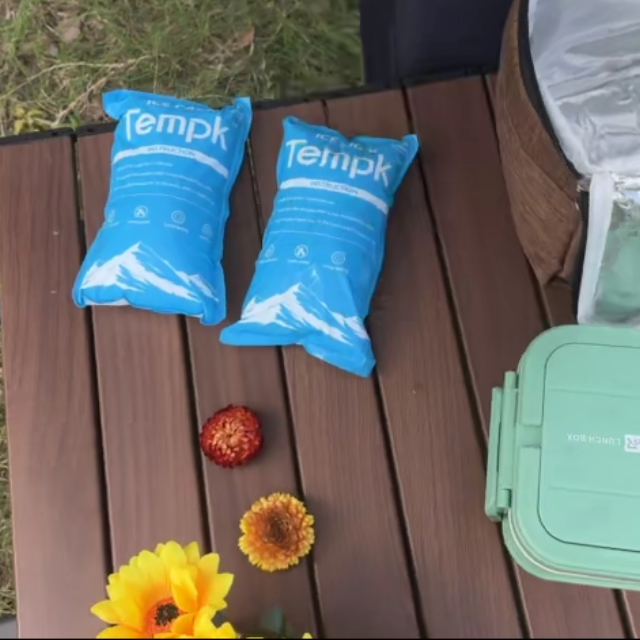
Produsen Distribusi Industri Makanan Kotak Es: Kerangka Seleksi Pemasok Berbasis Bukti
The right answer to ice box food industry distribution manufacturer begins with a controlled use case, bukan model katalog. Tentukan muatannya, kondisi yang diperlukan, rute, paparan lingkungan, paket, penanganan, pembersihan, bukti, dan volume komersial sebelum memilih kotak. Produk akhir harus dinilai berdasarkan kapasitas yang dapat digunakan, konstruksi, kesesuaian operasional, konsistensi produksi, dan total biaya pengiriman.
The practical objective is whether the box can be integrated into a repeatable distribution process instead of merely looking robust in a sample room. Kerangka keputusan berikut menyatukan produk yang paling berguna, teknis, kepatuhan, operasional, dan pertimbangan pembelian sambil tetap menjaga agar semua pernyataan kinerja terikat pada kondisi yang benar-benar mendukungnya.
Cangkang, Isolasi, Sendi, dan Perlengkapan Bekerja Sama
Kotak berinsulasi tipikal dapat menggabungkan cangkang polimer, molded foam structures, liner terisolasi, or composite constructions selected according to impact, kebersihan, berat, dan menggunakan kembali kebutuhan. Struktur luar melindungi dari benturan dan menyediakan titik pemasangan. Insulasi memperlambat konduksi dan konveksi. Sambungan tutupnya, mengeringkan, menangani bos, pengencang, dan tepi panel dapat menciptakan jembatan termal atau jalur kebocoran. Untuk alasan itu, nama material saja tidak memprediksi kinerja. Dua kotak yang dibuat dengan polimer nominal yang sama mungkin berperilaku berbeda karena ketebalan dinding, kualitas busa, geometri, dan perakitan. Dalam keputusan akhir, link this decision for the food-distribution program to the approved drawing and packout.
Opsi-opsi umum membawa konsekuensi yang berbeda-beda. Cangkang polimer keras dapat dibersihkan dan tahan lama, tetapi mereka menambah bobot dan membutuhkan pencetakan yang terkontrol. EPP dapat memberikan bobot yang ringan, struktur tangguh untuk penanganan berulang, sementara permukaan busa yang terbuka mungkin memerlukan pemeriksaan kebersihan dan kerusakan yang cermat. EPS dapat menghemat biaya untuk penggunaan satu arah yang terlindungi, namun dapat pecah jika ditangani secara kasar berulang kali. Busa PU dapat memberikan isolasi kaku di dalam cangkang. Panel berinsulasi vakum dapat mengurangi perpindahan panas melalui permukaan yang luas, tapi efek tepi, perlindungan tusukan, dan pengendalian manufaktur menjadi penting. Untuk persetujuan pemasok, review this point for the food-distribution program with operations and quality.
Spesifikasi material harus mengidentifikasi risiko yang diharapkan: konsistensi dimensi, tutup pas, hinge and latch life, corner impact behavior, pengendalian bau, cacat permukaan, and documented resin or component changes. Itu harus mengontrol resin dasar atau tingkat busa, pigmen, aditif, bahan paking, perekat, perangkat keras, dan lapisan atau label bagian dalam apa pun. Kapan pergantian pemain diperbolehkan, menentukan bukti persetujuan. Jika tidak, a production change that looks minor commercially can affect food-contact status, bau, fleksibilitas, konduktivitas termal, bugar, atau ketahanan jangka panjang. Saat peluncuran produksi, confirm the evidence scope for the food-distribution program before purchase.
Tentukan Pekerjaan Distribusi Sebelum Produk
Spesifikasi pertama harus menjelaskan pekerjaan pengoperasian: move packaged food through factory dispatch, cross-docking, pengisian toko, pengiriman rute, or temporary staging while limiting heat gain and protecting the load from handling damage. It needs to specify the users, lokasi pemuatan, lokasi penerima, serah terima yang diharapkan, dan saat dimana tanggung jawab suhu berubah. Hal ini mencegah pemasok mengisi asumsi yang tidak diketahui. Ini juga memungkinkan operasi, kualitas, and procurement teams to review the same requirement in place of maintaining separate informal versions.
Definisi muatan memerlukan lebih banyak detail daripada berat atau volume nominal. Catat dimensi paket utama, batas orientasi, jumlah unit, kondisi termal pada pengepakan, ruang kepala, daerah-daerah yang rapuh, dan apakah beban harus tetap terpisah dari cairan pendingin. The planned load may include cartons, nampan, sealed pouches, paket susu, paket makanan laut, kit makan, or other packaged food that may occupy the space very differently. Rongga yang tampak cukup besar bisa menjadi tidak dapat digunakan jika bukaannya sempit, sudut-sudutnya sangat terpancar, atau keranjang dan pembatas menghabiskan dimensi kritis.
Pemetaan rute juga sama pentingnya. For factory-to-distribution-center, hub-to-store, foodservice route, and last-mile delivery lanes with repeated door openings and handovers, catat waktu transit yang direncanakan, kemungkinan penundaan, suhu pementasan, sinar matahari langsung, sirkulasi udara kendaraan, pembukaan berulang, transfer antar operator, dan menerima pemeriksaan. Masukan ini tidak menghasilkan jaminan waktu tunggu dengan sendirinya, namun peraturan ini menentukan kondisi yang harus ditiru oleh pemasok atau laboratorium penguji. Tanpa mereka, kutipan hanya dapat mencakup kotak umum, bukan proses distribusi yang dapat diandalkan. Dalam keputusan akhir, include this limit in the operating instruction for the food-distribution program.
Jadikan Paket yang Benar Mudah Diulang
Sebuah kotak bergerak melewati orang dan tempat, tidak hanya melalui ruang termal. Rencana operasi harus mencakup pengkondisian awal, sedang mengemas, penutup, pelabelan, memantau aktivasi, penyerahan, menerima, bongkar, pembersihan, pengeringan, inspeksi, penyimpanan, dan kembali. For factory-to-distribution-center, hub-to-store, foodservice route, and last-mile delivery lanes with repeated door openings and handovers, risiko tertinggi mungkin adalah dermaga pemuatan atau pengiriman yang gagal daripada waktu kendaraan yang direncanakan. Dalam keputusan akhir, confirm the evidence scope for the food-distribution program before purchase.
Instruksi harus bersifat visual dan spesifik konfigurasi. Tunjukkan posisi cairan pendingin, orientasi produk, penempatan pembatas, memantau lokasi, urutan penutupan, dan kriteria penolakan. Gunakan label yang tahan terhadap pembersihan dan lingkungan rute. Jika kotak memiliki saluran air, tali pengikat, roda, gasket yang dapat diganti, atau pegangan tali, termasuk titik pemeriksaan untuk komponen tersebut. Kompleksitas harus dikurangi sedapat mungkin karena pengguna terkadang tidak mengingat prosedur yang panjang. Dalam keputusan akhir, connect this item for the food-distribution program to a measurable acceptance criterion.
Tim penerima memerlukan jalur keputusan. Mereka harus tahu cara memeriksa segelnya, membaca monitornya, mengidentifikasi kerusakan, merekam tamasya, mengkarantina muatannya, dan hubungi petugas kualitas yang bertanggung jawab. Kotak yang dikembalikan tidak secara otomatis dikembalikan ke armada yang bersih. Langkah karantina dan inspeksi sederhana mencegah cangkang retak, colokan yang hilang, pegangan yang terkontaminasi, atau mengganti cairan pendingin karena melemahkan sistem secara diam-diam. Sebelum rilis final, document the limitation for the food-distribution program rather than implying universal suitability.
Seperti Apa Keputusan dalam Prakteknya
Pertimbangkan situasi khas ini: a prepared-food producer supplying several city depots needs a box that stacks securely in vans, can be cleaned between routes, and allows a standard coolant layout without crushing meal trays. Tim harus mengukur muatannya, membangun paket yang diusulkan, memetakan rutenya, dan amati bagaimana pengguna mengangkat, aman, membuka, membersihkan, dan mengembalikan kotak itu. Respons pertama yang harus dilakukan bukanlah memilih ukuran katalog. Hal ini menciptakan catatan bersama tentang kendala sebenarnya. Saat peluncuran produksi, check the point for the food-distribution program against the actual payload.
Berikutnya, pembeli harus meminta dua atau tiga alternatif terkontrol daripada katalog yang panjang. Salah satu opsi mungkin memprioritaskan bobot yang lebih rendah, daya tahan berulang lainnya, dan ketahanan termal yang lebih tinggi atau volume yang lebih dapat digunakan. Setiap opsi harus mencantumkan apa yang disertakan, bukti apa yang ada, apa yang masih perlu diuji, dan perubahan operasi apa yang diperlukan. Tim kemudian dapat membandingkan trade-off alih-alih memperdebatkan fitur-fitur yang terisolasi. Saat peluncuran produksi, state the applicable conditions for the food-distribution program in the supplier response.
Selesaikan urutannya melalui sampel teknik, uji coba paket, produksi percontohan, dan pelepasan resmi. Untuk penggunaan yang sensitif terhadap suhu, konfirmasikan paket lengkap di bawah profil yang sesuai dan tentukan bagaimana perjalanan akan ditangani. Catat pengukuran dimensi dan observasi penanganan, bukan hanya sekedar foto. Hasilnya adalah keputusan pengadaan yang terikat pada bukti dan alur kerja, bukan pada janji yang nantinya tidak bisa direproduksi. Untuk persetujuan pemasok, confirm the evidence scope for the food-distribution program before purchase.
Pisahkan Klaim Kontainer dari Klaim Paket
The food-distribution ice box provides a barrier to heat flow and a protective enclosure. Itu tidak menghasilkan suhu yang terkontrol dengan sendirinya. Kinerja pasif bergantung pada isolasi, jenis dan pengkondisian pendingin, massa pendingin, massa muatan, suhu awal produk, pengaturan internal, profil lingkungan, perilaku pembukaan, dan kriteria penerimaan. Perubahan pada salah satu dari ini dapat mengubah hasil bahkan ketika kotak luarnya tidak berubah. Untuk persetujuan pemasok, record this point for the food-distribution program as a controlled requirement.
Perbedaan cakupan ini sangat penting untuk pangan, farmasi, vaksin, dan penggunaan uji klinis. Uji struktural mungkin menunjukkan bahwa pegangan atau slot dapat bertahan terhadap beban tertentu. Pernyataan material mungkin menunjukkan bahwa suatu komponen cocok untuk kondisi kontak yang diinginkan. Laporan termal mungkin menunjukkan bagaimana satu paket berperilaku dalam satu profil. Kualifikasi rute kemudian dapat menilai jalur operasi. Dokumen-dokumen ini menjawab pertanyaan-pertanyaan yang berbeda dan tidak boleh saling menggantikan. Sebelum rilis final, link this decision for the food-distribution program to the approved drawing and packout.
Mintalah pemasok menyatakan setiap klaim kinerja beserta konfigurasinya. Pernyataan tersebut harus mengidentifikasi ukuran kotak dan revisinya, muatan, pendingin, pengkondisian, diagram pemuatan, posisi monitor, profil lingkungan, lamanya, dan rentang penerimaan. Jika pemasok tidak dapat memberikan konteks itu, perlakukan klaim sebagai indikasi skrining saja. Tujuannya bukan untuk meminta laporan laboratorium untuk setiap percakapan awal, namun untuk mencegah judul yang tidak didukung menjadi spesifikasi pembelian. Untuk persetujuan pemasok, include this limit in the operating instruction for the food-distribution program.
Bukti Kepatuhan Harus Sesuai dengan Tujuan Penggunaan
The relevant evidence depends on food-contact status where the box or internal components can reasonably touch food, plus hygiene controls for reusable equipment; packaged food and direct food contact should not be treated as the same use case. Di Uni Eropa, bahan yang bersentuhan dengan makanan yang dipasarkan berada di bawah peraturan kerangka kerja dan persyaratan praktik manufaktur yang baik, dengan aturan tambahan untuk kelompok material tertentu. Di Amerika Serikat, Status kontak dengan makanan terikat pada zat yang diizinkan dan kondisi penggunaan yang dimaksudkan, termasuk jenis makanan dan suhu. A generic declaration that a plastic is 'kelas makanan' is therefore only a starting point.
Penggunaan medis dan farmasi menambahkan lapisan yang berbeda. Pelabelan produk dan sponsor atau prosedur mutu menentukan kondisi yang diperlukan. PDB, GCP, panduan imunisasi, aturan kargo udara, atau spesifikasi program nasional mungkin berlaku tergantung pada pengirimannya. Unit berinsulasi tidak memenuhi persyaratan hanya karena polimernya dapat bersentuhan dengan makanan atau karena dapat digunakan kembali. Proses lengkapnya mungkin memerlukan instruksi pengemasan yang memenuhi syarat, pemantauan yang dikalibrasi, penanganan penyimpangan, pelatihan, dan lacak balak yang terdokumentasi. Untuk persetujuan pemasok, test this assumption for the food-distribution program against the intended route.
Buat peta bukti dengan empat kolom: mengeklaim, obyek, kondisi, dan dokumen. Pertimbangkan kasus ini: klaim material milik resin bernama dan tujuan penggunaannya; klaim struktural termasuk dalam desain akhir dan metode pembebanan; klaim termal milik konfigurasi dan profil lengkap; klaim rute termasuk dalam jalur operasi. Peta ini mengungkap kesenjangan dan mencegah satu sertifikat melampaui cakupannya. Dalam keputusan akhir, include this limit in the operating instruction for the food-distribution program.
Pertanyaan Pemasok yang Mengungkapkan Kemampuan Nyata
The central supplier question is whether the box can be integrated into a repeatable distribution process instead of merely looking robust in a sample room. Pabrikan yang kredibel harus mampu menerjemahkan persyaratan tersebut ke dalam gambar, definisi materi, titik pemeriksaan, dan rencana pengujian. Pembicaraan harus beralih dari klaim yang luas ke rincian yang terkendali. Tanyakan siapa pemilik cetakan itu, operasi mana yang dilakukan secara internal, bagaimana pemasok komponen penting disetujui, dan bagaimana bill of material dipertahankan. A broad catalog may help, tapi itu bukan bukti pengendalian proses. Untuk persetujuan pemasok, assign an owner and acceptance method for the food-distribution program.
Gunakan lebih dari satu gerbang sampel. Sampel pertama menegaskan dimensi dasar dan ergonomis. Sampel teknik yang direvisi menegaskan materi, perlengkapan, Label, dan paket sesuai. Tempat percontohan memeriksa alat-alat produksi, perakitan, inspeksi, kemasan, dan variasi di beberapa unit. Sampel emas yang disetujui paling baik dihubungkan dengan gambar dan kriteria penerimaan yang terukur. Menyetujui satu sampel yang disiapkan secara khusus tanpa jembatan ini merupakan sumber kejutan produksi massal. Untuk persetujuan pemasok, confirm that production controls preserve this point for the food-distribution program.
Quality review should focus on dimensional consistency, tutup pas, hinge and latch life, corner impact behavior, pengendalian bau, cacat permukaan, and documented resin or component changes. Tanyakan bagaimana unit yang tidak sesuai diidentifikasi, apakah pengukuran dicatat, bagaimana keluhan diselidiki, dan bagaimana perubahan teknis dikomunikasikan. Untuk program dengan kontrol tinggi, memerlukan persetujuan terlebih dahulu sebelum penggantian. Untuk penggunaan konsumen dengan risiko rendah, sistemnya bisa lebih sederhana, tapi dimensi kritis, bahan, dan fitur keselamatan masih memerlukan kriteria penerimaan yang obyektif. Dalam keputusan akhir, test this assumption for the food-distribution program against the intended route.
Kerangka Keputusan Akhir
| Gerbang | Pertanyaan | Lepaskan bukti |
|---|---|---|
| Gerbang kasus penggunaan | Apakah muatannya, rute, kondisi, dan proses penanganannya ditentukan? | Persyaratan pengguna yang disetujui |
| Gerbang pas | Apakah kemasan akhir sesuai dengan pengangkatan dan penutupan yang aman? | Gambar paket dan sampel terukur |
| Gerbang bukti | Apakah klaim terkait dengan materi yang tepat, kotak, paket, atau jalur? | Peta bukti dan laporan pengujian |
| Gerbang berkualitas | Dapatkah produksi mereproduksi konfigurasi yang disetujui? | Rencana peninjauan dan inspeksi pilot-lot |
| Gerbang biaya | Apakah kutipan dinormalisasi ke cakupan dan dasar pengiriman yang sama? | Model biaya pendaratan dan siklus hidup |
| Gerbang operasi | Bisakah pengguna berkemas, menerima, membersihkan, memeriksa, dan mengembalikannya dengan benar? | Instruksi terkendali dan rencana pelatihan |
| Ganti gerbang | Akankah pergantian pemain memerlukan peninjauan kembali? | Bill of material dan perjanjian kontrol perubahan |
| Gerbang aplikasi | Whether the box can be integrated into a repeatable distribution process rather than merely looking robust in a sample room | Persyaratan yang ditandatangani dan daftar asumsi yang belum terselesaikan |
Tabel ini memiliki nilai terbesar ketika menyatukan pengadaan, Operasi, rekayasa, dan kualitas. Hal ini mengubah preferensi umum menjadi bukti yang dapat ditinjau dan mengungkap asumsi yang hilang sebelum negosiasi harga. Tidak setiap proyek membutuhkan kedalaman yang sama, namun setiap klaim kritis harus memiliki pemilik dan cara yang pasti untuk memverifikasinya. Saat peluncuran produksi, verify this point on representative units used for the food-distribution program.
Keberlanjutan Tergantung pada Lingkaran Operasi
The relevant sustainability question is whether a reusable fleet is actually returned, diperiksa, dibersihkan, and kept in service long enough to offset additional material and reverse-logistics effort. Sistem ringan satu arah mungkin lebih baik pada jalur yang tersebar dimana tingkat pengembaliannya rendah. Kotak yang dapat digunakan kembali dapat mengurangi konsumsi kemasan pada loop tertutup yang stabil, tetapi itu juga membutuhkan lebih banyak material, pembersihan, penyimpanan, dan transportasi kembali. Pilihan harus dibuat berdasarkan jaringan operasi, bukan berdasarkan satu atribut pemasaran saja.
Ukuran yang tepat sering kali merupakan peningkatan tercepat. Perangkat keras yang dibangun secara berlebihan menambah massa. Volume berlebih meningkatkan area isolasi, permintaan pendingin, kubus barang, dan ruang gudang. Produk yang tidak dibangun akan rusak lebih awal dan menghasilkan limbah pengganti. Desain yang bagus menggunakan material yang cukup di tempat yang tepat, melindungi komponen aus yang dapat diganti, dan memungkinkan inspeksi sebelum unit yang rusak dapat digunakan kembali. Sebelum rilis final, record this point for the food-distribution program as a controlled requirement.
Lacak serangkaian kecil indikator praktis: tingkat pengembalian, perjalanan per aset, alasan kerusakan, waktu mencuci, waktu pengeringan, komponen yang hilang, kubus kembali kosong, dan jalur pensiun. Data ini menunjukkan apakah sistemnya membaik. Klaim keberlanjutan harus diperbarui ketika rute berubah. Sebuah kotak yang digunakan untuk lima puluh perjalanan lokal yang dikontrol memiliki jejak yang berbeda dari kotak yang sama yang dikirim sekali melintasi jalur internasional dan tidak pernah dikembalikan. Saat peluncuran produksi, confirm the evidence scope for the food-distribution program before purchase.
Bandingkan Biaya Mendarat dan Siklus Hidup, Bukan Kutipan Unit Terisolasi
The cost structure includes mold type, konstruksi isolasi, ketebalan dinding, perlengkapan, pencetakan, volume pesanan, pengepakan ekspor, kubus barang, and the cost of washing and returning empty boxes. Pemasok dapat menawarkan harga yang sangat berbeda namun semuanya tampaknya menawarkan ukuran yang sama. Perbedaan mungkin berasal dari ketebalan isolasi, kelas materi, proses, perangkat keras, inspeksi, kemasan, atau hanya dari item yang dikecualikan. Perbandingan yang adil memerlukan satu lembar konfigurasi dan satu tabel perbandingan komersial. Sebelum rilis final, place this requirement for the food-distribution program in the receiving checklist.
Pisahkan biaya satu kali dari biaya berulang. perkakas, cetakan, karya seni, rekayasa, dan beberapa pengujian mungkin dilakukan satu kali atau diamortisasi. Konstruksi satuan, aksesoris, inspeksi, karton, dan pengiriman kembali terjadi. Kemudian pisahkan biaya perolehan dari biaya operasional: pendingin pendingin, pencucian, pengeringan, penyimpanan, pelacakan aset, transportasi kembali, kerusakan, memperbaiki, dan penggantian. Metrik terbaik mungkin adalah biaya per rute yang berhasil, bukan harga pembelian per kotak. Untuk persetujuan pemasok, resolve this point for the food-distribution program before thermal qualification.
Pengangkutan perlu mendapat perhatian awal karena kotak berinsulasi bisa berukuran besar. Dimensi eksternal, bersarang, keruntuhan, kuantitas karton, pola palet, dan pemuatan peti kemas dapat mengubah biaya pendaratan lebih dari sekadar selisih kecil harga pabrik. Minta pemasok untuk memberikan ketentuan pengiriman dan konfigurasi pengepakan yang sama. Ketika kotak yang dapat digunakan kembali kembali dalam keadaan kosong, kubus terbalik dan tenaga kerja penanganan juga harus dimasukkan dalam model. Untuk persetujuan pemasok, include this limit in the operating instruction for the food-distribution program.
Jalan Pintas Pengadaan yang Meningkatkan Risiko
Poin-poin di bawah ini patut diperiksa sebelum perkakas atau produksi massal. Masing-masing dapat menciptakan pengerjaan ulang yang dapat dihindari jika masih belum terselesaikan selama pemilihan pemasok. Sebelum rilis final, assign an owner and acceptance method for the food-distribution program.
- Lepaskan pemblokir: buying by external liters while ignoring usable payload geometry.
- Lepaskan pemblokir: treating a strong shell as proof of temperature performance.
- Lepaskan pemblokir: using a direct-contact claim for every food type and every temperature condition.
- Lepaskan pemblokir: forgetting the labor and space needed to wash, kering, memeriksa, and return reusable boxes.
- Lepaskan pemblokir: approving a hand-made sample without a production control plan.
Masalah pengadaan dapat dikelola ketika pemasok dapat mendokumentasikan jawabannya. Ini harus memicu klarifikasi spesifik, pemeriksaan sampel, atau permintaan bukti. Hasil yang diharapkan adalah mengatasi ketidakpastian meskipun perubahan masih memerlukan biaya yang murah. Pemasok yang merespons dengan gambar, kondisi, dan tindakan korektif lebih berguna dibandingkan tindakan yang mengulangi klaim yang luas. Sebelum rilis final, include this limit in the operating instruction for the food-distribution program.
Wawancara Daftar Pendek
For this food-distribution ice box, pertanyaan-pertanyaan berikut memberikan nilai lebih dibandingkan menanyakan apakah pemasok dapat diandalkan. Mereka memaksakan diskusi menuju tujuan penggunaan, spesifikasi terukur, dan bukti. Saat peluncuran produksi, review this point for the food-distribution program with operations and quality.
- Lepaskan pertanyaan: Which food formats will be loaded, and will any unpackaged food touch the box?
- Lepaskan pertanyaan: What are the usable internal dimensions after insulation, jangka pembagi garis, and coolant are installed?
- Lepaskan pertanyaan: How many handovers, bukaan pintu, and temporary staging periods occur on the route?
- Lepaskan pertanyaan: Can the supplier document resin, pewarna, paking, and liner suitability for the intended food-contact conditions?
- Lepaskan pertanyaan: How are lid fit, menangani kekuatan, menumpuk, pembersihan, and sample-to-production consistency controlled?
- Lepaskan pertanyaan: What export-carton and pallet configuration will determine landed freight cost?
Jawaban lengkapnya mungkin berupa gambar, meja, mencicipi, rencana pengujian, atau batasan yang terdokumentasi. Calon vendor tidak perlu memiliki semua laporan akhir sebelum pengembangan awal, tetapi harus dapat menyatakan apa yang diketahui, apa yang diasumsikan, apa yang bisa disesuaikan, dan apa yang harus diuji. Transparansi tersebut merupakan sinyal risiko yang lebih baik dibandingkan daftar panjang sertifikasi yang tidak didukung. Dalam keputusan akhir, state the applicable conditions for the food-distribution program in the supplier response.
Ubah Kontrol Setelah Urutan Pertama
Before releasing a new batch, check more than appearance. Konfirmasikan dimensi internal yang penting, penutupan tutupnya, perangkat keras, Label, aksesoris, dan pengemasan sesuai dengan spesifikasi yang disetujui. Pilih beberapa unit dari karton yang berbeda. Catat hasilnya sehingga keluhan selanjutnya dapat dibandingkan dengan kumpulan asli, bukan dengan memori atau sampel tunggal. Saat peluncuran produksi, assign an owner and acceptance method for the food-distribution program.
Tim layanan memerlukan batas kerusakan yang telah ditentukan sebelumnya. Retak, segel yang cacat, colokan yang hilang, pegangan berjumbai, jangkar yang longgar, permukaan yang terkontaminasi, panel tertusuk, atau cairan pendingin yang tidak disetujui akan memicu karantina. Beberapa item dapat diperbaiki dengan komponen yang dikontrol; yang lain harus pensiun. Aturan yang jelas mencegah pengguna menyimpan kotak yang terlihat rusak hanya karena kotak tersebut masih tertutup. Saat peluncuran produksi, assign an owner and acceptance method for the food-distribution program.
Pertahankan catatan perubahan singkat untuk materi, pemasok, cetakan, proses, ukuran, Label, kemasan, dan paket. Tinjau apakah setiap perubahan memengaruhi status kontak, bukti termal, tes struktural, kargo, pembersihan, atau instruksi pengguna. Disiplin ini tidak terbatas pada program yang diatur. Ini melindungi pembeli mana pun dari penyimpangan konfigurasi bertahap pada pesanan berulang. Dalam keputusan akhir, verify this point on representative units used for the food-distribution program.
Pertanyaan yang sering diajukan
Is a food-distribution ice box enough to control temperature?
TIDAK. Kotak memperlambat perpindahan panas, tapi hasil lengkapnya tergantung cairan pendingin, muatan, suhu awal, pola pemuatan, paparan lingkungan, penanganan, dan pemantauan. Setiap durasi yang dinyatakan harus mengidentifikasi konfigurasi yang diuji dan kriteria penerimaan. Untuk produk yang diatur atau bernilai tinggi, paket tambahan atau kualifikasi jalur mungkin diperlukan. Sebelum rilis final, confirm that production controls preserve this point for the food-distribution program.
Apa yang harus disetujui sebelum produksi massal?
Setujui gambarnya, bahan, tagihan bahan, dimensi kritis, aksesoris, pelabelan, kemasan, Kriteria penerimaan, dan sampel emas yang representatif. Tempat percontohan harus memastikan bahwa unit produksi sesuai dengan maksud teknis sebelum pesanan dalam jumlah besar dikeluarkan. Saat peluncuran produksi, state the applicable conditions for the food-distribution program in the supplier response.
Dapatkah satu hasil waktu tunggu laboratorium digunakan untuk setiap rute?
Itu tidak aman tanpa perbandingan kondisinya. Hasil laboratorium berlaku untuk profil ambien yang diuji, muatan, pendingin, memantau posisi, dan rentang penerimaan. Ini dapat mendukung perencanaan rute, namun terdapat perbedaan penundaan yang signifikan, sinar matahari langsung, frekuensi pembukaan, kondisi kendaraan, atau muatan mungkin memerlukan penilaian atau kualifikasi lebih lanjut. Untuk persetujuan pemasok, state the applicable conditions for the food-distribution program in the supplier response.
Apa tes sampel pertama yang terbaik?
Tinjauan sampel pertama harus berfokus pada kesesuaian dan alur kerja pengguna. Muat muatan sebenarnya, pendingin, pembagi, monitor, Label, dan aksesoris. Periksa penutupan, pengangkatan, mengakses, pembersihan, dan waktu pengepakan. Setelah konfigurasi fisik stabil, pengujian termal dan struktural menjadi lebih bermakna dan kecil kemungkinannya untuk diulangi setelah perubahan desain. Sebelum rilis final, test this assumption for the food-distribution program against the intended route.
Bagaimana seharusnya pembeli mengelola perubahan produksi?
Kontrol bahan-bahan penting, ukuran, dan komponen melalui bill of material. Mewajibkan pabrik untuk memberitahukan perubahan sebelum penerapan dan memberikan bukti untuk ditinjau. Perubahan pada isolasi, pendingin, gasket, pigmen, Label, menangani, atau proses manufaktur dapat mempengaruhi kecocokan, status kontak, daya tahan, atau kinerja yang berkualitas. Dalam keputusan akhir, place this requirement for the food-distribution program in the receiving checklist.
Sebelum Anda Melepaskan Pesanan
The final selection for ice box food industry distribution manufacturer should pass six tests: kesesuaian kasus penggunaan, kapasitas yang dapat digunakan, bukti, konsistensi produksi, kesederhanaan pengoperasian, dan total biaya. Calon vendor yang menyatakan asumsi, keterbatasan dokumen, dan mendukung verifikasi percontohan lebih berharga daripada menawarkan klaim universal. Lepaskan perintah hanya jika konfigurasi dan tanggung jawabnya cukup jelas untuk diulangi.
Tentang tempk
Tempk adalah merek kemasan rantai dingin dari Shanghai Tempk Industrial Co., Ltd. The company develops and supplies products including gel packs, batu bata es yang kaku, tas terisolasi, Kotak Epp, kotak pendingin medis, liner terisolasi, dan penutup palet. Untuk proyek yang melibatkan kotak berinsulasi, Tempk bisa mendiskusikan kapasitas, struktur isolasi, kompatibilitas cairan pendingin, fitur khusus, dan persyaratan paket. Kesesuaian dan kinerja produk harus dikonfirmasi terhadap muatan spesifik, rute, kondisi suhu, dan bukti yang diperlukan oleh pembeli. Sebelum rilis final, state the applicable conditions for the food-distribution program in the supplier response.
Langkah selanjutnya
Sebelum pemilihan pemasok akhir, berbagi format makanan, durasi rute, suhu target, proses pembersihan, and monthly quantity so Tempk can discuss a practical box and packout direction.