


Pemasok Pengangkutan Vaksin Ice Box Vaksin: Dari Spesifikasi hingga Skala
Pemasok Pengangkutan Vaksin Ice Box Vaksin: Dari Spesifikasi hingga Skala
Pemasok Pengangkutan Vaksin Ice Box Vaksin: Dari Spesifikasi hingga Skala
A sound decision on vaccine ice box vaccine transport supplier can be reduced to five linked questions: apa yang harus dilindungi, di rute mana, dengan konfigurasi apa yang dimuat, di bawah kendali operasi siapa, dan dengan bukti apa.
Hasilnya adalah kerangka seleksi yang terintegrasi. Ini menggabungkan pendidikan produk, penilaian rekayasa, risiko rute, kualifikasi pemasok, total biaya, dan keberlanjutan sehingga pembeli dapat mengajukan permintaan yang lebih jelas, menjalankan percobaan yang berarti, dan menyetujui konfigurasi dengan lebih sedikit kejutan.
Gunakan lima keputusan untuk mengendalikan pembelian
Proyek kotak es pengangkutan vaksin yang lengkap dapat diatur melalui lima keputusan. Pertama, menentukan produk yang dilindungi dan kondisi penerimaan. Kedua, mengkarakterisasi jalur dan serah terimanya. Ketiga, merancang paket yang dimuat, termasuk pendingin, hambatan, pemantauan, dan ruang yang dapat digunakan. Keempat, memenuhi syarat pemasok dan bukti. Kelima, membuktikan bahwa operasi dapat direproduksi, membersihkan, kembali, dan menjaga konfigurasinya.
Urutannya penting. Tim membuat pengerjaan ulang ketika mereka memilih sebuah kotak, lalu coba sesuaikan produk dan arahkan ke dalamnya. Dimulai dengan produk dan jalur memungkinkan beberapa arsitektur dibandingkan secara setara. Hal ini juga membuat negosiasi biaya menjadi lebih bermanfaat, karena kutipan tersebut menjelaskan pekerjaan yang ditentukan, bukan wadah umum.
Pengorbanannya adalah kit yang telah dikonfigurasi sebelumnya dapat mengurangi variabilitas pengepakan, sementara sistem modular dapat memuat lebih banyak rute; modularitas memerlukan instruksi dan kontrol konfigurasi yang lebih kuat. Kerangka kerja ini tidak menghilangkan trade-off; itu membuat mereka eksplisit. Pengadaan dapat memutuskan konsekuensi mana yang dapat diterima, teknik dapat mendokumentasikan dasar teknisnya, kualitas atau keamanan pangan dapat menjadi bukti, dan operasi dapat menguji apakah metode tersebut dapat diulang.
Keputusan 1 Dan 2: menghubungkan persyaratan produk ke jalur
Tulis ringkasan kasus penggunaan vaksin satu halaman, pengencer, dan peralatan pemantauan yang dikelola berdasarkan instruksi khusus produk. Sertakan instruksi produk saat ini, kondisi awal, kuantitas, dimensi karton atau baki, sensitivitas terhadap pembekuan, terlalu panas, lampu, kontaminasi, dampak, atau penundaan, dan proses disposisi untuk bertamasya. Hindari mengimpor rangkaian industri umum ke dalam produk yang memiliki instruksi berbeda.
Kemudian petakan pengiriman, transportasi kendaraan, pementasan sementara, penyerahan, dan penerimaan berdasarkan prosedur pengangkutan vaksin tertulis. Rekam waktu yang telah berlalu, kondisi eksternal musiman, memanggungkan, lingkungan kendaraan, pembukaan pintu, berhenti menghitung, permukaan perpindahan, perubahan hak asuh, dan menerima penyimpanan. Tambahkan skenario normal dan tantangan realistis. Tantangannya mungkin adalah dermaga yang hangat, penerima yang terlambat, beban parsial, pembukaan berulang, atau serah terima di luar ruangan. Ini harus mewakili hari operasional yang kredibel, bukan kasus terburuk yang dibuat-buat tanpa probabilitas atau respons yang pasti.
Tetapkan setiap risiko pada kemasan, prosedur, peralatan, atau eskalasi. Isolasi dan cairan pendingin dapat menahan paparan lingkungan. Jadwal rute dapat mengurangi waktu tinggal. Unit aktif portabel mungkin lebih sesuai untuk beberapa pergerakan berisiko tinggi. Janji temu penerima dapat menghilangkan penyerahan yang tidak terkendali. Alokasi ini mencegah kotak pasif diminta untuk mengkompensasi setiap kelemahan proses.
Keputusan 3: menyetujui konfigurasi yang dimuat, bukan kotak nominal
Desain yang dimuat harus menyelesaikan masalah kapasitas ini: pemasok harus menyatakan dimensi internal dan pengaturan muatan yang dapat digunakan setelah cairan pendingin, hambatan, karton asli, dan perangkat pemantauan disertakan. Buat gambar dan mock-up fisik yang menunjukkan orientasi produk, pendingin, hambatan, pemantauan, jangka pembagi garis, toleransi, dan izin penutupan. Hitung atau ukur berat kemasan yang diharapkan. Konfirmasikan kendaraan, rak, palet, troli, dan pintu pas dengan pegangan dan penutup pada posisi pengoperasiannya.
Kontrol suhu lokal dengan menentukan kondisi dan penempatan cairan pendingin. Desainnya harus menghindari kontak langsung yang tidak diinginkan, celah udara yang tidak terkendali, dan komponen yang dapat bergeser. Pekerjaan pengembangan mungkin memerlukan beberapa sensor untuk memetakan beban, namun pemantauan rutin harus menggunakan lokasi tetap yang mewakili keputusan produk yang diperlukan. Pemuatan sebagian memerlukan alternatif yang disetujui daripada versi paket lengkap yang diimprovisasi.
Konstruksi harus mendukung geometri paket yang berulang, isolasi, penutup, penahan cairan pendingin, hambatan produk, memberi label pada area, dan komponen yang dikontrol lebih penting daripada tampilan pendingin yang umum. Tinjau sambungan tutupnya, jembatan termal, perangkat keras dengan beban tinggi, kemampuan bersih, penggantian komponen, dan kompatibilitas dengan sinar matahari atau bahan kimia jika relevan. Nama material adalah masukan, bukan kesimpulan. Spesifikasi yang disetujui harus menjelaskan konstruksi dengan cukup rinci untuk mempertahankan fungsi selama produksi.
Keputusan 4: memenuhi syarat pemasok dan bukti bersama-sama
Tetapkan siapa yang memiliki desain dan siapa yang mengendalikan pabrik. Pihak komersial mungkin merupakan produsen, eksportir, distributor, atau integrator, tetapi pembeli membutuhkan rute yang jelas menuju gambar, pengendalian materi, inspeksi, cacat, dan mengubah pemberitahuan. Tanyakan komponen mana yang penting dan bagaimana unit produksi dibandingkan dengan sampel yang disetujui.
Permintaan penawaran harus mencakup wadah, pendingin, hambatan, jangka pembagi garis, kompatibilitas pemantauan, SOP paket, pembersihan, Label, bukti, materi training, suku cadang pengganti, dan mengubah kendali. Normalisasikan tagihan bahan dan syarat pengiriman yang disertakan sebelum membandingkan harga. Pisahkan perangkat keras, pendingin, pemantauan, Kustomisasi, perkakas, pengujian, dokumentasi, sedang mengemas, kargo, dan suku cadang. Hal ini membuat pemicu biaya terlihat dan mencegah harga kotak kosong yang rendah dibandingkan dengan kit siap proses.
Minta gambar terkini, daftar komponen, instruksi pengemasan dan pengkondisian, dokumentasi tes, harapan kalibrasi untuk pemantauan, panduan pembersihan, dan pemberitahuan perubahan tertulis. Baca laporan pengujian untuk mengetahui kondisinya, bukan berita utama. Periksa muatan, suhu awal, pendingin, profil lingkungan, lamanya, bukaan, posisi sensor, Kriteria penerimaan, dan apakah sampel tersebut mewakili produksi. Catat jarak antara bukti tersebut dan jalur yang dituju sehingga tim dapat memutuskan pekerjaan selanjutnya yang proporsional.
| Gerbang persetujuan | Keluaran minimal | Alasan gerbang itu ada |
|---|---|---|
| Produk dan jalur | Ringkasan kasus penggunaan dengan payload, kondisi, rute, paparan, dan serah terima | Mencegah kotak dipilih sebelum pekerjaan ditentukan |
| Konfigurasi dimuat | Menggambar, daftar komponen, pendingin, hambatan, sensor, berat, dan cocok | Mengubah kapasitas nominal menjadi paket yang dapat direproduksi |
| Pemasok dan bukti | Spesifikasi terkendali, sampel, laporan, dan mengubah aturan | Menghubungkan pasokan komersial ke desain yang disetujui |
| Kesiapan operasi | Sop, pelatihan, pembersihan, menerima, kembali, dan pengecualian | Menunjukkan bahwa orang dapat mengulangi dan mempertahankan metode tersebut |
| Skala dan siklus hidup | Cek lot pertama, peluncuran rute, model biaya, pelacakan aset, pemicu ulasan | Melindungi kinerja dan nilai setelah peluncuran |
Gerbang persetujuan mencegah proyek berpindah langsung dari sampel yang menarik ke pesanan massal. Setiap gerbang menciptakan keluaran nyata dan menutup risiko yang berbeda: kasus penggunaan yang tidak jelas, paket yang tidak dapat direproduksi, pasokan yang tidak terkendali, operasi yang lemah, atau model siklus hidup yang belum terbukti.
Gunakan pedoman peraturan dan teknis tanpa melakukan klaim berlebihan
Panduan resmi membantu menentukan ekspektasi pengendalian, tapi itu tidak mengubah kotak generik menjadi sistem yang disetujui. Petunjuk produk dan peraturan setempat yang berlaku tetap menentukan. File teknis harus menyatakan mengapa setiap referensi relevan dan di mana pengujian spesifik rute atau tinjauan kualitas masih diperlukan.
Untuk vaksin, panduan CDC saat ini menekankan informasi penyimpanan dan pengangkutan khusus produk, lemari es vaksin portabel yang disukai atau kemasan yang memenuhi syarat untuk transportasi non-darurat, pemantauan terus menerus, paparan lingkungan yang diminimalkan, dan prosedur terlatih. Hal ini juga menolak implikasi bahwa CDC atau VFC telah memvalidasi produk vendor melalui istilah pemasaran gaya kepatuhan.
Untuk produk obat, Panduan PDB UE mengharapkan kondisi penyimpanan yang diperlukan dipertahankan selama pengangkutan melalui seleksi berbasis risiko, peralatan yang sesuai, pemantauan, penilaian rute, dan kualifikasi bila diperlukan. Transportasi udara dapat menambah waktu IATA- dan prosedur kargo yang sensitif terhadap suhu. Kerangka kerja ini memandu bukti dan tanggung jawab; mereka tidak menciptakan kesesuaian universal.
Keputusan persetujuan harus mengidentifikasi lingkup operasi yang diuji dan kondisi yang memerlukan eskalasi. Ketika bukti tidak lengkap, ubah hal yang tidak diketahui menjadi pertanyaan verifikasi atau batasan operasional daripada mengisi kesenjangan dengan klaim pemasaran yang meyakinkan.
Keputusan 5: buktikan bahwa organisasi dapat mengulangi metode tersebut
Jalankan uji coba dengan pengepakan yang sebenarnya, pengemudi, penerima, staf kebersihan, dan peninjau kualitas atau keamanan pangan. Amati identifikasi komponen, persiapan pendingin, memuat, penempatan monitor, penutup, memanggungkan, pengangkatan, pengekangan, pembukaan, penyerahan, kembali, mencuci, pengeringan, dan inspeksi. Catat solusinya; itu adalah bukti bahwa desain atau instruksi perlu diperbaiki.
Proses pengembalian harus menerapkan persyaratan kebersihan ini: penggunaan kembali memerlukan inspeksi, pengeringan, dan petunjuk pembersihan yang tidak merusak isolasi, segel, Label, atau kemasan. Pisahkan yang kotor, membersihkan, memperbaiki, karantina, dan status pensiun. Tetapkan kriteria pelepasan yang obyektif dan kendalikan bagian yang dapat dilepas. Ukur penyelesaian pembersihan dan ruang penyimpanan sehingga kuantitas armada mencerminkan aset yang benar-benar tersedia, tidak hanya kotak yang dibeli.
Siapkan jalur pengecualian sebelum peluncuran. Staf perlu mengetahui apa yang harus dilakukan bila komponen cairan pendingin hilang, monitornya gagal, penutupnya tidak akan menutup, sebuah kotak rusak, ada kendaraan yang tertunda, penerimanya tidak ada, atau jejak produk menunjukkan perjalanan. Jalur eskalasi yang pendek melindungi proses yang disetujui di bawah tekanan waktu.
Menilai biaya dan keberlanjutan dalam siklus operasi yang sama
Bangun total biaya dari konfigurasi yang disetujui: perangkat keras, perkakas, sampel, pendingin, pemantauan, Label, sedang mengemas, kargo, tugas, tenaga kerja, kubus kendaraan, kembali, pencucian, pengeringan, penyimpanan, memperbaiki, kehilangan, penggantian, dan pemeliharaan bukti. Laporkan biaya per perjalanan yang berhasil berdasarkan kelompok rute. Hal ini menghindari keputusan harga satuan yang sempit dan klaim yang tidak didukung bahwa penggunaan kembali selalu menghemat uang.
Pertanyaan keberlanjutannya adalah dukungan pemasok untuk penggantian komponen, identifikasi aset, dan pembersihan yang berulang dapat menjadi sama pentingnya dengan bahan dasar ketika membangun program pengangkutan vaksin yang dapat digunakan kembali. Lacak sirkulasi, jarak kembali, kehilangan, memperbaiki, mencuci sumber daya, pemanfaatan, dan penanganan di akhir masa pakainya. Sistem yang dapat digunakan kembali menciptakan nilai ketika jaringan dapat menjaganya tetap dalam layanan yang terkendali. Ukuran yang tepat, komponen yang dapat diperbaiki, dan penumpukan kembali yang efisien sama pentingnya dengan bahan dasarnya.
Persetujuan komersial dapat mencakup tinjauan sensitivitas. Periksa bagaimana hasilnya berubah ketika return turun, kerusakan meningkat, pergeseran permintaan, atau rute memerlukan ukuran yang berbeda. Hal ini tidak memerlukan data pasar yang diciptakan. It uses the organization's own operating assumptions to identify where the proposal is robust and where a different packaging model should be retained.
Skalakan melalui gerbang yang terkontrol dan ubah pemicu
Gerbang 1 menyetujui gambar singkat dan dimuat kasus penggunaan. Gerbang 2 menyetujui sampel tujuan produksi dan dokumen pemasok. Gerbang 3 menyetujui termal yang relevan, mekanis, pembersihan, dan bukti rute. Gerbang 4 menyetujui SOP, pelatihan, proses pengecualian, dan putaran kembali. Gerbang 5 merilis produksi setelah verifikasi lot pertama. Setiap gerbang memiliki pemilik dan mencatat kriteria penerimaan.
Perluas dengan kelompok rute serupa. Mulailah dengan jalur yang representatif dan tantangan yang kredibel, masalah yang benar, lalu tambahkan situs yang berbagi payload dan eksposur. Jangan berasumsi bahwa satu pilot yang sukses dapat menangani kendaraan yang berbeda, iklim, pola berhenti, produk, atau proses pencucian. Gunakan perbandingan yang terdokumentasi untuk memutuskan apakah bukti yang ada dapat diperluas.
Pertahankan daftar perubahan setelah peluncuran. Karton produk, pendingin, massa muatan, sensor, waktu rute, kimia pembersih, bahan pemasok, segel, perangkat keras, atau perubahan pabrik dapat mempengaruhi baseline. Tetapkan tingkat peninjauan sehingga pembaruan administratif kecil tidak memicu pekerjaan yang tidak perlu sementara perubahan fungsional menerima perbandingan atau kualifikasi ulang yang sesuai.
Pertahankan agar non-asumsi utama tetap terlihat
Jangan berasumsi bahwa kapasitas nominal sama dengan kapasitas muatan, isolasi itu menciptakan suhu produk yang diperlukan, bahwa logger memberikan perlindungan, atau bahwa pengujian dalam kondisi berbeda membuktikan jalur tersebut. Jangan berasumsi bahwa daya tahan sama dengan kesesuaian untuk makanan atau farmasi, or that one program's approval transfers to another. Risiko spesifiknya di sini adalah menerima klaim seperti kepatuhan CDC, pendingin vaksin universal, atau durasi terjamin tanpa produk, paket, dan menguji konteks.
Ubah setiap non-asumsi menjadi kontrol. Gunakan gambar yang dimuat untuk kapasitas, rencana pendingin yang ditentukan untuk kontrol termal, posisi sensor tetap untuk bukti, perbandingan rute untuk transferabilitas, proses pembersihan dan pemisahan untuk kebersihan, dan spesifikasi terkendali untuk konsistensi produksi. This makes the article's principles actionable in an RFQ and pilot.
Akhirnya, menjaga ketidakpastian dengan jujur. Jika suatu parameter tidak didukung oleh instruksi produk, sumber teknis yang dapat diandalkan, dokumentasi pemasok, atau pengujian, minta pemasok untuk mengonfirmasinya atau merencanakan verifikasi. Menghapus angka yang tidak didukung merupakan rekayasa yang lebih baik dan pengadaan yang lebih baik daripada menghadirkan presisi yang tidak dapat didukung oleh bukti.
Pertanyaan Pengadaan Terintegrasi
Informasi apa yang harus dikirim ke pemasok terlebih dahulu?
Kirim jenis produk dan kondisi yang dibutuhkan, dimensi karton atau muatan, kuantitas, durasi rute, paparan musiman, pola berhenti dan membuka, kendala kendaraan atau rak, preferensi cairan pendingin, kebutuhan pemantauan, metode pembersihan, rencana penggunaan kembali, Kustomisasi, dan volume pesanan. Tandai setiap hal yang tidak diketahui sehingga menjadi pertanyaan proyek, bukan asumsi.
Bagaimana saya mengetahui apakah kotak yang diusulkan terlalu besar atau terlalu kecil?
Bangun paket lengkap dan bandingkan jumlah muatan yang dapat digunakan, berat yang dimuat, kubus luar, kesesuaian kendaraan, perilaku beban parsial, dan menangani. Kotak yang besar dapat membuang cairan pendingin dan ruang; yang kecil mungkin memaksa kompresi atau trip ekstra. Gunakan profil pesanan nyata dan setujui pita beban.
Bukti apa yang paling penting sebelum produksi?
Bukti yang ada harus sesuai dengan risiko yang dominan. Minimal, dimensi kontrol, bahan, komponen, dimuat sesuai, penanganan, pembersihan, dan asumsi termal yang relevan. Jalur layanan kesehatan atau makanan yang berisiko tinggi mungkin juga memerlukan kualifikasi, pemantauan yang dikalibrasi, studi rute, catatan formal, dan persetujuan mutu atau keamanan pangan.
Bagaimana seharusnya kutipan biaya dibandingkan?
Bandingkan bill of material yang sama, ukuran, aksesoris, pendingin, pemantauan, Kustomisasi, pengujian, sedang mengemas, jumlah pesanan, ketentuan pengiriman, asumsi pengangkutan, suku cadang, dan ruang lingkup kendali perubahan. Kemudian menjadi model kerja, kembali, pembersihan, kehilangan, memperbaiki, dan perjalanan yang sukses. Harga satuan cangkang kosong bukanlah perbandingan yang lengkap.
Apa yang harus memicu rekualifikasi atau penilaian ulang?
Perubahan pada instruksi produk, muatan, karton, pendingin, sensor, rute, paparan lingkungan, pola berhenti, pembersihan, bahan, segel, perangkat keras, proses, atau pabrik bisa jadi masalah. Tetapkan pemicu berbasis risiko untuk peninjauan dokumen, perbandingan sampel, pengujian yang ditargetkan, pekerjaan rute, atau rekualifikasi penuh.
Keputusan akhir
Perlakukan pemasok pengangkutan vaksin kotak es vaksin sebagai keputusan sistem yang terkendali. Tentukan produk dan jalur, menyetujui paket yang dimuat, memenuhi syarat kontrol dan bukti pemasok, buktikan proses operasinya, dan memodelkan biaya dan penggunaan kembali di seluruh perjalanan yang berhasil. Lakukan penskalaan hanya setelah sampel tujuan produksi dan kelompok rute ditinjau. Pendekatan ini menjaga informasi berguna dari pendidikan produk, rekayasa, kepatuhan, Operasi, dan keberlanjutan tanpa bergantung pada klaim universal.
Tentang tempk
Tempk adalah merek kemasan rantai dingin dari Shanghai Tempk Industrial Co., Ltd. Its public portfolio includes gel packs, batu bata es, tas dan liner terisolasi, EPP dan kotak berinsulasi lainnya, kotak es medis, penutup palet, dan kemasan khusus untuk logistik makanan dan perawatan kesehatan. Pembeli dapat memberikan geometri produk, kondisi sasaran, rute, pendingin, pemantauan, penanganan, pembersihan, identifikasi, dan persyaratan komersial sehingga Tempk dapat mengusulkan konfigurasi untuk peninjauan sampel, pengujian, dan diskusi sampel-ke-produksi.
Proyek Langkah Berikutnya
Minta Tempk untuk meninjau proyek pemasok kotak es pengangkutan vaksin Anda menggunakan muatan sebenarnya, rute, paket, kontrol operasi, dan asumsi sumber sebelum penawaran massal diselesaikan.
Produsen Distribusi Industri Makanan Kotak Es Vaksin: Dari Spesifikasi hingga Skala
Produsen Distribusi Industri Makanan Kotak Es Vaksin: Dari Spesifikasi hingga Skala
A sound decision on vaccine ice box food industry distribution manufacturer can be reduced to five linked questions: apa yang harus dilindungi, di rute mana, dengan konfigurasi apa yang dimuat, di bawah kendali operasi siapa, dan dengan bukti apa.
Hasilnya adalah kerangka seleksi yang terintegrasi. Ini menggabungkan pendidikan produk, penilaian rekayasa, risiko rute, kualifikasi pemasok, total biaya, dan keberlanjutan sehingga pembeli dapat mengajukan permintaan yang lebih jelas, menjalankan percobaan yang berarti, dan menyetujui konfigurasi dengan lebih sedikit kejutan.
Gunakan lima keputusan untuk mengendalikan pembelian
Proyek platform kotak es distribusi terisolasi yang lengkap dapat diatur melalui lima keputusan. Pertama, menentukan produk yang dilindungi dan kondisi penerimaan. Kedua, mengkarakterisasi jalur dan serah terimanya. Ketiga, merancang paket yang dimuat, termasuk pendingin, hambatan, pemantauan, dan ruang yang dapat digunakan. Keempat, memenuhi syarat pemasok dan bukti. Kelima, membuktikan bahwa operasi dapat direproduksi, membersihkan, kembali, dan menjaga konfigurasinya.
Urutannya penting. Tim membuat pengerjaan ulang ketika mereka memilih sebuah kotak, lalu coba sesuaikan produk dan arahkan ke dalamnya. Dimulai dengan produk dan jalur memungkinkan beberapa arsitektur dibandingkan secara setara. Hal ini juga membuat negosiasi biaya menjadi lebih bermanfaat, karena kutipan tersebut menjelaskan pekerjaan yang ditentukan, bukan wadah umum.
Pengorbanannya adalah perangkat keras umum dapat meningkatkan skala dan manajemen suku cadang, tapi warna khusus, sisipan, instruksi paket, bukti, dan kontrol pembersihan meningkatkan integritas program. Kerangka kerja ini tidak menghilangkan trade-off; itu membuat mereka eksplisit. Pengadaan dapat memutuskan konsekuensi mana yang dapat diterima, teknik dapat mendokumentasikan dasar teknisnya, kualitas atau keamanan pangan dapat menjadi bukti, dan operasi dapat menguji apakah metode tersebut dapat diulang.
Keputusan 1 Dan 2: menghubungkan persyaratan produk ke jalur
Tulis ringkasan kasus penggunaan satu halaman untuk vaksin dan pengencer pada satu program, dan makanan dingin atau beku di makanan lain. Sertakan instruksi produk saat ini, kondisi awal, kuantitas, dimensi karton atau baki, sensitivitas terhadap pembekuan, terlalu panas, lampu, kontaminasi, dampak, atau penundaan, dan proses disposisi untuk bertamasya. Hindari mengimpor rangkaian industri umum ke dalam produk yang memiliki instruksi berbeda.
Kemudian petakan distribusi multi-lokasi dengan ruang pengepakan yang berbeda, kendaraan, serah terima, menerima cek, dan persyaratan pembersihan. Rekam waktu yang telah berlalu, kondisi eksternal musiman, memanggungkan, lingkungan kendaraan, pembukaan pintu, berhenti menghitung, permukaan perpindahan, perubahan hak asuh, dan menerima penyimpanan. Tambahkan skenario normal dan tantangan realistis. Tantangannya mungkin adalah dermaga yang hangat, penerima yang terlambat, beban parsial, pembukaan berulang, atau serah terima di luar ruangan. Ini harus mewakili hari operasional yang kredibel, bukan kasus terburuk yang dibuat-buat tanpa probabilitas atau respons yang pasti.
Tetapkan setiap risiko pada kemasan, prosedur, peralatan, atau eskalasi. Isolasi dan cairan pendingin dapat menahan paparan lingkungan. Jadwal rute dapat mengurangi waktu tinggal. Unit aktif portabel mungkin lebih sesuai untuk beberapa pergerakan berisiko tinggi. Janji temu penerima dapat menghilangkan penyerahan yang tidak terkendali. Alokasi ini mencegah kotak pasif diminta untuk mengkompensasi setiap kelemahan proses.
Keputusan 3: menyetujui konfigurasi yang dimuat, bukan kotak nominal
Desain yang dimuat harus menyelesaikan masalah kapasitas ini: kotak nominal yang sama dapat memiliki ruang muatan yang dapat digunakan sangat berbeda karena hambatan vaksin, pendingin yang dikondisikan, karton asli, pemisahan makanan, atau pengendalian tumpahan mengubah tata letak internal. Buat gambar dan mock-up fisik yang menunjukkan orientasi produk, pendingin, hambatan, pemantauan, jangka pembagi garis, toleransi, dan izin penutupan. Hitung atau ukur berat kemasan yang diharapkan. Konfirmasikan kendaraan, rak, palet, troli, dan pintu pas dengan pegangan dan penutup pada posisi pengoperasiannya.
Kontrol suhu lokal dengan menentukan kondisi dan penempatan cairan pendingin. Desainnya harus menghindari kontak langsung yang tidak diinginkan, celah udara yang tidak terkendali, dan komponen yang dapat bergeser. Pekerjaan pengembangan mungkin memerlukan beberapa sensor untuk memetakan beban, namun pemantauan rutin harus menggunakan lokasi tetap yang mewakili keputusan produk yang diperlukan. Pemuatan sebagian memerlukan alternatif yang disetujui daripada versi paket lengkap yang diimprovisasi.
Konstruksi harus mendukung cangkang modular dan platform insulasi dapat mendukung banyak program jika dimasukkan, Label, segel, penahan cairan pendingin, dan bill of material yang terkontrol dipisahkan dengan jelas. Tinjau sambungan tutupnya, jembatan termal, perangkat keras dengan beban tinggi, kemampuan bersih, penggantian komponen, dan kompatibilitas dengan sinar matahari atau bahan kimia jika relevan. Nama material adalah masukan, bukan kesimpulan. Spesifikasi yang disetujui harus menjelaskan konstruksi dengan cukup rinci untuk mempertahankan fungsi selama produksi.
Keputusan 4: memenuhi syarat pemasok dan bukti bersama-sama
Tetapkan siapa yang memiliki desain dan siapa yang mengendalikan pabrik. Pihak komersial mungkin merupakan produsen, eksportir, distributor, atau integrator, tetapi pembeli membutuhkan rute yang jelas menuju gambar, pengendalian materi, inspeksi, cacat, dan mengubah pemberitahuan. Tanyakan komponen mana yang penting dan bagaimana unit produksi dibandingkan dengan sampel yang disetujui.
Permintaan penawaran harus mencakup platform dasar, sisipan dan label khusus program, pendingin, pembersihan, sampel, gambar, ruang lingkup pengujian, kontrol segregasi, aturan perubahan produksi, dan catatan persetujuan terpisah. Normalisasikan tagihan bahan dan syarat pengiriman yang disertakan sebelum membandingkan harga. Pisahkan perangkat keras, pendingin, pemantauan, Kustomisasi, perkakas, pengujian, dokumentasi, sedang mengemas, kargo, dan suku cadang. Hal ini membuat pemicu biaya terlihat dan mencegah harga kotak kosong yang rendah dibandingkan dengan kit siap proses.
Minta spesifikasi terkontrol terpisah, pemisahan komponen, kontrol warna dan label, panduan pembersihan, instruksi paket, bukti berdasarkan program, dan mendokumentasikan komunikasi perubahan. Baca laporan pengujian untuk mengetahui kondisinya, bukan berita utama. Periksa muatan, suhu awal, pendingin, profil lingkungan, lamanya, bukaan, posisi sensor, Kriteria penerimaan, dan apakah sampel tersebut mewakili produksi. Catat jarak antara bukti tersebut dan jalur yang dituju sehingga tim dapat memutuskan pekerjaan selanjutnya yang proporsional.
| Gerbang persetujuan | Keluaran minimal | Alasan gerbang itu ada |
|---|---|---|
| Produk dan jalur | Ringkasan kasus penggunaan dengan payload, kondisi, rute, paparan, dan serah terima | Mencegah kotak dipilih sebelum pekerjaan ditentukan |
| Konfigurasi dimuat | Menggambar, daftar komponen, pendingin, hambatan, sensor, berat, dan cocok | Mengubah kapasitas nominal menjadi paket yang dapat direproduksi |
| Pemasok dan bukti | Spesifikasi terkendali, sampel, laporan, dan mengubah aturan | Menghubungkan pasokan komersial ke desain yang disetujui |
| Kesiapan operasi | Sop, pelatihan, pembersihan, menerima, kembali, dan pengecualian | Menunjukkan bahwa orang dapat mengulangi dan mempertahankan metode tersebut |
| Skala dan siklus hidup | Cek lot pertama, peluncuran rute, model biaya, pelacakan aset, pemicu ulasan | Melindungi kinerja dan nilai setelah peluncuran |
Gerbang persetujuan mencegah proyek berpindah langsung dari sampel yang menarik ke pesanan massal. Setiap gerbang menciptakan keluaran nyata dan menutup risiko yang berbeda: kasus penggunaan yang tidak jelas, paket yang tidak dapat direproduksi, pasokan yang tidak terkendali, operasi yang lemah, atau model siklus hidup yang belum terbukti.
Gunakan pedoman peraturan dan teknis tanpa melakukan klaim berlebihan
Panduan resmi membantu menentukan ekspektasi pengendalian, tapi itu tidak mengubah kotak generik menjadi sistem yang disetujui. Petunjuk produk dan peraturan setempat yang berlaku tetap menentukan. File teknis harus menyatakan mengapa setiap referensi relevan dan di mana pengujian spesifik rute atau tinjauan kualitas masih diperlukan.
Untuk vaksin, panduan CDC saat ini menekankan informasi penyimpanan dan pengangkutan khusus produk, lemari es vaksin portabel yang disukai atau kemasan yang memenuhi syarat untuk transportasi non-darurat, pemantauan terus menerus, paparan lingkungan yang diminimalkan, dan prosedur terlatih. Hal ini juga menolak implikasi bahwa CDC atau VFC telah memvalidasi produk vendor melalui istilah pemasaran gaya kepatuhan.
Untuk distribusi makanan, Prinsip transportasi sanitasi FDA menghubungkan desain peralatan dengan kontrol suhu yang diperlukan, kemampuan bersih, dan pencegahan kontaminasi. Oleh karena itu, kotak tersebut harus ditinjau ulang dalam operasi keamanan pangan secara menyeluruh, termasuk pemisahan produk, memuat, kondisi kendaraan, menerima, pembersihan, dan catatan.
Untuk produk obat, Panduan PDB UE mengharapkan kondisi penyimpanan yang diperlukan dipertahankan selama pengangkutan melalui seleksi berbasis risiko, peralatan yang sesuai, pemantauan, penilaian rute, dan kualifikasi bila diperlukan. Transportasi udara dapat menambah waktu IATA- dan prosedur kargo yang sensitif terhadap suhu. Kerangka kerja ini memandu bukti dan tanggung jawab; mereka tidak menciptakan kesesuaian universal.
Keputusan persetujuan harus mengidentifikasi lingkup operasi yang diuji dan kondisi yang memerlukan eskalasi. Ketika bukti tidak lengkap, ubah hal yang tidak diketahui menjadi pertanyaan verifikasi atau batasan operasional daripada mengisi kesenjangan dengan klaim pemasaran yang meyakinkan.
Keputusan 5: buktikan bahwa organisasi dapat mengulangi metode tersebut
Jalankan uji coba dengan pengepakan yang sebenarnya, pengemudi, penerima, staf kebersihan, dan peninjau kualitas atau keamanan pangan. Amati identifikasi komponen, persiapan pendingin, memuat, penempatan monitor, penutup, memanggungkan, pengangkatan, pengekangan, pembukaan, penyerahan, kembali, mencuci, pengeringan, dan inspeksi. Catat solusinya; itu adalah bukti bahwa desain atau instruksi perlu diperbaiki.
Proses pengembalian harus menerapkan persyaratan kebersihan ini: manufaktur bersama tidak membenarkan penggunaan armada bersama; kode warna, ID aset, validasi pembersihan, dan kepemilikan program khusus mungkin diperlukan untuk mencegah campur aduk dan kontaminasi. Pisahkan yang kotor, membersihkan, memperbaiki, karantina, dan status pensiun. Tetapkan kriteria pelepasan yang obyektif dan kendalikan bagian yang dapat dilepas. Ukur penyelesaian pembersihan dan ruang penyimpanan sehingga kuantitas armada mencerminkan aset yang benar-benar tersedia, tidak hanya kotak yang dibeli.
Siapkan jalur pengecualian sebelum peluncuran. Staf perlu mengetahui apa yang harus dilakukan bila komponen cairan pendingin hilang, monitornya gagal, penutupnya tidak akan menutup, sebuah kotak rusak, ada kendaraan yang tertunda, penerimanya tidak ada, atau jejak produk menunjukkan perjalanan. Jalur eskalasi yang pendek melindungi proses yang disetujui di bawah tekanan waktu.
Menilai biaya dan keberlanjutan dalam siklus operasi yang sama
Bangun total biaya dari konfigurasi yang disetujui: perangkat keras, perkakas, sampel, pendingin, pemantauan, Label, sedang mengemas, kargo, tugas, tenaga kerja, kubus kendaraan, kembali, pencucian, pengeringan, penyimpanan, memperbaiki, kehilangan, penggantian, dan pemeliharaan bukti. Laporkan biaya per perjalanan yang berhasil berdasarkan kelompok rute. Hal ini menghindari keputusan harga satuan yang sempit dan klaim yang tidak didukung bahwa penggunaan kembali selalu menghemat uang.
Pertanyaan keberlanjutannya adalah kesamaan platform dapat menyederhanakan pemeliharaan dan penyortiran di akhir masa pakainya, sementara pengidentifikasi khusus dan penggunaan kembali yang terkendali mencegah tujuan lingkungan menciptakan risiko kualitas. Lacak sirkulasi, jarak kembali, kehilangan, memperbaiki, mencuci sumber daya, pemanfaatan, dan penanganan di akhir masa pakainya. Sistem yang dapat digunakan kembali menciptakan nilai ketika jaringan dapat menjaganya tetap dalam layanan yang terkendali. Ukuran yang tepat, komponen yang dapat diperbaiki, dan penumpukan kembali yang efisien sama pentingnya dengan bahan dasarnya.
Persetujuan komersial dapat mencakup tinjauan sensitivitas. Periksa bagaimana hasilnya berubah ketika return turun, kerusakan meningkat, pergeseran permintaan, atau rute memerlukan ukuran yang berbeda. Hal ini tidak memerlukan data pasar yang diciptakan. It uses the organization's own operating assumptions to identify where the proposal is robust and where a different packaging model should be retained.
Skalakan melalui gerbang yang terkontrol dan ubah pemicu
Gerbang 1 menyetujui gambar singkat dan dimuat kasus penggunaan. Gerbang 2 menyetujui sampel tujuan produksi dan dokumen pemasok. Gerbang 3 menyetujui termal yang relevan, mekanis, pembersihan, dan bukti rute. Gerbang 4 menyetujui SOP, pelatihan, proses pengecualian, dan putaran kembali. Gerbang 5 merilis produksi setelah verifikasi lot pertama. Setiap gerbang memiliki pemilik dan mencatat kriteria penerimaan.
Perluas dengan kelompok rute serupa. Mulailah dengan jalur yang representatif dan tantangan yang kredibel, masalah yang benar, lalu tambahkan situs yang berbagi payload dan eksposur. Jangan berasumsi bahwa satu pilot yang sukses dapat menangani kendaraan yang berbeda, iklim, pola berhenti, produk, atau proses pencucian. Gunakan perbandingan yang terdokumentasi untuk memutuskan apakah bukti yang ada dapat diperluas.
Pertahankan daftar perubahan setelah peluncuran. Karton produk, pendingin, massa muatan, sensor, waktu rute, kimia pembersih, bahan pemasok, segel, perangkat keras, atau perubahan pabrik dapat mempengaruhi baseline. Tetapkan tingkat peninjauan sehingga pembaruan administratif kecil tidak memicu pekerjaan yang tidak perlu sementara perubahan fungsional menerima perbandingan atau kualifikasi ulang yang sesuai.
Pertahankan agar non-asumsi utama tetap terlihat
Jangan berasumsi bahwa kapasitas nominal sama dengan kapasitas muatan, isolasi itu menciptakan suhu produk yang diperlukan, bahwa logger memberikan perlindungan, atau bahwa pengujian dalam kondisi berbeda membuktikan jalur tersebut. Jangan berasumsi bahwa daya tahan sama dengan kesesuaian untuk makanan atau farmasi, or that one program's approval transfers to another. Risiko spesifik di sini adalah penggunaan satu spesifikasi universal untuk mengurangi SKU dan secara tidak sengaja melemahkan kontrol vaksin atau kebersihan makanan.
Ubah setiap non-asumsi menjadi kontrol. Gunakan gambar yang dimuat untuk kapasitas, rencana pendingin yang ditentukan untuk kontrol termal, posisi sensor tetap untuk bukti, perbandingan rute untuk transferabilitas, proses pembersihan dan pemisahan untuk kebersihan, dan spesifikasi terkendali untuk konsistensi produksi. This makes the article's principles actionable in an RFQ and pilot.
Akhirnya, menjaga ketidakpastian dengan jujur. Jika suatu parameter tidak didukung oleh instruksi produk, sumber teknis yang dapat diandalkan, dokumentasi pemasok, atau pengujian, minta pemasok untuk mengonfirmasinya atau merencanakan verifikasi. Menghapus angka yang tidak didukung merupakan rekayasa yang lebih baik dan pengadaan yang lebih baik daripada menghadirkan presisi yang tidak dapat didukung oleh bukti.
Pertanyaan Pengadaan Terintegrasi
Informasi apa yang harus dikirim ke pemasok terlebih dahulu?
Kirim jenis produk dan kondisi yang dibutuhkan, dimensi karton atau muatan, kuantitas, durasi rute, paparan musiman, pola berhenti dan membuka, kendala kendaraan atau rak, preferensi cairan pendingin, kebutuhan pemantauan, metode pembersihan, rencana penggunaan kembali, Kustomisasi, dan volume pesanan. Tandai setiap hal yang tidak diketahui sehingga menjadi pertanyaan proyek, bukan asumsi.
Bagaimana saya mengetahui apakah kotak yang diusulkan terlalu besar atau terlalu kecil?
Bangun paket lengkap dan bandingkan jumlah muatan yang dapat digunakan, berat yang dimuat, kubus luar, kesesuaian kendaraan, perilaku beban parsial, dan menangani. Kotak yang besar dapat membuang cairan pendingin dan ruang; yang kecil mungkin memaksa kompresi atau trip ekstra. Gunakan profil pesanan nyata dan setujui pita beban.
Bukti apa yang paling penting sebelum produksi?
Bukti yang ada harus sesuai dengan risiko yang dominan. Minimal, dimensi kontrol, bahan, komponen, dimuat sesuai, penanganan, pembersihan, dan asumsi termal yang relevan. Jalur layanan kesehatan atau makanan yang berisiko tinggi mungkin juga memerlukan kualifikasi, pemantauan yang dikalibrasi, studi rute, catatan formal, dan persetujuan mutu atau keamanan pangan.
Bagaimana seharusnya kutipan biaya dibandingkan?
Bandingkan bill of material yang sama, ukuran, aksesoris, pendingin, pemantauan, Kustomisasi, pengujian, sedang mengemas, jumlah pesanan, ketentuan pengiriman, asumsi pengangkutan, suku cadang, dan ruang lingkup kendali perubahan. Kemudian menjadi model kerja, kembali, pembersihan, kehilangan, memperbaiki, dan perjalanan yang sukses. Harga satuan cangkang kosong bukanlah perbandingan yang lengkap.
Apa yang harus memicu rekualifikasi atau penilaian ulang?
Perubahan pada instruksi produk, muatan, karton, pendingin, sensor, rute, paparan lingkungan, pola berhenti, pembersihan, bahan, segel, perangkat keras, proses, atau pabrik bisa jadi masalah. Tetapkan pemicu berbasis risiko untuk peninjauan dokumen, perbandingan sampel, pengujian yang ditargetkan, pekerjaan rute, atau rekualifikasi penuh.
Keputusan akhir
Perlakukan produsen distribusi industri makanan kotak es vaksin sebagai keputusan sistem yang terkendali. Tentukan produk dan jalur, menyetujui paket yang dimuat, memenuhi syarat kontrol dan bukti pemasok, buktikan proses operasinya, dan memodelkan biaya dan penggunaan kembali di seluruh perjalanan yang berhasil. Lakukan penskalaan hanya setelah sampel tujuan produksi dan kelompok rute ditinjau. Pendekatan ini menjaga informasi berguna dari pendidikan produk, rekayasa, kepatuhan, Operasi, dan keberlanjutan tanpa bergantung pada klaim universal.
Tentang tempk
Tempk adalah merek kemasan rantai dingin dari Shanghai Tempk Industrial Co., Ltd. Its public portfolio includes gel packs, batu bata es, tas dan liner terisolasi, EPP dan kotak berinsulasi lainnya, kotak es medis, penutup palet, dan kemasan khusus untuk logistik makanan dan perawatan kesehatan. Pembeli dapat memberikan geometri produk, kondisi sasaran, rute, pendingin, pemantauan, penanganan, pembersihan, identifikasi, dan persyaratan komersial sehingga Tempk dapat mengusulkan konfigurasi untuk peninjauan sampel, pengujian, dan diskusi sampel-ke-produksi.
Proyek Langkah Berikutnya
Minta Tempk untuk meninjau proyek pembuatan kotak es distribusi vaksin dan makanan Anda menggunakan muatan sebenarnya, rute, paket, kontrol operasi, dan asumsi sumber sebelum penawaran massal diselesaikan.
Logistik Rantai Dingin Kotak Es Vaksin: Kerangka Berbasis Rute
Logistik Rantai Dingin Kotak Es Vaksin: Kerangka Berbasis Rute
The best vaccine ice box cold chain logistics decision is rarely the box with the highest claimed performance or the lowest price. Ini adalah sistem yang sesuai dengan muatannya, rute, operator, kebutuhan dokumentasi, dan mengembalikan model dengan asumsi tidak terkendali paling sedikit.
Hasilnya adalah kerangka seleksi yang terintegrasi. Ini menggabungkan pendidikan produk, penilaian rekayasa, risiko rute, kualifikasi pemasok, total biaya, dan keberlanjutan sehingga pembeli dapat mengajukan permintaan yang lebih jelas, menjalankan percobaan yang berarti, dan menyetujui konfigurasi dengan lebih sedikit kejutan.
Gunakan lima keputusan untuk mengendalikan pembelian
Proyek kotak es vaksin yang lengkap dapat diatur melalui lima keputusan. Pertama, menentukan produk yang dilindungi dan kondisi penerimaan. Kedua, mengkarakterisasi jalur dan serah terimanya. Ketiga, merancang paket yang dimuat, termasuk pendingin, hambatan, pemantauan, dan ruang yang dapat digunakan. Keempat, memenuhi syarat pemasok dan bukti. Kelima, membuktikan bahwa operasi dapat direproduksi, membersihkan, kembali, dan menjaga konfigurasinya.
Urutannya penting. Tim membuat pengerjaan ulang ketika mereka memilih sebuah kotak, lalu coba sesuaikan produk dan arahkan ke dalamnya. Dimulai dengan produk dan jalur memungkinkan beberapa arsitektur dibandingkan secara setara. Hal ini juga membuat negosiasi biaya menjadi lebih bermanfaat, karena kutipan tersebut menjelaskan pekerjaan yang ditentukan, bukan wadah umum.
Pengorbanannya adalah paket yang ringkas dapat lebih mudah ditangani, namun jarak yang tidak memadai atau penempatan cairan pendingin yang buruk dapat menimbulkan zona panas atau dingin setempat; lebih banyak cairan pendingin tidak secara otomatis lebih aman. Kerangka kerja ini tidak menghilangkan trade-off; itu membuat mereka eksplisit. Pengadaan dapat memutuskan konsekuensi mana yang dapat diterima, teknik dapat mendokumentasikan dasar teknisnya, kualitas atau keamanan pangan dapat menjadi bukti, dan operasi dapat menguji apakah metode tersebut dapat diulang.
Keputusan 1 Dan 2: menghubungkan persyaratan produk ke jalur
Tulis ringkasan kasus penggunaan satu halaman untuk vaksin dan pengencer terkait dengan petunjuk penyimpanan dan pengangkutan khusus produk. Sertakan instruksi produk saat ini, kondisi awal, kuantitas, dimensi karton atau baki, sensitivitas terhadap pembekuan, terlalu panas, lampu, kontaminasi, dampak, atau penundaan, dan proses disposisi untuk bertamasya. Hindari mengimpor rangkaian industri umum ke dalam produk yang memiliki instruksi berbeda.
Kemudian petakan rute terkendali yang mencakup pengepakan, menugaskan, paparan kendaraan, serah terima, kuitansi, dan segera dikembalikan ke tempat penyimpanan yang sesuai. Rekam waktu yang telah berlalu, kondisi eksternal musiman, memanggungkan, lingkungan kendaraan, pembukaan pintu, berhenti menghitung, permukaan perpindahan, perubahan hak asuh, dan menerima penyimpanan. Tambahkan skenario normal dan tantangan realistis. Tantangannya mungkin adalah dermaga yang hangat, penerima yang terlambat, beban parsial, pembukaan berulang, atau serah terima di luar ruangan. Ini harus mewakili hari operasional yang kredibel, bukan kasus terburuk yang dibuat-buat tanpa probabilitas atau respons yang pasti.
Tetapkan setiap risiko pada kemasan, prosedur, peralatan, atau eskalasi. Isolasi dan cairan pendingin dapat menahan paparan lingkungan. Jadwal rute dapat mengurangi waktu tinggal. Unit aktif portabel mungkin lebih sesuai untuk beberapa pergerakan berisiko tinggi. Janji temu penerima dapat menghilangkan penyerahan yang tidak terkendali. Alokasi ini mencegah kotak pasif diminta untuk mengkompensasi setiap kelemahan proses.
Keputusan 3: menyetujui konfigurasi yang dimuat, bukan kotak nominal
Desain yang dimuat harus menyelesaikan masalah kapasitas ini: ruang yang dapat digunakan harus dihitung setelah pendingin terkondisi, hambatan, peralatan pemantauan suhu, dan kemasan dipasang, dengan vaksin disimpan dalam kemasan aslinya bila diperlukan. Buat gambar dan mock-up fisik yang menunjukkan orientasi produk, pendingin, hambatan, pemantauan, jangka pembagi garis, toleransi, dan izin penutupan. Hitung atau ukur berat kemasan yang diharapkan. Konfirmasikan kendaraan, rak, palet, troli, dan pintu pas dengan pegangan dan penutup pada posisi pengoperasiannya.
Kontrol suhu lokal dengan menentukan kondisi dan penempatan cairan pendingin. Desainnya harus menghindari kontak langsung yang tidak diinginkan, celah udara yang tidak terkendali, dan komponen yang dapat bergeser. Pekerjaan pengembangan mungkin memerlukan beberapa sensor untuk memetakan beban, namun pemantauan rutin harus menggunakan lokasi tetap yang mewakili keputusan produk yang diperlukan. Pemuatan sebagian memerlukan alternatif yang disetujui daripada versi paket lengkap yang diimprovisasi.
Konstruksi harus mendukung kesinambungan insulasi, penutupan yang aman, posisi pendingin yang dapat diulang, penghalang yang mencegah kontak langsung yang merusak, dan tata letak yang menjaga pemeriksaan pemantauan dengan muatan vaksin. Tinjau sambungan tutupnya, jembatan termal, perangkat keras dengan beban tinggi, kemampuan bersih, penggantian komponen, dan kompatibilitas dengan sinar matahari atau bahan kimia jika relevan. Nama material adalah masukan, bukan kesimpulan. Spesifikasi yang disetujui harus menjelaskan konstruksi dengan cukup rinci untuk mempertahankan fungsi selama produksi.
Keputusan 4: memenuhi syarat pemasok dan bukti bersama-sama
Tetapkan siapa yang memiliki desain dan siapa yang mengendalikan pabrik. Pihak komersial mungkin merupakan produsen, eksportir, distributor, atau integrator, tetapi pembeli membutuhkan rute yang jelas menuju gambar, pengendalian materi, inspeksi, cacat, dan mengubah pemberitahuan. Tanyakan komponen mana yang penting dan bagaimana unit produksi dibandingkan dengan sampel yang disetujui.
Permintaan penawaran harus mencakup jenis kontainer yang disetujui, tata letak internal, spesifikasi pendingin, hambatan, kompatibilitas pencatat, instruksi paket, pembersihan, identifikasi, paket bukti, dan materi pelatihan staf. Normalisasikan tagihan bahan dan syarat pengiriman yang disertakan sebelum membandingkan harga. Pisahkan perangkat keras, pendingin, pemantauan, Kustomisasi, perkakas, pengujian, dokumentasi, sedang mengemas, kargo, dan suku cadang. Hal ini membuat pemicu biaya terlihat dan mencegah harga kotak kosong yang rendah dibandingkan dengan kit siap proses.
Minta instruksi paket, daftar komponen, gambar, panduan pengkondisian cairan pendingin, instruksi pembersihan, penempatan logger, dokumentasi tes atau kualifikasi, dan mengendalikan spesifikasi produksi. Baca laporan pengujian untuk mengetahui kondisinya, bukan berita utama. Periksa muatan, suhu awal, pendingin, profil lingkungan, lamanya, bukaan, posisi sensor, Kriteria penerimaan, dan apakah sampel tersebut mewakili produksi. Catat jarak antara bukti tersebut dan jalur yang dituju sehingga tim dapat memutuskan pekerjaan selanjutnya yang proporsional.
| Gerbang persetujuan | Keluaran minimal | Alasan gerbang itu ada |
|---|---|---|
| Produk dan jalur | Ringkasan kasus penggunaan dengan payload, kondisi, rute, paparan, dan serah terima | Mencegah kotak dipilih sebelum pekerjaan ditentukan |
| Konfigurasi dimuat | Menggambar, daftar komponen, pendingin, hambatan, sensor, berat, dan cocok | Mengubah kapasitas nominal menjadi paket yang dapat direproduksi |
| Pemasok dan bukti | Spesifikasi terkendali, sampel, laporan, dan mengubah aturan | Menghubungkan pasokan komersial ke desain yang disetujui |
| Kesiapan operasi | Sop, pelatihan, pembersihan, menerima, kembali, dan pengecualian | Menunjukkan bahwa orang dapat mengulangi dan mempertahankan metode tersebut |
| Skala dan siklus hidup | Cek lot pertama, peluncuran rute, model biaya, pelacakan aset, pemicu ulasan | Melindungi kinerja dan nilai setelah peluncuran |
Gerbang persetujuan mencegah proyek berpindah langsung dari sampel yang menarik ke pesanan massal. Setiap gerbang menciptakan keluaran nyata dan menutup risiko yang berbeda: kasus penggunaan yang tidak jelas, paket yang tidak dapat direproduksi, pasokan yang tidak terkendali, operasi yang lemah, atau model siklus hidup yang belum terbukti.
Gunakan pedoman peraturan dan teknis tanpa melakukan klaim berlebihan
Panduan resmi membantu menentukan ekspektasi pengendalian, tapi itu tidak mengubah kotak generik menjadi sistem yang disetujui. Petunjuk produk dan peraturan setempat yang berlaku tetap menentukan. File teknis harus menyatakan mengapa setiap referensi relevan dan di mana pengujian spesifik rute atau tinjauan kualitas masih diperlukan.
Untuk vaksin, panduan CDC saat ini menekankan informasi penyimpanan dan pengangkutan khusus produk, lemari es vaksin portabel yang disukai atau kemasan yang memenuhi syarat untuk transportasi non-darurat, pemantauan terus menerus, paparan lingkungan yang diminimalkan, dan prosedur terlatih. Hal ini juga menolak implikasi bahwa CDC atau VFC telah memvalidasi produk vendor melalui istilah pemasaran gaya kepatuhan.
Untuk produk obat, Panduan PDB UE mengharapkan kondisi penyimpanan yang diperlukan dipertahankan selama pengangkutan melalui seleksi berbasis risiko, peralatan yang sesuai, pemantauan, penilaian rute, dan kualifikasi bila diperlukan. Transportasi udara dapat menambah waktu IATA- dan prosedur kargo yang sensitif terhadap suhu. Kerangka kerja ini memandu bukti dan tanggung jawab; mereka tidak menciptakan kesesuaian universal.
Keputusan persetujuan harus mengidentifikasi lingkup operasi yang diuji dan kondisi yang memerlukan eskalasi. Ketika bukti tidak lengkap, ubah hal yang tidak diketahui menjadi pertanyaan verifikasi atau batasan operasional daripada mengisi kesenjangan dengan klaim pemasaran yang meyakinkan.
Keputusan 5: buktikan bahwa organisasi dapat mengulangi metode tersebut
Jalankan uji coba dengan pengepakan yang sebenarnya, pengemudi, penerima, staf kebersihan, dan peninjau kualitas atau keamanan pangan. Amati identifikasi komponen, persiapan pendingin, memuat, penempatan monitor, penutup, memanggungkan, pengangkatan, pengekangan, pembukaan, penyerahan, kembali, mencuci, pengeringan, dan inspeksi. Catat solusinya; itu adalah bukti bahwa desain atau instruksi perlu diperbaiki.
Proses pengembalian harus menerapkan persyaratan kebersihan ini: Prosedur pembersihan dan inspeksi harus melindungi integritas kemasan tanpa meninggalkan residu atau kelembapan yang dapat mempengaruhi label, karton, atau penggunaan di masa depan. Pisahkan yang kotor, membersihkan, memperbaiki, karantina, dan status pensiun. Tetapkan kriteria pelepasan yang obyektif dan kendalikan bagian yang dapat dilepas. Ukur penyelesaian pembersihan dan ruang penyimpanan sehingga kuantitas armada mencerminkan aset yang benar-benar tersedia, tidak hanya kotak yang dibeli.
Siapkan jalur pengecualian sebelum peluncuran. Staf perlu mengetahui apa yang harus dilakukan bila komponen cairan pendingin hilang, monitornya gagal, penutupnya tidak akan menutup, sebuah kotak rusak, ada kendaraan yang tertunda, penerimanya tidak ada, atau jejak produk menunjukkan perjalanan. Jalur eskalasi yang pendek melindungi proses yang disetujui di bawah tekanan waktu.
Menilai biaya dan keberlanjutan dalam siklus operasi yang sama
Bangun total biaya dari konfigurasi yang disetujui: perangkat keras, perkakas, sampel, pendingin, pemantauan, Label, sedang mengemas, kargo, tugas, tenaga kerja, kubus kendaraan, kembali, pencucian, pengeringan, penyimpanan, memperbaiki, kehilangan, penggantian, dan pemeliharaan bukti. Laporkan biaya per perjalanan yang berhasil berdasarkan kelompok rute. Hal ini menghindari keputusan harga satuan yang sempit dan klaim yang tidak didukung bahwa penggunaan kembali selalu menghemat uang.
Pertanyaan keberlanjutannya adalah bahwa wadah vaksin yang dapat digunakan kembali dapat mengurangi limbah material pada putaran yang dikelola, tapi hanya saat pemeriksaan, pembersihan, kontrol paket, pengembalian aset, dan penghapusan unit yang rusak dapat diandalkan. Lacak sirkulasi, jarak kembali, kehilangan, memperbaiki, mencuci sumber daya, pemanfaatan, dan penanganan di akhir masa pakainya. Sistem yang dapat digunakan kembali menciptakan nilai ketika jaringan dapat menjaganya tetap dalam layanan yang terkendali. Ukuran yang tepat, komponen yang dapat diperbaiki, dan penumpukan kembali yang efisien sama pentingnya dengan bahan dasarnya.
Persetujuan komersial dapat mencakup tinjauan sensitivitas. Periksa bagaimana hasilnya berubah ketika return turun, kerusakan meningkat, pergeseran permintaan, atau rute memerlukan ukuran yang berbeda. Hal ini tidak memerlukan data pasar yang diciptakan. It uses the organization's own operating assumptions to identify where the proposal is robust and where a different packaging model should be retained.
Skalakan melalui gerbang yang terkontrol dan ubah pemicu
Gerbang 1 menyetujui gambar singkat dan dimuat kasus penggunaan. Gerbang 2 menyetujui sampel tujuan produksi dan dokumen pemasok. Gerbang 3 menyetujui termal yang relevan, mekanis, pembersihan, dan bukti rute. Gerbang 4 menyetujui SOP, pelatihan, proses pengecualian, dan putaran kembali. Gerbang 5 merilis produksi setelah verifikasi lot pertama. Setiap gerbang memiliki pemilik dan mencatat kriteria penerimaan.
Perluas dengan kelompok rute serupa. Mulailah dengan jalur yang representatif dan tantangan yang kredibel, masalah yang benar, lalu tambahkan situs yang berbagi payload dan eksposur. Jangan berasumsi bahwa satu pilot yang sukses dapat menangani kendaraan yang berbeda, iklim, pola berhenti, produk, atau proses pencucian. Gunakan perbandingan yang terdokumentasi untuk memutuskan apakah bukti yang ada dapat diperluas.
Pertahankan daftar perubahan setelah peluncuran. Karton produk, pendingin, massa muatan, sensor, waktu rute, kimia pembersih, bahan pemasok, segel, perangkat keras, atau perubahan pabrik dapat mempengaruhi baseline. Tetapkan tingkat peninjauan sehingga pembaruan administratif kecil tidak memicu pekerjaan yang tidak perlu sementara perubahan fungsional menerima perbandingan atau kualifikasi ulang yang sesuai.
Pertahankan agar non-asumsi utama tetap terlihat
Jangan berasumsi bahwa kapasitas nominal sama dengan kapasitas muatan, isolasi itu menciptakan suhu produk yang diperlukan, bahwa logger memberikan perlindungan, atau bahwa pengujian dalam kondisi berbeda membuktikan jalur tersebut. Jangan berasumsi bahwa daya tahan sama dengan kesesuaian untuk makanan atau farmasi, or that one program's approval transfers to another. Risiko khusus di sini adalah penggunaan pendingin makanan atau minuman biasa, bungkusan beku yang tidak terkendali, atau klaim waktu tunggu umum untuk rute vaksin yang sensitif terhadap produk.
Ubah setiap non-asumsi menjadi kontrol. Gunakan gambar yang dimuat untuk kapasitas, rencana pendingin yang ditentukan untuk kontrol termal, posisi sensor tetap untuk bukti, perbandingan rute untuk transferabilitas, proses pembersihan dan pemisahan untuk kebersihan, dan spesifikasi terkendali untuk konsistensi produksi. This makes the article's principles actionable in an RFQ and pilot.
Akhirnya, menjaga ketidakpastian dengan jujur. Jika suatu parameter tidak didukung oleh instruksi produk, sumber teknis yang dapat diandalkan, dokumentasi pemasok, atau pengujian, minta pemasok untuk mengonfirmasinya atau merencanakan verifikasi. Menghapus angka yang tidak didukung merupakan rekayasa yang lebih baik dan pengadaan yang lebih baik daripada menghadirkan presisi yang tidak dapat didukung oleh bukti.
Pertanyaan Pengadaan Terintegrasi
Informasi apa yang harus dikirim ke pemasok terlebih dahulu?
Kirim jenis produk dan kondisi yang dibutuhkan, dimensi karton atau muatan, kuantitas, durasi rute, paparan musiman, pola berhenti dan membuka, kendala kendaraan atau rak, preferensi cairan pendingin, kebutuhan pemantauan, metode pembersihan, rencana penggunaan kembali, Kustomisasi, dan volume pesanan. Tandai setiap hal yang tidak diketahui sehingga menjadi pertanyaan proyek, bukan asumsi.
Bagaimana saya mengetahui apakah kotak yang diusulkan terlalu besar atau terlalu kecil?
Bangun paket lengkap dan bandingkan jumlah muatan yang dapat digunakan, berat yang dimuat, kubus luar, kesesuaian kendaraan, perilaku beban parsial, dan menangani. Kotak yang besar dapat membuang cairan pendingin dan ruang; yang kecil mungkin memaksa kompresi atau trip ekstra. Gunakan profil pesanan nyata dan setujui pita beban.
Bukti apa yang paling penting sebelum produksi?
Bukti yang ada harus sesuai dengan risiko yang dominan. Minimal, dimensi kontrol, bahan, komponen, dimuat sesuai, penanganan, pembersihan, dan asumsi termal yang relevan. Jalur layanan kesehatan atau makanan yang berisiko tinggi mungkin juga memerlukan kualifikasi, pemantauan yang dikalibrasi, studi rute, catatan formal, dan persetujuan mutu atau keamanan pangan.
Bagaimana seharusnya kutipan biaya dibandingkan?
Bandingkan bill of material yang sama, ukuran, aksesoris, pendingin, pemantauan, Kustomisasi, pengujian, sedang mengemas, jumlah pesanan, ketentuan pengiriman, asumsi pengangkutan, suku cadang, dan ruang lingkup kendali perubahan. Kemudian menjadi model kerja, kembali, pembersihan, kehilangan, memperbaiki, dan perjalanan yang sukses. Harga satuan cangkang kosong bukanlah perbandingan yang lengkap.
Apa yang harus memicu rekualifikasi atau penilaian ulang?
Perubahan pada instruksi produk, muatan, karton, pendingin, sensor, rute, paparan lingkungan, pola berhenti, pembersihan, bahan, segel, perangkat keras, proses, atau pabrik bisa jadi masalah. Tetapkan pemicu berbasis risiko untuk peninjauan dokumen, perbandingan sampel, pengujian yang ditargetkan, pekerjaan rute, atau rekualifikasi penuh.
Keputusan akhir
Perlakukan logistik rantai dingin kotak es vaksin sebagai keputusan sistem yang terkendali. Tentukan produk dan jalur, menyetujui paket yang dimuat, memenuhi syarat kontrol dan bukti pemasok, buktikan proses operasinya, dan memodelkan biaya dan penggunaan kembali di seluruh perjalanan yang berhasil. Lakukan penskalaan hanya setelah sampel tujuan produksi dan kelompok rute ditinjau. Pendekatan ini menjaga informasi berguna dari pendidikan produk, rekayasa, kepatuhan, Operasi, dan keberlanjutan tanpa bergantung pada klaim universal.
Tentang tempk
Tempk adalah merek kemasan rantai dingin dari Shanghai Tempk Industrial Co., Ltd. Its public portfolio includes gel packs, batu bata es, tas dan liner terisolasi, EPP dan kotak berinsulasi lainnya, kotak es medis, penutup palet, dan kemasan khusus untuk logistik makanan dan perawatan kesehatan. Pembeli dapat memberikan geometri produk, kondisi sasaran, rute, pendingin, pemantauan, penanganan, pembersihan, identifikasi, dan persyaratan komersial sehingga Tempk dapat mengusulkan konfigurasi untuk peninjauan sampel, pengujian, dan diskusi sampel-ke-produksi.
Proyek Langkah Berikutnya
Ask Tempk to review your vaccine ice boxes in cold-chain logistics project using the actual payload, rute, paket, kontrol operasi, dan asumsi sumber sebelum penawaran massal diselesaikan.
Pemasok Kotak Es Farmasi Tahan UV: Dari Spesifikasi hingga Skala

Pemasok Kotak Es Farmasi Tahan UV: Dari Spesifikasi hingga Skala
The best UV resistant pharmaceutical ice box supplier decision is rarely the box with the highest claimed performance or the lowest price. Ini adalah sistem yang sesuai dengan muatannya, rute, operator, kebutuhan dokumentasi, dan mengembalikan model dengan asumsi tidak terkendali paling sedikit.
Hasilnya adalah kerangka seleksi yang terintegrasi. Ini menggabungkan pendidikan produk, penilaian rekayasa, risiko rute, kualifikasi pemasok, total biaya, dan keberlanjutan sehingga pembeli dapat mengajukan permintaan yang lebih jelas, menjalankan percobaan yang berarti, dan menyetujui konfigurasi dengan lebih sedikit kejutan.
Gunakan lima keputusan untuk mengendalikan pembelian
A complete UV-resistant pharmaceutical ice box project can be governed through five decisions. Pertama, menentukan produk yang dilindungi dan kondisi penerimaan. Kedua, mengkarakterisasi jalur dan serah terimanya. Ketiga, merancang paket yang dimuat, termasuk pendingin, hambatan, pemantauan, dan ruang yang dapat digunakan. Keempat, memenuhi syarat pemasok dan bukti. Kelima, membuktikan bahwa operasi dapat direproduksi, membersihkan, kembali, dan menjaga konfigurasinya.
Urutannya penting. Tim membuat pengerjaan ulang ketika mereka memilih sebuah kotak, lalu coba sesuaikan produk dan arahkan ke dalamnya. Dimulai dengan produk dan jalur memungkinkan beberapa arsitektur dibandingkan secara setara. Hal ini juga membuat negosiasi biaya menjadi lebih bermanfaat, karena kutipan tersebut menjelaskan pekerjaan yang ditentukan, bukan wadah umum.
The central tradeoff is UV stabilizers and darker pigments may improve weathering resistance, but color, thermal absorption, Daur ulang, penampilan, and material compatibility must be balanced. Kerangka kerja ini tidak menghilangkan trade-off; itu membuat mereka eksplisit. Pengadaan dapat memutuskan konsekuensi mana yang dapat diterima, teknik dapat mendokumentasikan dasar teknisnya, kualitas atau keamanan pangan dapat menjadi bukti, dan operasi dapat menguji apakah metode tersebut dapat diulang.
Keputusan 1 Dan 2: menghubungkan persyaratan produk ke jalur
Write a one-page use-case brief for medicines, Diagnostik, bahan klinis, or other products with defined temperature and light-protection requirements. Sertakan instruksi produk saat ini, kondisi awal, kuantitas, dimensi karton atau baki, sensitivitas terhadap pembekuan, terlalu panas, lampu, kontaminasi, dampak, atau penundaan, dan proses disposisi untuk bertamasya. Hindari mengimpor rangkaian industri umum ke dalam produk yang memiliki instruksi berbeda.
Then map indoor storage, outdoor handoff, transportasi kendaraan, menerima, pembersihan, inspeksi, dan penggunaan kembali yang terkendali. Rekam waktu yang telah berlalu, kondisi eksternal musiman, memanggungkan, lingkungan kendaraan, pembukaan pintu, berhenti menghitung, permukaan perpindahan, perubahan hak asuh, dan menerima penyimpanan. Tambahkan skenario normal dan tantangan realistis. Tantangannya mungkin adalah dermaga yang hangat, penerima yang terlambat, beban parsial, pembukaan berulang, atau serah terima di luar ruangan. Ini harus mewakili hari operasional yang kredibel, bukan kasus terburuk yang dibuat-buat tanpa probabilitas atau respons yang pasti.
Tetapkan setiap risiko pada kemasan, prosedur, peralatan, atau eskalasi. Isolasi dan cairan pendingin dapat menahan paparan lingkungan. Jadwal rute dapat mengurangi waktu tinggal. Unit aktif portabel mungkin lebih sesuai untuk beberapa pergerakan berisiko tinggi. Janji temu penerima dapat menghilangkan penyerahan yang tidak terkendali. Alokasi ini mencegah kotak pasif diminta untuk mengkompensasi setiap kelemahan proses.
Keputusan 3: menyetujui konfigurasi yang dimuat, bukan kotak nominal
Desain yang dimuat harus menyelesaikan masalah kapasitas ini: gross liters and external dimensions must be reviewed with the insulation, pendingin, payload packaging, and any light-protective secondary layers. Buat gambar dan mock-up fisik yang menunjukkan orientasi produk, pendingin, hambatan, pemantauan, jangka pembagi garis, toleransi, dan izin penutupan. Hitung atau ukur berat kemasan yang diharapkan. Konfirmasikan kendaraan, rak, palet, troli, dan pintu pas dengan pegangan dan penutup pada posisi pengoperasiannya.
Kontrol suhu lokal dengan menentukan kondisi dan penempatan cairan pendingin. Desainnya harus menghindari kontak langsung yang tidak diinginkan, celah udara yang tidak terkendali, dan komponen yang dapat bergeser. Pekerjaan pengembangan mungkin memerlukan beberapa sensor untuk memetakan beban, namun pemantauan rutin harus menggunakan lokasi tetap yang mewakili keputusan produk yang diperlukan. Pemuatan sebagian memerlukan alternatif yang disetujui daripada versi paket lengkap yang diimprovisasi.
Construction should support UV-stabilized resin or coating, pigment system, antioxidants, ketebalan cangkang, seal and latch materials, perlindungan isolasi, and component compatibility under weathering. Tinjau sambungan tutupnya, jembatan termal, perangkat keras dengan beban tinggi, kemampuan bersih, penggantian komponen, dan kompatibilitas dengan sinar matahari atau bahan kimia jika relevan. Nama material adalah masukan, bukan kesimpulan. Spesifikasi yang disetujui harus menjelaskan konstruksi dengan cukup rinci untuk mempertahankan fungsi selama produksi.
Keputusan 4: memenuhi syarat pemasok dan bukti bersama-sama
Tetapkan siapa yang memiliki desain dan siapa yang mengendalikan pabrik. Pihak komersial mungkin merupakan produsen, eksportir, distributor, atau integrator, tetapi pembeli membutuhkan rute yang jelas menuju gambar, pengendalian materi, inspeksi, cacat, dan mengubah pemberitahuan. Tanyakan komponen mana yang penting dan bagaimana unit produksi dibandingkan dengan sampel yang disetujui.
The request for quotation should cover resin or coating specification, weathering test method, color and gloss criteria, mechanical-property retention, component materials, sample age, kompatibilitas pembersihan, dan mengubah kendali. Normalisasikan tagihan bahan dan syarat pengiriman yang disertakan sebelum membandingkan harga. Pisahkan perangkat keras, pendingin, pemantauan, Kustomisasi, perkakas, pengujian, dokumentasi, sedang mengemas, kargo, dan suku cadang. Hal ini membuat pemicu biaya terlihat dan mencegah harga kotak kosong yang rendah dibandingkan dengan kit siap proses.
Minta deklarasi material, recognized weathering test reports, retention criteria for color and mechanical properties, component-level review, kompatibilitas pembersihan, and controlled resin or additive changes. Baca laporan pengujian untuk mengetahui kondisinya, bukan berita utama. Periksa muatan, suhu awal, pendingin, profil lingkungan, lamanya, bukaan, posisi sensor, Kriteria penerimaan, dan apakah sampel tersebut mewakili produksi. Catat jarak antara bukti tersebut dan jalur yang dituju sehingga tim dapat memutuskan pekerjaan selanjutnya yang proporsional.
| Gerbang persetujuan | Keluaran minimal | Alasan gerbang itu ada |
|---|---|---|
| Produk dan jalur | Ringkasan kasus penggunaan dengan payload, kondisi, rute, paparan, dan serah terima | Mencegah kotak dipilih sebelum pekerjaan ditentukan |
| Konfigurasi dimuat | Menggambar, daftar komponen, pendingin, hambatan, sensor, berat, dan cocok | Mengubah kapasitas nominal menjadi paket yang dapat direproduksi |
| Pemasok dan bukti | Spesifikasi terkendali, sampel, laporan, dan mengubah aturan | Menghubungkan pasokan komersial ke desain yang disetujui |
| Kesiapan operasi | Sop, pelatihan, pembersihan, menerima, kembali, dan pengecualian | Menunjukkan bahwa orang dapat mengulangi dan mempertahankan metode tersebut |
| Skala dan siklus hidup | Cek lot pertama, peluncuran rute, model biaya, pelacakan aset, pemicu ulasan | Melindungi kinerja dan nilai setelah peluncuran |
Gerbang persetujuan mencegah proyek berpindah langsung dari sampel yang menarik ke pesanan massal. Setiap gerbang menciptakan keluaran nyata dan menutup risiko yang berbeda: kasus penggunaan yang tidak jelas, paket yang tidak dapat direproduksi, pasokan yang tidak terkendali, operasi yang lemah, atau model siklus hidup yang belum terbukti.
Gunakan pedoman peraturan dan teknis tanpa melakukan klaim berlebihan
Panduan resmi membantu menentukan ekspektasi pengendalian, tapi itu tidak mengubah kotak generik menjadi sistem yang disetujui. Petunjuk produk dan peraturan setempat yang berlaku tetap menentukan. File teknis harus menyatakan mengapa setiap referensi relevan dan di mana pengujian spesifik rute atau tinjauan kualitas masih diperlukan.
Untuk produk obat, Panduan PDB UE mengharapkan kondisi penyimpanan yang diperlukan dipertahankan selama pengangkutan melalui seleksi berbasis risiko, peralatan yang sesuai, pemantauan, penilaian rute, dan kualifikasi bila diperlukan. Transportasi udara dapat menambah waktu IATA- dan prosedur kargo yang sensitif terhadap suhu. Kerangka kerja ini memandu bukti dan tanggung jawab; mereka tidak menciptakan kesesuaian universal.
Keputusan persetujuan harus mengidentifikasi lingkup operasi yang diuji dan kondisi yang memerlukan eskalasi. Ketika bukti tidak lengkap, ubah hal yang tidak diketahui menjadi pertanyaan verifikasi atau batasan operasional daripada mengisi kesenjangan dengan klaim pemasaran yang meyakinkan.
Keputusan 5: buktikan bahwa organisasi dapat mengulangi metode tersebut
Jalankan uji coba dengan pengepakan yang sebenarnya, pengemudi, penerima, staf kebersihan, dan peninjau kualitas atau keamanan pangan. Amati identifikasi komponen, persiapan pendingin, memuat, penempatan monitor, penutup, memanggungkan, pengangkatan, pengekangan, pembukaan, penyerahan, kembali, mencuci, pengeringan, dan inspeksi. Catat solusinya; itu adalah bukti bahwa desain atau instruksi perlu diperbaiki.
Proses pengembalian harus menerapkan persyaratan kebersihan ini: UV additives do not determine cleanability; the wash process, disinfectant compatibility, kerusakan permukaan, and inspection criteria remain separate requirements. Pisahkan yang kotor, membersihkan, memperbaiki, karantina, dan status pensiun. Tetapkan kriteria pelepasan yang obyektif dan kendalikan bagian yang dapat dilepas. Ukur penyelesaian pembersihan dan ruang penyimpanan sehingga kuantitas armada mencerminkan aset yang benar-benar tersedia, tidak hanya kotak yang dibeli.
Siapkan jalur pengecualian sebelum peluncuran. Staf perlu mengetahui apa yang harus dilakukan bila komponen cairan pendingin hilang, monitornya gagal, penutupnya tidak akan menutup, sebuah kotak rusak, ada kendaraan yang tertunda, penerimanya tidak ada, atau jejak produk menunjukkan perjalanan. Jalur eskalasi yang pendek melindungi proses yang disetujui di bawah tekanan waktu.
Menilai biaya dan keberlanjutan dalam siklus operasi yang sama
Bangun total biaya dari konfigurasi yang disetujui: perangkat keras, perkakas, sampel, pendingin, pemantauan, Label, sedang mengemas, kargo, tugas, tenaga kerja, kubus kendaraan, kembali, pencucian, pengeringan, penyimpanan, memperbaiki, kehilangan, penggantian, dan pemeliharaan bukti. Laporkan biaya per perjalanan yang berhasil berdasarkan kelompok rute. Hal ini menghindari keputusan harga satuan yang sempit dan klaim yang tidak didukung bahwa penggunaan kembali selalu menghemat uang.
The sustainability question is weather-resistant components may extend service life, but the environmental value depends on repairability, tingkat pengembalian, pembersihan, and whether aging criteria remove boxes before performance becomes uncertain. Lacak sirkulasi, jarak kembali, kehilangan, memperbaiki, mencuci sumber daya, pemanfaatan, dan penanganan di akhir masa pakainya. Sistem yang dapat digunakan kembali menciptakan nilai ketika jaringan dapat menjaganya tetap dalam layanan yang terkendali. Ukuran yang tepat, komponen yang dapat diperbaiki, dan penumpukan kembali yang efisien sama pentingnya dengan bahan dasarnya.
Persetujuan komersial dapat mencakup tinjauan sensitivitas. Periksa bagaimana hasilnya berubah ketika return turun, kerusakan meningkat, pergeseran permintaan, atau rute memerlukan ukuran yang berbeda. Hal ini tidak memerlukan data pasar yang diciptakan. It uses the organization's own operating assumptions to identify where the proposal is robust and where a different packaging model should be retained.
Skalakan melalui gerbang yang terkontrol dan ubah pemicu
Gerbang 1 menyetujui gambar singkat dan dimuat kasus penggunaan. Gerbang 2 menyetujui sampel tujuan produksi dan dokumen pemasok. Gerbang 3 menyetujui termal yang relevan, mekanis, pembersihan, dan bukti rute. Gerbang 4 menyetujui SOP, pelatihan, proses pengecualian, dan putaran kembali. Gerbang 5 merilis produksi setelah verifikasi lot pertama. Setiap gerbang memiliki pemilik dan mencatat kriteria penerimaan.
Perluas dengan kelompok rute serupa. Mulailah dengan jalur yang representatif dan tantangan yang kredibel, masalah yang benar, lalu tambahkan situs yang berbagi payload dan eksposur. Jangan berasumsi bahwa satu pilot yang sukses dapat menangani kendaraan yang berbeda, iklim, pola berhenti, produk, atau proses pencucian. Gunakan perbandingan yang terdokumentasi untuk memutuskan apakah bukti yang ada dapat diperluas.
Pertahankan daftar perubahan setelah peluncuran. Karton produk, pendingin, massa muatan, sensor, waktu rute, kimia pembersih, bahan pemasok, segel, perangkat keras, atau perubahan pabrik dapat mempengaruhi baseline. Tetapkan tingkat peninjauan sehingga pembaruan administratif kecil tidak memicu pekerjaan yang tidak perlu sementara perubahan fungsional menerima perbandingan atau kualifikasi ulang yang sesuai.
Pertahankan agar non-asumsi utama tetap terlihat
Jangan berasumsi bahwa kapasitas nominal sama dengan kapasitas muatan, isolasi itu menciptakan suhu produk yang diperlukan, bahwa logger memberikan perlindungan, atau bahwa pengujian dalam kondisi berbeda membuktikan jalur tersebut. Jangan berasumsi bahwa daya tahan sama dengan kesesuaian untuk makanan atau farmasi, or that one program's approval transfers to another. The specific risk here is treating UV resistance as a universal lifetime claim or assuming that an opaque shell automatically satisfies a medicine’s light-protection requirement.
Ubah setiap non-asumsi menjadi kontrol. Gunakan gambar yang dimuat untuk kapasitas, rencana pendingin yang ditentukan untuk kontrol termal, posisi sensor tetap untuk bukti, perbandingan rute untuk transferabilitas, proses pembersihan dan pemisahan untuk kebersihan, dan spesifikasi terkendali untuk konsistensi produksi. This makes the article's principles actionable in an RFQ and pilot.
Akhirnya, menjaga ketidakpastian dengan jujur. Jika suatu parameter tidak didukung oleh instruksi produk, sumber teknis yang dapat diandalkan, dokumentasi pemasok, atau pengujian, minta pemasok untuk mengonfirmasinya atau merencanakan verifikasi. Menghapus angka yang tidak didukung merupakan rekayasa yang lebih baik dan pengadaan yang lebih baik daripada menghadirkan presisi yang tidak dapat didukung oleh bukti.
Pertanyaan Pengadaan Terintegrasi
Informasi apa yang harus dikirim ke pemasok terlebih dahulu?
Kirim jenis produk dan kondisi yang dibutuhkan, dimensi karton atau muatan, kuantitas, durasi rute, paparan musiman, pola berhenti dan membuka, kendala kendaraan atau rak, preferensi cairan pendingin, kebutuhan pemantauan, metode pembersihan, rencana penggunaan kembali, Kustomisasi, dan volume pesanan. Tandai setiap hal yang tidak diketahui sehingga menjadi pertanyaan proyek, bukan asumsi.
Bagaimana saya mengetahui apakah kotak yang diusulkan terlalu besar atau terlalu kecil?
Bangun paket lengkap dan bandingkan jumlah muatan yang dapat digunakan, berat yang dimuat, kubus luar, kesesuaian kendaraan, perilaku beban parsial, dan menangani. Kotak yang besar dapat membuang cairan pendingin dan ruang; yang kecil mungkin memaksa kompresi atau trip ekstra. Gunakan profil pesanan nyata dan setujui pita beban.
Bukti apa yang paling penting sebelum produksi?
Bukti yang ada harus sesuai dengan risiko yang dominan. Minimal, dimensi kontrol, bahan, komponen, dimuat sesuai, penanganan, pembersihan, dan asumsi termal yang relevan. Jalur layanan kesehatan atau makanan yang berisiko tinggi mungkin juga memerlukan kualifikasi, pemantauan yang dikalibrasi, studi rute, catatan formal, dan persetujuan mutu atau keamanan pangan.
Bagaimana seharusnya kutipan biaya dibandingkan?
Bandingkan bill of material yang sama, ukuran, aksesoris, pendingin, pemantauan, Kustomisasi, pengujian, sedang mengemas, jumlah pesanan, ketentuan pengiriman, asumsi pengangkutan, suku cadang, dan ruang lingkup kendali perubahan. Kemudian menjadi model kerja, kembali, pembersihan, kehilangan, memperbaiki, dan perjalanan yang sukses. Harga satuan cangkang kosong bukanlah perbandingan yang lengkap.
Apa yang harus memicu rekualifikasi atau penilaian ulang?
Perubahan pada instruksi produk, muatan, karton, pendingin, sensor, rute, paparan lingkungan, pola berhenti, pembersihan, bahan, segel, perangkat keras, proses, atau pabrik bisa jadi masalah. Tetapkan pemicu berbasis risiko untuk peninjauan dokumen, perbandingan sampel, pengujian yang ditargetkan, pekerjaan rute, atau rekualifikasi penuh.
Keputusan akhir
Treat UV resistant pharmaceutical ice box supplier as a controlled system decision. Tentukan produk dan jalur, menyetujui paket yang dimuat, memenuhi syarat kontrol dan bukti pemasok, buktikan proses operasinya, dan memodelkan biaya dan penggunaan kembali di seluruh perjalanan yang berhasil. Lakukan penskalaan hanya setelah sampel tujuan produksi dan kelompok rute ditinjau. Pendekatan ini menjaga informasi berguna dari pendidikan produk, rekayasa, kepatuhan, Operasi, dan keberlanjutan tanpa bergantung pada klaim universal.
Tentang tempk
Tempk adalah merek kemasan rantai dingin dari Shanghai Tempk Industrial Co., Ltd. Its public portfolio includes gel packs, batu bata es, tas dan liner terisolasi, EPP dan kotak berinsulasi lainnya, kotak es medis, penutup palet, dan kemasan khusus untuk logistik makanan dan perawatan kesehatan. Pembeli dapat memberikan geometri produk, kondisi sasaran, rute, pendingin, pemantauan, penanganan, pembersihan, identifikasi, dan persyaratan komersial sehingga Tempk dapat mengusulkan konfigurasi untuk peninjauan sampel, pengujian, dan diskusi sampel-ke-produksi.
Proyek Langkah Berikutnya
Ask Tempk to review your UV-resistant pharmaceutical ice boxes project using the actual payload, rute, paket, kontrol operasi, dan asumsi sumber sebelum penawaran massal diselesaikan.
Produsen Distribusi Industri Makanan Kotak Es Medis: Kerangka Berbasis Rute
Produsen Distribusi Industri Makanan Kotak Es Medis: Kerangka Berbasis Rute
The best medical ice box food industry distribution manufacturer decision is rarely the box with the highest claimed performance or the lowest price. Ini adalah sistem yang sesuai dengan muatannya, rute, operator, kebutuhan dokumentasi, dan mengembalikan model dengan asumsi tidak terkendali paling sedikit.
Hasilnya adalah kerangka seleksi yang terintegrasi. Ini menggabungkan pendidikan produk, penilaian rekayasa, risiko rute, kualifikasi pemasok, total biaya, dan keberlanjutan sehingga pembeli dapat mengajukan permintaan yang lebih jelas, menjalankan percobaan yang berarti, dan menyetujui konfigurasi dengan lebih sedikit kejutan.
Gunakan lima keputusan untuk mengendalikan pembelian
A complete medical-style insulated ice box project can be governed through five decisions. Pertama, menentukan produk yang dilindungi dan kondisi penerimaan. Kedua, mengkarakterisasi jalur dan serah terimanya. Ketiga, merancang paket yang dimuat, termasuk pendingin, hambatan, pemantauan, dan ruang yang dapat digunakan. Keempat, memenuhi syarat pemasok dan bukti. Kelima, membuktikan bahwa operasi dapat direproduksi, membersihkan, kembali, dan menjaga konfigurasinya.
Urutannya penting. Tim membuat pengerjaan ulang ketika mereka memilih sebuah kotak, lalu coba sesuaikan produk dan arahkan ke dalamnya. Dimulai dengan produk dan jalur memungkinkan beberapa arsitektur dibandingkan secara setara. Hal ini juga membuat negosiasi biaya menjadi lebih bermanfaat, karena kutipan tersebut menjelaskan pekerjaan yang ditentukan, bukan wadah umum.
Pengorbanannya adalah standarisasi platform dapat menyederhanakan pembelian, namun standarisasi yang berlebihan dapat menyembunyikan perbedaan penting dalam hal kebersihan, pendingin, pelabelan, dan dokumentasi. Kerangka kerja ini tidak menghilangkan trade-off; itu membuat mereka eksplisit. Pengadaan dapat memutuskan konsekuensi mana yang dapat diterima, teknik dapat mendokumentasikan dasar teknisnya, kualitas atau keamanan pangan dapat menjadi bukti, dan operasi dapat menguji apakah metode tersebut dapat diulang.
Keputusan 1 Dan 2: menghubungkan persyaratan produk ke jalur
Tulis ringkasan kasus penggunaan satu halaman untuk peralatan medis, bahan diagnostik, bahan-bahan dingin, makanan siap saji, atau muatan khusus rute lainnya. Sertakan instruksi produk saat ini, kondisi awal, kuantitas, dimensi karton atau baki, sensitivitas terhadap pembekuan, terlalu panas, lampu, kontaminasi, dampak, atau penundaan, dan proses disposisi untuk bertamasya. Hindari mengimpor rangkaian industri umum ke dalam produk yang memiliki instruksi berbeda.
Kemudian petakan distribusi multi-stop dari tempat pengepakan ke klinik, dapur, poin ritel, atau depo lokal. Rekam waktu yang telah berlalu, kondisi eksternal musiman, memanggungkan, lingkungan kendaraan, pembukaan pintu, berhenti menghitung, permukaan perpindahan, perubahan hak asuh, dan menerima penyimpanan. Tambahkan skenario normal dan tantangan realistis. Tantangannya mungkin adalah dermaga yang hangat, penerima yang terlambat, beban parsial, pembukaan berulang, atau serah terima di luar ruangan. Ini harus mewakili hari operasional yang kredibel, bukan kasus terburuk yang dibuat-buat tanpa probabilitas atau respons yang pasti.
Tetapkan setiap risiko pada kemasan, prosedur, peralatan, atau eskalasi. Isolasi dan cairan pendingin dapat menahan paparan lingkungan. Jadwal rute dapat mengurangi waktu tinggal. Unit aktif portabel mungkin lebih sesuai untuk beberapa pergerakan berisiko tinggi. Janji temu penerima dapat menghilangkan penyerahan yang tidak terkendali. Alokasi ini mencegah kotak pasif diminta untuk mengkompensasi setiap kelemahan proses.
Keputusan 3: menyetujui konfigurasi yang dimuat, bukan kotak nominal
Desain yang dimuat harus menyelesaikan masalah kapasitas ini: volume kotak yang disebutkan harus dipisahkan dari sisa ruang muatan yang dapat digunakan setelah cairan pendingin, jangka pembagi garis, perangkat pemantauan, dan dunnage pelindung dipasang. Buat gambar dan mock-up fisik yang menunjukkan orientasi produk, pendingin, hambatan, pemantauan, jangka pembagi garis, toleransi, dan izin penutupan. Hitung atau ukur berat kemasan yang diharapkan. Konfirmasikan kendaraan, rak, palet, troli, dan pintu pas dengan pegangan dan penutup pada posisi pengoperasiannya.
Kontrol suhu lokal dengan menentukan kondisi dan penempatan cairan pendingin. Desainnya harus menghindari kontak langsung yang tidak diinginkan, celah udara yang tidak terkendali, dan komponen yang dapat bergeser. Pekerjaan pengembangan mungkin memerlukan beberapa sensor untuk memetakan beban, namun pemantauan rutin harus menggunakan lokasi tetap yang mewakili keputusan produk yang diperlukan. Pemuatan sebagian memerlukan alternatif yang disetujui daripada versi paket lengkap yang diimprovisasi.
Konstruksi harus mendukung cangkang keras yang dapat dibersihkan, sistem insulasi yang disesuaikan dengan rutenya, Penutupan yang aman, suku cadang dengan tingkat keausan tinggi yang dapat diganti jika praktis, dan geometri yang mendukung pemuatan berulang. Tinjau sambungan tutupnya, jembatan termal, perangkat keras dengan beban tinggi, kemampuan bersih, penggantian komponen, dan kompatibilitas dengan sinar matahari atau bahan kimia jika relevan. Nama material adalah masukan, bukan kesimpulan. Spesifikasi yang disetujui harus menjelaskan konstruksi dengan cukup rinci untuk mempertahankan fungsi selama produksi.
Keputusan 4: memenuhi syarat pemasok dan bukti bersama-sama
Tetapkan siapa yang memiliki desain dan siapa yang mengendalikan pabrik. Pihak komersial mungkin merupakan produsen, eksportir, distributor, atau integrator, tetapi pembeli membutuhkan rute yang jelas menuju gambar, pengendalian materi, inspeksi, cacat, dan mengubah pemberitahuan. Tanyakan komponen mana yang penting dan bagaimana unit produksi dibandingkan dengan sampel yang disetujui.
Permintaan penawaran harus mencakup konfigurasi terpisah, kode warna, dimensi dalam, struktur isolasi, tipe penutupan, aksesoris, rencana pendingin, metode pembersihan, jumlah sampel, dan pengendalian perubahan produksi. Normalisasikan tagihan bahan dan syarat pengiriman yang disertakan sebelum membandingkan harga. Pisahkan perangkat keras, pendingin, pemantauan, Kustomisasi, perkakas, pengujian, dokumentasi, sedang mengemas, kargo, dan suku cadang. Hal ini membuat pemicu biaya terlihat dan mencegah harga kotak kosong yang rendah dibandingkan dengan kit siap proses.
Minta gambar, pernyataan material jika relevan, pengendalian sampel hingga produksi, panduan pembersihan, instruksi perakitan, dan menguji informasi untuk konfigurasi dimuat yang diusulkan. Baca laporan pengujian untuk mengetahui kondisinya, bukan berita utama. Periksa muatan, suhu awal, pendingin, profil lingkungan, lamanya, bukaan, posisi sensor, Kriteria penerimaan, dan apakah sampel tersebut mewakili produksi. Catat jarak antara bukti tersebut dan jalur yang dituju sehingga tim dapat memutuskan pekerjaan selanjutnya yang proporsional.
| Gerbang persetujuan | Keluaran minimal | Alasan gerbang itu ada |
|---|---|---|
| Produk dan jalur | Ringkasan kasus penggunaan dengan payload, kondisi, rute, paparan, dan serah terima | Mencegah kotak dipilih sebelum pekerjaan ditentukan |
| Konfigurasi dimuat | Menggambar, daftar komponen, pendingin, hambatan, sensor, berat, dan cocok | Mengubah kapasitas nominal menjadi paket yang dapat direproduksi |
| Pemasok dan bukti | Spesifikasi terkendali, sampel, laporan, dan mengubah aturan | Menghubungkan pasokan komersial ke desain yang disetujui |
| Kesiapan operasi | Sop, pelatihan, pembersihan, menerima, kembali, dan pengecualian | Menunjukkan bahwa orang dapat mengulangi dan mempertahankan metode tersebut |
| Skala dan siklus hidup | Cek lot pertama, peluncuran rute, model biaya, pelacakan aset, pemicu ulasan | Melindungi kinerja dan nilai setelah peluncuran |
Gerbang persetujuan mencegah proyek berpindah langsung dari sampel yang menarik ke pesanan massal. Setiap gerbang menciptakan keluaran nyata dan menutup risiko yang berbeda: kasus penggunaan yang tidak jelas, paket yang tidak dapat direproduksi, pasokan yang tidak terkendali, operasi yang lemah, atau model siklus hidup yang belum terbukti.
Gunakan pedoman peraturan dan teknis tanpa melakukan klaim berlebihan
Panduan resmi membantu menentukan ekspektasi pengendalian, tapi itu tidak mengubah kotak generik menjadi sistem yang disetujui. Petunjuk produk dan peraturan setempat yang berlaku tetap menentukan. File teknis harus menyatakan mengapa setiap referensi relevan dan di mana pengujian spesifik rute atau tinjauan kualitas masih diperlukan.
Untuk distribusi makanan, Prinsip transportasi sanitasi FDA menghubungkan desain peralatan dengan kontrol suhu yang diperlukan, kemampuan bersih, dan pencegahan kontaminasi. Oleh karena itu, kotak tersebut harus ditinjau ulang dalam operasi keamanan pangan secara menyeluruh, termasuk pemisahan produk, memuat, kondisi kendaraan, menerima, pembersihan, dan catatan.
Untuk produk obat, Panduan PDB UE mengharapkan kondisi penyimpanan yang diperlukan dipertahankan selama pengangkutan melalui seleksi berbasis risiko, peralatan yang sesuai, pemantauan, penilaian rute, dan kualifikasi bila diperlukan. Transportasi udara dapat menambah waktu IATA- dan prosedur kargo yang sensitif terhadap suhu. Kerangka kerja ini memandu bukti dan tanggung jawab; mereka tidak menciptakan kesesuaian universal.
Keputusan persetujuan harus mengidentifikasi lingkup operasi yang diuji dan kondisi yang memerlukan eskalasi. Ketika bukti tidak lengkap, ubah hal yang tidak diketahui menjadi pertanyaan verifikasi atau batasan operasional daripada mengisi kesenjangan dengan klaim pemasaran yang meyakinkan.
Keputusan 5: buktikan bahwa organisasi dapat mengulangi metode tersebut
Jalankan uji coba dengan pengepakan yang sebenarnya, pengemudi, penerima, staf kebersihan, dan peninjau kualitas atau keamanan pangan. Amati identifikasi komponen, persiapan pendingin, memuat, penempatan monitor, penutup, memanggungkan, pengangkatan, pengekangan, pembukaan, penyerahan, kembali, mencuci, pengeringan, dan inspeksi. Catat solusinya; itu adalah bukti bahwa desain atau instruksi perlu diperbaiki.
Proses pengembalian harus menerapkan persyaratan kebersihan ini: program medis dan makanan harus memiliki aturan pembersihan terpisah, pelabelan, instruksi paket, dan pengendalian kontaminasi bahkan ketika platform kontainer dasar yang sama dipertimbangkan. Pisahkan yang kotor, membersihkan, memperbaiki, karantina, dan status pensiun. Tetapkan kriteria pelepasan yang obyektif dan kendalikan bagian yang dapat dilepas. Ukur penyelesaian pembersihan dan ruang penyimpanan sehingga kuantitas armada mencerminkan aset yang benar-benar tersedia, tidak hanya kotak yang dibeli.
Siapkan jalur pengecualian sebelum peluncuran. Staf perlu mengetahui apa yang harus dilakukan bila komponen cairan pendingin hilang, monitornya gagal, penutupnya tidak akan menutup, sebuah kotak rusak, ada kendaraan yang tertunda, penerimanya tidak ada, atau jejak produk menunjukkan perjalanan. Jalur eskalasi yang pendek melindungi proses yang disetujui di bawah tekanan waktu.
Menilai biaya dan keberlanjutan dalam siklus operasi yang sama
Bangun total biaya dari konfigurasi yang disetujui: perangkat keras, perkakas, sampel, pendingin, pemantauan, Label, sedang mengemas, kargo, tugas, tenaga kerja, kubus kendaraan, kembali, pencucian, pengeringan, penyimpanan, memperbaiki, kehilangan, penggantian, dan pemeliharaan bukti. Laporkan biaya per perjalanan yang berhasil berdasarkan kelompok rute. Hal ini menghindari keputusan harga satuan yang sempit dan klaim yang tidak didukung bahwa penggunaan kembali selalu menghemat uang.
Pertanyaan keberlanjutannya adalah platform kontainer bersama dapat mengurangi variasi komponen, tetapi hanya jika bisnis memisahkan proses medis dan makanan dengan tepat dan dapat pulih, memeriksa, membersihkan, dan memindahkan unit. Lacak sirkulasi, jarak kembali, kehilangan, memperbaiki, mencuci sumber daya, pemanfaatan, dan penanganan di akhir masa pakainya. Sistem yang dapat digunakan kembali menciptakan nilai ketika jaringan dapat menjaganya tetap dalam layanan yang terkendali. Ukuran yang tepat, komponen yang dapat diperbaiki, dan penumpukan kembali yang efisien sama pentingnya dengan bahan dasarnya.
Persetujuan komersial dapat mencakup tinjauan sensitivitas. Periksa bagaimana hasilnya berubah ketika return turun, kerusakan meningkat, pergeseran permintaan, atau rute memerlukan ukuran yang berbeda. Hal ini tidak memerlukan data pasar yang diciptakan. It uses the organization's own operating assumptions to identify where the proposal is robust and where a different packaging model should be retained.
Skalakan melalui gerbang yang terkontrol dan ubah pemicu
Gerbang 1 menyetujui gambar singkat dan dimuat kasus penggunaan. Gerbang 2 menyetujui sampel tujuan produksi dan dokumen pemasok. Gerbang 3 menyetujui termal yang relevan, mekanis, pembersihan, dan bukti rute. Gerbang 4 menyetujui SOP, pelatihan, proses pengecualian, dan putaran kembali. Gerbang 5 merilis produksi setelah verifikasi lot pertama. Setiap gerbang memiliki pemilik dan mencatat kriteria penerimaan.
Perluas dengan kelompok rute serupa. Mulailah dengan jalur yang representatif dan tantangan yang kredibel, masalah yang benar, lalu tambahkan situs yang berbagi payload dan eksposur. Jangan berasumsi bahwa satu pilot yang sukses dapat menangani kendaraan yang berbeda, iklim, pola berhenti, produk, atau proses pencucian. Gunakan perbandingan yang terdokumentasi untuk memutuskan apakah bukti yang ada dapat diperluas.
Pertahankan daftar perubahan setelah peluncuran. Karton produk, pendingin, massa muatan, sensor, waktu rute, kimia pembersih, bahan pemasok, segel, perangkat keras, atau perubahan pabrik dapat mempengaruhi baseline. Tetapkan tingkat peninjauan sehingga pembaruan administratif kecil tidak memicu pekerjaan yang tidak perlu sementara perubahan fungsional menerima perbandingan atau kualifikasi ulang yang sesuai.
Pertahankan agar non-asumsi utama tetap terlihat
Jangan berasumsi bahwa kapasitas nominal sama dengan kapasitas muatan, isolasi itu menciptakan suhu produk yang diperlukan, bahwa logger memberikan perlindungan, atau bahwa pengujian dalam kondisi berbeda membuktikan jalur tersebut. Jangan berasumsi bahwa daya tahan sama dengan kesesuaian untuk makanan atau farmasi, or that one program's approval transfers to another. Risiko khusus di sini adalah asumsi bahwa kotak yang diterima untuk satu industri secara otomatis cocok untuk industri lainnya.
Ubah setiap non-asumsi menjadi kontrol. Gunakan gambar yang dimuat untuk kapasitas, rencana pendingin yang ditentukan untuk kontrol termal, posisi sensor tetap untuk bukti, perbandingan rute untuk transferabilitas, proses pembersihan dan pemisahan untuk kebersihan, dan spesifikasi terkendali untuk konsistensi produksi. This makes the article's principles actionable in an RFQ and pilot.
Akhirnya, menjaga ketidakpastian dengan jujur. Jika suatu parameter tidak didukung oleh instruksi produk, sumber teknis yang dapat diandalkan, dokumentasi pemasok, atau pengujian, minta pemasok untuk mengonfirmasinya atau merencanakan verifikasi. Menghapus angka yang tidak didukung merupakan rekayasa yang lebih baik dan pengadaan yang lebih baik daripada menghadirkan presisi yang tidak dapat didukung oleh bukti.
Pertanyaan Pengadaan Terintegrasi
Informasi apa yang harus dikirim ke pemasok terlebih dahulu?
Kirim jenis produk dan kondisi yang dibutuhkan, dimensi karton atau muatan, kuantitas, durasi rute, paparan musiman, pola berhenti dan membuka, kendala kendaraan atau rak, preferensi cairan pendingin, kebutuhan pemantauan, metode pembersihan, rencana penggunaan kembali, Kustomisasi, dan volume pesanan. Tandai setiap hal yang tidak diketahui sehingga menjadi pertanyaan proyek, bukan asumsi.
Bagaimana saya mengetahui apakah kotak yang diusulkan terlalu besar atau terlalu kecil?
Bangun paket lengkap dan bandingkan jumlah muatan yang dapat digunakan, berat yang dimuat, kubus luar, kesesuaian kendaraan, perilaku beban parsial, dan menangani. Kotak yang besar dapat membuang cairan pendingin dan ruang; yang kecil mungkin memaksa kompresi atau trip ekstra. Gunakan profil pesanan nyata dan setujui pita beban.
Bukti apa yang paling penting sebelum produksi?
Bukti yang ada harus sesuai dengan risiko yang dominan. Minimal, dimensi kontrol, bahan, komponen, dimuat sesuai, penanganan, pembersihan, dan asumsi termal yang relevan. Jalur layanan kesehatan atau makanan yang berisiko tinggi mungkin juga memerlukan kualifikasi, pemantauan yang dikalibrasi, studi rute, catatan formal, dan persetujuan mutu atau keamanan pangan.
Bagaimana seharusnya kutipan biaya dibandingkan?
Bandingkan bill of material yang sama, ukuran, aksesoris, pendingin, pemantauan, Kustomisasi, pengujian, sedang mengemas, jumlah pesanan, ketentuan pengiriman, asumsi pengangkutan, suku cadang, dan ruang lingkup kendali perubahan. Kemudian menjadi model kerja, kembali, pembersihan, kehilangan, memperbaiki, dan perjalanan yang sukses. Harga satuan cangkang kosong bukanlah perbandingan yang lengkap.
Apa yang harus memicu rekualifikasi atau penilaian ulang?
Perubahan pada instruksi produk, muatan, karton, pendingin, sensor, rute, paparan lingkungan, pola berhenti, pembersihan, bahan, segel, perangkat keras, proses, atau pabrik bisa jadi masalah. Tetapkan pemicu berbasis risiko untuk peninjauan dokumen, perbandingan sampel, pengujian yang ditargetkan, pekerjaan rute, atau rekualifikasi penuh.
Keputusan akhir
Perlakukan produsen distribusi industri makanan kotak es medis sebagai keputusan sistem yang terkendali. Tentukan produk dan jalur, menyetujui paket yang dimuat, memenuhi syarat kontrol dan bukti pemasok, buktikan proses operasinya, dan memodelkan biaya dan penggunaan kembali di seluruh perjalanan yang berhasil. Lakukan penskalaan hanya setelah sampel tujuan produksi dan kelompok rute ditinjau. Pendekatan ini menjaga informasi berguna dari pendidikan produk, rekayasa, kepatuhan, Operasi, dan keberlanjutan tanpa bergantung pada klaim universal.
Tentang tempk
Tempk adalah merek kemasan rantai dingin dari Shanghai Tempk Industrial Co., Ltd. Its public portfolio includes gel packs, batu bata es, tas dan liner terisolasi, EPP dan kotak berinsulasi lainnya, kotak es medis, penutup palet, dan kemasan khusus untuk logistik makanan dan perawatan kesehatan. Pembeli dapat memberikan geometri produk, kondisi sasaran, rute, pendingin, pemantauan, penanganan, pembersihan, identifikasi, dan persyaratan komersial sehingga Tempk dapat mengusulkan konfigurasi untuk peninjauan sampel, pengujian, dan diskusi sampel-ke-produksi.
Proyek Langkah Berikutnya
Minta Tempk untuk meninjau proyek kotak es distribusi medis dan makanan lintas sektor Anda menggunakan muatan sebenarnya, rute, paket, kontrol operasi, dan asumsi sumber sebelum penawaran massal diselesaikan.
Pengiriman Mil Terakhir Peti Es: Strategi Pengadaan dan Pengemasan
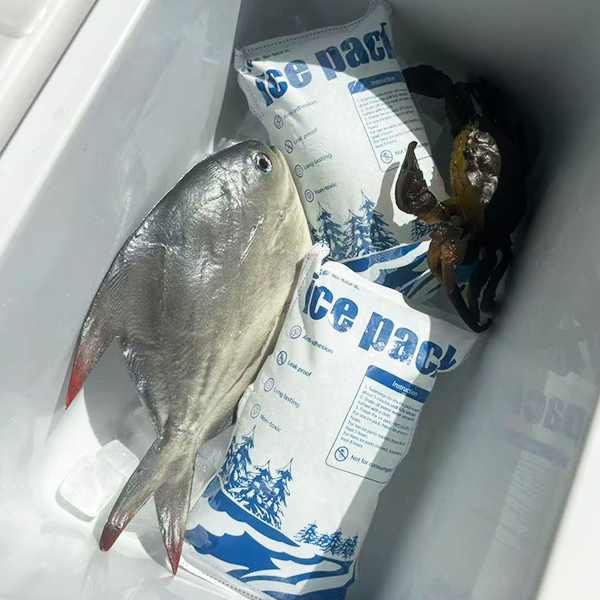
Pengiriman Mil Terakhir Peti Es: Strategi Pengadaan dan Pengemasan
A sound decision on ice chest last mile delivery can be reduced to five linked questions: apa yang harus dilindungi, di rute mana, dengan konfigurasi apa yang dimuat, di bawah kendali operasi siapa, dan dengan bukti apa.
Hasilnya adalah kerangka seleksi yang terintegrasi. Ini menggabungkan pendidikan produk, penilaian rekayasa, risiko rute, kualifikasi pemasok, total biaya, dan keberlanjutan sehingga pembeli dapat mengajukan permintaan yang lebih jelas, menjalankan percobaan yang berarti, dan menyetujui konfigurasi dengan lebih sedikit kejutan.
Gunakan lima keputusan untuk mengendalikan pembelian
A complete last-mile ice chest project can be governed through five decisions. Pertama, menentukan produk yang dilindungi dan kondisi penerimaan. Kedua, mengkarakterisasi jalur dan serah terimanya. Ketiga, merancang paket yang dimuat, termasuk pendingin, hambatan, pemantauan, dan ruang yang dapat digunakan. Keempat, memenuhi syarat pemasok dan bukti. Kelima, membuktikan bahwa operasi dapat direproduksi, membersihkan, kembali, dan menjaga konfigurasinya.
Urutannya penting. Tim membuat pengerjaan ulang ketika mereka memilih sebuah kotak, lalu coba sesuaikan produk dan arahkan ke dalamnya. Dimulai dengan produk dan jalur memungkinkan beberapa arsitektur dibandingkan secara setara. Hal ini juga membuat negosiasi biaya menjadi lebih bermanfaat, karena kutipan tersebut menjelaskan pekerjaan yang ditentukan, bukan wadah umum.
The central tradeoff is quick access improves delivery speed but increases thermal exchange; stronger compartmentalization can control exposure but adds parts and cleaning work. Kerangka kerja ini tidak menghilangkan trade-off; itu membuat mereka eksplisit. Pengadaan dapat memutuskan konsekuensi mana yang dapat diterima, teknik dapat mendokumentasikan dasar teknisnya, kualitas atau keamanan pangan dapat menjadi bukti, dan operasi dapat menguji apakah metode tersebut dapat diulang.
Keputusan 1 Dan 2: menghubungkan persyaratan produk ke jalur
Write a one-page use-case brief for chilled, beku, or temperature-sensitive orders packed for individual destinations. Sertakan instruksi produk saat ini, kondisi awal, kuantitas, dimensi karton atau baki, sensitivitas terhadap pembekuan, terlalu panas, lampu, kontaminasi, dampak, atau penundaan, dan proses disposisi untuk bertamasya. Hindari mengimpor rangkaian industri umum ke dalam produk yang memiliki instruksi berbeda.
Then map dispatch through a multi-stop vehicle route, hand carry to the recipient, bukti pengiriman, kembali, dan membersihkan. Rekam waktu yang telah berlalu, kondisi eksternal musiman, memanggungkan, lingkungan kendaraan, pembukaan pintu, berhenti menghitung, permukaan perpindahan, perubahan hak asuh, dan menerima penyimpanan. Tambahkan skenario normal dan tantangan realistis. Tantangannya mungkin adalah dermaga yang hangat, penerima yang terlambat, beban parsial, pembukaan berulang, atau serah terima di luar ruangan. Ini harus mewakili hari operasional yang kredibel, bukan kasus terburuk yang dibuat-buat tanpa probabilitas atau respons yang pasti.
Tetapkan setiap risiko pada kemasan, prosedur, peralatan, atau eskalasi. Isolasi dan cairan pendingin dapat menahan paparan lingkungan. Jadwal rute dapat mengurangi waktu tinggal. Unit aktif portabel mungkin lebih sesuai untuk beberapa pergerakan berisiko tinggi. Janji temu penerima dapat menghilangkan penyerahan yang tidak terkendali. Alokasi ini mencegah kotak pasif diminta untuk mengkompensasi setiap kelemahan proses.
Keputusan 3: menyetujui konfigurasi yang dimuat, bukan kotak nominal
Desain yang dimuat harus menyelesaikan masalah kapasitas ini: the right size depends on order profile and stop sequence; oversized chests create empty air and handling problems, while undersized units force overpacking or mixed orders. Buat gambar dan mock-up fisik yang menunjukkan orientasi produk, pendingin, hambatan, pemantauan, jangka pembagi garis, toleransi, dan izin penutupan. Hitung atau ukur berat kemasan yang diharapkan. Konfirmasikan kendaraan, rak, palet, troli, dan pintu pas dengan pegangan dan penutup pada posisi pengoperasiannya.
Kontrol suhu lokal dengan menentukan kondisi dan penempatan cairan pendingin. Desainnya harus menghindari kontak langsung yang tidak diinginkan, celah udara yang tidak terkendali, dan komponen yang dapat bergeser. Pekerjaan pengembangan mungkin memerlukan beberapa sensor untuk memetakan beban, namun pemantauan rutin harus menggunakan lokasi tetap yang mewakili keputusan produk yang diperlukan. Pemuatan sebagian memerlukan alternatif yang disetujui daripada versi paket lengkap yang diimprovisasi.
Konstruksi harus mendukung isolasi, penutup, rapid-access organization, order dividers, menangani, wheels or trolley fit, menumpuk, Label, and interior surfaces should support the stop pattern. Tinjau sambungan tutupnya, jembatan termal, perangkat keras dengan beban tinggi, kemampuan bersih, penggantian komponen, dan kompatibilitas dengan sinar matahari atau bahan kimia jika relevan. Nama material adalah masukan, bukan kesimpulan. Spesifikasi yang disetujui harus menjelaskan konstruksi dengan cukup rinci untuk mempertahankan fungsi selama produksi.
Keputusan 4: memenuhi syarat pemasok dan bukti bersama-sama
Tetapkan siapa yang memiliki desain dan siapa yang mengendalikan pabrik. Pihak komersial mungkin merupakan produsen, eksportir, distributor, atau integrator, tetapi pembeli membutuhkan rute yang jelas menuju gambar, pengendalian materi, inspeksi, cacat, dan mengubah pemberitahuan. Tanyakan komponen mana yang penting dan bagaimana unit produksi dibandingkan dengan sampel yang disetujui.
The request for quotation should cover order capacity, sistem pembagi, metode pembukaan, pegangan atau roda, segel, Label, lokasi pencatat, pembersihan, kembali menumpuk, suku cadang pengganti, and route test assumptions. Normalisasikan tagihan bahan dan syarat pengiriman yang disertakan sebelum membandingkan harga. Pisahkan perangkat keras, pendingin, pemantauan, Kustomisasi, perkakas, pengujian, dokumentasi, sedang mengemas, kargo, dan suku cadang. Hal ini membuat pemicu biaya terlihat dan mencegah harga kotak kosong yang rendah dibandingkan dengan kit siap proses.
Request loaded route test assumptions, access and divider drawings, handle and wheel details, panduan pembersihan, identification options, kembali menumpuk, dan pengendalian sampel hingga produksi. Baca laporan pengujian untuk mengetahui kondisinya, bukan berita utama. Periksa muatan, suhu awal, pendingin, profil lingkungan, lamanya, bukaan, posisi sensor, Kriteria penerimaan, dan apakah sampel tersebut mewakili produksi. Catat jarak antara bukti tersebut dan jalur yang dituju sehingga tim dapat memutuskan pekerjaan selanjutnya yang proporsional.
| Gerbang persetujuan | Keluaran minimal | Alasan gerbang itu ada |
|---|---|---|
| Produk dan jalur | Ringkasan kasus penggunaan dengan payload, kondisi, rute, paparan, dan serah terima | Mencegah kotak dipilih sebelum pekerjaan ditentukan |
| Konfigurasi dimuat | Menggambar, daftar komponen, pendingin, hambatan, sensor, berat, dan cocok | Mengubah kapasitas nominal menjadi paket yang dapat direproduksi |
| Pemasok dan bukti | Spesifikasi terkendali, sampel, laporan, dan mengubah aturan | Menghubungkan pasokan komersial ke desain yang disetujui |
| Kesiapan operasi | Sop, pelatihan, pembersihan, menerima, kembali, dan pengecualian | Menunjukkan bahwa orang dapat mengulangi dan mempertahankan metode tersebut |
| Skala dan siklus hidup | Cek lot pertama, peluncuran rute, model biaya, pelacakan aset, pemicu ulasan | Melindungi kinerja dan nilai setelah peluncuran |
Gerbang persetujuan mencegah proyek berpindah langsung dari sampel yang menarik ke pesanan massal. Setiap gerbang menciptakan keluaran nyata dan menutup risiko yang berbeda: kasus penggunaan yang tidak jelas, paket yang tidak dapat direproduksi, pasokan yang tidak terkendali, operasi yang lemah, atau model siklus hidup yang belum terbukti.
Gunakan pedoman peraturan dan teknis tanpa melakukan klaim berlebihan
Panduan resmi membantu menentukan ekspektasi pengendalian, tapi itu tidak mengubah kotak generik menjadi sistem yang disetujui. Petunjuk produk dan peraturan setempat yang berlaku tetap menentukan. File teknis harus menyatakan mengapa setiap referensi relevan dan di mana pengujian spesifik rute atau tinjauan kualitas masih diperlukan.
Untuk distribusi makanan, Prinsip transportasi sanitasi FDA menghubungkan desain peralatan dengan kontrol suhu yang diperlukan, kemampuan bersih, dan pencegahan kontaminasi. Oleh karena itu, kotak tersebut harus ditinjau ulang dalam operasi keamanan pangan secara menyeluruh, termasuk pemisahan produk, memuat, kondisi kendaraan, menerima, pembersihan, dan catatan.
Keputusan persetujuan harus mengidentifikasi lingkup operasi yang diuji dan kondisi yang memerlukan eskalasi. Ketika bukti tidak lengkap, ubah hal yang tidak diketahui menjadi pertanyaan verifikasi atau batasan operasional daripada mengisi kesenjangan dengan klaim pemasaran yang meyakinkan.
Keputusan 5: buktikan bahwa organisasi dapat mengulangi metode tersebut
Jalankan uji coba dengan pengepakan yang sebenarnya, pengemudi, penerima, staf kebersihan, dan peninjau kualitas atau keamanan pangan. Amati identifikasi komponen, persiapan pendingin, memuat, penempatan monitor, penutup, memanggungkan, pengangkatan, pengekangan, pembukaan, penyerahan, kembali, mencuci, pengeringan, dan inspeksi. Catat solusinya; itu adalah bukti bahwa desain atau instruksi perlu diperbaiki.
Proses pengembalian harus menerapkan persyaratan kebersihan ini: returned containers need a defined inspection, pembersihan, pengeringan, and quarantine process before they re-enter the route. Pisahkan yang kotor, membersihkan, memperbaiki, karantina, dan status pensiun. Tetapkan kriteria pelepasan yang obyektif dan kendalikan bagian yang dapat dilepas. Ukur penyelesaian pembersihan dan ruang penyimpanan sehingga kuantitas armada mencerminkan aset yang benar-benar tersedia, tidak hanya kotak yang dibeli.
Siapkan jalur pengecualian sebelum peluncuran. Staf perlu mengetahui apa yang harus dilakukan bila komponen cairan pendingin hilang, monitornya gagal, penutupnya tidak akan menutup, sebuah kotak rusak, ada kendaraan yang tertunda, penerimanya tidak ada, atau jejak produk menunjukkan perjalanan. Jalur eskalasi yang pendek melindungi proses yang disetujui di bawah tekanan waktu.
Menilai biaya dan keberlanjutan dalam siklus operasi yang sama
Bangun total biaya dari konfigurasi yang disetujui: perangkat keras, perkakas, sampel, pendingin, pemantauan, Label, sedang mengemas, kargo, tugas, tenaga kerja, kubus kendaraan, kembali, pencucian, pengeringan, penyimpanan, memperbaiki, kehilangan, penggantian, dan pemeliharaan bukti. Laporkan biaya per perjalanan yang berhasil berdasarkan kelompok rute. Hal ini menghindari keputusan harga satuan yang sempit dan klaim yang tidak didukung bahwa penggunaan kembali selalu menghemat uang.
The sustainability question is reusable last-mile chests can reduce single-use waste, but losses, failed returns, reverse-mile emissions, pencucian, and storage must be controlled to realize the benefit. Lacak sirkulasi, jarak kembali, kehilangan, memperbaiki, mencuci sumber daya, pemanfaatan, dan penanganan di akhir masa pakainya. Sistem yang dapat digunakan kembali menciptakan nilai ketika jaringan dapat menjaganya tetap dalam layanan yang terkendali. Ukuran yang tepat, komponen yang dapat diperbaiki, dan penumpukan kembali yang efisien sama pentingnya dengan bahan dasarnya.
Persetujuan komersial dapat mencakup tinjauan sensitivitas. Periksa bagaimana hasilnya berubah ketika return turun, kerusakan meningkat, pergeseran permintaan, atau rute memerlukan ukuran yang berbeda. Hal ini tidak memerlukan data pasar yang diciptakan. It uses the organization's own operating assumptions to identify where the proposal is robust and where a different packaging model should be retained.
Skalakan melalui gerbang yang terkontrol dan ubah pemicu
Gerbang 1 menyetujui gambar singkat dan dimuat kasus penggunaan. Gerbang 2 menyetujui sampel tujuan produksi dan dokumen pemasok. Gerbang 3 menyetujui termal yang relevan, mekanis, pembersihan, dan bukti rute. Gerbang 4 menyetujui SOP, pelatihan, proses pengecualian, dan putaran kembali. Gerbang 5 merilis produksi setelah verifikasi lot pertama. Setiap gerbang memiliki pemilik dan mencatat kriteria penerimaan.
Perluas dengan kelompok rute serupa. Mulailah dengan jalur yang representatif dan tantangan yang kredibel, masalah yang benar, lalu tambahkan situs yang berbagi payload dan eksposur. Jangan berasumsi bahwa satu pilot yang sukses dapat menangani kendaraan yang berbeda, iklim, pola berhenti, produk, atau proses pencucian. Gunakan perbandingan yang terdokumentasi untuk memutuskan apakah bukti yang ada dapat diperluas.
Pertahankan daftar perubahan setelah peluncuran. Karton produk, pendingin, massa muatan, sensor, waktu rute, kimia pembersih, bahan pemasok, segel, perangkat keras, atau perubahan pabrik dapat mempengaruhi baseline. Tetapkan tingkat peninjauan sehingga pembaruan administratif kecil tidak memicu pekerjaan yang tidak perlu sementara perubahan fungsional menerima perbandingan atau kualifikasi ulang yang sesuai.
Pertahankan agar non-asumsi utama tetap terlihat
Jangan berasumsi bahwa kapasitas nominal sama dengan kapasitas muatan, isolasi itu menciptakan suhu produk yang diperlukan, bahwa logger memberikan perlindungan, atau bahwa pengujian dalam kondisi berbeda membuktikan jalur tersebut. Jangan berasumsi bahwa daya tahan sama dengan kesesuaian untuk makanan atau farmasi, or that one program's approval transfers to another. The specific risk here is qualifying a closed, fully loaded chest in a chamber and assuming the same performance on a stop-and-open route.
Ubah setiap non-asumsi menjadi kontrol. Gunakan gambar yang dimuat untuk kapasitas, rencana pendingin yang ditentukan untuk kontrol termal, posisi sensor tetap untuk bukti, perbandingan rute untuk transferabilitas, proses pembersihan dan pemisahan untuk kebersihan, dan spesifikasi terkendali untuk konsistensi produksi. This makes the article's principles actionable in an RFQ and pilot.
Akhirnya, menjaga ketidakpastian dengan jujur. Jika suatu parameter tidak didukung oleh instruksi produk, sumber teknis yang dapat diandalkan, dokumentasi pemasok, atau pengujian, minta pemasok untuk mengonfirmasinya atau merencanakan verifikasi. Menghapus angka yang tidak didukung merupakan rekayasa yang lebih baik dan pengadaan yang lebih baik daripada menghadirkan presisi yang tidak dapat didukung oleh bukti.
Pertanyaan Pengadaan Terintegrasi
Informasi apa yang harus dikirim ke pemasok terlebih dahulu?
Kirim jenis produk dan kondisi yang dibutuhkan, dimensi karton atau muatan, kuantitas, durasi rute, paparan musiman, pola berhenti dan membuka, kendala kendaraan atau rak, preferensi cairan pendingin, kebutuhan pemantauan, metode pembersihan, rencana penggunaan kembali, Kustomisasi, dan volume pesanan. Tandai setiap hal yang tidak diketahui sehingga menjadi pertanyaan proyek, bukan asumsi.
Bagaimana saya mengetahui apakah kotak yang diusulkan terlalu besar atau terlalu kecil?
Bangun paket lengkap dan bandingkan jumlah muatan yang dapat digunakan, berat yang dimuat, kubus luar, kesesuaian kendaraan, perilaku beban parsial, dan menangani. Kotak yang besar dapat membuang cairan pendingin dan ruang; yang kecil mungkin memaksa kompresi atau trip ekstra. Gunakan profil pesanan nyata dan setujui pita beban.
Bukti apa yang paling penting sebelum produksi?
Bukti yang ada harus sesuai dengan risiko yang dominan. Minimal, dimensi kontrol, bahan, komponen, dimuat sesuai, penanganan, pembersihan, dan asumsi termal yang relevan. Jalur layanan kesehatan atau makanan yang berisiko tinggi mungkin juga memerlukan kualifikasi, pemantauan yang dikalibrasi, studi rute, catatan formal, dan persetujuan mutu atau keamanan pangan.
Bagaimana seharusnya kutipan biaya dibandingkan?
Bandingkan bill of material yang sama, ukuran, aksesoris, pendingin, pemantauan, Kustomisasi, pengujian, sedang mengemas, jumlah pesanan, ketentuan pengiriman, asumsi pengangkutan, suku cadang, dan ruang lingkup kendali perubahan. Kemudian menjadi model kerja, kembali, pembersihan, kehilangan, memperbaiki, dan perjalanan yang sukses. Harga satuan cangkang kosong bukanlah perbandingan yang lengkap.
Apa yang harus memicu rekualifikasi atau penilaian ulang?
Perubahan pada instruksi produk, muatan, karton, pendingin, sensor, rute, paparan lingkungan, pola berhenti, pembersihan, bahan, segel, perangkat keras, proses, atau pabrik bisa jadi masalah. Tetapkan pemicu berbasis risiko untuk peninjauan dokumen, perbandingan sampel, pengujian yang ditargetkan, pekerjaan rute, atau rekualifikasi penuh.
Keputusan akhir
Treat ice chest last mile delivery as a controlled system decision. Tentukan produk dan jalur, menyetujui paket yang dimuat, memenuhi syarat kontrol dan bukti pemasok, buktikan proses operasinya, dan memodelkan biaya dan penggunaan kembali di seluruh perjalanan yang berhasil. Lakukan penskalaan hanya setelah sampel tujuan produksi dan kelompok rute ditinjau. Pendekatan ini menjaga informasi berguna dari pendidikan produk, rekayasa, kepatuhan, Operasi, dan keberlanjutan tanpa bergantung pada klaim universal.
Tentang tempk
Tempk adalah merek kemasan rantai dingin dari Shanghai Tempk Industrial Co., Ltd. Its public portfolio includes gel packs, batu bata es, tas dan liner terisolasi, EPP dan kotak berinsulasi lainnya, kotak es medis, penutup palet, dan kemasan khusus untuk logistik makanan dan perawatan kesehatan. Pembeli dapat memberikan geometri produk, kondisi sasaran, rute, pendingin, pemantauan, penanganan, pembersihan, identifikasi, dan persyaratan komersial sehingga Tempk dapat mengusulkan konfigurasi untuk peninjauan sampel, pengujian, dan diskusi sampel-ke-produksi.
Proyek Langkah Berikutnya
Ask Tempk to review your ice chests for last-mile delivery project using the actual payload, rute, paket, kontrol operasi, dan asumsi sumber sebelum penawaran massal diselesaikan.
Produsen Peti Es Tugas Berat: Strategi Pengadaan dan Pengemasan

Produsen Peti Es Tugas Berat: Strategi Pengadaan dan Pengemasan
Buyers can avoid most cold-chain packaging errors by defining the loaded use case before selecting the container. For heavy duty ice chest manufacturer, itu berarti menghubungkan persyaratan produk, paparan rute, desain paket, penanganan, pemantauan, kontrol pemasok, dan biaya.
Hasilnya adalah kerangka seleksi yang terintegrasi. Ini menggabungkan pendidikan produk, penilaian rekayasa, risiko rute, kualifikasi pemasok, total biaya, dan keberlanjutan sehingga pembeli dapat mengajukan permintaan yang lebih jelas, menjalankan percobaan yang berarti, dan menyetujui konfigurasi dengan lebih sedikit kejutan.
Gunakan lima keputusan untuk mengendalikan pembelian
Proyek peti es tugas berat yang lengkap dapat diatur melalui lima keputusan. Pertama, menentukan produk yang dilindungi dan kondisi penerimaan. Kedua, mengkarakterisasi jalur dan serah terimanya. Ketiga, merancang paket yang dimuat, termasuk pendingin, hambatan, pemantauan, dan ruang yang dapat digunakan. Keempat, memenuhi syarat pemasok dan bukti. Kelima, membuktikan bahwa operasi dapat direproduksi, membersihkan, kembali, dan menjaga konfigurasinya.
Urutannya penting. Tim membuat pengerjaan ulang ketika mereka memilih sebuah kotak, lalu coba sesuaikan produk dan arahkan ke dalamnya. Dimulai dengan produk dan jalur memungkinkan beberapa arsitektur dibandingkan secara setara. Hal ini juga membuat negosiasi biaya menjadi lebih bermanfaat, karena kutipan tersebut menjelaskan pekerjaan yang ditentukan, bukan wadah umum.
Pengorbanannya adalah penguatan dapat memperpanjang umur namun menambah massa, kubus barang, mengangkat risiko, dan materi; desain terbaik adalah yang kuat di mana rute tersebut benar-benar menerapkan kekuatan. Kerangka kerja ini tidak menghilangkan trade-off; itu membuat mereka eksplisit. Pengadaan dapat memutuskan konsekuensi mana yang dapat diterima, teknik dapat mendokumentasikan dasar teknisnya, kualitas atau keamanan pangan dapat menjadi bukti, dan operasi dapat menguji apakah metode tersebut dapat diulang.
Keputusan 1 Dan 2: menghubungkan persyaratan produk ke jalur
Tulis ringkasan kasus penggunaan satu halaman untuk makanan, minuman, sampel, alat dengan batas suhu, atau paket rantai dingin yang memerlukan perlindungan sekunder yang tahan lama. Sertakan instruksi produk saat ini, kondisi awal, kuantitas, dimensi karton atau baki, sensitivitas terhadap pembekuan, terlalu panas, lampu, kontaminasi, dampak, atau penundaan, dan proses disposisi untuk bertamasya. Hindari mengimpor rangkaian industri umum ke dalam produk yang memiliki instruksi berbeda.
Kemudian petakan gudang, kendaraan, lokasi pekerjaan, peristiwa, kapal, atau penanganan di lokasi terpencil dengan kontrol terbatas terhadap permukaan dan penumpukan. Rekam waktu yang telah berlalu, kondisi eksternal musiman, memanggungkan, lingkungan kendaraan, pembukaan pintu, berhenti menghitung, permukaan perpindahan, perubahan hak asuh, dan menerima penyimpanan. Tambahkan skenario normal dan tantangan realistis. Tantangannya mungkin adalah dermaga yang hangat, penerima yang terlambat, beban parsial, pembukaan berulang, atau serah terima di luar ruangan. Ini harus mewakili hari operasional yang kredibel, bukan kasus terburuk yang dibuat-buat tanpa probabilitas atau respons yang pasti.
Tetapkan setiap risiko pada kemasan, prosedur, peralatan, atau eskalasi. Isolasi dan cairan pendingin dapat menahan paparan lingkungan. Jadwal rute dapat mengurangi waktu tinggal. Unit aktif portabel mungkin lebih sesuai untuk beberapa pergerakan berisiko tinggi. Janji temu penerima dapat menghilangkan penyerahan yang tidak terkendali. Alokasi ini mencegah kotak pasif diminta untuk mengkompensasi setiap kelemahan proses.
Keputusan 3: menyetujui konfigurasi yang dimuat, bukan kotak nominal
Desain yang dimuat harus menyelesaikan masalah kapasitas ini: kapasitas harus dievaluasi bersama dengan berat kosong, angkat yang dimuat, tapak, ketebalan dinding, dan ruang hilang karena fitur yang diperkuat. Buat gambar dan mock-up fisik yang menunjukkan orientasi produk, pendingin, hambatan, pemantauan, jangka pembagi garis, toleransi, dan izin penutupan. Hitung atau ukur berat kemasan yang diharapkan. Konfirmasikan kendaraan, rak, palet, troli, dan pintu pas dengan pegangan dan penutup pada posisi pengoperasiannya.
Kontrol suhu lokal dengan menentukan kondisi dan penempatan cairan pendingin. Desainnya harus menghindari kontak langsung yang tidak diinginkan, celah udara yang tidak terkendali, dan komponen yang dapat bergeser. Pekerjaan pengembangan mungkin memerlukan beberapa sensor untuk memetakan beban, namun pemantauan rutin harus menggunakan lokasi tetap yang mewakili keputusan produk yang diperlukan. Pemuatan sebagian memerlukan alternatif yang disetujui daripada versi paket lengkap yang diimprovisasi.
Konstruksi harus mendukung proses shell, jari-jari sudut, geometri engsel, perlindungan kait, menangani jalur beban, kompresi segel, desain saluran pembuangan, kaki, daerah selip, dan perangkat keras yang dapat diganti. Tinjau sambungan tutupnya, jembatan termal, perangkat keras dengan beban tinggi, kemampuan bersih, penggantian komponen, dan kompatibilitas dengan sinar matahari atau bahan kimia jika relevan. Nama material adalah masukan, bukan kesimpulan. Spesifikasi yang disetujui harus menjelaskan konstruksi dengan cukup rinci untuk mempertahankan fungsi selama produksi.
Keputusan 4: memenuhi syarat pemasok dan bukti bersama-sama
Tetapkan siapa yang memiliki desain dan siapa yang mengendalikan pabrik. Pihak komersial mungkin merupakan produsen, eksportir, distributor, atau integrator, tetapi pembeli membutuhkan rute yang jelas menuju gambar, pengendalian materi, inspeksi, cacat, dan mengubah pemberitahuan. Tanyakan komponen mana yang penting dan bagaimana unit produksi dibandingkan dengan sampel yang disetujui.
Permintaan penawaran harus mencakup proses konstruksi, damar, isolasi, perangkat keras, suku cadang pengganti, batas pegangan dan pengikatan, segel, mengeringkan, desain tumpukan, metode pengujian, ruang lingkup garansi, dan inspeksi produksi. Normalisasikan tagihan bahan dan syarat pengiriman yang disertakan sebelum membandingkan harga. Pisahkan perangkat keras, pendingin, pemantauan, Kustomisasi, perkakas, pengujian, dokumentasi, sedang mengemas, kargo, dan suku cadang. Hal ini membuat pemicu biaya terlihat dan mencegah harga kotak kosong yang rendah dibandingkan dengan kit siap proses.
Minta gambar komponen, spesifikasi bahan, sumber perangkat keras, deskripsi pengujian struktural, kemampuan untuk diganti, pos pemeriksaan kualitas, dan pengecualian yang jelas untuk penyalahgunaan. Baca laporan pengujian untuk mengetahui kondisinya, bukan berita utama. Periksa muatan, suhu awal, pendingin, profil lingkungan, lamanya, bukaan, posisi sensor, Kriteria penerimaan, dan apakah sampel tersebut mewakili produksi. Catat jarak antara bukti tersebut dan jalur yang dituju sehingga tim dapat memutuskan pekerjaan selanjutnya yang proporsional.
| Gerbang persetujuan | Keluaran minimal | Alasan gerbang itu ada |
|---|---|---|
| Produk dan jalur | Ringkasan kasus penggunaan dengan payload, kondisi, rute, paparan, dan serah terima | Mencegah kotak dipilih sebelum pekerjaan ditentukan |
| Konfigurasi dimuat | Menggambar, daftar komponen, pendingin, hambatan, sensor, berat, dan cocok | Mengubah kapasitas nominal menjadi paket yang dapat direproduksi |
| Pemasok dan bukti | Spesifikasi terkendali, sampel, laporan, dan mengubah aturan | Menghubungkan pasokan komersial ke desain yang disetujui |
| Kesiapan operasi | Sop, pelatihan, pembersihan, menerima, kembali, dan pengecualian | Menunjukkan bahwa orang dapat mengulangi dan mempertahankan metode tersebut |
| Skala dan siklus hidup | Cek lot pertama, peluncuran rute, model biaya, pelacakan aset, pemicu ulasan | Melindungi kinerja dan nilai setelah peluncuran |
Gerbang persetujuan mencegah proyek berpindah langsung dari sampel yang menarik ke pesanan massal. Setiap gerbang menciptakan keluaran nyata dan menutup risiko yang berbeda: kasus penggunaan yang tidak jelas, paket yang tidak dapat direproduksi, pasokan yang tidak terkendali, operasi yang lemah, atau model siklus hidup yang belum terbukti.
Gunakan pedoman peraturan dan teknis tanpa melakukan klaim berlebihan
Panduan resmi membantu menentukan ekspektasi pengendalian, tapi itu tidak mengubah kotak generik menjadi sistem yang disetujui. Petunjuk produk dan peraturan setempat yang berlaku tetap menentukan. File teknis harus menyatakan mengapa setiap referensi relevan dan di mana pengujian spesifik rute atau tinjauan kualitas masih diperlukan.
Untuk distribusi makanan, Prinsip transportasi sanitasi FDA menghubungkan desain peralatan dengan kontrol suhu yang diperlukan, kemampuan bersih, dan pencegahan kontaminasi. Oleh karena itu, kotak tersebut harus ditinjau ulang dalam operasi keamanan pangan secara menyeluruh, termasuk pemisahan produk, memuat, kondisi kendaraan, menerima, pembersihan, dan catatan.
Keputusan persetujuan harus mengidentifikasi lingkup operasi yang diuji dan kondisi yang memerlukan eskalasi. Ketika bukti tidak lengkap, ubah hal yang tidak diketahui menjadi pertanyaan verifikasi atau batasan operasional daripada mengisi kesenjangan dengan klaim pemasaran yang meyakinkan.
Keputusan 5: buktikan bahwa organisasi dapat mengulangi metode tersebut
Jalankan uji coba dengan pengepakan yang sebenarnya, pengemudi, penerima, staf kebersihan, dan peninjau kualitas atau keamanan pangan. Amati identifikasi komponen, persiapan pendingin, memuat, penempatan monitor, penutup, memanggungkan, pengangkatan, pengekangan, pembukaan, penyerahan, kembali, mencuci, pengeringan, dan inspeksi. Catat solusinya; itu adalah bukti bahwa desain atau instruksi perlu diperbaiki.
Proses pengembalian harus menerapkan persyaratan kebersihan ini: daya tahan tidak menjadi alasan sulitnya pembersihan; ceruk yang dalam, pengencang terbuka, segel yang rusak, dan air yang tertahan dapat menimbulkan masalah operasional. Pisahkan yang kotor, membersihkan, memperbaiki, karantina, dan status pensiun. Tetapkan kriteria pelepasan yang obyektif dan kendalikan bagian yang dapat dilepas. Ukur penyelesaian pembersihan dan ruang penyimpanan sehingga kuantitas armada mencerminkan aset yang benar-benar tersedia, tidak hanya kotak yang dibeli.
Siapkan jalur pengecualian sebelum peluncuran. Staf perlu mengetahui apa yang harus dilakukan bila komponen cairan pendingin hilang, monitornya gagal, penutupnya tidak akan menutup, sebuah kotak rusak, ada kendaraan yang tertunda, penerimanya tidak ada, atau jejak produk menunjukkan perjalanan. Jalur eskalasi yang pendek melindungi proses yang disetujui di bawah tekanan waktu.
Menilai biaya dan keberlanjutan dalam siklus operasi yang sama
Bangun total biaya dari konfigurasi yang disetujui: perangkat keras, perkakas, sampel, pendingin, pemantauan, Label, sedang mengemas, kargo, tugas, tenaga kerja, kubus kendaraan, kembali, pencucian, pengeringan, penyimpanan, memperbaiki, kehilangan, penggantian, dan pemeliharaan bukti. Laporkan biaya per perjalanan yang berhasil berdasarkan kelompok rute. Hal ini menghindari keputusan harga satuan yang sempit dan klaim yang tidak didukung bahwa penggunaan kembali selalu menghemat uang.
Pertanyaan keberlanjutan adalah peti yang dapat diperbaiki dengan kait yang dapat diganti, engsel, menangani, dan segel dapat bertahan lebih lama dibandingkan unit yang dirakit secara permanen, asalkan ada program pengembalian dan pemeliharaan. Lacak sirkulasi, jarak kembali, kehilangan, memperbaiki, mencuci sumber daya, pemanfaatan, dan penanganan di akhir masa pakainya. Sistem yang dapat digunakan kembali menciptakan nilai ketika jaringan dapat menjaganya tetap dalam layanan yang terkendali. Ukuran yang tepat, komponen yang dapat diperbaiki, dan penumpukan kembali yang efisien sama pentingnya dengan bahan dasarnya.
Persetujuan komersial dapat mencakup tinjauan sensitivitas. Periksa bagaimana hasilnya berubah ketika return turun, kerusakan meningkat, pergeseran permintaan, atau rute memerlukan ukuran yang berbeda. Hal ini tidak memerlukan data pasar yang diciptakan. It uses the organization's own operating assumptions to identify where the proposal is robust and where a different packaging model should be retained.
Skalakan melalui gerbang yang terkontrol dan ubah pemicu
Gerbang 1 menyetujui gambar singkat dan dimuat kasus penggunaan. Gerbang 2 menyetujui sampel tujuan produksi dan dokumen pemasok. Gerbang 3 menyetujui termal yang relevan, mekanis, pembersihan, dan bukti rute. Gerbang 4 menyetujui SOP, pelatihan, proses pengecualian, dan putaran kembali. Gerbang 5 merilis produksi setelah verifikasi lot pertama. Setiap gerbang memiliki pemilik dan mencatat kriteria penerimaan.
Perluas dengan kelompok rute serupa. Mulailah dengan jalur yang representatif dan tantangan yang kredibel, masalah yang benar, lalu tambahkan situs yang berbagi payload dan eksposur. Jangan berasumsi bahwa satu pilot yang sukses dapat menangani kendaraan yang berbeda, iklim, pola berhenti, produk, atau proses pencucian. Gunakan perbandingan yang terdokumentasi untuk memutuskan apakah bukti yang ada dapat diperluas.
Pertahankan daftar perubahan setelah peluncuran. Karton produk, pendingin, massa muatan, sensor, waktu rute, kimia pembersih, bahan pemasok, segel, perangkat keras, atau perubahan pabrik dapat mempengaruhi baseline. Tetapkan tingkat peninjauan sehingga pembaruan administratif kecil tidak memicu pekerjaan yang tidak perlu sementara perubahan fungsional menerima perbandingan atau kualifikasi ulang yang sesuai.
Pertahankan agar non-asumsi utama tetap terlihat
Jangan berasumsi bahwa kapasitas nominal sama dengan kapasitas muatan, isolasi itu menciptakan suhu produk yang diperlukan, bahwa logger memberikan perlindungan, atau bahwa pengujian dalam kondisi berbeda membuktikan jalur tersebut. Jangan berasumsi bahwa daya tahan sama dengan kesesuaian untuk makanan atau farmasi, or that one program's approval transfers to another. Risiko spesifiknya di sini adalah penanganan ketebalan, berat, atau penampilan agresif sebagai bukti ketahanan tanpa mengetahui bagaimana bagian-bagian penting dimuat dan diuji.
Ubah setiap non-asumsi menjadi kontrol. Gunakan gambar yang dimuat untuk kapasitas, rencana pendingin yang ditentukan untuk kontrol termal, posisi sensor tetap untuk bukti, perbandingan rute untuk transferabilitas, proses pembersihan dan pemisahan untuk kebersihan, dan spesifikasi terkendali untuk konsistensi produksi. This makes the article's principles actionable in an RFQ and pilot.
Akhirnya, menjaga ketidakpastian dengan jujur. Jika suatu parameter tidak didukung oleh instruksi produk, sumber teknis yang dapat diandalkan, dokumentasi pemasok, atau pengujian, minta pemasok untuk mengonfirmasinya atau merencanakan verifikasi. Menghapus angka yang tidak didukung merupakan rekayasa yang lebih baik dan pengadaan yang lebih baik daripada menghadirkan presisi yang tidak dapat didukung oleh bukti.
Pertanyaan Pengadaan Terintegrasi
Informasi apa yang harus dikirim ke pemasok terlebih dahulu?
Kirim jenis produk dan kondisi yang dibutuhkan, dimensi karton atau muatan, kuantitas, durasi rute, paparan musiman, pola berhenti dan membuka, kendala kendaraan atau rak, preferensi cairan pendingin, kebutuhan pemantauan, metode pembersihan, rencana penggunaan kembali, Kustomisasi, dan volume pesanan. Tandai setiap hal yang tidak diketahui sehingga menjadi pertanyaan proyek, bukan asumsi.
Bagaimana saya mengetahui apakah kotak yang diusulkan terlalu besar atau terlalu kecil?
Bangun paket lengkap dan bandingkan jumlah muatan yang dapat digunakan, berat yang dimuat, kubus luar, kesesuaian kendaraan, perilaku beban parsial, dan menangani. Kotak yang besar dapat membuang cairan pendingin dan ruang; yang kecil mungkin memaksa kompresi atau trip ekstra. Gunakan profil pesanan nyata dan setujui pita beban.
Bukti apa yang paling penting sebelum produksi?
Bukti yang ada harus sesuai dengan risiko yang dominan. Minimal, dimensi kontrol, bahan, komponen, dimuat sesuai, penanganan, pembersihan, dan asumsi termal yang relevan. Jalur layanan kesehatan atau makanan yang berisiko tinggi mungkin juga memerlukan kualifikasi, pemantauan yang dikalibrasi, studi rute, catatan formal, dan persetujuan mutu atau keamanan pangan.
Bagaimana seharusnya kutipan biaya dibandingkan?
Bandingkan bill of material yang sama, ukuran, aksesoris, pendingin, pemantauan, Kustomisasi, pengujian, sedang mengemas, jumlah pesanan, ketentuan pengiriman, asumsi pengangkutan, suku cadang, dan ruang lingkup kendali perubahan. Kemudian menjadi model kerja, kembali, pembersihan, kehilangan, memperbaiki, dan perjalanan yang sukses. Harga satuan cangkang kosong bukanlah perbandingan yang lengkap.
Apa yang harus memicu rekualifikasi atau penilaian ulang?
Perubahan pada instruksi produk, muatan, karton, pendingin, sensor, rute, paparan lingkungan, pola berhenti, pembersihan, bahan, segel, perangkat keras, proses, atau pabrik bisa jadi masalah. Tetapkan pemicu berbasis risiko untuk peninjauan dokumen, perbandingan sampel, pengujian yang ditargetkan, pekerjaan rute, atau rekualifikasi penuh.
Keputusan akhir
Perlakukan produsen peti es tugas berat sebagai keputusan sistem yang terkendali. Tentukan produk dan jalur, menyetujui paket yang dimuat, memenuhi syarat kontrol dan bukti pemasok, buktikan proses operasinya, dan memodelkan biaya dan penggunaan kembali di seluruh perjalanan yang berhasil. Lakukan penskalaan hanya setelah sampel tujuan produksi dan kelompok rute ditinjau. Pendekatan ini menjaga informasi berguna dari pendidikan produk, rekayasa, kepatuhan, Operasi, dan keberlanjutan tanpa bergantung pada klaim universal.
Tentang tempk
Tempk adalah merek kemasan rantai dingin dari Shanghai Tempk Industrial Co., Ltd. Its public portfolio includes gel packs, batu bata es, tas dan liner terisolasi, EPP dan kotak berinsulasi lainnya, kotak es medis, penutup palet, dan kemasan khusus untuk logistik makanan dan perawatan kesehatan. Pembeli dapat memberikan geometri produk, kondisi sasaran, rute, pendingin, pemantauan, penanganan, pembersihan, identifikasi, dan persyaratan komersial sehingga Tempk dapat mengusulkan konfigurasi untuk peninjauan sampel, pengujian, dan diskusi sampel-ke-produksi.
Proyek Langkah Berikutnya
Ask Tempk to review your heavy-duty ice chests project using the actual payload, rute, paket, kontrol operasi, dan asumsi sumber sebelum penawaran massal diselesaikan.
Penjual Kotak Keren: Strategi Pengadaan dan Pengemasan

Penjual Kotak Keren: Strategi Pengadaan dan Pengemasan
Buyers can avoid most cold-chain packaging errors by defining the loaded use case before selecting the container. For cool box vendor, itu berarti menghubungkan persyaratan produk, paparan rute, desain paket, penanganan, pemantauan, kontrol pemasok, dan biaya.
Hasilnya adalah kerangka seleksi yang terintegrasi. Ini menggabungkan pendidikan produk, penilaian rekayasa, risiko rute, kualifikasi pemasok, total biaya, dan keberlanjutan sehingga pembeli dapat mengajukan permintaan yang lebih jelas, menjalankan percobaan yang berarti, dan menyetujui konfigurasi dengan lebih sedikit kejutan.
Gunakan lima keputusan untuk mengendalikan pembelian
A complete commercial cool box project can be governed through five decisions. Pertama, menentukan produk yang dilindungi dan kondisi penerimaan. Kedua, mengkarakterisasi jalur dan serah terimanya. Ketiga, merancang paket yang dimuat, termasuk pendingin, hambatan, pemantauan, dan ruang yang dapat digunakan. Keempat, memenuhi syarat pemasok dan bukti. Kelima, membuktikan bahwa operasi dapat direproduksi, membersihkan, kembali, dan menjaga konfigurasinya.
Urutannya penting. Tim membuat pengerjaan ulang ketika mereka memilih sebuah kotak, lalu coba sesuaikan produk dan arahkan ke dalamnya. Dimulai dengan produk dan jalur memungkinkan beberapa arsitektur dibandingkan secara setara. Hal ini juga membuat negosiasi biaya menjadi lebih bermanfaat, karena kutipan tersebut menjelaskan pekerjaan yang ditentukan, bukan wadah umum.
The central tradeoff is a trading vendor may provide broad choice and consolidation, while a manufacturer may offer deeper customization; either model can work if responsibility and evidence are clear. Kerangka kerja ini tidak menghilangkan trade-off; itu membuat mereka eksplisit. Pengadaan dapat memutuskan konsekuensi mana yang dapat diterima, teknik dapat mendokumentasikan dasar teknisnya, kualitas atau keamanan pangan dapat menjadi bukti, dan operasi dapat menguji apakah metode tersebut dapat diulang.
Keputusan 1 Dan 2: menghubungkan persyaratan produk ke jalur
Write a one-page use-case brief for products whose temperature, perlindungan, kebersihan, and handling needs are defined by the route. Sertakan instruksi produk saat ini, kondisi awal, kuantitas, dimensi karton atau baki, sensitivitas terhadap pembekuan, terlalu panas, lampu, kontaminasi, dampak, atau penundaan, dan proses disposisi untuk bertamasya. Hindari mengimpor rangkaian industri umum ke dalam produk yang memiliki instruksi berbeda.
Then map domestic or export supply with sampling, persetujuan produksi, sedang mengemas, pengiriman, dan pengisian ulang. Rekam waktu yang telah berlalu, kondisi eksternal musiman, memanggungkan, lingkungan kendaraan, pembukaan pintu, berhenti menghitung, permukaan perpindahan, perubahan hak asuh, dan menerima penyimpanan. Tambahkan skenario normal dan tantangan realistis. Tantangannya mungkin adalah dermaga yang hangat, penerima yang terlambat, beban parsial, pembukaan berulang, atau serah terima di luar ruangan. Ini harus mewakili hari operasional yang kredibel, bukan kasus terburuk yang dibuat-buat tanpa probabilitas atau respons yang pasti.
Tetapkan setiap risiko pada kemasan, prosedur, peralatan, atau eskalasi. Isolasi dan cairan pendingin dapat menahan paparan lingkungan. Jadwal rute dapat mengurangi waktu tinggal. Unit aktif portabel mungkin lebih sesuai untuk beberapa pergerakan berisiko tinggi. Janji temu penerima dapat menghilangkan penyerahan yang tidak terkendali. Alokasi ini mencegah kotak pasif diminta untuk mengkompensasi setiap kelemahan proses.
Keputusan 3: menyetujui konfigurasi yang dimuat, bukan kotak nominal
Desain yang dimuat harus menyelesaikan masalah kapasitas ini: a vendor should explain internal dimensions and loaded usable space instead of relying only on nominal liters or an outside product photograph. Buat gambar dan mock-up fisik yang menunjukkan orientasi produk, pendingin, hambatan, pemantauan, jangka pembagi garis, toleransi, dan izin penutupan. Hitung atau ukur berat kemasan yang diharapkan. Konfirmasikan kendaraan, rak, palet, troli, dan pintu pas dengan pegangan dan penutup pada posisi pengoperasiannya.
Kontrol suhu lokal dengan menentukan kondisi dan penempatan cairan pendingin. Desainnya harus menghindari kontak langsung yang tidak diinginkan, celah udara yang tidak terkendali, dan komponen yang dapat bergeser. Pekerjaan pengembangan mungkin memerlukan beberapa sensor untuk memetakan beban, namun pemantauan rutin harus menggunakan lokasi tetap yang mewakili keputusan produk yang diperlukan. Pemuatan sebagian memerlukan alternatif yang disetujui daripada versi paket lengkap yang diimprovisasi.
Construction should support shell, isolasi, antarmuka tutup, segel, engsel, kait, menangani, kaki, fitur penumpukan, and optional inserts should be described as a system. Tinjau sambungan tutupnya, jembatan termal, perangkat keras dengan beban tinggi, kemampuan bersih, penggantian komponen, dan kompatibilitas dengan sinar matahari atau bahan kimia jika relevan. Nama material adalah masukan, bukan kesimpulan. Spesifikasi yang disetujui harus menjelaskan konstruksi dengan cukup rinci untuk mempertahankan fungsi selama produksi.
Keputusan 4: memenuhi syarat pemasok dan bukti bersama-sama
Tetapkan siapa yang memiliki desain dan siapa yang mengendalikan pabrik. Pihak komersial mungkin merupakan produsen, eksportir, distributor, atau integrator, tetapi pembeli membutuhkan rute yang jelas menuju gambar, pengendalian materi, inspeksi, cacat, dan mengubah pemberitahuan. Tanyakan komponen mana yang penting dan bagaimana unit produksi dibandingkan dengan sampel yang disetujui.
The request for quotation should cover vendor role, factory source, pengendalian spesifikasi, Moq, waktu tunggu, istilah sampel, Kustomisasi, Inspeksi Kualitas, kemasan, proses garansi, dan mengubah pemberitahuan. Normalisasikan tagihan bahan dan syarat pengiriman yang disertakan sebelum membandingkan harga. Pisahkan perangkat keras, pendingin, pemantauan, Kustomisasi, perkakas, pengujian, dokumentasi, sedang mengemas, kargo, dan suku cadang. Hal ini membuat pemicu biaya terlihat dan mencegah harga kotak kosong yang rendah dibandingkan dengan kit siap proses.
Request factory identity, gambar terkontrol, incoming and final inspection points, contoh catatan persetujuan, material traceability where needed, and written change-notification procedures. Baca laporan pengujian untuk mengetahui kondisinya, bukan berita utama. Periksa muatan, suhu awal, pendingin, profil lingkungan, lamanya, bukaan, posisi sensor, Kriteria penerimaan, dan apakah sampel tersebut mewakili produksi. Catat jarak antara bukti tersebut dan jalur yang dituju sehingga tim dapat memutuskan pekerjaan selanjutnya yang proporsional.
| Gerbang persetujuan | Keluaran minimal | Alasan gerbang itu ada |
|---|---|---|
| Produk dan jalur | Ringkasan kasus penggunaan dengan payload, kondisi, rute, paparan, dan serah terima | Mencegah kotak dipilih sebelum pekerjaan ditentukan |
| Konfigurasi dimuat | Menggambar, daftar komponen, pendingin, hambatan, sensor, berat, dan cocok | Mengubah kapasitas nominal menjadi paket yang dapat direproduksi |
| Pemasok dan bukti | Spesifikasi terkendali, sampel, laporan, dan mengubah aturan | Menghubungkan pasokan komersial ke desain yang disetujui |
| Kesiapan operasi | Sop, pelatihan, pembersihan, menerima, kembali, dan pengecualian | Menunjukkan bahwa orang dapat mengulangi dan mempertahankan metode tersebut |
| Skala dan siklus hidup | Cek lot pertama, peluncuran rute, model biaya, pelacakan aset, pemicu ulasan | Melindungi kinerja dan nilai setelah peluncuran |
Gerbang persetujuan mencegah proyek berpindah langsung dari sampel yang menarik ke pesanan massal. Setiap gerbang menciptakan keluaran nyata dan menutup risiko yang berbeda: kasus penggunaan yang tidak jelas, paket yang tidak dapat direproduksi, pasokan yang tidak terkendali, operasi yang lemah, atau model siklus hidup yang belum terbukti.
Gunakan pedoman peraturan dan teknis tanpa melakukan klaim berlebihan
Panduan resmi membantu menentukan ekspektasi pengendalian, tapi itu tidak mengubah kotak generik menjadi sistem yang disetujui. Petunjuk produk dan peraturan setempat yang berlaku tetap menentukan. File teknis harus menyatakan mengapa setiap referensi relevan dan di mana pengujian spesifik rute atau tinjauan kualitas masih diperlukan.
Keputusan persetujuan harus mengidentifikasi lingkup operasi yang diuji dan kondisi yang memerlukan eskalasi. Ketika bukti tidak lengkap, ubah hal yang tidak diketahui menjadi pertanyaan verifikasi atau batasan operasional daripada mengisi kesenjangan dengan klaim pemasaran yang meyakinkan.
Keputusan 5: buktikan bahwa organisasi dapat mengulangi metode tersebut
Jalankan uji coba dengan pengepakan yang sebenarnya, pengemudi, penerima, staf kebersihan, dan peninjau kualitas atau keamanan pangan. Amati identifikasi komponen, persiapan pendingin, memuat, penempatan monitor, penutup, memanggungkan, pengangkatan, pengekangan, pembukaan, penyerahan, kembali, mencuci, pengeringan, dan inspeksi. Catat solusinya; itu adalah bukti bahwa desain atau instruksi perlu diperbaiki.
Proses pengembalian harus menerapkan persyaratan kebersihan ini: buyers should ask how surfaces, segel, saluran air, removable parts, and labels respond to the intended wash and disinfection process. Pisahkan yang kotor, membersihkan, memperbaiki, karantina, dan status pensiun. Tetapkan kriteria pelepasan yang obyektif dan kendalikan bagian yang dapat dilepas. Ukur penyelesaian pembersihan dan ruang penyimpanan sehingga kuantitas armada mencerminkan aset yang benar-benar tersedia, tidak hanya kotak yang dibeli.
Siapkan jalur pengecualian sebelum peluncuran. Staf perlu mengetahui apa yang harus dilakukan bila komponen cairan pendingin hilang, monitornya gagal, penutupnya tidak akan menutup, sebuah kotak rusak, ada kendaraan yang tertunda, penerimanya tidak ada, atau jejak produk menunjukkan perjalanan. Jalur eskalasi yang pendek melindungi proses yang disetujui di bawah tekanan waktu.
Menilai biaya dan keberlanjutan dalam siklus operasi yang sama
Bangun total biaya dari konfigurasi yang disetujui: perangkat keras, perkakas, sampel, pendingin, pemantauan, Label, sedang mengemas, kargo, tugas, tenaga kerja, kubus kendaraan, kembali, pencucian, pengeringan, penyimpanan, memperbaiki, kehilangan, penggantian, dan pemeliharaan bukti. Laporkan biaya per perjalanan yang berhasil berdasarkan kelompok rute. Hal ini menghindari keputusan harga satuan yang sempit dan klaim yang tidak didukung bahwa penggunaan kembali selalu menghemat uang.
The sustainability question is vendor sustainability claims should be translated into material choices, pilihan perbaikan, pengurangan kemasan, expected reuse workflow, and end-of-life handling rather than vague labels. Lacak sirkulasi, jarak kembali, kehilangan, memperbaiki, mencuci sumber daya, pemanfaatan, dan penanganan di akhir masa pakainya. Sistem yang dapat digunakan kembali menciptakan nilai ketika jaringan dapat menjaganya tetap dalam layanan yang terkendali. Ukuran yang tepat, komponen yang dapat diperbaiki, dan penumpukan kembali yang efisien sama pentingnya dengan bahan dasarnya.
Persetujuan komersial dapat mencakup tinjauan sensitivitas. Periksa bagaimana hasilnya berubah ketika return turun, kerusakan meningkat, pergeseran permintaan, atau rute memerlukan ukuran yang berbeda. Hal ini tidak memerlukan data pasar yang diciptakan. It uses the organization's own operating assumptions to identify where the proposal is robust and where a different packaging model should be retained.
Skalakan melalui gerbang yang terkontrol dan ubah pemicu
Gerbang 1 menyetujui gambar singkat dan dimuat kasus penggunaan. Gerbang 2 menyetujui sampel tujuan produksi dan dokumen pemasok. Gerbang 3 menyetujui termal yang relevan, mekanis, pembersihan, dan bukti rute. Gerbang 4 menyetujui SOP, pelatihan, proses pengecualian, dan putaran kembali. Gerbang 5 merilis produksi setelah verifikasi lot pertama. Setiap gerbang memiliki pemilik dan mencatat kriteria penerimaan.
Perluas dengan kelompok rute serupa. Mulailah dengan jalur yang representatif dan tantangan yang kredibel, masalah yang benar, lalu tambahkan situs yang berbagi payload dan eksposur. Jangan berasumsi bahwa satu pilot yang sukses dapat menangani kendaraan yang berbeda, iklim, pola berhenti, produk, atau proses pencucian. Gunakan perbandingan yang terdokumentasi untuk memutuskan apakah bukti yang ada dapat diperluas.
Pertahankan daftar perubahan setelah peluncuran. Karton produk, pendingin, massa muatan, sensor, waktu rute, kimia pembersih, bahan pemasok, segel, perangkat keras, atau perubahan pabrik dapat mempengaruhi baseline. Tetapkan tingkat peninjauan sehingga pembaruan administratif kecil tidak memicu pekerjaan yang tidak perlu sementara perubahan fungsional menerima perbandingan atau kualifikasi ulang yang sesuai.
Pertahankan agar non-asumsi utama tetap terlihat
Jangan berasumsi bahwa kapasitas nominal sama dengan kapasitas muatan, isolasi itu menciptakan suhu produk yang diperlukan, bahwa logger memberikan perlindungan, atau bahwa pengujian dalam kondisi berbeda membuktikan jalur tersebut. Jangan berasumsi bahwa daya tahan sama dengan kesesuaian untuk makanan atau farmasi, or that one program's approval transfers to another. The specific risk here is selecting a vendor from photos and price while leaving drawings, bahan, toleransi, persetujuan sampel, and change control undefined.
Ubah setiap non-asumsi menjadi kontrol. Gunakan gambar yang dimuat untuk kapasitas, rencana pendingin yang ditentukan untuk kontrol termal, posisi sensor tetap untuk bukti, perbandingan rute untuk transferabilitas, proses pembersihan dan pemisahan untuk kebersihan, dan spesifikasi terkendali untuk konsistensi produksi. This makes the article's principles actionable in an RFQ and pilot.
Akhirnya, menjaga ketidakpastian dengan jujur. Jika suatu parameter tidak didukung oleh instruksi produk, sumber teknis yang dapat diandalkan, dokumentasi pemasok, atau pengujian, minta pemasok untuk mengonfirmasinya atau merencanakan verifikasi. Menghapus angka yang tidak didukung merupakan rekayasa yang lebih baik dan pengadaan yang lebih baik daripada menghadirkan presisi yang tidak dapat didukung oleh bukti.
Pertanyaan Pengadaan Terintegrasi
Informasi apa yang harus dikirim ke pemasok terlebih dahulu?
Kirim jenis produk dan kondisi yang dibutuhkan, dimensi karton atau muatan, kuantitas, durasi rute, paparan musiman, pola berhenti dan membuka, kendala kendaraan atau rak, preferensi cairan pendingin, kebutuhan pemantauan, metode pembersihan, rencana penggunaan kembali, Kustomisasi, dan volume pesanan. Tandai setiap hal yang tidak diketahui sehingga menjadi pertanyaan proyek, bukan asumsi.
Bagaimana saya mengetahui apakah kotak yang diusulkan terlalu besar atau terlalu kecil?
Bangun paket lengkap dan bandingkan jumlah muatan yang dapat digunakan, berat yang dimuat, kubus luar, kesesuaian kendaraan, perilaku beban parsial, dan menangani. Kotak yang besar dapat membuang cairan pendingin dan ruang; yang kecil mungkin memaksa kompresi atau trip ekstra. Gunakan profil pesanan nyata dan setujui pita beban.
Bukti apa yang paling penting sebelum produksi?
Bukti yang ada harus sesuai dengan risiko yang dominan. Minimal, dimensi kontrol, bahan, komponen, dimuat sesuai, penanganan, pembersihan, dan asumsi termal yang relevan. Jalur layanan kesehatan atau makanan yang berisiko tinggi mungkin juga memerlukan kualifikasi, pemantauan yang dikalibrasi, studi rute, catatan formal, dan persetujuan mutu atau keamanan pangan.
Bagaimana seharusnya kutipan biaya dibandingkan?
Bandingkan bill of material yang sama, ukuran, aksesoris, pendingin, pemantauan, Kustomisasi, pengujian, sedang mengemas, jumlah pesanan, ketentuan pengiriman, asumsi pengangkutan, suku cadang, dan ruang lingkup kendali perubahan. Kemudian menjadi model kerja, kembali, pembersihan, kehilangan, memperbaiki, dan perjalanan yang sukses. Harga satuan cangkang kosong bukanlah perbandingan yang lengkap.
Apa yang harus memicu rekualifikasi atau penilaian ulang?
Perubahan pada instruksi produk, muatan, karton, pendingin, sensor, rute, paparan lingkungan, pola berhenti, pembersihan, bahan, segel, perangkat keras, proses, atau pabrik bisa jadi masalah. Tetapkan pemicu berbasis risiko untuk peninjauan dokumen, perbandingan sampel, pengujian yang ditargetkan, pekerjaan rute, atau rekualifikasi penuh.
Keputusan akhir
Treat cool box vendor as a controlled system decision. Tentukan produk dan jalur, menyetujui paket yang dimuat, memenuhi syarat kontrol dan bukti pemasok, buktikan proses operasinya, dan memodelkan biaya dan penggunaan kembali di seluruh perjalanan yang berhasil. Lakukan penskalaan hanya setelah sampel tujuan produksi dan kelompok rute ditinjau. Pendekatan ini menjaga informasi berguna dari pendidikan produk, rekayasa, kepatuhan, Operasi, dan keberlanjutan tanpa bergantung pada klaim universal.
Tentang tempk
Tempk adalah merek kemasan rantai dingin dari Shanghai Tempk Industrial Co., Ltd. Its public portfolio includes gel packs, batu bata es, tas dan liner terisolasi, EPP dan kotak berinsulasi lainnya, kotak es medis, penutup palet, dan kemasan khusus untuk logistik makanan dan perawatan kesehatan. Pembeli dapat memberikan geometri produk, kondisi sasaran, rute, pendingin, pemantauan, penanganan, pembersihan, identifikasi, dan persyaratan komersial sehingga Tempk dapat mengusulkan konfigurasi untuk peninjauan sampel, pengujian, dan diskusi sampel-ke-produksi.
Proyek Langkah Berikutnya
Ask Tempk to review your commercial cool box vendors project using the actual payload, rute, paket, kontrol operasi, dan asumsi sumber sebelum penawaran massal diselesaikan.
Biaya Kotak Pendingin: Dari Spesifikasi hingga Skala
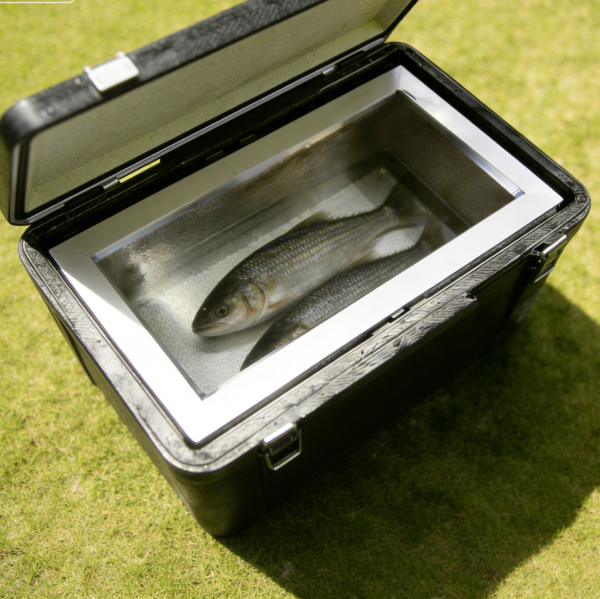
Biaya Kotak Pendingin: Dari Spesifikasi hingga Skala
A sound decision on cool box cost can be reduced to five linked questions: apa yang harus dilindungi, di rute mana, dengan konfigurasi apa yang dimuat, di bawah kendali operasi siapa, dan dengan bukti apa.
Hasilnya adalah kerangka seleksi yang terintegrasi. Ini menggabungkan pendidikan produk, penilaian rekayasa, risiko rute, kualifikasi pemasok, total biaya, dan keberlanjutan sehingga pembeli dapat mengajukan permintaan yang lebih jelas, menjalankan percobaan yang berarti, dan menyetujui konfigurasi dengan lebih sedikit kejutan.
Gunakan lima keputusan untuk mengendalikan pembelian
A complete commercial cool box project can be governed through five decisions. Pertama, menentukan produk yang dilindungi dan kondisi penerimaan. Kedua, mengkarakterisasi jalur dan serah terimanya. Ketiga, merancang paket yang dimuat, termasuk pendingin, hambatan, pemantauan, dan ruang yang dapat digunakan. Keempat, memenuhi syarat pemasok dan bukti. Kelima, membuktikan bahwa operasi dapat direproduksi, membersihkan, kembali, dan menjaga konfigurasinya.
Urutannya penting. Tim membuat pengerjaan ulang ketika mereka memilih sebuah kotak, lalu coba sesuaikan produk dan arahkan ke dalamnya. Dimulai dengan produk dan jalur memungkinkan beberapa arsitektur dibandingkan secara setara. Hal ini juga membuat negosiasi biaya menjadi lebih bermanfaat, karena kutipan tersebut menjelaskan pekerjaan yang ditentukan, bukan wadah umum.
The central tradeoff is a low-cost disposable or basic reusable option may be correct for open one-way routes, while a durable premium system needs enough successful reuse cycles to justify itself. Kerangka kerja ini tidak menghilangkan trade-off; itu membuat mereka eksplisit. Pengadaan dapat memutuskan konsekuensi mana yang dapat diterima, teknik dapat mendokumentasikan dasar teknisnya, kualitas atau keamanan pangan dapat menjadi bukti, dan operasi dapat menguji apakah metode tersebut dapat diulang.
Keputusan 1 Dan 2: menghubungkan persyaratan produk ke jalur
Write a one-page use-case brief for route-specific temperature-sensitive goods and the coolant, jangka pembagi garis, pemantauan, and labels required to move them. Sertakan instruksi produk saat ini, kondisi awal, kuantitas, dimensi karton atau baki, sensitivitas terhadap pembekuan, terlalu panas, lampu, kontaminasi, dampak, atau penundaan, dan proses disposisi untuk bertamasya. Hindari mengimpor rangkaian industri umum ke dalam produk yang memiliki instruksi berbeda.
Then map initial sampling, production purchase, distribusi keluar, kembali, pembersihan, penyimpanan, memperbaiki, dan penggantian. Rekam waktu yang telah berlalu, kondisi eksternal musiman, memanggungkan, lingkungan kendaraan, pembukaan pintu, berhenti menghitung, permukaan perpindahan, perubahan hak asuh, dan menerima penyimpanan. Tambahkan skenario normal dan tantangan realistis. Tantangannya mungkin adalah dermaga yang hangat, penerima yang terlambat, beban parsial, pembukaan berulang, atau serah terima di luar ruangan. Ini harus mewakili hari operasional yang kredibel, bukan kasus terburuk yang dibuat-buat tanpa probabilitas atau respons yang pasti.
Tetapkan setiap risiko pada kemasan, prosedur, peralatan, atau eskalasi. Isolasi dan cairan pendingin dapat menahan paparan lingkungan. Jadwal rute dapat mengurangi waktu tinggal. Unit aktif portabel mungkin lebih sesuai untuk beberapa pergerakan berisiko tinggi. Janji temu penerima dapat menghilangkan penyerahan yang tidak terkendali. Alokasi ini mencegah kotak pasif diminta untuk mengkompensasi setiap kelemahan proses.
Keputusan 3: menyetujui konfigurasi yang dimuat, bukan kotak nominal
Desain yang dimuat harus menyelesaikan masalah kapasitas ini: cost per liter is misleading unless nominal capacity, muatan yang dapat digunakan, kubus luar, berat yang dimuat, and shipping efficiency are normalized. Buat gambar dan mock-up fisik yang menunjukkan orientasi produk, pendingin, hambatan, pemantauan, jangka pembagi garis, toleransi, dan izin penutupan. Hitung atau ukur berat kemasan yang diharapkan. Konfirmasikan kendaraan, rak, palet, troli, dan pintu pas dengan pegangan dan penutup pada posisi pengoperasiannya.
Kontrol suhu lokal dengan menentukan kondisi dan penempatan cairan pendingin. Desainnya harus menghindari kontak langsung yang tidak diinginkan, celah udara yang tidak terkendali, dan komponen yang dapat bergeser. Pekerjaan pengembangan mungkin memerlukan beberapa sensor untuk memetakan beban, namun pemantauan rutin harus menggunakan lokasi tetap yang mewakili keputusan produk yang diperlukan. Pemuatan sebagian memerlukan alternatif yang disetujui daripada versi paket lengkap yang diimprovisasi.
Construction should support material, proses pencetakan, isolasi, perangkat keras, segel, sisipan, menyelesaikan, Kustomisasi, perkakas, and quality-control requirements shape manufacturing cost. Tinjau sambungan tutupnya, jembatan termal, perangkat keras dengan beban tinggi, kemampuan bersih, penggantian komponen, dan kompatibilitas dengan sinar matahari atau bahan kimia jika relevan. Nama material adalah masukan, bukan kesimpulan. Spesifikasi yang disetujui harus menjelaskan konstruksi dengan cukup rinci untuk mempertahankan fungsi selama produksi.
Keputusan 4: memenuhi syarat pemasok dan bukti bersama-sama
Tetapkan siapa yang memiliki desain dan siapa yang mengendalikan pabrik. Pihak komersial mungkin merupakan produsen, eksportir, distributor, atau integrator, tetapi pembeli membutuhkan rute yang jelas menuju gambar, pengendalian materi, inspeksi, cacat, dan mengubah pemberitahuan. Tanyakan komponen mana yang penting dan bagaimana unit produksi dibandingkan dengan sampel yang disetujui.
The request for quotation should cover unit price, perkakas, sampel, aksesoris, pendingin, cetak khusus, kemasan, kargo, tugas, pengujian, dokumentasi, suku cadang, jaminan, dan ketentuan pembayaran. Normalisasikan tagihan bahan dan syarat pengiriman yang disertakan sebelum membandingkan harga. Pisahkan perangkat keras, pendingin, pemantauan, Kustomisasi, perkakas, pengujian, dokumentasi, sedang mengemas, kargo, dan suku cadang. Hal ini membuat pemicu biaya terlihat dan mencegah harga kotak kosong yang rendah dibandingkan dengan kit siap proses.
Request a complete commercial quotation, spesifikasi, bill of included components, metode pengemasan, rencana sampel, performance evidence assumptions, dan istilah kontrol perubahan. Baca laporan pengujian untuk mengetahui kondisinya, bukan berita utama. Periksa muatan, suhu awal, pendingin, profil lingkungan, lamanya, bukaan, posisi sensor, Kriteria penerimaan, dan apakah sampel tersebut mewakili produksi. Catat jarak antara bukti tersebut dan jalur yang dituju sehingga tim dapat memutuskan pekerjaan selanjutnya yang proporsional.
| Gerbang persetujuan | Keluaran minimal | Alasan gerbang itu ada |
|---|---|---|
| Produk dan jalur | Ringkasan kasus penggunaan dengan payload, kondisi, rute, paparan, dan serah terima | Mencegah kotak dipilih sebelum pekerjaan ditentukan |
| Konfigurasi dimuat | Menggambar, daftar komponen, pendingin, hambatan, sensor, berat, dan cocok | Mengubah kapasitas nominal menjadi paket yang dapat direproduksi |
| Pemasok dan bukti | Spesifikasi terkendali, sampel, laporan, dan mengubah aturan | Menghubungkan pasokan komersial ke desain yang disetujui |
| Kesiapan operasi | Sop, pelatihan, pembersihan, menerima, kembali, dan pengecualian | Menunjukkan bahwa orang dapat mengulangi dan mempertahankan metode tersebut |
| Skala dan siklus hidup | Cek lot pertama, peluncuran rute, model biaya, pelacakan aset, pemicu ulasan | Melindungi kinerja dan nilai setelah peluncuran |
Gerbang persetujuan mencegah proyek berpindah langsung dari sampel yang menarik ke pesanan massal. Setiap gerbang menciptakan keluaran nyata dan menutup risiko yang berbeda: kasus penggunaan yang tidak jelas, paket yang tidak dapat direproduksi, pasokan yang tidak terkendali, operasi yang lemah, atau model siklus hidup yang belum terbukti.
Gunakan pedoman peraturan dan teknis tanpa melakukan klaim berlebihan
Panduan resmi membantu menentukan ekspektasi pengendalian, tapi itu tidak mengubah kotak generik menjadi sistem yang disetujui. Petunjuk produk dan peraturan setempat yang berlaku tetap menentukan. File teknis harus menyatakan mengapa setiap referensi relevan dan di mana pengujian spesifik rute atau tinjauan kualitas masih diperlukan.
Keputusan persetujuan harus mengidentifikasi lingkup operasi yang diuji dan kondisi yang memerlukan eskalasi. Ketika bukti tidak lengkap, ubah hal yang tidak diketahui menjadi pertanyaan verifikasi atau batasan operasional daripada mengisi kesenjangan dengan klaim pemasaran yang meyakinkan.
Keputusan 5: buktikan bahwa organisasi dapat mengulangi metode tersebut
Jalankan uji coba dengan pengepakan yang sebenarnya, pengemudi, penerima, staf kebersihan, dan peninjau kualitas atau keamanan pangan. Amati identifikasi komponen, persiapan pendingin, memuat, penempatan monitor, penutup, memanggungkan, pengangkatan, pengekangan, pembukaan, penyerahan, kembali, mencuci, pengeringan, dan inspeksi. Catat solusinya; itu adalah bukti bahwa desain atau instruksi perlu diperbaiki.
Proses pengembalian harus menerapkan persyaratan kebersihan ini: bahan kimia pembersih, waktu mencuci, ruang pengeringan, seal replacement, and the treatment of damaged units belong in the budget. Pisahkan yang kotor, membersihkan, memperbaiki, karantina, dan status pensiun. Tetapkan kriteria pelepasan yang obyektif dan kendalikan bagian yang dapat dilepas. Ukur penyelesaian pembersihan dan ruang penyimpanan sehingga kuantitas armada mencerminkan aset yang benar-benar tersedia, tidak hanya kotak yang dibeli.
Siapkan jalur pengecualian sebelum peluncuran. Staf perlu mengetahui apa yang harus dilakukan bila komponen cairan pendingin hilang, monitornya gagal, penutupnya tidak akan menutup, sebuah kotak rusak, ada kendaraan yang tertunda, penerimanya tidak ada, atau jejak produk menunjukkan perjalanan. Jalur eskalasi yang pendek melindungi proses yang disetujui di bawah tekanan waktu.
Menilai biaya dan keberlanjutan dalam siklus operasi yang sama
Bangun total biaya dari konfigurasi yang disetujui: perangkat keras, perkakas, sampel, pendingin, pemantauan, Label, sedang mengemas, kargo, tugas, tenaga kerja, kubus kendaraan, kembali, pencucian, pengeringan, penyimpanan, memperbaiki, kehilangan, penggantian, dan pemeliharaan bukti. Laporkan biaya per perjalanan yang berhasil berdasarkan kelompok rute. Hal ini menghindari keputusan harga satuan yang sempit dan klaim yang tidak didukung bahwa penggunaan kembali selalu menghemat uang.
The sustainability question is cost and sustainability meet at utilization: a reusable box that circulates reliably can spread its material and purchase cost across trips, while a lost or idle asset cannot. Lacak sirkulasi, jarak kembali, kehilangan, memperbaiki, mencuci sumber daya, pemanfaatan, dan penanganan di akhir masa pakainya. Sistem yang dapat digunakan kembali menciptakan nilai ketika jaringan dapat menjaganya tetap dalam layanan yang terkendali. Ukuran yang tepat, komponen yang dapat diperbaiki, dan penumpukan kembali yang efisien sama pentingnya dengan bahan dasarnya.
Persetujuan komersial dapat mencakup tinjauan sensitivitas. Periksa bagaimana hasilnya berubah ketika return turun, kerusakan meningkat, pergeseran permintaan, atau rute memerlukan ukuran yang berbeda. Hal ini tidak memerlukan data pasar yang diciptakan. It uses the organization's own operating assumptions to identify where the proposal is robust and where a different packaging model should be retained.
Skalakan melalui gerbang yang terkontrol dan ubah pemicu
Gerbang 1 menyetujui gambar singkat dan dimuat kasus penggunaan. Gerbang 2 menyetujui sampel tujuan produksi dan dokumen pemasok. Gerbang 3 menyetujui termal yang relevan, mekanis, pembersihan, dan bukti rute. Gerbang 4 menyetujui SOP, pelatihan, proses pengecualian, dan putaran kembali. Gerbang 5 merilis produksi setelah verifikasi lot pertama. Setiap gerbang memiliki pemilik dan mencatat kriteria penerimaan.
Perluas dengan kelompok rute serupa. Mulailah dengan jalur yang representatif dan tantangan yang kredibel, masalah yang benar, lalu tambahkan situs yang berbagi payload dan eksposur. Jangan berasumsi bahwa satu pilot yang sukses dapat menangani kendaraan yang berbeda, iklim, pola berhenti, produk, atau proses pencucian. Gunakan perbandingan yang terdokumentasi untuk memutuskan apakah bukti yang ada dapat diperluas.
Pertahankan daftar perubahan setelah peluncuran. Karton produk, pendingin, massa muatan, sensor, waktu rute, kimia pembersih, bahan pemasok, segel, perangkat keras, atau perubahan pabrik dapat mempengaruhi baseline. Tetapkan tingkat peninjauan sehingga pembaruan administratif kecil tidak memicu pekerjaan yang tidak perlu sementara perubahan fungsional menerima perbandingan atau kualifikasi ulang yang sesuai.
Pertahankan agar non-asumsi utama tetap terlihat
Jangan berasumsi bahwa kapasitas nominal sama dengan kapasitas muatan, isolasi itu menciptakan suhu produk yang diperlukan, bahwa logger memberikan perlindungan, atau bahwa pengujian dalam kondisi berbeda membuktikan jalur tersebut. Jangan berasumsi bahwa daya tahan sama dengan kesesuaian untuk makanan atau farmasi, or that one program's approval transfers to another. The specific risk here is asking for the cheapest box before defining what the box must do and how often it will be reused.
Ubah setiap non-asumsi menjadi kontrol. Gunakan gambar yang dimuat untuk kapasitas, rencana pendingin yang ditentukan untuk kontrol termal, posisi sensor tetap untuk bukti, perbandingan rute untuk transferabilitas, proses pembersihan dan pemisahan untuk kebersihan, dan spesifikasi terkendali untuk konsistensi produksi. This makes the article's principles actionable in an RFQ and pilot.
Akhirnya, menjaga ketidakpastian dengan jujur. Jika suatu parameter tidak didukung oleh instruksi produk, sumber teknis yang dapat diandalkan, dokumentasi pemasok, atau pengujian, minta pemasok untuk mengonfirmasinya atau merencanakan verifikasi. Menghapus angka yang tidak didukung merupakan rekayasa yang lebih baik dan pengadaan yang lebih baik daripada menghadirkan presisi yang tidak dapat didukung oleh bukti.
Pertanyaan Pengadaan Terintegrasi
Informasi apa yang harus dikirim ke pemasok terlebih dahulu?
Kirim jenis produk dan kondisi yang dibutuhkan, dimensi karton atau muatan, kuantitas, durasi rute, paparan musiman, pola berhenti dan membuka, kendala kendaraan atau rak, preferensi cairan pendingin, kebutuhan pemantauan, metode pembersihan, rencana penggunaan kembali, Kustomisasi, dan volume pesanan. Tandai setiap hal yang tidak diketahui sehingga menjadi pertanyaan proyek, bukan asumsi.
Bagaimana saya mengetahui apakah kotak yang diusulkan terlalu besar atau terlalu kecil?
Bangun paket lengkap dan bandingkan jumlah muatan yang dapat digunakan, berat yang dimuat, kubus luar, kesesuaian kendaraan, perilaku beban parsial, dan menangani. Kotak yang besar dapat membuang cairan pendingin dan ruang; yang kecil mungkin memaksa kompresi atau trip ekstra. Gunakan profil pesanan nyata dan setujui pita beban.
Bukti apa yang paling penting sebelum produksi?
Bukti yang ada harus sesuai dengan risiko yang dominan. Minimal, dimensi kontrol, bahan, komponen, dimuat sesuai, penanganan, pembersihan, dan asumsi termal yang relevan. Jalur layanan kesehatan atau makanan yang berisiko tinggi mungkin juga memerlukan kualifikasi, pemantauan yang dikalibrasi, studi rute, catatan formal, dan persetujuan mutu atau keamanan pangan.
Bagaimana seharusnya kutipan biaya dibandingkan?
Bandingkan bill of material yang sama, ukuran, aksesoris, pendingin, pemantauan, Kustomisasi, pengujian, sedang mengemas, jumlah pesanan, ketentuan pengiriman, asumsi pengangkutan, suku cadang, dan ruang lingkup kendali perubahan. Kemudian menjadi model kerja, kembali, pembersihan, kehilangan, memperbaiki, dan perjalanan yang sukses. Harga satuan cangkang kosong bukanlah perbandingan yang lengkap.
Apa yang harus memicu rekualifikasi atau penilaian ulang?
Perubahan pada instruksi produk, muatan, karton, pendingin, sensor, rute, paparan lingkungan, pola berhenti, pembersihan, bahan, segel, perangkat keras, proses, atau pabrik bisa jadi masalah. Tetapkan pemicu berbasis risiko untuk peninjauan dokumen, perbandingan sampel, pengujian yang ditargetkan, pekerjaan rute, atau rekualifikasi penuh.
Keputusan akhir
Treat cool box cost as a controlled system decision. Tentukan produk dan jalur, menyetujui paket yang dimuat, memenuhi syarat kontrol dan bukti pemasok, buktikan proses operasinya, dan memodelkan biaya dan penggunaan kembali di seluruh perjalanan yang berhasil. Lakukan penskalaan hanya setelah sampel tujuan produksi dan kelompok rute ditinjau. Pendekatan ini menjaga informasi berguna dari pendidikan produk, rekayasa, kepatuhan, Operasi, dan keberlanjutan tanpa bergantung pada klaim universal.
Tentang tempk
Tempk adalah merek kemasan rantai dingin dari Shanghai Tempk Industrial Co., Ltd. Its public portfolio includes gel packs, batu bata es, tas dan liner terisolasi, EPP dan kotak berinsulasi lainnya, kotak es medis, penutup palet, dan kemasan khusus untuk logistik makanan dan perawatan kesehatan. Pembeli dapat memberikan geometri produk, kondisi sasaran, rute, pendingin, pemantauan, penanganan, pembersihan, identifikasi, dan persyaratan komersial sehingga Tempk dapat mengusulkan konfigurasi untuk peninjauan sampel, pengujian, dan diskusi sampel-ke-produksi.
Proyek Langkah Berikutnya
Ask Tempk to review your commercial cool box cost project using the actual payload, rute, paket, kontrol operasi, dan asumsi sumber sebelum penawaran massal diselesaikan.
Pemasok Pengiriman Daging Kotak Es Komersial: Kerangka Berbasis Rute
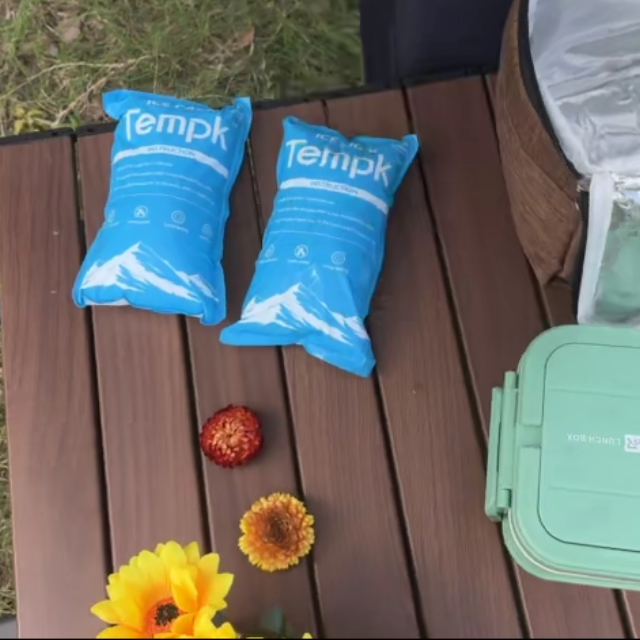
Pemasok Pengiriman Daging Kotak Es Komersial: Kerangka Berbasis Rute
The best commercial ice box meat delivery supplier decision is rarely the box with the highest claimed performance or the lowest price. Ini adalah sistem yang sesuai dengan muatannya, rute, operator, kebutuhan dokumentasi, dan mengembalikan model dengan asumsi tidak terkendali paling sedikit.
Hasilnya adalah kerangka seleksi yang terintegrasi. Ini menggabungkan pendidikan produk, penilaian rekayasa, risiko rute, kualifikasi pemasok, total biaya, dan keberlanjutan sehingga pembeli dapat mengajukan permintaan yang lebih jelas, menjalankan percobaan yang berarti, dan menyetujui konfigurasi dengan lebih sedikit kejutan.
Gunakan lima keputusan untuk mengendalikan pembelian
A complete commercial meat delivery ice box project can be governed through five decisions. Pertama, menentukan produk yang dilindungi dan kondisi penerimaan. Kedua, mengkarakterisasi jalur dan serah terimanya. Ketiga, merancang paket yang dimuat, termasuk pendingin, hambatan, pemantauan, dan ruang yang dapat digunakan. Keempat, memenuhi syarat pemasok dan bukti. Kelima, membuktikan bahwa operasi dapat direproduksi, membersihkan, kembali, dan menjaga konfigurasinya.
Urutannya penting. Tim membuat pengerjaan ulang ketika mereka memilih sebuah kotak, lalu coba sesuaikan produk dan arahkan ke dalamnya. Dimulai dengan produk dan jalur memungkinkan beberapa arsitektur dibandingkan secara setara. Hal ini juga membuat negosiasi biaya menjadi lebih bermanfaat, karena kutipan tersebut menjelaskan pekerjaan yang ditentukan, bukan wadah umum.
The central tradeoff is a tighter seal and thicker insulation may support temperature control, while a design that is too heavy, lambat untuk dibersihkan, or difficult to open can undermine route operations. Kerangka kerja ini tidak menghilangkan trade-off; itu membuat mereka eksplisit. Pengadaan dapat memutuskan konsekuensi mana yang dapat diterima, teknik dapat mendokumentasikan dasar teknisnya, kualitas atau keamanan pangan dapat menjadi bukti, dan operasi dapat menguji apakah metode tersebut dapat diulang.
Keputusan 1 Dan 2: menghubungkan persyaratan produk ke jalur
Write a one-page use-case brief for sealed cuts, nampan, paket vakum, karton, item daging siap saji, or frozen products under a defined food-safety plan. Sertakan instruksi produk saat ini, kondisi awal, kuantitas, dimensi karton atau baki, sensitivitas terhadap pembekuan, terlalu panas, lampu, kontaminasi, dampak, atau penundaan, dan proses disposisi untuk bertamasya. Hindari mengimpor rangkaian industri umum ke dalam produk yang memiliki instruksi berbeda.
Then map cold-room dispatch through loading, vehicle travel, beberapa perhentian, menerima, kembali, pembersihan, dan pengeringan. Rekam waktu yang telah berlalu, kondisi eksternal musiman, memanggungkan, lingkungan kendaraan, pembukaan pintu, berhenti menghitung, permukaan perpindahan, perubahan hak asuh, dan menerima penyimpanan. Tambahkan skenario normal dan tantangan realistis. Tantangannya mungkin adalah dermaga yang hangat, penerima yang terlambat, beban parsial, pembukaan berulang, atau serah terima di luar ruangan. Ini harus mewakili hari operasional yang kredibel, bukan kasus terburuk yang dibuat-buat tanpa probabilitas atau respons yang pasti.
Tetapkan setiap risiko pada kemasan, prosedur, peralatan, atau eskalasi. Isolasi dan cairan pendingin dapat menahan paparan lingkungan. Jadwal rute dapat mengurangi waktu tinggal. Unit aktif portabel mungkin lebih sesuai untuk beberapa pergerakan berisiko tinggi. Janji temu penerima dapat menghilangkan penyerahan yang tidak terkendali. Alokasi ini mencegah kotak pasif diminta untuk mengkompensasi setiap kelemahan proses.
Keputusan 3: menyetujui konfigurasi yang dimuat, bukan kotak nominal
Desain yang dimuat harus menyelesaikan masalah kapasitas ini: usable capacity depends on product carton dimensions, pendingin, absorbent or separation materials, and the need to keep raw products away from ready-to-eat items. Buat gambar dan mock-up fisik yang menunjukkan orientasi produk, pendingin, hambatan, pemantauan, jangka pembagi garis, toleransi, dan izin penutupan. Hitung atau ukur berat kemasan yang diharapkan. Konfirmasikan kendaraan, rak, palet, troli, dan pintu pas dengan pegangan dan penutup pada posisi pengoperasiannya.
Kontrol suhu lokal dengan menentukan kondisi dan penempatan cairan pendingin. Desainnya harus menghindari kontak langsung yang tidak diinginkan, celah udara yang tidak terkendali, dan komponen yang dapat bergeser. Pekerjaan pengembangan mungkin memerlukan beberapa sensor untuk memetakan beban, namun pemantauan rutin harus menggunakan lokasi tetap yang mewakili keputusan produk yang diperlukan. Pemuatan sebagian memerlukan alternatif yang disetujui daripada versi paket lengkap yang diimprovisasi.
Construction should support cleanable interior surfaces, penyegelan tutup, penahanan tumpahan, robust handles, stabilitas tumpukan, drainage decisions, and insulation that remains intact after washing and impact. Tinjau sambungan tutupnya, jembatan termal, perangkat keras dengan beban tinggi, kemampuan bersih, penggantian komponen, dan kompatibilitas dengan sinar matahari atau bahan kimia jika relevan. Nama material adalah masukan, bukan kesimpulan. Spesifikasi yang disetujui harus menjelaskan konstruksi dengan cukup rinci untuk mempertahankan fungsi selama produksi.
Keputusan 4: memenuhi syarat pemasok dan bukti bersama-sama
Tetapkan siapa yang memiliki desain dan siapa yang mengendalikan pabrik. Pihak komersial mungkin merupakan produsen, eksportir, distributor, atau integrator, tetapi pembeli membutuhkan rute yang jelas menuju gambar, pengendalian materi, inspeksi, cacat, dan mengubah pemberitahuan. Tanyakan komponen mana yang penting dan bagaimana unit produksi dibandingkan dengan sampel yang disetujui.
The request for quotation should cover food-contact and material information where relevant, ukuran, berat yang dimuat, metode pembersihan, drain and seal design, pola tumpukan, pendingin, Label, kode warna, dan komponen cadangan. Normalisasikan tagihan bahan dan syarat pengiriman yang disertakan sebelum membandingkan harga. Pisahkan perangkat keras, pendingin, pemantauan, Kustomisasi, perkakas, pengujian, dokumentasi, sedang mengemas, kargo, dan suku cadang. Hal ini membuat pemicu biaya terlihat dan mencegah harga kotak kosong yang rendah dibandingkan dengan kit siap proses.
Request cleaning instructions, informasi materi, seal and drain details, loaded handling guidance, konsistensi sampel, packout test conditions, dan ketersediaan suku cadang pengganti. Baca laporan pengujian untuk mengetahui kondisinya, bukan berita utama. Periksa muatan, suhu awal, pendingin, profil lingkungan, lamanya, bukaan, posisi sensor, Kriteria penerimaan, dan apakah sampel tersebut mewakili produksi. Catat jarak antara bukti tersebut dan jalur yang dituju sehingga tim dapat memutuskan pekerjaan selanjutnya yang proporsional.
| Gerbang persetujuan | Keluaran minimal | Alasan gerbang itu ada |
|---|---|---|
| Produk dan jalur | Ringkasan kasus penggunaan dengan payload, kondisi, rute, paparan, dan serah terima | Mencegah kotak dipilih sebelum pekerjaan ditentukan |
| Konfigurasi dimuat | Menggambar, daftar komponen, pendingin, hambatan, sensor, berat, dan cocok | Mengubah kapasitas nominal menjadi paket yang dapat direproduksi |
| Pemasok dan bukti | Spesifikasi terkendali, sampel, laporan, dan mengubah aturan | Menghubungkan pasokan komersial ke desain yang disetujui |
| Kesiapan operasi | Sop, pelatihan, pembersihan, menerima, kembali, dan pengecualian | Menunjukkan bahwa orang dapat mengulangi dan mempertahankan metode tersebut |
| Skala dan siklus hidup | Cek lot pertama, peluncuran rute, model biaya, pelacakan aset, pemicu ulasan | Melindungi kinerja dan nilai setelah peluncuran |
Gerbang persetujuan mencegah proyek berpindah langsung dari sampel yang menarik ke pesanan massal. Setiap gerbang menciptakan keluaran nyata dan menutup risiko yang berbeda: kasus penggunaan yang tidak jelas, paket yang tidak dapat direproduksi, pasokan yang tidak terkendali, operasi yang lemah, atau model siklus hidup yang belum terbukti.
Gunakan pedoman peraturan dan teknis tanpa melakukan klaim berlebihan
Panduan resmi membantu menentukan ekspektasi pengendalian, tapi itu tidak mengubah kotak generik menjadi sistem yang disetujui. Petunjuk produk dan peraturan setempat yang berlaku tetap menentukan. File teknis harus menyatakan mengapa setiap referensi relevan dan di mana pengujian spesifik rute atau tinjauan kualitas masih diperlukan.
Untuk distribusi makanan, Prinsip transportasi sanitasi FDA menghubungkan desain peralatan dengan kontrol suhu yang diperlukan, kemampuan bersih, dan pencegahan kontaminasi. Oleh karena itu, kotak tersebut harus ditinjau ulang dalam operasi keamanan pangan secara menyeluruh, termasuk pemisahan produk, memuat, kondisi kendaraan, menerima, pembersihan, dan catatan.
Keputusan persetujuan harus mengidentifikasi lingkup operasi yang diuji dan kondisi yang memerlukan eskalasi. Ketika bukti tidak lengkap, ubah hal yang tidak diketahui menjadi pertanyaan verifikasi atau batasan operasional daripada mengisi kesenjangan dengan klaim pemasaran yang meyakinkan.
Keputusan 5: buktikan bahwa organisasi dapat mengulangi metode tersebut
Jalankan uji coba dengan pengepakan yang sebenarnya, pengemudi, penerima, staf kebersihan, dan peninjau kualitas atau keamanan pangan. Amati identifikasi komponen, persiapan pendingin, memuat, penempatan monitor, penutup, memanggungkan, pengangkatan, pengekangan, pembukaan, penyerahan, kembali, mencuci, pengeringan, dan inspeksi. Catat solusinya; itu adalah bukti bahwa desain atau instruksi perlu diperbaiki.
Proses pengembalian harus menerapkan persyaratan kebersihan ini: kemampuan bersih, pemisahan, pengeringan, pengendalian bau, visible inspection, and procedures between loads are central purchasing criteria, not after-sales details. Pisahkan yang kotor, membersihkan, memperbaiki, karantina, dan status pensiun. Tetapkan kriteria pelepasan yang obyektif dan kendalikan bagian yang dapat dilepas. Ukur penyelesaian pembersihan dan ruang penyimpanan sehingga kuantitas armada mencerminkan aset yang benar-benar tersedia, tidak hanya kotak yang dibeli.
Siapkan jalur pengecualian sebelum peluncuran. Staf perlu mengetahui apa yang harus dilakukan bila komponen cairan pendingin hilang, monitornya gagal, penutupnya tidak akan menutup, sebuah kotak rusak, ada kendaraan yang tertunda, penerimanya tidak ada, atau jejak produk menunjukkan perjalanan. Jalur eskalasi yang pendek melindungi proses yang disetujui di bawah tekanan waktu.
Menilai biaya dan keberlanjutan dalam siklus operasi yang sama
Bangun total biaya dari konfigurasi yang disetujui: perangkat keras, perkakas, sampel, pendingin, pemantauan, Label, sedang mengemas, kargo, tugas, tenaga kerja, kubus kendaraan, kembali, pencucian, pengeringan, penyimpanan, memperbaiki, kehilangan, penggantian, dan pemeliharaan bukti. Laporkan biaya per perjalanan yang berhasil berdasarkan kelompok rute. Hal ini menghindari keputusan harga satuan yang sempit dan klaim yang tidak didukung bahwa penggunaan kembali selalu menghemat uang.
The sustainability question is reusable meat boxes can reduce disposable packaging on closed routes, but the wash process, water and energy use, transportasi kembali, kerusakan, and loss must be included in the assessment. Lacak sirkulasi, jarak kembali, kehilangan, memperbaiki, mencuci sumber daya, pemanfaatan, dan penanganan di akhir masa pakainya. Sistem yang dapat digunakan kembali menciptakan nilai ketika jaringan dapat menjaganya tetap dalam layanan yang terkendali. Ukuran yang tepat, komponen yang dapat diperbaiki, dan penumpukan kembali yang efisien sama pentingnya dengan bahan dasarnya.
Persetujuan komersial dapat mencakup tinjauan sensitivitas. Periksa bagaimana hasilnya berubah ketika return turun, kerusakan meningkat, pergeseran permintaan, atau rute memerlukan ukuran yang berbeda. Hal ini tidak memerlukan data pasar yang diciptakan. It uses the organization's own operating assumptions to identify where the proposal is robust and where a different packaging model should be retained.
Skalakan melalui gerbang yang terkontrol dan ubah pemicu
Gerbang 1 menyetujui gambar singkat dan dimuat kasus penggunaan. Gerbang 2 menyetujui sampel tujuan produksi dan dokumen pemasok. Gerbang 3 menyetujui termal yang relevan, mekanis, pembersihan, dan bukti rute. Gerbang 4 menyetujui SOP, pelatihan, proses pengecualian, dan putaran kembali. Gerbang 5 merilis produksi setelah verifikasi lot pertama. Setiap gerbang memiliki pemilik dan mencatat kriteria penerimaan.
Perluas dengan kelompok rute serupa. Mulailah dengan jalur yang representatif dan tantangan yang kredibel, masalah yang benar, lalu tambahkan situs yang berbagi payload dan eksposur. Jangan berasumsi bahwa satu pilot yang sukses dapat menangani kendaraan yang berbeda, iklim, pola berhenti, produk, atau proses pencucian. Gunakan perbandingan yang terdokumentasi untuk memutuskan apakah bukti yang ada dapat diperluas.
Pertahankan daftar perubahan setelah peluncuran. Karton produk, pendingin, massa muatan, sensor, waktu rute, kimia pembersih, bahan pemasok, segel, perangkat keras, atau perubahan pabrik dapat mempengaruhi baseline. Tetapkan tingkat peninjauan sehingga pembaruan administratif kecil tidak memicu pekerjaan yang tidak perlu sementara perubahan fungsional menerima perbandingan atau kualifikasi ulang yang sesuai.
Pertahankan agar non-asumsi utama tetap terlihat
Jangan berasumsi bahwa kapasitas nominal sama dengan kapasitas muatan, isolasi itu menciptakan suhu produk yang diperlukan, bahwa logger memberikan perlindungan, atau bahwa pengujian dalam kondisi berbeda membuktikan jalur tersebut. Jangan berasumsi bahwa daya tahan sama dengan kesesuaian untuk makanan atau farmasi, or that one program's approval transfers to another. The specific risk here is using a box that holds cold air but cannot be cleaned, terkuras, tersendiri, or handled safely under real meat-delivery conditions.
Ubah setiap non-asumsi menjadi kontrol. Gunakan gambar yang dimuat untuk kapasitas, rencana pendingin yang ditentukan untuk kontrol termal, posisi sensor tetap untuk bukti, perbandingan rute untuk transferabilitas, proses pembersihan dan pemisahan untuk kebersihan, dan spesifikasi terkendali untuk konsistensi produksi. This makes the article's principles actionable in an RFQ and pilot.
Akhirnya, menjaga ketidakpastian dengan jujur. Jika suatu parameter tidak didukung oleh instruksi produk, sumber teknis yang dapat diandalkan, dokumentasi pemasok, atau pengujian, minta pemasok untuk mengonfirmasinya atau merencanakan verifikasi. Menghapus angka yang tidak didukung merupakan rekayasa yang lebih baik dan pengadaan yang lebih baik daripada menghadirkan presisi yang tidak dapat didukung oleh bukti.
Pertanyaan Pengadaan Terintegrasi
Informasi apa yang harus dikirim ke pemasok terlebih dahulu?
Kirim jenis produk dan kondisi yang dibutuhkan, dimensi karton atau muatan, kuantitas, durasi rute, paparan musiman, pola berhenti dan membuka, kendala kendaraan atau rak, preferensi cairan pendingin, kebutuhan pemantauan, metode pembersihan, rencana penggunaan kembali, Kustomisasi, dan volume pesanan. Tandai setiap hal yang tidak diketahui sehingga menjadi pertanyaan proyek, bukan asumsi.
Bagaimana saya mengetahui apakah kotak yang diusulkan terlalu besar atau terlalu kecil?
Bangun paket lengkap dan bandingkan jumlah muatan yang dapat digunakan, berat yang dimuat, kubus luar, kesesuaian kendaraan, perilaku beban parsial, dan menangani. Kotak yang besar dapat membuang cairan pendingin dan ruang; yang kecil mungkin memaksa kompresi atau trip ekstra. Gunakan profil pesanan nyata dan setujui pita beban.
Bukti apa yang paling penting sebelum produksi?
Bukti yang ada harus sesuai dengan risiko yang dominan. Minimal, dimensi kontrol, bahan, komponen, dimuat sesuai, penanganan, pembersihan, dan asumsi termal yang relevan. Jalur layanan kesehatan atau makanan yang berisiko tinggi mungkin juga memerlukan kualifikasi, pemantauan yang dikalibrasi, studi rute, catatan formal, dan persetujuan mutu atau keamanan pangan.
Bagaimana seharusnya kutipan biaya dibandingkan?
Bandingkan bill of material yang sama, ukuran, aksesoris, pendingin, pemantauan, Kustomisasi, pengujian, sedang mengemas, jumlah pesanan, ketentuan pengiriman, asumsi pengangkutan, suku cadang, dan ruang lingkup kendali perubahan. Kemudian menjadi model kerja, kembali, pembersihan, kehilangan, memperbaiki, dan perjalanan yang sukses. Harga satuan cangkang kosong bukanlah perbandingan yang lengkap.
Apa yang harus memicu rekualifikasi atau penilaian ulang?
Perubahan pada instruksi produk, muatan, karton, pendingin, sensor, rute, paparan lingkungan, pola berhenti, pembersihan, bahan, segel, perangkat keras, proses, atau pabrik bisa jadi masalah. Tetapkan pemicu berbasis risiko untuk peninjauan dokumen, perbandingan sampel, pengujian yang ditargetkan, pekerjaan rute, atau rekualifikasi penuh.
Keputusan akhir
Treat commercial ice box meat delivery supplier as a controlled system decision. Tentukan produk dan jalur, menyetujui paket yang dimuat, memenuhi syarat kontrol dan bukti pemasok, buktikan proses operasinya, dan memodelkan biaya dan penggunaan kembali di seluruh perjalanan yang berhasil. Lakukan penskalaan hanya setelah sampel tujuan produksi dan kelompok rute ditinjau. Pendekatan ini menjaga informasi berguna dari pendidikan produk, rekayasa, kepatuhan, Operasi, dan keberlanjutan tanpa bergantung pada klaim universal.
Tentang tempk
Tempk adalah merek kemasan rantai dingin dari Shanghai Tempk Industrial Co., Ltd. Its public portfolio includes gel packs, batu bata es, tas dan liner terisolasi, EPP dan kotak berinsulasi lainnya, kotak es medis, penutup palet, dan kemasan khusus untuk logistik makanan dan perawatan kesehatan. Pembeli dapat memberikan geometri produk, kondisi sasaran, rute, pendingin, pemantauan, penanganan, pembersihan, identifikasi, dan persyaratan komersial sehingga Tempk dapat mengusulkan konfigurasi untuk peninjauan sampel, pengujian, dan diskusi sampel-ke-produksi.
Proyek Langkah Berikutnya
Ask Tempk to review your commercial ice boxes for meat delivery project using the actual payload, rute, paket, kontrol operasi, dan asumsi sumber sebelum penawaran massal diselesaikan.