


Biaya Produsen Kotak Es Rantai Dingin: Strategi Pengadaan dan Pengemasan
Biaya Produsen Kotak Es Rantai Dingin: Strategi Pengadaan dan Pengemasan
Biaya Produsen Kotak Es Rantai Dingin: Strategi Pengadaan dan Pengemasan
The best cold chain ice box manufacturer cost decision is rarely the box with the highest claimed performance or the lowest price. Ini adalah sistem yang sesuai dengan muatannya, rute, operator, kebutuhan dokumentasi, dan mengembalikan model dengan asumsi tidak terkendali paling sedikit.
Hasilnya adalah kerangka seleksi yang terintegrasi. Ini menggabungkan pendidikan produk, penilaian rekayasa, risiko rute, kualifikasi pemasok, total biaya, dan keberlanjutan sehingga pembeli dapat mengajukan permintaan yang lebih jelas, menjalankan percobaan yang berarti, dan menyetujui konfigurasi dengan lebih sedikit kejutan.
Gunakan lima keputusan untuk mengendalikan pembelian
Proyek kotak es rantai dingin yang lengkap dapat diatur melalui lima keputusan. Pertama, menentukan produk yang dilindungi dan kondisi penerimaan. Kedua, mengkarakterisasi jalur dan serah terimanya. Ketiga, merancang paket yang dimuat, termasuk pendingin, hambatan, pemantauan, dan ruang yang dapat digunakan. Keempat, memenuhi syarat pemasok dan bukti. Kelima, membuktikan bahwa operasi dapat direproduksi, membersihkan, kembali, dan menjaga konfigurasinya.
Urutannya penting. Tim membuat pengerjaan ulang ketika mereka memilih sebuah kotak, lalu coba sesuaikan produk dan arahkan ke dalamnya. Dimulai dengan produk dan jalur memungkinkan beberapa arsitektur dibandingkan secara setara. Hal ini juga membuat negosiasi biaya menjadi lebih bermanfaat, karena kutipan tersebut menjelaskan pekerjaan yang ditentukan, bukan wadah umum.
Pengorbanannya adalah harga pembelian terendah dapat membawa ongkos angkut yang lebih tinggi, kerusakan, tenaga kerja, kualifikasi, atau biaya penggantian, sementara desain premium mungkin tidak dapat dibenarkan pada rute pendek yang sederhana. Kerangka kerja ini tidak menghilangkan trade-off; itu membuat mereka eksplisit. Pengadaan dapat memutuskan konsekuensi mana yang dapat diterima, teknik dapat mendokumentasikan dasar teknisnya, kualitas atau keamanan pangan dapat menjadi bukti, dan operasi dapat menguji apakah metode tersebut dapat diulang.
Keputusan 1 Dan 2: menghubungkan persyaratan produk ke jalur
Tulis ringkasan kasus penggunaan satu halaman untuk makanan, farmasi, diagnostik, biologis, atau barang industri yang sensitif terhadap suhu. Sertakan instruksi produk saat ini, kondisi awal, kuantitas, dimensi karton atau baki, sensitivitas terhadap pembekuan, terlalu panas, lampu, kontaminasi, dampak, atau penundaan, dan proses disposisi untuk bertamasya. Hindari mengimpor rangkaian industri umum ke dalam produk yang memiliki instruksi berbeda.
Kemudian petakan jalur pelayaran yang ditentukan dengan durasi yang diketahui, paparan lingkungan, serah terima, dan kondisi pengembalian. Rekam waktu yang telah berlalu, kondisi eksternal musiman, memanggungkan, lingkungan kendaraan, pembukaan pintu, berhenti menghitung, permukaan perpindahan, perubahan hak asuh, dan menerima penyimpanan. Tambahkan skenario normal dan tantangan realistis. Tantangannya mungkin adalah dermaga yang hangat, penerima yang terlambat, beban parsial, pembukaan berulang, atau serah terima di luar ruangan. Ini harus mewakili hari operasional yang kredibel, bukan kasus terburuk yang dibuat-buat tanpa probabilitas atau respons yang pasti.
Tetapkan setiap risiko pada kemasan, prosedur, peralatan, atau eskalasi. Isolasi dan cairan pendingin dapat menahan paparan lingkungan. Jadwal rute dapat mengurangi waktu tinggal. Unit aktif portabel mungkin lebih sesuai untuk beberapa pergerakan berisiko tinggi. Janji temu penerima dapat menghilangkan penyerahan yang tidak terkendali. Alokasi ini mencegah kotak pasif diminta untuk mengkompensasi setiap kelemahan proses.
Keputusan 3: menyetujui konfigurasi yang dimuat, bukan kotak nominal
Desain yang dimuat harus menyelesaikan masalah kapasitas ini: perbandingan biaya hanya bermakna jika volume kotor, ruang muatan yang dapat digunakan, dimensi luar, dan konfigurasi yang dimuat semuanya dinyatakan. Buat gambar dan mock-up fisik yang menunjukkan orientasi produk, pendingin, hambatan, pemantauan, jangka pembagi garis, toleransi, dan izin penutupan. Hitung atau ukur berat kemasan yang diharapkan. Konfirmasikan kendaraan, rak, palet, troli, dan pintu pas dengan pegangan dan penutup pada posisi pengoperasiannya.
Kontrol suhu lokal dengan menentukan kondisi dan penempatan cairan pendingin. Desainnya harus menghindari kontak langsung yang tidak diinginkan, celah udara yang tidak terkendali, dan komponen yang dapat bergeser. Pekerjaan pengembangan mungkin memerlukan beberapa sensor untuk memetakan beban, namun pemantauan rutin harus menggunakan lokasi tetap yang mewakili keputusan produk yang diperlukan. Pemuatan sebagian memerlukan alternatif yang disetujui daripada versi paket lengkap yang diimprovisasi.
Konstruksi harus mendukung proses shell, jenis dan ketebalan insulasi, desain tutup dan segel, perangkat keras, masukkan kompleksitas, perkakas, pengendalian toleransi, dan inspeksi produksi semuanya mempengaruhi penawaran harga. Tinjau sambungan tutupnya, jembatan termal, perangkat keras dengan beban tinggi, kemampuan bersih, penggantian komponen, dan kompatibilitas dengan sinar matahari atau bahan kimia jika relevan. Nama material adalah masukan, bukan kesimpulan. Spesifikasi yang disetujui harus menjelaskan konstruksi dengan cukup rinci untuk mempertahankan fungsi selama produksi.
Keputusan 4: memenuhi syarat pemasok dan bukti bersama-sama
Tetapkan siapa yang memiliki desain dan siapa yang mengendalikan pabrik. Pihak komersial mungkin merupakan produsen, eksportir, distributor, atau integrator, tetapi pembeli membutuhkan rute yang jelas menuju gambar, pengendalian materi, inspeksi, cacat, dan mengubah pemberitahuan. Tanyakan komponen mana yang penting dan bagaimana unit produksi dibandingkan dengan sampel yang disetujui.
Permintaan penawaran harus mencakup perkakas, bahan resin atau cangkang, isolasi, ukuran, aksesoris, kemasan, jumlah pesanan, Kustomisasi, ruang lingkup pengujian, biaya sampel, Incoterms, dan asumsi pengangkutan. Normalisasikan tagihan bahan dan syarat pengiriman yang disertakan sebelum membandingkan harga. Pisahkan perangkat keras, pendingin, pemantauan, Kustomisasi, perkakas, pengujian, dokumentasi, sedang mengemas, kargo, dan suku cadang. Hal ini membuat pemicu biaya terlihat dan mencegah harga kotak kosong yang rendah dibandingkan dengan kit siap proses.
Minta bill of material yang transparan, asumsi perkakas, spesifikasi dimensi, daftar aksesori, metode pengepakan, ruang lingkup pengujian, kontrol kualitas, dan aturan untuk perubahan material atau proses di masa depan. Baca laporan pengujian untuk mengetahui kondisinya, bukan berita utama. Periksa muatan, suhu awal, pendingin, profil lingkungan, lamanya, bukaan, posisi sensor, Kriteria penerimaan, dan apakah sampel tersebut mewakili produksi. Catat jarak antara bukti tersebut dan jalur yang dituju sehingga tim dapat memutuskan pekerjaan selanjutnya yang proporsional.
| Gerbang persetujuan | Keluaran minimal | Alasan gerbang itu ada |
|---|---|---|
| Produk dan jalur | Ringkasan kasus penggunaan dengan payload, kondisi, rute, paparan, dan serah terima | Mencegah kotak dipilih sebelum pekerjaan ditentukan |
| Konfigurasi dimuat | Menggambar, daftar komponen, pendingin, hambatan, sensor, berat, dan cocok | Mengubah kapasitas nominal menjadi paket yang dapat direproduksi |
| Pemasok dan bukti | Spesifikasi terkendali, sampel, laporan, dan mengubah aturan | Menghubungkan pasokan komersial ke desain yang disetujui |
| Kesiapan operasi | Sop, pelatihan, pembersihan, menerima, kembali, dan pengecualian | Menunjukkan bahwa orang dapat mengulangi dan mempertahankan metode tersebut |
| Skala dan siklus hidup | Cek lot pertama, peluncuran rute, model biaya, pelacakan aset, pemicu ulasan | Melindungi kinerja dan nilai setelah peluncuran |
Gerbang persetujuan mencegah proyek berpindah langsung dari sampel yang menarik ke pesanan massal. Setiap gerbang menciptakan keluaran nyata dan menutup risiko yang berbeda: kasus penggunaan yang tidak jelas, paket yang tidak dapat direproduksi, pasokan yang tidak terkendali, operasi yang lemah, atau model siklus hidup yang belum terbukti.
Gunakan pedoman peraturan dan teknis tanpa melakukan klaim berlebihan
Panduan resmi membantu menentukan ekspektasi pengendalian, tapi itu tidak mengubah kotak generik menjadi sistem yang disetujui. Petunjuk produk dan peraturan setempat yang berlaku tetap menentukan. File teknis harus menyatakan mengapa setiap referensi relevan dan di mana pengujian spesifik rute atau tinjauan kualitas masih diperlukan.
Keputusan persetujuan harus mengidentifikasi lingkup operasi yang diuji dan kondisi yang memerlukan eskalasi. Ketika bukti tidak lengkap, ubah hal yang tidak diketahui menjadi pertanyaan verifikasi atau batasan operasional daripada mengisi kesenjangan dengan klaim pemasaran yang meyakinkan.
Keputusan 5: buktikan bahwa organisasi dapat mengulangi metode tersebut
Jalankan uji coba dengan pengepakan yang sebenarnya, pengemudi, penerima, staf kebersihan, dan peninjau kualitas atau keamanan pangan. Amati identifikasi komponen, persiapan pendingin, memuat, penempatan monitor, penutup, memanggungkan, pengangkatan, pengekangan, pembukaan, penyerahan, kembali, mencuci, pengeringan, dan inspeksi. Catat solusinya; itu adalah bukti bahwa desain atau instruksi perlu diperbaiki.
Proses pengembalian harus menerapkan persyaratan kebersihan ini: kebersihan dan waktu pengeringan menimbulkan biaya tenaga kerja yang berulang; tikungan yang sulit, kerusakan penyerap, atau segel yang tidak dapat diganti dapat membuat kotak dengan harga murah menjadi mahal dalam pengoperasiannya. Pisahkan yang kotor, membersihkan, memperbaiki, karantina, dan status pensiun. Tetapkan kriteria pelepasan yang obyektif dan kendalikan bagian yang dapat dilepas. Ukur penyelesaian pembersihan dan ruang penyimpanan sehingga kuantitas armada mencerminkan aset yang benar-benar tersedia, tidak hanya kotak yang dibeli.
Siapkan jalur pengecualian sebelum peluncuran. Staf perlu mengetahui apa yang harus dilakukan bila komponen cairan pendingin hilang, monitornya gagal, penutupnya tidak akan menutup, sebuah kotak rusak, ada kendaraan yang tertunda, penerimanya tidak ada, atau jejak produk menunjukkan perjalanan. Jalur eskalasi yang pendek melindungi proses yang disetujui di bawah tekanan waktu.
Menilai biaya dan keberlanjutan dalam siklus operasi yang sama
Bangun total biaya dari konfigurasi yang disetujui: perangkat keras, perkakas, sampel, pendingin, pemantauan, Label, sedang mengemas, kargo, tugas, tenaga kerja, kubus kendaraan, kembali, pencucian, pengeringan, penyimpanan, memperbaiki, kehilangan, penggantian, dan pemeliharaan bukti. Laporkan biaya per perjalanan yang berhasil berdasarkan kelompok rute. Hal ini menghindari keputusan harga satuan yang sempit dan klaim yang tidak didukung bahwa penggunaan kembali selalu menghemat uang.
Pertanyaan keberlanjutan adalah penggunaan kembali menciptakan nilai hanya ketika tingkat pengembalian, inspeksi, pembersihan, memperbaiki, dan pelacakan aset dikendalikan; jika tidak, bisnis tersebut dapat membayar untuk kemasan tahan lama yang hanya digunakan satu kali. Lacak sirkulasi, jarak kembali, kehilangan, memperbaiki, mencuci sumber daya, pemanfaatan, dan penanganan di akhir masa pakainya. Sistem yang dapat digunakan kembali menciptakan nilai ketika jaringan dapat menjaganya tetap dalam layanan yang terkendali. Ukuran yang tepat, komponen yang dapat diperbaiki, dan penumpukan kembali yang efisien sama pentingnya dengan bahan dasarnya.
Persetujuan komersial dapat mencakup tinjauan sensitivitas. Periksa bagaimana hasilnya berubah ketika return turun, kerusakan meningkat, pergeseran permintaan, atau rute memerlukan ukuran yang berbeda. Hal ini tidak memerlukan data pasar yang diciptakan. It uses the organization's own operating assumptions to identify where the proposal is robust and where a different packaging model should be retained.
Skalakan melalui gerbang yang terkontrol dan ubah pemicu
Gerbang 1 menyetujui gambar singkat dan dimuat kasus penggunaan. Gerbang 2 menyetujui sampel tujuan produksi dan dokumen pemasok. Gerbang 3 menyetujui termal yang relevan, mekanis, pembersihan, dan bukti rute. Gerbang 4 menyetujui SOP, pelatihan, proses pengecualian, dan putaran kembali. Gerbang 5 merilis produksi setelah verifikasi lot pertama. Setiap gerbang memiliki pemilik dan mencatat kriteria penerimaan.
Perluas dengan kelompok rute serupa. Mulailah dengan jalur yang representatif dan tantangan yang kredibel, masalah yang benar, lalu tambahkan situs yang berbagi payload dan eksposur. Jangan berasumsi bahwa satu pilot yang sukses dapat menangani kendaraan yang berbeda, iklim, pola berhenti, produk, atau proses pencucian. Gunakan perbandingan yang terdokumentasi untuk memutuskan apakah bukti yang ada dapat diperluas.
Pertahankan daftar perubahan setelah peluncuran. Karton produk, pendingin, massa muatan, sensor, waktu rute, kimia pembersih, bahan pemasok, segel, perangkat keras, atau perubahan pabrik dapat mempengaruhi baseline. Tetapkan tingkat peninjauan sehingga pembaruan administratif kecil tidak memicu pekerjaan yang tidak perlu sementara perubahan fungsional menerima perbandingan atau kualifikasi ulang yang sesuai.
Pertahankan agar non-asumsi utama tetap terlihat
Jangan berasumsi bahwa kapasitas nominal sama dengan kapasitas muatan, isolasi itu menciptakan suhu produk yang diperlukan, bahwa logger memberikan perlindungan, atau bahwa pengujian dalam kondisi berbeda membuktikan jalur tersebut. Jangan berasumsi bahwa daya tahan sama dengan kesesuaian untuk makanan atau farmasi, or that one program's approval transfers to another. Risiko spesifiknya di sini adalah membandingkan dua harga yang menggambarkan produk berbeda, set aksesori, asumsi muatan, atau kondisi pengujian.
Ubah setiap non-asumsi menjadi kontrol. Gunakan gambar yang dimuat untuk kapasitas, rencana pendingin yang ditentukan untuk kontrol termal, posisi sensor tetap untuk bukti, perbandingan rute untuk transferabilitas, proses pembersihan dan pemisahan untuk kebersihan, dan spesifikasi terkendali untuk konsistensi produksi. This makes the article's principles actionable in an RFQ and pilot.
Akhirnya, menjaga ketidakpastian dengan jujur. Jika suatu parameter tidak didukung oleh instruksi produk, sumber teknis yang dapat diandalkan, dokumentasi pemasok, atau pengujian, minta pemasok untuk mengonfirmasinya atau merencanakan verifikasi. Menghapus angka yang tidak didukung merupakan rekayasa yang lebih baik dan pengadaan yang lebih baik daripada menghadirkan presisi yang tidak dapat didukung oleh bukti.
Pertanyaan Pengadaan Terintegrasi
Informasi apa yang harus dikirim ke pemasok terlebih dahulu?
Kirim jenis produk dan kondisi yang dibutuhkan, dimensi karton atau muatan, kuantitas, durasi rute, paparan musiman, pola berhenti dan membuka, kendala kendaraan atau rak, preferensi cairan pendingin, kebutuhan pemantauan, metode pembersihan, rencana penggunaan kembali, Kustomisasi, dan volume pesanan. Tandai setiap hal yang tidak diketahui sehingga menjadi pertanyaan proyek, bukan asumsi.
Bagaimana saya mengetahui apakah kotak yang diusulkan terlalu besar atau terlalu kecil?
Bangun paket lengkap dan bandingkan jumlah muatan yang dapat digunakan, berat yang dimuat, kubus luar, kesesuaian kendaraan, perilaku beban parsial, dan menangani. Kotak yang besar dapat membuang cairan pendingin dan ruang; yang kecil mungkin memaksa kompresi atau trip ekstra. Gunakan profil pesanan nyata dan setujui pita beban.
Bukti apa yang paling penting sebelum produksi?
Bukti yang ada harus sesuai dengan risiko yang dominan. Minimal, dimensi kontrol, bahan, komponen, dimuat sesuai, penanganan, pembersihan, dan asumsi termal yang relevan. Jalur layanan kesehatan atau makanan yang berisiko tinggi mungkin juga memerlukan kualifikasi, pemantauan yang dikalibrasi, studi rute, catatan formal, dan persetujuan mutu atau keamanan pangan.
Bagaimana seharusnya kutipan biaya dibandingkan?
Bandingkan bill of material yang sama, ukuran, aksesoris, pendingin, pemantauan, Kustomisasi, pengujian, sedang mengemas, jumlah pesanan, ketentuan pengiriman, asumsi pengangkutan, suku cadang, dan ruang lingkup kendali perubahan. Kemudian menjadi model kerja, kembali, pembersihan, kehilangan, memperbaiki, dan perjalanan yang sukses. Harga satuan cangkang kosong bukanlah perbandingan yang lengkap.
Apa yang harus memicu rekualifikasi atau penilaian ulang?
Perubahan pada instruksi produk, muatan, karton, pendingin, sensor, rute, paparan lingkungan, pola berhenti, pembersihan, bahan, segel, perangkat keras, proses, atau pabrik bisa jadi masalah. Tetapkan pemicu berbasis risiko untuk peninjauan dokumen, perbandingan sampel, pengujian yang ditargetkan, pekerjaan rute, atau rekualifikasi penuh.
Keputusan akhir
Treat cold chain ice box manufacturer cost as a controlled system decision. Tentukan produk dan jalur, menyetujui paket yang dimuat, memenuhi syarat kontrol dan bukti pemasok, buktikan proses operasinya, dan memodelkan biaya dan penggunaan kembali di seluruh perjalanan yang berhasil. Lakukan penskalaan hanya setelah sampel tujuan produksi dan kelompok rute ditinjau. Pendekatan ini menjaga informasi berguna dari pendidikan produk, rekayasa, kepatuhan, Operasi, dan keberlanjutan tanpa bergantung pada klaim universal.
Tentang tempk
Tempk adalah merek kemasan rantai dingin dari Shanghai Tempk Industrial Co., Ltd. Its public portfolio includes gel packs, batu bata es, tas dan liner terisolasi, EPP dan kotak berinsulasi lainnya, kotak es medis, penutup palet, dan kemasan khusus untuk logistik makanan dan perawatan kesehatan. Pembeli dapat memberikan geometri produk, kondisi sasaran, rute, pendingin, pemantauan, penanganan, pembersihan, identifikasi, dan persyaratan komersial sehingga Tempk dapat mengusulkan konfigurasi untuk peninjauan sampel, pengujian, dan diskusi sampel-ke-produksi.
Proyek Langkah Berikutnya
Minta Tempk untuk meninjau proyek biaya pembuatan kotak es rantai dingin Anda menggunakan muatan sebenarnya, rute, paket, kontrol operasi, dan asumsi sumber sebelum penawaran massal diselesaikan.
40 Produsen Kotak Es Terisolasi Liter: Kerangka Berbasis Rute

40 Produsen Kotak Es Terisolasi Liter: Kerangka Berbasis Rute
Terbaik 40 liter insulated ice box manufacturer decision is rarely the box with the highest claimed performance or the lowest price. Ini adalah sistem yang sesuai dengan muatannya, rute, operator, kebutuhan dokumentasi, dan mengembalikan model dengan asumsi tidak terkendali paling sedikit.
Hasilnya adalah kerangka seleksi yang terintegrasi. Ini menggabungkan pendidikan produk, penilaian rekayasa, risiko rute, kualifikasi pemasok, total biaya, dan keberlanjutan sehingga pembeli dapat mengajukan permintaan yang lebih jelas, menjalankan percobaan yang berarti, dan menyetujui konfigurasi dengan lebih sedikit kejutan.
Gunakan lima keputusan untuk mengendalikan pembelian
Lengkap 40 liter insulated ice box project can be governed through five decisions. Pertama, menentukan produk yang dilindungi dan kondisi penerimaan. Kedua, mengkarakterisasi jalur dan serah terimanya. Ketiga, merancang paket yang dimuat, termasuk pendingin, hambatan, pemantauan, dan ruang yang dapat digunakan. Keempat, memenuhi syarat pemasok dan bukti. Kelima, membuktikan bahwa operasi dapat direproduksi, membersihkan, kembali, dan menjaga konfigurasinya.
Urutannya penting. Tim membuat pengerjaan ulang ketika mereka memilih sebuah kotak, lalu coba sesuaikan produk dan arahkan ke dalamnya. Dimulai dengan produk dan jalur memungkinkan beberapa arsitektur dibandingkan secara setara. Hal ini juga membuat negosiasi biaya menjadi lebih bermanfaat, karena kutipan tersebut menjelaskan pekerjaan yang ditentukan, bukan wadah umum.
The central tradeoff is more insulation can improve thermal resistance but reduces internal space or increases external dimensions and freight volume. Kerangka kerja ini tidak menghilangkan trade-off; itu membuat mereka eksplisit. Pengadaan dapat memutuskan konsekuensi mana yang dapat diterima, teknik dapat mendokumentasikan dasar teknisnya, kualitas atau keamanan pangan dapat menjadi bukti, dan operasi dapat menguji apakah metode tersebut dapat diulang.
Keputusan 1 Dan 2: menghubungkan persyaratan produk ke jalur
Write a one-page use-case brief for cartons, kantong, botol, komponen makanan, sampel, Paket gel, Paket PCM, atau barang yang sensitif terhadap suhu lainnya. Sertakan instruksi produk saat ini, kondisi awal, kuantitas, dimensi karton atau baki, sensitivitas terhadap pembekuan, terlalu panas, lampu, kontaminasi, dampak, atau penundaan, dan proses disposisi untuk bertamasya. Hindari mengimpor rangkaian industri umum ke dalam produk yang memiliki instruksi berbeda.
Then map warehouse-to-vehicle-to-destination movements with loading, memanggungkan, and repeated opening risks. Rekam waktu yang telah berlalu, kondisi eksternal musiman, memanggungkan, lingkungan kendaraan, pembukaan pintu, berhenti menghitung, permukaan perpindahan, perubahan hak asuh, dan menerima penyimpanan. Tambahkan skenario normal dan tantangan realistis. Tantangannya mungkin adalah dermaga yang hangat, penerima yang terlambat, beban parsial, pembukaan berulang, atau serah terima di luar ruangan. Ini harus mewakili hari operasional yang kredibel, bukan kasus terburuk yang dibuat-buat tanpa probabilitas atau respons yang pasti.
Tetapkan setiap risiko pada kemasan, prosedur, peralatan, atau eskalasi. Isolasi dan cairan pendingin dapat menahan paparan lingkungan. Jadwal rute dapat mengurangi waktu tinggal. Unit aktif portabel mungkin lebih sesuai untuk beberapa pergerakan berisiko tinggi. Janji temu penerima dapat menghilangkan penyerahan yang tidak terkendali. Alokasi ini mencegah kotak pasif diminta untuk mengkompensasi setiap kelemahan proses.
Keputusan 3: menyetujui konfigurasi yang dimuat, bukan kotak nominal
Desain yang dimuat harus menyelesaikan masalah kapasitas ini: forty liters is normally a nominal size description; the usable payload depends on internal dimensions, ketebalan dinding, penempatan cairan pendingin, jangka pembagi garis, and the shape of the goods. Buat gambar dan mock-up fisik yang menunjukkan orientasi produk, pendingin, hambatan, pemantauan, jangka pembagi garis, toleransi, dan izin penutupan. Hitung atau ukur berat kemasan yang diharapkan. Konfirmasikan kendaraan, rak, palet, troli, dan pintu pas dengan pegangan dan penutup pada posisi pengoperasiannya.
Kontrol suhu lokal dengan menentukan kondisi dan penempatan cairan pendingin. Desainnya harus menghindari kontak langsung yang tidak diinginkan, celah udara yang tidak terkendali, dan komponen yang dapat bergeser. Pekerjaan pengembangan mungkin memerlukan beberapa sensor untuk memetakan beban, namun pemantauan rutin harus menggunakan lokasi tetap yang mewakili keputusan produk yang diperlukan. Pemuatan sebagian memerlukan alternatif yang disetujui daripada versi paket lengkap yang diimprovisasi.
Construction should support wall and lid insulation continuity, kompresi penutupan, hinge and handle loading, base stiffness, stack contact areas, and internal geometry that avoids unusable corners. Tinjau sambungan tutupnya, jembatan termal, perangkat keras dengan beban tinggi, kemampuan bersih, penggantian komponen, dan kompatibilitas dengan sinar matahari atau bahan kimia jika relevan. Nama material adalah masukan, bukan kesimpulan. Spesifikasi yang disetujui harus menjelaskan konstruksi dengan cukup rinci untuk mempertahankan fungsi selama produksi.
Keputusan 4: memenuhi syarat pemasok dan bukti bersama-sama
Tetapkan siapa yang memiliki desain dan siapa yang mengendalikan pabrik. Pihak komersial mungkin merupakan produsen, eksportir, distributor, atau integrator, tetapi pembeli membutuhkan rute yang jelas menuju gambar, pengendalian materi, inspeksi, cacat, dan mengubah pemberitahuan. Tanyakan komponen mana yang penting dan bagaimana unit produksi dibandingkan dengan sampel yang disetujui.
Permintaan penawaran harus mencakup dimensi internal dan eksternal, berat kosong, closure and handle design, struktur isolasi, kompatibilitas cairan pendingin, aksesoris, paket karton, pola palet, Kustomisasi, dan menguji asumsi. Normalisasikan tagihan bahan dan syarat pengiriman yang disertakan sebelum membandingkan harga. Pisahkan perangkat keras, pendingin, pemantauan, Kustomisasi, perkakas, pengujian, dokumentasi, sedang mengemas, kargo, dan suku cadang. Hal ini membuat pemicu biaya terlihat dan mencegah harga kotak kosong yang rendah dibandingkan dengan kit siap proses.
Minta gambar dimensi, berat kosong, material and insulation descriptions, load and closure details, konsistensi sampel, and thermal test conditions for any performance statement. Baca laporan pengujian untuk mengetahui kondisinya, bukan berita utama. Periksa muatan, suhu awal, pendingin, profil lingkungan, lamanya, bukaan, posisi sensor, Kriteria penerimaan, dan apakah sampel tersebut mewakili produksi. Catat jarak antara bukti tersebut dan jalur yang dituju sehingga tim dapat memutuskan pekerjaan selanjutnya yang proporsional.
| Gerbang persetujuan | Keluaran minimal | Alasan gerbang itu ada |
|---|---|---|
| Produk dan jalur | Ringkasan kasus penggunaan dengan payload, kondisi, rute, paparan, dan serah terima | Mencegah kotak dipilih sebelum pekerjaan ditentukan |
| Konfigurasi dimuat | Menggambar, daftar komponen, pendingin, hambatan, sensor, berat, dan cocok | Mengubah kapasitas nominal menjadi paket yang dapat direproduksi |
| Pemasok dan bukti | Spesifikasi terkendali, sampel, laporan, dan mengubah aturan | Menghubungkan pasokan komersial ke desain yang disetujui |
| Kesiapan operasi | Sop, pelatihan, pembersihan, menerima, kembali, dan pengecualian | Menunjukkan bahwa orang dapat mengulangi dan mempertahankan metode tersebut |
| Skala dan siklus hidup | Cek lot pertama, peluncuran rute, model biaya, pelacakan aset, pemicu ulasan | Melindungi kinerja dan nilai setelah peluncuran |
Gerbang persetujuan mencegah proyek berpindah langsung dari sampel yang menarik ke pesanan massal. Setiap gerbang menciptakan keluaran nyata dan menutup risiko yang berbeda: kasus penggunaan yang tidak jelas, paket yang tidak dapat direproduksi, pasokan yang tidak terkendali, operasi yang lemah, atau model siklus hidup yang belum terbukti.
Gunakan pedoman peraturan dan teknis tanpa melakukan klaim berlebihan
Panduan resmi membantu menentukan ekspektasi pengendalian, tapi itu tidak mengubah kotak generik menjadi sistem yang disetujui. Petunjuk produk dan peraturan setempat yang berlaku tetap menentukan. File teknis harus menyatakan mengapa setiap referensi relevan dan di mana pengujian spesifik rute atau tinjauan kualitas masih diperlukan.
Untuk distribusi makanan, Prinsip transportasi sanitasi FDA menghubungkan desain peralatan dengan kontrol suhu yang diperlukan, kemampuan bersih, dan pencegahan kontaminasi. Oleh karena itu, kotak tersebut harus ditinjau ulang dalam operasi keamanan pangan secara menyeluruh, termasuk pemisahan produk, memuat, kondisi kendaraan, menerima, pembersihan, dan catatan.
Untuk produk obat, Panduan PDB UE mengharapkan kondisi penyimpanan yang diperlukan dipertahankan selama pengangkutan melalui seleksi berbasis risiko, peralatan yang sesuai, pemantauan, penilaian rute, dan kualifikasi bila diperlukan. Transportasi udara dapat menambah waktu IATA- dan prosedur kargo yang sensitif terhadap suhu. Kerangka kerja ini memandu bukti dan tanggung jawab; mereka tidak menciptakan kesesuaian universal.
Keputusan persetujuan harus mengidentifikasi lingkup operasi yang diuji dan kondisi yang memerlukan eskalasi. Ketika bukti tidak lengkap, ubah hal yang tidak diketahui menjadi pertanyaan verifikasi atau batasan operasional daripada mengisi kesenjangan dengan klaim pemasaran yang meyakinkan.
Keputusan 5: buktikan bahwa organisasi dapat mengulangi metode tersebut
Jalankan uji coba dengan pengepakan yang sebenarnya, pengemudi, penerima, staf kebersihan, dan peninjau kualitas atau keamanan pangan. Amati identifikasi komponen, persiapan pendingin, memuat, penempatan monitor, penutup, memanggungkan, pengangkatan, pengekangan, pembukaan, penyerahan, kembali, mencuci, pengeringan, dan inspeksi. Catat solusinya; itu adalah bukti bahwa desain atau instruksi perlu diperbaiki.
Proses pengembalian harus menerapkan persyaratan kebersihan ini: smooth interior surfaces, removable components, drain or spill-management details where appropriate, and access to corners determine whether the box can be cleaned consistently. Pisahkan yang kotor, membersihkan, memperbaiki, karantina, dan status pensiun. Tetapkan kriteria pelepasan yang obyektif dan kendalikan bagian yang dapat dilepas. Ukur penyelesaian pembersihan dan ruang penyimpanan sehingga kuantitas armada mencerminkan aset yang benar-benar tersedia, tidak hanya kotak yang dibeli.
Siapkan jalur pengecualian sebelum peluncuran. Staf perlu mengetahui apa yang harus dilakukan bila komponen cairan pendingin hilang, monitornya gagal, penutupnya tidak akan menutup, sebuah kotak rusak, ada kendaraan yang tertunda, penerimanya tidak ada, atau jejak produk menunjukkan perjalanan. Jalur eskalasi yang pendek melindungi proses yang disetujui di bawah tekanan waktu.
Menilai biaya dan keberlanjutan dalam siklus operasi yang sama
Bangun total biaya dari konfigurasi yang disetujui: perangkat keras, perkakas, sampel, pendingin, pemantauan, Label, sedang mengemas, kargo, tugas, tenaga kerja, kubus kendaraan, kembali, pencucian, pengeringan, penyimpanan, memperbaiki, kehilangan, penggantian, dan pemeliharaan bukti. Laporkan biaya per perjalanan yang berhasil berdasarkan kelompok rute. Hal ini menghindari keputusan harga satuan yang sempit dan klaim yang tidak didukung bahwa penggunaan kembali selalu menghemat uang.
Pertanyaan keberlanjutan adalah a 40 liter reusable box can displace many single-use packs on stable loops, but return distance, pekerjaan kebersihan, tingkat kerusakan, ruang penyimpanan, and backhaul utilization determine the actual result. Lacak sirkulasi, jarak kembali, kehilangan, memperbaiki, mencuci sumber daya, pemanfaatan, dan penanganan di akhir masa pakainya. Sistem yang dapat digunakan kembali menciptakan nilai ketika jaringan dapat menjaganya tetap dalam layanan yang terkendali. Ukuran yang tepat, komponen yang dapat diperbaiki, dan penumpukan kembali yang efisien sama pentingnya dengan bahan dasarnya.
Persetujuan komersial dapat mencakup tinjauan sensitivitas. Periksa bagaimana hasilnya berubah ketika return turun, kerusakan meningkat, pergeseran permintaan, atau rute memerlukan ukuran yang berbeda. Hal ini tidak memerlukan data pasar yang diciptakan. It uses the organization's own operating assumptions to identify where the proposal is robust and where a different packaging model should be retained.
Skalakan melalui gerbang yang terkontrol dan ubah pemicu
Gerbang 1 menyetujui gambar singkat dan dimuat kasus penggunaan. Gerbang 2 menyetujui sampel tujuan produksi dan dokumen pemasok. Gerbang 3 menyetujui termal yang relevan, mekanis, pembersihan, dan bukti rute. Gerbang 4 menyetujui SOP, pelatihan, proses pengecualian, dan putaran kembali. Gerbang 5 merilis produksi setelah verifikasi lot pertama. Setiap gerbang memiliki pemilik dan mencatat kriteria penerimaan.
Perluas dengan kelompok rute serupa. Mulailah dengan jalur yang representatif dan tantangan yang kredibel, masalah yang benar, lalu tambahkan situs yang berbagi payload dan eksposur. Jangan berasumsi bahwa satu pilot yang sukses dapat menangani kendaraan yang berbeda, iklim, pola berhenti, produk, atau proses pencucian. Gunakan perbandingan yang terdokumentasi untuk memutuskan apakah bukti yang ada dapat diperluas.
Pertahankan daftar perubahan setelah peluncuran. Karton produk, pendingin, massa muatan, sensor, waktu rute, kimia pembersih, bahan pemasok, segel, perangkat keras, atau perubahan pabrik dapat mempengaruhi baseline. Tetapkan tingkat peninjauan sehingga pembaruan administratif kecil tidak memicu pekerjaan yang tidak perlu sementara perubahan fungsional menerima perbandingan atau kualifikasi ulang yang sesuai.
Pertahankan agar non-asumsi utama tetap terlihat
Jangan berasumsi bahwa kapasitas nominal sama dengan kapasitas muatan, isolasi itu menciptakan suhu produk yang diperlukan, bahwa logger memberikan perlindungan, atau bahwa pengujian dalam kondisi berbeda membuktikan jalur tersebut. Jangan berasumsi bahwa daya tahan sama dengan kesesuaian untuk makanan atau farmasi, or that one program's approval transfers to another. The specific risk here is buying by nominal liters and discovering that the real payload does not fit once the thermal system is assembled.
Ubah setiap non-asumsi menjadi kontrol. Gunakan gambar yang dimuat untuk kapasitas, rencana pendingin yang ditentukan untuk kontrol termal, posisi sensor tetap untuk bukti, perbandingan rute untuk transferabilitas, proses pembersihan dan pemisahan untuk kebersihan, dan spesifikasi terkendali untuk konsistensi produksi. This makes the article's principles actionable in an RFQ and pilot.
Akhirnya, menjaga ketidakpastian dengan jujur. Jika suatu parameter tidak didukung oleh instruksi produk, sumber teknis yang dapat diandalkan, dokumentasi pemasok, atau pengujian, minta pemasok untuk mengonfirmasinya atau merencanakan verifikasi. Menghapus angka yang tidak didukung merupakan rekayasa yang lebih baik dan pengadaan yang lebih baik daripada menghadirkan presisi yang tidak dapat didukung oleh bukti.
Pertanyaan Pengadaan Terintegrasi
Informasi apa yang harus dikirim ke pemasok terlebih dahulu?
Kirim jenis produk dan kondisi yang dibutuhkan, dimensi karton atau muatan, kuantitas, durasi rute, paparan musiman, pola berhenti dan membuka, kendala kendaraan atau rak, preferensi cairan pendingin, kebutuhan pemantauan, metode pembersihan, rencana penggunaan kembali, Kustomisasi, dan volume pesanan. Tandai setiap hal yang tidak diketahui sehingga menjadi pertanyaan proyek, bukan asumsi.
Bagaimana saya mengetahui apakah kotak yang diusulkan terlalu besar atau terlalu kecil?
Bangun paket lengkap dan bandingkan jumlah muatan yang dapat digunakan, berat yang dimuat, kubus luar, kesesuaian kendaraan, perilaku beban parsial, dan menangani. Kotak yang besar dapat membuang cairan pendingin dan ruang; yang kecil mungkin memaksa kompresi atau trip ekstra. Gunakan profil pesanan nyata dan setujui pita beban.
Bukti apa yang paling penting sebelum produksi?
Bukti yang ada harus sesuai dengan risiko yang dominan. Minimal, dimensi kontrol, bahan, komponen, dimuat sesuai, penanganan, pembersihan, dan asumsi termal yang relevan. Jalur layanan kesehatan atau makanan yang berisiko tinggi mungkin juga memerlukan kualifikasi, pemantauan yang dikalibrasi, studi rute, catatan formal, dan persetujuan mutu atau keamanan pangan.
Bagaimana seharusnya kutipan biaya dibandingkan?
Bandingkan bill of material yang sama, ukuran, aksesoris, pendingin, pemantauan, Kustomisasi, pengujian, sedang mengemas, jumlah pesanan, ketentuan pengiriman, asumsi pengangkutan, suku cadang, dan ruang lingkup kendali perubahan. Kemudian menjadi model kerja, kembali, pembersihan, kehilangan, memperbaiki, dan perjalanan yang sukses. Harga satuan cangkang kosong bukanlah perbandingan yang lengkap.
Apa yang harus memicu rekualifikasi atau penilaian ulang?
Perubahan pada instruksi produk, muatan, karton, pendingin, sensor, rute, paparan lingkungan, pola berhenti, pembersihan, bahan, segel, perangkat keras, proses, atau pabrik bisa jadi masalah. Tetapkan pemicu berbasis risiko untuk peninjauan dokumen, perbandingan sampel, pengujian yang ditargetkan, pekerjaan rute, atau rekualifikasi penuh.
Keputusan akhir
Merawat 40 liter insulated ice box manufacturer as a controlled system decision. Tentukan produk dan jalur, menyetujui paket yang dimuat, memenuhi syarat kontrol dan bukti pemasok, buktikan proses operasinya, dan memodelkan biaya dan penggunaan kembali di seluruh perjalanan yang berhasil. Lakukan penskalaan hanya setelah sampel tujuan produksi dan kelompok rute ditinjau. Pendekatan ini menjaga informasi berguna dari pendidikan produk, rekayasa, kepatuhan, Operasi, dan keberlanjutan tanpa bergantung pada klaim universal.
Tentang tempk
Tempk adalah merek kemasan rantai dingin dari Shanghai Tempk Industrial Co., Ltd. Its public portfolio includes gel packs, batu bata es, tas dan liner terisolasi, EPP dan kotak berinsulasi lainnya, kotak es medis, penutup palet, dan kemasan khusus untuk logistik makanan dan perawatan kesehatan. Pembeli dapat memberikan geometri produk, kondisi sasaran, rute, pendingin, pemantauan, penanganan, pembersihan, identifikasi, dan persyaratan komersial sehingga Tempk dapat mengusulkan konfigurasi untuk peninjauan sampel, pengujian, dan diskusi sampel-ke-produksi.
Proyek Langkah Berikutnya
Minta Tempk untuk meninjau Anda 40 liter insulated ice boxes project using the actual payload, rute, paket, kontrol operasi, dan asumsi sumber sebelum penawaran massal diselesaikan.
30 Produsen Kotak Es Medis Liter: Strategi Pengadaan dan Pengemasan
30 Produsen Kotak Es Medis Liter: Strategi Pengadaan dan Pengemasan
Buyers can avoid most cold-chain packaging errors by defining the loaded use case before selecting the container. Untuk 30 liter medical ice box manufacturer, itu berarti menghubungkan persyaratan produk, paparan rute, desain paket, penanganan, pemantauan, kontrol pemasok, dan biaya.
Hasilnya adalah kerangka seleksi yang terintegrasi. Ini menggabungkan pendidikan produk, penilaian rekayasa, risiko rute, kualifikasi pemasok, total biaya, dan keberlanjutan sehingga pembeli dapat mengajukan permintaan yang lebih jelas, menjalankan percobaan yang berarti, dan menyetujui konfigurasi dengan lebih sedikit kejutan.
Gunakan lima keputusan untuk mengendalikan pembelian
Lengkap 30 proyek kotak es medis liter dapat diatur melalui lima keputusan. Pertama, menentukan produk yang dilindungi dan kondisi penerimaan. Kedua, mengkarakterisasi jalur dan serah terimanya. Ketiga, merancang paket yang dimuat, termasuk pendingin, hambatan, pemantauan, dan ruang yang dapat digunakan. Keempat, memenuhi syarat pemasok dan bukti. Kelima, membuktikan bahwa operasi dapat direproduksi, membersihkan, kembali, dan menjaga konfigurasinya.
Urutannya penting. Tim membuat pengerjaan ulang ketika mereka memilih sebuah kotak, lalu coba sesuaikan produk dan arahkan ke dalamnya. Dimulai dengan produk dan jalur memungkinkan beberapa arsitektur dibandingkan secara setara. Hal ini juga membuat negosiasi biaya menjadi lebih bermanfaat, karena kutipan tersebut menjelaskan pekerjaan yang ditentukan, bukan wadah umum.
Pengorbanannya adalah lebih banyak cairan pendingin dan isolasi yang dapat meningkatkan penyanggaan termal namun mengurangi kapasitas muatan, meningkatkan berat badan, dan mempersulit penanganannya. Kerangka kerja ini tidak menghilangkan trade-off; itu membuat mereka eksplisit. Pengadaan dapat memutuskan konsekuensi mana yang dapat diterima, teknik dapat mendokumentasikan dasar teknisnya, kualitas atau keamanan pangan dapat menjadi bukti, dan operasi dapat menguji apakah metode tersebut dapat diulang.
Keputusan 1 Dan 2: menghubungkan persyaratan produk ke jalur
Tulis ringkasan kasus penggunaan satu halaman untuk karton obat, kit diagnostik, sampel, bahan habis pakai yang sensitif terhadap suhu, atau persediaan medis yang terkontrol. Sertakan instruksi produk saat ini, kondisi awal, kuantitas, dimensi karton atau baki, sensitivitas terhadap pembekuan, terlalu panas, lampu, kontaminasi, dampak, atau penundaan, dan proses disposisi untuk bertamasya. Hindari mengimpor rangkaian industri umum ke dalam produk yang memiliki instruksi berbeda.
Kemudian memetakan pengepakan, memanggungkan, transportasi kendaraan, penyerahan, menerima pemeriksaan, pembersihan, dan penggunaan kembali yang terkendali. Rekam waktu yang telah berlalu, kondisi eksternal musiman, memanggungkan, lingkungan kendaraan, pembukaan pintu, berhenti menghitung, permukaan perpindahan, perubahan hak asuh, dan menerima penyimpanan. Tambahkan skenario normal dan tantangan realistis. Tantangannya mungkin adalah dermaga yang hangat, penerima yang terlambat, beban parsial, pembukaan berulang, atau serah terima di luar ruangan. Ini harus mewakili hari operasional yang kredibel, bukan kasus terburuk yang dibuat-buat tanpa probabilitas atau respons yang pasti.
Tetapkan setiap risiko pada kemasan, prosedur, peralatan, atau eskalasi. Isolasi dan cairan pendingin dapat menahan paparan lingkungan. Jadwal rute dapat mengurangi waktu tinggal. Unit aktif portabel mungkin lebih sesuai untuk beberapa pergerakan berisiko tinggi. Janji temu penerima dapat menghilangkan penyerahan yang tidak terkendali. Alokasi ini mencegah kotak pasif diminta untuk mengkompensasi setiap kelemahan proses.
Keputusan 3: menyetujui konfigurasi yang dimuat, bukan kotak nominal
Desain yang dimuat harus menyelesaikan masalah kapasitas ini: tiga puluh liter harus dianggap sebagai label awal; kesesuaian muatan tergantung pada dimensi internal, karton asli, pendingin, hambatan, pemantauan, dan ruang kepala yang diperlukan. Buat gambar dan mock-up fisik yang menunjukkan orientasi produk, pendingin, hambatan, pemantauan, jangka pembagi garis, toleransi, dan izin penutupan. Hitung atau ukur berat kemasan yang diharapkan. Konfirmasikan kendaraan, rak, palet, troli, dan pintu pas dengan pegangan dan penutup pada posisi pengoperasiannya.
Kontrol suhu lokal dengan menentukan kondisi dan penempatan cairan pendingin. Desainnya harus menghindari kontak langsung yang tidak diinginkan, celah udara yang tidak terkendali, dan komponen yang dapat bergeser. Pekerjaan pengembangan mungkin memerlukan beberapa sensor untuk memetakan beban, namun pemantauan rutin harus menggunakan lokasi tetap yang mewakili keputusan produk yang diperlukan. Pemuatan sebagian memerlukan alternatif yang disetujui daripada versi paket lengkap yang diimprovisasi.
Konstruksi harus mendukung kesinambungan insulasi, segel tutup, engsel, kait, titik pembawa, pemisah internal, penahan cairan pendingin, dan permukaan yang mendukung pembersihan berulang. Tinjau sambungan tutupnya, jembatan termal, perangkat keras dengan beban tinggi, kemampuan bersih, penggantian komponen, dan kompatibilitas dengan sinar matahari atau bahan kimia jika relevan. Nama material adalah masukan, bukan kesimpulan. Spesifikasi yang disetujui harus menjelaskan konstruksi dengan cukup rinci untuk mempertahankan fungsi selama produksi.
Keputusan 4: memenuhi syarat pemasok dan bukti bersama-sama
Tetapkan siapa yang memiliki desain dan siapa yang mengendalikan pabrik. Pihak komersial mungkin merupakan produsen, eksportir, distributor, atau integrator, tetapi pembeli membutuhkan rute yang jelas menuju gambar, pengendalian materi, inspeksi, cacat, dan mengubah pemberitahuan. Tanyakan komponen mana yang penting dan bagaimana unit produksi dibandingkan dengan sampel yang disetujui.
Permintaan penawaran harus mencakup dimensi internal dan eksternal, berat kosong, penanganan yang dimuat, isolasi, tata letak pendingin, jangka pembagi garis, lokasi pemantauan, pembersihan, bukti, identifikasi khusus, dan pengendalian produksi. Normalisasikan tagihan bahan dan syarat pengiriman yang disertakan sebelum membandingkan harga. Pisahkan perangkat keras, pendingin, pemantauan, Kustomisasi, perkakas, pengujian, dokumentasi, sedang mengemas, kargo, dan suku cadang. Hal ini membuat pemicu biaya terlihat dan mencegah harga kotak kosong yang rendah dibandingkan dengan kit siap proses.
Minta gambar terkontrol, informasi material dan insulasi, tata letak paket, kondisi pengujian, panduan pemantauan, instruksi pembersihan, ketertelusuran komponen jika diperlukan, dan mengubah pemberitahuan. Baca laporan pengujian untuk mengetahui kondisinya, bukan berita utama. Periksa muatan, suhu awal, pendingin, profil lingkungan, lamanya, bukaan, posisi sensor, Kriteria penerimaan, dan apakah sampel tersebut mewakili produksi. Catat jarak antara bukti tersebut dan jalur yang dituju sehingga tim dapat memutuskan pekerjaan selanjutnya yang proporsional.
| Gerbang persetujuan | Keluaran minimal | Alasan gerbang itu ada |
|---|---|---|
| Produk dan jalur | Ringkasan kasus penggunaan dengan payload, kondisi, rute, paparan, dan serah terima | Mencegah kotak dipilih sebelum pekerjaan ditentukan |
| Konfigurasi dimuat | Menggambar, daftar komponen, pendingin, hambatan, sensor, berat, dan cocok | Mengubah kapasitas nominal menjadi paket yang dapat direproduksi |
| Pemasok dan bukti | Spesifikasi terkendali, sampel, laporan, dan mengubah aturan | Menghubungkan pasokan komersial ke desain yang disetujui |
| Kesiapan operasi | Sop, pelatihan, pembersihan, menerima, kembali, dan pengecualian | Menunjukkan bahwa orang dapat mengulangi dan mempertahankan metode tersebut |
| Skala dan siklus hidup | Cek lot pertama, peluncuran rute, model biaya, pelacakan aset, pemicu ulasan | Melindungi kinerja dan nilai setelah peluncuran |
Gerbang persetujuan mencegah proyek berpindah langsung dari sampel yang menarik ke pesanan massal. Setiap gerbang menciptakan keluaran nyata dan menutup risiko yang berbeda: kasus penggunaan yang tidak jelas, paket yang tidak dapat direproduksi, pasokan yang tidak terkendali, operasi yang lemah, atau model siklus hidup yang belum terbukti.
Gunakan pedoman peraturan dan teknis tanpa melakukan klaim berlebihan
Panduan resmi membantu menentukan ekspektasi pengendalian, tapi itu tidak mengubah kotak generik menjadi sistem yang disetujui. Petunjuk produk dan peraturan setempat yang berlaku tetap menentukan. File teknis harus menyatakan mengapa setiap referensi relevan dan di mana pengujian spesifik rute atau tinjauan kualitas masih diperlukan.
Untuk produk obat, Panduan PDB UE mengharapkan kondisi penyimpanan yang diperlukan dipertahankan selama pengangkutan melalui seleksi berbasis risiko, peralatan yang sesuai, pemantauan, penilaian rute, dan kualifikasi bila diperlukan. Transportasi udara dapat menambah waktu IATA- dan prosedur kargo yang sensitif terhadap suhu. Kerangka kerja ini memandu bukti dan tanggung jawab; mereka tidak menciptakan kesesuaian universal.
Keputusan persetujuan harus mengidentifikasi lingkup operasi yang diuji dan kondisi yang memerlukan eskalasi. Ketika bukti tidak lengkap, ubah hal yang tidak diketahui menjadi pertanyaan verifikasi atau batasan operasional daripada mengisi kesenjangan dengan klaim pemasaran yang meyakinkan.
Keputusan 5: buktikan bahwa organisasi dapat mengulangi metode tersebut
Jalankan uji coba dengan pengepakan yang sebenarnya, pengemudi, penerima, staf kebersihan, dan peninjau kualitas atau keamanan pangan. Amati identifikasi komponen, persiapan pendingin, memuat, penempatan monitor, penutup, memanggungkan, pengangkatan, pengekangan, pembukaan, penyerahan, kembali, mencuci, pengeringan, dan inspeksi. Catat solusinya; itu adalah bukti bahwa desain atau instruksi perlu diperbaiki.
Proses pengembalian harus menerapkan persyaratan kebersihan ini: kompatibilitas pembersihan, pengeringan, inspeksi, sisipan yang dapat dilepas, dan pengendalian kerusakan segel atau permukaan retak mempengaruhi keputusan penggunaan kembali. Pisahkan yang kotor, membersihkan, memperbaiki, karantina, dan status pensiun. Tetapkan kriteria pelepasan yang obyektif dan kendalikan bagian yang dapat dilepas. Ukur penyelesaian pembersihan dan ruang penyimpanan sehingga kuantitas armada mencerminkan aset yang benar-benar tersedia, tidak hanya kotak yang dibeli.
Siapkan jalur pengecualian sebelum peluncuran. Staf perlu mengetahui apa yang harus dilakukan bila komponen cairan pendingin hilang, monitornya gagal, penutupnya tidak akan menutup, sebuah kotak rusak, ada kendaraan yang tertunda, penerimanya tidak ada, atau jejak produk menunjukkan perjalanan. Jalur eskalasi yang pendek melindungi proses yang disetujui di bawah tekanan waktu.
Menilai biaya dan keberlanjutan dalam siklus operasi yang sama
Bangun total biaya dari konfigurasi yang disetujui: perangkat keras, perkakas, sampel, pendingin, pemantauan, Label, sedang mengemas, kargo, tugas, tenaga kerja, kubus kendaraan, kembali, pencucian, pengeringan, penyimpanan, memperbaiki, kehilangan, penggantian, dan pemeliharaan bukti. Laporkan biaya per perjalanan yang berhasil berdasarkan kelompok rute. Hal ini menghindari keputusan harga satuan yang sempit dan klaim yang tidak didukung bahwa penggunaan kembali selalu menghemat uang.
Pertanyaan keberlanjutannya adalah kotak medis berukuran sedang yang dapat digunakan kembali dapat berfungsi dengan baik di klinik jika aset dikembalikan, diperiksa, dibersihkan, dan dikemas ke konfigurasi terkontrol yang sama setiap saat. Lacak sirkulasi, jarak kembali, kehilangan, memperbaiki, mencuci sumber daya, pemanfaatan, dan penanganan di akhir masa pakainya. Sistem yang dapat digunakan kembali menciptakan nilai ketika jaringan dapat menjaganya tetap dalam layanan yang terkendali. Ukuran yang tepat, komponen yang dapat diperbaiki, dan penumpukan kembali yang efisien sama pentingnya dengan bahan dasarnya.
Persetujuan komersial dapat mencakup tinjauan sensitivitas. Periksa bagaimana hasilnya berubah ketika return turun, kerusakan meningkat, pergeseran permintaan, atau rute memerlukan ukuran yang berbeda. Hal ini tidak memerlukan data pasar yang diciptakan. It uses the organization's own operating assumptions to identify where the proposal is robust and where a different packaging model should be retained.
Skalakan melalui gerbang yang terkontrol dan ubah pemicu
Gerbang 1 menyetujui gambar singkat dan dimuat kasus penggunaan. Gerbang 2 menyetujui sampel tujuan produksi dan dokumen pemasok. Gerbang 3 menyetujui termal yang relevan, mekanis, pembersihan, dan bukti rute. Gerbang 4 menyetujui SOP, pelatihan, proses pengecualian, dan putaran kembali. Gerbang 5 merilis produksi setelah verifikasi lot pertama. Setiap gerbang memiliki pemilik dan mencatat kriteria penerimaan.
Perluas dengan kelompok rute serupa. Mulailah dengan jalur yang representatif dan tantangan yang kredibel, masalah yang benar, lalu tambahkan situs yang berbagi payload dan eksposur. Jangan berasumsi bahwa satu pilot yang sukses dapat menangani kendaraan yang berbeda, iklim, pola berhenti, produk, atau proses pencucian. Gunakan perbandingan yang terdokumentasi untuk memutuskan apakah bukti yang ada dapat diperluas.
Pertahankan daftar perubahan setelah peluncuran. Karton produk, pendingin, massa muatan, sensor, waktu rute, kimia pembersih, bahan pemasok, segel, perangkat keras, atau perubahan pabrik dapat mempengaruhi baseline. Tetapkan tingkat peninjauan sehingga pembaruan administratif kecil tidak memicu pekerjaan yang tidak perlu sementara perubahan fungsional menerima perbandingan atau kualifikasi ulang yang sesuai.
Pertahankan agar non-asumsi utama tetap terlihat
Jangan berasumsi bahwa kapasitas nominal sama dengan kapasitas muatan, isolasi itu menciptakan suhu produk yang diperlukan, bahwa logger memberikan perlindungan, atau bahwa pengujian dalam kondisi berbeda membuktikan jalur tersebut. Jangan berasumsi bahwa daya tahan sama dengan kesesuaian untuk makanan atau farmasi, or that one program's approval transfers to another. Risiko spesifik di sini adalah asumsi a 30 kotak medis liter secara otomatis memenuhi syarat karena volume dan tampilannya menyerupai unit yang disetujui.
Ubah setiap non-asumsi menjadi kontrol. Gunakan gambar yang dimuat untuk kapasitas, rencana pendingin yang ditentukan untuk kontrol termal, posisi sensor tetap untuk bukti, perbandingan rute untuk transferabilitas, proses pembersihan dan pemisahan untuk kebersihan, dan spesifikasi terkendali untuk konsistensi produksi. This makes the article's principles actionable in an RFQ and pilot.
Akhirnya, menjaga ketidakpastian dengan jujur. Jika suatu parameter tidak didukung oleh instruksi produk, sumber teknis yang dapat diandalkan, dokumentasi pemasok, atau pengujian, minta pemasok untuk mengonfirmasinya atau merencanakan verifikasi. Menghapus angka yang tidak didukung merupakan rekayasa yang lebih baik dan pengadaan yang lebih baik daripada menghadirkan presisi yang tidak dapat didukung oleh bukti.
Pertanyaan Pengadaan Terintegrasi
Informasi apa yang harus dikirim ke pemasok terlebih dahulu?
Kirim jenis produk dan kondisi yang dibutuhkan, dimensi karton atau muatan, kuantitas, durasi rute, paparan musiman, pola berhenti dan membuka, kendala kendaraan atau rak, preferensi cairan pendingin, kebutuhan pemantauan, metode pembersihan, rencana penggunaan kembali, Kustomisasi, dan volume pesanan. Tandai setiap hal yang tidak diketahui sehingga menjadi pertanyaan proyek, bukan asumsi.
Bagaimana saya mengetahui apakah kotak yang diusulkan terlalu besar atau terlalu kecil?
Bangun paket lengkap dan bandingkan jumlah muatan yang dapat digunakan, berat yang dimuat, kubus luar, kesesuaian kendaraan, perilaku beban parsial, dan menangani. Kotak yang besar dapat membuang cairan pendingin dan ruang; yang kecil mungkin memaksa kompresi atau trip ekstra. Gunakan profil pesanan nyata dan setujui pita beban.
Bukti apa yang paling penting sebelum produksi?
Bukti yang ada harus sesuai dengan risiko yang dominan. Minimal, dimensi kontrol, bahan, komponen, dimuat sesuai, penanganan, pembersihan, dan asumsi termal yang relevan. Jalur layanan kesehatan atau makanan yang berisiko tinggi mungkin juga memerlukan kualifikasi, pemantauan yang dikalibrasi, studi rute, catatan formal, dan persetujuan mutu atau keamanan pangan.
Bagaimana seharusnya kutipan biaya dibandingkan?
Bandingkan bill of material yang sama, ukuran, aksesoris, pendingin, pemantauan, Kustomisasi, pengujian, sedang mengemas, jumlah pesanan, ketentuan pengiriman, asumsi pengangkutan, suku cadang, dan ruang lingkup kendali perubahan. Kemudian menjadi model kerja, kembali, pembersihan, kehilangan, memperbaiki, dan perjalanan yang sukses. Harga satuan cangkang kosong bukanlah perbandingan yang lengkap.
Apa yang harus memicu rekualifikasi atau penilaian ulang?
Perubahan pada instruksi produk, muatan, karton, pendingin, sensor, rute, paparan lingkungan, pola berhenti, pembersihan, bahan, segel, perangkat keras, proses, atau pabrik bisa jadi masalah. Tetapkan pemicu berbasis risiko untuk peninjauan dokumen, perbandingan sampel, pengujian yang ditargetkan, pekerjaan rute, atau rekualifikasi penuh.
Keputusan akhir
Merawat 30 produsen kotak es medis liter sebagai keputusan sistem yang terkendali. Tentukan produk dan jalur, menyetujui paket yang dimuat, memenuhi syarat kontrol dan bukti pemasok, buktikan proses operasinya, dan memodelkan biaya dan penggunaan kembali di seluruh perjalanan yang berhasil. Lakukan penskalaan hanya setelah sampel tujuan produksi dan kelompok rute ditinjau. Pendekatan ini menjaga informasi berguna dari pendidikan produk, rekayasa, kepatuhan, Operasi, dan keberlanjutan tanpa bergantung pada klaim universal.
Tentang tempk
Tempk adalah merek kemasan rantai dingin dari Shanghai Tempk Industrial Co., Ltd. Its public portfolio includes gel packs, batu bata es, tas dan liner terisolasi, EPP dan kotak berinsulasi lainnya, kotak es medis, penutup palet, dan kemasan khusus untuk logistik makanan dan perawatan kesehatan. Pembeli dapat memberikan geometri produk, kondisi sasaran, rute, pendingin, pemantauan, penanganan, pembersihan, identifikasi, dan persyaratan komersial sehingga Tempk dapat mengusulkan konfigurasi untuk peninjauan sampel, pengujian, dan diskusi sampel-ke-produksi.
Proyek Langkah Berikutnya
Minta Tempk untuk meninjau Anda 30 proyek kotak es medis liter menggunakan muatan sebenarnya, rute, paket, kontrol operasi, dan asumsi sumber sebelum penawaran massal diselesaikan.
30 Pemasok Kotak Es Komersial Liter: Strategi Pengadaan dan Pengemasan
30 Pemasok Kotak Es Komersial Liter: Strategi Pengadaan dan Pengemasan
Keputusan yang tepat 30 liter commercial ice box supplier can be reduced to five linked questions: apa yang harus dilindungi, di rute mana, dengan konfigurasi apa yang dimuat, di bawah kendali operasi siapa, dan dengan bukti apa.
Hasilnya adalah kerangka seleksi yang terintegrasi. Ini menggabungkan pendidikan produk, penilaian rekayasa, risiko rute, kualifikasi pemasok, total biaya, dan keberlanjutan sehingga pembeli dapat mengajukan permintaan yang lebih jelas, menjalankan percobaan yang berarti, dan menyetujui konfigurasi dengan lebih sedikit kejutan.
Gunakan lima keputusan untuk mengendalikan pembelian
Lengkap 30 proyek kotak es komersial liter dapat diatur melalui lima keputusan. Pertama, menentukan produk yang dilindungi dan kondisi penerimaan. Kedua, mengkarakterisasi jalur dan serah terimanya. Ketiga, merancang paket yang dimuat, termasuk pendingin, hambatan, pemantauan, dan ruang yang dapat digunakan. Keempat, memenuhi syarat pemasok dan bukti. Kelima, membuktikan bahwa operasi dapat direproduksi, membersihkan, kembali, dan menjaga konfigurasinya.
Urutannya penting. Tim membuat pengerjaan ulang ketika mereka memilih sebuah kotak, lalu coba sesuaikan produk dan arahkan ke dalamnya. Dimulai dengan produk dan jalur memungkinkan beberapa arsitektur dibandingkan secara setara. Hal ini juga membuat negosiasi biaya menjadi lebih bermanfaat, karena kutipan tersebut menjelaskan pekerjaan yang ditentukan, bukan wadah umum.
Pengorbanan utamanya adalah a 30 format liter bisa serbaguna, namun mencoba menggunakannya untuk setiap ukuran pesanan dapat menciptakan ruang kosong, pendingin ekstra, ergonomi yang buruk, atau terlalu banyak perjalanan. Kerangka kerja ini tidak menghilangkan trade-off; itu membuat mereka eksplisit. Pengadaan dapat memutuskan konsekuensi mana yang dapat diterima, teknik dapat mendokumentasikan dasar teknisnya, kualitas atau keamanan pangan dapat menjadi bukti, dan operasi dapat menguji apakah metode tersebut dapat diulang.
Keputusan 1 Dan 2: menghubungkan persyaratan produk ke jalur
Tulis ringkasan kasus penggunaan satu halaman untuk baki makanan, paket makanan, bahan minuman, kit sampel, karton obat, atau barang lain yang dikendalikan. Sertakan instruksi produk saat ini, kondisi awal, kuantitas, dimensi karton atau baki, sensitivitas terhadap pembekuan, terlalu panas, lampu, kontaminasi, dampak, atau penundaan, dan proses disposisi untuk bertamasya. Hindari mengimpor rangkaian industri umum ke dalam produk yang memiliki instruksi berbeda.
Kemudian petakan area pengepakan, memanggungkan, kendaraan, serah terima tujuan, tumpukan kembali, pembersihan, dan penyimpanan. Rekam waktu yang telah berlalu, kondisi eksternal musiman, memanggungkan, lingkungan kendaraan, pembukaan pintu, berhenti menghitung, permukaan perpindahan, perubahan hak asuh, dan menerima penyimpanan. Tambahkan skenario normal dan tantangan realistis. Tantangannya mungkin adalah dermaga yang hangat, penerima yang terlambat, beban parsial, pembukaan berulang, atau serah terima di luar ruangan. Ini harus mewakili hari operasional yang kredibel, bukan kasus terburuk yang dibuat-buat tanpa probabilitas atau respons yang pasti.
Tetapkan setiap risiko pada kemasan, prosedur, peralatan, atau eskalasi. Isolasi dan cairan pendingin dapat menahan paparan lingkungan. Jadwal rute dapat mengurangi waktu tinggal. Unit aktif portabel mungkin lebih sesuai untuk beberapa pergerakan berisiko tinggi. Janji temu penerima dapat menghilangkan penyerahan yang tidak terkendali. Alokasi ini mencegah kotak pasif diminta untuk mengkompensasi setiap kelemahan proses.
Keputusan 3: menyetujui konfigurasi yang dimuat, bukan kotak nominal
Desain yang dimuat harus menyelesaikan masalah kapasitas ini: itu 30 label liter harus dibandingkan dengan panjang bagian dalam sebenarnya, lebar, tinggi, geometri sudut, pendingin, jangka pembagi garis, dan orientasi muatan. Buat gambar dan mock-up fisik yang menunjukkan orientasi produk, pendingin, hambatan, pemantauan, jangka pembagi garis, toleransi, dan izin penutupan. Hitung atau ukur berat kemasan yang diharapkan. Konfirmasikan kendaraan, rak, palet, troli, dan pintu pas dengan pegangan dan penutup pada posisi pengoperasiannya.
Kontrol suhu lokal dengan menentukan kondisi dan penempatan cairan pendingin. Desainnya harus menghindari kontak langsung yang tidak diinginkan, celah udara yang tidak terkendali, dan komponen yang dapat bergeser. Pekerjaan pengembangan mungkin memerlukan beberapa sensor untuk memetakan beban, namun pemantauan rutin harus menggunakan lokasi tetap yang mewakili keputusan produk yang diperlukan. Pemuatan sebagian memerlukan alternatif yang disetujui daripada versi paket lengkap yang diimprovisasi.
Konstruksi harus mendukung isolasi, antarmuka tutup, kekakuan cangkang, engsel, kait, menangani, registrasi tumpukan, sisipan internal, dan permukaan yang dapat dibersihkan. Tinjau sambungan tutupnya, jembatan termal, perangkat keras dengan beban tinggi, kemampuan bersih, penggantian komponen, dan kompatibilitas dengan sinar matahari atau bahan kimia jika relevan. Nama material adalah masukan, bukan kesimpulan. Spesifikasi yang disetujui harus menjelaskan konstruksi dengan cukup rinci untuk mempertahankan fungsi selama produksi.
Keputusan 4: memenuhi syarat pemasok dan bukti bersama-sama
Tetapkan siapa yang memiliki desain dan siapa yang mengendalikan pabrik. Pihak komersial mungkin merupakan produsen, eksportir, distributor, atau integrator, tetapi pembeli membutuhkan rute yang jelas menuju gambar, pengendalian materi, inspeksi, cacat, dan mengubah pemberitahuan. Tanyakan komponen mana yang penting dan bagaimana unit produksi dibandingkan dengan sampel yang disetujui.
Permintaan penawaran harus mencakup dimensi internal, kubus luar, berat kosong, bahan, isolasi, perangkat keras, sisipan, pilihan pendingin, warna, Label, kemasan karton dan palet, sampel, dan waktu tunggu. Normalisasikan tagihan bahan dan syarat pengiriman yang disertakan sebelum membandingkan harga. Pisahkan perangkat keras, pendingin, pemantauan, Kustomisasi, perkakas, pengujian, dokumentasi, sedang mengemas, kargo, dan suku cadang. Hal ini membuat pemicu biaya terlihat dan mencegah harga kotak kosong yang rendah dibandingkan dengan kit siap proses.
Minta gambar dimensi, memuat mock-up, detail bahan dan insulasi, spesifikasi perangkat keras, instruksi pembersihan, efisiensi pengepakan, menguji asumsi, dan kontrol sampel produksi. Baca laporan pengujian untuk mengetahui kondisinya, bukan berita utama. Periksa muatan, suhu awal, pendingin, profil lingkungan, lamanya, bukaan, posisi sensor, Kriteria penerimaan, dan apakah sampel tersebut mewakili produksi. Catat jarak antara bukti tersebut dan jalur yang dituju sehingga tim dapat memutuskan pekerjaan selanjutnya yang proporsional.
| Gerbang persetujuan | Keluaran minimal | Alasan gerbang itu ada |
|---|---|---|
| Produk dan jalur | Ringkasan kasus penggunaan dengan payload, kondisi, rute, paparan, dan serah terima | Mencegah kotak dipilih sebelum pekerjaan ditentukan |
| Konfigurasi dimuat | Menggambar, daftar komponen, pendingin, hambatan, sensor, berat, dan cocok | Mengubah kapasitas nominal menjadi paket yang dapat direproduksi |
| Pemasok dan bukti | Spesifikasi terkendali, sampel, laporan, dan mengubah aturan | Menghubungkan pasokan komersial ke desain yang disetujui |
| Kesiapan operasi | Sop, pelatihan, pembersihan, menerima, kembali, dan pengecualian | Menunjukkan bahwa orang dapat mengulangi dan mempertahankan metode tersebut |
| Skala dan siklus hidup | Cek lot pertama, peluncuran rute, model biaya, pelacakan aset, pemicu ulasan | Melindungi kinerja dan nilai setelah peluncuran |
Gerbang persetujuan mencegah proyek berpindah langsung dari sampel yang menarik ke pesanan massal. Setiap gerbang menciptakan keluaran nyata dan menutup risiko yang berbeda: kasus penggunaan yang tidak jelas, paket yang tidak dapat direproduksi, pasokan yang tidak terkendali, operasi yang lemah, atau model siklus hidup yang belum terbukti.
Gunakan pedoman peraturan dan teknis tanpa melakukan klaim berlebihan
Panduan resmi membantu menentukan ekspektasi pengendalian, tapi itu tidak mengubah kotak generik menjadi sistem yang disetujui. Petunjuk produk dan peraturan setempat yang berlaku tetap menentukan. File teknis harus menyatakan mengapa setiap referensi relevan dan di mana pengujian spesifik rute atau tinjauan kualitas masih diperlukan.
Keputusan persetujuan harus mengidentifikasi lingkup operasi yang diuji dan kondisi yang memerlukan eskalasi. Ketika bukti tidak lengkap, ubah hal yang tidak diketahui menjadi pertanyaan verifikasi atau batasan operasional daripada mengisi kesenjangan dengan klaim pemasaran yang meyakinkan.
Keputusan 5: buktikan bahwa organisasi dapat mengulangi metode tersebut
Jalankan uji coba dengan pengepakan yang sebenarnya, pengemudi, penerima, staf kebersihan, dan peninjau kualitas atau keamanan pangan. Amati identifikasi komponen, persiapan pendingin, memuat, penempatan monitor, penutup, memanggungkan, pengangkatan, pengekangan, pembukaan, penyerahan, kembali, mencuci, pengeringan, dan inspeksi. Catat solusinya; itu adalah bukti bahwa desain atau instruksi perlu diperbaiki.
Proses pengembalian harus menerapkan persyaratan kebersihan ini: program komersial memerlukan proses pencucian dan pemeriksaan berulang, terutama ketika kotak beredar di beberapa situs. Pisahkan yang kotor, membersihkan, memperbaiki, karantina, dan status pensiun. Tetapkan kriteria pelepasan yang obyektif dan kendalikan bagian yang dapat dilepas. Ukur penyelesaian pembersihan dan ruang penyimpanan sehingga kuantitas armada mencerminkan aset yang benar-benar tersedia, tidak hanya kotak yang dibeli.
Siapkan jalur pengecualian sebelum peluncuran. Staf perlu mengetahui apa yang harus dilakukan bila komponen cairan pendingin hilang, monitornya gagal, penutupnya tidak akan menutup, sebuah kotak rusak, ada kendaraan yang tertunda, penerimanya tidak ada, atau jejak produk menunjukkan perjalanan. Jalur eskalasi yang pendek melindungi proses yang disetujui di bawah tekanan waktu.
Menilai biaya dan keberlanjutan dalam siklus operasi yang sama
Bangun total biaya dari konfigurasi yang disetujui: perangkat keras, perkakas, sampel, pendingin, pemantauan, Label, sedang mengemas, kargo, tugas, tenaga kerja, kubus kendaraan, kembali, pencucian, pengeringan, penyimpanan, memperbaiki, kehilangan, penggantian, dan pemeliharaan bukti. Laporkan biaya per perjalanan yang berhasil berdasarkan kelompok rute. Hal ini menghindari keputusan harga satuan yang sempit dan klaim yang tidak didukung bahwa penggunaan kembali selalu menghemat uang.
Pertanyaan keberlanjutan adalah a 30 kotak liter yang dapat digunakan kembali berfungsi paling baik saat kepadatan rute, kembali menumpuk, kapasitas pembersihan, dan kepemilikan aset mendukung sirkulasi reguler. Lacak sirkulasi, jarak kembali, kehilangan, memperbaiki, mencuci sumber daya, pemanfaatan, dan penanganan di akhir masa pakainya. Sistem yang dapat digunakan kembali menciptakan nilai ketika jaringan dapat menjaganya tetap dalam layanan yang terkendali. Ukuran yang tepat, komponen yang dapat diperbaiki, dan penumpukan kembali yang efisien sama pentingnya dengan bahan dasarnya.
Persetujuan komersial dapat mencakup tinjauan sensitivitas. Periksa bagaimana hasilnya berubah ketika return turun, kerusakan meningkat, pergeseran permintaan, atau rute memerlukan ukuran yang berbeda. Hal ini tidak memerlukan data pasar yang diciptakan. It uses the organization's own operating assumptions to identify where the proposal is robust and where a different packaging model should be retained.
Skalakan melalui gerbang yang terkontrol dan ubah pemicu
Gerbang 1 menyetujui gambar singkat dan dimuat kasus penggunaan. Gerbang 2 menyetujui sampel tujuan produksi dan dokumen pemasok. Gerbang 3 menyetujui termal yang relevan, mekanis, pembersihan, dan bukti rute. Gerbang 4 menyetujui SOP, pelatihan, proses pengecualian, dan putaran kembali. Gerbang 5 merilis produksi setelah verifikasi lot pertama. Setiap gerbang memiliki pemilik dan mencatat kriteria penerimaan.
Perluas dengan kelompok rute serupa. Mulailah dengan jalur yang representatif dan tantangan yang kredibel, masalah yang benar, lalu tambahkan situs yang berbagi payload dan eksposur. Jangan berasumsi bahwa satu pilot yang sukses dapat menangani kendaraan yang berbeda, iklim, pola berhenti, produk, atau proses pencucian. Gunakan perbandingan yang terdokumentasi untuk memutuskan apakah bukti yang ada dapat diperluas.
Pertahankan daftar perubahan setelah peluncuran. Karton produk, pendingin, massa muatan, sensor, waktu rute, kimia pembersih, bahan pemasok, segel, perangkat keras, atau perubahan pabrik dapat mempengaruhi baseline. Tetapkan tingkat peninjauan sehingga pembaruan administratif kecil tidak memicu pekerjaan yang tidak perlu sementara perubahan fungsional menerima perbandingan atau kualifikasi ulang yang sesuai.
Pertahankan agar non-asumsi utama tetap terlihat
Jangan berasumsi bahwa kapasitas nominal sama dengan kapasitas muatan, isolasi itu menciptakan suhu produk yang diperlukan, bahwa logger memberikan perlindungan, atau bahwa pengujian dalam kondisi berbeda membuktikan jalur tersebut. Jangan berasumsi bahwa daya tahan sama dengan kesesuaian untuk makanan atau farmasi, or that one program's approval transfers to another. Risiko spesifiknya di sini adalah memilih kotak berukuran sedang yang terlihat serbaguna namun tidak efisien untuk jejak muatan atau tumpukan kembalian sebenarnya.
Ubah setiap non-asumsi menjadi kontrol. Gunakan gambar yang dimuat untuk kapasitas, rencana pendingin yang ditentukan untuk kontrol termal, posisi sensor tetap untuk bukti, perbandingan rute untuk transferabilitas, proses pembersihan dan pemisahan untuk kebersihan, dan spesifikasi terkendali untuk konsistensi produksi. This makes the article's principles actionable in an RFQ and pilot.
Akhirnya, menjaga ketidakpastian dengan jujur. Jika suatu parameter tidak didukung oleh instruksi produk, sumber teknis yang dapat diandalkan, dokumentasi pemasok, atau pengujian, minta pemasok untuk mengonfirmasinya atau merencanakan verifikasi. Menghapus angka yang tidak didukung merupakan rekayasa yang lebih baik dan pengadaan yang lebih baik daripada menghadirkan presisi yang tidak dapat didukung oleh bukti.
Pertanyaan Pengadaan Terintegrasi
Informasi apa yang harus dikirim ke pemasok terlebih dahulu?
Kirim jenis produk dan kondisi yang dibutuhkan, dimensi karton atau muatan, kuantitas, durasi rute, paparan musiman, pola berhenti dan membuka, kendala kendaraan atau rak, preferensi cairan pendingin, kebutuhan pemantauan, metode pembersihan, rencana penggunaan kembali, Kustomisasi, dan volume pesanan. Tandai setiap hal yang tidak diketahui sehingga menjadi pertanyaan proyek, bukan asumsi.
Bagaimana saya mengetahui apakah kotak yang diusulkan terlalu besar atau terlalu kecil?
Bangun paket lengkap dan bandingkan jumlah muatan yang dapat digunakan, berat yang dimuat, kubus luar, kesesuaian kendaraan, perilaku beban parsial, dan menangani. Kotak yang besar dapat membuang cairan pendingin dan ruang; yang kecil mungkin memaksa kompresi atau trip ekstra. Gunakan profil pesanan nyata dan setujui pita beban.
Bukti apa yang paling penting sebelum produksi?
Bukti yang ada harus sesuai dengan risiko yang dominan. Minimal, dimensi kontrol, bahan, komponen, dimuat sesuai, penanganan, pembersihan, dan asumsi termal yang relevan. Jalur layanan kesehatan atau makanan yang berisiko tinggi mungkin juga memerlukan kualifikasi, pemantauan yang dikalibrasi, studi rute, catatan formal, dan persetujuan mutu atau keamanan pangan.
Bagaimana seharusnya kutipan biaya dibandingkan?
Bandingkan bill of material yang sama, ukuran, aksesoris, pendingin, pemantauan, Kustomisasi, pengujian, sedang mengemas, jumlah pesanan, ketentuan pengiriman, asumsi pengangkutan, suku cadang, dan ruang lingkup kendali perubahan. Kemudian menjadi model kerja, kembali, pembersihan, kehilangan, memperbaiki, dan perjalanan yang sukses. Harga satuan cangkang kosong bukanlah perbandingan yang lengkap.
Apa yang harus memicu rekualifikasi atau penilaian ulang?
Perubahan pada instruksi produk, muatan, karton, pendingin, sensor, rute, paparan lingkungan, pola berhenti, pembersihan, bahan, segel, perangkat keras, proses, atau pabrik bisa jadi masalah. Tetapkan pemicu berbasis risiko untuk peninjauan dokumen, perbandingan sampel, pengujian yang ditargetkan, pekerjaan rute, atau rekualifikasi penuh.
Keputusan akhir
Merawat 30 pemasok kotak es komersial liter sebagai keputusan sistem yang terkendali. Tentukan produk dan jalur, menyetujui paket yang dimuat, memenuhi syarat kontrol dan bukti pemasok, buktikan proses operasinya, dan memodelkan biaya dan penggunaan kembali di seluruh perjalanan yang berhasil. Lakukan penskalaan hanya setelah sampel tujuan produksi dan kelompok rute ditinjau. Pendekatan ini menjaga informasi berguna dari pendidikan produk, rekayasa, kepatuhan, Operasi, dan keberlanjutan tanpa bergantung pada klaim universal.
Tentang tempk
Tempk adalah merek kemasan rantai dingin dari Shanghai Tempk Industrial Co., Ltd. Its public portfolio includes gel packs, batu bata es, tas dan liner terisolasi, EPP dan kotak berinsulasi lainnya, kotak es medis, penutup palet, dan kemasan khusus untuk logistik makanan dan perawatan kesehatan. Pembeli dapat memberikan geometri produk, kondisi sasaran, rute, pendingin, pemantauan, penanganan, pembersihan, identifikasi, dan persyaratan komersial sehingga Tempk dapat mengusulkan konfigurasi untuk peninjauan sampel, pengujian, dan diskusi sampel-ke-produksi.
Proyek Langkah Berikutnya
Minta Tempk untuk meninjau Anda 30 liter commercial ice boxes project using the actual payload, rute, paket, kontrol operasi, dan asumsi sumber sebelum penawaran massal diselesaikan.
20 Pemasok Kotak Es Industri Liter: Kerangka Berbasis Rute
20 Pemasok Kotak Es Industri Liter: Kerangka Berbasis Rute
Keputusan yang tepat 20 liter industrial ice box supplier can be reduced to five linked questions: apa yang harus dilindungi, di rute mana, dengan konfigurasi apa yang dimuat, di bawah kendali operasi siapa, dan dengan bukti apa.
Hasilnya adalah kerangka seleksi yang terintegrasi. Ini menggabungkan pendidikan produk, penilaian rekayasa, risiko rute, kualifikasi pemasok, total biaya, dan keberlanjutan sehingga pembeli dapat mengajukan permintaan yang lebih jelas, menjalankan percobaan yang berarti, dan menyetujui konfigurasi dengan lebih sedikit kejutan.
Gunakan lima keputusan untuk mengendalikan pembelian
Lengkap 20 proyek kotak es industri liter dapat diatur melalui lima keputusan. Pertama, menentukan produk yang dilindungi dan kondisi penerimaan. Kedua, mengkarakterisasi jalur dan serah terimanya. Ketiga, merancang paket yang dimuat, termasuk pendingin, hambatan, pemantauan, dan ruang yang dapat digunakan. Keempat, memenuhi syarat pemasok dan bukti. Kelima, membuktikan bahwa operasi dapat direproduksi, membersihkan, kembali, dan menjaga konfigurasinya.
Urutannya penting. Tim membuat pengerjaan ulang ketika mereka memilih sebuah kotak, lalu coba sesuaikan produk dan arahkan ke dalamnya. Dimulai dengan produk dan jalur memungkinkan beberapa arsitektur dibandingkan secara setara. Hal ini juga membuat negosiasi biaya menjadi lebih bermanfaat, karena kutipan tersebut menjelaskan pekerjaan yang ditentukan, bukan wadah umum.
Pengorbanan utamanya adalah unit kompak yang meningkatkan mobilitas dan logistik pengembalian, namun menyisakan lebih sedikit ruang untuk buffer termal dan toleransi pengepakan. Kerangka kerja ini tidak menghilangkan trade-off; itu membuat mereka eksplisit. Pengadaan dapat memutuskan konsekuensi mana yang dapat diterima, teknik dapat mendokumentasikan dasar teknisnya, kualitas atau keamanan pangan dapat menjadi bukti, dan operasi dapat menguji apakah metode tersebut dapat diulang.
Keputusan 1 Dan 2: menghubungkan persyaratan produk ke jalur
Tulis ringkasan kasus penggunaan satu halaman untuk karton kecil, rak sampel, botol, bagian layanan, bahan-bahan, makanan, atau perangkat kompak yang sensitif terhadap suhu. Sertakan instruksi produk saat ini, kondisi awal, kuantitas, dimensi karton atau baki, sensitivitas terhadap pembekuan, terlalu panas, lampu, kontaminasi, dampak, atau penundaan, dan proses disposisi untuk bertamasya. Hindari mengimpor rangkaian industri umum ke dalam produk yang memiliki instruksi berbeda.
Kemudian memetakan kerja lapangan berbasis kendaraan, perpindahan antar gedung, pengiriman lokal, atau distribusi terkendali dengan penanganan manual yang sering. Rekam waktu yang telah berlalu, kondisi eksternal musiman, memanggungkan, lingkungan kendaraan, pembukaan pintu, berhenti menghitung, permukaan perpindahan, perubahan hak asuh, dan menerima penyimpanan. Tambahkan skenario normal dan tantangan realistis. Tantangannya mungkin adalah dermaga yang hangat, penerima yang terlambat, beban parsial, pembukaan berulang, atau serah terima di luar ruangan. Ini harus mewakili hari operasional yang kredibel, bukan kasus terburuk yang dibuat-buat tanpa probabilitas atau respons yang pasti.
Tetapkan setiap risiko pada kemasan, prosedur, peralatan, atau eskalasi. Isolasi dan cairan pendingin dapat menahan paparan lingkungan. Jadwal rute dapat mengurangi waktu tinggal. Unit aktif portabel mungkin lebih sesuai untuk beberapa pergerakan berisiko tinggi. Janji temu penerima dapat menghilangkan penyerahan yang tidak terkendali. Alokasi ini mencegah kotak pasif diminta untuk mengkompensasi setiap kelemahan proses.
Keputusan 3: menyetujui konfigurasi yang dimuat, bukan kotak nominal
Desain yang dimuat harus menyelesaikan masalah kapasitas ini: A 20 penunjukan liter tidak menjamin bahwa rak spesifik, tinggi botol, jejak baki, atau pengaturan cairan pendingin akan sesuai. Buat gambar dan mock-up fisik yang menunjukkan orientasi produk, pendingin, hambatan, pemantauan, jangka pembagi garis, toleransi, dan izin penutupan. Hitung atau ukur berat kemasan yang diharapkan. Konfirmasikan kendaraan, rak, palet, troli, dan pintu pas dengan pegangan dan penutup pada posisi pengoperasiannya.
Kontrol suhu lokal dengan menentukan kondisi dan penempatan cairan pendingin. Desainnya harus menghindari kontak langsung yang tidak diinginkan, celah udara yang tidak terkendali, dan komponen yang dapat bergeser. Pekerjaan pengembangan mungkin memerlukan beberapa sensor untuk memetakan beban, namun pemantauan rutin harus menggunakan lokasi tetap yang mewakili keputusan produk yang diperlukan. Pemuatan sebagian memerlukan alternatif yang disetujui daripada versi paket lengkap yang diimprovisasi.
Konstruksi harus mendukung geometri cangkang kompak, kekuatan sudut, penyelarasan tutup, perlindungan kait, menangani lampiran, kontinuitas isolasi, dan desain dasar yang stabil. Tinjau sambungan tutupnya, jembatan termal, perangkat keras dengan beban tinggi, kemampuan bersih, penggantian komponen, dan kompatibilitas dengan sinar matahari atau bahan kimia jika relevan. Nama material adalah masukan, bukan kesimpulan. Spesifikasi yang disetujui harus menjelaskan konstruksi dengan cukup rinci untuk mempertahankan fungsi selama produksi.
Keputusan 4: memenuhi syarat pemasok dan bukti bersama-sama
Tetapkan siapa yang memiliki desain dan siapa yang mengendalikan pabrik. Pihak komersial mungkin merupakan produsen, eksportir, distributor, atau integrator, tetapi pembeli membutuhkan rute yang jelas menuju gambar, pengendalian materi, inspeksi, cacat, dan mengubah pemberitahuan. Tanyakan komponen mana yang penting dan bagaimana unit produksi dibandingkan dengan sampel yang disetujui.
Permintaan penawaran harus mencakup dimensi internal yang sebenarnya, penanganan kosong dan terisi, isolasi dan cangkang, konstruksi pegangan dan kait, sisipan, kompatibilitas cairan pendingin, pelabelan, kuantitas karton, dan pengujian sampel. Normalisasikan tagihan bahan dan syarat pengiriman yang disertakan sebelum membandingkan harga. Pisahkan perangkat keras, pendingin, pemantauan, Kustomisasi, perkakas, pengujian, dokumentasi, sedang mengemas, kargo, dan suku cadang. Hal ini membuat pemicu biaya terlihat dan mencegah harga kotak kosong yang rendah dibandingkan dengan kit siap proses.
Minta sampel berdimensi, detail penahan beban, deskripsi bahan dan isolasi, konsistensi komponen, menjatuhkan dan menangani informasi jika tersedia, dan rekomendasi paket terkontrol. Baca laporan pengujian untuk mengetahui kondisinya, bukan berita utama. Periksa muatan, suhu awal, pendingin, profil lingkungan, lamanya, bukaan, posisi sensor, Kriteria penerimaan, dan apakah sampel tersebut mewakili produksi. Catat jarak antara bukti tersebut dan jalur yang dituju sehingga tim dapat memutuskan pekerjaan selanjutnya yang proporsional.
| Gerbang persetujuan | Keluaran minimal | Alasan gerbang itu ada |
|---|---|---|
| Produk dan jalur | Ringkasan kasus penggunaan dengan payload, kondisi, rute, paparan, dan serah terima | Mencegah kotak dipilih sebelum pekerjaan ditentukan |
| Konfigurasi dimuat | Menggambar, daftar komponen, pendingin, hambatan, sensor, berat, dan cocok | Mengubah kapasitas nominal menjadi paket yang dapat direproduksi |
| Pemasok dan bukti | Spesifikasi terkendali, sampel, laporan, dan mengubah aturan | Menghubungkan pasokan komersial ke desain yang disetujui |
| Kesiapan operasi | Sop, pelatihan, pembersihan, menerima, kembali, dan pengecualian | Menunjukkan bahwa orang dapat mengulangi dan mempertahankan metode tersebut |
| Skala dan siklus hidup | Cek lot pertama, peluncuran rute, model biaya, pelacakan aset, pemicu ulasan | Melindungi kinerja dan nilai setelah peluncuran |
Gerbang persetujuan mencegah proyek berpindah langsung dari sampel yang menarik ke pesanan massal. Setiap gerbang menciptakan keluaran nyata dan menutup risiko yang berbeda: kasus penggunaan yang tidak jelas, paket yang tidak dapat direproduksi, pasokan yang tidak terkendali, operasi yang lemah, atau model siklus hidup yang belum terbukti.
Gunakan pedoman peraturan dan teknis tanpa melakukan klaim berlebihan
Panduan resmi membantu menentukan ekspektasi pengendalian, tapi itu tidak mengubah kotak generik menjadi sistem yang disetujui. Petunjuk produk dan peraturan setempat yang berlaku tetap menentukan. File teknis harus menyatakan mengapa setiap referensi relevan dan di mana pengujian spesifik rute atau tinjauan kualitas masih diperlukan.
Keputusan persetujuan harus mengidentifikasi lingkup operasi yang diuji dan kondisi yang memerlukan eskalasi. Ketika bukti tidak lengkap, ubah hal yang tidak diketahui menjadi pertanyaan verifikasi atau batasan operasional daripada mengisi kesenjangan dengan klaim pemasaran yang meyakinkan.
Keputusan 5: buktikan bahwa organisasi dapat mengulangi metode tersebut
Jalankan uji coba dengan pengepakan yang sebenarnya, pengemudi, penerima, staf kebersihan, dan peninjau kualitas atau keamanan pangan. Amati identifikasi komponen, persiapan pendingin, memuat, penempatan monitor, penutup, memanggungkan, pengangkatan, pengekangan, pembukaan, penyerahan, kembali, mencuci, pengeringan, dan inspeksi. Catat solusinya; itu adalah bukti bahwa desain atau instruksi perlu diperbaiki.
Proses pengembalian harus menerapkan persyaratan kebersihan ini: kotak portabel sering kali diletakkan di lantai, kendaraan, bangku, dan permukaan luar ruangan, menjadikan proses pembersihan eksterior dan interior yang jelas menjadi penting. Pisahkan yang kotor, membersihkan, memperbaiki, karantina, dan status pensiun. Tetapkan kriteria pelepasan yang obyektif dan kendalikan bagian yang dapat dilepas. Ukur penyelesaian pembersihan dan ruang penyimpanan sehingga kuantitas armada mencerminkan aset yang benar-benar tersedia, tidak hanya kotak yang dibeli.
Siapkan jalur pengecualian sebelum peluncuran. Staf perlu mengetahui apa yang harus dilakukan bila komponen cairan pendingin hilang, monitornya gagal, penutupnya tidak akan menutup, sebuah kotak rusak, ada kendaraan yang tertunda, penerimanya tidak ada, atau jejak produk menunjukkan perjalanan. Jalur eskalasi yang pendek melindungi proses yang disetujui di bawah tekanan waktu.
Menilai biaya dan keberlanjutan dalam siklus operasi yang sama
Bangun total biaya dari konfigurasi yang disetujui: perangkat keras, perkakas, sampel, pendingin, pemantauan, Label, sedang mengemas, kargo, tugas, tenaga kerja, kubus kendaraan, kembali, pencucian, pengeringan, penyimpanan, memperbaiki, kehilangan, penggantian, dan pemeliharaan bukti. Laporkan biaya per perjalanan yang berhasil berdasarkan kelompok rute. Hal ini menghindari keputusan harga satuan yang sempit dan klaim yang tidak didukung bahwa penggunaan kembali selalu menghemat uang.
Pertanyaan keberlanjutannya adalah kotak-kotak kecil yang dapat digunakan kembali bisa menjadi efisien di rute lokal yang padat karena lebih mudah diambil dan disimpan, meskipun tingkat kehilangan dan disiplin pembersihan tetap menentukan kinerja. Lacak sirkulasi, jarak kembali, kehilangan, memperbaiki, mencuci sumber daya, pemanfaatan, dan penanganan di akhir masa pakainya. Sistem yang dapat digunakan kembali menciptakan nilai ketika jaringan dapat menjaganya tetap dalam layanan yang terkendali. Ukuran yang tepat, komponen yang dapat diperbaiki, dan penumpukan kembali yang efisien sama pentingnya dengan bahan dasarnya.
Persetujuan komersial dapat mencakup tinjauan sensitivitas. Periksa bagaimana hasilnya berubah ketika return turun, kerusakan meningkat, pergeseran permintaan, atau rute memerlukan ukuran yang berbeda. Hal ini tidak memerlukan data pasar yang diciptakan. It uses the organization's own operating assumptions to identify where the proposal is robust and where a different packaging model should be retained.
Skalakan melalui gerbang yang terkontrol dan ubah pemicu
Gerbang 1 menyetujui gambar singkat dan dimuat kasus penggunaan. Gerbang 2 menyetujui sampel tujuan produksi dan dokumen pemasok. Gerbang 3 menyetujui termal yang relevan, mekanis, pembersihan, dan bukti rute. Gerbang 4 menyetujui SOP, pelatihan, proses pengecualian, dan putaran kembali. Gerbang 5 merilis produksi setelah verifikasi lot pertama. Setiap gerbang memiliki pemilik dan mencatat kriteria penerimaan.
Perluas dengan kelompok rute serupa. Mulailah dengan jalur yang representatif dan tantangan yang kredibel, masalah yang benar, lalu tambahkan situs yang berbagi payload dan eksposur. Jangan berasumsi bahwa satu pilot yang sukses dapat menangani kendaraan yang berbeda, iklim, pola berhenti, produk, atau proses pencucian. Gunakan perbandingan yang terdokumentasi untuk memutuskan apakah bukti yang ada dapat diperluas.
Pertahankan daftar perubahan setelah peluncuran. Karton produk, pendingin, massa muatan, sensor, waktu rute, kimia pembersih, bahan pemasok, segel, perangkat keras, atau perubahan pabrik dapat mempengaruhi baseline. Tetapkan tingkat peninjauan sehingga pembaruan administratif kecil tidak memicu pekerjaan yang tidak perlu sementara perubahan fungsional menerima perbandingan atau kualifikasi ulang yang sesuai.
Pertahankan agar non-asumsi utama tetap terlihat
Jangan berasumsi bahwa kapasitas nominal sama dengan kapasitas muatan, isolasi itu menciptakan suhu produk yang diperlukan, bahwa logger memberikan perlindungan, atau bahwa pengujian dalam kondisi berbeda membuktikan jalur tersebut. Jangan berasumsi bahwa daya tahan sama dengan kesesuaian untuk makanan atau farmasi, or that one program's approval transfers to another. Risiko spesifiknya di sini adalah memilih kotak kecil untuk kenyamanan dan kemudian mengemasnya secara berlebihan hingga ada aliran udara, jarak pendingin, atau penutupan terganggu.
Ubah setiap non-asumsi menjadi kontrol. Gunakan gambar yang dimuat untuk kapasitas, rencana pendingin yang ditentukan untuk kontrol termal, posisi sensor tetap untuk bukti, perbandingan rute untuk transferabilitas, proses pembersihan dan pemisahan untuk kebersihan, dan spesifikasi terkendali untuk konsistensi produksi. This makes the article's principles actionable in an RFQ and pilot.
Akhirnya, menjaga ketidakpastian dengan jujur. Jika suatu parameter tidak didukung oleh instruksi produk, sumber teknis yang dapat diandalkan, dokumentasi pemasok, atau pengujian, minta pemasok untuk mengonfirmasinya atau merencanakan verifikasi. Menghapus angka yang tidak didukung merupakan rekayasa yang lebih baik dan pengadaan yang lebih baik daripada menghadirkan presisi yang tidak dapat didukung oleh bukti.
Pertanyaan Pengadaan Terintegrasi
Informasi apa yang harus dikirim ke pemasok terlebih dahulu?
Kirim jenis produk dan kondisi yang dibutuhkan, dimensi karton atau muatan, kuantitas, durasi rute, paparan musiman, pola berhenti dan membuka, kendala kendaraan atau rak, preferensi cairan pendingin, kebutuhan pemantauan, metode pembersihan, rencana penggunaan kembali, Kustomisasi, dan volume pesanan. Tandai setiap hal yang tidak diketahui sehingga menjadi pertanyaan proyek, bukan asumsi.
Bagaimana saya mengetahui apakah kotak yang diusulkan terlalu besar atau terlalu kecil?
Bangun paket lengkap dan bandingkan jumlah muatan yang dapat digunakan, berat yang dimuat, kubus luar, kesesuaian kendaraan, perilaku beban parsial, dan menangani. Kotak yang besar dapat membuang cairan pendingin dan ruang; yang kecil mungkin memaksa kompresi atau trip ekstra. Gunakan profil pesanan nyata dan setujui pita beban.
Bukti apa yang paling penting sebelum produksi?
Bukti yang ada harus sesuai dengan risiko yang dominan. Minimal, dimensi kontrol, bahan, komponen, dimuat sesuai, penanganan, pembersihan, dan asumsi termal yang relevan. Jalur layanan kesehatan atau makanan yang berisiko tinggi mungkin juga memerlukan kualifikasi, pemantauan yang dikalibrasi, studi rute, catatan formal, dan persetujuan mutu atau keamanan pangan.
Bagaimana seharusnya kutipan biaya dibandingkan?
Bandingkan bill of material yang sama, ukuran, aksesoris, pendingin, pemantauan, Kustomisasi, pengujian, sedang mengemas, jumlah pesanan, ketentuan pengiriman, asumsi pengangkutan, suku cadang, dan ruang lingkup kendali perubahan. Kemudian menjadi model kerja, kembali, pembersihan, kehilangan, memperbaiki, dan perjalanan yang sukses. Harga satuan cangkang kosong bukanlah perbandingan yang lengkap.
Apa yang harus memicu rekualifikasi atau penilaian ulang?
Perubahan pada instruksi produk, muatan, karton, pendingin, sensor, rute, paparan lingkungan, pola berhenti, pembersihan, bahan, segel, perangkat keras, proses, atau pabrik bisa jadi masalah. Tetapkan pemicu berbasis risiko untuk peninjauan dokumen, perbandingan sampel, pengujian yang ditargetkan, pekerjaan rute, atau rekualifikasi penuh.
Keputusan akhir
Merawat 20 pemasok kotak es industri liter sebagai keputusan sistem yang terkendali. Tentukan produk dan jalur, menyetujui paket yang dimuat, memenuhi syarat kontrol dan bukti pemasok, buktikan proses operasinya, dan memodelkan biaya dan penggunaan kembali di seluruh perjalanan yang berhasil. Lakukan penskalaan hanya setelah sampel tujuan produksi dan kelompok rute ditinjau. Pendekatan ini menjaga informasi berguna dari pendidikan produk, rekayasa, kepatuhan, Operasi, dan keberlanjutan tanpa bergantung pada klaim universal.
Tentang tempk
Tempk adalah merek kemasan rantai dingin dari Shanghai Tempk Industrial Co., Ltd. Its public portfolio includes gel packs, batu bata es, tas dan liner terisolasi, EPP dan kotak berinsulasi lainnya, kotak es medis, penutup palet, dan kemasan khusus untuk logistik makanan dan perawatan kesehatan. Pembeli dapat memberikan geometri produk, kondisi sasaran, rute, pendingin, pemantauan, penanganan, pembersihan, identifikasi, dan persyaratan komersial sehingga Tempk dapat mengusulkan konfigurasi untuk peninjauan sampel, pengujian, dan diskusi sampel-ke-produksi.
Proyek Langkah Berikutnya
Minta Tempk untuk meninjau Anda 20 liter industrial ice boxes project using the actual payload, rute, paket, kontrol operasi, dan asumsi sumber sebelum penawaran massal diselesaikan.
Produsen kotak es komersial tahan UV: Dari Klaim Luar Ruangan hingga Masa Pakai Terverifikasi

Produsen kotak es komersial tahan UV: Dari Klaim Luar Ruangan hingga Masa Pakai Terverifikasi
A defensible purchasing program for UV resistant commercial ice box manufacturer follows a sequence: menentukan produk dan jalur, mengubah ukuran nominal menjadi peta pemuatan, pilih paket lengkap, meninjau bukti khusus konfigurasi, menjalankan pilot dan mengunci kontrol produksi. Urutan tersebut dirancang untuk memverifikasi sistem pelapukan secara lengkap, tidak hanya klaim resin tahan UV sekaligus menjaga pengadaan, kualitas, operasi dan keuangan pada fakta yang sama.
The integrated framework below treats every important claim as conditional on the exact UV-resistant commercial ice box, pendingin, muatan, profil lingkungan dan prosedur pengoperasian. Hal ini juga menetapkan gerbang perubahan sehingga substitusi berbiaya rendah atau revisi produksi tidak dapat secara diam-diam menjauhkan produk yang dikirim dari bukti yang digunakan untuk persetujuan..
Buat persyaratan pengiriman satu halaman sebelum meninjau pemasok
Untuk rute dengan sinar matahari, panas, cuaca dan paparan pembersihan berulang, ringkasan persyaratan harus menyatakan batasan produk, paparan rute, muatan dan keputusan penerimaan sebelum kotak es komersial tahan UV dibandingkan. Suhu target harus ditentukan untuk produk sebenarnya. A box described as cold-chain packaging is not automatically suitable for every chilled, pengiriman beku atau suhu ruangan terkontrol. Tentukan kisaran suhu yang dapat diterima, aturan tamasya, membekukan sensitivitas, orientasi muatan dan keputusan penerimaan sebelum meminta pemasok untuk merekomendasikan konfigurasi. Tanpa batasan itu, kutipan hanya dapat menggambarkan perangkat keras, bukan kesesuaian.
Petakan rute sebagai rangkaian eksposur, bukan waktu transit tunggal. Sertakan pengkondisian dan pementasan sebelum pengiriman, penundaan pemuatan, serah terima kendaraan atau kargo udara, tempat tinggal gudang, bea cukai, pengiriman last-mile dan waktu sebelum penerima membuka paket. Perkiraan durasi maksimum harus mencakup gangguan yang realistis, tidak hanya pembawanya's planned travel time. Tetapkan pemilik untuk menyetujui persyaratan sebelum pekerjaan desain dimulai.
Untuk rute dengan sinar matahari, panas, cuaca dan paparan pembersihan berulang, juga mencatat dimensi muatan, massa termal, kerapuhan kemasan primer, orientasi yang diperlukan dan berapa kali tutupnya dapat dibuka. Catat hasilnya dalam briefing pengiriman yang digunakan untuk rute dengan sinar matahari, panas, cuaca dan paparan pembersihan berulang. Ukuran internal yang disebutkan bukanlah muatan yang dapat digunakan. Pendingin, jangka pembagi garis, bantalan pelindung, ruang udara dan data logger mengkonsumsi volume, dan geometri lainnya mungkin lebih penting daripada jumlah liter judul.
Pilih arsitektur setelah risiko rute diberi peringkat
Daya tahan luar ruangan tergantung pada formulasi resin, pigmen, paket penstabil, desain dinding dan setiap komponen yang terbuka. Tubuh yang tahan sinar UV masih bisa dibatasi oleh penutup, engsel, memalangi, label, paking atau perekat menjadi rapuh atau kehilangan daya rekatnya. Tanyakan apakah warna dan formulasi yang ditawarkan untuk produksi sama dengan yang dievaluasi, karena perilaku pelapukan dapat berubah ketika pigmen atau bahan tambahan berubah. Konstruksi kotak es komersial tahan UV harus ditinjau sebagai sistem aliran panas dan penanganannya, bukan sebagai label bahan tunggal..
Paparan sinar UV yang dipercepat dapat dibandingkan dengan plastik di bawah siklus cahaya yang terkendali, panas dan lembab, namun hasilnya harus dilaporkan dengan kondisi sebenarnya. Kunci material dan antarmuka penting sebelum menyetujui produksi. Hal ini tidak boleh diubah menjadi janji sederhana berupa jumlah tahun di luar ruangan yang tetap. Pembeli harus menentukan mode kegagalan yang penting, seperti memudar, menulis kapur, retak, kerugian dampak, melengkung, kerusakan segel atau kegagalan label, dan meminta pengukuran sebelum dan sesudah yang mencerminkan prioritas tersebut.
Kerusakan fisik dapat mengubah kinerja termal sebelum menjadi dramatis secara visual. Sudut yang hancur, tutupnya melengkung, panel tertusuk, engsel yang longgar atau paking yang berubah bentuk secara permanen dapat meningkatkan kebocoran panas atau membuat kemasan tidak stabil. Program yang dapat digunakan kembali memerlukan batasan pemeriksaan yang dapat diterapkan oleh operator secara konsisten, termasuk aturan yang jelas untuk perbaikan, karantina dan pensiun. Konfirmasikan kesimpulan mengenai tujuan produksi kotak es komersial tahan UV, tidak hanya pada lembar data material.
Ubah resistensi UV menjadi kriteria penerimaan yang terukur
Sinar matahari hanyalah salah satu stres di luar ruangan. Bersepeda panas, hujan, kondensasi, bahan kimia pembersih, abrasi, debu dan benturan dapat dikombinasikan dengan paparan sinar UV. Warna gelap dapat meningkatkan pemanasan permukaan; warna terang mungkin menunjukkan pewarnaan atau kapur yang berbeda. Tentukan lingkungan layanan sebenarnya, posisi penyimpanan, metode pembersihan dan penampilan yang diharapkan sebelum memilih rencana pengujian. Pelapukan yang dipercepat dapat dibandingkan dengan produksi resin, paket warna dan aditif dalam kondisi paparan yang dilaporkan, namun hal ini tidak boleh diartikan sebagai janji yang tidak didukung dengan jumlah tahun tinggal di luar ruangan yang tetap.
Jadikan kriteria topik spesifik sebagai bagian dari catatan desain dan kontrol perubahan. Mintalah kontrol formulasi dan ketertelusuran komponen. Jika produksi resin, masterbatch, warna, engsel, perubahan kait atau paking, bukti pelapukan sebelumnya mungkin tidak lagi mewakili kotak yang dikirimkan. Spesifikasi pembelian harus mengidentifikasi atribut mana yang memerlukan persetujuan sebelum perubahan dan apakah pengujian ulang diperlukan.
Buat kartu inspeksi untuk armada luar ruangan. Carilah pemudaran yang mempengaruhi identifikasi, retakan di dekat engsel dan gagang, tutup melengkung, hilangnya kekuatan kait, pengerasan paking, penggetasan permukaan dan kegagalan label. Pensiun atau perbaikan berdasarkan kriteria fungsional, tidak hanya penampilan. Kotak yang sudah lapuk mungkin terlihat dapat diterima meskipun daya segel atau ketahanan benturannya sudah menurun. Ubah risiko spesifik topik menjadi kriteria penerimaan yang terukur untuk kotak es komersial tahan UV.
Pilih pemasok dengan tinjauan bukti yang dinilai
Tinjauan pabrikan harus menjelaskan apa yang disediakan, what is only recommended and what remains the buyer's qualification responsibility. Pabrikan yang cakap harus menanyakan rincian rute dan muatan sebelum menjanjikan kinerja. Dukungan yang berguna mungkin termasuk gambar, deskripsi materi, daftar komponen, contoh saran paket, penjelasan kondisi pengujian, spesifikasi produksi dan komunikasi kontrol perubahan. Cakupan pastinya bervariasi, jadi pembeli harus menentukan kiriman mana yang diperlukan daripada berasumsi setiap produsen menyediakan layanan teknik yang sama.
Minta pemasok untuk membedakan fakta yang terverifikasi dari rekomendasi. Gambar dimensi dapat dicek langsung. Klaim termal memerlukan muatan, konfigurasi pendingin, metode pengkondisian, lokasi sensor, profil lingkungan, batas penerimaan dan laporan pengujian. A statement such as 'kelas farmasi' is not enough unless it is tied to a defined material, permohonan dan dokumen pendukung. Menyetujui pemasok atas bukti produk dan komunikasi perubahan yang berkelanjutan.
Pertanyaan yang paling terbuka sering kali adalah apa yang menyebabkan pemasok menolak rekomendasinya sendiri. Tulis batas dukungan yang disepakati ke dalam RFQ dan catatan persetujuan pemasok. Jawaban yang kredibel mungkin mencakup rute yang tidak ditentukan, muatan berlebihan, pengkondisian awal yang tidak memadai, kontak langsung dengan cairan pendingin beku, durasi yang diperlukan di luar bukti yang tersedia, atau bahan kimia pembersih yang tidak cocok dengan bahannya. Batasan menunjukkan penilaian teknis; klaim kesesuaian universal menyembunyikannya.
| Gerbang persetujuan | Keputusan yang harus diambil | Lepaskan bukti |
|---|---|---|
| Gerbang 1: persyaratan | Produk yang disetujui, rute dan muatan singkat untuk rute dengan sinar matahari, panas, cuaca dan paparan pembersihan berulang | Nama pemilik dan masukan yang ditandatangani |
| Gerbang 2: pilihan desain | Kotak es komersial tahan UV dan kemasan lengkap untuk tujuan produksi | Menggambar, daftar komponen dan tinjauan risiko |
| Gerbang 3: bukti | Konfigurasi pengujian sesuai dengan spesifikasi komersial | Protokol, data dan laporan |
| Gerbang 4: pilot | Operator dan penerima dapat menjalankan prosesnya | Catatan percobaan, penyimpangan dan tindakan |
| Gerbang 5: peningkatan skala | Kontrol produksi dan aturan perubahan tetap terhubung | Spesifikasi rilis dan tinjauan berkelanjutan |
Jalur persetujuan ini mengintegrasikan keputusan komersial dan teknis untuk produsen kotak es komersial tahan UV; kedalaman gerbang harus tetap proporsional dengan risiko pengiriman.
Bangun rantai bukti mulai dari desain hingga pengiriman rutin
Bukti adanya kotak es komersial tahan UV hanya berarti jika revisi yang diuji dan konfigurasi komersialnya sama. Laporan termal yang berguna mengidentifikasi revisi kotak yang tepat, metode pendingin dan pengkondisian, muatan atau simulasi, lokasi sensor, profil lingkungan, durasi tes, rentang penerimaan dan hasil. Tanpa detail itu, waktu tunggu yang dinyatakan tidak dapat dibandingkan secara adil. Tanyakan apakah laporan tersebut mewakili pengujian desain, tes kualifikasi, verifikasi lapangan atau demonstrasi pemasaran; masing-masing mendukung tingkat kepercayaan yang berbeda.
Profil termal standar dapat mendukung perbandingan laboratorium, tapi mereka tidak secara otomatis mereproduksi kondisi terburuk di jalur tertentu. Rute tinggal, Bea Cukai Penundaan, paparan musiman dan praktik serah terima masih perlu ditinjau, dan program berisiko tinggi mungkin memerlukan kualifikasi khusus jalur. ISTA 7E can support testing and comparison of insulated shipping containers, saat digunakan dengan Standar 20 menambahkan kerangka kualifikasi dan dokumentasi yang ditentukan. Masih perlu diputuskan apakah profil parsel standar sesuai dengan modus dan risiko sebenarnya. Hubungkan laporan pengujian ke gambar, identitas komponen dan kontrol pembelian.
Persyaratan peraturan dan pelanggan bervariasi berdasarkan produk, rute dan pasar. Tautkan laporannya, data mentah dan peta sensor hingga revisi kotak es komersial tahan UV yang tepat. Pembeli harus menerjemahkan persyaratan tersebut ke dalam kriteria penerimaan yang terukur daripada mengandalkan pernyataan kepatuhan umum. Peralatan pemantauan suhu harus sesuai dengan keputusan yang diambil, maintained and calibrated under the organization's quality system. File datanya, basis waktu, identitas sensor, batas alarm dan catatan peninjauan harus disimpan ketika nilai pengiriman atau konteks peraturan memerlukan bukti.
Beralih dari sampel ke produksi rutin yang terkontrol
Mulailah dengan sampel yang representatif, bukan unit showroom. Penggunaan rutin kotak es komersial tahan UV bergantung pada pengondisian, perakitan, penyerahan, langkah-langkah penerimaan dan inspeksi yang dapat diulangi oleh operator. Periksa dimensi, penyelarasan tutup, kekuatan kait, kontak paking, cacat permukaan, bau, akses pembersihan, drainase jika ada, adhesi label dan kesesuaian setiap komponen kemasan. Muat muatan sebenarnya atau muatan setara yang dibenarkan, kemudian jalankan pengkondisian yang direncanakan, proses packing dan monitoring dengan operator yang akan menggunakannya.
Instruksi kerja harus menjelaskan pengkondisian cairan pendingin, pengkondisian kotak bila diperlukan, memuat pesanan, posisi pemisah, lokasi sensor, pemeriksaan penutupan, penempatan label, penyerahan, menerima pemeriksaan dan eskalasi penyimpangan. Gunakan foto atau diagram yang dapat mengurangi ambiguitas. Pelatihan harus mencakup kesalahan-kesalahan yang umum terjadi sehingga staf dapat mengenalinya, bukan hanya urutan yang benar. Tutup putaran persetujuan dengan pelatihan operator dan penerimaan umpan balik.
Jadikan prosedur ini praktis bagi orang yang berkemas, membawa, bersihkan dan terima kotaknya. Saat menerima, periksa kondisi fisik sebelum dibuka, menangkap status logger, verifikasi segel atau indikator tamper jika digunakan dan catat kerusakan atau kerusakan yang tidak biasa. Perjalanan suhu adalah keputusan yang berkualitas, bukan alasan bagi operator gudang untuk menebak. Aturan karantina dan eskalasi harus mengidentifikasi siapa yang meninjau data, informasi produk dan riwayat pengiriman.
Membangun model biaya yang dapat membagi kualitas dan keuangan
Model biaya untuk kotak es komersial tahan UV harus memisahkan pekerjaan proyek satu kali dari pengepakan berulang dan biaya operasional. Biaya komersial mencakup lebih dari kotak kosong. Elemen berulang mungkin termasuk cairan pendingin, pemisah, liner, Label, Data Loggers, karton luar, paletisasi, pembersihan, inspeksi, transportasi kembali, penyimpanan dan penggantian. Biaya satu kali atau proyek mungkin termasuk pekerjaan desain, perkakas, sampel, gambar, cetakan, perlengkapan tes, studi termal, dokumentasi kualitas dan kualifikasi berjalan. Minta pemasok untuk memisahkan kategori-kategori ini.
Kotak dengan harga lebih rendah dapat menimbulkan biaya program yang lebih tinggi bila menggunakan lebih banyak cairan pendingin, mengurangi muatan, tiba secara tidak konsisten, rusak selama penanganan atau memerlukan lebih banyak waktu operator. Sebaliknya, konstruksi berbiaya tinggi tidak serta merta lebih baik jika rutenya pendek, satu arah dan risiko rendah. Bandingkan opsi terhadap muatan yang sama, profil lingkungan, siklus penanganan dan kriteria penerimaan. Gunakan gerbang biaya sehingga perubahan komersial yang terlambat tidak membatalkan pekerjaan teknis.
Untuk program yang dapat digunakan kembali, menghitung biaya per penyelesaian, pengiriman yang dapat diterima daripada biaya per kotak. Normalisasikan kutipan sebelum membandingkan nilai total kotak es komersial tahan UV. Sertakan tingkat pengembalian, kehilangan, pekerjaan kebersihan, inspeksi, memperbaiki, penyimpanan, reposisi dan pensiun. Klaim keberlanjutan harus menggunakan batasan sistem yang sama. Kontainer tahan lama yang jarang dikembalikan atau diangkut secara tidak efisien mungkin tidak memberikan manfaat finansial atau lingkungan yang diharapkan.
Pertanyaan yang sering diajukan
Apa saja gerbang persetujuan utama untuk pengadaan produsen kotak es komersial tahan UV?
Gunakan gerbang terpisah untuk persyaratan produk dan rute, pemilihan desain, tinjauan bukti, eksekusi percontohan dan rilis produksi. Setiap gerbang harus mengidentifikasi pemiliknya, konfigurasi kotak es komersial tahan UV yang tepat, catatan yang diperlukan dan risiko yang belum terselesaikan. Hal ini mencegah kemajuan komersial bergerak lebih cepat daripada persetujuan teknis.
Bagaimana paket yang diuji dapat tetap terhubung ke kotak es komersial tahan UV yang dibeli untuk rute dengan sinar matahari, panas, cuaca dan paparan pembersihan berulang?
Tautkan laporan pengujian ke gambar yang dikontrol revisi, tagihan bahan, spesifikasi sumber dingin, memuat peta dan kontrol produksi untuk kotak es komersial tahan UV. Pesanan pembelian dan rencana inspeksi untuk rute dengan sinar matahari, panas, cuaca dan paparan pembersihan berulang harus mengacu pada konfigurasi yang sama. Setiap penggantian atau perubahan proses harus dinilai sebelum diterima.
Apa yang harus didemonstrasikan oleh seorang pilot sebelum melakukan peningkatan skala?
Uji coba ini harus menunjukkan bahwa operator dapat mengkondisikan komponen, merakit paketnya, memuat muatannya, tempatkan logger, tutup kotaknya, mengelola serah terima dan menyelesaikan tinjauan penerimaan untuk rute dengan sinar matahari, panas, cuaca dan paparan pembersihan berulang. Catat penyimpangan dan ubah pelajaran menjadi instruksi terkontrol sebelum produksi rutin.
Perubahan produksi mana yang dapat membatalkan tinjauan ketahanan luar ruangan?
Perubahan pada resin, pigmen, paket penstabil, bagian dinding, tutup, memalangi, paking, label atau perekat dapat mempengaruhi perilaku yang dievaluasi. Pabrikan harus memberi tahu pembeli, menilai risiko dan memberikan bukti atau pengujian baru ketika rakitan yang direvisi tidak lagi sesuai dengan sampel yang disetujui.
Apa keputusan komersial akhir untuk kotak es komersial tahan UV setelah persetujuan teknis?
Normalisasikan konfigurasi, ruang lingkup layanan, bukti, dasar pengepakan dan pengiriman, lalu bandingkan total nilai program. Pilih produsen yang dapat memasok kotak es komersial tahan UV yang disetujui secara konsisten, mengkomunikasikan perubahan dan mendukung model operasi tanpa memperluas klaim di luar bukti yang tersedia.
Kesimpulan
Jalur persetujuan terintegrasi untuk produsen kotak es komersial tahan UV bersifat berurutan: menentukan batas produk dan rute, membangun peta pemuatan, pilih paket lengkap, meninjau bukti, menjalankan pilot, mengunci kontrol produksi dan memantau penggunaan rutin. Setiap gerbang harus menjaga hubungan antara spesifikasi komersial dan kinerja teknis.
Perlakukan setiap klaim penting sebagai konfigurasi khusus dan setiap materi, proses, perubahan muatan atau rute sebagai alasan untuk meninjau risiko. Disiplin tersebut membuat kotak es komersial tahan UV lebih mudah untuk dilatih, mengaudit, skala dan tingkatkan tanpa bergantung pada klaim universal yang tidak didukung.
Tentang tempk
Tempk membantu pembeli beralih dari rute dan muatan singkat menuju sampel kotak es komersial tahan UV dan spesifikasi komersial yang lebih tepat. Its product scope includes medical ice boxes, Format pendingin EPP dan VIP, gel dan sumber dingin perubahan fasa, tas dan liner terisolasi, dan perlindungan termal tingkat palet. Pembahasan yang bermanfaat dimulai dengan kondisi target, geometri muatan, rute, metode paket, model pembersihan atau pengembalian dan bukti yang diperlukan sebelum peningkatan skala. Untuk proyek produsen kotak es komersial tahan UV ini, any final recommendation should still be confirmed against the customer's product limits, kondisi pengujian dan proses kualitas.
Kirimkan peta pemuatan kotak es komersial tahan UV kepada Tempk, asumsi rute dan dokumen yang diperlukan untuk membangun tinjauan sampel hingga produksi yang lebih tepat.
Pemasok pengiriman farmasi kotak es medis: Kerangka Kerja Rute-menuju-Persetujuan yang Praktis

Pemasok pengiriman farmasi kotak es medis: Kerangka Kerja Rute-menuju-Persetujuan yang Praktis
A defensible purchasing program for medical ice box pharmaceutical shipping supplier follows a sequence: menentukan produk dan jalur, mengubah ukuran nominal menjadi peta pemuatan, pilih paket lengkap, meninjau bukti khusus konfigurasi, menjalankan pilot dan mengunci kontrol produksi. Urutan tersebut dirancang untuk memilih pemasok berdasarkan bukti pengiriman dan kesesuaian pengoperasian, bukan bahasa katalog sambil tetap menjaga pengadaan, kualitas, operasi dan keuangan pada fakta yang sama.
Kerangka kerja terpadu di bawah ini memperlakukan setiap klaim penting sebagai persyaratan pada kotak es medis yang sebenarnya, pendingin, muatan, profil lingkungan dan prosedur pengoperasian. Hal ini juga menetapkan gerbang perubahan sehingga substitusi berbiaya rendah atau revisi produksi tidak dapat secara diam-diam menjauhkan produk yang dikirim dari bukti yang digunakan untuk persetujuan..
Buat persyaratan pengiriman satu halaman sebelum meninjau pemasok
Untuk obat-obatan yang sensitif terhadap suhu, Biologi, bahan diagnostik dan klinis, ringkasan persyaratan harus menyatakan batasan produk, paparan rute, muatan dan keputusan penerimaan sebelum kotak es medis dibandingkan. Produk farmasi tidak memiliki satu suhu pengiriman universal. Kisaran suhu 2°C hingga 8°C yang didinginkan adalah hal yang umum untuk beberapa produk, sementara yang lain mungkin memerlukan suhu ruangan yang terkontrol, beku, kondisi beku dalam atau kondisi khusus produk. Labelnya, informasi produk yang disetujui dan tim mutu harus menentukan target sebelum kemasan dipilih. Tentukan kisaran suhu yang dapat diterima, aturan tamasya, membekukan sensitivitas, orientasi muatan dan keputusan penerimaan sebelum meminta pemasok untuk merekomendasikan konfigurasi. Tanpa batasan itu, kutipan hanya dapat menggambarkan perangkat keras, bukan kesesuaian.
Petakan rute sebagai rangkaian eksposur, bukan waktu transit tunggal. Sertakan pengkondisian dan pementasan sebelum pengiriman, penundaan pemuatan, serah terima kendaraan atau kargo udara, tempat tinggal gudang, bea cukai, pengiriman last-mile dan waktu sebelum penerima membuka paket. Perkiraan durasi maksimum harus mencakup gangguan yang realistis, tidak hanya pembawanya's planned travel time. Tetapkan pemilik untuk menyetujui persyaratan sebelum pekerjaan desain dimulai.
Untuk obat-obatan yang sensitif terhadap suhu, Biologi, bahan diagnostik dan klinis, juga mencatat dimensi muatan, massa termal, kerapuhan kemasan primer, orientasi yang diperlukan dan berapa kali tutupnya dapat dibuka. Catat hasilnya dalam laporan pengiriman yang digunakan untuk obat-obatan yang sensitif terhadap suhu, Biologi, bahan diagnostik dan klinis. Ukuran internal yang disebutkan bukanlah muatan yang dapat digunakan. Pendingin, jangka pembagi garis, bantalan pelindung, ruang udara dan data logger mengkonsumsi volume, dan geometri lainnya mungkin lebih penting daripada jumlah liter judul.
Jadikan peta pemuatan sebagai spesifikasi yang terkontrol
Kapasitas kotak es medis harus disetujui dari peta pemuatan fisik, bukan dari volume katalog saja. Ukuran internal yang dinyatakan biasanya menggambarkan lingkup internal kotor atau kelas pemasaran, bukan ruang yang tersedia untuk produk setelah paket kerja dibuat. Mintalah panjang bagian dalam, lebar dan tinggi pada titik tersempit yang dapat digunakan, termasuk intrusi tutup, dinding meruncing, sumur roda, pegangan atau pembagi. Kemudian buat peta pemuatan skala dengan paket utama dan cairan pendingin yang sebenarnya.
Kapasitas yang dapat digunakan memiliki dimensi termal. Mengganti produk dengan udara kosong akan mengubah kapasitas panas dan pergerakan udara; pengemasan yang berlebihan dapat menghalangi paparan cairan pendingin atau menghancurkan kemasan utama. Muatan uji yang representatif harus sesuai dengan pengiriman produksi dalam geometri, massa dan kondisi awal sedekat mungkin dengan praktiknya. Botol air atau balok logam mungkin bisa digunakan, namun hal ini tidak boleh dianggap setara tanpa pembenaran. Lepaskan peta pemuatan sebagai bagian terkendali dari spesifikasi komersial.
Untuk distribusi komersial, konfirmasikan apakah muatannya merupakan satu kumpulan besar, beberapa karton atau pesanan campuran. Simpan gambar pemuatan yang disetujui dengan spesifikasi kotak es medis. Jangka pembagi garis, fitur orientasi dan visibilitas label dapat meningkatkan penanganan tetapi mengurangi kapasitas. Gambar yang disetujui harus menunjukkan apa yang dapat berubah dan apa yang diperbaiki, karena perubahan kecil pada posisi cairan pendingin atau muatan dapat mempengaruhi hasil sensor dan kemampuan pengulangan.
Gunakan skenario yang sesuai sebagai tes seleksi akhir
Rute lokal yang pendek dengan kendaraan terkendali dan pulang cepat dapat mengutamakan kebersihan, penanganan dan penggunaan kembali. Jalur ekspor satu arah mungkin memprioritaskan efisiensi muatan, durasi yang memenuhi syarat dan pembuangan di tempat tujuan. Rute layanan makanan mungkin memerlukan drainase dan pembersihan cepat, sementara distribusi laboratorium mungkin memprioritaskan organisasi sampel dan label lacak balak. Penyedia yang sama mungkin menawarkan opsi yang sesuai, namun logika pengambilan keputusan harus tetap spesifik pada skenario. Proposal kotak medis yang kredibel menghubungkan selungkup tersebut, sumber dingin yang dikondisikan, pemisah, memuat posisi peta dan logger ke satu konfigurasi pengujian yang terdokumentasi alih-alih menampilkannya sebagai aksesori yang tidak terkait.
Jadikan kriteria topik spesifik sebagai bagian dari catatan desain dan kontrol perubahan. Hindari membawa persyaratan dari satu skenario ke skenario lain tanpa bukti. Sebuah kotak yang berkinerja baik ketika terisi penuh mungkin berperilaku berbeda dengan muatan kecil. Model yang tahan lama dalam penggunaan gudang kering mungkin tidak tahan terhadap penumpukan di luar ruangan atau disinfektan yang kuat. Sistem yang dapat digunakan kembali mungkin tidak ekonomis jika tingkat pengembaliannya rendah.
Tulis pernyataan kecocokan singkat untuk opsi yang dipilih: muatannya, rute, musim, paket, rencana pemantauan, penggunaan kembali model dan batasan yang diketahui. Pernyataan ini menjadi batasan yang berguna untuk pelatihan, tinjauan perubahan dan perluasan di masa depan. Ubah risiko topik tertentu menjadi kriteria penerimaan yang terukur untuk kotak es medis.
Pilih pemasok dengan tinjauan bukti yang dinilai
Tinjauan pemasok harus memperjelas apa yang dipasok, what is only recommended and what remains the buyer's qualification responsibility. Pemasok yang mampu harus menanyakan rincian rute dan muatan sebelum menjanjikan kinerja. Dukungan yang berguna mungkin termasuk gambar, deskripsi materi, daftar komponen, contoh saran paket, penjelasan kondisi pengujian, spesifikasi produksi dan komunikasi kontrol perubahan. Cakupan pastinya bervariasi, jadi pembeli harus menentukan kiriman mana yang diperlukan daripada berasumsi setiap pemasok menyediakan layanan teknik yang sama.
Minta pemasok untuk membedakan fakta yang terverifikasi dari rekomendasi. Gambar dimensi dapat dicek langsung. Klaim termal memerlukan muatan, konfigurasi pendingin, metode pengkondisian, lokasi sensor, profil lingkungan, batas penerimaan dan laporan pengujian. A statement such as 'kelas farmasi' is not enough unless it is tied to a defined material, permohonan dan dokumen pendukung. Menyetujui pemasok atas bukti produk dan komunikasi perubahan yang berkelanjutan.
Pertanyaan yang paling terbuka sering kali adalah apa yang menyebabkan pemasok menolak rekomendasinya sendiri. Tulis batas dukungan yang disepakati ke dalam RFQ dan catatan persetujuan pemasok. Jawaban yang kredibel mungkin mencakup rute yang tidak ditentukan, muatan berlebihan, pengkondisian awal yang tidak memadai, kontak langsung dengan cairan pendingin beku, durasi yang diperlukan di luar bukti yang tersedia, atau bahan kimia pembersih yang tidak cocok dengan bahannya. Batasan menunjukkan penilaian teknis; klaim kesesuaian universal menyembunyikannya.
Bangun rantai bukti mulai dari desain hingga pengiriman rutin
Bukti kotak es medis hanya bermakna jika revisi yang diuji dan konfigurasi komersialnya sama. Laporan termal yang berguna mengidentifikasi revisi kotak yang tepat, metode pendingin dan pengkondisian, muatan atau simulasi, lokasi sensor, profil lingkungan, durasi tes, rentang penerimaan dan hasil. Tanpa detail itu, waktu tunggu yang dinyatakan tidak dapat dibandingkan secara adil. Tanyakan apakah laporan tersebut mewakili pengujian desain, tes kualifikasi, verifikasi lapangan atau demonstrasi pemasaran; masing-masing mendukung tingkat kepercayaan yang berbeda.
Profil termal standar dapat mendukung perbandingan laboratorium, tapi mereka tidak secara otomatis mereproduksi kondisi terburuk di jalur tertentu. Rute tinggal, Bea Cukai Penundaan, paparan musiman dan praktik serah terima masih perlu ditinjau, dan program berisiko tinggi mungkin memerlukan kualifikasi khusus jalur. ISTA 7E can support testing and comparison of insulated shipping containers, saat digunakan dengan Standar 20 menambahkan kerangka kualifikasi dan dokumentasi yang ditentukan. Masih perlu diputuskan apakah profil parsel standar sesuai dengan modus dan risiko sebenarnya. Hubungkan laporan pengujian ke gambar, identitas komponen dan kontrol pembelian.
Praktik distribusi yang baik mengharapkan kondisi transportasi tetap dalam batas yang ditentukan untuk produk obat dan menggunakan pendekatan rute berbasis risiko, peralatan dan pemantauan. Tautkan laporannya, data mentah dan peta sensor hingga revisi kotak es medis yang tepat. Oleh karena itu, keputusan pengemasan memerlukan bukti, prosedur dan penanganan penyimpangan dibandingkan klaim kepatuhan global secara luas. Peralatan pemantauan suhu harus sesuai dengan keputusan yang diambil, maintained and calibrated under the organization's quality system. File datanya, basis waktu, identitas sensor, batas alarm dan catatan peninjauan harus disimpan ketika nilai pengiriman atau konteks peraturan memerlukan bukti.
| Gerbang persetujuan | Keputusan yang harus diambil | Lepaskan bukti |
|---|---|---|
| Gerbang 1: persyaratan | Produk yang disetujui, rute dan muatan singkat untuk obat-obatan yang sensitif terhadap suhu, Biologi, bahan diagnostik dan klinis | Nama pemilik dan masukan yang ditandatangani |
| Gerbang 2: pilihan desain | Kotak es medis tujuan produksi dan kemasan lengkap | Menggambar, daftar komponen dan tinjauan risiko |
| Gerbang 3: bukti | Konfigurasi pengujian sesuai dengan spesifikasi komersial | Protokol, data dan laporan |
| Gerbang 4: pilot | Operator dan penerima dapat menjalankan prosesnya | Catatan percobaan, penyimpangan dan tindakan |
| Gerbang 5: peningkatan skala | Kontrol produksi dan aturan perubahan tetap terhubung | Spesifikasi rilis dan tinjauan berkelanjutan |
Jalur persetujuan ini mengintegrasikan keputusan komersial dan teknis untuk pemasok pengiriman farmasi kotak es medis; kedalaman gerbang harus tetap proporsional dengan risiko pengiriman.
Beralih dari sampel ke produksi rutin yang terkontrol
Mulailah dengan sampel yang representatif, bukan unit showroom. Penggunaan rutin kotak es medis bergantung pada pengondisian, perakitan, penyerahan, langkah-langkah penerimaan dan inspeksi yang dapat diulangi oleh operator. Periksa dimensi, penyelarasan tutup, kekuatan kait, kontak paking, cacat permukaan, bau, akses pembersihan, drainase jika ada, adhesi label dan kesesuaian setiap komponen kemasan. Muat muatan sebenarnya atau muatan setara yang dibenarkan, kemudian jalankan pengkondisian yang direncanakan, proses packing dan monitoring dengan operator yang akan menggunakannya.
Instruksi kerja harus menjelaskan pengkondisian cairan pendingin, pengkondisian kotak bila diperlukan, memuat pesanan, posisi pemisah, lokasi sensor, pemeriksaan penutupan, penempatan label, penyerahan, menerima pemeriksaan dan eskalasi penyimpangan. Gunakan foto atau diagram yang dapat mengurangi ambiguitas. Pelatihan harus mencakup kesalahan-kesalahan yang umum terjadi sehingga staf dapat mengenalinya, bukan hanya urutan yang benar. Tutup putaran persetujuan dengan pelatihan operator dan penerimaan umpan balik.
Jadikan prosedur ini praktis bagi orang yang berkemas, membawa, bersihkan dan terima kotaknya. Saat menerima, periksa kondisi fisik sebelum dibuka, menangkap status logger, verifikasi segel atau indikator tamper jika digunakan dan catat kerusakan atau kerusakan yang tidak biasa. Perjalanan suhu adalah keputusan yang berkualitas, bukan alasan bagi operator gudang untuk menebak. Aturan karantina dan eskalasi harus mengidentifikasi siapa yang meninjau data, informasi produk dan riwayat pengiriman.
Membangun model biaya yang dapat membagi kualitas dan keuangan
Model biaya untuk kotak es medis harus memisahkan pekerjaan proyek satu kali dari paket berulang dan biaya operasional. Biaya komersial mencakup lebih dari kotak kosong. Elemen berulang mungkin termasuk cairan pendingin, pemisah, liner, Label, Data Loggers, karton luar, paletisasi, pembersihan, inspeksi, transportasi kembali, penyimpanan dan penggantian. Biaya satu kali atau proyek mungkin termasuk pekerjaan desain, perkakas, sampel, gambar, cetakan, perlengkapan tes, studi termal, dokumentasi kualitas dan kualifikasi berjalan. Minta pemasok untuk memisahkan kategori-kategori ini.
Kotak dengan harga lebih rendah dapat menimbulkan biaya program yang lebih tinggi bila menggunakan lebih banyak cairan pendingin, mengurangi muatan, tiba secara tidak konsisten, rusak selama penanganan atau memerlukan lebih banyak waktu operator. Sebaliknya, konstruksi berbiaya tinggi tidak serta merta lebih baik jika rutenya pendek, satu arah dan risiko rendah. Bandingkan opsi terhadap muatan yang sama, profil lingkungan, siklus penanganan dan kriteria penerimaan. Gunakan gerbang biaya sehingga perubahan komersial yang terlambat tidak membatalkan pekerjaan teknis.
Untuk program yang dapat digunakan kembali, menghitung biaya per penyelesaian, pengiriman yang dapat diterima daripada biaya per kotak. Normalisasikan kutipan sebelum membandingkan nilai total kotak es medis. Sertakan tingkat pengembalian, kehilangan, pekerjaan kebersihan, inspeksi, memperbaiki, penyimpanan, reposisi dan pensiun. Klaim keberlanjutan harus menggunakan batasan sistem yang sama. Kontainer tahan lama yang jarang dikembalikan atau diangkut secara tidak efisien mungkin tidak memberikan manfaat finansial atau lingkungan yang diharapkan.
Pertanyaan yang sering diajukan
Apa gerbang persetujuan utama untuk pengadaan pemasok pengiriman farmasi kotak es medis?
Gunakan gerbang terpisah untuk persyaratan produk dan rute, pemilihan desain, tinjauan bukti, eksekusi percontohan dan rilis produksi. Setiap gerbang harus mengidentifikasi pemiliknya, konfigurasi kotak es medis yang tepat, catatan yang diperlukan dan risiko yang belum terselesaikan. Hal ini mencegah kemajuan komersial bergerak lebih cepat daripada persetujuan teknis.
Bagaimana paket yang diuji tetap terhubung ke kotak es medis yang dibeli untuk obat-obatan yang sensitif terhadap suhu, Biologi, bahan diagnostik dan klinis?
Tautkan laporan pengujian ke gambar yang dikontrol revisi, tagihan bahan, spesifikasi sumber dingin, memuat peta dan kontrol produksi untuk kotak es medis. Pesanan pembelian dan rencana pemeriksaan untuk obat-obatan yang sensitif terhadap suhu, Biologi, diagnostik dan materi klinis harus mengacu pada konfigurasi yang sama. Setiap penggantian atau perubahan proses harus dinilai sebelum diterima.
Apa yang harus didemonstrasikan oleh seorang pilot sebelum melakukan peningkatan skala?
Uji coba ini harus menunjukkan bahwa operator dapat mengkondisikan komponen, merakit paketnya, memuat muatannya, tempatkan logger, tutup kotaknya, mengelola serah terima dan menyelesaikan tinjauan penerimaan untuk obat-obatan yang sensitif terhadap suhu, Biologi, bahan diagnostik dan klinis. Catat penyimpangan dan ubah pelajaran menjadi instruksi terkontrol sebelum produksi rutin.
Apa yang harus disetujui mutunya sebelum kotak farmasi dilepaskan?
Kualitas harus mengkonfirmasi batasan produk, asumsi rute, paket yang tepat, kriteria penerimaan tes, rencana pemantauan, instruksi pengoperasian dan proses penyimpangan. Model komersial dan revisi produksi harus sesuai dengan bukti. Setiap perubahan material atau konfigurasi harus dinilai sebelum sistem yang direvisi digunakan.
Apa keputusan komersial akhir untuk kotak es medis setelah persetujuan teknis?
Normalisasikan konfigurasi, ruang lingkup layanan, bukti, dasar pengepakan dan pengiriman, lalu bandingkan total nilai program. Pilih pemasok yang dapat memasok kotak es medis yang disetujui secara konsisten, mengkomunikasikan perubahan dan mendukung model operasi tanpa memperluas klaim di luar bukti yang tersedia.
Kesimpulan
Jalur persetujuan terintegrasi untuk pemasok pengiriman farmasi kotak es medis bersifat berurutan: menentukan batas produk dan rute, membangun peta pemuatan, pilih paket lengkap, meninjau bukti, menjalankan pilot, mengunci kontrol produksi dan memantau penggunaan rutin. Setiap gerbang harus menjaga hubungan antara spesifikasi komersial dan kinerja teknis.
Perlakukan setiap klaim penting sebagai konfigurasi khusus dan setiap materi, proses, perubahan muatan atau rute sebagai alasan untuk meninjau risiko. Disiplin tersebut membuat kotak es medis lebih mudah untuk dilatih, mengaudit, skala dan tingkatkan tanpa bergantung pada klaim universal yang tidak didukung.
Tentang tempk
Tempk membantu pembeli beralih dari rute dan muatan singkat menuju sampel kotak es medis dan spesifikasi komersial yang lebih tepat. Its product scope includes medical ice boxes, Format pendingin EPP dan VIP, gel dan sumber dingin perubahan fasa, tas dan liner terisolasi, dan perlindungan termal tingkat palet. Pembahasan yang bermanfaat dimulai dengan kondisi target, geometri muatan, rute, metode paket, model pembersihan atau pengembalian dan bukti yang diperlukan sebelum peningkatan skala. Untuk proyek pemasok pengiriman farmasi kotak es medis ini, any final recommendation should still be confirmed against the customer's product limits, kondisi pengujian dan proses kualitas.
Kirimkan Tempk peta pemuatan kotak es medis, asumsi rute dan dokumen yang diperlukan untuk membangun tinjauan sampel hingga produksi yang lebih tepat.
Pemasok transportasi vaksin kotak es terisolasi: Dari Daftar Pendek Pemasok hingga Paket Siap Lapangan
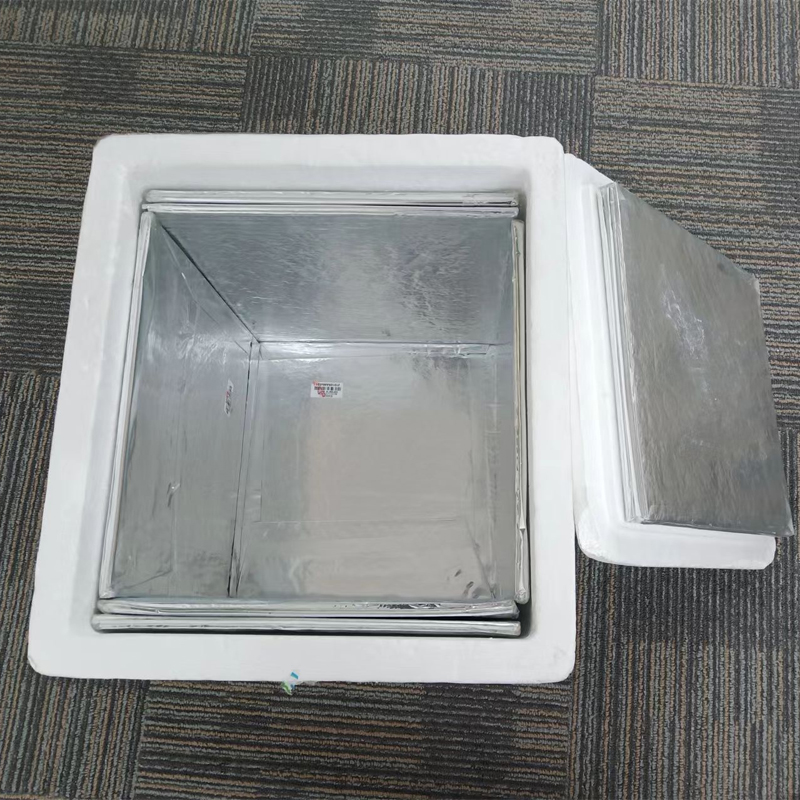
Pemasok transportasi vaksin kotak es terisolasi: Dari Daftar Pendek Pemasok hingga Paket Siap Lapangan
A defensible purchasing program for insulated ice box vaccine transport supplier follows a sequence: menentukan produk dan jalur, mengubah ukuran nominal menjadi peta pemuatan, pilih paket lengkap, meninjau bukti khusus konfigurasi, menjalankan pilot dan mengunci kontrol produksi. Urutan tersebut dirancang untuk melindungi terhadap paparan panas dan pembekuan yang tidak disengaja melalui disiplin pengemasan sambil menjaga pengadaan, kualitas, operasi dan keuangan pada fakta yang sama.
Kerangka kerja terpadu di bawah ini memperlakukan setiap klaim penting sebagai persyaratan pada kotak es terisolasi yang tepat, pendingin, muatan, profil lingkungan dan prosedur pengoperasian. Hal ini juga menetapkan gerbang perubahan sehingga substitusi berbiaya rendah atau revisi produksi tidak dapat secara diam-diam menjauhkan produk yang dikirim dari bukti yang digunakan untuk persetujuan..
Buat persyaratan pengiriman satu halaman sebelum meninjau pemasok
Banyak program vaksin berpendingin bekerja pada kisaran penyimpanan 2°C hingga 8°C, namun kondisi yang disetujui untuk vaksin tertentu dan pasar harus mengendalikan kemasannya. Beberapa produk sangat sensitif terhadap pembekuan, jadi menambahkan lebih banyak cairan pendingin beku tidak secara otomatis lebih aman. Tentukan kisaran suhu yang dapat diterima, aturan tamasya, membekukan sensitivitas, orientasi muatan dan keputusan penerimaan sebelum meminta pemasok untuk merekomendasikan konfigurasi. Tanpa batasan itu, kutipan hanya dapat menggambarkan perangkat keras, bukan kesesuaian. Untuk transportasi vaksin dan serah terima terkendali, ringkasan persyaratan harus menyatakan batasan produk, paparan rute, muatan dan keputusan penerimaan sebelum kotak es terisolasi dibandingkan.
Tetapkan pemilik untuk menyetujui persyaratan sebelum pekerjaan desain dimulai. Petakan rute sebagai rangkaian eksposur, bukan waktu transit tunggal. Sertakan pengkondisian dan pementasan sebelum pengiriman, penundaan pemuatan, serah terima kendaraan atau kargo udara, tempat tinggal gudang, bea cukai, pengiriman last-mile dan waktu sebelum penerima membuka paket. Perkiraan durasi maksimum harus mencakup gangguan yang realistis, tidak hanya pembawanya's planned travel time.
Untuk transportasi vaksin dan serah terima terkendali, juga mencatat dimensi muatan, massa termal, kerapuhan kemasan primer, orientasi yang diperlukan dan berapa kali tutupnya dapat dibuka. Ukuran internal yang disebutkan bukanlah muatan yang dapat digunakan. Pendingin, jangka pembagi garis, bantalan pelindung, ruang udara dan data logger mengkonsumsi volume, dan geometri lainnya mungkin lebih penting daripada jumlah liter judul. Catat hasilnya dalam laporan pengiriman yang digunakan untuk pengangkutan vaksin dan serah terima terkendali.
Keseimbangan isolasi, ruang muatan dan daya tahan penanganan
Konstruksi kotak es berinsulasi harus ditinjau sebagai sistem aliran panas dan penanganannya, bukan sebagai label material tunggal. Busa yang diperluas, cangkang kaku, panel insulasi vakum dan struktur komposit menawarkan keseimbangan ketahanan termal yang berbeda, ketebalan dinding, perilaku dampak, berat, kebersihan dan biaya. EPP sering dianggap dapat digunakan kembali, penanganan yang ringan; EPS dapat disesuaikan dengan penggunaan satu arah yang sensitif terhadap biaya; struktur plastik dan poliuretan yang kaku dapat mendukung pembersihan dan penanganan yang lebih ketat; Struktur VIP dapat meningkatkan efisiensi insulasi bila terlindung dari tusukan dan kebocoran tepi. None of these material names alone defines a qualified shipper.
Jembatan termal patut mendapat perhatian khusus. Panas dapat melewati insulasi utama melalui sambungan tutup, menangani, saluran air, engsel, pengencang, tepi panel dan sisipan yang tidak dipasang dengan baik. Dinding yang lebih tebal mungkin tidak dapat mengatasi penutupan yang lemah. Tanyakan dimensi internal dan eksternal, konstruksi dinding, antarmuka tutup dan detail komponen, kemudian konfirmasikan kinerja dengan perakitan produksi yang tepat. Kunci material dan antarmuka penting sebelum menyetujui produksi.
Kerusakan fisik dapat mengubah kinerja termal sebelum menjadi dramatis secara visual. Konfirmasikan kesimpulan pada kotak es berinsulasi tujuan produksi, tidak hanya pada lembar data material. Sudut yang hancur, tutupnya melengkung, panel tertusuk, engsel yang longgar atau paking yang berubah bentuk secara permanen dapat meningkatkan kebocoran panas atau membuat kemasan tidak stabil. Program yang dapat digunakan kembali memerlukan batasan pemeriksaan yang dapat diterapkan oleh operator secara konsisten, termasuk aturan yang jelas untuk perbaikan, karantina dan pensiun.
Buat paket vaksin sesuai dengan batas produk yang disetujui
Penanganan vaksin bukan hanya perjuangan melawan panas. Pemasok harus menjelaskan pengondisian cairan pendingin, hambatan, organisasi muatan dan penempatan logger yang representatif untuk instruksi vaksin dan program yang disetujui daripada menawarkan satu aturan kantong es universal. Beberapa vaksin yang didinginkan mungkin rusak karena pembekuan, dan sebuah kotak yang berisi kemasan beku dapat menciptakan kondisi lokal yang lebih dingin dari target meskipun suhu udara rata-rata tampaknya masih dapat diterima. Gunakan metode pengkondisian, hambatan dan instruksi pemuatan yang disetujui untuk produk dan program.
Frekuensi pembukaan mengubah beban termal dan dapat mengganggu pengaturan internal. Rute penjangkauan dan klinik harus menentukan berapa banyak akses yang diharapkan, berapa lama tutupnya tetap terbuka dan bagaimana muatannya akan diatur. Persediaan kerja kecil di dekat bagian atas dapat mengurangi pencarian, tetapi efek termalnya harus dievaluasi. Jadikan kriteria topik spesifik sebagai bagian dari catatan desain dan kontrol perubahan.
Ubah risiko topik tertentu menjadi kriteria penerimaan yang terukur untuk kotak es berinsulasi. Catatan suhu memerlukan jalur pengambilan keputusan yang jelas. Staf harus mengetahui cara memulai atau memverifikasi logger, di mana ia ditempatkan, cara mengenali alarm, yang meninjau perjalanan dan di mana vaksin yang terkena dampak diadakan sementara panduan diperoleh. Pemantauan tanpa proses respons menghasilkan data tetapi tidak menghasilkan kontrol.
Buat gerbang persetujuan sebelum sampel
Pemasok yang mampu harus menanyakan rincian rute dan muatan sebelum menjanjikan kinerja. Dukungan yang berguna mungkin termasuk gambar, deskripsi materi, daftar komponen, contoh saran paket, penjelasan kondisi pengujian, spesifikasi produksi dan komunikasi kontrol perubahan. Cakupan pastinya bervariasi, jadi pembeli harus menentukan kiriman mana yang diperlukan daripada berasumsi setiap pemasok menyediakan layanan teknik yang sama. Tinjauan pemasok harus memperjelas apa yang dipasok, what is only recommended and what remains the buyer's qualification responsibility.
Menyetujui pemasok atas bukti produk dan komunikasi perubahan yang berkelanjutan. Minta pemasok untuk membedakan fakta yang terverifikasi dari rekomendasi. Gambar dimensi dapat dicek langsung. Klaim termal memerlukan muatan, konfigurasi pendingin, metode pengkondisian, lokasi sensor, profil lingkungan, batas penerimaan dan laporan pengujian. A statement such as 'kelas farmasi' is not enough unless it is tied to a defined material, permohonan dan dokumen pendukung.
Pertanyaan yang paling terbuka sering kali adalah apa yang menyebabkan pemasok menolak rekomendasinya sendiri. Jawaban yang kredibel mungkin mencakup rute yang tidak ditentukan, muatan berlebihan, pengkondisian awal yang tidak memadai, kontak langsung dengan cairan pendingin beku, durasi yang diperlukan di luar bukti yang tersedia, atau bahan kimia pembersih yang tidak cocok dengan bahannya. Batasan menunjukkan penilaian teknis; klaim kesesuaian universal menyembunyikannya. Tulis batas dukungan yang disepakati ke dalam RFQ dan catatan persetujuan pemasok.
| Gerbang persetujuan | Keputusan yang harus diambil | Lepaskan bukti |
|---|---|---|
| Gerbang 1: persyaratan | Produk yang disetujui, rute dan muatan singkat untuk pengangkutan vaksin dan penyerahan terkendali | Nama pemilik dan masukan yang ditandatangani |
| Gerbang 2: pilihan desain | Kotak es berinsulasi untuk tujuan produksi dan pengemasan lengkap | Menggambar, daftar komponen dan tinjauan risiko |
| Gerbang 3: bukti | Konfigurasi pengujian sesuai dengan spesifikasi komersial | Protokol, data dan laporan |
| Gerbang 4: pilot | Operator dan penerima dapat menjalankan prosesnya | Catatan percobaan, penyimpangan dan tindakan |
| Gerbang 5: peningkatan skala | Kontrol produksi dan aturan perubahan tetap terhubung | Spesifikasi rilis dan tinjauan berkelanjutan |
Jalur persetujuan ini mengintegrasikan keputusan komersial dan teknis untuk pemasok pengangkutan vaksin kotak es terisolasi; kedalaman gerbang harus tetap proporsional dengan risiko pengiriman.
Menyetujui sistem melalui verifikasi bertahap
Laporan termal yang berguna mengidentifikasi revisi kotak yang tepat, metode pendingin dan pengkondisian, muatan atau simulasi, lokasi sensor, profil lingkungan, durasi tes, rentang penerimaan dan hasil. Tanpa detail itu, waktu tunggu yang dinyatakan tidak dapat dibandingkan secara adil. Tanyakan apakah laporan tersebut mewakili pengujian desain, tes kualifikasi, verifikasi lapangan atau demonstrasi pemasaran; masing-masing mendukung tingkat kepercayaan yang berbeda. Bukti kotak es berinsulasi hanya bermakna jika revisi yang diuji dan konfigurasi komersialnya sama.
Hubungkan laporan pengujian ke gambar, identitas komponen dan kontrol pembelian. Profil termal standar dapat mendukung perbandingan laboratorium, tapi mereka tidak secara otomatis mereproduksi kondisi terburuk di jalur tertentu. Rute tinggal, Bea Cukai Penundaan, paparan musiman dan praktik serah terima masih perlu ditinjau, dan program berisiko tinggi mungkin memerlukan kualifikasi khusus jalur. ISTA 7E can support testing and comparison of insulated shipping containers, saat digunakan dengan Standar 20 menambahkan kerangka kualifikasi dan dokumentasi yang ditentukan. Masih perlu diputuskan apakah profil parsel standar sesuai dengan modus dan risiko sebenarnya.
Program vaksin harus menyelaraskan instruksi transportasi dengan panduan produk saat ini, persyaratan otoritas kesehatan setempat dan program imunisasi yang bertanggung jawab. Pemantauan suhu, penanganan perjalanan dan prosedur pengepakan yang terdokumentasi adalah bagian dari sistem operasi, bukan dekorasi opsional. Peralatan pemantauan suhu harus sesuai dengan keputusan yang diambil, maintained and calibrated under the organization's quality system. File datanya, basis waktu, identitas sensor, batas alarm dan catatan peninjauan harus disimpan ketika nilai pengiriman atau konteks peraturan memerlukan bukti. Tautkan laporannya, data mentah dan peta sensor ke revisi kotak es terisolasi yang tepat.
Tutup loop dengan penerimaan data
Mulailah dengan sampel yang representatif, bukan unit showroom. Periksa dimensi, penyelarasan tutup, kekuatan kait, kontak paking, cacat permukaan, bau, akses pembersihan, drainase jika ada, adhesi label dan kesesuaian setiap komponen kemasan. Muat muatan sebenarnya atau muatan setara yang dibenarkan, kemudian jalankan pengkondisian yang direncanakan, proses packing dan monitoring dengan operator yang akan menggunakannya. Penggunaan rutin kotak es berinsulasi bergantung pada pengondisian, perakitan, penyerahan, langkah-langkah penerimaan dan inspeksi yang dapat diulangi oleh operator.
Instruksi kerja harus menjelaskan pengkondisian cairan pendingin, pengkondisian kotak bila diperlukan, memuat pesanan, posisi pemisah, lokasi sensor, pemeriksaan penutupan, penempatan label, penyerahan, menerima pemeriksaan dan eskalasi penyimpangan. Tutup putaran persetujuan dengan pelatihan operator dan penerimaan umpan balik. Gunakan foto atau diagram yang dapat mengurangi ambiguitas. Pelatihan harus mencakup kesalahan-kesalahan yang umum terjadi sehingga staf dapat mengenalinya, bukan hanya urutan yang benar.
Saat menerima, periksa kondisi fisik sebelum dibuka, menangkap status logger, verifikasi segel atau indikator tamper jika digunakan dan catat kerusakan atau kerusakan yang tidak biasa. Perjalanan suhu adalah keputusan yang berkualitas, bukan alasan bagi operator gudang untuk menebak. Aturan karantina dan eskalasi harus mengidentifikasi siapa yang meninjau data, informasi produk dan riwayat pengiriman. Jadikan prosedur ini praktis bagi orang yang berkemas, membawa, bersihkan dan terima kotaknya.
Pisahkan investasi satu kali dari biaya berulang
Biaya komersial mencakup lebih dari kotak kosong. Elemen berulang mungkin termasuk cairan pendingin, pemisah, liner, Label, Data Loggers, karton luar, paletisasi, pembersihan, inspeksi, transportasi kembali, penyimpanan dan penggantian. Biaya satu kali atau proyek mungkin termasuk pekerjaan desain, perkakas, sampel, gambar, cetakan, perlengkapan tes, studi termal, dokumentasi kualitas dan kualifikasi berjalan. Minta pemasok untuk memisahkan kategori-kategori ini. Model biaya untuk kotak es berinsulasi harus memisahkan pekerjaan proyek satu kali dari pengepakan berulang dan biaya operasional.
Gunakan gerbang biaya sehingga perubahan komersial yang terlambat tidak membatalkan pekerjaan teknis. Kotak dengan harga lebih rendah dapat menimbulkan biaya program yang lebih tinggi bila menggunakan lebih banyak cairan pendingin, mengurangi muatan, tiba secara tidak konsisten, rusak selama penanganan atau memerlukan lebih banyak waktu operator. Sebaliknya, konstruksi berbiaya tinggi tidak serta merta lebih baik jika rutenya pendek, satu arah dan risiko rendah. Bandingkan opsi terhadap muatan yang sama, profil lingkungan, siklus penanganan dan kriteria penerimaan.
Untuk program yang dapat digunakan kembali, menghitung biaya per penyelesaian, pengiriman yang dapat diterima daripada biaya per kotak. Sertakan tingkat pengembalian, kehilangan, pekerjaan kebersihan, inspeksi, memperbaiki, penyimpanan, reposisi dan pensiun. Klaim keberlanjutan harus menggunakan batasan sistem yang sama. Kontainer tahan lama yang jarang dikembalikan atau diangkut secara tidak efisien mungkin tidak memberikan manfaat finansial atau lingkungan yang diharapkan. Normalisasikan kutipan sebelum membandingkan nilai total kotak es terisolasi.
Pertanyaan yang sering diajukan
Apa gerbang persetujuan utama untuk pengadaan pemasok transportasi vaksin kotak es terisolasi?
Gunakan gerbang terpisah untuk persyaratan produk dan rute, pemilihan desain, tinjauan bukti, eksekusi percontohan dan rilis produksi. Setiap gerbang harus mengidentifikasi pemiliknya, konfigurasi kotak es terisolasi yang tepat, catatan yang diperlukan dan risiko yang belum terselesaikan. Hal ini mencegah kemajuan komersial bergerak lebih cepat daripada persetujuan teknis.
Bagaimana paket yang diuji dapat tetap terhubung ke kotak es terisolasi yang dibeli untuk pengangkutan vaksin dan serah terima yang terkendali?
Tautkan laporan pengujian ke gambar yang dikontrol revisi, tagihan bahan, spesifikasi sumber dingin, memuat peta dan kontrol produksi untuk kotak es terisolasi. Pesanan pembelian dan rencana pemeriksaan untuk pengangkutan vaksin dan serah terima terkendali harus mengacu pada konfigurasi yang sama. Setiap penggantian atau perubahan proses harus dinilai sebelum diterima.
Apa yang harus didemonstrasikan oleh seorang pilot sebelum melakukan peningkatan skala?
Uji coba ini harus menunjukkan bahwa operator dapat mengkondisikan komponen, merakit paketnya, memuat muatannya, tempatkan logger, tutup kotaknya, mengelola serah terima dan menyelesaikan tinjauan penerimaan untuk pengangkutan vaksin dan serah terima terkendali. Catat penyimpangan dan ubah pelajaran menjadi instruksi terkontrol sebelum produksi rutin.
Apa yang harus ditunjukkan oleh pilot lapangan vaksin sebelum digunakan secara rutin?
Uji coba tersebut harus menunjukkan bahwa staf yang terlatih dapat mengkondisikan sumber dingin, merakit penghalang, memuat muatannya, tempatkan logger, tutup kotaknya, mengelola pembukaan yang direncanakan dan menyelesaikan tinjauan penerimaan. Catat penyimpangan dan konfirmasikan bahwa prosedur yang disetujui dapat diterapkan pada kondisi rute.
Apa keputusan komersial akhir untuk kotak es berinsulasi setelah persetujuan teknis?
Normalisasikan konfigurasi, ruang lingkup layanan, bukti, dasar pengepakan dan pengiriman, lalu bandingkan total nilai program. Pilih pemasok yang dapat memasok kotak es berinsulasi yang disetujui secara konsisten, mengkomunikasikan perubahan dan mendukung model operasi tanpa memperluas klaim di luar bukti yang tersedia.
Kesimpulan
Jalur persetujuan terintegrasi untuk pemasok pengangkutan vaksin kotak es terisolasi bersifat berurutan: menentukan batas produk dan rute, membangun peta pemuatan, pilih paket lengkap, meninjau bukti, menjalankan pilot, mengunci kontrol produksi dan memantau penggunaan rutin. Setiap gerbang harus menjaga hubungan antara spesifikasi komersial dan kinerja teknis.
Perlakukan setiap klaim penting sebagai konfigurasi khusus dan setiap materi, proses, perubahan muatan atau rute sebagai alasan untuk meninjau risiko. Disiplin tersebut membuat kotak es berinsulasi lebih mudah untuk dilatih, mengaudit, skala dan tingkatkan tanpa bergantung pada klaim universal yang tidak didukung.
Tentang tempk
Tempk membantu pembeli beralih dari rute dan muatan singkat menuju sampel kotak es terisolasi dan spesifikasi komersial yang lebih tepat. Its product scope includes medical ice boxes, Format pendingin EPP dan VIP, gel dan sumber dingin perubahan fasa, tas dan liner terisolasi, dan perlindungan termal tingkat palet. Pembahasan yang bermanfaat dimulai dengan kondisi target, geometri muatan, rute, metode paket, model pembersihan atau pengembalian dan bukti yang diperlukan sebelum peningkatan skala. Untuk proyek pemasok transportasi vaksin kotak es terisolasi ini, any final recommendation should still be confirmed against the customer's product limits, kondisi pengujian dan proses kualitas.
Kirimkan Tempk peta pemuatan kotak es terisolasi, asumsi rute dan dokumen yang diperlukan untuk membangun tinjauan sampel hingga produksi yang lebih tepat.
Produsen pengiriman farmasi kotak es industri: Dari Spesifikasi hingga Paket yang Disetujui
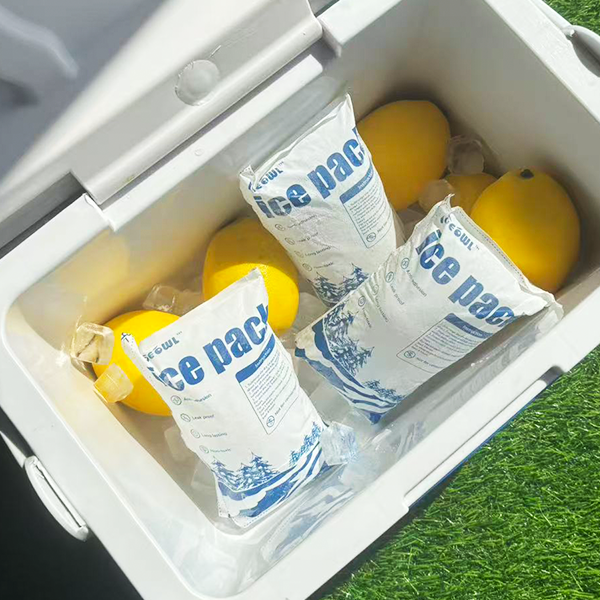
Produsen pengiriman farmasi kotak es industri: Dari Spesifikasi hingga Paket yang Disetujui
A defensible purchasing program for industrial ice box pharmaceutical shipping manufacturer follows a sequence: menentukan produk dan jalur, mengubah ukuran nominal menjadi peta pemuatan, pilih paket lengkap, meninjau bukti khusus konfigurasi, menjalankan pilot dan mengunci kontrol produksi. Urutan tersebut dirancang untuk memisahkan ketahanan industri dari kualifikasi termal dan memverifikasi keduanya sekaligus menjaga pengadaan, kualitas, operasi dan keuangan pada fakta yang sama.
Kerangka kerja terpadu di bawah ini memperlakukan setiap klaim penting sebagai hal yang bergantung pada kotak es industri yang sebenarnya, pendingin, muatan, profil lingkungan dan prosedur pengoperasian. Hal ini juga menetapkan gerbang perubahan sehingga substitusi berbiaya rendah atau revisi produksi tidak dapat secara diam-diam menjauhkan produk yang dikirim dari bukti yang digunakan untuk persetujuan..
Ubah penggunaan industri menjadi beban desain yang dapat diukur
Penggunaan untuk keperluan industri mungkin melibatkan tetesan berulang kali, seret, menumpuk, area pemuatan basah, kontak forklift, getaran kendaraan, muatan berat dan pembersihan agresif. Daya tahan industri dan kualifikasi termal menjawab berbagai pertanyaan: perangkat keras yang diperkuat mungkin bertahan dalam penanganan namun menciptakan jembatan termal, sementara isolasi yang efisien mungkin memerlukan perlindungan dari tusukan atau penghancuran. Tentukan peristiwa mana yang kredibel dan mana yang disalahgunakan. Kotak harus diuji dalam kondisi terbebani ketika beban berubah deformasi, penutupan atau penanganan. Cangkang tahan kerusakan hanya berharga jika ada penutupnya, segel dan insulasi tetap berfungsi setelahnya.
Pengujian mekanis dan termal harus dihubungkan. Urutan penurunan atau kompresi dapat diikuti dengan dimensi, pemeriksaan kebocoran dan termal untuk menentukan apakah kerusakan fisik mengubah kinerja. Hal ini lebih berguna daripada klaim lulus/gagal terpisah yang tidak pernah menunjukkan apakah kotak yang disalahgunakan masih dapat melindungi payload. Jadikan kriteria topik spesifik sebagai bagian dari catatan desain dan kontrol perubahan.
Ubah risiko topik tertentu menjadi kriteria penerimaan yang terukur untuk kotak es industri. Gunakan perangkat keras yang dapat diganti jika model operasinya mendukung pemeliharaan, dan menjaga kontrol suku cadang tetap sederhana. Periksa pegangannya, engsel, kait, saluran air, kaki dan segel pada interval tertentu. Komponen yang rusak secara aman dan terlihat lebih mudah ditangani dibandingkan kerusakan tersembunyi yang secara perlahan meningkatkan kebocoran panas.
Buat persyaratan pengiriman satu halaman sebelum meninjau pemasok
Produk farmasi tidak memiliki satu suhu pengiriman universal. Kisaran suhu 2°C hingga 8°C yang didinginkan adalah hal yang umum untuk beberapa produk, sementara yang lain mungkin memerlukan suhu ruangan yang terkontrol, beku, kondisi beku dalam atau kondisi khusus produk. Labelnya, informasi produk yang disetujui dan tim mutu harus menentukan target sebelum kemasan dipilih. Tentukan kisaran suhu yang dapat diterima, aturan tamasya, membekukan sensitivitas, orientasi muatan dan keputusan penerimaan sebelum meminta pemasok untuk merekomendasikan konfigurasi. Tanpa batasan itu, kutipan hanya dapat menggambarkan perangkat keras, bukan kesesuaian. Untuk pengangkutan farmasi berulang kali dalam kondisi penanganan yang sulit, ringkasan persyaratan harus menyatakan batasan produk, paparan rute, muatan dan keputusan penerimaan sebelum kotak es industri dibandingkan.
Tetapkan pemilik untuk menyetujui persyaratan sebelum pekerjaan desain dimulai. Petakan rute sebagai rangkaian eksposur, bukan waktu transit tunggal. Sertakan pengkondisian dan pementasan sebelum pengiriman, penundaan pemuatan, serah terima kendaraan atau kargo udara, tempat tinggal gudang, bea cukai, pengiriman last-mile dan waktu sebelum penerima membuka paket. Perkiraan durasi maksimum harus mencakup gangguan yang realistis, tidak hanya pembawanya's planned travel time.
Untuk pengangkutan farmasi berulang kali dalam kondisi penanganan yang sulit, juga mencatat dimensi muatan, massa termal, kerapuhan kemasan primer, orientasi yang diperlukan dan berapa kali tutupnya dapat dibuka. Ukuran internal yang disebutkan bukanlah muatan yang dapat digunakan. Pendingin, jangka pembagi garis, bantalan pelindung, ruang udara dan data logger mengkonsumsi volume, dan geometri lainnya mungkin lebih penting daripada jumlah liter judul. Catat hasilnya dalam laporan pengiriman yang digunakan untuk pengangkutan farmasi berulang kali dalam kondisi penanganan yang sulit.
Keseimbangan isolasi, ruang muatan dan daya tahan penanganan
Konstruksi kotak es industri harus ditinjau sebagai sistem aliran panas dan penanganannya, bukan sebagai label material tunggal. Busa yang diperluas, cangkang kaku, panel insulasi vakum dan struktur komposit menawarkan keseimbangan ketahanan termal yang berbeda, ketebalan dinding, perilaku dampak, berat, kebersihan dan biaya. EPP sering dianggap dapat digunakan kembali, penanganan yang ringan; EPS dapat disesuaikan dengan penggunaan satu arah yang sensitif terhadap biaya; struktur plastik dan poliuretan yang kaku dapat mendukung pembersihan dan penanganan yang lebih ketat; Struktur VIP dapat meningkatkan efisiensi insulasi bila terlindung dari tusukan dan kebocoran tepi. None of these material names alone defines a qualified shipper.
Jembatan termal patut mendapat perhatian khusus. Panas dapat melewati insulasi utama melalui sambungan tutup, menangani, saluran air, engsel, pengencang, tepi panel dan sisipan yang tidak dipasang dengan baik. Dinding yang lebih tebal mungkin tidak dapat mengatasi penutupan yang lemah. Tanyakan dimensi internal dan eksternal, konstruksi dinding, antarmuka tutup dan detail komponen, kemudian konfirmasikan kinerja dengan perakitan produksi yang tepat. Kunci material dan antarmuka penting sebelum menyetujui produksi.
Kerusakan fisik dapat mengubah kinerja termal sebelum menjadi dramatis secara visual. Konfirmasikan kesimpulan tentang tujuan produksi kotak es industri, tidak hanya pada lembar data material. Sudut yang hancur, tutupnya melengkung, panel tertusuk, engsel yang longgar atau paking yang berubah bentuk secara permanen dapat meningkatkan kebocoran panas atau membuat kemasan tidak stabil. Program yang dapat digunakan kembali memerlukan batasan pemeriksaan yang dapat diterapkan oleh operator secara konsisten, termasuk aturan yang jelas untuk perbaikan, karantina dan pensiun.
Menyetujui sistem melalui verifikasi bertahap
Laporan termal yang berguna mengidentifikasi revisi kotak yang tepat, metode pendingin dan pengkondisian, muatan atau simulasi, lokasi sensor, profil lingkungan, durasi tes, rentang penerimaan dan hasil. Tanpa detail itu, waktu tunggu yang dinyatakan tidak dapat dibandingkan secara adil. Tanyakan apakah laporan tersebut mewakili pengujian desain, tes kualifikasi, verifikasi lapangan atau demonstrasi pemasaran; masing-masing mendukung tingkat kepercayaan yang berbeda. Bukti adanya kotak es industri hanya berarti jika revisi yang diuji dan konfigurasi komersialnya sama.
Hubungkan laporan pengujian ke gambar, identitas komponen dan kontrol pembelian. Profil termal standar dapat mendukung perbandingan laboratorium, tapi mereka tidak secara otomatis mereproduksi kondisi terburuk di jalur tertentu. Rute tinggal, Bea Cukai Penundaan, paparan musiman dan praktik serah terima masih perlu ditinjau, dan program berisiko tinggi mungkin memerlukan kualifikasi khusus jalur. ISTA 7E can support testing and comparison of insulated shipping containers, saat digunakan dengan Standar 20 menambahkan kerangka kualifikasi dan dokumentasi yang ditentukan. Masih perlu diputuskan apakah profil parsel standar sesuai dengan modus dan risiko sebenarnya.
Praktik distribusi yang baik mengharapkan kondisi transportasi tetap dalam batas yang ditentukan untuk produk obat dan menggunakan pendekatan rute berbasis risiko, peralatan dan pemantauan. Oleh karena itu, keputusan pengemasan memerlukan bukti, prosedur dan penanganan penyimpangan dibandingkan klaim kepatuhan global secara luas. Peralatan pemantauan suhu harus sesuai dengan keputusan yang diambil, maintained and calibrated under the organization's quality system. File datanya, basis waktu, identitas sensor, batas alarm dan catatan peninjauan harus disimpan ketika nilai pengiriman atau konteks peraturan memerlukan bukti. Tautkan laporannya, data mentah dan peta sensor hingga revisi kotak es industri yang tepat.
Buat gerbang persetujuan sebelum sampel
Pabrikan yang cakap harus menanyakan rincian rute dan muatan sebelum menjanjikan kinerja. Dukungan yang berguna mungkin termasuk gambar, deskripsi materi, daftar komponen, contoh saran paket, penjelasan kondisi pengujian, spesifikasi produksi dan komunikasi kontrol perubahan. Cakupan pastinya bervariasi, jadi pembeli harus menentukan kiriman mana yang diperlukan daripada berasumsi setiap produsen menyediakan layanan teknik yang sama. Tinjauan pabrikan harus menjelaskan apa yang disediakan, what is only recommended and what remains the buyer's qualification responsibility.
Menyetujui pemasok atas bukti produk dan komunikasi perubahan yang berkelanjutan. Minta pemasok untuk membedakan fakta yang terverifikasi dari rekomendasi. Gambar dimensi dapat dicek langsung. Klaim termal memerlukan muatan, konfigurasi pendingin, metode pengkondisian, lokasi sensor, profil lingkungan, batas penerimaan dan laporan pengujian. A statement such as 'kelas farmasi' is not enough unless it is tied to a defined material, permohonan dan dokumen pendukung.
Pertanyaan yang paling terbuka sering kali adalah apa yang menyebabkan pemasok menolak rekomendasinya sendiri. Jawaban yang kredibel mungkin mencakup rute yang tidak ditentukan, muatan berlebihan, pengkondisian awal yang tidak memadai, kontak langsung dengan cairan pendingin beku, durasi yang diperlukan di luar bukti yang tersedia, atau bahan kimia pembersih yang tidak cocok dengan bahannya. Batasan menunjukkan penilaian teknis; klaim kesesuaian universal menyembunyikannya. Tulis batas dukungan yang disepakati ke dalam RFQ dan catatan persetujuan pemasok.
Tutup loop dengan penerimaan data
Mulailah dengan sampel yang representatif, bukan unit showroom. Periksa dimensi, penyelarasan tutup, kekuatan kait, kontak paking, cacat permukaan, bau, akses pembersihan, drainase jika ada, adhesi label dan kesesuaian setiap komponen kemasan. Muat muatan sebenarnya atau muatan setara yang dibenarkan, kemudian jalankan pengkondisian yang direncanakan, proses packing dan monitoring dengan operator yang akan menggunakannya. Penggunaan rutin kotak es industri bergantung pada pengkondisian, perakitan, penyerahan, langkah-langkah penerimaan dan inspeksi yang dapat diulangi oleh operator.
Instruksi kerja harus menjelaskan pengkondisian cairan pendingin, pengkondisian kotak bila diperlukan, memuat pesanan, posisi pemisah, lokasi sensor, pemeriksaan penutupan, penempatan label, penyerahan, menerima pemeriksaan dan eskalasi penyimpangan. Tutup putaran persetujuan dengan pelatihan operator dan penerimaan umpan balik. Gunakan foto atau diagram yang dapat mengurangi ambiguitas. Pelatihan harus mencakup kesalahan-kesalahan yang umum terjadi sehingga staf dapat mengenalinya, bukan hanya urutan yang benar.
Saat menerima, periksa kondisi fisik sebelum dibuka, menangkap status logger, verifikasi segel atau indikator tamper jika digunakan dan catat kerusakan atau kerusakan yang tidak biasa. Perjalanan suhu adalah keputusan yang berkualitas, bukan alasan bagi operator gudang untuk menebak. Aturan karantina dan eskalasi harus mengidentifikasi siapa yang meninjau data, informasi produk dan riwayat pengiriman. Jadikan prosedur ini praktis bagi orang yang berkemas, membawa, bersihkan dan terima kotaknya.
| Gerbang persetujuan | Keputusan yang harus diambil | Lepaskan bukti |
|---|---|---|
| Gerbang 1: persyaratan | Produk yang disetujui, rute dan muatan singkat untuk pengangkutan farmasi berulang kali dalam kondisi penanganan yang sulit | Nama pemilik dan masukan yang ditandatangani |
| Gerbang 2: pilihan desain | Kotak es industri dengan tujuan produksi dan pengemasan lengkap | Menggambar, daftar komponen dan tinjauan risiko |
| Gerbang 3: bukti | Konfigurasi pengujian sesuai dengan spesifikasi komersial | Protokol, data dan laporan |
| Gerbang 4: pilot | Operator dan penerima dapat menjalankan prosesnya | Catatan percobaan, penyimpangan dan tindakan |
| Gerbang 5: peningkatan skala | Kontrol produksi dan aturan perubahan tetap terhubung | Spesifikasi rilis dan tinjauan berkelanjutan |
Jalur persetujuan ini mengintegrasikan keputusan komersial dan teknis untuk produsen pengiriman farmasi kotak es industri; kedalaman gerbang harus tetap proporsional dengan risiko pengiriman.
Gunakan pemikiran kegagalan sebelum persetujuan akhir
Kesalahan pertama adalah membandingkan durasi yang diiklankan tanpa mencocokkan profil sekitar, jangkauan muatan dan penerimaan. Gantilah dengan: Konfigurasi persis apa yang diuji, di bawah profil yang mana, dan apakah itu mewakili rute kita? Kesalahan kedua adalah membandingkan ukuran eksternal atau liter nominal tanpa peta pemuatan. Gantilah dengan: Muatan apa yang tersisa setelah setiap komponen yang dikontrol dipasang? Kesalahan paling mahal dalam proyek produsen pengiriman farmasi kotak es industri biasanya dimulai dari asumsi yang tidak ditentukan dalam RFQ atau instruksi kerja.
Tetapkan tindakan perbaikan dan verifikasi sebelum program dilanjutkan. Kesalahan ketiga adalah memperlakukan materi atau fitur sebagai bukti kepatuhan. Aditif UV, Panel VIP, dinding yang tebal, deklarasi kontak makanan, saluran pembuangan atau paking bisa berguna, tetapi masing-masing menjawab pertanyaan terbatas. Gantikan klaim luas dengan persyaratan terukur dan dokumen pendukung. Kesalahan keempat adalah menyetujui sampel buatan tangan tanpa kontrol produksi. Tanyakan bagaimana pabrik akan mempertahankan bahan yang sama, dimensi dan perakitan.
Kesalahan kelima adalah mengabaikan orang dan serah terima. Paket yang kuat secara teknis bisa gagal jika pendingin dikondisikan secara tidak konsisten, tutupnya dibiarkan terbuka, sensor salah tempat atau penerima tidak memiliki prosedur ekskursi. Sertakan operator dalam uji coba sampel dan gunakan umpan balik mereka untuk menyederhanakan instruksi kerja tanpa mengubah konfigurasi yang divalidasi. Ganti asumsi dengan pemilik yang ditentukan, item bukti atau langkah verifikasi.
Pertanyaan yang sering diajukan
Apa gerbang persetujuan utama untuk sumber produsen pengiriman farmasi kotak es industri?
Gunakan gerbang terpisah untuk persyaratan produk dan rute, pemilihan desain, tinjauan bukti, eksekusi percontohan dan rilis produksi. Setiap gerbang harus mengidentifikasi pemiliknya, konfigurasi kotak es industri yang tepat, catatan yang diperlukan dan risiko yang belum terselesaikan. Hal ini mencegah kemajuan komersial bergerak lebih cepat daripada persetujuan teknis.
Bagaimana kemasan yang diuji dapat tetap terhubung ke kotak es industri yang dibeli untuk pengangkutan farmasi berulang kali dalam kondisi penanganan yang sulit??
Tautkan laporan pengujian ke gambar yang dikontrol revisi, tagihan bahan, spesifikasi sumber dingin, memuat peta dan kontrol produksi untuk kotak es industri. Pesanan pembelian dan rencana pemeriksaan untuk pengangkutan farmasi berulang dalam kondisi penanganan yang sulit harus mengacu pada konfigurasi yang sama. Setiap penggantian atau perubahan proses harus dinilai sebelum diterima.
Apa yang harus didemonstrasikan oleh seorang pilot sebelum melakukan peningkatan skala?
Uji coba ini harus menunjukkan bahwa operator dapat mengkondisikan komponen, merakit paketnya, memuat muatannya, tempatkan logger, tutup kotaknya, mengelola serah terima dan menyelesaikan tinjauan penerimaan untuk pengangkutan farmasi berulang dalam kondisi penanganan yang sulit. Catat penyimpangan dan ubah pelajaran menjadi instruksi terkontrol sebelum produksi rutin.
Apa yang harus disetujui mutunya sebelum kotak farmasi dilepaskan?
Kualitas harus mengkonfirmasi batasan produk, asumsi rute, paket yang tepat, kriteria penerimaan tes, rencana pemantauan, instruksi pengoperasian dan proses penyimpangan. Model komersial dan revisi produksi harus sesuai dengan bukti. Setiap perubahan material atau konfigurasi harus dinilai sebelum sistem yang direvisi digunakan.
Apa keputusan komersial akhir untuk kotak es industri setelah persetujuan teknis?
Normalisasikan konfigurasi, ruang lingkup layanan, bukti, dasar pengepakan dan pengiriman, lalu bandingkan total nilai program. Pilih produsen yang dapat memasok kotak es industri yang disetujui secara konsisten, mengkomunikasikan perubahan dan mendukung model operasi tanpa memperluas klaim di luar bukti yang tersedia.
Kesimpulan
Jalur persetujuan terintegrasi untuk produsen pengiriman farmasi kotak es industri bersifat berurutan: menentukan batas produk dan rute, membangun peta pemuatan, pilih paket lengkap, meninjau bukti, menjalankan pilot, mengunci kontrol produksi dan memantau penggunaan rutin. Setiap gerbang harus menjaga hubungan antara spesifikasi komersial dan kinerja teknis.
Perlakukan setiap klaim penting sebagai konfigurasi khusus dan setiap materi, proses, perubahan muatan atau rute sebagai alasan untuk meninjau risiko. Disiplin tersebut membuat kotak es industri lebih mudah untuk dilatih, mengaudit, skala dan tingkatkan tanpa bergantung pada klaim universal yang tidak didukung.
Tentang tempk
Tempk membantu pembeli beralih dari rute dan muatan singkat menuju sampel kotak es industri dan spesifikasi komersial yang lebih tepat. Its product scope includes medical ice boxes, Format pendingin EPP dan VIP, gel dan sumber dingin perubahan fasa, tas dan liner terisolasi, dan perlindungan termal tingkat palet. Pembahasan yang bermanfaat dimulai dengan kondisi target, geometri muatan, rute, metode paket, model pembersihan atau pengembalian dan bukti yang diperlukan sebelum peningkatan skala. Untuk proyek produsen pengiriman farmasi kotak es industri ini, any final recommendation should still be confirmed against the customer's product limits, kondisi pengujian dan proses kualitas.
Kirimkan Tempk peta pemuatan kotak es industri, asumsi rute dan dokumen yang diperlukan untuk membangun tinjauan sampel hingga produksi yang lebih tepat.
Produsen kotak es rantai dingin paking freezer: Dari Spesifikasi Segel hingga Penggunaan Dingin yang Andal
Produsen kotak es rantai dingin paking freezer: Dari Spesifikasi Segel hingga Penggunaan Dingin yang Andal
A defensible purchasing program for freezer gasket cold chain ice box manufacturer follows a sequence: menentukan produk dan jalur, mengubah ukuran nominal menjadi peta pemuatan, pilih paket lengkap, meninjau bukti khusus konfigurasi, menjalankan pilot dan mengunci kontrol produksi. Urutan tersebut dirancang untuk memperlakukan paking sebagai sistem penyegelan yang dirancang dengan material, kontrol kompresi dan penggantian sambil menjaga pengadaan, kualitas, operasi dan keuangan pada fakta yang sama.
The integrated framework below treats every important claim as conditional on the exact freezer-gasket cold chain ice box, pendingin, muatan, profil lingkungan dan prosedur pengoperasian. Hal ini juga menetapkan gerbang perubahan sehingga substitusi berbiaya rendah atau revisi produksi tidak dapat secara diam-diam menjauhkan produk yang dikirim dari bukti yang digunakan untuk persetujuan..
Buat persyaratan pengiriman satu halaman sebelum meninjau pemasok
Suhu target harus ditentukan untuk produk sebenarnya. Untuk kotak berinsulasi tertutup yang terkena dingin, kondensasi dan pembukaan berulang, ringkasan persyaratan harus menyatakan batasan produk, paparan rute, muatan dan keputusan penerimaan sebelum kotak es rantai dingin paking freezer dibandingkan. A box described as cold-chain packaging is not automatically suitable for every chilled, pengiriman beku atau suhu ruangan terkontrol. Tentukan kisaran suhu yang dapat diterima, aturan tamasya, membekukan sensitivitas, orientasi muatan dan keputusan penerimaan sebelum meminta pemasok untuk merekomendasikan konfigurasi. Tanpa batasan itu, kutipan hanya dapat menggambarkan perangkat keras, bukan kesesuaian.
Petakan rute sebagai rangkaian eksposur, bukan waktu transit tunggal. Sertakan pengkondisian dan pementasan sebelum pengiriman, penundaan pemuatan, serah terima kendaraan atau kargo udara, tempat tinggal gudang, bea cukai, pengiriman last-mile dan waktu sebelum penerima membuka paket. Perkiraan durasi maksimum harus mencakup gangguan yang realistis, tidak hanya pembawanya's planned travel time. Tetapkan pemilik untuk menyetujui persyaratan sebelum pekerjaan desain dimulai.
Catat hasilnya dalam laporan pengiriman yang digunakan untuk kotak berinsulasi tertutup yang terkena suhu dingin, kondensasi dan pembukaan berulang. Untuk kotak berinsulasi tertutup yang terkena dingin, kondensasi dan pembukaan berulang, juga mencatat dimensi muatan, massa termal, kerapuhan kemasan primer, orientasi yang diperlukan dan berapa kali tutupnya dapat dibuka. Ukuran internal yang disebutkan bukanlah muatan yang dapat digunakan. Pendingin, jangka pembagi garis, bantalan pelindung, ruang udara dan data logger mengkonsumsi volume, dan geometri lainnya mungkin lebih penting daripada jumlah liter judul.
Gunakan trade-off alih-alih label bahan
Gasket bukanlah strip yang ditambahkan pada akhir desain. Ini adalah bagian dari sistem penyegelan yang mencakup formulasi elastomer, penampang, geometri alur, kekakuan tutup, kekuatan engsel dan kait, jari-jari sudut, permukaan akhir dan toleransi dimensi. Gasket lunak mungkin dapat menutup dengan mudah tetapi membutuhkan set kompresi; paking yang keras mungkin tahan terhadap perubahan bentuk tetapi memerlukan gaya kait yang berlebihan atau gagal menyesuaikan pada sudutnya. Konstruksi kotak es rantai dingin paking freezer harus ditinjau sebagai sistem aliran panas dan penanganan, bukan sebagai label bahan tunggal..
Kunci material dan antarmuka penting sebelum menyetujui produksi. Keluarga paking umum termasuk EPDM, elastomer silikon dan termoplastik, tetapi nama keluarga tidak mendefinisikan fleksibilitas suhu rendah, resistensi pembersihan, bau, dapat diekstraksi atau perilaku kompresi jangka panjang. Senyawa itu, menyembuhkan, kekerasan dan spesifikasi pemasok penting. Untuk aplikasi apa pun yang melibatkan kontak langsung atau tidak disengaja dengan makanan, obat-obatan atau kemasan primer, pembeli harus mengonfirmasi pernyataan material yang berlaku dan batasan penggunaan yang dimaksudkan.
Kerusakan fisik dapat mengubah kinerja termal sebelum menjadi dramatis secara visual. Sudut yang hancur, tutupnya melengkung, panel tertusuk, engsel yang longgar atau paking yang berubah bentuk secara permanen dapat meningkatkan kebocoran panas atau membuat kemasan tidak stabil. Program yang dapat digunakan kembali memerlukan batasan pemeriksaan yang dapat diterapkan oleh operator secara konsisten, termasuk aturan yang jelas untuk perbaikan, karantina dan pensiun. Konfirmasikan kesimpulan pada kotak es rantai dingin paking freezer tujuan produksi, tidak hanya pada lembar data material.
Menentukan, menguji dan mengontrol paking sebagai komponen penting
Gasket akan tersegel hanya jika tutupnya memberikan kompresi yang cukup dan seragam di sekeliling keseluruhannya. Ukur celah rakitan, rentang kompresi dan gaya kait di sudut dan titik tengah. Centang kotak kosong dan terisi, karena defleksi dinding atau penutup dapat mengubah kontak. Tes percikan air dapat mengungkapkan kebocoran besar, namun hal ini tidak menggantikan verifikasi termal dan dimensi. Fleksibilitas suhu rendah, pemulihan kompresi, kompatibilitas pembersihan dan dokumentasi tujuan penggunaan bergantung pada formulasi spesifik, tidak hanya pada nama keluarga seperti EPDM, silikon atau TPE.
Paparan dingin dapat mengubah kekakuan dan pemulihan. Jadikan kriteria topik spesifik sebagai bagian dari catatan desain dan kontrol perubahan. Penutupan berulang dapat membuat set kompresi, sedangkan bahan kimia pembersih dapat menyebabkan pembengkakan, pengerasan, kelengketan atau kerusakan permukaan. Uji senyawa yang dipilih setelah pengkondisian dan penuaan yang mencerminkan tujuan penggunaan. Catat kekerasannya, ukuran, massa atau properti relevan lainnya sebelum dan sesudah ketika pengukuran tersebut membantu mendeteksi perubahan.
Untuk kotak yang dapat digunakan kembali, putuskan apakah pakingnya terikat, dipertahankan secara mekanis atau dapat diganti. Gasket yang dapat diganti dapat memperpanjang masa pakai, tetapi hanya jika alurnya bisa dibersihkan, penggantiannya dikontrol dan operator dapat memasangnya tanpa meregangkan atau memutar. Pertahankan identifikasi bagian dan kontrol revisi sehingga segel yang serupa secara visual tidak diganti tanpa tinjauan. Ubah risiko topik tertentu menjadi kriteria penerimaan yang terukur untuk kotak es rantai dingin paking freezer.
Tangga bukti pemasok yang praktis
Pabrikan yang cakap harus menanyakan rincian rute dan muatan sebelum menjanjikan kinerja. Tinjauan pabrikan harus menjelaskan apa yang disediakan, what is only recommended and what remains the buyer's qualification responsibility. Dukungan yang berguna mungkin termasuk gambar, deskripsi materi, daftar komponen, contoh saran paket, penjelasan kondisi pengujian, spesifikasi produksi dan komunikasi kontrol perubahan. Cakupan pastinya bervariasi, jadi pembeli harus menentukan kiriman mana yang diperlukan daripada berasumsi setiap produsen menyediakan layanan teknik yang sama.
Minta pemasok untuk membedakan fakta yang terverifikasi dari rekomendasi. Gambar dimensi dapat dicek langsung. Klaim termal memerlukan muatan, konfigurasi pendingin, metode pengkondisian, lokasi sensor, profil lingkungan, batas penerimaan dan laporan pengujian. A statement such as 'kelas farmasi' is not enough unless it is tied to a defined material, permohonan dan dokumen pendukung. Menyetujui pemasok atas bukti produk dan komunikasi perubahan yang berkelanjutan.
Tulis batas dukungan yang disepakati ke dalam RFQ dan catatan persetujuan pemasok. Pertanyaan yang paling terbuka sering kali adalah apa yang menyebabkan pemasok menolak rekomendasinya sendiri. Jawaban yang kredibel mungkin mencakup rute yang tidak ditentukan, muatan berlebihan, pengkondisian awal yang tidak memadai, kontak langsung dengan cairan pendingin beku, durasi yang diperlukan di luar bukti yang tersedia, atau bahan kimia pembersih yang tidak cocok dengan bahannya. Batasan menunjukkan penilaian teknis; klaim kesesuaian universal menyembunyikannya.
| Gerbang persetujuan | Keputusan yang harus diambil | Lepaskan bukti |
|---|---|---|
| Gerbang 1: persyaratan | Produk yang disetujui, rute dan ringkasan muatan untuk kotak berinsulasi tertutup yang terkena dingin, kondensasi dan pembukaan berulang | Nama pemilik dan masukan yang ditandatangani |
| Gerbang 2: pilihan desain | Kotak es rantai dingin paking freezer dan kemasan lengkap untuk tujuan produksi | Menggambar, daftar komponen dan tinjauan risiko |
| Gerbang 3: bukti | Konfigurasi pengujian sesuai dengan spesifikasi komersial | Protokol, data dan laporan |
| Gerbang 4: pilot | Operator dan penerima dapat menjalankan prosesnya | Catatan percobaan, penyimpangan dan tindakan |
| Gerbang 5: peningkatan skala | Kontrol produksi dan aturan perubahan tetap terhubung | Spesifikasi rilis dan tinjauan berkelanjutan |
Jalur persetujuan ini mengintegrasikan keputusan komersial dan teknis untuk produsen kotak es rantai dingin paking freezer; kedalaman gerbang harus tetap proporsional dengan risiko pengiriman.
Hubungkan kondisi pengujian dengan spesifikasi komersial
Laporan termal yang berguna mengidentifikasi revisi kotak yang tepat, metode pendingin dan pengkondisian, muatan atau simulasi, lokasi sensor, profil lingkungan, durasi tes, rentang penerimaan dan hasil. Bukti untuk kotak es rantai dingin paking freezer hanya berarti jika revisi yang diuji dan konfigurasi komersialnya sama. Tanpa detail itu, waktu tunggu yang dinyatakan tidak dapat dibandingkan secara adil. Tanyakan apakah laporan tersebut mewakili pengujian desain, tes kualifikasi, verifikasi lapangan atau demonstrasi pemasaran; masing-masing mendukung tingkat kepercayaan yang berbeda.
Profil termal standar dapat mendukung perbandingan laboratorium, tapi mereka tidak secara otomatis mereproduksi kondisi terburuk di jalur tertentu. Rute tinggal, Bea Cukai Penundaan, paparan musiman dan praktik serah terima masih perlu ditinjau, dan program berisiko tinggi mungkin memerlukan kualifikasi khusus jalur. ISTA 7E can support testing and comparison of insulated shipping containers, saat digunakan dengan Standar 20 menambahkan kerangka kualifikasi dan dokumentasi yang ditentukan. Masih perlu diputuskan apakah profil parsel standar sesuai dengan modus dan risiko sebenarnya. Hubungkan laporan pengujian ke gambar, identitas komponen dan kontrol pembelian.
Tautkan laporannya, data mentah dan peta sensor ke revisi kotak es rantai dingin paking freezer yang tepat. Persyaratan peraturan dan pelanggan bervariasi berdasarkan produk, rute dan pasar. Pembeli harus menerjemahkan persyaratan tersebut ke dalam kriteria penerimaan yang terukur daripada mengandalkan pernyataan kepatuhan umum. Peralatan pemantauan suhu harus sesuai dengan keputusan yang diambil, maintained and calibrated under the organization's quality system. File datanya, basis waktu, identitas sensor, batas alarm dan catatan peninjauan harus disimpan ketika nilai pengiriman atau konteks peraturan memerlukan bukti.
Hubungkan kontrol pemasok dengan kontrol operator
Penggunaan rutin kotak es rantai dingin paking freezer bergantung pada pengondisian, perakitan, penyerahan, langkah-langkah penerimaan dan inspeksi yang dapat diulangi oleh operator. Mulailah dengan sampel yang representatif, bukan unit showroom. Periksa dimensi, penyelarasan tutup, kekuatan kait, kontak paking, cacat permukaan, bau, akses pembersihan, drainase jika ada, adhesi label dan kesesuaian setiap komponen kemasan. Muat muatan sebenarnya atau muatan setara yang dibenarkan, kemudian jalankan pengkondisian yang direncanakan, proses packing dan monitoring dengan operator yang akan menggunakannya.
Instruksi kerja harus menjelaskan pengkondisian cairan pendingin, pengkondisian kotak bila diperlukan, memuat pesanan, posisi pemisah, lokasi sensor, pemeriksaan penutupan, penempatan label, penyerahan, menerima pemeriksaan dan eskalasi penyimpangan. Gunakan foto atau diagram yang dapat mengurangi ambiguitas. Pelatihan harus mencakup kesalahan-kesalahan yang umum terjadi sehingga staf dapat mengenalinya, bukan hanya urutan yang benar. Tutup putaran persetujuan dengan pelatihan operator dan penerimaan umpan balik.
Saat menerima, periksa kondisi fisik sebelum dibuka, menangkap status logger, verifikasi segel atau indikator tamper jika digunakan dan catat kerusakan atau kerusakan yang tidak biasa. Jadikan prosedur ini praktis bagi orang yang berkemas, membawa, bersihkan dan terima kotaknya. Perjalanan suhu adalah keputusan yang berkualitas, bukan alasan bagi operator gudang untuk menebak. Aturan karantina dan eskalasi harus mengidentifikasi siapa yang meninjau data, informasi produk dan riwayat pengiriman.
Setujui nilai melalui tampilan program total
Biaya komersial mencakup lebih dari kotak kosong. Model biaya untuk kotak es rantai dingin paking freezer harus memisahkan pekerjaan proyek satu kali dari pengepakan berulang dan biaya operasional. Elemen berulang mungkin termasuk cairan pendingin, pemisah, liner, Label, Data Loggers, karton luar, paletisasi, pembersihan, inspeksi, transportasi kembali, penyimpanan dan penggantian. Biaya satu kali atau proyek mungkin termasuk pekerjaan desain, perkakas, sampel, gambar, cetakan, perlengkapan tes, studi termal, dokumentasi kualitas dan kualifikasi berjalan. Minta pemasok untuk memisahkan kategori-kategori ini.
Kotak dengan harga lebih rendah dapat menimbulkan biaya program yang lebih tinggi bila menggunakan lebih banyak cairan pendingin, mengurangi muatan, tiba secara tidak konsisten, rusak selama penanganan atau memerlukan lebih banyak waktu operator. Sebaliknya, konstruksi berbiaya tinggi tidak serta merta lebih baik jika rutenya pendek, satu arah dan risiko rendah. Bandingkan opsi terhadap muatan yang sama, profil lingkungan, siklus penanganan dan kriteria penerimaan. Gunakan gerbang biaya sehingga perubahan komersial yang terlambat tidak membatalkan pekerjaan teknis.
Normalisasikan kutipan sebelum membandingkan nilai total kotak es rantai dingin paking freezer. Untuk program yang dapat digunakan kembali, menghitung biaya per penyelesaian, pengiriman yang dapat diterima daripada biaya per kotak. Sertakan tingkat pengembalian, kehilangan, pekerjaan kebersihan, inspeksi, memperbaiki, penyimpanan, reposisi dan pensiun. Klaim keberlanjutan harus menggunakan batasan sistem yang sama. Kontainer tahan lama yang jarang dikembalikan atau diangkut secara tidak efisien mungkin tidak memberikan manfaat finansial atau lingkungan yang diharapkan.
Pertanyaan yang sering diajukan
Apa gerbang persetujuan utama untuk sumber produsen kotak es rantai dingin paking freezer?
Gunakan gerbang terpisah untuk persyaratan produk dan rute, pemilihan desain, tinjauan bukti, eksekusi percontohan dan rilis produksi. Setiap gerbang harus mengidentifikasi pemiliknya, konfigurasi kotak es rantai dingin paking freezer yang tepat, catatan yang diperlukan dan risiko yang belum terselesaikan. Hal ini mencegah kemajuan komersial bergerak lebih cepat daripada persetujuan teknis.
Bagaimana paket yang diuji dapat tetap terhubung ke kotak es rantai dingin paking freezer yang dibeli untuk kotak berinsulasi tertutup yang terkena dingin?, kondensasi dan pembukaan berulang?
Tautkan laporan pengujian ke gambar yang dikontrol revisi, tagihan bahan, spesifikasi sumber dingin, memuat peta dan kontrol produksi untuk kotak es rantai dingin paking freezer. Pesanan pembelian dan rencana inspeksi untuk kotak berinsulasi tertutup yang terkena dingin, kondensasi dan pembukaan berulang harus mengacu pada konfigurasi yang sama. Setiap penggantian atau perubahan proses harus dinilai sebelum diterima.
Apa yang harus didemonstrasikan oleh seorang pilot sebelum melakukan peningkatan skala?
Uji coba ini harus menunjukkan bahwa operator dapat mengkondisikan komponen, merakit paketnya, memuat muatannya, tempatkan logger, tutup kotaknya, mengelola serah terima dan menyelesaikan tinjauan penerimaan untuk kotak berinsulasi tertutup yang terkena dingin, kondensasi dan pembukaan berulang. Catat penyimpangan dan ubah pelajaran menjadi instruksi terkontrol sebelum produksi rutin.
Kapan penggantian paking harus memicu tinjauan termal baru?
Tinjau setiap perubahan dalam senyawa, kekerasan, penampang, alur yang pas, gaya kompresi atau kait. Bahkan ketika insulasi dinding tidak berubah, segel yang berbeda dapat mengubah kebocoran udara dan kontak tutup. Hubungkan nomor komponen pengganti dan batas dimensi ke rakitan yang disetujui dan paket bukti.
Apa keputusan komersial akhir untuk kotak es rantai dingin paking freezer setelah persetujuan teknis?
Normalisasikan konfigurasi, ruang lingkup layanan, bukti, dasar pengepakan dan pengiriman, lalu bandingkan total nilai program. Pilih produsen yang dapat memasok kotak es rantai dingin paking freezer yang disetujui secara konsisten, mengkomunikasikan perubahan dan mendukung model operasi tanpa memperluas klaim di luar bukti yang tersedia.
Kesimpulan
Jalur persetujuan terintegrasi untuk produsen kotak es rantai dingin paking freezer bersifat berurutan: menentukan batas produk dan rute, membangun peta pemuatan, pilih paket lengkap, meninjau bukti, menjalankan pilot, mengunci kontrol produksi dan memantau penggunaan rutin. Setiap gerbang harus menjaga hubungan antara spesifikasi komersial dan kinerja teknis.
Perlakukan setiap klaim penting sebagai konfigurasi khusus dan setiap materi, proses, perubahan muatan atau rute sebagai alasan untuk meninjau risiko. Disiplin tersebut membuat kotak es rantai dingin paking freezer lebih mudah untuk dilatih, mengaudit, skala dan tingkatkan tanpa bergantung pada klaim universal yang tidak didukung.
Tentang tempk
Tempk membantu pembeli beralih dari rute dan muatan singkat ke sampel kotak es rantai dingin paking freezer yang lebih tepat dan spesifikasi komersial. Its product scope includes medical ice boxes, Format pendingin EPP dan VIP, gel dan sumber dingin perubahan fasa, tas dan liner terisolasi, dan perlindungan termal tingkat palet. Pembahasan yang bermanfaat dimulai dengan kondisi target, geometri muatan, rute, metode paket, model pembersihan atau pengembalian dan bukti yang diperlukan sebelum peningkatan skala. Untuk proyek produsen kotak es rantai dingin paking freezer ini, any final recommendation should still be confirmed against the customer's product limits, kondisi pengujian dan proses kualitas.
Kirimkan kepada Tempk peta pemuatan kotak es rantai dingin paking freezer, asumsi rute dan dokumen yang diperlukan untuk membangun tinjauan sampel hingga produksi yang lebih tepat.