


40 Produsen Peti Es Liter: Panduan Spesifikasi
40 Produsen Peti Es Liter: Panduan Spesifikasi

Memilih a 40 Produsen Peti Es Liter: Panduan Persyaratan-untuk-Bukti
Cara yang paling berguna untuk memilih a 40 liter ice chest manufacturer is to move through a requirement-to-evidence sequence. Pertama tentukan kebutuhan produk dan suhu. Kemudian memodelkan muatan dan ruang pendingin, memetakan rute dan penanganan risikonya, pilih konstruksi, dan memutuskan pengujian atau dokumentasi apa yang harus mendukung persetujuan. Urutan ini membuat diskusi komersial tetap tertuju pada aplikasinya dan bukan pada klaim luas tentang liter, isolasi, lamanya, atau harga.
For food service, operasi lapangan, mobile catering, and general cold-chain handling, pengadaan, Operasi, rekayasa, dan tim kualitas harus bekerja dari arahan terkontrol yang sama. The chest is an insulated component. Its result depends on the coolant, paket, muatan, paparan lingkungan, pola pembukaan, dan rute. Bagian di bawah menggabungkan pembeli, rekayasa, operasional, dan perspektif kontrol pemasok ke dalam satu jalur keputusan, diakhiri dengan pemeriksaan implementasi yang membantu sampel yang disetujui tetap mewakili produksi dan penggunaan nyata.
| Jawaban keputusan: Select the commercial ice chest only after confirming the payload, geometri yang dapat digunakan, persyaratan suhu, rute, pendingin, penanganan, bukti, dan pengendalian produksi. The chest is an insulated component. Its result depends on the coolant, paket, muatan, paparan lingkungan, pola pembukaan, dan rute. |
|---|
Gunakan Jalur Keputusan Persyaratan-ke-Bukti
Keputusan yang terkendali dapat diorganisasikan ke dalam empat gerbang. Gerbang satu mendefinisikan produk dan kondisi yang dibutuhkan. Gerbang dua mengkonfirmasi muatan itu, pendingin, geometri dalaman, penanganan, dan rute sesuai dengan kotak yang diusulkan. Gerbang tiga mengevaluasi bukti, termasuk gambar, data materi, laporan pengujian, kontrol manufaktur, dan batas penerapan. Gerbang empat menyetujui implementasi, termasuk instruksi, pemantauan, menerima, mengubah kendali, dan tanggung jawab pemasok. Sebuah proyek tidak boleh maju hanya karena satu gerbang terlihat kuat sementara gerbang lainnya masih belum ditentukan.
Gerbang juga menciptakan kepemilikan yang bermanfaat. Operasi dapat menentukan rute dan metode kerja; teknik dapat meninjau geometri, bahan, dan mode kegagalan; kualitas dapat menetapkan aturan bukti dan penyimpangan; pengadaan dapat membandingkan ruang lingkup dan istilah komersial. Untuk manajer pengadaan, distributor, operator layanan makanan, dan pembeli label pribadi, struktur bersama ini mengurangi klarifikasi berulang-ulang dan membuat kutipan dapat dibandingkan. Hal ini juga memperlihatkan ketika permintaan masih berupa konsep dan bukan spesifikasi yang siap dibeli. Catatan persetujuan akhir harus menunjukkan apa yang telah dikonfirmasi, oleh siapa, menggunakan bukti yang mana, dan untuk batasan aplikasi yang mana.
- Gerbang 1 – Produk, kondisi suhu, kepekaan, dan konsekuensi dari kegagalan
- Gerbang 2 – Payload envelope, pendingin, rute, penanganan, kebersihan, dan kesesuaian pengguna
- Gerbang 3 – Bahan, gambar, tes, kontrol kualitas, dan batasan yang dinyatakan
- Gerbang 4 – Pilot, instruksi, pemantauan, menerima, mengubah kendali, dan meluncurkan persetujuan
Tulis Persyaratan dalam Bahasa Operasional
Tulis persyaratan pengguna yang dapat diterapkan oleh tim lain tanpa mendengarkan diskusi penjualan asli. Identifikasi muatannya, kemasan, kondisi awal, kondisi suhu yang diperlukan, waktu maksimum, tunjangan penundaan, paparan lingkungan, bukaan, kendaraan atau pengangkut, penanganan, pembersihan, dan menerima keputusan. For food service, operasi lapangan, mobile catering, and general cold-chain handling, juga nyatakan konsekuensi kegagalan dan apakah kiriman dapat diganti, dikarantina, atau diselidiki tanpa gangguan besar.
Turn the primary objective – provide a manageable mid-size insulated container that protects chilled payloads through the actual handling route – into measurable acceptance points. Pisahkan fungsi yang disuplai oleh wadah fisik dari fungsi yang disuplai oleh cairan pendingin, pemantauan, instruksi kerja, pembawa, dan menerima. Kemudian tetapkan pemilik untuk asumsi yang belum terselesaikan. Persyaratan pengguna yang terkontrol mencegah persetujuan akhir bergantung pada frasa yang tidak jelas seperti tahan lama, medis, kelas makanan, tahan bocor, tahan lama, atau cocok untuk rantai dingin.
- Muatan yang ditentukan, kemasan, kuantitas, massa, dan kondisi suhu
- Jalur normal ditambah penundaan, musiman, pembukaan, dan asumsi serah terima
- Komponen paket, pengkondisian, penempatan, dan memuat konfigurasi
- Penanganan, pengekangan, kebersihan, Label, pemantauan, dan menerima keputusan
- Gambar yang diperlukan, bukti uji, pengendalian produksi, dan mengubah kepemilikan
Ubah Risiko Unik Menjadi Kriteria Persetujuan
Catatan persetujuan harus menyelesaikan risiko spesifik proyek sebelum dirilis secara komersial: confusing gross volume with usable payload space, overlooking lid leakage, and accepting a quoted hold time without its test conditions. It should also state how the proposed configuration will provide a manageable mid-size insulated container that protects chilled payloads through the actual handling route. Ini bukan komentar latar belakang; itu adalah persyaratan yang perlu dimiliki pemiliknya, bukti, dan keputusan penerimaan. Dimana suatu kondisi belum dapat dibuktikan, catatan harus mengidentifikasi tes yang tersisa, pilot, atau tindakan berkualitas.
Use an application matrix that connects outer-shell toughness, kontinuitas isolasi, kekakuan tutup, daya tahan engsel, and resistance to common cleaning agents with the route, penanganan, kebersihan, pemantauan, dan kontrol pemasok. Sertakan tiga poin penentu: Model usable space after coolant and dividers are installed rather than relying on the nominal forty-liter label. Confirm that the loaded mass, posisi pegangan, and center of gravity are acceptable for the people who will move the chest. Check whether the lid, segel, engsel, and restraint points remain functional after repeated commercial handling. Pilihan akhir harus dapat dijelaskan oleh pihak pengadaan, kualitas, Operasi, dan pemasok tanpa bergantung pada presentasi penjualan atau ingatan pribadi.
Kapasitas Harus Dibuktikan Dengan Packout
Ubah deskripsi katalog menjadi amplop muatan terkontrol. Minta panjang bagian dalam yang jelas, lebar, dan ketinggian pada titik di mana muatan sebenarnya berada, kemudian tempatkan cairan pendingin yang dimaksud, pemisah, rak, monitor, dan produk dalam gambar atau uji fisik. Peringkat 40 liter menggambarkan ruang nominal; tidak disebutkan berapa unit yang bisa dijual, karton vaksin, spesimen, atau kemasan produk susu dapat dimuat tanpa mengganggu pengaturan yang telah disetujui.
Persetujuan harus mencakup tapak eksternal dan massa yang dimuat serta kesesuaian internal. Kontainer yang diusulkan harus masuk ke dalam kendaraan, melewati pintu, duduk dengan aman, biarkan tutupnya menutup tanpa kompresi, dan tetap dapat dikelola pada saat pengiriman. Dimana paket musim panas dan musim dingin berbeda, mendokumentasikan keduanya. Spesifikasi yang diterima harus menyatakan muatan yang dapat digunakan untuk konfigurasi yang ditentukan dan mengidentifikasi toleransi dimensi apa pun yang dapat mengubah pengepakan, pengekangan, atau kinerja termal.
| Gerbang keputusan | Konfirmasi khusus proyek | Bukti yang dapat diterima | Pemilik |
|---|---|---|---|
| Persyaratan produk | Provide a manageable mid-size insulated container that protects chilled payloads through the actual handling route | Persyaratan pengguna dan informasi produk yang disetujui | Tim produk dan kualitas |
| Kesesuaian fisik dan pengoperasian | 40-liter; two-person or single-person lifting depending on loaded weight, pengekangan kendaraan, menumpuk, and repeated lid operation | Gambar paket, percobaan sampel, pengamatan rute, dan tinjauan pembersihan | Rekayasa dan operasi |
| Batas kinerja | The chest is an insulated component. Its result depends on the coolant, paket, muatan, paparan lingkungan, pola pembukaan, dan rute. | Termal yang dapat dilacak, mekanis, pemantauan, dan bukti permohonan | Rekayasa dan kualitas |
| Kontrol pemasok | Dimensioned drawings, deklarasi materi, contoh catatan pemeriksaan, kondisi uji termal, and production quality checks | Rencana pengendalian, catatan, bukti audit, dan mengubah perjanjian | Pengadaan dan kualitas |
| Pelaksanaan | Confirm that the loaded mass, posisi pegangan, and center of gravity are acceptable for the people who will move the chest. | Pilot yang disetujui, instruksi, pelatihan, menerima, dan rencana eskalasi | Operasi dan kualitas |
| Keputusan siklus hidup | harga satuan, kubus barang, tingkat kerusakan, suku cadang pengganti, pekerjaan kebersihan, and the cost of unusable internal space; umur panjang, kemampuan perbaikan, paket berukuran tepat, efficient return logistics, and reduced damage rather than unsupported green claims | Kasus bisnis yang sebanding dan tinjauan kinerja berkala | Pengadaan dan operasi |
Making Forty Liters Work in the Real Route
Catatan persetujuan harus menutup tiga kesenjangan spesifik aplikasi sebelum proyek beralih ke produksi atau peluncuran.
- Persyaratan persetujuan: Model usable space after coolant and dividers are installed rather than relying on the nominal forty-liter label.
- Persyaratan persetujuan: Confirm that the loaded mass, posisi pegangan, and center of gravity are acceptable for the people who will move the chest.
- Persyaratan persetujuan: Check whether the lid, segel, engsel, and restraint points remain functional after repeated commercial handling.
Tetapkan pemilik dan bukti pendukung untuk setiap persyaratan. Jika seseorang masih ragu-ragu, tetap menjadikannya sebagai item persetujuan terbuka daripada menyembunyikan ketidakpastian dalam klaim pemasok secara luas.
Tentukan Kinerja Suhu Dengan Kondisi Terlampir
Ubah klaim termal menjadi pernyataan persetujuan dengan ketentuan terlampir. Spesifikasi harus mengidentifikasi rangkaian produk yang dibutuhkan, revisi paket, jangkauan muatan, pendingin dan pengkondisian, profil lingkungan, durasi dan margin penundaan, bukaan, rencana sensor, dan kriteria penerimaan. Dimana berbeda musim menggunakan paket yang berbeda pula, menyetujui setiap konfigurasi secara eksplisit daripada memperlakukannya sebagai penyesuaian operator informal.
Buat tangga bukti. Mulailah dengan perhitungan desain atau perbandingan pengembangan, pindah ke pengujian laboratorium yang representatif, menambahkan kualifikasi jalur ketika risiko memerlukannya, dan menggunakan pemantauan operasional untuk memverifikasi penggunaan terkendali. Setiap langkah menjawab pertanyaan yang berbeda. Persetujuan harus didasarkan pada tingkat yang sesuai dengan nilai produk, kepekaan, konteks peraturan, pemulihan, dan variabilitas rute, bukan pada nama sertifikat yang paling mengesankan dalam sebuah proposal.
Pengadaan Harus Menguji Proses Pemasok
Evaluasi pabrikan yang diusulkan terhadap persyaratan yang disetujui, tidak bertentangan dengan kuesioner pemasok umum. Konfirmasikan apakah penawaran tersebut hanya mencakup kotak atau cakupan yang lebih luas yang mencakup cairan pendingin, sisipan, gambar paket, pengujian, dukungan kualifikasi, pemantauan, Label, suku cadang, pelatihan, dan bantuan penyimpangan. Minta gambar dimensi, deklarasi materi, contoh catatan pemeriksaan, kondisi uji termal, and production quality checks. Setiap klaim penting harus mengacu pada dokumen yang terkontrol, mencicipi, kondisi pengujian, atau pengendalian produksi.
Selesaikan uji tuntas komersial dan kualitas bersama-sama. Tinjau sumber materi yang disetujui, proses kritis, catatan inspeksi, kalibrasi, pemeliharaan perkakas, ketidaksesuaian, tindakan perbaikan, komponen yang disubkontrakkan, dan pemberitahuan perubahan teknik. Setuju siapa pemilik gambar, cetakan, revisi produk, catatan, dan menguji ulang keputusan. Pemasok siap untuk mendapatkan persetujuan ketika dapat membuat ulang konfigurasi yang diterima dan menjelaskan bagaimana perubahan akan dievaluasi sebelum mencapai pengiriman.
- Lingkup pasokan, dokumentasi, pengujian, kualifikasi, dan dukungan
- Spesifikasi terkendali, sampel yang disetujui, tagihan bahan, dan tautan revisi
- Proses kritis, inspeksi, catatan, kalibrasi, dan tindakan korektif
- Kontrol subkontraktor, pemeliharaan perkakas, pergantian pemain, dan mengubah pemberitahuan
- Tanggung jawab komersial atas cacat, mengolah lagi, suku cadang, dan pesanan di masa depan
Buat Tangga Bukti untuk Keputusan
Mengatur bukti persetujuan atas keputusan yang didukungnya. Gambar dan catatan material menentukan produk tersebut. Tes mekanis membahas penanganan dan pengekangan. Tes pengembangan termal membandingkan desain. Kualifikasi menguji paket yang ditentukan terhadap persyaratan yang disetujui. Pemantauan rute menunjukkan bagaimana metode yang dikontrol berperilaku dalam variabilitas operasional. Catatan persetujuan harus mengidentifikasi tingkat mana yang diperlukan dan alasannya, daripada menerima kumpulan laporan yang tidak berhubungan.
Sebelum mengandalkan laporan apa pun, bandingkan versi yang diuji, muatan, pendingin, pengkondisian, suhu awal, profil lingkungan, lamanya, bukaan, orientasi, sensor, Kriteria penerimaan, dan penyimpangan dengan rencana penggunaan. Catat kesenjangan tersebut dan putuskan apakah kesenjangan tersebut dapat diterima, memerlukan analisis, atau memerlukan pengujian tambahan. Nama laporan atau pernyataan lulus saja tidak cukup. Kesimpulan yang didukung harus tetap dapat ditelusuri ke konfigurasi yang sebenarnya akan dibeli oleh pengadaan dan produksi.
Pilot, Menyetujui, Meluncurkan, dan Ulasan
Penerapannya harus beralih dari sampel representatif ke uji coba terkontrol sebelum produksi penuh atau peluncuran rute. Konfirmasikan bill of material yang sebenarnya, gambar, warna, tanda, aksesoris, kemasan, dan instruksi. Gunakan pilot untuk menguji waktu pengepakan, kesalahan pengguna, memuat ergonomi, kesesuaian kendaraan, pengekangan, pembersihan, pemantauan, dan menerima. Untuk aplikasi yang dikontrol suhu, verifikasi bahwa pilot mengikuti konfigurasi cairan pendingin dan muatan yang diinginkan daripada pengaturan demonstrasi yang lebih mudah.
Setelah persetujuan, membekukan spesifikasi penting dan menentukan kontrol perubahan. Pengepakan kereta api, pengemudi, kurir, pembersih, dan penerima pada bagian proses yang mereka miliki. Tetapkan tinjauan produksi pertama dan pantau pengiriman awal untuk masalah yang berulang. Peluncuran harus mencakup kontak eskalasi dan metode untuk memisahkan kotak atau komponen yang dicurigai. Tinjauan berkala dapat menggunakan kerusakan, deviasi, kembali, pembersihan, dan data suhu untuk menyempurnakan sistem tanpa melemahkan batas yang memenuhi syarat atau disetujui.
Membangun Model Biaya Seputar Risiko dan Pemanfaatannya
Bangun kasus bisnis yang disesuaikan dengan risiko dengan satu kali saja, berulang, dan biaya kegagalan dipisahkan. Item sekali pakai mungkin termasuk desain, perkakas, sampel, validasi, dan meluncurkan. Item berulang dapat mencakup unit, pendingin, pemantauan, tenaga kerja, pembersihan, kargo, inspeksi, penyimpanan, dan penggantian. Biaya kegagalan mungkin termasuk penangguhan produk, pengiriman ulang, investigasi penyimpangan, gangguan pelanggan, dan kehilangan kapasitas rute. Gunakan data proyek atau asumsi yang diidentifikasi dengan jelas daripada persentase penghematan yang umum.
Bandingkan alternatif pada cakupan yang disetujui sama. Harga satuan yang lebih rendah bukanlah biaya yang lebih rendah jika ruang yang dapat digunakan buruk, kubus barang tinggi, tenaga kerja paket lambat, atau pelarian berkualitas sering terjadi. Desain yang lebih kuat secara teknis belum tentu lebih baik jika menambah biaya tanpa mengatasi risiko rute. Tim pemberi persetujuan harus mendokumentasikan trade-off yang diterimanya dan ukuran operasional yang akan menunjukkan apakah nilai yang diharapkan telah tercapai.
Menerapkan Jalur Keputusan pada Proyek Khas
Terapkan jalur keputusan lengkap ke proyek biasa. A regional food-service distributor needs one size for vehicle delivery and short holding, but the loaded chest must still fit the route, lifting rules, dan proses pembersihan. Tim lintas fungsi terlebih dahulu menyetujui persyaratan pengguna, kemudian mengonfirmasi kesesuaian muatan dan cairan pendingin dengan sampel fisik. Ini mencatat penanganan yang dimuat, paparan rute, kebersihan, pemantauan, dan menerima kebutuhan sebelum memilih tingkat bukti dan cakupan komersial.
Pabrikan yang dipilih menyediakan gambar terkontrol, bahan, laporan pengujian, dan kelompok percontohan. Pengadaan membandingkan kuotasi dengan cakupan yang disetujui; pemeriksaan kualitas mengubah kontrol dan kriteria penerimaan; operasi menjalankan pilot dengan pengguna normal. Peluncuran terjadi hanya setelah kesenjangan yang belum terselesaikan memiliki pemilik dan tanggal. Catatan akhir menghubungkan persyaratan tersebut, konfigurasi, bukti, instruksi, dan versi produksi sehingga perubahan di masa depan dapat dinilai secara koheren.
Pertanyaan Pengadaan Akhir
Apa yang harus disetujui sebelum pesanan pembelian dikeluarkan?
Setujui persyaratan pengguna, revisi produk, dimensi internal dan eksternal, bahan, komponen paket, dasar tes atau kualifikasi, kriteria pemeriksaan kritis, Label, kemasan, dokumentasi, ruang lingkup komersial, dan tanggung jawab pengendalian perubahan. Untuk penggunaan yang sensitif terhadap suhu, juga menyetujui muatannya, pengkondisian cairan pendingin, asumsi lingkungan dan durasi, rencana sensor, instruksi pengoperasian, kriteria penerimaan, dan keterbatasan yang belum terselesaikan.
Bagaimana sampel yang disetujui tetap konsisten dengan produksi?
Tautkan sampel ke gambar terkontrol, tagihan bahan, sumber bahan yang disetujui, pengaturan proses, dimensi kritis, metode pemeriksaan, dan kelompok percontohan. Simpan sampel referensi jika berguna, tapi jangan hanya mengandalkan penampilan saja. Pemasok harus memberi tahu pembeli sebelum melakukan perubahan pada perkakas, damar, isolasi, perangkat keras, segel, menyisipkan, pendingin, subkontraktor, proses, atau kemasan yang dapat mempengaruhi fungsi.
Siapa yang memiliki keputusan kualifikasi dan kepatuhan?
Tanggung jawab harus dialokasikan dalam perjanjian proyek. Pemasok dapat memberikan data produk yang akurat, sampel, laporan, dan dukungan teknis; pembeli biasanya menentukan batasan produk, jalur, Kriteria penerimaan, sistem kualitas, dan kewajiban pasar yang berlaku. Pabrikan kontrak atau laboratorium pengujian dapat melakukan pekerjaan, namun hal ini tidak menghilangkan kebutuhan pemilik produk dan tim kualitas untuk menyetujui kesesuaiannya.
Kapan desain khusus dibenarkan?
Kustomisasi dibenarkan ketika produk standar tidak dapat memenuhi geometri muatan kritis, kapasitas yang dapat digunakan, pengekangan, pembersihan, branding, rute, aksesori, atau kebutuhan operasional. Bandingkan nilainya dengan perkakas, waktu pengembangan, Moq, mengubah risiko, persyaratan tes, suku cadang, dan revisi di masa depan. Bentuk kustom harus menyelesaikan persyaratan yang terdokumentasi daripada menambah kompleksitas yang dapat ditangani dengan penyisipan atau perubahan proses.
What is the most important limitation of a commercial ice chest?
The chest is an insulated component. Its result depends on the coolant, paket, muatan, paparan lingkungan, pola pembukaan, dan rute. Oleh karena itu pembeli sebaiknya menghindari pemberian label kapasitas, nama bahan, atau durasi umum sebagai pernyataan kinerja lengkap. Konfirmasikan muatannya, pendingin, rute, bukaan, paparan lingkungan, penanganan, pemantauan, kondisi pengujian, dan menerima keputusan yang menentukan tujuan penggunaan.
Kesimpulan: Setujui Sistem yang Dapat Anda Jelaskan dan Ulangi
Cocok 40 liter ice chest manufacturer is the result of disciplined specification rather than a single feature. Keputusan yang paling dapat diandalkan adalah menghubungkan payload, kondisi suhu, rute, ruang yang dapat digunakan, konstruksi, pendingin, penanganan, kebersihan, bukti, pengendalian produksi, dan kepemilikan operasi. Ketika elemen-elemen tersebut eksplisit, pengadaan dapat membandingkan penawaran secara adil dan operasi dapat mengulangi metode yang disetujui tanpa bergantung pada memori atau bahasa penjualan yang luas.
- Mulailah dengan produk dan jalur, kemudian konfirmasikan kesesuaian fisik dan paket.
- Cocokkan bukti yang diperlukan dengan batas risiko dan penerapan.
- Menyetujui kontrol pemasok, pelaksanaan, pemantauan, dan mengubah manajemen bersama-sama.
- Pertahankan satu tautan yang dapat dilacak dari persyaratan ke bukti hingga instruksi pengoperasian.
Tentang tempk
Tempk is a Shanghai-based cold-chain packaging company established in 2011. Its publicly presented range includes gel and water-based ice packs, EPP and plastic insulated boxes, solusi terisolasi vakum, tas dan liner terisolasi, penutup palet, dan produk pemantau suhu. Untuk sebuah proyek, Tempk dapat meninjau jenis produk, kondisi suhu yang diperlukan, muatan, rute, musim, penanganan, dan proses penerimaan sebelum membahas konfigurasi standar atau khusus. Kesesuaian akhir masih bergantung pada review aplikasi pembeli, pengujian, kualifikasi, dan pengendalian operasi.
Diskusi Proyek
Untuk kutipan yang lebih bermanfaat, berikan Tempk dimensi paket, jalur operasi, kondisi penanganan, kebutuhan dokumentasi, dan prioritas penyesuaian.
30 Pemasok Kotak Es Vaksin Liter: Panduan Spesifikasi
Memilih a 30 Pemasok Kotak Es Vaksin Liter: Panduan Persyaratan-untuk-Bukti
Cara yang paling berguna untuk memilih a 30 pemasok kotak es vaksin liter harus melewati urutan persyaratan hingga bukti. Pertama tentukan kebutuhan produk dan suhu. Kemudian memodelkan muatan dan ruang pendingin, memetakan rute dan penanganan risikonya, pilih konstruksi, dan memutuskan pengujian atau dokumentasi apa yang harus mendukung persetujuan. Urutan ini membuat diskusi komersial tetap tertuju pada aplikasinya dan bukan pada klaim luas tentang liter, isolasi, lamanya, atau harga.
Untuk pengangkutan vaksin rutin, sesi penjangkauan, transfer depo, dan mengendalikan distribusi jarak jauh, pengadaan, Operasi, rekayasa, dan tim kualitas harus bekerja dari arahan terkontrol yang sama. Kotak es vaksin tidak otomatis cocok untuk setiap vaksin. Kondisi penyimpanan atau pengangkutan yang disetujui, informasi stabilitas produk, panduan program, rute, dan paket harus dikonfirmasi. Bagian di bawah menggabungkan pembeli, rekayasa, operasional, dan perspektif kontrol pemasok ke dalam satu jalur keputusan, diakhiri dengan pemeriksaan implementasi yang membantu sampel yang disetujui tetap mewakili produksi dan penggunaan nyata.
| Jawaban keputusan: Pilih kotak es vaksin hanya setelah konfirmasi muatannya, geometri yang dapat digunakan, persyaratan suhu, rute, pendingin, penanganan, bukti, dan pengendalian produksi. Kotak es vaksin tidak otomatis cocok untuk setiap vaksin. Kondisi penyimpanan atau pengangkutan yang disetujui, informasi stabilitas produk, panduan program, rute, dan paket harus dikonfirmasi. |
|---|
Beralih Dari Kebutuhan ke Bukti dalam Urutan Terkendali
Keputusan yang terkendali dapat diorganisasikan ke dalam empat gerbang. Gerbang satu mendefinisikan produk dan kondisi yang dibutuhkan. Gerbang dua mengkonfirmasi muatan itu, pendingin, geometri dalaman, penanganan, dan rute sesuai dengan kotak yang diusulkan. Gerbang tiga mengevaluasi bukti, termasuk gambar, data materi, laporan pengujian, kontrol manufaktur, dan batas penerapan. Gerbang empat menyetujui implementasi, termasuk instruksi, pemantauan, menerima, mengubah kendali, dan tanggung jawab pemasok. Sebuah proyek tidak boleh maju hanya karena satu gerbang terlihat kuat sementara gerbang lainnya masih belum ditentukan.
Gerbang juga menciptakan kepemilikan yang bermanfaat. Operasi dapat menentukan rute dan metode kerja; teknik dapat meninjau geometri, bahan, dan mode kegagalan; kualitas dapat menetapkan aturan bukti dan penyimpangan; pengadaan dapat membandingkan ruang lingkup dan istilah komersial. Untuk tim program imunisasi, pengadaan kesehatan, staf berkualitas, dan pembeli logistik medis, struktur bersama ini mengurangi klarifikasi berulang-ulang dan membuat kutipan dapat dibandingkan. Hal ini juga memperlihatkan ketika permintaan masih berupa konsep dan bukan spesifikasi yang siap dibeli. Catatan persetujuan akhir harus menunjukkan apa yang telah dikonfirmasi, oleh siapa, menggunakan bukti yang mana, dan untuk batasan aplikasi yang mana.
- Gerbang 1 – Produk, kondisi suhu, kepekaan, dan konsekuensi dari kegagalan
- Gerbang 2 – Payload envelope, pendingin, rute, penanganan, kebersihan, dan kesesuaian pengguna
- Gerbang 3 – Bahan, gambar, tes, kontrol kualitas, dan batasan yang dinyatakan
- Gerbang 4 – Pilot, instruksi, pemantauan, menerima, mengubah kendali, dan meluncurkan persetujuan
Spesifikasi yang Berguna Dimulai Dengan Pekerjaan
Tulis persyaratan pengguna yang dapat diterapkan oleh tim lain tanpa mendengarkan diskusi penjualan asli. Identifikasi muatannya, kemasan, kondisi awal, kondisi suhu yang diperlukan, waktu maksimum, tunjangan penundaan, paparan lingkungan, bukaan, kendaraan atau pengangkut, penanganan, pembersihan, dan menerima keputusan. Untuk pengangkutan vaksin rutin, sesi penjangkauan, transfer depo, dan mengendalikan distribusi jarak jauh, juga nyatakan konsekuensi kegagalan dan apakah kiriman dapat diganti, dikarantina, atau diselidiki tanpa gangguan besar.
Turn the primary objective – support the required vaccine temperature condition without exposing freeze-sensitive products to uncontrolled contact with frozen coolant – into measurable acceptance points. Pisahkan fungsi yang disuplai oleh wadah fisik dari fungsi yang disuplai oleh cairan pendingin, pemantauan, instruksi kerja, pembawa, dan menerima. Kemudian tetapkan pemilik untuk asumsi yang belum terselesaikan. Persyaratan pengguna yang terkontrol mencegah persetujuan akhir bergantung pada frasa yang tidak jelas seperti tahan lama, medis, kelas makanan, tahan bocor, tahan lama, atau cocok untuk rantai dingin.
- Muatan yang ditentukan, kemasan, kuantitas, massa, dan kondisi suhu
- Jalur normal ditambah penundaan, musiman, pembukaan, dan asumsi serah terima
- Komponen paket, pengkondisian, penempatan, dan memuat konfigurasi
- Penanganan, pengekangan, kebersihan, Label, pemantauan, dan menerima keputusan
- Gambar yang diperlukan, bukti uji, pengendalian produksi, dan mengubah kepemilikan
Menutup Kesenjangan Persetujuan Khusus Permohonan
Catatan persetujuan harus menyelesaikan risiko spesifik proyek sebelum dirilis secara komersial: menggunakan pendingin makanan biasa, memperlakukan tiga puluh liter sebagai volume vaksin yang dapat digunakan, kontak langsung dengan kemasan beku, dan menghilangkan catatan pemantauan atau pengangkutan. Hal ini juga harus menyatakan bagaimana konfigurasi yang diusulkan akan mendukung kondisi suhu vaksin yang diperlukan tanpa membuat produk yang sensitif terhadap pembekuan terkena kontak yang tidak terkendali dengan cairan pendingin beku.. Ini bukan komentar latar belakang; itu adalah persyaratan yang perlu dimiliki pemiliknya, bukti, dan keputusan penerimaan. Dimana suatu kondisi belum dapat dibuktikan, catatan harus mengidentifikasi tes yang tersisa, pilot, atau tindakan berkualitas.
Gunakan matriks aplikasi yang menghubungkan kontinuitas insulasi, pemisahan cairan pendingin, penyegelan tutup, geometri dalaman, permukaan yang dapat dibersihkan, dan ketahanan dalam penanganan penjangkauan dengan rute tersebut, penanganan, kebersihan, pemantauan, dan kontrol pemasok. Sertakan tiga poin penentu: Banyak vaksin yang didinginkan dikelola pada suhu sekitar 2°C hingga 8°C, namun kondisi yang benar harus dipastikan untuk setiap produk dan program. Gunakan metode pengemasan yang memenuhi syarat dan jaga agar cairan pendingin beku tidak bersentuhan langsung dengan wadah vaksin yang sensitif terhadap pembekuan. Menyediakan pencatat data digital atau pendekatan pemantauan lainnya yang diperlukan oleh program, dan menyimpan catatan pengangkutan. Pilihan akhir harus dapat dijelaskan oleh pihak pengadaan, kualitas, Operasi, dan pemasok tanpa bergantung pada presentasi penjualan atau ingatan pribadi.
Perlindungan terhadap Pembekuan sama Pentingnya dengan Pendinginan
Catatan persetujuan harus menutup tiga kesenjangan spesifik aplikasi sebelum proyek beralih ke produksi atau peluncuran.
- Persyaratan persetujuan: Banyak vaksin yang didinginkan dikelola pada suhu sekitar 2°C hingga 8°C, namun kondisi yang benar harus dipastikan untuk setiap produk dan program.
- Persyaratan persetujuan: Gunakan metode pengemasan yang memenuhi syarat dan jaga agar cairan pendingin beku tidak bersentuhan langsung dengan wadah vaksin yang sensitif terhadap pembekuan.
- Persyaratan persetujuan: Menyediakan pencatat data digital atau pendekatan pemantauan lainnya yang diperlukan oleh program, dan menyimpan catatan pengangkutan.
Tetapkan pemilik dan bukti pendukung untuk setiap persyaratan. Jika seseorang masih ragu-ragu, tetap menjadikannya sebagai item persetujuan terbuka daripada menyembunyikan ketidakpastian dalam klaim pemasok secara luas.
| Gerbang keputusan | Konfirmasi khusus proyek | Bukti yang dapat diterima | Pemilik |
|---|---|---|---|
| Persyaratan produk | Pertahankan kondisi suhu vaksin yang disyaratkan tanpa memaparkan produk yang sensitif terhadap pembekuan pada kontak yang tidak terkendali dengan cairan pendingin beku | Persyaratan pengguna dan informasi produk yang disetujui | Tim produk dan kualitas |
| Kesesuaian fisik dan pengoperasian | 30-liter; penutupan yang aman, transportasi tegak jika diperlukan, label yang jelas, paket stabil, perangkat pemantauan yang dilindungi, dan pembukaan terkontrol | Gambar paket, percobaan sampel, pengamatan rute, dan tinjauan pembersihan | Rekayasa dan operasi |
| Batas kinerja | Kotak es vaksin tidak otomatis cocok untuk setiap vaksin. Kondisi penyimpanan atau pengangkutan yang disetujui, informasi stabilitas produk, panduan program, rute, dan paket harus dikonfirmasi. | Termal yang dapat dilacak, mekanis, pemantauan, dan bukti permohonan | Rekayasa dan kualitas |
| Kontrol pemasok | Informasi kontainer atau paket yang memenuhi syarat, kondisi uji termal, memuat diagram, instruksi, ketentuan pemantauan, dan dokumentasi kontrol perubahan | Rencana pengendalian, catatan, bukti audit, dan mengubah perjanjian | Pengadaan dan kualitas |
| Pelaksanaan | Gunakan metode pengemasan yang memenuhi syarat dan jaga agar cairan pendingin beku tidak bersentuhan langsung dengan wadah vaksin yang sensitif terhadap pembekuan. | Pilot yang disetujui, instruksi, pelatihan, menerima, dan rencana eskalasi | Operasi dan kualitas |
| Keputusan siklus hidup | kapasitas vaksin yang dapat digunakan, tenaga kerja persiapan cairan pendingin, pemantauan, pelatihan, risiko penggantian, keandalan rute, dan upaya dokumentasi; wadah dan cairan pendingin yang dapat digunakan kembali hanya saat membersihkan, inspeksi, rekondisi, dan kontrol pengembalian dapat diandalkan | Kasus bisnis yang sebanding dan tinjauan kinerja berkala | Pengadaan dan operasi |
Tentukan Kinerja Suhu Dengan Kondisi Terlampir
Ubah klaim termal menjadi pernyataan persetujuan dengan ketentuan terlampir. Spesifikasi harus mengidentifikasi rangkaian produk yang dibutuhkan, revisi paket, jangkauan muatan, pendingin dan pengkondisian, profil lingkungan, durasi dan margin penundaan, bukaan, rencana sensor, dan kriteria penerimaan. Dimana berbeda musim menggunakan paket yang berbeda pula, menyetujui setiap konfigurasi secara eksplisit daripada memperlakukannya sebagai penyesuaian operator informal.
Buat tangga bukti. Mulailah dengan perhitungan desain atau perbandingan pengembangan, pindah ke pengujian laboratorium yang representatif, menambahkan kualifikasi jalur ketika risiko memerlukannya, dan menggunakan pemantauan operasional untuk memverifikasi penggunaan terkendali. Setiap langkah menjawab pertanyaan yang berbeda. Persetujuan harus didasarkan pada tingkat yang sesuai dengan nilai produk, kepekaan, konteks peraturan, pemulihan, dan variabilitas rute, bukan pada nama sertifikat yang paling mengesankan dalam sebuah proposal.
Konfirmasikan Amplop Muatan Asli
Ubah deskripsi katalog menjadi amplop muatan terkontrol. Minta panjang bagian dalam yang jelas, lebar, dan ketinggian pada titik di mana muatan sebenarnya berada, kemudian tempatkan cairan pendingin yang dimaksud, pemisah, rak, monitor, dan produk dalam gambar atau uji fisik. Peringkat 30 liter menggambarkan ruang nominal; tidak disebutkan berapa unit yang bisa dijual, karton vaksin, spesimen, atau kemasan produk susu dapat dimuat tanpa mengganggu pengaturan yang telah disetujui.
Persetujuan harus mencakup tapak eksternal dan massa yang dimuat serta kesesuaian internal. Kontainer yang diusulkan harus masuk ke dalam kendaraan, melewati pintu, duduk dengan aman, biarkan tutupnya menutup tanpa kompresi, dan tetap dapat dikelola pada saat pengiriman. Dimana paket musim panas dan musim dingin berbeda, mendokumentasikan keduanya. Spesifikasi yang diterima harus menyatakan muatan yang dapat digunakan untuk konfigurasi yang ditentukan dan mengidentifikasi toleransi dimensi apa pun yang dapat mengubah pengepakan, pengekangan, atau kinerja termal.
Buat Tangga Bukti untuk Keputusan
Mengatur bukti persetujuan atas keputusan yang didukungnya. Gambar dan catatan material menentukan produk tersebut. Tes mekanis membahas penanganan dan pengekangan. Tes pengembangan termal membandingkan desain. Kualifikasi menguji paket yang ditentukan terhadap persyaratan yang disetujui. Pemantauan rute menunjukkan bagaimana metode yang dikontrol berperilaku dalam variabilitas operasional. Catatan persetujuan harus mengidentifikasi tingkat mana yang diperlukan dan alasannya, daripada menerima kumpulan laporan yang tidak berhubungan.
Sebelum mengandalkan laporan apa pun, bandingkan versi yang diuji, muatan, pendingin, pengkondisian, suhu awal, profil lingkungan, lamanya, bukaan, orientasi, sensor, Kriteria penerimaan, dan penyimpangan dengan rencana penggunaan. Catat kesenjangan tersebut dan putuskan apakah kesenjangan tersebut dapat diterima, memerlukan analisis, atau memerlukan pengujian tambahan. Nama laporan atau pernyataan lulus saja tidak cukup. Kesimpulan yang didukung harus tetap dapat ditelusuri ke konfigurasi yang sebenarnya akan dibeli oleh pengadaan dan produksi.
Pilih Pemasok dan Sistem Kontrol Bersamaan
Evaluasi pabrikan yang diusulkan terhadap persyaratan yang disetujui, tidak bertentangan dengan kuesioner pemasok umum. Konfirmasikan apakah penawaran tersebut hanya mencakup kotak atau cakupan yang lebih luas yang mencakup cairan pendingin, sisipan, gambar paket, pengujian, dukungan kualifikasi, pemantauan, Label, suku cadang, pelatihan, dan bantuan penyimpangan. Minta informasi kontainer atau paket yang memenuhi syarat, kondisi uji termal, memuat diagram, instruksi, ketentuan pemantauan, dan dokumentasi kontrol perubahan. Setiap klaim penting harus mengacu pada dokumen yang terkontrol, mencicipi, kondisi pengujian, atau pengendalian produksi.
Selesaikan uji tuntas komersial dan kualitas bersama-sama. Tinjau sumber materi yang disetujui, proses kritis, catatan inspeksi, kalibrasi, pemeliharaan perkakas, ketidaksesuaian, tindakan perbaikan, komponen yang disubkontrakkan, dan pemberitahuan perubahan teknik. Setuju siapa pemilik gambar, cetakan, revisi produk, catatan, dan menguji ulang keputusan. Pemasok siap untuk mendapatkan persetujuan ketika dapat membuat ulang konfigurasi yang diterima dan menjelaskan bagaimana perubahan akan dievaluasi sebelum mencapai pengiriman.
- Lingkup pasokan, dokumentasi, pengujian, kualifikasi, dan dukungan
- Spesifikasi terkendali, sampel yang disetujui, tagihan bahan, dan tautan revisi
- Proses kritis, inspeksi, catatan, kalibrasi, dan tindakan korektif
- Kontrol subkontraktor, pemeliharaan perkakas, pergantian pemain, dan mengubah pemberitahuan
- Tanggung jawab komersial atas cacat, mengolah lagi, suku cadang, dan pesanan di masa depan
Pilot, Menyetujui, Meluncurkan, dan Ulasan
Penerapannya harus beralih dari sampel representatif ke uji coba terkontrol sebelum produksi penuh atau peluncuran rute. Konfirmasikan bill of material yang sebenarnya, gambar, warna, tanda, aksesoris, kemasan, dan instruksi. Gunakan pilot untuk menguji waktu pengepakan, kesalahan pengguna, memuat ergonomi, kesesuaian kendaraan, pengekangan, pembersihan, pemantauan, dan menerima. Untuk aplikasi yang dikontrol suhu, verifikasi bahwa pilot mengikuti konfigurasi cairan pendingin dan muatan yang diinginkan daripada pengaturan demonstrasi yang lebih mudah.
Setelah persetujuan, membekukan spesifikasi penting dan menentukan kontrol perubahan. Pengepakan kereta api, pengemudi, kurir, pembersih, dan penerima pada bagian proses yang mereka miliki. Tetapkan tinjauan produksi pertama dan pantau pengiriman awal untuk masalah yang berulang. Peluncuran harus mencakup kontak eskalasi dan metode untuk memisahkan kotak atau komponen yang dicurigai. Tinjauan berkala dapat menggunakan kerusakan, deviasi, kembali, pembersihan, dan data suhu untuk menyempurnakan sistem tanpa melemahkan batas yang memenuhi syarat atau disetujui.
Membangun Model Biaya Seputar Risiko dan Pemanfaatannya
Bangun kasus bisnis yang disesuaikan dengan risiko dengan satu kali saja, berulang, dan biaya kegagalan dipisahkan. Item sekali pakai mungkin termasuk desain, perkakas, sampel, validasi, dan meluncurkan. Item berulang dapat mencakup unit, pendingin, pemantauan, tenaga kerja, pembersihan, kargo, inspeksi, penyimpanan, dan penggantian. Biaya kegagalan mungkin termasuk penangguhan produk, pengiriman ulang, investigasi penyimpangan, gangguan pelanggan, dan kehilangan kapasitas rute. Gunakan data proyek atau asumsi yang diidentifikasi dengan jelas daripada persentase penghematan yang umum.
Bandingkan alternatif pada cakupan yang disetujui sama. Harga satuan yang lebih rendah bukanlah biaya yang lebih rendah jika ruang yang dapat digunakan buruk, kubus barang tinggi, tenaga kerja paket lambat, atau pelarian berkualitas sering terjadi. Desain yang lebih kuat secara teknis belum tentu lebih baik jika menambah biaya tanpa mengatasi risiko rute. Tim pemberi persetujuan harus mendokumentasikan trade-off yang diterimanya dan ukuran operasional yang akan menunjukkan apakah nilai yang diharapkan telah tercapai.
Menerapkan Jalur Keputusan pada Proyek Khas
Terapkan jalur keputusan lengkap ke proyek biasa. Sebuah tim penjangkauan merencanakan rute pada hari yang sama dengan beberapa kali serah terima. Volume kotak nominal tampaknya cukup, tapi pendingin, pengatur jarak, penempatan monitor, dan disiplin akses mengurangi ruang penggunaan vaksin. Tim lintas fungsi terlebih dahulu menyetujui persyaratan pengguna, kemudian mengonfirmasi kesesuaian muatan dan cairan pendingin dengan sampel fisik. Ini mencatat penanganan yang dimuat, paparan rute, kebersihan, pemantauan, dan menerima kebutuhan sebelum memilih tingkat bukti dan cakupan komersial.
Pabrikan yang dipilih menyediakan gambar terkontrol, bahan, laporan pengujian, dan kelompok percontohan. Pengadaan membandingkan kuotasi dengan cakupan yang disetujui; pemeriksaan kualitas mengubah kontrol dan kriteria penerimaan; operasi menjalankan pilot dengan pengguna normal. Peluncuran terjadi hanya setelah kesenjangan yang belum terselesaikan memiliki pemilik dan tanggal. Catatan akhir menghubungkan persyaratan tersebut, konfigurasi, bukti, instruksi, dan versi produksi sehingga perubahan di masa depan dapat dinilai secara koheren.
Pertanyaan Pengadaan Akhir
Apa yang harus disetujui sebelum pesanan pembelian dikeluarkan?
Setujui persyaratan pengguna, revisi produk, dimensi internal dan eksternal, bahan, komponen paket, dasar tes atau kualifikasi, kriteria pemeriksaan kritis, Label, kemasan, dokumentasi, ruang lingkup komersial, dan tanggung jawab pengendalian perubahan. Untuk penggunaan yang sensitif terhadap suhu, juga menyetujui muatannya, pengkondisian cairan pendingin, asumsi lingkungan dan durasi, rencana sensor, instruksi pengoperasian, kriteria penerimaan, dan keterbatasan yang belum terselesaikan.
Bagaimana sampel yang disetujui tetap konsisten dengan produksi?
Tautkan sampel ke gambar terkontrol, tagihan bahan, sumber bahan yang disetujui, pengaturan proses, dimensi kritis, metode pemeriksaan, dan kelompok percontohan. Simpan sampel referensi jika berguna, tapi jangan hanya mengandalkan penampilan saja. Pemasok harus memberi tahu pembeli sebelum melakukan perubahan pada perkakas, damar, isolasi, perangkat keras, segel, menyisipkan, pendingin, subkontraktor, proses, atau kemasan yang dapat mempengaruhi fungsi.
Siapa yang memiliki keputusan kualifikasi dan kepatuhan?
Tanggung jawab harus dialokasikan dalam perjanjian proyek. Pemasok dapat memberikan data produk yang akurat, sampel, laporan, dan dukungan teknis; pembeli biasanya menentukan batasan produk, jalur, Kriteria penerimaan, sistem kualitas, dan kewajiban pasar yang berlaku. Pabrikan kontrak atau laboratorium pengujian dapat melakukan pekerjaan, namun hal ini tidak menghilangkan kebutuhan pemilik produk dan tim kualitas untuk menyetujui kesesuaiannya.
Kapan desain khusus dibenarkan?
Kustomisasi dibenarkan ketika produk standar tidak dapat memenuhi geometri muatan kritis, kapasitas yang dapat digunakan, pengekangan, pembersihan, branding, rute, aksesori, atau kebutuhan operasional. Bandingkan nilainya dengan perkakas, waktu pengembangan, Moq, mengubah risiko, persyaratan tes, suku cadang, dan revisi di masa depan. Bentuk kustom harus menyelesaikan persyaratan yang terdokumentasi daripada menambah kompleksitas yang dapat ditangani dengan penyisipan atau perubahan proses.
Mengapa cairan pendingin yang dibekukan dapat berisiko pada pengangkutan vaksin?
Beberapa vaksin yang didinginkan sensitif terhadap pembekuan. Kontak langsung atau tidak terkontrol dengan baik dengan kemasan beku dapat membuat karton atau vial lokal terkena suhu di bawah kondisi yang disetujui meskipun bagian lain dari kotak tampak dingin.. Ikuti informasi produk vaksin dan cara pengemasan program imunisasi, gunakan penghalang yang diperlukan atau cairan pendingin yang dikondisikan, posisikan monitor dengan benar, dan menyimpan catatan pengangkutan.
Kesimpulan: Setujui Sistem yang Dapat Anda Jelaskan dan Ulangi
Cocok 30 pemasok kotak es vaksin liter adalah hasil dari spesifikasi yang disiplin, bukan hanya fitur tunggal. Keputusan yang paling dapat diandalkan adalah menghubungkan payload, kondisi suhu, rute, ruang yang dapat digunakan, konstruksi, pendingin, penanganan, kebersihan, bukti, pengendalian produksi, dan kepemilikan operasi. Ketika elemen-elemen tersebut eksplisit, pengadaan dapat membandingkan penawaran secara adil dan operasi dapat mengulangi metode yang disetujui tanpa bergantung pada memori atau bahasa penjualan yang luas.
- Mulailah dengan produk dan jalur, kemudian konfirmasikan kesesuaian fisik dan paket.
- Cocokkan bukti yang diperlukan dengan batas risiko dan penerapan.
- Menyetujui kontrol pemasok, pelaksanaan, pemantauan, dan mengubah manajemen bersama-sama.
- Pertahankan satu tautan yang dapat dilacak dari persyaratan ke bukti hingga instruksi pengoperasian.
Tentang tempk
Tempk is a Shanghai-based cold-chain packaging company established in 2011. Its publicly presented range includes gel and water-based ice packs, EPP and plastic insulated boxes, solusi terisolasi vakum, tas dan liner terisolasi, penutup palet, dan produk pemantau suhu. Untuk sebuah proyek, Tempk dapat meninjau jenis produk, kondisi suhu yang diperlukan, muatan, rute, musim, penanganan, dan proses penerimaan sebelum membahas konfigurasi standar atau khusus. Kesesuaian akhir masih bergantung pada review aplikasi pembeli, pengujian, kualifikasi, dan pengendalian operasi.
Diskusi Proyek
Untuk kutipan yang lebih bermanfaat, berikan Tempk dimensi paket, jalur operasi, kondisi penanganan, kebutuhan dokumentasi, dan prioritas penyesuaian.
30 Produsen Kotak Es Industri Liter: Panduan Spesifikasi
Memilih a 30 Produsen Kotak Es Industri Liter: Panduan Persyaratan-untuk-Bukti
Cara yang paling berguna untuk memilih a 30 liter industrial ice box manufacturer is to move through a requirement-to-evidence sequence. Pertama tentukan kebutuhan produk dan suhu. Kemudian memodelkan muatan dan ruang pendingin, memetakan rute dan penanganan risikonya, pilih konstruksi, dan memutuskan pengujian atau dokumentasi apa yang harus mendukung persetujuan. Urutan ini membuat diskusi komersial tetap tertuju pada aplikasinya dan bukan pada klaim luas tentang liter, isolasi, lamanya, atau harga.
Untuk layanan industri, sampel, dukungan makanan, logistik laboratorium, kerja lapangan, dan pengiriman regional, pengadaan, Operasi, rekayasa, dan tim kualitas harus bekerja dari arahan terkontrol yang sama. Kotak industri tiga puluh liter adalah sebuah platform. Paket yang diperlukan, kisaran suhu, pemantauan, dan kualifikasi tergantung pada muatan dan rute. Bagian di bawah menggabungkan pembeli, rekayasa, operasional, dan perspektif kontrol pemasok ke dalam satu jalur keputusan, diakhiri dengan pemeriksaan implementasi yang membantu sampel yang disetujui tetap mewakili produksi dan penggunaan nyata.
| Jawaban keputusan: Pilih kotak es industri hanya setelah mengonfirmasi muatannya, geometri yang dapat digunakan, persyaratan suhu, rute, pendingin, penanganan, bukti, dan pengendalian produksi. Kotak industri tiga puluh liter adalah sebuah platform. Paket yang diperlukan, kisaran suhu, pemantauan, dan kualifikasi tergantung pada muatan dan rute. |
|---|
Beralih Dari Kebutuhan ke Bukti dalam Urutan Terkendali
Keputusan yang terkendali dapat diorganisasikan ke dalam empat gerbang. Gerbang satu mendefinisikan produk dan kondisi yang dibutuhkan. Gerbang dua mengkonfirmasi muatan itu, pendingin, geometri dalaman, penanganan, dan rute sesuai dengan kotak yang diusulkan. Gerbang tiga mengevaluasi bukti, termasuk gambar, data materi, laporan pengujian, kontrol manufaktur, dan batas penerapan. Gerbang empat menyetujui implementasi, termasuk instruksi, pemantauan, menerima, mengubah kendali, dan tanggung jawab pemasok. Sebuah proyek tidak boleh maju hanya karena satu gerbang terlihat kuat sementara gerbang lainnya masih belum ditentukan.
Gerbang juga menciptakan kepemilikan yang bermanfaat. Operasi dapat menentukan rute dan metode kerja; teknik dapat meninjau geometri, bahan, dan mode kegagalan; kualitas dapat menetapkan aturan bukti dan penyimpangan; pengadaan dapat membandingkan ruang lingkup dan istilah komersial. Untuk tim operasi, distributor industri, manajer pengadaan, dan pembeli OEM, struktur bersama ini mengurangi klarifikasi berulang-ulang dan membuat kutipan dapat dibandingkan. Hal ini juga memperlihatkan ketika permintaan masih berupa konsep dan bukan spesifikasi yang siap dibeli. Catatan persetujuan akhir harus menunjukkan apa yang telah dikonfirmasi, oleh siapa, menggunakan bukti yang mana, dan untuk batasan aplikasi yang mana.
- Gerbang 1 – Produk, kondisi suhu, kepekaan, dan konsekuensi dari kegagalan
- Gerbang 2 – Payload envelope, pendingin, rute, penanganan, kebersihan, dan kesesuaian pengguna
- Gerbang 3 – Bahan, gambar, tes, kontrol kualitas, dan batasan yang dinyatakan
- Gerbang 4 – Pilot, instruksi, pemantauan, menerima, mengubah kendali, dan meluncurkan persetujuan
Spesifikasi yang Berguna Dimulai Dengan Pekerjaan
Tulis persyaratan pengguna yang dapat diterapkan oleh tim lain tanpa mendengarkan diskusi penjualan asli. Identifikasi muatannya, kemasan, kondisi awal, kondisi suhu yang diperlukan, waktu maksimum, tunjangan penundaan, paparan lingkungan, bukaan, kendaraan atau pengangkut, penanganan, pembersihan, dan menerima keputusan. Untuk layanan industri, sampel, dukungan makanan, logistik laboratorium, kerja lapangan, dan pengiriman regional, juga nyatakan konsekuensi kegagalan dan apakah kiriman dapat diganti, dikarantina, atau diselidiki tanpa gangguan besar.
Turn the primary objective – provide a versatile mid-size insulated box that remains consistent under repeated industrial handling – into measurable acceptance points. Pisahkan fungsi yang disuplai oleh wadah fisik dari fungsi yang disuplai oleh cairan pendingin, pemantauan, instruksi kerja, pembawa, dan menerima. Kemudian tetapkan pemilik untuk asumsi yang belum terselesaikan. Persyaratan pengguna yang terkontrol mencegah persetujuan akhir bergantung pada frasa yang tidak jelas seperti tahan lama, medis, kelas makanan, tahan bocor, tahan lama, atau cocok untuk rantai dingin.
- Muatan yang ditentukan, kemasan, kuantitas, massa, dan kondisi suhu
- Jalur normal ditambah penundaan, musiman, pembukaan, dan asumsi serah terima
- Komponen paket, pengkondisian, penempatan, dan memuat konfigurasi
- Penanganan, pengekangan, kebersihan, Label, pemantauan, dan menerima keputusan
- Gambar yang diperlukan, bukti uji, pengendalian produksi, dan mengubah kepemilikan
Menutup Kesenjangan Persetujuan Khusus Permohonan
Catatan persetujuan harus menyelesaikan risiko spesifik proyek sebelum dirilis secara komersial: memilih ukuran katalog tanpa pemodelan muatan, desain pegangan atau engsel yang lemah, isolasi yang tidak konsisten, dan batasan aplikasi yang tidak jelas. Hal ini juga harus menyatakan bagaimana konfigurasi yang diusulkan akan menyediakan kotak berinsulasi ukuran sedang serbaguna yang tetap konsisten dalam penanganan industri berulang kali. Ini bukan komentar latar belakang; itu adalah persyaratan yang perlu dimiliki pemiliknya, bukti, dan keputusan penerimaan. Dimana suatu kondisi belum dapat dibuktikan, catatan harus mengidentifikasi tes yang tersisa, pilot, atau tindakan berkualitas.
Gunakan matriks aplikasi yang menghubungkan resistensi dampak, konsistensi isolasi, tutup dan segel pas, lampiran engsel, menangani jalur beban, dan ketahanan sudut dengan rutenya, penanganan, kebersihan, pemantauan, dan kontrol pemasok. Sertakan tiga poin penentu: Tentukan kelompok muatan yang disetujui dan jangan berasumsi bahwa satu paket cocok untuk setiap produk. Ukur selubung bagian dalam setelah isolasi, pendingin, rak, dan pembagi disertakan. Periksa pegangannya, engsel, tutup, dan permukaan tumpukan karena kerusakan industri sering kali dimulai dari antarmuka. Pilihan akhir harus dapat dijelaskan oleh pihak pengadaan, kualitas, Operasi, dan pemasok tanpa bergantung pada presentasi penjualan atau ingatan pribadi.
Kapasitas Harus Dibuktikan Dengan Packout
Ubah deskripsi katalog menjadi amplop muatan terkontrol. Minta panjang bagian dalam yang jelas, lebar, dan ketinggian pada titik di mana muatan sebenarnya berada, kemudian tempatkan cairan pendingin yang dimaksud, pemisah, rak, monitor, dan produk dalam gambar atau uji fisik. Peringkat 30 liter menggambarkan ruang nominal; tidak disebutkan berapa unit yang bisa dijual, karton vaksin, spesimen, atau kemasan produk susu dapat dimuat tanpa mengganggu pengaturan yang telah disetujui.
Persetujuan harus mencakup tapak eksternal dan massa yang dimuat serta kesesuaian internal. Kontainer yang diusulkan harus masuk ke dalam kendaraan, melewati pintu, duduk dengan aman, biarkan tutupnya menutup tanpa kompresi, dan tetap dapat dikelola pada saat pengiriman. Dimana paket musim panas dan musim dingin berbeda, mendokumentasikan keduanya. Spesifikasi yang diterima harus menyatakan muatan yang dapat digunakan untuk konfigurasi yang ditentukan dan mengidentifikasi toleransi dimensi apa pun yang dapat mengubah pengepakan, pengekangan, atau kinerja termal.
| Gerbang keputusan | Konfirmasi khusus proyek | Bukti yang dapat diterima | Pemilik |
|---|---|---|---|
| Persyaratan produk | Sediakan kotak berinsulasi ukuran sedang serbaguna yang tetap konsisten dalam penanganan industri berulang kali | Persyaratan pengguna dan informasi produk yang disetujui | Tim produk dan kualitas |
| Kesesuaian fisik dan pengoperasian | 30-liter; pengangkatan yang seimbang, penumpukan stabil, keamanan penutupan, ketahanan terhadap abrasi, pengekangan, dan pemuatan yang dapat diakses | Gambar paket, percobaan sampel, pengamatan rute, dan tinjauan pembersihan | Rekayasa dan operasi |
| Batas kinerja | Kotak industri tiga puluh liter adalah sebuah platform. Paket yang diperlukan, kisaran suhu, pemantauan, dan kualifikasi tergantung pada muatan dan rute. | Termal yang dapat dilacak, mekanis, pemantauan, dan bukti permohonan | Rekayasa dan kualitas |
| Kontrol pemasok | Gambar, bahan, kontrol manufaktur, metode uji fungsional, kondisi termal, dan catatan produksi | Rencana pengendalian, catatan, bukti audit, dan mengubah perjanjian | Pengadaan dan kualitas |
| Pelaksanaan | Ukur selubung bagian dalam setelah isolasi, pendingin, rak, dan pembagi disertakan. | Pilot yang disetujui, instruksi, pelatihan, menerima, dan rencana eskalasi | Operasi dan kualitas |
| Keputusan siklus hidup | pemanfaatan kapasitas, menangani tenaga kerja, aksesoris, kargo, pengendalian cacat, penggantian, dan dukungan uji; penggunaan berulang yang tahan lama, aksesori umum yang dapat diganti, kubus transportasi yang efisien, dan pembersihan terkontrol | Kasus bisnis yang sebanding dan tinjauan kinerja berkala | Pengadaan dan operasi |
Keserbagunaan Membutuhkan Batasan Aplikasi yang Jelas
Catatan persetujuan harus menutup tiga kesenjangan spesifik aplikasi sebelum proyek beralih ke produksi atau peluncuran.
- Persyaratan persetujuan: Tentukan kelompok muatan yang disetujui dan jangan berasumsi bahwa satu paket cocok untuk setiap produk.
- Persyaratan persetujuan: Ukur selubung bagian dalam setelah isolasi, pendingin, rak, dan pembagi disertakan.
- Persyaratan persetujuan: Periksa pegangannya, engsel, tutup, dan permukaan tumpukan karena kerusakan industri sering kali dimulai dari antarmuka.
Tetapkan pemilik dan bukti pendukung untuk setiap persyaratan. Jika seseorang masih ragu-ragu, tetap menjadikannya sebagai item persetujuan terbuka daripada menyembunyikan ketidakpastian dalam klaim pemasok secara luas.
Tentukan Kinerja Suhu Dengan Kondisi Terlampir
Ubah klaim termal menjadi pernyataan persetujuan dengan ketentuan terlampir. Spesifikasi harus mengidentifikasi rangkaian produk yang dibutuhkan, revisi paket, jangkauan muatan, pendingin dan pengkondisian, profil lingkungan, durasi dan margin penundaan, bukaan, rencana sensor, dan kriteria penerimaan. Dimana berbeda musim menggunakan paket yang berbeda pula, menyetujui setiap konfigurasi secara eksplisit daripada memperlakukannya sebagai penyesuaian operator informal.
Buat tangga bukti. Mulailah dengan perhitungan desain atau perbandingan pengembangan, pindah ke pengujian laboratorium yang representatif, menambahkan kualifikasi jalur ketika risiko memerlukannya, dan menggunakan pemantauan operasional untuk memverifikasi penggunaan terkendali. Setiap langkah menjawab pertanyaan yang berbeda. Persetujuan harus didasarkan pada tingkat yang sesuai dengan nilai produk, kepekaan, konteks peraturan, pemulihan, dan variabilitas rute, bukan pada nama sertifikat yang paling mengesankan dalam sebuah proposal.
Pengadaan Harus Menguji Proses Pemasok
Evaluasi pabrikan yang diusulkan terhadap persyaratan yang disetujui, tidak bertentangan dengan kuesioner pemasok umum. Konfirmasikan apakah penawaran tersebut hanya mencakup kotak atau cakupan yang lebih luas yang mencakup cairan pendingin, sisipan, gambar paket, pengujian, dukungan kualifikasi, pemantauan, Label, suku cadang, pelatihan, dan bantuan penyimpangan. Minta gambar, bahan, kontrol manufaktur, metode uji fungsional, kondisi termal, dan catatan produksi. Setiap klaim penting harus mengacu pada dokumen yang terkontrol, mencicipi, kondisi pengujian, atau pengendalian produksi.
Selesaikan uji tuntas komersial dan kualitas bersama-sama. Tinjau sumber materi yang disetujui, proses kritis, catatan inspeksi, kalibrasi, pemeliharaan perkakas, ketidaksesuaian, tindakan perbaikan, komponen yang disubkontrakkan, dan pemberitahuan perubahan teknik. Setuju siapa pemilik gambar, cetakan, revisi produk, catatan, dan menguji ulang keputusan. Pemasok siap untuk mendapatkan persetujuan ketika dapat membuat ulang konfigurasi yang diterima dan menjelaskan bagaimana perubahan akan dievaluasi sebelum mencapai pengiriman.
- Lingkup pasokan, dokumentasi, pengujian, kualifikasi, dan dukungan
- Spesifikasi terkendali, sampel yang disetujui, tagihan bahan, dan tautan revisi
- Proses kritis, inspeksi, catatan, kalibrasi, dan tindakan korektif
- Kontrol subkontraktor, pemeliharaan perkakas, pergantian pemain, dan mengubah pemberitahuan
- Tanggung jawab komersial atas cacat, mengolah lagi, suku cadang, dan pesanan di masa depan
Buat Tangga Bukti untuk Keputusan
Mengatur bukti persetujuan atas keputusan yang didukungnya. Gambar dan catatan material menentukan produk tersebut. Tes mekanis membahas penanganan dan pengekangan. Tes pengembangan termal membandingkan desain. Kualifikasi menguji paket yang ditentukan terhadap persyaratan yang disetujui. Pemantauan rute menunjukkan bagaimana metode yang dikontrol berperilaku dalam variabilitas operasional. Catatan persetujuan harus mengidentifikasi tingkat mana yang diperlukan dan alasannya, daripada menerima kumpulan laporan yang tidak berhubungan.
Sebelum mengandalkan laporan apa pun, bandingkan versi yang diuji, muatan, pendingin, pengkondisian, suhu awal, profil lingkungan, lamanya, bukaan, orientasi, sensor, Kriteria penerimaan, dan penyimpangan dengan rencana penggunaan. Catat kesenjangan tersebut dan putuskan apakah kesenjangan tersebut dapat diterima, memerlukan analisis, atau memerlukan pengujian tambahan. Nama laporan atau pernyataan lulus saja tidak cukup. Kesimpulan yang didukung harus tetap dapat ditelusuri ke konfigurasi yang sebenarnya akan dibeli oleh pengadaan dan produksi.
Pilot, Menyetujui, Meluncurkan, dan Ulasan
Penerapannya harus beralih dari sampel representatif ke uji coba terkontrol sebelum produksi penuh atau peluncuran rute. Konfirmasikan bill of material yang sebenarnya, gambar, warna, tanda, aksesoris, kemasan, dan instruksi. Gunakan pilot untuk menguji waktu pengepakan, kesalahan pengguna, memuat ergonomi, kesesuaian kendaraan, pengekangan, pembersihan, pemantauan, dan menerima. Untuk aplikasi yang dikontrol suhu, verifikasi bahwa pilot mengikuti konfigurasi cairan pendingin dan muatan yang diinginkan daripada pengaturan demonstrasi yang lebih mudah.
Setelah persetujuan, membekukan spesifikasi penting dan menentukan kontrol perubahan. Pengepakan kereta api, pengemudi, kurir, pembersih, dan penerima pada bagian proses yang mereka miliki. Tetapkan tinjauan produksi pertama dan pantau pengiriman awal untuk masalah yang berulang. Peluncuran harus mencakup kontak eskalasi dan metode untuk memisahkan kotak atau komponen yang dicurigai. Tinjauan berkala dapat menggunakan kerusakan, deviasi, kembali, pembersihan, dan data suhu untuk menyempurnakan sistem tanpa melemahkan batas yang memenuhi syarat atau disetujui.
Membangun Model Biaya Seputar Risiko dan Pemanfaatannya
Bangun kasus bisnis yang disesuaikan dengan risiko dengan satu kali saja, berulang, dan biaya kegagalan dipisahkan. Item sekali pakai mungkin termasuk desain, perkakas, sampel, validasi, dan meluncurkan. Item berulang dapat mencakup unit, pendingin, pemantauan, tenaga kerja, pembersihan, kargo, inspeksi, penyimpanan, dan penggantian. Biaya kegagalan mungkin termasuk penangguhan produk, pengiriman ulang, investigasi penyimpangan, gangguan pelanggan, dan kehilangan kapasitas rute. Gunakan data proyek atau asumsi yang diidentifikasi dengan jelas daripada persentase penghematan yang umum.
Bandingkan alternatif pada cakupan yang disetujui sama. Harga satuan yang lebih rendah bukanlah biaya yang lebih rendah jika ruang yang dapat digunakan buruk, kubus barang tinggi, tenaga kerja paket lambat, atau pelarian berkualitas sering terjadi. Desain yang lebih kuat secara teknis belum tentu lebih baik jika menambah biaya tanpa mengatasi risiko rute. Tim pemberi persetujuan harus mendokumentasikan trade-off yang diterimanya dan ukuran operasional yang akan menunjukkan apakah nilai yang diharapkan telah tercapai.
Menerapkan Jalur Keputusan pada Proyek Khas
Terapkan jalur keputusan lengkap ke proyek biasa. Pembeli layanan lapangan menginginkan satu kotak untuk bahan habis pakai yang didinginkan dan sampel teknis. Format luar bersama dimungkinkan, namun aksesori internal dan petunjuk pengoperasian harus tetap spesifik untuk aplikasi. Tim lintas fungsi terlebih dahulu menyetujui persyaratan pengguna, kemudian mengonfirmasi kesesuaian muatan dan cairan pendingin dengan sampel fisik. Ini mencatat penanganan yang dimuat, paparan rute, kebersihan, pemantauan, dan menerima kebutuhan sebelum memilih tingkat bukti dan cakupan komersial.
Pabrikan yang dipilih menyediakan gambar terkontrol, bahan, laporan pengujian, dan kelompok percontohan. Pengadaan membandingkan kuotasi dengan cakupan yang disetujui; pemeriksaan kualitas mengubah kontrol dan kriteria penerimaan; operasi menjalankan pilot dengan pengguna normal. Peluncuran terjadi hanya setelah kesenjangan yang belum terselesaikan memiliki pemilik dan tanggal. Catatan akhir menghubungkan persyaratan tersebut, konfigurasi, bukti, instruksi, dan versi produksi sehingga perubahan di masa depan dapat dinilai secara koheren.
Pertanyaan Pengadaan Akhir
Apa yang harus disetujui sebelum pesanan pembelian dikeluarkan?
Setujui persyaratan pengguna, revisi produk, dimensi internal dan eksternal, bahan, komponen paket, dasar tes atau kualifikasi, kriteria pemeriksaan kritis, Label, kemasan, dokumentasi, ruang lingkup komersial, dan tanggung jawab pengendalian perubahan. Untuk penggunaan yang sensitif terhadap suhu, juga menyetujui muatannya, pengkondisian cairan pendingin, asumsi lingkungan dan durasi, rencana sensor, instruksi pengoperasian, kriteria penerimaan, dan keterbatasan yang belum terselesaikan.
Bagaimana sampel yang disetujui tetap konsisten dengan produksi?
Tautkan sampel ke gambar terkontrol, tagihan bahan, sumber bahan yang disetujui, pengaturan proses, dimensi kritis, metode pemeriksaan, dan kelompok percontohan. Simpan sampel referensi jika berguna, tapi jangan hanya mengandalkan penampilan saja. Pemasok harus memberi tahu pembeli sebelum melakukan perubahan pada perkakas, damar, isolasi, perangkat keras, segel, menyisipkan, pendingin, subkontraktor, proses, atau kemasan yang dapat mempengaruhi fungsi.
Siapa yang memiliki keputusan kualifikasi dan kepatuhan?
Tanggung jawab harus dialokasikan dalam perjanjian proyek. Pemasok dapat memberikan data produk yang akurat, sampel, laporan, dan dukungan teknis; pembeli biasanya menentukan batasan produk, jalur, Kriteria penerimaan, sistem kualitas, dan kewajiban pasar yang berlaku. Pabrikan kontrak atau laboratorium pengujian dapat melakukan pekerjaan, namun hal ini tidak menghilangkan kebutuhan pemilik produk dan tim kualitas untuk menyetujui kesesuaiannya.
Kapan desain khusus dibenarkan?
Kustomisasi dibenarkan ketika produk standar tidak dapat memenuhi geometri muatan kritis, kapasitas yang dapat digunakan, pengekangan, pembersihan, branding, rute, aksesori, atau kebutuhan operasional. Bandingkan nilainya dengan perkakas, waktu pengembangan, Moq, mengubah risiko, persyaratan tes, suku cadang, dan revisi di masa depan. Bentuk kustom harus menyelesaikan persyaratan yang terdokumentasi daripada menambah kompleksitas yang dapat ditangani dengan penyisipan atau perubahan proses.
Apa batasan terpenting dari kotak es industri?
Kotak industri tiga puluh liter adalah sebuah platform. Paket yang diperlukan, kisaran suhu, pemantauan, dan kualifikasi tergantung pada muatan dan rute. Oleh karena itu pembeli sebaiknya menghindari pemberian label kapasitas, nama bahan, atau durasi umum sebagai pernyataan kinerja lengkap. Konfirmasikan muatannya, pendingin, rute, bukaan, paparan lingkungan, penanganan, pemantauan, kondisi pengujian, dan menerima keputusan yang menentukan tujuan penggunaan.
Kesimpulan: Setujui Sistem yang Dapat Anda Jelaskan dan Ulangi
Cocok 30 produsen kotak es industri liter adalah hasil dari spesifikasi yang disiplin, bukan hanya fitur tunggal. Keputusan yang paling dapat diandalkan adalah menghubungkan payload, kondisi suhu, rute, ruang yang dapat digunakan, konstruksi, pendingin, penanganan, kebersihan, bukti, pengendalian produksi, dan kepemilikan operasi. Ketika elemen-elemen tersebut eksplisit, pengadaan dapat membandingkan penawaran secara adil dan operasi dapat mengulangi metode yang disetujui tanpa bergantung pada memori atau bahasa penjualan yang luas.
- Mulailah dengan produk dan jalur, kemudian konfirmasikan kesesuaian fisik dan paket.
- Cocokkan bukti yang diperlukan dengan batas risiko dan penerapan.
- Menyetujui kontrol pemasok, pelaksanaan, pemantauan, dan mengubah manajemen bersama-sama.
- Pertahankan satu tautan yang dapat dilacak dari persyaratan ke bukti hingga instruksi pengoperasian.
Tentang tempk
Tempk is a Shanghai-based cold-chain packaging company established in 2011. Its publicly presented range includes gel and water-based ice packs, EPP and plastic insulated boxes, solusi terisolasi vakum, tas dan liner terisolasi, penutup palet, dan produk pemantau suhu. Untuk sebuah proyek, Tempk dapat meninjau jenis produk, kondisi suhu yang diperlukan, muatan, rute, musim, penanganan, dan proses penerimaan sebelum membahas konfigurasi standar atau khusus. Kesesuaian akhir masih bergantung pada review aplikasi pembeli, pengujian, kualifikasi, dan pengendalian operasi.
Langkah selanjutnya
Untuk kutipan yang lebih bermanfaat, berikan Tempk dimensi paket, jalur operasi, kondisi penanganan, kebutuhan dokumentasi, dan prioritas penyesuaian.
25 Produsen Kotak Es Industri Liter: Panduan Spesifikasi
Memilih a 25 Produsen Kotak Es Industri Liter: Panduan Persyaratan-untuk-Bukti
Cara yang paling berguna untuk memilih a 25 liter industrial ice box manufacturer is to move through a requirement-to-evidence sequence. Pertama tentukan kebutuhan produk dan suhu. Kemudian memodelkan muatan dan ruang pendingin, memetakan rute dan penanganan risikonya, pilih konstruksi, dan memutuskan pengujian atau dokumentasi apa yang harus mendukung persetujuan. Urutan ini membuat diskusi komersial tetap tertuju pada aplikasinya dan bukan pada klaim luas tentang liter, isolasi, lamanya, atau harga.
For technical service, sampel industri, mobile maintenance, food operations, and controlled short-route logistics, pengadaan, Operasi, rekayasa, dan tim kualitas harus bekerja dari arahan terkontrol yang sama. An industrial ice box protects against heat transfer; it does not establish a validated temperature condition without a defined coolant and packing system. Bagian di bawah menggabungkan pembeli, rekayasa, operasional, dan perspektif kontrol pemasok ke dalam satu jalur keputusan, diakhiri dengan pemeriksaan implementasi yang membantu sampel yang disetujui tetap mewakili produksi dan penggunaan nyata.
| Jawaban keputusan: Pilih kotak es industri hanya setelah mengonfirmasi muatannya, geometri yang dapat digunakan, persyaratan suhu, rute, pendingin, penanganan, bukti, dan pengendalian produksi. An industrial ice box protects against heat transfer; it does not establish a validated temperature condition without a defined coolant and packing system. |
|---|
Beralih Dari Kebutuhan ke Bukti dalam Urutan Terkendali
Keputusan yang terkendali dapat diorganisasikan ke dalam empat gerbang. Gerbang satu mendefinisikan produk dan kondisi yang dibutuhkan. Gerbang dua mengkonfirmasi muatan itu, pendingin, geometri dalaman, penanganan, dan rute sesuai dengan kotak yang diusulkan. Gerbang tiga mengevaluasi bukti, termasuk gambar, data materi, laporan pengujian, kontrol manufaktur, dan batas penerapan. Gerbang empat menyetujui implementasi, termasuk instruksi, pemantauan, menerima, mengubah kendali, dan tanggung jawab pemasok. Sebuah proyek tidak boleh maju hanya karena satu gerbang terlihat kuat sementara gerbang lainnya masih belum ditentukan.
Gerbang juga menciptakan kepemilikan yang bermanfaat. Operasi dapat menentukan rute dan metode kerja; teknik dapat meninjau geometri, bahan, dan mode kegagalan; kualitas dapat menetapkan aturan bukti dan penyimpangan; pengadaan dapat membandingkan ruang lingkup dan istilah komersial. Untuk pembeli industri, distributor, manajer operasi, dan tim sumber OEM, struktur bersama ini mengurangi klarifikasi berulang-ulang dan membuat kutipan dapat dibandingkan. Hal ini juga memperlihatkan ketika permintaan masih berupa konsep dan bukan spesifikasi yang siap dibeli. Catatan persetujuan akhir harus menunjukkan apa yang telah dikonfirmasi, oleh siapa, menggunakan bukti yang mana, dan untuk batasan aplikasi yang mana.
- Gerbang 1 – Produk, kondisi suhu, kepekaan, dan konsekuensi dari kegagalan
- Gerbang 2 – Payload envelope, pendingin, rute, penanganan, kebersihan, dan kesesuaian pengguna
- Gerbang 3 – Bahan, gambar, tes, kontrol kualitas, dan batasan yang dinyatakan
- Gerbang 4 – Pilot, instruksi, pemantauan, menerima, mengubah kendali, dan meluncurkan persetujuan
Mulailah Dengan Persyaratan Pengguna yang Jelas
Tulis persyaratan pengguna yang dapat diterapkan oleh tim lain tanpa mendengarkan diskusi penjualan asli. Identifikasi muatannya, kemasan, kondisi awal, kondisi suhu yang diperlukan, waktu maksimum, tunjangan penundaan, paparan lingkungan, bukaan, kendaraan atau pengangkut, penanganan, pembersihan, dan menerima keputusan. For technical service, sampel industri, mobile maintenance, food operations, and controlled short-route logistics, juga nyatakan konsekuensi kegagalan dan apakah kiriman dapat diganti, dikarantina, atau diselidiki tanpa gangguan besar.
Turn the primary objective – deliver a compact but robust insulated container with predictable geometry and repeatable production quality – into measurable acceptance points. Pisahkan fungsi yang disuplai oleh wadah fisik dari fungsi yang disuplai oleh cairan pendingin, pemantauan, instruksi kerja, pembawa, dan menerima. Kemudian tetapkan pemilik untuk asumsi yang belum terselesaikan. Persyaratan pengguna yang terkontrol mencegah persetujuan akhir bergantung pada frasa yang tidak jelas seperti tahan lama, medis, kelas makanan, tahan bocor, tahan lama, atau cocok untuk rantai dingin.
- Muatan yang ditentukan, kemasan, kuantitas, massa, dan kondisi suhu
- Jalur normal ditambah penundaan, musiman, pembukaan, dan asumsi serah terima
- Komponen paket, pengkondisian, penempatan, dan memuat konfigurasi
- Penanganan, pengekangan, kebersihan, Label, pemantauan, dan menerima keputusan
- Gambar yang diperlukan, bukti uji, pengendalian produksi, dan mengubah kepemilikan
Menutup Kesenjangan Persetujuan Khusus Permohonan
Catatan persetujuan harus menyelesaikan risiko spesifik proyek sebelum dirilis secara komersial: buying by nominal liters, underestimating loaded weight, selecting brittle construction, and accepting inconsistent production walls or seals. Hal ini juga harus menyatakan bagaimana konfigurasi yang diusulkan akan menghasilkan wadah berinsulasi yang kompak namun kuat dengan geometri yang dapat diprediksi dan kualitas produksi yang dapat diulang. Ini bukan komentar latar belakang; itu adalah persyaratan yang perlu dimiliki pemiliknya, bukti, dan keputusan penerimaan. Dimana suatu kondisi belum dapat dibuktikan, catatan harus mengidentifikasi tes yang tersisa, pilot, atau tindakan berkualitas.
Gunakan matriks aplikasi yang menghubungkan perilaku dampak, kontrol kepadatan busa, konsistensi dinding cetakan, tutup pas, desain engsel, dan manajemen jembatan termal dengan rutenya, penanganan, kebersihan, pemantauan, dan kontrol pemasok. Sertakan tiga poin penentu: Periksa postur pengangkatan muatan dan tangani jarak bebas di kendaraan dan tempat kerja sebenarnya. Periksa ketebalan sudut, lampiran engsel, penyelarasan tutup, dan segel kompresi pada sampel produksi. Tentukan apakah kotak tersebut untuk penanganan umum dalam suhu dingin atau untuk aplikasi dengan suhu terkontrol yang terdokumentasi. Pilihan akhir harus dapat dijelaskan oleh pihak pengadaan, kualitas, Operasi, dan pemasok tanpa bergantung pada presentasi penjualan atau ingatan pribadi.
Ubah Volume Nominal Menjadi Ruang yang Dapat Digunakan
Ubah deskripsi katalog menjadi amplop muatan terkontrol. Minta panjang bagian dalam yang jelas, lebar, dan ketinggian pada titik di mana muatan sebenarnya berada, kemudian tempatkan cairan pendingin yang dimaksud, pemisah, rak, monitor, dan produk dalam gambar atau uji fisik. Peringkat 25 liter menggambarkan ruang nominal; tidak disebutkan berapa unit yang bisa dijual, karton vaksin, spesimen, atau kemasan produk susu dapat dimuat tanpa mengganggu pengaturan yang telah disetujui.
Persetujuan harus mencakup tapak eksternal dan massa yang dimuat serta kesesuaian internal. Kontainer yang diusulkan harus masuk ke dalam kendaraan, melewati pintu, duduk dengan aman, biarkan tutupnya menutup tanpa kompresi, dan tetap dapat dikelola pada saat pengiriman. Dimana paket musim panas dan musim dingin berbeda, mendokumentasikan keduanya. Spesifikasi yang diterima harus menyatakan muatan yang dapat digunakan untuk konfigurasi yang ditentukan dan mengidentifikasi toleransi dimensi apa pun yang dapat mengubah pengepakan, pengekangan, atau kinerja termal.
| Gerbang keputusan | Konfirmasi khusus proyek | Bukti yang dapat diterima | Pemilik |
|---|---|---|---|
| Persyaratan produk | Menghasilkan wadah berinsulasi yang ringkas namun kuat dengan geometri yang dapat diprediksi dan kualitas produksi yang dapat diulang | Persyaratan pengguna dan informasi produk yang disetujui | Tim produk dan kualitas |
| Kesesuaian fisik dan pengoperasian | 25-liter; membawa ergonomis, jejak kaki yang stabil, keamanan penutupan, ketahanan terhadap abrasi, dan pengekangan kendaraan opsional | Gambar paket, percobaan sampel, pengamatan rute, dan tinjauan pembersihan | Rekayasa dan operasi |
| Batas kinerja | An industrial ice box protects against heat transfer; it does not establish a validated temperature condition without a defined coolant and packing system. | Termal yang dapat dilacak, mekanis, pemantauan, dan bukti permohonan | Rekayasa dan kualitas |
| Kontrol pemasok | Gambar, spesifikasi resin dan insulasi, sampel dimensi, menjatuhkan atau menangani metode pengujian, dan catatan pemeriksaan lot | Rencana pengendalian, catatan, bukti audit, dan mengubah perjanjian | Pengadaan dan kualitas |
| Pelaksanaan | Periksa ketebalan sudut, lampiran engsel, penyelarasan tutup, dan segel kompresi pada sampel produksi. | Pilot yang disetujui, instruksi, pelatihan, menerima, dan rencana eskalasi | Operasi dan kualitas |
| Keputusan siklus hidup | alokasi perkakas, bahan, jumlah pesanan, efisiensi pengangkutan, penggantian kerusakan, dan kesesuaian operasional; konstruksi tahan lama, perangkat keras yang dapat diganti, penyarangan atau penumpukan yang efisien, dan menghindari beban cairan pendingin yang terlalu besar | Kasus bisnis yang sebanding dan tinjauan kinerja berkala | Pengadaan dan operasi |
Ukuran Kompak Tidak Menghilangkan Tuntutan Industri
Catatan persetujuan harus menutup tiga kesenjangan spesifik aplikasi sebelum proyek beralih ke produksi atau peluncuran.
- Persyaratan persetujuan: Periksa postur pengangkatan muatan dan tangani jarak bebas di kendaraan dan tempat kerja sebenarnya.
- Persyaratan persetujuan: Periksa ketebalan sudut, lampiran engsel, penyelarasan tutup, dan segel kompresi pada sampel produksi.
- Persyaratan persetujuan: Tentukan apakah kotak tersebut untuk penanganan umum dalam suhu dingin atau untuk aplikasi dengan suhu terkontrol yang terdokumentasi.
Tetapkan pemilik dan bukti pendukung untuk setiap persyaratan. Jika seseorang masih ragu-ragu, tetap menjadikannya sebagai item persetujuan terbuka daripada menyembunyikan ketidakpastian dalam klaim pemasok secara luas.
Tentukan Kinerja Suhu Dengan Kondisi Terlampir
Ubah klaim termal menjadi pernyataan persetujuan dengan ketentuan terlampir. Spesifikasi harus mengidentifikasi rangkaian produk yang dibutuhkan, revisi paket, jangkauan muatan, pendingin dan pengkondisian, profil lingkungan, durasi dan margin penundaan, bukaan, rencana sensor, dan kriteria penerimaan. Dimana berbeda musim menggunakan paket yang berbeda pula, menyetujui setiap konfigurasi secara eksplisit daripada memperlakukannya sebagai penyesuaian operator informal.
Buat tangga bukti. Mulailah dengan perhitungan desain atau perbandingan pengembangan, pindah ke pengujian laboratorium yang representatif, menambahkan kualifikasi jalur ketika risiko memerlukannya, dan menggunakan pemantauan operasional untuk memverifikasi penggunaan terkendali. Setiap langkah menjawab pertanyaan yang berbeda. Persetujuan harus didasarkan pada tingkat yang sesuai dengan nilai produk, kepekaan, konteks peraturan, pemulihan, dan variabilitas rute, bukan pada nama sertifikat yang paling mengesankan dalam sebuah proposal.
Pengadaan Harus Menguji Proses Pemasok
Evaluasi pabrikan yang diusulkan terhadap persyaratan yang disetujui, tidak bertentangan dengan kuesioner pemasok umum. Konfirmasikan apakah penawaran tersebut hanya mencakup kotak atau cakupan yang lebih luas yang mencakup cairan pendingin, sisipan, gambar paket, pengujian, dukungan kualifikasi, pemantauan, Label, suku cadang, pelatihan, dan bantuan penyimpangan. Minta gambar, spesifikasi resin dan insulasi, sampel dimensi, menjatuhkan atau menangani metode pengujian, dan catatan pemeriksaan lot. Setiap klaim penting harus mengacu pada dokumen yang terkontrol, mencicipi, kondisi pengujian, atau pengendalian produksi.
Selesaikan uji tuntas komersial dan kualitas bersama-sama. Tinjau sumber materi yang disetujui, proses kritis, catatan inspeksi, kalibrasi, pemeliharaan perkakas, ketidaksesuaian, tindakan perbaikan, komponen yang disubkontrakkan, dan pemberitahuan perubahan teknik. Setuju siapa pemilik gambar, cetakan, revisi produk, catatan, dan menguji ulang keputusan. Pemasok siap untuk mendapatkan persetujuan ketika dapat membuat ulang konfigurasi yang diterima dan menjelaskan bagaimana perubahan akan dievaluasi sebelum mencapai pengiriman.
- Lingkup pasokan, dokumentasi, pengujian, kualifikasi, dan dukungan
- Spesifikasi terkendali, sampel yang disetujui, tagihan bahan, dan tautan revisi
- Proses kritis, inspeksi, catatan, kalibrasi, dan tindakan korektif
- Kontrol subkontraktor, pemeliharaan perkakas, pergantian pemain, dan mengubah pemberitahuan
- Tanggung jawab komersial atas cacat, mengolah lagi, suku cadang, dan pesanan di masa depan
Buat Tangga Bukti untuk Keputusan
Mengatur bukti persetujuan atas keputusan yang didukungnya. Gambar dan catatan material menentukan produk tersebut. Tes mekanis membahas penanganan dan pengekangan. Tes pengembangan termal membandingkan desain. Kualifikasi menguji paket yang ditentukan terhadap persyaratan yang disetujui. Pemantauan rute menunjukkan bagaimana metode yang dikontrol berperilaku dalam variabilitas operasional. Catatan persetujuan harus mengidentifikasi tingkat mana yang diperlukan dan alasannya, daripada menerima kumpulan laporan yang tidak berhubungan.
Sebelum mengandalkan laporan apa pun, bandingkan versi yang diuji, muatan, pendingin, pengkondisian, suhu awal, profil lingkungan, lamanya, bukaan, orientasi, sensor, Kriteria penerimaan, dan penyimpangan dengan rencana penggunaan. Catat kesenjangan tersebut dan putuskan apakah kesenjangan tersebut dapat diterima, memerlukan analisis, atau memerlukan pengujian tambahan. Nama laporan atau pernyataan lulus saja tidak cukup. Kesimpulan yang didukung harus tetap dapat ditelusuri ke konfigurasi yang sebenarnya akan dibeli oleh pengadaan dan produksi.
Pilot, Menyetujui, Meluncurkan, dan Ulasan
Penerapannya harus beralih dari sampel representatif ke uji coba terkontrol sebelum produksi penuh atau peluncuran rute. Konfirmasikan bill of material yang sebenarnya, gambar, warna, tanda, aksesoris, kemasan, dan instruksi. Gunakan pilot untuk menguji waktu pengepakan, kesalahan pengguna, memuat ergonomi, kesesuaian kendaraan, pengekangan, pembersihan, pemantauan, dan menerima. Untuk aplikasi yang dikontrol suhu, verifikasi bahwa pilot mengikuti konfigurasi cairan pendingin dan muatan yang diinginkan daripada pengaturan demonstrasi yang lebih mudah.
Setelah persetujuan, membekukan spesifikasi penting dan menentukan kontrol perubahan. Pengepakan kereta api, pengemudi, kurir, pembersih, dan penerima pada bagian proses yang mereka miliki. Tetapkan tinjauan produksi pertama dan pantau pengiriman awal untuk masalah yang berulang. Peluncuran harus mencakup kontak eskalasi dan metode untuk memisahkan kotak atau komponen yang dicurigai. Tinjauan berkala dapat menggunakan kerusakan, deviasi, kembali, pembersihan, dan data suhu untuk menyempurnakan sistem tanpa melemahkan batas yang memenuhi syarat atau disetujui.
Membangun Model Biaya Seputar Risiko dan Pemanfaatannya
Bangun kasus bisnis yang disesuaikan dengan risiko dengan satu kali saja, berulang, dan biaya kegagalan dipisahkan. Item sekali pakai mungkin termasuk desain, perkakas, sampel, validasi, dan meluncurkan. Item berulang dapat mencakup unit, pendingin, pemantauan, tenaga kerja, pembersihan, kargo, inspeksi, penyimpanan, dan penggantian. Biaya kegagalan mungkin termasuk penangguhan produk, pengiriman ulang, investigasi penyimpangan, gangguan pelanggan, dan kehilangan kapasitas rute. Gunakan data proyek atau asumsi yang diidentifikasi dengan jelas daripada persentase penghematan yang umum.
Bandingkan alternatif pada cakupan yang disetujui sama. Harga satuan yang lebih rendah bukanlah biaya yang lebih rendah jika ruang yang dapat digunakan buruk, kubus barang tinggi, tenaga kerja paket lambat, atau pelarian berkualitas sering terjadi. Desain yang lebih kuat secara teknis belum tentu lebih baik jika menambah biaya tanpa mengatasi risiko rute. Tim pemberi persetujuan harus mendokumentasikan trade-off yang diterimanya dan ukuran operasional yang akan menunjukkan apakah nilai yang diharapkan telah tercapai.
Menerapkan Jalur Keputusan pada Proyek Khas
Terapkan jalur keputusan lengkap ke proyek biasa. Sebuah organisasi jasa menginginkan kotak berukuran dua puluh lima liter yang muat di belakang kursi kendaraan dan dapat dibawa melalui pabrik, namun bentuk muatan dan susunan kantong es menyisakan lebih sedikit ruang yang dapat digunakan dibandingkan yang diharapkan. Tim lintas fungsi terlebih dahulu menyetujui persyaratan pengguna, kemudian mengonfirmasi kesesuaian muatan dan cairan pendingin dengan sampel fisik. Ini mencatat penanganan yang dimuat, paparan rute, kebersihan, pemantauan, dan menerima kebutuhan sebelum memilih tingkat bukti dan cakupan komersial.
Pabrikan yang dipilih menyediakan gambar terkontrol, bahan, laporan pengujian, dan kelompok percontohan. Pengadaan membandingkan kuotasi dengan cakupan yang disetujui; pemeriksaan kualitas mengubah kontrol dan kriteria penerimaan; operasi menjalankan pilot dengan pengguna normal. Peluncuran terjadi hanya setelah kesenjangan yang belum terselesaikan memiliki pemilik dan tanggal. Catatan akhir menghubungkan persyaratan tersebut, konfigurasi, bukti, instruksi, dan versi produksi sehingga perubahan di masa depan dapat dinilai secara koheren.
Pertanyaan Pengadaan Akhir
Apa yang harus disetujui sebelum pesanan pembelian dikeluarkan?
Setujui persyaratan pengguna, revisi produk, dimensi internal dan eksternal, bahan, komponen paket, dasar tes atau kualifikasi, kriteria pemeriksaan kritis, Label, kemasan, dokumentasi, ruang lingkup komersial, dan tanggung jawab pengendalian perubahan. Untuk penggunaan yang sensitif terhadap suhu, juga menyetujui muatannya, pengkondisian cairan pendingin, asumsi lingkungan dan durasi, rencana sensor, instruksi pengoperasian, kriteria penerimaan, dan keterbatasan yang belum terselesaikan.
Bagaimana sampel yang disetujui tetap konsisten dengan produksi?
Tautkan sampel ke gambar terkontrol, tagihan bahan, sumber bahan yang disetujui, pengaturan proses, dimensi kritis, metode pemeriksaan, dan kelompok percontohan. Simpan sampel referensi jika berguna, tapi jangan hanya mengandalkan penampilan saja. Pemasok harus memberi tahu pembeli sebelum melakukan perubahan pada perkakas, damar, isolasi, perangkat keras, segel, menyisipkan, pendingin, subkontraktor, proses, atau kemasan yang dapat mempengaruhi fungsi.
Siapa yang memiliki keputusan kualifikasi dan kepatuhan?
Tanggung jawab harus dialokasikan dalam perjanjian proyek. Pemasok dapat memberikan data produk yang akurat, sampel, laporan, dan dukungan teknis; pembeli biasanya menentukan batasan produk, jalur, Kriteria penerimaan, sistem kualitas, dan kewajiban pasar yang berlaku. Pabrikan kontrak atau laboratorium pengujian dapat melakukan pekerjaan, namun hal ini tidak menghilangkan kebutuhan pemilik produk dan tim kualitas untuk menyetujui kesesuaiannya.
Kapan desain khusus dibenarkan?
Kustomisasi dibenarkan ketika produk standar tidak dapat memenuhi geometri muatan kritis, kapasitas yang dapat digunakan, pengekangan, pembersihan, branding, rute, aksesori, atau kebutuhan operasional. Bandingkan nilainya dengan perkakas, waktu pengembangan, Moq, mengubah risiko, persyaratan tes, suku cadang, dan revisi di masa depan. Bentuk kustom harus menyelesaikan persyaratan yang terdokumentasi daripada menambah kompleksitas yang dapat ditangani dengan penyisipan atau perubahan proses.
Apa batasan terpenting dari kotak es industri?
An industrial ice box protects against heat transfer; it does not establish a validated temperature condition without a defined coolant and packing system. Oleh karena itu pembeli sebaiknya menghindari pemberian label kapasitas, nama bahan, atau durasi umum sebagai pernyataan kinerja lengkap. Konfirmasikan muatannya, pendingin, rute, bukaan, paparan lingkungan, penanganan, pemantauan, kondisi pengujian, dan menerima keputusan yang menentukan tujuan penggunaan.
Kesimpulan: Setujui Sistem yang Dapat Anda Jelaskan dan Ulangi
Cocok 25 produsen kotak es industri liter adalah hasil dari spesifikasi yang disiplin, bukan hanya fitur tunggal. Keputusan yang paling dapat diandalkan adalah menghubungkan payload, kondisi suhu, rute, ruang yang dapat digunakan, konstruksi, pendingin, penanganan, kebersihan, bukti, pengendalian produksi, dan kepemilikan operasi. Ketika elemen-elemen tersebut eksplisit, pengadaan dapat membandingkan penawaran secara adil dan operasi dapat mengulangi metode yang disetujui tanpa bergantung pada memori atau bahasa penjualan yang luas.
- Mulailah dengan produk dan jalur, kemudian konfirmasikan kesesuaian fisik dan paket.
- Cocokkan bukti yang diperlukan dengan batas risiko dan penerapan.
- Menyetujui kontrol pemasok, pelaksanaan, pemantauan, dan mengubah manajemen bersama-sama.
- Pertahankan satu tautan yang dapat dilacak dari persyaratan ke bukti hingga instruksi pengoperasian.
Tentang tempk
Tempk is a Shanghai-based cold-chain packaging company established in 2011. Its publicly presented range includes gel and water-based ice packs, EPP and plastic insulated boxes, solusi terisolasi vakum, tas dan liner terisolasi, penutup palet, dan produk pemantau suhu. Untuk sebuah proyek, Tempk dapat meninjau jenis produk, kondisi suhu yang diperlukan, muatan, rute, musim, penanganan, dan proses penerimaan sebelum membahas konfigurasi standar atau khusus. Kesesuaian akhir masih bergantung pada review aplikasi pembeli, pengujian, kualifikasi, dan pengendalian operasi.
Mempersiapkan Pertanyaan yang Bermanfaat
Diskusikan produk yang direncanakan, pendingin, rute, musim, pemantauan, dan proses penerimaan dengan Tempk sebelum berpindah dari sampel ke produksi.
20 Pemasok Kotak Es Komersial Liter: Panduan Spesifikasi

Memilih a 20 Pemasok Kotak Es Komersial Liter: Panduan Persyaratan-untuk-Bukti
Cara yang paling berguna untuk memilih a 20 liter commercial ice box supplier is to move through a requirement-to-evidence sequence. Pertama tentukan kebutuhan produk dan suhu. Kemudian memodelkan muatan dan ruang pendingin, memetakan rute dan penanganan risikonya, pilih konstruksi, dan memutuskan pengujian atau dokumentasi apa yang harus mendukung persetujuan. Urutan ini membuat diskusi komersial tetap tertuju pada aplikasinya dan bukan pada klaim luas tentang liter, isolasi, lamanya, atau harga.
Untuk pengiriman jarak jauh, dukungan farmasi, operasi katering kecil, contoh, penjualan rute, dan operasi lapangan, pengadaan, Operasi, rekayasa, dan tim kualitas harus bekerja dari arahan terkontrol yang sama. Ukurannya yang ringkas meningkatkan mobilitas namun tidak menghilangkan kebutuhan untuk menentukan suhu, lamanya, pendingin, perilaku pembukaan, dan pemantauan. Bagian di bawah menggabungkan pembeli, rekayasa, operasional, dan perspektif kontrol pemasok ke dalam satu jalur keputusan, diakhiri dengan pemeriksaan implementasi yang membantu sampel yang disetujui tetap mewakili produksi dan penggunaan nyata.
| Jawaban keputusan: Pilih kotak es komersial kompak hanya setelah mengonfirmasi muatannya, geometri yang dapat digunakan, persyaratan suhu, rute, pendingin, penanganan, bukti, dan pengendalian produksi. Ukurannya yang ringkas meningkatkan mobilitas namun tidak menghilangkan kebutuhan untuk menentukan suhu, lamanya, pendingin, perilaku pembukaan, dan pemantauan. |
|---|
Gunakan Jalur Keputusan Persyaratan-ke-Bukti
Keputusan yang terkendali dapat diorganisasikan ke dalam empat gerbang. Gerbang satu mendefinisikan produk dan kondisi yang dibutuhkan. Gerbang dua mengkonfirmasi muatan itu, pendingin, geometri dalaman, penanganan, dan rute sesuai dengan kotak yang diusulkan. Gerbang tiga mengevaluasi bukti, termasuk gambar, data materi, laporan pengujian, kontrol manufaktur, dan batas penerapan. Gerbang empat menyetujui implementasi, termasuk instruksi, pemantauan, menerima, mengubah kendali, dan tanggung jawab pemasok. Sebuah proyek tidak boleh maju hanya karena satu gerbang terlihat kuat sementara gerbang lainnya masih belum ditentukan.
Gerbang juga menciptakan kepemilikan yang bermanfaat. Operasi dapat menentukan rute dan metode kerja; teknik dapat meninjau geometri, bahan, dan mode kegagalan; kualitas dapat menetapkan aturan bukti dan penyimpangan; pengadaan dapat membandingkan ruang lingkup dan istilah komersial. Untuk operator rute kecil, pembeli komersial, distributor, dan tim pengadaan, struktur bersama ini mengurangi klarifikasi berulang-ulang dan membuat kutipan dapat dibandingkan. Hal ini juga memperlihatkan ketika permintaan masih berupa konsep dan bukan spesifikasi yang siap dibeli. Catatan persetujuan akhir harus menunjukkan apa yang telah dikonfirmasi, oleh siapa, menggunakan bukti yang mana, dan untuk batasan aplikasi yang mana.
- Gerbang 1 – Produk, kondisi suhu, kepekaan, dan konsekuensi dari kegagalan
- Gerbang 2 – Payload envelope, pendingin, rute, penanganan, kebersihan, dan kesesuaian pengguna
- Gerbang 3 – Bahan, gambar, tes, kontrol kualitas, dan batasan yang dinyatakan
- Gerbang 4 – Pilot, instruksi, pemantauan, menerima, mengubah kendali, dan meluncurkan persetujuan
Mulailah Dengan Persyaratan Pengguna yang Jelas
Tulis persyaratan pengguna yang dapat diterapkan oleh tim lain tanpa mendengarkan diskusi penjualan asli. Identifikasi muatannya, kemasan, kondisi awal, kondisi suhu yang diperlukan, waktu maksimum, tunjangan penundaan, paparan lingkungan, bukaan, kendaraan atau pengangkut, penanganan, pembersihan, dan menerima keputusan. Untuk pengiriman jarak jauh, dukungan farmasi, operasi katering kecil, contoh, penjualan rute, dan operasi lapangan, juga nyatakan konsekuensi kegagalan dan apakah kiriman dapat diganti, dikarantina, atau diselidiki tanpa gangguan besar.
Turn the primary objective – provide a compact insulated container that is easy to carry and fits constrained vehicles while preserving enough usable payload space – into measurable acceptance points. Pisahkan fungsi yang disuplai oleh wadah fisik dari fungsi yang disuplai oleh cairan pendingin, pemantauan, instruksi kerja, pembawa, dan menerima. Kemudian tetapkan pemilik untuk asumsi yang belum terselesaikan. Persyaratan pengguna yang terkontrol mencegah persetujuan akhir bergantung pada frasa yang tidak jelas seperti tahan lama, medis, kelas makanan, tahan bocor, tahan lama, atau cocok untuk rantai dingin.
- Muatan yang ditentukan, kemasan, kuantitas, massa, dan kondisi suhu
- Jalur normal ditambah penundaan, musiman, pembukaan, dan asumsi serah terima
- Komponen paket, pengkondisian, penempatan, dan memuat konfigurasi
- Penanganan, pengekangan, kebersihan, Label, pemantauan, dan menerima keputusan
- Gambar yang diperlukan, bukti uji, pengendalian produksi, dan mengubah kepemilikan
Ubah Risiko Unik Menjadi Kriteria Persetujuan
Catatan persetujuan harus menyelesaikan risiko spesifik proyek sebelum dirilis secara komersial: dengan asumsi dua puluh liter sama dengan dua puluh liter muatan yang dapat dijual, membebani pegangan secara berlebihan, memilih bentuk tinggi yang tidak stabil, dan mengabaikan perpindahan cairan pendingin. Hal ini juga harus menyatakan bagaimana konfigurasi yang diusulkan akan menyediakan wadah berinsulasi kompak yang mudah dibawa dan cocok untuk kendaraan terbatas sambil menjaga ruang muatan yang cukup dapat digunakan.. Ini bukan komentar latar belakang; itu adalah persyaratan yang perlu dimiliki pemiliknya, bukti, dan keputusan penerimaan. Dimana suatu kondisi belum dapat dibuktikan, catatan harus mengidentifikasi tes yang tersisa, pilot, atau tindakan berkualitas.
Gunakan matriks aplikasi yang menghubungkan cangkang bermassa rendah namun tahan lama, kontinuitas isolasi, menangani lampiran, penyelarasan tutup, dan ketahanan aus dengan rute tersebut, penanganan, kebersihan, pemantauan, dan kontrol pemasok. Sertakan tiga poin penentu: Ukur muatan dan cairan pendingin secara bersamaan, termasuk ruang yang diperlukan untuk menghindari produk hancur atau menghalangi tutupnya. Uji barang bawaan yang dimuat di kendaraan sebenarnya, pintu keluar masuk, anak tangga, dan proses serah terima. Seimbangkan ketebalan insulasi dengan ruang internal alih-alih memaksimalkan salah satunya secara terpisah. Pilihan akhir harus dapat dijelaskan oleh pihak pengadaan, kualitas, Operasi, dan pemasok tanpa bergantung pada presentasi penjualan atau ingatan pribadi.
Kapasitas Harus Dibuktikan Dengan Packout
Ubah deskripsi katalog menjadi amplop muatan terkontrol. Minta panjang bagian dalam yang jelas, lebar, dan ketinggian pada titik di mana muatan sebenarnya berada, kemudian tempatkan cairan pendingin yang dimaksud, pemisah, rak, monitor, dan produk dalam gambar atau uji fisik. Peringkat 20 liter menggambarkan ruang nominal; tidak disebutkan berapa unit yang bisa dijual, karton vaksin, spesimen, atau kemasan produk susu dapat dimuat tanpa mengganggu pengaturan yang telah disetujui.
Persetujuan harus mencakup tapak eksternal dan massa yang dimuat serta kesesuaian internal. Kontainer yang diusulkan harus masuk ke dalam kendaraan, melewati pintu, duduk dengan aman, biarkan tutupnya menutup tanpa kompresi, dan tetap dapat dikelola pada saat pengiriman. Dimana paket musim panas dan musim dingin berbeda, mendokumentasikan keduanya. Spesifikasi yang diterima harus menyatakan muatan yang dapat digunakan untuk konfigurasi yang ditentukan dan mengidentifikasi toleransi dimensi apa pun yang dapat mengubah pengepakan, pengekangan, atau kinerja termal.
| Gerbang keputusan | Konfirmasi khusus proyek | Bukti yang dapat diterima | Pemilik |
|---|---|---|---|
| Persyaratan produk | Sediakan wadah berinsulasi kompak yang mudah dibawa dan muat untuk kendaraan terbatas sekaligus menjaga ruang muatan yang cukup dapat digunakan | Persyaratan pengguna dan informasi produk yang disetujui | Tim produk dan kualitas |
| Kesesuaian fisik dan pengoperasian | 20-liter; lift satu orang, pegangan yang nyaman, tutup yang aman, dasar yang stabil, akses mudah, dan kompatibilitas opsional yang dapat diikat atau digendong di bahu | Gambar paket, percobaan sampel, pengamatan rute, dan tinjauan pembersihan | Rekayasa dan operasi |
| Batas kinerja | Ukurannya yang ringkas meningkatkan mobilitas namun tidak menghilangkan kebutuhan untuk menentukan suhu, lamanya, pendingin, perilaku pembukaan, dan pemantauan. | Termal yang dapat dilacak, mekanis, pemantauan, dan bukti permohonan | Rekayasa dan kualitas |
| Kontrol pemasok | Dimensi dalam, panduan beban-berat, tes penanganan dan penutupan, pengukuran sampel, dan kondisi uji termal | Rencana pengendalian, catatan, bukti audit, dan mengubah perjanjian | Pengadaan dan kualitas |
| Pelaksanaan | Uji barang bawaan yang dimuat di kendaraan sebenarnya, pintu keluar masuk, anak tangga, dan proses serah terima. | Pilot yang disetujui, instruksi, pelatihan, menerima, dan rencana eskalasi | Operasi dan kualitas |
| Keputusan siklus hidup | waktu pengemudi, muatan yang dapat digunakan per perjalanan, kargo, kerusakan, menangani kehidupan, pembersihan, dan frekuensi penggantian; rute berukuran tepat, kubus kosong yang diperkecil, konstruksi penggunaan tinggi yang tahan lama, dan pengembalian yang efisien ke titik pengepakan | Kasus bisnis yang sebanding dan tinjauan kinerja berkala | Pengadaan dan operasi |
Mobilitas Adalah Kendala Desain Utama
Catatan persetujuan harus menutup tiga kesenjangan spesifik aplikasi sebelum proyek beralih ke produksi atau peluncuran.
- Persyaratan persetujuan: Ukur muatan dan cairan pendingin secara bersamaan, termasuk ruang yang diperlukan untuk menghindari produk hancur atau menghalangi tutupnya.
- Persyaratan persetujuan: Uji barang bawaan yang dimuat di kendaraan sebenarnya, pintu keluar masuk, anak tangga, dan proses serah terima.
- Persyaratan persetujuan: Seimbangkan ketebalan insulasi dengan ruang internal alih-alih memaksimalkan salah satunya secara terpisah.
Tetapkan pemilik dan bukti pendukung untuk setiap persyaratan. Jika seseorang masih ragu-ragu, tetap menjadikannya sebagai item persetujuan terbuka daripada menyembunyikan ketidakpastian dalam klaim pemasok secara luas.
Tentukan Kinerja Suhu Dengan Kondisi Terlampir
Ubah klaim termal menjadi pernyataan persetujuan dengan ketentuan terlampir. Spesifikasi harus mengidentifikasi rangkaian produk yang dibutuhkan, revisi paket, jangkauan muatan, pendingin dan pengkondisian, profil lingkungan, durasi dan margin penundaan, bukaan, rencana sensor, dan kriteria penerimaan. Dimana berbeda musim menggunakan paket yang berbeda pula, menyetujui setiap konfigurasi secara eksplisit daripada memperlakukannya sebagai penyesuaian operator informal.
Buat tangga bukti. Mulailah dengan perhitungan desain atau perbandingan pengembangan, pindah ke pengujian laboratorium yang representatif, menambahkan kualifikasi jalur ketika risiko memerlukannya, dan menggunakan pemantauan operasional untuk memverifikasi penggunaan terkendali. Setiap langkah menjawab pertanyaan yang berbeda. Persetujuan harus didasarkan pada tingkat yang sesuai dengan nilai produk, kepekaan, konteks peraturan, pemulihan, dan variabilitas rute, bukan pada nama sertifikat yang paling mengesankan dalam sebuah proposal.
Pilih Pemasok dan Sistem Kontrol Bersamaan
Evaluasi pabrikan yang diusulkan terhadap persyaratan yang disetujui, tidak bertentangan dengan kuesioner pemasok umum. Konfirmasikan apakah penawaran tersebut hanya mencakup kotak atau cakupan yang lebih luas yang mencakup cairan pendingin, sisipan, gambar paket, pengujian, dukungan kualifikasi, pemantauan, Label, suku cadang, pelatihan, dan bantuan penyimpangan. Minta dimensi internal, panduan beban-berat, tes penanganan dan penutupan, pengukuran sampel, dan kondisi uji termal. Setiap klaim penting harus mengacu pada dokumen yang terkontrol, mencicipi, kondisi pengujian, atau pengendalian produksi.
Selesaikan uji tuntas komersial dan kualitas bersama-sama. Tinjau sumber materi yang disetujui, proses kritis, catatan inspeksi, kalibrasi, pemeliharaan perkakas, ketidaksesuaian, tindakan perbaikan, komponen yang disubkontrakkan, dan pemberitahuan perubahan teknik. Setuju siapa pemilik gambar, cetakan, revisi produk, catatan, dan menguji ulang keputusan. Pemasok siap untuk mendapatkan persetujuan ketika dapat membuat ulang konfigurasi yang diterima dan menjelaskan bagaimana perubahan akan dievaluasi sebelum mencapai pengiriman.
- Lingkup pasokan, dokumentasi, pengujian, kualifikasi, dan dukungan
- Spesifikasi terkendali, sampel yang disetujui, tagihan bahan, dan tautan revisi
- Proses kritis, inspeksi, catatan, kalibrasi, dan tindakan korektif
- Kontrol subkontraktor, pemeliharaan perkakas, pergantian pemain, dan mengubah pemberitahuan
- Tanggung jawab komersial atas cacat, mengolah lagi, suku cadang, dan pesanan di masa depan
Buat Tangga Bukti untuk Keputusan
Mengatur bukti persetujuan atas keputusan yang didukungnya. Gambar dan catatan material menentukan produk tersebut. Tes mekanis membahas penanganan dan pengekangan. Tes pengembangan termal membandingkan desain. Kualifikasi menguji paket yang ditentukan terhadap persyaratan yang disetujui. Pemantauan rute menunjukkan bagaimana metode yang dikontrol berperilaku dalam variabilitas operasional. Catatan persetujuan harus mengidentifikasi tingkat mana yang diperlukan dan alasannya, daripada menerima kumpulan laporan yang tidak berhubungan.
Sebelum mengandalkan laporan apa pun, bandingkan versi yang diuji, muatan, pendingin, pengkondisian, suhu awal, profil lingkungan, lamanya, bukaan, orientasi, sensor, Kriteria penerimaan, dan penyimpangan dengan rencana penggunaan. Catat kesenjangan tersebut dan putuskan apakah kesenjangan tersebut dapat diterima, memerlukan analisis, atau memerlukan pengujian tambahan. Nama laporan atau pernyataan lulus saja tidak cukup. Kesimpulan yang didukung harus tetap dapat ditelusuri ke konfigurasi yang sebenarnya akan dibeli oleh pengadaan dan produksi.
Peluncuran Terkendali Mencegah Kejutan Mahal
Penerapannya harus beralih dari sampel representatif ke uji coba terkontrol sebelum produksi penuh atau peluncuran rute. Konfirmasikan bill of material yang sebenarnya, gambar, warna, tanda, aksesoris, kemasan, dan instruksi. Gunakan pilot untuk menguji waktu pengepakan, kesalahan pengguna, memuat ergonomi, kesesuaian kendaraan, pengekangan, pembersihan, pemantauan, dan menerima. Untuk aplikasi yang dikontrol suhu, verifikasi bahwa pilot mengikuti konfigurasi cairan pendingin dan muatan yang diinginkan daripada pengaturan demonstrasi yang lebih mudah.
Setelah persetujuan, membekukan spesifikasi penting dan menentukan kontrol perubahan. Pengepakan kereta api, pengemudi, kurir, pembersih, dan penerima pada bagian proses yang mereka miliki. Tetapkan tinjauan produksi pertama dan pantau pengiriman awal untuk masalah yang berulang. Peluncuran harus mencakup kontak eskalasi dan metode untuk memisahkan kotak atau komponen yang dicurigai. Tinjauan berkala dapat menggunakan kerusakan, deviasi, kembali, pembersihan, dan data suhu untuk menyempurnakan sistem tanpa melemahkan batas yang memenuhi syarat atau disetujui.
Membangun Model Biaya Seputar Risiko dan Pemanfaatannya
Bangun kasus bisnis yang disesuaikan dengan risiko dengan satu kali saja, berulang, dan biaya kegagalan dipisahkan. Item sekali pakai mungkin termasuk desain, perkakas, sampel, validasi, dan meluncurkan. Item berulang dapat mencakup unit, pendingin, pemantauan, tenaga kerja, pembersihan, kargo, inspeksi, penyimpanan, dan penggantian. Biaya kegagalan mungkin termasuk penangguhan produk, pengiriman ulang, investigasi penyimpangan, gangguan pelanggan, dan kehilangan kapasitas rute. Gunakan data proyek atau asumsi yang diidentifikasi dengan jelas daripada persentase penghematan yang umum.
Bandingkan alternatif pada cakupan yang disetujui sama. Harga satuan yang lebih rendah bukanlah biaya yang lebih rendah jika ruang yang dapat digunakan buruk, kubus barang tinggi, tenaga kerja paket lambat, atau pelarian berkualitas sering terjadi. Desain yang lebih kuat secara teknis belum tentu lebih baik jika menambah biaya tanpa mengatasi risiko rute. Tim pemberi persetujuan harus mendokumentasikan trade-off yang diterimanya dan ukuran operasional yang akan menunjukkan apakah nilai yang diharapkan telah tercapai.
Menerapkan Jalur Keputusan pada Proyek Khas
Terapkan jalur keputusan lengkap ke proyek biasa. Operator jarak jauh memilih kotak berukuran dua puluh liter untuk meningkatkan mobilitas pengemudi, kemudian menemukan bahwa cairan pendingin dan pembagi mengurangi kapasitas muatan lebih dari yang ditunjukkan pada gambar katalog. Tim lintas fungsi terlebih dahulu menyetujui persyaratan pengguna, kemudian mengonfirmasi kesesuaian muatan dan cairan pendingin dengan sampel fisik. Ini mencatat penanganan yang dimuat, paparan rute, kebersihan, pemantauan, dan menerima kebutuhan sebelum memilih tingkat bukti dan cakupan komersial.
Pabrikan yang dipilih menyediakan gambar terkontrol, bahan, laporan pengujian, dan kelompok percontohan. Pengadaan membandingkan kuotasi dengan cakupan yang disetujui; pemeriksaan kualitas mengubah kontrol dan kriteria penerimaan; operasi menjalankan pilot dengan pengguna normal. Peluncuran terjadi hanya setelah kesenjangan yang belum terselesaikan memiliki pemilik dan tanggal. Catatan akhir menghubungkan persyaratan tersebut, konfigurasi, bukti, instruksi, dan versi produksi sehingga perubahan di masa depan dapat dinilai secara koheren.
Pertanyaan Pengadaan Akhir
Apa yang harus disetujui sebelum pesanan pembelian dikeluarkan?
Setujui persyaratan pengguna, revisi produk, dimensi internal dan eksternal, bahan, komponen paket, dasar tes atau kualifikasi, kriteria pemeriksaan kritis, Label, kemasan, dokumentasi, ruang lingkup komersial, dan tanggung jawab pengendalian perubahan. Untuk penggunaan yang sensitif terhadap suhu, juga menyetujui muatannya, pengkondisian cairan pendingin, asumsi lingkungan dan durasi, rencana sensor, instruksi pengoperasian, kriteria penerimaan, dan keterbatasan yang belum terselesaikan.
Bagaimana sampel yang disetujui tetap konsisten dengan produksi?
Tautkan sampel ke gambar terkontrol, tagihan bahan, sumber bahan yang disetujui, pengaturan proses, dimensi kritis, metode pemeriksaan, dan kelompok percontohan. Simpan sampel referensi jika berguna, tapi jangan hanya mengandalkan penampilan saja. Pemasok harus memberi tahu pembeli sebelum melakukan perubahan pada perkakas, damar, isolasi, perangkat keras, segel, menyisipkan, pendingin, subkontraktor, proses, atau kemasan yang dapat mempengaruhi fungsi.
Siapa yang memiliki keputusan kualifikasi dan kepatuhan?
Tanggung jawab harus dialokasikan dalam perjanjian proyek. Pemasok dapat memberikan data produk yang akurat, sampel, laporan, dan dukungan teknis; pembeli biasanya menentukan batasan produk, jalur, Kriteria penerimaan, sistem kualitas, dan kewajiban pasar yang berlaku. Pabrikan kontrak atau laboratorium pengujian dapat melakukan pekerjaan, namun hal ini tidak menghilangkan kebutuhan pemilik produk dan tim kualitas untuk menyetujui kesesuaiannya.
Kapan desain khusus dibenarkan?
Kustomisasi dibenarkan ketika produk standar tidak dapat memenuhi geometri muatan kritis, kapasitas yang dapat digunakan, pengekangan, pembersihan, branding, rute, aksesori, atau kebutuhan operasional. Bandingkan nilainya dengan perkakas, waktu pengembangan, Moq, mengubah risiko, persyaratan tes, suku cadang, dan revisi di masa depan. Bentuk kustom harus menyelesaikan persyaratan yang terdokumentasi daripada menambah kompleksitas yang dapat ditangani dengan penyisipan atau perubahan proses.
Apa batasan terpenting dari kotak es komersial kompak?
Ukurannya yang ringkas meningkatkan mobilitas namun tidak menghilangkan kebutuhan untuk menentukan suhu, lamanya, pendingin, perilaku pembukaan, dan pemantauan. Oleh karena itu pembeli sebaiknya menghindari pemberian label kapasitas, nama bahan, atau durasi umum sebagai pernyataan kinerja lengkap. Konfirmasikan muatannya, pendingin, rute, bukaan, paparan lingkungan, penanganan, pemantauan, kondisi pengujian, dan menerima keputusan yang menentukan tujuan penggunaan.
Kesimpulan: Setujui Sistem yang Dapat Anda Jelaskan dan Ulangi
Cocok 20 liter commercial ice box supplier is the result of disciplined specification rather than a single feature. Keputusan yang paling dapat diandalkan adalah menghubungkan payload, kondisi suhu, rute, ruang yang dapat digunakan, konstruksi, pendingin, penanganan, kebersihan, bukti, pengendalian produksi, dan kepemilikan operasi. Ketika elemen-elemen tersebut eksplisit, pengadaan dapat membandingkan penawaran secara adil dan operasi dapat mengulangi metode yang disetujui tanpa bergantung pada memori atau bahasa penjualan yang luas.
- Mulailah dengan produk dan jalur, kemudian konfirmasikan kesesuaian fisik dan paket.
- Cocokkan bukti yang diperlukan dengan batas risiko dan penerapan.
- Menyetujui kontrol pemasok, pelaksanaan, pemantauan, dan mengubah manajemen bersama-sama.
- Pertahankan satu tautan yang dapat dilacak dari persyaratan ke bukti hingga instruksi pengoperasian.
Tentang tempk
Tempk is a Shanghai-based cold-chain packaging company established in 2011. Its publicly presented range includes gel and water-based ice packs, EPP and plastic insulated boxes, solusi terisolasi vakum, tas dan liner terisolasi, penutup palet, dan produk pemantau suhu. Untuk sebuah proyek, Tempk dapat meninjau jenis produk, kondisi suhu yang diperlukan, muatan, rute, musim, penanganan, dan proses penerimaan sebelum membahas konfigurasi standar atau khusus. Kesesuaian akhir masih bergantung pada review aplikasi pembeli, pengujian, kualifikasi, dan pengendalian operasi.
Langkah selanjutnya
Untuk kutipan yang lebih bermanfaat, berikan Tempk dimensi paket, jalur operasi, kondisi penanganan, kebutuhan dokumentasi, dan prioritas penyesuaian.
Kerangka Pemilihan Produsen Pengiriman Farmasi Kotak Es Medis
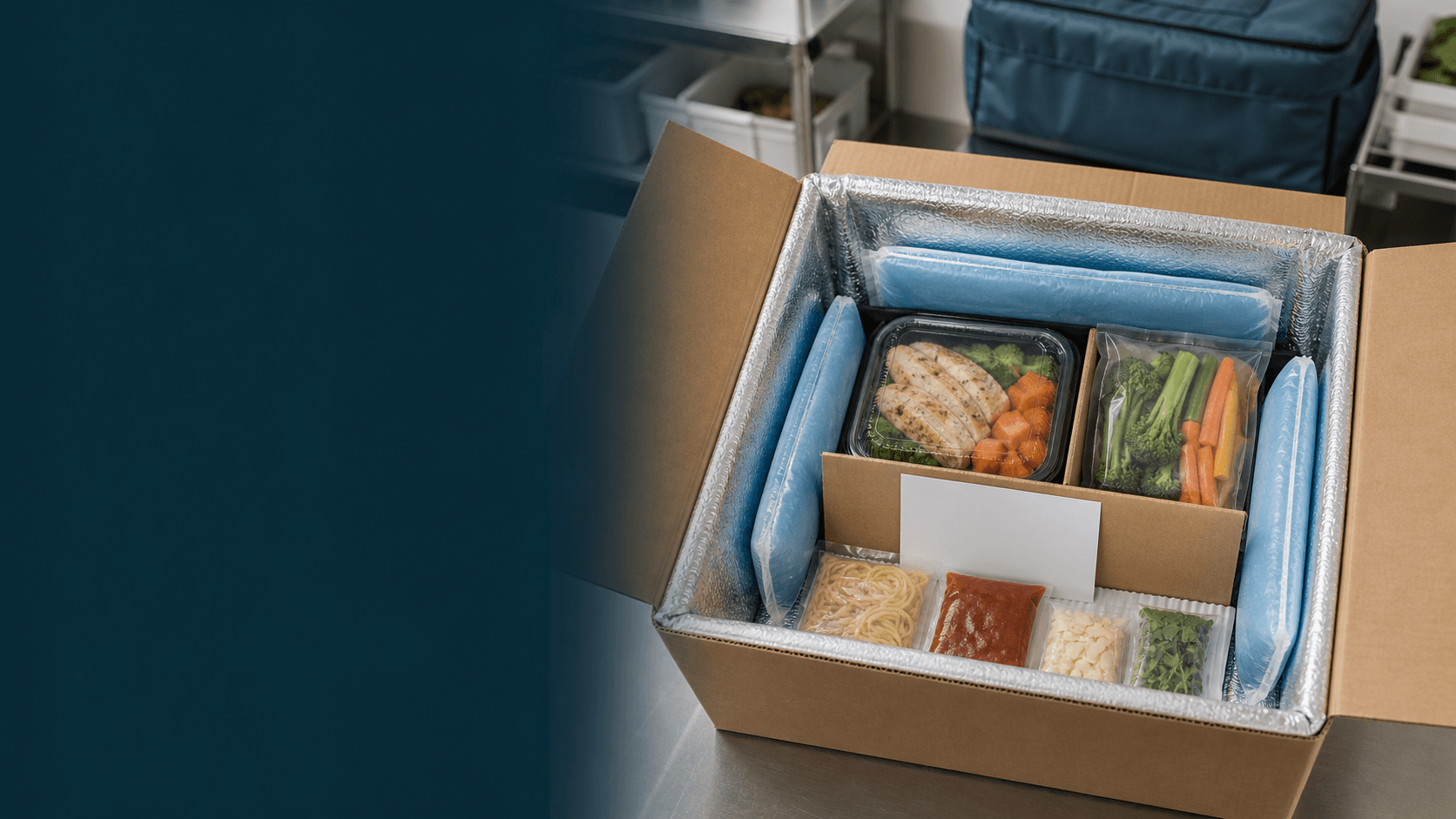
Memilih Produsen Pengiriman Farmasi Kotak Es Medis
Keputusan yang andal dimulai dengan kasus penggunaan yang terkontrol, bukan kapasitas katalog. A search for a medical ice box pharmaceutical shipping manufacturer usually combines several questions: Apakah muatan lengkapnya akan muat, dapatkah konfigurasi melindunginya di rute, dapatkah produksi mereproduksi konstruksi yang diuji, dan dapatkah staf menggunakan sistem secara konsisten? Penentuan ukuran harus menggunakan paket lengkap yang memenuhi syarat karena ruang internal kotor tidak sama dengan kapasitas muatan bersih.
Untuk peninjauan akhir terhadap pengirim medis produk campuran, kerangka kerja berikut mengubah pertanyaan-pertanyaan tersebut menjadi gerbang keputusan. Itu menyimpan bukti teknis, ketentuan pengadaan, dan eksekusi lapangan terhubung tanpa memperlakukan kotak sebagai satu-satunya sumber pengatur suhu.
Gerbang Satu: Bekukan Produk dan Lane Brief
Sebelum peningkatan terkendali pada pengirim produk medis campuran, sebutkan isinya, presentasi, kuantitas, asal dan tujuan pengiriman, paparan musiman, perubahan hak asuh, pembukaan yang direncanakan, penundaan yang kredibel, dan proses penerimaan. Label produk yang disetujui dan unit mutu yang bertanggung jawab harus menentukan kisaran suhu yang diperbolehkan dan kebijakan perjalanan apa pun. Rencana suhu 2°C hingga 8°C adalah hal yang umum untuk banyak produk berpendingin, tapi ini bukan aturan universal. Produk yang sensitif terhadap pembekuan memerlukan perlindungan batas bawah yang jelas.
Pada pelepasan pengirim medis produk campuran, mengubah ringkasan menjadi kriteria penerimaan yang dapat diperiksa atau diuji. Contohnya termasuk geometri internal, berat yang dikemas, penutup, area label, kompatibilitas pembersihan, bukti suhu, dokumentasi, dan mengubah pemberitahuan. Tetapkan pemilik untuk setiap kriteria. Pengadaan dapat memiliki persyaratan komersial, namun staf mutu atau teknis harus memiliki persyaratan yang mempengaruhi perlindungan produk.
Untuk peninjauan akhir terhadap pengirim medis produk campuran, jika jalurnya baru, tandai asumsi secara terbuka. Waktu perjalanan maksimum yang dinyatakan berbeda dengan profil distribusi yang diamati. Perencanaan menghadapi ketidakpastian berguna; menyembunyikannya di dalam “batas keamanan” yang tidak dapat dijelaskan membuat peninjauan di masa mendatang menjadi sulit.
Gerbang Dua: Ubah Label Kapasitas Menjadi Paket
Pada pelepasan pengirim medis produk campuran, mulai dengan gambar dimensi muatan sebenarnya. Tambahkan setiap unit pendingin, pembagi, penghalang, monitor, pengatur jarak, dan komponen pelindung. Tunjukkan titik-titik sempit, dinding lancip, sudut membulat, menangani intrusi, dan ceruk tutup. Hitung rongga kotor dan muatan bersih secara terpisah, lalu timbang beban yang sudah dirakit.
Sebelum peningkatan terkendali pada pengirim produk medis campuran, penataan yang efisien bukan hanya penataan yang memiliki ruang kosong paling sedikit. Operator memerlukan ruang untuk memuat komponen dalam urutan yang benar dan mengambil isinya tanpa merusak karton. Logger membutuhkan posisi yang ditentukan, dan cairan pendingin tidak boleh berpindah selama penanganan. Tinjau apakah wadah yang dikemas tetap praktis untuk satu atau dua orang sesuai dengan aturan keselamatan pembeli.
Sebelum peningkatan terkendali pada pengirim produk medis campuran, buat kode konfigurasi untuk paket. Jika muatan dihitung, pendingin, atau perubahan musim, berikan alternatif identitas terpisah sampai bukti mendukung penggabungannya dengan konfigurasi yang ada.
Catatan Keputusan Tunggal
| Gerbang ulasan | Bukti ditempatkan dalam catatan | Pemilik keputusan |
|---|---|---|
| Produk dan jalur | Batasan yang disetujui, muatan, peta rute, asumsi penundaan | Kualitas dan logistik |
| Kapasitas dan penanganan | Gambar bagian dalam, memuat peta, berat yang dikemas, lari kering | Pengemasan dan operasi |
| Pertunjukan | Protokol, data termal, pemeriksaan fisik, penyimpangan | Teknis atau kualitas |
| Produksi | Spesifikasi yang dirilis, rencana pemeriksaan, status revisi | Kualitas dan pengadaan pemasok |
| Penyebaran | Mengemas, monitor, menerima, membersihkan, dan instruksi pengecualian | Operasi dan kualitas |
| Ekonomi | Biaya mendarat, tenaga kerja, kembali, kehilangan, memperbaiki, dan asumsi pensiun | Pemilik pengadaan dan program |
Untuk peninjauan akhir terhadap pengirim medis produk campuran, satu catatan tidak berarti satu orang mengambil setiap keputusan. Ini memberikan indeks umum dan kutipan, mencicipi, tes, spesifikasi, dan instruksi kerja tidak dapat dialihkan ke versi yang terpisah.
Jadikan Daftar Pendek Pemasok Sebanding
Sebelum peningkatan terkendali pada pengirim produk medis campuran, gunakan pertanyaan yang menghasilkan bukti. Daripada menanyakan apakah sebuah kotak tahan lama, meminta definisi konstruksi dan metode pengujian yang relevan. Daripada bertanya apakah pabriknya memiliki kualitas yang bagus, tanyakan seberapa penting dimensinya, isolasi tersembunyi, penutupan pas, dan unit yang tidak sesuai dikendalikan. Jawaban bersyarat dengan batasan yang jelas lebih berguna daripada janji yang luas.
Sebelum peningkatan terkendali pada pengirim produk medis campuran, skor item yang belum terselesaikan secara terpisah dari kelemahan yang dikonfirmasi. Laporan yang hilang mungkin dapat diperoleh, sedangkan geometri yang tidak sesuai dengan paket adalah masalah desain. Pembedaan ini mencegah ketidakpastian awal diperlakukan sebagai bukti dan mencegah penetapan harga yang menarik untuk menyembunyikan pekerjaan yang masih menjadi milik pembeli.
Gerbang Tiga: Prototipe Urutan Operasi
Sebelum peningkatan terkendali pada pengirim produk medis campuran, gunakan komponen yang representatif dan minta operator yang dituju melakukan pengemasan. Persiapan pendingin waktu, memuat, aktivasi pencatat, penutup, pelabelan, transfer, pembukaan, dan membongkar. Amati ambiguitas: sebuah komponen yang dapat dipasang dua arah pada akhirnya akan dipasang dua arah kecuali desain atau instruksi mencegahnya.
Dalam tinjauan lintas fungsi dari pengirim medis produk campuran, termasuk pengkondisian cairan pendingin yang disetujui, tindakan pencegahan pembekuan, orientasi muatan, posisi logger yang dibenarkan, dan instruksi untuk bertamasya. Sebuah monitor memberikan bukti; itu tidak mendinginkan produk atau membuat kemasan yang tidak sesuai dapat diterima.
Untuk peninjauan akhir terhadap pengirim medis produk campuran, memotret urutan yang disetujui dan menentukan substitusi yang diperbolehkan. Muatan yang lebih kecil, karton alternatif, atau ukuran cairan pendingin yang berbeda dapat mengubah distribusi massa termal dan suhu. Jangan mengandalkan “setara” kecuali kesetaraan tersebut mempunyai dasar teknis yang terdokumentasi.
Gerbang Empat: Bangun Bukti Berlapis
Untuk peninjauan akhir terhadap pengirim medis produk campuran, pengujian pengembangan membantu memilih geometri dan cairan pendingin. Kualifikasi formal menantang konfigurasi akhir terhadap protokol yang telah disetujui sebelumnya. Pengujian fisik memeriksa guncangan, getaran, kompresi, penutup, dan integritas paket. Verifikasi lapangan memeriksa asumsi selama pergerakan nyata. Pemantauan berkelanjutan membantu mendeteksi variasi setelah peluncuran.
Sebelum peningkatan terkendali pada pengirim produk medis campuran, profil termal yang diakui dapat mendukung pekerjaan laboratorium, namun organisasi yang bertanggung jawab harus membandingkannya dengan jalur dan produk sebenarnya. Kualifikasi paket, pemantauan, prosedur, pelatihan, menerima ulasan, dan penanganan penyimpangan secara kolektif mendukung pengendalian; kotak kosong tidak dapat dinyatakan memenuhi persyaratan universal.
Pada pelepasan pengirim medis produk campuran, membaca laporan melebihi durasi judul. Konfirmasi revisi kotak, muatan, pendingin dan pengkondisian, suhu awal, profil lingkungan, peta sensor, status peralatan, jumlah sampel, penyimpangan, data mentah, dan lulus kriteria. Hasil berlaku untuk kondisi yang dinyatakan. Jika laporan tidak dapat direproduksi dari uraiannya, itu adalah dukungan yang lemah untuk instruksi kerja yang terkontrol.
Gerbang Lima: Jadikan Produksi Sesuai dengan Bukti
Pada pelepasan pengirim medis produk campuran, merilis spesifikasi yang mengidentifikasi shell, isolasi, perangkat keras, paking, dimensi kritis, berat rakitan, menyelesaikan, Label, dan pengemasan. Tautkan ke bill of material yang diuji dan revisi model. Setuju bagaimana materi masuk, pencetakan atau perakitan, fitur isolasi tersembunyi, penutupan pas, dan fungsi akhir diperiksa.
Pada pelepasan pengirim medis produk campuran, menyetujui produksi percontohan daripada mengasumsikan sampel teknik mewakili keluaran yang stabil. Periksa unit dari rongga perkakas yang relevan, mengamati perakitan, dan membandingkan pengukuran kritis. Tentukan bagaimana produk yang tidak sesuai dipisahkan dan bagaimana tindakan perbaikan dikomunikasikan.
Pada pelepasan pengirim medis produk campuran, kontrol perubahan melindungi rantai ini. Sumber resin baru, formulasi busa, memalangi, paking, cetakan, atau subkontraktor dapat sah, namun hal ini memerlukan pemberitahuan dan peninjauan risiko. Hal yang sama berlaku ketika pembeli mengubah muatan, pendingin, posisi pencatat, rute, atau instruksi kerja.
Gerbang Enam: Lepaskan Tujuannya, Bukan Hanya Kotaknya
Sebelum peningkatan terkendali pada pengirim produk medis campuran, mempersiapkan penerima dengan identifikasi kiriman, ruang penyimpanan atau bongkar, metode pembacaan monitor yang digunakan, dan kontak eskalasi bernama. Tentukan pemeriksaan kerusakan, segel, penutup, menunda, dan catatan. Saat diterima, tautkan catatan logger ke pengiriman, verifikasi kondisi, dan ikuti jalur eskalasi yang disetujui. Alarm biasanya memerlukan karantina dan penilaian resmi menggunakan informasi produk; tidak, dengan sendirinya, keputusan disposisi akhir.
Pada pelepasan pengirim medis produk campuran, tujuan juga memulai siklus berikutnya. Periksa cangkang, tutup, paking, perangkat keras, batas isolasi, bau, Label, dan masuknya air. Tetapkan status seperti menunggu pemeriksaan, membersihkan, dilepaskan, dikarantina, atau pensiun. Jauhkan wadah yang rusak atau kotor dari stok yang dikeluarkan.
Dalam tinjauan lintas fungsi dari pengirim medis produk campuran, umpan balik rute harus membedakan desain, sedang mengemas, penanganan, menunda, dan menerima penyebab. Masalah yang berulang di satu hub mungkin memerlukan perbaikan penjadwalan atau pementasan daripada isolasi lebih lanjut.
Pengecualian Tantangan Sebelum Persetujuan
Untuk peninjauan akhir terhadap pengirim medis produk campuran, kesuksesan rutin tidak menunjukkan bagaimana sistem berperilaku ketika operasi menyimpang. Selama peninjauan desain, berjalan melalui penjemputan yang terlambat, koneksi tidak terjawab, paparan musim dingin, pembukaan tutup, kotak terisi sebagian, kait rusak, kegagalan pencatat, penerima yang tidak ada, atau penyimpanan terkontrol tidak tersedia. Pilih skenario yang kredibel untuk rute tersebut daripada menciptakan peristiwa dramatis yang tidak akan pernah dihadapi oleh program tersebut.
Untuk peninjauan akhir terhadap pengirim medis produk campuran, untuk setiap pengecualian, mendefinisikan deteksi, penahanan segera, komunikasi, otoritas, dokumentasi, dan pemulihan. Beberapa risiko sebaiknya dikurangi dengan margin pengemasan; yang lain memerlukan instruksi operator, penyimpanan cadangan, kontrol janji temu, monitor cadangan, atau proses karantina. This exercise prevents the thermal box from becoming the default answer to operational problems it cannot control.
Pada pelepasan pengirim medis produk campuran, pengecualian juga mengungkapkan informasi mana yang harus disertakan bersama kiriman. Suatu tujuan mungkin memerlukan identitas produk, waktu berkemas, memantau instruksi, kontak eskalasi, kondisi penyimpanan, dan keputusan apakah tutupnya boleh dibuka. Jaga agar instruksi yang terlihat tetap singkat, dengan prosedur rinci yang dipelihara dalam sistem yang terkendali.
Gerbang Tujuh: Bandingkan Nilai Siklus Hidup
Sebelum peningkatan terkendali pada pengirim produk medis campuran, menggabungkan harga satuan dengan pengiriman masuk, angkutan keluar, persiapan pendingin, tenaga pengepakan, pemantauan, pembersihan, penyimpanan, kembali, memperbaiki, kehilangan, dokumentasi, dan pensiun. Gunakan asumsi rute spesifik dan tunjukkan beberapa tingkat pemulihan untuk program yang dapat digunakan kembali. Jangan mengubah skenario optimis menjadi klaim tabungan universal.
Untuk peninjauan akhir terhadap pengirim medis produk campuran, loop tertutup mungkin membenarkan kotak yang kokoh dan dapat diperbaiki, sementara jaringan terbuka mungkin memprioritaskan ketersediaan, kubus kotak kosong, dan opsi akhir masa pakai lokal. Analisis keberlanjutan mengikuti logika yang sama. Perjalanan selesai, jarak pemulihan, proses pencucian, kerusakan, dan rute pembuangan dapat diukur; kata “dapat digunakan kembali” saja bukanlah dampak lingkungan.
Pertahankan Kontrol Setelah Peluncuran
Untuk peninjauan akhir terhadap pengirim medis produk campuran, menetapkan ritme peninjauan untuk data pengiriman, waktu rute, kerusakan, kesalahan pengepakan, menerima penundaan, kembali, pembersihan penolakan, dan penyimpangan pemasok. Informasi tren berdasarkan konfigurasi dan jalur sehingga permasalahan dalam satu musim atau hub tidak menghasilkan perubahan global yang tidak perlu. Tentukan ambang batas yang memicu penyelidikan, pelatihan ulang, tindakan pemasok, tinjauan protokol, atau kualifikasi ulang.
Sebelum peningkatan terkendali pada pengirim produk medis campuran, ketertelusuran harus proporsional dengan risiko dan dapat digunakan dalam praktik. Revisi model, lot atau tanggal produksi, identitas pendingin, pengenal penebang, pengepak, referensi pengiriman, dan penerima semuanya mungkin relevan. Pilih bidang yang diperlukan untuk merekonstruksi suatu peristiwa dan membuatnya mudah untuk ditangkap. Catatan rumit yang sering kali kosong lebih lemah dibandingkan catatan terfokus yang dapat diselesaikan oleh tim dengan andal.
Untuk peninjauan akhir terhadap pengirim medis produk campuran, menjadwalkan tinjauan pasca-peluncuran lintas fungsi. Konfirmasikan bahwa kotak yang dipilih tersedia, paketnya dapat diulang, catatan dapat diambil, pengecualian ditangani, dan asumsi siklus hidup tetap kredibel. Desain yang dirilis adalah titik awal yang terkendali, bukan akhir dari penatalayanan.
Contoh praktis: menutup gerbang
Pertanyaan yang sering diajukan
Informasi apa yang harus dikirim ke produsen terlebih dahulu?
Untuk peninjauan akhir terhadap pengirim medis produk campuran, memberikan dimensi produk dan karton, kondisi suhu yang disetujui, kuantitas muatan, durasi rute dan musim, serah terima, penundaan yang diharapkan, kebutuhan pemantauan, rencana penggunaan kembali, volume pesanan, dan catatan yang diperlukan. Nyatakan juga apa yang masih belum diputuskan. Ringkasan ini memungkinkan pemasok merekomendasikan konfigurasi tanpa berpura-pura bahwa nomor model saja yang menjawab pertanyaan spesifik produk.
Mengapa volume kotor dan volume yang dapat digunakan harus dipisahkan?
Untuk peninjauan akhir terhadap pengirim medis produk campuran, volume kotor menggambarkan rongga kosong. Volume yang dapat digunakan mencerminkan ruang yang tersisa untuk muatan yang dapat dijual setelah cairan pendingin, hambatan, monitor, dunnage, sudut membulat, dan intrusi tutup. Pengadaan membutuhkan keduanya, ditambah gambar beban dan berat yang dikemas. Kategori nominal berguna untuk pencarian, tapi ini bukan penghitungan kapasitas pengiriman yang dapat diandalkan.
Dapatkah pengiriman sampel yang berhasil menggantikan kualifikasi?
TIDAK. Uji coba yang berhasil dapat memberikan informasi lapangan yang berguna, namun hal ini mungkin tidak menantang kondisi musiman yang ekstrem atau menunjukkan keterulangan. Protokol kualifikasi berbasis risiko mendefinisikan konfigurasi, profil, sensor, lamanya, dan kriteria penerimaan terlebih dahulu. Verifikasi lapangan dan pemantauan berkelanjutan kemudian dapat memastikan apakah asumsi pengoperasian tetap tepat. Batasan ini sangat penting untuk peninjauan akhir pengirim produk medis campuran.
Apa yang harus terjadi ketika bahan produksi berubah?
Untuk peninjauan akhir terhadap pengirim medis produk campuran, pemasok harus memberi tahu pembeli sesuai dengan matriks yang disepakati. Pemilik kualitas dan teknis menilai pengaruhnya terhadap kesesuaian, perilaku termal, daya tahan, catatan, dan kualifikasi sebelumnya. Responsnya dapat berkisar dari peninjauan dokumen hingga pengujian perbandingan atau kualifikasi ulang. Perubahan harus dievaluasi, tidak secara otomatis ditolak atau diterima secara diam-diam.
Kesimpulan
Sebelum peningkatan terkendali pada pengirim produk medis campuran, pilih sistem dalam urutan terkendali: menentukan produk dan jalur, membuktikan kecocokan yang dapat digunakan, membuat prototipe prosesnya, membangun bukti yang sesuai, mengendalikan produksi, mempersiapkan penerimaan, dan membandingkan nilai siklus hidup. Pertahankan kategori nominalnya, volume kotor, dan muatan yang dapat digunakan berbeda. Yang paling penting, menghubungkan setiap pernyataan kinerja dengan konfigurasi dan kondisi yang mendukungnya.
Tentang tempk
Pada pelepasan pengirim medis produk campuran, Tempk, terkait dengan Shanghai Tempk, supplies medical cooler boxes, Kotak Epp, Kotak berinsulasi VIP, plastic cold-chain boxes, dan opsi cairan pendingin yang cocok. Tinjauan dapat dimulai dengan geometri muatan, kondisi yang diperlukan, rute, paket, penanganan, dan rencana pemesanan. Pembeli tetap bertanggung jawab untuk menilai dan mengkualifikasi konfigurasi akhir untuk produk spesifik mereka, prosedur operasi, dan lingkungan distribusi.
Langkah selanjutnya: Kirimkan Tempk gambar beban Anda, batas operasi, asumsi jalur, dan kuantitas yang diharapkan untuk membandingkan konfigurasi kotak dan cairan pendingin praktis. Terapkan permintaan ini untuk peninjauan akhir terhadap pengirim produk medis campuran.
Kerangka Pemilihan Produsen Pengangkutan Vaksin Kotak Es Industri
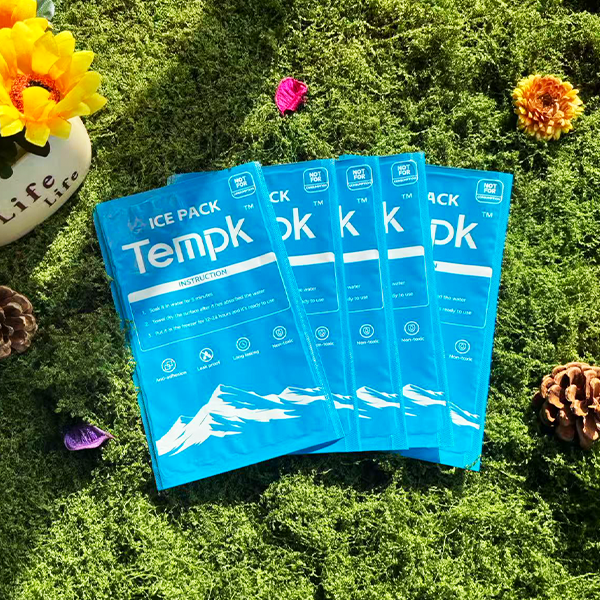
Bagaimana Mengevaluasi Produsen Pengangkutan Vaksin Kotak Es Industri
Keputusan yang andal dimulai dengan kasus penggunaan yang terkontrol, bukan kapasitas katalog. A search for an industrial ice box vaccine transport manufacturer usually combines several questions: Apakah muatan lengkapnya akan muat, dapatkah konfigurasi melindunginya di rute, dapatkah produksi mereproduksi konstruksi yang diuji, dan dapatkah staf menggunakan sistem secara konsisten? Kapasitas harus mengikuti usulan muatan dan pengaturan cairan pendingin, bukan label ukuran eksterior.
Untuk tinjauan akhir program kotak vaksin industri, kerangka kerja berikut mengubah pertanyaan-pertanyaan tersebut menjadi gerbang keputusan. Itu menyimpan bukti teknis, ketentuan pengadaan, dan eksekusi lapangan terhubung tanpa memperlakukan kotak sebagai satu-satunya sumber pengatur suhu.
Gerbang Satu: Bekukan Produk dan Lane Brief
Sebelum peningkatan skala program kotak vaksin industri secara terkendali, sebutkan isinya, presentasi, kuantitas, asal dan tujuan pengiriman, paparan musiman, perubahan hak asuh, pembukaan yang direncanakan, penundaan yang kredibel, dan proses penerimaan. Label produk yang disetujui dan unit mutu yang bertanggung jawab harus menentukan kisaran suhu yang diperbolehkan dan kebijakan perjalanan apa pun. Rencana suhu 2°C hingga 8°C adalah hal yang umum untuk banyak produk berpendingin, tapi ini bukan aturan universal. Produk yang sensitif terhadap pembekuan memerlukan perlindungan batas bawah yang jelas.
Saat peluncuran program kotak vaksin industri, mengubah ringkasan menjadi kriteria penerimaan yang dapat diperiksa atau diuji. Contohnya termasuk geometri internal, berat yang dikemas, penutup, area label, kompatibilitas pembersihan, bukti suhu, dokumentasi, dan mengubah pemberitahuan. Tetapkan pemilik untuk setiap kriteria. Pengadaan dapat memiliki persyaratan komersial, namun staf mutu atau teknis harus memiliki persyaratan yang mempengaruhi perlindungan produk.
Untuk tinjauan akhir program kotak vaksin industri, jika jalurnya baru, tandai asumsi secara terbuka. Waktu perjalanan maksimum yang dinyatakan berbeda dengan profil distribusi yang diamati. Perencanaan menghadapi ketidakpastian berguna; menyembunyikannya di dalam “batas keamanan” yang tidak dapat dijelaskan membuat peninjauan di masa mendatang menjadi sulit.
Gerbang Dua: Ubah Label Kapasitas Menjadi Paket
Saat peluncuran program kotak vaksin industri, mulai dengan gambar dimensi muatan sebenarnya. Tambahkan setiap unit pendingin, pembagi, penghalang, monitor, pengatur jarak, dan komponen pelindung. Tunjukkan titik-titik sempit, dinding lancip, sudut membulat, menangani intrusi, dan ceruk tutup. Hitung rongga kotor dan muatan bersih secara terpisah, lalu timbang beban yang sudah dirakit.
Sebelum peningkatan skala program kotak vaksin industri secara terkendali, penataan yang efisien bukan hanya penataan yang memiliki ruang kosong paling sedikit. Operator memerlukan ruang untuk memuat komponen dalam urutan yang benar dan mengambil isinya tanpa merusak karton. Logger membutuhkan posisi yang ditentukan, dan cairan pendingin tidak boleh berpindah selama penanganan. Tinjau apakah wadah yang dikemas tetap praktis untuk satu atau dua orang sesuai dengan aturan keselamatan pembeli.
Sebelum peningkatan skala program kotak vaksin industri secara terkendali, buat kode konfigurasi untuk paket. Jika muatan dihitung, pendingin, atau perubahan musim, berikan alternatif identitas terpisah sampai bukti mendukung penggabungannya dengan konfigurasi yang ada.
Catatan Keputusan Tunggal
| Gerbang ulasan | Bukti ditempatkan dalam catatan | Pemilik keputusan |
|---|---|---|
| Produk dan jalur | Batasan yang disetujui, muatan, peta rute, asumsi penundaan | Kualitas dan logistik |
| Kapasitas dan penanganan | Gambar bagian dalam, memuat peta, berat yang dikemas, lari kering | Pengemasan dan operasi |
| Pertunjukan | Protokol, data termal, pemeriksaan fisik, penyimpangan | Teknis atau kualitas |
| Produksi | Spesifikasi yang dirilis, rencana pemeriksaan, status revisi | Kualitas dan pengadaan pemasok |
| Penyebaran | Mengemas, monitor, menerima, membersihkan, dan instruksi pengecualian | Operasi dan kualitas |
| Ekonomi | Biaya mendarat, tenaga kerja, kembali, kehilangan, memperbaiki, dan asumsi pensiun | Pemilik pengadaan dan program |
Untuk tinjauan akhir program kotak vaksin industri, satu catatan tidak berarti satu orang mengambil setiap keputusan. Ini memberikan indeks umum dan kutipan, mencicipi, tes, spesifikasi, dan instruksi kerja tidak dapat dialihkan ke versi yang terpisah.
Jadikan Daftar Pendek Pemasok Sebanding
Sebelum peningkatan skala program kotak vaksin industri secara terkendali, gunakan pertanyaan yang menghasilkan bukti. Daripada menanyakan apakah sebuah kotak tahan lama, meminta definisi konstruksi dan metode pengujian yang relevan. Daripada bertanya apakah pabriknya memiliki kualitas yang bagus, tanyakan seberapa penting dimensinya, isolasi tersembunyi, penutupan pas, dan unit yang tidak sesuai dikendalikan. Jawaban bersyarat dengan batasan yang jelas lebih berguna daripada janji yang luas.
Sebelum peningkatan skala program kotak vaksin industri secara terkendali, skor item yang belum terselesaikan secara terpisah dari kelemahan yang dikonfirmasi. Laporan yang hilang mungkin dapat diperoleh, sedangkan geometri yang tidak sesuai dengan paket adalah masalah desain. Pembedaan ini mencegah ketidakpastian awal diperlakukan sebagai bukti dan mencegah penetapan harga yang menarik untuk menyembunyikan pekerjaan yang masih menjadi milik pembeli.
Gerbang Tiga: Prototipe Urutan Operasi
Sebelum peningkatan skala program kotak vaksin industri secara terkendali, gunakan komponen yang representatif dan minta operator yang dituju melakukan pengemasan. Persiapan pendingin waktu, memuat, aktivasi pencatat, penutup, pelabelan, transfer, pembukaan, dan membongkar. Amati ambiguitas: sebuah komponen yang dapat dipasang dua arah pada akhirnya akan dipasang dua arah kecuali desain atau instruksi mencegahnya.
Dalam tinjauan lintas fungsi program kotak vaksin industri, termasuk pengkondisian cairan pendingin yang disetujui, tindakan pencegahan pembekuan, orientasi muatan, posisi logger yang dibenarkan, dan instruksi untuk bertamasya. Sebuah monitor memberikan bukti; itu tidak mendinginkan produk atau membuat kemasan yang tidak sesuai dapat diterima.
Untuk tinjauan akhir program kotak vaksin industri, memotret urutan yang disetujui dan menentukan substitusi yang diperbolehkan. Muatan yang lebih kecil, karton alternatif, atau ukuran cairan pendingin yang berbeda dapat mengubah distribusi massa termal dan suhu. Jangan mengandalkan “setara” kecuali kesetaraan tersebut mempunyai dasar teknis yang terdokumentasi.
Gerbang Empat: Bangun Bukti Berlapis
Untuk tinjauan akhir program kotak vaksin industri, pengujian pengembangan membantu memilih geometri dan cairan pendingin. Kualifikasi formal menantang konfigurasi akhir terhadap protokol yang telah disetujui sebelumnya. Pengujian fisik memeriksa guncangan, getaran, kompresi, penutup, dan integritas paket. Verifikasi lapangan memeriksa asumsi selama pergerakan nyata. Pemantauan berkelanjutan membantu mendeteksi variasi setelah peluncuran.
Sebelum peningkatan skala program kotak vaksin industri secara terkendali, profil termal yang diakui dapat mendukung pekerjaan laboratorium, namun organisasi yang bertanggung jawab harus membandingkannya dengan jalur dan produk sebenarnya. Kualifikasi paket, pemantauan, prosedur, pelatihan, menerima ulasan, dan penanganan penyimpangan secara kolektif mendukung pengendalian; kotak kosong tidak dapat dinyatakan memenuhi persyaratan universal.
Saat peluncuran program kotak vaksin industri, membaca laporan melebihi durasi judul. Konfirmasi revisi kotak, muatan, pendingin dan pengkondisian, suhu awal, profil lingkungan, peta sensor, status peralatan, jumlah sampel, penyimpangan, data mentah, dan lulus kriteria. Hasil berlaku untuk kondisi yang dinyatakan. Jika laporan tidak dapat direproduksi dari uraiannya, itu adalah dukungan yang lemah untuk instruksi kerja yang terkontrol.
Gerbang Lima: Jadikan Produksi Sesuai dengan Bukti
Saat peluncuran program kotak vaksin industri, merilis spesifikasi yang mengidentifikasi shell, isolasi, perangkat keras, paking, dimensi kritis, berat rakitan, menyelesaikan, Label, dan pengemasan. Tautkan ke bill of material yang diuji dan revisi model. Setuju bagaimana materi masuk, pencetakan atau perakitan, fitur isolasi tersembunyi, penutupan pas, dan fungsi akhir diperiksa.
Saat peluncuran program kotak vaksin industri, menyetujui produksi percontohan daripada mengasumsikan sampel teknik mewakili keluaran yang stabil. Periksa unit dari rongga perkakas yang relevan, mengamati perakitan, dan membandingkan pengukuran kritis. Tentukan bagaimana produk yang tidak sesuai dipisahkan dan bagaimana tindakan perbaikan dikomunikasikan.
Saat peluncuran program kotak vaksin industri, kontrol perubahan melindungi rantai ini. Sumber resin baru, formulasi busa, memalangi, paking, cetakan, atau subkontraktor dapat sah, namun hal ini memerlukan pemberitahuan dan peninjauan risiko. Hal yang sama berlaku ketika pembeli mengubah muatan, pendingin, posisi pencatat, rute, atau instruksi kerja.
Gerbang Enam: Lepaskan Tujuannya, Bukan Hanya Kotaknya
Sebelum peningkatan skala program kotak vaksin industri secara terkendali, mempersiapkan penerima dengan identifikasi kiriman, ruang penyimpanan atau bongkar, metode pembacaan monitor yang digunakan, dan kontak eskalasi bernama. Tentukan pemeriksaan kerusakan, segel, penutup, menunda, dan catatan. Saat diterima, tautkan catatan logger ke pengiriman, verifikasi kondisi, dan ikuti jalur eskalasi yang disetujui. Alarm biasanya memerlukan karantina dan penilaian resmi menggunakan informasi produk; tidak, dengan sendirinya, keputusan disposisi akhir.
Saat peluncuran program kotak vaksin industri, tujuan juga memulai siklus berikutnya. Periksa cangkang, tutup, paking, perangkat keras, batas isolasi, bau, Label, dan masuknya air. Tetapkan status seperti menunggu pemeriksaan, membersihkan, dilepaskan, dikarantina, atau pensiun. Jauhkan wadah yang rusak atau kotor dari stok yang dikeluarkan.
Dalam tinjauan lintas fungsi program kotak vaksin industri, umpan balik rute harus membedakan desain, sedang mengemas, penanganan, menunda, dan menerima penyebab. Masalah yang berulang di satu hub mungkin memerlukan perbaikan penjadwalan atau pementasan daripada isolasi lebih lanjut.
Pengecualian Tantangan Sebelum Persetujuan
Untuk tinjauan akhir program kotak vaksin industri, kesuksesan rutin tidak menunjukkan bagaimana sistem berperilaku ketika operasi menyimpang. Selama peninjauan desain, berjalan melalui penjemputan yang terlambat, koneksi tidak terjawab, paparan musim dingin, pembukaan tutup, kotak terisi sebagian, kait rusak, kegagalan pencatat, penerima yang tidak ada, atau penyimpanan terkontrol tidak tersedia. Pilih skenario yang kredibel untuk rute tersebut daripada menciptakan peristiwa dramatis yang tidak akan pernah dihadapi oleh program tersebut.
Untuk tinjauan akhir program kotak vaksin industri, untuk setiap pengecualian, mendefinisikan deteksi, penahanan segera, komunikasi, otoritas, dokumentasi, dan pemulihan. Beberapa risiko sebaiknya dikurangi dengan margin pengemasan; yang lain memerlukan instruksi operator, penyimpanan cadangan, kontrol janji temu, monitor cadangan, atau proses karantina. This exercise prevents the thermal box from becoming the default answer to operational problems it cannot control.
Saat peluncuran program kotak vaksin industri, pengecualian juga mengungkapkan informasi mana yang harus disertakan bersama kiriman. Suatu tujuan mungkin memerlukan identitas produk, waktu berkemas, memantau instruksi, kontak eskalasi, kondisi penyimpanan, dan keputusan apakah tutupnya boleh dibuka. Jaga agar instruksi yang terlihat tetap singkat, dengan prosedur rinci yang dipelihara dalam sistem yang terkendali.
Gerbang Tujuh: Bandingkan Nilai Siklus Hidup
Sebelum peningkatan skala program kotak vaksin industri secara terkendali, menggabungkan harga satuan dengan pengiriman masuk, angkutan keluar, persiapan pendingin, tenaga pengepakan, pemantauan, pembersihan, penyimpanan, kembali, memperbaiki, kehilangan, dokumentasi, dan pensiun. Gunakan asumsi rute spesifik dan tunjukkan beberapa tingkat pemulihan untuk program yang dapat digunakan kembali. Jangan mengubah skenario optimis menjadi klaim tabungan universal.
Untuk tinjauan akhir program kotak vaksin industri, loop tertutup mungkin membenarkan kotak yang kokoh dan dapat diperbaiki, sementara jaringan terbuka mungkin memprioritaskan ketersediaan, kubus kotak kosong, dan opsi akhir masa pakai lokal. Analisis keberlanjutan mengikuti logika yang sama. Perjalanan selesai, jarak pemulihan, proses pencucian, kerusakan, dan rute pembuangan dapat diukur; kata “dapat digunakan kembali” saja bukanlah dampak lingkungan.
Pertahankan Kontrol Setelah Peluncuran
Untuk tinjauan akhir program kotak vaksin industri, menetapkan ritme peninjauan untuk data pengiriman, waktu rute, kerusakan, kesalahan pengepakan, menerima penundaan, kembali, pembersihan penolakan, dan penyimpangan pemasok. Informasi tren berdasarkan konfigurasi dan jalur sehingga permasalahan dalam satu musim atau hub tidak menghasilkan perubahan global yang tidak perlu. Tentukan ambang batas yang memicu penyelidikan, pelatihan ulang, tindakan pemasok, tinjauan protokol, atau kualifikasi ulang.
Sebelum peningkatan skala program kotak vaksin industri secara terkendali, ketertelusuran harus proporsional dengan risiko dan dapat digunakan dalam praktik. Revisi model, lot atau tanggal produksi, identitas pendingin, pengenal penebang, pengepak, referensi pengiriman, dan penerima semuanya mungkin relevan. Pilih bidang yang diperlukan untuk merekonstruksi suatu peristiwa dan membuatnya mudah untuk ditangkap. Catatan rumit yang sering kali kosong lebih lemah dibandingkan catatan terfokus yang dapat diselesaikan oleh tim dengan andal.
Untuk tinjauan akhir program kotak vaksin industri, menjadwalkan tinjauan pasca-peluncuran lintas fungsi. Konfirmasikan bahwa kotak yang dipilih tersedia, paketnya dapat diulang, catatan dapat diambil, pengecualian ditangani, dan asumsi siklus hidup tetap kredibel. Desain yang dirilis adalah titik awal yang terkendali, bukan akhir dari penatalayanan.
Contoh praktis: menutup gerbang
Pertanyaan yang sering diajukan
Informasi apa yang harus dikirim ke produsen terlebih dahulu?
Untuk tinjauan akhir program kotak vaksin industri, memberikan dimensi produk dan karton, kondisi suhu yang disetujui, kuantitas muatan, durasi rute dan musim, serah terima, penundaan yang diharapkan, kebutuhan pemantauan, rencana penggunaan kembali, volume pesanan, dan catatan yang diperlukan. Nyatakan juga apa yang masih belum diputuskan. Ringkasan ini memungkinkan pemasok merekomendasikan konfigurasi tanpa berpura-pura bahwa nomor model saja yang menjawab pertanyaan spesifik produk.
Mengapa volume kotor dan volume yang dapat digunakan harus dipisahkan?
Untuk tinjauan akhir program kotak vaksin industri, volume kotor menggambarkan rongga kosong. Volume yang dapat digunakan mencerminkan ruang yang tersisa untuk muatan yang dapat dijual setelah cairan pendingin, hambatan, monitor, dunnage, sudut membulat, dan intrusi tutup. Pengadaan membutuhkan keduanya, ditambah gambar beban dan berat yang dikemas. Kategori nominal berguna untuk pencarian, tapi ini bukan penghitungan kapasitas pengiriman yang dapat diandalkan.
Dapatkah pengiriman sampel yang berhasil menggantikan kualifikasi?
TIDAK. Uji coba yang berhasil dapat memberikan informasi lapangan yang berguna, namun hal ini mungkin tidak menantang kondisi musiman yang ekstrem atau menunjukkan keterulangan. Protokol kualifikasi berbasis risiko mendefinisikan konfigurasi, profil, sensor, lamanya, dan kriteria penerimaan terlebih dahulu. Verifikasi lapangan dan pemantauan berkelanjutan kemudian dapat memastikan apakah asumsi pengoperasian tetap tepat. Batasan ini sangat penting untuk tinjauan akhir program kotak vaksin industri.
Apa yang harus terjadi ketika bahan produksi berubah?
Untuk tinjauan akhir program kotak vaksin industri, pemasok harus memberi tahu pembeli sesuai dengan matriks yang disepakati. Pemilik kualitas dan teknis menilai pengaruhnya terhadap kesesuaian, perilaku termal, daya tahan, catatan, dan kualifikasi sebelumnya. Responsnya dapat berkisar dari peninjauan dokumen hingga pengujian perbandingan atau kualifikasi ulang. Perubahan harus dievaluasi, tidak secara otomatis ditolak atau diterima secara diam-diam.
Kesimpulan
Sebelum peningkatan skala program kotak vaksin industri secara terkendali, pilih sistem dalam urutan terkendali: menentukan produk dan jalur, membuktikan kecocokan yang dapat digunakan, membuat prototipe prosesnya, membangun bukti yang sesuai, mengendalikan produksi, mempersiapkan penerimaan, dan membandingkan nilai siklus hidup. Pertahankan kategori nominalnya, volume kotor, dan muatan yang dapat digunakan berbeda. Yang paling penting, menghubungkan setiap pernyataan kinerja dengan konfigurasi dan kondisi yang mendukungnya.
Tentang tempk
Saat peluncuran program kotak vaksin industri, Tempk, terkait dengan Shanghai Tempk, supplies medical cooler boxes, Kotak Epp, Kotak berinsulasi VIP, plastic cold-chain boxes, dan opsi cairan pendingin yang cocok. Tinjauan dapat dimulai dengan geometri muatan, kondisi yang diperlukan, rute, paket, penanganan, dan rencana pemesanan. Pembeli tetap bertanggung jawab untuk menilai dan mengkualifikasi konfigurasi akhir untuk produk spesifik mereka, prosedur operasi, dan lingkungan distribusi.
Langkah selanjutnya: Kirimkan Tempk gambar beban Anda, batas operasi, asumsi jalur, dan kuantitas yang diharapkan untuk membandingkan konfigurasi kotak dan cairan pendingin praktis. Terapkan permintaan ini untuk peninjauan akhir program kotak vaksin industri.
Harga Supplier Peti Es: Buat Kutipan yang Dapat Diaudit
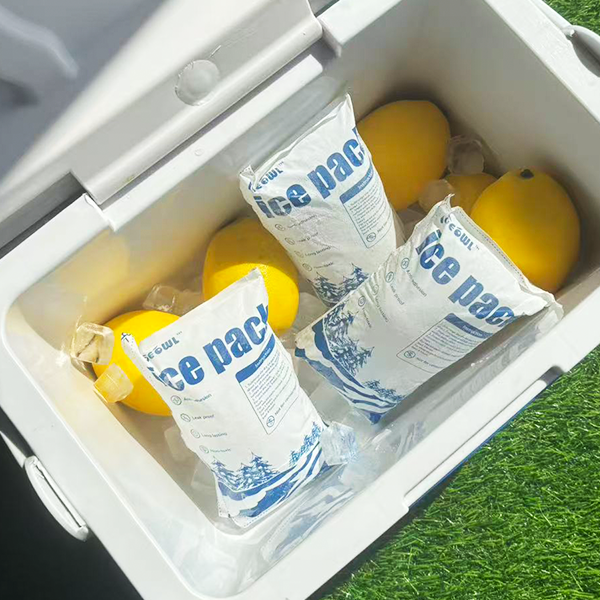
Harga Supplier Peti Es: A Five-Gate Method for an Auditable Purchase
The safest way to evaluate an ice chest supplier price is to make the quotation pass five gates: kesesuaian aplikasi, definisi produk, bukti, delivered economics, dan pengendalian produksi. Price comparison begins only after an offer passes the requirements that protect the payload and the operating workflow. This method works for wholesale coolers, armada pengiriman, produk label pribadi, and passive cold-chain packaging because it exposes assumptions instead of hiding them in a unit figure. Ini juga memberikan pengadaan, Operasi, rekayasa, kualitas, and logistics one shared record of what the supplier has actually offered.
Gerbang 1: Define the job before naming the product
Start with a one-paragraph operating statement. Describe the payload, handling route, pengguna, metode pembersihan, shipment mode, tujuan, pola pesanan yang diharapkan, and whether the chest is single-use, casually reused, or managed as a returnable asset. Jika isinya sensitif terhadap suhu, add the product-specific temperature requirement, durasi rute, kemungkinan paparan lingkungan, sumber dingin, pendekatan pemantauan, and consequence of an excursion.
This step prevents category confusion. “Ice chest” might describe a beverage cooler, a robust transport box, a molded foam container, or part of a qualified thermal shipper. A consumer cooler can be well made without being suitable for a pharmaceutical lane. A durable plastic box can protect against impact without controlling temperature. An insulated wall slows heat flow but does not cool a warm payload. The job statement decides which claims matter.
Pisahkan persyaratan wajib dari preferensi. Mandatory items can include minimum usable dimensions, loaded carrying method, vehicle or rack footprint, kompatibilitas pembersihan, fungsi penutupan, and an acceptable evidence level. Preferences can include a particular shade, decorative surface, or optional accessory. When every request is treated as mandatory, suppliers either overprice the product or silently assume which items can be ignored.
For a nominal size, verify both external and internal dimensions. Then draw or model the payload with coolant, partisi, keranjang, and clearance. Gross internal volume, stated liters, and usable payload space are not interchangeable. A box that meets the volume label but fails the packout should not proceed to price comparison.
Gerbang 2: Freeze a quoteable product definition
The second gate turns the operating statement into a controlled product. The minimum definition normally includes a drawing, deskripsi konstruksi, shell and liner materials, jenis isolasi, lid and sealing arrangement, menangani, engsel, kait, drain or penetrations, warna, branding, aksesoris, dan pengepakan.
Material language must be specific enough to support the risk. “Plastic,” “HDPE,” or “high-density foam” may be useful category labels, but they do not define the finished unit. Resin grade, foam family, density or controlled property where relevant, ketebalan, proses pencetakan, and assembly affect behavior. More material is not always better. A thicker wall can increase freight volume and reduce payload space, while a poorly controlled lid can undermine an otherwise strong wall.
Ask the supplier to identify which elements are standard and which are customized. Standard tooling may reduce cost and lead time. Custom geometry can improve payload efficiency, brand identity, atau penanganan, tapi itu mungkin menambah perkakas, prototipe, approval steps, and retesting. A color or logo change may be cosmetic; an internal-dimension, paking, isolasi, or wall change may affect function.
The quotation should reference a drawing and revision. Product photos are useful for orientation but are not a specification. If the offer changes after negotiation, update the revision rather than relying on email fragments. This simple practice prevents the final price from being attached to an earlier, more expensive construction.
Make inclusions visible
List every component in the offer. Does the price include the lid, paking, sumbat pembuangan, keranjang, pembagi, pendingin, tali pengikat, Label, kemasan individu, karton induk, and pallet? Are spare latches available? Is artwork setup included? Does the sample use production materials? When components are not listed, different suppliers can appear to quote the same product while offering different assemblies.
Gerbang 3: Match evidence to the consequence of failure
Evidence should be proportional. A promotional cooler may need sample approval, pemeriksaan dimensi, and basic functional testing. A daily delivery fleet may add loaded handling, kemampuan bersih, hardware cycling, and repair trials. A temperature-sensitive distribution program may need a defined thermal protocol, pemantauan, instruksi paket, qualification review, dan mengubah kendali.
Thermal evidence requires special care. A claimed duration has meaning only with its conditions: box version, muatan, kuantitas dan penempatan cairan pendingin, suhu awal, pengkondisian, profil lingkungan, sensor, bukaan tutup, lamanya, dan batas penerimaan. Results from an empty box, another size, or a favorable constant ambient condition cannot be automatically transferred to the buyer’s route. Standard profiles can support comparative or qualification work, but the responsible quality team should decide whether additional lane-specific work is necessary.
Mechanical evidence also needs a defined method. “Drop tested” is incomplete without the loaded mass, orientasi, tinggi, pengkondisian, number of samples, dan kriteria penerimaan. The same principle applies to stacking, kebocoran, menangani beban, and closure cycles. The goal is not to demand every possible test. It is to avoid paying for an unsupported claim.
| Tingkat bukti | Appropriate starting point | Batasan penting |
|---|---|---|
| Sampel yang disetujui | Penampilan, bugar, perangkat keras, sedang mengemas, basic handling | One sample does not prove production consistency |
| Supplier inspection records | Ukuran, berat, pembuatan, component function | Records are useful only when criteria and sampling are defined |
| Product-specific test report | Defined mechanical or thermal evaluation | Applies to the tested configuration and conditions |
| Route or program qualification | High-risk temperature-sensitive distribution | Requires control of packout, instruksi, pemantauan, dan perubahan |
The table is a ladder, not a claim that every purchase needs the top level. Buyers should climb only as high as the application requires. Namun, a supplier should not charge for the language of a higher level while providing evidence from a lower one.
Gerbang 4: Normalize the full commercial offer
Once the product and evidence are aligned, convert each quote to the same scope. Keep recurring cost, one-time cost, logistik, and operating cost separate.
Recurring cost includes the chest, perangkat keras, termasuk aksesoris, routine printing, and standard packing. One-time cost includes tooling, prototipe, piring karya seni, rekayasa, dan kualifikasi. Logistics includes origin transport, kargo, asuransi, penanganan tujuan, tugas, pialang, penyimpanan, and final delivery according to the selected Incoterm. Operating cost can include incoming inspection, pengkondisian, pembersihan, pelacakan, logistik terbalik, memperbaiki, kehilangan, dan pembuangan.
Request confirmed master-carton dimensions and weight. Insulated chests can be volume-intensive, so packing design may change landed economics more than a small unit-price difference. Check whether lids or components nest safely, whether cartons need protective inserts, how many cartons fit a pallet, and whether the quoted packing has been physically trialed. Do not use an optimistic container calculation as a supplier promise.
For quantity breaks, record the assumptions. A price for one color in one full production run is not the same as the same annual quantity split among several colors and monthly releases. A mixed-model container can create packing and inventory work. A forecast is not a purchase commitment unless the agreement says so.
Compare the correct unit of value
Use landed cost per saleable unit for wholesale. Use cost per successful route or completed reuse for a fleet. Use full packout cost per protected shipment for cold-chain operations. Use cost per retail sale including returns and packaging for consumer products. The factory unit number remains visible, but it no longer controls a decision for which it is incomplete.
If reuse is claimed, create a separate model. Include recovery, pembersihan, inspeksi, pengeringan, penyimpanan, pelacakan, memperbaiki, and lost units. Test several realistic return and loss assumptions. Do not assume a reuse count solely from the material. Field process, perilaku pengguna, and retirement criteria determine actual use.
Gerbang 5: Connect the approved sample to mass production
The final gate asks whether the supplier can reproduce the product that earned approval. Create a reference record with the signed drawing, sample photographs, ukuran, berat, material or component descriptions, warna, posisi logo, hardware function, kriteria pengerjaan, sedang mengemas, and test status.
Translate subjective expectations into inspectable language. Instead of “strong handle,” define the required loaded-use evaluation. Instead of “good seal,” define lid alignment, keterlibatan penutupan, kondisi paking, and any relevant leak or thermal check. Instead of “perfect surface,” define which blemishes are unacceptable in visible and nonvisible areas.
Agree on an inspection plan for incoming materials, cetakan, perakitan, dan pengepakan akhir. The depth can vary by order risk, but the buyer should know who checks critical characteristics and how nonconforming units are handled. For an initial run, consider enhanced inspection until the process is stable.
Change notification is essential. A new resin grade, formulasi busa, ketebalan dinding, paking, hardware source, perekat, molding parameter, or packing method may affect quality, bugar, atau perilaku termal. The supplier should identify proposed changes before shipment so the buyer can decide whether sample approval or testing must be repeated. In a controlled cold-chain program, change assessment belongs with the appropriate technical and quality owners.
Run a pilot that measures the real bottleneck
A pilot is most valuable when it tests operations, not just the appearance of the chest. Select a small production-representative batch. Pack it with the real payload and accessories. Move it through the vehicle, rak, jaringan parsel, or handover sequence. Observe loading time, pengangkatan, adhesi label, penutupan tutupnya, kebocoran, pembersihan, pengeringan, menumpuk, dan pengembalian kosong.
For temperature-sensitive contents, follow an approved protocol and use suitable monitoring. Do not improvise product-temperature acceptance from a general ice-retention observation. Confirm product-specific requirements and involve the quality team in deviations.
Record failures and near misses. A lid that closes only when pressed at one corner, a handle that interferes with stacking, or a carton that collapses under pallet load can be corrected before scale. Update the specification and quote after the pilot. This maintains commercial transparency: the production price corresponds to the product that actually works.
Imagine a distributor comparing two offers. The first is cheaper but consumes more freight volume and uses nonserviceable latches. The second costs more at the factory, packs more efficiently, and supports replacement hardware. A pilot shows that both protect the payload, but the first creates greater storage and downtime. The higher unit quote can then be chosen for documented operational reasons rather than preference. In another program with one-way sales, the outcome could reverse.
Use sustainability claims with the same audit discipline
Environmental decisions benefit from clear boundaries. A recyclable material is not necessarily recycled in the destination. A reusable chest is not necessarily returned. A lightweight design may save outbound freight but fail sooner. A durable design may support many uses but require energy and transport for recovery and cleaning.
Ask what the claim covers: resin content, product manufacture, sedang mengemas, menggunakan, pemulihan, or end of life. Request supporting documentation where a claim will appear in marketing or procurement reporting. Avoid broad terms that cannot be verified. The practical improvement may be specific, such as reducing empty-return volume, replacing a damaged latch instead of discarding the chest, eliminating an unnecessary inner carton, or consolidating shipments through better packing.
Sustainability should not weaken payload protection. Product loss can carry far greater economic and environmental consequences than the packaging itself, especially for food or healthcare goods. Evaluate packaging reduction only after functional requirements remain satisfied.
Pertanyaan yang sering diajukan
What is the minimum information needed for an ice chest quote?
Provide use case, target internal dimensions or payload drawing, external limits, construction preference, perangkat keras, warna, branding, sedang mengemas, kuantitas, tujuan, and delivery term. Untuk penggunaan yang sensitif terhadap suhu, add the required range, lamanya, kondisi sekitar, pendingin, muatan, pemantauan, dan bukti yang diharapkan.
How do I know whether two quoted chests are equivalent?
Check the referenced drawing, dimensi internal dan eksternal, bahan, isolasi, tutup, perangkat keras, termasuk aksesoris, berat, sedang mengemas, ruang lingkup pengujian, dan Incoterm. If any item differs, document the difference and decide whether it affects fit, mempertaruhkan, or cost before comparing unit prices.
Should tooling be amortized into the unit price?
You can calculate an amortized view for business planning, but keep tooling visible as a one-time line in the supplier comparison. Jika tidak, a custom offer can appear artificially expensive at low volume or deceptively cheap when projected volume is uncertain. Confirm ownership and maintenance terms.
What makes a thermal claim credible?
A credible claim identifies the exact configuration and test conditions, termasuk muatan, pendingin, suhu awal, profil lingkungan, sensor, lamanya, dan kriteria penerimaan. The buyer must still judge whether those conditions represent the intended product and route.
How often should supplier prices be reviewed?
Review timing depends on the contract, pasar, and program. Establish a quotation validity period and a transparent process for changes in materials, kemasan, kargo, mata uang, or specification. Do not compare a current offer with an expired quote built on a different revision.
The decision record is as important as the selected price
An auditable purchase links the business need to the specification, bukti, commercial model, dan pengendalian produksi. The five gates prevent a low number from bypassing a technical requirement and prevent premium features from being purchased without a use case. They also make later negotiations cleaner because both sides can see which scope change created the price change.
Approve the chest only when usable space, penanganan, konstruksi, bukti, delivered economics, and change control are understood. The preferred ice chest supplier price is then the best-supported cost for a defined operating result, not the smallest unqualified figure.
Tentang tempk
Tempk adalah merek kemasan rantai dingin dari Shanghai Tempk Industrial Co., Ltd. Available categories include medical cooler boxes, Kotak busa Epp, VIP insulated formats, plastic cold-chain boxes, and compatible coolant options. We support buyer discussions about payload fit, paket, bulk supply, Kustomisasi, penanganan, and the level of verification appropriate to a route. Specific performance must be confirmed for the selected configuration and conditions.
Send Tempk a defined use statement, payload drawing, quantity plan, tujuan, and evidence needs to build a quote that can be compared gate by gate.
Bagaimana Membandingkan Kutipan Harga Pabrik Ice Chest
Bagaimana Membandingkan Penawaran Harga Pabrik Peti Es
The best way to compare an ice chest factory price is to remove every undefined assumption. Berikan penawar satu ringkasan produk, memerlukan respons tingkat konfigurasi, dan menghitung biaya perolehan untuk unit yang dapat dijual atau digunakan secara operasional. Harga berulang harus dipisahkan dari perkakas, perkembangan, pengujian, Kustomisasi, inspeksi, dan pengiriman. Hanya dengan cara ini pengadaan dapat membedakan efisiensi manufaktur asli dari spesifikasi yang lebih ringan, komponen yang hilang, rencana beban optimis, atau risiko kualitas yang akan muncul setelah pemesanan.
Melangkah 1: Beri Nama Produk yang Anda Butuhkan
Mulailah dengan penggunaan, bukan penampilan. Apakah peti tersebut merupakan produk konsumen rekreasional, wadah promosi, kotak penanganan jasa makanan, or part of a temperature-controlled shipping system? Nyatakan apa yang ada di dalamnya, siapa yang menanganinya, kemana ia melakukan perjalanan, bagaimana cara membersihkannya, apakah itu kembali, dan kegagalan apa yang penting.
Tentukan dimensi eksternal target dan selubung internal yang dapat digunakan. Label kapasitas bervariasi, dan interior yang membulat atau meruncing mungkin tidak dapat menampung beban persegi secara efisien. Tentukan massa muatan yang diharapkan, akses tutup, mengeringkan, menangani, roda, kait, paking, jangka pembagi garis, dan suku cadang pengganti. Pisahkan fungsi penting dari preferensi.
Jika makanan tanpa kemasan dapat menghubungi bagian interior, mengidentifikasi pasar tujuan dan kondisi yang diinginkan. Mintalah dokumentasi mengenai resin persisnya, aditif, pewarna, konten daur ulang, dan penggunaan manufaktur. Deskripsi umum tentang HDPE atau PP tidak cukup. Jika produk tetap dalam kemasan tersegel, jelaskan secara akurat sehingga persyaratan tetap relevan.
Spesifikasi tiga tingkat
Gunakan tiga kategori untuk menjaga proyek tetap ekonomis:
- Kritis: keamanan, bugar, penutup, memuat, status materi yang diperlukan, dan kinerja penting
- Komersial: penampilan, branding, presentasi kemasan, dan fitur saluran
- Opsional: penyempurnaan yang dapat diberi harga terpisah atau diperkenalkan kemudian
Hierarki ini membantu pabrik menyarankan penghematan tanpa melemahkan fungsi-fungsi penting.
Melangkah 2: Paksa Kutipan Menjadi Bentuk yang Sama
Sediakan tabel respons sehingga setiap pemasok menyatakan item yang sama. Memerlukan revisi model atau gambar, konstruksi, spesifikasi bahan, berat produk, metode isolasi, perangkat keras, termasuk aksesoris, proses logo, warna, kemasan satuan, ukuran karton, tingkatan kuantitas, waktu tunggu, istilah komersial, dan validitas kutipan.
| Barang kutipan | Kenapa harus eksplisit | Kesalahan perbandingan yang umum |
|---|---|---|
| Revisi produk | Menghubungkan harga dengan desain yang disetujui | Membandingkan model stok dengan proposal khusus |
| Bahan dan berat bagian | Mengungkapkan dasar konstruksi | Memperlakukan semua produk HDPE atau PP dengan setara |
| Sistem isolasi | Menentukan proses dan peran termal | Membandingkan cangkang kosong dengan peti yang terisolasi |
| Termasuk perangkat keras | Mempengaruhi perakitan dan layanan | Menemukan kait atau saluran pembuangan nantinya bersifat opsional |
| Dasar kuantitas | Mengatur pengaturan dan pembelian | Menggunakan tingkat volume tinggi untuk pesanan kecil pertama |
| Rencana pengepakan dan pemuatan | Mendorong kerusakan dan pengangkutan | Membandingkan harga satuan sebelum dikemas kubus |
| Istilah perdagangan | Mendefinisikan termasuk biaya logistik | Mencampur nomor bekas pabrik dan nomor kiriman |
Minta pemasok untuk menandai penyimpangan daripada menguburnya dalam catatan. Alternatif yang disengaja dapat bermanfaat, namun harga tersebut harus sesuai dengan harga dasar yang diminta sehingga pembeli memahami trade-offnya.
Melangkah 3: Pisahkan Perkakas Dari Produksi
Ekonomi perkakas bergantung pada proses. Cetakan injeksi, cetakan berputar, cetakan tiup, alat EPP, perlengkapan, dan peralatan pencetakan memiliki biaya dan kemampuan yang berbeda. Kutipan harus menyatakan ruang lingkup, kepemilikan, penyimpanan, pemeliharaan, cobaan, tekstur, sisipan, perubahan rekayasa, dan syarat pemindahan.
Perkakas model pada kasus volume konservatif. Cetakan khusus dapat memberikan biaya berulang yang lebih rendah atau fitur unik, namun cetakan standar dengan grafis khusus mungkin lebih disukai untuk validasi pasar. Sertakan biaya koreksi alat dan perubahan desain dalam rencana pengembangan daripada mengasumsikan kesempurnaan tahap pertama.
Gunakan gerbang persetujuan: tinjauan desain, prototipe atau sampel rekayasa, uji coba alat, lingkaran korektif, dan sampel praproduksi. Setiap gerbang harus memiliki kiriman dan otorisasi. Produksi massal tidak boleh dimulai dari persetujuan foto informal.
Melangkah 4: Pahami Penggerak Biaya Berulang
Konsumsi material terlihat, namun waktu siklus dan kompleksitas juga sama pentingnya. Dinding tebal memperpanjang pendinginan dalam cetakan injeksi dan menggunakan lebih banyak resin. Rotomolding menggunakan siklus pemanasan dan pendinginan yang panjang. Pengisian busa menambah material, perlengkapan, dan pengendalian proses. Pencetakan EPP bergantung pada pemrosesan manik, kepadatan, fusi, dan pengeringan. Perakitan VIP menambahkan komponen bernilai tinggi dan penempatan yang cermat.
Perangkat keras menciptakan biaya pembelian komponen dan tenaga kerja perakitan. Peti dengan engsel yang bisa diganti, kait, menangani, saluran air, gasket, dan roda mungkin lebih mahal biaya pembuatannya tetapi menawarkan manfaat layanan. Putuskan antarmuka mana yang perlu diganti dan mana yang dapat menjadi bagian integral.
Toleransi dan standar kosmetik mempengaruhi inspeksi dan hasil. Terapkan toleransi ketat pada antarmuka fungsional, tidak setiap dimensi. Tentukan tampilan yang dapat diterima berdasarkan zona dan kondisi tampilan. Permintaan yang tidak jelas untuk “hasil akhir yang sempurna” dapat menimbulkan perselisihan atau mendorong pemasok untuk menambah biaya risiko.
Warna dan branding juga muncul kembali. Warna resin khusus mungkin memiliki jumlah batch minimum dan kerugian pembersihan. Pencetakan memerlukan pengaturan dan mungkin memerlukan perawatan permukaan. Karton ritel membuat pelat cetak, minimum, pekerjaan tangan, dan kubus barang yang lebih besar. Hargai ini sebagai pilihan berbeda.
Melangkah 5: Ikat Kontrol Kualitas dengan Tujuan Penggunaan
Buat rencana kontrol seputar mode kegagalan. Untuk pendingin ritel, tutup pas, fungsi kait, menangani beban, kebocoran saluran air, penyelesaian kosmetik, kemasan, dan akurasi label mungkin mendominasi. For a cold-chain box, perakitan isolasi, pendingin cocok, penutup, paket, dan bukti termal spesifik konfigurasi juga penting.
Pengujian harus menentukan kondisi sampel, metode, memuat, lamanya, lingkungan, dan penerimaan. Pernyataan seperti tugas berat, tahan bocor, kelas makanan, atau retensi es yang lama tidak cukup tepat untuk persetujuan produksi. Terjemahkan hanya klaim yang diperlukan ke dalam kriteria yang dapat diukur.
Setujui sampel emas, tagihan bahan, gambar, karya seni, dan spesifikasi pengepakan. Sepakati klasifikasi cacat, contoh, catatan inspeksi, dan respons ketidaksesuaian. Jika inspeksi pihak ketiga direncanakan, bagikan checklist lebih awal agar pabrik dapat menyiapkan bukti yang sama.
Kontrol perubahan mempertahankan tawar-menawar. Resin berbiaya lebih rendah, mengurangi berat dinding, busa yang berbeda, kait pengganti, pewarna baru, karton lebih tipis, alat yang ditransfer, atau pabrik pengganti dapat mengganti produknya. Memerlukan pemberitahuan dan sampel atau tinjauan teknis yang sesuai sebelum penerapan.
Melangkah 6: Ubah Harga Pabrik menjadi Landed Cost
Mintalah dimensi kemasan yang terverifikasi, berat kotor, unit per karton, rencana palet, dan asumsi pemuatan kontainer. Ice chests ship significant air, sehingga kemampuan sarang dan perangkat keras yang menonjol dapat mendominasi biaya. Validasi rencana muatan dengan uji coba pengepakan jika volume penting.
Tambahkan biaya menggunakan satu basis logistik: pengepakan ekspor, pergerakan asal pedalaman, bea cukai, angkutan internasional, asuransi, tugas, penanganan tujuan, inspeksi, dan pengiriman akhir. Sebutkan mata uang dan asumsi nilai tukar. Sertakan pembiayaan dan biaya gudang jika hal tersebut berdampak signifikan terhadap keputusan.
Kerusakan transit termasuk dalam biaya mendarat tetapi tidak boleh disamarkan sebagai persentase cacat yang diciptakan. Gunakan data percontohan, riwayat pemasok yang dapat Anda verifikasi, atau rentang skenario. Meningkatkan perlindungan karton, posisi komponen, dan menumpuk ketika risiko kerusakan diamati.
Sebuah contoh praktis: Pemasok A lebih murah di pabrik tetapi mengirimkan karton eceran yang tidak bertumpuk. Pemasok B mengenakan biaya lebih mahal per unit namun memuat lebih banyak unit secara signifikan dalam volume pengangkutan yang sama. Tergantung tujuan dan salurannya, Pemasok B dapat menghasilkan biaya pendaratan yang lebih rendah. Jawabannya harus datang dari data terverifikasi yang dikemas, bukan aturan umum.
Melangkah 7: Pilih Strategi Pemesanan
Diskon kuantitas timbul dari alokasi pengaturan, pembelian bahan, kumpulan warna, minimum perangkat keras, dan penjadwalan produksi. Itu bukan uang gratis. Seimbangkan mereka dengan ketidakpastian permintaan, pergudangan, uang tunai, perubahan karya seni, dan keusangan.
Gunakan uji coba untuk memvalidasi produk, kemasan, dan respons pengguna. Kemudian tetapkan jeda kuantitas yang terkait dengan prakiraan dan jadwal pembatalan. Urutan kerangka kerja dapat meningkatkan perencanaan sekaligus membatasi inventaris tujuan, tapi tanggung jawab untuk penyimpanan, pembayaran, dan komitmen material harus eksplisit.
Tinjau waktu tunggu berdasarkan komponen. Peti dapat dibentuk dengan cepat sementara paking khusus, roda, masterbatch warna, atau karton cetak mengontrol jadwal. Selama periode puncak produksi, kapasitas cadangan dengan perkiraan yang realistis daripada mengandalkan pernyataan waktu tunggu rata-rata.
Melangkah 8: Evaluasi Siklus Hidup dan Biaya Akhir Masa Pakai
Untuk penggunaan bisnis yang dapat digunakan kembali, harga satuan harus diterjemahkan ke dalam biaya per siklus sukses. Hitung biaya pengiriman kembali, pembersihan, inspeksi, penyimpanan, pelacakan, unit yang hilang, perbaikan, dan penggantian. Tetapkan kriteria pensiun dan kumpulkan data armada nyata sebelum membuat klaim penggunaan kembali yang spesifik.
Untuk penjualan konsumen, pertimbangkan garansi, suku cadang, kembali, pembuangan, dan dampak merek. Sumbat atau kait pembuangan yang dapat diganti dapat mengurangi penggantian seluruh peti. Sebaliknya, kompleksitas komponen yang berlebihan dapat menciptakan inventaris layanan.
Keputusan mengenai lingkungan memerlukan batasan yang jelas. Berat resin yang lebih rendah, konten daur ulang, konstruksi yang dapat digunakan kembali, karton berkurang, atau peningkatan kepadatan pemuatan masing-masing dapat memberikan manfaat. Verifikasi konteks material dan peraturan, mengukur apa yang bisa diukur, dan menghindari istilah yang luas seperti berkelanjutan atau dapat didaur ulang sepenuhnya tanpa bukti tentang keseluruhan produk dan sistem pemulihan sebenarnya.
Gunakan proses perubahan yang dihitung biayanya setelah peluncuran
Setelah penjualan atau operasi dimulai, permintaan terakumulasi: pegangan yang lebih kuat, grafik yang direvisi, karton yang berbeda, menambahkan saluran pembuangan, warna baru, atau dinding yang lebih ringan. Perlakukan setiap permintaan sebagai kasus bisnis kecil. Pabrik harus mengutip perkakas, biaya berulang, efek waktu tunggu, sisa persediaan, dampak uji, dan tanggal revisi baru dapat masuk produksi. Pembeli harus menyebutkan alasan dan ukuran keberhasilannya.
Jangan mencampurkan revisi lama dan baru tanpa rencana identifikasi. Gambar ritel, suku cadang, instruksi, karton, dan kebijakan penggantian mungkin perlu diperbarui. Untuk armada operasional, kait atau saluran pembuangan yang tercampur dapat mempersulit perbaikan. Untuk konfigurasi rantai dingin, perubahan konstruksi dapat mempengaruhi bukti yang mendukung paket tersebut.
Catatan perubahan yang disiplin sering kali menghasilkan penghematan yang lebih baik daripada tekanan harga yang berulang-ulang. Ini menunjukkan fitur mana yang bernilai pengguna, perubahan kemasan mana yang mengurangi kerusakan, dan operasi kosmetik mana yang dapat dilakukan dengan aman. Ini juga mempertahankan garis dasar aslinya, sehingga memungkinkan untuk membalikkan perubahan yang gagal daripada berdebat berdasarkan ingatan.
Kartu Skor Perbandingan Tawaran Akhir
Skor pemasok lebih dari sekedar harga:
Kesesuaian spesifikasi dan penyimpangan transparan
Kualitas sampel dan konstruksi perwakilan produksi
Kemampuan perkakas dan rekayasa
Ketertelusuran material dan komponen
Rencana kualitas dan uji relevansi
Ekonomi paket-kubus dan pengiriman
Kredibilitas jadwal dan kapasitas
Disiplin pengendalian perubahan
Proses komunikasi dan tindakan korektif
Total biaya pendaratan dan siklus hidup
Bobot faktor-faktor tersebut berdasarkan risiko saluran. Barang promosi dengan tanggal acara tetap mungkin mengutamakan jadwal dan konsistensi warna; peti operasional yang dapat digunakan kembali mungkin memprioritaskan daya tahan, bagian layanan, dan kontrol siklus hidup.
Pertanyaan yang sering diajukan
Informasi apa yang menghasilkan kutipan pabrik paling cepat dan akurat?
Menyediakan penggunaan yang dimaksudkan, ukuran, kapasitas yang dapat digunakan, konstruksi, perangkat keras, warna, branding, kemasan, tingkatan kuantitas, tujuan, istilah perdagangan, harapan kualitas, dan gambar referensi atau sampel. Identifikasi keputusan terbuka. Penjelasan singkat yang jelas mengurangi kebutuhan pabrik untuk mengambil asumsi dan memperpendek siklus koreksi.
Berapa banyak perkakas yang harus ditambahkan ke setiap unit?
Tidak ada jawaban pasti. Bagilah total biaya pengembangan dan perkakas ke seluruh produksi yang diharapkan secara konservatif, sambil mempertimbangkan pemeliharaan, perubahan, dan kemungkinan permintaan berbeda dari perkiraan. Jaga agar perkakas tetap terlihat sebagai modal atau amortisasi daripada menyembunyikannya di dalam harga satuan yang sulit diaudit.
Bisakah harga dikurangi dengan menurunkan berat dinding?
Mungkin, tetapi hanya setelah memeriksa kekakuannya, perilaku dampak, melengkung, penutup, dukungan perangkat keras, dan arsitektur isolasi. Perbaikan geometri dapat mereduksi material dengan lebih aman dibandingkan penjarangan seragam. Setujui sampel yang direvisi dan ulangi pengujian yang relevan sebelum menerima penyimpanan.
Berapa biaya tersembunyi terbesar dalam peti es impor?
Tidak ada jawaban tunggal, tapi volume pengiriman, inventaris, kerusakan transit, dan aksesori yang hilang adalah kandidat yang umum. Dapatkan data pengepakan yang terverifikasi, memodelkan jumlah pesanan yang realistis, tentukan komponen yang disertakan, dan gunakan uji coba untuk mengidentifikasi biaya dominan untuk saluran Anda.
Sebaiknya supplier termurah tetap sebagai cadangan?
Hanya jika pemasok tersebut dapat memenuhi spesifikasi yang disetujui, kontrol kualitas, dan persyaratan pengiriman. Sumber cadangan memerlukan persetujuan sampel dan dokumen sebelum keadaan darurat. Penawaran harga rendah yang tidak memenuhi syarat bukanlah kontinuitas pasokan yang sebenarnya karena peralihan selama gangguan menimbulkan risiko produk dan kualitas baru.
Kesimpulan
Membandingkan kutipan harga pabrik peti es adalah suatu urutan: mendefinisikan penggunaan, menormalkan ruang lingkup, perkakas terpisah, memahami biaya berulang, kualitas kontrol, menghitung biaya mendarat, memilih strategi pemesanan, dan menilai ekonomi siklus hidup. Perlihatkan penyimpangan dan hubungkan setiap penawaran dengan revisi produk. Pendekatan ini mendukung negosiasi yang produktif sekaligus mencegah penurunan harga mengubah peti yang Anda setujui secara diam-diam.
Simpan lembar perbandingan dengan catatan pembelian sehingga pemesanan ulang di masa mendatang menggunakan dasar yang sama, asumsi, dan menyetujui batas-batas komersial.
Tentang tempk
Tempk, terkait dengan Shanghai Tempk, supplies plastic boxes and other cold-chain packaging categories, termasuk format EPP, kotak pendingin medis, Opsi terisolasi terkait VIP, dan pilihan cairan pendingin. Konstruksi yang berbeda menghasilkan perkakas yang berbeda, bahan, sedang mengemas, dan pertimbangan kinerja. Kutipan dapat dikembangkan berdasarkan tujuan penggunaan pembeli, ukuran, komponen, branding, rencana pemesanan, dan tujuan, dengan klaim terbatas pada bukti yang tersedia untuk konfigurasi yang dipilih.
Kirimkan Tempk satu paket RFQ standar untuk membandingkan opsi konstruksi, harga berulang, Kustomisasi, sedang mengemas, dan biaya pengembangan dengan dasar yang sama.
Bandingkan Harga Eksportir Ice Chest dengan Benar
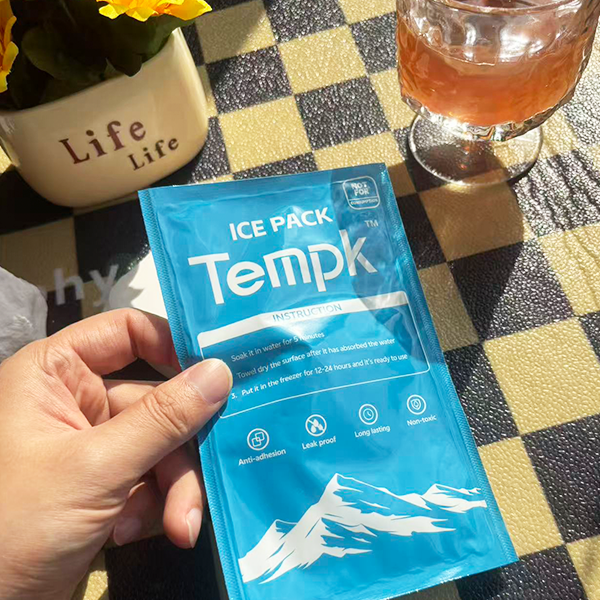
Bandingkan Harga Eksportir Ice Chest dengan Benar
The correct ice chest exporter price has an origin, tujuan, istilah perdagangan, rencana pengiriman, dan revisi produk. Tanpa referensi tersebut, importir tidak dapat mengetahui apakah penawaran tersebut mencakup karton ekspor, palet, inspeksi, dokumen, pendingin, atau tanggung jawab pengiriman. Membandingkan hanya garis satuan akan menggeser ketidakpastian ke dalam pengangkutan, bea cukai, menerima, dan dukungan lapangan.
Perbandingan pengekspor suara menggunakan satu RFQ, lembar biaya mendarat, bukti yang sesuai untuk penggunaan akhir, rencana kualitas pra-pengiriman, dan kontrol pesanan berulang. Hal ini menghindari rata-rata pasar yang dibuat-buat dan membuat setiap asumsi komersial terlihat.
Tentukan satu unit perbandingan ekspor
Definisikan unit perbandingan sebagai “satu sistem terkirim yang dapat digunakan,” bukan “satu kotak”. Buat daftar tubuh persisnya, tutup, paking, menangani, mengeringkan, jangka pembagi garis, paket pendingin, keranjang, Label, instruksi, dan kemasan pengiriman. Nyatakan apakah pencatat suhu disertakan atau dibeli secara terpisah.
Kemudian tentukan kegunaannya. Berikan dimensi dan massa muatan, kuantitas, kondisi yang diperlukan, keadaan awal, rute, waktu kredibel terlama, paparan lingkungan, bukaan, kendaraan, penanganan, pembersihan, dan kembali. Untuk obat-obatan dan vaksin, persyaratan harus berasal dari dokumentasi produk dan program. Kisaran umum tidak boleh diterapkan karena sudah familiar.
Mintalah dimensi internal dan gambar kemasan. Kapasitas 25 liter yang dinyatakan mungkin tidak mencukupi 25 liter muatan yang dapat digunakan setelah cairan pendingin dan penghalang. Massa yang dimuat dan pusat gravitasi mempengaruhi pegangan dan ergonomi. Dimensi luar mempengaruhi kapasitas muatan dan kendaraan.
Setiap pemasok harus melengkapi matriks yang sama:
| Bidang kutipan | Respons yang diperlukan |
|---|---|
| Model dan revisi | Pengidentifikasi dan referensi gambar yang tepat |
| Komponen yang disertakan | Kuantitas dan spesifikasi setiap bagian |
| Tingkatan harga | Kuantitas, ruang lingkup satuan, mata uang, keabsahan |
| Biaya satu kali | perkakas, karya seni, perkembangan, pengujian |
| driver MOQ | Kotak, pigmen, mencetak, pendingin, kemasan |
| Bukti disertakan | Laporkan relevansi identitas dan konfigurasi |
| Sedang mengemas | Karton, palet, bersarang, ukuran, berat |
| Dasar pengiriman | Istilah perdagangan, tujuan, pengecualian |
| Ulangi dukungan | Waktu tunggu, disimpan, proses garansi |
| Ubah kontrol | Proses notifikasi dan review pembeli |
Hal ini mengubah permintaan harga menjadi penawaran yang sebanding. Entri yang hilang menjadi pertanyaan, bukan kejutan.
Gunakan tangga bukti
Tidak setiap proyek memerlukan bukti yang sama. Buat level yang sesuai dengan konsekuensi.
Tingkat 1: identitas produk. Gambar, bahan, ukuran, komponen, pembuatan, dan sampel menentukan apa yang dibeli.
Tingkat 2: bukti fungsional. Penutup, pengangkatan, kebocoran dengan metode tertentu, kompatibilitas pembersihan, menumpuk, dan pemeriksaan paket transportasi mendukung pengoperasian biasa.
Tingkat 3: bukti permohonan. Dokumentasi kontak makanan, tes termal, kompatibilitas cairan pendingin, dan metode pemantauan sesuai dengan tujuan penggunaan.
Tingkat 4: kualifikasi terkendali. Protokol yang disetujui, instrumen yang dikalibrasi, sampel yang representatif, ulangi berjalan, kriteria penerimaan yang ditentukan, laporan yang dapat dilacak, dan kontrol perubahan mendukung distribusi sensitif suhu dengan konsekuensi tinggi.
Biaya pemasok meningkat seiring dengan meningkatnya bukti spesifik proyek. Itu tidak otomatis sia-sia. Menjadi sia-sia bila sertifikat tidak menjawab suatu keputusan, atau ketika pembeli meminta tes yang tidak berhubungan dengan rute.
ISTA 7E provides thermal profiles for transport packaging used in parcel delivery. Panduan WHO menjelaskan konsep kualifikasi dan pemantauan untuk waktu- dan produk obat yang sensitif terhadap suhu. Iata's Temperature Control Regulations address relevant air-cargo practices. Gunakan kerangka kerja yang berlaku dengan personel yang berkualifikasi, sambil menyimpan produknya, rute, dan yurisdiksi dalam pandangan.
Klaim durasi harus mengidentifikasi profil ambien, muatan, pendingin, pengkondisian, posisi sensor, Kriteria penerimaan, dan konfigurasi yang tepat. “Tetap dingin selama berhari-hari” tidak dapat mendukung perhitungan biaya-manfaat.
Ubah penawaran ekspor menjadi biaya tetap
Mulailah dengan penawaran terperinci. Tambahkan aksesori, perkakas, inspeksi, pengepakan ekspor, kargo, asuransi, tugas, pialang, biaya pelabuhan atau terminal jika berlaku, pengangkutan dalam negeri, dan menerima. Gunakan penawaran terkini dari penyedia yang sesuai, bukan persentase umum.
Pisahkan masukan fisik dan keuangan. Masukan fisik mencakup dimensi yang dikemas, jumlah palet, bersarang, dan berat kotor. Masukan keuangan termasuk tarif angkutan, mata uang, tugas, dan biaya penanganan. Hal ini membuat pembaruan lebih mudah ketika tarif berubah.
Bandingkan dengan ketentuan perdagangan yang sama atau sesuaikan tanggung jawab secara eksplisit. Konfirmasikan apakah palet, dokumentasi asal, dan janji pengiriman disertakan. Catat validitas penawaran dan asumsi nilai tukar. Penawaran yang disampaikan belum tentu lebih mahal; itu hanya menempatkan koordinasi secara berbeda.
Tinjau MOQ bersama dengan biaya mendarat. Kuantitas yang tinggi dapat menurunkan produk dan pengiriman per unit sekaligus meningkatkan persediaan, penyimpanan, uang tunai, dan keusangan. Pilot yang lebih kecil dapat menanggung biaya unit yang lebih tinggi tetapi membeli informasi yang berharga. Tampilkan kedua efek dalam memo persetujuan.
Jika cetakan baru diusulkan, pisahkan dari harga satuan. Definisikan kepemilikan, pemeliharaan, tahapan sampel, penyimpanan, dan hak keluar. Amortisasikan dengan skenario volume konservatif. Alat tersebut tidak boleh hilang dalam kuotasi jika risikonya tidak dapat ditinjau.
Tambahkan biaya operasional tanpa kepastian palsu
Untuk rute sekali pakai, include pack assembly, persiapan pendingin, pemantauan, dimensional freight, penanganan tujuan, dan pembuangan. Untuk loop yang dapat digunakan kembali, add asset identification, logistik terbalik, pencucian, pengeringan, inspeksi, memperbaiki, kehilangan, repositioning, dan stok pengaman.
Calculate cost per successful delivered trip. A box sent but not recovered has delivered once, not completed a reuse cycle. A returned box awaiting drying is not available inventory. A damaged unit may consume inspection and repair before its next use.
Use scenarios rather than one optimistic figure:
- Konservatif: lower recovery, shorter useful life, higher repair and return cost.
- Mengharapkan: assumptions supported by pilot results.
- Ditingkatkan: better recovery after controls are proven.
Identify the variables that change the decision. If empty return cube dominates, compare nesting or regional pooling. If loss dominates, improve ownership and scan controls. If coolant conditioning labor dominates, review workflow and compatible coolant options. If outbound freight dominates, mempertimbangkan kembali ukuran eksternal dan rasio muatan.
Hindari memberikan tabungan atau manfaat lingkungan yang tidak didukung. Penggunaan kembali, konten daur ulang, ringan, dan kemampuan daur ulang adalah atribut yang terpisah. Perjalanan sebenarnya, mengangkut, pencucian, memperbaiki, dan rute lokal akhir masa pakainya menentukan hasil program.
Uji coba produk dan asumsinya
Sampel harus mewakili konstruksi produksi. Uji kecocokan muatan sebenarnya, waktu pemuatan, penutup, pengangkatan yang dimuat, penumpukan kendaraan, bukaan, bongkar, pencucian, pengeringan, Label, dan pengembalian kosong. Sertakan operator dari shift yang berbeda.
Untuk kontrol suhu kritis, menjalankan protokol yang disetujui dengan pemantauan yang sesuai dan kondisi yang realistis. Revisi kotak kontrol, muatan, pendingin, pengkondisian, pengaturan, sensor, dan penerimaan. Kaji risiko pembekuan dan panas bila relevan. Kotaknya saja bukanlah sistem yang memenuhi syarat.
Uji coba ini juga memvalidasi biaya. Hitung langkah persalinan, ruang angkasa, kerusakan, dan kembali. Catat apakah aksesori hilang. Verifikasi dimensi paket pengiriman dan periksa kompresi palet. Ganti perkiraan dengan nilai yang diamati.
Bayangkan sebuah desain yang menghemat biaya pabrik dengan menggunakan kait yang tidak dapat diganti. Selama uji coba, kait menunjukkan keausan sementara bodi tetap dapat diservis. Harga satuan yang lebih rendah dapat menyebabkan pensiun dini. Komponen yang dapat diganti dapat meningkatkan keekonomian siklus hidup, tetapi hanya jika sebagian, peralatan, pelatihan, dan inspeksi praktis.
Gunakan temuan percontohan untuk merevisi tawaran, spesifikasi, dan model internal. Jika konfigurasi berubah secara material, ulangi evaluasi yang diperlukan sebelum skala.
Melindungi keekonomian yang disetujui melalui kontrol kualitas
Penyimpangan produksi dapat menghapus asumsi biaya. Definisikan bahan-bahan penting, ukuran, tutup pas, isolasi, pendingin, perangkat keras, bau, warna, Label, dan pengepakan. Tetapkan kelas cacat dan metode inspeksi. Memerlukan identifikasi lot dan respons terhadap produk yang tidak sesuai.
Pemberitahuan perubahan pemasok harus mencakup tingkat resin, konten daur ulang, pigmen, busa, VIP, paking, perekat, perangkat keras, pendingin, cetakan, perakitan, sumber komponen, dan situs. Pembeli kemudian menentukan dampaknya. Pembaruan dokumen mungkin cukup untuk perubahan kecil; pemeriksaan fungsional atau kualifikasi ulang termal mungkin diperlukan untuk pemeriksaan lain.
Garansi harus diterjemahkan ke dalam proses. Cacat apa saja yang ditanggung? Bukti apa yang diperlukan? Siapa yang membayar biaya pengiriman? Apakah suku cadang disediakan? Seberapa cepat klaim ditinjau? Pernyataan garansi yang panjang dengan pengecualian yang sulit memiliki nilai ekonomi yang terbatas.
Perencanaan kontinuitas mencakup waktu tunggu pesanan berulang, ketersediaan komponen, pemeliharaan alat, alternatif yang disetujui, dan komunikasi. Program berisiko tinggi mungkin memerlukan persediaan pengaman atau konfigurasi kedua. Pengendalian yang dipilih harus mencerminkan konsekuensi, bukan aturan umum.
Tinjau kinerja pemasok yang cacat, pengiriman, tanggapan, dan mengubah metrik. Jangan mengurangi scorecard hanya pada varians harga. Pemasok yang stabil dan mencegah penyimpangan dapat mendukung total biaya yang lebih rendah.
Uji stres asumsi komersial
Sebelum penghargaan, mengadakan tinjauan lintas fungsi di mana setiap fungsi menantang bagian dari model biaya. Logistik memverifikasi dimensi karton dan palet. Operasi memeriksa pemuatan, persiapan pendingin, pencucian, dan kepegawaian. Kualitas meninjau bukti dan kontrol perubahan. Keuangan menguji mata uang, volume, dan asumsi pembayaran. Pengadaan menegaskan bahwa ruang lingkup dan ketentuannya sebanding.
Jalankan sensitivitas daripada hanya mengandalkan satu sensitivitas saja. Meningkatkan pengiriman, mengurangi pengembalian, memperpendek masa manfaat, atau tambahkan proses kualifikasi. Identifikasi variabel yang dapat membalikkan peringkat pemasok, kemudian negosiasikan atau uji coba. Jika kubus pengangkutan sangat menentukan, saksikan paket ekspor. Jika pengembalian adalah penentu, menunda skala armada sampai pemulihan diukur. Jika klaim termal sangat menentukan, meninjau protokol dan data.
Dokumentasikan pengecualian dalam persetujuan. Suatu harga mungkin menghilangkan pajak tujuan, penyimpanan lokal, kualifikasi setelah perubahan jalur, pendingin pengganti, atau label khusus pelanggan. Pengecualian tidak secara otomatis merugikan, tetapi bisnis harus memilikinya. Keputusan tetap dapat diaudit jika asumsinya dibuat, kesenjangan bukti, dan kontingensi terlihat.
Tetapkan tanggal peninjauan pasca peluncuran. Bandingkan biaya pendaratan sebenarnya, cacat, tenaga kerja, pemulihan, dan penyimpangan dengan model yang disetujui. Gunakan perbedaan tersebut untuk meningkatkan jumlah pemesanan ulang, kontrol rute, dan negosiasi pemasok berikutnya.
Catat juga kinerja pengepakan ekspor dan umpan balik penanganan tujuan selama peninjauan tersebut.
Bandingkan penawaran dalam satu tanggung jawab pengiriman
Dua penawaran harga tidak boleh diberi peringkat sampai pembeli memetakan pihak mana yang mengontrol pengambilan asal, izin ekspor, gerbong utama, asuransi, izin tujuan, tugas, biaya terminal, dan pengiriman akhir. Gunakan istilah perdagangan yang disebutkan dan nama tempat yang ditunjukkan dalam penawaran, dan mendapatkan masukan logistik terkini untuk segmen mana pun yang harus ditambahkan pembeli.
Jangan menganggap suatu jangka waktu sebagai jaminan biaya yang lengkap. Biaya tambahan, biaya kelebihan waktu berlabuh, penyimpanan, inspeksi, janji pengiriman, dan perlakuan pajak dapat bergantung pada peristiwa dan peraturan setempat. Catat tanggal tarif dan asumsinya. Ketika pemasok menawarkan beberapa basis pengiriman, bandingkan transparansi, kontrol, dan risiko serta totalnya.
Mata uang dan jadwal pembayaran juga mempengaruhi importir. Waktu setoran, pemicu keseimbangan, biaya bank, paparan pertukaran, dan perbaikan atas kegagalan pemeriksaan termasuk dalam perbandingan komersial. Item ini tidak mengubah kinerja termal, namun hal ini dapat mengubah kebutuhan dan bantuan tunai secara signifikan. Memo keputusan harus menyajikan harga produk dan alokasi risiko pengiriman secara bersamaan.
Memo keputusan: apa yang harus dilihat oleh manajemen
Rekomendasi akhir harus menunjukkan lebih dari tiga harga satuan. Hadiah:
aplikasi dan konfigurasi terkontrol;
pemasok dan perbedaan ruang lingkup;
tingkat bukti dan kesenjangan yang tersisa;
biaya mendarat pada kuantitas dan persyaratan yang ditentukan;
skenario operasi dan asumsi sensitif;
hasil percontohan dan risiko yang belum terselesaikan;
perkakas, Kustomisasi, dan eksposur inventaris;
komitmen kualitas dan pengendalian perubahan;
merekomendasikan langkah selanjutnya dan ketentuan persetujuan.
Format ini membuat ketidakpastian terlihat. Manajemen dapat melihat apakah keputusan tersebut bergantung pada tingkat pemulihan, kargo, kualifikasi, atau volume. Pengadaan dapat menegosiasikan faktor pendorong yang sebenarnya daripada menekan setiap pemasok untuk mendapatkan persentase yang sama secara sewenang-wenang.
Keputusan “belum ada penghargaan” mungkin tepat dilakukan ketika ruang lingkup atau bukti tidak lengkap. Meminta satu sampel tambahan atau penawaran logistik mungkin lebih murah daripada melakukan pesanan dalam jumlah besar dengan presisi yang salah.
Pertanyaan yang sering diajukan
Apa yang harus disertakan dalam penawaran unit peti es ekspor?
Minimal, mengidentifikasi tubuh, tutup, isolasi, paking, perangkat keras, dan pengemasan. Tambahkan cairan pendingin, sisipan, Label, dokumen, dan aksesori lain yang diperlukan sebagai garis eksplisit. Revisi model negara, kuantitas, mata uang, istilah perdagangan, tujuan, keabsahan, dan pengecualian sehingga pemasok dapat dibandingkan secara adil.
Dapatkah laporan termal yang ada mengurangi biaya proyek??
Ya, jika itu berlaku untuk model yang ditawarkan, bahan, muatan, pendingin, pengkondisian, profil lingkungan, peta sensor, dan kriteria penerimaan. Ketika perbedaan ada, gunakan penilaian dampak untuk memutuskan apakah laporan tersebut informatif atau apakah diperlukan pengujian tambahan.
Mengapa ukuran eksternal sama pentingnya dengan kapasitas?
Ukuran eksternal mendorong angkutan ekspor, jejak gudang, kubus kendaraan, dan pengembalian kosong. Kapasitas internal harus cukup besar untuk paket yang dikontrol, namun kelebihan dinding atau geometri yang tidak terpakai dapat membuat logistik menjadi mahal. Bandingkan muatan yang dapat digunakan per kubus yang dikemas dan diangkut.
Bagaimana pembeli dapat menghindari membayar lebih untuk klaim kepatuhan?
Tanyakan persyaratan mana yang berlaku, dokumen mana yang mendukungnya, dan komponen pesanan mana yang dicakupnya. Hindari klaim yang luas seperti “patuh secara global.” Bayar untuk bukti dan kontrol yang menjawab produk, pasar, rute, dan kebutuhan sistem mutu.
Kapan pembeli harus memilih penyesuaian?
Pilih ketika model yang ada tidak dapat memenuhi muatan, penanganan, kontrol, atau kebutuhan merek yang penting dan ketika volume yang diharapkan mendukung pengembangan. Pisahkan perubahan kosmetik dari perubahan fungsional. Sertakan perkakas, sampel, pengujian, persetujuan, waktu tunggu, dan risiko saham usang dalam keputusan tersebut.
Kesimpulan
Perbandingan biaya pemasok yang dapat dipertahankan dimulai dengan satu konfigurasi terkontrol. Tetapkan tingkat bukti, menghitung biaya pendaratan dan operasi berdasarkan asumsi yang terlihat, menguji produk dan model bisnisnya, dan melindungi hasil yang disetujui melalui kendali mutu dan perubahan. Pendekatan ini menggantikan harga pasar yang tidak dapat diandalkan dengan keputusan yang didanai, Operasi, dan kualitas semuanya dapat diperiksa.
Tentang tempk
Tempk, terkait dengan Shanghai Tempk, supplies cold-chain packaging categories that include medical cooler boxes, plastic and EPP insulated boxes, Opsi isolasi terkait VIP, dan pilihan cairan pendingin. Kategori tersebut dapat dianggap sebagai konfigurasi standar atau yang berfokus pada aplikasi, bergantung pada permintaan. Pembeli harus menyediakan muatan, rute, kuantitas, tujuan, dan kebutuhan bukti sehingga ruang lingkup komersial mencerminkan tujuan penggunaan.
CTA: Minta proposal ekspor Tempk yang memisahkan kotak, pendingin, Kustomisasi, bukti, pengepakan karton induk, paletisasi, dan dasar pengiriman yang dinyatakan.