


Selimut Pallet Termal untuk Produk Darah, Berkualitas
Selimut Pallet Termal untuk Produk Darah, Berkualitas
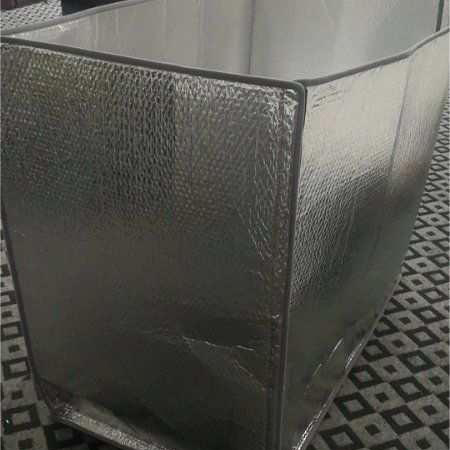
Thermal Pallet Blankets for Blood Products Within a Qualified Logistics System
The safest way to buy thermal pallet blankets for blood products is to stop treating the blanket as the temperature-control system. It is an outer passive component. It may slow heat entering or leaving a pallet, but only the complete, qualified configuration can be evaluated against a blood component’s requirements. Pendinginan, frozen packouts, platelet handling, pemantauan, keterlacakan, and quality release remain separate controls.
A practical selection method connects one component state to one lane and one operating envelope. It then passes through seven gates: persyaratan, peran, geometri, desain termal, bukti, routine operation, dan kontrol siklus hidup. If a proposal cannot pass a gate, a larger order should wait.
Gerbang 1: name the component and its state
Do not begin a specification with “blood pallet.” Write the full component and state: stored whole blood, liquid red cells, platelets under their approved process, frozen plasma, thawed plasma, or another specifically labeled component. Note processing or modification that affects conditions. State the applicable label, blood-establishment procedure, national rules, dan persyaratan tujuan.
WHO blood cold-chain guidance distinguishes refrigerated whole blood and red cells, platelets held under controlled conditions with agitation during storage, and frozen plasma. KITA. FDA regulations also specify product-by-product conditions; the numbers and contexts are not identical to every WHO training statement or another country’s rules. That is expected. A global logistics program needs a requirements matrix, not a universal temperature copied into every protocol.
The matrix should include allowed range or frozen-state criterion, maximum process time where applicable, agitation or other non-temperature needs, packaging and labeling constraints, visual inspection, pemantauan, dan otoritas disposisi. It should also state whether the requirement applies to storage, pengiriman, pengolahan, post-thaw holding, or issue for transfusion. These stages must not be conflated.
Mixed-component loads usually fail this gate unless the products share compatible, approved conditions and physical segregation. A reflective outer cover cannot make refrigerated red cells compatible with controlled room-temperature platelets or a dry-ice frozen-plasma packout.
Gerbang 2: assign one narrow job to the blanket
Write a sentence that describes the blanket’s task without using “maintain” or “control” unless supported by system evidence. Misalnya: “Provide an evaluated outer insulating layer around qualified red-cell transport boxes during indoor dock staging and vehicle loading.” The sentence names the protected configuration and exposure.
Possible jobs include buffering a planned handover, adding an evaluated outer layer to a passive pallet packout, reducing radiant load during a brief transfer, or supporting a prequalified emergency movement. Unsuitable jobs include replacing a blood-bank refrigerator, storing platelets without required agitation, converting an ordinary truck into a refrigerated vehicle, keeping plasma frozen with insulation alone, or extending a delay beyond the qualified duration.
Define the failure action in the same sentence set. If staging reaches its limit, the pallet returns to approved equipment, transfers to a validated alternative, or enters an escalation decided by the quality procedure. The blanket is not allowed to create an undefined grace period.
This narrow assignment also helps with compliance language. The complete configuration may be qualified for a specified use; the blanket itself should not be called universally “FDA compliant,” “WHO approved,” or suitable for all blood products. Ask suppliers to state construction and supporting tests precisely.
Gerbang 3: capture the real pallet and lane
Pallet drawings should reflect the wrapped production load. Record outer dimensions, minimum and maximum height, tata letak kotak, menggantung, papan sudut, kekosongan, total payload range, Label, segel, refrigerant locations, dan pangkalan. A full pallet and a half pallet can have different surface-area-to-mass ratios and internal air paths, so both may need evaluation.
Map the lane minute by minute from the last controlled point to the next controlled point. Include dispatch reconciliation, elevator waits, pementasan dermaga, door cycles, keamanan, memuat, vehicle preconditioning, airport acceptance, transfer, bea cukai, menerima, and logger retrieval. Mark surfaces beneath the pallet and radiant exposures above it. Identify the longest credible delay and the recovery path.
Air temperature alone may not represent the challenge. Sinar matahari langsung, a hot roof, a cold metal deck, angin, precipitation, and adjacent frozen loads can create local effects. If outdoor use is possible, examine securement, water behavior, dan penanganan yang aman. A loose skirt or saturated blanket may be a worker and contamination hazard.
Human factors belong in the lane file. Who installs the cover? What protective clothing is worn? Can one person reach the top? Are labels visible? Can forklifts enter without touching the skirt? Does removal risk striking brittle frozen-plasma boxes? Trial these tasks with the intended personnel and equipment.
Gerbang 4: design all heat paths and internal sources
Konduksi, konveksi, and radiation occur simultaneously. The blanket’s insulating core resists heat through its panels. A reflective surface can reduce radiant exchange under relevant conditions. Flaps and skirts can limit moving air. Jahitan, kesenjangan, compressed folds, and the uncovered base can bypass these functions.
Think of the pallet as a six-sided boundary. A five-sided cover leaves the underside connected to the pallet and floor. A base pad may reduce this path but can affect stability, kebersihan, akses garpu, dan kualifikasi. Make that choice before the test configuration is frozen.
The blanket also interacts with internal refrigerants. Cool packs or phase-change materials absorb energy but can create cold spots if too cold, poorly conditioned, or placed against red-cell boxes. Dry ice supports certain frozen systems but releases carbon dioxide gas and brings dangerous-goods, ventilasi, penanganan, and material-compatibility concerns. Insulation may prolong both the desired and undesired influence of a refrigerant.
Platelets again require separate logic. A blanket cannot deliver continuous agitation in storage. It also should not obstruct controlled airflow around platelet equipment. Any transport configuration must follow the approved platelet process; adding generic chilled gel packs would be an unsafe assumption.
Moisture is part of the design. A cold pallet entering humid air can collect condensation. Water may weaken boxes, label kerusakan, hide leaks, create slippery floors, or enter insulation through damaged seams. Define installation location, vapor and water considerations, drainase, pengeringan, dan inspeksi. “Waterproof” does not answer condensation behavior.
Request a complete construction description: lapisan luar, isolasi, bantuan, lapisan dalam, jahitan, penutupan, menangani, ukuran, toleransi, dan orientasi. Material coupon values support comparison but do not predict complete-system duration. Test the finished blanket around the proposed load.
Gerbang 5: create evidence that matches the claim
The evidence plan should move from fit to controlled thermal testing and then to operational confirmation. A fit trial can eliminate unsafe or poorly sized concepts before expensive chamber work. It should challenge all approved pallet heights, Label, izin peralatan, closure reach, waktu instalasi, dan penghapusan.
The thermal protocol states the component criterion, surrogate justification, jangkauan muatan, starting distribution, packout and refrigerant conditioning, blanket and base configuration, profil lingkungan, lamanya, menangani peristiwa, sistem sensor, penempatan, berulang, dan aturan penerimaan. It should include both hot and cold risk when applicable.
| Bukti yang diperlukan | What it should identify | Keputusan yang didukungnya |
|---|---|---|
| Construction record | Finished layers, jahitan, penutupan, ukuran, toleransi, production identity | Whether tested and supplied units are comparable |
| Lane or facility profile | Waktu, ambient, kelembaban jika relevan, permukaan, radiasi, serah terima, penundaan | Whether the challenge represents intended use |
| Qualification protocol and report | Muatan, paket, sensor, kalibrasi, profil, pengulangan, kriteria, Hasil | Whether the complete configuration supports the operating envelope |
| Handling assessment | Installation, keamanan, Label, worker reach, equipment interaction | Whether the method is repeatable and safe |
| Change-control agreement | Supplier and internal changes requiring review | Whether evidence remains applicable after change |
Sensor placement should investigate extremes. Include outer top and corner regions, the lower floor interface, positions near refrigerants, penutupan, and the load core as justified. An ambient logger interprets the challenge; it does not represent product temperature. Kalibrasi, jangkauan, tanggapan, resolusi, selang, sinkronisasi waktu, and attachment method should be documented.
ISTA thermal profiles and qualification processes can inform certain packaging studies. Their official scope must be checked. Parcel-delivery profiles do not automatically represent palletized blood on an airport apron or in hospital staging. A standard reference is useful only when the test article, profil, metode, and deviations are disclosed.
A pass under one ambient profile does not prove all seasons and lanes. Establish whether bracketing or separate seasonal tests are scientifically justified. If a supplier offers a duration, keep the payload, criterion, kondisi awal, profil, and sensor locations attached to it.
Gerbang 6: make routine operation observable
Qualification succeeds only if dispatch and receiving reproduce the critical configuration. Convert the report into a short packout instruction with photographs, numbered steps, dan batasan yang jelas. Kontrol pengkondisian cairan pendingin, box arrangement, pola palet, basis, blanket orientation, urutan penutupan, posisi pencatat, label pouch, segel, and timestamps.
Saat pengiriman, staff verify component status, keluarga beban yang disetujui, kondisi awal, blanket identity and inspection, logger readiness, dan dokumentasi pengiriman. At each handover, time and custody are recorded. The blanket remains closed unless the SOP defines access. If a delay, lokasi, or physical condition exits the operating envelope, the named escalation begins.
Saat menerima, staff inspect the covered pallet before dismantling, record damage or moisture, reconcile component units, mengambil data, and place product in the correct controlled equipment. Data review follows the blood establishment’s procedure. A green indicator, intact blanket, or remaining refrigerant is not an independent release decision.
For an exception, quarantine as required and preserve all records. Review logger calibration and placement, time history, blanket and packout integrity, refrigerant state, label produk, physical observations, and applicable regulatory criteria. Only authorized personnel decide release, diterbitkan ulang, additional evaluation, atau membuang.
Training should include wrong-use examples. Staff need to recognize a blanket selected for the wrong component, an open lower edge, direct refrigerant contact, a hidden label, a wet core, expired logger calibration, and a delay beyond the envelope. Periodic drills are especially useful for emergency configurations that are rarely used.
Gerbang 7: control reuse, mengubah, dan akhir kehidupan
A reusable blanket becomes part of the quality-supporting asset pool. Give it a unique ID where appropriate and establish clean-ready, diterbitkan, kembali, pembersihan, pengeringan, memperbaiki, karantina, and retired statuses. Define compatible cleaning agents and methods, inspection lighting, seam and closure criteria, wet-insulation rules, permitted repairs, dan retensi catatan.
No universal reuse count can replace inspection and verification. Abrasion changes reflective surfaces; folds compress insulation; closures collect debris; cleaning can affect bonds; repairs can create thermal bridges. Select aged units for periodic technical review based on use severity, kegagalan, dan risiko. Retire units that cannot be restored to the approved condition.
Supplier change control is equally important. A new film, alternate foam, different adhesive, relocated closure, changed stitch, or dimensional tolerance can affect performance or safety. Agree which changes require advance notice and what evidence supports equivalence. Secara internal, changes to boxes, pallet load, pendingin, Pencari, kendaraan, or routes may require review.
Sustainability should be calculated per successfully completed, conforming pallet movement. Count manufacturing, kemasan, logistik terbalik, pembersihan, pengeringan, memperbaiki, kehilangan, pemantauan, kualifikasi, dan pembuangan. Compare those burdens with a single-use system across the same function. Closed hospital loops may favor reuse; one-way emergency or international routes may not.
Lacak siklus sebenarnya, tingkat pengembalian, kerusakan, memperbaiki, sumber daya pembersihan, kehilangan, and retirement cause. Verify whether local recyclers accept the assembled materials. A theoretical material claim is not an end-of-life program. Terpenting, do not reduce monitoring or thermal assurance to improve an environmental metric; loss of a donated blood component carries its own clinical and resource consequences.
Kesimpulan: The final approval package
Sebelum peningkatan skala, the technical file should answer four questions without relying on sales language:
Which component, negara, konfigurasi palet, jalur, and seasonal conditions are approved?
What exact function does the blanket perform, and what functions remain with other equipment?
Which protocol and data support the operating envelope, including warm and cold locations?
How do staff inspect, memasang, monitor, menerima, menyelidiki, membersihkan, memperbaiki, and retire the system?
If any answer is missing, the next purchase step may be a sample, mapping exercise, or qualification run rather than a production order.
Thermal pallet blankets for blood products can be useful at the vulnerable boundaries of a blood network. Their safest value comes from precision: one defined component state, one representative lane, one complete configuration, and one controlled operating process. That precision keeps a passive layer from being confused with blood-storage equipment and gives quality teams evidence they can defend.
Tentang tempk
Shanghai Tempk Industri Co., Ltd. operates Tempk, a provider of cold-chain packaging solutions. Its official products include thermal pallet covers, insulated packaging and boxes, pendingin, dan PCM. Official solution content covers packout review, perencanaan posisi logger, dan dukungan rencana validasi, giving us a defined basis for a component-to-lane packaging discussion for a stated blood logistics use. Tempk does not approve blood requirements, kualifikasi, kepatuhan, monitoring procedures, reuse status, or product disposition; those controls remain with the responsible blood establishment.
Send the component-state matrix, full pallet configuration, profil rute, logika pemantauan, and reuse boundary to Tempk. We can discuss which packaging questions the evaluation plan needs to answer.
Penutup Termal Palet untuk Penyimpanan Massal yang Sesuai dengan Pekerjaan
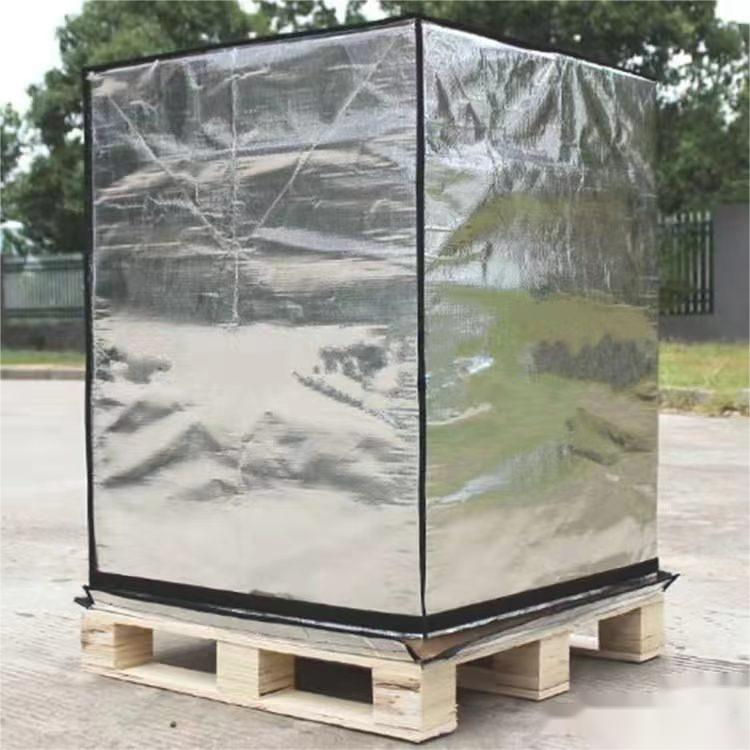
Penutup Termal Pallet untuk Penyimpanan Massal yang Sesuai dengan Beban, Lokasi, dan Proses
The best pallet thermal covers for bulk storage are not chosen by thickness alone. Mereka dipilih dengan mencocokkan rakitan penutup lengkap dengan palet yang dikenal, paparan yang diketahui, dan proses gudang yang berulang. Penutup kemudian memperlambat pertukaran panas yang tidak diinginkan untuk kejadian tertentu. Itu tidak menghasilkan pendinginan, mempertahankan titik setel yang tepat tanpa batas waktu, atau ganti ruangan yang dingin, kendaraan berpendingin, atau keputusan kualitas produk.
Pendekatan amplop operasi menyelesaikan banyak kesalahan pembelian yang umum. Daripada menanyakan penutup mana yang “paling terisolasi,” Anda menanyakan konfigurasi mana yang tetap dapat digunakan dan didukung oleh bukti di dok Anda, di lantai Anda, di sekitar beban Anda, dan melalui penundaan Anda sebenarnya perlu mengaturnya.
Gambarlah batasnya sebelum memberi nama solusinya
Mulailah dengan gambar batas sederhana. Letakkan palet di tengah dan beri label segala sesuatu yang dapat bertukar panas atau lembab dengannya: udara ruangan, draft pintu, atap dan lampu, beban yang berdekatan, beton atau baja di bawah palet, dan paparan di luar ruangan. Tambahkan rute dan waktu. Gambaran ini sering kali mengungkapkan bahwa permintaan pembelian sebenarnya bukanlah “penyimpanan massal”. Ini mungkin pintu keluar ruangan terkendali, tunggu dermaga, transfer lintas gedung, rak meluap, atau ruang darurat.
Sekarang tambahkan batas produk. Catat kondisi penyimpanan yang disetujui, apakah pembekuan atau panas berlebih sangat merusak, seberapa seragam bebannya ketika meninggalkan ruang terkendali, dan siapa yang memutuskan apakah suatu tamasya dapat diterima. Persyaratan bervariasi antar makanan, obat, bahan kimia, elektronik, dan bahan industri. Suhu yang tertera pada perintah kerja gudang mungkin bukan kriteria kualitas yang lengkap.
Akhirnya, tambahkan batas operasional. Catat dimensi palet setelah dibungkus, kasus menggantung, frekuensi beban parsial, peralatan penanganan material, pelabelan, pengendalian kebakaran, kebutuhan sanitasi, dan jangkauan pekerja. Penutup yang terlihat mampu menahan panas namun tidak dapat dipasang dengan aman atau konsisten bukanlah pengendalian yang efektif.
Outputnya adalah pernyataan masalah singkat. Misalnya: “Buffer rangkaian palet tertentu yang telah dikondisikan sebelumnya selama pementasan outbound dalam ruangan di samping Door 4, termasuk kondisi penundaan yang terdokumentasi, tanpa menghalangi ID atau akses jack palet.” Hal ini jauh lebih berguna bagi pemasok dan tim penguji daripada “Membutuhkan selimut termal 48 jam.” Ini menyatakan suatu fungsi tanpa menciptakan hasil.
Putuskan apakah penutup merupakan kontrol yang tepat
Passive pallet covers are attractive because they require no power and can be deployed around existing loads. Keuntungan-keuntungan tersebut tidak menjadikannya sesuai untuk setiap risiko. Gunakan hierarki kontrol berdasarkan tingkat keparahan dan durasi paparan.
Jika barang memerlukan penyimpanan berpendingin atau beku secara terus menerus, kontrol utama biasanya harus berupa peralatan yang dirancang, dipantau, dan dipertahankan untuk kondisi itu. Jika perpindahan secara teratur melebihi kemampuan isolasi pasif, meningkatkan penjadwalan, tambahkan pementasan terkontrol, atau gunakan wadah dengan pengatur suhu yang sesuai. Jika paparannya singkat, dapat diprediksi, dan cukup moderat untuk belajar, penutup mungkin merupakan lapisan sekunder yang proporsional.
Pertanggungan juga dapat mendukung rencana darurat, tetapi hanya setelah rencana tersebut mengidentifikasi titik di mana barang dipindahkan ke sistem pendingin cadangan atau solusi lain yang memenuhi syarat. Resistensi pasif dapat memperlambat perubahan suhu; ia tidak dapat memberi tahu Anda apakah produk tersebut masih dapat dirilis. Data, kriteria yang disetujui, dan tinjauan kualitas berperan dalam peran tersebut.
Tolak pilihan perlindungan jika hal tersebut menimbulkan bahaya yang lebih besar. Contohnya termasuk material lepas di dekat roda kendaraan, gangguan pada rak sprinkler, ketidakmampuan untuk melihat label yang diatur, risiko kontaminasi yang tidak kompatibel, atau kondisi luar ruangan yang dapat mengangkat atau merendam kandang. Mendesain ulang karya mungkin lebih aman daripada memaksakan penutup kain ke dalamnya.
Terjemahkan penutup ke dalam zona fungsional
Penutup yang sudah jadi dapat dipahami sebagai lima zona fungsional. Pandangan ini membuat perbandingan pemasok lebih jelas dibandingkan daftar nama dagang material.
Zona yang menghadap sinar matahari: Wajah luar bertemu dengan cahaya, permukaan atap, matahari, atau lingkungan yang dingin. Sifat reflektif dapat mengurangi pertukaran radiasi, tetapi hanya dalam orientasi dan kondisi yang relevan. Kotoran, kontak langsung, kerusakan lapisan, dan lipatan dapat mengubah efeknya.
Zona resistif: Inti isolasi memperlambat aliran panas konduktif melalui panel. Efektivitasnya bergantung pada struktur, ketebalan, kompresi, kelembaban, jahitan, dan penuaan. Data panel nominal tidak sama dengan kinerja sampul akhir.
Zona kendali udara: rok, tumpang tindih, penutup, dan penutupan membatasi pergerakan udara. Celah kecil yang terus menerus dapat mendominasi perbedaan kecil antara inti insulasi, terutama pada aliran angin atau kipas.
Zona kontak: Palet, lantai, rak, atau dek trailer membentuk batas bawah. Penutup lima sisi membuat jalur ini berbeda. Basis berinsulasi apa pun menjadi bagian dari stabilitas beban, kebersihan, dan kualifikasi.
Zona antarmuka manusia: Menangani, Label, penutupan, garis lipat, dan titik pegangan menentukan apakah pekerja memasang sistem dengan benar. Detail ini juga memengaruhi kerusakan dan penggunaan kembali.
Penjelasan Departemen Energi tentang perpindahan panas mengidentifikasi konduksi, konveksi, dan radiasi sebagai mode dasar. Tinjauan zona fungsional menghubungkan prinsip-prinsip tersebut dengan detail gudang. Ini juga mencegah lapisan reflektif luar menerima semua perhatian saat celah bawah, isolasi basah, atau penutupan yang gagal mengontrol hasilnya.
Kelembaban melintasi beberapa zona. Beban dingin yang masuk ke udara lembab dapat mengalami pengembunan meskipun berada di bawah penutup kedap air. Air dapat melemahkan karton, label yang tidak jelas, membuat lantai licin, atau masukkan laminasi yang rusak. Tentukan kapan penutup dipasang, bagaimana unit basah ditangani, tempat mereka mengering, dan bagaimana masuknya air yang tersembunyi terdeteksi.
Bangun bukti berlapis-lapis
Bukti kinerja harus matang seiring dengan perpindahan pembelian dari konsep ke skala. Setiap tahap menjawab pertanyaan yang berbeda.
| Tahap pembuktian | Pertanyaan utama | Keluaran yang bermanfaat |
|---|---|---|
| Tinjauan dokumen | Apakah konstruksinya dapat diidentifikasi dan cocok untuk penyaringan? | Deskripsi lapisan, ukuran, toleransi, informasi material dan keselamatan, batasan yang dinyatakan |
| Uji coba kecocokan dan penanganan | Dapatkah pekerja menggunakannya dengan aman pada setiap rangkaian muatan yang disetujui? | Pengamatan instalasi, peta kesenjangan, izin peralatan, visibilitas label, catatan kerusakan |
| Studi termal terkontrol | Apakah konfigurasi menyangga tantangan yang ditentukan? | Protokol, data sensor yang dikalibrasi, gradien, ulangi hasilnya, pengamatan kelembaban dan integritas |
| Percontohan situs | Apakah proses tersebut berjalan dalam kondisi serah terima dan penundaan yang nyata? | Kepatuhan, data tinggal, pengecualian, umpan balik operator, hasil pengendalian aset |
| Verifikasi rutin | Apakah kinerja yang disetujui tetap kredibel seiring berjalannya waktu?? | Inspeksi masuk, mengubah ulasan, pemeriksaan pertanggungan usia, catatan tren dan deviasi |
Urutan ini menghindari dua ekstrem. Ini tidak memerlukan program termal yang mahal untuk penutup yang gagal dalam uji coba pertama, dan tidak salah mengira kenyamanan sebagai bukti termal. Bukti tumbuh seiring dengan risiko dan komitmen.
ISTA menerbitkan standar uji termal resmi dan profil transportasi, including Standard 7E for parcel-delivery thermal transport packaging and Standard 20 processes for insulated shipping containers. Kerangka kerja tersebut dapat memandu pemikiran yang disiplin, namun ruang lingkupnya harus dihormati. Penutup palet yang digunakan untuk pementasan gudang stasioner tidak divalidasi hanya karena laporan menyebutkan profil ISTA. Tentukan apakah metode tersebut mewakili aplikasi sebenarnya dan modifikasi apa yang dilakukan.
Untuk studi terkontrol, tentukan pembuatan palet, suhu awal, konfigurasi penutup, profil lingkungan, batas lantai, pergerakan udara, kelembaban jika relevan, menangani peristiwa, sistem sensor, lamanya, dan kriteria penerimaan. Petakan kemungkinan titik hangat dan dingin. Jangan letakkan setiap probe di tengah, di mana massa termal memberikan buffering terbesar. Dokumentasikan aturan data yang hilang dan ulangi alasannya sebelum melihat hasilnya.
Berhati-hatilah dengan durasi yang dinyatakan pemasok. Bertanya: durasi dengan kriteria apa, di bawah pola ambien mana, dengan muatan apa, pada kondisi awal yang mana, menggunakan posisi sensor mana? Sebuah tes mungkin benar-benar valid untuk konfigurasinya dan masih tidak relevan dengan konfigurasi Anda.
Tulis instruksi kerja seputar mode kegagalan
Sebuah instruksi seharusnya menunjukkan lebih dari sekedar cara menarik penutup di atas palet. Hal ini harus mencegah kegagalan pengendalian yang dapat diprediksi.
Sebelum instalasi, operator memeriksa identitas palet, keluarga beban yang disetujui, memulai status rilis, ID sampul, kekeringan, kebersihan, jahitan, isolasi, penutupan, dan pengaturan label. Penutup dipasang pada orientasi tertentu di lokasi yang ditentukan. Semua penutup dan rok terpasang dengan aman, dengan material bersih dari roda dan jalan setapak. Jam diam dimulai berdasarkan pemicu yang dinyatakan.
Selama pementasan, palet hanya tetap pada posisi yang disetujui. Pembukaan dihindari kecuali prosedur mengizinkannya; jika akses terjadi, staf mencatatnya atau memulai kembali aturan yang ditentukan oleh tim kualitas. Pindah ke pintu yang tidak disetujui, celemek luar ruangan, tempat yang diterangi matahari, atau dek logam memicu eskalasi, bukan kelanjutan biasa.
Pada akhirnya, staf melepas penutup dengan aman, periksa beban sesuai kebutuhan, menangkap data pemantauan, dan rutekan penutup untuk membersihkan kembali, pembersihan, memperbaiki, karantina, atau pensiun. Sampul yang rusak tidak pernah bisa diterima hanya dengan menggandakannya dengan sampul lain yang belum dinilai. Dua lapisan dapat mengubah penanganan, kelembaban, perilaku api, dan penutupan tanpa dasar kinerja yang diketahui.
Alat bantu visual harus menunjukkan kesenjangan yang lebih rendah, perintah penutupan, tampilan label yang benar, dan kerusakan umum. Supervisor harus mengamati kinerja selama shift tersibuk dan selama musim dingin atau panas. Sebuah proses yang dirancang dalam uji coba yang tenang mungkin gagal ketika operator menangani beberapa palet sekaligus.
Informasi penanganan material gudang OSHA di Amerika Serikat menyoroti jalur yang jelas dan izin peralatan yang aman. Hukum setempat dan peraturan fasilitas akan berbeda-beda, namun pelajaran operasionalnya luas: insulasi harus sesuai dengan sistem pergerakan yang aman. Api, bangunan, penanggung, dan tinjauan sanitasi mungkin juga diperlukan tergantung pada produk dan pengaturan penyimpanan.
Beli programnya, tidak hanya panelnya saja
Pengadaan dalam jumlah besar memperbesar ambiguitas kecil. Pergeseran dimensi satu sentimeter, penutupan yang direlokasi, atau laminasi pengganti bisa menjadi ratusan instalasi yang tidak konsisten. Permintaan penawaran harus menyatakan geometri dan konstruksi yang disetujui, toleransi kritis, pelabelan, kemasan, pemeriksaan masuk, mengubah pemberitahuan, dan mendokumentasikan harapan.
Minta pemasok untuk memisahkan fakta menjadi tiga kelompok:
Karakteristik yang teridentifikasi: bahan, perakitan, ukuran, penutupan, dan kontrol pengerjaan.
Kinerja yang didukung: hasil terikat pada spesimen bernama, muatan, profil, dan kriteria penerimaan.
Asumsi penerapan: ketentuan yang harus dikonfirmasikan oleh pembeli melalui tinjauan atau kualifikasinya sendiri.
Perpisahan ini menghargai keterusterangan. Pemasok yang menyatakan batasan dengan jelas mungkin merupakan mitra yang lebih kuat daripada pemasok yang menawarkan klaim suhu universal.
Evaluasi konsistensi sampel hingga produksi. Simpan sampel yang disetujui atau spesifikasi rinci, dan tentukan apa yang diverifikasi oleh cek masuk. Untuk program yang dapat digunakan kembali, meminta batasan pembersihan, kriteria pemeriksaan, metode perbaikan yang diizinkan, dan indikator pensiun. Tanyakan apa yang terjadi jika suatu komponen tidak tersedia. Substitusi material tidak boleh memasuki produksi sebelum dampaknya ditinjau.
Hindari klaim laba atas investasi yang dibuat-buat. Alih-alih, membangun model biaya spesifik lokasi yang berisi akuisisi, kargo, penyimpanan, tenaga kerja untuk memasang dan melepas, pembersihan, pengeringan, perbaikan, logistik terbalik, kehilangan, pemantauan, kualifikasi, dan pembuangan. Bandingkan dengan metode saat ini pada jumlah kejadian palet yang sama. Sertakan kegagalan layanan dan inventaris yang terikat dalam putaran pengembalian.
Jadikan penggunaan kembali dan keberlanjutan dapat diukur
Penutup yang dapat digunakan kembali dapat mengurangi pembelian perlindungan sekali pakai pada loop tertutup yang stabil. Mereka juga dapat melakukan perjalanan kosong dalam jarak jauh, memerlukan pembersihan intensif sumber daya, menghilang pada saat serah terima, atau menjadi tidak dapat digunakan setelah terkontaminasi. Kinerja lingkungan merupakan hasil dari sistem, bukan label yang ditempelkan pada produk.
Tentukan perbandingan fungsional seperti satu peristiwa palet yang dilindungi dengan benar dalam paparan yang disetujui. Lacak siklus sebenarnya, tingkat pengembalian, frekuensi pembersihan, bahan perbaikan, kehilangan, dan penyebab pensiun. Tentukan apakah rakitan penutup dapat memasuki aliran daur ulang lokal yang sebenarnya atau apakah lapisan campuran mencegahnya. “Dapat didaur ulang” tanpa jalur pengumpulan dan pemrosesan hanya memberikan sedikit nilai operasional.
Pilihan desain dapat meningkatkan hasilnya. Kepemilikan yang jelas dan ID unik mengurangi kerugian. Kelompok beban standar mengurangi kerusakan akibat kesesuaian yang buruk. Penutupan yang dapat diganti dan perbaikan terkontrol dapat memperpanjang layanan. Metode lipat dan simpan dapat melindungi permukaan reflektif dan insulasi. Namun, setiap perbaikan atau kondisi lama harus tetap berada dalam program inspeksi dan verifikasi.
Tinjau data setelah uji coba. Jika penutup secara teknis efektif tetapi jarang dikembalikan, rencana keberlanjutan membutuhkan pekerjaan logistik. Jika sebagian besar kerusakan terjadi pada satu sudut tajam, pembuatan atau penguatan palet mungkin memerlukan penyesuaian. Jika antrian pembersihan menyebabkan kekurangan, inventaris penutup atau metode kebersihan perlu didesain ulang. Bukti harus mengubah program.
Kesimpulan: Amplop operasi siap rilis
Sebelum penerapan penuh, merangkum penggunaan yang disetujui dalam satu halaman. Sertakan kelompok beban tertutup, kondisi awal, lokasi yang diizinkan, tempat tinggal yang dievaluasi secara maksimal, kondisi musiman, konfigurasi dasar, foto instalasi, pemantauan yang diperlukan, kriteria pemeriksaan, paparan yang dilarang, dan tindakan eskalasi. Referensi studi pendukung dan spesifikasi terkontrol.
Amplop satu halaman ini memungkinkan operator mengambil keputusan dengan cepat sambil menjaga file teknis yang lebih dalam. Ini juga membedakan buffering pasif dari kontrol suhu aktif. Ketika penundaan, lokasi, kondisi penutup, atau produk jatuh di luar amplop, tindakan yang benar adalah eskalasi, bukan optimisme.
Penutup termal palet untuk penyimpanan massal dapat meningkatkan ketahanan pada staging dan mentransfer batas ketika perannya sengaja dibatasi. Tentukan eksposurnya terlebih dahulu, periksa keenam sisi beban, uji konfigurasi yang sudah selesai, dan mengendalikan orang dan material melalui peningkatan skala. Begitulah cara penutup sederhana menjadi bagian operasional gudang yang kredibel tanpa diminta melakukan pekerjaan pendinginan.
Tentang tempk
Dioperasikan oleh Shanghai Tempk Industrial Co., Ltd., Tempk is a cold-chain packaging brand whose product pages include thermal pallet covers, insulated packaging and boxes, pendingin, dan PCM. Di halaman solusi, dukungan yang dinyatakan mencakup tinjauan paket, perencanaan posisi logger, dan perencanaan validasi. Untuk perencanaan penempatan, kita bisa menghubungkan kegiatan-kegiatan tersebut dengan beban keluarga, paparan situs, penanganan penutup, pemantauan, dan menggunakan kembali asumsi. Pelanggan tetap harus menentukan batasan operasional gudang, menyetujui kriteria penerimaan, dan memutuskan apakah bukti untuk konfigurasi lengkap yang diusulkan sudah mencukupi.
Gunakan peta eksposur dan matriks keluarga beban Anda untuk membuka diskusi dengan Tempk. Tambahkan batasan penanganan dan ekspektasi bukti sehingga tinjauan tetap fokus pada penerapan.
Selimut Termal Pallet untuk Pengiriman Bahan Berbahaya: Metode Lima Gerbang
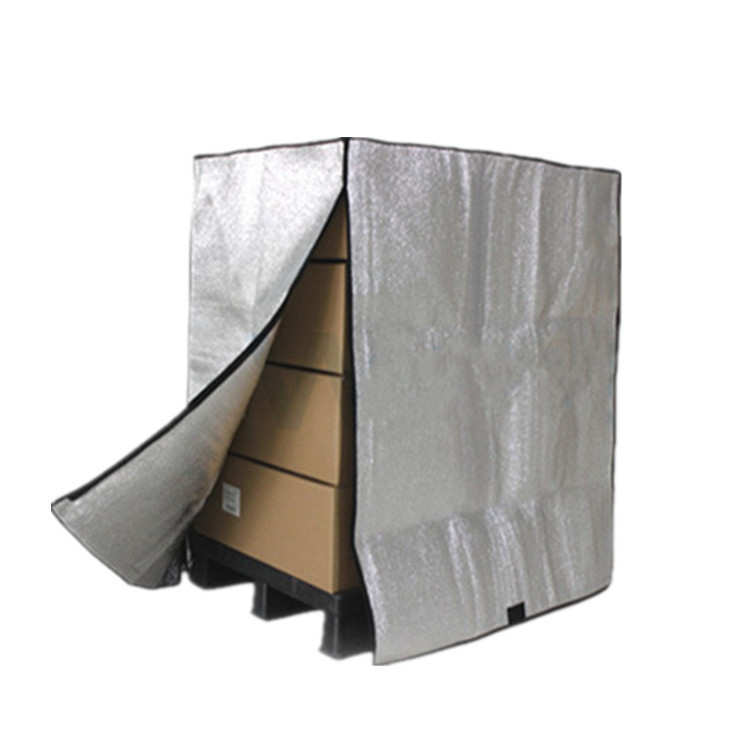
Metode Lima Gerbang untuk Selimut Termal Pallet untuk Pengiriman Bahan Berbahaya
Penutup termal tidak boleh menjadi item pertama yang disetujui pada palet bahan berbahaya. Persetujuan pertama berkaitan dengan materi, kemasan resmi, komunikasi bahaya, rute, dan pembawa. Only then can pallet thermal blankets for hazardous materials shipping be assessed as secondary protection against defined ambient exposure. Mereka tidak dapat mengganti kemasan dengan spesifikasi PBB bila diperlukan, klasifikasi, pemisahan, tanda, Label, dokumentasi, pelatihan, pengaturan darurat, atau penerimaan operator.
Tim pengadaan dapat mengelola keputusan melalui lima gerbang: cocok secara hukum, kebutuhan termal, integrasi fisik, bukti, dan pengendalian operasional. Seorang kandidat bergerak maju hanya jika ia berhasil melewati setiap gerbang. Metode ini mencegah hasil termal yang kuat untuk menyembunyikan cacat barang berbahaya dan mencegah paket telanjang yang memenuhi syarat terbungkus dalam penutup yang dirancang dengan buruk..
Gerbang 1: Apakah Unit yang Telah Selesai Dapat Diterima Secara Hukum dan Operasional?
Hentikan diskusi menyeluruh sampai orang yang bertanggung jawab dan terlatih telah mendefinisikan barang berbahaya tersebut. Catat PBB atau nomor identifikasi jika ada, Nama pengiriman yang tepat, kelas atau divisi, bahaya tambahan, kelompok pengepakan ketika ditugaskan, kuantitas, keadaan fisik, konsentrasi, dan modus. Konfirmasikan instruksi pengemasan resmi, ketentuan khusus, batas kuantitas, pembatasan rute, dan variasi operator atau operator apa pun.
Berdasarkan Peraturan Bahan Berbahaya Amerika Serikat, pihak yang menawarkan bertanggung jawab atas klasifikasi dan deskripsi yang tepat dan untuk menentukan bahwa kemasan tersebut sah. Persyaratan komunikasi inti muncul di 49 Bagian CFR 172 dan persyaratan pengemasan pengirim di Bagian 173, dengan aturan tambahan untuk udara, kapal, dan mode jalan raya. Peraturan Barang Berbahaya IATA memandu pengiriman melalui udara dan mencakup variasi pengangkut serta persyaratan penerimaan. ADR dan peraturan nasional mungkin berlaku untuk pergerakan jalan raya Eropa. Selalu gunakan ketentuan yang berlaku untuk jalur sebenarnya.
Sekarang periksa perakitan tertutup yang diusulkan. Bertanya:
Akankah setiap tanda yang diperlukan, label bahaya, tanda orientasi, identifikasi, dan kantong dokumen tetap terlihat?
Jika informasi disembunyikan, apakah persyaratan penandaan dan pelabelan kemasan luar yang berlaku telah dipenuhi dengan benar?
Apakah penutupnya mengganggu ventilasi, katup, perangkat pelepas tekanan, penutupan, poin pengangkatan, ikatan, atau akses darurat?
Apakah konsolidasi diperbolehkan, dan apakah persyaratan kompatibilitas dan segregasi masih terpenuhi?
Apakah operator telah menerima pertanggungan tersebut, metode pengikatan, akses inspeksi, dan menyelesaikan presentasi?
Di Amerika Serikat, 49 CFR 173.25 menangani kemasan luar yang resmi dan reproduksi tanda dan label yang diperlukan ketika tidak terlihat, termasuk penggunaan tanda “OVERPACK” dalam situasi tertentu. Penentuan pastinya tergantung pada perakitan. Jangan menganggap kantong bening atau label yang disalin sebagai solusi universal.
Gerbang 1 gagal jika penutup menyembunyikan komunikasi, mengubah konfigurasi resmi tanpa persetujuan, memblokir fitur keamanan paket, atau tidak dapat diterima oleh operator. Pengujian termal tidak boleh dilanjutkan sampai masalah ini diperbaiki.
Gerbang 2: Berapa Eksposur Tepatnya Sampul yang Seharusnya Sedang?
Tulis pernyataan penggunaan satu kalimat. Contoh yang bagus adalah: “Penutup ini dimaksudkan untuk memperlambat perolehan panas selama penumpukan kargo udara di luar ruangan dan penundaan sambungan yang terlewat setelah palet meninggalkan truk yang dikendalikan.” Contoh yang buruk adalah: “Penutupnya menjaga bahan kimia pada suhu yang tepat.” Yang pertama bisa diuji. Yang kedua tidak memiliki batasan produk yang pasti, kondisi sekitar, lamanya, atau segmen rute.
Buat catatan paparan berdasarkan waktu. Sertakan pra-pementasan, memuat, keamanan, tempat tinggal lintas dermaga, bea cukai, transfer antar aset yang dikendalikan, bukaan pintu, periode kontainer tidak bertenaga, inspeksi pengangkut, penundaan, dan menerima. Gunakan data jalur, pengamatan fasilitas, catatan cuaca, dan masukan operator jika tersedia. Pisahkan paparan lingkungan yang teduh dari beban matahari langsung dan catat kontak konduktif dengan lantai atau peralatan.
Tentukan mengapa suhu penting bagi material. Kualitas produk, tekanan paket, viskositas, kerapuhan, perilaku fase, dan keselamatan transportasi adalah masalah yang berbeda. Batasan harus berasal dari penilaian produk dan barang berbahaya yang disetujui. Pemasok penutup tidak boleh memilihnya.
Beberapa barang berbahaya mempunyai kontrol khusus atau suhu darurat, dapat menghasilkan panas, atau memerlukan ventilasi. Insulasi pasif bukanlah sistem pendingin aktif dan dapat menahan panas yang dihasilkan secara internal. Bahan-bahan tersebut memerlukan pendekatan peraturan dan keselamatan proses yang spesifik. Gerbang 2 gagal jika organisasi mencoba menggunakan isolasi sebagai pengganti pengendalian aktif yang diperlukan, stabilisasi yang disetujui, pendinginan, ventilasi, atau rencana darurat.
Gerbang 3: Apakah Penutup Sesuai dengan Pallet dan Fungsi Keamanannya?
Ukur beban unit yang telah selesai. Dimensi palet nominal menghilangkan tinggi, menggantung, karton menggembung, dering drum, pelindung sudut, lipatan stretch-wrap, penyimpangan teratas, lokasi label, dan izin akses. Catat dimensi produksi normal dan maksimum. Tentukan apakah alas dasar atau rok merupakan bagian dari desain.
Setiap fitur konstruksi harus menjawab risiko:
| Fitur sedang ditinjau | Keputusan itu harus didukung | Kegagalan untuk mencari |
|---|---|---|
| Eksterior reflektif | Kurangi paparan radiasi tertentu | Kotoran, abrasi, orientasi yang salah, klaim kinerja yang tidak didukung |
| Lapisan isolasi | Tahan konduksi melalui wajah | Kompresi, mengompol, ketebalan yang tidak konsisten, penumpahan |
| Jahitan dan penutupan | Batasi pertukaran udara dan tetap aman | Jembatan termal, celah, merobek, pembukaan yang tidak direncanakan |
| Permukaan bagian dalam | Lindungi paket luar saat digunakan | Abrasi, ketidakcocokan, kontaminasi, kekhawatiran statis |
| Perawatan dasar | Atasi kebocoran udara di tepi bawah atau jalur lantai | Gangguan forklift, cairan yang terperangkap, rok tidak stabil |
| Akses dan label zona | Pertahankan inspeksi dan komunikasi | Tanda tertutup, katup tersumbat, dokumen yang tidak dapat diakses |
Tinjauan desain harus mencakup kebocoran yang dapat diperkirakan. Selimut termal umum bukanlah penahan tumpahan. Tentukan apakah bahannya dapat bereaksi dengan, menyerap, menyebar, atau menyembunyikan konten yang lolos dan bagaimana responden akan menghapus atau mengisolasi konten tersebut. Atmosfer yang mudah terbakar, operasi sensitif statis, sumber pengapian, dan pembuangan penutup yang terkontaminasi memerlukan lokasi- dan penilaian khusus materi.
Ergonomi adalah bagian dari kesesuaian. Penutup yang berat atau tinggi yang memerlukan staf untuk memanjatnya, menjangkau drum, atau berdiri di jalur forklift menimbulkan risiko yang berbeda. Melakukan observasi tugas dengan perwakilan pekerja dan alat pelindung diri. Gerbang 3 gagal jika aman, instalasi berulang tidak dapat didemonstrasikan.
Gerbang 4: Apakah Bukti Sesuai dengan Klaim?
Terjemahkan pernyataan penggunaan ke dalam protokol. Identifikasi revisi sampul, konstruksi produksi, palet dan muatan, kondisi awal, profil lingkungan, komponen surya jika relevan, lamanya, bukaan, peta sensor, status kalibrasi, interval pencatatan, pengulangan, konfigurasi kontrol, dan kriteria penerimaan. Setujui protokol sebelum menjalankannya.
Panas bergerak melalui radiasi, konveksi, dan konduksi. Permukaan reflektif pada dasarnya mengatasi pertukaran radiasi; lapisan isolasi menahan jalur konduktif dan pergerakan udara internal; penutup dan rok mempengaruhi pertukaran udara. Sudut, jahitan, pengencang, dan daerah terkompresi bertindak sebagai jembatan. Basis palet mungkin berperilaku berbeda dari samping. Sebuah studi yang kredibel mengukur sistem yang dirakit daripada mengekstrapolasi dari satu lapisan.
Gunakan muatan yang mewakili massa muatan yang diinginkan, kapasitas panas, geometri, dan pengemasan. Palet berisi cairan padat mungkin merespons dengan lambat, sementara palet bermassa rendah dengan rongga besar dapat merespons lebih cepat. Jika pengganti digunakan, membenarkan mengapa itu konservatif atau representatif.
Petakan kemungkinan titik panas atau dingin serta referensi inti. Menangkap eksposur sekitar dan, ketika risiko matahari menjadi penting, permukaan atau indikator radiasi yang sesuai. Sinkronisasi sensor. Logger adalah alat bukti, bukan perlindungan termal. Pembacaannya mewakili lokasi dan keakuratannya; itu tidak mensertifikasi setiap paket.
Standar termal dapat memberikan disiplin. ISTA Standard 7E includes profiles for thermal testing of parcel-delivery insulated shipping containers, dan Standar 20 menyediakan proses desain dan kualifikasi. Penutup palet penuh yang fleksibel mungkin memerlukan protokol berbeda atau kualifikasi khusus rute. Mengutip nama standar tanpa menunjukkan cakupannya saja tidak cukup.
Baca klaim secara harfiah. “Pengurangan perolehan panas dalam konfigurasi yang diuji” mungkin didukung. “Melindungi semua bahan berbahaya selama jangka waktu tertentu” hampir tidak pernah muncul dalam sebuah penelitian. Gerbang 4 gagal jika laporan menghilangkan payload, profil, sensor, konfigurasi penutup, atau kriteria penerimaan; hanya mengandalkan data material datar; atau mengubah uji coba terbatas menjadi jaminan universal.
Gerbang 5: Bisakah Operasi Mempertahankan Status yang Disetujui?
Persetujuan ada di atas kertas; kontrol ada di dok. Tulis SOP yang mengidentifikasi sampul dan revisi yang disetujui, batas palet, orientasi, pemeriksaan sebelum digunakan, urutan instalasi, penutupan, zona label, titik akses, penempatan sensor, penggunaan segel, pemindahan, dan penyimpanan. Sertakan kondisi penghentian yang jelas untuk air mata, mengompol, kontaminasi, delaminasi, tag yang hilang, dimensi yang salah, komunikasi tersembunyi, kondisi pelepasan hangat atau dingin, atau perubahan rute.
Tambahkan pemeriksaan pelepasan unit yang telah selesai oleh staf barang berbahaya yang terlatih. Periksa setelah selimut terpasang sepenuhnya. Konfirmasikan kondisi kemasan, tanda, Label, orientasi, perawatan overpack jika memungkinkan, dokumen, pemisahan, ventilasi, katup, penutupan, tali pengikat, dan presentasi pembawa. Urutan ini mengatasi masalah yang luput dari pemeriksaan palet telanjang.
Tentukan kepemilikan pengecualian. Logistik menangani koneksi yang terlewat dan kejadian peralatan; spesialis barang berbahaya menangani penyimpangan pengemasan dan komunikasi; kualitas mengevaluasi kunjungan termal dan ruang lingkup kualifikasi; keselamatan mengelola kebocoran atau paparan; pengangkut memutuskan penerimaan berdasarkan aturannya. Daftar telepon saja tidak cukup. Tuliskan informasi yang dibutuhkan setiap fungsi dan wewenang untuk menahan atau menolak pengiriman.
Saat diterima, memeriksa sebelum membuang bukti. Rekam kondisi sampul, bukaan atau segel rusak, kerusakan paket, kebocoran, menonjol, keterbacaan label, status pencatat, dan suhu yang dibutuhkan oleh rencana yang disetujui. Pembacaan sensor yang stabil tidak memberikan izin penerimaan paket hazmat yang rusak. Penutup yang rusak tidak serta merta berarti produk tersebut rusak; mengikuti penilaian yang ditentukan.
Gerbang 5 gagal ketika sistem bergantung pada keahlian tidak tertulis, tidak dapat melacak revisi sampul, tidak bereaksi terhadap kerusakan, atau perlindungan kredit selama segmen rute di mana perlindungan dihilangkan.
Tender Harus Mendefinisikan Penggunaan Kembali, Hentikan Aturan, dan Hasil Terkendali
Setelah gerbang ditentukan, permintaan penawaran menjadi lebih bermanfaat. Berikan amplop palet kepada pemasok, label dan peta akses, paparan rute, kendala penanganan, menggunakan model, harapan pembersihan, dan tujuan tes yang diusulkan. Jangan mengungkapkan informasi sensitif mengenai barang berbahaya melebihi batas yang wajar, tetapi sediakan secukupnya untuk tinjauan teknis yang aman.
Memerlukan bill of material konstruksi atau deskripsi lapisan terkontrol, toleransi dimensi, detail jahitan dan penutup, titik pemeriksaan produksi, dan proses pemberitahuan perubahan. Mintalah bukti termal dalam konteks lengkap, tidak ada satu pun hasil judul. Minta informasi yang relevan untuk sifat mudah terbakar, statis, kompatibilitas kimia, perilaku kelembaban, pembersihan, dan pembuangannya sehingga pakar internal dapat menilainya. Dokumen-dokumen ini tidak memberikan persetujuan barang berbahaya; mereka mendukung ulasan pembeli.
Evaluasi konsistensi sampel hingga produksi. Periksa dimensi yang sudah jadi, massal jika berguna, penempatan jahitan, kekuatan penutupan, kondisi permukaan, label jendela, dan identifikasi. Sepakati perbaikan dan cacat yang dapat diterima sebelum pasokan volume. Peralihan yang tampaknya kecil dalam film, busa, perekat, benang, atau penutupan dapat mengubah perilaku termal atau kesesuaian keselamatan.
Perbandingan komersial harus mencakup tenaga kerja instalasi, volume penyimpanan, penanganan pembawa, pembersihan, transportasi kembali, kehilangan, inspeksi, memperbaiki, dan pensiun. Hindari asumsi jumlah penggunaan kembali yang tidak terverifikasi atau durasi termal tetap. Bandingkan opsi dengan fungsi sama yang disetujui.
Penggunaan Kembali dan Keberlanjutan Melewati Gerbang yang Sama
Penggunaan kembali dapat mengurangi material yang terbuang dalam siklus tertutup, tapi bisa juga menambah ongkos kirim pulang pergi, pembersihan, kerugian, dan laminasi kompleks. Definisikan unit fungsional sebagai unit yang berhasil dilindungi, pergerakan palet yang sesuai. Kemudian memperhitungkan pembuatan sampul, perjalanan benar-benar tercapai, jaringan kembali, pembersihan, perbaikan, suku cadang pengganti, dan rute akhir kehidupan.
Setiap penggunaan kembali dimulai dengan inspeksi. Tetapkan batasan untuk menangis, isolasi hancur, noda, paparan bahan kimia, reflektifitas rusak, kegagalan jahitan, penutupan yang hilang, dan identitas yang tidak dapat dibaca. Penutup yang terkontaminasi harus masuk ke dalam respon bahan berbahaya dan proses limbah yang sesuai dengan kontaminan tersebut, bukan aliran cucian biasa.
Lacak pertanggungan individu jika risiko dan nilainya membenarkannya. Identitas membantu inspeksi tautan, perbaikan, pembersihan, dan revisi. Itu tidak menggantikan pemeriksaan fisik atau membuktikan kinerja. Penutup yang digunakan kembali masih harus melewati Gates 1 melalui 5 untuk pengiriman yang dimaksud.
Empat Keputusan Berhenti Otomatis
Beberapa kondisi harus menghentikan pelepasan tanpa perdebatan mengenai manfaat termal:
Barang berbahaya tidak diklasifikasikan dengan benar, dijelaskan, dikemas, ditandai, berlabel, didokumentasikan, atau diterima untuk mode tersebut.
Blok penutup memerlukan komunikasi, ventilasi, pelepas tekanan, penanganan, inspeksi, atau akses darurat.
Bahan tersebut memiliki persyaratan kontrol suhu yang kritis terhadap keselamatan sehingga konfigurasi pasif yang diusulkan belum disetujui secara khusus untuk dipenuhi.
Klaim termal tidak dapat ditelusuri ke konfigurasi representatif dan profil yang relevan.
Perhentian ini menjaga hierarki tetap utuh. Tujuan dari penutup termal adalah untuk menambah margin pada pengiriman yang sehat, jangan pernah membuat kiriman yang tidak sehat terlihat selesai.
Kesimpulan: Keputusan Pelepasan yang Dapat Bertahan dari Audit
Selimut termal palet untuk pengiriman bahan berbahaya siap digunakan hanya jika organisasi dapat menjawab lima pertanyaan dengan catatan: Apakah unit yang telah selesai dapat diterima? Apakah paparannya sudah ditentukan? Apakah penutupnya terintegrasi dengan aman? Apakah bukti mendukung klaim terbatas tersebut? Bisakah operasi mempertahankan keadaan yang disetujui?
Jika jawaban atas pertanyaan apa pun tidak pasti, pegang proyek di gerbang itu. Hasil yang disiplin adalah kasus penggunaan yang lebih sempit namun lebih dapat dipertahankan: sampul tertentu, diterapkan pada palet tertentu, untuk kondisi rute tertentu, berdasarkan SOP yang melindungi setiap kewajiban barang berbahaya.
Tentang tempk
Shanghai Tempk Industri Co., Ltd. operates Tempk as a cold-chain packaging brand. Our official product information includes thermal pallet covers, insulated packaging and boxes, pendingin, dan PCM, sementara halaman solusi menjelaskan tinjauan paket, perencanaan posisi logger, dan dukungan rencana validasi. Untuk pengiriman bahan berbahaya, cakupan ini dapat menginformasikan evaluasi lapisan termal luar terhadap geometri dan paparan yang ditentukan. Itu tidak mencakup klasifikasi, kemasan barang berbahaya resmi, tanda, dokumen, rute, tanggap darurat, atau persetujuan operator; pihak pengiriman yang memenuhi syarat memegang keputusan tersebut.
Mulailah dengan pernyataan penggunaan yang diusulkan, gambar palet lengkap, aturan akses, dan batas uji. Tempk kemudian dapat mendiskusikan tinjauan kemasan termal dengan cakupan yang sempit.
Penutup Isolasi Pallet untuk Distribusi Farmasi: Penyebaran
Penutup Isolasi Pallet untuk Distribusi Farmasi: A Deployment Framework
The useful question is not “How many hours does this cover hold temperature?” but “Which exposure will this pallet face, and what evidence shows the process can manage it?” Pallet insulation covers for pharmaceutical distribution can slow thermal change at docks, landai, lintas dermaga, adat istiadat berlaku, dan pengiriman akhir. They are passive, secondary protection—not active cooling, a self-qualifying system, or a substitute for monitoring, kualifikasi jalur, prosedur, dokumentasi, atau tinjauan kualitas.
With that boundary clear, procurement can compare features, engineers can test the full configuration, operations can apply it consistently, and quality can decide whether the evidence is sufficient.
Give the Cover One Clear Job
Begin with a one-sentence intended-use statement. It should name the product group, konfigurasi palet, lane segment, tantangan lingkungan, kontrol utama, and cover function. Misalnya:
The cover is intended to reduce the rate of thermal exchange around a defined pallet configuration during outdoor and uncontrolled handovers between approved controlled facilities and vehicles on selected air lanes.
This statement deliberately avoids promising a product temperature or duration. Those belong in qualification criteria supported by product and route information. It also makes clear that controlled facilities and transport remain the primary environment.
Now write the exclusions. The cover is not intended to replace a temperature-controlled vehicle, add unapproved coolant, protect an incompatible mixed load, justify an indefinite customs delay, or release product after an excursion. It may not be suitable for partial-pallet picking, uncontrolled multi-day transport, or a pallet outside the approved dimensional envelope. Exclusions are not a weakness; they prevent operational drift.
The required pharmaceutical conditions must come from the approved product information, instruksi pabrikan, pengetahuan stabilitas, perjanjian kualitas, and applicable market requirements. There is no single range for all medicines. Storage and transport limits may differ, and freeze sensitivity can be critical even on a lane that personnel casually describe as “cold.” The intended use should therefore refer to an approved product category or requirement, not a generic claim such as “for pharma.”
Build an Exposure Budget From Door to Door
A route map usually shows cities and transport legs. An exposure budget shows every interval during which the pallet may be outside its primary controlled environment. Start the clock at the first departure from approved storage and stop it only when the load enters approved storage at the destination. Break the journey into staging, pergerakan dermaga, memuat, local transport, perpindahan hub, apron activity, aircraft or line-haul movement, bea cukai, reloading, pengiriman akhir, dan menerima.
For each interval, catatan:
planned and credible delayed duration;
ambient temperature profile and seasonal uncertainty;
paparan sinar matahari, angin, precipitation, and surface contact where relevant;
whether the pallet is in a controlled, temperature-modified, or uncontrolled space;
who has custody and who may open or remove the cover;
availability of suitable temporary storage;
monitoring and milestone data that can confirm what happened;
escalation trigger if the assumption fails.
This exercise often reveals that the longest transport leg is not the design driver. A pallet can spend hours in a controlled aircraft compartment or vehicle but face a sharper challenge during a short sunlit wait. Sebaliknya, a lightly challenged dock transfer may not justify a cover if a later uncontrolled road leg is too severe for passive secondary protection. The exposure budget shows whether a cover closes a real gap or merely creates reassurance.
EU Good Distribution Practice supports this risk-based view. It calls for required product conditions to be maintained, route risk to guide temperature controls, attention to unloading and transit storage, suitable and qualified equipment where appropriate, pemantauan, and procedures for excursions. WHO model guidance likewise treats the transport temperature profile as a sequence of anticipated ambient conditions and durations and provides technical direction on route profiling and shipping-container qualification.
Do not turn a weather forecast into a qualification profile. Weather data may inform a study, but it does not capture sun on a metallic surface, wind-driven leakage, a warm dock plate, a cold roller bed, terminal operating practices, or delayed custody transfer. Use route observations, pemantauan, facility information, seasonal cases, and justified conservative assumptions to create the challenge.
Define the Controlled Configuration
The test object and the purchased object must be the same controlled configuration. Write down every component and condition that affects thermal response:
pallet material and dimensions;
pola kasus, tinggi beban, jangkauan massa, kekosongan, and stretch wrap;
product or justified simulant and its initial condition;
top-and-side cover construction and orientation;
base pad, insulated pallet, or explicit absence of bottom insulation;
penutupan, tumpang tindih, tali pengikat, panel akses, dan segel;
handling and storage labels;
logger types, posisi, pengaturan, dan metode aktivasi;
aplikasi, pembukaan, reclosure, and removal procedure.
The base deserves its own line. A five-sided cover leaves a pathway through the pallet and supporting surface. If the qualification uses a base pad, operations must use the same specified base. If the real process has no base, testing should not quietly add one. The same logic applies to stretch wrap, palet yang menggantung, and case gaps.
Fit is a controlled attribute, not a cosmetic preference. A short cover can expose the bottom edge; a tight cover can pull open at corners; an oversized one can create folds, interfere with forklift access, or drag through water. Define the usable internal envelope and dimensional tolerances using actual production pallets, including expected variation and protrusions.
Closure is also part of the thermal boundary. The configuration should show which flap overlaps which, how zippers or hook-and-loop sections engage, where straps sit, and what an acceptable closed state looks like. A photograph or line drawing in the work instruction can make the difference between a qualified configuration and an operator's approximation.
Match Material Functions to the Exposure
The layer stack should answer the exposure budget rather than follow a generic hierarchy of “more layers is better.” Heat crosses the covered pallet by radiation, konveksi, dan konduksi.
A low-emissivity metallic surface can reduce radiant exchange, which may be useful under solar or nearby hot-surface exposure. Emissivity is a surface property describing the ability to emit thermal radiation. The result depends on the finished surface, orientasi, ruang yang berdekatan, kebersihan, dan kerusakan. It does not stop heat carried by air or transferred through contact. Reflectivity alone cannot support a duration claim.
The insulating layer resists heat flow through the broad faces. Relevant characteristics may include material identity, ketebalan, density or structure, thermal conductivity under stated conditions, perilaku kompresi, and moisture response. A flat-material test helps characterize the layer but does not represent seams, sudut, penutupan, the base, or a full pallet. Ask how the conversion process controls thickness, ikatan, dan kontinuitas.
Seams and penetrations can behave as thermal bridges or leakage paths. Stitched, lasan, direkam, or bonded constructions each require process control and inspection. Pouches and openings should not interrupt the protective envelope without assessment. Repeated folding can concentrate damage at predictable locations, so reusable designs need inspection criteria linked to those failure modes.
Moisture combines thermal and product-protection concerns. Rain resistance does not prove vapor control, and a sheet-material result does not prove the finished seams. Condensation may be trapped against cartons, cleaning liquid may remain inside layers, and dirt can change a reflective surface. Define wet-exposure handling, pembersihan, pengeringan, pemisahan, and rejection rather than relying on the word “waterproof.”
Create an Evidence Chain, Not a Test Certificate
The most useful evidence chain connects the product requirement to the route, the route to the challenge profile, the profile to the tested configuration, and the tested configuration to routine production and operations.
| Keputusan | Bukti yang diperlukan | Typical owner | Kegagalan untuk menghindari |
|---|---|---|---|
| Apa yang harus dilindungi? | Approved product conditions, sensitivities, and acceptance logic | Kualitas produk | Applying one range to every pharmaceutical |
| Where is the risk? | Profil rute, peta serah terima, seasonal and delay cases | Logistik dan kualitas | Using total transit time or city weather alone |
| What is the system? | Controlled bill of material, amplop palet, closure and base details | Rekayasa pengemasan | Qualifying a prototype that differs from production |
| Does it perform? | Approved protocol, sensor yang dikalibrasi, data mentah, penyimpangan, and report | Qualification team | Treating a material coupon or one shipment as proof |
| Can it remain in control? | Supplier change notification, cek masuk, pelatihan, pemantauan, tinjauan | Kualitas dan operasi | Ignoring drift after launch |
This table is also a responsibility map. No single supplier document can answer every row because the shipper owns product knowledge, the logistics network, and final quality decisions. A supplier can provide design, bahan, produksi, dan menguji informasi, but the customer's quality system must decide applicability.
Panduan teknis WHO menjelaskan desain, operasional, and performance qualification for shipping containers. Those stages offer a useful discipline. During design qualification, teams review requirements, risiko, gambar, bahan, penutupan, and preliminary evidence. Operational qualification challenges defined configurations under approved warm and cold cases, including payload and starting-condition boundaries. Performance qualification demonstrates that production covers, operator terlatih, actual procedures, and representative lanes work together.
ISTA resources can support test planning, but scope matters. Standar ISTA 20 is a process for insulated shipping-container qualification used with ISTA 7E profiles, while ISTA identifies 7E with parcel delivery systems. A pallet cover moving through unitized freight may need a different or custom test justified by its distribution environment. Thermal testing may also need to be paired with mechanical evaluation of handling, getaran, kompresi, dan stabilitas beban. Naming a standard is not enough; the procedure, test object, laboratorium, profil, and resulting claim must align.
Design Monitoring Around Decisions
Monitoring should tell the organization whether the assumptions held and what to do if they did not. It is not an accessory added after qualification.
Ambient sensors can characterize the challenge around the pallet. Payload sensors can show the thermal response at selected positions. A logger near the exterior may react quickly; one deep within a dense load may respond slowly. Qualification should use enough sensors, placed through a documented rationale, to identify vulnerable and slow-response locations. Routine monitoring can use a different justified plan when its purpose is clearly defined.
Review the logger's calibrated accuracy, measurement range, tanggapan, interval perekaman, kontrol jam, alarm setup, kesesuaian baterai, integritas data, and retrieval workflow. Avoid copying settings from another lane without considering journey length and decision needs. WHO guidance addresses monitoring of passive and active shipping containers, arrival review, kalibrasi, catatan, and transport monitoring systems. EU GDP also emphasizes maintained and calibrated monitoring equipment and excursion procedures.
The receiving site needs a workable data path. Define who stops or reads the device, which software and permissions are required, how time zones are handled, where the file is retained, and what triggers quarantine. A temperature alarm does not automatically destroy product, and the absence of an alarm does not fix an invalid packout. Disposition belongs to the approved quality process using the relevant product information.
Untuk angkutan udara, monitoring sits alongside correct handling communication. Iata's Temperature Control Regulations address pharmaceutical transport and include the Time and Temperature Sensitive label. Verify the current edition, carrier and government rules, booking information, tanda, and dangerous-goods requirements as applicable. The cover must not hide essential labels, and labels must not be mistaken for physical protection.
Convert the Approved Sample Into a Controlled Deployment
Lock the Supply Specification
Scale-up is a high-risk handoff. The sample tested by engineering may have been made with a particular foil, inti isolasi, perekat, pola jahitan, penutup, and level of attention. Production purchasing needs a specification that makes those attributes repeatable.
Create approved drawings and a bill of material. Define internal dimensions and tolerances, layer identities, critical construction attributes, seam and closure locations, orientation markings, kebersihan, pelabelan, kemasan untuk pengiriman, and any traceability required. Agree how raw-material, perumusan, lapisan, perekat, proses, alat, subkontraktor, or manufacturing-site changes will be communicated and assessed before supply.
Incoming inspection should verify attributes linked to fit, penutup, integritas, and cleanliness. Periodic checks may be appropriate for characteristics that cannot be tested on every unit. Retain a controlled production reference rather than relying on an unmeasured showroom sample. If the supplier states a thermal result, request the protocol and report context: profil pengujian, muatan, kondisi awal, full assembly, lokasi sensor, lamanya, kriteria, penyimpangan, and unit revision.
Di Amerika Serikat, current good manufacturing practice regulations require appropriate storage conditions and written warehousing and distribution procedures. FDA guidance in specific product contexts reinforces protection during storage, penanganan, and shipping according to labeled conditions. These principles support controlled specifications and procedures; they do not create a universal “FDA-approved” or “FDA-compliant” status for a pallet cover.
Make Handovers Reproducible
The cover will succeed or fail in the hands of warehouse and ground staff. Train with a real pallet and observe the task. Can operators identify the correct revision? Can one or two people fit it safely without dragging it? Are the corners obvious? Can every closure be reached? Do labels remain visible? Are forklift openings clear? Can the cover be restored after inspection?
Write the handover contract into work instructions and quality agreements:
who applies and verifies the cover;
when the exposure clock or controlled dwell begins;
who may open it and under which conditions;
how temporary protection is maintained during inspection;
how correct closure is restored and recorded;
what to do with wet, robek, hilang, or contaminated units;
where a delayed pallet can be moved;
who reviews monitoring data and decides disposition.
Consider a shipment arriving at customs with one lower flap detached after inspection. The first question is not whether the material still looks reflective. Staff need to know how long the pallet was open, the ambient conditions, whether the base remained protected, what the logger shows, whether controlled storage was available, and which quality function owns the decision. A mature process can reconstruct those facts. An immature one tapes the flap and continues without a record.
Choose the Reuse Model With Operating Data
Single-use and reusable covers can both be valid. The route network determines which can be controlled and which may have the better environmental profile.
A reusable program needs reverse logistics, collection points, asset identification where justified, pembersihan, pengeringan, inspeksi, aturan perbaikan, penyimpanan, loss management, dan pensiun. Qualification must account for the condition in which a unit is allowed to return to service. Avoid promising a fixed number of trips without evidence; damage and handling histories vary.
A single-use program avoids return and refurbishment but transfers disposal responsibility to the receiver. Ask whether the multilayer construction can be separated and whether appropriate recovery actually exists in destination markets. “Recyclable” in theory does not guarantee recovery in practice.
Pilot either model with measurable outcomes. Untuk digunakan kembali, track returns, perubahan haluan, transport distance and cube, pembersihan, kerusakan, penolakan, and actual trips. For single-use, track material consumption, kerusakan, receiving burden, and actual disposal routes. Include product-protection performance in the comparison. Preventing a temperature-related loss is part of environmental stewardship, so material reduction should not weaken the qualified control.
Use a Go/No-Go Gate Before Launch
A lane is ready only when the following statements can be answered with controlled evidence:
The product conditions and excursion decision process are approved.
The cover's intended role and exclusions are explicit.
The route profile includes handovers, musiman, penundaan, and relevant radiant, udara, kelembaban, and surface exposures.
The exact pallet, basis, menutupi, penutup, Label, and monitoring configuration is defined.
Qualification supports the approved operating envelope and acceptance criteria.
Production units are tied to the tested design through specifications, incoming control, dan mengubah pemberitahuan.
Staff can apply, memeriksa, membuka, restore, and remove the cover under approved instructions.
Monitoring data can be retrieved, retained, and acted on at receipt.
Contingencies identify safe storage, kontak eskalasi, and deviation actions.
The single-use or reusable lifecycle can be operated as designed.
A “no” does not always mean abandoning the cover. It may mean narrowing the lane, improving a closure, adding a base, revising the monitoring plan, securing controlled hub space, running another qualification case, or choosing active or coolant-based passive control instead. The gate prevents procurement volume from outrunning quality knowledge.
Kesimpulan: Put the Cover in Its Proper Place
A thermal pallet cover is valuable when it slows heat transfer across a defined exposure that the primary logistics system cannot eliminate. Its performance comes from the complete configuration: bugar, low-emissivity surface where relevant, lapisan isolasi, jahitan, penutupan, basis, kondisi kelembaban, muatan, suhu awal, and operator actions. Its credibility comes from route data, an approved test, konsistensi produksi, pemantauan, catatan, dan mengubah kendali.
Use an active container or vehicle when powered regulation is required. Use a qualified coolant-based passive system when the lane demands an enclosed thermal reserve. Improve the facility or handover when the true problem is avoidable dwell. A cover should solve its assigned risk, not conceal a gap in the cold chain.
Tentang tempk
Tempk, Shanghai Tempk Industri Co., Ltd.’s cold-chain packaging brand, lists thermal pallet covers, insulated packaging and boxes, pendingin, and PCMs on its official product pages. Its solution pages describe packout review, perencanaan posisi logger, dan dukungan rencana validasi. We can use that defined scope to discuss a pallet-cover deployment from intended use through load geometry, paparan rute, and an evaluation outline. Pharmaceutical product limits, protocol approval, prosedur operasi, kontrol pemasok, penanganan penyimpangan, and release decisions remain governed by the customer’s quality system.
Provide the intended-use statement, amplop palet, seasonal challenge cases, base and closure constraints, dan diperlukan bukti. Tempk can then discuss a focused sample-review path.
Cara Menentukan Penutup Pallet Terisolasi untuk Muatan Ikan
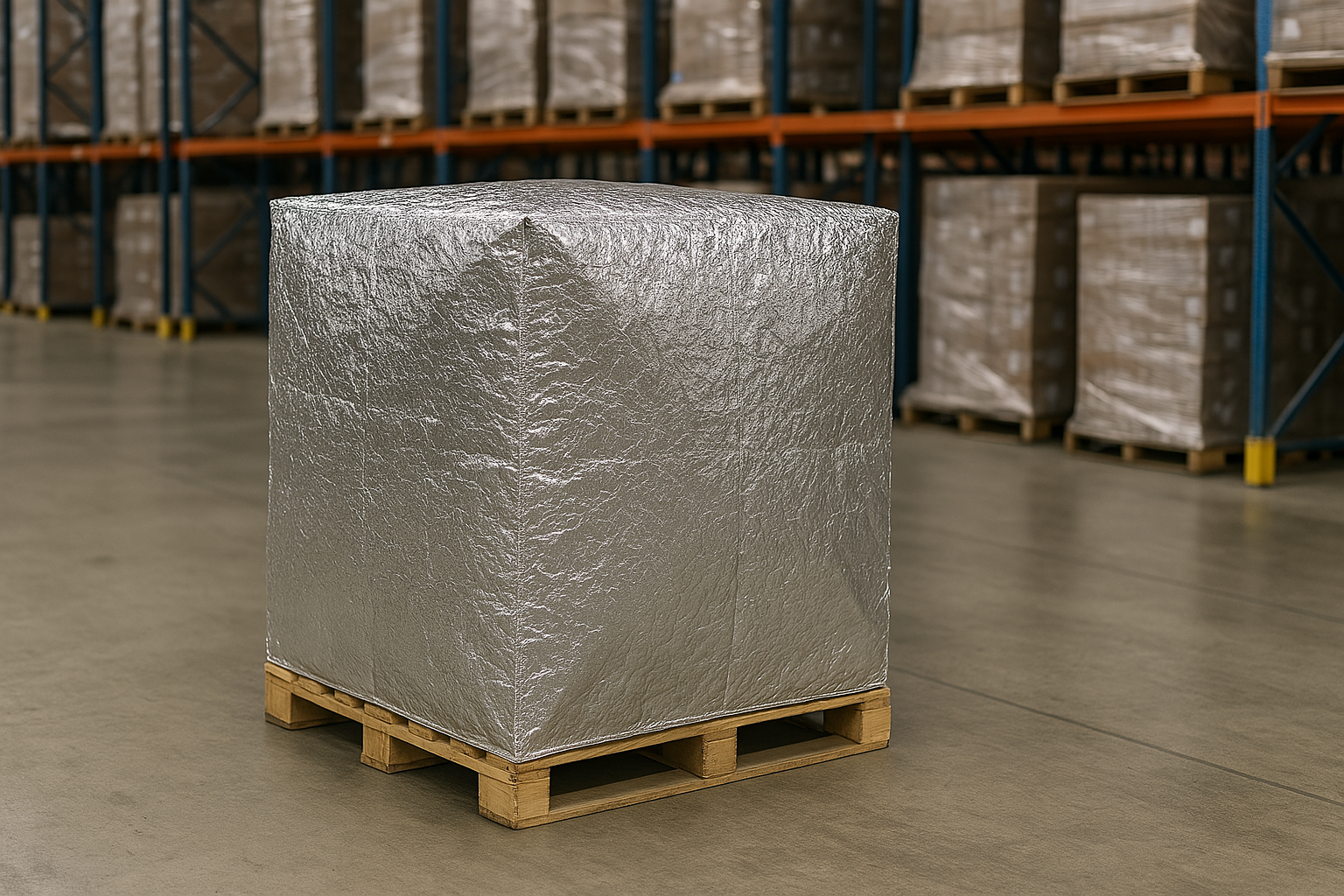
Cara Menentukan Penutup Pallet Terisolasi untuk Ikan Dari Pengiriman Mundur
Jangan memulai proyek penutup palet ikan dengan membandingkan lapisan foil. Mulailah saat menerima: dalam kondisi apa makanan laut itu harus berada, bukti apa yang akan mendukung penerimaan, dan peristiwa paparan apa yang dapat mengancam hasil tersebut? Insulated pallet covers for fish can then be designed as a secondary barrier that slows heat flow during those events. Mereka tidak mendinginkan muatan, dinginkan ikan hangat, ganti es atau paket cairan pendingin yang memenuhi syarat, membuat kontrol HACCP, atau memenuhi syarat setiap rute.
Bekerja mundur dari keputusan penerimaan menciptakan spesifikasi. Ini menghubungkan analisis bahaya makanan laut, keadaan produk, palet, aset yang didinginkan, data rute, konstruksi penutup, pemantauan, dan prosedur operator. Setiap sambungan harus jelas sebelum sampul mendapat tempat dalam pengiriman rutin.
Keputusan 1: Tentukan Status Kedatangan yang Dapat Diterima
Tulis pernyataan penerimaan terpisah untuk keamanan pangan, kualitas, dan kondisi fisik. Pernyataan keamanan pangan harus berasal dari analisis bahaya dan rencana HACCP yang dilakukan oleh pengolah yang bertanggung jawab. Pernyataan kualitas mungkin mencakup suhu spesifik produk, keadaan beku, sisa es, kriteria sensorik atau umur simpan, dan kebutuhan pelanggan. Penerimaan fisik dapat mengatasi segel, integritas paket vakum, karton, mengacai, kebocoran, kontaminasi, dan label.
Pemisahan ini mencegah kesalahan umum: menggunakan satu pembacaan logger inti sebagai jawaban atas setiap pertanyaan. Jejak suhu dapat mendukung penilaian suhu waktu. Itu tidak dapat menunjukkan apakah paket vakum bocor, sebuah karton roboh, atau air lelehan mencemari palet. Pengamatan fisik tidak dapat merekonstruksi riwayat suhu yang tidak terlihat.
Pengolah makanan laut Amerika Serikat dicakup oleh 21 Bagian CFR 123 harus melakukan analisis bahaya dan menerapkan rencana HACCP ketika bahaya keamanan pangan kemungkinan besar akan terjadi. Panduan Bahaya dan Pengendalian Ikan dan Produk Perikanan FDA menyediakan produk- dan informasi pengendalian bahaya tertentu. Spesies pembentuk histamin, produk dingin yang dimasak, makanan laut mentah siap makan, dan ikan dengan kemasan rendah oksigen memerlukan strategi yang berbeda. Produsen penutup palet tidak boleh menetapkan batas kritis.
Kode Makanan FDA adalah konteks yang berguna untuk ritel dan layanan makanan, termasuk pengendalian waktu/suhu penahanan dingin untuk keamanan pangan, namun ini merupakan kode model dan bukan spesifikasi palet ikan internasional yang universal. Ekspor, grosir, pengolahan, dan produk khusus dapat mengikuti kontrol dan aturan yurisdiksi lain yang divalidasi. Dokumentasikan otoritas mana dan spesifikasi pelanggan yang berlaku.
Keputusan 2: Identifikasi Kesenjangan Termal, Menit demi Menit
Bagilah jalur menjadi segmen terkendali dan terbuka. Segmen yang dikontrol mungkin termasuk ruangan dingin, freezer, truk berpendingin, atau wadah bertenaga. Segmen yang terpapar termasuk pementasan, memuat, cross-docking, inspeksi, penumpukan kargo udara, bea cukai, sambungan listrik, bongkar, dan menerima.
Untuk setiap segmen yang terpapar, durasi penangkapan, suhu lingkungan yang diarsir, radiasi langsung, angin atau aliran udara kipas, kontak lantai, posisi pintu, dan bukaan penutup apa pun. Gunakan data rutin dan kasus penundaan yang kredibel. Hindari merancang hanya untuk perjalanan rata-rata. Sambungan yang terlewat atau antrean dermaga mungkin mendominasi risiko meskipun sebagian besar rute terkendali dengan baik.
Kemudian nyatakan tugas sampul dalam bahasa yang terukur. Misalnya: “Reduce heat gain at the upper and outer packages of a frozen-fish pallet during transfer from cold storage to a powered export container, termasuk penundaan daya yang ditentukan.” Pernyataan ini mengidentifikasi lokasi, keadaan produk, peristiwa, dan obyektif. Ini tidak menjanjikan bahwa penutup tersebut dapat mempertahankan kondisi beku tanpa batas.
Jika paparan disebabkan oleh kegagalan proses yang dapat diperbaiki, perbaiki dulu. Tempat tinggal dermaga yang lebih pendek, kendaraan yang sudah didinginkan sebelumnya, disiplin pintu yang lebih baik, pementasan bertenaga, atau janji temu yang direvisi mungkin mengungguli isolasi ekstra. Penutup harus menambah ketahanan setelah proses utama selesai.
Keputusan 3: Pilih Sumber Dingin Utama
Isolasi mengurangi laju perpindahan panas; itu tidak menghilangkan panas yang masuk tanpa batas waktu. Tentukan sumber yang menetapkan dan memelihara kondisi produk.
Untuk ikan segar, pendinginan yang disetujui mungkin bergantung pada es, air laut yang didinginkan, pendinginan mekanis, atau metode terkontrol lainnya. Panduan FAO secara konsisten menekankan pendinginan cepat dan penggunaan es yang tepat di banyak sistem ikan segar. Gunakan penutup hanya setelah produk mencapai kondisi yang disetujui kecuali proses yang divalidasi secara eksplisit menyertakan penutup selama pendinginan.
Untuk makanan laut kemasan dingin, sistem utama biasanya adalah penyimpanan dan transportasi berpendingin, berpotensi didukung oleh pengaturan cairan pendingin yang memenuhi syarat untuk segmen terbuka. Pendingin memerlukan penempatan yang disengaja. Excessively cold packs can create local freezing, sementara paket yang tidak cukup atau tidak terdistribusi dengan baik dapat meninggalkan zona hangat. Kompatibilitas kondensasi dan paket termasuk dalam desain.
Untuk ikan beku, freezer dan wadah atau wadah berpendingin menjaga kondisi beku produk yang ditentukan. Penutup dapat memoderasi eksposur transfer pendek. Ini tidak boleh digunakan untuk merencanakan perjalanan jauh tanpa tenaga.
Dimana aturan transportasi sanitasi FDA berlaku, pihak yang tercakup memiliki tanggung jawab terkait dengan praktik sanitasi, peralatan transportasi yang sesuai, dan kontrol suhu yang memadai untuk makanan yang membutuhkannya demi keamanan. Palet tertutup di dalam kendaraan yang tidak sesuai atau dioperasikan dengan buruk tetap merupakan kiriman yang tidak sesuai.
Keputusan 4: Rekayasa Antarmuka Fisik
Ukur palet yang sudah jadi pada konfigurasi terbesar yang disetujui. Sertakan overhang, tali pengikat, bungkus regangan, papan sudut, bentuk atas, Label, saluran air, ventilasi, dan entri forklift. Catat beban terendah dan tertinggi yang disetujui jika satu rangkaian penutup diharapkan dapat memuat beberapa ketinggian.
Permukaan luar, isolasi, wajah bagian dalam, jahitan, penutupan, dan pangkalan masing-masing melakukan pekerjaan yang berbeda. Eksterior yang reflektif dapat mengurangi pertukaran pancaran bila terkena dan dalam kondisi yang sesuai. Inti isolasi menolak konduksi dan gerakan udara internal. Penutupan membatasi pertukaran udara yang tidak terkendali. Jahitan dan sudut terkompresi adalah jembatan termal. Pangkalan itu bisa menerima udara, mengumpulkan air, atau menghantarkan panas dari lantai.
Rancang perilaku kelembapan dengan sengaja. Ikan es segar dapat menghasilkan air lelehan. Palet yang beku dapat mengembun jika terkena udara lembab. Rok panjang bisa menyentuh lantai yang kotor; alas yang tertutup rapat dapat menampung air; lapisan berpori dapat menahan bau atau kontaminasi. Sepakati drainase, pemindahan, pembersihan, pengeringan, dan penyimpanan dengan sanitasi dan operasional.
Penutup biasanya berada di luar paket pengiriman yang disegel. Jika bisa menghubungi ikan yang terpapar, es yang bersentuhan dengan ikan, atau permukaan yang bersentuhan dengan makanan, meninjau materi untuk tujuan penggunaan tersebut. "Tahan air,” “Tidak beracun,” atau “logistik pangan” bukanlah pengganti penentuan kontak pangan.
| Antarmuka | Pertanyaan spesifikasi | Bukti persetujuan |
|---|---|---|
| Amplop palet | Apakah penutupnya sesuai dengan ketinggian yang disetujui tanpa ada celah yang besar atau terjepit? | Studi dimensi dan toleransi produksi |
| Aliran udara berpendingin | Apakah penutup akan mencegah pendinginan yang diperlukan atau menghalangi sirkulasi kendaraan? | Uji rencana beban dengan penutup terpasang |
| Kelembaban dan drainase | Kemana perginya kondensasi atau air lelehan?? | Observasi penanganan basah dan tinjauan sanitasi |
| Label dan menerima akses | Dapatkah staf mengidentifikasi, memeriksa, dan buka muatan dengan benar? | Uji coba operasional dan foto SOP |
| Gunakan kembali permukaan | Bisakah unit dibersihkan, kering, diperiksa, dan disimpan? | Prosedur yang disetujui dan kriteria pensiun |
Tabel ini memaksa keputusan termal dan sanitasi ke dalam tinjauan desain yang sama. Penutup tidak boleh lewat karena lekukan ruangnya terlihat bagus sementara penanganan air atau aliran udara masih belum terselesaikan.
Keputusan 5: Buat Bukti yang Mencerminkan Pengiriman
Mulai protokol dengan pernyataan penggunaan dan kriteria penerimaan. Identifikasi produk atau pengganti yang dibenarkan, kemasan, jenis palet, revisi sampul, kondisi awal, sumber dingin primer, profil lingkungan, beban matahari jika relevan, aliran udara, lamanya, bukaan, dan menunda. Gunakan sampul yang mewakili produksi dan tentukan berapa banyak proses yang diperlukan untuk risiko dan variabilitas.
Tempatkan sensor sesuai dengan jalur panas. Sensor atas dapat menunjukkan paparan radiasi; sensor tepi dan sudut bawah dapat mendeteksi kebocoran udara; sensor dasar dapat mengungkapkan konduksi lantai; intinya memberikan referensi respons yang lambat. Sensor lingkungan dan kendaraan menggambarkan tantangan tersebut. Sensor produk atau paket menggambarkan responsnya. Tidak ada satu titik pun yang mewakili keseluruhan palet.
Rekam identitas sensor, status kalibrasi atau verifikasi, ketepatan, interval pencatatan, lokasi, metode lampiran, dan waktu tersinkronisasi. Menyimpan data mentah dan penyimpangan dokumen. Laporkan hanya keakuratan yang didukung instrumen.
Gunakan kontrol saat menjawab pertanyaan. Palet yang tidak tertutup dapat menunjukkan perlindungan tambahan selama pengujian pengembangan yang aman. Sampul yang disetujui saat ini dapat menjadi tolok ukur usulan revisi. Untuk uji coba operasional, bukaan pintu kayu, peristiwa pendinginan, pelepasan penutup, dan lokasi sehingga jejak termal memiliki konteks.
Kualifikasi adalah kesimpulan terdokumentasi bahwa seluruh bukti mendukung penggunaan yang ditentukan. Ini bukan sifat yang melekat pada isolasi. Cakupannya harus memberi nama keluarga produk, jangkauan palet, rute atau profil, musim jika relevan, konstruksi penutup, instalasi, pendinginan primer, dan kriteria penerimaan. Perubahan di luar cakupan tersebut memerlukan penilaian.
Keputusan 6: Hubungkan Penutup ke HACCP dan Catatan Kualitas
Putuskan apakah data terkait tutupan sedang dipantau, verifikasi, dukungan validasi, atau informasi kualitas umum. Istilah-istilah ini mempunyai peran yang berbeda-beda. Di bawah HACCP makanan laut, catatan pemantauan menunjukkan apakah titik kendali kritis tetap terkendali; verifikasi memeriksa apakah sistem beroperasi sebagaimana dimaksud; validasi atau dukungan ilmiah menetapkan bahwa tindakan pengendalian dapat mengendalikan bahaya. Pemroses yang bertanggung jawab harus menetapkan peran tersebut.
Logger palet mungkin berharga tanpa catatan HACCP. Jika bisnis menjadikannya bagian dari pengendalian kritis, rencana tersebut memerlukan prosedur yang ditentukan, frekuensi, orang yang bertanggung jawab, tinjauan rekaman, pemeriksaan kalibrasi atau keakuratan, penyimpangan, dan tindakan perbaikan yang diperlukan. Jangan menambahkan logger ke materi pemasaran dan menganggapnya memenuhi elemen-elemen ini.
Penerimaan harus memiliki jalur eskalasi. Penerima harus mengetahui cara menafsirkan catatan kendaraan, data palet, pengukuran produk, dan pengamatan fisik. Alarm harus memicu evaluasi yang disetujui, bukan penerimaan atau penolakan otomatis kecuali rencana tersebut secara eksplisit menyatakan demikian. Pertahankan ketertelusuran antar palet, menutupi, logger, pengiriman, dan banyak.
Untuk makanan laut impor di Amerika Serikat, Kewajiban importir dalam kerangka HACCP makanan laut dapat menambah catatan dan pertimbangan langkah afirmatif. Jalur global juga melibatkan persyaratan tujuan dan spesifikasi pelanggan. Jaga agar catatan sampul tetap terhubung, tapi berbeda dari, file peraturan yang lebih luas.
Keputusan 7: Jadikan Pengulangan Aman, Dapat dibeli, dan Akuntabel
Ubah konfigurasi yang disetujui menjadi konfigurasi pendek, visual, SOP yang terkendali. Tunjukkan nomor bagian sampul dan revisi yang benar, orientasi, jangkauan palet, urutan aplikasi, penutupan, zona label, lokasi sensor, inspeksi, pemindahan, dan penyimpanan. Sertakan kondisi berhenti untuk pelepasan hangat, ukuran yang salah, air mata, jahitan terbuka, isolasi hancur, bagian dalam yang basah atau terkontaminasi, bau, cetakan, identitas yang hilang, dan perbaikan yang tidak disetujui.
Latih orang-orang yang benar-benar bekerja di dermaga dan amati mereka selama pengiriman awal. Periksa apakah sarung tangan ruang dingin dapat menutupnya, penutupnya tersangkut di sudut, staf masuk ke jalur forklift, dan unit yang sudah jadi cocok dengan kendaraan dan peralatan terminal. Sesuaikan desain atau metode kerja sebelum skala.
Saat diterima, memisahkan empat keputusan: kondisi makanan laut, kondisi paket, kondisi penutup, dan kelengkapan data. Suatu produk mungkin dapat diterima sementara pertanggungan yang dapat digunakan kembali memerlukan penghentian. Penutup suara tidak menyelamatkan makanan laut yang rusak. Dokumentasikan setiap hasil.
Kontrol perubahan harus mencakup film eksterior, isolasi, lapisan dalam, perekat, jahitan, pita jahitan, penutup, dimensi, tempat produksi, bahan perbaikan, tinggi palet, paket produk, kendaraan, rute, dan sumber dingin primer. Pengadaan harus memerlukan pemberitahuan sebelum perubahan pemasok. Kualitas dan keamanan pangan menentukan apakah akan ditinjau, pengujian yang ditargetkan, atau kualifikasi ulang diperlukan.
Membeli Pertanyaan yang Mengekspos Proposal Lemah
Mintalah pemasok untuk memberikan kondisi lengkap di balik klaim termal apa pun. Palet yang mana, muatan, suhu awal, profil lingkungan, sensor, lamanya, bukaan, dan kriteria penerimaan digunakan? Apakah radiasi langsung termasuk? Apakah sampulnya kering? Adalah hadiah alas dasar? Apakah hasilnya terulang kembali?
Tanyakan bagaimana unit produksi dikontrol terhadap unit yang diuji. Ukuran, konstruksi lapisan, jarak jahitan, lokasi penutupan, dan substitusi material semuanya bisa berarti. Minta perbandingan sampel dengan produksi dan rencana inspeksi masuk.
Tanyakan bagaimana kelembapan dan pembersihan mempengaruhi penutup. Kimia dan metode mana yang disetujui? Bagaimana cara keringnya? Kerusakan apa yang memicu perbaikan atau penghentian? Apa yang terjadi setelah kontak dengan makanan laut yang bocor atau air lelehan? Hindari jumlah penggunaan kembali tetap yang tidak didukung.
Akhirnya, tanyakan bagaimana proposal tersebut bekerja dengan aset berpendingin, rencana keamanan pangan, metode penerimaan, dan jaringan akhir masa pakainya. Harga satuan yang rendah dapat dikalahkan oleh penerapan yang lambat, aliran udara tersumbat, pekerjaan kebersihan, pengiriman kembali, atau penutup yang hilang.
Keberlanjutan Adalah Persyaratan Desain, Bukan Label
Tentukan fungsi yang dibandingkan: satu palet ikan dikirimkan dalam kondisi yang disetujui melalui rute yang ditentukan. Bandingkan opsi sekali pakai dan dapat digunakan kembali dengan fungsi yang sama. Termasuk material dan manufaktur, berat dan volume angkutan, pembersihan, pengeringan, kembali, perbaikan, kerugian, kehidupan pelayanan yang sebenarnya, dan pembuangan atau daur ulang.
Jalur lingkar tertutup mungkin mendukung penggunaan kembali karena pengembalian direncanakan dan inspeksi dapat dilakukan secara terpusat. Rute ekspor satu arah mungkin lebih memilih desain yang lebih ringan jika pemulihan tidak realistis. Penutup multilapis dapat bekerja dengan baik tetapi sulit untuk didaur ulang; struktur yang lebih sederhana dapat meningkatkan pilihan akhir masa pakainya tetapi dapat mengubah daya tahan atau insulasi. Uji trade-offnya daripada berasumsi bahwa fitur yang terdengar lebih ramah lingkungan akan menang.
Limbah produk termasuk dalam penilaian, tetapi gunakan data terukur. Jika penutup mengurangi penyimpangan suhu atau menolak makanan laut di suatu rute, mendokumentasikan baseline dan hasilnya. Jangan menetapkan persentase penghematan sampah tanpa bukti.
Kesimpulan: Spesifikasi dalam Satu Kalimat
Sebuah program yang dapat dipertahankan dapat diringkas sebagai berikut: gunakan revisi penutup terkontrol pada produk ikan dan palet yang ditentukan, setelah disetujui pendinginan, selama peristiwa terbuka yang teridentifikasi, dengan pendingin yang sesuai, penanganan yang higienis, pemantauan yang dipetakan, Kriteria penerimaan, SOP operator, dan pengendalian perubahan yang terdokumentasi.
Penutup palet berinsulasi untuk ikan sangat berharga karena perannya terbatas dan dapat diuji. Mereka memperlambat aliran panas. Sistem HACCP bisnis makanan, pendinginan, metode pendinginan yang disetujui, kebersihan, catatan, dan orang-orang yang memenuhi syarat melindungi rantai pasokan makanan laut secara keseluruhan.
Tentang tempk
Tempk adalah Shanghai Tempk Industrial Co., Ltd.’s cold-chain packaging brand. Product pages include thermal pallet covers, insulated packaging and boxes, pendingin, dan PCM; halaman solusi menjelaskan tinjauan paket, merencanakan posisi logger, dan dukungan rencana validasi. Kami dapat menempatkan kemampuan tersebut pada palet ikan yang ditentukan pelanggan, metode pendinginan primer, dan tantangan rute untuk mendukung diskusi pengemasan terstruktur. Pengolah atau pelaku bisnis makanan lain yang bertanggung jawab masih memiliki analisis bahaya, kontrol HACCP, kebersihan, kriteria produk, dan melepaskan keputusan, dan penutup tidak boleh disajikan sebagai pendingin.
Bagikan persyaratan kedatangan, geometri palet, sumber pendingin, aturan kebersihan, dan paparan terburuk yang kredibel. Tempk dapat mendiskusikan apa saja yang harus disertakan dalam perbandingan terkontrol sebelum penerapan yang lebih luas.
Penutup Kargo Termal untuk Bahan Kimia Industri: Rencana
Penutup Kargo Termal untuk Bahan Kimia Industri: Bangun Kontrol Sebelum Membeli Sampul
Thermal cargo covers for industrial chemicals are easy to buy and surprisingly easy to misuse. Sebuah reflektif, cangkang berinsulasi dapat mengurangi laju perolehan atau kehilangan panas di sekitar palet, namun kemampuan itu hanya berguna dalam kendali penuh: produk dimulai dalam kondisi yang tepat, paparan rute dibatasi, sampulnya pas, operator menerapkannya dengan benar, informasi barang berbahaya tetap tersedia, and an exception plan takes over when delays exceed the passive layer's role. Memulai dengan rantai kendali ini mencegah jalan pintas pembelian menjadi klaim suhu yang tidak didukung.
Mulailah Dengan Konsekuensinya, Bukan Katalog
Tuliskan pengaruh suhu terhadap produk tertentu. Jawabannya mungkin melibatkan viskositas yang mengganggu pelepasan muatan, kristal yang memerlukan rekondisi terkontrol, pemisahan fase, degradasi, perubahan tekanan, atau mekanisme keselamatan yang terkait dengan klasifikasi barang berbahaya. Jangan memilih di antara kemungkinan-kemungkinan ini berdasarkan pengetahuan umum industri. Gunakan lembar data keselamatan terkini, spesifikasi pabrikan, stabilitas atau proses informasi, dan penilaian pemilik produk.
Berikutnya, mendefinisikan konsekuensi dari batas yang didekati atau dilampaui. Bisakah kiriman dievaluasi dan dikeluarkan melalui proses kualitas yang disetujui? Apakah itu memerlukan pengambilan sampel, mengolah lagi, karantina, atau pembuangan? Mungkinkah kondisi tersebut mempengaruhi penanganan yang aman? Apakah ada peraturan pengendalian suhu atau ketentuan barang berbahaya lainnya? Konsekuensi menentukan tingkat bukti, pemantauan, kemungkinan, dan perhatian manajemen.
SDS sangat diperlukan namun bukan keseluruhan keputusan transportasi. OSHA memerlukan penanganan dan penyimpanan informasi, termasuk ketidakcocokan, dalam kerangka lembar data keselamatan untuk bahan kimia berbahaya. Klasifikasi transportasi dan peraturan khusus moda memerlukan tinjauan kompeten yang terpisah. Di AS. perdagangan, PHMSA mengatur Peraturan Bahan Berbahaya. ADR, proses barang berbahaya maskapai penerbangan berdasarkan aturan IATA, and the IMO's IMDG Code may govern other movements. Pemasok sampul tidak boleh diminta untuk membuat keputusan hukum hanya berdasarkan nama produk.
Akhirnya, menggambarkan margin termal tanpa menciptakan kepastian. Produk's required condition, kondisi awal, sensitivitas terhadap durasi, distribusi beban, dan kejadian sekitar yang kredibel membentuk selubung risiko. Jika input tersebut tidak diketahui, proyek belum siap untuk memenuhi janji kinerja. Procurement masih bisa mengeksplorasi sampel, tapi persetujuan harus menunggu pertanyaan teknis.
Rantai Kendali Minimum Memiliki Tujuh Tautan
Pertama adalah prakondisi. Produk dan kemasan harus mencapai keadaan awal yang diinginkan melalui proses yang terkendali. Penutup memperlambat pergerakan menjauh dari keadaan itu; itu tidak dapat menarik palet hangat atau dingin ke kondisi yang diinginkan.
Kedua, integritas kemasan. Penutupan, wadah utama, Bantalan, kemasan kombinasi, pengekangan palet, dan setiap fungsi overpack yang diatur pasti sudah benar. Lapisan termal tidak dapat mengimbangi kebocoran drum, kontainer curah perantara yang rusak, penutupan longgar, atau beban tidak stabil.
Yang ketiga adalah fit. Penutup yang disetujui harus sesuai dengan geometri yang dimuat, termasuk topi atas, tonjolan, perlindungan sudut, dan pangkalan. Kain yang terlalu besar dapat meninggalkan jalur udara dan bahaya penanganan. Penutup yang terlalu kecil dapat membuat jahitan menjadi tegang atau beban yang lebih rendah dapat terekspos.
Keempat adalah kontrol eksposur. Pemilik rute memetakan dermaga, yard, peralatan, transfer, menunda, matahari, udara dingin, dan menerima. Sedapat mungkin, perubahan operasional harus mengurangi paparan sebelum isolasi diminta untuk menyerapnya.
Kelima adalah verifikasi. Bukti sampul yang sudah jadi harus mewakili palet, keadaan awal, urutan paparan, metode aplikasi, dan tujuan pengukuran. Contoh materi atau demonstrasi pemasaran yang dilakukan secara bertahap tidaklah cukup.
Keenam adalah eksekusi. Operator yang terlatih memeriksa bungkusan dan penutupnya, terapkan konfigurasi yang terdokumentasi, melestarikan tanda dan label yang diperlukan, serah terima catatan, dan merespons kerusakan.
Ketujuh adalah manajemen pengecualian. Tim menentukan titik di mana holding dilindungi, kontrol suhu aktif, tinjauan teknis, atau penghentian pengiriman menggantikan pekerjaan normal. Tanpa tautan itu, sampulnya mungkin hanya menunda pengenalan suatu peristiwa yang tidak terkendali.
Kelemahan pada link mana pun dapat mendominasi hasil. Penutup berperforma tinggi yang ditempatkan di atas beban yang dikondisikan secara tidak tepat tidak dapat memulihkan kondisi awal. Data laboratorium yang sangat baik tidak mengimbangi penutupan terbuka di terminal. Pengendalian harus ditinjau secara end to end.
Pilih Solusi Terkecil yang Mencakup Risiko yang Dapat Dipercaya
Cakupan palet pasif adalah salah satu opsi dalam hierarki, bukan jawaban default. Terkadang pengendalian terbaik adalah prosedural: pindahkan jalur pementasan ke dalam ruangan, memuat di dermaga yang dilindungi, pesan jendela keberangkatan, atau membuat eskalasi penundaan dengan operator. Perubahan ini menghilangkan paparan dibandingkan memperlambat efeknya.
Penutup termal cocok bila paparan yang tersisa dibatasi, produk memiliki margin yang cukup, dan konfigurasinya dapat diverifikasi. Hal ini sangat masuk akal untuk transfer dan rute di mana buffer tingkat palet sesuai dengan pengoperasiannya. Hal ini menjadi kurang persuasif seiring dengan meningkatnya durasi pemaparan dan ketidakpastian, margin produk menyempit, atau persyaratan akses berulang kali membuka batas.
Sistem pengiriman pasif yang berkualitas menawarkan paket yang lebih terintegrasi, sering menggabungkan isolasi, pengaturan muatan yang ditentukan, dan penyimpanan energi panas jika diperlukan. Itu masih tergantung pada pengkondisian awal, perakitan, dan kondisi yang memenuhi syarat. It should not be confused with a loose pallet cover.
Transportasi dengan pengaturan suhu aktif menggunakan kontrol bertenaga dan mungkin cocok ketika lingkungan yang stabil harus dipertahankan dalam pergerakan yang lebih lama atau kurang dapat diprediksi. Peralatan aktif juga memerlukan pengaturan yang benar, pemeliharaan, aliran udara, memuat, pemantauan, manajemen daya atau bahan bakar, dan kontingensi. "Active" bukan berarti bebas risiko.
Beberapa pengiriman memerlukan peralatan atau prosedur khusus karena klasifikasi barang berbahaya. Zat tertentu yang reaktif dan peroksida organik dapat dikontrol dan diatur suhu daruratnya. Dalam kasus tersebut, jangan menggunakan perbandingan perlindungan pasif yang umum untuk menentukan kepatuhan. Tim barang berbahaya yang bertanggung jawab harus menerapkan peraturan yang berlaku untuk moda dan rute.
Prinsip seleksinya konservatif: gunakan kontrol paling rumit yang memiliki otoritas terverifikasi yang cukup atas peristiwa yang kredibel, namun jangan menyimpan kerumitan dengan memindahkan risiko yang tidak diketahui ke produk.
Gunakan Tangga Bukti untuk Menguji Klaim Pemasok
Informasi pemasok datang dalam berbagai bentuk. Urutkan berdasarkan seberapa mewakili keputusan Anda, bukan berdasarkan kualitas presentasi.
| Tingkat bukti | Apa yang dapat disampaikan secara masuk akal kepada Anda | Apa yang tidak dapat dibangunnya sendiri | Respon pembeli |
|---|---|---|---|
| Deskripsi lapisan | Bahan dan fungsi yang dimaksudkan | Performa sampul jadi | Konfirmasikan detail konstruksi dan kompatibilitas |
| Tes properti material | Perilaku sampel dalam kondisi yang ditentukan | Lapisan, bugar, basis, dan efek palet | Periksa metode, kondisi, dan tautan produksi |
| Selesai tes sampul kosong | Pengerjaan dan perilaku termal terbatas | Respons palet yang dimuat | Minta bukti yang mewakili muatan |
| Demonstrasi umum yang dimuat | Performa untuk satu pengaturan | Produk Anda, rute, atau kriteria penerimaan | Bandingkan geometri, massa, awal, profil, dan sensor |
| Uji komparatif perwakilan rute | Efek untuk konfigurasi dan eksposur yang ditentukan | Penundaan tanpa batas atau perubahan jalur | Batasan dokumen dan kontrol implementasi |
| Penggunaan operasional yang dipantau | Apakah kondisi lapangan sesuai dengan asumsi pada titik-titik terukur | Setiap lokasi produk atau rute masa depan | Pengecualian tren dan pertahankan kontrol perubahan |
Tangga ini tidak berarti setiap proyek memerlukan kajian yang sama. Hal ini membuat klaim menjadi proporsional. Permohonan dermaga singkat untuk produk yang kuat mungkin memerlukan paket bukti yang berbeda dari rute ekspor dengan konsekuensi tinggi. Tim teknis yang bertanggung jawab harus mendokumentasikan mengapa tingkat yang dipilih menjawab keputusan tersebut.
Saat meninjau laporan, lihat melewati grafik ringkasan. Identifikasi konstruksi penutup yang tepat, dimensi palet, memuat massa dan sifat termal, kondisi awal, program sekitar, kondisi radiasi dan aliran udara, pengaturan dasar, peta sensor, status perangkat, jumlah lari, penyimpangan, dan aturan penerimaan. Tanyakan apakah barang yang diuji berasal dari produksi normal. Jika laporan menghilangkan kondisi batas utama, jangan mengisi kesenjangan dengan optimisme.
Avoid generic "maintains temperature for" bahasa kecuali pernyataan tersebut mencakup rentang yang ditentukan, pengaturan, profil, titik pengukuran, dan metode penerimaan yang didukung oleh bukti yang dapat diandalkan. Meski begitu, mempublikasikan batasannya. Durasi termal bukan hanya dimiliki oleh kain saja.
Masukkan Pengadaan Melalui Gerbang, Bukan Skor Fitur
Matriks fitur dapat memberi peringkat pada pemasok sambil menyembunyikan ketidakcocokan yang fatal. Gunakan gerbang keputusan sebagai gantinya. Seorang kandidat maju hanya jika ia melewati setiap gerbang yang relevan dengan lamarannya.
Gerbang pertama aman dan sesuai hukum. Konfigurasi harus mempertahankan kemasan resmi, komunikasi bahaya, pemeriksaan paket, penanganan, dan kewajiban khusus moda. Bahan penutup dan prosedur penggunaan kembali memerlukan peninjauan terhadap residu kimia, ketidakcocokan, pengapian, elektrostatis, proteksi kebakaran, dan aturan fasilitas jika relevan. Unsupported labels such as "chemical proof" or "anti-static" bukan merupakan pengganti bukti yang telah ditentukan.
Gerbang dua adalah kebugaran fisik. Evaluasi palet yang dimuat, bukan dimensi nominal. Periksa bagian atas, basis, akses forklift, pengekangan, penutupan, tonjolan, dan jangkauan operator. Konfirmasikan tanda yang diperlukan, Label, dokumen, dan titik inspeksi tetap dapat diakses dengan cara yang disetujui.
Gerbang ketiga adalah relevansi termal. Konstruksi dan bukti harus mengatasi paparan yang dominan. Permukaan luar yang reflektif dapat membantu perolehan radiasi tetapi tidak menghilangkan konduksi dan konveksi. Isolasi dapat memperlambat aliran panas tetapi tidak dapat menciptakan durasi yang tidak terbatas. Jahitan dan bukaan harus disertakan dalam evaluasi akhir.
Gerbang empat adalah pengulangan operasional. Personil perwakilan berlaku, memindai, membuka, mereparasi, bergerak, dan lepaskan penutup sampel. Catat langkah-langkah yang lambat, ambigu, atau kemungkinan besar akan dilewati. If the correct result depends on a laboratory technician's careful wrapping, mendesain ulang produk atau proses.
Gerbang lima adalah kendali pasokan. Tentukan dimensi, lapisan, konstruksi jahitan dan penutup, pembuatan, identitas, dokumentasi, dan variasi yang diperbolehkan. Tanyakan bagaimana bahan produksi dikendalikan dan bagaimana perubahan diberitahukan. Putuskan apa yang diperiksa pada saat penerimaan dan apa yang diverifikasi secara berkala.
Gerbang enam adalah kontrol akhir penggunaan. Untuk sampul sekali pakai, menetapkan penanganan limbah dan pencemaran. Untuk sampul yang dapat digunakan kembali, mendefinisikan identifikasi, kembali, pemisahan, pembersihan, pengeringan, inspeksi, batas perbaikan, dan pensiun. Barang yang dapat digunakan kembali dan tidak dapat dikembalikan dengan aman dari penerima barang kimia bukanlah sistem penggunaan kembali yang berfungsi.
Istilah komersial muncul setelah gerbang ini. Harga, jumlah pesanan, waktu tunggu, Kustomisasi, dan inventaris tetap penting, namun hal tersebut harus diminta sebagai fakta spesifik pemasok dan bukan sebagai tolok ukur yang dibuat-buat. Bandingkan total biaya pengoperasian di seluruh volume dan rute yang diinginkan, termasuk pengujian, tenaga kerja, penyimpanan, kembali, pembersihan, kehilangan, dan penanganan pengecualian.
Rancang Respon Penundaan Sebelum Pengiriman Pertama
Bayangkan sebuah palet hipotetis berisi wadah bahan kimia tersegel disetujui untuk jalur regional dengan menggunakan penutup yang terpasang. Studi rute dan uji komparatif mendukung paparan dermaga dan transit normal, dan pemantauan disertakan selama peluncuran. Sebuah kendaraan kemudian mogok di dekat titik transfer, dan pemulihan yang diharapkan berada di luar rentang paparan yang disetujui.
A weak procedure tells the driver to "keep the cover closed" dan tunggu. Hal ini menganggap perlambatan pertukaran panas sebagai perlindungan yang tidak terbatas. Rencana yang lebih kuat menyebutkan nama koordinatornya, mengidentifikasi opsi kepemilikan terdekat yang dilindungi, menyatakan informasi pengiriman dan logger apa yang harus dilaporkan, menetapkan waktu untuk eskalasi teknis, dan mencegah pemindahan atau pembukaan tanpa izin. Pemilik produk memutuskan apakah akan melanjutkan, transfer ke peralatan yang dikelola, kembali, atau tahan untuk evaluasi.
Perlindungan tersebut masih memberikan nilai selama respons dengan memperlambat laju perubahan. Nilainya adalah waktu ketahanan, bukan janji bahwa peristiwa itu tidak lagi penting. Catatan pemantauan, konteks sekitar, informasi stabilitas produk, dan menyetujui proses disposisi kemudian mendukung keputusan tersebut.
Bangun tanggapan serupa untuk sampul yang robek, penutupan yang hilang, label diblokir, permukaan basah, dugaan kebocoran, kegagalan pencatat, penahanan bea cukai yang tidak direncanakan, penolakan pengiriman, atau perubahan moda transportasi. Beberapa peristiwa bersifat termal; masalah lainnya adalah masalah keselamatan atau kepatuhan yang memerlukan rantai komando berbeda. Operator harus dapat mengidentifikasi kategori tanpa mendiagnosis bahan kimia tersebut.
Setelah suatu acara, meninjau apakah asumsi awal salah atau eksekusi gagal. Perbarui profil rute, instruksi pembawa, desain sampul, pelatihan, pemantauan, atau pemilihan kendali transportasi. Jangan diam-diam mendefinisikan ulang kasus penggunaan yang berhasil dengan menyertakan tamasya.
Jaga agar Pallet Terlihat oleh Sistem Keamanan
Kegagalan penutup yang paling serius mungkin tidak ada hubungannya dengan suhu. Palet yang tertutup bisa menyembunyikan noda, paket bengkak, drum bergeser, label yang salah, atau kombinasi yang tidak sah. Oleh karena itu, pemeriksaan pra-penutup harus dilakukan secara eksplisit, dan prosedur serah terima harus menjaga pemeriksaan kondisi.
Tanda dan label barang berbahaya wajib mengkomunikasikan bahaya kepada orang yang tidak merancang program termal. Jangan mengutamakan kenyamanan di atas komunikasi itu. Jika panel akses, jendela, atau penandaan duplikat diusulkan, personel yang kompeten harus memastikan bahwa pengaturan tersebut memenuhi persyaratan yang berlaku saat ini. Perusahaan penerbangan, pembawa, pelabuhan, dan prosedur fasilitas dapat menambah kendala praktis.
Penutupnya sendiri bisa terkontaminasi. Seorang responden perlu mengetahui dari area kimia mana ia berasal, apakah residu diketahui, dan prosedur mana yang mengontrol kontak, pembersihan, mengangkut, atau pembuangan. Sampul yang dapat digunakan kembali tidak boleh diedarkan secara anonim. Identifikasi dan karantina merupakan fitur keselamatan meskipun tidak meningkatkan isolasi.
Kontrol gudang terus diterapkan. Kondisi penyimpanan dan ketidakcocokan dari SDS, ventilasi, kontrol pengapian, penahanan sekunder jika diperlukan, akses inspeksi, proteksi kebakaran, dan penanganan material yang aman tidak dapat digantikan dengan buffering termal. Penutup yang dipasang di dalam fasilitas harus ditinjau dampaknya terhadap pengendalian ini.
Jaga agar persetujuan peraturan dan persetujuan termal tetap terpisah namun tetap terhubung. Laporan termal dapat mendukung pilihan untuk menggunakan penutup; itu tidak dapat mengotorisasi paket atau klasifikasi. Tinjauan barang berbahaya dapat menyetujui suatu pengaturan; hal ini tidak membuktikan bahan kimia tersebut tetap dalam kondisi kualitasnya. Kedua keputusan harus menunjuk pada konfigurasi dan instruksi kerja yang sama.
Menyetujui Penggunaan yang Ditetapkan, Kemudian Pertahankan Batasannya
Program perlindungan termal yang kuat diakhiri dengan pernyataan penggunaan yang disetujui dan ringkas: produk atau kelompok produk yang mana, pengemasan dan pembuatan palet, barang penutup, kondisi awal, rute atau paparan, metode aplikasi, pemantauan, dan rencana pengecualian disertakan. Hal ini juga mengidentifikasi pengecualian. Pernyataan tersebut lebih berharga daripada klaim yang luas karena pihak operasional dapat menerapkannya dan auditor dapat mengujinya.
Tinjau kinerja melalui observasi lapangan, pemantauan jika dibenarkan, kualitas pemasok, catatan kerusakan dan kontaminasi, penyimpangan rute, dan pengecualian produk. Reassess after material changes, altered pallet geometry, new carrier or mode, revised SDS, new lane, or updated regulation. If the passive boundary is repeatedly exceeded, improve the route or adopt a control with greater authority.
Decision FAQ
When is a thermal cargo cover clearly not enough?
It is not enough when the product or dangerous-goods rules require active or specified temperature-control equipment, when credible exposure exceeds verified passive capability, when the starting condition cannot be controlled, or when the cover prevents required safety and handling functions. High uncertainty and high consequence also favor a more authoritative control.
Can an insulated cover be called a qualified shipping system?
Tidak secara otomatis. A qualified system is supported for a defined payload, konfigurasi, temperature criterion, profil lingkungan, lamanya, perakitan, dan gunakan. A cover may be one component in a broader evaluated arrangement, but material construction or a generic test does not qualify every pallet and lane. Ask for scope and limitations.
What should be included in a sample trial?
Use a fully built representative pallet. Include normal restraint, tutup atas, Label, scan, inspeksi, forklift movement, expected openings, dan penghapusan. Have actual operators apply the cover and record fit problems. Pengujian termal, jika diperlukan, should then use the approved configuration rather than a specially adjusted sample.
Who should approve the use of the cover?
Approval is typically cross-functional. Product or quality personnel own the condition criterion; lingkungan, kesehatan, and safety staff address workplace and chemical risks; dangerous-goods specialists review transport compliance; logistics owns the route; operations confirms executable work; and procurement controls the supplier specification. Peran berbeda-beda di setiap organisasi, namun tidak ada satu pun klaim pemasaran yang dapat menggantikannya.
Tentang tempk
The relevant Tempk context is temperature-controlled packaging and cold-chain solutions. Peran kami dalam proyek perlindungan bahan kimia industri adalah membantu mengubah informasi rute dan palet menjadi diskusi pengemasan pasif yang praktis. Kami menyukai kondisi penggunaan yang jelas, pemeriksaan kecocokan yang representatif, dan bukti-bukti yang dibaca dengan keterbatasannya. Produsen bahan kimia, pengirim, dan tim keselamatan dan kepatuhan mereka yang berkualifikasi tetap bertanggung jawab atas persyaratan produk, keputusan barang berbahaya, persetujuan operasi, dan disposisi pengiriman.
Minta Tempk untuk meninjau konfigurasi palet tertentu dan celah paparan. Berbagi gambar beban, tahapan rute, kendala penanganan, dan kriteria pengambilan keputusan akan membuat diskusi ini lebih bermanfaat dibandingkan meminta peringkat cakupan universal.
Penutup Palet Kontrol Suhu untuk Keputusan Pergudangan dengan Kontrol Suhu
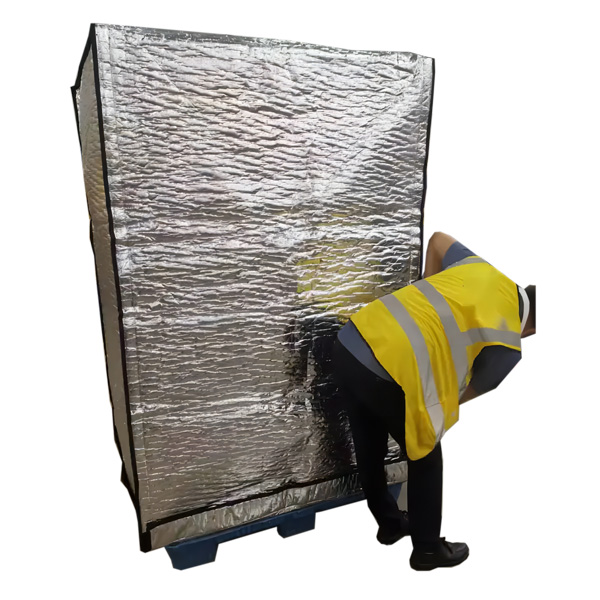
Penutup Palet Kontrol Suhu untuk Pergudangan dengan Kontrol Suhu: Tutup Kesenjangan Kontrol Kanan
Penutup palet harus mendapat tempatnya dalam strategi pengendalian. Temperature control pallet covers for temperature-controlled warehousing are most credible when they address a named, paparan berbatas waktu yang tidak dapat dihilangkan secara wajar oleh fasilitas dan alur kerja. Itu adalah penghalang pasif, jadi mereka mengubah laju perpindahan panas daripada mengatur suhu. Perbedaan tersebut mengubah pembelian yang tidak jelas menjadi keputusan teknis dan operasional: menentukan kesenjangannya, membandingkan opsi kontrol, tentukan sampul lengkapnya, memverifikasinya dalam konteks, dan mengatur penggunaannya.
Metode ini berguna jika palet berisi barang-barang farmasi, makanan, Bahan Laboratorium, or another temperature-sensitive product. Kondisi yang dipersyaratkan selalu datang dari produk dan sistem mutu yang berlaku, bukan dari katalog sampul.
Beri Nama Kesenjangan Kontrol Sebelum Memberi Nama Produk
Tuliskan masalah sebagai sebuah peristiwa. "Warm dock" hanyalah sebuah lokasi. "Released pallets may wait between the monitored dispatch room and a confirmed vehicle while exterior air enters during door cycles" menggambarkan suatu peristiwa yang dapat diamati. Ini mengidentifikasi status beban, langkah proses, batas, dan penundaan yang harus diatasi oleh suatu pengendalian.
Berikutnya, mengidentifikasi mengapa peristiwa itu ada. Ini mungkin disebabkan oleh penjadwalan cuplikan, waktu pemeriksaan, pementasan terlindungi yang tidak mencukupi, perpindahan yang lama antar bangunan, pengoperasian pintu yang terputus-putus, atau keadaan darurat. Penyebab penting karena koreksi proses atau fasilitas mungkin mengungguli kinerja aksesori. Jika palet dipanggil terlalu dini, aturan rilis dapat mencegah penantian. Jika paparan sinar matahari mencapai teluk yang ditandai, pelindung atau relokasi dapat melindungi setiap muatan. Jika kendali hilang karena kapasitas pendinginan tidak memadai, penutup tidak boleh melegitimasi penyimpanan lanjutan.
Tentukan konsekuensinya tanpa berasumsi. Suhu lingkungan di luar kisaran yang disyaratkan tidak secara otomatis membuktikan bahwa suhu produk melebihi batasnya; massa termal produk dan kemasan mempengaruhi respons. Kebalikannya juga penting: pembacaan ruangan dalam jangkauan mungkin tidak mewakili palet di dekat pintu atau sumber radiasi. Gunakan pemetaan, pemantauan rutin, informasi produk, dan penilaian risiko untuk memutuskan pengukuran dan respons apa yang relevan.
Kemudian tetapkan batasnya. Nyatakan durasi kejadian normal, penundaan yang kredibel, konfigurasi produk dan palet, kondisi awal, masalah musim atau cuaca, dan tindakan yang dipicu ketika batas terlampaui. Jangan mengubah hasil uji coba menjadi waktu pemaparan universal yang diperbolehkan. Tim mutu harus mempertahankan otoritas atas dampak dan penyimpangan produk.
Pilih Lapisan Kontrol Dengan Langkah Rapuh Paling Sedikit
Kontrol berbeda-beda tergantung pada tindakan manusia. Sebuah dilindungi, ruang pementasan dengan suhu terkontrol bekerja pada setiap palet yang ditempatkan dengan benar. Aturan penjadwalan dapat mencegah penundaan yang tidak perlu tetapi bergantung pada koordinasi. Penutup yang terpasang dapat dibawa membawa muatan individu tetapi harus tersedia, utuh, berorientasi dengan benar, tertutup, DIHAPUS, dan pulih. Jawaban yang paling cocok mungkin menggabungkan lapisan, namun setiap lapisan pasti mempunyai alasannya.
Evaluasi pilihan dalam urutan praktis. Dapatkah paparan dihilangkan dengan mengubah waktu atau rute? Bisakah rekayasa menguranginya melalui selungkup, manajemen pintu, perubahan aliran udara, atau menambahkan ruang terkontrol? Dapatkah kontrol administratif membatasi menetap dan meningkatkan eskalasi? Jika paparan sisa masih ada, bisakah penutup pasif menambahkan penyangga yang berarti? Ini bukanlah hierarki peraturan yang kaku untuk setiap fasilitas; ini adalah cara untuk menghindari penggunaan item portabel untuk mengimbangi masalah sistem yang dapat dicegah.
Pertimbangkan visibilitas kegagalan. Alarm gudang dirancang untuk memberi sinyal kondisi fasilitas. Penutup yang robek atau terbuka sebagian dapat rusak secara diam-diam kecuali jika operator mengetahuinya. Penutup yang dapat digunakan kembali mungkin terlihat ada meskipun jahitan atau penutupnya sudah tidak pas lagi. Inspeksi, pelatihan, dan pengawasan harus sesuai dengan mode kegagalan tersebut.
Pertimbangkan juga apakah cakupannya bertentangan dengan desain penyimpanan utama. Ruangan dingin mungkin bergantung pada aliran udara di sekitar muatan dan jarak palet yang ditentukan. Penutup dapat menghalangi inspeksi visual, pemindaian kode batang, pengamatan hama, pola alat penyiram, atau status stok. Oleh karena itu, pelapisan stasioner jangka panjang harus ditinjau secara terpisah dari penggunaan pemindahan jangka pendek. Ini tidak boleh diadopsi hanya karena sampulnya sudah dibeli.
Tulis Persyaratan yang Dapat Dijawab Pemasok dengan Jujur
Persyaratan pengguna harus menjelaskan fungsi dan konteks sebelum meminta konstruksi. Hindari meresepkan tumpukan lapisan yang modis tanpa memahami jalur panas. Berikan informasi yang cukup kepada pemasok untuk mengusulkan kecocokan, sekaligus melindungi detail rahasia produk melalui proses berbagi data yang sesuai.
| Bidang persyaratan | Apa yang harus ditentukan pembeli | Sungguh respons yang bermanfaat yang harus ditunjukkan |
|---|---|---|
| Acara yang dimaksudkan | Rute gudang, kegiatan pementasan, penggunaan normal, kasus penundaan, dan arah pemaparan | Pernyataan yang jelas tentang cocok dan tidak cocok digunakan |
| Muat amplop | Jejak palet, rentang ketinggian, menggantung, tutup atas, membungkus, Label, dan kebutuhan akses | Kesesuaian batin, pengaturan penutupan, dan sampel pada muatan representatif |
| Tujuan termal | Pelindung sinar, berkurangnya pertukaran konvektif, resistensi tambahan, atau kombinasi | Dasar pemikiran konstruksi dan bukti sampul lengkap yang relevan |
| Penanganan | Daerah aplikasi, kepegawaian, peralatan, pemindaian, pergerakan, dan penghapusan | Urutan kerja yang aman tanpa ada material lepas di jalur perjalanan |
| Kontrol kualitas | Identifikasi, inspeksi, dokumentasi, pembersihan, penyimpanan, dan mengubah pemberitahuan | Kontrol material dan konstruksi yang ditentukan ditambah poin ulasan pembeli |
| Verifikasi | Tantangan, muatan, sensor, pengulangan, aturan penerimaan, dan melaporkan ekspektasi | Kondisi dan batasan pengujian transparan, bukan janji kinerja tanpa syarat |
| Akhir penggunaan | Pembuangan satu arah atau pemulihan yang dapat digunakan kembali, pembersihan, memperbaiki, dan pensiun | Petunjuk praktis dan informasi material untuk pasar tujuan |
Tabel tersebut membuat permintaan yang sebanding tanpa memaksa setiap pemasok melakukan satu klaim yang tidak didukung. Jika suatu bidang belum dapat diselesaikan, kesenjangan itu termasuk dalam rencana proyek. Seharusnya tidak diganti dengan dimensi yang dapat ditebak, diasumsikan waktu tunggu, or generic request for "GDP certification."
Detail materi tetap penting. Tanyakan apa yang mengontrol sifat pancaran, apa yang memasok isolasi, bagaimana jahitan dan sudut terbentuk, dan bagaimana rok menutup beban yang tidak teratur. Meminta toleransi produksi dan praktik pemberitahuan perubahan yang sesuai dengan risiko. Jika penutupnya dilengkapi jendela atau penutup, menilai konstruksi tepi dan perilakunya setelah akses berulang. Jika dapat digunakan kembali, konfirmasi kompatibilitas pembersihan, pengeringan, identifikasi, inspeksi, dan memperbaiki batas-batasnya.
Bukti kinerja harus menjelaskan konfigurasi yang lengkap. Kupon panel tidak menutupi jahitan, bugar, kompresi, atau kebocoran udara. Tes pemasok dengan palet berbeda, muatan, kondisi awal, atau tantangan lingkungan mungkin merupakan latar belakang yang berguna tetapi bukan bukti langsung. Profil dan proses termal ISTA dapat menginformasikan pekerjaan pengemasan transportasi tertentu, namun pemindahan gudang harus diwakili oleh kondisi yang relevan dengan pemindahan tersebut. Penerapan adalah bagian dari verifikasi.
Uji Coba Prosesnya, Bukan Hanya Sampulnya
Pilot yang efektif dimulai sebelum sensor pertama ditempatkan. Operasi, kualitas, rekayasa, keamanan, dan pengadaan harus menyepakati keputusan yang akan diambil. Protokol ini mengidentifikasi sampul dan muatan yang mewakili produksi, kondisi referensi, alasan sensor, status kalibrasi instrumen, pengukuran lingkungan, urutan penanganan, penyimpangan, pengulangan, dan kriteria penerimaan. Rekam foto atau diagram kesesuaian jika diizinkan, karena grafik saja tidak dapat menunjukkan rok terbuka atau sudut terkompresi.
Gunakan operator dari shift yang diinginkan setelah instruksi awal. Aplikasi berjangka waktu dapat menginformasikan staf, tapi kecepatan bukanlah satu-satunya ukuran. Amati jangkauan yang canggung, label yang diblokir, keliman longgar, air mata, kesalahan penutupan, pergerakan beban, dan pemindahan di tempat tujuan. Periksa apakah pekerja memahami titik pemberhentian: penutup tidak mengizinkan perpanjangan ketika kendaraan tertunda, alarm berbunyi, atau paletnya salah arah.
Pertimbangkan transfer kampus hipotetis. Ruang penyimpanan yang dipetakan dan dipantau mengirimkan palet dengan ketinggian berbeda ke bangunan terkontrol lainnya melalui jalur tertutup namun tidak berkondisi. Tim proyek mengharapkan penutup tersebut dapat menahan paparan udara yang bervariasi. Selama uji coba, jejak termal dapat diterima untuk beban yang diuji, tetapi penutup pendek berada di atas dek palet pada konfigurasi yang lebih tinggi dan meninggalkan celah. Respons yang benar adalah dengan tidak meratakan semua proses dan menyetujui produk. Tim dapat mempersempit kisaran ketinggian yang disetujui, tambahkan ukuran, mendesain ulang penutupannya, atau mengubah proses transfer, kemudian uji lagi konfigurasi terkontrol.
Baca data berdasarkan lokasi dan acara. Sensor tepi dan atas dapat merespons lebih cepat dibandingkan lokasi inti. Pembacaan sekitar membantu menjelaskan tantangan tersebut tetapi tidak sama dengan suhu produk. Rata-rata dapat menyembunyikan posisi terburuk. Selidiki outlier, catatan penanganan, perbedaan awal, dan pergerakan sensor sebelum menyimpulkan materi berhasil atau gagal. Tentukan terlebih dahulu bagaimana penyimpangan protokol akan dievaluasi.
Persetujuan harus menyatakan dengan tepat apa yang telah ditetapkan: pengenal sampul, konstruksi, rentang beban, langkah proses, metode aplikasi, kondisi yang relevan, dan batasan. Hal ini juga harus menyebutkan apa yang belum ditetapkan. This concise boundary is more useful to future operators and auditors than a broad claim that the cover "passed."
Jaga agar Status yang Disetujui Tetap Utuh
Pengendalian rutin dimulai dengan ketersediaan. Simpan sampul di mana prosedur dapat diikuti tanpa pencarian, sambil memisahkan barang-barang bersih dan bekas bila diperlukan. Identifikasi ukuran dan status dengan jelas. Periksa penutupan, jahitan, panel, windows, Label, dan kontaminasi sebelum digunakan. Tetapkan karantina dan pensiun agar unit yang rusak tidak dikembalikan karena stok pengganti tidak nyaman.
Untuk sampul yang dapat digunakan kembali, membangun loop kembali saat peluncuran. Putuskan siapa yang memindai atau menghitung pengembalian, tempat penutup dibersihkan, metode mana yang diperbolehkan, bagaimana pengeringan dikonfirmasi, apakah perbaikan diperbolehkan, dan bagaimana barang yang tidak dikembalikan diselidiki. Klaim penggunaan kembali harus didasarkan pada data pemulihan dan kondisi aktual, tidak pada batas maksimum teoritis. Desain sekali pakai memerlukan instruksi pembuangan dan informasi material yang sesuai dengan tujuannya; kemampuan daur ulang teoritis tidak menjamin penerimaan lokal.
Memantau proses serta lingkungan. Pertanyaan tinjauan yang berguna mencakup apakah perlindungan diterapkan saat diperlukan, apakah penutupan tetap ditutup, apakah label dapat diakses, mengapa unit ditolak, dan apakah terjadi penundaan yang tidak direncanakan. Temuan ini dapat memicu pelatihan ulang, perubahan inventaris, mendesain ulang, atau perbaikan alur kerja yang lebih mendasar.
Kontrol perubahan melindungi bukti. Bahan yang berbeda, lapisan, penutup, jendela, situs pemasok, tinggi palet, pola kasus, metode stretch-wrap, rute perpindahan, jadwal pintu, atau bahan kimia pembersih dapat mempengaruhi kondisi yang disetujui. Menilai signifikansi melalui risiko dan pengujian daripada berasumsi bahwa semua perubahan adalah sama. Panduan Organisasi Kesehatan Dunia dan prinsip-prinsip Praktik Distribusi yang Baik UE memperkuat kebutuhan yang lebih luas akan penyimpanan yang berkualitas, pemantauan yang sesuai, wilayah yang dipetakan, peralatan yang dipelihara, prosedur, dan pengendalian berbasis risiko. Sampulnya tetap menjadi bagian terdokumentasi dari sistem itu.
Set a review trigger for major facility or workflow changes and a sensible periodic review under the site's quality system. Tim harus mengkonfirmasi muatan yang disetujui, menutupi inventaris, praktik operator, dan kondisi tantangan masih tetap sama. Verifikasi ulang harus didorong oleh risiko; pengulangan rutin tanpa keputusan yang diambil bukanlah pengganti dari mengamati variabel-variabel yang benar-benar dapat mengubah kinerja.
FAQ Keputusan
Apa tanda terkuat bahwa proyek perlindungan tidak didefinisikan dengan baik??
Permintaan untuk durasi terjamin tanpa produk, muatan, keadaan awal, tantangan lingkungan, atau aturan penerimaan adalah tanda peringatan. Durasi adalah hasil dari konfigurasi lengkap dan kondisi pengujian, bukan janji yang melekat pada kain. Ubah permintaan tersebut menjadi peristiwa tertentu dan tanyakan bukti apa yang mewakilinya.
Dapatkah penutup mengkompensasi hot spot pemantauan?
Ini seharusnya bukan respons otomatis. Hot spot yang dipetakan dapat mempengaruhi penempatan pemantauan, pembatasan penyimpanan, penyelidikan aliran udara, pemeliharaan, atau tata letak. Pertanggungan mungkin dievaluasi untuk transfer tertentu atau paparan sisa, namun hal ini tidak dapat membuat ruangan di bawahnya dikontrol secara seragam atau menggantikan tindakan perbaikan yang disetujui oleh fasilitas dan tim mutu.
Kapan sebaiknya pengadaan menolak sampel meskipun data termalnya bagus?
Tolak atau desain ulang jika penggunaan yang aman dan konsisten tidak realistis. Contohnya termasuk rok yang memasuki jalur perlengkapan, label rilis yang diblokir, ketegangan pas yang berlebihan, akses penutupan yang buruk, pembersihan yang tidak kompatibel, atau perubahan konstruksi yang tidak terkendali. Respons termal diperlukan hanya jika tujuannya adalah perlindungan termal; itu tidak cukup untuk kesesuaian gudang.
Apakah menggunakan data logger membuat suhu palet tertutup terkontrol?
TIDAK. Seorang logger mencatat kondisi di lokasi penginderaannya; itu tidak melindungi beban atau mengatur suhu. Pemantauan dapat memverifikasi dan menyelidiki, sedangkan fasilitas dan proses yang berkualitas memberikan kendali. Pemilihan sensor, penempatan, kalibrasi, selang, tinjauan data, dan penggunaan alarm harus sesuai dengan keputusan dan persyaratan produk.
Kesimpulan: Klaim yang Sempit Dapat Mendukung Kontrol yang Kuat
Program penutup palet yang paling dapat dipertahankan memberikan klaim yang sederhana dan mendukungnya dengan baik. Beri nama eksposurnya, bandingkan lapisan kontrol yang lebih kuat, tentukan kesesuaian dan fungsinya, uji coba seluruh proses, menyetujui konfigurasi terbatas, dan memeliharanya melalui pemeriksaan, pelatihan, catatan, dan mengubah kendali.
Penutup palet pengatur suhu untuk pergudangan dengan pengatur suhu bersifat pasif, kontrol tambahan. Mereka bukanlah pengganti bangunan yang terkendali, pemetaan yang representatif, pemantauan yang sedang berlangsung, HVAC atau pendingin, persyaratan penyimpanan khusus produk, kualifikasi, perencanaan kontinjensi, atau penilaian kualitas. Gunakan mereka untuk menutup celah yang tepat, untuk tidak menyembunyikan yang lebih besar.
Tentang tempk
Tempk is a name associated with temperature-controlled packaging for cold-chain applications. Kami dapat membantu pembeli mengubah paparan gudang menjadi diskusi yang lebih tepat tentang kesesuaian sampul, konstruksi, penanganan, penggunaan kembali, dan kebutuhan verifikasi. Kami tidak menyimpulkan kinerja atau kepatuhan universal dari suatu kategori produk. The selected approach should be reviewed against the buyer's pallet configuration, fasilitas, pemantauan, kontrol proses, dan ekspektasi kualitas.
Kirim Tempk acara yang perlu Anda kelola, bersama dengan selubung beban dan batasan pengoperasian, untuk membandingkan jalur praktis ke depan. Rencanakan verifikasi independen atau spesifik lokasi sebagaimana diperlukan sebelum penerapan.
Penutup Pallet Kontrol Suhu untuk Rencana Pengiriman Bahan Kimia Massal
Penutup Pallet Kontrol Suhu untuk Pengiriman Bahan Kimia Massal: Sistem Keputusan yang Bertahan
Temperature control pallet covers for bulk chemical shipping should be approved through a decision system, tidak dibeli sebagai janji yang berdiri sendiri. Sistem ini menghubungkan persyaratan bahan kimia yang terdokumentasi dengan paparan yang dipetakan, penutup pasif yang terpasang, bukti yang representatif, langkah pengoperasian yang aman, dan jalan keluar yang jelas menuju kendali yang lebih kuat. Pendekatan ini menghindari dua kesalahan umum: mengharapkan isolasi reflektif untuk mengatur titik setel, dan membiarkan penutup mengganggu pengemasan barang berbahaya atau komunikasi bahaya. Hasilnya adalah penggunaan tertentu yang dapat ditentukan oleh pengadaan, operator dapat mengulanginya, dan tim kualitas dan keamanan dapat meninjaunya.
Siapkan Dua File Sebelum Meminta Sampel
File pertama adalah ringkasan produk dan paket. Ini mengidentifikasi bahan kimia atau keluarga yang disetujui, lembar data keselamatan terkini, kriteria kondisi produk, mekanisme respons suhu yang diketahui, penentuan barang berbahaya, wadah resmi, pembuatan palet, pengekangan, dan akses yang diperlukan. Hal ini harus membedakan persyaratan mutu dari kondisi penyimpanan yang aman dan dari peraturan pengendalian pengangkutan.
Osha's safety data sheet framework includes precautions for safe handling and conditions for safe storage, termasuk ketidakcocokan. Informasi tersebut harus tetap menjadi pusat proses di tempat kerja. Seorang spesialis transportasi masih perlu menentukan persyaratan untuk pengiriman sebenarnya. Peraturan PHMSA mengatur peraturan AS yang relevan. pergerakan material berbahaya; ADR, Proses barang berbahaya IATA, and the IMO's IMDG Code apply in their respective road, udara, dan konteks laut.
The brief should also resolve the word "bulk." Jika itu berarti pesanan komersial massal dalam wadah yang lebih kecil, menyatakan bahwa. Apabila pengiriman menggunakan container curah perantara atau bentuk lain yang dianggap kemasan curah menurut aturan yang berlaku, catat kategori sebenarnya. Sampul tidak mengubah status pengemasan, batas kuantitas, atau tugas komunikasi.
File kedua adalah ringkasan rute dan operasi. Ini memetakan pengiriman dari pengkondisian hingga penerimaan, termasuk semua titik diam, alat angkut, kondisi musiman, sinar matahari langsung atau aliran udara dingin, kontak lantai, bukaan, perubahan hak asuh, dan penundaan. Ini menyebutkan apa yang dapat dikontrol pada setiap titik dan opsi terlindung yang tersedia ketika jadwal gagal.
Bersama, file-file tersebut memberi pemasok masalah yang dapat dipecahkan. Tanpa mereka, pemasok didorong ke arah deskripsi umum karena tidak ada yang mendefinisikan beban atau paparannya. Mereka juga memberikan dasar yang stabil bagi peninjau internal: ketika produk, kemasan, atau perubahan rute, perusahaan dapat melihat asumsi persetujuan mana yang perlu ditinjau.
Gambarkan Batas di Sekitar Milik Sampul
Sampulnya harus memiliki eksposur tertentu, bukan seluruh rantai dingin atau suhu. Pernyataan batas mungkin menugaskannya ke pementasan keluar dan cuplikan regional sekitar, sementara holding yang dilindungi memiliki penundaan yang lama dan gudang memiliki pengondisian produk. Setiap risiko harus mempunyai pengendalian dengan kewenangan yang cukup.
| Pertanyaan batas | Jawaban yang mendukung penggunaan pasif | Jawaban yang menandakan eskalasi | Pemilik untuk terlibat |
|---|---|---|---|
| Apakah produk dimulai dalam kondisi yang disetujui? | Proses awal yang terukur atau terkendali | Kondisi inti atau pelepasan pada batasnya tidak diketahui | Tim produk dan kualitas |
| Apakah pemaparan dibatasi dan diwakili oleh bukti? | Tahapan yang ditentukan dengan penundaan dan cadangan yang kredibel | Variabilitas rute yang tidak terkendali atau variabilitas rute yang tidak teramati | Logistik dan operator |
| Apakah konfigurasi palet stabil? | Paket yang disetujui, pola beban, pengekangan, dan cocok | Mencampur atau mengubah build tanpa peninjauan | Pengemasan dan operasi |
| Bisakah penutupnya tetap tertutup dengan benar? | Bukaan terbatas, disimulasikan, dan diperiksa ulang | Inspeksi atau pemindaian yang sering akan mengalahkan penutupan | Operasi dan penangan |
| Apakah komunikasi dan inspeksi bahaya terpelihara? | Pengaturan yang tepat mendapat persetujuan yang kompeten | Tanda, Label, penutupan, atau kerusakan disembunyikan | Tim barang berbahaya dan keselamatan |
| Apakah buffering pasif cukup untuk konsekuensinya? | Margin terverifikasi dan kontingensi yang bisa diterapkan | Konsekuensi tinggi, margin sempit, atau memerlukan kontrol aktif | Pemilik teknis dan kepatuhan |
Tabel ini adalah layar tata kelola. Ini mencegah fitur material yang menguntungkan untuk mengesampingkan rute yang tidak sesuai. Satu jawaban eskalasi tidak selalu mengakhiri proyek, namun harus diselesaikan melalui pengendalian rute, perubahan desain, kemasan yang lebih kuat, atau peralatan aktif.
Batasnya harus mencakup bagian bawah. Penutup yang hanya membungkus bagian samping dan atas dapat meninggalkan jalur konduktif dan konvektif pada dasar palet. Jika panel bawah, rok, atau antarmuka lantai digunakan, itu harus tetap kompatibel dengan forklift, jack palet, pengekangan, drainase, dan penanganan yang aman. Pengaturan yang diuji dan dikirim harus sesuai.
Batas tersebut juga harus mencakup waktu di luar pergerakan normal. Penutupan akhir pekan, transfer yang terlewat, pemeriksaan keamanan, adat istiadat berlaku, kerusakan kendaraan, penolakan pengiriman, dan kegagalan listrik atau peralatan di lokasi yang dilindungi dapat mengalihkan tanggung jawab. Berikan setiap peristiwa yang kredibel pemilik dan tanggapannya.
Pilih Arsitektur, Bukan Sekadar Lapisan Isolasi
Arsitektur sampul mencakup bagian luar, inti isolasi, wajah bagian dalam, jahitan, sudut, penutup, atas, basis, mengakses, identifikasi, dan integrasi dengan palet. Setiap bagian dapat mengubah aliran panas atau eksekusi. Pemasok harus menjelaskan fungsi yang diinginkan tanpa mengubah properti komponen menjadi jaminan sistem jadi.
Eksterior reflektif berguna untuk melawan perolehan radiasi dalam kondisi yang relevan. Itu tidak menghentikan panas yang dipindahkan melalui udara atau kontak. Isolasi memperlambat konduksi namun dapat dilewati oleh celah dan area terkompresi. Kesesuaian yang dekat dapat mengurangi pertukaran udara namun dapat menghalangi label atau pemeriksaan. Penutup akses mendukung operasi tetapi menciptakan penutupan yang harus dipulihkan secara konsisten.
Untuk penggunaan bahan kimia, arsitektur juga mencakup perilaku kontaminasi. Permukaan yang halus mungkin lebih mudah diperiksa, namun jahitan dan tepinya masih dapat menahan residu. Beberapa bahan mungkin terkena bahan kimia atau bahan pembersih yang disetujui. Mintalah informasi material yang tepat dan bukti kompatibilitas yang tercakup. Jika perilaku api, kontrol statis, atau ketahanan cairan itu penting, tentukan skenario dan metode pengujian. Jangan mengandalkan kata sifat yang tidak memenuhi syarat.
Pilih ukuran dari amplop palet yang dimuat dan metode pengerjaan. Sertakan toleransi paket, tonjolan, papan sudut, tutup atas, tali pengikat, dan proyeksi. Periksa jangkauan operator dan penanganan mekanis. Penyesuaian khusus dapat meningkatkan konsistensi namun meningkatkan kompleksitas item; kecocokan yang dapat disesuaikan dapat mendukung beberapa bangunan tetapi menciptakan variasi. Keseimbangan yang benar bergantung pada portofolio palet dan konsekuensi penyalahgunaan.
Tentukan apakah sampul tersebut sekali pakai, penggunaan kembali terbatas, atau bagian dari loop tertutup yang dikelola. Arsitektur yang digunakan kembali mungkin memerlukan permukaan yang tahan lama, unit yang dapat diidentifikasi, fitur yang dapat diperbaiki, dan ketahanan pembersihan tertentu. Namun daya tahan saja tidak menciptakan putaran yang aman. Penerima barang, logistik terbalik, pemisahan, dan proses karantina harus ada.
Bukti Permintaan Berlapis
Mulailah dengan dokumentasi komponen untuk memahami konstruksi, kemudian bergerak menuju bukti penutup dan rute yang sudah jadi. Kupon material dapat mendukung perbandingan antar lapisan. Tes penutup yang telah selesai menunjukkan jahitan dan geometri. Perbandingan yang dimuat menunjukkan bagaimana respons perubahan payload. Protokol perwakilan rute menghubungkan konfigurasi dengan keputusan. Pemantauan operasional memeriksa apakah penggunaan riil masih sesuai asumsi.
Di setiap lapisan, tanyakan apa yang diuji dan kesimpulan apa yang dibenarkan. Catat kumpulan materi atau identitas sampul, status produksi, ukuran, memuat, keadaan awal, profil eksternal, radiasi dan aliran udara jika relevan, lantai dan alas, lokasi sensor, kalibrasi perangkat, interval data, jumlah lari, penyimpangan, dan aturan penerimaan. Jika hasilnya bersifat rahasia, mengatur tinjauan teknis yang terkendali daripada hanya menerima judul saja.
Uji terhadap pembanding yang sesuai. An uncovered but otherwise equivalent pallet can quantify the cover's incremental effect. Perlindungan lain atau pengendalian operasional dapat mendukung keputusan alternatif. Pastikan kondisi awal dan paparan yang sebanding. Palet kontrol yang lebih hangat dapat membuat penutup yang diusulkan terlihat lebih baik tanpa bertanggung jawab atas penutup tersebut.
Ukur kuantitas yang menjawab keputusan produk. Udara di bawah penutup, permukaan wadah, produk, dan suhu pengganti tidak dapat dipertukarkan. Gunakan peta sensor yang terdokumentasi dan perangkat yang dikalibrasi sesuai dengan tujuannya. Pertahankan data mentah dan waktu acara. Nyatakan bagaimana ketidakpastian dan variasi spasial mempengaruhi penerimaan.
Jangan mengubah hasil menjadi durasi tanpa syarat. Klaim hanya berlaku pada konfigurasi dan kondisi batas yang diwakilinya. Jika tes mendukung paparan rutin tetapi tidak menunda lama, mencatat kedua temuan tersebut. Penundaan tersebut termasuk dalam rencana pengecualian, bukan untuk kata-kata kreatif.
Gunakan standar resmi atau yang diakui hanya dalam cakupannya. ISTA menerbitkan sumber daya uji transportasi termal untuk sistem distribusi tertentu, namun profil berorientasi parsel mungkin tidak menggambarkan pengangkutan bahan kimia dalam palet. Metode standar meningkatkan kemampuan pengulangan bila diperlukan; itu tidak menggantikan kriteria kimia, geometri palet, atau model rute.
Masukkan Kontrol Pemasok ke dalam Persetujuan Teknis
Kualifikasi pemasok untuk perlindungan pasif harus fokus pada atribut yang mendukung bukti. Buat spesifikasi pembelian untuk bahan atau konstruksi yang ditentukan, dimensi dan toleransi, metode jahitan dan penutupan, mengakses lokasi, basis, identifikasi, pembuatan, diperbolehkan perbaikan, penyimpanan, dan peduli. Sertakan item produksi persisnya yang terkait dengan uji coba.
Mintalah pemasok untuk menjelaskan pengendalian material yang masuk, pemeriksaan dalam proses, selesai pemeriksaan, penanganan ketidaksesuaian, ketertelusuran yang sesuai dengan produk, dan mengubah pemberitahuan. Jangan membuat sertifikasi yang harus dimiliki pemasok kecuali perusahaan tersebut memiliki persyaratan yang terverifikasi. Pertanyaan audit yang berguna adalah bagaimana pemasok mencegah film pengganti yang tampaknya serupa, busa, penutup, atau perekat memasuki produksi tanpa peninjauan.
Minta sampel produksi sebelum rilis volume atau lakukan pemeriksaan artikel pertama lain yang sesuai risiko. Bandingkan dengan konfigurasi yang disetujui untuk kesesuaian, bahan, pembuatan, penutupan, mengakses, dan identitas. Prototipe cantik dari tahap pengembangan tidak menunjukkan produksi yang dapat diulang.
Tentukan kontrol penerimaan yang dapat dilakukan operator. Konfirmasi barang dan ukuran, memeriksa air mata, delaminasi, jahitan tidak lengkap, penutupan yang rusak, kontaminasi, kelembaban, dan identifikasi yang salah. Pengambilan sampel dimensi mungkin tepat. Verifikasi termal dapat terjadi secara berkala atau setelah perubahan sesuai risiko, bukan pada setiap penerimaan.
Jadikan penskalaan komersial bersyarat. Harga, jumlah pesanan minimum, waktu tunggu, Kustomisasi, disimpan, kemasan, dan jadwal pengiriman adalah pertanyaan khusus pemasok. Tambahkan biaya pelatihan internal, aplikasi, penyimpanan, inspeksi, pembersihan, kembali, kerugian, pemantauan, dan penanganan pengecualian. Harga pertanggungan terendah dapat menimbulkan biaya proses tertinggi jika kecocokan tidak konsisten.
Percontohan Proses Operasi, Kemudian Lepaskan Produk
Seorang pilot harus memulai pada pengkondisian atau titik pementasan dan berakhir setelah penerimaan, bukan di pintu laboratorium. Operator yang mewakili membuat dan memeriksa palet, aplikasikan penutupnya, memindai dan memindahkannya, melakukan serah terima yang diharapkan, buka jika diperlukan, perbaiki, dan menghapusnya. Pengamat kualitas dan keamanan mencatat solusinya, masalah visibilitas, kerusakan, dan tekanan waktu.
Gunakan pemantauan peluncuran jika diperlukan untuk membandingkan paparan lapangan dengan model pengujian. Rencananya menentukan lokasi perangkat, status kalibrasi, contoh, unduh, kriteria alarm atau tinjauan, penanganan data yang hilang, dan otoritas pengambilan keputusan. Pemantauan bukanlah pengganti perlindungan dan tidak boleh menimbulkan masalah kelistrikan atau akses yang tidak terkendali di sekitar bahan kimia.
Latih orang tentang alasan setiap langkah penting. "Close the flap fully" lebih mudah diikuti ketika penangan memahami bahwa jalur terbuka mengubah batas yang diuji. "Do not cover a stained drum" menghubungkan proses termal dengan keamanan paket. Hindari meminta operator untuk memutuskan stabilitas produk; beri mereka kondisi penghentian dan kontak eskalasi yang dapat diamati.
Dokumentasi rilis harus mencakup produk dan paket yang disetujui, gambar palet, barang penutup, instruksi aplikasi, akses yang diperlukan, proses kondisi awal, jalur atau tahapan yang disetujui, pemantauan, dan aliran pengecualian. Hal ini juga harus menyatakan pengecualian, seperti ketinggian palet yang tidak disetujui, produk campuran, barang berbahaya tertentu, jalur ekspor yang tidak terkendali, atau penutup yang terkontaminasi sebagaimana berlaku.
Masukan dari lapangan harus ditinjau sejak dini. Masalah yang tampaknya kecil, seperti penutupan yang terbuka selama pemindaian, dapat membatalkan asumsi termal. Perbaiki desain atau alur kerja sebelum memperluas program. Penelusuran suhu yang berhasil tidak berarti label diblokir atau pemeriksaan tidak aman.
Gangguan Mengungkapkan Apakah Sistem Itu Nyata
Pertimbangkan pengiriman hipotetis drum yang diberi palet di jalur jalan ambien yang disetujui. Covernya pas, label tetap dapat diakses, dan bukti rute mendukung pergerakan rutin. Di dermaga silang, pembawa mengganti peralatan dan palet kehilangan sambungannya. Kemungkinan tempat tinggalnya akan melebihi batas penggunaan pasif.
Instruksi pengiriman memberi nama acara ini. Terminal menempatkan palet di kawasan lindung yang ditinjau tanpa melepas penutupnya, mencatat waktu dan kondisi sampul, dan memperingatkan pemilik rute. Tim teknis meninjau informasi paparan dan pemantauan. Jika opsi yang dilindungi tidak tersedia, rencana tersebut mengidentifikasi keputusan pemulihan atau pengembalian yang dikelola suhu. Sopir atau pekerja dermaga tidak diminta menebak kesesuaian produk.
Selama pemeriksaan, seorang pawang memperhatikan adanya kelembapan di dekat salah satu drum. Responsnya segera beralih dari penundaan termal ke prosedur insiden kimia. Personil mengisolasi palet dan mengikuti SDS, proses darurat lokasi, dan tindakan perlindungan yang diperlukan. Penutup dianggap berpotensi terkontaminasi. Performa termal tidak lagi menjadi prioritas.
Setelah acara, tim mengonfirmasi apakah perubahan operator dapat diperkirakan, apakah instruksi terminal dapat diakses, dan apakah file yang disetujui penggunaannya perlu direvisi. It reviews data without claiming that one sensor proves every drum's condition. Disposisi produk tetap pada fungsi yang berwenang.
Skenario ini memperlihatkan nilai sistem berlapis. Sampulnya membeli margin pasif, lokasi yang dilindungi mengontrol penundaan, pemantauan menginformasikan tinjauan, dan prosedur keselamatan mengambil alih jika ada dugaan kebocoran. No single component is asked to perform another's job.
Tolak Klaim yang Meruntuhkan Perbedaan Penting
"Temperature controlled" tidak lengkap jika produknya pasif. Tanyakan apakah itu hanya memperlambat pertukaran panas atau menggunakan regulasi aktif. "Maintains temperature" tidak lengkap tanpa rentang, memuat, keadaan awal, profil, lamanya, titik pengukuran, dan aturan penerimaan. "Tested" tidak lengkap tanpa protokol dan tautan produksi.
"Suitable for chemicals" terlalu luas. Tanyakan permukaan mana yang dinilai berdasarkan zat apa, konsentrasi, mode kontak, Durasi, dan suhu. "Waterproof" tidak membuktikan kompatibilitas kimia, and "reusable" tidak menghasilkan kebersihan setelah tumpahan. "Anti-static" or "fire resistant" membutuhkan metode yang relevan dan konstruksi yang lengkap.
"Compliant" sangat berisiko. Sampulnya tidak mengklasifikasikan bahan kimia, mengotorisasi wadah tersebut, membuat pelatihan, menyiapkan surat pengiriman, atau memuaskan setiap nilai, label, plakat, pergudangan, pemisahan, atau aturan pengatur suhu. Kepatuhan termasuk dalam pengiriman dan pengoperasian berdasarkan persyaratan yang berlaku, bukan untuk aksesori palet umum.
"Bulk shipping" juga harus dibongkar. Frasa pemasaran tentang volume tidak menentukan apakah wadah sebenarnya merupakan kemasan curah yang sesuai peraturan. Ask the shipper's dangerous-goods professional to document the determination.
Akhirnya, menolak klaim lingkungan tanpa batas. Bahan yang dapat didaur ulang mungkin tidak diterima secara lokal. Bahan yang dapat digunakan kembali mungkin tidak dapat dikembalikan. Berat produk yang lebih rendah mungkin tidak dapat mengatasi kehilangan atau pembersihan. Memerlukan perbandingan yang ditentukan sebelum menerbitkan persentase atau pernyataan absolut.
Selesaikan Dengan Memo Persetujuan Yang Dapat Digunakan Oleh Operasi
Keputusan akhir harus sesuai dengan halaman persetujuan singkat yang didukung oleh bukti. Itu memberi nama produknya, kemasan, palet, menutupi, tahapan rute, proses awal, bukaan yang diperbolehkan, referensi bukti, pemantauan, batas operasi, kemungkinan, jalur penggunaan kembali atau pembuangan, pemilik, dan mengubah pemicu. Ini adalah kontrol yang menyertai item fisik.
Setujui hanya apa yang didukung oleh bukti. Perluas nanti melalui tinjauan yang disengaja. Jika jalur baru sudah bertahan lebih lama, beban yang berbeda, atau moda transportasi lainnya, perlakukan itu sebagai perubahan, bukan perpanjangan administratif. Jika peristiwa berulang kali mendekati batas, memperbaiki rute atau pindah ke sistem dengan otoritas kontrol yang lebih besar.
FAQ Persetujuan
Apa pertanyaan paling penting untuk pertemuan pemasok pertama?
Mintalah pemasok untuk menjelaskan konfigurasi penutup akhir dan kondisi pengujian mana yang mendukung usulan penggunaan pada palet dan rute Anda yang sebenarnya. Ini membuka diskusi tentang materi, bugar, muatan, profil, lokasi sensor, dan keterbatasan. Pemasok yang memulai dengan ketentuan tersebut memberi Anda informasi yang lebih berguna daripada pemasok yang memulai dengan durasi universal.
Bisakah penutup palet menggantikan pengondisian awal?
TIDAK. Penutup pasif mempertahankan keadaan awal hanya dengan memperlambat perubahan. Hal ini tidak dapat diandalkan untuk membawa bahan kimia ke kondisi yang benar. Tentukan bagaimana produk dan kemasan dikondisikan, seberapa memadai waktu yang ditetapkan, dan pengukuran atau pemeriksaan pelepasan apa yang memastikan keadaan awal.
Kapan sampulnya harus diuji ulang?
Pengujian ulang atau tinjauan teknis lainnya mungkin diperlukan setelah perubahan materi, jahitan, ukuran, penutupan, geometri palet, kemasan, muatan, proses awal, pembersihan, rute, pembawa, mode, atau profil sekitar. Tingkat pekerjaan tergantung pada risiko dan hubungan dengan bukti sebelumnya. Tentukan pemicu dalam kontrol perubahan sebelum peluncuran.
Siapa yang memiliki keputusan tamasya?
Produk resmi atau fungsi mutu harus memiliki disposisi menggunakan prosedur yang disetujui dan pengetahuan produk yang relevan. Logistik memasok acara rute, memantau persediaan kondisi yang diukur, dan personel keselamatan atau barang berbahaya menangani bahaya dan kepatuhan. Pemasok atau pengemudi penutup tidak boleh secara independen menyatakan bahan kimia yang terkena dampak dapat diterima.
Tentang tempk
Untuk pembeli yang membangun sistem keputusan ini, Tempk is associated with temperature-controlled packaging and cold-chain solutions and can help explore passive pallet-cover configurations. Kami dapat bekerja dari palet dan rute yang ditentukan agar sesuai, mengakses, konstruksi penutup, dan pertanyaan verifikasi tetap konkrit. Kami tidak memposisikan sampul sebagai sistem pengiriman otomatis yang memenuhi syarat, perangkat kepatuhan barang berbahaya, atau pengganti persyaratan SDS dan persetujuan produk internal.
Bagikan ringkasan produk dan paket serta ringkasan rute dan pengoperasian Anda dengan Tempk untuk memulai diskusi sampul terfokus sebelum pengambilan sampel, pengujian, atau pembelian volume.
Memilih Selimut Pallet Berinsulasi untuk Pengiriman Last Mile

Memilih Selimut Pallet Berinsulasi untuk Pengiriman Last Mile
Insulated pallet blankets for last mile delivery make sense when a team can identify a temporary exposure that needs passive, perlindungan tambahan. They are poorly suited to vague assignments such as "maintain the cold chain" or "cover any delay." Selimut dapat memperlambat pertukaran panas saat palet melintasi dermaga, menunggu transfer yang direncanakan, atau bergerak melalui handoff singkat. Itu tidak bisa mendinginkan beban, mengganti kendaraan berpendingin atau pengirim yang memenuhi syarat, membuktikan kondisi produk, mengesampingkan persyaratan khusus produk, atau memenuhi syarat jalur. Oleh karena itu, seleksi harus dimulai dengan batasan keputusan, bukan sampel kain.
Putuskan apakah celah tersebut cocok untuk selimut
Keputusan pertama adalah apakah masalahnya benar-benar paparan sementara. Jika palet menghabiskan sebagian besar rutenya di dalam kendaraan terkendali yang sesuai dan memerlukan perlindungan tambahan selama pergerakan antara kendaraan tersebut dan fasilitas terkendali, selimut mungkin memiliki peran pendukung yang logis. Jika rute tersebut tidak memiliki kendali utama yang dapat diandalkan, cakupan pasif sepertinya bukan titik awal yang tepat.
Gambarkan kesenjangan tersebut sebagai sebuah peristiwa. "Outbound pallet waits beside an open dock while the controlled vehicle backs into position" dapat ditindaklanjuti. "Last mile gets warm" tidak. Deskripsi acara harus menyebutkan lokasinya, produk, penangan yang bertanggung jawab, lingkungan sekitar, proses yang diharapkan, dan alasan pemaparan terjadi.
Kemudian tanyakan apakah celah tersebut dapat dihilangkan. Koordinasi janji temu yang lebih baik, pementasan dalam ruangan, aturan siap sebelum rilis, dokumen yang sudah dibersihkan sebelumnya, atau komunikasi penerima langsung dapat mencegah paparan. Selimut masih dapat mendukung proses revisi, namun hal ini tidak boleh menunda penundaan yang dapat dihilangkan oleh operasi.
Jika kesenjangan masih ada, konfirmasi kebutuhan produk. Gunakan informasi produk dan kualitas yang disetujui, bukan rangkaian rantai dingin umum. Sensitivitas produk menentukan apakah buffering pasif tepat dan bukti apa yang diperlukan. Penutup yang digunakan di sekitar bahan-bahan stabil tidak dapat dianggap cocok untuk obat-obatan, Biologi, produk diagnostik, atau makanan yang memerlukan kontrol suhu untuk keamanan.
Identifikasi kontrol utama selanjutnya. Kendaraan dengan pengatur suhu, pengirim pasif yang memenuhi syarat, wadah aktif, dan paket yang disetujui melakukan pekerjaan yang berbeda. Selimut palet berada di luar sistem tersebut dan dapat mengubah paparan atau aliran udaranya. Tim yang bertanggung jawab atas desain transportasi harus memutuskan apakah kombinasi tersebut tepat.
Akhirnya, menetapkan aturan berhenti. Apa jadinya jika kendaraan terlambat, penerima ditutup, selimutnya rusak, beban dimulai di luar kondisinya, atau pemantauan menunjukkan adanya kekhawatiran? Perlindungan pasif tidak boleh mengubah penundaan yang tidak terduga menjadi penantian tanpa batas. Rute tersebut memerlukan kontingensi resmi dan pemilik eskalasi.
Batasan keputusan ini juga merupakan filter pembelian. Pemasok yang memahami penggunaannya harus bertanya tentang paparannya, palet, dan proses. A promise that the blanket alone will keep every product "at temperature" melewatkan informasi yang diperlukan untuk rekomendasi yang kredibel.
Pilih kontrol yang cocok dengan mode kegagalan
Tidak semua masalah suhu jarak jauh dapat diatasi dengan menambahkan insulasi. Mode kegagalan yang berbeda memerlukan intervensi yang berbeda pula, dan beberapa pengendalian dapat digabungkan setelah peninjauan risiko. Pembeli's task is to match the control to the failure rather than select the easiest item to purchase.
| Mode kegagalan yang diamati | Arah kendali yang lebih relevan | Peran potensial untuk selimut palet | Asumsi yang harus dihindari |
|---|---|---|---|
| Pemindahan singkat melalui dermaga atau apron yang tidak terkendali | Mengkoordinasikan serah terima dan memelihara sistem transportasi utama yang disetujui | Tambahkan cakupan pasif selama gerakan yang ditentukan | Sampulnya membuat waktu transfer menjadi tidak relevan |
| Kompartemen kendaraan tidak dapat mempertahankan kondisi yang disyaratkan | Memperbaiki, mengganti, memenuhi syarat, atau mendesain ulang kendaraan utama atau sistem pengiriman | Tidak ada yang bisa menggantikannya; kemungkinan penggunaan tambahan nanti setelah masalah utama teratasi | Lebih banyak insulasi memperbaiki kegagalan pendinginan |
| Pembukaan pintu berulang kali akan mempengaruhi palet yang tersisa | Tinjau urutan rute, penggunaan kompartemen, aliran udara, mengakses, dan pemantauan | Kurangi pertukaran lingkungan secara langsung jika akses dan kesesuaian yang aman terbukti | Menutupi palet membuktikan produk tetap dapat diterima |
| Penerima menunda pembongkaran | Tingkatkan kontrol janji temu dan tentukan proses tunggu dan eskalasi | Buffer handoff yang direncanakan selagi penerima siap | Pengemudi dapat menunggu tanpa batas waktu karena muatannya tertutup |
| Masing-masing kasus memerlukan kontrol suhu yang tervalidasi | Gunakan pengirim atau pengepakan yang memenuhi syarat yang sesuai dengan produk | Kemungkinan pelindung eksternal hanya jika dievaluasi dengan konfigurasi lengkap | Penutup palet memenuhi syarat setiap kotak di dalamnya |
| Kondisinya tidak diketahui setelah melahirkan | Gunakan proses pemantauan dan peninjauan yang sesuai | Tidak ada fungsi pemantauan; ini dapat digunakan bersamaan dengan pemantauan | Isolasi menciptakan bukti atau memutuskan pelepasan produk |
Tabel ini menarik garis antara perlindungan, kontrol, dan bukti. Selimut terutama termasuk dalam kolom perlindungan. Refrigeration or qualified thermal packaging may provide the primary control, sementara pemantauan dan catatan mendukung bukti. Memperlakukan fungsi-fungsi tersebut sebagai sesuatu yang dapat dipertukarkan akan menimbulkan risiko.
Perbandingan ini juga mencegah kesalahan anggaran yang umum. Selimut mungkin terlihat lebih murah dibandingkan mendesain ulang rute, namun kedua opsi tersebut mungkin tidak menyelesaikan masalah yang sama. Jika kendaraan tidak sesuai atau penerima secara rutin membuat waktu tunggu yang lama dan tidak terkendali, membeli penutup dapat menambah biaya tanpa memperbaiki mode kegagalan.
Terkadang keputusan terbaik adalah pengendalian gabungan. Kendaraan terkendali yang sesuai dapat memikul beban termal utama, selimut yang terpasang dapat melindungi palet selama pemindahan, seorang logger dapat memberikan data yang diperlukan, dan proses janji temu mungkin membatasi waktu tinggal. Kombinasi tersebut harus dievaluasi sebagai sistem operasi yang lengkap, dengan tanggung jawab yang jelas untuk setiap komponen.
The same logic applies when the product is already in qualified shippers. Selimut di sekitar palet mungkin mengurangi paparan eksternal, tapi itu mengubah konteks yang diuji. Tim mutu harus memutuskan apakah kualifikasi yang ada mencakup pengaturan tersebut atau apakah diperlukan evaluasi lebih lanjut. Insulasi tambahan tidak secara otomatis tidak berbahaya; itu dapat mempengaruhi pengondisian, aliran udara, penanganan, dan akses.
Tentukan selimut yang benar-benar dapat digunakan oleh operator
Setelah peran yang diinginkan disetujui, mengubahnya menjadi spesifikasi operasional. Spesifikasi yang berguna mencakup kecocokan, konstruksi, penanganan, peduli, identifikasi, bukti, dan mengubah kendali. Tepatnya tidak memerlukan angka kinerja yang diciptakan.
Mulailah dengan geometri palet. Berikan jejak yang dimuat, rentang ketinggian, bentuk atas, tonjolan, pola bungkus, perlindungan sudut, dan menangani bukaan. Konfirmasikan apakah penutup yang sama diharapkan dapat memuat palet penuh dan sebagian. Sampel harus ditempatkan di atas beban sebenarnya sehingga tim dapat melihat kesenjangannya, bahan berlebih, penutupan, dan akses label.
Fit harus mendukung penanganan yang aman. Penutup tidak boleh menempel di dekat roda, block a driver's view, menyembunyikan kerusakan, mengganggu pengamanan beban, atau memerlukan pendakian yang tidak aman. Jika penangan memerlukan akses selama pengiriman, desain harus memungkinkan akses tersebut tanpa membiarkan seluruh palet terbuka atau mendorong pemotongan dan pelipatan secara improvisasi.
Tinjau konstruksi lengkapnya. Minta pemasok untuk menjelaskan struktur isolasi, permukaan luar dan dalam, jahitan, penutupan, penutup, bantuan, dan fitur identifikasi. Hindari menerjemahkan nama material menjadi kesimpulan termal yang tidak didukung. Kinerja tergantung pada perakitan dan kondisi pemasangan.
Tentukan kebutuhan lingkungan dan kebersihan. Apakah sampulnya akan terkena hujan, kondensasi, dermaga yang kotor, residu makanan, atau pembersihan berulang? Ketahanan terhadap kelembaban, kompatibilitas pembersihan, pengeringan, pemisahan, dan penyimpanan harus ditangani dengan informasi pemasok dan prosedur lokasi. Do not assume that "reusable" berarti mudah dibersihkan atau cocok untuk setiap kategori produk.
Identifikasi memerlukan perhatian lebih dari biasanya. Operasi mungkin perlu membedakan ukuran, penggunaan yang dimaksudkan, status bersih, kepemilikan, atau keadaan inspeksi. Label atau tanda harus tetap dapat dibaca selama proses penanganan yang diharapkan. Jika pelacakan berseri diinginkan, konfirmasikan bagaimana pengidentifikasi dipasang dan apakah pembersihan atau pelipatan memengaruhinya.
Kriteria inspeksi dan pensiun memerlukan bentuk praktis. Air mata, tusukan, pemisahan jahitan, penutupan yang rusak, kontaminasi, kelembaban yang terperangkap, hilangnya identifikasi, atau isolasi yang cacat mungkin memerlukan pemisahan. Batas penerimaan yang tepat harus didasarkan pada desain, panduan pemasok, and buyer's risk process. Penghitungan penggunaan kembali yang diasumsikan bukan pengganti kondisi pengecekan.
Minta kontrol perubahan sebelum menyetujui pasokan massal. Perubahan materi selanjutnya, ketebalan, lapisan, penutup, lapisan, atau dimensi dapat mengubah konfigurasi yang ditinjau meskipun nama produk tetap sama. Tetapkan bagaimana pemasok mengkomunikasikan perubahan dan bagaimana penerima memverifikasi bahwa unit produksi cocok dengan barang yang disetujui.
Akhirnya, nyatakan bukti yang diharapkan dari produk tersebut. Itu mungkin termasuk spesifikasinya, instruksi perawatan, panduan inspeksi, pernyataan material yang relevan dengan penggunaan, dan data termal kontekstual. Daftar bukti harus mengikuti risiko aktual dan prosedur perusahaan, bukan permintaan umum untuk setiap sertifikat yang dapat diberikan oleh pemasok.
Buktikan kasus penggunaan tanpa mengubah pilot menjadi sebuah janji
Seorang pilot harus menjawab pertanyaan terbatas: dapatkah selimut khusus ini digunakan dengan aman dan konsisten dalam penyerahan yang ditentukan ini, and does the complete process meet the product team's acceptance criteria? Hal ini tidak boleh dirancang untuk menghasilkan durasi pemasaran yang luas.
Tuliskan tujuan penggunaan dan kriteria penerimaan sebelum uji coba. Sertakan muatan produk atau perwakilannya, konfigurasi palet, pemasangan penutup, pengendalian transportasi utama, langkah rute, proses penerimaan, tujuan pemantauan, tanggung jawab, dan jalur penyimpangan. Jika kondisi uji coba berubah, catat perubahannya alih-alih secara diam-diam memperlakukan proses tersebut sebagai hal yang setara.
Gunakan perbandingan hanya jika perbandingan tersebut etis dan aman secara operasional. Konfigurasi kontrol tidak boleh membahayakan produk sensitif. Tergantung pada sistem mutu, tim dapat menggunakan simulasi produk, pekerjaan lingkungan yang terkendali, uji coba operasional yang dipantau, atau metode lain yang disetujui. Desain penelitian dilakukan dengan tenaga teknis dan berkualitas yang berkualifikasi.
Posisi pemantauan harus dipilih untuk menjawab pertanyaan-pertanyaan yang disebutkan. Sensor luar dapat mengkarakterisasi paparan di dekat penutup, sementara posisi lain mungkin mewakili beban. Kesesuaian perangkat, status kalibrasi, pendekatan pengambilan sampel, pengaktifan, pengambilan, dan tinjauan data semuanya penting. Satu jejak tidak boleh digeneralisasikan pada setiap lokasi palet atau produk.
Catat data proses serta data suhu. Kesiapan kendaraan, waktu pengiriman, pemasangan penutup, pembukaan pintu, permulaan perpindahan, penerimaan penerima, pemindahan, peristiwa sekitar, dan penyimpangan membantu menjelaskan catatan termal. Tanpa detail itu, hasilnya mungkin menunjukkan bahwa sesuatu terjadi tanpa mengungkapkan alasannya.
Skenario hipotetis: Pemasok laboratorium menggunakan kendaraan yang dikendalikan untuk mengirimkan bahan diagnostik dalam palet ke beberapa lokasi perkotaan. Perpindahan terakhir pada satu gedung melewati halaman servis yang tidak tertutup. Tim mengevaluasi selimut yang dipasang hanya untuk transfer tersebut. Selama uji coba, handlers discover that the receiver's scan label sits beneath a closed flap, jadi mereka membuka penutup di luar ruangan sebelum pintu gedung siap. Selimut mungkin mempunyai sifat material yang dapat diterima, namun alur kerjanya belum sesuai. Tim memindahkan informasi pindaian ke kantong dokumen yang dapat diakses, melatih kembali handoff, mengulangi evaluasi, dan menjadikan kendaraan yang dikendalikan sebagai pengontrol termal utama.
Tinjau temuan negatif untuk nilai proses. Kurang pas, penutupan yang sulit, pengangkatan yang tidak aman, penyimpanan basah, identifikasi yang tidak dapat dibaca, atau pemasangan yang tidak konsisten adalah alasan yang sah untuk menolak atau mendesain ulang opsi tersebut meskipun pengujian ruang terlihat menguntungkan. Keandalan operasional adalah bagian dari kinerja nyata.
Persetujuan harus menentukan batasannya. Daftar format palet, serah terima, kendali utama, instalasi, pemantauan, pembersihan, inspeksi, dan pemicu perubahan yang tercakup dalam keputusan tersebut. Rute baru, produk, kendaraan, meliputi revisi, musim, atau kondisi penerimaan mungkin memerlukan peninjauan. Tujuannya adalah penggunaan yang terkendali, not a permanent declaration that the blanket is "qualified" dalam isolasi.
Skalakan pembelian tanpa kehilangan konfigurasi yang disetujui
Pemesanan dalam jumlah besar menimbulkan risiko yang tidak dapat diungkapkan oleh sampel yang berhasil. Organisasi perlu menjaga identitas item, konsistensi produksi, pelatihan, pemeliharaan, dan bukti seiring peralihan dari alat percobaan ke peralatan rutin.
Pengadaan harus menghubungkan spesifikasi pembelian dengan sampel yang ditinjau. Ukuran, konstruksi, penutupan, tanda, dokumen, kemasan, dan ekspektasi pemberitahuan perubahan harus jelas. Jika pengganti diperbolehkan, tentukan siapa yang menyetujuinya. Penutup yang serupa secara visual tidak boleh diterima secara otomatis untuk penggunaan terkontrol.
Inspeksi yang masuk bisa proporsional namun bermakna. Konfirmasikan identitas barang, kondisi, pelabelan, konstruksi yang diharapkan, dimensi kunci, dan dokumentasi. Sample-based checks may be appropriate under the buyer's quality system, namun metodenya harus ditetapkan dan bukan diimprovisasi setelah kiriman tiba.
Rencanakan status inventaris. Baru, dilepaskan, sedang digunakan, menunggu pembersihan, rusak, dan selimut bekas tidak boleh menjadi tumpukan yang tidak bisa dibedakan. Penyimpanan harus melindungi sampul yang bersih dari kotoran, kelembaban, penumpasan, tepi yang tajam, dan lalu lintas. Petunjuk melipat dapat membantu menjaga kesesuaian yang konsisten jika sesuai dengan desain.
Pelatihan harus menggunakan konfigurasi yang disetujui dan lingkungan penanganan nyata. Sertakan pengiriman, gudang, pengemudi, penerima jika memungkinkan, staf kebersihan, dan siapa pun yang mengulas penyimpangan. Masyarakat perlu memahami apa saja fungsi selimut dan apa yang tidak. Pengetahuan tersebut membantu mereka berkembang dibandingkan mengandalkan rasa aman yang palsu.
Logistik terbalik dapat menentukan apakah penggunaan kembali dapat dilakukan secara ekonomis. Putuskan siapa yang mengumpulkan sampulnya, di mana ia kembali, bagaimana statusnya ditandai, dan siapa yang memperhatikan ketika ada barang yang hilang. Selimut tahan lama yang jarang kembali mungkin tidak memberikan nilai yang diharapkan. Proses pengembalian yang mencampurkan barang-barang yang terkontaminasi dan bersih dapat menimbulkan masalah operasional yang lebih besar.
Pantau proses setelah peluncuran. Tinjau kesalahan instalasi, penutup yang rusak, penundaan penerima, pengembalian yang terlewat, kegagalan pembersihan, peristiwa pencatat, dan penyimpangan. Tren dapat menunjukkan masalah pemasok, kesenjangan pelatihan, kelemahan rute, atau tujuan penggunaan yang tidak realistis. Perbaiki sumbernya daripada menganggap setiap masalah sebagai alasan untuk menambahkan sampul lain.
Perbandingan biaya harus mencakup seluruh siklus hidup: pembelian, penanganan, penyimpanan, pembersihan, inspeksi, kembali, kehilangan, perbaikan jika diperbolehkan, dan pensiun. Hindari klaim tabungan yang tidak didukung. Use the organization's own route volume, proses kerja, pengalaman kehilangan, dan biaya kualitas untuk menentukan apakah pilihan tersebut bermanfaat.
Manajemen pemasok berlanjut setelah pembelian. Konfirmasikan secara berkala bahwa spesifikasi dan status produksi tetap terkendali, terutama setelah pemberitahuan atau perbedaan yang diamati. Kalau ada perubahan bisa mempengaruhi fit, penanganan, kebersihan, atau perilaku termal, menilainya sebelum penggunaan rutin.
Pertanyaan yang sering diajukan
Bagaimana saya tahu apakah rute saya memerlukan selimut palet berinsulasi?
Petakan setiap transisi antara ruang terkontrol dan identifikasi paparan lingkungan sementara. Jika sistem transportasi utama cocok dan penyerahan tertentu tetap rentan, selimut mungkin layak untuk dievaluasi. Jika rute tersebut tidak memiliki kontrol suhu yang dapat diandalkan, memiliki tempat tinggal terbuka, atau memiliki persyaratan produk yang tidak pasti, perbaiki masalah-masalah tersebut terlebih dahulu daripada mengharapkan liputan pasif untuk menyelesaikannya.
Dokumentasi apa yang harus diminta pembeli dari pemasok?
Minta dokumen yang relevan dengan tujuan penggunaan, seperti spesifikasi barang, detail konstruksi dan dimensi, petunjuk pemasangan dan perawatan, panduan inspeksi, informasi pengendalian perubahan, dan dukungan kontekstual untuk klaim termal apa pun. Tanyakan konfigurasi dan kondisi apa yang diuji. Judul sertifikat atau pernyataan kinerja tersendiri tidak cukup untuk menentukan kesesuaian palet dan rute Anda.
Bisakah selimut memperpanjang waktu pengiriman yang diizinkan?
Tidak secara otomatis. Durasi rute atau batas serah terima yang diizinkan harus berasal dari desain pengangkutan yang disetujui dan bukti pendukung. Selimut dapat mengurangi paparan dalam kondisi tertentu, tetapi hal ini tidak boleh digunakan untuk memperpanjang waktu tunggu dengan asumsi. Jika proses operasi berubah, tim mutu atau keamanan pangan yang bertanggung jawab harus meninjau dampaknya dan memutuskan apakah evaluasi lebih lanjut diperlukan.
Apakah saya masih memerlukan pemantauan suhu?
Gunakan pemantauan sesuai produk, rute, perjanjian kualitas, dan persyaratan yang berlaku. Selimut tidak memiliki fungsi perekaman dan tidak dapat menunjukkan kondisi produk. Pemantauan juga tidak memberikan perlindungan termal, jadi kedua alat tersebut bukanlah pengganti. Tentukan kesesuaian perangkat, penempatan, pengambilan, tinjauan, dan respon ekskursi dalam rencana transportasi.
Kapan sebaiknya selimut yang dapat digunakan kembali dihentikan??
Pensiun harus mengikuti kriteria kondisi yang disetujui berdasarkan desain produk, panduan pemasok, kebutuhan kebersihan, and buyer's risk assessment. Kerusakan pada isolasi, jahitan, penutupan, permukaan, atau identifikasi; kontaminasi yang persisten; kelembaban yang terperangkap; atau kehilangan kecocokan mungkin memerlukan pemisahan. Jangan hanya mengandalkan penampilan atau asumsi jumlah penggunaan kembali.
Kesimpulan
Memilih selimut palet berinsulasi adalah keputusan sistem yang disamarkan sebagai pembelian produk. Perlindungan tersebut dapat bermanfaat jika dapat mengurangi paparan sementara tertentu dan sesuai dengan rencana transportasi yang sudah baik. Ini bukan pendinginan, pengirim yang memenuhi syarat, pemantauan, persetujuan produk, atau kualifikasi jalur.
Tentukan kesenjangannya, menghilangkan penundaan yang dapat dihindari, mempertahankan kendali utama, dan menetapkan aturan berhenti. Kemudian tentukan kecocokan, penanganan, konstruksi, kebersihan, identifikasi, inspeksi, bukti, dan mengubah kendali. Gunakan uji coba terbatas untuk mengonfirmasi bahwa orang dapat mengulangi proses yang dimaksudkan dan bahwa konfigurasi lengkap memenuhi kriteria yang disetujui.
Saat membeli timbangan, menjaga konfigurasi yang ditinjau tetap utuh melalui kendali pemasok, pemeriksaan masuk, pelatihan, manajemen status, kembali, dan peninjauan berkelanjutan. Selimut mendapatkan tempatnya dengan mendukung handoff yang terkendali, bukan dengan membawa klaim yang tidak dapat didukung oleh produk pasif.
Tentang tempk
Tempk's connection to temperature-controlled packaging and cold-chain solutions shapes a system-level view of pallet blankets. Kami menganggap setiap selimut sebagai satu kemungkinan lapisan tambahan di sekitar pengiriman tertentu. Persyaratan produk, pengendalian transportasi utama, kesesuaian palet, paparan sementara, pemantauan, penanganan, dan bukti jalur masih menentukan keputusan. Tempk tidak memposisikan selimut sebagai pengganti alat pendingin, kemasan termal yang berkualitas, instruksi khusus produk, atau kualifikasi jalur; the proposed use should be assessed within the customer's actual process.
Bagikan titik paparan Anda, pembuatan palet, dan metode transportasi utama dengan Tempk untuk menyusun sampel dan pertanyaan pemasok yang tepat.
Penutup Pallet Rantai Dingin untuk Rencana Pergudangan dengan Suhu Terkendali

Penutup Pallet Rantai Dingin untuk Pergudangan dengan Pengontrol Suhu: Rencana Pengendalian Dari Rilis hingga Penerimaan
Waktu paling aman untuk menentukan arti penutup palet adalah sebelum palet tertutup mencapai dermaga. Cold chain pallet covers for temperature-controlled warehousing should sit inside a release-to-receipt control plan with defined readiness gates, pemilik, batas, dan bukti. Sampulnya sendiri bersifat pasif: ia memperlambat perpindahan panas tetapi tidak merasakan atau mengatur suhu. Kehadirannya tidak dapat memberikan penundaan yang tidak terbatas atau menggantikan ruang yang dikendalikan.
Pendekatan rencana pengendalian ini mengubah percakapan pembelian. Daripada meminta waktu perlindungan universal, tim mendefinisikan handoff, memilih sampul untuk acara itu, memverifikasi konfigurasi yang representatif, dan menyatakan dengan tepat kapan aliran normal harus berhenti.
Mulailah Dengan Janji Produk, Bukan Klaim Penutup
Persyaratan produk adalah jangkar. Kondisi penyimpanan dan pemindahan mungkin berasal dari pelabelan, informasi stabilitas, perjanjian kualitas klien, pengendalian keamanan pangan, atau spesifikasi lain yang disetujui. Mereka dapat bervariasi berdasarkan produk dan pasar. A warehouse should not adopt a general "cold-chain range" dan mengharapkan satu penutup untuk memenuhi setiap beban.
Terjemahkan persyaratan ke dalam kewajiban proses. Ruangan mana yang disetujui untuk penyimpanan? Kondisi lingkungan apa yang dipantau? Apa yang membuat kendaraan atau zona selanjutnya siap? Bagaimana status produk dan palet diverifikasi? Data mana yang ditinjau sebelum dirilis? Siapa yang memiliki penantian tak terduga? Pertanyaan-pertanyaan ini mendefinisikan kontrol secara terpisah dari aksesori apa pun.
Kemudian nyatakan klaim pertanggungan secara sempit. Hal ini mungkin dimaksudkan untuk mengurangi paparan radiasi dan konvektif jangka pendek selama pergerakan dari area pengiriman yang dipantau ke kendaraan yang siap. Ini mungkin memberikan penyangga pasif saat personel penerima menyelesaikan pemeriksaan identitas yang direncanakan di teluk yang dilindungi. Setiap pernyataan menyebutkan operasi dan tujuan termal tanpa menjanjikan bahwa penutup tersebut mempertahankan suhu universal untuk waktu universal.
Hindari menggabungkan fungsi yang berbeda. HVAC atau pendingin mengontrol gudang. Pemetaan suhu mencirikan perilaku spasial dan membantu menempatkan perangkat pemantauan. Memantau kondisi catatan. Seorang logger mengukur sensornya. Penutup menahan aliran panas. Pengetahuan stabilitas produk mendukung penilaian dampak. Kualifikasi menunjukkan bahwa proses atau sistem yang ditentukan sesuai untuk penggunaan yang dimaksudkan. Tidak ada satu elemen pun yang dapat melakukan semua pekerjaan tersebut.
Pemisahan ini juga praktis dalam sebuah acara. Alarm ruangan tidak dapat dimatikan karena ada muatan yang tertutup. Pembacaan logger yang baik tidak dapat membuktikan bahwa setiap kasus dilindungi. Penutup yang rusak tidak otomatis berarti produk gagal. Setiap sinyal memasuki proses deviasi, jika bukti dan persyaratan produk yang relevan mendukung keputusan tersebut.
Gunakan Lima Gerbang Kesiapan di Sekitar Handoff
Gerbang pertama adalah kelayakan. Konfirmasikan bahwa produk tersebut, format palet, konfigurasi penutup, rute, dan kejadian yang dimaksudkan termasuk dalam penggunaan yang disetujui. Beban campuran memerlukan perhatian khusus karena persyaratan paling ketat yang berlaku dapat mempengaruhi penanganan, sementara massa termal yang berbeda dapat merespons secara berbeda.
Gerbang kedua adalah kesiapan destinasi. Jangan melepaskan palet hanya karena penutupnya tersedia. Ruang penerima, kendaraan, posisi pementasan, staf, dan dokumentasi harus siap sesuai prosedur. Gerbang ini menghilangkan hunian yang dapat dihindari alih-alih meminta isolasi untuk menyerapnya.
Gerbang ketiga adalah kesiapan cakupan. Pilih ukuran dan status yang benar. Periksa panel, jahitan, rok, penutupan, fitur akses, identifikasi, kebersihan, dan kekeringan jika relevan. Pastikan label dan monitor apa pun yang diperlukan tetap dapat diakses. Pasang penutup tanpa mengganggu kestabilan beban atau menimbulkan material di lorong atau jalur peralatan.
Gerbang keempat adalah pergerakan terkendali. Kepemilikan waktu mulai, ikuti rute yang disetujui, batasi pemberhentian yang tidak perlu, menjaga penutupan dalam kondisi yang diperlukan, dan melindungi terhadap kondisi yang tidak tercakup dalam pertanggungan, seperti curah hujan atau angin yang tidak aman. Jika handoff melampaui batasnya, mengikuti eskalasi daripada memperluasnya secara diam-diam.
Gerbang kelima adalah penerimaan dan penutupan. Pemilik penerima mengkonfirmasi kedatangan, mencatat informasi yang diperlukan, melepas atau mempertahankan penutup sesuai prosedur, memeriksa beban, dan mengarahkan penutup untuk dibuang, kembali, pembersihan, atau karantina. Tanggung jawab tidak berakhir ketika forklift melewati ambang batas.
Gerbang ini bisa sederhana dalam operasi berisiko rendah dan lebih formal dalam operasi yang diatur. Nilainya adalah membuat asumsi terlihat. Perlindungan pasif paling kuat ketika kesiapan destinasi dan kepemilikan waktu sudah kuat.
Verifikasi Konfigurasi Tepat yang Akan Dioperasikan Tim
Kualifikasi atau verifikasi harus menjawab suatu keputusan, tidak menghasilkan grafik yang menarik. Tulis pernyataan tujuan penggunaan, penilaian risiko, protokol, Kriteria penerimaan, dan ubah batas sebelum memesan dalam skala besar. Tingkat formalitas harus mencerminkan produk, operasi, dan persyaratan kualitas yang berlaku.
| Pertanyaan verifikasi | Bukti untuk dikumpulkan | Keputusan yang didukungnya |
|---|---|---|
| Apakah penutupnya sesuai dengan beban yang disetujui? | Ketinggian yang representatif, menggantung, topi atas, bungkus regangan, penutupan, dan akses observasi | Menentukan amplop palet yang dapat digunakan dan metode pemasangan yang aman |
| Apakah ini mengatasi jalur panas yang relevan? | Tes penutup lengkap dengan ambien terukur, berseri, aliran udara, dan konteks kontak sebagaimana berlaku | Mendukung klaim tujuan termal terbatas |
| Apakah hasilnya relevan dengan produk? | Muatan atau simulasi yang dibenarkan, keadaan awal, peta sensor, instrumen yang dikalibrasi, dan aturan penerimaan | Menghubungkan respons termal dengan keputusan produk atau proses yang diinginkan |
| Dapatkah staf yang dituju menerapkannya secara konsisten? | Uji coba penanganan perwakilan shift, pemindaian label, waktu, keamanan, dan pemeriksaan penutupan | Mendukung instruksi kerja dan model kepegawaian |
| Apakah covernya bisa tetap terkontrol? | Cek masuk, identifikasi, pembersihan atau pembuangan, kriteria kerusakan, dan mengubah pemberitahuan | Mendukung pasokan rutin, penggunaan kembali, dan tata kelola siklus hidup |
| Apa yang terjadi di luar rencana? | Menunda, kerusakan, alarm, rute yang salah, dan diskusi atau latihan tantangan yang tidak menutup-nutupi | Mendefinisikan aturan berhenti dan respons deviasi |
Tabel tersebut sengaja menggabungkan bukti termal dan operasional. Penutup yang berfungsi dalam ruang tetapi tidak dapat ditutup setelah pemindaian tidak diverifikasi untuk alur kerja tersebut. Penutup yang mudah dipasang namun tidak memiliki bukti termal yang relevan tidak dapat mendukung klaim termal yang diinginkan.
Artikel uji harus mewakili bahan produksi, jahitan, penutupan, windows, dan dimensi. Palet, muatan, pengaturan kasus, tutup atas, dan bungkus harus mewakili variasi rutin yang disetujui. Ukur tantangan lokal daripada hanya mengandalkan setpoint gudang. Posisi sensor harus mencakup lokasi yang dibenarkan berdasarkan risiko, dan setiap saluran harus diidentifikasi sebagai udara, permukaan, tiruan, atau pengukuran yang relevan dengan produk.
Tinjau jejak individual sebelum rata-rata. Carilah sudut-sudut yang bisa berubah lebih awal, asimetri, acara penutup, pergerakan sensor, dan variabilitas run-to-run. Pengecualian dokumen dan penyimpangan protokol. Jika kondisi awal berbeda, jangan mengklaim bahwa sampul tersebut menyebabkan perbedaan respons sepenuhnya.
Metode eksternal dapat menginformasikan rencana tersebut jika memungkinkan. Standar termal ISTA menangani konteks pengemasan transportasi yang ditentukan, sementara suplemen teknis Organisasi Kesehatan Dunia membahas kualifikasi, pemetaan, pemantauan, dan waktu- and temperature-sensitive product systems. Praktik Distribusi yang Baik UE membahas pemetaan penyimpanan yang representatif, peralatan pemantauan dan pengendalian yang sesuai, dan perlindungan dalam penerimaan dan pengiriman. Tidak ada yang menghilangkan kebutuhan untuk menunjukkan bahwa suatu metode cocok dengan palet ini, serah terima gudang, dan keputusan.
Jadikan Penyimpangan Dapat Ditindaklanjuti Sebelum Terjadi
Tulis aturan penghentian dalam bahasa pengoperasian yang sederhana. Contohnya termasuk ukuran sampul yang salah, penutupan terbuka atau gagal, merobek, penutup basah atau terkontaminasi, label status tersembunyi, beban tidak stabil, kendaraan yang belum siap, rute yang diblokir, alarm fasilitas, batas waktu yang terlewat, paparan luar ruangan yang tidak terduga, masalah sensor, atau tiba di zona yang salah. Tautkan setiap peristiwa ke tindakan segera yang aman dan pemilik eskalasi.
Tindakan segera melindungi produk dan orang-orang tanpa mengambil keputusan lebih dari yang diketahui oleh operator. Ini mungkin berarti menyimpan muatan di tempat penyimpanan yang disetujui, mengembalikannya ke area terkendali, menghentikan gerakan, mengganti penutup, mengamankan rute tersebut, atau memberitahukan kualitas. Operator tidak boleh memutuskan penerimaan produk berdasarkan kondisi sekitar, penampilan penutup, atau pembacaan langsung tunggal kecuali prosedur yang disetujui secara khusus menetapkan keputusan tersebut.
Pertimbangkan pengiriman farmasi hipotetis. Pemindahan tertutup yang memenuhi syarat dimulai hanya setelah kendaraan dilaporkan siap. Di tengah jalan menuju teluk, kendaraan gagal dalam pemeriksaan pramuat dan rute mundur. Operator mengikuti aturan berhenti dan mengembalikan palet ke ruang pengiriman yang dipantau daripada memarkirnya di bawah penutup. Waktu dan bacaan yang relevan dicatat, penutupnya diperiksa, dan kualitas menentukan apakah penilaian lebih lanjut diperlukan. Pengendalian tersebut berhasil karena rencana tersebut mencegah penutup tersebut menjadi tempat penyimpanan.
Root-cause review should look beyond "operator error." Apakah status kesiapan kendaraan dapat diandalkan? Apakah penutupnya sulit ditutup? Apakah ukuran yang disetujui tersedia? Apakah label perlu dibuka kembali?? Apakah variasi produksi melebihi batas beban yang ditentukan? Apakah penempatan staf atau arus puncak membuat prosedur menjadi tidak realistis?? Perbaiki sistem yang menghasilkan kesalahan.
Penilaian produk harus menggunakan bukti dan proses yang ditentukan oleh sistem mutu atau keamanan pangan yang bertanggung jawab. Kondisi lingkungan, data produk atau permukaan jika tersedia, lamanya, pengetahuan stabilitas produk, kemasan, dan sejarah peristiwa mungkin penting. Penutup palet dapat mempengaruhi paparan, tapi itu tidak membuat keputusan disposisi.
Kontrol Pasokan dan Siklus Hidup Setelah Persetujuan
Sampel yang disetujui tidak menjamin kesetaraan berkelanjutan. Spesifikasi pembelian harus mengidentifikasi bahan dan konstruksi yang dikontrol, ukuran, jahitan, penutupan, fitur akses, tanda, pembuatan, kemasan masuk, dan mengubah pemberitahuan sesuai dengan risiko. Tentukan apa yang dapat diperiksa oleh penerima dan catatan pemasok atau bukti pengujian apa yang dapat ditinjau.
Skalakan dengan hati-hati saat melibatkan penyesuaian. Pencetakan, windows, kantong label, pegangan yang diperkuat, perubahan penutupan, dan penyesuaian ukuran dapat mempengaruhi kebocoran udara, jembatan termal, bugar, pembersihan, dan menangani. Perubahan pencitraan merek visual mungkin masih memerlukan penilaian teknis. Sistem mutu harus memutuskan apakah peninjauan dokumentasi, konfirmasi kesesuaian, atau pengerjaan ulang termal diperlukan.
Penutup yang dapat digunakan kembali memerlukan loop identitas dan kondisi. Membangun bersih, diterbitkan, digunakan, pembersihan, pengeringan, karantina, memperbaiki, dan negara bagian pensiunan. Tentukan siapa yang memiliki setiap transisi. Perbaikan tidak boleh dilakukan dengan selotip atau jahitan yang tidak dikenal jika dapat mempengaruhi kebersihan, isolasi, perilaku uap, atau cocok. Kriteria pensiun harus cukup praktis sehingga staf dapat mengenali unit yang tidak layak.
Untuk penutup satu arah, tahu tujuannya. Komposisi bahan, pelapis, lapisan campuran, kontaminasi, dan infrastruktur limbah lokal mempengaruhi pembuangan atau daur ulang. Klaim keberlanjutan harus sesuai dengan batasan yang telah diverifikasi. Dapat digunakan kembali tidak secara otomatis berdampak lebih rendah ketika pengembaliannya buruk, dan dapat didaur ulang bukan berarti barang tersebut akan didaur ulang.
Tinjau indikator proses dengan tujuan: penggunaan yang benar, stok hilang, jenis kerusakan, kesalahan penutupan, kembali, penolakan pembersihan, hunian yang tidak direncanakan, dan penyimpangan. Tren dapat terlihat ketika sebuah desain sampul, pemasok, rute, atau pelatihan tidak lagi mendukung keadaan yang disetujui. Mereka juga dapat menunjukkan bahwa perbaikan proses telah menghilangkan kebutuhan awal.
Pengendalian perubahan harus mencakup produk dan operasi. Bahan sampul baru, proses pemasok, tinggi palet, konfigurasi kasus, pola stretch-wrap, rute, tata letak dermaga, rencana pemantauan, agen pembersih, atau penyerahan kendaraan dapat mengubah kinerja. Kaji dampaknya sebelum menganggap bukti lama sebagai bukti terkini.
FAQ Rencana Kontrol
Setiap palet tertutup harus membawa data logger?
Tidak secara otomatis. Strategi pemantauan bergantung pada risiko produk, persyaratan kualitas, bukti proses, dan tujuan pengukuran. Pemantauan gudang, palet atau pencatat pengiriman, dan sensor belajar menjawab pertanyaan yang berbeda. Jika logger digunakan, tentukan lokasinya, status kalibrasi, pengaturan, tinjauan, dan aturan tindakan. Catatan logger; itu tidak memberikan perlindungan.
Bisakah uji coba musim panas yang sukses mencakup penggunaan musim dingin?
Hanya jika bukti yang disetujui dan penilaian risiko membenarkan kedua arah pemaparan. Musim dingin dapat menimbulkan risiko pendinginan atau pembekuan, pergerakan udara yang berbeda, perilaku kondensasi setelah masuk kembali, dan penanganan material yang berbeda. Kondisi musiman yang representatif mungkin memerlukan tantangan tersendiri atau bukti tambahan.
Bagaimana jika pemasok penutup mengubah jahitan atau penutupnya?
Menilai perubahan terhadap konfigurasi yang disetujui. Jahitan dan penutupan dapat mempengaruhi kebocoran, jembatan termal, bugar, perilaku operator, pembersihan, dan daya tahan. Responsnya dapat berkisar dari tinjauan dokumentasi hingga pengujian kesesuaian dan termal, tergantung pada risiko. Jangan menganggap perubahan tersebut tidak berbahaya karena material panel utama tidak berubah.
Merupakan bagian penutup dari kualifikasi gudang?
Ini mungkin merupakan bagian dari kualifikasi untuk proses transfer tertentu atau pengendalian operasional, tergantung pada sistem mutu. Itu tidak memenuhi syarat gudang itu sendiri. Kualifikasi fasilitas, pemetaan, pemantauan, HVAC atau pendingin, pemeliharaan, dan prosedur operasi mempertahankan tujuan dan buktinya sendiri.
Kesimpulan: Lepaskan Hanya Ke Handoff Siap
Rencana penutup palet yang andal dimulai dengan persyaratan produk dan kesiapan tujuan. Gunakan kelayakan, cakupan, pergerakan, dan gerbang penerimaan; verifikasi konfigurasi yang tepat; menulis aturan berhenti; dan mengontrol perubahan pasokan dan siklus hidup. Struktur ini mengubah penutup portabel menjadi elemen proses yang dibatasi daripada izin informal untuk menunggu.
Penutup palet rantai dingin untuk pergudangan dengan pengatur suhu bersifat pasif, kontrol tambahan. Mereka tidak dapat menggantikan tempat yang dikontrol, pemetaan yang representatif, pemantauan rutin, HVAC atau pendingin, persyaratan spesifik produk, transportasi yang sesuai, penilaian kualitas, atau kualifikasi. Peran mereka adalah untuk mengurangi paparan tertentu antara kontrol yang lebih kuat.
Tentang tempk
Tempk works in the area of temperature-controlled packaging and cold-chain solutions. Kami dapat membantu menyusun diskusi penutup palet seputar gerbang kesiapan, muat sesuai, penutupan dan akses, bukti verifikasi, dan kontrol siklus hidup rutin. Kami menghindari memperlakukan sampul sebagai tempat penyimpanan universal atau berasumsi bahwa klaim material umum berlaku untuk setiap produk dan rute. Pembeli's facility, pemantauan, prosedur, ulasan kualitas, dan batasan operasi tetap menentukan.
Berikan Tempk serah terima yang direncanakan dan kondisi yang harus menghentikannya. Rincian tersebut mendukung rekomendasi sampul yang lebih berguna dan jalur yang lebih jelas menuju verifikasi sebelum rilis rutin.