


Perlindungan Pengiriman Termal untuk Program Logistik Pihak Ketiga
Perlindungan Pengiriman Termal untuk Program Logistik Pihak Ketiga

Perlindungan Pengiriman Termal untuk Logistik Pihak Ketiga: Kontrol Menit yang Tidak Terkendali
Titik lemah dalam rute yang sensitif terhadap suhu sering kali adalah waktu yang tidak dimiliki ruangan yang terkontrol: sebuah palet menunggu sebuah pintu, dokumen, peralatan, atau operator berikutnya. Thermal shipping covers for third-party logistics can reduce the effect of that exposure by slowing heat transfer and shielding the load, tetapi hanya dalam konteks operasi yang ditentukan. Ini bukan pendingin portabel dan tidak membuktikan kepatuhan produk. Program 3PL yang baik memperlakukan penutup sebagai salah satu penghalang dalam rantai kendali, menugaskannya ke palet kanan, dan merencanakan momen ketika penundaan melebihi batasan yang ingin ditangani.
Mulailah dengan anggaran eksposur, bukan katalog produk
Anggaran eksposur adalah gambaran praktis tentang di mana dan bagaimana suatu beban dapat meninggalkan lingkungan yang diperlukan. Suhu produk tidak boleh turun, dan angka ini tidak boleh diciptakan sebagai angka universal. Ini mengatur pertanyaan-pertanyaan yang dikirimkan kepada pengirim, tim berkualitas, dan 3PL harus menjawab bersama-sama.
Petakan perjalanan dari titik penyimpanan terkondisi terakhir di titik asal ke titik penyimpanan pertama yang sesuai di tujuan. Sertakan pembuatan palet, pemasangan penutup, memanggungkan, pergerakan dermaga, memuat, perpindahan perantara, pemeriksaan bea cukai atau keamanan, bongkar, menerima pemeriksaan, dan pelepasan penutup. Untuk setiap langkah, mengidentifikasi lingkungan yang direncanakan, penundaan yang kredibel, sinar matahari atau angin langsung, pihak yang bertanggung jawab, status pemantauan, dan lokasi pemulihan.
Peta proses biasanya akan mengungkapkan dua masalah berbeda. Yang pertama adalah paparan rutin yang dapat dikurangi melalui penjadwalan dan lapisan pelindung. Yang kedua adalah paparan pengecualian yang disebabkan oleh koneksi yang tidak terjawab, pintu yang tidak tersedia, dokumen yang ditolak, atau kegagalan peralatan. Sebuah penutup mungkin mendukung yang pertama dan memberikan margin tambahan terbatas pada yang kedua, namun hal ini tidak seharusnya menjadi rencana darurat secara default.
Tetapkan batas produk sebelum memilih penutup. Kondisi yang disetujui atau ditentukan klien, sensitivitas stabilitas, muatan, dan aturan disposisi mengontrol keputusan. Pernyataan umum seperti “tetap tenang” tidak cukup untuk produk yang diatur. Makanan sensitif terhadap suhu, bahan kesehatan, bahan kimia, dan bahan-bahan industri dapat memiliki konsekuensi dan persyaratan bukti yang sangat berbeda bahkan ketika bahan-bahan tersebut dibawa dalam palet yang sama.
Kemudian nyatakan tugas sampul dalam satu kalimat. Misalnya: “Kurangi paparan pancaran dan konvektif berdurasi pendek sementara palet tertentu berpindah antara ruangan terkontrol dan kendaraan yang telah dikondisikan sebelumnya.” Hal ini memudahkan untuk menolak klaim yang tidak relevan dan merancang tes yang menjawab pertanyaan sebenarnya.
Tempatkan Penutup Pengiriman Termal dengan Benar di Logistik Pihak Ketiga
Pengendalian logistik yang baik dimulai dengan menghilangkan atau mengurangi paparan jika memungkinkan. Jadwalkan kendaraan, gunakan dok tertutup, letakkan palet di ruang terkendali, memperpendek rute melintasi halaman, dan menetapkan prioritas penanganan. Penutup melengkapi kontrol ini; hal ini seharusnya tidak menjadi alasan untuk tinggal di tempat yang dapat dihindari.
Tingkat selanjutnya adalah sistem pengangkutan atau pengemasan. Tergantung pada produk dan jalur, itu mungkin kendaraan dengan pengatur suhu, wadah aktif, qualified passive shipper with coolant, atau solusi lain yang disetujui. A pallet cover surrounding ordinary cartons is not automatically equivalent to any of them. Ia tidak memiliki sumber listrik, tidak ada putaran kontrol, dan biasanya tanpa pendingin.
Pemantauan memberikan bukti tentang kondisi. Hal ini dapat mengidentifikasi penyimpangan dan mendukung penyelidikan, tetapi tidak dapat melindungi produk. 3PL harus menjaga fungsinya tetap berbeda:
Pengendalian operasional mengurangi kemungkinan dan durasi paparan.
Thermal packaging or equipment resists or controls heat movement.
Pemantauan mencatat kondisi yang dipilih.
Prosedur mutu menentukan persetujuan, eskalasi, penyelidikan, dan disposisi.
Membingungkan fungsi-fungsi ini menciptakan keyakinan palsu. Cover plus logger masih belum merupakan sistem pengontrol suhu yang aktif. Lapisan reflektif masih belum memenuhi syarat rute. Pengiriman yang berhasil masih belum menjadi bukti bahwa setiap palet di masa depan akan berperilaku sama.
Desain di sekitar palet asli, termasuk bagian-bagiannya yang canggung
Dimensi palet nominal hanyalah titik awal. Beban yang sudah selesai mungkin miring, tonjolan, memiliki papan sudut, tali yang menonjol, bagian atas yang tidak rata, kantong dokumen, atau label yang harus dipindai tanpa membuka sampulnya. Ukur amplop tiga dimensi maksimum dan amati variasi pada produksi normal.
Fit mengubah perilaku termal dan operasional. Kain berlebih bisa mengepak di aliran udara, tersangkut pada peralatan, atau menciptakan ruang konveksi internal. Penutup yang rapat dapat berada di atas dasar palet, robek di sudut, tekan kasus, atau mencegah penutupan yang benar. Jika beberapa ketinggian beban adalah hal biasa, fitur yang dapat disesuaikan dapat membantu, tetapi mereka menambahkan langkah-langkah yang harus diajarkan dan diperiksa.
Tinjau batas bawah. Banyak penutup yang melindungi bagian samping dan atas sambil membiarkan dasar palet terbuka. Panas masih bisa berpindah melalui lantai, papan dek, dan terbuka di bagian bawah. Itu mungkin dapat diterima untuk transfer singkat, atau mungkin merupakan kelemahan dominan pada kondisi dingin atau panas yang parah. Klaim dan pengujian harus mencerminkan konfigurasi sebenarnya.
Keputusan konstruksi melibatkan trade-off. Permukaan reflektif dapat mengurangi perolehan panas matahari. Lapisan isolasi menolak konduksi. Penutupan dan tumpang tindih membatasi pertukaran udara. Bala bantuan menolak menangani kerusakan. Namun permukaan reflektif tidak menyelesaikan lapisan terbuka, penguatan tambahan dapat membuat jembatan, dan lapisan yang tebal mungkin sulit untuk dilipat dan dikembalikan. Evaluasi perakitan selesai yang sedang ditangani, bukan fitur yang terisolasi pada lembar penjualan.
Uji coba yang praktis
Gunakan setidaknya konfigurasi beban terkecil dan terbesar yang disetujui. Minta operator normal untuk mengambil, mengenali, memasang, memindai melalui atau sekitar, dibuka kembali, tutup kembali, menghapus, melipat, dan simpan sampulnya. Amati kesalahan tanpa melatih upaya pertama. Periksa jarak bebas forklift dan jack palet, visibilitas label, keselarasan penutupan, tepi yang tajam, upaya angkat, dan apakah penutupnya menyentuh lantai yang kotor.
Uji coba ini tidak menentukan kinerja termal. Ini menjawab apakah desain tersebut dapat digunakan secara konsisten. Itu adalah kondisi yang diperlukan agar hasil tes selanjutnya tetap bermakna dalam pengoperasiannya.
Buatlah bukti sebanding dengan risiko
Bukti harus cukup kuat untuk klaim dan konsekuensi produk. Sebuah gudang dapat menggunakan perbandingan terdokumentasi sederhana untuk memilih antara desain sampul untuk transfer nonkritis. Seorang klien farmasi mungkin memerlukan formal, kualifikasi yang disetujui terkait dengan produk, paket, rute, musim, dan sistem mutu. 3PL tidak boleh menggabungkan level ini menjadi satu sertifikat pengujian.
| Lapisan bukti | Pertanyaan yang bisa dijawabnya | Apa yang tidak dapat dibangunnya sendiri |
|---|---|---|
| data materi | Bagaimana suatu komponen berperilaku berdasarkan metode pengujian yang dinyatakan | Kinerja selesai, penutup terbungkus |
| Tes perakitan | Bagaimana suatu konfigurasi penutup berperilaku dengan muatan dan tantangan yang dinyatakan | Setiap muatan, musim, jalur, atau kondisi tua |
| Penanganan percobaan | Apakah operator dapat menerapkan perlindungan secara konsisten | Perlindungan suhu produk pada suatu rute |
| Profil jalur | Kondisi lingkungan dan kejadian tinggal apa yang terjadi pada suatu rute | Bahwa perlindungan tertentu mengendalikan kondisi tersebut |
| Studi kualifikasi | Apakah sistem yang ditetapkan memenuhi kriteria yang disetujui dalam kondisi tertentu | Konfigurasi yang belum ditinjau atau perubahan rute di masa mendatang |
| Pemantauan operasional | Sensor apa yang dipilih yang direkam selama pengiriman | Perlindungan lokasi yang tidak terukur atau disposisi produk otomatis |
Tangga bukti ini mencegah kesalahan kategori. Sertifikat materi bukannya tidak berharga; itu hanya mendukung keputusan yang lebih sempit. Menggabungkan lapisan-lapisan tersebut memberikan dasar yang lebih dapat dipertahankan, sementara setiap perubahan harus dinilai berdasarkan lingkup pekerjaan sebelumnya.
Saat meninjau laporan termal, memerlukan konteks. Identifikasi sampul yang tepat, usia dan kondisi, massa dan pengaturan muatan, kondisi awal, profil lingkungan, aliran udara atau pengaturan matahari, jenis dan lokasi sensor, lamanya, pengulangan, Kriteria penerimaan, dan penyimpangan. Jika salah satunya hilang, nyatakan batasannya alih-alih mengisi kesenjangan dengan asumsi.
Kerangka kerja resmi mendukung pemisahan berbasis risiko ini. ISTA thermal procedures provide standardized profiles for certain thermal transport packaging applications. Suplemen teknis WHO membedakan operasi transportasi, pembuatan profil rute, pemantauan, dan kualifikasi. Pedoman Praktik Distribusi yang Baik Eropa mengharapkan kondisi penyimpanan produk obat tetap terjaga selama pengangkutan. Referensi ini memandu suatu program; tidak ada yang membuat penutup palet generik memenuhi syarat secara universal.
Bangun sistem operasi di sekitar aset
Program penutup 3PL memerlukan kontrol konfigurasi karena gudang dirancang untuk kecepatan dan sumber daya bersama. Tetapkan setiap desain sampul kode unik. Tautkan kode itu ke klien yang disetujui, melayani, memuat amplop, instruksi, standar pemeriksaan, metode pembersihan, dan status bukti.
Sedang dipermasalahkan, verifikasi kode sampul terhadap kiriman. Saat instalasi, menangkap penyelesaian melalui pemindaian atau daftar periksa yang sesuai. Selama serah terima, mempertahankan orientasi sampul dan visibilitas label. Sebagai imbalannya, pindahkan penutup ke kondisi tertentu: menunggu pemeriksaan, menunggu pembersihan, SEDANG DALAM PENANGANAN, siap, atau pensiun. Jangan biarkan sampul yang dikembalikan dan dilepas berbagi tumpukan yang tidak terkendali.
Instruksi kerja harus menyatakan kapan penutup dipasang dan dilepas, bagaimana penutupan diamankan, kesenjangan apa yang dapat diterima, dan bagaimana inspeksi ditangani. Ini juga harus menentukan kondisi berhenti. Contohnya termasuk konfigurasi yang salah, jahitan terbuka, penutupan yang rusak, bagian dalam yang basah, identitas yang tidak dapat dibaca, karton bagian bawah terbuka, atau tinggal di luar skenario yang disetujui.
Eskalasi harus mengarah pada tindakan, bukan sekadar pemberitahuan. Palet mungkin memerlukan penyimpanan terkontrol, penutup pengganti, kontak klien, tinjauan pemantauan, pegangan yang berkualitas, atau tanggapan lain yang ditentukan berdasarkan kesepakatan. Disposisi produk adalah milik pihak mutu yang berwenang, bukan ke pemasang penutup.
Tanggung jawab harus tetap bertahan jika ada penyerahan organisasi. Gunakan matriks peran atau perjanjian layanan untuk menentukan siapa yang memiliki persyaratan produk, kesiapan kendaraan, alokasi cakupan, instalasi, pelacakan penundaan, konfigurasi pencatat, pengambilan data, pelaporan penyimpangan, pembersihan, kembali, dan disposisi akhir. Logistik pihak ketiga menjadi dapat diandalkan ketika pihak ketiga mengetahui secara pasti di mana otoritas hak asuh dan keputusan berubah.
Sumber konfigurasi terkontrol, tidak mirip
Dua sampul dapat terlihat identik namun bahan intinya berbeda, film, perekat, pita jahitan, benang, bantuan, penutup, atau dimensi. Pengadaan harus melestarikan konstruksi yang dijadikan sampel dan dievaluasi.
Kirimkan laporan operasional kepada pemasok, bukan hanya ukurannya. Sertakan amplop muatan, menggunakan lingkungan, metode penanganan, akses yang diperlukan, rencana identitas, harapan penggunaan kembali dan pembersihan, dan tingkat bukti yang dibutuhkan. Minta definisi gambar dan konstruksi. Tanyakan dimensi mana yang dapat digunakan, toleransi apa yang berlaku, dan bagaimana pemasok mengontrol lapisan, jahitan, penutupan, dan pengerjaan.
Laporan pengujian pemasok harus ditinjau relevansinya, tidak dikumpulkan sebagai hiasan. Tanyakan apakah sampel yang diuji cocok dengan item yang dikutip, metode dan tantangan lingkungan mana yang digunakan, muatan apa yang ada, dan kesimpulan apa yang dianggap dapat dibenarkan oleh pemasok. Jika hasilnya berasal dari kupon bahan datar, menandainya sebagai barang bukti.
Spesifikasi pembelian harus mencakup persetujuan sampel, kriteria pemeriksaan masuk, identitas batch jika diperlukan, definisi cacat, kemasan untuk pengiriman, dan mengubah pemberitahuan. Perubahan yang berpotensi signifikan mencakup sumber material, komposisi, ketebalan, lapisan, perekat, metode jahitan, penutup, bantuan, ukuran, dan lokasi produksi. Pembeli kemudian dapat menilai apakah diperlukan pengujian ulang atau persetujuan klien.
Perbandingan komersial harus mencakup lebih dari harga satuan. Kubus penyimpanan, tenaga kerja instalasi, pengiriman kembali, pembersihan, pengeringan, inspeksi, perbaikan, kehilangan, administrasi, dan pembuangan semuanya mempengaruhi biaya. Tanyakan waktu tunggu saat ini, jumlah minimum, dan penyesuaian sebagai kutipan daripada mengasumsikan nilai-nilai umum.
Penggunaan kembali membutuhkan siklus tertutup dan akuntansi yang jujur
Dapat digunakan kembali adalah tujuan desain; penggunaan kembali yang berhasil adalah perilaku sistem yang diamati. Penutupnya harus kembali, dapat diidentifikasi, tetap dapat dibersihkan, lulus inspeksi, dan kembali ke layanan. Jalur tanpa mekanisme pengembalian mungkin merupakan kandidat yang buruk meskipun produknya tahan lama.
Uji coba putarannya. Lacak masalah keluar, pengembalian penerima, waktu keluar dari kolam, status pembersihan, kerusakan, memperbaiki, kehilangan, dan pensiun. Catat alasan suatu aset meninggalkan layanan. Data ini mengungkapkan apakah masalah utamanya adalah tusukan, penutupan yang hilang, kontaminasi, kegagalan untuk kembali, atau kesalahan alokasi sederhana.
Evaluasi lingkungan harus mencakup masukan material, pengiriman, transportasi kembali, pembersihan, memperbaiki, kemasan yang dihindari, dan penanganan di akhir masa pakainya. Kerangka kerja pengemasan Uni Eropa saat ini adalah pencegahan limbah, Daur ulang, dan sistem yang dapat digunakan kembali semakin relevan, namun penerapan hukumnya berbeda-beda tergantung format dan alirannya. Jangan mengklaim kepatuhan atau keunggulan lingkungan dari kata dapat digunakan kembali.
Kriteria pensiun harus spesifik. Jahitan terbuka, isolasi terbuka, distorsi dimensi, kegagalan penutupan, kelembaban yang persisten, kontaminasi, atau identifikasi yang tidak terbaca mungkin memerlukan perbaikan atau pelepasan. Pakaian kosmetik hanya dapat diterima jika kriteria yang disetujui menyatakan bahwa pakaian tersebut tidak berpengaruh terhadap penggunaan. Penutup yang diperbaiki tidak boleh secara diam-diam mewarisi semua bukti sebelumnya jika perbaikan tersebut mengubah konstruksi.
Pertanyaan yang sering diajukan
Berapa banyak waktu perlindungan ekstra yang diberikan oleh penutup palet?
Tidak ada waktu universal. Hasilnya tergantung pada konstruksi penutup, bugar, memuat massa termal, kondisi awal, profil lingkungan, angin, paparan sinar matahari, dasar palet, dan kriteria penerimaan. Tanyakan kondisi pengujian dan evaluasi tujuan penggunaan. Durasi judul dari muatan atau lingkungan berbeda tidak boleh diterapkan pada jalur Anda.
Sebaiknya penutupnya rapat atau longgar?
Itu harus terpasang dengan aman tanpa mengompresi karton, memperlihatkan tepi bawah, peralatan penyitaan, atau menciptakan ruang udara yang luas. Tunjangan yang benar tergantung pada variasi beban dan desain penutupan. Uji coba langsung pada amplop palet minimum dan maksimum yang disetujui lebih informatif dibandingkan memilih hanya dari dimensi nominal.
Apakah penutup termal cukup untuk pengangkutan farmasi?
Tidak dengan sendirinya. Kondisi produk yang disetujui harus dijaga melalui sistem pengangkutan berbasis risiko yang mungkin melibatkan peralatan terkontrol, kemasan yang berkualitas, pemantauan, prosedur, dan pengawasan kualitas. Perlindungan dapat menjadi pengendalian tambahan jika dinilai untuk produk dan jalur. Ini tidak boleh dipasarkan sebagai kepatuhan farmasi universal.
Siapa yang harus memutuskan ke mana pencatat suhu akan ditempatkan?
Pengirim yang bertanggung jawab atau rencana pemantauan yang disetujui kualitasnya harus menentukan jenis perangkat, konfigurasi, dan penempatan. Lokasi sensor mengubah apa yang diukur, dan udara, permukaan, dan suhu proksi produk tidak sama. 3PL harus melaksanakan rencana yang disetujui dan mempertahankan tanggung jawab kalibrasi dan penanganan data yang ditentukan dalam perjanjian layanan.
Apa tanda pertama bahwa program sampul yang dapat digunakan kembali gagal??
Identitas yang tidak terkontrol merupakan peringatan dini. Jika tim tidak dapat membedakan cakupan mana yang disetujui untuk layanan mana, apakah itu bersih, atau berapa banyak aset yang hilang, klaim termal dan keberlanjutan menjadi sulit untuk dipertahankan. Tetapkan kode konfigurasi, kontrol status, dan mengembalikan pelacakan sebelum menskalakan kumpulan.
Kesimpulan: melindungi proses di sekitar palet
Penutup termal paling baik dipahami sebagai terbatas, hambatan yang berguna terhadap paparan selama handoff yang diketahui. Kontribusi mereka tergantung pada keseluruhan perakitan, palet asli, kondisi awal, lingkungan, dan orang-orang yang menginstal dan mengelolanya. Mereka tidak dapat menggantikan pendinginan, kualifikasi khusus produk, strategi pemantauan, atau pengendalian penyimpangan.
Untuk program 3PL yang dapat dipertahankan, memetakan menit-menit yang tidak terkontrol, menentukan sempitnya pekerjaan sampul, uji kesesuaian dan bukti pada tingkat yang sesuai, mengontrol konfigurasi yang disediakan, dan mengoperasikan penggunaan kembali sebagai loop tertutup. Urutan itu memberikan pengadaan, Operasi, dan tim yang berkualitas menjadi dasar bersama untuk memutuskan kapan suatu perlindungan cocok dan kapan diperlukan kontrol yang lebih kuat.
Tentang tempk
Tempk is a B2B cold-chain packaging provider offering insulated pallet and thermal covers together with related temperature-controlled packaging. Kami membantu pembeli mendiskusikan pemilihan penutup dalam konteks geometri palet, paparan rute, penanganan, penggunaan kembali, dan peran pengendalian rantai dingin lainnya. Karena setiap muatan dan jalur berbeda-beda, pertanyaan kinerja dan kualifikasi yang relevan harus diselesaikan berdasarkan kondisi dan persyaratan kualitas yang Anda tetapkan.
Kirim Tempk dimensi palet Anda, kondisi produk, langkah-langkah rute terbuka, kendala operasi, dan bukti ekspektasi untuk membandingkan pendekatan perlindungan termal yang sesuai.
Selimut Termal Pallet untuk Panduan Program Pengiriman Biotek
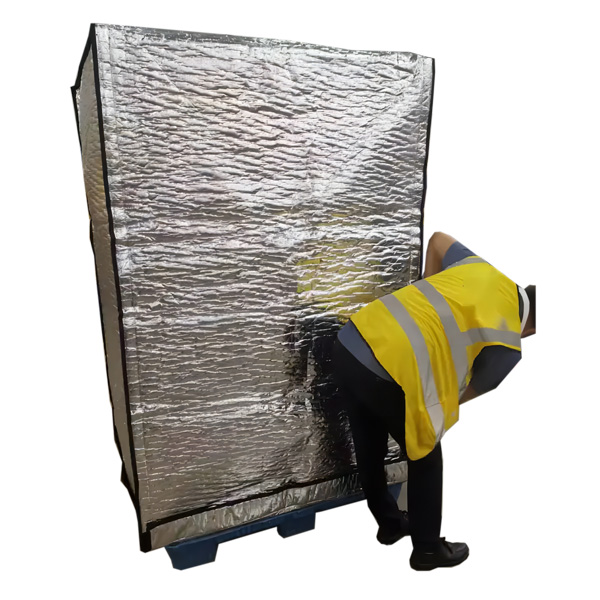
Selimut Termal Pallet untuk Bioteknologi: Lapisan Kontrol, Bukan Jalan Pintas
The safest way to buy a pallet blanket is to assume that its silver surface proves nothing. Pallet thermal blankets for biotech can slow heat movement and reduce direct environmental exposure around a load, terutama selama pementasan dan serah terima. Kontribusi sebenarnya mereka bergantung pada konstruksi, bugar, muatan, kondisi awal, tantangan lingkungan, dan instalasi. Mereka tidak menciptakan pendingin, ganti kemasan yang memenuhi syarat, atau putuskan apakah suatu produk tetap dapat diterima setelah bertamasya. Setelah batasan itu jelas, tim bioteknologi dapat menggunakan selimut dengan cerdas: memberikan pekerjaan yang sempit, membangun bukti untuk itu, mempertahankan konfigurasi yang disetujui, dan mengoperasikan penggunaan kembali tanpa kehilangan kontrol kualitas.
Tulis berkas produk dan jalur terlebih dahulu
Pembeli memerlukan paket masukan terkontrol sebelum meminta sampel. Sebut saja dokumen produk dan jalur, kemasan singkat, atau spesifikasi kebutuhan pengguna. Nama kurang penting dibandingkan isi dan persetujuannya.
Mulailah dengan persyaratan produk. Catat kondisi penyimpanan dan pengangkutan resmi, sensitivitas yang diketahui seperti pembekuan atau cahaya jika berlaku, orientasi yang diperbolehkan, dan dokumen mana yang mengendalikan fakta-fakta tersebut. Jangan mengubah kategori bioteknologi yang luas menjadi kisaran suhu. Reagen penelitian, perbekalan klinis, biologi selesai, dan materi seluler memerlukan sistem yang sangat berbeda.
Jelaskan paletnya. Sertakan tapak dan tinggi minimum dan maksimum, distribusi berat badan, pengaturan karton, kekosongan, bentuk atas, bungkus regangan, tali pengikat, proyeksi, jenis palet, Label, fitur tamper, dan akses inspeksi. Foto dengan variasi normal lebih berguna daripada gambar sempurna saja.
Petakan jalur berdasarkan hak asuh dan lingkungan. Identifikasi tempat penyimpanan terakhir yang cocok di tempat asal, setiap zona pementasan dan transfer, peralatan yang dikendalikan, penanganan bandara atau terminal, risiko bea cukai, bongkar, menerima pemeriksaan, dan penyimpanan tujuan pertama yang sesuai. Tandai di mana sinar matahari langsung, angin, hujan, lantai dingin, sering membuka pintu, atau kejadian tak terduga dapat terjadi.
Akhirnya, mendefinisikan tata kelola. Siapa yang memiliki persyaratan produk? Siapa yang menyetujui pengemasan? Siapa yang memasang selimut? Siapa yang mengkonfirmasi kesiapan kendaraan? Siapa yang mengontrol pemantauan? Siapa yang mencatat penundaan? Siapa yang mengambil data? Siapa yang dapat menunda produk dan menentukan disposisi? Pembelian menyeluruh tidak dapat memperbaiki otoritas pengambilan keputusan yang tidak jelas.
Berkas tersebut harus menyatakan pekerjaan yang dimaksudkan dalam bahasa yang dibatasi: perlindungan tambahan selama transfer tertentu, bukan pemeliharaan universal pada kisaran suhu. Ini juga harus mencantumkan skenario yang dikecualikan, seperti penyimpanan jangka panjang tanpa syarat atau koneksi tidak terjawab tanpa penyimpanan pemulihan.
Putuskan apakah selimut tersebut termasuk dalam larutan
Gunakan hierarki daripada beralih dari risiko langsung ke produk.
Pertama, menghilangkan paparan jika memungkinkan. Mengkoordinasikan kedatangan kendaraan, gunakan dok tertutup atau dengan pengaturan suhu, simpan palet di tempat penyimpanan terkendali sampai dilepaskan, memprioritaskan pemuatan, dan menyediakan lokasi pemulihan yang disetujui. Perubahan ini bisa lebih dapat diandalkan daripada menambahkan insulasi pada proses yang tidak terkontrol dengan baik.
Kedua, pilih sistem termal utama. Tergantung produk dan jalurnya, yang mungkin merupakan peralatan transportasi yang dikendalikan, wadah yang aktif, or a qualified passive shipper with a defined packout and thermal buffer. Selimut palet dapat melengkapi sistem ini, namun tidak boleh mengganggu aliran udaranya, keamanan, sensor, Label, atau operasi.
Ketiga, pertimbangkan selimut untuk sisa paparan durasi pendek. Itu dapat melindungi permukaan dari radiasi langsung, mengurangi pertukaran udara, dan menambahkan ketahanan termal. Jika kejadian yang dapat dipercaya terjadi terlalu parah atau berkepanjangan untuk perlindungan tambahan pasif, meningkatkan sistem daripada menetapkan durasi yang tidak didukung.
Keempat, mengatur pemantauan dan kontinjensi. Seorang logger dapat merekam kondisi yang dipilih, sementara prosedur mendefinisikan respons. Pemantauan adalah bukti, bukan perlindungan. Alarm adalah informasi, bukan keputusan produk otomatis.
Keputusan yang khas membuat hierarki menjadi nyata. Palet produk meninggalkan penyimpanan yang disetujui untuk kendaraan yang telah dikondisikan sebelumnya melalui dermaga yang kadang-kadang mengalami udara luar. Pengoperasian pertama-tama meminimalkan waktu pementasan dan memverifikasi kendaraan. Selimut yang dipasang kemudian dinilai untuk perpindahan singkat. Jika kendaraan terlambat melewati proses yang disetujui, palet kembali ke penyimpanan terkontrol. Selimut tidak digunakan untuk membenarkan penantian yang tidak terbatas.
Selimut Termal Pallet Insinyur untuk Bioteknologi di Sekitar Mode Kegagalan
Penutup termal menggabungkan permukaan, isolasi, jahitan, penutupan, bantuan, dan bentuk. Material yang terlihat hanyalah salah satu bagian dari desain.
Konduksi memindahkan panas melalui lapisan dan jalur kontak. Konveksi memindahkan panas bersama udara melalui celah dan mengelilingi permukaan. Radiasi dapat memanaskan permukaan yang terbuka, khususnya di bawah sinar matahari. Kelembapan dapat mengubah perilaku material dan memperkenalkan kebersihan, pelabelan, dan masalah pemeriksaan. Perakitan yang telah selesai harus mengelola kombinasi yang relevan.
Bagian luar yang reflektif dapat mengurangi perolehan radiasi tetapi tidak dapat menghentikan konduksi melalui lantai atau udara panas yang memasuki rok terbuka. Inti isolasi dapat bekerja dengan baik sebagai sampel datar namun terkompresi di sudut-sudutnya. Penguatan yang kuat dapat mencegah robekan sekaligus menciptakan jembatan termal yang lebih tipis. Penutupan yang aman dapat membatasi kesenjangan namun memperlambat pemeriksaan dan mendorong pekerja untuk membiarkannya terbuka sebagian.
Fit menentukan apakah fitur ini berfungsi. Selimut harus menutupi permukaan yang diinginkan tanpa menggenang di lantai, peralatan penangkapan, mengompresi kasus, menyembunyikan label penting, atau naik di atas palet. Evaluasi muatan yang ekstrem dan palet yang tidak beraturan, tidak hanya konfigurasi rata-rata.
| Mode kegagalan yang harus dilawan | Kemungkinan kontributor | Diperlukan bukti atau kontrol |
|---|---|---|
| Karton luar berubah kondisi dengan cepat | Kurang pas, sudut terbuka, lapisan terkompresi, massa termal rendah | Pemetaan palet yang representatif dan batas kesesuaian |
| Produk menjadi terlalu dingin secara tidak sengaja | Interaksi zat pendingin yang tidak sesuai atau paparan dingin yang parah | Desain paket khusus produk dan kualifikasi profil dingin |
| Selimut dibiarkan terbuka setelah pemeriksaan | Penutupan yang sulit, label tersembunyi, kepemilikan yang tidak jelas | Uji coba faktor manusia, desain akses, dan instruksi kerja |
| Kelembaban tetap ada setelah dikembalikan | Kondensasi, masuknya jahitan, pembersihan yang tidak kompatibel, pengeringan yang buruk | Validasi atau persetujuan pembersihan, metode pengeringan, dan kriteria pelepasan |
| Konfigurasi yang memenuhi syarat diubah secara diam-diam | Substitusi pemasok atau versi aset campuran | Gambar terkontrol, kode unik, dan mengubah pemberitahuan |
| Klaim penggunaan kembali gagal secara operasional | Kehilangan aset, kontaminasi, kerusakan, atau tidak ada rute kembali | Catatan percontohan dan siklus hidup loop tertutup |
Tabel ini mengaitkan desain dengan kegagalan, bukan fitur menarik. Ini juga membantu memprioritaskan bukti. Jika sinar matahari langsung tidak memungkinkan pada rute tersebut, pantulan matahari mungkin kurang penting dibandingkan pemasangan di dermaga yang dingin. Jika akses inspeksi terjadi dua kali per transfer, kegunaan penutupan patut mendapat perhatian formal.
Ciptakan rantai bukti yang dapat dipertahankan oleh kualitas
Mulailah dengan klaim dan kerjakan mundur. Klaim seperti “menambahkan perlindungan pasif selama transfer asal yang disetujui” dapat dievaluasi. “Mempertahankan suhu biotek” terlalu luas dan menyiratkan kemampuan yang tidak dapat dimiliki oleh selimut secara mandiri.
Pemilihan komponen pendukung data material. Mereka harus memasukkan propertinya, satuan, metode, kondisi spesimen, dan batasan yang relevan. Uji perakitan yang telah selesai menunjukkan perilaku selimut tertentu terhadap muatan yang ditetapkan dan tantangan lingkungan. Uji coba penanganan menunjukkan apakah operator dapat mereproduksi konfigurasi tersebut. Pembuatan profil jalur mencirikan kondisi lingkungan dan tempat tinggal yang sebenarnya. Kualifikasi formal mengevaluasi sistem yang ditentukan berdasarkan kriteria penerimaan yang disetujui. Pemantauan operasional mengamati kondisi yang dipilih selama penggunaan.
Setiap lapisan menjawab pertanyaan yang berbeda. Hasil reflektansi tidak dapat menggantikan uji perakitan. Uji ruang tidak dapat mengungkapkan setiap kesalahan handoff. Pengiriman jalur yang sukses tidak dapat membangun ketahanan tanpa adanya protokol. Bukti berkualitas menjadi kredibel ketika kesimpulannya tetap berada dalam cakupannya.
Protokol termal harus mengidentifikasi konstruksi dan kondisi selimut secara tepat, muatan perwakilan atau pengganti yang dibenarkan, pengaturan palet, keadaan awal, profil lingkungan, aliran udara dan kondisi radiasi jika relevan, penataan lantai atau alas, sensor, konteks kalibrasi, lokasi, interval pencatatan, lamanya, pengulangan, Kriteria penerimaan, dan penyimpangan. Uji tantangan panas dan dingin jika jalur dan produk memerlukannya.
Panduan resmi memberikan struktur yang berguna. WHO materials distinguish temperature-controlled transport operations, pembuatan profil rute, pemantauan, dan kualifikasi peti kemas. Praktik Distribusi yang Baik Eropa mengharapkan kondisi penyimpanan yang diperlukan untuk produk obat selama pengangkutan. Peraturan dan program kargo layanan kesehatan IATA menghubungkan pengemasan dengan pemesanan, pelabelan, penanganan, dan dokumentasi. Iso 21973 membahas transportasi sel untuk penggunaan terapeutik. Profil termal ISTA mendukung konteks pengujian paket yang ditentukan. Tak satu pun dari sumber-sumber ini yang mengubah selimut palet yang belum dikaji menjadi solusi bioteknologi universal.
Pertahankan arti sebuah izin
Sebuah studi lolos hanya untuk kriteria penerimaan yang disetujui berdasarkan konfigurasi dan tantangan yang ditentukan. Itu tidak membuktikan bahwa setiap unit, muatan, rute, musim, atau selimut tua akan berlalu. Catat batasan-batasan dalam spesifikasi dan materi pelatihan sehingga bahasa komersial tidak berkembang melampaui bukti.
Ketika suatu perubahan terjadi, bandingkan dengan batasan tersebut. Produk, palet, pendingin, lapisan selimut, lapisan, penutup, rute, peralatan, pembawa, jendela proses, dan perubahan sensor mungkin memerlukan penilaian. Sistem mutu harus menentukan tindakan daripada mengandalkan jaminan kesetaraan dari pemasok.
Terjemahkan kualifikasi ke dalam prosedur dock
Bahkan bukti termal yang kuat pun dapat dikalahkan dengan penutup yang dipasang terbalik atau dibiarkan terbuka. Prosedur dock harus membuat status yang disetujui menjadi jelas.
Tetapkan kode konfigurasi yang menghubungkan selimut fisik ke produk atau layanan. Sedang dipermasalahkan, memindai atau memverifikasi kode itu. Periksa jahitan yang terbuka, tusukan, delaminasi, kegagalan penutupan, kebasahan, kontaminasi, distorsi dimensi, dan identitas yang dapat dibaca. Harta yang dilepas dan dikembalikan harus dipisahkan secara fisik.
Pasang selimut saat palet tetap berada di lingkungan yang diperlukan kapan pun proses yang disetujui memerlukannya. Tunjukkan orientasi, posisi rok, penutupan tumpang tindih, akses label, dan izin yang dapat diterima dalam foto. Tentukan kapan selimut boleh dibuka dan siapa yang harus menutupnya kembali. Jika beban tertahan setelah ditutup, pastikan bahwa tali pengikat tidak merusak insulasi atau membahayakan keselamatan kendaraan.
Tetapkan waktu dan pemicu peristiwa. Jika pengumpulannya tertunda, kesiapan kendaraan gagal, selimutnya rusak, atau pemantauan tidak dapat dimulai, pekerja membutuhkan langkah selanjutnya yang jelas. Itu mungkin mengembalikan beban ke penyimpanan terkontrol, mengganti aset tersebut, menghubungi menara kontrol, atau menunda pengiriman. Jangan meminta penangan untuk menyimpulkan margin termal.
Saat menerima, simpan selimut sampai titik pelepasan yang disetujui. Catat kondisi dan paparan yang tidak biasa. Ambil data pemantauan sesuai rencana. Keputusan yang berkualitas harus menggunakan rekaman lengkap daripada kondisi visual sampulnya saja.
Pelatihan harus diperhatikan, tidak hanya diakui. Mintalah operator untuk memasang pada muatan yang paling tinggi dan paling tidak nyaman yang disetujui, menggunakan label dan pemindai, mensimulasikan inspeksi, dan memisahkan pengembalian yang cacat. Kesalahan mengungkapkan di mana desain atau instruksi memerlukan perbaikan sebelum penerapan komersial.
Beli kontrol pemasok beserta produknya
Paket pengadaan bioteknologi harus mencakup kebutuhan pengguna, selesai menggambar, konstruksi, toleransi, jahitan, penutup, bantuan, Label, pembuatan, kemasan pengiriman, dokumentasi, dan sampel referensi yang disetujui. Ini harus mengidentifikasi atribut mana yang penting untuk disesuaikan, fungsi termal, kebersihan, dan ketertelusuran.
Tanyakan kepada pemasok bagaimana bahan mentah dan lot produksi dikendalikan, bagaimana dimensi dan jahitan akhir diperiksa, dan bagaimana unit yang tidak sesuai ditangani. Mintalah konteks untuk laporan pengujian dan konfirmasikan bahwa item yang dikutip cocok dengan spesimen yang diuji. Jika ketertelusuran batch atau deklarasi material diperlukan, tentukan tingkatnya daripada meminta “kepatuhan penuh.”
Pemberitahuan perubahan terlebih dahulu harus mencakup karakteristik yang signifikan secara termal atau operasional. Contohnya termasuk komposisi bahan atau sumber, ketebalan, lapisan, perekat, struktur busa atau seluler, metode jahitan, penutup, bantuan, ukuran, pelabelan, dan lokasi produksi. Pembeli kemudian memutuskan apakah perubahan tersebut perlu ditinjau, perbandingan, atau kualifikasi ulang.
Fakta komersial harus tetap ada dalam kutipan. Minimal pesanan, waktu tunggu, perkakas, penandaan khusus, ketersediaan pengganti, dan harga bisa berubah. Evaluasi juga total biaya operasional: kubus penyimpanan, tenaga kerja instalasi, pengiriman kembali, pembersihan, pengeringan, inspeksi, memperbaiki, kehilangan, administrasi, dan pensiun.
Jadikan penggunaan kembali lulus uji kualitas yang sama seperti perlindungan keluar
Selimut yang dapat digunakan kembali dapat mendukung efisiensi material pada loop tertutup yang sesuai, tetapi perulangan harus menjaga identitas dan kondisi. Mulailah dengan melakukan uji coba pada rute di mana penerima setuju untuk mengembalikan aset dan di mana pembersihan dan inspeksi dapat dikontrol.
Lacak masalah, kembali, waktu siklus, pembersihan, alasan kegagalan, memperbaiki, kehilangan, dan pensiun. Hindari menetapkan jumlah penggunaan kembali secara universal. Masa pakai sebenarnya tergantung pada konstruksi, penanganan, kontaminasi, lipat, penyimpanan, pembersihan, dan perilaku rute.
Tentukan metode pembersihan dan konfirmasi kompatibilitas dengan setiap lapisan. Bagian luar yang dapat dilap tidak membuktikan bahwa jahitan atau insulasi dapat tahan terhadap perendaman, panas, atau bahan kimia agresif. Pengeringan dan pelepasan adalah langkah terpisah. Selimut yang terlihat kering di bagian luar mungkin dapat mempertahankan kelembapan di bagian dalam.
Pembatasan penggunaan silang harus mengikuti penilaian risiko. Kumpulan klien atau produk khusus mengurangi risiko pencampuran dan kontaminasi namun memerlukan lebih banyak aset. Kumpulan bersama dapat meningkatkan pemanfaatan tetapi memerlukan identitas yang lebih kuat, pembersihan, dan kontrol alokasi.
Klaim lingkungan hidup memerlukan batasan. Sertakan bahan pembuatannya, transportasi keluar dan pulang, pembersihan, memperbaiki, kemasan yang dihindari, kehilangan, dan rute akhir kehidupan. Peraturan pengemasan Uni Eropa saat ini meningkatkan perhatian terhadap pencegahan limbah, Daur ulang, dan menggunakan kembali, tetapi penerapannya bergantung pada format dan alirannya. Tinjauan hukum dan data operasional aktual lebih dapat diandalkan dibandingkan label hijau pada lembar data.
Pertanyaan yang sering diajukan
Berapa lama palet biotek dapat bertahan di bawah selimut termal?
Tidak ada durasi universal yang bertanggung jawab. Jawabannya tergantung pada kriteria penerimaan produk, kondisi awal, massa termal muatan, konstruksi selimut, geometri palet, profil lingkungan, angin, radiasi, dan lokasi sensor. Gunakan bukti pengujian yang sesuai dengan penggunaan yang ditentukan dan pertahankan aturan eskalasi jika terjadi penundaan di luar proses yang disetujui.
Bisakah selimut menggantikan truk berpendingin untuk perjalanan singkat?
Bukan berdasarkan asumsi. Selimut pasif tidak mengontrol suhu atau menambah pendinginan. Bahkan perjalanan singkat pun dapat mencakup paparan lingkungan yang parah, lalu lintas, penundaan pemuatan, dan kondisi awal yang tidak sesuai. Penilaian produk dan jalur harus menentukan apakah peralatan dikendalikan, kemasan yang berkualitas, atau keduanya diperlukan.
Apa dokumen pemasok yang paling penting?
Tidak ada satu dokumen pun yang cukup. Kumpulan yang paling berguna menghubungkan gambar dan konstruksi terkontrol dengan bukti pengujian yang relevan, pengendalian produksi, informasi materi, dan mengubah pemberitahuan. Sertifikat dengan klaim yang luas tetapi tidak ada spesimen atau konteks pengujian kurang berguna dibandingkan sertifikat lengkap, file teknis terbatas.
Sebaiknya selimut yang digunakan kembali dimasukkan dalam pengujian termal?
Jika program yang disetujui bergantung pada aset yang berumur, pengondisian atau penilaian ulang yang representatif mungkin tepat. Lipat, abrasi, pembersihan, perbaikan, dan keausan penutup dapat mengubah rakitan. Protokol harus menjelaskan apa yang dimaksud dengan kondisi lanjut usia dan bagaimana kaitannya dengan peraturan inspeksi dan pensiun daripada berasumsi bahwa hasil pertanggungan baru berlaku tanpa batas waktu..
Siapa yang memutuskan apakah suatu tamasya dapat diterima?
Fungsi mutu yang berwenang atau pihak lain yang ditunjuk oleh pemilik produk harus membuat keputusan disposisi menggunakan informasi stabilitas dan proses yang disetujui. Penyedia logistik menyediakan catatan dan melaksanakan penangguhan atau pemberitahuan. Produsen selimut tidak boleh menyatakan penerimaan produk hanya berdasarkan kondisi penutup.
Kesimpulan: menyimpan setiap klaim yang melekat pada kondisinya
Selimut termal palet dapat memperkuat pelepasan bioteknologi ketika muatan meninggalkan lingkungan yang sesuai untuk sementara waktu. Kegunaannya berasal dari memperlambat perpindahan panas dan melindungi palet, bukan dari menciptakan suhu yang terkendali. Persyaratan produk, peralatan transportasi utama, kemasan yang berkualitas, pemantauan, dan keputusan kualitas tetap merupakan kontrol yang berbeda.
Buat berkasnya, menghilangkan paparan yang dapat dihindari, merekayasa perakitan penuh, menguji klaim yang dapat dipalsukan, dan menerjemahkan konfigurasi yang disetujui menjadi prosedur yang dapat dieksekusi. Pertahankan melalui kontrol perubahan pemasok dan kelola penggunaan kembali sebagai siklus tertutup yang terukur. Itulah perbedaan antara menambahkan selimut dan menambahkan kontrol yang dapat dipertahankan.
Tentang tempk
Tempk is a B2B cold-chain packaging provider offering insulated pallet and thermal covers together with related temperature-controlled packaging. Kami membantu pembeli bioteknologi menyusun diskusi seputar kesesuaian palet, serah terima yang terbuka, pilihan konstruksi, dan penanganan yang dapat digunakan kembali. Kesesuaian akhir dan persyaratan bukti harus ditentukan untuk produk tertentu, rute, paket, dan sistem mutu.
Bagikan kebutuhan produk terkontrol Anda, amplop palet, peta jalur, kendala operasi, dan bukti yang diharapkan dari Tempk untuk menyiapkan perbandingan sampul terfokus atau tinjauan sampel.
Penutup Isolasi Pallet untuk Pusat Distribusi: Kontrol

Penutup Isolasi Pallet untuk Pusat Distribusi: Bangun Rencana Pengendalian Sebelum Pesanan Pembelian
Jika spesifikasi pembelian dimulai dengan “penutup berinsulasi perak,” ini dimulai terlambat. Pallet insulation covers for distribution centers should be selected only after the team defines what happens to the load between controlled locations, risiko terkait suhu apa yang penting, dan operator apa yang dapat mengeksekusi berulang kali. Penutup kemudian menjadi penyangga termal yang ditargetkan, bukan pengganti pendinginan yang samar-samar. Sebuah program yang baik menggabungkan enam keputusan: batas kasus penggunaan, kesesuaian palet, bukti termal, prosedur lantai, pengendalian pemasok, dan kepemilikan siklus hidup. Membiarkan salah satu dari mereka tidak ditentukan dapat membuat aksesori yang tampaknya sederhana menjadi tidak dapat diandalkan pada saat serah terima ketika diperlukan..
Berikan Sampul Satu Peran yang Jelas
Kontrol pertama adalah kalimat yang mengatakan apa yang diharapkan dilakukan oleh sampul dan apa yang tidak diharapkan dilakukan. Misalnya: “Perlindungan ini digunakan selama perpindahan dari ruang pementasan terkontrol ke kendaraan keluar yang disetujui dan selama menunggu di dermaga yang ditentukan.” Kata-katanya bisa bermacam-macam, tetapi harus mengidentifikasi kelompok produk, langkah proses, kondisi awal, paparan, dan titik akhir.
Batasan itu mencegah tiga kesalahan umum.
Pertama, isolasi bukan pendinginan. Penutup pasif memperlambat pertukaran panas; itu tidak menghilangkan panas secara terus-menerus atau memulihkan palet yang dimulai di luar kondisi yang diperlukan. Kedua, isolasi tidak dipantau. Seorang logger mencatat kondisi yang dipilih, sementara penutup mengubah laju aliran panas. Ketiga, satu komponen bukanlah sistem termal yang memenuhi syarat. Untuk produk sensitif, solusi lengkapnya mungkin juga termasuk kendaraan, dasar terisolasi, pendingin, pola beban yang ditentukan, prosedur, pemantauan, bukti uji, dan tinjauan kualitas.
Batasan tersebut juga harus menyebutkan pengecualian. Sampulnya mungkin tidak disetujui untuk menunggu di luar ruangan, penyimpanan semalam, gerakan pengangkutan garis tanpa pendingin, ketinggian palet yang berbeda, atau produk dengan persyaratan suhu lain. Pengecualian eksplisit berguna karena perbaikan gudang sering kali dilakukan secara informal. Perlindungan yang menyelesaikan satu masalah dermaga dapat dipinjam untuk jalur lain tanpa ada yang menyadari bahwa bukti tersebut tidak lagi berlaku.
Gunakan bahasa yang dapat dimengerti oleh operator. “Mengurangi laju penyimpangan suhu selama transfer yang disetujui” lebih akurat daripada “menjaga suhu”. “Tetap tutup penutup kecuali untuk langkah pemindaian yang tercantum” lebih dapat ditindaklanjuti daripada “meminimalkan paparan.” Arti teknisnya ada pada dokumen pendukung, tetapi instruksi dasar harus memandu perilaku.
Temukan Eksposur yang Disembunyikan Rata-Rata Bangunan
Suhu rata-rata yang dilaporkan untuk pusat distribusi jarang menggambarkan momen terburuk yang dialami palet. Beban berpindah melalui lingkungan mikro: pintu masuk ruangan yang dingin, lorong sempit dengan udara yang bergerak, jalur pementasan di samping pintu dermaga bersepeda, celemek yang diterangi matahari, sebuah trailer dengan atap yang hangat, atau area penjagaan mutu yang tujuannya bukan untuk mengontrol suhu.
Petakan urutannya dengan orang yang melakukannya. Catat di mana palet berhenti, berapa lama pengecualian bisa bertahan, sisi mana yang menghadap pintu, apakah beban diletakkan di lantai yang hangat atau dingin, dan saat kemasan dibuka. Sertakan penolakan cuplikan, penjemputan terlambat, kegagalan pemindai, koreksi dokumen, pemeriksaan keamanan, dan perubahan shift. Aliran normal mungkin cepat; pengecualian menentukan apakah sampul menjadi penyangga yang berguna atau kepercayaan palsu.
Variasi musiman penting. Tantangan panas musim panas sudah jelas terlihat, tetapi produk yang tidak boleh dibekukan mungkin menghadapi risiko yang sama jika disimpan di tempat yang dingin. Aliran udara dapat memperkuat pertukaran panas permukaan bahkan ketika udara ruangan yang diukur tidak tampak ekstrem. Paparan radiasi langsung dari sinar matahari atau permukaan yang panas dapat memengaruhi satu wajah lebih parah dibandingkan wajah lainnya. Oleh karena itu, penilaian yang representatif harus memeriksa arah, lamanya, dan urutan, bukan hanya jumlah ambien maksimum.
Properti produk dan muatan mengubah respons. Yang padat, palet yang terisi penuh memiliki inersia termal yang berbeda dengan cahaya, palet terisi sebagian. Jarak case dan overhang mengubah jalur udara dan luas permukaan. Kondisi produk awal memasok atau menghilangkan margin. Tak satu pun dari fakta-fakta ini yang menciptakan perhitungan universal, tetapi mereka menunjukkan konfigurasi mana yang harus direpresentasikan ketika bukti dihasilkan.
Hasil dari kegiatan pemetaan ini adalah sejumlah kecil tantangan desain. Contohnya adalah perpindahan rutin, penantian maksimum yang disetujui dan masuk akal, kondisi musim dingin, dan acara pembukaan untuk pemeriksaan yang diperlukan. Sebuah tim kemudian dapat merancang program perlindungan dan pengujian terhadap tantangan nyata, bukan “lingkungan gudang” yang tidak ditentukan.
Tulis Persyaratan Pengguna yang Dapat Dijawab oleh Pemasok
Persyaratannya harus menggabungkan kebugaran fisik, tujuan termal, penanganan, kebersihan, identifikasi, dan dokumentasi. Hindari menentukan bahan yang disukai sebelum fungsinya jelas. Pemasok mungkin mengusulkan konstruksi yang berbeda, namun setiap proposal harus menjawab pertanyaan operasional yang sama.
Geometri dan akses
Ukur palet produksi yang dimuat, bukan dek palet kosong. Tangkap jejak kaki, tinggi maksimum, menggantung, papan sudut, bungkus regangan, profil teratas, tonjolan, dan variasi normal. Tentukan apakah penutup menutupi tutup atas terpisah atau alas berinsulasi. Sebutkan label yang mana, Data Loggers, kode kasus, atau dokumen harus tetap dapat diakses.
Pakaian yang pas bukanlah pakaian yang terlalu ketat dan tidak terlalu besar. Penutup yang ketat sulit dipasang dan dapat robek atau naik ke atas. Material berlebih dapat menciptakan celah, menyeret, merobek, menyembunyikan label, atau mengganggu peralatan penanganan material. Dimensi internal akhir dan toleransi produksi lebih berguna dibandingkan nama ukuran palet umum.
Desain akses harus mencerminkan kejadian nyata. Jika pemindaian memerlukan pembukaan panel, penutupan harus dapat diulang dan instruksi kerja harus menjelaskan cara pemulihannya. Jika seluruh penutup harus dilepas untuk setiap pemeriksaan, staf pada akhirnya akan berimprovisasi. Kantong dokumen, membersihkan jendela, dan penutup mungkin membantu, tetapi harus ditinjau ulang kebersihannya, daya tahan, dan kontinuitas isolasi.
Konstruksi termal
Mintalah susunan lapisan secara lengkap, menghadap, isolasi, jahitan, bala bantuan, penutup, dan pengobatan dasar. Sifat material berguna ketika kondisi pengujiannya terlihat, namun mereka tidak dapat menggantikan informasi kinerja untuk sampul yang sudah jadi.
Kalor masuk atau keluar secara konduksi, pergerakan udara, dan radiasi. Insulasi berserat atau seluler dapat memperlambat jalur konduktif. Penutupan dan sudut terkompresi dapat melewatinya. Permukaan reflektif dapat mengurangi perpindahan radiasi bila digunakan dalam geometri yang mencakup ruang udara yang sesuai; permukaan yang cerah dengan sendirinya bukanlah klaim yang tahan lama. Bagian bawah dan bukaan yang longgar memungkinkan terjadinya pertukaran udara. Spesifikasi tersebut harus membuat pemasok mengatasi semua jalur ini.
Kompatibilitas lantai
Nyatakan metode penerapan yang diharapkan, massa perlindungan maksimum yang aman jika organisasi mempunyainya, ketinggian angkat yang dapat diterima, interaksi forklift, pembatasan konveyor, kebutuhan antistatis atau kebutuhan spesifik lokasi lainnya, pendekatan pembersihan, dan metode penyimpanan. Persyaratan ini harus berasal dari keselamatan fasilitas, rekayasa, kebersihan, dan personel yang berkualitas. Jangan menyimpulkannya dari lembaran bahan termal.
Identifikasi dan pengendalian pasokan
Tentukan ukuran yang terlihat dan tanda orientasi, kepemilikan, isyarat status produk, dan kode batang atau pengenal aset apa pun. Kemudian memerlukan gambar terkontrol atau spesifikasi yang menghubungkan fitur-fitur tersebut dengan konstruksi. Tetapkan materi apa, dimensi, lapisan, perekat, penutup, dan perubahan proses memerlukan pemberitahuan atau persetujuan.
Gunakan Bukti Keputusan, Bukan Nomor Kinerja Generik
Pernyataan bahwa suatu sampul “berfungsi selama beberapa jam tertentu” tidak ada artinya tanpa syarat-syaratnya. Hasil yang relevan terkait dengan status produk awal, isi palet, geometri, profil lingkungan, kondisi dasar, aplikasi, bukaan, rencana sensor, dan kriteria penerimaan. Ubah masukan tersebut dan hasilnya mungkin berubah.
Buatlah tes seputar suatu keputusan. Jika keputusannya menyangkut persetujuan dok, tunggu, mewakili proses itu dengan beban dan tantangan yang dapat dibenarkan. Jika keputusannya menyangkut kesetaraan pemasok, membandingkan unit tujuan produksi terkontrol di bawah protokol yang sama. Jika kekhawatirannya adalah variasi operator, melibatkan operator terlatih yang menerapkan penutup daripada membuat satu instalasi laboratorium yang sempurna.
| Keputusan program | Bukti yang mendukungnya | Pemilik keputusan | Tanggapan ketika bukti hilang atau gagal |
|---|---|---|---|
| Penutup sesuai dengan pola palet yang disetujui | Beban terukur, sampel tujuan produksi, uji kesesuaian dan penanganan yang terdokumentasi | Rekayasa pengemasan dan operasi gudang | Merevisi dimensi atau membatasi daftar beban yang disetujui |
| Penutup menyediakan penyangga termal yang diinginkan | Protokol termal yang telah disetujui sebelumnya dengan beban representatif, paparan, aplikasi, sensor, dan kriteria | Pemilik produk atau kualitas dengan dukungan teknis | Mendesain ulang, mengubah prosesnya, atau gunakan kontrol aktif/pendingin yang sesuai |
| Staf dapat menerapkannya secara konsisten | Aplikasi yang diamati, instruksi kerja, umpan balik pelatihan, tinjauan pengecualian | Operasi gudang | Sederhanakan desain atau alur kerja sebelum peluncuran |
| Unit yang dapat digunakan kembali tetap layak untuk diservis | Penilaian pembersihan, kriteria cacat, aturan inspeksi dan perbaikan | Kualitas, kebersihan, dan pemilik aset | Karantina, perbaikan berdasarkan metode yang disetujui, atau pensiunkan unit tersebut |
| Produksi tetap setara dengan sampel yang disetujui | Spesifikasi terkendali, cek masuk, perjanjian perubahan pemasok | Pengadaan dan kualitas | Tahan pasokan yang terpengaruh dan lakukan tinjauan perubahan |
Kerangka kerja ini menugaskan seseorang untuk setiap kesimpulan. Hal ini juga menghentikan laporan pengujian termal untuk menjadi jawaban atas pertanyaan yang tidak terkait seperti kemampuan bersih atau pemulihan. Bukti yang hilang harus menghasilkan tindakan yang pasti, bukan interpretasi pemasaran yang lebih luas.
Ruang kendali dan evaluasi lapangan masing-masing mempunyai nilai. Sebuah ruangan dapat menciptakan eksposur berulang untuk perbandingan. Penilaian lapangan menangkap peluang, pergerakan, penyumbatan, dan perilaku sebenarnya. Keduanya tidak cukup secara universal. Rencana pengujian harus menjelaskan mengapa metode yang dipilih mewakili keputusan dan mana yang tidak.
ISTA 7E menyediakan profil termal untuk menguji produk kemasan individual yang bergerak melalui sistem pengiriman paket. Ini mungkin memberi informasi pada penelitian ketika lingkungan tersebut relevan, but it is not universal validation for a pallet cover or every freight lane. Distribusi farmasi juga dapat menggunakan profil rute dan prinsip kualifikasi sistem pengiriman yang dijelaskan dalam pedoman Organisasi Kesehatan Dunia dan industri. Tim teknis harus memilih dan membenarkan metode tersebut daripada memberi nama standar pada uji coba yang tidak tertandingi.
Penempatan sensor memerlukan disiplin yang sama. Suatu titik di tengah mungkin merespons dengan lambat dan melewatkan bagian tepi yang terbuka. Sensor pada permukaan penutup mungkin mencerminkan pengaruh lingkungan, bukan kondisi produk. Gunakan lokasi yang mengatasi risiko dan mendokumentasikan identitas perangkat, status kalibrasi, konfigurasi pencatatan, dan pengolahan data. Memantau kondisi catatan; itu tidak meningkatkan perlindungan termal.
Ubah Desain yang Disetujui Menjadi Kontrol Gudang
Program sampul membutuhkan aliran status, bukan hanya poster lamaran. Tentukan bagaimana suatu unit berpindah dari penyimpanan bersih ke penggunaan, serah terima, kembali, inspeksi, pembersihan, karantina, memperbaiki, dan pensiun.
Sebelum digunakan, operator memastikan jenis penutup yang benar dan memeriksa fitur fungsional: kontinuitas isolasi jika terlihat, jahitan, penutup, menghadap, identifikasi, kebersihan, kekeringan, dan bentuk. Daftar cacat harus membedakan tanda kosmetik dari kerusakan yang dapat mempengaruhi kinerja termal atau kebersihan. “Gunakan jika terlihat oke” bukanlah kriteria yang dapat diulang.
Produk harus memasuki tahap tertutup dalam kondisi yang disyaratkan. Operator menerapkan penutup dalam orientasi yang ditentukan, menutup bagian bawah dan mengakses fitur, mengonfirmasi label dan monitor yang diperlukan, dan mencatat aset atau batch jika proses memerlukannya. Palet yang tertutup tetap tunduk pada batas pementasan yang disetujui. Penutup tidak boleh diartikan sebagai penyimpanan ambien yang tidak terbatas.
Serah terima membutuhkan pemilik yang disebutkan namanya. Jika pengangkut menyimpan penutup pada palet, pengangkut harus tahu apakah bisa dibuka, di mana ia dihapus, dan siapa yang melindungi muatan setelahnya. Jika penutup dilepas di dock, tim harus menentukan titik pemindahan aman paling awal. Staf penerima perlu mengetahui bahwa tampilan yang terisolasi tidak membuktikan bahwa beban sesuai spesifikasi.
Aturan pengecualian melindungi kualitas keputusan. Ketika menunggu melebihi kondisi yang disetujui, penutupan ditemukan terbuka, pemantauan tidak ada, atau penutupnya rusak, staf harus memindahkan beban ke kondisi aman yang ditentukan, melestarikan catatan, dan memberitahu fungsi yang bertanggung jawab. Disposisi produk merupakan bagian dari proses yang disetujui organisasi dan pakar terkait; itu tidak boleh diimprovisasi dari klaim pemasok.
Untuk produk obat, Panduan Praktik Distribusi yang Baik mungkin mengharuskan kondisi penyimpanan tertentu dipertahankan selama pengangkutan dan pengendalian pendukung harus didokumentasikan. Untuk makanan dalam lingkup aturan Transportasi Sanitasi FDA, tanggung jawabnya mungkin mencakup kendaraan dan peralatan yang sesuai, kebersihan, kontrol suhu bila diperlukan untuk keselamatan, komunikasi, pelatihan, dan catatan. Kewajiban ini adalah tanggung jawab sistem. Sampul tersebut mendukung mereka hanya dalam perannya yang disetujui.
Beli Proses Produksi Serta Sampelnya
Sampel terbaik dalam acara pengadaan memiliki nilai yang kecil jika unit produksi bervariasi atau bahan berubah tanpa tinjauan. Pengadaan harus menanyakan bagaimana pemasok mengontrol dimensi akhir, penempatan isolasi, jahitan, penutupan, pencetakan, dan cacat penglihatan. Bukti termal apa pun harus dapat ditelusuri ke revisi konstruksi yang sama yang dikutip.
Minta unit tujuan produksi yang cukup untuk mengevaluasi variasi normal. Contoh bahan datar tidak dapat menunjukkan kesesuaian sudut, kualitas jahitan, akses label, atau usaha operator. Periksa juga kemasan yang masuk. Penutup yang dikompres atau dilipat secara tidak benar untuk pengiriman mungkin akan tiba dalam keadaan kusut, penutupan yang rusak, atau isolasi yang belum pulih.
Diskusi pemasok harus memisahkan fakta dari pertanyaan. Komposisi bahan, gambar yang disetujui, dan dimensi terukur dapat menjadi fakta yang terdokumentasi. Durasi termal untuk rute pembeli mungkin masih menjadi pertanyaan sampai diuji. Masa pembersihan mungkin tetap spesifik pada lokasi sampai fasilitas mengevaluasi bahan kimia dan prosesnya. Jumlah pesanan minimum, waktu tunggu, pencetakan khusus, suku cadang pengganti, dan persyaratan komersial harus dikonfirmasi untuk proyek sebenarnya dan bukan dilaporkan sebagai nilai industri yang tetap.
Kontrol perubahan layak mendapat klausul, bukan permintaan informal. Film yang menghadap, kelas pukulan, kepadatan busa, perekat, jahitan tumpang tindih, benang, atau penutupan dapat mempengaruhi kecocokan, penanganan, respon kelembaban, atau kinerja termal meskipun tampilan luarnya serupa. Tentukan periode pemberitahuan dan jalur peninjauan yang sesuai dengan sistem mutu pembeli. Inspeksi masuk kemudian dapat memverifikasi fitur-fitur penting tanpa mencoba menciptakan kembali kontrol produksi pemasok.
Jadikan Penggunaan Kembali Loop Terkelola
Penutup yang dapat digunakan kembali dapat mendukung efisiensi material ketika jaringan distribusi memulihkannya, membuat mereka tetap fungsional, dan menggunakannya berulang kali. Daya tahan saja tidak menciptakan hasil tersebut. Perlindungan yang dikirim ke jaringan terbuka tanpa hak asuh hanya dapat menyelesaikan satu gerakan.
Pilih model kepemilikan: kolam lokal, lingkaran mitra tertutup, pengembalian pelanggan, atau layanan terkelola jika tersedia. Tentukan identifikasi, wadah kembali, mengangkut, menerima pemeriksaan, pembersihan, pengeringan, penyimpanan, memperbaiki, dan kehilangan tanggung jawab. Uji coba langkah-langkah ini bersama dengan fungsi termal.
Lacak penggunaan yang telah selesai dan hasil kondisi. Bahasa desain-kehidupan kurang berguna dibandingkan catatan fasilitas yang dikeluarkan, kembali, diterima, diperbaiki, ditolak, dan unit yang hilang. Model biaya siklus hidup kemudian dapat mencakup akuisisi, tenaga kerja aplikasi, gerakan terbalik, pembersihan, inspeksi, memperbaiki, penyimpanan, kehilangan, dan akhir kehidupan. Bagilah dengan penggunaan selesai yang diterima hanya setelah data nyata tersedia.
Perbandingan lingkungan harus mencakup keseluruhan siklus hidup. Kerangka kerja pengelolaan material berkelanjutan EPA mendorong penggunaan material yang produktif di seluruh produksi, menggunakan, dan akhir kehidupan. Untuk penutup palet, itu berarti memeriksa kuantitas dan komposisi bahan, manufaktur dan pengepakan masuk, perlindungan termal produk, operasi penggunaan kembali, mengangkut, pembersihan, dan pembuangan atau pemulihan. Satu atribut seperti konten daur ulang atau kemampuan daur ulang tidak dapat menjawab keseluruhan pertanyaan.
Aturan pengemasan Eropa juga meningkatkan perhatian terhadap pencegahan, penggunaan kembali, Daur ulang, dan informasi. Peraturan Pengemasan dan Limbah Pengemasan UE mulai berlaku secara bertahap mulai bulan Agustus 12, 2026. Efek tepatnya bergantung pada klasifikasi, geografi, peran, dan rincian penerapannya. Tim pengadaan yang bertugas di UE harus memverifikasi kewajiban yang ada saat ini untuk cakupan dan alur spesifiknya daripada menyalin pernyataan kepatuhan umum ke dalam spesifikasi.
Perencanaan akhir penggunaan harus bersifat lokal. Artikel berlapis-lapis mungkin sulit dipisahkan, dan komponen yang secara teori dapat didaur ulang mungkin tidak dapat diterima jika dilaminasi, terkontaminasi, atau kebesaran. Tanyakan kepada penyedia limbah atau pemulihan yang dituju apa yang sebenarnya dapat mereka proses. Jika tidak ada rute, katakan dengan jelas dan gunakan informasi itu dalam tinjauan desain.
Tinjau Program Saat Jaringan Berubah
Persetujuan bergantung pada produk dan proses yang ditentukan. Tinjauan diperlukan ketika dimensi palet, campuran produk, kepadatan beban, kondisi awal, tata letak dermaga, pembawa, jalur, kendaraan, bahan kimia pembersih, konstruksi penutup, atau perubahan persyaratan peraturan. Tinjauan tersebut dapat menyimpulkan bahwa bukti yang ada masih dapat diterapkan, tapi kesimpulan itu harus didokumentasikan.
Data operasional dapat mengungkap tanda-tanda peringatan dini. Robekan sudut yang berulang-ulang mungkin menunjukkan masalah overhang atau kualitas palet. Penutupan terbuka pada saat kedatangan mungkin mengindikasikan kebutuhan akses atau pelatihan yang buruk. Pengembalian yang lambat dapat menyebabkan kekurangan persediaan yang mendorong staf memilih alternatif yang tidak disetujui. Kelembaban yang ditemukan setelah penyimpanan mungkin menunjukkan pengeringan yang tidak memadai. Sinyal-sinyal ini menghubungkan desain fisik dengan kinerja proses.
Jangan gunakan catatan suhu sebagai kartu skor sederhana untuk sampul buku. Suhu produk mencerminkan banyak faktor, termasuk pendinginan, paparan, memuat, keadaan awal, penempatan sensor, dan menangani. Selidiki tren dengan batasan sistem yang utuh. Jika tidak, mesin pendingin yang berhasil mungkin menyembunyikan lapisan penutup yang tidak diaplikasikan dengan baik, atau kejadian peralatan yang tidak terkait mungkin disalahkan pada sampulnya.
Tinjauan lintas fungsi secara berkala dapat mencakup penyimpangan, kerusakan, pemulihan, pembersihan, perubahan pemasok, pengamatan pelatihan, dan apakah kasus penggunaan telah diperluas. Tujuannya bukanlah dokumen untuk kepentingannya sendiri. Hal ini untuk menjaga klaim produk selaras dengan apa yang sebenarnya dilakukan oleh pusat distribusi.
Pertanyaan yang sering diajukan
Informasi apa yang harus dikirim ke pemasok penutup palet terlebih dahulu?
Menyediakan dimensi dan variasi palet yang dimuat, foto atau gambar, sensitivitas produk, kondisi operasi yang diperlukan, keadaan awal, urutan penanganan, kemungkinan paparan, kebutuhan akses, rencana pembersihan, menggunakan kembali model, dan bukti yang diharapkan. Pisahkan persyaratan yang dikonfirmasi dari pertanyaan terbuka. Hal ini memberikan pemasok masalah desain yang nyata dan bukannya undangan untuk mengutip ukuran umum.
Bagaimana pembeli membandingkan dua penutup tanpa peringkat isolasi universal?
Bandingkan konstruksi terkontrol di bawah protokol perwakilan yang sama. Pertahankan muatannya, kondisi awal, paparan lingkungan, basis, aplikasi, bukaan, rencana sensor, dan kriteria penerimaan yang konsisten. Bandingkan juga kecocokannya, penanganan, kerusakan, pembersihan, identifikasi, pengendalian pasokan, dan total biaya operasional. Nilai material saja tidak dapat menentukan peringkat dua sistem palet jadi dengan andal.
Kapan penutup palet tidak cukup?
Perlindungan saja tidak cukup jika kondisi yang diperlukan tidak dapat dilindungi melalui paparan yang diinginkan dengan bukti dan pengendalian yang dapat dibenarkan. Paparan lingkungan yang lama atau parah, beban yang dimulai di luar kebutuhan, kebutuhan untuk pemulihan aktif, atau penanganan yang sangat bervariasi mungkin memerlukan peralatan berpendingin, wadah yang aktif, pendingin, sistem pasif yang berkualitas, atau rute yang didesain ulang.
Dapatkah suatu penutup dikatakan memenuhi syarat setelah lulus uji termal?
Bukan dalam arti universal. Hasil termal mendukung keputusan kinerja yang ditentukan dalam kondisi yang ditentukan. Kepatuhan mungkin juga bergantung pada persyaratan produk, peralatan, kebersihan, prosedur, pemantauan, pelatihan, catatan, kualifikasi, mengubah kendali, dan peraturan setempat. Tim mutu dan peraturan harus menentukan hasil apa yang mendukung operasi tertentu.
Apa yang membuat pilot dengan sampul yang dapat digunakan kembali layak untuk dikembangkan?
Pilot yang berguna menunjukkan lebih dari sekedar kinerja termal. Ini menunjukkan penerapan yang konsisten, identifikasi utuh, penanganan yang dapat diterima, pemulihan, inspeksi, pembersihan dan pengeringan, penyimpanan, keputusan cacat, dan model kepemilikan yang bisa diterapkan. Lakukan penskalaan hanya setelah organisasi memahami perlindungan produk dan sumber daya yang diperlukan untuk menjaga agar loop tetap berfungsi.
Kesimpulan
Program yang andal untuk penutup insulasi palet untuk pusat distribusi dimulai dengan rencana pengendalian. Tentukan satu kegunaan, memetakan eksposur sebenarnya, tentukan perakitan yang sudah selesai, dan menghasilkan bukti seputar keputusan nyata. Tetapkan kepemilikan untuk aplikasi, serah terima, pengecualian, perubahan pemasok, pembersihan, dan menggunakan kembali. Jaga perlindungan termal, pemantauan, pendinginan, dan kualifikasi sebagai konsep terpisah yang bekerja sama ketika risiko memerlukannya. Ketika batas-batas ini jelas, penutup berinsulasi dapat menjadi penyangga pusat distribusi yang praktis dibandingkan janji yang belum teruji yang melekat pada palet.
Tentang tempk
Tempk supports B2B cold-chain packaging projects with offerings that include insulated pallet and thermal covers and related temperature-controlled packaging. Kami dapat menggunakan geometri palet Anda, urutan operasi, paparan yang diharapkan, dan menggunakan kembali rencana untuk menyusun diskusi produk praktis. Pemilihan yang tepat tetap bergantung pada sistem akhir, bukti yang representatif, dan kontrol yang diperlukan oleh tim logistik dan kualitas Anda; tidak ada konstruksi penutup tunggal yang dianggap cocok untuk setiap jalur.
Bagikan kebutuhan pengguna Anda atau deskripsi perjalanan palet dengan Tempk sebelum memesan dalam skala besar. Kami dapat membantu membandingkan opsi pertanggungan yang relevan sementara tim Anda mempertahankan kualifikasi akhir dan keputusan kepatuhan.
Penutup Pallet Terisolasi untuk Manajemen Rantai Pasokan: Buku pedoman
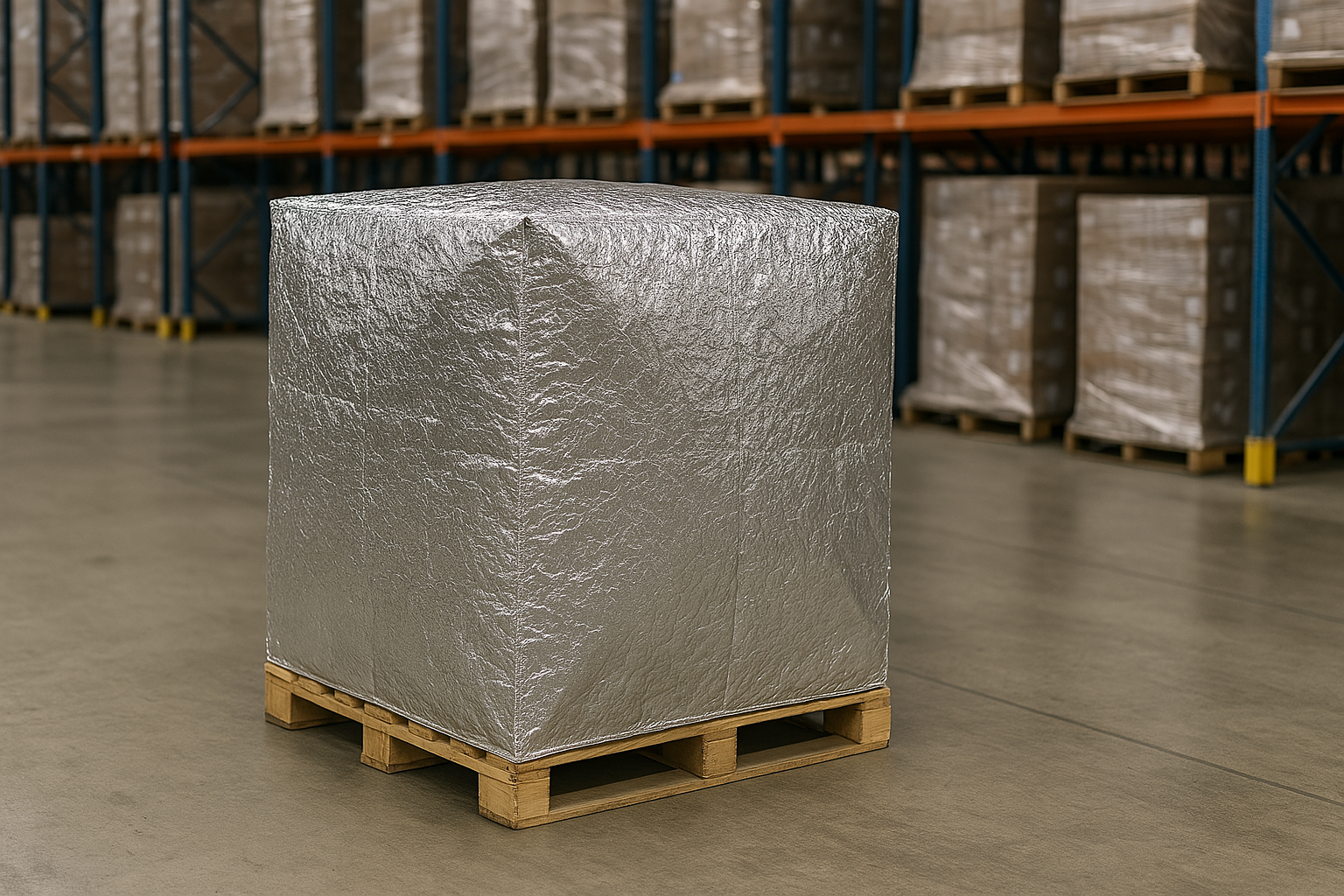
Penutup Pallet Terisolasi untuk Manajemen Rantai Pasokan: Buku Pedoman Gerbang Panggung
Penutup palet berinsulasi mudah dibeli dan ternyata mudah salah kelola. Bisa jadi ukurannya salah, diterapkan setelah beban sudah hangat, dibuka untuk setiap pemindaian, dibiarkan di tempat yang membutuhkan aliran udara, atau ditinggalkan di penerima barang meskipun disebut dapat digunakan kembali. Insulated pallet covers for supply chain management need a governance model as much as a material specification. Model yang paling efektif membuat lima keputusan menjadi eksplisit: paparan yang dikendalikan, batas termal, bukti yang diperlukan, pemilik pada setiap serah terima, dan aturan untuk perubahan. Artikel ini menyajikan metode gerbang tahapan yang menghubungkan keputusan tersebut mulai dari definisi masalah awal hingga penerapan berskala.
Gerbang Satu: Buktikan Bahwa Masalah Adalah Masalah Penutup
Mulailah dengan bukti dari operasi. Tinjau pencapaian pengiriman, dermaga diam, catatan suhu jika tersedia, investigasi penyimpangan, umpan balik operator, dan observasi dari tim gudang. Tujuannya adalah untuk mengidentifikasi kapan perlindungan produk melemah, bukan untuk membuktikan bahwa produk yang diminta diperlukan.
Penutup merupakan suatu pengendalian yang masuk akal ketika beban unitisasi yang dikondisikan dengan benar menghadapi paparan eksternal sementara dan penutup tersebut dapat diterapkan tanpa mengganggu pengendalian lainnya.. Kandidat yang umum mencakup transfer antar area yang dikontrol, gerakan luar ruangan yang pendek, akses inspeksi, cross-docking lingkungan campuran, dan menerima antrian.
Masalah lain memerlukan tindakan berbeda. Jika produk dimulai di luar kondisi yang disyaratkan, isolasi mempertahankan kondisi yang salah. Jika wadah aktif gagal, selimut tidak dapat menggantikan kapasitas pendinginannya. Jika palet menghabiskan waktu berjam-jam di dermaga karena jadwal yang tidak terkontrol, desain ulang proses mungkin menawarkan perlindungan lebih. Jika beban membutuhkan aliran udara berpendingin terus menerus, membiarkannya terbungkus bisa menjadi kontraproduktif.
Tulislah pernyataan masalah yang dapat ditantang:
“Palet yang dilepaskan pada kondisi awal yang disyaratkan mengalami paparan yang tidak terkontrol antara dua kontrol suhu yang disebutkan. Kami sedang mengevaluasi apakah penutup pasif yang dipasang dapat mengurangi paparan tersebut tanpa mengganggu penanganan, aliran udara, mengakses, atau ulasan kualitas.”
Pernyataan tersebut mencegah penyimpangan cakupan. Hal ini juga memberikan alasan yang jelas bagi pihak keuangan dan pengadaan untuk proyek tersebut.
Gerbang Dua: Rancang Batas dan Alur Kerja Bersama
Batas termal mencakup panel, jahitan, penutupan, atas, sisi, dan mungkin pangkalannya. Alur kerja mencakup orang yang memasang penutup, waktu yang tersedia, label yang harus dipindai, peralatan yang menggerakkan palet, dan peristiwa yang memicu penghapusan. Mendesain yang satu tanpa yang lain akan menciptakan kegagalan.
Pilihan batas
Tentukan panjang internal yang dapat digunakan, lebar, dan tinggi berdasarkan beban produksi aktual. Sertakan overhang, tali pengikat, papan sudut, tonjolan, dan variasi yang dapat diterima. Nyatakan apakah bagian atasnya terintegrasi, memisahkan, atau tumpang tindih. Putuskan bagaimana tepi bawah bertemu dengan palet dan apakah komponen dasar diperlukan.
Jelaskan lapisan fungsional daripada menerima nama material yang umum. Bagian luar wajah dapat memberikan ketahanan terhadap abrasi atau kelembapan dan dapat mengatur panas radiasi. Insulasi memperlambat aliran panas konduktif. Lapisan melindungi inti dan mempengaruhi gesekan dan pembersihan. Jahitan dan penutup bergabung dengan sistem tetapi dapat menjadi jalur termal atau kelembapan.
Wajah reflektif bukanlah pendinginan aktif. KITA. Pedoman Departemen Energi tentang penghalang radiasi menjelaskan bahwa permukaan reflektif mengurangi perpindahan radiasi ketika menghadap ruang udara. Di atas palet, prinsip tersebut relevan dengan sinar matahari dan lingkungan yang panas tetapi tidak menghilangkan kebocoran udara hangat atau kontak konduktif.
Pilihan alur kerja
Amati bagaimana palet bergerak sebelum memilih pintu, penutup, windows, atau penutupan. Kantong dokumen mungkin menghalangi pembukaan penuh. Penutup pemindai mungkin membantu di hub tetapi menjadi hambatan selama penanganan forklift. Penutup yang lebih tebal dapat menambah ketahanan termal namun memerlukan dua operator dan lebih banyak ruang penyimpanan.
Tentukan urutannya: melepaskan, mengidentifikasi ukuran yang benar, menerapkan, menutup, memindai, memulai paparan, menyerahkan, menghapus, memeriksa, dan disposisi. Tambahkan urutan pengecualian untuk penundaan, kerusakan, penutup yang hilang, penutup basah, dan perubahan rute. Urutan tersebut menjadi masukan desain dan kemudian menjadi alat pelatihan.
Gerbang Tiga: Buat Tangga Bukti
Tidak setiap pengiriman memerlukan kedalaman kajian yang sama. Cocokkan bukti dengan risiko produk, paparan, dampak bisnis, dan kebaruan penggunaannya. Tangga bukti mencegah pengujian yang kurang dan kompleksitas yang tidak perlu.
Langkah A: Penilaian dokumen pemasok. Tinjau deskripsi produk yang dikontrol, ukuran, bahan, penggunaan yang dimaksudkan, data pengujian yang ada, panduan pembersihan, dan batasan. Pisahkan sifat bahan mentah dari kinerja penutup jadi.
Langkah B: Penilaian kesesuaian operasional. Perwakilan uji coba dan palet yang dapat diterima dalam kasus terburuk. Amati waktu aplikasi, penutup, mengakses, ergonomi, interaksi forklift, identifikasi, pemindahan, lipat, dan penyimpanan.
Langkah C: Penilaian termal terkendali. Gunakan muatan yang representatif atau simulator yang dibenarkan, kondisi awal yang terdokumentasi, paparan lingkungan yang relevan, peralatan pengukuran yang sesuai, dan analisis yang telah ditentukan sebelumnya. Bandingkan dengan baseline yang berarti jika keputusan memerlukannya.
Langkah D: Percontohan proses. Jalankan sampul melalui asal bernama, pembawa, pusat, dan acara tujuan. Sertakan jalur pengembalian untuk produk yang dapat digunakan kembali. Tinjau eksekusi normal dan setidaknya penanganan pengecualian yang dapat dilakukan dengan aman.
Langkah E: Kualifikasi dalam sistem mutu pemilik. Jika risiko produk atau peraturan memerlukan kualifikasi formal, pemilik produk menentukan protokolnya, Kriteria penerimaan, persetujuan, dan mengubah kendali. Laporan pemasok sampul dapat mendukung namun tidak menggantikan tanggung jawab tersebut.
Bukti harus menjaga batasannya. ISTA 7E is a standardized thermal test for insulated transport packaging in parcel delivery systems. Hal ini tidak boleh disajikan sebagai validasi otomatis untuk penutup palet di setiap udara, laut, sepenuh truk, atau jalur gudang. Metode standar bernilai bila cakupannya sesuai dengan kegunaannya; informasi spesifik jalur mengatasi ketidakpastian yang berbeda.
Pemantauan juga terpisah. Pencatat data mencatat suhu di tempat sensornya berada. Itu tidak mengisolasi palet, dan penutup berinsulasi tidak membuat catatan suhu. Memutuskan pemantauan berdasarkan persyaratan produk dan kualitas.
Gerbang Empat: Tetapkan Kepemilikan di Setiap Antarmuka
Sampulnya melintasi garis organisasi, sementara akuntabilitas seringkali berhenti di pintu gudang. Peta tanggung jawab mencegah kendali fisik menjadi tanpa pemilik.
| Titik proses | Keputusan utama | Bukti atau catatan | Pemicu eskalasi |
|---|---|---|---|
| Rilis produk | Apakah palet berada pada status awal yang disetujui? | Rilis catatan dalam proses yang berlaku | Muatan belum siap atau status tidak jelas |
| Masalah sampul | Apakah tersedia desain dan kondisi yang benar? | Masalah aset atau stok dan inspeksi visual | Ukuran salah, basah, rusak, atau sampul yang tidak disetujui |
| Aplikasi | Apakah cakupannya lengkap dan aksesnya benar? | Acara pemeriksaan atau pemindaian operator | Penutupan tidak dapat dilakukan atau palet melebihi batas |
| Serah terima pengangkut | Apakah pihak selanjutnya menerima instruksi penggunaan? | Instruksi pengiriman atau catatan serah terima yang disepakati | Maskapai tidak dapat mempertahankan penanganan yang direncanakan |
| Penundaan atau inspeksi | Bisakah paparan yang tertutup berlanjut? | Catatan waktu dan pengecualian | Dwelling yang ditinjau atau kondisinya terlampaui |
| Menerima | Apakah informasi pengiriman cukup untuk disposisi? | Suhu, kondisi, dan tinjauan tanda terima sesuai kebutuhan | Kerusakan, data yang hilang, atau masalah penerimaan lainnya |
| Penutup kembali | Apakah aset dicatat dan dipisahkan berdasarkan status? | Kembalikan status pemindaian dan pemeriksaan | Hilang, terkontaminasi, basah, atau barang yang tidak dapat diperbaiki |
Tabel ini tidak memaksakan satu model peraturan. Hal ini membuat keputusan terlihat sehingga setiap organisasi dapat menempatkannya dalam kontraknya sendiri, instruksi kerja, perjanjian kualitas, atau tingkat layanan. Tanggung jawab harus dikonfirmasikan dengan penyedia logistik pihak ketiga sebelum peluncuran, terutama di mana mereka akan buka, menghapus, toko, atau mengembalikan penutup.
Rantai pasokan makanan dan obat-obatan mungkin mempunyai kewajiban tambahan. Dalam ruang lingkupnya, aturan Transportasi Sanitasi FDA mengatur kendaraan, operasi transportasi, pelatihan, catatan, dan risiko seperti pendinginan yang tidak memadai dan kontaminasi. Praktik distribusi yang baik di Eropa menangani pengendalian distribusi produk obat di yurisdiksi mereka. Sampul dapat mendukung proses yang disetujui, namun “pertanggungan yang sesuai” terlalu luas kecuali klaim yang tepat dan persyaratan yang berlaku telah ditentukan.
Gerbang Lima: Ubah Sampel yang Disetujui Menjadi Persediaan Terkendali
Persetujuan sampel harus menciptakan dasar produksi. Simpan gambar atau spesifikasi yang mencakup konstruksi lapisan fungsional, dimensi dan toleransi yang dapat digunakan, jahitan, penutupan, tumpang tindih, fitur akses, pelabelan, berat jika relevan, dan pengemasan untuk pengiriman. Simpan sampel yang disetujui jika memungkinkan.
Tentukan cek masuk menurut risikonya. Visual, dimensi, dan inspeksi fungsional dapat mengkonfirmasi identitas, ukuran, penutup, kondisi jahitan, cacat permukaan, label, dan cocok. Pengujian yang lebih ekstensif dapat dipicu oleh perubahan atau tinjauan berkala. Inspeksi harus mendeteksi perbedaan yang berarti daripada menghasilkan dokumen tanpa keputusan.
Kontrol perubahan pemasok memerlukan ambang batas yang ditentukan. Mengganti film luar, isolasi, benang, mengikat, perekat, penutup, atau metode pembuatan dapat mempengaruhi perilaku termal, kekakuan, pembersihan, bugar, atau daya tahan. Mewajibkan pemberitahuan untuk perubahan yang berpotensi berarti dan memutuskan apakah responsnya berupa peninjauan dokumen, persetujuan sampel, uji coba yang cocok, atau evaluasi ulang termal.
Konsistensi produksi juga mencakup pelabelan. Penutup yang dapat digunakan kembali memerlukan pengenal yang tahan lama dan revisi desain yang tetap dapat dibaca selama pembersihan dan penanganan yang dimaksudkan. Penutup satu arah memerlukan ukuran dan orientasi yang jelas agar dapat diterapkan dengan benar. Hindari mencetak klaim kinerja atau kepatuhan yang tidak didukung pada produk.
Mengoperasikan Cover Pool yang Dapat Digunakan Kembali
Kumpulan penutup yang dapat digunakan kembali adalah sistem aset kecil yang dapat dikembalikan. Itu membutuhkan aturan inventaris, kontrol status, logistik terbalik, kapasitas pembersihan, batas perbaikan, dan akuntabilitas kerugian.
Ciptakan area fisik yang berbeda untuk stok bersih yang tersedia, mengembalikan stok yang belum diperiksa, barang basah, calon perbaikan, dan sampul pensiunan. Status digital harus mencerminkan area tersebut. Sampul tidak boleh tersedia hanya karena dipindai di gudang; itu menjadi tersedia setelah pemeriksaan yang diperlukan, pembersihan, dan pengeringan.
Identifikasi penutup permanen harus terpisah dari identitas pengiriman palet. Standar GS1 mendukung pengidentifikasian unit logistik seperti palet; sampul yang dapat digunakan kembali dapat memiliki kode asetnya sendiri yang terkait sementara dengan kiriman. Hal ini memungkinkan satu penutup melayani banyak palet tanpa mengganggu kemampuan penelusuran produk.
Rencanakan inventarisasi menggunakan waktu siklus yang diamati, bukan hanya durasi perjalanan. Pertanggungan mungkin menghabiskan waktu menunggu di tempat asal, dalam perjalanan, di tempat tujuan, sebagai transportasi pulang pergi, dalam pembersihan, dan dalam penyimpanan. Tambahkan buffer realistis untuk volume dan ketidakseimbangan musiman. Jika rute tidak dapat memulihkan aset dengan andal, pertimbangkan kembali formatnya sebelum membeli armada besar yang dapat digunakan kembali.
Kriteria perbaikan dan penghentian harus terlihat. Jahitan terbuka, penutupan yang gagal, isolasi basah, delaminasi, kontaminasi yang tidak dapat dihilangkan, kesesuaian yang terdistorsi, dan patch yang tidak disetujui dapat menimbulkan risiko. Pemasok mungkin dapat merekomendasikan metode perbaikan yang kompatibel untuk kerusakan terbatas. Jangan berasumsi jumlah penggunaan kembali yang tetap kecuali bukti mencakup kondisi pembersihan dan penanganan yang sebenarnya.
Mengukur Biaya dan Keberlanjutan Tanpa Jalan Pintas
Harga satuan hanya menjawab satu bagian dari kasus bisnis. Untuk penutup satu arah, mempertimbangkan pengadaan, penyimpanan, tenaga kerja aplikasi, penanganan tujuan, dan disposisi material. Untuk sistem yang dapat digunakan kembali, menambahkan identifikasi, transportasi kembali, penyortiran, pembersihan, pengeringan, memperbaiki, kehilangan aset, inventaris kerja, dan manajemen.
Gunakan skenario, bukan perkiraan optimis tunggal. Rute tertutup dengan backhaul yang andal dapat mendukung utilisasi aset yang tinggi. Jaringan internasional yang terfragmentasi mungkin tidak bisa melakukan hal tersebut. Data percontohan harus menggantikan asumsi mengenai kerugian, waktu siklus, dan tenaga kerja segera setelah tersedia.
Evaluasi lingkungan memerlukan disiplin yang sama. Pendekatan pengelolaan material berkelanjutan EPA mempertimbangkan penggunaan material yang produktif sepanjang siklus hidup. Penggunaan kembali dapat mengurangi produksi berulang, tetapi juga menciptakan aktivitas pengembalian dan pembersihan. Perbandingan yang kredibel mendefinisikan unit fungsional, batas sistem, belokan yang diharapkan, kehilangan, dan pengobatan di akhir kehidupan. Keahlian siklus hidup khusus mungkin cocok untuk klaim publik.
Peraturan Pengemasan dan Limbah Pengemasan Uni Eropa umumnya mulai berlaku sejak 12 Agustus 2026 dan membahas desain kemasan, komposisi, Daur ulang, penggunaan kembali, dan pencegahan sampah melalui ketentuan dengan cakupan dan jadwal yang berbeda-beda. Perusahaan yang beroperasi di UE harus meninjau panduan resmi terkini dan mendapatkan nasihat hukum atau peraturan untuk peran spesifik dan format pertanggungan mereka. Spesifikasi pengadaan harus mampu berkembang seiring dengan berkembangnya rincian implementasi.
Pengoperasian Penutup Pallet Terisolasi untuk Manajemen Rantai Pasokan dalam Skala Besar
Setelah penerapan, mengukur apa yang dapat diamati oleh program secara bertanggung jawab. Indikator operasional yang berguna mungkin mencakup penerapan yang benar, aset yang hilang, jenis kerusakan, penyelesaian pembersihan, pemilihan ukuran yang salah, pembukaan yang tidak direncanakan, serah terima tertunda, dan respons pengecualian. Tinjauan suhu-peristiwa dapat berkontribusi, namun harus menghormati prosedur pengukuran dan disposisi produk.
Carilah pola. Robekan sudut yang berulang dapat mengindikasikan masalah desain atau palet yang menggantung. Kerugian yang tinggi pada salah satu penerima barang dapat mengindikasikan ketidakjelasan kepemilikan. Antrian pembersihan yang panjang dapat menunjukkan kapasitas pengeringan yang tidak mencukupi. Akses label yang sering dapat membenarkan desain ulang penutup. Temuan ini memperbaiki sistem tanpa memerlukan klaim termal yang berlebihan.
Adakan tinjauan perubahan pada produk, palet, rute, lokasi, pembawa, kendaraan, paparan, peraturan, bahan penutup, atau proses pembersihan berubah secara material. Putuskan apakah bukti asli masih berlaku. Perubahan administratif kecil mungkin tidak memerlukan tes; muatan atau iklim baru mungkin memerlukan lebih banyak.
Dokumentasikan penghentian desain lama ketika terjadi revisi. Versi yang berbeda-beda dapat membingungkan pekerja dan membuat bukti sulit untuk ditafsirkan. Tanda revisi besar yang terlihat dan tanggal peluncuran yang terkontrol dapat membantu.
Pertanyaan yang sering diajukan
Siapa yang harus memiliki program penutup palet berinsulasi?
Kepemilikan biasanya dibagi, tetapi satu fungsi harus berkoordinasi. Logistik mungkin memiliki alur kerja, rekayasa pengemasan desain, kualitas persyaratan produk dan bukti, pengadaan pemasok, dan pelaksanaan operasi gudang. Tim keuangan dan keberlanjutan dapat meninjau klaim biaya dan siklus hidup. Tentukan hak pengambilan keputusan daripada berasumsi bahwa kolaborasi akan terjadi secara otomatis.
Apa perbedaan antara pilot penutup termal dan kualifikasinya?
Seorang pilot menguji penggunaan praktis pada rute atau volume terbatas. Itu bisa menunjukkan kecocokan, penyerahan, pelacakan, dan mengembalikan masalah. Kualifikasi direncanakan, demonstrasi terdokumentasi terhadap persyaratan yang telah ditentukan berdasarkan sistem mutu yang relevan. Seorang pilot dapat memberikan bukti kualifikasi, namun istilah-istilah tersebut tidak dapat dipertukarkan dan ruang lingkupnya bergantung pada produk dan organisasi.
Bisakah penutup palet memperbaiki perubahan suhu?
TIDAK. Penutup pasif memperlambat perpindahan panas; itu tidak secara aktif mendinginkan atau memanaskan produk kembali ke kondisinya. Jika dicurigai ada tamasya, mengikuti disposisi produk dan proses kualitas yang telah ditetapkan. Jangan menutupi palet dan menganggap kejadiannya telah terbalik.
Bagaimana seharusnya penyedia logistik pihak ketiga dilatih?
Berikan tujuan penggunaan, ukuran dan orientasi yang benar, langkah penerapan dan penutupan, akses pemindaian, titik penghapusan, penundaan eskalasi, penanganan kerusakan, dan proses pengembalian. Gunakan gambar dan demonstrasi praktis. Konfirmasikan tanggung jawab dalam dokumen operasional atau perjanjian yang sesuai dengan hubungan tersebut, lalu amati eksekusi awal.
Kapan desain sampul harus dikualifikasi ulang atau diuji ulang?
Pertimbangkan peninjauan setelah perubahan berarti pada lapisan, jahitan, penutupan, ukuran, muatan, pola palet, rute, paparan lingkungan, kendaraan, durasi penggunaan, pembersihan, atau kriteria penerimaan. Tim mutu harus memutuskan tingkat evaluasi ulang berdasarkan risiko. Tidak setiap perubahan membutuhkan kajian menyeluruh, namun tidak ada perubahan berarti yang boleh diabaikan.
Kesimpulan
Mengelola penutup palet adalah serangkaian gerbang: konfirmasi masalahnya, merancang batas termal dengan alur kerja, membangun bukti yang proporsional, menetapkan kepemilikan antarmuka, dan mengendalikan produksi. Program yang dapat digunakan kembali menambah status aset, logistik terbalik, pembersihan, dan pensiun. Biaya dan keberlanjutan memerlukan batasan sistem, bukan label. Ketika elemen-elemen ini terhubung, penutup pasif dapat menjadi kontrol yang dapat diandalkan untuk paparan tertentu tanpa disalahartikan sebagai pendinginan, pemantauan, atau kepatuhan universal.
Tentang tempk
Tempk is a B2B cold-chain packaging provider offering insulated pallet and thermal covers and related temperature-controlled packaging options. Kami dapat membantu mengubah masalah proses menjadi ringkasan produk yang terfokus dengan meninjau geometri palet, cakupan yang dimaksudkan, penutupan, akses label, penanganan, dan menggunakan kembali niat. Tempk tidak menentukan kriteria penerimaan produk atau kewajiban peraturan pelanggan. Hal tersebut tetap berada dalam sistem kualitas dan logistik pemilik rute, didukung oleh bukti yang sesuai dan penggunaan yang terdokumentasi.
Kirimkan Tempk pernyataan masalahnya, gambar palet, paparan, dan serah terima peta untuk jalur yang Anda tuju. Masukan tersebut mendukung diskusi sampel dan pemasok yang lebih relevan sebelum penerapan penuh.
Tentukan Penutup Kargo Berinsulasi untuk Pertanian
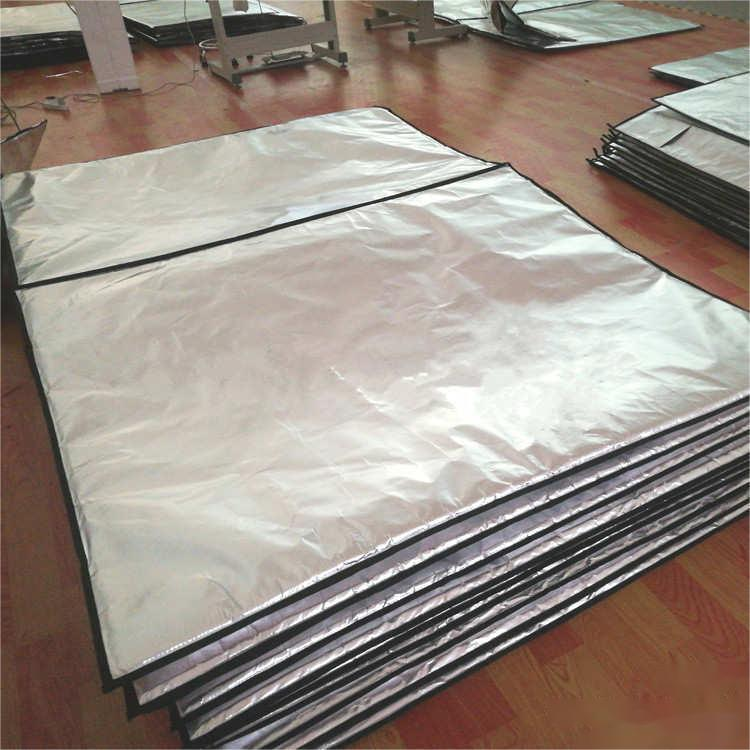
How to Specify Insulated Cargo Covers for Agriculture
The useful question is not whether a pallet cover “works.” The useful question is whether it controls a named exposure without creating another problem. Insulated cargo covers for agriculture can slow heat gain or heat loss around a unitized load during staging, transfer, inspeksi, atau menerima. They cannot remove field heat, power a cold chain, or prove that a commodity remained acceptable. A strong specification therefore starts with a process gap, bukan suatu materi. It connects the crop requirement, kondisi palet, lingkungan, desain sampul, operating rule, and evidence into one decision that workers can repeat and quality teams can review.
Define One Thermal Gap Before You Define the Product
Start with a sentence that describes the intended use. Misalnya: “Protect pre-cooled palletized produce while it moves from controlled storage across an exposed loading area to refrigerated transport.” This is more valuable than “Provide an insulated cover for export pallets” because it states the starting condition, format, lokasi, and destination control.
Now test the sentence against the route. Does the pallet also wait for inspection? Can loading stop? Is direct sun possible? Does wind lift loose flaps? Will the cover remain in the refrigerated vehicle? Who removes it? If the cover is expected to serve several gaps, document each one separately. A design can be suitable for more than one use, but the approval should not silently expand.
The process-gap approach also exposes situations in which a cover is the wrong first investment. If produce is not pre-cooled adequately, improve heat removal. If reefer airflow is blocked by poor stacking, correct load configuration. If pallets wait because appointment scheduling fails, mengurangi tinggal. If an exposed base is the dominant heat path, side insulation alone will not solve it. Packaging should follow the diagnosed failure mode.
There are three early gates:
Product gate: What condition does the commodity require, and what variations in temperature, kelembaban, or ventilation can it tolerate?
Route gate: Which uncontrolled exposure is important under normal operation and under a credible delay?
Control gate: Is a passive cover capable of supporting that interval, or is active refrigeration, faster movement, naungan, a controlled buffer room, or a different package needed?
Do not proceed to supplier comparison until the three gates are answered well enough for a sample brief.
Preserve Product Condition Without Blocking the Cold Chain
Agricultural temperature management begins before a pallet is covered. Waktu panen, naungan, pra-pendinginan, sedang mengemas, penyimpanan dingin, and refrigerated transport establish and maintain product condition. FAO guidance describes the cold chain as linked upstream and downstream activities, while post-harvest guidance emphasizes airflow through produce packages and stacked loads. A cover should be inserted without contradicting those controls.
One recurring error is applying insulation too early. Warm product may continue to respire and release heat, while the cover slows heat removal. Another is leaving the cover around ventilated cartons inside a reefer without confirming the airflow effect. Dalam kedua kasus tersebut, a product intended to reduce external exposure can interfere with the planned process.
Write application and removal points into the specification:
The required product-release status before covering
The location where the cover is installed
The maximum pallet geometry allowed
The closure check
The approved locations where the covered pallet may wait
The event that triggers removal
The action taken during a delay
The receiving or return disposition
The cover should not become permission to extend an uncontrolled dwell. A delay rule may direct the pallet back to cold storage, into a temperature-controlled buffer, or through another approved response. The exact action depends on the operation. What matters is that workers do not invent it beside the dock.
Convert Heat Transfer Into Design Choices
Every cover manages a combination of three external heat-transfer paths. Insulating layers slow conduction through the assembly. Closures and overlaps reduce unwanted warm-air exchange. A reflective exterior may reduce radiant heat load when it faces the relevant air space and exposure. Muatannya, carton stack, dasar palet, and internal air determine how those external loads affect product temperature.
No single layer describes the finished result. A thick core with a short skirt can leave lower cartons exposed. A highly reflective face may do little against prolonged warm-air exposure if seams remain open. A snug design may improve coverage but take too long to install or obstruct necessary ventilation. Material selection and geometry must be reviewed together.
The minimum design description should include:
finished usable dimensions and dimensional tolerances;
atas, samping, sudut, and bottom coverage;
functional description of outer face, isolasi, dan lapisan dalam;
seam and edge construction;
tipe penutupan, tumpang tindih, dan lokasi;
label or scan access where required;
berat, fold size, dan fitur penanganan;
compatible cleaning and drying method for reusable products;
identification and production lot marking;
approved repair and retirement criteria, jika tersedia.
Avoid using “waterproof” or “food grade” without a precise definition and supporting documentation for the intended use. A water-resistant face may still have permeable seams. A cover touching only transport cartons has a different contact situation from material touching unpackaged food. Quality and regulatory teams should evaluate the actual interface.
Specify Insulated Cargo Covers for Agriculture Against Failure Modes
A failure-mode review is more productive than a long list of features. It asks how the intended control could fail and turns the answer into a design, proses, or evidence requirement.
| Modus kegagalan | Likely consequence | Specification or operating response |
|---|---|---|
| Product is covered before conditioning is complete | Heat is retained and later cooling may be slowed | Link application to documented product release or pre-cooling status |
| Cover is too small for pallet bulge or overhang | Gaps expose cartons and closures cannot engage | Measure worst-case acceptable production pallets and define usable internal dimensions |
| Top or base is left outside the thermal boundary | Uneven heat load bypasses side protection | State which surfaces must be covered and whether a base solution is part of the system |
| Cover blocks planned ventilation | Refrigerated airflow through cartons or stack is reduced | Define removal point or demonstrate compatibility with the actual airflow plan |
| Sun exposure is represented only by an air-temperature test | Radiant load is not addressed by the evidence | Include relevant radiant exposure or clearly limit the claim |
| Workers lift the cover repeatedly to scan labels | Protection is interrupted and the cover is damaged | Add a correctly placed access feature or revise the scanning sequence |
| Reusable cover returns wet or contaminated | Bau, kemerosotan, or hygiene risk develops | Establish segregation, pembersihan, full drying, inspeksi, and release steps |
| Supplier changes a layer or closure without review | Bugar, daya tahan, kemampuan bersih, or thermal behavior may change | Require controlled specifications, pemberitahuan, and re-evaluation rules |
The response does not always need to be a more complex cover. Sometimes a route change or work instruction is the most effective control. The table also prevents a common procurement problem: asking one material property to solve failures caused by operations.
Bangun Bukti Berlapis
Evidence should become more representative as the purchase moves from idea to deployment. A disciplined program can use four layers.
Lapisan 1: Tinjauan dokumen
Review the proposed construction, ukuran, penggunaan yang dimaksudkan, instruksi penanganan, pernyataan material, and any existing test report. A useful report identifies the tested item, muatan atau simulator, kondisi awal, profil lingkungan, lamanya, measurement setup, dan kriteria penerimaan. Marketing summaries without those details may support screening but not a route decision.
Lapisan 2: Fit and usability trial
Apply the sample to a representative pallet and the largest acceptable pallet. Include carton overhang, tali pengikat, papan sudut, dan label. Time application and removal, observe snag points, test closures, check forklift access, and practice storage. Run the trial with actual operators during a realistic work period.
Lapisan 3: Controlled thermal comparison
Compare the proposed covered configuration with the relevant baseline under documented conditions. The design of the comparison should reflect the decision. A direct-sun transfer requires different exposure than a warm indoor wait. Sensor placement and measurement equipment should be planned, but data interpretation must use the commodity owner’s product criteria.
Lapisan 4: Route confirmation and exception review
When risk warrants it, review the complete lane or a representative pilot. Include handovers and the delay process, not just normal timing. A successful pilot on one lane does not approve all climates, tanaman, pallet formats, or seasons. Record the boundaries so later teams know what was established.
ISTA 7E may appear in supplier literature, but it is designed for thermal transport packaging in parcel delivery systems. It is not a universal qualification for pallet covers or agricultural lanes. Use standards whose scope matches the decision, and supplement them with route-specific work when appropriate.
Make the Control Visible at Every Handover
An effective cover program has physical and informational control. The physical control is the correctly fitted cover. The informational control tells the next person what the pallet is, what status it has, when it was covered, where it should go, and what to do if the plan changes.
For a disposable cover, the information may be part of a shipment label and work instruction. For a reusable cover, the item itself may carry a unique asset identifier plus a visible size and status mark. Keep product traceability and cover-asset tracking distinct: the pallet identifier follows the goods, while the asset identifier follows the cover.
Saat menerima, the consignee should not use cover condition as the sole acceptance signal. A displaced or damaged cover is relevant evidence, but an intact cover does not prove product condition. Review temperature records, shipment history, keadaan kemasan, and product inspection according to the established procedure.
If the shipment falls under food-transport requirements, applicable roles and records must be considered separately. Di Amerika Serikat, FDA sanitary transportation requirements address vehicles, Operasi, pelatihan, catatan, and protection against food-safety risks within their scope. A cover can support the procedure, not substitute for it.
Decide Whether Reuse Fits the Network
Reuse is attractive when agricultural flows are predictable, but harvest season makes asset imbalance especially likely. The economic and environmental case depends on actual returns, not theoretical durability.
Draw the reverse route. Covers may return on the same truck, consolidate at a distribution center, or move through a third-party pool. Each option needs ownership, memindai acara, cleaning responsibility, ruang pengeringan, inventory buffers, and loss handling. If no party accepts responsibility at the destination, the intended return loop may never begin.
Life-cycle thinking is more credible than a simple “reusable is sustainable” statement. The EPA’s sustainable materials management framework emphasizes productive material use across the whole life cycle. Apply that idea to the cover by considering material quantity, manufaktur, transportasi keluar dan pulang, pembersihan, memperbaiki, kehilangan, pemanfaatan, dan akhir kehidupan.
Destination rules also matter. Peraturan Pengemasan dan Limbah Pengemasan Uni Eropa umumnya mulai berlaku sejak 12 Agustus 2026 and introduces requirements across the packaging life cycle, with application depending on the operator and packaging format. Agricultural exporters serving EU markets should obtain current, situation-specific advice. Do not assume that a reusable label or a material declaration establishes compliance.
A one-way product may remain the better operational choice for an open export lane. A durable reusable design may be stronger on a closed domestic route. The correct conclusion comes from the network, not from a universal hierarchy.
Move From Sample to Controlled Production
Sebelum melakukan penskalaan, convert the approved sample into a controlled specification. Keep photographs, gambar, layer descriptions, detail penutupan, Label, dan toleransi. Agree on inspection points and change notification. Decide whether the first production lot needs enhanced inspection or a repeat fit trial.
Training should be short and visual. Show the correct orientation, urutan penutupan, bottom treatment, akses label, dan metode penghapusan. Include defects that require segregation. Supervisors should be able to observe correct use without dismantling the pallet.
Use early deployment data to improve the system. Track missing covers, application time, damage locations, pengembalian basah, size errors, dan pengecualian. These data reveal whether the design or the process needs attention. They should not be turned into performance claims without a suitable study.
Change control continues after launch. Revisit the decision when there is a new commodity, karton, pola palet, rute, iklim, kendaraan, metode pembersihan, bahan pemasok, atau kebutuhan pelanggan. Insulation is part of a living distribution process.
Pertanyaan yang sering diajukan
How long will an insulated agricultural cargo cover protect a pallet?
Tidak ada durasi universal yang bertanggung jawab. The result depends on the product’s starting condition, massa termal, konfigurasi palet, paparan lingkungan, sun and wind, konstruksi penutup, bugar, basis, dan kriteria penerimaan. Ask for the full conditions behind any duration claim, then decide whether additional testing is needed for your route.
Is full bottom coverage always necessary?
Tidak selalu, but the base must be considered. Heat can enter through contact with a hot surface or air around an open skirt. Some systems use an insulated base, pallet sheet, or controlled staging surface. Define the base condition and include it in evaluation instead of assuming side-and-top coverage represents the whole pallet.
Can the cover stay on during refrigerated transport?
Only if the product, ventilasi karton, aliran udara kendaraan, and evaluated configuration support that use. Many fresh-produce loads depend on air moving through aligned package vents and pallet channels. A cover used during outdoor transfer may need to be removed before final loading. Put the removal point in the work instruction.
Apa dokumen pemasok yang paling penting?
No single document answers every question. The controlled product specification establishes what will be supplied, while a detailed test report explains any thermal evidence. Cleaning instructions, dokumentasi materi, change-control terms, and production inspection records may also matter. Together they connect the sample, mengeklaim, and production lot.
When should a reusable cover be retired?
Use observable criteria supported by the supplier and your hygiene and quality process. Examples may include damaged closures, jahitan terbuka, punctured or wet insulation, delaminasi, kontaminasi yang tidak dapat dihilangkan, loss of fit, or an unapproved repair. Avoid assuming a fixed number of trips unless it is supported for the actual conditions.
Kesimpulan
A defensible agricultural cover specification begins with one process gap and follows it through product condition, aliran udara, perpindahan panas, geometri, penanganan, bukti, dan kepemilikan. The cover should preserve a condition established by the cold chain, not hide a missing control. Test in layers, keep claims tied to their setup, and define the delay response before deployment. For reusable designs, prove the return loop as carefully as the physical product. This route-based method produces a smaller, clearer claim and a more dependable operation.
Tentang tempk
Tempk is a B2B cold-chain packaging provider whose relevant offerings include insulated pallet and thermal covers and related temperature-controlled packaging. We can help buyers turn a route description into a cover discussion that addresses usable dimensions, cakupan, penutupan, handling access, dan dimaksudkan untuk digunakan kembali. The agricultural product requirement, strategi kualifikasi, and operating approval remain the responsibility of the shipper and its quality team. Tempk’s most useful starting point is therefore not a generic requested duration, but a representative pallet and a clear description of the exposure the cover is meant to manage.
Share your commodity, geometri palet, transfer sequence, paparan lingkungan, and return plan with Tempk. Use that information to request a focused sample and evidence review before scaling.
Buku Pedoman Rantai Kelontong yang Dipersonalisasi Kantong Terisolasi
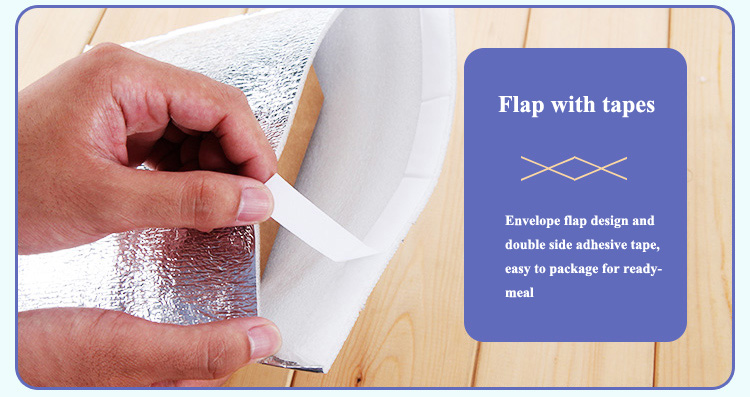
Rantai Belanja Pribadi Kantong Terisolasi: Dari Tas Bermerek hingga Sistem Terkendali
The hard part of an insulated pouch personalized grocery chain project is not selecting a logo position. Hal ini membuat satu desain berhasil di seluruh pengadaan, merek, Keamanan Pangan, operasi toko, pengiriman, dan inventaris. Kantong dapat mengurangi pertukaran panas selama tahap tertentu, namun itu tidak menghasilkan pendinginan, memvalidasi rute pengiriman, atau buktikan kesesuaian kontak makanan dengan penampilan. Janji yang masuk akal dan pembelian yang terukur memerlukan disiplin: menentukan batas penggunaan, tentukan konstruksi lengkapnya, mengontrol versi karya seni, buktikan barang produksinya, dan merancang kehidupannya setelah serah terima.
Keputusan Nol: Tentukan Apa yang Sebenarnya Dibeli oleh Rantai
Teams often use “reusable insulated bag,” “kantong yang lebih dingin,” dan “pembawa termal” seolah-olah menggambarkan sistem operasi yang sama. Mereka tidak melakukannya. Sebelum membahas ukuran atau karya seni, menempatkan item yang diusulkan dalam kategori yang tepat.
Ini mungkin merupakan pengangkut milik pembeli untuk bahan makanan yang disegel. Ini mungkin merupakan aset toko yang digunakan selama pementasan pesanan. Ia mungkin bepergian dengan sopir dan kembali ke hub. Ini mungkin menjadi bagian dari kumpulan pengembalian pelanggan yang dikelola. Dalam kasus yang kurang umum, itu mungkin dimaksudkan untuk kontak langsung dengan makanan yang tidak dikemas. Setiap definisi mengubah dokumentasi material, kebersihan, pelacakan, pelatihan, dan biaya.
Tetapkan batas termal pada saat yang bersamaan. Isolasi pasif hanya memperlambat aliran panas. Ia tidak menawarkan pemanasan atau pendinginan aktif dan tidak dapat mengimbangi suhu awal yang tidak terkontrol. Jika media pendingin digunakan, pilihan mereka, pengkondisian, penempatan, dan pemisahan dari produk menjadi bagian dari kemasan. Pencatat data suhu, jika rantai menggunakan satu, kondisi pencatatan; itu tidak melindungi makanan. Kantong serba guna tidak boleh dianggap memenuhi syarat untuk setiap rute hanya karena mengandung insulasi.
Kemudian tambahkan pengecualian eksplisit. Ini mungkin termasuk makanan yang tidak dikemas, pementasan ambien produk yang memerlukan pendinginan, campuran muatan panas dan dingin, bahan kimia pembersih yang tidak disetujui, atau gunakan setelah liner rusak. Pengecualian bukanlah kelemahan dalam ringkasan produk. Mereka mencegah tas yang nyaman digunakan sebagai bukti untuk tujuan yang tidak pernah dirancang untuk dipenuhi.
Satu Spesifikasi, Lima Pemilik
Kantong rantai belanjaan berada di persimpangan beberapa fungsi. Jika masing-masing tim hanya menyetujui kekhawatirannya yang terlihat, pemasok menerima instruksi yang tidak lengkap. Pendekatan yang lebih baik adalah serangkaian gerbang keputusan dengan satu pemilik yang bertanggung jawab dan satu keluaran yang diperlukan di setiap gerbang.
| Gerbang keputusan | Diperlukan bukti atau keluaran | Fungsi rantai yang akuntabel | Gagal jika dilewati |
|---|---|---|---|
| Gunakan dan batas kontak | Pemuatan yang disetujui, jalur penanganan, kepemilikan, status kontak langsung, dan pengecualian | Keamanan pangan dengan operasi | Penyalahgunaan, klaim yang tidak didukung, proses pembersihan yang tidak sesuai |
| Pembekuan konstruksi | Spesifikasi komponen, dimensi kritis, penutup, jahitan, liner, dan menyetujui alternatifnya | Pengadaan dengan kualitas | Penyimpangan sampel ke produksi dan keputusan cacat yang tidak jelas |
| Pelepasan karya seni | File siap cetak, bukti substrat, kode revisi, pemetaan pasar dan toko | Pemilik merek atau kemasan | Bahasa yang salah, kampanye usang, toko yang tidak konsisten |
| Bukti kebugaran | Pemuatan perwakilan, penanganan, pembersihan, mencetak, dan bukti termal jika diperlukan | Kualitas dengan operasi | Sampel katalog lolos saat alur kerja penyimpanan gagal |
| Peluncuran siklus hidup | Alokasi, aliran status, model kembali, penambahan, dan aturan pensiun | Perencanaan pasokan dengan operasi toko | Kekurangan stok bersih, pengembalian yang tidak terkendali, biaya tersembunyi |
Tabel tersebut mengubah proyek lintas fungsi yang tidak jelas menjadi urutan yang dapat diaudit. Hal ini juga mencegah “persetujuan” memiliki arti yang berbeda bagi tim yang berbeda. Persetujuan merek merilis grafik; itu tidak menyetujui kontak makanan atau kinerja termal. Inspeksi kualitas menghasilkan banyak hal yang bertentangan dengan kriteria yang disepakati; itu tidak menentukan bagaimana toko menampilkan produk dingin.
Insinyur di Sekitar Momen Terlemah Kantong
Panel datar jarang mewakili momen yang menimbulkan kegagalan. Masalah muncul ketika kantong penuh diangkat dengan satu pegangan, menempel pada dinding kendaraan, terisi penuh sehingga bagian atasnya tetap terbuka, dilipat melalui karya seni, diseka selagi masih hangat, atau disimpan lembab. Tinjau konstruksi melalui momen-momen itu.
Permukaan luar membawa merek dan menerima abrasi. Ini harus dinilai untuk lecet, pewarnaan, pengambilan bau, adhesi cetak, dan kompatibilitas dengan metode pembersihan yang diizinkan. Inti isolasi harus tetap kontinu melalui area panel yang berguna tanpa celah yang tidak diperiksa pada lipatan dan tepinya. Lapisan dalam harus sesuai dengan batas kontak yang dinyatakan, tahan tusukan yang dapat diperkirakan dari barang yang dikemas, dan biarkan kondisi sudut dan jahitan diperiksa.
Penutupan layak untuk dilakukan uji pengepakan secara langsung. Bukaan yang lebar dapat meningkatkan kecepatan staf namun meningkatkan pertukaran udara saat terbuka. Atasan yang pas dapat membantu membatasi pertukaran tetapi dapat menyebabkan pengisian berlebih atau menjebak liner. Ukur kantong sesuai kondisi penggunaannya, tidak hanya ketika diletakkan rata. Keranjang yang representatif harus mencakup karton yang kaku, botol, paket fleksibel, nampan dengan sudut, dan metode label pesanan.
Bukti termal harus dilampirkan pada sebuah skenario. Panas bergerak melalui bahan, kesenjangan, dan pertukaran udara; permukaan reflektif hanya membahas sebagian dari fisika itu. Massa muatan, suhu awal, kondisi sekitar, acara pembukaan, konfigurasi pendingin, dan titik pengukuran semuanya membentuk suatu hasil. Jika suatu rantai memerlukan durasi kinerja, itu harus menyetujui metode pengujian untuk paket lengkap. Lembar data isolasi pemasok atau pengujian kantong yang tidak terkait tidak dapat menentukan hasilnya.
Bahasa yang bocor harus sama-sama disiplin. Liner yang bisa dibersihkan belum tentu kedap cairan. Jahit lubang, ikatan, trek ritsleting, lipatan usang, dan sudut memungkinkan pergerakan tumpahan. Paket makanan utama yang tersegel harus tetap menjadi lapisan penampung pertama. Jika pada kantong diperkirakan terdapat kebocoran, menguji artikel yang sudah selesai di bawah orientasi yang ditentukan, cairan, tinggal, dan metode penanganannya serta membatasi klaim atas bukti tersebut.
Rancang akses pembersihan sebelum menulis instruksi pembersihan. Permukaan lebar yang halus dapat menyembunyikan saluran jahitan yang sulit. Kantong yang dalam mungkin sulit untuk dibalik atau dikeringkan. Penutupan dapat menahan puing-puing. Proses yang disetujui harus membedakan pemindahan tanah dari langkah sanitasi apa pun yang diperlukan oleh rantai tersebut, nama kimia yang kompatibel dan kondisi aplikasi, dan menentukan inspeksi dan pengeringan. Bau yang persisten, delaminasi, isolasi terbuka, lapisan yang retak, jahitan rusak, atau penutupan yang tidak dapat diandalkan harus memicu disposisi yang terdokumentasi.
Personalisasikan Jaringan Tanpa Membuat Hutang Karya Seni
Personalisasi harus membantu orang mengenali dan mengoperasikan sistem. Logo rantai membangun keakraban, tetapi grafik dengan nilai tertinggi mungkin merupakan kategori layanan, instruksi kembali, menggunakan batas, atau panel label pesanan yang dipesan. Rancang elemen-elemen tersebut sebagai arsitektur informasi, bukan dekorasi.
Buat catatan karya seni utama untuk setiap SKU kantong. Itu harus mengidentifikasi file yang dirilis, revisi, tanggal, substrat, metode cetak, referensi warna, orientasi panel, bahasa, tinjauan hukum jika relevan, dan grup toko yang memenuhi syarat. Pisahkan elemen merek permanen dari konten yang mungkin berubah. Grafik musiman yang dicetak di seluruh kantong dapat mengubah inventaris yang dapat diservis menjadi stok usang; kartu yang dapat diganti, label, atau panel sekunder yang dikontrol dapat membawa pesan singkat dengan lebih efisien.
Jangan biarkan tim lokal mengedit file sumber. Variasi regional harus berasal dari kolom yang disetujui dalam matriks versi. Jika pasar membutuhkan bahasa lain atau spanduk menggunakan sub-merek, membuat revisi yang berbeda dan memetakan alokasinya. Pemasok harus memproduksi hanya dari bukti yang dikeluarkan secara resmi, dan karton luar harus menunjukkan informasi yang cukup bagi tim penerima untuk membedakan versi serupa.
Pengidentifikasi operasional memerlukan keputusan terpisah. Kode statis dapat mengidentifikasi jenis kantong. Banyak tanda yang dapat menghubungkan kantong ke catatan produksi. ID aset unik dapat mendukung riwayat pengembalian. Tidak ada yang menggantikan yang lain. Uji kode batang atau pembawa data apa pun melalui pelenturan, kondensasi, abrasi, dan membersihkan, dan memberikan fallback yang dapat dibaca. Kode yang tidak dapat dipindai pada jarak normal toko menyebabkan kekacauan visual, bukan ketertelusuran.
Buktikan Barang Produksi Sebelum Membeli Jaringan
Pengambilan sampel harus mempersempit ketidakpastian secara bertahap. Mulailah dengan sampel konstruksi yang belum dicetak untuk menguji geometri, memuat, penutup, membawa, rak atau tas jinjing pas, dan akses pembersihan. Berikutnya, meninjau cetakan pra-produksi yang dibuat dengan media dan proses yang diinginkan. Hanya dengan cara itulah program tersebut dapat berpindah ke toko perwakilan.
Catat kesesuaian beban, pengangkatan, penggunaan penutupan, identitas pesanan, pembersihan, pengeringan, mencetak, keterbacaan kode, kembali, dan ketersediaan stok bersih. Tambahkan pengujian termal atau tinjauan dokumen kontak hanya jika penggunaan dan pasar yang disetujui memerlukannya. Pengendalian produksi kemudian melindungi apa yang disetujui oleh pilot. Pemeriksaan yang masuk memverifikasi komponen penting sebagaimana mestinya. Dalam proses memeriksa pemotongan alamat, penyelarasan lapisan, perakitan, penempatan penutupan, proses pencetakan, dan merilis karya seni. Pemeriksaan akhir menggunakan rencana pengambilan sampel yang disepakati untuk identitas, ukuran, pembuatan, fungsi, penampilan, bau, sedang mengemas, kuantitas, dan ketertelusuran. Pemasok harus memberi tahu pembeli sebelum perubahan material atau proses yang relevan, bahkan ketika barang jadi diharapkan terlihat serupa.
Untuk desain kontak makanan langsung Uni Eropa, memetakan artikel ke kerangka umum dan aturan khusus materi yang berlaku. Praktik manufaktur yang baik pada bahan cetakan membahas perpindahan melalui substrat atau dengan cara set-off. Untuk operator sekunder, dokumentasikan batasnya dan pertahankan kemasan utama yang sesuai; kata-kata generik “food grade” tidaklah cukup.
Rancang Kehidupan Setelah Serah Terima
Serah terima menentukan apakah kantong tersebut menjadi produk pelanggan, pasokan operasi yang dikonsumsi, atau aset kembali. Jangan mencampurkan kategori-kategori ini dalam pelaporan keuangan atau lingkungan hidup.
Jika pembeli memiliki kantong tersebut, pengecer dapat memberikan panduan perawatan dan penggunaan tetapi biasanya tidak dapat memverifikasi seberapa sering digunakan kembali. Jika pengemudi menyimpannya setelah pengiriman, hak asuh mungkin lebih mudah dikendalikan, meskipun penyimpanan kendaraan dan penyortiran depo menjadi penting. Jika pembeli mengembalikannya ke toko, rantai membutuhkan ruang pengumpulan, pengakuan kembali, insentif jika ditawarkan, transportasi ke pembersihan, catatan status, dan cara untuk menyeimbangkan stok antar lokasi.
Kantong yang dapat dikembalikan memerlukan setidaknya empat kondisi yang terlihat: kembali, dikarantina, diproses, dan siap. Beberapa program mungkin menambahkan “dalam perjalanan” atau “pensiun.” Pemisahan fisik lebih penting daripada dasbor yang canggih. Status yang dipindai tidak dapat mencegah kontaminasi jika kantong yang kotor dan bersih berbagi keranjang di ruang belakang.
Evaluasi ekonomi menggunakan selesai, kegunaan yang dapat diterima. Tambahkan pembelian dan personalisasi, alokasi masuk, pengiriman terbalik, pembersihan, inspeksi, administrasi, kehilangan, penggantian, dan penanganan di akhir masa pakainya. Bagilah totalnya dengan jumlah kejadian layanan yang benar-benar memenuhi kriteria pelepasan rantai. Hal ini memperlihatkan biaya aset yang tahan lama tetapi tidak pernah kembali, serta waktu tinggal barang yang menunggu untuk dibersihkan.
Kantong kosong masih menempati ruang. Tentukan bagaimana mereka melipat atau membuat sarang untuk dikembalikan tanpa merusak isolasi, penutupan, atau permukaan yang dicetak. Tetapkan aturan pengambilan berdasarkan kapasitas ruang belakang dan hasil pembersihan. Isi ulang dari inventaris yang dapat diservis, bukan total persediaan; toko dengan banyak pengembalian kotor mungkin masih kekurangan stok yang dapat digunakan.
Klaim lingkungan harus didasarkan pada data pengoperasian yang sama. Lacak masalah, kembali, penggunaan kembali yang berhasil, kehilangan, masukan pembersihan, jarak kembali, penyebab pensiun, dan rute akhir masa pakai yang terverifikasi, lalu bandingkan sistemnya dengan kemasan yang digantikannya. Desain yang dapat digunakan kembali dapat menciptakan peluang untuk mencegah pemborosan, namun hal ini tidak menjamin hasil yang lebih baik pada setiap model pemulihan dan pembersihan.
Jaringan toko kelontong di Uni Eropa juga harus mempertimbangkan Peraturan Pengemasan dan Limbah Pengemasan, yang umumnya berlaku mulai bulan Agustus 2026. Persyaratannya mencakup pengemasan secara luas dan mencakup ketentuan yang relevan dengan komposisi dan desain yang dapat digunakan kembali atau diperoleh kembali. Cakupan, tugas, garis waktu, dan rincian penerapannya harus dinilai untuk kemasan spesifik dan operator ekonomi. Kantong yang dipersonalisasi tidak boleh dipasarkan secara otomatis hanya karena dimaksudkan untuk digunakan kembali.
Tulis Playbook Store Sebelum Peluncuran
Buku pedoman toko harus menampilkan koleksi, status, respons tumpahan, karantina, pembersihan, otoritas pelepasan, dan pengisian stok siap pakai. Catatan cacat harus mencakup SKU, lot atau ID aset, kondisi, toko, tanggal, dan disposisi.
Pertanyaan yang sering diajukan
Berapa banyak SKU kantong yang harus diluncurkan oleh jaringan toko kelontong?
Gunakan set terkecil yang secara aman dan praktis memisahkan misi yang berbeda. Sebuah rantai mungkin memerlukan format atau kategori visual yang berbeda untuk klik dan kumpulkan, pengiriman pengemudi, makanan siap saji, atau penjualan pembelanja, namun setiap varian menambahkan perkiraan, karya seni, inspeksi, penyimpanan, dan pekerjaan pelatihan. Perwakilan percontohan memasukkan keranjang terlebih dahulu. Tambahkan SKU hanya ketika kebutuhan pengoperasian yang jelas tidak dapat diselesaikan melalui instruksi pemuatan atau fitur terkontrol lainnya.
Apakah pernyataan untuk film bagian dalam cukup untuk menyetujui kantong yang sudah jadi?
Belum tentu. Deklarasi film mencakup item dan ketentuan yang tercantum dalam dokumen itu. Kantong yang sudah jadi mungkin juga mengandung perekat, pencetakan, jahitan, ikatan, penutupan, dan kondisi pembuatan atau penumpukan. Rantai tersebut harus memetakan dokumen hingga konstruksi lengkap dan kontak yang dituju. Untuk penggunaan sekunder dalam kemasan tertutup, catat batasan tersebut daripada mengumpulkan klaim kontak langsung yang tidak sesuai dengan operasi.
Apa pengendalian sampel-ke-produksi yang paling penting?
Tidak ada kontrol tunggal, tapi kombinasi spesifikasi yang dirilis, revisi karya seni yang disetujui, sampel emas terkontrol, metode pemeriksaan yang disepakati, identifikasi banyak, dan pemberitahuan perubahan pemasok sangat berguna. Sampel emas saja tidak dapat menentukan bahan tersembunyi atau toleransi pengukuran. File tertulis saja tidak dapat sepenuhnya menangkap nuansa dan tampilan. Bersama-sama mereka memberi pembeli dan pemasok referensi produksi yang sama.
Bisakah kantong yang dapat digunakan kembali dibersihkan di setiap toko?
Hal ini dapat terjadi jika desain dan proses rantai mendukung dengan aman, pembersihan lokal berulang, pengeringan sempurna, inspeksi, pemisahan status, dan catatan yang sesuai dengan penggunaannya. Pemrosesan terpusat mungkin menawarkan lebih banyak konsistensi tetapi menambah transportasi dan perputaran. Evaluasi fasilitas aktual, kimia yang disetujui, waktu staf, penanganan pengembalian yang terkontaminasi, dan melepaskan otoritas sebelum memilih salah satu model. Jangan berasumsi bahwa penghapusan adalah program pembersihan yang lengkap.
Bagaimana seharusnya sebuah rantai mendukung pernyataan keberlanjutan?
Jelaskan sistem yang tepat dan simpan bukti untuk klaim tersebut. Ukur keberhasilan penggunaan, kembali, kerugian, pembersihan, transportasi terbalik, masa pensiun, dan kemasannya dipindahkan. Verifikasi opsi pemulihan lokal untuk item multilapis lengkap. Hindari frasa yang luas seperti “zero waste” atau kemampuan daur ulang yang universal. Pernyataan terbatas yang didukung oleh data pengoperasian lebih kredibel dan lebih mudah dipertahankan seiring perubahan jaringan.
Kesimpulan
Kantong berinsulasi yang dipersonalisasi menjadi alat rantai grosir yang andal hanya jika dijanjikan, konstruksi, karya seni, produksi, dan siklus hidup menggambarkan sistem yang sama. Definisikan kontak tersegel atau langsung, nyatakan batas termalnya, dan desain di sekitar penutupan, jahitan, tumpah, pembersihan, dan keranjang sungguhan. Berikan setiap karya seni identitas yang terkendali, buktikan konstruksi akhir melalui penggunaan yang representatif, dan lindungi dengan sampel emas dan ubah kontrol. Akhirnya, pilih model kepemilikan yang dapat dipulihkan oleh rantai, membersihkan, mengisi kembali, ukuran, dan pensiun tanpa mengacaukan maksud penggunaan kembali dengan penggunaan kembali terverifikasi.
Tentang tempk
Tempk adalah merek dari Shanghai Tempk Industrial Co., Ltd. We support B2B buyers with cold-chain and insulated packaging selection and related temperature-control packaging products. Untuk program kantong rantai grosir, kami dapat membantu membingkai pemilihan produk berdasarkan muatan yang diinginkan, urutan penanganan, peran isolasi, personalisasi, dan persyaratan pengadaan. Masukan tersebut memungkinkan diskusi yang lebih relevan mengenai calon konstruksi sambil tetap memberikan persetujuan keamanan pangan, kriteria pengujian, rilis karya seni, dan kontrol pengoperasian jaringan dengan tim pembeli yang bertanggung jawab.
Bagikan batasan kontak Anda, profil keranjang, alur kerja toko, rencana karya seni, dan mengembalikan model dengan Tempk untuk mempersiapkan evaluasi kantong terisolasi yang terfokus sebelum melakukan volume jaringan.
Pembelian Massal Kantong Terisolasi Spanyol: Panduan Perencanaan

Pembelian Massal Kantong Terisolasi Spanyol: Rencana Persetujuan Praktis
The decisive work in an insulated pouch bulk purchase Spain programme happens before the volume order. Seorang pembeli harus menerjemahkan belanjaan, pengiriman makanan, pengecer, atau kebutuhan logistik internal ke dalam muatan yang ditentukan, peta serah terima, spesifikasi bahan, rencana bukti, dan model kepemilikan. Hanya dengan cara ini sampel dan kutipan dapat dibandingkan secara adil. Kantong harus diperlakukan sebagai salah satu komponen dalam sistem operasi: itu memperlambat aliran panas, sementara pendingin, memanggungkan, kontrol rute, perilaku pengguna, pembersihan, dan proses kepatuhan menentukan apakah sistem tersebut berfungsi di Spanyol.
Gerbang Satu: Jelaskan Layanan dalam Bahasa Operasional
Replace the request “reusable thermal bag for chilled products” with a short operational statement. Sebutkan barang yang dikemas, beban khas, titik penyimpanan terkontrol pertama dan terakhir, metode pengiriman, pengguna, model kembali, dan kondisi target apa pun yang ditetapkan oleh tim mutu yang bertanggung jawab. Jangan memasukkan jumlah jam dingin yang belum diverifikasi.
Berikutnya, menggambar urutan serah terima. Pesanan bahan makanan mungkin berpindah dari pengambilan dingin ke pementasan toko, koleksi pelanggan, kendaraan pribadi, dan kulkas rumah. Pengiriman restoran mungkin berpindah dari dapur ke rak pengiriman, kurir, pintu masuk apartemen, dan penerima. Loop internal dapat menambahkan transportasi kembali, pemisahan, pembersihan, pengeringan, inspeksi, dan redistribusi.
Peta ini menunjukkan apakah kantong fleksibel sesuai. Singkat, transfer yang terkendali mungkin memerlukan kenyamanan dan pengorganisasian lebih dari sekedar isolasi yang berat. A long or uncertain route carrying sensitive goods may require a qualified passive packaging system, pemantauan, atau solusi aktif. A normal insulated pouch should not be presented as a pharmaceutical shipper or as proof that a commercial food cold chain has been maintained.
Tetapkan pemilik di setiap langkah. Seseorang harus mengontrol pengkondisian cairan pendingin, melepaskan, memuat, pengecualian pengiriman, kembali, kebersihan, dan disposisi produk ketika aturan waktu atau suhu dilanggar. Pengemasan tidak dapat mengisi kesenjangan akuntabilitas.
Gerbang Dua: Rancang Paket Sebelum Kantong
Ukur paket utama yang sebenarnya. Panjang rekaman, lebar, tinggi, berat, orientasi, dan apakah dapat ditumpuk. Tambahkan sumber dingin yang dimaksud, pemisah, dokumen, dan izin penutupan. Ruang internal yang dapat digunakan pada kantong itu penting; volume nominal dan dimensi luar tidak menunjukkan berapa banyak buhul fleksibel yang tersisa setelah dinding tebal dan lapisan terbentuk.
Bangun setidaknya beban normal dan beban sulit yang kredibel. Kasus yang sulit mungkin berupa muatan kecil dengan kekosongan ekstra, nampan yang canggung, botol tinggi, atau campuran pesanan yang paling mungkin mendistorsi penutupan. Jangan otomatis memilih kantong terbesar. Volume berlebih memungkinkan terjadinya pergerakan, mempersulit penempatan cairan pendingin, meningkatkan luas permukaan dan material, dan mengundang pengguna untuk memadukan makanan hangat dengan makanan dingin.
Mintalah operator sebenarnya mengemas sampel. Perhatikan daripada memberi instruksi. Apakah mereka menempatkan cairan pendingin di tempat yang diharapkan dari prosedur tersebut? Bisakah mereka menutup ritsleting tanpa mengompresi wadah? Apakah pegangannya memiringkan beban atau menarik bagian atasnya hingga terbuka? Bisakah kurir membawanya bersama perlengkapan lainnya? Dapatkah penerima mengidentifikasi tindakan pembongkaran yang benar?
Hasilnya harus berupa gambar paket atau foto standar. Hal ini harus mengidentifikasi isi dan posisi tanpa mengubah contoh umum menjadi klaim termal universal. Jika beberapa kelompok produk memerlukan pengaturan yang berbeda secara material, buat lebih dari satu konfigurasi atau pilih ukuran kantong yang berbeda.
Gerbang Tiga: Kontrol Konstruksi Multilayer
Kantong berinsulasi adalah tumpukan bahan, bukan satu resin atau kain pun. Bagian luar memberikan kekuatan penanganan dan pencetakan. Inti memperlambat konduksi. Liner mendukung pembersihan, manajemen kelembaban, dan terkadang kontrol panas radiasi. Perekat, jahitan, ikatan, pita zip, bantuan, anyaman, pelapis, Label, dan tinta menghubungkan sistem.
Nama komersial saja tidak cukup. “Foil liner” might mean aluminium foil, polimer berlapis logam, atau laminasi reflektif lainnya. “Busa” tidak mengidentifikasi tingkatan, struktur, kontinuitas, atau perilaku kompresi. “Non-woven” tidak menggambarkan serat, lapisan, berat, atau daya tahan. Minta pemasok untuk mengunci komponen yang disetujui dalam spesifikasi yang terkendali.
Periksa tempat-tempat di mana lapisannya tidak lagi rata. Sudut, lipatan dasar, engsel penutup, zip berakhir, menangani jangkar, dan penetrasi jahitan dapat menjadi titik lemah termal dan kebersihan. Muat kantongnya sebelum menilainya. Sampel kosong yang bersih dapat menimbulkan celah atau lipatan terbuka ketika wadah kaku didorong keluar.
Pembersihan harus sesuai dengan barang yang dirakit. Bahan kimia dapat membuat lapisan tidak berubah dan melemahkan perekat, mencetak, busa, atau zip. Tentukan proses pembersihan dan pengeringan yang sebenarnya, kemudian dapatkan informasi perawatan pendukung dan uji sampel yang mewakili produksi. Hindari menjanjikan sejumlah siklus penggunaan kembali kecuali ada metode dan bukti yang mendukungnya.
Gerbang Empat: Buat Bukti Termal Jawab Rutenya
Isolasi mengurangi laju perpindahan panas; itu tidak menciptakan pendinginan. Panas konduktif bergerak melalui dinding dan titik kontak. Udara hangat masuk melalui penutup dan bukaan. Paparan sinar matahari dapat menambah panas, khususnya di bawah sinar matahari langsung. Pendingin menyerap panas, dan suhu awal muatan mengubah anggaran termal.
Inilah sebabnya mengapa pernyataan durasi pemasok tidak dapat berdiri sendiri. Bukti harus mengidentifikasi kantong yang sebenarnya, konstruksi produksi, profil lingkungan, muatan, pendingin dan pengkondisian, suhu awal, sensor dan lokasi, acara pembukaan, panjang tes, dan kriteria penerimaan. Tanyakan apakah semua unit memenuhi kriteria dan bagaimana variasi ditangani.
Profil rute harus kredibel untuk layanan Spanyol. Pengujian ringan di dalam ruangan tidak dapat mewakili kendaraan di bawah sinar matahari musim panas. Rute perkotaan daratan tidak dapat secara otomatis mewakili sebuah pulau atau pengiriman jarak jauh. Pada saat yang sama, pengujian yang sangat berat dan tidak realistis dapat menambah biaya dan material tanpa mencerminkan bisnis. Kualitas, keamanan pangan, dan tim logistik harus menentukan profil dari data rute dan risiko.
Perlakukan pengujian apa pun sebagai pengujian khusus konfigurasi. Jika muatannya, dimensi kantong, isolasi, penutup, pendingin, atau perubahan rute, meninjau apakah bukti tersebut masih dapat diterapkan. Percontohan layanan aktual berguna untuk pembelajaran operasional, tapi satu perjalanan yang sukses bukanlah bukti setiap musim atau jalur.
Gerbang Lima: Bangun File Tanggung Jawab Spanyol dan UE
| Pertanyaan persetujuan | Tinjauan yang bertanggung jawab | Bukti untuk terhubung ke pesanan | Kegagalan untuk menghindari |
|---|---|---|---|
| Apakah makanan akan menyentuh lapisannya? | Spesialis kontak makanan atau kualitas | Pernyataan tujuan penggunaan, konstruksi material yang tepat, deklarasi dan bukti pendukung sebagaimana berlaku | Mengandalkan “food grade” untuk laminasi yang tidak teridentifikasi |
| Apakah itu produk konsumen? | Tim keamanan produk dan hukum | Penilaian risiko, catatan teknis, identifikasi, keterlacakan, instruksi, dan informasi penjualan sebagaimana berlaku | Memperlakukan sertifikat katalog sebagai tinjauan GPSR lengkap |
| Apakah undang-undang CE berlaku? | Spesialis kepatuhan produk UE | Penilaian cakupan untuk fungsi sebenarnya produk | Menambahkan tanda CE sebagai logo kualitas generik |
| Siapa yang menempatkannya di pasar Spanyol? | Pengimpor, legal, dan tim lingkungan hidup | Peran operator, kontrak, rencana pendaftaran dan pelaporan | Dengan asumsi pabrik di luar negeri memegang semua kewajiban Spanyol |
| Apa yang dianggap sebagai kemasan? | Penasihat pengemasan Spanyol | Klasifikasi dan data bahan/berat untuk kantong dan semua tingkat pengemasan | Mengabaikan tas individu, karton, membungkus, atau penggunaan layanan |
| Apakah klaim lingkungan hidup dapat didukung? | Tim hukum dan keberlanjutan | Klaim artikel yang mendefinisikan file, perbandingan, geografi, dan bukti | Menyebut barang multimaterial dapat didaur ulang berdasarkan satu lapisan |
| Akankah produksinya tetap sama? | Tim pengadaan dan kualitas | Sampel yang disetujui, spesifikasi, ketertelusuran banyak, dan persyaratan pemberitahuan perubahan | Menerima substitusi material yang serupa secara visual |
Tabel persetujuan ini mencegah satu dokumen diminta untuk membuktikan hal-hal yang tidak berhubungan. Kinerja termal, kesesuaian kontak makanan, keamanan produk secara umum, dan tanggung jawab pengemasan adalah ulasan yang berbeda. Cakupan pastinya bergantung pada tujuan penggunaan kantong dan model penjualannya.
Dimana kontak makanan langsung dimaksudkan, Peraturan (EC) TIDAK 1935/2004 memberikan kerangka kerja UE untuk keamanan dan kelembaman, dan Regulasi (EC) TIDAK 2023/2006 mencakup praktik manufaktur yang baik. Peraturan (UE) TIDAK 10/2011 berisi aturan khusus untuk bahan yang bersentuhan dengan makanan plastik dalam ruang lingkupnya. Deklarasi dan pengujian harus sesuai dengan permukaan kontak yang telah selesai, jenis makanan, waktu, suhu, dan kondisi penggunaan berulang.
Untuk pasokan konsumen, Peraturan (UE) 2023/988 tentang keamanan produk secara umum mungkin relevan. Tinjau kewajiban produk dan operator ekonomi untuk saluran sebenarnya, termasuk penjualan jarak jauh jika berlaku. Petunjuk dan informasi keselamatan untuk Spanyol harus dapat dipahami oleh pengguna yang dituju, dengan persyaratan bahasa lokal dikonfirmasi.
Penandaan CE bukanlah sertifikat kesesuaian universal. Peraturan UE mewajibkan penggunaan merek tersebut hanya untuk kategori produk yang tercakup dalam undang-undang yang mewajibkan penggunaan merek tersebut, dan produk di luar cakupan tersebut tidak boleh menampilkannya. Kantong berinsulasi dasar tanpa daya harus dinilai berdasarkan aturan yang benar-benar berlaku. Menambahkan pemanas listrik, pendinginan bertenaga, baterai, fungsi mainan, atau fitur lain yang diatur dapat mengubah hasilnya.
Gerbang Enam: Selesaikan Tugas Pengemasan dan Limbah Sebelum Pengiriman
Keputusan Kerajaan 1055/2022 menetapkan kerangka kerja Spanyol untuk pengemasan dan pengemasan limbah, termasuk pendaftaran produsen, pelaporan, dan kewajiban tanggung jawab produsen yang diperluas bagi operator dalam cakupannya. Panduan resmi bahasa Spanyol mencakup rumah tangga, komersial, dan kategori kemasan industri. Pihak yang memenuhi definisi produsen legal perlu diidentifikasi dari fakta rantai pasok.
Peraturan (UE) 2025/40 tentang pengemasan dan limbah pengemasan mulai berlaku pada 11 Februari 2025 dan umumnya berlaku dari 12 Agustus 2026. Pesanan yang dilakukan selama masa transisi memerlukan tinjauan terkini karena definisinya, tanggung jawab, informasi, dan detail implementasi dapat mempengaruhi produk dan kemasannya. Gunakan panduan resmi dan saran berbahasa Spanyol yang berkualitas daripada daftar periksa statis yang disalin dari tahun sebelumnya.
Klasifikasikan setiap level. Kantong tersebut mungkin merupakan produk yang dapat dijual, a reusable packaging item, kemasan layanan diisi di tempat penjualan, atau bagian dari operasi transportasi tergantung pada modelnya. Tas pelindungnya, Label, karton berkelompok, palet, dan wrap dapat membuat data dan tanggung jawab terpisah. Dapatkan informasi material dan berat komponen dalam bentuk yang dapat disimpan dan dilaporkan oleh operator Spanyol terkait.
Peraturan pajak Spanyol untuk kemasan plastik yang tidak dapat digunakan kembali juga dapat mempengaruhi biaya perolehan barang. Klasifikasi, bukti konten daur ulang, pengecualian, dan tanggung jawab memerlukan tinjauan spesialis. Jangan mengklaim bahwa menyebut kantong yang dapat digunakan kembali secara otomatis menyelesaikan pertanyaan tentang pajak atau tanggung jawab produsen tambahan; desain sebenarnya dan sistem operasi itu penting.
Gerbang Tujuh: Uji Coba Model Bisnis, Bukan Hanya Tasnya
Sampel pra-produksi mengonfirmasi konstruksi tetapi tidak dapat membuktikan bahwa jaringan akan menggunakannya dengan benar. Jalankan uji coba terkontrol di seluruh lokasi dan rute yang representatif. Sertakan orang-orang yang memilih, mengemas, menugaskan, membawa, menerima, kembali, membersihkan, memeriksa, toko, dan melaporkan masalah.
Kumpulkan bukti operasional:
- waktu pengepakan dan pola kesalahan;
- penutupan dan penanganan masalah di bawah beban nyata;
- pengecualian rute dan pengiriman gagal;
- tingkat pengembalian dan waktu keluar dari peredaran;
- pekerjaan kebersihan, kapasitas pengeringan, dan unit yang ditolak;
- kehilangan, jenis kerusakan, dan alasan pensiun;
- pemahaman pengguna terhadap instruksi;
- informasi suhu di mana protokol yang disetujui memerlukannya;
- limbah kemasan dan implikasi transportasi relevan dengan perbandingan tersebut.
Pilot mungkin menunjukkan bahwa kantong yang lebih ringan cukup untuk serah terima yang singkat, bahwa zip yang lebih kuat mencegah pensiun dini, atau bahwa skema pengembalian tidak praktis dalam satu saluran. Ini mungkin juga mengungkapkan rutenya, bukan tasnya, perlu didesain ulang. Gunakan hasilnya untuk mengubah spesifikasi dan prosedur operasi sebelum penetapan harga volume membuat perubahan menjadi mahal.
Saat produksi dimulai, menyimpan sampel yang disetujui, revisi konstruksi, karya seni, dokumen, dan kriteria kualitas. Memerlukan pemberitahuan terlebih dahulu untuk perubahan pada materi penting, lokasi produksi, ukuran, penutup, atau pencetakan. Periksa lot yang dikirim berdasarkan baseline yang sama dan karantina perbedaan yang tidak dapat dijelaskan.
Hitung Biaya di Seluruh Loop
Untuk membandingkan kutipan, menempatkan setiap pemasok pada basis komersial yang sama. Identifikasi pengambilan sampel, karya seni, perkakas jika memungkinkan, pengujian, inspeksi, kemasan produk, karton induk, kargo, asuransi, bea cukai, tugas, pajak, pengiriman dalam negeri, penyimpanan, dan ketentuan pembayaran. Konfirmasikan persyaratan perdagangan dan pihak mana yang memiliki risiko di setiap langkah.
Untuk program yang dapat digunakan kembali, tambahkan distribusi, koleksi, transportasi terbalik, pembersihan, pengeringan, pelacakan, administrasi, penggantian, dan pengobatan terakhir. Jangan membagi harga pembelian dengan angka masa pakai yang diciptakan. Gunakan data percontohan dan serangkaian asumsi keuntungan dan kerugian. Kantong dengan harga beli lebih tinggi mungkin memiliki kinerja lebih baik, tetapi hanya penggunaan terukur yang dapat menunjukkan apakah perbedaannya akan membuahkan hasil.
Evaluasi lingkungan memerlukan batasan sistem yang sama. Bahan yang lebih tahan lama dapat mendukung penggunaan kembali tetapi menambah beban produksi dan transportasi. Opsi satu arah yang ringan menggunakan lebih sedikit material per item namun menciptakan aliran berulang. Kehilangan produk, sisa makanan, pembersihan, dan perjalanan mundur juga termasuk dalam perbandingan jika relevan. Dokumentasikan asumsi dan hindari klaim universal jika hasilnya bergantung pada perilaku.
FAQ
Informasi apa yang harus ada dalam ringkasan pemasok pertama?
Sertakan kasus penggunaan, Tujuan Spanyol, dimensi dan berat muatan, paket, pendingin, eksposur rute, batas kontak makanan, kebutuhan penutupan dan penanganan, proses pembersihan, branding, konfigurasi kemasan, perkiraan pesanan, rencana pengiriman, dan daftar periksa bukti. Minta pemasok untuk membuat daftar asumsi dan pengecualian.
Sebaiknya pembeli memilih kantong berdasarkan ketebalan isolasi?
TIDAK. Ketebalan hanyalah salah satu variabel. Struktur bahan, kontinuitas, kompresi, jahitan, penutup, geometri, muatan, pendingin, dan paparan lingkungan mempengaruhi kinerja. Bandingkan rakitan yang telah selesai dengan bukti yang relevan dengan paket dan rute yang dimaksudkan.
Apa yang membuat deklarasi kontak makanan bermanfaat??
Ini harus mengidentifikasi pemasok dan artikel yang tepat, dasar hukum yang berlaku, makanan yang diinginkan dan kondisi kontak, pembatasan, dan bukti pendukung sesuai kebutuhan. Hal ini juga memerlukan koneksi yang dapat dilacak ke konstruksi yang disampaikan. Pernyataan resin atau film generik tidak cukup untuk kantong multilapis yang diganti.
Bagaimana dampak PPWR a 2026 memesan?
Peraturan (UE) 2025/40 umumnya berlaku dari 12 Agustus 2026. Pembeli harus meninjau panduan UE dan Spanyol saat ini, mengklasifikasikan kantong dan setiap tingkat kemasan, mengumpulkan data material, menugaskan tanggung jawab produser, dan memeriksa klaim dan penandaan. Kewajiban dan transisi tertentu harus dikonfirmasi oleh penasihat yang berkualifikasi.
Kapan pesanan massal siap dirilis?
Lepaskan setelah spesifikasi tertulis, paket perwakilan, sampel yang dihias, bukti kinerja jika diperlukan, berkas kepatuhan, rencana tanggung jawab pengemasan, temuan percontohan, ruang lingkup komersial, kriteria kualitas, keterlacakan, dan ketentuan pengendalian perubahan disetujui oleh fungsi yang bertanggung jawab.
Skala Hanya Apa yang Telah Ditetapkan
Program kantong berinsulasi siap pakai di Spanyol menghubungkan desain layanan, paket, konstruksi, bukti termal, peran hukum, tugas pengemasan, dan ekonomi operasi. Itu tidak bergantung pada tampilan foil, sertifikat generik, atau kata “dapat digunakan kembali.” Dengan melewati setiap gerbang persetujuan sebelum produksi volume, pembeli dapat membuat penawaran pemasok sebanding, menjaga dokumentasi tetap terikat pada artikel yang dikirimkan, dan pilih sistem yang dapat dijalankan operator melintasi rute Spanyol sebenarnya.
Tentang tempk
Tempk adalah merek dari Shanghai Tempk Industrial Co., Ltd. We support B2B buyers selecting cold-chain and insulated packaging and related temperature-control packaging products. Tempk dapat membantu mengatur diskusi kantong seputar muatan, paket, rute, konstruksi material, kompatibilitas cairan pendingin, dan bukti pembelian. Importir dan pembeli Spanyol harus mempertahankan legalitas yang memenuhi syarat, keamanan pangan, pajak, dan penasihat lingkungan untuk keputusan dan klaim pasar tertentu.
Kirim Tempk peta layanan Anda, paket sampel, kondisi rute, model kembali, dan daftar periksa persetujuan untuk membandingkan kemasan berinsulasi sebelum melakukan pesanan massal.
Tas Makan Siang Terisolasi Berlapis Foil: Panduan Spesifikasi

Cara Menentukan Tas Makan Siang Terisolasi Berlapis Foil
The best way to choose an insulated lunch bag foil lined inside is to write the use case before reading the feature list. Nyatakan apa yang harus sesuai, kemana makanan yang dikemas itu dibawa, paparan paling hangat dan kredibel, sumber dingin mana yang akan digunakan, dan di mana pendinginan dilanjutkan. Kemudian evaluasi tas tersebut sebagai rakitan yang lengkap. Lapisan reflektif dapat membantu mengatasi panas yang terpancar, tapi isolasi, penutup, jahitan, muatan, dan rutinitas pengguna memutuskan apakah produk tersebut cocok untuk pekerjaan itu. Metode ini mengubah pembelian katalog yang tidak jelas menjadi spesifikasi yang dapat dijadikan sampel, diuji, dan diulangi.
Tulis Ringkasan Kinerja Satu Kalimat
Ringkasan praktis harus menyebutkan isinya, rute, penanganan, dan titik akhir. “Bawalah satu makanan dingin yang disegel, minuman, dan dua sumber pendingin yang dikondisikan dari rumah ke lemari es kantor selama perjalanan pagi yang normal” berguna. “Menjaga makan siang tetap segar sepanjang hari” tidaklah demikian. Pernyataan pertama dapat diukur dan diamati; yang kedua tidak memiliki suhu yang pasti, waktu, lingkungan, atau jenis makanan.
Buat laporan singkat dengan enam masukan:
- Buat daftar wadah yang tepat dan orientasi kemasannya.
- Identifikasi bahan-bahan yang mudah rusak dan panduan keamanan pangan yang berlaku.
- Petakan setiap lingkungan, termasuk kendaraan, loker, meja, di luar rumah, dan lemari es.
- Tentukan sumber dingin dan bagaimana pengguna akan mengkondisikan dan menempatkannya.
- Jelaskan pembukaan, pembersihan, pengeringan, dan perilaku penyimpanan.
- Putuskan bukti apa yang diperlukan sebelum pesanan disetujui.
Latihan ini sering kali mengubah pilihan produk. Tas yang dimaksudkan hanya untuk menjembatani perjalanan singkat mungkin memprioritaskan ukuran lemari es yang ringkas. Tas untuk kru lapangan mungkin perlu diganti dengan pendingin yang lebih besar dan rencana penyimpanan yang terkendali. Program sekolah mungkin lebih menghargai ritsleting intuitif dan interior yang mudah dibersihkan daripada fitur dekoratif.
Laporan singkat ini juga menetapkan batasan. An everyday lunch carrier is not automatically a qualified temperature-controlled shipper, pembawa obat, atau sistem transportasi makanan komersial. Aplikasi khusus produk dan teregulasi mungkin memerlukan kemasan berbeda, pemantauan, kualifikasi, dan ulasan profesional.
Baca Tas Dari Luar Ke Dalam
Kulit terluar menangani abrasi, kotoran, branding, dan perpindahan beban. Periksa apakah itu tenunan, lapisan, dan jahitannya sesuai dengan keadaan. Kain promosi yang lembut mungkin cocok untuk hadiah kantor tetapi tidak bertahan lama di lantai tempat kerja. Pegangan harus dipasang pada area yang menahan beban, dan tas yang dikemas harus tetap seimbang saat diangkat.
Di belakang cangkang terdapat lapisan isolasi utama. Ini mungkin busa, isolasi berserat, struktur udara terperangkap, atau bahan lain. Nilainya berasal dari materi dan kontinuitas. Rasakan di sekitar pangkalan, tutup, sudut, dan garis zip. Tipis, terkompresi, atau daerah yang hilang membentuk jalur panas yang lebih mudah. Ketebalan dinding saja tidak bisa memprediksi durasinya karena materialnya, konstruksi, geometri, dan paket lengkap juga penting.
Wajah bagian dalam biasanya digambarkan sebagai foil, tapi kata itu tidak tepat. Permukaan yang mengkilat mungkin terbuat dari aluminium foil, polimer berlapis logam, pencetakan logam, atau laminasi yang diperkuat. Mintalah keterangan selapis demi selapis bila bersentuhan langsung dengan makanan, pembersihan berulang, Daur ulang, atau daya tahan mempengaruhi pembelian. Tampilan reflektif tidak dapat mengungkapkan jenis perekat, film pendukung, resistensi tusukan, atau cara ujung-ujungnya disegel.
Akhirnya, memeriksa penutupannya. Ritsleting penuh masih dapat meninggalkan celah di sudut atau menyimpang saat tas dikemas. Sebuah penutup memerlukan tumpang tindih yang cukup. Roll top membutuhkan ruang untuk dapat digulung dengan benar. Tutup sampel dengan wadah sebenarnya dan sumber dingin di dalamnya, lalu lihat dan rasakan sekelilingnya. Inspeksi yang dimuat adalah yang terpenting.
Pahami Apa yang Dapat dan Tidak Dapat Dilakukan oleh Lapisan Reflektif
Panas mencapai makanan dingin melalui tiga cara utama. Itu mengalir melalui dinding dan titik kontak, bergerak dengan udara masuk dan bersirkulasi, dan transfer melalui radiasi antar permukaan. Muka reflektif menyinari sebagian komponen pancaran ketika menghadap ruang udara. Panduan resmi mengenai penghalang radiasi mencatat bahwa ruang udara yang berdekatan diperlukan untuk mekanisme tersebut. Ketika liner ditekan langsung pada wadah, kondisinya berbeda.
Inti isolasi memperlambat konduksi. Penutupan membatasi pertukaran udara konvektif. Sumber dingin menyerap panas yang masuk. Suhu awal makanan menentukan beban termal awal. Peran-peran ini saling melengkapi, itulah sebabnya salah satu fitur tidak dapat menetapkan waktu tunggu yang aman.
Bayangkan sebuah wadah dingin yang diletakkan di samping minuman bersuhu ruangan. Minuman itu menambah panas di dalam tas. A partly thawed cold pack has less available cold capacity than one conditioned as intended. Ritsleting yang dibuka berulang kali memungkinkan udara hangat masuk. Sinar matahari langsung menambah beban pancaran pada bagian luar. Oleh karena itu, kantong yang sama dapat menghasilkan riwayat suhu yang berbeda dalam dua hari biasa.
Hindari frasa “tetap dingin selama X jam” kecuali klaim dilampirkan pada konfigurasi yang ditentukan. Bukti yang relevan harus menyatakan tas yang sebenarnya, profil lingkungan, muatan, pendingin, suhu awal, lokasi sensor, jadwal pembukaan, membatasi, dan meloloskan aturan. Tanpa konteks itu, durasinya adalah singkatan pemasaran dan bukan hasil kinerja yang dapat ditransfer.
Jadikan Paket Aman dan Dapat Diulang
Untuk makan siang dingin yang mudah rusak, mulailah dengan makanan yang sudah dingin. Isolasi dirancang untuk memperlambat perubahan; makanan hangat tidak diharapkan dapat didinginkan dengan cepat. Gunakan wadah makanan tertutup, yang mengurangi kontak langsung dengan liner dan memudahkan pembersihan. Jauhkan tas dari sumber panas dan pindahkan ke lemari es di tempat tujuan kapan pun tersedia.
Resmi AS. panduan keamanan pangan menyarankan untuk menyimpan makanan dingin yang mudah rusak pada suhu 4°F, sekitar 4 ° C., atau di bawahnya dan menggunakan setidaknya dua sumber dingin dalam kantong makan siang berinsulasi. Pembeli dan pengguna di pasar lain harus mengikuti otoritas keamanan pangan setempat yang bertanggung jawab. Jumlah paket bukan satu-satunya masalah: sumbernya harus dikondisikan sebagaimana mestinya, pas tanpa memaksa penutupan, dan ditempatkan di sekitar barang yang mudah rusak.
Urutan yang berulang bisa saja terjadi:
- dinginkan makanan dan minuman terlebih dahulu;
- kondisikan sumber dingin sesuai dengan instruksinya;
- letakkan satu sumber di bawah atau di samping wadah yang mudah rusak dan sumber lainnya di atas atau di sisi yang berlawanan;
- isi kekosongan yang tidak perlu dengan isi yang direncanakan daripada barang-barang hangat yang tidak berhubungan;
- tutup tas sepenuhnya dan minimalkan pembukaan;
- dinginkan pada saat kedatangan jika memungkinkan;
- membersihkan, kering, dan periksa tas setelah digunakan.
Rutinitas ini lebih berguna dibandingkan janji umum karena memberitahu pengguna apa yang harus dikontrol. Ini juga langsung memperlihatkan masalah ukuran. Jika kantong tidak dapat ditutup dengan wadah dan sumber dingin pada posisi yang diinginkan, itu terlalu kecil untuk paket itu terlepas dari volume katalognya.
Gunakan Kartu Skor Pembeli yang Menghargai Bukti
| Bidang keputusan | Pertanyaan persetujuan | Bukti kuat | Alasan untuk berhenti sejenak |
|---|---|---|---|
| Kesesuaian fungsional | Apakah tas yang dimuat menutup dan membawanya dengan nyaman? | Uji coba dengan wadah yang representatif, minum, peralatan, dan sumber dingin | Kesesuaian dinilai dari dimensi luar atau sampel kosong |
| Konstruksi | Apakah insulasi dan pelapis kontinu pada titik-titik kritis? | Inspeksi sampel selesai dan deskripsi material terkontrol | Kesenjangan yang tidak dapat dijelaskan, busa terbuka, atau kata-kata “foil termal” yang tidak jelas |
| Klaim termal | Apakah bukti sesuai dengan skenario yang diinginkan? | Artikel tes yang ditentukan, paket, profil lingkungan, pengukuran, dan aturan penerimaan | Durasi judul tanpa syarat |
| Batas kontak makanan | Apakah makanan berada dalam wadah yang longgar atau tertutup? | Pernyataan tujuan penggunaan dan dokumen yang relevan untuk permukaan kontak yang tepat | Pernyataan umum “food grade” tanpa artikel atau ketentuan |
| Kebersihan | Bisakah tas dibersihkan dan dikeringkan oleh pengguna sebenarnya? | Metode perawatan tertulis dikonfirmasi untuk produk rakitan | Lipatan dalam yang tidak bisa diakses, kelembaban yang tertahan, atau klaim pencucian yang tidak didukung |
| Ulangi pesanan | Akankah produksi sesuai dengan sampel yang disetujui? | Spesifikasi terkendali, identifikasi banyak, dan mengubah pemberitahuan | Pemasok dapat mengganti liner, busa, perekat, atau zip tanpa ulasan |
| Klaim lingkungan | Apakah kata-katanya didukung untuk keseluruhan produk dan pasar? | Pembuktian khusus dan instruksi akhir masa pakai yang realistis | Bahasa luas “ramah lingkungan” atau “dapat didaur ulang sepenuhnya” berdasarkan satu komponen |
Kartu skor memberi bukti lebih berbobot dibandingkan isyarat visual. Itu juga memisahkan pertanyaan-pertanyaan yang berbeda: kinerja termal tidak membuktikan kesesuaian kontak makanan, dan dokumentasi kontak makanan tidak membuktikan durasinya. Pemasok mungkin perlu menjawab keduanya, namun catatan tersebut tidak boleh dicampurkan ke dalam permintaan sertifikat yang tidak jelas.
Untuk pembelian pribadi kecil, tidak setiap baris memerlukan dokumen formal. Untuk sekolah, tempat kerja, layanan makanan, pengecer, atau program promosi, spesifikasi yang terkontrol dan jawaban tertulis melindungi pembeli ketika produk dipesan ulang atau didistribusikan ke banyak pengguna.
Tetapkan Batas Kontak Makanan Sebelum Meninjau Dokumen
Pilihan pengoperasian paling sederhana adalah menyimpan makanan dalam wadah tertutup. Kantong tersebut kemudian bertindak terutama sebagai penahan sekunder, mengurangi area kontak langsung yang diinginkan. Tumpahan masih mungkin terjadi, jadi liner harus tetap dapat dibersihkan dan sesuai untuk penggunaan yang ditentukan, tapi tas bekal bukanlah wadah makanan.
Jika makanan yang lepas dimaksudkan untuk menyentuh liner, tinjauan kepatuhan menjadi lebih spesifik. Permukaan yang tepat, lapisan pendukung di mana migrasi mungkin relevan, perekat, makanan, durasi kontak, suhu, kondisi pemakaian berulang, dan pasar tujuan semuanya penting. Bukti pemasok harus mencakup konstruksi yang telah selesai dan kondisi yang diinginkan, bukan sekadar film mentah yang dijual dengan nama serupa.
Di Uni Eropa, Peraturan (EC) TIDAK 1935/2004 menetapkan prinsip keamanan dan kelembaman umum untuk bahan yang bersentuhan dengan makanan. Peraturan (EC) TIDAK 2023/2006 mencakup praktik manufaktur yang baik, dan langkah-langkah khusus seperti Peraturan (UE) TIDAK 10/2011 mungkin berlaku untuk lapisan plastik. Yurisdiksi lain menggunakan kerangka kerja mereka sendiri. Tim pengadaan harus memiliki fungsi kualitas atau peraturan yang sesuai untuk memutuskan dokumen mana yang diperlukan.
Jangan menganggap penandaan CE sebagai sertifikat umum yang bersentuhan dengan makanan. Penandaan CE hanya diperlukan untuk kategori produk yang tercakup dalam peraturan UE yang secara khusus mengamanatkannya; tas bekal biasa tidak menjadi patuh hanya dengan menunjukkan tandanya. Tinjauan yang benar mengikuti tujuan penggunaan dan aturan produk yang berlaku.
Desain Penggunaan Kembali Seputar Perawatan dan Retensi
An insulated bag may combine textiles, busa, film, foil atau metalisasi, perekat, pita zip, benang, tinta, Label, dan bala bantuan. Konstruksi multilapis yang terikat dapat mempersulit pemisahan material. Kemampuan daur ulang tidak boleh disimpulkan dari lapisan mengkilapnya, simbol daur ulang pada salah satu komponen, atau pemulihan teoritis bahan mentah.
Rencana keberlanjutan yang lebih kredibel dimulai dari manfaatnya. Pilih geometri yang akan dibawa orang, karya seni yang tidak akan menjadi usang setelah kampanye singkat, dan penutupan yang bertahan dari penanganan yang dimaksudkan. Hapus kantong, lapisan dekoratif, dan kemasan individual yang tidak memberikan ringkasan kinerja. Berikan petunjuk perawatan yang membantu pengguna menjaga tas tetap bersih dan kering tanpa merusak laminasi.
Untuk program milik organisasi, tentukan kapan tas diperiksa dan dikeluarkan dari layanan. Perbaikan mungkin sesuai untuk tali eksternal jika dapat dilakukan dengan aman, sementara lapisan sisi makanan yang terpotong atau kontaminasi yang tidak dapat diakses mungkin memerlukan penghentian. Instruksi akhir masa pakai harus mencerminkan pilihan pengumpulan lokal yang sebenarnya dan bukan pernyataan universal.
Penggunaan kembali menjadi manfaat lingkungan hanya jika hal itu terjadi. Tas yang lebih sederhana dan digunakan secara rutin dapat menjadi pilihan program yang lebih baik dibandingkan barang rumit yang ditinggalkan pengguna di rumah. Distribusi percontohan memberikan bukti tentang retensi, pembersihan, dan mode kegagalan sebelum pesanan besar mengunci material yang tidak perlu.
Jalankan Gerbang Sampel-ke-Produksi
Setujui tiga hal secara terpisah: konstruksi, karya seni, dan paketnya. Sampel konstruksi mengkonfirmasi dimensi, bahan, pembuatan, penutup, dan peduli. Sampel karya seni mengonfirmasi warna, penempatan, keterbacaan, dan klaim apa pun. Uji coba paket memastikan bahwa makanan asli dan sumber dingin sudah sesuai dan bahwa pengguna biasa dapat mengoperasikan tas dengan benar.
Catat sampel dan spesifikasi yang diterima. Identifikasi komponen penting yang tidak dapat berubah tanpa tinjauan, termasuk liner, isolasi, perekat, kerang, penutup, dan jahitan penahan beban. Tentukan kriteria cacat yang terlihat untuk delaminasi, tepi terbuka, bau, kontaminasi, jahitan terlewat, operasi zip, dan cacat cetak. Untuk klaim kinerja, menghubungkan klaim ke konfigurasi yang diuji secara tepat.
Saat diterima, memeriksa pilihan yang masuk akal dari pesanan produksi sesuai dengan rencana kualitas pembeli. Bandingkan dimensi dan konstruksi dengan referensi, mengoperasikan penutupan di bawah beban representatif, dan periksa label kemasan dan perawatan. Jika suatu bahan atau proses telah berubah, jeda rilis hingga pengaruhnya terhadap kinerja dan dokumentasi dipahami.
FAQ
Apa spesifikasi pertama yang harus dikonfirmasi?
Konfirmasikan kesesuaian internal dari paket lengkap. Wadah makanan, minum, peralatan, dan sumber dingin yang dimaksudkan harus sesuai dengan orientasi kerjanya sementara penutupnya menutup secara normal. Setelah kecocokan terbukti, bandingkan kontinuitas isolasi, konstruksi kapal, kebersihan, dan bukti di balik klaim.
Apakah aluminium foil lebih baik daripada film berbahan logam?
Bukan sebagai aturan universal. Struktur terbaik bergantung pada perilaku pancaran, lapisan pendukung, ketahanan terhadap tusukan dan lentur, pembersihan, kondisi kontak makanan, berat, daya tahan, dan kualitas manufaktur. Dapatkan deskripsi lapisan dan evaluasi tas jadi untuk tujuan penggunaan daripada memilih berdasarkan nama bahan saja.
Bisakah tas tetap aman di dalam mobil sampai makan siang?
Jangan berasumsi demikian. Interior kendaraan dapat menimbulkan paparan panas yang parah, dan tes yang dilakukan di ruangan ringan mungkin tidak berlaku. Gunakan pendingin atau kontrol lain yang sesuai jika memungkinkan, ikuti panduan keamanan pangan setempat, dan memerlukan bukti yang relevan dengan skenario sebelum membuat klaim durasi.
Bagaimana cara memverifikasi pernyataan “food grade liner”.?
Tanyakan permukaan akhir dan konstruksi mana yang tercakup dalam pernyataan tersebut, makanan yang diinginkan dan kondisi kontak, yurisdiksi yang berlaku, dan pernyataan pendukung atau catatan pengujian. Sertifikat bahan mentah mungkin tidak mencakup perekat, pencetakan, jahitan, atau laminasi yang diganti di dalam tas rakitan.
Apa yang membuat pesanan benar-benar dapat digunakan kembali?
Produk harus cukup berguna untuk dipertahankan, cukup tahan lama untuk penanganan yang dimaksudkan, dan dapat dibersihkan dengan metode yang akan diikuti pengguna. Program ini juga memerlukan pemeriksaan dan panduan akhir masa pakainya. “Dapat digunakan kembali” pada halaman produk tidak membuktikan bahwa penggunaan berulang akan terjadi.
Menyetujui Pekerjaan tersebut, Bukan yang Bersinar
Keputusan tas makan siang yang dapat diandalkan mengikuti urutan yang jelas: tentukan makanan dan rutenya, verifikasi kecocokan yang dimuat, memahami konstruksi multilayer, meninjau klaim terhadap kondisi pengujian, menetapkan batas kontak makanan, dan mengontrol pembersihan dan pesanan berulang. Permukaan berlapis foil dapat menjadi bagian perakitan yang berguna, tapi itu tidak menimbulkan rasa dingin atau menjamin durasinya. Ketika produk dan rutinitas dirancang bersama, tas mendukung penanganan makanan yang lebih aman, penerimaan pengguna yang lebih baik, dan penggunaan kembali yang lebih kredibel.
Tentang tempk
Tempk adalah merek dari Shanghai Tempk Industrial Co., Ltd. We support B2B buyers with the selection of insulated and cold-chain packaging and related temperature-control packaging products. Kontribusi kami pada proyek tas makan siang berfokus pada kebutuhan: memperjelas isinya, paket, paparan, pertanyaan materi, dan batasan operasional antara convenience carrier dan sistem pengemasan terkendali. Pembeli tetap bertanggung jawab menerapkan keamanan pangan, kepatuhan, pengujian, dan proses peninjauan klaim yang sesuai dengan pasar mereka.
Kirimi Tempk ringkasan kinerja satu kalimat Anda, dimensi kontainer, pengaturan sumber dingin, harapan pembersihan, dan mengurutkan konteks untuk memulai perbandingan praktis.
Pilihan Produsen Tas Pengiriman Terisolasi Inggris

Insulated Delivery Bag Manufacturer UK: A Five-Gate Selection Method
An insulated delivery bag manufacturer UK should be selected through evidence, not through a location phrase or a fabric checklist. First prove that the proposed carrier fits the delivery process. Then establish what the supplier actually manufactures, how performance claims were produced, which UK-market duties apply, and how the approved sample will be repeated. The five-gate method below gives procurement, Operasi, and quality teams a shared path from initial brief to controlled rollout. A supplier advances only when the evidence at each gate is good enough for the risk.
Gerbang Satu: Define the Outcome and the Meaning of “UK Manufacturer”
Write two short statements before contacting suppliers. The first describes the operating outcome. The second explains why a UK manufacturer is being requested.
An outcome statement might say that the carrier must hold a defined set of sealed meal containers upright, work on a bicycle route with repeated stops, support the operator’s cleaning process, and display durable fleet identification. If temperature limits are relevant, state that they come from the payload and route, and that the complete packout will require suitable evidence. This is more useful than asking for a “heavy-duty thermal bag.”
The manufacturing statement should distinguish among British production, British ownership, UK stock, local customization, and service into the UK. A bidder can be:
- A UK factory performing the main conversion and assembly steps.
- A UK brand owner controlling manufacture at an overseas factory.
- An importer or distributor with stock and local customer support.
- A print or sewing business finishing a bag made elsewhere.
- A project manager coordinating several production partners.
Each model can solve a real business need. The risk begins when the model is unclear. If British origin is a tender condition, define which transformation steps count and request an origin statement supported to the level your policy requires. If continuity and responsive service matter more, score those capabilities directly rather than using “UK manufacturer” as a rough proxy.
Ask every bidder to name the contracting entity, production country, critical manufacturing sites, UK importer when relevant, stock owner, and party responsible for corrective action. The answers should agree with the quotation and product documentation. A local address confirms presence; it does not by itself confirm manufacture.
Gate decision: proceed only when the requirement and the bidder’s supply-chain role are both unambiguous.
Gerbang Dua: Make the Physical Bag Fit the Work
Observe the process from staging to return. Count neither seconds nor stops unless you have real route data; alih-alih, document the range and pattern your operation actually experiences. Note partial loads, peak orders, tutup terbuka, tall containers, steep turns, menunggu di luar ruangan, van racks, rider frames, penundaan serah terima, kebocoran, and wet bags awaiting cleaning. These details turn into design requirements.
Capacity should be expressed through usable dimensions and representative payloads. A nominal volume ignores tapered walls, zipper curves, foam intrusion, jangka pembagi garis, and the space consumed by coolant or stabilizing inserts. Ask the supplier to show the smallest and largest common orders in a dimensioned drawing or loaded sample. A bag that works only when perfectly full may encourage poor practice on quiet routes; one designed around a small order may not close during a peak.
Review the carrier as a load system. Handles and straps transmit force into seams. A rigid insert can protect containers but can also stress corners. A motorcycle mount needs a stable interface, while a hand-carry bag needs comfortable lift points and manageable access. Involve the users who load, membawa, membersihkan, toko, and inspect the product. An executive sample review in a meeting room will miss their problems.
Hygiene needs its own workflow. Specify soils, agen pembersih, wiping or washing method, drying position, dan kriteria pemeriksaan. Smooth liners can still fail if bindings hold liquid or inaccessible folds retain debris. Removable components may improve access but need identification, penyimpanan, dan pengendalian kerugian. The cleaning instruction must be compatible with the outer fabric, isolasi, perekat, mencetak, liner, jahitan, dan penutupan.
Branding and traceability should be positioned after the handling study. Keep critical identifiers readable, protect them from high-abrasion folds where possible, and avoid blocking safety or care information. Decide whether a permanent merchant logo makes sense for a shared fleet or whether replaceable identification is operationally safer.
Gate decision: proceed when representative users can load, bergerak, membuka, menutup, membersihkan, kering, and identify the sample without workarounds.
Gerbang Tiga: Connect Every Performance Claim to Conditions
An insulated bag reduces the rate of heat transfer. It does not produce refrigeration, restore a warm payload to a safe condition, or guarantee a temperature for every route. The assembled outcome depends on starting temperatures, massa muatan dan geometri, udara bebas, isolasi, jahitan, penutup, coolant when used, paparan lingkungan, bukaan, dan menangani.
Material science explains why a brochure description is incomplete. Foam primarily resists conduction, but compression and gaps can weaken the barrier. A reflective face can reduce radiant exchange under suitable conditions, yet it is not a substitute for an insulating core. Openings and poorly seated closures allow convective exchange. Stitch lines, jalur ritsleting, menangani jangkar, and corners can become thermal bridges. The complete design must therefore be assessed, not just a central panel.
Request the protocol behind any thermal result. It should identify the tested product, pengkondisian, muatan, konfigurasi pendingin, ambient or route profile, lokasi sensor, acara pembukaan, observasi, Kriteria penerimaan, and design revision. The result is relevant only to the stated setup. If your operation differs, use the report as background and design an application-specific study with competent quality or technical input.
The same context rule applies to mechanical and cleaning statements. “Load tested” should lead to a load arrangement, metode, duration or cycle logic, inspeksi, dan lulus kriteria. “Washable” should lead to a named cleaning process and compatibility limits. “Food safe” should lead to a mapped contact surface, intended conditions, and relevant declaration, not a factory-wide slogan.
| Claim in a quotation | Minimum clarification | Decision risk if left vague |
|---|---|---|
| Keeps products cold or hot | Complete packout, profil, bukaan, sensor, dan batasan | A headline result is applied to a different route |
| Foil insulated | Layer construction and role of reflective surface | Surface appearance is mistaken for system performance |
| Food-grade liner | Exact material, jenis kontak, kondisi penggunaan, dan dokumentasi | Secondary-carrier and direct-contact duties are confused |
| Heavy duty | Load method, weak points inspected, and failure criteria | Handles or base fail under the real payload |
| Tahan air | Test boundary, jahitan, penutupan, and intended exposure | Water resistance is mistaken for immersion or thermal control |
| Dapat digunakan kembali | Pembersihan, inspeksi, memperbaiki, kembali, dan proses pensiun | Durability claim exists without a functioning reuse loop |
This table is a claim-audit tool. It does not prescribe one test method for every project. Its purpose is to make the bidder translate adjectives into a product, metode, kondisi, and limitation that your team can judge.
Gate decision: proceed only when critical claims have evidence relevant to the intended bag and route, or are explicitly scheduled for verification.
Gerbang Empat: Establish Product, Food-Contact, and Market Responsibilities
Compliance starts with classification. Is the bag placed on the consumer market or used exclusively by trained professionals? Is it a simple passive carrier, or does it contain electrical, pemanas, powered-cooling, or battery functions? Does any component intentionally contact food? Is it supplied in Great Britain, Irlandia Utara, atau keduanya? Does it perform a packaging function in the relevant supply model?
For consumer products within scope in Great Britain, the General Product Safety Regulations 2005 establish a baseline that products must be safe under normal or reasonably foreseeable use. Northern Ireland has applied the EU General Product Safety Regulation since 13 Desember 2024. The NI regime brings specific considerations for risk documentation, keterlacakan, informasi keselamatan, and the responsible economic operator. Product-specific rules may take precedence or add duties. Ask the supplier for its analysis, but have your own competent team verify the conclusion.
An ordinary passive bag should not carry CE or UKCA marking merely as a sign of quality. Those marks arise under particular legislation. If one is shown, request the applicable legal basis and technical documentation. Added electronic or powered functions can change the assessment and should never be treated as a minor accessory change.
Food-contact analysis follows the intended boundary. Sealed food in compliant primary containers does not automatically make every panel of the outer delivery bag a direct-contact material. Namun, the carrier still needs a suitable hygiene design and controls for foreseeable leakage. If unwrapped food can touch a liner or insert, request documentation for the exact finished component and conditions of use, including any effect of inks, pelapis, perekat, dan membersihkan.
Packaging classification also deserves a documented decision. UK extended producer responsibility rules require affected organisations to manage relevant packaging data and may create fees based on their role and circumstances. Whether a reusable delivery carrier is packaging cannot be settled by its product name alone. Include surrounding cartons, protective bags, Label, and other supplied materials in the review.
Traceability should connect the market-facing product to the manufacturer or other responsible business, revisi desain, and production lot. Decide what information appears on the bag or packaging, what remains in records, and how a complaint will be traced. Care and safety instructions should be understandable to the intended user and durable enough for the expected life.
Gate decision: proceed when the applicable markets and intended uses have been classified, responsible parties are identified, and the required records and product information are defined.
Gerbang Lima: Protect the Approved Design Through Production and Reuse
The production order should not be based on an email photograph. Create a controlled approval pack containing the dimensional drawing, deskripsi konstruksi, critical materials, versi karya seni, referensi warna, workmanship standard, functional acceptance criteria, instruksi perawatan, traceability format, sampel yang disetujui, and change-notification rule. Identify which attributes can vary cosmetically and which changes require customer review or renewed testing.
Ask how the supplier translates this pack into factory instructions. Critical processes might occur at different locations, including lamination, pemotongan, sewing, pencetakan, perakitan, dan pemeriksaan akhir. Establish who controls subcontractors and whether the site or material can change without notice. The importer or brand owner can provide effective control, but it should be able to demonstrate that control rather than relying on the factory’s reputation.
Sebelum pengiriman, agree how conformity will be checked. Saat diterima, inspect identity, banyak informasi, ukuran, closure operation, liner and seams, bantuan, kebersihan, mencetak, and packaging condition according to your risk-based plan. Retain records and, where useful, a sample from the lot. Definisikan penahanan, penyelidikan, and corrective-action expectations before a defect occurs.
Now extend the control into service. Assign each bag or batch to an owner. Define issue, kembali, pembersihan, pengeringan, routine inspection, memperbaiki, dan pensiun. Damage criteria should cover thermal function and hygiene, tidak hanya penampilan. A crushed panel, delaminated liner, penutupan gagal, busa terbuka, or contaminated seam may matter even when the logo still looks good.
Sustainability must be measured through this operating loop. A nominally reusable product can be lost after one trip; a repairable design can still fail if no one stocks parts; a recyclable component may have no practical collection route. Make claims only at the level supported by design and real practice. Record return, kehilangan, pembersihan, memperbaiki, and retirement information so the next procurement cycle is based on evidence.
Gate decision: release volume production only when the approved design can be reproduced, diterima, traced, dipertahankan, and retired through documented processes.
Pertanyaan yang sering diajukan
What is the fastest way to eliminate unsuitable suppliers?
Send a brief that requests usable dimensions, supply-chain role, lokasi produksi, controlled construction, tahapan sampel, evidence behind critical claims, mengubah kendali, and UK-market responsibilities. Suppliers that answer only with a catalogue and price have not addressed the risk. A transparent importer may be a stronger candidate than a business making an unverified factory claim.
How many samples should be reviewed before production?
Tidak ada nomor universal. The sequence matters more: functional concept, representative construction, decorated pre-production unit, and any application-specific verification required by risk. Complex designs or failed trials may need further iterations. State which sample becomes the controlled production reference and who has authority to approve it.
Can supplier thermal data replace our route test?
Only when the product, paket, pengkondisian, muatan, profil, bukaan, posisi sensor, and acceptance criteria are sufficiently representative and your quality process accepts that rationale. Sering, supplier data is useful screening evidence but not a substitute for application-specific work. Document why the evidence is transferable or why further verification is needed.
What is the difference between a UK supplier and a UK manufacturer?
A UK supplier may import, saham, sell, menyesuaikan, advise, or manage a contract. A UK manufacturer performs defined manufacturing operations in Britain. Ask which operations occur at which site and how origin is represented. Both models can offer value, but the contract and tender response should use accurate language.
Kapan tas berinsulasi tidak cukup?
It is not enough when the required temperature outcome cannot be supported by the complete packout and route evidence, when payloads need active control, when direct food-contact documentation is missing, or when hygiene and handling cannot be managed. Dalam situasi tersebut, redesign the system rather than asking the bag to compensate for an uncontrolled process.
Kesimpulan: Let Each Gate Remove a Different Risk
Gate one removes ambiguity about the job and the supplier. Gate two removes physical and operational mismatch. Gate three converts marketing claims into evidence. Gate four assigns product, kontak, and market responsibilities. Gate five protects the design through repeat production and use. Bersama, they create a more reliable basis for choosing an insulated delivery bag partner than price, ketebalan busa, or a UK address alone.
Tentang tempk
Tempk adalah merek dari Shanghai Tempk Industrial Co., Ltd. We support B2B buyers selecting cold-chain and insulated packaging and related temperature-control packaging products. In a delivery-bag project, we can help structure the discussion around payload, rute, paket, penanganan, and the evidence needed before scale-up. We can also help buyers prepare focused questions for sample comparison and supplier review. The final specification and any compliance or performance conclusion should remain tied to the selected construction and its intended market and use.
Start with the Five-Gate Brief
Bagikan rute Anda, muatan, manufacturing-origin requirement, contact boundary, and verification expectations with Tempk. We can help compare practical insulated-packaging options and prepare the right questions for sample approval.
Rencana Proyek Italia Logo Tas Pengiriman Terisolasi
Logo Tas Pengiriman Terisolasi Italia: Dari Karya Seni hingga Aset Armada yang Terkendali
An insulated delivery bag logo Italy order should pass four approvals before volume production: tas dasar harus sesuai dengan rute, karya seni harus diizinkan dan dapat direproduksi, produk yang dihias harus tetap aman dan fungsional, dan armada harus memiliki rencana yang kredibel untuk digunakan dan dikembalikan. Memperlakukan ini sebagai persetujuan cetak yang terburu-buru menciptakan ambiguitas yang mahal. Metode di bawah ini menghubungkan keduanya tanpa mengacaukan izin merek dengan kepatuhan produk atau sampel yang bagus dengan produksi berulang.
Tulis Janji Layanan Sebelum Mendesain Operator
Tas melambangkan janji di depan pintu pelanggan. Definisikan janji itu dalam bahasa operasional. Sebuah restoran mungkin membutuhkan wadah makanan yang tegak, akses pengendara cepat, pemisahan item yang tidak kompatibel, dan pembersihan yang mudah. Jaringan toko kelontong mungkin memprioritaskan identitas aset, organisasi tatanan campuran, cocok di luar rak, dan penugasan ulang berulang kali. Layanan farmasi mungkin memerlukan pembatasan klaim, serah terima yang dapat dilacak, dan penyelarasan dengan proses distribusi produk tertentu.
Hindari mengubah janji menjadi kata-kata termal yang tidak didukung. An insulated bag reduces heat flow; itu tidak secara aktif mendinginkan atau memanaskan isinya. Hasil suhu bergantung pada kondisi awal muatan, tas dan penutup, ruang udara yang tersedia, cairan pendingin atau komponen lainnya saat digunakan, paparan, pola pembukaan, dan rute. Jika layanan tergantung pada batas suhu, mendefinisikan dan menilai sistem lengkap terhadap kebutuhan aktual produk.
Amati satu siklus realistis sebelum menggambar tas:
- Payload menunggu dalam pementasan.
- Seorang pemetik memuat kontainer dan sisipan apa pun.
- Seorang kurir menutup dan memasang atau membawa unit.
- Tas itu mengalami gerakan, cuaca, berhenti, dan bukaan.
- Pesanan diserahkan dan pengangkut ditahan atau dikembalikan.
- Unit dibersihkan, kering, diperiksa, tersimpan, dan diterbitkan kembali.
Di setiap langkah, ruang rekaman, tindakan manusia, kontaminasi, abrasi, pamer, dan kebutuhan informasi. Logo harus tetap jelas, tapi itu tidak boleh menggantikan pegangannya, melemahkan panel termal, mencakup kode aset, atau mempersulit pembersihan.
Tentukan dimensi internal yang dapat digunakan di sekitar wadah fisik. Kapasitas nominal tidak menunjukkan lancip, jahitan, intrusi isolasi, jangka pembagi garis, ruang pendingin, atau izin penutupan. Uji beban rutin kecil dan beban yang diperkirakan paling menuntut. Pengisian yang berlebihan dapat mencegah penutupan; pengisian yang kurang dapat menyebabkan pergerakan dan merusak panel logo lunak.
Bekukan Kantong Dasar Sebelum Memilih Cetakan
Dekorasi tergantung pada permukaan akhir. Nama bahan umum seperti poliester tidak memperlihatkan lapisannya, tekstur, aditif, energi permukaan, atau sensitivitas panas yang menentukan kompatibilitas pencetakan. Mintalah spesifikasi panel luar yang diusulkan dan identifikasi atribut mana yang penting untuk proses dekorasi.
Tinjau seluruh dinding. Kain luar melindungi terhadap penanganan dan membawa gambar. Inti insulasi mempengaruhi ketahanan dan kekakuan termal. Liner berhubungan dengan kondensasi, tumpah, dan membersihkan. Laminasi dan perekat menyatukan struktur. Jahitan, jalur ritsleting, sudut, dan pegangan jangkar dapat menciptakan titik lemah mekanis dan termal. Mengubah satu lapisan untuk meningkatkan pencetakan dapat mempengaruhi fungsi lainnya.
Pilih geometri tas terakhir sebelum menempatkan karya seni. Di tas jinjing lipat, hindari lipatan utama kecuali gambar yang dipilih dimaksudkan untuk dilenturkan di sana. Di pengangkut sepeda motor, pasang sampel yang dimuat dan identifikasi panel yang disembunyikan oleh pengendara, bingkai, reflektor, tali pengikat, atau penutupan. Pada desain tas jinjing, perhatikan di mana tangan dan pakaian bergesekan. Jauhkan detail halus dari jahitan dan transisi bertekstur.
Jika tas merupakan bagian dari paket termal yang ditentukan, menangani perubahan konstruksi atau dekorasi yang signifikan melalui proses perubahan teknis proyek. Transfer yang besar, tempelan bordir, atau lapisan panel baru mungkin tidak signifikan secara termal pada setiap desain, namun kesimpulannya harus ditinjau ulang, bukan diasumsikan.
Persetujuan kantong dasar harus mencakup kesesuaian muatan, stabilitas yang dimuat, pembukaan, penutup, membawa kenyamanan, antarmuka kendaraan, akses kapal, pembersihan, pengeringan, identifikasi, dan pengerjaan. Hanya dengan demikian sampel dekorasi yang mahal dapat menjadi referensi produksi.
Ubah Logo menjadi Data Manufaktur Terkendali
Kumpulkan master vektor, versi merek yang disetujui, referensi warna, aturan ruang kosong, ukuran minimum yang dapat dibaca, latar belakang yang diizinkan, dan perubahan yang dilarang. Sertakan font atau teks bergaris sesuai kebutuhan produksi. Identifikasi gradien apa pun, aturan yang bagus, transparansi, alas bawah berwarna putih, efek khusus, atau kata-kata multibahasa yang dapat mengubah pemilihan metode.
Hak karya seni memerlukan nama pemilik persetujuan. Jika merek tersebut milik grup restoran, waralaba, pengecer, platform, sponsor, atau lembaga sertifikasi, mendapatkan izin tertulis yang sesuai sebelum mencetak. Klarifikasi produk, wilayah, lamanya, akses pemasok, versi kampanye, dan batasan co-branding dengan nasihat hukum yang sesuai. Kepemilikan file dan izin pencetakan bukanlah hal yang sama.
Tetapkan revisi dan tanggal karya seni. Bukti pemasok harus menunjukkan revisi tas, ukuran logo, titik referensi, orientasi, warna, metode, dan setiap panel membawa grafik. Merek, pengadaan, Operasi, dan pemilik sah atau hak kemudian dapat menyetujui objek yang sama. Perubahan setelah pengambilan sampel fisik harus dikembalikan ke file yang dikontrol, bukan hanya ditampilkan di komentar email.
Warna harus disetujui secara fisik jika diperlukan. Tampilannya bervariasi, dan hasil yang dirasakan berubah seiring warna media, tekstur, kilap, opasitas tinta, penerangan, dan proses. Setuju referensi dan toleransi praktis. Jika identitas visual sempurna di seluruh kertas, layar aplikasi, cat kendaraan, seragam, dan tekstil berlapis tidak mungkin dilakukan, pemilik merek harus memutuskan hubungan yang dapat diterima daripada meminta pabrik menebak-nebak.
Pilih Dekorasi berdasarkan Antarmuka Terlemahnya
Sablon, perpindahan panas, pencetakan digital langsung, sublimasi, sulaman, dan panel yang dapat dilepas masing-masing menciptakan antarmuka yang berbeda. Pertanyaan yang berguna bukanlah metode mana yang premium, tetapi kegagalan mana yang paling mungkin terjadi pada rute yang direncanakan.
Tinta cair perlu dibasahi secukupnya, adhesi, pengeringan atau pengawetan, dan kompatibilitas dengan lapisan. Perpindahan bergantung pada ikatan film dan perekat yang tercipta di bawah panas dan tekanan yang terkendali. Sublimasi memerlukan substrat dan proses termal yang kompatibel. Sulaman menambah jahitan, dukungan, kompresi, dan tusukan. Panel yang dapat diganti menambahkan pengencang, tepian, dan proses manajemen.
| Kondisi proyek | Keputusan dekorasi | Bukti sebelum dirilis |
|---|---|---|
| Tanda tebal besar pada panel stabil yang kompatibel | Layar atau cetakan langsung lainnya mungkin praktis | Panel produksi yang dihias, pengendalian penyembuhan, ulasan gosok dan pembersihan |
| Karya seni multiwarna yang detail | Transfer atau rute digital yang didukung dapat mempertahankan detail | Adhesi tepi, pamer, warna, efek panas, dan gunakan percobaan |
| Panel poliester yang dapat dicetak cocok | Sublimasi dapat mengintegrasikan grafik ke dalam panel | Konfirmasi substrat, konversi warna, pemeriksaan distorsi |
| Identitas bertekstur premium | Sulaman atau lencana mungkin sesuai dengan mereknya | Tusukan, kompresi, merobek, kebersihan, dan ulasan dinding |
| Armada multi-pedagang atau musiman | Identitas yang dapat diganti dapat mengurangi keusangan tas dasar | Lampiran yang aman, pengendalian kerugian, pembersihan, proses berakhirnya hak |
| Lokasi dengan fleksibilitas tinggi atau abrasi tinggi | Pindahkan karya seni atau desain ulang panel sebelum mengganti tinta | Peta lipatan yang dimuat, genggaman, kontak kendaraan, dan zona keausan |
Tabel ini mengarahkan pengujian ke antarmuka terlemah. Bukan berarti suatu proses akan selalu mengungguli proses lainnya. Bahan kimia substrat dan kontrol pabrik dapat membuat dua tas yang secara visual serupa berperilaku berbeda.
Tentukan daya tahan melalui mode kegagalan: kabur, perpindahan warna, abrasi, retak, mengelupas, pengangkatan tepi, memakukan, pewarnaan, delaminasi, distorsi, tersangkut, atau panel hilang. Reproduksi pelenturan yang relevan, gosokan, kelembaban, penanganan yang dimuat, penyimpanan, dan metode pembersihan yang dimaksudkan. Setujui kriteria penerimaan sebelum sidang dan catat materi, proses, observasi, dan pemberi persetujuan.
Hindari klaim siklus tetap yang tidak didukung. Arti siklus pembersihan bergantung pada kimia, konsentrasi, suhu, mekanika, pengeringan, dan evaluasi. Gunakan uji terkontrol untuk keterulangan dan uji coba yang representatif di lapangan untuk relevansi operasional.
Buat Satu File Rilis dengan Keputusan Kepatuhan Terpisah
File rilis harus menyatukan keputusan-keputusan sambil menjaga dasar hukumnya tetap terpisah. Minimal, itu harus menjelaskan otorisasi merek dagang, keamanan produk, batas kontak makanan, klasifikasi kemasan, informasi lingkungan, persetujuan karya seni, dan bukti kinerja.
Untuk produk konsumen dalam cakupan di Italia, Peraturan (UE) 2023/988 telah diterapkan sejak itu 13 Desember 2024. Bisnis terkait mungkin memerlukan analisis risiko produk dan dokumentasi teknis, dan produk atau kemasannya mungkin memerlukan kemampuan penelusuran, rincian pabrikan dan operator ekonomi yang bertanggung jawab, dan informasi keselamatan. Penawaran jarak jauh dapat membawa persyaratan informasi tambahan. Cakupan tergantung pada produk dan saluran, sementara aturan khusus sektoral mungkin menambah bea masuk.
Logo pedagang belum tentu merupakan tanda pengenal resmi produsen. Produk label putih dapat menampilkan merek pelanggan sambil tetap memberikan identitas dan referensi produk yang diperlukan untuk ketertelusuran. Jaga agar informasi produk netral tetap permanen ketika panel kampanye atau pedagang yang dapat dilepas digunakan.
Penandaan CE bukanlah lencana kualitas universal. Terapkan hanya jika undang-undang yang mengatur produk sebenarnya mengharuskannya. Pembawa pasif tidak boleh berada dalam rezim penandaan CE; menambahkan pendinginan bertenaga, pemanas, baterai, lampu, atau elektronik dapat mengubah analisis hukum dan teknis.
Aturan kontak makanan mengikuti kontak yang diharapkan dan dapat diperkirakan. Wadah sekunder untuk wadah primer yang disegel berbeda dengan wadah yang ditujukan untuk makanan lepas. Kerangka kerja MOCA Italia didasarkan pada aturan kontak pangan UE, termasuk Regulasi (EC) 1935/2004 dan praktik manufaktur yang baik berdasarkan Peraturan (EC) 2023/2006, dengan langkah-langkah spesifik dan nasional yang relevan dengan bahan-bahan tertentu. Mintalah dokumentasi yang mengidentifikasi komponen akhir yang tepat dan kondisi penggunaan. Pertimbangkan tinta, pelapis, perekat, set-off, jalur migrasi, dan pembersihan di tempat yang dapat terjadi kontak.
Tinjauan bahan kimia dan keamanan juga harus mempertimbangkan paparan eksternal. Residu yang tidak diawetkan, bau yang kuat, berpindah ke tangan atau pakaian, lencana longgar, pengencang yang tajam, simbol suhu yang menyesatkan, dan degradasi pembersihan dapat menjadi risiko produk. Tinjauan merek saja tidak akan mendeteksinya.
Cadangan Ruang untuk Informasi Kemasan Italia
Klasifikasikan pembawa bermerek dan komponen pengirimannya. Tas itu mungkin sebuah produk, artikel transportasi yang dapat digunakan kembali, kemasan, atau melakukan peran berbeda dalam pengaturan pasokan berbeda. Karton, lengan baju, label, film pelindung, sisipan, dan materi lain di sekitarnya harus ditinjau secara terpisah.
Peraturan pelabelan lingkungan Italia untuk kemasan mungkin memerlukan identifikasi bahan dan informasi pembuangan sesuai dengan kasus yang berlaku. Ikon daur ulang atau logo pelanggan tidak menggantikan persyaratan tersebut. Pastikan tata letak grafis menyediakan area informasi yang dapat dibaca dan menjaga agar pesan pembuangan tetap berbeda dari klaim pemasaran.
Peraturan (UE) 2025/40 tentang pengepakan dan limbah pengepakan mulai berlaku pada tahun 2025 dan umumnya berlaku dari 12 Agustus 2026. Ini mencakup kemasan yang ditempatkan di pasar UE dan limbah kemasan, dengan persyaratan dan jadwal transisi yang memerlukan tinjauan khusus produk. Spesifikasi karya seni dan kemasan harus diperiksa sesuai dengan aturan yang berlaku ketika barang ditempatkan di pasar Italia, tidak hanya ketika desain disetujui.
Perlakukan klaim lingkungan sebagai pernyataan terkendali. “Dapat digunakan kembali” memerlukan loop operasi; “konten daur ulang” harus mengidentifikasi komponen dan bukti; “dapat didaur ulang” harus memperhitungkan perakitan komposit dan rute sebenarnya. Jangan biarkan grafik daun menyiratkan manfaat keseluruhan produk karena file tersebut hanya mendukung satu lapisan tekstil.
Lindungi Persetujuan Melalui Produksi dan Penggunaan Kembali
Spesifikasi produksi harus menghubungkan tas yang disetujui, panel, persiapan permukaan, sistem dekorasi, revisi karya seni, referensi warna, posisi, pembuatan, keterlacakan, instruksi pembersihan, dan pengemasan. Memerlukan pemberitahuan sebelum perubahan ke pabrik, tekstil, lapisan, busa, liner, tinta, transfer, perekat, perawatan awal, menyembuhkan, jahitan, ukuran, atau metode cetak.
Saat menerima pemeriksaan, periksa fungsi dan penampilan bersama-sama. Verifikasi identitas produk dan lot, dimensi yang dapat digunakan, penutup, jahitan, bantuan, liner, kebersihan, versi logo, penempatan, orientasi, cakupan, cacat adhesi yang jelas, dan kemasan sekitarnya. Tentukan segregasi dan eskalasi sehingga cacat branding tidak menyebar saat tim memperdebatkan tanggung jawab.
Proses armada dimulai setelah penerimaan. Tetapkan setiap operator, mencatat masalah dan pengembalian, terapkan metode pembersihan yang disetujui, keringkan sepenuhnya, memeriksa pencetakan dan konstruksi, perbaikan hanya dalam batas yang ditentukan, dan menghentikan unit yang tidak lagi melindungi kebersihan, penanganan, atau fungsi termal yang diinginkan. Tas bisa terlihat rapi jika lapisan atau penutup tersembunyinya tidak berfungsi.
Hak kampanye dan pedagang memerlukan tanggal berakhir. Hapus panel usang dan kendalikan tas bermerek yang sudah tidak digunakan lagi untuk mencegah penggunaan yang tidak sah. Rencanakan jalur material untuk unit yang sudah tidak digunakan lagi dan hindari menyebut seluruh komposit dapat didaur ulang kecuali ada jalur berbasis bukti untuk pasar yang dituju.
Ukur operasinya, bukan hanya materinya saja. Kembali, kerugian, kegagalan pembersihan, perbaikan, kerusakan cetak, dan alasan penghentian penggunaan menunjukkan apakah desain tersebut mendukung penggunaan kembali yang kredibel. Bukti tersebut membuat pesanan berikutnya lebih berkelanjutan dan lebih ekonomis tanpa bergantung pada klaim pasar yang umum.
Pertanyaan yang sering diajukan
Kapan sebaiknya metode logo dipilih?
Pilih setelah tas dasar, bahan panel, lapisan, geometri, pembersihan, dan eksposur rute dipahami. Karya seni awal dapat memandu perencanaan panel, tetapi persetujuan metode akhir harus menggunakan permukaan yang mewakili produksi dan sampel yang dihias. Memilih pencetakan sebelum media stabil akan menimbulkan risiko pengujian ulang dan warna yang dapat dihindari.
Dapatkah printer mengubah logo saya agar dapat diproduksi?
Hanya melalui proses persetujuan karya seni yang disepakati. Penyederhanaan teknis mungkin masuk akal untuk garis-garis halus, teks kecil, gradien, atau latar belakang kontras rendah, namun pemegang hak atau pemilik merek yang berwenang harus menyetujui revisi tersebut. Pertahankan master yang telah diubah, bukti, dan file produksi dalam revisi baru.
Apa yang membuat uji ketahanan cetakan relevan??
Ini harus mereproduksi kemungkinan kegagalan sesuai tujuan penggunaan: pamer, gosokan, kondensasi, tumpah, deformasi yang dibebani, kontak penyimpanan, dan proses pembersihan sebenarnya. Tes harus mengidentifikasi materi, persiapan, dekorasi, kondisi, dan kriteria penerimaan. Gabungkan evaluasi terkontrol dengan uji coba lapangan yang representatif jika risikonya memungkinkan.
Apakah tas berinsulasi dianggap sebagai kemasan makanan di Italia?
Tidak secara otomatis. Statusnya tergantung pada fungsinya, model pasokan, dan apakah bahan tersebut bersentuhan dengan makanan atau berfungsi sebagai kemasan. Pengangkut untuk paket primer yang disegel berbeda dengan liner kontak langsung. Klasifikasikan tas dan kemasan sekitarnya secara terpisah, kemudian terapkan MOCA yang relevan, kemasan, dan aturan informasi lingkungan.
Siapa yang bertanggung jawab bila muncul logo pelanggan di tas?
Tanggung jawab dapat dibagi di antara pemilik merek dagang, produsen yang sah, pengimpor, Operator ekonomi yang bertanggung jawab di UE, distributor, penghias, dan bisnis yang menempatkan produknya di pasar. Logo tidak menggantikan peran tersebut. Definisikan mereka secara kontrak, menjaga otorisasi karya seni tertulis, dan menjaga ketertelusuran yang diperlukan pada produk atau kemasan.
Kesimpulan: Empat Persetujuan Menciptakan Satu Produk yang Andal
Setujui kecocokan rute, karya seni yang dikontrol haknya, produk yang dihias, dan loop operasi sebagai keputusan terpisah. Bekukan media sebelum pemilihan pencetakan, menguji mode kegagalan pada sampel realistis, dan menghubungkan setiap klaim dengan bukti. Pertahankan GPSR, kontak makanan, Pelabelan lingkungan Italia, dan klasifikasi PPWR terlihat di file rilis. Akhirnya, melindungi kombinasi yang disetujui dengan kontrol perubahan, menerima pemeriksaan, dan penggunaan kembali yang dikelola. Begitulah cara logo menjadi bagian dari aset armada yang kredibel, bukan hanya sekedar permukaan yang rapuh.
Tentang tempk
Tempk adalah merek dari Shanghai Tempk Industrial Co., Ltd. We support B2B buyers evaluating cold-chain and insulated packaging and related temperature-control packaging products. Untuk proyek tas bermerek Italia, kami dapat membantu mengubah muatan, rute, peran termal, pembersihan, penggunaan kembali, karya seni, dan memasarkan pertanyaan ke dalam contoh singkat yang terfokus. Bagikan siklus operasi Anda dan saluran Italia yang dituju dengan Tempk untuk membandingkan opsi praktis dan memperjelas bukti yang diminta sebelum produksi.