


AI and Interoperability Transform the Future of Pharmaceutical Cold Chains
AI and Interoperability Transform the Future of Pharmaceutical Cold Chains
Digital Transformation Pushes Pharmaceutical Cold Chains Beyond Temperature Monitoring
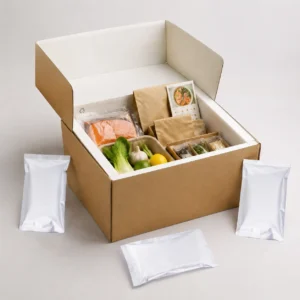
O que aconteceu
Pharmaceutical cold chain operations are entering a new stage of digital transformation as manufacturers and logistics providers adopt continuous monitoring, automation and interoperable technology platforms.
Historicamente, pharmaceutical cold chain management focused primarily on proving that products remained within approved temperature ranges.
The next generation of systems focuses on preventing failures before they occur.
Industry analysis highlights several emerging technology directions:
- monitoramento contínuo
- automação
- digital interoperability
- análise preditiva
These technologies aim to reduce temperature excursions, improve shipment visibility and create stronger connections between manufacturing, logistics and healthcare delivery.
Como funciona
Traditional pharmaceutical cold chain systems usually include:
- registradores de dados de temperatura
- armazenamento refrigerado
- embalagem validada
- GDP transportation
These systems provide important evidence but often operate separately.
Modern digital cold chains combine multiple information sources:
Monitoramento contínuo
Instead of reviewing temperature history after delivery, continuous monitoring provides:
- dados de temperatura em tempo real
- location information
- status da remessa
- alarm notifications
This allows teams to respond while the shipment is still in transit.
Automação
Automation is increasingly applied across:
- pharmaceutical warehouses
- centros de distribuição
- centros de distribuição
Exemplos incluem:
- automated storage systems
- manuseio robótico
- automated inventory tracking
Automation reduces:
- erros de manuseio manual
- unnecessary product exposure
- inventory inaccuracies
Interoperabilidade de dados
One of the biggest challenges in pharmaceutical logistics is fragmented information.
Uma remessa pode envolver:
- manufacturer systems
- 3PL platforms
- airline systems
- warehouse software
- customer systems
Interoperability allows these systems to exchange information.
The objective is to create a single view of:
- identidade do produto
- status da remessa
- histórico de temperatura
- custody events
Por que isso importa
Pharmaceutical products are becoming more complex.
Growth areas include:
- Biologics
- vacinas
- terapias celulares
- medicamentos especiais
These products often have:
- valor mais alto
- narrower stability windows
- greater patient impact
A cold chain failure can result in:
- perda de produto
- treatment delays
- investigação regulatória
As products become more specialized, logistics systems must become more intelligent.
Temperature control alone is no longer sufficient.
Companies need to know:
- where the product is
- what condition it is in
- whether intervention is required
Impacto B2B
Para fabricantes farmacêuticos:
Future cold chain strategies should include:
- visibilidade digital
- predictive risk management
- automated exception handling
Para provedores 3PL:
Competitive advantages will increasingly depend on:
- GDP capability
- connected platforms
- proactive response
Para operadores de câmaras frigoríficas:
A demanda aumentará por:
- smart warehouses
- manuseio automatizado
- connected monitoring
Para fornecedores de embalagens:
Digital cold chains create demand for:
- expedidores inteligentes
- sensores integrados
- reusable temperature-controlled systems
Para fornecedores de tecnologia:
Future platforms will combine:
- IoT
- Análise de IA
- automação
- documentação digital
Visão final
The pharmaceutical cold chain is moving from:
“recording temperature history”
na direção:
“predicting and controlling product risk.”
The future cold chain will not only keep products cold.
It will understand product condition, predict problems and automatically support better decisions.
O crescimento dos alimentos congelados fortalece o caso de investimento na cadeia de frio do Canadá
Fonte: Crédito Agrícola Canadá
https://www.fcc-fac.ca/en/knowledge/economics/frozen-food-canada
O crescimento dos alimentos congelados está remodelando o caso de investimento na cadeia de frio do Canadá
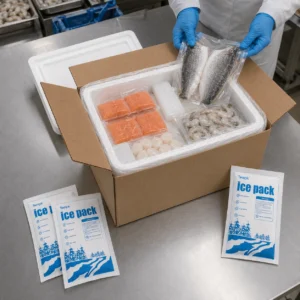
O que aconteceu
Os alimentos congelados estão se tornando uma parte maior do sistema alimentar do Canadá, criando nova demanda por processamento, armazenamento refrigerado, transporte e automação.
Uma nova análise do Farm Credit Canada mostra que as vendas no varejo canadense de alimentos congelados aumentaram em 63% entre 2019 e 2025. No mesmo período, as vendas de alimentos frescos aumentaram em 39%.
A diferença sugere que os alimentos congelados estão a ir além do seu papel tradicional como alternativa de menor conveniência aos produtos frescos. Os consumidores estão comprando uma variedade maior de frutas congeladas, vegetais, frutos do mar, itens de padaria, ingredientes preparados e refeições prontas para cozinhar.
A procura de exportação também está a aumentar.
Entre 2020 e 2025, As exportações canadenses de frutas congeladas aumentaram em 14% em volume, enquanto as exportações de vegetais congelados aumentaram 38%.
Esta mudança está a criar um argumento comercial mais forte para o investimento em tecnologia de congelamento, armazenamento refrigerado, distribuição refrigerada e processamento de valor agregado.
A FCC também identificou expansão na infraestrutura refrigerada.
A capacidade refrigerada relatada entre os três principais operadores canadenses de armazenamento refrigerado aumentou de aproximadamente 145 milhões de pés cúbicos em 2018 para 187 milhões de pés cúbicos em 2025, um aumento de cerca 29%.
Quase dois terços dessa expansão ocorreram depois 2023.
A tendência mostra que o crescimento dos alimentos congelados já está a afectar a capacidade física da cadeia de frio, em vez de permanecer apenas uma mudança no comportamento de compra do consumidor.
Como funciona
O congelamento altera a economia dos produtos agrícolas perecíveis ao prolongar o período durante o qual podem ser armazenados, transportado e vendido.
Produtos frescos são altamente sensíveis ao tempo.
Uma vez colhido, frutas e vegetais continuam a perder qualidade através da respiração, perda de umidade e atividade microbiana. Mesmo quando a refrigeração retarda esses processos, a vida útil comercial permanece limitada.
O congelamento move o produto para uma janela de preservação muito mais longa.
Tecnologias como congelamento rápido individual, ou IQF, o processamento congela rapidamente peças individuais do produto em vez de criar um grande bloco congelado.
Para produtos como frutas vermelhas, ervilhas, milho, frutos do mar e ingredientes preparados, IQF pode ajudar a preservar a textura, capacidade de porcionamento e qualidade do produto, proporcionando aos processadores maior flexibilidade na embalagem e distribuição.
No entanto, a capacidade de congelamento por si só não é suficiente.
A cadeia de abastecimento completa requer vários estágios conectados:
- Recebimento de produto bruto
- Lavando, classificação ou processamento
- Congelamento rápido
- Armazenamento congelado
- Gerenciamento de estoque
- Transporte refrigerado
- Distribuição de varejo ou foodservice
Se uma parte da cadeia não tiver capacidade, o benefício comercial da operação de congelamento pode ser reduzido.
Por exemplo, um processador pode instalar equipamento IQF adicional, mas ainda enfrentar um gargalo se o espaço de armazenamento congelado não estiver disponível durante o pico da colheita.
Da mesma maneira, uma câmara frigorífica pode ter posições de paletes suficientes, mas não ter capacidade suficiente de transporte refrigerado para movimentar produtos durante picos sazonais de demanda.
Portanto, o investimento moderno na cadeia de frio combina cada vez mais o armazenamento físico com a automação, robótica e controle de estoque digital.
A FCC observa que as instalações refrigeradas estão adotando o manuseio automatizado, sistemas de inventário digital e tecnologias de refrigeração com maior eficiência energética para melhorar a produtividade e gerenciar o aumento dos custos operacionais.
Para armazéns congelados, a densidade de armazenamento é particularmente importante.
Cada metro cúbico de ar refrigerado requer energia para manter. Armazenamento de paletes de alta densidade, a recuperação automatizada e o fluxo de ar bem projetado podem reduzir a quantidade de volume do freezer necessária por unidade de estoque.
O resultado é uma cadeia de frio que não só é maior, mas mais produtivo.
Por que isso importa
O Canadá tem uma estação de cultivo nacional relativamente curta para muitas frutas e vegetais, enquanto a demanda do consumidor existe durante todo o ano.
Historicamente, esta lacuna foi colmatada em parte através de importações.
A capacidade adicional de congelamento oferece outra opção: preservar mais a produção nacional durante os períodos de pico da colheita e distribuí-la gradualmente ao longo do ano.
A FCC usou a estimativa do Meio Ambiente e Mudanças Climáticas do Canadá de que aproximadamente 13% das frutas e vegetais canadenses não são colhidos ou são descartados após a colheita e essa porcentagem é aplicada à produção agrícola selecionada.
A comparação resultante é significativa.
As perdas estimadas foram equivalentes a aproximadamente:
- 66% das importações de ervilha canadense
- 55% das importações de milho
- 24% das importações de mirtilo
- 6% das importações de brócolis
- 5% das importações de morango
Estes números não significam que todas as colheitas perdidas possam simplesmente ser congeladas e substituídas por importações.
Alguns produtos podem ser inadequados para processamento. Tempo de colheita, qualidade, a economia e a demanda do consumidor também são importantes.
Mas os números ilustram a escala de valor que pode estar disponível se mais produção agrícola interna puder ser capturada através do processamento e da infra-estrutura da cadeia de frio..
Para processadores de alimentos, o congelamento também cria oportunidades além da redução de resíduos.
Um produto agrícola bruto pode ter margens relativamente baixas durante o pico da colheita. Depois de limpo, repartido, temperado, congelado e embalado, pode se tornar um produto alimentar de maior valor com uma temporada de vendas mais longa.
Isto cria actividade económica adicional em:
- processamento
- embalagem
- armazenamento refrigerado
- transporte
- distribuição no varejo
A crescente categoria de congelados pode, portanto, fortalecer tanto a produção de alimentos como a logística da cadeia de frio.
Impacto B2B
Para produtores agrícolas, infraestrutura de congelamento mais forte pode criar saídas adicionais durante os períodos de pico da colheita.
Os produtores podem conseguir vender produtos em canais de processamento que, de outra forma, teriam valor limitado porque a demanda do mercado de produtos frescos já foi atendida.
No entanto, processadores precisam de qualidade e volume previsíveis.
Os produtores devem coordenar o momento da colheita, especificações do produto e acordos de transporte com os processadores, em vez de presumir que o excedente de produção pode entrar automaticamente na produção congelada.
Para processadores de alimentos, o mercado cria oportunidades de investimento em:
- Sistemas IQF
- freezers rápidos
- congeladores espirais
- classificação e classificação
- porcionamento
- embalagem automatizada
A capacidade de processamento deve ser combinada com a capacidade de armazenamento a frio a jusante.
Instalar uma linha de congelamento mais rápida sem posições suficientes de paletes congelados pode simplesmente mover o gargalo da produção para o armazenamento.
Para desenvolvedores de armazenamento refrigerado, A crescente categoria de alimentos congelados no Canadá apoia a demanda contínua por imóveis refrigerados.
As futuras instalações devem ser avaliadas em mais do que apenas a contagem de paletes.
Variáveis importantes incluem:
- Consumo de energia
- Densidade de armazenamento
- Capacidade de automação
- Taxa de transferência da doca
- Redundância de refrigeração
- Disponibilidade de energia
- Conectividade de transporte
Para fornecedores de refrigeração, o crescimento dos alimentos congelados apoia a procura de sistemas eficientes de baixa temperatura.
Os operadores estão cada vez mais interessados em tecnologias de refrigeração que reduzam o consumo de energia e o risco de refrigerante a longo prazo, ao mesmo tempo que mantêm condições de congelamento confiáveis..
A recuperação de calor também pode melhorar a economia das instalações onde o calor de refrigeração rejeitado pode ser usado para água quente, aplicações de aquecimento ou processamento de ambientes.
Para fornecedores de automação de armazém, ambientes congelados criam um forte caso de negócios para a robótica.
A automação pode reduzir a exposição da mão de obra a temperaturas muito baixas e, ao mesmo tempo, aumentar a densidade de armazenamento e a precisão do inventário.
Os equipamentos devem ser projetados especificamente para ambientes frios, incluindo sensores adequados, lubrificantes, cabos, baterias e controles.
Para fornecedores de embalagens, o crescimento de alimentos congelados aumenta a demanda por materiais que mantenham a resistência sob condições de baixa temperatura e umidade.
Caixas, filmes, rótulos e adesivos devem tolerar congelamento, armazenamento e descongelamento sem perder desempenho estrutural ou de identificação.
Para transportadoras refrigeradas, maiores estoques congelados significam maior demanda por capacidade confiável de frigoríficos.
Os provedores de transporte precisam de TRUs confiáveis, inspeção pré-viagem, gerenciamento de combustível, telemática e procedimentos de temperatura documentados.
Para varejistas, produtos congelados oferecem um modelo de estoque diferente dos alimentos frescos.
Uma vida útil mais longa pode reduzir a deterioração e proporcionar mais flexibilidade durante interrupções sazonais, mas o merchandising do congelador e a capacidade de armazenamento nos bastidores devem acompanhar o crescimento da categoria.
Para formuladores de políticas, a análise sugere que a infra-estrutura de segurança alimentar inclui mais do que a produção agrícola.
Um país pode produzir quantidades significativas de alimentos e ainda depender fortemente de importações se a capacidade interna de processamento e preservação não conseguir colmatar a produção sazonal e a procura durante todo o ano..
A lição mais ampla é que os alimentos congelados estão se tornando uma história de infraestrutura.
Canadá 63% o crescimento do varejo de congelados e a expansão da capacidade de armazenamento refrigerado mostram como o comportamento do consumidor, o processamento agrícola e o investimento na cadeia de frio estão cada vez mais interligados.
Oportunidades futuras virão da integração da produção, congelando, armazenar, transporte e embalagem em um sistema alimentar doméstico mais eficiente.
USDA abre programa de subsídios para cadeia de frio de US$ 7,5 milhões para assistência alimentar
Fonte: NÓS. Departamento de Agricultura – Serviço de Marketing Agrícola
USDA abre $7.5 Programa de subsídios de milhões de dólares para a cadeia de frio para assistência alimentar de emergência

O que aconteceu
Os EUA. O Serviço de Marketing Agrícola do Departamento de Agricultura abriu inscrições para o novo 2026 Subsídios para a Cadeia de Frio para Programa de Assistência Alimentar de Emergência, ou CCG.
Aproximadamente $7.5 milhões estão disponíveis através do programa. O USDA selecionará competitivamente uma ou mais organizações sem fins lucrativos elegíveis que possam administrar subconcessões para equipamentos de armazenamento refrigerado e distribuição usados por bancos de alimentos, despensas de alimentos e outras operações emergenciais de assistência alimentar. As inscrições para os prêmios principais vão até outubro 1, 2026.
O programa destina-se especificamente a melhorar a capacidade das organizações de assistência alimentar de receber e distribuir alimentos perecíveis de maior qualidade., incluindo carne, ovos, frutos do mar, laticínios e frutas e vegetais frescos ou minimamente processados.
A Aliança Global da Cadeia de Frio saudou publicamente o financiamento em agosto 19, dizendo que melhores infraestruturas de armazenamento e distribuição refrigeradas podem ajudar mais alimentos a chegar às famílias, em vez de serem limitados por capacidade refrigerada insuficiente.
O programa é diferente de uma compra federal direta de refrigeradores ou veículos refrigerados para bancos de alimentos individuais. O USDA financiará primeiro um ou mais beneficiários principais sem fins lucrativos, capazes de executar um programa competitivo de sub-prêmios. As informações para organizações que buscam os sub-prêmios posteriores de armazenamento refrigerado serão divulgadas separadamente.
Como funciona
O programa CCG utiliza uma estrutura de financiamento de dois níveis.
No primeiro nível, organizações sem fins lucrativos qualificadas se inscrevem diretamente no USDA. Esses candidatos devem demonstrar que podem gerenciar um programa de subpremiação competitivo, incluindo a solicitação de candidaturas, avaliando projetos, emissão de prêmios, monitorar destinatários e reportar resultados. O USDA afirma que pelo menos uma empresa sem fins lucrativos elegível será financiada de forma competitiva.
O(s) destinatário(s) principal(is) selecionado(s) financiarão então projetos de cadeia de frio realizados por bancos alimentares, despensas de alimentos e outras organizações qualificadas de assistência alimentar de emergência.
O objetivo é fortalecer a infraestrutura física necessária para lidar com alimentos perecíveis, em vez de limitar a distribuição emergencial de alimentos principalmente a produtos com estabilidade de armazenamento..
Dependendo das eventuais regras de subvenção e escopos de projetos aprovados, este tipo de infraestrutura pode incluir equipamentos de armazenamento refrigerados ou congelados e ativos de distribuição necessários para preservar a condição do produto entre as doações, recebendo, armazenamento e distribuição final.
Um banco de alimentos que recebe proteínas frescas ou laticínios precisa de um sistema operacional muito diferente de um que lida apenas com produtos enlatados ou secos..
O estoque refrigerado requer recebimento controlado, transferência rápida para a zona de temperatura correta, monitoramento contínuo, rotação de estoque e capacidade de distribuição suficiente para evitar que os produtos fiquem fora da refrigeração enquanto os pedidos são montados.
Produtos congelados introduzem requisitos adicionais que envolvem armazenamento em baixa temperatura, disciplina de porta, gerenciamento de degelo e equipamento de manuseio compatível com freezer.
Produtos frescos criam outro perfil operacional. Muitas frutas e vegetais beneficiam do controlo da temperatura, mas também podem ser sensíveis ao frio excessivo., condições de umidade e fluxo de ar. Uma única câmara frigorífica, portanto, pode não ser a solução certa para todas as mercadorias.
O programa de subsídios pode ajudar a resolver a barreira do equipamento, mas a eficácia da cadeia de frio ainda dependerá de como o equipamento financiado for selecionado, instalado e operado.
Um novo refrigerador walk-in, freezer ou veículo refrigerado devem ser dimensionados de acordo com o rendimento esperado e não apenas com o espaço disponível. Equipamentos subdimensionados podem criar congestionamento durante picos de doação, enquanto equipamentos superdimensionados podem impor custos desnecessários de capital e energia.
O monitoramento também deve ser incluído no planejamento do projeto. Os operadores precisam de sensores de temperatura calibrados, procedimentos de alarme e registros mostrando que os produtos permaneceram dentro das condições exigidas.
Por que isso importa
A assistência alimentar de emergência inclui cada vez mais produtos que são nutricionalmente valiosos, mas operacionalmente difíceis de distribuir.
Carne, frutos do mar, laticínio, ovos e produtos frescos podem melhorar a qualidade e a diversidade dos alimentos disponíveis, mas eles não podem se mover com segurança através de uma rede projetada apenas para armazenamento ambiente.
Sem infraestrutura refrigerada suficiente, um banco de alimentos pode não ser capaz de aceitar uma doação, mesmo quando o próprio alimento estiver disponível.
Isso cria um descompasso estrutural: produtores, processadores, varejistas ou distribuidores podem ter excedentes de alimentos seguros disponíveis, enquanto as organizações sem fins lucrativos não têm câmaras frigoríficas, freezers ou transporte refrigerado necessários para recebê-lo.
O resultado pode ser a perda de oportunidades de doação e o desperdício alimentar evitável.
A capacidade da cadeia de frio pode, portanto, mudar o que as organizações de assistência alimentar são capazes de oferecer.
Uma instalação com espaço refrigerado adequado pode aceitar laticínios ou carne fresca que anteriormente tiveram que ser recusados. Um freezer pode permitir que as organizações mantenham proteínas congeladas até a data de distribuição apropriada, em vez de forçar a movimentação imediata. Os veículos refrigerados podem estender a área de serviço além dos locais acessíveis dentro de uma curta janela de transporte ambiental.
O financiamento também é importante porque as redes de assistência alimentar enfrentam volatilidade na procura.
Um armazém pode funcionar normalmente durante semanas e depois receber uma grande doação, alocação de emergência ou influxo sazonal de produtos agrícolas. A capacidade flexível de armazenamento refrigerado fornece um buffer operacional durante esses picos.
No entanto, o equipamento por si só não garante um programa de sucesso.
O armazenamento refrigerado aumenta os custos de eletricidade, requisitos de manutenção, procedimentos de limpeza, obrigações de segurança alimentar e dependência técnica de fornecedores de refrigeração. As organizações precisam de financiamento operacional suficiente para manter os novos ativos funcionais após a conclusão da compra apoiada por subsídios.
O mesmo se aplica aos veículos frigoríficos. A aquisição é apenas o primeiro custo. Combustível ou eletricidade, manutenção preventiva, manutenção em unidade de refrigeração, seguro, motoristas e monitoramento de temperatura continuam durante toda a vida útil do veículo.
Por esse motivo, a avaliação do projeto deve considerar a capacidade total do ciclo de vida, em vez de simplesmente contar quantos refrigeradores, freezers ou caminhões são comprados.
Impacto B2B
Para fabricantes de equipamentos de armazenamento refrigerado, o programa poderia criar demanda por refrigeradores walk-in, freezers, salas refrigeradas modulares, unidades de condensação, evaporadores, painéis isolados e controles relacionados.
Os fornecedores que atendem clientes sem fins lucrativos devem priorizar a manutenção. O equipamento deve usar componentes que possam receber manutenção localmente e devem incluir instruções claras de manutenção preventiva.
A eficiência energética também é importante porque os bancos alimentares operam com orçamentos apertados. O menor consumo de energia de refrigeração pode fazer a diferença entre uma instalação financiada por subvenção permanecer sustentável e tornar-se cara para operar.
Para veículos refrigerados e fornecedores de refrigeração de transporte, futuros subprêmios podem criar oportunidades para vans, caminhões, corpos isolados e sistemas de refrigeração de transporte projetados para distribuição alimentar local e regional.
A seleção do veículo deve refletir o comprimento real da rota, carga útil, frequência de entrega e perfil de temperatura, em vez de assumir que cada banco de alimentos precisa do mesmo tipo de caminhão frigorífico.
Para fornecedores de monitoramento de temperatura, a infra-estrutura financiada deve incluir monitorização prática desde o início.
As organizações de assistência alimentar podem precisar de sistemas simples que forneçam registos contínuos de temperatura, alarmes altos/baixos e notificações remotas sem criar complexidade excessiva de software ou despesas de assinatura.
Para fornecedores de embalagens, o programa pode aumentar a demanda por sacolas isoladas reutilizáveis, pacotes de gel, Sistemas PCM, coberturas e revestimentos de paletes usados entre câmaras frigoríficas fixas e locais de distribuição.
A embalagem passiva pode ser especialmente útil quando o ponto de distribuição final não possui veículos refrigerados dedicados ou quando os produtos passam por eventos comunitários temporários.
Para 3PLs e operadores comerciais de armazenamento refrigerado, o financiamento cria oportunidades de parceria.
Alguns bancos alimentares podem beneficiar mais com a compra de equipamento dedicado, enquanto outros podem conseguir uma melhor utilização contratando capacidade refrigerada comercial qualificada ou utilizando centros regionais partilhados..
Um modelo híbrido poderia permitir que organizações sem fins lucrativos mantivessem câmaras frigoríficas menores no local enquanto usavam instalações comerciais para estoques excedentes e picos sazonais.
Para fabricantes e varejistas de alimentos, a melhoria da capacidade da cadeia de frio das organizações sem fins lucrativos pode tornar os programas de doação mais fáceis de escalar.
As empresas ainda devem fornecer informações precisas sobre os lotes, detalhes do alérgeno, codificação de data, requisitos de armazenamento de produtos e documentação da cadeia de custódia. Os produtos doados exigem a mesma disciplina de segurança alimentar que os produtos que circulam através dos canais comerciais.
Para fornecedores de software, os sistemas de inventário usados pelos bancos de alimentos podem precisar conectar datas de vencimento, registros de lote, zonas de temperatura e destinos de distribuição.
Um melhor controle digital pode ajudar as organizações a rotacionar produtos usando os princípios FEFO e reduzir a deterioração dentro da própria infraestrutura destinada a evitar desperdícios.
Para empreiteiros de refrigeração, equipamentos financiados por subsídios criarão uma necessidade de serviço de longo prazo.
Acordos de apoio de emergência, a disponibilidade de peças sobressalentes e os cronogramas de manutenção preventiva devem ser considerados durante a aquisição e não após a primeira falha do sistema.
A lição mais ampla é que o acesso aos alimentos depende em parte da capacidade logística.
Novo do USDA $7.5 O programa CCG de milhões de dólares reconhece que as organizações de assistência alimentar não podem expandir o acesso a produtos frescos e congelados sem a infra-estrutura para proteger esses produtos.
Os projetos de maior sucesso combinarão equipamentos de refrigeração, transporte, monitoramento, embalagem, pessoal treinado e orçamentos operacionais sustentáveis em um sistema prático de cadeia de frio.
Puerto Bolívar se aproxima da conclusão do armazenamento frio de US$ 30 milhões
Fonte: O Universo
Puerto Bolívar se aproxima da conclusão $30 Milhões de hubs automatizados de armazenamento a frio

O que aconteceu
Um novo armazém refrigerado automatizado em Puerto Bolívar, no Equador, chegou 93% conclusão e entrou na fase de testes técnicos.
A instalação está sendo desenvolvida pela YilportEcu S.A.. sob o acordo de gestão delegada do porto. Abrange aproximadamente 17,000 metros quadrados e fornecerá mais de 15,000 posições de paletes para bananas e outros produtos de exportação sensíveis à temperatura.
O investimento dedicado ao armazém frigorífico é de aproximadamente US$ 30 milhões. Técnicos estão atualmente testando a planta de refrigeração industrial, equipamentos de detecção e supressão de incêndio, sistemas automatizados de manuseio de materiais e o software que gerenciará os movimentos internos de carga.
A estrutura física está praticamente completa, com trabalho final focado em integração de sistemas, qualificação de equipamentos e prontidão operacional. A conclusão está prevista entre outubro e novembro 2026.
O projeto pretende mudar a forma como os exportadores coordenam a colheita, entrega portuária e horários de navios. Atualmente, os produtores de banana precisam alinhar o corte e o transporte terrestre com os horários de chegada dos navios. Assim que o novo entreposto frigorífico começar a funcionar, a carga poderá entrar em um ambiente controlado vários dias antes do carregamento, sem interromper a integridade da cadeia de frio.
Isto poderia dar aos exportadores mais flexibilidade para gerir a produção, congestionamento portuário e mudança de horários dos navios, protegendo ao mesmo tempo a qualidade do produto.
Como funciona
O armazém está sendo projetado como um ponto automatizado de controle da cadeia de frio portuário, em vez de um edifício de armazenamento manual convencional.
Pallets will be placed into high-density racking through robotic handling systems controlled by specialized warehouse software. The digital platform will assign each load to a storage position based on cargo identity, exportador, marca, shipping line and vessel schedule.
This automated allocation model is intended to reduce manual pallet movement, improve storage density and make it easier to retrieve the correct cargo when a vessel is ready for loading.
The system should also allow the warehouse to serve multiple exporters, banana brands and shipping lines without relying on fixed customer zones. Cargo administration will be digitalized, allowing pallet locations and outbound priorities to change according to shipping schedules.
Um fluxo típico de exportação poderia começar com frutas chegando de fazendas ou instalações de embalagem sob condições de transporte controladas.. A carga seria recebida, identificado e atribuído a um local de armazenamento qualificado. O sistema de gerenciamento de armazém conectaria então o registro do palete ao navio relevante, agendamento de reserva e envio.
Ao carregar abordagens, o sistema automatizado recuperaria os paletes necessários e os moveria em direção à área de preparação de saída. Isto pode reduzir o tempo que os produtos passam esperando perto da doca e limitar o tráfego desnecessário de empilhadeiras dentro das zonas refrigeradas..
A instalação terá sua própria subestação elétrica, equipamento de refrigeração industrial, sistemas de detecção e supressão de incêndio e infraestrutura de backup destinada a apoiar a continuidade operacional.
A subestação dedicada é particularmente importante porque uma instalação deste tamanho cria uma carga elétrica contínua substancial. Refrigeração, automação, controles, iluminação, proteção contra incêndio e comunicações dependem de energia estável.
Equipamentos de backup podem reduzir o risco de que uma breve interrupção elétrica se torne um incidente de temperatura do produto. No entanto, a resiliência total da cadeia de frio também exigirá geradores testados ou procedimentos de energia alternativa, escalação de alarme, redundância de refrigeração e acesso a técnicos qualificados.
O software de armazém será igualmente importante. As estantes automatizadas fornecem valor limitado se a identidade do produto, as instruções da embarcação ou os registros do cliente estão incompletos. O operador deve manter links confiáveis entre paletes físicos e informações digitais durante todo o recebimento, armazenamento e expedição.
O controle de temperatura também deve ser verificado em mais de um ponto.
Um display de sala pode mostrar uma condição média aceitável enquanto paletes individuais perto de portas, paredes, tetos ou evaporadores experimentam temperaturas diferentes. Mapeamento de temperatura carregado, sensores calibrados e procedimentos de resposta a alarmes serão, portanto, necessários antes que a instalação manuseie carga comercial em grande escala.
Para exportações de banana, o gerenciamento da temperatura também envolve mais do que manter o ambiente frio.
As bananas permanecem biologicamente ativas após a colheita e exigem controle de temperatura específico do produto, fluxo de ar e tempo de manuseio. O calor excessivo acelera o amadurecimento, enquanto temperaturas muito baixas podem causar lesões por frio. A faixa operacional correta deve, portanto, ser compatível com a maturidade do produto, variedade, requisitos de embalagem e destino.
Por que isso importa
Puerto Bolívar é uma importante porta de exportação para produtos perecíveis equatorianos, particularmente bananas e camarões.
As exportações de produtos frescos são altamente dependentes da sincronização. Fazendas, instalações de embalagem, transportadoras terrestres, terminais portuários e navios devem operar dentro de uma janela de vida útil comercial limitada.
Quando a capacidade de armazenamento é insuficiente, os produtores podem ser forçados a programar a colheita em torno da chegada dos navios. Isto cria um modelo operacional rígido no qual o clima, congestionamento rodoviário, atrasos nos portos ou mudanças de navios podem atrapalhar todo o plano de exportação.
O novo armazém refrigerado introduz um buffer entre a produção e o carregamento do navio.
Produtores podem preparar carga mais cedo, coloque-o em condições controladas e aguarde a janela de envio confirmada. Isto separa parte da programação agrícola da programação do navio e pode ajudar a reduzir o congestionamento de última hora no porto.
O projeto também pode melhorar a utilização dos navios.
Se a carga já estiver armazenada, identificado e atribuído digitalmente antes da chegada do navio, as equipes de carregamento podem recuperar os paletes na sequência necessária. Uma melhor preparação pode reduzir o tempo de espera dos navios e tornar as operações portuárias mais previsíveis.
A automação pode fortalecer esse benefício, reduzindo o tempo necessário para localizar e movimentar grupos de paletes individuais. Para remessas de exportadores mistos ou de marcas mistas, a recuperação direcionada por software pode suportar um carregamento mais preciso e reduzir o risco de enviar a carga errada para o navio ou destino errado.
A câmara frigorífica também acrescenta resiliência à rede de exportação de produtos perecíveis do Equador.
Um porto que depende apenas da transferência direta de caminhão para navio tem flexibilidade limitada quando as inspeções, atracação ou documentação do navio estão atrasadas. O armazenamento controlado oferece aos operadores mais opções para proteger a carga enquanto o problema é resolvido.
No entanto, a instalação não eliminará todos os riscos da cadeia de frio.
A qualidade do produto ainda depende da colheita correta, pré-resfriamento, embalagem, transporte terrestre e temperatura de recebimento. Um armazém moderno não consegue recuperar totalmente a qualidade já perdida antes da carga chegar ao porto.
O resultado final dependerá também da utilização operacional. Uma instalação com capacidade para 15.000 paletes deve atrair volume suficiente durante todo o ano para suportar sua refrigeração, automação, manutenção, custos trabalhistas e financeiros.
A importância comercial do projecto será, portanto, medida não apenas pela capacidade, mas por rotatividade de paletes, desempenho de carregamento, uso de energia, conformidade de temperatura e o número de exportadores que adotam o serviço.
Impacto B2B
Para produtores e exportadores de banana, a nova instalação poderia fornecer mais flexibilidade no planejamento da colheita e da embarcação.
Os exportadores podem conseguir transportar frutas para armazenamento controlado antes da data final de carregamento, reduzindo a dependência de uma janela estreita entre caminhão e navio. Isto pode ser especialmente valioso durante picos de volume sazonais, interrupção da estrada ou mudanças nos horários dos navios.
Para se beneficiar da facilidade, os exportadores ainda precisarão de processos upstream disciplinados. A fruta deve chegar na temperatura e maturidade corretas, com embalagem projetada para fluxo de ar, umidade e transporte marítimo de longa distância.
Para exportadores de camarão e alimentos congelados, a instalação pode oferecer capacidade adicional de preparação perto do porto. Os usuários devem verificar as zonas de temperatura disponíveis, capacidade de congelamento ou retenção, receber limites e procedimentos para manuseio de produtos que chegam fora das especificações.
Para companhias marítimas, o armazém pode suportar uma preparação de carga mais previsível e um carregamento mais rápido. As transportadoras devem coordenar os dados de reserva, disponibilidade de contêineres, horários dos navios e instruções de liberação de carga com a plataforma digital do armazém.
Para despachantes e 3PLs, o projeto cria uma oportunidade para oferecer serviços integrados combinando transporte terrestre, armazenamento refrigerado, documentação de exportação, coordenação de contêineres e visibilidade de remessa.
O modelo de serviço mais valioso conectará o registro do armazém com a jornada mais ampla de embarque, em vez de tratar o armazenamento portuário como uma atividade isolada.
Para fornecedores de embalagens da cadeia de frio, o aumento do armazenamento no porto pode mudar a forma como os exportadores projetam as embalagens.
As caixas de banana e as embalagens de produtos hortifrutigranjeiros devem manter a resistência estrutural em ambientes refrigerados úmidos, permitindo ao mesmo tempo ventilação adequada. Camarão e produtos congelados podem exigir caixas compatíveis com freezer, forros, estabilização de paletes e etiquetas resistentes à umidade.
Para fornecedores de automação, o projeto demonstra a crescente demanda por armazenamento robótico de alta densidade nas cadeias de frio portuárias.
O equipamento deve ser adequado para operação refrigerada, incluindo motores, sensores, cabos, lubrificantes, controles e procedimentos de manutenção. O acesso para recuperação emergencial de paletes deve permanecer disponível se o sistema automatizado ficar indisponível.
Para fornecedores de refrigeração, a fase final de comissionamento será crítica. A instalação deve demonstrar desempenho de temperatura estável sob cargas de paletes representativas, atividade de portas e clima ambiente do Equador.
Os testes relevantes devem incluir pull-down, mapeamento carregado, recuperação após aberturas de portas, verificação de alarme, interrupção de energia e resposta do sistema de backup.
Para empresas de monitoramento e software, o projeto cria uma oportunidade de combinar a identidade do produto, localização da palete, condições do ambiente e horários da embarcação em um registro operacional.
Um alarme de temperatura torna-se mais útil quando o operador consegue identificar imediatamente quais paletes foram afetadas, qual exportador os possui e qual navio ou cliente está aguardando a carga.
Para seguradoras e gestores de risco, o armazém cria uma grande concentração de estoques perecíveis de alto valor. As avaliações de risco devem examinar a redundância de refrigeração, continuidade de energia, proteção contra incêndio, resiliência cibernética, acesso de emergência e arranjos alternativos de armazenamento.
Para planejadores portuários e do setor público, o armazém deve ser apoiado por acesso terrestre confiável. Maior capacidade de armazenamento pode atrair mais carga, mas o congestionamento rodoviário pode limitar o benefício se os camiões não conseguirem entrar e sair de forma eficiente.
Puerto Bolívar já está trabalhando em um projeto de Acesso Norte destinado a melhorar a circulação de veículos pesados e reduzir os tempos de entrada e saída do porto. O desempenho do armazém e da rede rodoviária estará, portanto, intimamente ligado.
A lição mais ampla é que o desempenho da cadeia de frio portuária depende de mais do que apenas adicionar espaço refrigerado.
O modelo mais forte conecta fazendas, operações de embalagem, transporte interior, armazenamento automatizado, horários dos navios e registros digitais em um sistema de exportação controlado.
O novo armazém de Puerto Bolívar é uma importante adição de infraestrutura. O seu valor a longo prazo dependerá de essa capacidade física se traduzir num fluxo de carga mais rápido, menor perda de produtos e acesso mais flexível aos mercados internacionais.
Maersk adiciona capacidade de frigoríficos à medida que aumentam as importações de Roterdã
Fonte: Atualização do mercado europeu da Maersk
Maersk adiciona capacidade refrigerada enquanto Roterdã enfrenta calor e pressão de importação
O que aconteceu
A Maersk relatou um aumento significativo nos volumes de importação refrigerada no Porto de Rotterdam, adicionando pressão ao manuseio de frigoríficos, inspeção de alimentos e operações de distribuição subsequente.
Agosto da transportadora 14 O Europe Market Update disse que o terminal Maasvlakte II de Rotterdam também sofreu interrupções operacionais durante períodos em que as temperaturas excederam 30°C.. Temperaturas extremamente altas levaram ao fechamento temporário dos portões dos terminais, exigindo que os clientes monitorem atualizações operacionais e adicionem mais tempo de buffer aos planos de transporte.
Ao mesmo tempo, as importações refrigeradas aumentaram antes de uma restrição da UE a certas importações de carne do Brasil que a Maersk disse que entraria em vigor em setembro 3. A chegada concentrada de cargas refrigeradas aumentou a demanda por serviços de movimentação e inspeção de frigoríficos, with longer waiting times reported for the Dutch authorities responsible for food and consumer-product controls.
To support the additional volume, Maersk secured extra refrigerated-container plug capacity at Maasvlakte II throughout August. The carrier advised customers using Europe–South America services to prepare for possible delays during inspection and onward handling and to arrange documentation and inland transportation before cargo arrives.
The development is important because it combines three different cold chain pressures at one gateway: elevated ambient temperatures, a short-term surge in refrigerated imports and a limited inspection system that must process regulated food cargo before it can continue into the European market.
Como funciona
A refrigerated ocean shipment remains dependent on several connected control points after the vessel reaches port.
Once a reefer container is discharged, it normally needs to be connected to terminal electrical power. It may then wait for customs clearance, veterinary or food-safety inspection, revisão de documentos, release instructions and collection by an inland carrier.
Additional reefer plug capacity helps preserve electrical power during this waiting period. It reduces the risk that a container remains disconnected because terminal plug positions are unavailable. No entanto, additional plugs do not automatically remove inspection, documentation or trucking bottlenecks.
A container may remain powered and maintain its programmed setpoint while still accumulating several days of port dwell. Para carne congelada, that may increase storage, demurrage and equipment costs. For chilled and fresh products, additional time can reduce remaining commercial shelf life even when no formal temperature excursion occurs.
High ambient temperatures make the operating environment more demanding. More heat enters the container through its walls and doors, and the refrigeration unit must remove a greater thermal load to maintain the setpoint. Terminal employees and gate operations may also be affected by heat-related safety procedures, as demonstrated by the reported Maasvlakte II gate closures.
Inspection introduces another critical handoff.
Regulated food shipments may need seal checks, document verification, sampling or physical examination before release. If the inspection area, staffing or appointment system cannot absorb a rapid increase in volume, Os contêineres refrigerados podem se acumular dentro do terminal mesmo quando a capacidade do navio e do plugue permanece disponível.
O planejamento da cadeia de frio deve, portanto, conectar vários sistemas que muitas vezes são gerenciados separadamente: o cronograma do navio, alocação de plugue terminal, documentação alfandegária e veterinária, marcações de inspeção, capacidade de transporte terrestre e recebimento no entreposto frigorífico de destino.
Uma plataforma de visibilidade de contêineres pode mostrar a localização, dados de equipamentos relacionados à temperatura e marcos portuários, mas os dados devem levar a uma decisão operacional. Se um contêiner estiver se aproximando de um período de permanência caro ou de qualidade crítica, o importador pode precisar priorizar a documentação, garantir um slot de inspeção, reprogramar o armazém de recebimento ou providenciar transporte terrestre alternativo.
Por que isso importa
A situação de Roterdã mostra por que a integridade da cadeia de frio não pode ser medida apenas pelo fato de a unidade refrigerada ter mantido seu ponto de ajuste.
O tempo também é uma variável de qualidade do produto.
Produtos congelados podem tolerar trânsito mais longo do que produtos frescos, mas a permanência prolongada na porta ainda pode afetar a disponibilidade do estoque, compromissos de entrega do cliente e capital de giro. Os produtos refrigerados podem chegar dentro da sua faixa de temperatura, mas com menos prazo de validade restante disponível para processamento, exibição ou redistribuição no varejo.
O evento também demonstra como as mudanças regulatórias podem criar uma demanda concentrada na cadeia de frio antes que uma política formal entre em vigor.
Os importadores podem acelerar as remessas para chegarem antes do início de uma nova restrição ou condição de aprovação. Isto pode criar um aumento de curto prazo que afeta o espaço da embarcação, disponibilidade de contêineres frigoríficos, plugues terminais, serviços de inspeção e capacidade de armazenamento refrigerado ao mesmo tempo.
Um porto pode ter capacidade anual suficiente na cadeia de frio, mas ainda enfrentar congestionamento operacional quando muitas cargas refrigeradas chegam dentro de um período estreito.
Condições climáticas extremas adicionam outra camada de incerteza. O calor pode aumentar a carga de refrigeração, afetar o trabalho terminal e reduzir a margem operacional disponível quando o equipamento ou a infraestrutura de energia já está sob pressão. Isto significa que as suposições históricas de permanência portuária podem não ser mais suficientes para a qualificação da faixa de verão.
O evento é particularmente relevante para as rotas alimentares Europa-América do Sul. Carne, fruta, os produtos do mar e outros produtos sensíveis à temperatura percorrem frequentemente longas distâncias oceânicas antes de entrarem em redes de distribuição europeias bem programadas. Uma interrupção no gateway de importação pode afetar armazéns frigoríficos, processadores, atacadistas, varejistas e operadores de serviços de alimentação muito além do próprio porto.
Impacto B2B
Para importadores de alimentos, a prioridade imediata é a preparação antes da chegada.
Declarações alfandegárias, certificados veterinários, documentos de saúde, os registros do produto e os requisitos de inspeção devem ser revisados antes da chegada do navio. Uma discrepância de documentos descoberta após a descarga pode prolongar a permanência no porto enquanto o contêiner continua usando a energia do terminal e acumulando cargas.
Os importadores também devem providenciar transporte terrestre e agendamento de armazenamento refrigerado no destino com antecedência. Um contêiner que recebe liberação regulatória, mas não tem caminhão ou espaço de armazenamento disponível, permanece exposto a atrasos adicionais.
Para exportadores da América do Sul, a documentação de origem deve ser tratada como parte do desempenho da cadeia de frio. Identificação correta do produto, certificação, seal information and shipment instructions can reduce the risk that cargo enters an avoidable hold after reaching Europe.
Para despachantes e 3PLs, the event highlights the need for exception-based port management. Teams should monitor vessel arrival, discharge status, plug connection, inspection scheduling, release milestones and truck availability as one workflow rather than as separate service updates.
Para transportadoras refrigeradas, booking flexibility and equipment availability become important when many containers are released within a short period. Trucking companies may need additional chassis, gensets or refrigerated equipment for loads moving beyond the immediate port region.
Para operadores de câmaras frigoríficas, import surges can create concentrated inbound demand. Facilities should compare expected arrivals with available dock appointments, posições de paletes, labor and refrigeration capacity. Overflow agreements with alternative warehouses may prevent containers from remaining at the terminal because the primary facility is full.
For reefer-container and terminal operators, extra plug capacity is a valuable contingency measure, but power availability must be supported by monitoring, maintenance and emergency procedures. Operators need to know whether every connected container is receiving power and whether alarms are being reviewed.
For monitoring providers, independent cargo data remains valuable even when carrier reefer telemetry is available. Reefer equipment data describes the container’s operating environment, while shipment-level loggers can provide additional evidence about conditions experienced at representative locations within the load.
Para fornecedores de embalagens, prolonged and unpredictable handoffs may justify secondary thermal protection for selected cargo. Capas de paletes, insulated liners and other systems can reduce short exposure during inspections or transfers, although they cannot compensate indefinitely for extended uncontrolled handling.
For risk and insurance teams, port congestion should be incorporated into lane qualification and business-continuity planning. The worst-case profile should include heat, inspection delay, limited trucking and constrained cold-storage availability occurring together rather than treating each risk independently.
The broader lesson is that reefer plug capacity is only one component of port cold chain resilience.
Maersk’s Rotterdam update shows that product integrity depends on power, inspeção, documentação, transport and receiving capacity remaining coordinated. Quando as importações refrigeradas aumentam durante o calor extremo, as cadeias de frio mais fortes são aquelas que preparam cada transferência a jusante antes que o contêiner chegue ao porto.
CSafe lança aplicativo móvel para controle da cadeia de frio farmacêutico em tempo real
fonte: Lançamento oficial do CSafe
https://csafeglobal.com/csafe-launches-mobile-app-for-csafe-connect-bringing-real-time-shipment-visibility-and-control-to-the-field/
O aplicativo móvel CSafe Connect leva as decisões da cadeia de frio farmacêutico ao chão do armazém e à pista
O que aconteceu
CSafe lançou o aplicativo móvel CSafe Connect, ampliando sua plataforma de cadeia de frio farmacêutica baseada em nuvem, de sistemas desktop para dispositivos móveis.
O aplicativo oferece aos fabricantes farmacêuticos, despachantes e companhias aéreas acesso a informações de remessa, dados de condição do contêiner, Localização GPS e funções de gerenciamento de locação enquanto trabalha em armazéns, aeroportos e outros ambientes operacionais.
CSafe Connect já suporta o gerenciamento de remessas de contêineres ativos e passivos com temperatura controlada. Antes do lançamento móvel, os usuários acessavam esses recursos principalmente por meio de sistemas de desktop. O novo aplicativo tem como objetivo colocar as mesmas informações operacionais mais próximas do pessoal que manuseia contêineres e responde a exceções de embarque.
As funções disponíveis incluem a colocação de novos pedidos de arrendamento, visualizar dados de aluguel e remessa, monitorando as condições do contêiner e a localização GPS em tempo real, e recuperação de informações de remessa sob demanda. O aplicativo está disponível para iOS e Android e está incluído para clientes existentes do CSafe Connect, enquanto novos usuários recebem acesso após a integração.
CSafe descreve o aplicativo como a primeira solução móvel desse tipo projetada especificamente para operações farmacêuticas de cadeia de frio. Essa declaração é uma reivindicação da empresa, mas a mudança operacional é clara: informações críticas de remessa não estão mais restritas a uma mesa de torre de controle ou estação de trabalho de escritório.
Como funciona
CSafe Connect opera como uma camada digital em torno de ativos de transporte com temperatura controlada.
A plataforma mais ampla reúne pedidos de produtos, rastreamento de remessa, monitoramento de condição, alertas, relatórios, suporte ao cliente e gerenciamento de locação em um único login. CSafe também afirma que a plataforma pode suportar alertas automatizados, análise histórica, dados preditivos e integração por meio de APIs.
Em um fluxo de trabalho típico de frete aéreo farmacêutico, várias equipes podem interagir com o mesmo contêiner.
Um fabricante farmacêutico pode preparar e liberar a remessa. Um despachante pode providenciar o aluguel e coordenar a entrega no aeroporto. Os manipuladores terrestres podem receber o contêiner, companhias aéreas podem carregá-lo, e as equipes de destino podem gerenciar o descarregamento, desembaraço aduaneiro e distribuição posterior.
Cada transferência cria um potencial atraso de informações.
Um funcionário de operações pode observar um problema de manuseio no aeroporto, mas não ter acesso imediato aos dados do contêiner. Uma equipe da torre de controle pode detectar uma irregularidade, mas precisará de mais tempo para entrar em contato com a pessoa fisicamente mais próxima da remessa.
O acesso móvel pode reduzir essa lacuna de informação. O pessoal no armazém ou na pista pode revisar o status do contêiner e as informações da remessa sem retornar a um terminal de desktop ou solicitar capturas de tela de outro departamento.
O aplicativo também pode oferecer suporte à coordenação de equipamentos.
Os contêineres farmacêuticos ativos são frequentemente alugados, em vez de serem propriedade permanente do expedidor.. Situação do arrendamento, disponibilidade de equipamento, os requisitos de devolução e o histórico de pedidos afetam, portanto, se o contêiner correto está disponível para a próxima via qualificada.
Permitir que as equipes operacionais façam e revisem pedidos de arrendamento a partir de um dispositivo móvel pode reduzir atrasos causados por informações incompletas de ativos ou comunicação fragmentada entre aquisições, equipes de logística e armazém.
No entanto, a visibilidade digital não controla diretamente todos os riscos físicos.
Um aplicativo móvel pode mostrar que um contêiner está atrasado, desconectado ou enfrentando condições anormais, mas não pode realizar a intervenção sozinho. A organização ainda precisa de pessoal treinado, procedimentos de escalonamento definidos e autoridade para agir.
Possíveis intervenções podem incluir a transferência da remessa para armazenamento controlado, verificando a potência do contêiner, providenciando reabastecimento de refrigerante, entrando em contato com a companhia aérea, alterar a sequência de entrega ou iniciar uma revisão formal de qualidade.
Por que isso importa
As falhas da cadeia de frio farmacêutica ocorrem frequentemente em transferências operacionais, e não durante o transporte estável de longa distância.
Um contêiner ativo qualificado pode manter a temperatura correta durante o voo, mas corre riscos enquanto espera em um terminal de carga, durante a inspeção alfandegária ou antes da coleta final. Um remetente passivo ainda pode estar dentro da duração térmica validada, mas um atraso inesperado pode consumir rapidamente a sua margem de proteção restante.
A capacidade de acessar os dados da remessa no ponto de manuseio pode melhorar a velocidade de resposta.
Isto não garante que todas as variações de temperatura serão evitadas. Isso acontece, no entanto, reduzir o tempo entre a identificação de um problema potencial e fornecer ao funcionário relevante informações suficientes para responder.
Essa diferença pode ser comercialmente importante para produtos biológicos, vacinas, materiais de ensaios clínicos e produtos de terapia celular e genética.
Essas remessas podem ter alto valor financeiro, estoque de reposição limitado ou janelas de entrega específicas do paciente. Para algumas terapias avançadas, uma remessa atrasada ou inutilizável não pode simplesmente ser substituída pelo estoque normal do armazém.
O aplicativo também ilustra uma mudança mais ampla no design digital da cadeia de frio.
Os sistemas de visibilidade anteriores eram frequentemente usados principalmente para revisão pós-embarque. As equipes de qualidade baixaram os registros após a entrega e investigaram se a carga permaneceu dentro das especificações.
Os sistemas modernos apoiam cada vez mais a intervenção durante o trânsito. O objetivo é passar da coleta de evidências após um evento para o gerenciamento de riscos enquanto o produto ainda pode ser recuperável.
O acesso móvel é uma parte prática dessa mudança porque o trabalho da cadeia de frio não acontece apenas dentro das torres de controle. Acontece nas docas de carregamento, dentro de armazéns, ao lado da aeronave e durante a entrega final.
Impacto B2B
Para fabricantes farmacêuticos, o aplicativo pode melhorar o acesso ao status da remessa, mas o uso bem-sucedido depende da governança.
Os fabricantes devem definir qual temperatura, alarmes de localização ou contêiner exigem ação, quem é o dono de cada resposta, com que rapidez o evento deve ser revisado e quais intervenções são permitidas sem aprovação de qualidade adicional.
Um alerta em tempo real sem um responsável pela decisão atribuído ainda pode permanecer sem solução.
Os acordos de qualidade com transitários e companhias aéreas devem, portanto, especificar a responsabilidade pela monitorização, escalada, intervenção física, documentação de desvio e decisões finais de disposição do produto.
Para transitários, a interface móvel pode facilitar a coordenação de contêineres alugados entre vários clientes e estações aeroportuárias. Os despachantes devem conectar os dados de gerenciamento de leasing ao status da reserva, aceitação da companhia aérea, requisitos alfandegários e cronogramas de devolução de contêineres.
Para companhias aéreas e prestadores de serviço em escala, o acesso móvel pode permitir uma verificação mais rápida durante a aceitação da carga, transferência e carregamento. Também pode reduzir a dependência da comunicação manual entre as equipes de rampa e os coordenadores de remessa baseados no escritório.
Para equipes de torre de controle, o valor não é simplesmente adicionar outra tela. A plataforma deve criar um registro operacional compartilhado para que os usuários móveis, as equipes de atendimento ao cliente e o pessoal de qualidade estão revisando os mesmos dados de identidade e condição da remessa.
Para equipes de qualidade farmacêutica, os dados móveis devem ser tratados como parte de um fluxo de trabalho digital controlado.
As organizações devem avaliar as permissões dos usuários, autenticação, segurança do dispositivo, consistência do carimbo de data/hora, retenção de dados, auditabilidade e procedimentos para dispositivos móveis perdidos ou comprometidos. Uma interface conveniente não deve enfraquecer o controle de acesso ou criar cópias descontroladas de informações regulamentadas de remessas.
A aplicação também não substitui qualificação de embalagem ou qualificação de pista.
Um contêiner ativo validado, expedidor passivo, o registrador de dados e a rota de transporte qualificada permanecem necessários de acordo com o perfil de estabilidade aprovado do produto. A visibilidade móvel ajuda os usuários a gerenciar o sistema, mas não cria desempenho térmico por si só.
Para fornecedores de embalagem e monitoramento da cadeia de frio, o desenvolvimento aumenta expectativas de interoperabilidade. Os clientes desejam cada vez mais dados de contêineres, registros do registrador, Marcos GPS, status da remessa e histórico de intervenção permaneçam conectados em vez de armazenados em portais separados.
A lição mais ampla é que a visibilidade da cadeia de frio em tempo real deve ser utilizável onde as decisões são tomadas.
O lançamento móvel da CSafe aproxima a inteligência de remessas das operações físicas. Seu valor a longo prazo dependerá de as empresas conectarem essa visibilidade a POPs claros, socorristas treinados e processos de intervenção documentados.
Condições climáticas extremas obrigam as cadeias de frio alimentar a repensar a resiliência climática
A pressão climática está mudando a forma como as cadeias de frio alimentar são projetadas
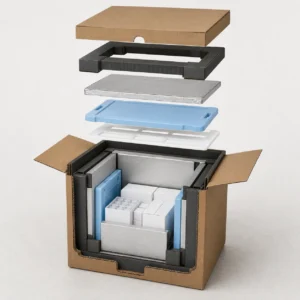
O que aconteceu
As temperaturas extremas do verão estão a criar novos desafios para as cadeias de abastecimento alimentar, aumentando a pressão nos sistemas de refrigeração, instalações de armazenamento frigorífico e redes de distribuição de alimentos frescos.
Análises recentes destacam que a volatilidade climática já não é apenas um problema agrícola.
Está se tornando um desafio de infraestrutura da cadeia de frio.
Os retalhistas alimentares e os operadores logísticos enfrentam uma pressão crescente:
- temperaturas ambientes mais altas
- picos de demanda de refrigeração
- incerteza de disponibilidade do produto
- complexidade de transporte
Como funciona
Os sistemas de cadeia de frio são projetados em torno das condições ambientais esperadas.
No entanto, calor extremo altera o ambiente operacional.
As temperaturas mais altas aumentam:
Carga de refrigeração
Câmaras frigoríficas e freezers devem remover mais calor:
- edifícios
- produtos
- entrada de ar
Pressão de Transporte
Cara de veículos refrigerados:
- tempos de recuperação de resfriamento mais longos
- maior demanda de combustível ou energia
- maior risco durante o carregamento
Desafios de refrigeração no varejo
Experiência em sistemas de refrigeração de supermercado:
- ciclos operacionais mais longos
- maior carga de trabalho do compressor
- aumento do risco de falha
A cadeia de frio depende, portanto, não apenas da capacidade do equipamento de refrigeração, mas também da:
- isolamento de construção
- sistemas de backup
- disponibilidade de energia
- Planejamento operacional
Por que isso importa
O design tradicional da cadeia de frio muitas vezes depende de condições climáticas históricas.
No entanto, eventos climáticos extremos mais frequentes desafiam essas suposições.
Um armazém projetado para padrões de temperatura anteriores pode experimentar:
- margem de refrigeração reduzida
- custos operacionais mais elevados
- maior probabilidade de falha
Os produtos frescos são especialmente sensíveis.
Mesmo quando os produtos permanecem tecnicamente refrigerados, atrasos e estresse térmico podem reduzir:
- prazo de validade
- aparência
- qualidade
- valor de varejo
Impacto B2B
Para operadores de câmaras frigoríficas:
Instalações futuras poderão exigir:
- margens de refrigeração mais altas
- isolamento melhorado
- energia de reserva
- projetos adaptativos ao clima
Para varejistas de alimentos:
O planejamento da cadeia de suprimentos deve incluir:
- fonte alternativa
- flexibilidade adicional de estoque
- monitoramento de refrigeração mais forte
Para fornecedores de logística:
O planejamento do transporte refrigerado deve considerar:
- rotas climáticas extremas
- capacidade de refrigeração do veículo
- prazo de entrega
Para fornecedores de refrigeração:
A demanda pode aumentar para:
- sistemas de alta eficiência
- controles inteligentes
- manutenção preditiva
Para fornecedores de tecnologia:
As futuras plataformas integrarão:
- dados meteorológicos
- dados de refrigeração
- informações de inventário
para prever riscos da cadeia de frio.
Visão final
As alterações climáticas estão a transformar o design da cadeia de frio.
A futura cadeia de frio não deve apenas manter a temperatura em condições normais.
Deve permanecer confiável durante:
- ondas de calor
- pressão de energia
- interrupções no fornecimento
A resiliência da cadeia de frio está a tornar-se um requisito fundamental da segurança alimentar global.
A cadeia de frio farmacêutico evolui em direção à visibilidade orientada por IA e ao gerenciamento preditivo de riscos
Pharmaceutical Cold Chain Moves from Temperature Monitoring Toward Predictive Supply Chain Control

O que aconteceu
The pharmaceutical cold chain industry is entering a new stage of digital transformation as demand increases for biologics, Terapias com GLP-1, vacinas e medicamentos avançados.
Industry analysis highlights that cold chain providers are expanding beyond traditional temperature monitoring toward integrated systems combining:
- visibilidade em tempo real
- análise preditiva
- alertas automatizados
- supply chain intelligence
The change reflects increasing complexity in pharmaceutical distribution.
Modern healthcare products often require:
- narrow temperature ranges
- procedimentos de manuseio rigorosos
- validated logistics processes
Como resultado, maintaining temperature alone is no longer enough.
Como funciona
Traditional pharmaceutical cold chains rely on:
- embalagem isolada
- transporte refrigerado
- registradores de dados de temperatura
- Armazéns do PIB
These systems confirm whether products remained within specification.
No entanto, future cold chains increasingly focus on prevention.
Digital platforms combine:
Monitoramento em tempo real
Incluindo:
- temperatura
- localização
- status da remessa
- condição do equipamento
Análise Preditiva
Usado para identificar:
- riscos de atraso
- probabilidade de excursão de temperatura
- problemas de rota
Automated Intervention
Systems can recommend:
- redirecionamento
- tratamento prioritário
- additional cooling support
- transferência de armazém
Por que isso importa
Advanced therapies create new cold chain challenges.
Exemplos:
- terapias celulares
- terapias genéticas
- Biologics
- medicamentos injetáveis
These products often have:
- valor mais alto
- shorter stability windows
- greater patient impact
A logistics failure may result in:
- perda de produto
- treatment delays
- investigação regulatória
Ao mesmo tempo, global pharmaceutical networks involve:
- vários países
- múltiplas operadoras
- complex regulatory environments
This makes manual management increasingly difficult.
Impacto B2B
Para fabricantes farmacêuticos:
Future supply chains require:
- broader visibility
- predictive risk management
- planejamento de contingência mais forte
Para fornecedores de logística:
Competitive advantages will include:
- monitoramento digital
- GDP capability
- intervenção proativa
Para operadores de câmaras frigoríficas:
A demanda aumentará por:
- pharma-grade facilities
- armazéns automatizados
- connected monitoring
Para fornecedores de embalagens:
As oportunidades de crescimento incluem:
- expedidores inteligentes
- Sistemas PCM
- embalagem reutilizável
Para empresas de tecnologia:
Future solutions will integrate:
- IA
- IoT
- gêmeos digitais
- automated decision systems
Visão final
The pharmaceutical cold chain is shifting from:
“recording temperature history”
para:
“predicting and preventing product risk.”
The next generation of healthcare logistics will combine physical cold chain infrastructure with digital intelligence.
O controle de refrigeração baseado em IA cria operações de armazenamento refrigerado mais inteligentes
Engenharia Térmica Aplicada / Elsevier
Otimização de refrigeração orientada por IA vincula operações de armazém com eficiência energética da cadeia de frio
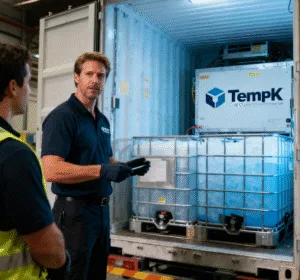
O que aconteceu
Pesquisadores propuseram uma nova abordagem para otimização de armazenamento refrigerado industrial, conectando atividades logísticas de armazéns com estratégias de controle de refrigeração.
O estudo apresenta uma estrutura de programação de temperatura de supervisão com reconhecimento logístico, projetada para melhorar a eficiência energética e, ao mesmo tempo, manter as condições de armazenamento exigidas.
Os armazéns frigoríficos tradicionais normalmente operam sistemas de refrigeração usando estratégias de temperatura fixa.
No entanto, a demanda térmica real muda ao longo do dia dependendo:
- movimentação de paletes
- aberturas de portas
- atividade de carregamento
- horários de descarga
- operações de armazém
A pesquisa explora se a refrigeração pode se tornar mais inteligente respondendo à atividade logística em vez de operar de forma independente.
Como funciona
Os sistemas industriais de armazenamento refrigerado normalmente mantêm a temperatura continuamente.
No entanto, nem todos os momentos requerem a mesma intensidade de resfriamento.
Por exemplo:
Durante períodos de alta atividade no armazém:
- portas abrem com mais frequência
- ar quente entra nas áreas de armazenamento
- a movimentação do produto aumenta
Durante períodos inativos:
- carga térmica diminui
- a demanda de resfriamento torna-se menor
O sistema proposto combina:
Informações Logísticas
Incluindo:
- programações de armazém
- movimento de materiais
- tempo operacional
Controle de refrigeração
Ajustando:
- pontos de ajuste de temperatura
- demanda de resfriamento
- consumo de energia
Algoritmos de Otimização
Equilíbrio:
- economia de energia
- estabilidade de temperatura
- requisitos operacionais
Os resultados da simulação mostraram:
- redução de energia de aproximadamente 5,78% –6,23%
- redução de potência de pico de aproximadamente 8,75% –9,45%
- sem violações de temperatura
Por que isso importa
O armazenamento refrigerado é um dos maiores consumidores de energia na logística alimentar e farmacêutica.
Os operadores enfrentam uma pressão crescente:
- custos de eletricidade
- metas de sustentabilidade
- requisitos de redução de carbono
As melhorias de eficiência tradicionais concentram-se em:
- isolamento
- compressores
- equipamento de refrigeração
A otimização de IA introduz outro caminho:
usando inteligência operacional para reduzir a demanda desnecessária de resfriamento.
Isto é importante porque os armazéns frigoríficos são ambientes dinâmicos.
Uma instalação que processa centenas de movimentos de paletes por dia tem um comportamento térmico muito diferente de um armazém de baixa atividade.
Impacto B2B
Para operadores de câmaras frigoríficas:
Instalações futuras poderão integrar:
- Dados WMS
- controles de refrigeração
- sistemas de gestão de energia
Para fornecedores de refrigeração:
As oportunidades de crescimento incluem:
- controladores inteligentes
- Módulos de otimização de IA
- sistemas de manutenção preditiva
Para fornecedores de automação de armazém:
Integração entre:
- robôs
- movimentação de estoque
- refrigeração
pode se tornar uma nova vantagem competitiva.
Para equipes de sustentabilidade:
A otimização da refrigeração por IA pode suportar:
- redução de energia
- relatórios de carbono
- eficiência operacional
Para empresas de tecnologia da cadeia de frio:
Os futuros armazéns inteligentes poderão operar como sistemas conectados onde:
- dados logísticos controlam refrigeração
- dados de refrigeração melhoram decisões logísticas
Visão final
O futuro armazém frigorífico não irá simplesmente manter a temperatura.
Ele irá coordenar dinamicamente:
- movimentação de produtos
- demanda de resfriamento
- consumo de energia
- cronogramas operacionais
O controle de refrigeração baseado em IA representa uma mudança da manutenção passiva da temperatura para o gerenciamento inteligente da cadeia de frio.
O crescimento da cadeia de frio farmacêutica cria nova demanda por visibilidade e resiliência
A cadeia de frio farmacêutica vai além do controle de temperatura em direção à resiliência da cadeia de suprimentos
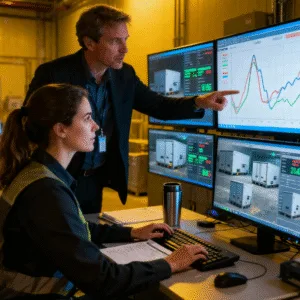
O que aconteceu
O mercado farmacêutico da cadeia de frio continua a expandir-se à medida que aumenta a procura por produtos biológicos, medicamentos especiais, vacinas e terapias avançadas.
No entanto, a análise da indústria destaca que o crescimento está ocorrendo juntamente com o aumento da complexidade da cadeia de suprimentos.
As modernas redes de logística farmacêutica enfrentam agora desafios, incluindo:
- perturbações geopolíticas
- instabilidade de transporte
- mudanças regulatórias
- visibilidade limitada da remessa
A indústria está mudando de um foco tradicional na manutenção da temperatura para um objetivo mais amplo:
protegendo a integridade do produto em toda a rede de fornecimento.
Como funciona
Uma cadeia de frio farmacêutica moderna envolve vários estágios conectados:
- instalações de fabricação
- operações de embalagem
- Armazéns do PIB
- aeroportos
- fornecedores de transporte
- hospitais e instalações de saúde
Cada transição cria um risco potencial.
A gestão tradicional da cadeia de frio concentrava-se principalmente em:
- mantendo a faixa de temperatura
- registrando o histórico de remessas
Os sistemas de nova geração combinam cada vez mais:
Monitoramento em tempo real
Incluindo:
- sensores de temperatura
- rastreamento de localização
- status da remessa
Análise Preditiva
Usado para identificar:
- riscos de atraso
- probabilidade de excursão de temperatura
- problemas de rota
Visibilidade da cadeia de suprimentos
Estendendo-se além dos fornecedores diretos para incluir:
- subcontratados
- aeroportos
- portos
- centros logísticos
Por que isso importa
Os produtos farmacêuticos estão se tornando cada vez mais sensíveis.
Exemplos incluem:
- Anticorpos monoclonais
- vacinas
- terapias celulares
- terapias genéticas
Esses produtos muitas vezes exigem:
- faixas de temperatura rigorosas
- embalagem validada
- procedimentos de manuseio controlado
Uma falha no envio pode resultar em:
- perda de produto
- investigação regulatória
- atraso no tratamento do paciente
Ao mesmo tempo, redes logísticas globais estão se tornando mais vulneráveis.
Um produto pode permanecer dentro dos limites de temperatura, mas ainda assim enfrentar riscos de:
- atrasos no transporte
- questões alfandegárias
- interrupções de rota
Portanto, o controle de temperatura por si só não é mais suficiente.
Impacto B2B
Para fabricantes farmacêuticos:
As futuras cadeias de abastecimento exigirão:
- visibilidade mais ampla do fornecedor
- rotas logísticas alternativas
- planejamento de contingência mais forte
Para fornecedores de logística:
Os clientes do setor de saúde exigem cada vez mais:
- Conformidade com o PIB
- monitoramento digital
- intervenção proativa
Para operadores de câmaras frigoríficas:
A demanda continua aumentando por:
- armazéns de qualidade farmacêutica
- armazenamento multitemperatura
- monitoramento digital
Para fornecedores de embalagens:
As oportunidades de crescimento incluem:
- Remetentes PCM
- Recipientes reutilizáveis
- indicadores inteligentes de temperatura
Para empresas de tecnologia:
As futuras cadeias de frio farmacêuticas dependerão:
- Previsão de IA
- gêmeos digitais
- sistemas de monitoramento conectados
Visão final
A cadeia de frio farmacêutica está evoluindo.
A indústria está se movendo de:
“manter a temperatura”
na direção:
“gerenciando riscos em toda a cadeia de suprimentos.”
Os futuros líderes da cadeia de frio combinarão:
- proteção térmica
- visibilidade digital
- análise preditiva
- resiliência operacional
em um ecossistema integrado de logística de saúde.