


Como qualificar embalagens passivas de cadeia de frio para produtos de saúde e veterinários
Como qualificar embalagens passivas de cadeia de frio para produtos de saúde e veterinários
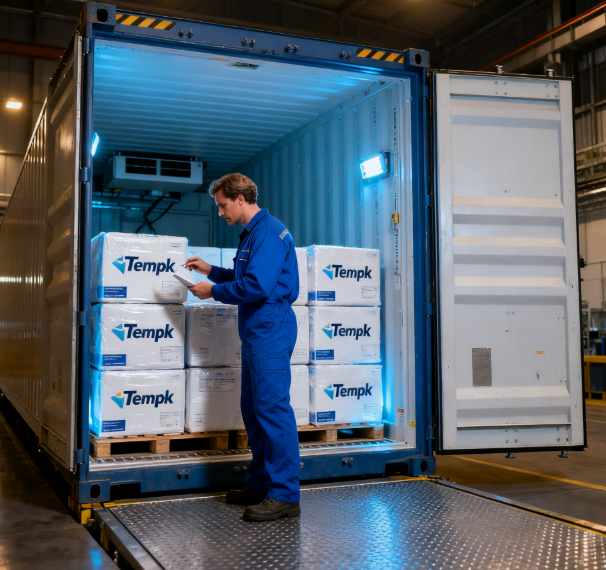
A passive cold-chain packout should be qualified against the product it protects, not against a generic refrigerant claim. Healthcare and veterinary shipments may both use insulated shippers and gel-based coolants, but their products, condições de armazenamento rotuladas, requisitos do mercado, and quality processes can differ. The shared principle is simple: identify the product requirement first, design the complete packout around it, and document the evidence and limits of the result.
Begin With the Product Requirement
The relevant quality owner should define the storage condition, the permitted handling and shipping deviations, whether direct coolant contact is allowed, the duration and route profile to be evaluated, and the method used to decide whether a shipment is acceptable. The packaging team then translates that information into an insulated shipper, arranjo de refrigerante, instrução de condicionamento, plano de monitoramento, and packout procedure.
FDA material for biological products advises handlers to consult the product label and record time and temperature conditions when assessing possible excursions. FDA VICH stability guidance also discusses the need to address short-term deviations outside labelled storage conditions during shipping or handling. These sources do not qualify any particular gel pack; they reinforce why the packout needs to be product-specific and documented.
Referência: FDA guidance on storage conditions and excursion records for biological products.
Referência: FDA VICH GL51 stability guidance.
Build the Whole Packout
| Elemento | Qualification question | Evidências para reter |
|---|---|---|
| Carga útil | What condition and physical protection does the product require? | Product requirement and defined acceptance criteria. |
| Refrigerante | Which format, quantia, estado de condicionamento, and placement are intended? | Approved component specification and packout drawing. |
| Insulation and carton | How do dimensions, material, and closure affect usable volume and heat gain? | Configuration record including internal layout. |
| Perfil de rota | Which ambient, transferir, atraso, and orientation conditions are represented? | Test profile and reason it represents the intended lane. |
| Monitoramento | What sensors or indicators are used and where are they placed? | Mapa de sensores, data review method, and decision rule. |
Keep Healthcare and Veterinary Contexts Separate
The same technical framework can be used for both applications, but product and regulatory conclusions should not be copied from one to the other. A hospital shipment may involve medicines, biológico, amostras, or other materials with specific product labelling and site procedures. A veterinary shipment may involve medicines, biológico, materiais de laboratório, or other products governed by different product and market conditions. The responsible quality team should confirm the applicable requirements for the product and destination before the packaging claim is finalized.
Make the Test Reproducible
A chamber or route simulation is most useful when another team can repeat it. Record the sample lot, remetente, isolamento, tipo e quantidade de refrigerante, método de condicionamento, massa e geometria da carga útil, sequência de montagem, condições iniciais, sensores, perfil ambiente, orientação, delay condition, e resultado. If an assumption changes, decide whether the change is minor enough to document or large enough to require a repeat evaluation.
Avoid Misleading Claims
Do not describe a gel block, bolsa, or logger as proof of compliance. Um registrador registra condições; não oferece proteção. An insulated carton can reduce heat gain, but it is not automatically qualified.
Define the Scope of Evidence
A successful test under one ambient profile is evidence for those conditions, not a promise for every season or destination. Clear wording protects both the reader and the quality process.
Release Checklist
- Product requirement and test acceptance criteria are documented before trial work begins.
- Component data and full-packout results are labelled separately.
- The test profile represents the intended route and an agreed contingency condition.
- The final work instruction shows coolant placement, barreiras, encerramento, e recebendo ações.
- Any product-specific regulatory or stability decision remains with the responsible quality owner.
Embalagem para envio de sorvetes, refrigerantes em gel e testes de rota

Ice cream shipping design should begin with the condition that the product must retain at receipt, not with a generic claim that a carton stays cold. A gel refrigerant can be part of an effective frozen-dessert packout, but the outcome depends on product starting condition, isolamento, layout do refrigerante, perfil de trânsito, atrasos, and the standard used to judge the delivery. The most useful packaging plan turns those variables into a repeatable route test.
Define the Product Acceptance Condition
The product owner should identify the condition that defines an acceptable delivery. This may include product temperature, physical appearance, textura, evidence of thawing or refreezing, integridade do pacote, and applicable food-safety controls. The packaging supplier or designer should not invent these limits from a coolant product sheet. Assim que a condição de aceitação estiver clara, the packout can be designed to challenge it.
USDA guidance lists frozen gel packs and dry ice as possible cold sources for mail-order perishable foods. That is useful context, but it is not a qualification method for an ice cream carton. A selected coolant must still be tested within the intended shipper, carga útil, faixa, and handling scenario.
Referência: USDA FSIS mail order food safety guidance.
Choose a Gel Refrigerant Layout
| Design decision | Por que isso importa | Test observation |
|---|---|---|
| Formato do refrigerante | Bolsas, almofadas, and blocks occupy space and contact the payload differently. | Does the format fit without crushing product or creating large voids? |
| Colocação do refrigerante | Principal, lado, base, and distributed arrangements change the heat path. | Are there warmer zones or direct-contact risks inside the carton? |
| Isolamento | The liner or shipper changes both thermal behavior and usable interior volume. | Does the insulation fit the stated payload without reducing the intended load? |
| Condicionamento | Um congelado, refrigerado, or partly conditioned coolant changes the starting heat balance. | Can the packing team consistently achieve the specified condition? |
| Delay allowance | A realistic contingency defines whether the packout is resilient enough. | How does the product condition change after the agreed delay profile? |
Why a Stand Alone Hold Time Is Not Enough
A stated number of hours is meaningful only when the test setup is known. Dimensões da caixa, isolamento, massa do produto, quantidade de refrigerante, temperaturas iniciais, exposição ambiental, fluxo de ar, orientação, manuseio, and sensor placement can all change the result. A low-payload test in a controlled chamber cannot be assumed to represent a full carton moving through a parcel network.
Run a Route Relevant Trial
A useful pilot uses the proposed shipment configuration rather than an idealized version of it. Pack the intended product or a justified simulator in the intended carton. Condition the coolant according to the proposed work instruction. Place sensors where they answer the real question, not only where temperature appears most favorable. Challenge the packout with a representative transit scenario and a pre-agreed delay condition if it is part of the design requirement.
Inspect More Than Temperature
The test result should record physical observations as well as temperature data. Check container damage, migração de umidade, deformação da embalagem, condição do selo, aparência do produto, and the signs that the product-quality team has defined as unacceptable. A carton can produce a reasonable logger trace while still creating a handling or product-quality problem.
Plan for Seasonal Change
A packout that works in a mild test window may require a different coolant configuration during hot weather or on a more demanding lane. Keep the original test assumptions visible, then define when the configuration will be rechecked. A seasonal review is more useful than updating a page with an unqualified universal claim.
Practical Checklist
- Define delivery acceptance before selecting coolant size or quantity.
- Test the full carton, carga útil, isolamento, and coolant layout together.
- Record conditioning and sensor placement so the trial can be repeated.
- Separate food-handling guidance from route-specific packaging evidence.
- Review the configuration when the product, Carton, faixa, or seasonal risk changes.
Como selecionar formatos de pacote de gel para remessas sensíveis à temperatura
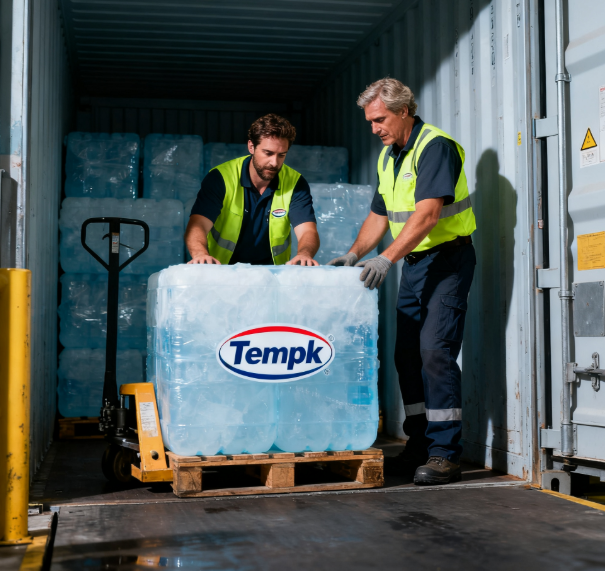
The right gel pack format is chosen by the shipment it must support, not by a generic claim about how cold or how long a pack lasts. Uma bolsa, almofada, bloquear, or super absorbent polymer gel pack can all be useful in the right configuration. The real question is whether the coolant, isolamento, Carton, carga útil, método de condicionamento, and route work together under defined conditions.
Treat the Gel Pack as a Component
A gel pack absorbs heat and can help slow temperature change inside a passive shipper. It does not establish the allowable product range, qualify the carton, or guarantee a delivery outcome on its own. Product owners should first define the allowable temperature range, sensitivity to direct cold contact, condição inicial do produto, expected transit profile, e critérios de aceitação. That information makes the cooling component easier to select and test.
Super absorbent polymer is used in some gel-pack formulations to retain water in a manageable gel structure. The name of the absorbent material does not by itself establish a temperature range or route duration. Formulação, quantidade de preenchimento, construção de bolsa, estado de condicionamento, and the complete packout all influence the result.
Background reference: an example of SAP supplied for gel-pack manufacturing. Product-specific claims on that page should not be treated as industry-wide performance values.
Match the Format to the Packing Task
| Formatar | Where it can help | Question to answer before use |
|---|---|---|
| Flexible pouch | Conforms around irregular payloads and can fit variable headspace. | Will close contact create a local cold risk or damage labels and packaging? |
| Almofada plana | Supports layered packouts with limited vertical space. | Can the pad be positioned without blocking airflow or creating large voids? |
| Block or brick | Provides repeatable geometry and can simplify operator placement. | Does the fixed shape fit the interior layout without reducing usable payload volume? |
| Multi-unit layout | Allows coolant to be distributed around a large or irregular shipment. | Can the packing team reproduce the same placement every time? |
Conditioning Is Part of the Specification
A coolant’s starting condition can change the packout outcome as much as its nominal weight. A pack frozen solid, refrigerado, or prepared for a controlled range will not behave in the same way. The work instruction should state the equipment, ponto de ajuste, conditioning duration, limite de preparação, and the action to take when the required condition has not been achieved. This converts conditioning from informal freezer practice into a controllable step.
Ask What the Test Actually Represents
A useful test record names the shipper, isolamento, payload or payload simulator, quantidade de refrigerante, temperaturas iniciais, método de condicionamento, localizações dos sensores, perfil ambiente, orientação, e faixa de aceitação. Sem esses detalhes, a hold-time number cannot be transferred safely to another carton or route. Component tests can still be valuable, but they should be labelled as component tests rather than proof of full system performance.
Control Sample to Production Consistency
Once a packout is approved, the production specification should protect the assumptions behind it. Confirm how dimensions, fill targets, construção de filme, integridade do selo, identificação do lote, and change notification are controlled. A small change in pouch thickness or fill distribution can affect fit, manuseio, and thermal behavior even when the product looks similar.
Baterias de resfriamento de gel para envio de flores cortadas
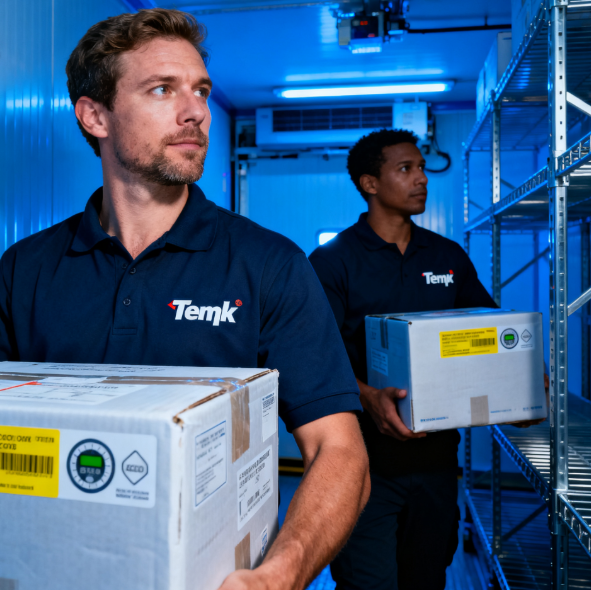
A gel cooling battery can help reduce heat gain during flower transport, but floral shipping requires more than making the carton cold. Flower type, condição de colheita, pré-resfriamento, hidratação, sleeve design, condensação, exposição da rota, and direct contact with the coolant can all influence the arrival condition. The packaging goal is to support floral quality without creating cold injury, danos causados pela água, or mechanical damage inside the carton.
Start With the Flower and the Process
Temperature management for cut flowers is species dependent. Mississippi State University notes that most cut flowers are commonly refrigerated around 35–40°F, while some tropical flowers are held warmer, and temperatures near freezing can damage plant tissue. These figures are handling context rather than a universal shipment target. A mixed floral box should be evaluated against the most sensitive flowers in the load.
Referência: Mississippi State University guidance on handling fresh flowers.
Cooling should also begin before the shipper is closed. Oklahoma State University recommends prompt cooling to remove field heat and explains that higher storage temperatures can reduce vase life. A gel battery is most effective when it supports a defined cold-chain process rather than attempting to remove all field heat after flowers are packed.
Referência: Oklahoma State University guidance on cut flower care and cooling.
Identify the Main Floral Risk
| Risco | Packout response | What to inspect after transit |
|---|---|---|
| Warm flowers at packing | Pre-cool before packing and avoid treating the coolant as the only cooling step. | Starting condition and visible heat stress at receipt. |
| Cold sensitive flowers | Use separation and a temperature plan that protects the most sensitive product. | Water-soaked tissue, descoloração, and other cold-injury signs. |
| Condensação | Use appropriate barriers, colocação, and moisture-management design. | Wet sleeves, etiquetas danificadas, moisture on blooms, e amaciamento de caixas. |
| Long narrow cartons | Match coolant geometry and location to the box shape and airflow path. | Temperature variation between the ends of the carton. |
| Mixed species orders | Group or separate flowers when one cooling approach could compromise another. | Appearance and handling outcome for each product group. |
Position the Cooling Battery Carefully
A cooling battery should not be pressed directly against blooms or fragile foliage unless the exact configuration has been evaluated. Um forro, divisor, bolsa, or dedicated compartment can help manage local temperature and water. The placement of the coolant changes the heat path: an overhead pack, side pack, and distributed layout can produce different results in the same carton.
Measure the Visual Outcome
A floral test should record more than a temperature trace. Include dehydration, contusões, condensação, condição da manga, flower opening, and any water-soaked or transparent tissue. Where the process permits, compare vase-life observations after arrival. These details help the team understand whether the coolant arrangement supports product quality rather than simply producing a cold reading.
Use a Trial That Represents Operations
Use the actual flower mix, Carton, manga, forro, cooling-battery format, rotina de condicionamento, and order-packing sequence. Record the starting condition, colocação de refrigerante, perfil de rota, and delivery observations. If the shipment includes a hot-weather lane or a handoff risk, define the additional challenge before the trial begins. The result should be expressed as evidence for that configuration and condition, not as a universal flower-life guarantee.
Practical Checklist
- Confirm the species mix and identify cold-sensitive flowers before choosing a coolant condition.
- Pre-cool flowers and pack them in the intended operating environment.
- Use barriers or dedicated spaces when direct coolant contact could harm blooms or packaging.
- Assess moisture and visual quality alongside temperature data.
- Retest when flower mix, design de caixa, layout do refrigerante, rota, ou mudanças de temporada.
Instruções de embalagem da cadeia fria: Uma sequência repetível para cada remessa

Instruções de embalagem da cadeia fria: Uma sequência repetível para cada remessa
Cold chain packout instructions convert an approved packaging configuration into a sequence that an operator can follow at the packing station. The instructions should identify the correct components, explain how they are prepared and positioned, show where the payload and logger belong, and define the checks required before dispatch.
They are not a substitute for qualification or approval of the packaging system. The configuration defines the tested or approved arrangement; packout instructions preserve that arrangement during routine use. If an operator must guess how much coolant to use, where a barrier belongs, or whether a substitute component is acceptable, the instructions are not sufficiently controlled.
Antes de embalar: confirm the correct configuration
Begin by matching the shipment to the approved configuration. Check the product or order identity, payload size and quantity, destination or route, and current configuration revision. Confirm that the planned payload is within the approved range and that the required monitoring method is available.
Do not begin assembly if the shipment falls outside the documented conditions. Examples include an unusually large payload, a different product arrangement, uma rota não aprovada, or a requested delivery time that exceeds the supported plan. Hold the shipment and contact the designated packaging, logística, or quality owner.
Prepare the full component kit
Use the current bill of materials or pick list. Depending on the approved system, the kit may include the outer shipper, forro de isolamento, coolant elements, internal barriers, inserções, preenchimento vazio, registrador, rótulos, selos, e documentos de envio. Each critical component should be identifiable by a part number or controlled label.
Check the quantity and condition before assembling the shipper. Segregate damaged, vazando, contaminado, or unidentified items. A component that looks similar to the approved item should not be treated as interchangeable without authorization.
Confirm coolant conditioning
Coolant preparation is configuration-specific. Different gel packs or phase-change materials may require different conditioning procedures, so there is no universal freezer duration or preparation state that applies to every system. Follow the approved instruction for the exact coolant and configuration.
The instruction should explain how readiness is confirmed and how coolant in different states is identified and stored. Do not mix ready-to-use coolant with packs that are still conditioning or awaiting inspection. If the required state cannot be verified, do not estimate it by touch or appearance; follow the hold and escalation process.
For systems that use different seasonal variants, the approved selection rule must be clear. Staff should not independently add or remove coolant because the day feels warmer or colder than usual.
Assemble the shipper in the approved order
Use a numbered diagram or annotated photograph showing the package orientation and component placement. The exact sequence varies by system, but the instruction should define each critical action:
- Prepare the outer shipper and insulation. Check that the container and liner are the approved types, orientado corretamente, and free of damage that could affect fit or closure.
- Install the base components. Place the specified base insulation, inserir, or coolant in the exact position shown.
- Add the required barriers. Install separators or contact barriers where specified. Do not cut them smaller, fold them differently, or replace them with generic padding unless the change has been approved.
- Position the coolant. Use the approved component count and location. If the configuration prohibits direct contact between coolant and payload, verify that the barrier fully separates them.
- Carregue a carga útil. Check product identity and quantity, use the specified orientation, and keep the load within the approved fill range. Do not force extra units into the shipper or rearrange the layout to make the lid close.
- Add remaining components. Install the specified top layer, preenchimento vazio, restrições, or additional barriers. Ensure the payload cannot shift into an unintended position during handling.
- Place the logger. Position and activate the approved monitoring device according to the monitoring plan. Record its identifier against the shipment where required.
- Close the shipper. Seat the lid or closure fully and apply the specified tape, selo, or locking method.
- Apply labels and documents. Confirm that the shipment identity and required handling labels are readable and that all required documents are included.
This sequence is an operational framework, not a universal layer pattern. The approved configuration diagram controls the actual order, posição do refrigerante, and barrier arrangement for each system.
Place the logger for its intended purpose
Um registrador de dados de temperatura registra as condições no local da sonda; it does not cool the payload or guarantee that every product in the shipper experiences the same temperature. The sensor position should therefore match the approved monitoring plan. Moving the probe to make it easier to reach can change what the reading represents.
The instruction should identify the device, show the exact probe location, define any activation or start step, and explain how the record is associated with the shipment. If the device is missing, danificado, not activated, or displaying an error, stop and follow the defined exception process rather than dispatching without an approved decision.
Complete the release check
The final check should be based on observable criteria. Dependendo do sistema, verificar:
- Correct configuration revision and component identities.
- Required coolant condition and quantity.
- Correct barrier coverage and coolant placement.
- Identidade da carga útil, orientação, and permitted fill range.
- Localização do registrador, ativação, and shipment association.
- Encerramento, selo, rótulo, and document completeness.
- Completion of required records and approvals.
A general statement such as “inspect package before shipping” is not enough if the critical details are not specified. Where a second-person verification is required, define exactly which elements the verifier must confirm.
Dispatch and handoff
After release, move the package to the designated dispatch area and protect it from unauthorized opening or exposure outside the approved staging conditions. Record the required dispatch information and complete the carrier handoff. If the carrier is late, the package is opened, the shipper is damaged, or the route changes, do not assume that the original release remains valid. Follow the approved escalation rule.
O processo de recebimento também deve ser definido. The receiver may need to inspect the outer package, transfer the product promptly to its required storage environment, review monitoring data, and report damage or a suspected temperature excursion. Packout instructions should identify the receiving documents or labels needed to support this handoff.
What to do when the packout cannot be completed as written
Stop and escalate when a required component is missing, the coolant state is uncertain, the payload does not fit, a barrier is damaged, the logger fails, or an unapproved substitution appears necessary. Record the shipment identifier, revisão de configuração, componente afetado, tempo, and reason for the hold. The designated owner should decide whether to replace materials, reembalar, perform further assessment, or cancel the shipment.
Do not let an operator resolve a design issue by adding more coolant, changing the layer order, or removing a barrier. Such changes may alter thermal performance and can make the actual shipment different from the configuration that was assessed.
How to make instructions usable at scale
A strong instruction sheet combines controlled text with clear visuals. Include the configuration name and revision, uma lista de componentes, the sequence of actions, coolant conditioning reference, limites de carga útil, posicionamento do registrador, requisitos de fechamento, release checklist, and stop-and-escalate conditions. Use separate diagrams for genuinely different approved variants.
Antes do lançamento, test the document with an operator who did not write it. Provide the approved materials and ask the operator to complete a representative packout without coaching. Observe where the person hesitates or guesses, compare the finished assembly with the approved diagram, and revise the instruction to remove ambiguity. Withdraw obsolete copies and train affected staff whenever the controlled version changes.
Para medicamentos, applicable distribution guidance and the organization’s quality system may impose additional requirements for packaging selection, Monitoramento de temperatura, treinamento, e registros. Other cold chain applications may follow different rules. Em todos os casos, packout instructions should match the approved configuration and should not imply that a particular duration or temperature outcome is guaranteed unless the evidence supports that claim.
The goal is straightforward: every trained operator should be able to assemble the approved package in the same way, verify the critical details, and recognize when a shipment must be held. Clear packout instructions protect both thermal performance and the integrity of the operational record.
Troubleshooting at the packing station
The instruction should give operators a short, unambiguous response for common problems:
- A required component is missing: pause the packout and obtain the approved component; do not replace it with a visually similar item.
- Coolant readiness is uncertain: segregate the pack and confirm its status using the approved method before use.
- The payload does not fit: stop and check the permitted payload range; do not force the lid closed or remove a barrier.
- The logger fails or is unavailable: hold the shipment and follow the monitoring exception process.
- The shipper is damaged or has been opened after release: protect the product and request an authorized assessment before dispatch.
- The pickup is delayed or the route changes: compare the event with the approved shipping plan and escalate when it falls outside the stated conditions.
These responses should point to real roles and records in the company’s process. A generic instruction to “contact a supervisor” is less useful than naming the responsible role and specifying the shipment details needed for a decision. The packout sheet should not attempt to resolve every unusual event; it should help the operator recognize the limit of the approved method and stop before an improvised change becomes an undocumented configuration.
POP de embalagem para cadeia fria: Torne cada pacote aprovado repetível
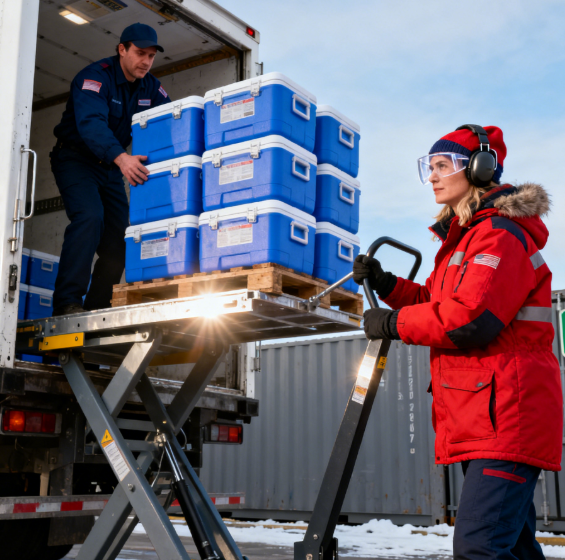
POP de embalagem para cadeia fria: Torne cada pacote aprovado repetível
A cold chain packaging SOP defines how an approved temperature-controlled shipping system is prepared, verificado, lançado, e documentado. O seu objetivo é tornar o método aprovado repetível entre operadores, turnos, instalações, e datas de envio. Não deve pedir aos embaladores que projetem uma solução térmica no local ou decidam se uma substituição improvisada é aceitável.
O SOP conecta três formas diferentes de controle: a configuração do pacote define o que o sistema contém; qualificação ou evidência de teste apóia seu uso sob condições declaradas; e o SOP controla como as pessoas executam o processo aprovado. Um processo completo precisa de todos os três. Um relatório de teste não pode garantir que os materiais corretos sejam usados todos os dias, e um POP detalhado não pode provar que um pacote não testado é adequado para uma rota.
Defina o escopo e a hierarquia do documento
Comece declarando quais produtos, intervalos de carga útil, sites, rotas marítimas, e sistemas de embalagem que o SOP cobre. Identificar exclusões, como remessas de emergência, cargas superdimensionadas, destinos não aprovados, ou recipientes reutilizáveis danificados. Esses casos devem seguir um procedimento aprovado separado ou ser encaminhados para a função técnica ou de qualidade responsável.
Referência de documentos controlados por título, identificador, e revisão. Dependendo da operação, o conjunto de documentos pode incluir:
- Requisitos de envio do produto e quaisquer limites de temperatura aprovados.
- Especificação de configuração de embalagem e lista de materiais.
- Protocolo de qualificação, relatório de teste, ou outra evidência de desempenho.
- Instruções de trabalho do pacote com diagramas ou fotografias.
- Instruções de monitoramento de temperatura e processo de revisão de dados.
- Listas de verificação, registros de remessa, formulários de desvio, e registros de controle de alterações.
Mantenha os parâmetros críticos sob controle do documento. Se a quantidade de refrigerante, posição do componente, limites de carga útil, ou a localização do registrador é copiada em vários documentos, a organização deve garantir que todas as referências permaneçam sincronizadas quando a configuração for alterada.
Atribua responsabilidades antes do início do trabalho
O SOP deve identificar quem é o proprietário do procedimento, quem pode embalar remessas, quem verifica etapas críticas, quem revisa os registros de monitoramento, e quem pode autorizar um desvio ou alteração de configuração. A mesma pessoa pode desempenhar mais de uma função em uma pequena operação, mas as responsabilidades devem permanecer explícitas.
Uma divisão típica de responsabilidade é:
- Proprietário de embalagem ou engenharia: mantém a configuração aprovada e avalia alterações técnicas.
- Operador de embalagem: verifica materiais, segue a instrução de trabalho atual, e registra as etapas necessárias.
- Função de verificador ou liberação: confirma que as verificações críticas foram concluídas quando uma verificação de segunda pessoa é necessária.
- Qualidade ou tomador de decisão designado: avalia desvios, relatórios de excursão, e alterações propostas.
- Função de transporte ou logística: confirma rota, transferência de operadora, tempo de envio, e recebimento de arranjos.
Adapte as funções ao fluxo de trabalho real da organização. Não atribua aprovações a um cargo que não exista na instalação.
Estabeleça pré-requisitos e controles de materiais
Antes de abrir o expedidor, o operador deve confirmar a identidade do pedido, configuração aprovada, faixa de carga útil, e revisão de instrução atual. Os componentes necessários devem estar disponíveis e identificáveis. A área de embalagem deve ser adequada ao trabalho e permitir que o operador conclua a sequência sem interrupções evitáveis.
O POP deve definir como verificar cada item crítico:
- Remetente externo correto, isolamento, refrigerante, barreiras, preenchimento vazio, e materiais de fechamento.
- Líquido refrigerante preparado de acordo com o procedimento de condicionamento aprovado.
- Identidade da carga útil, quantidade, condição da embalagem, e arranjo de carregamento permitido.
- Registrador de temperatura ou dispositivo de monitoramento necessário, incluindo seu status e identificação.
- Rótulos obrigatórios, papelada, selos, e marcas de manuseio.
- Limpeza e condição física dos componentes reutilizáveis, quando aplicável.
Indique o que acontece quando um item falha na inspeção. Componentes danificados ou não aprovados devem ser segregados para que não possam ser devolvidos ao estoque utilizável por engano. Não use instruções vagas como “selecione o líquido refrigerante adequado”; consulte a lista de componentes aprovados e o procedimento de condicionamento.
Escreva as etapas do pacote como ações observáveis
Um POP prático deve apontar para uma instrução de embalagem controlada e definir a sequência em um nível que permita ao operador verificar a conclusão. O arranjo técnico exato deve vir da configuração aprovada, mas o fluxo operacional geralmente inclui as seguintes etapas:
- Verifique o pedido e a configuração. Combine a remessa com o produto aprovado, carga útil, rota, e revisão de configuração.
- Inspecionar e preparar componentes. Confirmar identidade, doença, quantidade, e qualquer status de condicionamento necessário.
- Prepare o remetente. Monte o isolamento especificado e os componentes internos na orientação necessária.
- Carregar refrigerante e barreiras. Siga o diagrama aprovado e mantenha o líquido refrigerante longe da carga útil onde o projeto requer um separador.
- Carregar e proteger a carga útil. Use a orientação especificada, intervalo de preenchimento, espaçamento, e método de contenção.
- Coloque o dispositivo de monitoramento. Use a localização definida do sensor e conclua as etapas de início ou ativação necessárias.
- Fechar e rotular. Aplicar o fechamento especificado, selos, rótulos, e documentos.
- Concluir verificações de lançamento. Verifique o arranjo final e registre quaisquer identificadores e resultados necessários.
- Transferir para expedição. Proteja o pacote fechado contra abertura não autorizada e siga o processo aprovado de preparação e entrega da transportadora.
O POP não deve depender de “embalar com cuidado” ou “usar líquido refrigerante suficiente”. Essas frases deixam as decisões de design para o operador. Use IDs de componentes controlados, um diagrama, limpar palavras de sequência, e verificações objetivas das etapas que afetam o desempenho.
Definir decisões de monitoramento e liberação
Um registrador de dados de temperatura registra a temperatura no local da sonda; não protege ativamente a carga útil. O SOP deve indicar quem ativa o dispositivo, como seu identificador está vinculado à remessa, onde a sonda é colocada, como o registro é recuperado, e quem analisa os resultados. Os requisitos de monitoramento dependem do produto, avaliação de risco, requisitos do cliente, e quadro de qualidade aplicável.
Antes do envio, a porta de liberação deve confirmar que a configuração aprovada foi seguida, a carga útil está dentro do intervalo permitido, componentes e barreiras necessários estão presentes, o pacote está fechado corretamente, e as etiquetas estão completas. Se o processo exigir uma verificação em segunda pessoa, identificar exatamente quais itens devem ser verificados. Não colete assinaturas sem definir o que o signatário está confirmando.
Torne desvios e atrasos acionáveis
O POP deve dizer aos funcionários quando parar, em vez de improvisar. Os gatilhos comuns incluem componentes ausentes, preparação incorreta do refrigerante, um remetente danificado, uma carga fora do alcance, um registrador com falha, uma rota não aprovada, uma coleta perdida, ou um pacote que foi aberto após o lançamento.
Para cada desvio, definir:
- Contenção imediata: pare de embalar, segurar a remessa, ou segregar materiais afetados.
- Notificação: nomeie a função que deve ser contatada.
- Informações necessárias: ID da remessa, revisão de configuração, tempo, componente afetado, dados de monitoramento, e descrição do evento.
- Autoridade de disposição: quem decide se deve reembalar, substituir, avaliar melhor, liberar, ou rejeitar.
- Documentação: como a decisão e qualquer ação corretiva são registradas.
Um envio tardio não deve ser tratado adivinhando quanto tempo o pacote permanecerá em vigor. A função responsável deve avaliar o atraso em relação à configuração aprovada, suposições de rota, e evidência aplicável. Se a evidência existente não cobrir a situação, a remessa deve seguir o processo de escalonamento da organização.
Controle variantes sazonais e componentes reutilizáveis
Se existirem múltiplas configurações aprovadas, definir a regra para selecionar cada variante, quem faz essa seleção, e como a escolha é registrada. Evite instruções sazonais vagas, como “adicionar mais líquido refrigerante quando estiver quente”. Uma variante deve ser uma configuração controlada com componentes definidos e instruções de montagem.
Para medicamentos, A orientação europeia de boas práticas de distribuição aborda o treinamento para configurações sazonais de caixas isoladas e controle de reutilização de refrigerante, incluindo evitar que pacotes resfriados de forma incompleta sejam usados erroneamente. Os requisitos precisos dependem do produto e da jurisdição, mas o princípio operacional é amplamente útil: distinguir claramente os estados dos componentes e evitar a reutilização descontrolada.
Para remetentes reutilizáveis, definir tratamento de devolução, inspeção, limpeza onde necessário, critérios de dano, e liberar de volta ao serviço. Uma inspeção visual pode identificar alguns danos, mas não prova automaticamente que um recipiente reutilizável mantém o seu desempenho térmico original.
Treine operadores e retenha registros úteis
O treinamento deve abranger a sequência e as razões por trás dos controles críticos. Os operadores devem compreender por que uma barreira pode ser necessária, por que a posição do refrigerante é importante, por que o logger tem um local definido, e por que um componente substituto não pode ser considerado equivalente. Reavaliar o treinamento quando o procedimento ou a configuração mudar, e reter evidências de acordo com o sistema de qualidade aplicável.
Os registros de remessa devem permitir uma investigação para reconstruir o que aconteceu. Dependendo do risco, registrar o identificador da remessa, revisão de configuração, operador e verificador, data e hora, identificadores de componentes ou lotes quando necessário, ID do registrador, verificações de liberação, transferência de operadora, e quaisquer desvios. Definir períodos de retenção no procedimento de registos aplicável em vez de assumir uma duração universal.
Revise o SOP quando o processo mudar
Revise o SOP após uma alteração na carga útil, rota, componente de embalagem, método de condicionamento de refrigerante, dimensões do expedidor, fornecedor, área de embalagem, método de monitoramento, ou processo de recebimento. O proprietário da embalagem deve avaliar se a alteração afeta a configuração aprovada ou as evidências que a apoiam. Atualizar os documentos controlados e treinar o pessoal afetado antes que o método revisado seja usado.
Para remessas farmacêuticas, os requisitos aplicáveis do GDP e o sistema de qualidade da organização determinam os controles necessários. Outras categorias de produtos podem seguir regras diferentes. Evite afirmar que um único POP garante automaticamente a conformidade global.
Um POP de embalagem para cadeia de frio forte é conciso no ponto de uso, tecnicamente alinhado com a configuração aprovada, e explícito sobre decisões de liberação e exceção. Revise-o observando um pacote real, não apenas revisando o documento. Se um operador treinado não conseguir concluir o processo corretamente usando apenas as instruções atuais, melhorar o procedimento antes de confiar nele em grande escala.
Verifique se o POP está funcionando
Revise o procedimento usando evidências de operações de rotina, não apenas o status de aprovação do documento. Sinais úteis incluem listas de verificação incompletas, substituições repetidas de componentes, erros de condicionamento de refrigerante, falhas de ativação do registrador, danos encontrados no recebimento, e desvios recorrentes de temperatura. Procure padrões por turno, site, revisão de configuração, e tipo de remessa onde os registros permitem essa comparação.
Um erro recorrente pode indicar que um controle é difícil de executar, um componente está mal identificado, ou a estação de embalagem incentiva atalhos. A ação corretiva deve abordar a causa. Quando uma alteração afeta a configuração aprovada, suposições de rota, ou plano de monitoramento, encaminhá-lo através de revisão técnica e de qualidade antes de atualizar o SOP. Assim que o procedimento revisado for aprovado, retirar cópias obsoletas e confirmar que os operadores afetados entendem as etapas alteradas.
Este ciclo de feedback ajuda a manter o POP alinhado com o trabalho real, preservando ao mesmo tempo a distinção entre melhorar uma instrução operacional e alterar o design da embalagem subjacente..
Configuração de embalagem de cadeia fria: Projete em torno da rota e da carga útil
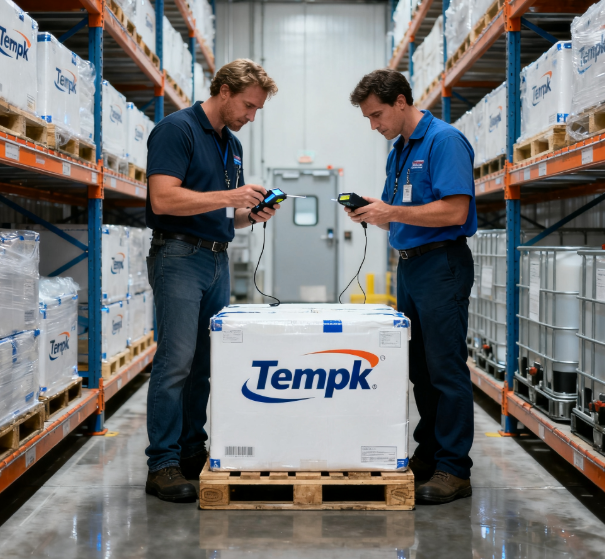
Configuração de embalagem de cadeia fria: Projete em torno da rota e da carga útil
A cold chain packaging configuration is the approved combination of shipper, isolamento, refrigerante, arranjo interno, limites de carga útil, monitoramento, encerramento, and handling instructions used to protect a specific shipment. The configuration should be selected around the product’s temperature requirements and the conditions it may encounter—not around a box size or a supplier’s generic hold-time claim.
The distinction matters because the performance of a temperature-controlled package comes from the assembled system. Um pacote de gel é um componente refrigerante. O isolamento retarda a transferência de calor. A temperature data logger records conditions at its sensor location. None of these elements alone demonstrates that the shipment will remain within its required temperature range. That conclusion depends on the complete configuration, condições de teste, e rota pretendida.
Define the shipping task before choosing components
Start with a design brief that captures the intended use and the decisions the package must support. Incluir:
- Limites do produto: faixa de temperatura aceitável, sensitivity to freezing or overheating, and product-owner handling requirements.
- Carga útil: dimensões, massa, número de unidades, embalagem secundária, densidade de carga, and expected variation between shipments.
- Rota: origem, destino, modos de transporte, tempo de trânsito planejado, likely dwell periods, pontos de transferência, and possible delays.
- Ambiente: expected seasonal exposure and the conditions at pickup, centros, alfândega, e entrega.
- Operação: who packs the shipper, onde ocorre o empacotamento, whether the package is reusable, and what the receiver must do.
- Evidência: monitoramento necessário, Critérios de aceitação, documentação de teste, rastreabilidade, e tratamento de desvio.
The product owner or quality function should determine the acceptable shipping conditions. A labeled storage range is an important input, but it should not automatically become the packout design target without considering product stability and the risks of distribution.
Build the configuration as a coupled system
A passive temperature-controlled package usually combines an outer container, isolamento, refrigerante, separators or barriers, preenchimento vazio, payload packaging, um registrador, and closure and labeling elements. Each component contributes a different function, and changes to one component can affect the others.
Insulation slows heat transfer but does not compensate for every weak point in the enclosure. A lid that does not seat consistently, a damaged panel, or a poorly controlled opening may undermine the design. Coolant provides thermal capacity, but its effect depends on its mass, preparação, localização, e contato com a carga útil. Internal barriers can reduce direct contact, while also changing the thermal path. Payload arrangement influences both heat transfer and physical stability.
This is why a coolant datasheet, insulation specification, or empty-box test cannot independently establish shipment performance. The relevant evidence must represent the assembled package and its intended load.
Make the trade-offs explicit
There is rarely one configuration that maximizes every desirable attribute. More insulation may reduce heat transfer but increase outer dimensions and reduce usable payload space. More coolant may extend thermal capacity under some conditions but increase shipping weight and create a local freezing risk. A larger shipper may simplify loading but allow a partial payload to move or leave uncontrolled air spaces. A reusable container may reduce recurring packaging consumption but introduce return logistics, inspeção, limpeza, and refurbishment requirements.
| Escolha de design | Potential benefit | Trade-off to evaluate |
|---|---|---|
| Increased insulation | Slower heat transfer through package walls | Larger dimensions, less usable volume, custo |
| Additional coolant | Greater thermal reserve in some configurations | Peso, lidar com carga, risco de contato direto |
| More internal barriers | Better control of contact and position | Added steps, possible change to heat transfer |
| Larger shipper | Easier loading or more payload capacity | More empty space and possible product movement |
| Reusable system | Repeated use when properly managed | Fluxo de retorno, inspeção, limpeza, component-life control |
The best choice is the configuration that meets the defined requirements and can be assembled consistently. Avoid optimizing a single specification while ignoring the complete shipping task.
Specify the internal arrangement so it can be repeated
A controlled configuration should define the exact components and how they fit together. Include component identifiers, dimensões do expedidor, coolant type and approved conditioning procedure, quantidade e posição do líquido refrigerante, materiais de barreira, orientação de carga útil, allowed fill range, localização do registrador, método de fechamento, e posicionamento da etiqueta.
Show the sequence in a diagram or annotated photograph when spatial relationships matter. A written instruction such as “place coolant around the product” may be too vague to reproduce. Specify which faces receive coolant, where a barrier is required, whether products may touch one another, and how empty space is managed.
The specification should also identify prohibited substitutions. A different gel pack, forro de isolamento, separador, or box may look similar while having different thermal behavior. Any substitution should follow a documented assessment and approval process rather than an informal decision at the packing station.
Use route conditions to define the test
The planned carrier transit time is not the entire exposure. A shipment may wait at a collection point, remain on a loading dock, transfer between vehicles, be delayed at a border, or arrive after a receiving site has closed. Seasonal exposure and route variability should be considered when selecting the test conditions.
WHO technical supplements treat transport-route profiling and shipping-container qualification as related but distinct activities. Route information helps characterize the external environment; package qualification evaluates whether a defined system can perform under specified conditions. Neither should be casually substituted for the other.
Para medicamentos, European Good Distribution Practice guidance says packaging selection should consider the product’s transport requirements, space needed for the shipment, extremos de temperatura externa previstos, maximum transport time including transit storage, e o status de validação da embalagem. Other product categories may be governed by different requirements, so the applicable quality and regulatory framework should be confirmed.
If a new route is longer, more variable, or exposed to different temperatures than the route represented in the existing evidence, documentar a lacuna. Decide whether the current evidence remains applicable, whether additional testing is needed, or whether operational controls must change.
Define monitoring around the risk question
A temperature logger is an evidence tool, not a cooling device. Its reading represents the temperature at the probe location, which may differ from the temperature experienced by products elsewhere in the package. The sensor location should therefore be selected to answer a defined question: represent the payload environment, investigate a potential cold spot, or characterize a known warm area.
The monitoring plan should identify the device, calibration or verification status where required, colocação, start and stop steps, sampling settings, revisão de dados, and response to missing or abnormal records. Para remessas regulamentadas, the user requirement and applicable procedures determine what monitoring is needed. Avoid placing the sensor wherever it is easiest to reach if that location does not represent the risk being assessed.
Build evidence that another team can reproduce
A defensible configuration file should contain:
- The approved bill of materials, desenhos, e revisão de configuração.
- A packout diagram and controlled assembly instructions.
- Dimensões da carga útil, massa, permitted load range, and loading arrangement.
- Coolant conditioning and handling requirements.
- The test protocol, perfil ambiente, localizações dos sensores, Critérios de aceitação, e relatório.
- Any route assumptions or limitations on where the configuration may be used.
- Recebendo cheques, escalonamento de excursão, e requisitos de controle de mudanças.
A statement that a package “passed testing” is incomplete without the tested configuration, condições de teste, e critérios de aceitação. ISTA’s thermal packaging resources distinguish development tests used to compare designs from qualification processes intended to support defined claims. The selected method should fit the decision being made.
Keep the approved configuration under control
Performance can change when the payload, rota, refrigerante, isolamento, dimensões da caixa, fornecedor, processo de fabricação, or packing method changes. The change may appear minor, but the team should assess whether it affects heat transfer, massa térmica, ajustar, or handling before use. A documented change-control process should identify who assesses the impact, quais evidências são necessárias, and who authorizes release.
Para sistemas reutilizáveis, add inspection criteria for damaged insulation, fechos desgastados, peças faltantes, contaminação, and coolant condition. European Good Distribution Practice guidance also highlights the need to control coolant reuse so that incompletely cooled packs are not mistakenly used and different pack states can be distinguished. The exact controls should match the system design and applicable procedures.
Approval checklist for buyers and engineers
Before approving a cold chain packaging configuration, confirm that the team can answer these questions clearly:
- What product and payload range is covered?
- Which routes and environmental conditions are represented by the evidence?
- What exact components, estado do refrigerante, barreiras, and loading sequence are approved?
- Onde o registrador é colocado, and what does its reading represent?
- What are the acceptance criteria and the response to an excursion?
- Which changes require reassessment or requalification?
- Can trained operators pack the shipment correctly using the controlled instructions alone?
A cold chain packaging configuration is ready for operational use when the design, evidência, and work instructions agree. If the configuration depends on an undocumented packing trick or a component substitution that has never been assessed, it is not yet a controlled system. Define the route and payload requirements first, review the complete configuration with the relevant quality and logistics teams, and request a proposal that makes its assumptions and evidence explicit.
Verify consistency from sample to routine production
The sample used during review should represent the components and assembly method that will be supplied and packed in routine operation. Confirm that the same insulation, modelo de refrigerante, barreiras, dimensões do expedidor, closure materials, and instructions are used. If the supplier changes a material source or manufacturing process, the change should be assessed for its potential effect rather than accepted because the external appearance is unchanged.
A practical operator trial is valuable before release. Ask trained packers to assemble the configuration using only the controlled instruction, then compare the finished packout with the approved drawing. Record any ambiguity, component-fit issue, or step that requires an undocumented workaround. Correct those issues before scaling up. After release, use incoming inspection and periodic record review to check that routine shipments continue to match the approved configuration.
The configuration is strongest when its technical evidence, physical components, and operating instructions all describe the same system.
Escolhendo um fornecedor de embalagens para cadeia fria para remessa

Escolhendo um fornecedor de embalagens para cadeia fria para remessa
cold chain packaging supplier should be approached as a shipment-system decision. Um fornecedor de embalagens para cadeia de frio é valioso quando seus materiais, documentação, e os controles de produção se ajustam à forma como sua remessa é realmente preparada e manuseada. O pacote, refrigerante, arranjo de produto, proteção externa, rótulos, e instruções de manuseio, cada uma tem uma função separada; a remessa só é bem-sucedida quando eles trabalham juntos sob as suposições de uma rota real. É por isso que a escolha mais útil raramente é feita a partir de uma lista de materiais ou de uma declaração de desempenho de título.. Vem de um resumo claro, evidência que corresponda ao uso pretendido, e um pacote que as pessoas podem executar repetidamente.
Comece com o produto e rota
A primeira questão de design não é qual caixa ou refrigerante comprar. É o que deve ser protegido, por quanto tempo, e através de que sequência de condições. Confirme os requisitos do produto com as pessoas responsáveis pela qualidade do produto. Em seguida, mapeie a carga útil, rota, modo de transporte, tempo planejado, e pontos onde a remessa pode esperar ou mudar de mãos. O objetivo não é prever todas as interrupções. É tornar visíveis as suposições importantes, para que a equipe de sourcing possa julgar se uma configuração proposta é relevante ou meramente conveniente.
Construa o pacote como um sistema de funções
Uma configuração robusta atribui funções claras. O isolamento reduz a transferência de calor. Componentes refrigerantes ou de mudança de fase contribuem com amortecimento térmico quando preparados e posicionados corretamente. Divisórias e restrições gerenciam o contato, movimento, e posicionamento repetível. A proteção externa aborda a compressão e o manuseio da exposição. Etiquetas e instruções ajudam o remetente, operadora, e o receptor reconhecem a carga. O monitoramento pode documentar as condições, mas não protege o produto por si só. Uma vez que esses limites estejam claros, um fornecedor de embalagens pode ser discutido como um sistema e não como uma reivindicação material isolada.
A evidência deve corresponder à remessa pretendida
A evidência só é significativa quando as suas suposições são visíveis. Quando um fornecedor se refere a uma avaliação térmica ou a uma configuração testada, pergunte qual carga útil, arranjo de refrigerante, método de preparação, exposição ambiental, e critérios de aceitação estavam envolvidos. Pergunte se a rota e a configuração considerada estão próximas o suficiente para que o resultado seja informativo. Um perfil térmico estruturado pode ser útil, mas não elimina a necessidade de julgamento consciente da pista. Se uma condição importante mudou, é melhor identificar a lacuna antecipadamente do que apresentar um resultado histórico como uma garantia geral.
Para produtos regulamentados ou altamente sensíveis, os requisitos de embalagem e distribuição podem variar de acordo com a categoria do produto, mercado, serviço de transportadora, e sistema interno de qualidade. A revisão das embalagens deverá, portanto, apoiar, não substituir, a decisão de qualidade da organização. Use uma linguagem cautelosa em relação aos padrões e conformidade: um componente ou abordagem de teste pode ser relevante, mas os compradores devem verificar como isso se aplica ao seu produto e rota específicos.
Pontos de revisão do fornecedor que mudam a decisão
As compras devem avaliar mais do que a gama de produtos e o preço. Revise as dimensões internas utilizáveis, compatibilidade de componentes, projeto de fechamento, proteção durante o manuseio, consistência da amostra, e a clareza das instruções de montagem. Pergunte como as mudanças na produção são controladas e comunicadas. Se um programa exigir documentação ou aprovação de qualidade interna, pergunte quais informações podem ser revisadas e quais declarações exigem confirmação específica da rota. Estas perguntas ajudam a distinguir uma cotação comercialmente correta de uma opção operacionalmente adequada..
Uma comparação de aquisições focada pode ser organizada em torno de questões que afetam a execução. O espaço interno se ajusta à carga útil real? Os componentes de refrigeração e isolamento são compatíveis com a configuração necessária?? A embalagem externa é forte o suficiente para o manuseio normal? Os operadores podem montá-lo sem improvisação?? O fornecedor explica o escopo de qualquer informação de desempenho? Essas perguntas são mais úteis do que tentar comparar produtos apenas pelo nome do material ou por uma afirmação genérica..
Torne a execução da rotina parte do design
A execução de rotina determina se um projeto cuidadosamente selecionado entrega o valor pretendido. Defina onde os componentes são armazenados e condicionados, quem monta o pacote, como o produto está posicionado, o que deve ser verificado antes do fechamento, e o que o receptor deve inspecionar. O objetivo é um processo que permaneça compreensível quando a carga de trabalho aumenta ou há mudança de pessoal. Controles simples – uma sequência de montagem clara, identificação de componentes, uma referência visual de pacote, e uma etapa de escalonamento acordada – muitas vezes evitam mais problemas do que adicionar complexidade sem melhorar a repetibilidade.
Quando um pacote familiar não é suficiente
Um pacote isolado familiar pode não ser suficiente quando a carga muda de formato, o percurso se alonga, a estação muda, ou novas transferências são introduzidas. Também pode ser insuficiente se a sensibilidade do produto, expectativas de documentação, ou as necessidades de proteção física aumentam. Isso não significa automaticamente que o programa exija a solução mais complexa. Isso significa que as suposições originais devem ser revisadas. Uma análise cuidadosa pode revelar se uma pequena alteração na configuração, uma estratégia de refrigerante diferente, uma caixa externa mais resistente, ou avaliação adicional é o próximo passo apropriado.
Pontos de avaliação do comprador
- Condição e sensibilidade do produto: confirmar os requisitos e as restrições específicas do produto.
- Carga útil e geometria: verifique o espaço interno utilizável, distribuição de peso, e restrição de produto.
- Rota e transferências: identificar modo de transporte, períodos de espera, lidar com transferências, e exposição sazonal.
- Controle de embalagem: confirmar a preparação do componente, colocação, encerramento, rótulos, e recebimento de cheques.
- Evidências e controle de mudanças: revisar a documentação relevante e perguntar como as alterações de material ou rota são avaliadas.
Perguntas frequentes
Qual é o primeiro passo em uma decisão de embalagem na cadeia de frio?Confirme a necessidade do produto e mapeie a remessa real. Incluir carga útil, rota, modo de transporte, transferências, prováveis períodos de espera, restrições de colocação de produtos, e quaisquer necessidades de revisão de qualidade. Isso evita que a equipe escolha um pacote antes de compreender as condições que o pacote deve atender.
O que um comprador deve verificar antes de passar das amostras para a produção?Verifique se os materiais de produção, dimensões, instruções de montagem, etapas de armazenamento e condicionamento, e os controles de qualidade correspondem à amostra revisada. Pergunte como as mudanças são gerenciadas e como a equipe de recebimento inspecionará as remessas de rotina. A consistência entre amostra e produção é um requisito operacional, não é uma formalidade.
O teste elimina a necessidade de revisão de rota?Não. Os testes podem fornecer evidências valiosas sob condições definidas, mas não pode transformar todas as rotas no mesmo ambiente. Revise se as suposições de teste se assemelham à carga pretendida, configuração de refrigerante, exposição ambiental, e sequência de manuseio. Quando condições importantes diferem, avaliação adicional pode ser apropriada.
Ponto de verificação de decisão adicional
Antes que uma decisão de compra seja aprovada, registre as suposições por trás da recomendação em um só lugar. Este pode ser um breve resumo interno em vez de um relatório complexo. Seu valor é permitir que um revisor posterior veja por que a configuração foi selecionada e quais condições foram consideradas importantes. Também torna as alterações mais fáceis de reconhecer. Se o destino, arranjo de produto, ou alterações no modelo da operadora, a equipe pode comparar a nova situação com as suposições originais em vez de confiar na memória.
Ponto de verificação operacional
Não negligencie a proteção física. Um produto pode permanecer dentro da condição de temperatura pretendida e ainda assim ser inaceitável se a carga se deslocar, vazamentos, está esmagado, ou chega com um fechamento danificado. Resistência da caixa externa, restrição interna, gerenciamento de umidade, posicionamento da etiqueta, e a capacidade de identificar a orientação pretendida merecem um lugar na revisão. O melhor conceito térmico é enfraquecido se a embalagem não puder sobreviver aos eventos mecânicos normais de distribuição.
Ponto de verificação operacional
O processo de recebimento é uma parte informativa do design. Decida o que o receptor deve procurar: condição do pacote, evidência de vazamento ou dano, clareza do rótulo, colocação de produto, e qualquer dispositivo de monitoramento que deva ser recuperado ou lido. Uma observação recebida não substitui uma decisão de qualidade, mas pode ajudar a organização a detectar fraquezas recorrentes no tratamento, execução de pacote, ou o formato de embalagem selecionado.
Ponto de verificação operacional
O controle de mudanças merece uma linguagem simples. Se um fornecedor alterar uma fonte de material, dimensão, detalhe de fechamento, enchimento de refrigerante, construção de papelão, ou instruções de montagem, o comprador precisa saber se essa alteração pode afetar a configuração aprovada. Da mesma maneira, se o remetente alterar o produto, carga útil, rota, ou modelo de distribuição, a evidência existente pode precisar ser reconsiderada. Tratar as mudanças como pontos de decisão visíveis mantém um programa de embalagem confiável ao longo do tempo.
Ponto de verificação operacional
O preço deve ser lido juntamente com o custo operacional e o risco. O preço de compra mais baixo pode criar trabalho oculto se a embalagem demorar mais, componentes estão confusos, taxas de danos aumentam, ou as equipes de qualidade devem resolver exceções repetidamente. Por outro lado, uma configuração mais envolvente pode ser desnecessária para um ambiente estável, rota de baixo risco. A questão útil é se a abordagem selecionada tem um ajuste defensável à remessa, em vez de usar a maior ou menor quantidade de material..
Ponto de verificação operacional
Antes que uma decisão de compra seja aprovada, registre as suposições por trás da recomendação em um só lugar. Este pode ser um breve resumo interno em vez de um relatório complexo. Seu valor é permitir que um revisor posterior veja por que a configuração foi selecionada e quais condições foram consideradas importantes. Também torna as alterações mais fáceis de reconhecer. Se o destino, arranjo de produto, ou alterações no modelo da operadora, a equipe pode comparar a nova situação com as suposições originais em vez de confiar na memória.
Ponto de verificação operacional
Não negligencie a proteção física. Um produto pode permanecer dentro da condição de temperatura pretendida e ainda assim ser inaceitável se a carga se deslocar, vazamentos, está esmagado, ou chega com um fechamento danificado. Resistência da caixa externa, restrição interna, gerenciamento de umidade, posicionamento da etiqueta, e a capacidade de identificar a orientação pretendida merecem um lugar na revisão. O melhor conceito térmico é enfraquecido se a embalagem não puder sobreviver aos eventos mecânicos normais de distribuição.
Ponto de verificação operacional
O processo de recebimento é uma parte informativa do design. Decida o que o receptor deve procurar: condição do pacote, evidência de vazamento ou dano, clareza do rótulo, colocação de produto, e qualquer dispositivo de monitoramento que deva ser recuperado ou lido. Uma observação recebida não substitui uma decisão de qualidade, mas pode ajudar a organização a detectar fraquezas recorrentes no tratamento, execução de pacote, ou o formato de embalagem selecionado.
Ponto de verificação operacional
O controle de mudanças merece uma linguagem simples. Se um fornecedor alterar uma fonte de material, dimensão, detalhe de fechamento, enchimento de refrigerante, construção de papelão, ou instruções de montagem, o comprador precisa saber se essa alteração pode afetar a configuração aprovada. Da mesma maneira, se o remetente alterar o produto, carga útil, rota, ou modelo de distribuição, a evidência existente pode precisar ser reconsiderada. Tratar as mudanças como pontos de decisão visíveis mantém um programa de embalagem confiável ao longo do tempo.
Ponto de verificação operacional
O preço deve ser lido juntamente com o custo operacional e o risco. O preço de compra mais baixo pode criar trabalho oculto se a embalagem demorar mais, componentes estão confusos, taxas de danos aumentam, ou as equipes de qualidade devem resolver exceções repetidamente. Por outro lado, uma configuração mais envolvente pode ser desnecessária para um ambiente estável, rota de baixo risco. A questão útil é se a abordagem selecionada tem um ajuste defensável à remessa, em vez de usar a maior ou menor quantidade de material..
Ponto de verificação operacional
Antes que uma decisão de compra seja aprovada, registre as suposições por trás da recomendação em um só lugar. Este pode ser um breve resumo interno em vez de um relatório complexo. Seu valor é permitir que um revisor posterior veja por que a configuração foi selecionada e quais condições foram consideradas importantes. Também torna as alterações mais fáceis de reconhecer. Se o destino, arranjo de produto, ou alterações no modelo da operadora, a equipe pode comparar a nova situação com as suposições originais em vez de confiar na memória.
Ponto de verificação operacional
Não negligencie a proteção física. Um produto pode permanecer dentro da condição de temperatura pretendida e ainda assim ser inaceitável se a carga se deslocar, vazamentos, está esmagado, ou chega com um fechamento danificado. Resistência da caixa externa, restrição interna, gerenciamento de umidade, posicionamento da etiqueta, e a capacidade de identificar a orientação pretendida merecem um lugar na revisão. O melhor conceito térmico é enfraquecido se a embalagem não puder sobreviver aos eventos mecânicos normais de distribuição.
Conclusão
Um fornecedor de embalagens para cadeia de frio é valioso quando seus materiais, documentação, e os controles de produção se ajustam à forma como sua remessa é realmente preparada e manuseada. Uma decisão acertada começa com o produto e a rota, atribui uma função clara a cada elemento da embalagem, e trata as evidências do fornecedor como úteis apenas dentro das condições declaradas. Também reconhece que a montagem de rotina, gerenciamento de transferência, e a inspeção de recebimento fazem parte do projeto de embarque. Quando esses elementos são revisados em conjunto, a equipe pode fazer uma escolha mais defensável sem depender de afirmações exageradas de desempenho.
E tempk, abordamos as conversas com fornecedores como uma oportunidade para tornar mais clara a transferência de uma amostra para uma remessa repetível. As entradas úteis são operacionais: o produto, carga útil, condição alvo, rota, configuração de embalagem, e a documentação que deve ser revisada. Isto cria uma base mais sólida para comparar opções e para decidir quais questões devem ser resolvidas antes que um pedido de compra se torne um programa de rotina..
Peça ao Tempk uma discussão centrada no seu produto, pacote, rota, e pontos de revisão de compras antes de se comprometer com um pedido maior de embalagens da cadeia de frio.
Como avaliar uma empresa de embalagens de cadeia fria

Como avaliar uma empresa de embalagens de cadeia fria
cold chain packaging company should be approached as a shipment-system decision. A cold chain packaging company should be evaluated as a partner in a shipment system, not as a catalog of boxes and refrigerants. O pacote, refrigerante, arranjo de produto, proteção externa, rótulos, e instruções de manuseio, cada uma tem uma função separada; a remessa só é bem-sucedida quando eles trabalham juntos sob as suposições de uma rota real. É por isso que a escolha mais útil raramente é feita a partir de uma lista de materiais ou de uma declaração de desempenho de título.. Vem de um resumo claro, evidência que corresponda ao uso pretendido, e um pacote que as pessoas podem executar repetidamente.
Comece com o produto e rota
A primeira questão de design não é qual caixa ou refrigerante comprar. É o que deve ser protegido, por quanto tempo, e através de que sequência de condições. Confirme os requisitos do produto com as pessoas responsáveis pela qualidade do produto. Em seguida, mapeie a carga útil, rota, modo de transporte, tempo planejado, e pontos onde a remessa pode esperar ou mudar de mãos. O objetivo não é prever todas as interrupções. É tornar visíveis as suposições importantes, so that the buyer can judge whether a proposed configuration is relevant or merely convenient.
Construa o pacote como um sistema de funções
Uma configuração robusta atribui funções claras. O isolamento reduz a transferência de calor. Componentes refrigerantes ou de mudança de fase contribuem com amortecimento térmico quando preparados e posicionados corretamente. Divisórias e restrições gerenciam o contato, movimento, e posicionamento repetível. A proteção externa aborda a compressão e o manuseio da exposição. Etiquetas e instruções ajudam o remetente, operadora, e o receptor reconhecem a carga. O monitoramento pode documentar as condições, mas não protege o produto por si só. Uma vez que esses limites estejam claros, a packaging partner can be discussed as a system rather than as an isolated material claim.
A evidência deve corresponder à remessa pretendida
A evidência só é significativa quando as suas suposições são visíveis. Quando um fornecedor se refere a uma avaliação térmica ou a uma configuração testada, pergunte qual carga útil, arranjo de refrigerante, método de preparação, exposição ambiental, e critérios de aceitação estavam envolvidos. Pergunte se a rota e a configuração considerada estão próximas o suficiente para que o resultado seja informativo. Um perfil térmico estruturado pode ser útil, mas não elimina a necessidade de julgamento consciente da pista. Se uma condição importante mudou, é melhor identificar a lacuna antecipadamente do que apresentar um resultado histórico como uma garantia geral.
Para produtos regulamentados ou altamente sensíveis, os requisitos de embalagem e distribuição podem variar de acordo com a categoria do produto, mercado, serviço de transportadora, e sistema interno de qualidade. A revisão das embalagens deverá, portanto, apoiar, não substituir, a decisão de qualidade da organização. Use uma linguagem cautelosa em relação aos padrões e conformidade: um componente ou abordagem de teste pode ser relevante, mas os compradores devem verificar como isso se aplica ao seu produto e rota específicos.
Pontos de revisão do fornecedor que mudam a decisão
As compras devem avaliar mais do que a gama de produtos e o preço. Revise as dimensões internas utilizáveis, compatibilidade de componentes, projeto de fechamento, proteção durante o manuseio, consistência da amostra, e a clareza das instruções de montagem. Pergunte como as mudanças na produção são controladas e comunicadas. Se um programa exigir documentação ou aprovação de qualidade interna, pergunte quais informações podem ser revisadas e quais declarações exigem confirmação específica da rota. Estas perguntas ajudam a distinguir uma cotação comercialmente correta de uma opção operacionalmente adequada..
Uma comparação de aquisições focada pode ser organizada em torno de questões que afetam a execução. O espaço interno se ajusta à carga útil real? Os componentes de refrigeração e isolamento são compatíveis com a configuração necessária?? A embalagem externa é forte o suficiente para o manuseio normal? Os operadores podem montá-lo sem improvisação?? O fornecedor explica o escopo de qualquer informação de desempenho? Essas perguntas são mais úteis do que tentar comparar produtos apenas pelo nome do material ou por uma afirmação genérica..
Torne a execução da rotina parte do design
A execução de rotina determina se um projeto cuidadosamente selecionado entrega o valor pretendido. Defina onde os componentes são armazenados e condicionados, quem monta o pacote, como o produto está posicionado, o que deve ser verificado antes do fechamento, e o que o receptor deve inspecionar. O objetivo é um processo que permaneça compreensível quando a carga de trabalho aumenta ou há mudança de pessoal. Controles simples – uma sequência de montagem clara, identificação de componentes, uma referência visual de pacote, e uma etapa de escalonamento acordada – muitas vezes evitam mais problemas do que adicionar complexidade sem melhorar a repetibilidade.
Quando um pacote familiar não é suficiente
Um pacote isolado familiar pode não ser suficiente quando a carga muda de formato, o percurso se alonga, a estação muda, ou novas transferências são introduzidas. Também pode ser insuficiente se a sensibilidade do produto, expectativas de documentação, ou as necessidades de proteção física aumentam. Isso não significa automaticamente que o programa exija a solução mais complexa. Isso significa que as suposições originais devem ser revisadas. Uma análise cuidadosa pode revelar se uma pequena alteração na configuração, uma estratégia de refrigerante diferente, uma caixa externa mais resistente, ou avaliação adicional é o próximo passo apropriado.
Pontos de avaliação do comprador
- Condição e sensibilidade do produto: confirmar os requisitos e as restrições específicas do produto.
- Carga útil e geometria: verifique o espaço interno utilizável, distribuição de peso, e restrição de produto.
- Rota e transferências: identificar modo de transporte, períodos de espera, lidar com transferências, e exposição sazonal.
- Controle de embalagem: confirmar a preparação do componente, colocação, encerramento, rótulos, e recebimento de cheques.
- Evidências e controle de mudanças: revisar a documentação relevante e perguntar como as alterações de material ou rota são avaliadas.
Perguntas frequentes
Qual é o primeiro passo em uma decisão de embalagem na cadeia de frio?Confirme a necessidade do produto e mapeie a remessa real. Incluir carga útil, rota, modo de transporte, transferências, prováveis períodos de espera, restrições de colocação de produtos, e quaisquer necessidades de revisão de qualidade. Isso evita que a equipe escolha um pacote antes de compreender as condições que o pacote deve atender.
O que um comprador deve verificar antes de passar das amostras para a produção?Verifique se os materiais de produção, dimensões, instruções de montagem, etapas de armazenamento e condicionamento, e os controles de qualidade correspondem à amostra revisada. Pergunte como as mudanças são gerenciadas e como a equipe de recebimento inspecionará as remessas de rotina. A consistência entre amostra e produção é um requisito operacional, não é uma formalidade.
O teste elimina a necessidade de revisão de rota?Não. Os testes podem fornecer evidências valiosas sob condições definidas, mas não pode transformar todas as rotas no mesmo ambiente. Revise se as suposições de teste se assemelham à carga pretendida, configuração de refrigerante, exposição ambiental, e sequência de manuseio. Quando condições importantes diferem, avaliação adicional pode ser apropriada.
Ponto de verificação de decisão adicional
Antes que uma decisão de compra seja aprovada, registre as suposições por trás da recomendação em um só lugar. Este pode ser um breve resumo interno em vez de um relatório complexo. Seu valor é permitir que um revisor posterior veja por que a configuração foi selecionada e quais condições foram consideradas importantes. Também torna as alterações mais fáceis de reconhecer. Se o destino, arranjo de produto, ou alterações no modelo da operadora, a equipe pode comparar a nova situação com as suposições originais em vez de confiar na memória.
Ponto de verificação operacional
Não negligencie a proteção física. Um produto pode permanecer dentro da condição de temperatura pretendida e ainda assim ser inaceitável se a carga se deslocar, vazamentos, está esmagado, ou chega com um fechamento danificado. Resistência da caixa externa, restrição interna, gerenciamento de umidade, posicionamento da etiqueta, e a capacidade de identificar a orientação pretendida merecem um lugar na revisão. O melhor conceito térmico é enfraquecido se a embalagem não puder sobreviver aos eventos mecânicos normais de distribuição.
Ponto de verificação operacional
O processo de recebimento é uma parte informativa do design. Decida o que o receptor deve procurar: condição do pacote, evidência de vazamento ou dano, clareza do rótulo, colocação de produto, e qualquer dispositivo de monitoramento que deva ser recuperado ou lido. Uma observação recebida não substitui uma decisão de qualidade, mas pode ajudar a organização a detectar fraquezas recorrentes no tratamento, execução de pacote, ou o formato de embalagem selecionado.
Ponto de verificação operacional
O controle de mudanças merece uma linguagem simples. Se um fornecedor alterar uma fonte de material, dimensão, detalhe de fechamento, enchimento de refrigerante, construção de papelão, ou instruções de montagem, o comprador precisa saber se essa alteração pode afetar a configuração aprovada. Da mesma maneira, se o remetente alterar o produto, carga útil, rota, ou modelo de distribuição, a evidência existente pode precisar ser reconsiderada. Tratar as mudanças como pontos de decisão visíveis mantém um programa de embalagem confiável ao longo do tempo.
Ponto de verificação operacional
O preço deve ser lido juntamente com o custo operacional e o risco. O preço de compra mais baixo pode criar trabalho oculto se a embalagem demorar mais, componentes estão confusos, taxas de danos aumentam, ou as equipes de qualidade devem resolver exceções repetidamente. Por outro lado, uma configuração mais envolvente pode ser desnecessária para um ambiente estável, rota de baixo risco. A questão útil é se a abordagem selecionada tem um ajuste defensável à remessa, em vez de usar a maior ou menor quantidade de material..
Ponto de verificação operacional
Antes que uma decisão de compra seja aprovada, registre as suposições por trás da recomendação em um só lugar. Este pode ser um breve resumo interno em vez de um relatório complexo. Seu valor é permitir que um revisor posterior veja por que a configuração foi selecionada e quais condições foram consideradas importantes. Também torna as alterações mais fáceis de reconhecer. Se o destino, arranjo de produto, ou alterações no modelo da operadora, a equipe pode comparar a nova situação com as suposições originais em vez de confiar na memória.
Ponto de verificação operacional
Não negligencie a proteção física. Um produto pode permanecer dentro da condição de temperatura pretendida e ainda assim ser inaceitável se a carga se deslocar, vazamentos, está esmagado, ou chega com um fechamento danificado. Resistência da caixa externa, restrição interna, gerenciamento de umidade, posicionamento da etiqueta, e a capacidade de identificar a orientação pretendida merecem um lugar na revisão. O melhor conceito térmico é enfraquecido se a embalagem não puder sobreviver aos eventos mecânicos normais de distribuição.
Ponto de verificação operacional
O processo de recebimento é uma parte informativa do design. Decida o que o receptor deve procurar: condição do pacote, evidência de vazamento ou dano, clareza do rótulo, colocação de produto, e qualquer dispositivo de monitoramento que deva ser recuperado ou lido. Uma observação recebida não substitui uma decisão de qualidade, mas pode ajudar a organização a detectar fraquezas recorrentes no tratamento, execução de pacote, ou o formato de embalagem selecionado.
Ponto de verificação operacional
O controle de mudanças merece uma linguagem simples. Se um fornecedor alterar uma fonte de material, dimensão, detalhe de fechamento, enchimento de refrigerante, construção de papelão, ou instruções de montagem, o comprador precisa saber se essa alteração pode afetar a configuração aprovada. Da mesma maneira, se o remetente alterar o produto, carga útil, rota, ou modelo de distribuição, a evidência existente pode precisar ser reconsiderada. Tratar as mudanças como pontos de decisão visíveis mantém um programa de embalagem confiável ao longo do tempo.
Ponto de verificação operacional
O preço deve ser lido juntamente com o custo operacional e o risco. O preço de compra mais baixo pode criar trabalho oculto se a embalagem demorar mais, componentes estão confusos, taxas de danos aumentam, ou as equipes de qualidade devem resolver exceções repetidamente. Por outro lado, uma configuração mais envolvente pode ser desnecessária para um ambiente estável, rota de baixo risco. A questão útil é se a abordagem selecionada tem um ajuste defensável à remessa, em vez de usar a maior ou menor quantidade de material..
Ponto de verificação operacional
Antes que uma decisão de compra seja aprovada, registre as suposições por trás da recomendação em um só lugar. Este pode ser um breve resumo interno em vez de um relatório complexo. Seu valor é permitir que um revisor posterior veja por que a configuração foi selecionada e quais condições foram consideradas importantes. Também torna as alterações mais fáceis de reconhecer. Se o destino, arranjo de produto, ou alterações no modelo da operadora, a equipe pode comparar a nova situação com as suposições originais em vez de confiar na memória.
Conclusão
A cold chain packaging company should be evaluated as a partner in a shipment system, not as a catalog of boxes and refrigerants. Uma decisão acertada começa com o produto e a rota, atribui uma função clara a cada elemento da embalagem, e trata as evidências do fornecedor como úteis apenas dentro das condições declaradas. Também reconhece que a montagem de rotina, gerenciamento de transferência, e a inspeção de recebimento fazem parte do projeto de embarque. Quando esses elementos são revisados em conjunto, a equipe pode fazer uma escolha mais defensável sem depender de afirmações exageradas de desempenho.
E tempk, we focus on practical cold-chain packaging discussions that begin with the shipment rather than a generic product claim. A useful conversation can bring together the required condition, forma de carga útil, rota, sequência de manuseio, and the evidence a quality or procurement team needs to review. That helps keep the decision tied to the real operating environment and makes it easier to compare packaging approaches on a like-for-like basis.
Compartilhe o tipo de produto, rota esperada, pontos de manuseio, and temperature requirement with Tempk to discuss a packaging approach that can be reviewed before you scale from samples to routine shipments.
Design de pacote de cadeia de frio para remessa adequada à rota
Design de pacote de cadeia de frio para remessa adequada à rota
o design da embalagem da cadeia de frio para remessa deve ser abordado como uma decisão do sistema de remessa. O design da embalagem da cadeia de frio para remessa é o arranjo disciplinado do produto, isolamento, refrigerante, proteção, e manipulação de instruções em torno de uma rota definida. O pacote, refrigerante, arranjo de produto, proteção externa, rótulos, e instruções de manuseio, cada uma tem uma função separada; a remessa só é bem-sucedida quando eles trabalham juntos sob as suposições de uma rota real. É por isso que a escolha mais útil raramente é feita a partir de uma lista de materiais ou de uma declaração de desempenho de título.. Vem de um resumo claro, evidência que corresponda ao uso pretendido, e um pacote que as pessoas podem executar repetidamente.
Comece com o produto e rota
A primeira questão de design não é qual caixa ou refrigerante comprar. É o que deve ser protegido, por quanto tempo, e através de que sequência de condições. Confirme os requisitos do produto com as pessoas responsáveis pela qualidade do produto. Em seguida, mapeie a carga útil, rota, modo de transporte, tempo planejado, e pontos onde a remessa pode esperar ou mudar de mãos. O objetivo não é prever todas as interrupções. É tornar visíveis as suposições importantes, para que a equipe de projeto possa julgar se uma configuração proposta é relevante ou meramente conveniente.
Construa o pacote como um sistema de funções
Uma configuração robusta atribui funções claras. O isolamento reduz a transferência de calor. Componentes refrigerantes ou de mudança de fase contribuem com amortecimento térmico quando preparados e posicionados corretamente. Divisórias e restrições gerenciam o contato, movimento, e posicionamento repetível. A proteção externa aborda a compressão e o manuseio da exposição. Etiquetas e instruções ajudam o remetente, operadora, e o receptor reconhecem a carga. O monitoramento pode documentar as condições, mas não protege o produto por si só. Uma vez que esses limites estejam claros, uma embalagem de remessa pode ser discutida como um sistema e não como uma reivindicação material isolada.
A evidência deve corresponder à remessa pretendida
A evidência só é significativa quando as suas suposições são visíveis. Quando um fornecedor se refere a uma avaliação térmica ou a uma configuração testada, pergunte qual carga útil, arranjo de refrigerante, método de preparação, exposição ambiental, e critérios de aceitação estavam envolvidos. Pergunte se a rota e a configuração considerada estão próximas o suficiente para que o resultado seja informativo. Um perfil térmico estruturado pode ser útil, mas não elimina a necessidade de julgamento consciente da pista. Se uma condição importante mudou, é melhor identificar a lacuna antecipadamente do que apresentar um resultado histórico como uma garantia geral.
Para produtos regulamentados ou altamente sensíveis, os requisitos de embalagem e distribuição podem variar de acordo com a categoria do produto, mercado, serviço de transportadora, e sistema interno de qualidade. A revisão das embalagens deverá, portanto, apoiar, não substituir, a decisão de qualidade da organização. Use uma linguagem cautelosa em relação aos padrões e conformidade: um componente ou abordagem de teste pode ser relevante, mas os compradores devem verificar como isso se aplica ao seu produto e rota específicos.
Pontos de revisão do fornecedor que mudam a decisão
As compras devem avaliar mais do que a gama de produtos e o preço. Revise as dimensões internas utilizáveis, compatibilidade de componentes, projeto de fechamento, proteção durante o manuseio, consistência da amostra, e a clareza das instruções de montagem. Pergunte como as mudanças na produção são controladas e comunicadas. Se um programa exigir documentação ou aprovação de qualidade interna, pergunte quais informações podem ser revisadas e quais declarações exigem confirmação específica da rota. Estas perguntas ajudam a distinguir uma cotação comercialmente correta de uma opção operacionalmente adequada..
Uma comparação de aquisições focada pode ser organizada em torno de questões que afetam a execução. O espaço interno se ajusta à carga útil real? Os componentes de refrigeração e isolamento são compatíveis com a configuração necessária?? A embalagem externa é forte o suficiente para o manuseio normal? Os operadores podem montá-lo sem improvisação?? O fornecedor explica o escopo de qualquer informação de desempenho? Essas perguntas são mais úteis do que tentar comparar produtos apenas pelo nome do material ou por uma afirmação genérica..
Torne a execução da rotina parte do design
A execução de rotina determina se um projeto cuidadosamente selecionado entrega o valor pretendido. Defina onde os componentes são armazenados e condicionados, quem monta o pacote, como o produto está posicionado, o que deve ser verificado antes do fechamento, e o que o receptor deve inspecionar. O objetivo é um processo que permaneça compreensível quando a carga de trabalho aumenta ou há mudança de pessoal. Controles simples – uma sequência de montagem clara, identificação de componentes, uma referência visual de pacote, e uma etapa de escalonamento acordada – muitas vezes evitam mais problemas do que adicionar complexidade sem melhorar a repetibilidade.
Quando um pacote familiar não é suficiente
Um pacote isolado familiar pode não ser suficiente quando a carga muda de formato, o percurso se alonga, a estação muda, ou novas transferências são introduzidas. Também pode ser insuficiente se a sensibilidade do produto, expectativas de documentação, ou as necessidades de proteção física aumentam. Isso não significa automaticamente que o programa exija a solução mais complexa. Isso significa que as suposições originais devem ser revisadas. Uma análise cuidadosa pode revelar se uma pequena alteração na configuração, uma estratégia de refrigerante diferente, uma caixa externa mais resistente, ou avaliação adicional é o próximo passo apropriado.
Pontos de avaliação do comprador
- Condição e sensibilidade do produto: confirmar os requisitos e as restrições específicas do produto.
- Carga útil e geometria: verifique o espaço interno utilizável, distribuição de peso, e restrição de produto.
- Rota e transferências: identificar modo de transporte, períodos de espera, lidar com transferências, e exposição sazonal.
- Controle de embalagem: confirmar a preparação do componente, colocação, encerramento, rótulos, e recebimento de cheques.
- Evidências e controle de mudanças: revisar a documentação relevante e perguntar como as alterações de material ou rota são avaliadas.
Perguntas frequentes
Qual é o primeiro passo em uma decisão de embalagem na cadeia de frio?Confirme a necessidade do produto e mapeie a remessa real. Incluir carga útil, rota, modo de transporte, transferências, prováveis períodos de espera, restrições de colocação de produtos, e quaisquer necessidades de revisão de qualidade. Isso evita que a equipe escolha um pacote antes de compreender as condições que o pacote deve atender.
O que um comprador deve verificar antes de passar das amostras para a produção?Verifique se os materiais de produção, dimensões, instruções de montagem, etapas de armazenamento e condicionamento, e os controles de qualidade correspondem à amostra revisada. Pergunte como as mudanças são gerenciadas e como a equipe de recebimento inspecionará as remessas de rotina. A consistência entre amostra e produção é um requisito operacional, não é uma formalidade.
O teste elimina a necessidade de revisão de rota?Não. Os testes podem fornecer evidências valiosas sob condições definidas, mas não pode transformar todas as rotas no mesmo ambiente. Revise se as suposições de teste se assemelham à carga pretendida, configuração de refrigerante, exposição ambiental, e sequência de manuseio. Quando condições importantes diferem, avaliação adicional pode ser apropriada.
Ponto de verificação de decisão adicional
Antes que uma decisão de compra seja aprovada, registre as suposições por trás da recomendação em um só lugar. Este pode ser um breve resumo interno em vez de um relatório complexo. Seu valor é permitir que um revisor posterior veja por que a configuração foi selecionada e quais condições foram consideradas importantes. Também torna as alterações mais fáceis de reconhecer. Se o destino, arranjo de produto, ou alterações no modelo da operadora, a equipe pode comparar a nova situação com as suposições originais em vez de confiar na memória.
Ponto de verificação operacional
Não negligencie a proteção física. Um produto pode permanecer dentro da condição de temperatura pretendida e ainda assim ser inaceitável se a carga se deslocar, vazamentos, está esmagado, ou chega com um fechamento danificado. Resistência da caixa externa, restrição interna, gerenciamento de umidade, posicionamento da etiqueta, e a capacidade de identificar a orientação pretendida merecem um lugar na revisão. O melhor conceito térmico é enfraquecido se a embalagem não puder sobreviver aos eventos mecânicos normais de distribuição.
Ponto de verificação operacional
O processo de recebimento é uma parte informativa do design. Decida o que o receptor deve procurar: condição do pacote, evidência de vazamento ou dano, clareza do rótulo, colocação de produto, e qualquer dispositivo de monitoramento que deva ser recuperado ou lido. Uma observação recebida não substitui uma decisão de qualidade, mas pode ajudar a organização a detectar fraquezas recorrentes no tratamento, execução de pacote, ou o formato de embalagem selecionado.
Ponto de verificação operacional
O controle de mudanças merece uma linguagem simples. Se um fornecedor alterar uma fonte de material, dimensão, detalhe de fechamento, enchimento de refrigerante, construção de papelão, ou instruções de montagem, o comprador precisa saber se essa alteração pode afetar a configuração aprovada. Da mesma maneira, se o remetente alterar o produto, carga útil, rota, ou modelo de distribuição, a evidência existente pode precisar ser reconsiderada. Tratar as mudanças como pontos de decisão visíveis mantém um programa de embalagem confiável ao longo do tempo.
Ponto de verificação operacional
O preço deve ser lido juntamente com o custo operacional e o risco. O preço de compra mais baixo pode criar trabalho oculto se a embalagem demorar mais, componentes estão confusos, taxas de danos aumentam, ou as equipes de qualidade devem resolver exceções repetidamente. Por outro lado, uma configuração mais envolvente pode ser desnecessária para um ambiente estável, rota de baixo risco. A questão útil é se a abordagem selecionada tem um ajuste defensável à remessa, em vez de usar a maior ou menor quantidade de material..
Ponto de verificação operacional
Antes que uma decisão de compra seja aprovada, registre as suposições por trás da recomendação em um só lugar. Este pode ser um breve resumo interno em vez de um relatório complexo. Seu valor é permitir que um revisor posterior veja por que a configuração foi selecionada e quais condições foram consideradas importantes. Também torna as alterações mais fáceis de reconhecer. Se o destino, arranjo de produto, ou alterações no modelo da operadora, a equipe pode comparar a nova situação com as suposições originais em vez de confiar na memória.
Ponto de verificação operacional
Não negligencie a proteção física. Um produto pode permanecer dentro da condição de temperatura pretendida e ainda assim ser inaceitável se a carga se deslocar, vazamentos, está esmagado, ou chega com um fechamento danificado. Resistência da caixa externa, restrição interna, gerenciamento de umidade, posicionamento da etiqueta, e a capacidade de identificar a orientação pretendida merecem um lugar na revisão. O melhor conceito térmico é enfraquecido se a embalagem não puder sobreviver aos eventos mecânicos normais de distribuição.
Ponto de verificação operacional
O processo de recebimento é uma parte informativa do design. Decida o que o receptor deve procurar: condição do pacote, evidência de vazamento ou dano, clareza do rótulo, colocação de produto, e qualquer dispositivo de monitoramento que deva ser recuperado ou lido. Uma observação recebida não substitui uma decisão de qualidade, mas pode ajudar a organização a detectar fraquezas recorrentes no tratamento, execução de pacote, ou o formato de embalagem selecionado.
Ponto de verificação operacional
O controle de mudanças merece uma linguagem simples. Se um fornecedor alterar uma fonte de material, dimensão, detalhe de fechamento, enchimento de refrigerante, construção de papelão, ou instruções de montagem, o comprador precisa saber se essa alteração pode afetar a configuração aprovada. Da mesma maneira, se o remetente alterar o produto, carga útil, rota, ou modelo de distribuição, a evidência existente pode precisar ser reconsiderada. Tratar as mudanças como pontos de decisão visíveis mantém um programa de embalagem confiável ao longo do tempo.
Ponto de verificação operacional
O preço deve ser lido juntamente com o custo operacional e o risco. O preço de compra mais baixo pode criar trabalho oculto se a embalagem demorar mais, componentes estão confusos, taxas de danos aumentam, ou as equipes de qualidade devem resolver exceções repetidamente. Por outro lado, uma configuração mais envolvente pode ser desnecessária para um ambiente estável, rota de baixo risco. A questão útil é se a abordagem selecionada tem um ajuste defensável à remessa, em vez de usar a maior ou menor quantidade de material..
Ponto de verificação operacional
Antes que uma decisão de compra seja aprovada, registre as suposições por trás da recomendação em um só lugar. Este pode ser um breve resumo interno em vez de um relatório complexo. Seu valor é permitir que um revisor posterior veja por que a configuração foi selecionada e quais condições foram consideradas importantes. Também torna as alterações mais fáceis de reconhecer. Se o destino, arranjo de produto, ou alterações no modelo da operadora, a equipe pode comparar a nova situação com as suposições originais em vez de confiar na memória.
Ponto de verificação operacional
Não negligencie a proteção física. Um produto pode permanecer dentro da condição de temperatura pretendida e ainda assim ser inaceitável se a carga se deslocar, vazamentos, está esmagado, ou chega com um fechamento danificado. Resistência da caixa externa, restrição interna, gerenciamento de umidade, posicionamento da etiqueta, e a capacidade de identificar a orientação pretendida merecem um lugar na revisão. O melhor conceito térmico é enfraquecido se a embalagem não puder sobreviver aos eventos mecânicos normais de distribuição.
Conclusão
O design da embalagem da cadeia de frio para remessa é o arranjo disciplinado do produto, isolamento, refrigerante, proteção, e manipulação de instruções em torno de uma rota definida. Uma decisão acertada começa com o produto e a rota, atribui uma função clara a cada elemento da embalagem, e trata as evidências do fornecedor como úteis apenas dentro das condições declaradas. Também reconhece que a montagem de rotina, gerenciamento de transferência, e a inspeção de recebimento fazem parte do projeto de embarque. Quando esses elementos são revisados em conjunto, a equipe pode fazer uma escolha mais defensável sem depender de afirmações exageradas de desempenho.
E tempk, vemos que as conversas mais úteis sobre embalagens começam com as condições reais de envio. Geometria do produto, condição de temperatura desejada, duração, pontos de transferência, preparação de refrigerante, e as práticas de recebimento mudam a aparência de um design viável. Ao enquadrar a tarefa em torno dessas entradas, as equipes podem comparar opções de isolamento e refrigerante sem presumir que um único componente por si só comprove o desempenho do transporte.
Traga ao Tempk o perfil do produto, rota planejada, restrições de pacote, e requisitos de temperatura para discutir um projeto de embalagem de cadeia de frio para remessa que seja adequado para revisão e teste.