Manter os frutos do mar seguros desde a captura até o consumidor exige mais do que gelo e esperança. Você precisa de um conjunto preciso de protocolos e soluções que mantenham temperaturas próximas de zero e permitam oxigênio suficiente para prevenir bactérias nocivas, mantendo o peixe fresco.. De acordo com um 2025 estudar, O controle inadequado da temperatura causa até 80 % de perdas de produtos farmacêuticos e quase 50 % das vacinas são desperdiçadas; frutos do mar enfrentam riscos semelhantes. Quando a cadeia de frio quebra, declínios de qualidade, aumento de custos, e reputações sofrem. Neste guia você aprenderá como projetar e executar uma cadeia de frio confiável para frutos do mar usando métodos comprovados, modernas tecnologias de embalagem, e ferramentas de monitoramento inteligentes.
O que são protocolos de frutos do mar da cadeia de frio e por que eles importam? Entenda como o controle de temperatura e oxigênio mantém você em conformidade e protege a saúde do consumidor.
Quais soluções de embalagem funcionam melhor para peixes, camarão e marisco? Compare sacos de peixe isolados, 10Sacos retráteis a vácuo K OTR, bolsas reutilizáveis, embalagens skin a vácuo e caixas de fibra recicláveis.
Como você mantém a integridade desde a captura até o consumidor? Siga um processo passo a passo para embalar, monitorar e transportar frutos do mar ao mesmo tempo em que atende às regras da FSMA 204.
Quais são as últimas tendências e inovações? Explorar o crescimento do mercado, Materiais sustentáveis, Logística orientada por IA, e tecnologia de filme OTR 10K para 2025 e além.
Quais são as perguntas comuns sobre soluções de frutos do mar para a cadeia de frio? Obtenha respostas concisas sobre regulamentos, melhores materiais e prazo de validade.
O que são protocolos de cadeia fria de frutos do mar e por que eles são importantes?
Os protocolos da cadeia de frio são o conjunto de procedimentos que mantêm os frutos do mar em temperaturas e níveis de oxigênio seguros desde o momento em que são colhidos até chegarem ao seu prato.. Manter as condições certas é crucial porque bactérias como Clostridium botulinum prosperar quando o oxigênio está baixo e as temperaturas sobem acima 3.3 °C. Quando o peixe é embalado a vácuo ou selado em embalagens com oxigênio reduzido, os níveis de oxigênio caem; sem ventilação adequada, toxinas podem se formar antes de você ver ou cheirar um problema. Protocolos eficazes limitam este risco e garantem a conformidade com as leis de segurança alimentar.
Compreendendo o controle de temperatura e oxigênio
O controle de temperatura e oxigênio trabalham juntos. Frutos do mar crus e acabados devem ser armazenados entre 2 °C e 8 °C para produtos refrigerados ou abaixo de –20 °C para produtos congelados. Flexível sacos isolados, sacos retráteis a vácuo, registradores de dados e sistemas de resfriamento ativos ajudam a atingir essas condições. A taxa de transmissão de oxigênio (OTR) da embalagem é igualmente importante. Para peixe refrigerado, embalagem com OTR de pelo menos 10,000 cc/m²/24 h evita classificação como embalagem com oxigênio reduzido e reduz o risco de botulismo. Se for usada embalagem de menor permeabilidade, o produto deve ser mantido abaixo 3.3 °C ou congelado, e indicadores de tempo-temperatura devem ser anexados.
Tabela de referência rápida
| Parâmetro | Faixa recomendada | Razão | Beneficiar para você |
| Temperatura de armazenamento refrigerado | 0 °C – 2 °C | Inibe o crescimento microbiano e preserva a textura | Prolonga o frescor e reduz o desperdício |
| Temperatura de armazenamento congelado | –20 °C a –60 °C | Mantém a qualidade para exportação de longa distância | Permite longa vida útil e distribuição global |
| Taxa de transmissão de oxigênio (OTR) | ≥ 10,000 cc/m²/24 horas | Evita condições de vácuo que promovem C. botulínica | Permite armazenamento refrigerado sem regras rígidas de redução de oxigênio |
| Principais opções de embalagem | Sacos isolados, sacos retráteis a vácuo, pacotes de skins, caixas recicláveis | Cada design equilibra a temperatura, oxigênio e sustentabilidade | Permite combinar formato com produto e rota |
Dicas e conselhos práticos
Verifique seus termômetros diariamente. Use registradores de dados e sensores IoT para registrar temperatura e umidade em tempo real.
Controlar a exposição ao oxigênio. Selecione sacos com pelo menos 10K OTR para peixe resfriado; caso contrário, congele imediatamente ou anexe indicadores de tempo e temperatura.
Eduque sua equipe. Certifique-se de que todas as pessoas que manuseiam frutos do mar entendam por que manter 0 °C – 2 °C e níveis adequados de oxigênio são essenciais. Cartazes simples e treinamento rápido de atualização podem evitar erros caros.
Exemplo do mundo real: Um processador de médio porte em Oregon introduziu sacos de vácuo OTR de 10 mil e monitoramento em tempo real após um pequeno susto de botulismo. Em seis meses, eles relataram variações de temperatura zero e melhoraram o feedback dos clientes porque o peixe chegou mais fresco e com cores mais brilhantes.
Escolhendo soluções de embalagem: Sacos de peixe, Sacos retráteis a vácuo e alternativas ecológicas
Selecionar a embalagem certa é uma parte essencial do seu protocolo de cadeia de frio. A embalagem deve manter a temperatura, controlar oxigênio, resistir à umidade e proteger contra danos físicos. Também precisa estar alinhado com as metas de sustentabilidade e as expectativas dos clientes. Veja como as principais opções se comparam.
Sacos de peixe isolados para pequenas capturas
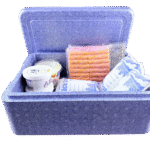
Sacos de peixe isolados portáteis são projetados para pescadores, pescadores artesanais e pequenos processadores que precisam manter o peixe fresco durante viagens curtas. Produtos típicos apresentam zíperes robustos, alças ajustáveis, isolamento espesso e bujões de drenagem. Os tamanhos variam de 35 quartos para mais de 200 Quartos. Esses sacos preservam o peso, mantendo os peixes próximos 0 °C e limite de odor. Eles são versáteis para pesca em águas interiores, pesca no gelo e viagens costeiras, mas não possuem ambientes selados e podem não atender aos requisitos regulamentares para transporte de longa distância.
10Sacos retráteis a vácuo K OTR
Para distribuição comercial, 10Os sacos retráteis a vácuo K OTR são essenciais. Eles são projetados para permitir a troca de oxigênio e, ao mesmo tempo, proporcionar um ajuste firme à pele. Marcas como as bolsas CRYOVAC® 10K OTR da Sealed Air estão em conformidade com as diretrizes da FDA, permitindo que você sele peixes a vácuo sem classificá-los como embalagens com oxigênio reduzido. As vantagens incluem resfriamento rápido, excelente retenção de cor, prevenção de vazamentos, e recursos amigáveis ao consumidor, como abas easyopen. No entanto, os produtos ainda precisam ser armazenados abaixo 3.3 °C ou congelado e monitorado com indicadores.
Bolsas reutilizáveis e sacos verticais com preenchimento e vedação
Avanços na vedação de preenchimento de forma vertical (VFFS) tecnologia permite que os produtores criem bolsas flexíveis com zíperes reutilizáveis. Máquinas como a SmartPacker CX400 podem mudar rapidamente de formato, tornando-os ideais para caranguejo desfiado, camarão marinado e fatias de salmão defumado. Essas bolsas oferecem controle de porções, capacidade de vedação e apelo de prateleira aprimorado. Eles são populares nos mercados de varejo de frutos do mar prontos para consumo e lanches, e reduzem o desperdício do consumidor, permitindo o uso parcial.
Pacotes de pele a vácuo e bandejas termoformadas
Pacotes de pele a vácuo (VSP) e embalagens com atmosfera modificada (MAPA) prolongar a vida útil ajustando firmemente uma película sobre o produto. Sistemas de termoformagem como o PowerPak Plus da GEA lidam com filmes de alta barreira contendo materiais como EVOH (álcool etileno vinílico) ou PA (poliamida). Os benefícios incluem proteção de alta barreira, apresentação premium e eficiência operacional. VSP mantém os filetes no lugar, tornando possível a exibição vertical sem movimento do produto.
Caixas à base de fibra reciclável e soluções ecológicas
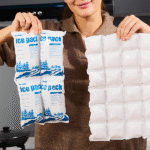
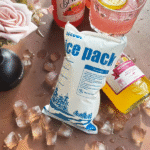
A sustentabilidade está impulsionando a inovação nas embalagens de frutos do mar. As caixas DryPack da DS Smith utilizam tecnologia Greencoat® e são 100 % reciclável com certificações do USDA, CFIA e FDA. Materiais baseados em papel são responsáveis por 37 % do mercado de embalagens de frutos do mar em 2025. Equipamentos ecológicos para sacos de peixe podem incluir forros de papelão ondulado, espumas isolantes de base biológica feitas de micélio de cogumelo ou amido, e pacotes de gelo reutilizáveis. Estas soluções reduzem o impacto ambiental enquanto mantêm o desempenho da temperatura.
Sistemas Híbridos e Resfriamento Ativo
Os sistemas híbridos combinam isolamento passivo com elementos de resfriamento ativos. Para frutos do mar, híbridos costumam usar pacotes de gel integrado com sensores que acionam ventiladores ou dispositivos termoelétricos quando a temperatura sobe. Esta abordagem oferece controle preciso, mas aumenta o custo e a complexidade. Você deve avaliar soluções híbridas para produtos de alto valor ou rotas longas onde os sistemas passivos são insuficientes.
Tabela de comparação de embalagens
| Tipo de embalagem | Principais recursos | Adequação | Benefício prático |
| Sacos de peixe isolados | Isolamento espesso, bujão de drenagem, portátil | Pequenas capturas, entregas locais | Mantém a temperatura próxima de zero; leve e versátil |
| 10Sacos retráteis a vácuo K OTR | Filme permeável ao oxigênio, ajuste colante ao corpo, Conformidade com a FDA | Filetes e porções de peixe fresco | Resfriamento rápido, retenção de cor e prevenção de vazamentos |
| Bolsas reutilizáveis (VFFS) | Fechamento com zíper, tamanhos flexíveis, limpar janelas | Caranguejo desfiado, camarão marinado, lanche de frutos do mar | Controle de porção, capacidade de vedação e exibição atraente |
| Pacotes de pele a vácuo & bandejas | Filmes de alta barreira, apresentação premium | Filetes premium, produtos sushigrade | Vida útil mais longa, merchandising vertical |
| Caixas de fibra reciclável | Baseado em papel, resistente à umidade, certificado | Remessas congeladas ou refrigeradas, clientes ecoconscientes | Embalagem sustentável com resistência estrutural |
Dicas e conselhos práticos
Combine o pacote com a forma e rota do produto. Peixes inteiros requerem sacos maiores com cantos reforçados, enquanto os filés cabem em sacos retráteis a vácuo padrão.
Verifique a classificação OTR antes de comprar. As embalagens para peixe cru refrigerado devem ter uma taxa de transmissão de oxigénio de pelo menos 10 K. Embalagens de baixa permeabilidade exigem controle de temperatura mais rigoroso.
Considere a sustentabilidade. Escolha fibra, filmes de papel ou de base biológica sempre que possível. O mercado de filmes OTR 10K deverá crescer a partir do dólar 1.6 bilhão em 2025 para USD 2.9 bilhão por 2035, com mais 40 % valor dos filmes de base biológica e recicláveis.. A sua escolha influencia a mudança da indústria em direção a materiais mais ecológicos.
Estudo de caso: Um exportador canadense trocou caixas de poliestireno por caixas de fibra Greencoat® e alcançou um 25 % redução de resíduos plásticos. Eles não relataram aumento na deterioração, e os clientes apreciaram a abordagem ecológica.
Melhores práticas de manuseio e transporte para manter a integridade da cadeia de frio
Mesmo a melhor embalagem não consegue compensar o mau manuseio. Para manter os frutos do mar seguros, você precisa de um fluxo de trabalho consistente que cubra a pré-embalagem, embalagem, transporte e recepção. Seguir essas práticas reduz o risco de variações de temperatura, violações de conformidade e perda de produto.
Guia de manuseio passo a passo
Embalagem pré-resfriada e refrigerante: Coloque sacos isolados, sacos a vácuo ou bandejas junto com pacotes de gel em uma geladeira ou freezer, pelo menos 12 horas antes de embalar. O pré-resfriamento reduz o choque térmico e prolonga o resfriamento.
Prepare o produto: Imediatamente após a colheita, limpe os peixes com água potável e remova as vísceras quando possível. Mantenha o peixe no gelo ou em pasta 0 °C até a embalagem.
Carregar materiais de mudança de fase (PCMs): Disponha pacotes de gel congelado no fundo e nas laterais do recipiente isolado. Coloque os peixes em camadas únicas para melhorar o fluxo de ar e use divisórias para evitar esmagamento.
Selar a vácuo e etiquetar: Coloque as porções em sacos retráteis a vácuo 10K OTR, remova o ar com um selador de câmara e sele o saco a quente. Anexe indicadores de tempo-temperatura ao usar embalagens com oxigênio reduzido e rotule cada embalagem com instruções de armazenamento.
Boxe: Insira sacos selados em caixas de papelão ondulado ou recipientes à base de fibra revestidos com isolamento adicional. Garanta um espaço vazio mínimo para reduzir as flutuações de temperatura.
Insira sensores e documento: Coloque registradores de dados dentro de uma ou mais embalagens para registrar temperatura e umidade. Registre o tempo de embalagem, números de lote e IDs de sensores para rastreabilidade.
Transporte: Use caminhões pré-resfriados ou contêineres frigoríficos e evite aberturas desnecessárias de portas. Confirme se o tempo em trânsito está alinhado com a duração calculada do PCM.
Desembalagem e inspeção: Instrua os destinatários a inspecionar os indicadores e sensores de tempo-temperatura. Rejeite produtos que tenham excedido os limites de temperatura seguros para evitar botulismo ou deterioração.
Você está pronto para enviar? Lista de verificação interativa
Use esta autoavaliação rápida antes de despachar sua remessa de frutos do mar:
Temperatura verificada? Embalagens e PCMs pré-refrigerados; intervalo esperado 0 °C–2 °C.
Compatível com permeabilidade ao oxigênio? As sacolas atendem ao requisito 10K OTR ou possuem indicadores ao usar embalagens com oxigênio reduzido.
Massa de refrigerante suficiente? Pacotes de gel ou gelo seco calculados para a duração do trânsito mais um 20 % contingência.
Rotulagem clara? Cada embalagem instrui os destinatários a manter o produto resfriado ou congelado e indica instruções de descongelamento.
Sensores ativos? Registradores de dados e rastreadores GPS são ativados e IDs são registrados.
Documentos preparados? Registros de rastreabilidade FSMA, certificados de importação/exportação e documentação alfandegária estão completos.
Se você marcou todas as caixas, sua remessa está pronta. Esta rotina simples reduz o risco de deterioração e questões regulatórias.
Exemplo prático: Um exportador que envia atum fresco do Havaí para o Japão usa esta lista de verificação antes de carregar os contêineres. Eles verificam PCMs, calibrar sensores e confirmar a papelada. Como resultado, eles reduziram as taxas de rejeição e melhoraram a confiança do comprador.
Rastreabilidade e Conformidade Regulatória: FSMA 204, HACCP para frutos do mar e melhores práticas
A rastreabilidade protege a saúde pública e a sua reputação. Quando os frutos do mar viajam através de múltiplas mãos através das fronteiras, você precisa de registros claros para saber onde os problemas começam e até onde eles se espalham. Frutos do mar mal rotulados são comuns; estudos mostram que quase um em cada três produtos pode estar rotulado incorretamente. Uma metaanálise recente dos EUA. frutos do mar encontrados 39.1 % das amostras foram rotuladas incorretamente, com 26.2 % envolvendo substituição de espécies e 17.1 % apresentando nomes ambíguos. A rastreabilidade garante que lotes ruins sejam identificados e removidos antes de chegarem aos consumidores e ajuda a combater, pesca não declarada e não regulamentada.
Visão geral regulatória
HACCP de frutos do mar (Ponto Crítico de Controle de Análise de Perigos) requisitos: Os planos HACCP identificam perigos e estabelecem pontos críticos de controle, como temperatura de armazenamento, limpeza e verificação de fornecedores. Eles exigem a manutenção de registros para comprovar a conformidade com os padrões de processamento e armazenamento.
Regra FSMA 204: Os EUA. Regra da Lei de Modernização da Segurança Alimentar 204 exige que certos alimentos – incluindo muitos tipos de frutos do mar – mantenham registros de rastreabilidade de 24 horas. Ele enfatiza o registro de dados em tempo real, e o não cumprimento pode levar a multas ou detenções de remessas.
Programa de verificação de fornecedores estrangeiros (FSVP): Os importadores devem verificar se os fornecedores estrangeiros atendem. padrões de segurança. Sem documentação, as remessas correm o risco de serem atrasadas ou rejeitadas.
Construindo um Sistema de Rastreabilidade Eficaz
Documentação de captura precisa: Data de registro, tempo, método de pesca, espécie e localização exata no momento da colheita. Inscrições imediatas evitam erros e fraudes.
Atribuir identificadores exclusivos: Usar números de lote, Códigos QR ou etiquetas RFID para cada lote de captura ou processamento. Essas tags vinculam unidades de produtos a todos os dados relevantes, do nome do navio aos registros da cadeia de frio.
Manter relacionamentos entre pais e filhos durante o processamento: Ao dividir ou mesclar lotes, atribuir novos números de sublote e atualizar o sistema adequadamente. Isso evita pontos cegos na rastreabilidade e ajuda a isolar lotes problemáticos sem fazer recall de uma remessa inteira.
Ferramentas úteis de decisão
Verifique os detalhes antes de escolher a embalagem
Essas ferramentas rápidas podem ajudá-lo a comparar o risco da rota, necessidades de dimensionamento, escolhas de refrigerante, e detalhes da embalagem antes de solicitar um orçamento.
Resistência à queda de material de isolamento
Revise a resistência à queda e os fatores de manuseio antes de escolher materiais de isolamento.
Verifique a resistênciaSeletor de embalagens
Compare opções de embalagens isoladas por produto, rota, e necessidade de temperatura.
Encontre embalagensCalculadora de gelo seco
Estime as necessidades de gelo seco para remessas congeladas ou ultrafrias antes de embalar.
Estimar gelo secoDigitalize o fluxo de dados: Substitua registros em papel por software integrado. Sistemas de rastreamento em tempo real capturam a temperatura, dados de localização e lote, e atendem aos requisitos de documentação da FSMA.
Treine sua equipe: Garanta que todos entendam seu papel e o valor da rastreabilidade. Fornecer sessões de integração e listas de verificação simples de procedimentos operacionais padrão para tripulações de embarcações, processadores e armazenamento refrigerado manipuladores.
Dicas e conselhos práticos
Verifique fornecedores. Trabalhe com fornecedores que possam fornecer documentação completa de captura e cumprir as estruturas de rastreabilidade.
Automatize alertas. Use software que envie notificações quando qualquer lote exceder os limites de temperatura ou se desviar das rotas esperadas.
Planeje recalls. Crie modelos de recall e simule exercícios. Ser capaz de localizar lotes afetados reduz rapidamente o escopo e o custo de um recall.
Aproveite o envolvimento do consumidor. Considere adicionar códigos QR nas embalagens que permitam aos consumidores rastrear a origem de seus frutos do mar. Isso gera confiança e diferencia sua marca.
Estudo de caso: Um processador de camarão do Golfo implementou etiquetas RFID e software de rastreabilidade digital em sua frota e planta de processamento. Quando ocorreu uma excursão de temperatura em um navio, eles isolaram os lotes afetados em poucos minutos e evitaram um recall em grande escala.
2025 Tendências e inovações em soluções para cadeia fria de frutos do mar
O cadeia de frio de frutos do mar está evoluindo rapidamente. Compreender os dados de mercado e as tendências tecnológicas mais recentes ajudará você a se manter competitivo e a preparar suas operações para o futuro.
Crescimento e segmentação do mercado
O mercado global de logística da cadeia de frio foi avaliado em USD 293.58 bilhão em 2023 e está projetado para crescer para USD 862.33 bilhão por 2032. Dentro deste mercado, espera-se que apenas os equipamentos da cadeia de frio cresçam em relação ao USD 40.34 bilhão em 2025 para USD 112.23 bilhão por 2032. As embalagens de frutos do mar são um setor de nicho, mas em rápido crescimento: avaliado em cerca de USD 1.4 bilhão em 2025, está projetado para atingir USD 2.1 bilhão por 2035. O mercado mais amplo de embalagens de frutos do mar, que inclui plástico, papel, metal e outros materiais, crescerá a partir do USD 15.58 bilhão em 2024 para USD 27.12 bilhão por 2034. Materiais baseados em papel já representam 37 % do mercado e provavelmente crescerão à medida que as preocupações com a sustentabilidade aumentam.
Motoristas
Demanda por frutos do mar frescos e congelados: Consumidores preocupados com a saúde e a expansão da aquicultura estão aumentando o consumo de peixe, camarão e moluscos.
Regulamentos de segurança alimentar: Alertas sobre C. botulínica em embalagens com oxigênio reduzido estão impulsionando a adoção de filmes OTR 10K e monitoramento robusto de temperatura.
Modelos de comércio eletrônico e direto ao consumidor: As vendas online de frutos do mar exigem embalagens que resistam a tempos de trânsito mais longos e condições imprevisíveis de lastmile.
Sustentabilidade e economia circular: Consumidores e reguladores favorecem materiais que podem ser reciclados ou reutilizados. Materiais biodegradáveis e recicláveis são cada vez mais adotados.
Rastreabilidade e transparência: A incorporação de chips RFID ou NFC nas embalagens permite rastreamento em tempo real, aumentando a transparência da cadeia de abastecimento e a confiança do consumidor.
Inovações
Otimização de rotas orientada por IA e manutenção preditiva: Plataformas logísticas modernas utilizam inteligência artificial para minimizar tempos de trânsito e antecipar falhas de equipamentos, reduzindo excursões de temperatura.
Blockchain e gêmeos digitais: Plataformas de rastreabilidade ponta a ponta usam blockchain para criar registros imutáveis de temperatura e eventos de manuseio e gêmeos digitais para simular remessas.
Sensores inteligentes e IoT: Sensores de baixa potência monitoram a temperatura, umidade e choque em tempo real e pode ser integrado a redes 5G.
10Filmes K OTR e barreiras respiráveis: O mercado global de filmes OTR 10K deverá crescer a partir do dólar 1.6 bilhão em 2025 para USD 2.9 bilhão por 2035, refletindo um 6.1 % taxa composta de crescimento anual. O crescimento acelera depois 2030 devido à inovação em filmes multicamadas e adoção em embalagens de frutos do mar e refeições prontas. Ásia-Pacífico é a região que mais cresce, com a expectativa de que a China cresça em 6.5 % Cagr. O polietileno conduz materiais com 37.5 % compartilhar 2025, enquanto os filmes multicamadas dominam os tipos de filmes com 42.8 % compartilhar.
Máquinas de embalagem modulares: Sistemas como o PowerPak da GEA 1000 permitir que os processadores alternem entre vácuo, MAPA, pacotes de pele e encolhimento na mesma linha.
Materiais biodegradáveis: O isolamento à base de cogumelos e os polímeros derivados de plantas, como PLA e PHA, reduzem a pegada de carbono, ao mesmo tempo que proporcionam propriedades de barreira adequadas..
Desafios de mercado
Apesar do forte crescimento, os desafios permanecem. Materiais de barreira avançados como EVOH e filmes nanocompósitos são caros. A reciclagem de laminados multicamadas é difícil; soluções monomateriais devem equilibrar desempenho de barreira e reciclabilidade. A infraestrutura antiga de armazenamento a frio precisa de atualizações para atender aos requisitos de eficiência energética. Complexidade regulatória, restrições de importação e regras de rastreabilidade da FSMA acrescentam encargos de conformidade, especialmente para pequenos exportadores.
Últimos Desenvolvimentos e Implicações Práticas
Em março 2025, A Sealed Air apresentou novos sacos retráteis a vácuo CRYOVAC® 10K OTR e filmes rollstock Darfresh® que atendem às regulamentações da FDA para embalagens de frutos do mar. Essas inovações melhoram a clareza e a resistência mecânica, ao mesmo tempo que permitem a troca de oxigênio.
Em 2025, A DS Smith introduziu caixas DryPack à base de fibra actualizadas que são 100 % reciclável e resistente à umidade. Essas soluções atendem à crescente demanda por embalagem sustentável.
Provedores de software de rastreabilidade agora integram a Regra FSMA 204 módulos de conformidade e simulações de recall digital, permitindo alertas instantâneos e reduzindo o tempo de recall de dias para horas.
Perguntas frequentes (Perguntas frequentes)
Q1: O que é um saco de peixe OTR 10K e por que é necessário?
Um saco OTR 10K é um saco retrátil a vácuo com uma taxa de transmissão de oxigênio de pelo menos 10,000 cc/m² por 24 horas. Os EUA. A FDA considera essas embalagens permeáveis ao oxigênio, reduzindo o risco de C. botulínica crescimento em peixes refrigerados. O uso de sacos OTR 10K permite selar peixes a vácuo sem classificá-los como embalagens com oxigênio reduzido; você ainda precisa manter as temperaturas abaixo 3.3 °C ou congele o produto.
Q2: Posso embalar peixes a vácuo sem um saco OTR de 10K?
Sim, mas você deve congelar o produto imediatamente e mantê-lo congelado até o uso, ou anexe indicadores de tempo-temperatura se a refrigeração for usada. Caso contrário, você corre o risco de botulismo e detenção regulatória.
Q3: O que material de isolamento é melhor para sacos de peixe reutilizáveis?
Poliuretano (Pur) oferece maior isolamento do que o poliestireno expandido (EPS), mas é mais pesado. Espumas à base de papel e bioderivadas feitas de micélio de cogumelo ou amido são alternativas emergentes. Escolha materiais com base na duração da remessa, considerações de peso e metas de sustentabilidade.
Q4: Por quanto tempo os sacos isolados para peixes podem manter a temperatura sem resfriamento ativo?
A duração depende da espessura do isolamento, temperatura ambiente e massa PCM. Um típico saco de peixe isolado de 60 polegadas com pacotes de gel adequados pode manter o peixe frio por 12 a 18 horas em condições moderadas. Para viagens mais longas, combine sacos retráteis a vácuo com caixas isoladas e PCMs adicionais.
Q5: Por que a rastreabilidade de frutos do mar é importante para o meu negócio?
A rastreabilidade protege os consumidores e a sua marca. Quase um em cada três produtos de frutos do mar pode estar rotulado incorretamente, e 39.1 % de amostras em um EUA. estudo foram rotulados incorretamente. Um sistema robusto de rastreabilidade ajuda a localizar lotes problemáticos rapidamente, evita que a pesca ilegal ou não declarada entre na sua cadeia de abastecimento, e atende aos requisitos regulatórios.
Q6: Como posso melhorar a rastreabilidade com recursos limitados?
Comece pequeno. Use números de lote e códigos QR simples para vincular a colheita, processamento e envio de dados. Adote gradualmente software baseado em nuvem que coleta dados de temperatura e localização automaticamente. Treinar sua equipe e colaborar com fornecedores ampliará os benefícios.
Q7: As caixas de peixe baseadas em papel são fortes o suficiente para cargas pesadas e molhadas??
Sim. Recipientes à base de fibra, como o DryPack da DS Smith, usam revestimentos resistentes à umidade e atendem ao USDA, CFIA, Padrões FDA e FBA. Eles podem lidar com condições úmidas e cargas pesadas, sendo ao mesmo tempo recicláveis.
Resumo e recomendações
Você aprendeu por que os protocolos de frutos do mar da cadeia fria são essenciais, quais soluções de embalagem funcionam melhor, como manusear e transportar peixes com segurança, e como construir uma cadeia de suprimentos rastreável. Tenha estes pontos-chave em mente: manter temperaturas frias entre 0 °C e 2 °C e garantir taxas de transmissão de oxigênio de pelo menos 10,000 cc/m²/24 horas; escolha embalagens que correspondam ao formato do seu produto e às metas de sustentabilidade; siga um processo passo a passo para embalar, monitoramento e transporte; e implementar práticas robustas de rastreabilidade para cumprir a FSMA 204 e requisitos HACCP para frutos do mar. O mercado de equipamentos para cadeia de frio e embalagens de frutos do mar está crescendo rapidamente e se tornando mais ecológico; adotar inovações como logística orientada por IA, sensores inteligentes e materiais biodegradáveis para ficar à frente.
PRÓXIMOS PASSOS:
Audite seus processos atuais. Identifique lacunas de temperatura e rastreabilidade e priorize melhorias.
Atualizar embalagem. Mude para sacos a vácuo 10K OTR e explore caixas ecológicas para reduzir o impacto ambiental.
Implementar monitoramento digital. Implante sensores IoT e software de rastreabilidade que atendam à FSMA 204 requisitos.
Treine sua equipe. Crie listas de verificação fáceis de seguir e realize sessões regulares de atualização.
Mantenha-se informado. Monitore as tendências e inovações do mercado para manter seus protocolos atualizados.
Seguindo estas recomendações, você reduzirá o desperdício, melhorar a segurança alimentar e construir a confiança de compradores e reguladores.
Recomendações de marcação de esquema
Para ajudar os mecanismos de pesquisa a compreender e exibir seu conteúdo, adicione os seguintes dados estruturados no formato JSONLD:
Artigo – Fornecer título, descrição, autor, data de publicação e campos de imagem. Incluir a palavra-chave principal no título.
Página de perguntas frequentes – Liste cada pergunta e resposta da seção FAQ para se qualificar para rich snippets.
Howto – Marque o guia de manuseio passo a passo com itens HowToStep, incluindo nome, texto e imagem quando apropriado.
Sobre Tempk
Nós somos a Temp, um especialista em embalagem da cadeia de frio soluções. Com mais de uma década de experiência em logística com temperatura controlada, projetamos e fabricamos sacos isolados, sacos retráteis a vácuo, bolsas de gelo reutilizáveis e embalagens ecológicas que atendem ao FDA, Diretrizes do USDA e FSMA. Nossos produtos são apoiados por pesquisa e inovação contínua – exemplos incluem nossas bolsas OTR 10K e caixas de fibra com certificação Greencoat®. Ajudamos clientes do setor farmacêutico, os setores de frutos do mar e produtos frescos mantêm a qualidade dos produtos e cumprem regulamentações rigorosas.
Pronto para melhorar sua cadeia de frio? Contacte-nos para uma consulta ou solicite um pacote de amostras. Nossa equipe irá ajudá-lo a escolher a solução certa para o seu produto, metas de rota e sustentabilidade.