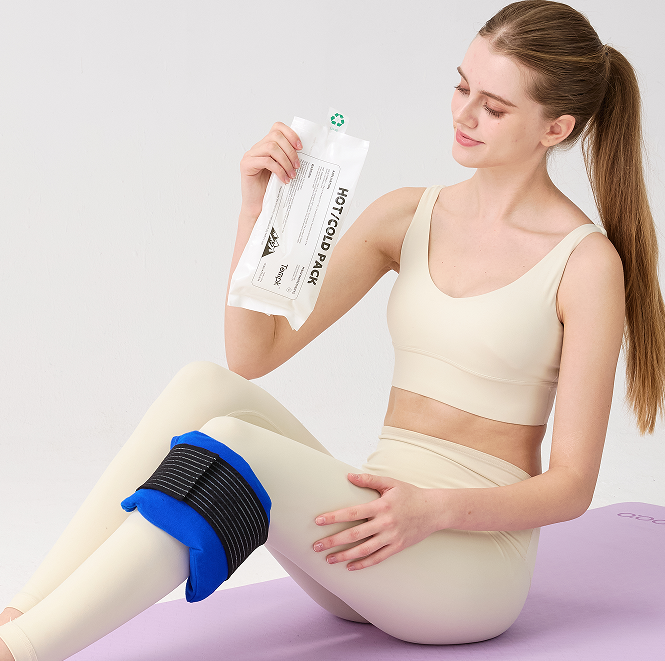
Hospital Pacotes de terapia fria em gel: Uma estrutura prática para comprar e usar melhor
Um pacote de terapia fria com gel hospitalar deve ser escolhido para segurança do paciente, conforto, facilidade de limpeza, e consistência de compras – não para desempenho de remessa. O fabricante certo é aquele que pode fornecer uma construção de embalagem confiável, opções de tamanho apropriado, instruções claras de uso, e suporte prático para fluxos de trabalho clínicos, como armazenamento, limpeza, e reabastecimento de caixas.
Em compras clínicas, a discussão é mais ampla do que apenas a temperatura. As equipes precisam pensar na proteção da pele, facilidade de limpeza, preparação para freezer, eficiência do pacote de caixas, e se uma plataforma pode atender vários departamentos sem criar confusão. Isso torna a consistência do fabricante e as instruções de uso mais importantes do que o preço baixo em uma caixa de embalagens.
Uma decisão forte começa com o contexto. Você precisa saber quem usará o pacote, quanto tempo precisa para permanecer flexível e confortável, se é reutilizado ou atribuído a um paciente, e como a equipe armazenará, limpar, e girar o estoque. Uma vez que esses princípios básicos estejam claros, a comparação de fornecedores se torna muito mais direta.
O que realmente são os pacotes de terapia fria em gel para hospitais
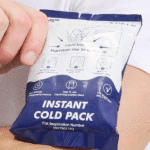
Um pacote de terapia de frio em gel reutilizável ou para um único paciente, usado para resfriamento terapêutico localizado em hospitais e clínicas. Os compradores podem ver termos relacionados, como pacote de terapia fria em gel, compressa de terapia fria, e pacote de gel hospitalar. Em uso clínico, a embalagem é resfriada ou congelada antecipadamente e depois aplicada com uma cobertura ou barreira apropriada por um curto período, períodos de tratamento controlados. Alguns produtos são apenas frios. Outros são pacotes de dupla utilização que também podem ser aquecidos para terapia térmica..
Essa distinção é importante porque um pacote de terapia não é simplesmente uma versão mais fria de um pacote de gel para envio.. O produto clínico deve ser aceitável para o corpo, permanecem flexíveis o suficiente para contornar as articulações ou grupos musculares, e vem com instruções que a equipe pode seguir de forma consistente. Material de superfície, projeto de vedação, tamanho, e as opções de cobertura influenciam se o pacote é realmente utilizável em um ambiente hospitalar.
Os hospitais também avaliam o pacote em termos de fluxo de trabalho. É fácil preparar em um freezer? Cabe em carrinhos ou caixas padrão? Os departamentos podem compartilhar um tamanho, ou eles precisam de vários formatos? Essas perguntas fazem parte da definição do produto, não detalhes secundários.
Como esse formato realmente funciona
Para terapia clínica de frio, a mochila funciona retirando o calor do corpo por um período limitado. O objetivo terapêutico não é imitar um freezer de transporte. É para fornecer resfriamento localizado que pode ajudar no inchaço, desconforto, e recuperação pós-procedimento, permanecendo tolerável para o paciente quando usado com uma barreira apropriada e rotina de tempo.
Influências da construção que experimentam. Uma mochila que permanece flexível após o congelamento adapta-se melhor aos joelhos, ombros, costas, e outros contornos. Uma embalagem com costura rígida ou película externa quebradiça pode parecer estranha e criar pontos de pressão. Material de cobertura, grossura, e a distribuição do gel afetam a distribuição uniforme do frio.
As embalagens de dupla utilização acrescentam outra camada porque devem comportar-se de forma aceitável tanto no congelador como no aquecimento.. Isso pode ser útil para hospitais que tentam racionalizar SKUs, mas também significa que os compradores devem revisar cuidadosamente as instruções de uso, em vez de presumir que todos os produtos quentes/frios funcionam igualmente bem em ambos os modos..
Onde este formato se adapta melhor
A demanda hospitalar geralmente é mais forte em locais onde a equipe precisa de uma solução simples., pacote pronto para freezer que pode ser usado sem uma máquina elétrica. Casos de uso comuns incluem cuidados pós-cirúrgicos, recuperação ortopédica, controle de inchaço de emergência, reabilitação, medicina esportiva, e suporte de alta. Em todas essas configurações, o pacote deve ser fácil de localizar, fácil de aplicar, e fácil de entender.
Nem todos os departamentos desejam o mesmo produto. Uma clínica de fisioterapia pode querer um número maior, pacote reutilizável altamente flexível para uso repetido e supervisionado. Uma enfermaria pode preferir um formato mais simples que seja fácil de limpar ou atribuir a um paciente. Alguns programas priorizam a versatilidade dupla quente/frio, enquanto outros padronizam aplicativos somente frios porque desejam menos variáveis.
O melhor ajuste depende, portanto, do fluxo de trabalho e da população de pacientes, não apenas na capacidade de congelamento. Um hospital deve escolher o pacote que a equipe pode usar de forma consistente e segura, com o mínimo de confusão e o mínimo de desperdício evitável.
Principais vantagens e compensações
Os produtos clínicos são mais fáceis de comprar quando as compensações são claramente declaradas. Uma mochila pode estar muito fria, mas muito rígida. Pode ser muito durável, mas estranho em anatomia curva. Pode ser barato, mas frustrante se os departamentos precisarem de múltiplas sobreposições, capas, ou ciclos de substituição. Analisar os pontos fortes e os limites ajuda os hospitais a evitar falsas poupanças.
- Beneficiar: Os pacotes de gel permanecem mais flexíveis do que o gelo puro e se adaptam melhor aos joelhos, ombros, costas, ou locais de incisão.
- Beneficiar: Muitos pacotes de nível hospitalar podem ser usados para terapia fria e, em alguns casos, aquecido para terapia quente.
- Beneficiar: Pacotes selados reduzem o gotejamento em comparação com sacos de gelo improvisados.
- Beneficiar: Pacotes de terapia padronizados apoiam a enfermagem, reabilitação, medicina esportiva, e uso de descarga.
- Limite: Um pacote de refrigerante enviado não é automaticamente adequado para terapia de contato direto com o paciente.
- Limite: O uso clínico ainda requer proteção de barreira, disciplina de tempo, e julgamento específico do paciente.
- Limite: Alguns pacotes reutilizáveis podem não atender às preferências de controle de infecção de todos os departamentos.
- Limite: Pacotes grandes podem ser desconfortáveis, enquanto embalagens mal preenchidas podem não conseguir contornar adequadamente.
O pacote de terapia certo é aquele cujas vantagens são importantes no fluxo de trabalho real do seu departamento e cujas limitações são gerenciáveis dentro de suas rotinas clínicas.
Como escolher o tamanho certo, formatar, e estratégia de embalagem
O processo de seleção deve começar com a rota e a carga útil, não com um catálogo de ações. Comece definindo a faixa de temperatura alvo, o maior tempo realista fora do armazenamento controlado, a temperatura de carregamento do produto, e as dimensões internas reais do expedidor isolado. Sem esses princípios básicos, mesmo um pacote tecnicamente bom pode se tornar a escolha errada.
De lá, os compradores geralmente comparam a flexibilidade após o congelamento, filme externo ou conforto têxtil e facilidade de limpeza, fluxo de trabalho de paciente único versus fluxo de trabalho reutilizável, faixa de tamanho para diferentes áreas do corpo, e instruções claras para freezer, microondas, e uso de barreira cutânea quando aplicável. Também ajuda olhar para o sistema de embalagem mais amplo: quanto espaço no freezer é necessário para o pré-condicionamento, se o pacote pode ser contado e colocado de forma consistente, quanto cubo de caixa ele consome, e se o peso do pacote resultante ainda faz sentido comercialmente.
Nas compras hospitalares, a seleção também deve refletir o fluxo de trabalho do departamento. Uma unidade de reabilitação, uma enfermaria ortopédica, e um kit de descarga não querem necessariamente o mesmo tamanho, superfície, ou modelo de reutilização. A racionalização de SKU é valiosa, mas apenas se não prejudicar a usabilidade clínica.
Por que as decisões de fornecimento estão mudando
Os hospitais estão sob pressão para simplificar os suprimentos sem frustrar os médicos. Isso está empurrando os compradores para embalagens que são mais fáceis de padronizar por departamento, mais fácil de armazenar em freezers comuns, e menos propenso a falhas de costura ou reclamações de conforto. Reutilizar ainda importa, mas somente quando o fluxo de trabalho para atribuição, limpeza, e a substituição é clara.
Há também mais escrutínio sobre o custo total do programa. Um pacote barato que rasga, endurece, ou tem um desempenho insatisfatório no uso diário cria resíduos ocultos através de substituições, rupturas de estoque, e soluções alternativas da equipe. Por contraste, um pacote de terapia bem escolhido pode reduzir a confusão de SKU e apoiar um atendimento ao paciente mais consistente.
Ferramentas úteis de decisão
Verifique os detalhes antes de escolher a embalagem
Essas ferramentas rápidas podem ajudá-lo a comparar o risco da rota, necessidades de dimensionamento, escolhas de refrigerante, e detalhes da embalagem antes de solicitar um orçamento.
Calculadora de gelo seco
Estime as necessidades de gelo seco para remessas congeladas ou ultrafrias antes de embalar.
Estimar gelo secoForro de caixa & Dimensionamento da cobertura de paletes
Verifique a lógica de dimensionamento do forro da caixa e da tampa do palete para projetos de embalagens isoladas.
Dimensionamento estimadoSeletor de embalagens
Compare opções de embalagens isoladas por produto, rota, e necessidade de temperatura.
Encontre embalagensNesta configuração, a sustentabilidade está intimamente ligada à vida útil e à adequação operacional. embalagens reutilizáveis duráveis podem reduzir o desperdício onde a limpeza e a reutilização são aceitáveis, uma faixa de tamanho racionalizada pode reduzir o estoque expirado ou não utilizado, e o pacote terapêutico mais sustentável é aquele que sobrevive ao manejo clínico sem substituição frequente. As equipes de compras reconhecem cada vez mais que a durabilidade e o uso clínico correto fazem parte da equação da sustentabilidade.
Por que lidar com as regras é tão importante quanto o próprio pacote
Um pacote terapêutico clinicamente útil não é apenas bem feito; é fácil de gerenciar. Hospitais precisam de regras de estadiamento em freezer, rotação de estoque, e sinais claros mostrando quais embalagens estão prontas para uso. Se as embalagens estiverem enterradas em freezers superlotados ou misturadas com itens não clínicos, a equipe perde tempo e a consistência é prejudicada.
As regras de uso também são importantes. Panos ou mangas de barreira, tempo de aplicação, e as verificações dos pacientes devem fazer parte da discussão do produto porque determinam o quão segura e aceitável a embalagem é à beira do leito. Um fabricante que fornece instruções claras ajuda a reduzir a tentação de cada unidade ou departamento inventar o seu próprio método.
Para formatos reutilizáveis, a transferência após o uso é igualmente importante. Os compradores devem perguntar como os pacotes são limpos, reatribuído, ou aposentado quando as costuras falham. Uma boa aquisição antecipa o ciclo diário de manuseio em vez de focar apenas no primeiro uso.
Teste, documentação, e os limites das reivindicações genéricas de desempenho
Para pacotes de terapia hospitalar, o limite principal é o uso pretendido. Os compradores clínicos não devem tratar a linguagem térmica do tipo pacote como evidência de adequação à beira do leito. As questões úteis são se a embalagem foi projetada para uso terapêutico direto, o que dizem as instruções sobre barreiras e tempo de aplicação, como o produto é limpo ou atribuído, e se o fabricante é claro sobre as expectativas de reutilização.
A documentação ainda é importante, mas é diferente da qualificação de pacote. Os compradores podem revisar a rotulagem, informações materiais, status de látex, orientação de limpeza, configuração do caso, e instruções para uso em freezer ou micro-ondas, quando relevante. Esses detalhes ajudam o risco, enfermagem, reabilitação, e as equipes de compras se alinham sobre como o produto realmente deve ser usado.
Resumidamente, um hospital deve avaliar o pacote de terapia em relação ao fluxo de trabalho de contato com o paciente e ao protocolo interno, não contra os padrões de envio. O fornecedor certo é aquele cujas informações sobre o produto reduzem a ambiguidade para a equipe.
Como selecionar fornecedores antes da aprovação em massa
Para hospitais, a revisão do fornecedor deve conectar a aquisição com a realidade clínica. Um pacote de amostras pode parecer aceitável na compra, mas a equipe irá julgar pela flexibilidade, conforto, instruções, formato do caso, e se ele se adapta às rotinas de tratamento reais. É por isso que uma entrevista com um fornecedor deve ir além das dimensões do catálogo.
- Pergunte se o pacote se destina ao uso em terapia clínica em vez de envio de encomendas.
- Revise os detalhes do material, status de látex, informações sobre gel não tóxico, e orientação de limpeza.
- Verifique se as capas, mangas, ou acessórios para proteção da pele estão incluídos ou vendidos separadamente.
- Confirme a variedade de tamanhos, contagem de casos, e se uma plataforma pode atender vários departamentos.
- Pergunte como a embalagem funciona após repetidos ciclos de congelamento e descongelamento e se as costuras permanecem flexíveis.
- Revise as instruções de uso para que a equipe de enfermagem não seja forçada a inventar sua própria rotina de manuseio.
- Finalmente, verifique a adequação ao fluxo de trabalho real do departamento, população de pacientes, e rotina de tratamento.
O fornecedor hospitalar mais forte é geralmente aquele que torna o uso do produto mais claro para a equipe e reduz as dores de cabeça de substituição na aquisição.
Onde programas bons dão errado
A maioria das falhas não são defeitos materiais dramáticos. São erros comuns de processo que se agravam com o tempo. A coisa útil sobre eles é que geralmente podem ser corrigidos, uma vez que sejam nomeados claramente.
- aplicar um pacote diretamente na pele por muito tempo
- misturar fluxos de trabalho de uso único e de uso compartilhado sem regras claras
- comprar pacotes de remessa para terapia à beira do leito porque parecem semelhantes
- escolher um formato de embalagem que não corresponda à área do corpo tratada
- aprovar um pedido em massa após um teste de amostra que não refletiu a remessa real
- focando no custo unitário enquanto ignora o peso da caixa, cubo congelador, ou impacto trabalhista
- assumir que o peso nominal do refrigerante diz o suficiente sobre o desempenho da rota
- reutilizar embalagens sem inspeção em um fluxo de trabalho que realmente precisa de triagem
- alterar a geometria da caixa ou a disposição da carga útil sem verificar novamente o projeto térmico
- tratar a sustentabilidade como um tópico separado, em vez de vinculá-la à deterioração, peso do frete, e logística de recuperação
- avaliando os fornecedores apenas com base na velocidade da cotação, em vez da continuidade do fornecimento e da comunicação de qualidade
- aprovar uma compra em massa após apenas uma breve olhada no freezer, em vez de feedback real do usuário
- escolher o preço da caixa, ignorando a taxa de substituição e a adequação do departamento
Se uma equipe conseguir eliminar pelo menos dois ou três desses erros, geralmente melhora os resultados mais rapidamente do que mudar para um produto mais caro.
Perguntas frequentes
Um hospital pode comprar frete padrão pacotes de gel para uso terapêutico?
Isso geralmente é uma má ideia. Os pacotes de terapia precisam de adequação para contato com o paciente, instruções de uso claras, e ajuste do fluxo de trabalho clínico.
O que mais importa para as equipes de enfermagem?
Flexibilidade, conforto de superfície, ajuste de tamanho, e limpeza fácil ou regras claras de manuseio para um único paciente.
Os hospitais preferem calor/pacotes frios ou pacotes apenas para frio?
Depende do departamento. Muitos compradores gostam de versatilidade de dupla utilização, enquanto outros padronizam aplicações somente frias.
Como geralmente é a melhor decisão
A melhor decisão geralmente se resume à adequação clínica. Pacotes de terapia de frio em gel para hospitais fazem sentido quando são confortáveis, flexibilidade, instruções, e a consistência do fornecimento correspondem ao fluxo de trabalho real dos departamentos hospitalares que o utilizam. Torna-se uma má escolha quando as equipes o compram como um pacote genérico de congelados e esperam que a equipe resolva as lacunas.
Tempk num relance
Fabricamos embalagens de gel e produtos de controle de temperatura relacionados, incluindo pacotes de terapia quente e fria, bem como cadeia de frio bolsas de gelo, tijolos de gelo, e embalagem isolada. Para projetos de terapia orientados para hospitais, podemos discutir a construção do pacote, opções de tamanho, e se um formato quente/frio reutilizável faz mais sentido do que um formato de envio pacote de refrigerante.
Próximo passo
Se você estiver adquirindo pacotes de terapia para um hospital, comparar instruções de uso clínico, facilidade de limpeza, e variedade de tamanhos antes de comparar o preço por unidade.