Resposta rápida para compradores
The right supplier should help you confirm what the ice box must protect, como será embalado, how long it will be exposed, and what proof is available. Confirme as dimensões internas, usable payload area, peso carregado, and whether staff can safely carry or move the box. Peça dimensões, accessory details, etapas de aprovação de amostra, instruções de limpeza, and any available test basis before comparing cost.
Start by defining what the ice box must do
Um caixa de gelo industrial é um recipiente isolado reutilizável ou semi-reutilizável usado em repetidas operações de cadeia de frio. Não é automaticamente um expedidor farmacêutico, e não está automaticamente qualificado para nenhuma rota. Seu valor vem do isolamento correspondente, tamanho, encerramento, durabilidade, limpeza, e carregamento de refrigerante para a remessa real. Para muitos compradores industriais, consistência operacional é tão importante quanto o primeiro preço de compra.
Antes de olhar o preço, defina o que a caixa deve fazer no seu percurso. Está protegendo um produto resfriado durante uma curta transferência de veículo, apoiando a entrega de medicamentos com o recebimento de cheques, ou retendo a carga útil durante uma rota de exportação de múltiplas transferências? Cada caso muda a quantidade de provas que você deve solicitar. Um comprador prático não pergunta apenas se a caixa está isolada; o comprador pergunta se pode ser operado de forma consistente sob as condições esperadas.
Cost is a system number, not only a unit price
The visible quote is only the first layer of 40 litro fornecedor de caixa de gelo avaliação. Supplier value comes from balancing usable payload, lidar com mão de obra, cubo de frete, and evidence that the larger format performs consistently. A buyer who compares only unit price may miss that one box requires more coolant, takes more labor to clean, ships in a larger carton, or needs replacement accessories sooner. Para rotas repetidas, these details can outweigh a small difference in the purchase price.
A useful price conversation starts with a controlled specification. Share the intended product category, faixa de temperatura necessária, duração da rota, maximum exposure points, carga útil esperada, and whether the box will be reused or sent one way. Then ask each supplier to quote the same configuration. If one quote includes dividers, pacotes de refrigerante, rótulos, suporte de amostra, and export packing while another quote includes only the empty shell, the two numbers are not comparable.
The buyer should also separate sample cost from production cost. A carefully prepared sample can look excellent while production units vary in wall thickness, força de fechamento, plug fit, or accessory position. Ask how the supplier keeps the production version aligned with the approved sample. That question is especially important when the box will be used for medicines, amostras, or route programs where a small design change can require internal review.
A buyer checklist before sample approval
| Ponto de verificação do comprador | O que perguntar ao fornecedor | Sinal de decisão |
|---|---|---|
| Ajuste de rota | Qual duração da rota, pontos de espera, e a exposição ambiental foi assumida? | O fornecedor entende a remessa real e não apenas o nome do produto. |
| Ajuste de carga útil | How is confirm internal dimensions, usable payload area, peso carregado, and whether staff can safely carry or move the box. manipulado? | A cotação reflete o espaço utilizável, não apenas volume nominal. |
| Plano de refrigeração | Quais bolsas de gelo, pacotes de gel, ou pacotes PCM são recomendados? | O fornecedor trata a caixa e o líquido refrigerante como um sistema. |
| Projeto de manuseio | How do large-format handling, rigidez da tampa, coolant loading, ajuste de palete, ajuste do veículo, and receiver workflow affect daily operation? | A caixa é prática para o pessoal, receptores, e equipes de limpeza. |
| Nível de evidência | Qual base de teste, instruções, ou documentos de qualidade podem ser revisados? | As reivindicações podem ser verificadas antes da compra em massa. |
A lista de verificação não tem como objetivo retardar as compras. Ajuda os compradores a comparar fornecedores na mesma base. Quando cada fornecedor responde pela mesma rota, carga útil, refrigerante, manuseio, e perguntas sobre evidências, o preço final fica muito mais fácil de interpretar.
Map the route before you approve the box
Route mapping is the practical bridge between a product requirement and a supplier quotation. Write down where the packed box starts, how it waits before dispatch, which vehicles or facilities handle it, how often the lid may be opened, and what the receiver must do on arrival. This map shows whether 40 litro caixas de gelo isoladas for larger payloads and repeated cold-chain routes needs a simple operational packout or a more formal qualification review.
Do not ignore handover points. Temperature problems often appear while goods sit on a dock, esperar em um veículo, move through airport handling, or arrive before the receiver is ready. A supplier cannot design around these risks unless the buyer describes them. Even a strong insulated box can underperform when the payload is warm at loading, the coolant was not conditioned properly, or the box is opened repeatedly.
A distributor may choose 40 liters to reduce the number of boxes per route. That can help loading efficiency, but it may also make each unit heavier, slower to inspect, and more dependent on a disciplined packout. This kind of scenario should be discussed before sample approval. The sample test should check whether staff can pack the box correctly, close it without forcing the lid, identify the payload, find the logger if used, and return the box for cleaning or disposal according to your process.
Temperature and documentation need cautious wording
As aplicações industriais da cadeia de frio variam amplamente. Comida, ingredientes, produtos químicos, Suprimentos médicos, e outros produtos sensíveis à temperatura podem ter critérios de aceitação diferentes. Em vez de perguntar se a caixa é geralmente adequada para a cadeia de frio, os compradores devem definir a faixa de temperatura necessária e as condições de exposição permitidas para a carga útil real.
Para equipes de compras, a ação mais útil é perguntar o que deve ser verificado antes do uso. O produto precisa de uma embalagem documentada? O monitoramento é necessário? O receptor analisará um registro de temperatura? Existem regras locais para a categoria de produto? Essas questões evitam que a compra de uma geladeira genérica seja confundida com um processo de remessa controlada.
Perguntas do fornecedor que realmente mudam a decisão
Uma conversa focada com o fornecedor economiza tempo porque elimina promessas vagas antecipadamente. Use as perguntas abaixo antes de solicitar amostras, não depois que o primeiro lote de produção já estiver planejado.
- Que produto ou rota exata é essa 40 liter insulated ice boxes for larger payloads and repeated cold-chain routes designed to support?
- Qual faixa de temperatura foi assumida, e quem deve confirmá-lo internamente?
- Quais são as dimensões internas e externas, e qual é o espaço útil após refrigerante e acessórios?
- Quais pacotes de refrigerante, Pacotes PCM, ou divisórias são recomendadas, e como eles devem ser condicionados?
- Qual processo de aprovação de amostra mantém a produção em massa alinhada com a amostra?
- Que limpeza, inspeção, ou critérios de aposentadoria caso os operadores sigam?
- Que embalagem de papelão, rotulagem, e a política de acessórios de substituição se aplica a pedidos de exportação ou repetidos?
Essas questões também protegem o relacionamento com o fornecedor. Quando você define a rota, carga útil, large-format handling, rigidez da tampa, coolant loading, ajuste de palete, ajuste do veículo, e fluxo de trabalho do receptor, e as evidências precisam ser antecipadas, o fornecedor pode recomendar um modelo realista em vez de adivinhar a partir de uma breve solicitação de palavra-chave. Uma solicitação melhor geralmente leva a uma amostra melhor.
Common mistakes that make a reasonable box fail
The common mistake is to scale up size without reviewing handling risk. Another frequent error is treating nominal capacity as payload capacity. The internal space required by coolant packs, Painéis PCM, divisores, papelada, materiais absorventes, or a data logger can be significant. Buyers should test a real packout with the actual payload or a close mock-up before committing to bulk orders.
A second mistake is approving a sample without writing down what was approved. Photographs, dimensões medidas, accessory details, ajuste da tampa, plug style, embalagem de papelão, and labeling should be saved. If a future production batch changes, the team needs a reference point. Sem isso, procurement and quality teams may disagree about whether the delivered goods match expectations.
A third mistake is ignoring the receiver. The shipment is not finished when the box leaves the warehouse. Receivers need to know where documents are, how to check box condition, how to remove the payload quickly, and what to do with the empty box. Packaging that is clear at dispatch but confusing at receipt can still create risk.
Exemplo prático: using a sample to find the weak point
Imagine a procurement team evaluating 40 liter ice box supplier options for a recurring route. One supplier offers the lower price and a short specification. Another supplier asks about product category, tempo de rota, temperatura de carregamento, condicionamento de refrigerante, fluxo de retorno reutilizável, e recebimento de cheques. The second supplier may appear slower at first, but that conversation can reveal whether the proposed box can actually be used consistently.
Durante a revisão da amostra, the team packs the box with a payload mock-up, the intended coolant arrangement, documentos, and a logger placeholder. They discover that the nominal volume looked adequate, but the usable space is tight after accessories are added. Instead of forcing the shipment into the box, they update the requirement and ask suppliers to adjust the model or packout. This is a successful sample test because it prevents a larger mistake.
Do not stop the review at dispatch
A etapa de recebimento completa a decisão de embalagem. Um receptor deve saber como inspecionar a caixa, onde encontrar documentos ou dispositivos de monitoramento, como mover a carga de volta para o armazenamento controlado, e qual condição requer quarentena ou escalada. Se a caixa for reutilizável, a unidade vazia precisa de limpeza, secagem, verificação de acessórios, e inspeção de danos antes do próximo envio.
This is where large-format handling, rigidez da tampa, coolant loading, ajuste de palete, ajuste do veículo, and receiver workflow becomes operational rather than decorative. Um plugue difícil de limpar, uma tampa que é difícil de fechar, uma alça que flexiona sob carga, ou um layout interno que oculta a carga útil podem criar atritos repetidos. Os fornecedores devem ser questionados sobre o desempenho da caixa no final do percurso, não só no momento está lotado.
Para operações B2B repetidas, crie uma regra de aposentadoria simples. Retire as caixas de uso quando o isolamento estiver rachado, o fechamento não é confiável, o plugue vaza, etiquetas não podem ser limpas, ou acessórios não cabem mais. A reutilização só reduz custos quando a caixa permanece inspecionável e adequada à finalidade.
Perguntas frequentes
É um 40 liter ice box supplier enough to protect temperature-sensitive goods?
Não por si só. Uma caixa isolada retarda a transferência de calor, mas a proteção depende de todo o sistema: faixa de temperatura necessária, tipo de refrigerante, pacote, temperatura da carga útil, duração da rota, exposição ambiental, comportamento de abertura, e processo de recebimento. Para produtos regulamentados ou de alto risco, perguntar se é necessária qualificação adicional ou revisão de qualidade.
O que devo perguntar antes de solicitar amostras?
Solicite dimensões internas e externas, volume utilizável após refrigerante, pacote recomendado, detalhes de material e fechamento, instruções de limpeza, embalagem de papelão, etapas de aprovação de amostra, e qualquer base de teste. Para este tópico, pay special attention to large-format handling, rigidez da tampa, coolant loading, ajuste de palete, ajuste do veículo, e fluxo de trabalho do receptor.
Como devo comparar o custo ou preço do fornecedor?
Compare cotações somente após definir a mesma especificação. Verifique se o preço inclui acessórios, embalagem de exportação, documentação, suporte de amostragem, peças de reposição, e comunicação para pedidos repetidos. Uma unidade mais barata pode custar mais se aumentar o volume de frete, trabalho, retrabalhar, ou risco de envio.
Posso confiar na reclamação de tempo de espera de um fornecedor?
Trate isso como um ponto de partida. Pergunte qual perfil de ambiente, carga útil, configuração de refrigerante, condição inicial, e faixa de aceitação foram usados. Se a sua rota for diferente, a reivindicação pode não se aplicar diretamente. Testes adicionais ou uma embalagem revisada podem ser necessários antes do uso em massa.
Uma caixa de gelo industrial reutilizável é sempre a opção de menor custo?
Não. A reutilização reduz o custo apenas quando o comprador pode recuperar, limpar, inspecionar, loja, e reimplantar caixas de forma confiável. Rotas de mão única, controle de retorno deficiente, ou taxas de danos elevados podem tornar outro modelo de embalagem mais prático.
Conclusão
Um forte 40 liter ice box supplier evaluation connects the box to the shipment. Comece com os requisitos do produto, then examine route exposure, espaço de carga útil prático, compatibilidade de refrigerante, manuseio, limpeza, e evidências do fornecedor. Do not let a low price or a broad marketing claim replace a controlled sample review.
Antes de encomendar a granel, documentar o que a amostra deve provar e o que deve permanecer consistente na produção. Para rotas médicas ou farmacêuticas sensíveis, envolver a equipe de qualidade desde o início e usar uma linguagem cautelosa em relação à conformidade ou qualificação. A decisão de fornecimento mais segura é geralmente aquela que os compradores, operadores, e os receptores podem realizar consistentemente.
Sobre Tempk
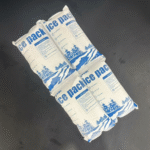
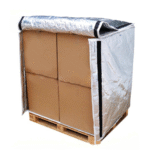
Tempk oferece suporte a compradores B2B com embalagem da cadeia de frio opções como bolsas de gelo, Pacotes PCM, caixas isoladas, PPE ou Caixa de refrigerador VIP formatos, forros isolados, e proteção térmica em nível de palete. Para 40 liter insulated ice boxes for larger payloads and repeated cold-chain routes, nos concentramos no ajuste prático: a rota, carga útil, meta de temperatura, plano de refrigeração, processo de limpeza, e evidências que um comprador deve analisar antes de dimensionar. Evitamos tratar uma caixa isolada como uma resposta universal; a melhor discussão é como o pacote será usado na sua operação real.
Compartilhe sua rota, carga útil, faixa de temperatura alvo, e estágio de compra com a Tempk para comparar opções adequadas de caixa de gelo e refrigerante antes da amostra ou aquisição a granel.
Suggested Structured Data
{
"@contexto": "{SCHEMA_CONTEXT}",
"@graph": [
{
"@tipo": "BlogPosting",
"título": "40 Liter Ice Box Supplier Buyer Guide",
"descrição": "Comparar 40 liter ice box supplier options by route fit, volume utilizável, evidência do fornecedor, and handling details before sample or bulk orders.",
"dataModificado": "2026-05-28",
"autor": {
"@tipo": "Organização",
"nome": "Tempk"
},
"publisher": {
"@tipo": "Organização",
"nome": "Tempk",
"logotipo": {
"@tipo": "ImageObject",
"url": "{LOGO_URL}"
}
},
"mainEntityOfPage": {
"@tipo": "WebPage",
"@eu ia": "{CANONICAL_URL}"
},
"imagem": "{IMAGE_URL}"
},
{
"@tipo": "Lista Breadcrumb",
"itemListElement": [
{
"@tipo": "ListItem",
"posição": 1,
"nome": "Lar",
"item": "{HOME_URL}"
},
Ferramentas úteis de decisão
Verifique os detalhes antes de escolher a embalagem
Essas ferramentas rápidas podem ajudá-lo a comparar o risco da rota, necessidades de dimensionamento, escolhas de refrigerante, e detalhes da embalagem antes de solicitar um orçamento.
Forro de caixa & Dimensionamento da cobertura de paletes
Verifique a lógica de dimensionamento do forro da caixa e da tampa do palete para projetos de embalagens isoladas.
Dimensionamento estimadoSeletor de embalagens
Compare opções de embalagens isoladas por produto, rota, e necessidade de temperatura.
Encontre embalagensVerificador de risco de rota
Revise as condições da pista antes de selecionar a embalagem para requisitos operacionais reais.
Verifique o risco da rota{
"@tipo": "ListItem",
"posição": 2,
"nome": "Conhecimento",
"item": "{KNOWLEDGE_URL}"
},
{
"@tipo": "ListItem",
"posição": 3,
"nome": "40 Liter Ice Box Supplier Buyer Guide",
"item": "{CANONICAL_URL}"
}
]
},
{
"@tipo": "Página de perguntas frequentes",
"entidade principal": [
{
"@tipo": "Pergunta",
"nome": "É um 40 liter ice box supplier enough to protect temperature-sensitive goods?",
"aceitoResposta": {
"@tipo": "Responder",
"texto": "Não por si só. Uma caixa isolada retarda a transferência de calor, mas a proteção depende de todo o sistema: faixa de temperatura necessária, tipo de refrigerante, pacote, temperatura da carga útil, duração da rota, exposição ambiental, comportamento de abertura, e processo de recebimento. Para produtos regulamentados ou de alto risco, ask whether additional qualification or quality review is needed."
}
},
{
"@tipo": "Pergunta",
"nome": "O que devo perguntar antes de solicitar amostras?",
"aceitoResposta": {
"@tipo": "Responder",
"texto": "Solicite dimensões internas e externas, volume utilizável após refrigerante, pacote recomendado, detalhes de material e fechamento, instruções de limpeza, embalagem de papelão, etapas de aprovação de amostra, e qualquer base de teste. Para este tópico, pay special attention to large-format handling, rigidez da tampa, coolant loading, ajuste de palete, ajuste do veículo, and receiver workflow."
}
},
{
"@tipo": "Pergunta",
"nome": "Como devo comparar o custo ou preço do fornecedor?",
"aceitoResposta": {
"@tipo": "Responder",
"texto": "Compare cotações somente após definir a mesma especificação. Verifique se o preço inclui acessórios, embalagem de exportação, documentação, suporte de amostragem, peças de reposição, e comunicação para pedidos repetidos. Uma unidade mais barata pode custar mais se aumentar o volume de frete, trabalho, retrabalhar, or shipment risk."
}
},
{
"@tipo": "Pergunta",
"nome": "Posso confiar na reclamação de tempo de espera de um fornecedor?",
"aceitoResposta": {
"@tipo": "Responder",
"texto": "Trate isso como um ponto de partida. Pergunte qual perfil de ambiente, carga útil, configuração de refrigerante, condição inicial, e faixa de aceitação foram usados. Se a sua rota for diferente, a reivindicação pode não se aplicar diretamente. Additional testing or a revised packout may be needed before bulk use."
}
},
{
"@tipo": "Pergunta",
"nome": "Uma caixa de gelo industrial reutilizável é sempre a opção de menor custo?",
"aceitoResposta": {
"@tipo": "Responder",
"texto": "Não. A reutilização reduz o custo apenas quando o comprador pode recuperar, limpar, inspecionar, loja, e reimplantar caixas de forma confiável. Rotas de mão única, controle de retorno deficiente, or heavy damage rates may make another packaging model more practical."
}
}
]
}
]
}
Final SEO and Humanization Checklist
– Primary keyword appears naturally in title, H1, intro, and metadata.
– The article avoids fixed repeated section patterns.
– Each H2 adds new information.
– No external links or Markdown anchor links are included.
– Internal link suggestions are provided separately.
– Claims, números, padrões, and product details are verified or marked for editor review.
– FAQ answers are visible in the article.
– Schema matches visible content.
– The article includes an updated date.
– The CTA matches the reader’s likely next step.