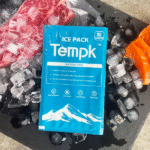
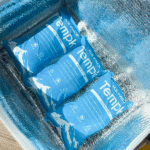
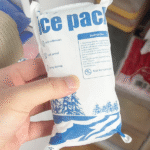
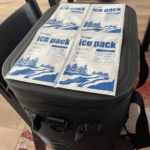
Amazon reusable gel ice packs for pain relief have become an essential tool for anyone seeking quick, drug free relief from injuries or chronic aches. Whether you’re an athlete nursing a sprain or a parent tending to a child’s bump, understanding how these packs work, how to use them correctly, e quais inovações estão surgindo em 2025 can make a big difference. Cold therapy reduces swelling and numbs pain by narrowing blood vessels and slowing nerve signals. With the right pack and proper technique, you can accelerate recovery and avoid unnecessary medications.

Why are reusable gel ice packs so effective? Learn why the gel stays flexible, how it conforms to your body, and why non toxic materials matter.
How should you use a gel pack safely? Follow evidence based guidelines on duration, frequency, and skin protection to avoid frostbite and vasodilation.
Which gel pack is right for you? Explore sizes, formas, and features like wrap around straps and dual hot/cold functionality.
Quais são os 2025 tendências? Descubra o crescimento do mercado, sensores inteligentes, materiais ecológicos, and how an aging population is driving demand.
Common questions answered: From how long to freeze to whether children can use gel packs, get practical answers backed by research.
Why are reusable gel ice packs ideal for pain relief?
Resposta direta
Reusable gel packs deliver targeted cold therapy that reduces pain and swelling quickly. The gel mixture inside—often water with safe polymers like silica gel or sodium polyacrylate—remains flexible when frozen, allowing the pack to mold to curves such as knees or shoulders. Esta flexibilidade, combined with a durable outer shell, means the pack can be reused many times without leaks. In contrast to ice cubes that melt into water, gel packs hold cold longer and don’t create messy condensation. Because they can also be heated, many packs offer dual hot/cold therapy for chronic aches as well as acute injuries.
Explicação expandida
From a practical standpoint, a reusable gel ice pack works like a pliable cooling blanket. Inside the vinyl or PVC pouch, non toxic materials such as silica gel, poliacrilato de sódio, or hydroxyethyl cellulose increase the viscosity of the water. This slows the thaw rate, keeping the pack cold longer. It also ensures the pack stays soft even when frozen, so it conforms to your body instead of pressing uncomfortably like a block of ice. When applied to an injured area, the cold triggers vasoconstriction—narrowing of blood vessels—and reduces blood flow and inflammation. Ao mesmo tempo, the cold numbs nerve endings, dampening pain signals.
The benefits go beyond comfort: reusable packs are cost effective and environmentally friendly because you aren’t discarding a single use chemical pack after each use. They’re also easy to store—just keep one in the freezer—and can be microwaved for heat therapy when needed. Se você está se recuperando de uma cirurgia, treating a sports injury, or managing chronic pain, these packs provide a versatile tool you can rely on repeatedly.
Non toxic materials and flexibility of gel packs
Reusable gel ice packs stand apart from frozen ice bags thanks to their composition and design. Ice packs combine polymers with water, increasing viscosity so they stay cold longer and remain flexible. Unlike pure ice, the gel mixture does not create condensation or puddles, reducing mess during treatment. The outer material is typically a sealed polyethylene or nylon pouch that prevents leaks. Para garantir a segurança, reputable manufacturers use medical grade, BPA free materials and non toxic gels; some older hard shell packs contained dangerous chemicals like diethylene glycol, but modern designs avoid these substances.
| Recurso | Pacotes de gel | Cubos de gelo | O que isso significa para você |
| Material externo | Durable pouch (Polietileno, nylon) with leak proof seams | No outer material; ice is directly exposed | Easier handling and no wet mess |
| Core composition | Water mixed with safe gelling agents (poliacrilato de sódio) | Pure water | Slower thaw and consistent cooling |
| Flexibilidade | Stays pliable when frozen | Becomes rigid, may not conform to body | Better contact with joints and muscles |
| Reutilização | Projetado para vários usos; durable enough for repeated freeze–thaw cycles | Single use only | Lower long term cost and less waste |
| Impacto ambiental | Menos desperdício; can be recycled in some cases | More waste; must discard melted ice | More sustainable for regular therapy |
Dicas e sugestões práticas
Lesões agudas: Use a cold gel pack within the first 48 hours after a sprain or bruise to reduce swelling and numb pain. Keep one in your freezer so you’re prepared.
Dor crônica: Alternate cold and heat therapy. Muitos pacotes de gel são adequados para micro-ondas; use heat for stiff muscles and cold for inflammation.
Crianças & animais de estimação: Choose pediatric approved packs and always wrap them in a cloth. Kids and pets have thinner skin, so shorten sessions.
Escolha ecológica: Look for packs with plant based gels and recyclable pouches; they’re safer for you and the planet.
Exemplo do mundo real: After a weekend soccer game, you twist your ankle. Você congela um pacote de gel, wrap it in a towel, and apply it for 10–15 minutes. You repeat every couple of hours while resting with your foot elevated. Within a day, the swelling subsides and you start gentle movement.
How should you use Amazon reusable gel ice packs safely?
Resposta direta
Safe usage of a gel ice pack involves proper timing, proteção, e monitoramento. Crushed ice or a frozen gel pack works best because it can mold to the injured body part. Always place a thin cloth or towel between the pack and your skin to prevent frostbite. Limit each session to 10–20 minutes; longer exposure can cause reactive vasodilation, undoing the benefits. Wait at least an hour before reapplying, and never ice while sleeping.
Explicação expandida
Cold therapy is most effective when applied soon after an injury. A gel pack’s flexibility allows it to contour around joints, providing uniform cooling. By narrowing blood vessels, cold therapy reduces swelling and inflammation. No entanto, prolonged exposure can lead to vasodilation, where vessels widen to restore blood flow, potentially increasing swelling. That’s why experts recommend limiting sessions to 10–20 minutes and spacing them at least one to two hours apart. Using a protective barrier like a cloth reduces the risk of frostbite and nerve injury. Avoid icing open wounds, bolhas, or burns.
Individuals with circulatory issues, Raynaud’s syndrome, or nerve damage should consult a healthcare professional before using cold therapy. Children and older adults may need shorter sessions due to thinner skin and reduced circulation. If your skin turns red, pálido, itchy, or tingly, remova o pacote imediatamente.
Duration and frequency guidelines
Different body parts require different icing durations. The table below summarizes recommended session lengths and frequencies based on current guidelines:
| Injury or body area | Duração da sessão | Freqüência | Significado prático |
| Entorse de tornozelo ou pulso | 10–15 min | A cada 1–2 horas durante as primeiras 24–72 horas | Curto, frequent sessions control swelling without tissue damage |
| Joelho, cotovelo ou ombro | 15–20 minutos | Até 3 vezes por dia, com pelo menos uma hora de intervalo | Juntas maiores precisam de um resfriamento um pouco mais longo; spacing prevents vasodilation |
| Área pós cirúrgica | 20 min | Siga orientação médica, frequentemente 2–3 vezes ao dia | Combinar frio com compressão pode melhorar os resultados; use uma barreira protetora |
| Costas ou quadril | 15 min | Duas ou três vezes por dia | Os tecidos profundos esfriam lentamente; sessões mais curtas evitam dormência excessiva |
| Pequenas articulações ou dedos | 5–10 min | Conforme necessário com pausas longas | Os dedos têm poucos tecidos moles; limitar o resfriamento para evitar lesões nervosas |
Dicas e conselhos práticos
Envolva antes de aplicar: Always wrap your gel pack in a thin towel to protect your skin.
Defina um cronômetro: Limite-se a 10-20 minutos por sessão; prolonged cooling can cause vasodilation.
Monitore sua pele: Remova a embalagem imediatamente se sua pele ficar vermelha, pálido, itchy, or tingly.
Evite feridas abertas: Não coloque um pacote de gel sobre cortes, bolhas, or burns.
Combine with rest and elevation: Cold therapy works best when paired with rest, compressão, and elevation (the R.I.C.E. método).
Espere entre as sessões: Allow one to two hours for your skin to warm up before re icing.
Nunca coloque gelo enquanto dorme: Falling asleep with a gel pack increases the risk of frostbite.
Caso real: A woman recovering from knee surgery uses a wrap around gel pack three times a day for 20 minutes under her doctor’s guidance. By spacing sessions and combining cold therapy with gentle exercises, she reduces swelling and improves mobility without needing extra medication.
How to choose the best reusable gel pack for your needs
Resposta direta
Selecting the right gel ice pack depends on the area you’re treating, the type of pain, and your lifestyle. Consider the pack’s size, forma, flexibilidade, e materiais. For knees, ombros, or backs, choose larger or wrap around packs with adjustable straps for hands free use. For migraines or small injuries, smaller packs provide targeted relief. Look for BPA free, medical grade materials to avoid leaks and skin irritation. Packs offering both hot and cold therapy deliver versatility for chronic conditions.
Explicação expandida
Choosing the right gel pack begins with matching its size and shape to the body part. Large rectangular packs cover the back or abdomen; medium packs fit knees and elbows; small round packs suit wrists, eyes, or migraines. Wrap around designs use adjustable straps to secure the pack, allowing you to move freely during therapy. Macio, flexible packs provide better contact than rigid ones, ensuring cold penetrates deep into muscles and joints. Hard shell packs are more durable but may sacrifice comfort.
Material safety is crucial. Select packs made with BPA free plastics and non toxic gels. Multi layer designs and double seams reduce leak risk, while medical grade materials prevent skin irritation. Some packs incorporate eco friendly, plant based gels to reduce environmental impact. Dual function packs can be microwaved for heat therapy, making them ideal for alternating cold and heat treatments for chronic pain. Ao comprar, consider user reviews and whether the pack stays cold for 20–30 minutes—the optimal therapeutic window.
Comparison of sizes and use cases
| Gel pack size/shape | Uso típico | Significado prático |
| Large rectangular (10×12 in) | Back pain, post surgery recovery | Covers broad areas; ideal for lying down or wrapping around torso |
| Médio (6×8 in) | Joelhos, cotovelos, tornozelos | Versatile for sports injuries; fits comfortably under clothing |
| Small round (4–6 in) | Headaches, toothaches, small bruises | Targets localized pain without excess weight |
| Wrap around with strap | Ombros, joelhos, lower back | Uso mãos livres; adjustable compression improves contact |
| Dual hot/cold pack | Dor crônica, rigidez muscular | Can be microwaved for heat therapy; versatile for alternating therapies |
Dicas e sugestões práticas
Assess your injury: For widespread swelling or surgery, choose a large pack; for joint injuries, a medium or wrap around pack works better.
Verifique a durabilidade: Look for double sealed seams and reinforced edges to prevent leaks.
Consider versatility: Dual function packs save money and storage space by offering both hot and cold therapy.
Read reviews: Real user feedback reveals how long the pack stays cold and whether it remains flexible when frozen.
Keep extras: Having multiple packs lets you rotate them for continuous therapy during the first 48 hours of an injury.
Exemplo: An avid runner selects a wrap around pack with an adjustable strap for her knee. Its flexible gel conforms to her joint, and the strap lets her move around while icing. She also keeps a small round pack in her freezer for headaches.
Innovations and market trends in 2025: smart gel ice packs and sustainability
Visão geral da tendência
The gel ice pack market is growing rapidly. Analysts estimate that the global market will reach USD 311.2 million in 2025 e expandir para USD 572.5 million by 2032, com uma taxa composta de crescimento anual de 9.1 %. Reusable packs dominate the market, capturando 55.6 % of sales in 2025. Post surgery recovery is the largest application segment, contabilidade para 32.1 % do mercado. Materiais não tóxicos, such as medical grade gels, segurar 56.8 % Quota de mercado. North America leads the market with a 36.3 % compartilhar, enquanto a Ásia-Pacífico é a região que mais cresce.
Último progresso em um olhar
Sensores de temperatura inteligentes: New gel packs include built in indicators or Bluetooth sensors that connect to smartphone apps and provide real time temperature data, garantindo que você permaneça dentro da faixa terapêutica (0–10 ° C.) e receba alertas quando chegar a hora de retirar o pacote.
Unidades de compressão a frio sem gelo: Dispositivos portáteis combinam terapia fria com compressão usando água gelada circulante ou materiais de mudança de fase, delivering consistent cooling without melting ice.
Projetos específicos do corpo: Pacotes de formato ergonômico para joelhos, ombros, pescoços, and backs with adjustable straps let you move during therapy and ensure optimal contact.
Integração digital: Rehabilitation platforms now recommend gel pack sessions alongside exercises, helping users adhere to treatment plans and track recovery.
Cold chain IoT solutions: Gel packs equipped with IoT temperature loggers ensure vaccines and biologics remain within safe ranges during shipment.
Insights de mercado
The rise in chronic musculoskeletal conditions, affecting around 1.71 bilhão pessoas em todo o mundo, fuels demand for non invasive, at home pain relief. An aging population—over 1.6 billion people aged 60+ by 2050—also drives the hot and cold therapy market. Consumers increasingly seek natural remedies, so eco friendly and reusable gel packs are gaining popularity. Innovations like smart sensors, ergonomic shapes, and eco friendly gels make these products safer and more sustainable. Manufacturers such as Tempk are introducing customizable, full color branded gel packs using plant based materials, merging health benefits with promotional value.
Perguntas frequentes
Q1: How long should I freeze a reusable gel ice pack before using it?
Most packs reach therapeutic temperature after two to three hours in the freezer. O gel deve ser firme, mas ainda flexível.
Q2: How many times can I reuse a gel ice pack?
High quality packs can withstand 500+ freeze–thaw cycles when stored and handled properly. Inspect the pack regularly for leaks or damaged seams.
Q3: Can I use the same pack for heat therapy?
Alguns pacotes de gel são projetados para uso quente e frio. Only heat a pack if it is labeled microwave safe and follow the manufacturer’s instructions.
Q4: As bolsas de gelo em gel são seguras para crianças e idosos?
Sim, mas a pele mais fina e a circulação reduzida os tornam mais suscetíveis a lesões pelo frio. Use sessões mais curtas, add extra layers of cloth, and supervise closely.
Q5: Posso dormir com uma bolsa de gelo em gel??
Não. Sleeping with a gel pack increases the risk of frostbite or nerve damage. Always monitor your skin and remove the pack if you lose sensation.
Q6: What’s the difference between a gel pack and instant cold pack?
Reusable gel packs are flexible, econômico, and designed for repeated use. Instant cold packs contain chemicals that react to produce cold on demand; they are single use and ideal for emergencies.
Resumo e recomendações
Reusable gel ice packs on Amazon offer an effective, eco friendly solution for pain relief and injury recovery. These packs use non toxic polymers that remain flexible when frozen, conforming to your body for targeted cold therapy. Proper use involves wrapping the pack in a cloth and limiting sessions to 10–20 minutes to avoid frostbite and vasodilation. Ao escolher um pacote, match the size and shape to the injured area, select BPA free materials, and consider dual hot/cold functionality. Em 2025, sensores inteligentes, ergonomic designs, and eco friendly materials are transforming the market. With the right pack and technique, you can manage pain naturally, reduzir o inchaço, and accelerate recovery.
ACTO ACEDIVO PRÓXIMO PASSOS:
Selecione o pacote certo: Identify the body part you need to treat and choose a pack size that offers full coverage. Wrap around designs are ideal for knees and shoulders.
Prepare e aplique corretamente: Freeze the pack for at least two hours. Wrap it in a cloth before use and set a timer for 10–20 minutes. Repeat every one to two hours as needed.
Combine with other therapies: Pair cold therapy with rest, compressão, elevação, and gentle movement for optimal recovery.
Monitor innovations: Look for packs with smart sensors, eco friendly gels, and ergonomic shapes to enhance safety and convenience.
Consulte profissionais: For persistent pain or post surgical recovery, seek guidance from healthcare providers to integrate gel pack therapy into your treatment plan.
Sobre Tempk
Tempk specializes in cold chain solutions and gel ice pack technology. Nós projetamos pacotes de gel reutilizáveis using plant based, géis não tóxicos e duráveis, Materiais livres de BPA. Nossas embalagens permanecem flexíveis quando congeladas, feature smart temperature indicators, and come in ergonomic shapes to fit different body parts. Além da terapia pessoal, we supply advanced cold compression systems and insulated shipping solutions for pharmaceuticals, comida, and physical therapy products. Com anos de experiência na área da saúde, logística, and sports medicine, we combine innovation with sustainability to keep your products safe and your recovery comfortable.
Chamado à ação: Ready to experience safe, effective pain relief? Explore Tempk’s range of Amazon reusable gel ice packs and consult our experts for personalized recommendations. Invest in your recovery today.