Logística de Vegetais da Cadeia de Frio: Como manter os produtos frescos & Sustentável em 2025
Atualizar: dezembro 2025. A cadeia de frio para produtos frescos está a evoluir rapidamente. Novos requisitos regulatórios, consumidores mais exigentes e cadeias de abastecimento globalizadas tornam cadeia de frio vegetables logistics uma prioridade estratégica. Este guia explica o que você precisa saber: temperaturas, umidade, ferramentas digitais e sustentabilidade – para manter os vegetais frescos, seguro e rentável em 2025. Quer você administre uma fazenda, um armazém ou uma rede de supermercados, você encontrará recomendações práticas e insights baseados em dados.
Este guia irá ajudá-lo:
Understand why reliable cadeia de frios are essential to reduce food loss and meet regulations.
Identifique faixas ideais de temperatura e umidade para diferentes categorias de vegetais.
Descubra tecnologias inteligentes como sensores IoT, AI and digital traceability that improve cadeia de frio management.
Saiba mais sobre 2025 market trends and investment opportunities in cadeia de frio logistics.
Implementar estratégias de sustentabilidade que reduzam o consumo de energia e as emissões de gases de efeito estufa.
Navegue pelas perguntas frequentes sobre armazenamento refrigerado de vegetais e requisitos de conformidade.
Why Is a Strong cadeia de frio for Vegetables Essential in 2025?
Os vegetais estragam rapidamente porque são principalmente água e respiram mesmo após a colheita. Sem temperaturas e umidade controladas, a respiração acelera, o valor nutricional cai e os patógenos se multiplicam. A Organização para a Alimentação e Agricultura estima que mais de 50 % of vegetable harvests are lost in parts of subSaharan Africa and Asia due to inadequate cadeia de frios. A má refrigeração leva ao crescimento microbiano que contamina os produtos e contribui para 12 % do desperdício alimentar global.
Mudanças regulatórias recentes também aumentam os riscos. Os EUA. Lei de Modernização da Segurança Alimentar (FSMA) Seção 204 introduz uma regra de rastreabilidade digital que exige visibilidade 24 horas de ponta a ponta das cadeias de abastecimento alimentar. Os prazos de conformidade começam em 2026, mas muitos operadores estão agora a actualizar os sistemas para evitar sanções. Os consumidores são igualmente exigentes: eles esperam verduras crocantes, tomates sem machucados e informações transparentes sobre como seus alimentos foram manuseados. Neste ambiente, a robust cadeia de frio is no longer optional—it’s a competitive advantage.
Perda de alimentos e custos de energia
Manter os produtos frios consome energia, mas não fazer isso desperdiça recursos e dinheiro. Nos Estados Unidos, sobre 70 % dos alimentos viajam através de cadeias de abastecimento refrigeradas, no entanto, cerca de um quarto ainda está perdido devido a violações de temperatura. A refrigeração representa aproximadamente 15 % do uso global de eletricidade e 4 % das emissões de gases com efeito de estufa, então a eficiência é importante. A coligação “Move to –15 °C” defende o aumento dos pontos de regulação do congelador de –18 °C para –15 °C para poupar 10–15 % nos custos de energia, preservando a qualidade. Tais estratégias ilustram como a sustentabilidade e a rentabilidade andam de mãos dadas.
Prazos Regulatórios e Expectativas do Consumidor
Seção FSMA 204 exige que as empresas registrem dados de temperatura e mantenham registros da cadeia de custódia para os principais vegetais. Compliance digital se torna obrigatório até janeiro 20 2026 para muitos itens (com prorrogações propostas até julho 2028 para algumas categorias). O não cumprimento desses requisitos pode resultar em recalls e multas. Os clientes também estão prestando atenção. Eles favorecem marcas que investem em embalagens recicláveis, refrigerantes naturais e práticas transparentes na cadeia de fornecimento.
Como armazenar vegetais: Temperatura, Umidade e Manuseio
Diferentes vegetais têm características fisiológicas únicas, então uma abordagem onesizefitsall não funcionará. Manter os produtos em temperaturas e umidade ideais retarda a respiração, reduz o murchamento e minimiza o crescimento microbiano. Use a tabela abaixo como ponto de partida, mas ajuste com base na variedade, maturidade e embalagem.
Principais categorias e diretrizes de armazenamento
Folhas verdes e ervas – Esses vegetais tenros, como espinafre, alface e manjericão, requerem condições frias e úmidas. Mantendo-os em 0–4ºC (32–39°F) com 90-95 % umidade relativa mantém a crocância e retarda o amarelecimento. O atraso entre a colheita e o resfriamento deve ser mínimo; estudos mostram que a resistência dos espargos aumenta em 40 % se não for resfriado dentro de algumas horas.
Vegetais de raízes e tubérculos – Batatas, cenouras e beterrabas preferem ambientes um pouco mais quentes. 10–13ºC (50–55°F) e 85–90 % umidade evitar brotar e murchar. Algumas raízes, como a batata, nunca devem cair abaixo 3 °C porque as baixas temperaturas convertem amidos em açúcares e causam adoçantes.
Legumes tropicais e de estação quente – Itens como tomates, pepinos e pimentões são sensíveis ao frio. Eles são melhor armazenados em torno 10–13 °C com umidade moderada. Temperaturas frias podem causar corrosão ou perda de sabor. Para cebola e alho, baixa umidade (60–70 %) reduz o crescimento de mofo.
| Categoria Vegetal | Temperatura ideal | Faixa de umidade | Benefício prático |
| Folhas verdes & ervas | 0–4ºC (32–39°F) | 90–95 % RH | Prolonga a crocância e a cor, reduz o murchamento |
| Raiz & vegetais tubérculos | 10–13ºC (50–55°F) | 85–90 % RH | Evita o surgimento, preserva a firmeza |
| Vegetais tropicais | 10–13ºC (50–55°F) | 85 % RH | Evita lesões por frio e mantém o sabor |
| Cebolas & alho | 32 °F (0 °C) | 60–70 % RH | Controla o crescimento de fungos; baixa umidade evita o apodrecimento |
| Legumes congelados | –18ºC (0 °F) ou inferior | Congelado | Interrompe o crescimento microbiano e enzimas |
Melhores práticas de manuseio e embalagem
Pré-resfriar rapidamente: Use hidroresfriamento ou resfriamento com ar forçado para diminuir rapidamente a temperatura do campo. Um atraso de algumas horas pode acelerar a respiração e a perda de qualidade.
Manter a umidade: Use revestimentos impermeáveis à umidade ou filmes respiráveis que equilibrem a retenção de umidade com a troca de ar. A alta umidade evita a desidratação, mas a condensação deve ser controlada para reduzir o risco de patógenos.
Minimize o manuseio: Cada toque pode produzir hematomas e fornecer pontos de entrada para decomposição. Treine a equipe para manusear as caixas com cuidado e evitar empilhar caixas pesadas sobre vegetais macios.
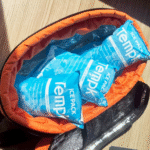
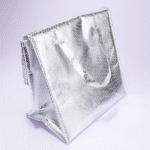
Usar embalagem isolada: Recipientes isolados a vácuo e materiais de mudança de fase ajudam a manter as temperaturas durante o transporte. Caixas retornáveis isoladas reduzem o desperdício e garantem um desempenho térmico consistente.
Monitoramento em tempo real e rastreabilidade digital
Modern cadeia de frios rely on InternetofThings (IoT) sensores que transmitem dados de temperatura e umidade a cada 10–15 minutos. Esses dispositivos enviam alertas quando os limites são violados, permitindo ações corretivas antes que ocorra deterioração. O monitoramento sem fio também apoia a conformidade com a FSMA, gerando registros digitais que reguladores e clientes podem auditar. Combine hardware IoT com plataformas baseadas em nuvem que integram GPS, sensores de porta e análises preditivas para prever mudanças de temperatura com base na rota e no clima.
Inteligência artificial emergente (IA) algoritmos prevêem falhas de equipamentos e otimizam o uso de energia ajustando os ciclos do compressor. Por exemplo, a análise preditiva pode programar ciclos de degelo em momentos de baixa carga para reduzir o consumo de energia. Os modelos de gêmeos digitais replicam as condições do armazém para testar alterações de layout virtualmente antes da implementação.
Innovations Shaping cadeia de frio Vegetables Logistics in 2025
As inovações tecnológicas e de processos estão transformando a forma como os vegetais passam da fazenda para a mesa. Aqui estão os desenvolvimentos mais influentes para 2025:
1. Automação e Robótica
A automação do armazém aumenta o rendimento e reduz a escassez de mão de obra e os riscos de contaminação. Ainda, de acordo com Trackonomia, aproximadamente 80 % dos armazéns em todo o mundo ainda não são automatizados. Empresas estão investindo em paletizadoras robóticas, veículos guiados automaticamente (AGVs) e classificadores robóticos capazes de manusear produtos frágeis sem machucar. Sistemas automatizados podem processar até 2,500 peças por hora, tornando-os ideais para operações de alto volume.
2. Análise Preditiva Orientada por AI
IA usa dados históricos para prever desvios de temperatura, quebras de equipamentos e padrões de demanda. Isto permite intervenções proativas que minimizam a deterioração. Por exemplo, algoritmos podem sugerir o redirecionamento de uma remessa durante uma onda de calor ou o aumento temporário da temperatura do freezer para economizar energia sem comprometer a qualidade. O mercado de hardware para rastreamento em tempo real detém aproximadamente 76.4 % Quota de mercado, sinalizando adoção generalizada.
3. Comércio transfronteiriço e novas categorias de alimentos
A capacidade da cadeia de frio está a expandir-se globalmente. O espaço de armazenamento frigorífico da Índia cresceu 35 % entre 2020 e 2024, enquanto a capacidade da China excede 200 milhões de m³. As exportações de perecíveis estão aumentando em 5.6 % anualmente, and AsiaPacific cadeia de frio markets grow at around 14 % Cagr. Novas categorias de alimentos, incluindo carnes vegetais e saladas pré-cortadas, exigem manuseio especializado e geram investimentos adicionais.
4. Soluções Sustentáveis
Refrigerantes naturais como amônia, CO₂ e hidrocarbonetos estão substituindo produtos químicos com alto GWP. As exigências de embalagens recicláveis e equipamentos com eficiência energética estão se tornando padrão. A iniciativa Move to –15 °C reduz o consumo de energia em 10–15 % e prolonga a vida útil do equipamento. Integração de energia renovável - como energia solar instalações de armazenamento a frio—reduz custos operacionais e emissões de carbono.
Desafios e Gestão de Riscos
The cadeia de frio is complex, e podem ocorrer avarias. Compreender os riscos potenciais ajuda a projetar sistemas resilientes.
Flutuações de temperatura: Falhas de equipamentos, aberturas de portas e cortes de energia podem permitir a entrada de produtos no zona de perigo (4–60 °C ou 40–140 °F) onde as bactérias se multiplicam rapidamente. Mitigar isso usando unidades de resfriamento redundantes, geradores de backup e recipientes isolados.
Erro humano: O treinamento inadequado pode levar a configurações inadequadas de temperatura ou ao manuseio incorreto dos produtos. Treinamento regular e procedimentos operacionais padrão claros reduzem erros. Listas de verificação digitais e aplicativos móveis podem reforçar protocolos.
Não conformidade regulatória: A FSMA exige manutenção robusta de registros e rastreabilidade rápida. O não cumprimento pode desencadear recalls e ações legais. Garanta que seus sistemas sejam capazes de capturar e reter dados pelo período necessário.
Ferramentas úteis de decisão
Verifique os detalhes antes de escolher a embalagem
Essas ferramentas rápidas podem ajudá-lo a comparar o risco da rota, necessidades de dimensionamento, escolhas de refrigerante, e detalhes da embalagem antes de solicitar um orçamento.
Calculadora de bolsa de gelo
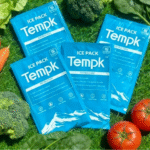
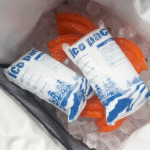
Estime a quantidade de bolsas de gelo em gel para remessas refrigeradas e planejamento prático de rotas.
Estimar bolsas de geloGerador de lista de verificação de conformidade
Crie uma lista de verificação prática para revisão de embalagens, envio, e documentação.
Lista de verificação de construçãoRefrigerante & Referência PCM
Compare as opções de refrigerante e PCM quando uma rota precisar de suporte adicional de temperatura.
Comparar opçõesAvaria do equipamento: Compressores e unidades de resfriamento estão sujeitos a desgaste. A manutenção preditiva usa dados de sensores para identificar anomalias e programar reparos antes que ocorram falhas.
Desafios de transporte: Longas distâncias, atrasos nas fronteiras e condições meteorológicas extremas podem comprometer o controle da temperatura. Planeje rotas com cuidado, escolher transportadoras com frotas refrigeradas e incluir margem para atrasos.
Lista de verificação de gerenciamento de riscos
| Fator de Risco | Estratégia de Mitigação | Benefício Específico |
| Falta de energia | Instale geradores de backup e sistemas UPS | Mantém a temperatura durante falhas elétricas |
| Erro humano | Fornecer treinamento, POPs e listas de verificação digitais | Reduz erros e garante um manuseio consistente |
| Conformidade regulatória | Implementar sistemas de rastreabilidade FSMAready | Evita recalls e atende aos requisitos legais |
| Falha no equipamento | Use manutenção preditiva e diagnóstico em tempo real | Previne avarias, reduz o tempo de inatividade |
| Atrasos no transporte | Planeje rotas de contingência e parceiros da cadeia de frio | Preserva o frescor durante eventos imprevistos |
Tendências de mercado e perspectivas econômicas para 2025
The cadeia de frio vegetables logistics sector is growing rapidly. Compreender a dinâmica do mercado ajuda a planejar investimentos e parcerias.
Tamanho e crescimento do mercado global
O mercado global de logística da cadeia de frio está avaliado em aproximadamente USD 436 bilhão em 2025 e tem previsão de atingir USD 1.36 trilhão por 2034, representando um taxa composta de crescimento anual (Cagr) de 13.46 %. A região Ásia-Pacífico lidera o crescimento em 14 % Cagr devido à expansão da classe média e ao aumento da demanda por produtos frescos. O desperdício alimentar persistentemente elevado e regulamentações de segurança mais rigorosas também impulsionam o investimento em infraestruturas de refrigeração.
O cadeia de frio alimentar mercado—focado especificamente em alimentos—fica em torno USD 65.8 bilhão em 2025 e está projetado para exceder USD 205 bilhão por 2032 com um 17.5 % Taxa de crescimento anual. Só as vendas de vegetais congelados representam cerca de USD 57 bilhão e espera-se que alcance USD 102.3 bilhão por 2035.
Tendências de preços
De acordo com os EUA. Perspectiva de preços de alimentos do Departamento de Agricultura, os preços dos vegetais frescos no varejo cresceram 2.8 % entre julho e agosto 2025. No entanto, Prevê-se que os preços gerais de varejo permaneçam estáveis em 2025, com mudanças entre –1.3 % e 1.3 %. Prevê-se que os preços dos vegetais a nível agrícola diminuam 14.1 % durante o mesmo período. Estas tendências indicam que a eficiência da cadeia de abastecimento será crítica para a rentabilidade.
Participação de mercado por segmento e região
| Segmento ou Região | Valor (2025) | Perspectiva de crescimento | O que isso significa para você |
| Logística global da cadeia de frio | $436 bilhão | 13.46 % CAGR para 2034 | Expansão massiva; oportunidades de investimento são abundantes |
| Mercado da cadeia de frio alimentar | $65.8 bilhão | 17.5 % CAGR para 2032 | A demanda por alimentos frescos e congelados aumenta; é necessária mais especialização |
| Mercado de vegetais congelados | $57 bilhão | 6 % CAGR para 2035 | Crescimento em alimentos de conveniência; necessidade de capacidade de congelamento profundo |
| Região Ásia-Pacífico | - | 14 % Cagr | Desenvolvimento rápido de infraestrutura; aumento do comércio transfronteiriço |
| América do Norte | - | Crescimento moderado | Ambiente regulatório forte; foco na sustentabilidade |
These numbers illustrate that cadeia de frio vegetables logistics is not a niche topic but a major economic force. Empresas que adotam tecnologias inovadoras e práticas sustentáveis podem ganhar participação de mercado.
Sustentabilidade e Economia de Energia
Environmental concerns and rising energy costs are shaping cadeia de frio strategies. A perda e o desperdício de alimentos contribuem 8–10 % das emissões globais de gases com efeito de estufa, e sistemas de refrigeração consomem 17 % da eletricidade do mundo. Para cumprir as metas climáticas e os requisitos regulatórios, as empresas devem reduzir a sua pegada de carbono.
Estratégias para reduzir o impacto ambiental
Adote refrigerantes naturais: Amônia (NH₃), dióxido de carbono (Co₂) e os hidrocarbonetos têm potenciais de aquecimento global mais baixos do que os refrigerantes sintéticos. Eles também melhoram a eficiência termodinâmica, reduzindo assim o uso de energia.
Use energia renovável: Painéis solares, turbinas eólicas e sistemas de recuperação de calor residual podem compensar o consumo de eletricidade. Sistemas híbridos com armazenamento em bateria garantem confiabilidade.
Otimize rotas logísticas: Software alimentado por IA seleciona as rotas com maior eficiência energética, reduzindo o consumo de combustível e os tempos de trânsito. Cargas e backhauls combinados minimizam viagens vazias.
Implementar equipamentos energeticamente eficientes: Compressores de alta eficiência, drives de velocidade variável e avançados materiais de isolamento reduzir o consumo de energia. A iniciativa Move to –15 °C demonstra que pequenos ajustes de temperatura podem produzir 10–15 % economia de energia.
Reciclar e reutilizar embalagens: Leve, caixas reutilizáveis e filmes recicláveis reduzem o desperdício. Conformidade com a diretiva de embalagens da UE, que exige embalagens recicláveis para produtos refrigerados, melhora a reputação da marca.
Estudo de caso: Alcançando Sustentabilidade e Rentabilidade
Um distribuidor internacional de produtos agrícolas investiu em sistemas de refrigeração baseados em CO₂ e painéis solares em telhados de armazéns. Combinado com IA preditiva para otimizar cronogramas de carregamento, a empresa reduziu os custos de energia 12 % e conseguiu um 20 % redução das emissões de gases com efeito de estufa no prazo de um ano. Os novos sistemas pagaram-se em menos de três anos através da poupança de energia e da redução do desperdício. A satisfação do cliente também melhorou, pois os produtos chegavam mais frescos e as embalagens eram recicláveis.
Últimos Desenvolvimentos e Perspectivas Futuras
Olhando para frente, several emerging trends will shape cadeia de frio vegetables logistics beyond 2025:
Estruturas de dados padronizadas: Por 2025, sobre 74 % of global cadeia de frio providers espera-se que adotem formatos padronizados de dados logísticos. Isto melhorará a interoperabilidade entre plataformas de software e reduzirá a entrada manual de dados.
Microcumprimento hiperlocal: Os centros urbanos de microcumprimento permitem a entrega de vegetais frescos no mesmo dia, ao mesmo tempo que reduzem as emissões de última milha. Integrando robótica, IA e energia renovável, esses hubs otimizam o armazenamento e a distribuição.
Infraestrutura resiliente: Investimentos em energia de reserva, câmaras frigoríficas modulares e unidades de refrigeração móveis protegem as cadeias de abastecimento contra eventos climáticos extremos e falhas na rede.
Embalagem avançada: Embalagens ativas que absorvem etileno ou liberam compostos antimicrobianos naturais podem prolongar a vida útil. Pesquisadores estão explorando filmes biodegradáveis derivados de fibras vegetais.
Cadeias de fornecimento de gêmeos digitais: Modelos simulados de armazéns e rotas de transporte permitem que empresas testem novos layouts, projetos de contêineres e estratégias de energia antes da implementação no mundo real.
Harmonização regulatória: Os países estão a trabalhar no sentido de padrões alinhados de segurança e sustentabilidade para o comércio transfronteiriço, reduzindo a complexidade da conformidade.
Estes desenvolvimentos sublinham a necessidade de permanecer ágil e abraçar a inovação. Empresas que investem em sistemas digitais, práticas sustentáveis e melhoria contínua prosperarão no cenário em evolução.
Perguntas frequentes
Q1: Por quanto tempo as folhas verdes podem ser armazenadas a 0–4 °C?
Folhas verdes como alface e espinafre permanecem frescas por cerca de 5–7 dias quando armazenado em 0–4 °C e 90–95 % umidade. Resfriamento rápido e embalagem adequada são cruciais para evitar murchamento e escurecimento. Use sacos respiráveis para manter a umidade sem condensação.
Q2: Qual é a “zona de perigo” para a deterioração de vegetais?
A zona de perigo é 40–140°F (4–60ºC)—temperaturas onde as bactérias se multiplicam rapidamente. Para manter os vegetais seguros, garantir que transporte refrigerado e armazenamento ficam abaixo 40 °F (4 °C). Breves excursões acima desta zona podem resultar em deterioração acelerada.
Q3: Por que a rastreabilidade digital é importante em 2025?
A regra de rastreabilidade digital da FSMA exige que as empresas registrem e retenham os principais elementos de dados, como registros de temperatura e manipulação de eventos, dentro de 24 horas. Os sistemas digitais simplificam a conformidade, melhorar a resposta ao recall e construir a confiança do consumidor. Eles também permitem análises preditivas para melhor planejamento de rotas e gerenciamento de riscos.
Q4: How can small farms improve their cadeia de frio operations?
As pequenas propriedades podem começar investindo em contêineres isolados e registradores de dados portáteis. A parceria com centros de distribuição cooperativa locais reduz as despesas de capital. Frequentemente estão disponíveis subvenções e incentivos para a instalação de equipamentos de refrigeração energeticamente eficientes e para a adoção de energias renováveis..
Resumo e recomendações
The cadeia de frio is a cornerstone of modern agriculture and food retail. Em 2025, cadeia de frio vegetables logistics deve entregar não apenas frescor, mas também sustentabilidade, eficiência e transparência. As principais conclusões incluem:
Controle a temperatura e a umidade: Vegetais diferentes têm necessidades distintas; monitorar as condições continuamente.
Adote tecnologias digitais: Sensores de IoT, As plataformas de IA e rastreabilidade reduzem o desperdício e garantem a conformidade regulatória.
Invista em práticas sustentáveis: Refrigerantes naturais, energia renovável e embalagens recicláveis reduzem o impacto ambiental.
Planeje a resiliência: Sistemas redundantes, manutenção preditiva e rotas de contingência mitigam riscos.
Acompanhe as tendências do mercado e regulatórias: Demanda crescente, novas regulamentações e a evolução das preferências dos consumidores exigem adaptação constante.
Seguindo estas diretrizes, você pode melhorar a qualidade do produto, reduzir o desperdício e aumentar a lucratividade. Evaluate your current cadeia de frio operations against these best practices and prioritize investments that deliver both shortterm returns and longterm sustainability.
Sobre Tempk
Tempk é um fornecedor líder de controle de temperatura e soluções de cadeia de frio. Nós projetamos, fabricação e manutenção de sistemas de refrigeração, recipientes isolados e plataformas de monitoramento digital adaptadas às indústrias alimentícia e farmacêutica. Nossas soluções ajudam os clientes a reduzir o consumo de energia, cumprir as regulamentações em evolução e entregar produtos frescos com segurança. Com décadas de experiência e compromisso com a inovação, apoiamos empresas de todos os tamanhos na construção de soluções resilientes, cadeias de frio sustentáveis.