How to Choose a moisture-resistant EPP insulation box for Real Cold-Chain Work
The best way to choose a moisture-resistant Caixa de isolamento EPP é começar com o envio, não a caixa. Faixa de temperatura do seu produto, forma de carga útil, comprimento da rota, pontos de transferência, método de limpeza, e o loop de retorno mudam a aparência de um contêiner EPP adequado. Este guia otimizado combina a lógica de decisão do comprador, cautela técnica, e conselhos práticos sobre operações para que você possa selecionar opções sem depender de reivindicações não comprovadas.
Resposta do comprador: selecione o produto por ajuste, não por rótulo. A good moisture-resistant EPP insulation box should match the payload, rota, processo de transferência, documentação do fornecedor, e plano de escala. Todo o resto é secundário.
O ajuste ao caso de uso vem antes do nome do produto
A moisture-resistant EPP insulation box may be sold as insulated, durável, compactar, empilhável, resistente à umidade, ou ecológico. Essas palavras são úteis somente depois de você definir o caso de uso. In wet, refrigerado, or condensation-heavy logistics where a reusable insulation box must be cleaned and returned, o recipiente correto deve caber no produto, rota, trabalhadores, processo de limpeza, e modelo de retorno. Uma caixa que é excelente para uma rota pode ser estranha para outra.
Comece com a carga útil: comida gelada, pacotes de frutos do mar, wet gel packs, produce bags, and items exposed to condensation. Em seguida, descreva a rota: armazenamento antes do envio, velocidade de embalagem, modo de transporte, exposição ambiental, pontos de transferência, e recebendo inspeção. Finalmente, definir o que a caixa deve fazer. Precisa amortecer o impacto, aquecimento lento, resistir à condensação, pilha sob carga, mostrar uma marca, ou retornar através de um loop controlado? Esta sequência evita compras excessivas e especificações insuficientes ao mesmo tempo.
Para produtos sensíveis à temperatura, lembre-se de que o EPP fornece isolamento passivo. A caixa oferece suporte ao gerenciamento de temperatura, mas não cria uma faixa de temperatura verificada por si só. Refrigerantes, pré -condicionamento, design de embalagem, monitoramento, e os testes de rota continuam fazendo parte da decisão completa.
As quatro verificações mais importantes antes de fazer o pedido
Primeiro, verifique o ajuste interno. O produto, refrigerante, divisores, forros, e qualquer monitor deve caber sem forçar o fechamento da tampa. Segundo, verifique a qualidade do fechamento. A tampa deve assentar de forma consistente após a embalagem real, não só quando a caixa está vazia. Terceiro, verifique a durabilidade do manuseio. Cantos, alças, jantes, e os pontos de empilhamento devem sobreviver à maneira como sua equipe realmente usará o contêiner.
Quarto, verifique a documentação. Se um fornecedor reivindicar tempo de espera, impacto no desempenho, adequação para contato com alimentos, ou propriedades especiais do material, pergunte quais evidências apoiam a afirmação e se elas se aplicam à sua configuração. Números não suportados devem ser tratados como marketing até serem revisados. Se a sua rota é regulamentada ou de alto valor, envolve qualidade, logística, e compras juntos.
Essas quatro verificações são simples, mas eles filtram muitas escolhas erradas. Eles também tornam as conversas com os fornecedores mais eficientes porque você está discutindo restrições reais em vez de solicitar uma melhor caixa genérica.
Guia de recurso para decisão
| Recurso | Significado de decisão útil | O que não assumir |
|---|---|---|
| Estrutura EPP de célula fechada | Pode suportar resistência à umidade e amortecimento | Não comprova automaticamente o saneamento ou o tempo de espera |
| Design reutilizável | Pode reduzir embalagens descartáveis em loops gerenciados | O valor de reutilização desaparece sem controle de retorno |
| Parede e tampa isoladas | Retarda a mudança de temperatura quando a embalagem está correta | Não é refrigeração ativa |
| Geometria empilhável | Melhora a organização de vans e armazéns | A empilhabilidade deve ser verificada com caixas carregadas |
| Opções personalizadas | Pode melhorar o ajuste, marca, e fluxo de trabalho | A personalização não deve substituir o teste de amostra |
A tabela abaixo traduz características comuns do produto em decisões práticas de compra. Também mostra o que não deve ser presumido apenas pelo nome do recurso.
Nomes de recursos são rótulos úteis, não é a prova final. O comprador ainda precisa conectar cada recurso à rota, produto, e expectativa de qualidade. Isto é especialmente importante antes de pedidos por atacado ou personalizados.
Quando uma caixa EPP é uma escolha forte
Um Caixa EPP costuma ser uma escolha forte quando uma empresa precisa de um contêiner isolado reutilizável que possa suportar toques repetidos. Isso inclui entrega da loja até a porta, preparação de mercearia, distribuição regional de alimentos, manipulação de frutos do mar, logística médica compacta, e programas de embalagens retornáveis personalizadas. A resiliência e o baixo peso do material ajudam quando a equipe carrega, pilha, e limpar caixas todos os dias.
A caixa também é útil quando o produto precisa de alguma proteção contra impactos e mudanças de temperatura ao mesmo tempo. Por exemplo, comida gelada, pacotes de frutos do mar, wet gel packs, produce bags, and items exposed to condensation may need a more structured container than a soft bag and a more reusable option than a fragile disposable foam shipper. O PPE pode colmatar essa lacuna quando a dimensão, tampa, e pack-out são bem combinados.
Outra situação de forte ajuste é um programa com rotas previsíveis. Se o tempo da rota, carga útil, exposição ambiental, e a transferência são relativamente consistentes, é mais fácil padronizar o pack-out e treinar trabalhadores. Quanto menos previsível for a rota, mais testes e monitoramento podem ser necessários antes do dimensionamento.
Quando a caixa por si só não é suficiente
A moisture-resistant EPP insulation box is not enough when the shipment requires a proven temperature range without pack-out testing. Não é suficiente quando o produto é altamente sensível à temperatura e não possui plano de refrigeração, monitor placement, ou existe qualificação de rota. Também não é suficiente na hora de limpar as regras, rastreamento de devolução, e critérios de aposentadoria estão faltando em um programa de reutilização.
Os operadores do setor alimentar devem verificar as regras locais de segurança alimentar e os requisitos de manuseamento dos produtos. Os compradores de produtos farmacêuticos e de saúde devem verificar os rótulos dos produtos, procedimentos de qualidade, requisitos da transportadora, e expectativas de distribuição relevantes. Em muitos casos, a caixa EPP pode ser adequada como um componente isolado, mas o sistema completo ainda deve ser revisto.
Isso não reduz o valor do EPP. Isso torna o valor mais honesto. A caixa protege melhor quando faz parte de um fluxo de trabalho controlado, em vez de resolver sozinho todos os riscos da cadeia de frio.
Revisão da amostra até a produção
Antes de dimensionar, execute um exemplo de revisão que se assemelhe ao trabalho diário. Embale produtos reais, use o refrigerante pretendido, feche a tampa na velocidade normal, empilhar as caixas, mova-os pela rota, limpe-os, e inspecioná-los após o retorno. Registre observações práticas: ajuste da tampa, movimentação de produtos, condensação, conforto de transporte, marcas de superfície, e tempo necessário para limpeza.
Para atacado, personalizado, ou exportar pedidos, compare a amostra aprovada com unidades de produção. Verifique as dimensões, cor, colocação do logotipo, sensação de parede, engate da tampa, embalagem de papelão, e quaisquer acessórios. Se uma alteração for feita após a aprovação da amostra, documente. A consistência da amostra até a produção costuma ser mais importante do que uma bela primeira amostra.
Quando o desempenho é importante, peça as suposições por trás de quaisquer dados de teste. A mesma caixa pode funcionar de maneira diferente com outra carga útil, massa de refrigerante, rota, ou perfil ambiente. Um comprador cuidadoso usa os dados do fornecedor como ponto de partida, não como um substituto para a verificação interna.
Ferramentas úteis de decisão
Verifique os detalhes antes de escolher a embalagem
Essas ferramentas rápidas podem ajudá-lo a comparar o risco da rota, necessidades de dimensionamento, escolhas de refrigerante, e detalhes da embalagem antes de solicitar um orçamento.
Refrigerante & Referência PCM
Compare as opções de refrigerante e PCM quando uma rota precisar de suporte adicional de temperatura.
Comparar opçõesGerador de lista de verificação de conformidade
Crie uma lista de verificação prática para revisão de embalagens, envio, e documentação.
Lista de verificação de construçãoVerificador de risco de rota
Revise as condições da pista antes de selecionar a embalagem para requisitos operacionais reais.
Verifique o risco da rotaExemplo prático
A buyer planning wet, refrigerado, or condensation-heavy logistics where a reusable insulation box must be cleaned and returned may begin with one compact box because it looks efficient. Após o teste, a equipe pode descobrir que o refrigerante e a carga competem pelo mesmo espaço. Os trabalhadores fecham a tampa com pressão, mudança de bandejas de produtos, e a vedação da tampa não é consistente. A melhor solução pode ser uma caixa um pouco mais alta, um divisor interno diferente, ou dois tamanhos de caixa para diferentes famílias de pedidos.
Esse tipo de resultado é normal. Um piloto prático deve revelar compensações antes de um pedido em massa ser feito. O objetivo não é encontrar uma caixa perfeita na primeira tentativa; é criar uma configuração de embalagem que a equipe possa repetir de forma confiável sob pressão operacional real.
Perguntas frequentes
What is the first thing to check before buying a moisture-resistant EPP insulation box?
Comece com o ajuste interno após a embalagem completa ser incluída. Produto, refrigerante, forros, divisores, e dispositivos de monitoramento precisam de espaço. Se a tampa só fechar quando o pessoal a forçar, a caixa não está dimensionada corretamente para a rota.
Como devo tratar as reclamações de desempenho do fornecedor?
Pergunte sobre as condições por trás da reivindicação. O desempenho depende da carga útil, exposição ambiental, refrigerante, pré -condicionamento, e critérios de teste. Uma reivindicação pode ser útil, mas não deve ser tratado como prova universal, a menos que as condições correspondam ao seu caso de uso.
Quando vale a pena considerar uma caixa EPP personalizada?
Vale a pena considerar o design personalizado quando caixas padrão criam problemas operacionais repetidos, como mau ajuste, empilhamento ineficiente, limpeza difícil, ou requisitos de marca. Comece com restrições de rota e carga útil antes de decidir sobre ferramentas personalizadas ou recursos moldados.
O que torna uma caixa EPP adequada para compras em grandes quantidades?
A compra em massa deve seguir a aprovação da amostra, revisão de consistência de produção, verificações de embalagem, e critérios de aceitação claros. A caixa deve caber na rota, não apenas o orçamento. Confirme as dimensões, acessórios, embalagem de papelão, e regras de substituição antes do dimensionamento.
Conclusão
A moisture-resistant EPP insulation box can be a strong choice when the buyer treats it as a practical cold-chain component rather than a magic container. Os pontos mais importantes são diretos: definir a rota, confirme a carga útil e o layout do líquido refrigerante, teste a tampa e o empilhamento sob manuseio real, planejar a limpeza e devolução, e verifique quaisquer declarações de desempenho antes de dimensionar. For wet, refrigerado, or condensation-heavy logistics where a reusable insulation box must be cleaned and returned, essas verificações reduzem o risco de comprar uma caixa que parece correta, mas não se adapta às operações diárias.
A decisão final deve equilibrar a proteção do produto, usabilidade do trabalhador, necessidades de documentação, e custo operacional total. Uma caixa EPP bem escolhida torna o fluxo de trabalho mais fácil de repetir. Uma escolha mal escolhida cria exceções que a equipe deve resolver todos os dias.
Sobre Tempk
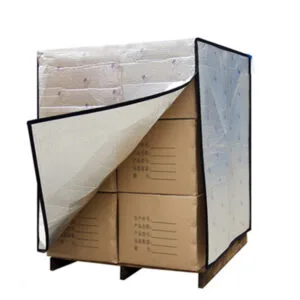
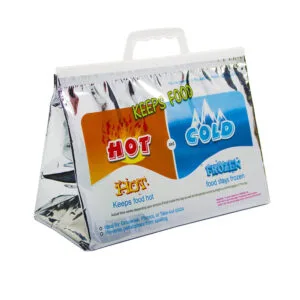
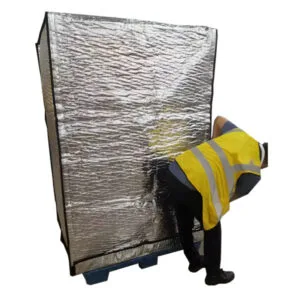
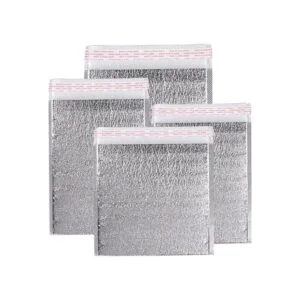
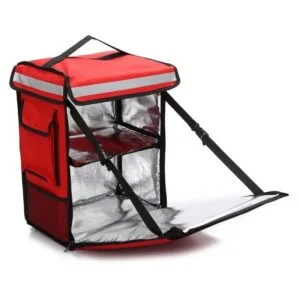
Tempk é a embalagem da cadeia de frio fornecedor focado em embalagens práticas de controle de temperatura para alimentos, medicamento, logística, e aplicativos de entrega. A nossa gama de produtos inclui bolsas de gelo em gel, Pacotes de gelo seco, isolado bolsas térmicas, PPE caixas de transporte frio, forros de caixa isolados, Tampas de paletes, e materiais de embalagem de cadeia de frio relacionados. Para projetos de caixa EPP, Tempk pode ajudar os compradores a pensar na adequação do produto, layout de carga útil, compatibilidade de refrigerante, condições de manuseio, e requisitos de embalagens personalizadas ou reutilizáveis sem transformar a escolha do material em uma promessa de desempenho sem suporte. O objetivo é ajudar os compradores a passar de uma palavra-chave de produto para uma escolha de embalagem que possa ser revisada, testado, e repetido.
Tell Tempk your wet-lane handling, processo de limpeza, and payload type before selecting a moisture-resistant EPP insulation box.
Outro ponto prático é o comportamento do trabalhador. A moisture-resistant EPP insulation box is handled by people under time pressure. Se a caixa for difícil de abrir, difícil de fechar, ou confuso para identificar, os trabalhadores podem ignorar o processo pretendido. Um bom design de embalagem reduz o número de decisões que a equipe deve tomar durante a embalagem e a entrega.
O mapeamento de rotas deve incluir os momentos de silêncio, não apenas a viagem do veículo. Caixas embaladas podem esperar perto de uma doca, sente-se em uma prateleira de palco, ou permanecer aberto enquanto os trabalhadores verificam os pedidos. These exposure periods can matter for wet, refrigerado, or condensation-heavy logistics where a reusable insulation box must be cleaned and returned, especialmente quando o produto já saiu do armazenamento controlado.
Para compradores, uma especificação de caixa EPP deve estar vinculada a um SOP. O POP deve explicar como as caixas são condicionadas, se necessário, como os produtos e o refrigerante são organizados, como as caixas devolvidas são limpas, e como as unidades danificadas são removidas. Sem essa camada operacional, o desempenho do produto variará de acordo com o turno e o local.
As equipes de qualidade costumam fazer perguntas diferentes das equipes de compras. A aquisição pode se concentrar no preço e no prazo de entrega, enquanto a qualidade quer provas, consistência, rastreabilidade, e controle de mudança. Trazer ambos os pontos de vista para o estágio de amostragem evita discordâncias no estágio final, após a caixa já ter sido selecionada.
If the box will carry chilled food, pacotes de frutos do mar, wet gel packs, produce bags, and items exposed to condensation, verifique se os odores, condensação, ou resíduos podem permanecer após o uso. Um contentor reutilizável não deve apenas sobreviver ao percurso; deve retornar a uma condição que a equipe se sinta confortável em usar novamente. O processo de limpeza deve ser realista para o número de caixas em circulação.
O planejamento de estoque também é importante. As caixas reutilizáveis movem-se mais lentamente do que as embalagens descartáveis porque algumas unidades estão sempre em uso, em trânsito de retorno, na limpeza, ou aguardando inspeção. A quantidade de compra deve refletir esse ciclo, não apenas o número de remessas diárias. Os compradores devem modelar a circulação antes de se comprometerem com um grande programa.
Rótulos e rastreabilidade merecem atenção. Uma área de etiqueta suave, zona de identificação moldada, ou sistema codificado por cores pode ajudar os trabalhadores a identificar caixas rapidamente. Para programas retornáveis, a identificação simples pode reduzir perdas e facilitar o rastreamento da limpeza, manutenção, e aposentadoria. Esses recursos devem ser planejados antes da ferramenta ou do pedido em massa, quando possível.
Não negligencie o armazenamento. Uma caixa com bom desempenho na estrada pode ser inconveniente se consumir muito espaço no armazém ou não empilhar com segurança quando vazia. Considere aninhar, empilhamento, ajuste de palete, e altura da prateleira junto com as necessidades térmicas e de amortecimento. A adequação operacional começa antes da remessa sair do prédio.
O processo de compra mais forte é iterativo. Selecione os tamanhos prováveis, solicitar amostras, teste-os com pacotes reais, coletar feedback dos trabalhadores, ajustar a especificação, e depois dimensionar. Essa abordagem exige mais esforço do que fazer um pedido em uma listagem, mas reduz a chance de comprar uma grande quantidade de caixas que não cabem no uso diário.