Manter os frutos do mar frescos do oceano ao prato não é apenas uma questão de jogar gelo no peixe; é uma ciência que equilibra a temperatura, oxygen and timing. With the global seafood market projected to reach US$270.43 billion in 2025 and consumer expectations for quality and transparency rising, cold chain mastery has become a competitive advantage. This tutorial reveals the best practices for maintaining chilled fish at 0–5 °C, protecting frozen shipments at –18 °C or colder and harnessing digital tools like IoT sensors and blockchain to trace every batch. You’ll learn practical steps, get access to decision tools and discover 2025’s most important trends—all written in clear, conversational language.
Este artigo responderá:
Como cold chain standards protect seafood qualidade? – explains temperature limits (0–5 °C for fresh, ≤–18 °C for frozen) and the regulations behind them.
What packaging and equipment work best for different seafood products? – compares insulated bags, 10Sacos retráteis a vácuo K OTR, vacuum skin packs and recyclable boxes, highlighting their benefits.
Which protocols and technologies keep seafood safe? – shows how oxygen control, HACCP, IoT sensors and blockchain maintain quality and compliance.
What market trends will shape the seafood cold chain in 2025 e além? – explores growth forecasts, Otimização de rotas de IA, sustainable packaging and more.
How can you assess your readiness and choose reliable partners? – includes a decision matrix, self assessment tool and actionable tips for businesses and consumers.
What are the key cold chain standards for seafood products?
Maintaining correct temperature ranges is non negotiable. Fresh fish deteriorates quickly because enzymes and bacteria break down tissue; os padrões internacionais exigem que você mantenha peixe fresco entre 0 °C e 5 °C while frozen fish must be stored at –18 °C ou mais frio. Os EUA. FDA Food Code classifies seafood as a high risk food that must be held at 41 °F (≈5°C) ou abaixo para retardar o crescimento microbiano. O Acordo sobre o Transporte Internacional de Alimentos Perecíveis (ATP) vai mais longe, setting a maximum transport temperature of 2 °C for fish. Exceeding these thresholds accelerates spoilage and can allow Clostridium botulinum to produce toxins.
Por que o controle de temperatura é importante
Microorganisms thrive when seafood is kept warm or without oxygen. Slight deviations above 5 °C allow pathogens like C. botulinum to proliferate. Rapid chilling to 0 °C immediately after harvest preserves texture. Frozen fish remain safe only when maintained below –18 °C; the ATP allows brief rises to –15 °C during transport but recommends returning to –18 °C for retail display. Os freezers domésticos variam: three star units reach below –18 °C, two star stay below –12 °C and one star only reach –6 °C. Keeping product cold is essential, but freezing isn’t a biocide—other physical and biochemical reactions still occur.
Key temperature ranges and what they mean
| Faixa de temperatura | Exemplos de produtos & estágio | Beneficiar | O que isso significa para você |
| 0 °C–5 °C | Peixe fresco, filés resfriados | Mantém a textura, retarda o crescimento bacteriano | Use salas refrigeradas ou gelo; monitorar continuamente |
| ≤ –18 °C | Peixe congelado, blocos | Interrompe a atividade microbiana e prolonga a vida útil | Invista em freezers validados; nunca permita que o produto descongele durante o transporte |
| 2 °C (ATP máx.) | Transporte de peixe | International maximum during transport | Use termômetros calibrados; evite abuso de temperatura |
| 41 °F (≈5°C) | Alimentos de alto risco (frutos do mar) | Mantém os alimentos fora da zona de perigo | Check storage units regularly to stay within 0–5 °C |
Practical tips for meeting standards
Chill immediately: Perennia’s guidelines (referenced by Tempk) suggest chilling seafood to 0 °C upon capture and keeping it there throughout the supply chain.
Monitore continuamente: Data loggers and IoT sensors record temperature in real time. Alerts notify you when readings drift outside safe ranges.
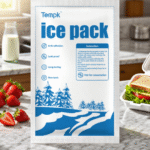
Use o refrigerante certo: Melting ice keeps fresh fish near 0 °C; gel packs are reusable and avoid excess water; dry ice supports ultra cold shipments but requires safety precautions.
Calibrate devices: Check thermometers and sensors at least every four hours.
Conformidade de documentos: HACCP, Boas Práticas de Fabricação (GMP) and Sanitation SOPs complement temperature controls, enquanto os EUA. FSMA 204 rule demands record keeping of key data elements within 24 horas.
Caso em questão: A seafood processor implemented QR codes and digital temperature logs for each catch. When a shipment’s temperature deviated during transport, the system traced the issue to a specific batch and contacted distributors within minutes. This targeted recall saved them from pulling an entire shipment.
How to choose and use seafood packaging and equipment effectively?
Packaging isn’t just a container; it’s part of the cold chain. Improper materials or low oxygen exchange can cause botulism or spoilage. Em 2025, a range of solutions exists—from basic insulated bags to hybrid systems combining passive and active cooling. Selecting the right option depends on product form, comprimento da rota, requisitos regulatórios e metas de sustentabilidade.
Comparing key packaging options
| Tipo de embalagem | Características | Adequação | Benefício prático |
| Sacos de peixe isolados | Portable bags with thick insulation, zippers and drain plugs; sizes from 35 para 205 Quartos | Pequenas capturas, entregas locais | Mantenha os peixes próximos 0 °C, preserve weight and limit odor |
| 10Sacos retráteis a vácuo K OTR | Oxygen permeable film with skin tight fit; meets FDA guidance (≥10 000 cc/m²/24 hr at 24 °C) | Files frescos e porções | Enables rapid chilling, maintains color without CO, prevents leaks and facilitates branding |
| Pacotes de pele a vácuo & MAP trays | High barrier films with EVOH/PA layers; tight fit or modified gas mixtures | Filetes premium, sushi-grade products | Prolonga a vida útil, enhances presentation, supports vertical display |
| Bolsas reutilizáveis (VFFS) | Resealable pouches produced via vertical form fill seal machines | Caranguejo desfiado, camarão marinado, salmão defumado | Controle de porção, tamanhos flexíveis, desperdício reduzido |
| Caixas de fibra reciclável | Paper based boxes with moisture resistant coating (por exemplo, Greencoat®) | Remessas congeladas ou refrigeradas | 100 % reciclável; contas para 37 % of seafood packaging market |
| Sistemas híbridos & resfriamento ativo | Combine insulation with active elements like Peltier modules or battery powered compressors | High value or long distance shipments | Controle preciso de temperatura; added sensors trigger fans when needed |
How to match packaging to product and route
Define product & route requirements: Whole fish need reinforced bags or trays, whereas fillets fit standard 10K OTR bags. Map your routes—short trips may use insulated bags; exports require vacuum shrink bags and skin packs.
Assess insulation & duração: Choose materials with high R value; polyurethane outperforms EPS. Pacotes de gel mantêm 0 °C, while dry ice supports ultra cold shipments. Match refrigerant mass and insulation thickness to transit time.
Check oxygen transmission & conformidade: Refrigerated raw fish packages must have an OTR ≥10 000 cc/m²/24 horas. If using low permeability packaging, keep product below 3.3 °C and attach time temperature indicators.
Priorize a sustentabilidade: Reusable packaging and recyclable boxes cut waste. Os materiais à base de papel já possuem 37 % do mercado de embalagens de frutos do mar, and bio based foams further reduce carbon footprint.
Evaluate automation & conveniência: Resealable pouches and thermoforming trays support automated lines and consumer convenience, improving efficiency and branding.
Practical packaging tips and consumer advice
Source responsibly: Buy seafood from trusted suppliers and ensure proper labeling. Fresh fish should have clear eyes, firm flesh and a mild scent.
Mantenha-o frio: Consumers should refrigerate seafood at or below 40 °F and freeze it if not consumed within one to two days. Frozen fish remain safe indefinitely at 0 °F but are best when consumed within 3–8 months.
Evitar a contaminação cruzada: Keep raw and cooked seafood separate and sanitize surfaces and utensils.
Choose packaging with clear OTR ratings: Check that packages for chilled fish meet the 10K OTR standard; se não, keep them below 3.3 °C or freeze immediately.
Exemplo do mundo real: A mid sized processor in Oregon introduced 10K OTR vacuum bags and real time monitoring after a minor botulism scare. Within six months they reported zero temperature excursions and fresher fish with brighter colour.
Which protocols and technologies ensure seafood safety and traceability?
Cold chain protocols encompass procedures that maintain temperature and oxygen levels from harvest to plate. Effective protocols limit the growth of pathogens like Clostridium botulinum, which thrives when oxygen levels are low and temperatures rise above 3.3 °C. They also ensure compliance with regulations such as HACCP, os EUA. Regras de higiene da FSMA e da UE.
Temperature and oxygen control protocols
The interplay between temperature and oxygen is critical. Raw and finished seafood should be stored between 2 °C e 8 °C for chilled products or below –20 °C para produtos congelados. Packaging with an OTR of at least 10 000 cc/m²/24 horas prevents reduced oxygen conditions that promote botulism. If lower permeability packaging is used, the product must be kept below 3.3 °C ou congelado, and time–temperature indicators should be attached.
Monitoring equipment and digital tools
Sensores IoT e registradores de dados: Real time monitoring across warehouses, trucks and last mile vehicles enables operators to track temperature, umidade e localização. Alerts allow corrective actions before spoilage occurs.
Plataformas integradas (WMS, EMT, ERP): Linking warehouse, transportation and enterprise systems provides end to end visibility and simplifies regulatory audits.
Indicadores de tempo-temperatura (ITTs): These small devices record the temperature history of a product and display changes via color. TTIs provide simple, low cost assurance that fish has stayed within safe limits.
RFID and wireless sensor networks (WSN): RFID tags record temperature fluctuations but have limited sensing ability; combining RFID with WSN extends range and provides continuous data. These technologies improve real time shelf life reporting and reduce waste.
Smart logistic units (SLUs): Advanced containers equipped with GPS and 3G connections track vehicles and predict shelf life based on temperature and volatile organic compounds.
IoT based route planning systems: These systems monitor real time temperatures and estimate efficient routes and packaging models. Studies show that IoT route planning reduces food waste, increases customer satisfaction and improves delivery performance.
Traceability and blockchain
Traceability is central to food safety. According to Folio3, the seafood traceability software market, avaliado em USD 705 milhões em 2024, is projected to surge to USD 1.84 bilhão por 2033. Traceability protects public health, prevents mislabeling and combats illegal, unreported and unregulated fishing. Best practices include:
Accurate catch documentation: Data de registro, tempo, método de pesca, species and location at harvest.
Identificadores exclusivos: Usar números de lote, QR codes or RFID tags for each catch. Update parent–child relationships when splitting or merging batches.
Standardized data formats: Adopt GS1 standards and GSSI benchmarks to ensure interoperability across the supply chain.
Rastreamento em tempo real: Integrar GPS, cold chain sensors and blockchain to track movement and temperature.
Education and collaboration: Train boat crews, processors and distributors on how traceability protects quality and comply with regulations.
Regulatory frameworks and compliance
O Análise de Perigos e Pontos Críticos de Controle (HACCP) system requires processors to identify hazards, establish critical control points and monitor procedures. Boas Práticas de Fabricação (GMP) e Sanitation Standard Operating Procedures (SSOP) supplement HACCP with detailed hygiene rules. Nos Estados Unidos, o Regra de Transporte Sanitário da FSMA mandates that carriers use equipment capable of maintaining safe temperatures and keep records of cleaning and training. O Regra de Rastreabilidade Alimentar (FSMA 204), finalised in 2022, requires businesses to maintain key data elements at critical tracking events and provide records within 24 horas. The compliance date may extend to July 20 2028, but preparation is essential.
Na União Europeia, Regulamento 852/2004 states that maintaining the cold chain is essential for foods that cannot be stored safely at ambient temperature. EU fisheries control regulations require vessel tracking, electronic catch reporting and phased digital traceability for domestic and imported seafood. Exporters must provide documents like bills of sale, certificates of origin and health certificates to avoid delays.
Interactive self assessment: Rate yourself on a scale of 1–5 (1 = strongly disagree, 5 = strongly agree). Do you know the required temperature ranges (0–5 °C para fresco, ≤–18 °C for frozen)? Are you HACCP certified and preparing for FSMA 204? Can you allocate budget for IoT sensors? A sustentabilidade é uma prioridade? Scores above 20 indicate readiness to engage with leading suppliers; scores below 15 suggest more preparation is needed.
How do you select reliable cold chain partners and solutions?
With global seafood consumption rising, choosing the right logistics providers and packaging suppliers can make the difference between premium sashimi and costly spoilage. Reliable suppliers combine temperature control expertise, conformidade regulatória e alcance geográfico.
Factors to evaluate
Cobertura & alcançar: Global operations reduce transit time and maintain consistent quality.
Controle de temperatura & preservação: Assess storage systems, reefer containers and monitoring technology. Suppliers should demonstrate the ability to keep fish near 0 °C ou abaixo 5 °C across road, mar e ar.
Integração tecnológica: Procure fornecedores que usam sensores IoT, data loggers and GPS to monitor temperature and location in real time.
Conformidade & certificações: Verify HACCP certification, FSMA readiness, ISO 22000 and membership in the Global Cold Chain Alliance.
Práticas de sustentabilidade: Evaluate commitment to reusable containers, renewable energy and route optimisation to cut emissions.
Customer service & flexibilidade: Transparent pricing, responsive support and customizable service levels foster long term partnerships.
Decision matrix for comparing suppliers
The following matrix helps you evaluate suppliers based on weighted criteria. Score each vendor from 1 para 5 on coverage, tecnologia, conformidade, sustentabilidade, cost and customer service, then multiply by the weights and sum the total. The highest score identifies the best fit.
| Fator | Peso | Fornecedor A | Fornecedor B | Fornecedor C | Interpretação |
| Cobertura & alcançar | 20 % | 4 | 5 | 3 | Higher scores mean broader networks and shorter transit times |
| Controle de temperatura | 25 % | 5 | 4 | 3 | Ability to maintain 0–2 °C for chilled fish |
| Integração tecnológica | 20 % | 3 | 4 | 5 | Use of real time sensors and IoT alerts |
| Conformidade & certificações | 20 % | 4 | 3 | 3 | HACCP, FSMA 204 readiness and 10K OTR packaging compliance |
| Sustentabilidade | 10 % | 3 | 4 | 5 | Embalagem reutilizável, fuel efficiency and renewable energy |
| Customer service & custo | 5 % | 4 | 3 | 3 | Transparent pricing and responsiveness |
Practical advice for businesses
Match partners to product value: High value shipments justify investing in providers with advanced sensors and hybrid cooling systems.
Leverage predictive route planning: AI driven software adjusts routes based on traffic, previsão do tempo e janelas de entrega, reducing fuel consumption and temperature deviations.
Integrate supply chain data: Combine warehouse, transportation and enterprise systems to gain end to end visibility and enable quick recalls.
Negotiate sustainability goals: Choose providers committed to recyclable packaging and energy efficient refrigeration.
Cenário: Um exportador usou gelo derretido em recipientes isolados para manter o peixe em temperatura ambiente. 0 °C while deploying IoT sensors for real time tracking. When temperature rose, the team adjusted routing and avoided spoilage.
2025 market trends and future outlook
Growth of the seafood and cold chain markets
The food cold chain market is valued at US$70.55 billion in 2025 e está projetado para atingir US$121.77 billion by 2030, um CAGR de 11.53 %. Meat and seafood account for 26.46 % of cold chain sales in 2024. The chilled segment (0–4ºC) detém 60.15 % de receita, while frozen shipments are forecast to grow at 15.49 % Cagr. Road transport remains dominant, but air cargo is set for rapid growth at 14.97 % Cagr. Paper based packaging holds 37 % do mercado de embalagens de frutos do mar.
O comércio internacional continua a expandir-se. No brasil, farmed fish exports reached US$18.5 million in the first quarter of 2025, um 112 % increase over 2024. Tilapia represents 95 % of the total exported, with the United States purchasing 90 %. Diversifying export markets and improving logistics efficiency are key to mitigating tariff risks and supply chain disruptions.
Tecnologias e inovações emergentes
Otimização de rotas orientada por IA e análise preditiva: Artificial intelligence adjusts routes in real time based on traffic and delivery windows, melhorando a eficiência e reduzindo o consumo de combustível.
Blockchain para rastreabilidade ponta a ponta: Blockchain cria registros imutáveis de jornadas de produtos, enhancing transparency and simplifying audits. Quando combinado com sensores IoT, blockchain documents temperature, localização e condições de manuseio em cada etapa.
Embalagem sustentável e leve: Eco friendly materials such as biodegradable or recyclable insulation, and solar powered refrigeration units, reduce waste and energy use.
Real time monitoring and integrated visibility: Advanced IoT devices provide continuous data, while integrated platforms allow immediate corrective actions.
Automação e robótica: Sistemas automatizados de armazenamento e recuperação (AS/RS) and robotic handling improve efficiency and maintain consistent temperatures; sobre 80 % of warehouses are still unautomated, deixando espaço para crescimento.
Consumer focused e commerce growth: Demand for on demand deliveries of perishable goods is driving the need for reliable last mile cold chain solutions and micro fulfilment centres.
IoT and AI in processing: IoT based route planning systems reduce food waste and improve delivery performance; AI driven machinery enhances cutting and filleting efficiency, reducing fish waste.
Insights de mercado
Sustainability and regulation will remain intertwined: stricter environmental and food safety rules push companies to invest in energy efficient refrigeration, energia renovável, recyclable packaging and digital record keeping. A região Ásia-Pacífico, especialmente a Índia, is poised for strong growth due to urbanization and healthcare investment. Enquanto isso, influencer driven food trends and social media are boosting demand for diverse seafood products.
Perguntas frequentes
Why must fresh fish be kept between 0 °C e 5 °C? Keeping fish within 0–5 °C slows enzymatic and microbial activity. Temperatures above this range accelerate bacterial growth and spoilage.
What is the difference between 10K OTR bags and regular vacuum packaging? 10K OTR bags allow oxygen transmission of at least 10 000 cc/m²/24 horas, preventing anaerobic conditions that could support C. botulínica. Regular vacuum bags restrict oxygen and require storage below 3.3 °C or freezing.
Do I need HACCP if I only transport seafood? Sim. Os princípios HACCP aplicam-se a todas as fases da cadeia de abastecimento de produtos do mar, incluindo armazenamento e transporte, to identify hazards and implement controls.
How long can I store frozen fish at home? Frozen seafood remains safe indefinitely when stored at 0 °F, but for best flavour and texture you should consume cooked fish within three months and raw fish within three to eight months.
Como o blockchain melhora a rastreabilidade de frutos do mar? Blockchain creates tamper proof records of each step, da colheita até a entrega. Quando combinado com sensores IoT, it documents temperature and location, enabling quick recalls and building consumer confidence.
Resumo e recomendações
Maintaining a reliable seafood cold chain requires Controle preciso da temperatura, embalagem adequada, robust monitoring, traceability protocols e well chosen partners. Fresh fish must be kept between 0 °C e 5 °C, while frozen products belong at –18 °C or colder. Choose packaging that balances oxygen permeability and insulation—insulated bags for local catches, 10K OTR vacuum bags or skin packs for commercial shipments and recyclable boxes for eco conscious customers. Equip your operation with IoT sensors, data loggers and TTIs to monitor conditions and integrate traceability records with GS1 standards and blockchain. Apply HACCP, FSMA and EU regulations diligently, and prepare for FSMA 204 record keeping. Use AI driven route optimisation and sustainable packaging to stay competitive in 2025 e além.
ACTO ACEDIVO PRÓXIMO PASSOS
Defina pontos de controle críticos: Identify where temperature or oxygen deviations could occur and install sensors at each point.
Invista no equipamento certo: Purchase insulated packaging, pacotes de gel ou gelo seco, e sensores IoT para monitoramento contínuo. Calibre dispositivos regularmente.
Implementar plataformas integradas: Link your WMS, TMS and ERP for end to end visibility and easy compliance audits.
Treine sua equipe: Provide scenario based training and digital SOPs to reduce human error.
Plano para a sustentabilidade: Choose recyclable packaging, optimise routes and consider solar powered refrigeration.
Inovações piloto: Test AI route optimisation, blockchain traceability and hybrid cooling systems to reduce waste and improve efficiency.
Sobre Tempk
No Tempk, we specialise in sustainable cold chain solutions for seafood and other temperature sensitive goods. Our insulated containers and phase change gel packs keep fish at 0–5 °C for over 48 horas, while dry ice alternatives maintain –18 °C for frozen products. Projetamos embalagens reutilizáveis feitas de materiais recicláveis, ajudando você a cortar custos e reduzir o impacto ambiental. Our portfolio includes IoT enabled monitoring devices and compliance services. Nossos especialistas ajudam você a implementar o HACCP, FSMA and EU requirements and provide training so your team can handle seafood safely. Whether you need custom solutions for mixed temperature shipments or long distance exports, nosso R&D centre continuously develops innovative refrigerants to improve performance and safety.