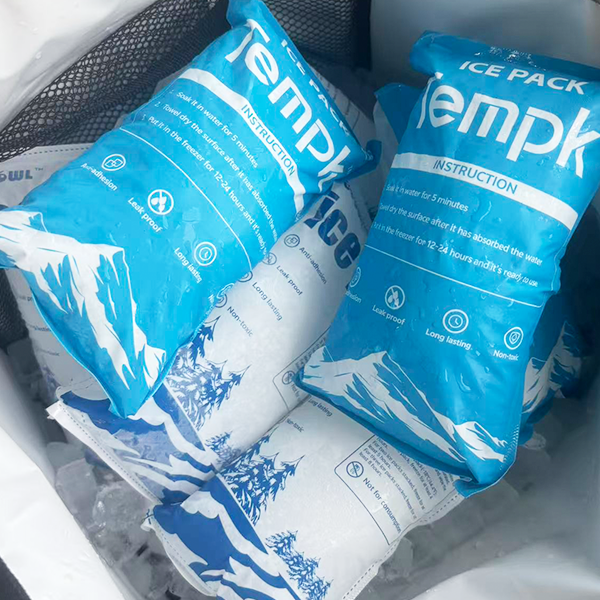
Pacote de gelo seco a granel para transporte de laticínios: Guia de seleção e compra em massa
Uma bolsa de gelo seco a granel para transporte de laticínios deve ser escolhida somente após a faixa de temperatura do produto, duração da rota, tamanho da carga útil, e os limites de manuseio são claros. A decisão de compra mais segura é tratar o pacote como parte de um pacote. embalagem com temperatura controlada sistema, não como uma solução universal.
A maioria das pistas de laticínios são refrigeradas em vez de ultra-frias, embora sobremesas congeladas e alguns ingredientes possam exigir condições congeladas. A faixa necessária deve ser definida antes de selecionar a massa refrigerante ou o isolamento. O gelo seco pode proteger laticínios congelados em pistas mais longas, mas muitas vezes é muito agressivo para laticínios refrigerados. Pacotes de gel resfriado ou pacotes de PCM podem ser mais seguros quando o produto não deve congelar. Se esses limites não estiverem escritos, aquisição pode comprar um pacote que está frio, mas inadequado.
Este guia se concentra na seleção prática: o que o produto deve fazer, quando o gelo seco faz sentido, quando as alternativas são mais seguras, quais especificações os compradores devem solicitar, e como julgar os fornecedores antes de fazer um pedido repetido ou em grandes quantidades.
A decisão central: Congelado, Refrigerado, ou ambiente controlado?
Cada compra da cadeia de frio deve começar com a faixa de temperatura exigida. Congelado, refrigerado, ultra-frio, e ambiente controlado são problemas de embalagem diferentes. Uma bolsa de gelo seco pode suportar condições de envio muito frias, mas pode ser prejudicial para produtos que devem permanecer em um ambiente refrigerado suave.
Para transporte de laticínios, esta distinção é especialmente importante. Os principais riscos são danos por congelamento, excursões quentes, condensação, caixas esmagadas, e embalagem inconsistente pela equipe do armazém durante a alta temporada. Uma embalagem muito fria pode criar problemas de qualidade ocultos, mesmo quando a entrega é rápida e a embalagem exterior parece não estar danificada..
O que uma bolsa de gelo seco pode e não pode fazer
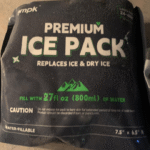
A frase bolsa de gelo seco pode ser usada de duas maneiras. Em linguagem logística estrita, gelo seco refere-se ao dióxido de carbono sólido usado como refrigerante muito frio. Em catálogos de embalagens, a mesma frase também pode ser usada para bolsas térmicas hidratadas ou reutilizáveis que são congeladas antes do uso e colocadas dentro de embalagens isoladas. Os compradores devem esclarecer o significado antes de aprovar uma especificação.
O gelo seco é dióxido de carbono sólido que sublima a cerca de -78,5°C, por isso pode criar um ambiente muito mais frio do que as embalagens comuns à base de água congelada. Isso pode ser valioso para remessas congeladas, mas pode estar muito frio para produtos que precisam de uma faixa de temperatura ambiente refrigerada ou controlada. O gelo seco também se transforma em gás, o que significa que a embalagem não deve ser hermética e deve permitir que o dióxido de carbono seja liberado com segurança.
Uma bolsa de gelo seco pode absorver calor e ajudar a manter um ambiente congelado ou ultrafrio quando o resto do sistema é projetado para isso. Não pode compensar o mau isolamento, produto quente na embalagem, duração excessiva da rota, ventilação bloqueada, ou funcionários que não seguem o diagrama de embalagem.
Bolsas frias reutilizáveis, pacotes de gel congelado, e os sistemas PCM podem fornecer uma faixa refrigerada mais estreita para rotas de laticínios que não precisam de dióxido de carbono sólido. A melhor escolha geralmente é aquela que mantém a faixa exigida com o menor risco evitável, não aquele com a temperatura inicial mais fria.
Construa o Packout como um Sistema
Um pacote de refrigerante por si só não é um produto qualificado expedidor com temperatura controlada; o desempenho vem da combinação completa de produtos, carga útil, isolamento, refrigerante, preenchimento vazio, Método de embalagem, exposição ambiental, e tempo de trânsito.
Uma embalagem típica de cadeia de frio passiva começa com um produto que já foi resfriado até a condição inicial exigida. O produto é colocado em um transportador isolado testado, com refrigerante disposto de acordo com um diagrama escrito. O espaço vazio é gerenciado para que o calor não se mova rapidamente através das aberturas de ar, mas os requisitos de fluxo de ar e ventilação ainda são respeitados quando gelo seco é usado.
O mesmo pacote pode ter desempenho diferente em uma rota noturna curta, uma rota de fim de semana, uma pista de verão, ou uma pista com longa exposição à doca. Por esse motivo, os compradores devem comparar as embalagens por suposições de rota e condições de teste, em vez de apenas pela duração promocional do resfriamento.
Lista de verificação do comprador para especificações
Uma solicitação de cotação forte deve dificultar a resposta vaga do fornecedor. Inclua as informações abaixo para amostras, produção em massa, e a embalagem operacional estão alinhadas.
Faixa de temperatura necessária: refrigerado, congelado, ultra-frio, ou temperatura ambiente controlada. Não trate esses intervalos como intercambiáveis.
Duração da remessa: inclua o tempo de embalagem, retirada da transportadora, permanência no hub, possível atraso, janela de entrega, e tempo de recebimento.
Volume de carga útil: confirme o volume interno utilizável após a instalação do isolamento e do refrigerante, não apenas o tamanho da caixa externa.
Peso da carga útil: confirme se a embalagem pode tolerar o produto preenchido, refrigerante, materiais absorventes, e movimentação de cargas.
Compatibilidade com refrigerante: decidir se o gelo seco sólido, pacotes de gel, Pacotes PCM, ou um sistema híbrido é apropriado para o produto.
Instruções de pré-condicionamento: especifique a temperatura de congelamento ou condicionamento, tempo, processo de preparação, e como a equipe verifica a prontidão antes de embalar.
Separação de produtos: incluir divisórias, almofadas, forros, ou tampões quando um refrigerante muito frio pode danificar as superfícies do produto.
Ventilação e marcação: quando gelo seco sólido é usado, confirmar ventilação, rótulos, Massa de gelo seco da rede, e necessidades de documentação da transportadora para o modo de transporte.
Recebendo cheques: definir o que o receptor deve inspecionar, registro, e aumentar quando a remessa chegar.
O que os compradores devem verificar antes de um pedido em grandes quantidades
Porque a frase pacote de gelo seco a granel geralmente aparece em um contexto de compra, a avaliação do fornecedor deve focar na repetibilidade, não só preço. Para transporte de laticínios, a conversa mais útil sobre fornecedores abrange a consistência do lote, planejamento de paletes, volume utilizável, pegada de armazenamento, capacidade de pré-condicionamento, e repetibilidade operacional.
O pedido pode ser dividido por lote, tamanho, e aplicação de temperatura para que os locais não misturem tipos de embalagens?
Ferramentas úteis de decisão
Verifique os detalhes antes de escolher a embalagem
Essas ferramentas rápidas podem ajudá-lo a comparar o risco da rota, necessidades de dimensionamento, escolhas de refrigerante, e detalhes da embalagem antes de solicitar um orçamento.
Avaliador de risco da rota
Revise as condições da pista antes de selecionar a embalagem para requisitos operacionais reais.
Verificar risco da rotaRefrigerante & Referência PCM
Compare as opções de refrigerante e PCM quando uma rota precisar de suporte adicional de temperatura.
Comparar opçõesGerador de lista de conformidade
Crie uma lista de verificação prática para revisão de embalagens, envio, e documentação.
Lista de verificação de construçãoQual configuração de palete, contagem de caixas, e volume de armazenamento que as equipes receptoras devem esperar?
Todos os lotes usarão o mesmo material, quantidade de preenchimento, estilo de selo, e especificação da caixa externa?
O comprador pode congelar ou pré-condicionar os pacotes na escala exigida antes do início do envio?
Quais verificações de aceitação devem ser usadas para peso, vazamento, aparência, e danos à caixa?
O fornecedor também deve descrever como lida com as substituições. Uma mudança de um filme, tamanho do pacote, quantidade de preenchimento, material de isolamento, ou formato de caixa para outro pode afetar os resultados térmicos e o fluxo de trabalho do armazém. Para produtos regulamentados ou de alto valor, os compradores devem solicitar expectativas de controle de alterações por escrito antes de o pedido ser feito.
Conformidade, Segurança, e limites de recebimento
Os programas de transporte de alimentos devem abordar a limpeza, controle de temperatura, segregação, práticas de carregamento, e receber verificações em vez de depender apenas do refrigerante.
Se gelo seco sólido for usado para transporte de aeronaves ou embarcações, a embalagem deve ser projetada para liberar gás dióxido de carbono e evitar o aumento de pressão. Remessas aéreas também podem exigir marcação de gelo seco, informação de massa líquida, arranjos do operador, e documentação de transporte dependendo da rota e conteúdo.
Para produtos farmacêuticos, vacina, biológico, insulina, ou remessas médicas, a adequação da embalagem deve ser revisada pela equipe de qualidade ou logística. Um pacote reutilizável, caixa isolada, ou recipiente à prova d'água não é automaticamente compatível. O sistema deve ser apropriado para o produto, rota, plano de monitoramento, e procedimento documentado.
Um processo de recebimento prático verifica a temperatura do produto, condição do pacote, evidência de descongelamento ou congelamento, e se o pacote correspondia às instruções aprovadas.
Detalhes operacionais que reduzem remessas com falha
O pré-condicionamento é um dos pontos fracos mais comuns. Uma embalagem que não esteja totalmente congelada ou condicionada antes do uso não terá o mesmo desempenho da amostra testada. Os compradores a granel devem confirmar se suas próprias instalações possuem freezer suficiente, frigorífico, ou capacidade de condicionamento para preparar todos os pacotes antes do envio diário.
A colocação do pacote é outro ponto fraco. Uma bolsa de gelo seco colocada diretamente contra um produto sensível ao congelamento pode causar danos localizados, enquanto um pacote colocado muito longe do caminho térmico pode não proteger a remessa. Diagramas escritos, fotos, e o treinamento simples pode reduzir a variação entre turnos e locais.
A embalagem externa também deve corresponder ao manuseio real. Compressão de redes de encomendas, girar, pilha, e atrasar pacotes. As remessas de atacado e de paletes podem enfrentar conflitos de permanência nas docas e cargas mistas. Um pacote que funciona em uma bancada de laboratório limpa pode precisar de ajustes para a velocidade do armazém, uso de luvas, digitalização, rotulagem, e recebimento de fluxos de trabalho.
Como evitar a compra excessiva ou insuficiente
A compra excessiva acontece quando o comprador seleciona a embalagem maior ou mais fria para cada remessa. Pode desperdiçar dinheiro, reduzir o volume de carga útil, aumentar o peso do transporte, adicionar carga de segurança, e danificar produtos que não devem congelar. A subcompra acontece quando o comprador escolhe o pacote mais barato sem considerar a duração do percurso, isolamento, pré -condicionamento, ou exposição ambiental.
Uma abordagem melhor é criar um pequeno número de pacotes aprovados. Pode-se cobrir rotas curtas refrigeradas, outro pode cobrir longas rotas congeladas, e outro pode cobrir o risco do verão. Isso simplifica a aquisição e ainda respeita as diferenças entre produtos e rotas.
Perguntas frequentes
Uma bolsa de gelo seco é sempre melhor do que uma bolsa de gel?
Não. O gelo seco é muito mais frio e pode ser útil para remessas congeladas, mas compressas frias reutilizáveis, pacotes de gel congelado, e os sistemas pcm podem fornecer uma faixa refrigerada mais estreita para rotas de laticínios que não precisam de dióxido de carbono sólido. A escolha correta depende da faixa de temperatura do produto e da rota.
Um pacote pode funcionar para cada temporada?
Geralmente não. Calor do verão, risco de congelamento no inverno, tempo de permanência da operadora, e as janelas de entrega podem alterar a quantidade e o tipo de refrigerante necessário. Muitos compradores mantêm instruções de embalagem separadas por rota e estação.
O que deve ser testado antes do lançamento?
Teste o pacote completo com massa representativa do produto, quantidade de refrigerante, isolamento, processo de pré-condicionamento, duração da rota, e exposição ambiental. Testar apenas uma caixa vazia ou apenas o pacote de refrigerante não é suficiente.
Notas Adicionais sobre Aquisições
Os compradores devem solicitar as mesmas informações de todos os fornecedores potenciais para que as cotações possam ser comparadas de forma justa. Um preço unitário cotado baixo pode esconder um pacote menor, isolamento mais fraco, filme mais fino, menos peças por caixa, documentação menos útil, ou tempo de preparação mais longo para equipes de armazém.
Os custos de armazenamento e preparação também devem ser contabilizados. Os pacotes podem exigir espaço no freezer, espaço da geladeira, armazenamento seco, ou uma área de devolução para componentes reutilizáveis. Se o comprador não conseguir preparar os pacotes corretamente em escala, o sistema de embalagem pode falhar mesmo quando o produto do fornecedor é bem feito.
O pacote aprovado deve ser escrito de forma que um novo funcionário possa acompanhar. Incluir a condição inicial do produto, número de pacotes, orientação, peças de isolamento, preenchimento vazio, método de fechamento, posicionamento da etiqueta, horário de coleta, e recebimento de cheques. As fotografias costumam ser mais úteis do que instruções longas.
Para compras repetidas, peça ao fornecedor para manter o mesmo código de item vinculado ao mesmo material e dimensões. Se o fornecedor tratar embalagens semelhantes como intercambiáveis, economias em compras podem ser perdidas devido ao desempenho térmico inconsistente, confusão no armazém, e reclamações de clientes.
Pontos de Transferência Operacional
A transferência da cadeia de frio é onde ocorrem muitas falhas. Uma equipe de compras pode aprovar o pacote certo, embora uma equipe de warehouse possa usá-lo muito cedo, deixe encenado por muito tempo, coloque-o na posição errada, ou feche a caixa antes que o produto esteja na condição inicial exigida. Portanto, um bom programa de compras inclui instruções de fluxo de trabalho, não apenas especificações do produto.
Sobre Tempk
Tempk é a embalagem da cadeia de frio fornecedor sediado em Xangai. Nossa linha de produtos públicos inclui Pacotes de gelo seco, bolsas de gelo em gel, tijolos de gelo congelador, caixas isoladas, caixas de transporte frio, forros isolados, Tampas de paletes, e materiais de embalagem de controle de temperatura relacionados. Apoiamos a alimentação, farmacêutico, e outras remessas sensíveis à temperatura com opções práticas de embalagem e discussão específica da rota, em vez de reivindicações de tamanho único.
Fale com Tempk
Para uma seleção mais segura, compartilhe sua faixa de temperatura necessária, Duração da remessa, tamanho da carga útil, e condições da rota antes de fazer um pedido em grandes quantidades. A Tempk pode ajudá-lo a discutir uma embalagem prática para transporte de laticínios, incluindo opções em massa ou personalizadas quando apropriado.