Uma estrutura de ampliação para embalagem de gelo seco a granel para embalagens de flores
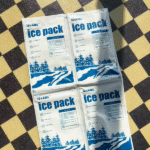
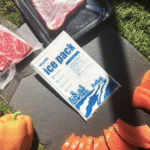
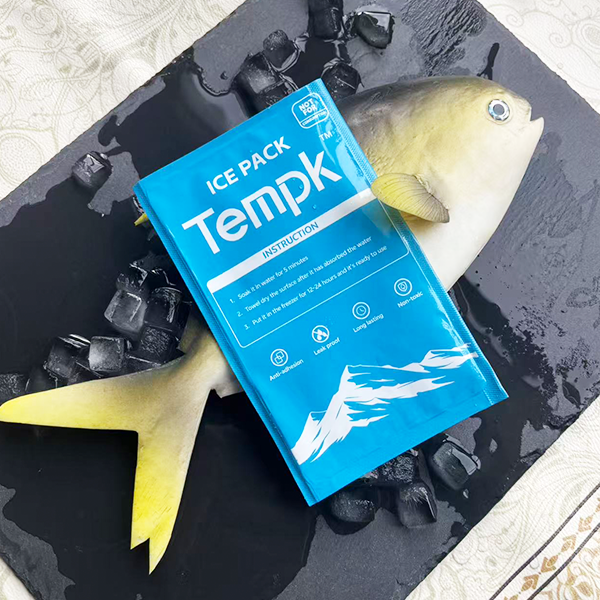
A decisão de comprar a granel pacote de gelo seco para flores, a embalagem deve vir depois que a embalagem puder ser explicada, preparado, testado, e reproduzido. Aqui, o termo descreve uma folha de hidratação fornecida a seco que absorve água e é congelada antes de ser embalada. Não é dióxido de carbono sólido. O volume em massa amplia todos os detalhes não resolvidos: um nome de produto pouco claro, hidratação variável, freezer lotado, folha móvel, tolerância a flores mistas, caixa molhada, ou mudança material não documentada. Esta estrutura usa portas escalonadas para que a aquisição, embalagem, qualidade, e as operações aprovam o mesmo sistema antes que a quantidade crie impulso.
Estágio Um: Escreva um dossiê de requisitos
Um dossiê de requisitos útil é curto o suficiente para ser usado e específico o suficiente para evitar suposições.
Comece com as flores. Listar espécies ou grupos comerciais, identificar itens sensíveis ao resfriamento e sensíveis ao etileno, descrever maturidade e estado de hidratação, e definir restrições de carga mista. Registre se as hastes viajam molhadas ou secas, como eles são pré-resfriados, e por quanto tempo eles ficam expostos durante a montagem.
Defina o resultado da chegada. Incluir aparência de flor aceitável, firmeza, comportamento de abertura, condição de umidade, resistência da caixa, e livre de esmagamento. Adicione as condições de temperatura aprovadas pela sua equipe de pós-colheita ou qualidade, mas não deixe que um valor de temperatura do ar represente a qualidade da flor.
Descreva a rota como uma sequência: embalagem, encenação, transporte, transferências, inspeção, entrega, e recebendo. Observe as mudanças de orientação, provável exposição ao calor, períodos desacompanhados, e fontes de etileno próximas. Incluir condições de atraso normais e justificadas.
Finalmente, descrever a plataforma de embalagem: Carton, isolamento, fechamentos, forros, suporta, espaço interno utilizável, orientação da flor, e método de remoção. Essas entradas formam o limite do projeto para a placa de refrigeração.
Estágio Dois: Bloqueie a definição do produto
A especificação de fornecimento deve dizer o que o produto é e o que não é. Uma folha ativada por água difere do dióxido de carbono sólido, um pré-preenchido Pacote de gel, e um pacote de mudança de fase formulado.
Solicite uma descrição controlada de:
- dimensões secas, contagem de células, e geometria da costura;
- construção exterior e absorvente a nível funcional;
- método de hidratação, drenagem, e manuseio seguro;
- mudança dimensional e condição esperada após ativação;
- orientação e separação do freezer;
- corte ou dobramento permitido;
- sinais de defeito e rejeição;
- embalagem, identificação do lote, e armazenamento;
- instruções de descarte ou reutilização controlada;
- requisitos de notificação de mudança de fornecedor.
Identifique características críticas para o funcionamento. A cor de uma folha pode ser irrelevante, enquanto a colocação da célula pode determinar se ela cabe em uma bolsa de retenção. Rugas cosméticas podem ser inofensivas, enquanto uma costura fraca pode liberar material absorvente ou alterar a distribuição da água. A especificação deve direcionar a atenção para o risco funcional.
Mantenha uma referência aprovada vinculada à especificação escrita. Não confie apenas em uma fotografia porque a espessura, comportamento de molhar, resistência da costura, e materiais não podem ser confirmados visualmente.
Estágio Três: Selecione o pacote para riscos opostos
Cada configuração candidata deve ser examinada tanto para aquecimento quanto para excesso de frio local..
Coloque a folha fora de um ramo de flores protegido ou atrás de um separador projetado. Guarde-o para que o manuseio normal não possa movê-lo para as pétalas. Avalie a folha nas orientações que a caixa pode apresentar. Uma caixa longa transportada na vertical apresenta um padrão de movimento diferente de um palete mantido na horizontal.
Mapear prováveis extremos térmicos. Um ponto ao lado do lençol pode ser o mais frio; um canto distante ou fechamento pode ser mais quente. Caules densos podem bloquear o fluxo de ar. Uma bolsa úmida pode conduzir o calor de maneira diferente de uma seca. Monitore pontos que respondam a essas questões de projeto, em vez de posicionar os sensores simetricamente para fins de aparência.
Inspecione caminhos de umidade. A folha hidratada, superfícies frias, respiração das flores, e a umidade externa podem criar condensação. Determine se a água atinge as pétalas, mangas, rótulos, fitas, ou paredes onduladas. Verifique a embalagem após exposição e manuseio, não imediatamente após a embalagem.
Incluir resultados mecânicos. Procure por hastes tortas, cabeças machucadas, cachos comprimidos, inserções deslocadas, e difícil desembalar. Um design termicamente aceitável que danifique as flores não é aceitável.
Escolha cargas representativas
Não selecione apenas a caixa mais fácil. Selecione extremos significativos: baixa e alta densidade de flores, cultivares vulneráveis, diferentes comprimentos de haste, e manuseio molhado ou seco, quando aplicável. O objetivo não é testar todos os buquês possíveis. É para cobrir as variáveis com maior probabilidade de alterar o fluxo de calor e o risco de danos.
Estágio Quatro: Transforme a preparação em um processo de produção
A massa de resfriamento da chapa é criada em suas instalações, então a hidratação e o congelamento fazem parte do plano de produção.
Mapeie o fluxo de material desde o recebimento seco até a liberação congelada. Proteja lençóis secos da água, contaminação, compressão, e confusões. Na hidratação, definir fonte de água, tamanho do lote, método de contato, método de drenagem, aceitação do operador, e segregação de lote. Evite o manuseio forçado que pode danificar células ou costuras.
Estude a variação normal do processo. Faça com que diferentes operadores treinados preparem planilhas de lotes representativos. Observe a expansão celular, águas superficiais, dimensões, manuseio, e defeitos. Selecione uma verificação de liberação apropriada com base no produto e no risco. Qualquer meta interna deve ser documentada como evidência de processo local, não comercializado como uma especificação universal.
A prontidão do freezer precisa de seu próprio estudo. Revise a condição inicial, padrão de rack, fluxo de ar, carga térmica em lote, aberturas de portas, inventário simultâneo, e recuperação. Um grande volume de folhas hidratadas pode sobrecarregar um processo que funcionou para amostras. Liberar folhas congeladas somente através de uma regra demonstrada.
O controle do lado da linha completa o fluxo. Limitar a exposição, identificar o formato da folha e o lote, e evitar o recongelamento ou retorno descontrolado. Uma folha não utilizada requer uma disposição definida, em vez de ser colocada onde houver espaço disponível.
Estágio Cinco: Teste o sistema completo
Um programa de testes escalonados pode passar da comparação à confiança.
Primeiro, compare layouts sob condições controladas. Use a caixa real, isolamento, flores, barreiras, e método de preparação. Remova designs que mostram gradientes óbvios, dano frio, problemas de umidade, ou movimento.
Próximo, desafie o layout preferido com uma sequência ambiental relevante para a rota. Incluir condições de preparação e transferência que influenciam materialmente o risco. Documente a carga útil, preparação de folhas, quantidade, colocação, posições dos sensores, exposição ambiental, e critérios de aceitação.
Em seguida, execute um piloto operacional. Pessoal normal se prepara, congelar, pacote, liberar, transporte, e receba o sistema. Registrar desvios e carga de trabalho. Esta etapa testa se o processo escrito sobrevive à realidade.
Ferramentas úteis de decisão
Verifique os detalhes antes de escolher a embalagem
Essas ferramentas rápidas podem ajudá-lo a comparar o risco da rota, necessidades de dimensionamento, escolhas de refrigerante, e detalhes da embalagem antes de solicitar um orçamento.
Calculadora de bolsa de gelo
Estime a quantidade de bolsas de gelo em gel para remessas refrigeradas e planejamento prático de rotas.
Estimar bolsas de geloRefrigerante & Referência PCM
Compare as opções de refrigerante e PCM quando uma rota precisar de suporte adicional de temperatura.
Comparar opçõesResistência à queda de material de isolamento
Revise a resistência à queda e os fatores de manuseio antes de escolher materiais de isolamento.
Verifique a resistênciaFinalmente, realizar confirmação de rota controlada. Compare as exposições observadas e a chegada das flores com as suposições. Um resultado bem sucedido apoia a configuração declarada e a família de pistas; não aprova todas as flores, temporadas, ou rotas.
| Liberar pergunta | Evidência mínima de decisão | Proprietário |
|---|---|---|
| O requisito da flor está claro? | Sortimento, sensibilidade, partida, e critérios de chegada | Pós-colheita ou qualidade |
| A planilha é controlada? | Especificação, instruções, referência aprovada, e muita identidade | Aquisição e qualidade |
| O pacote está equilibrado? | Mapeamento quente/frio, umidade, movimento, e inspeção de flores | Embalagem |
| O site pode preparar volume em massa? | Hidratação, freezer, encenação, trabalho, e rejeitar piloto | Operações |
| A evidência de rota se aplica? | Perfil documentado, carga útil representativa, e exceções | Logística e qualidade |
| A produção pode permanecer equivalente? | Cheques recebidos, controle de mudança de fornecedor, e revisão de tendências | Qualidade do fornecedor |
A tabela torna a propriedade explícita. A liberação a granel não deve depender apenas da engenharia de embalagem enquanto as operações não testarem o freezer, ou apenas na aquisição, enquanto os critérios relativos às flores permanecem indefinidos.
Estágio Seis: Liberar o fornecedor, Não apenas o produto
A capacidade do fornecedor é demonstrada através de produção consistente e comunicação transparente.
Revise como o fornecedor controla os materiais, costuras, dimensões, layout de célula, contaminação, embalagem, e muita identidade. Pergunte quais características são verificadas e como a produção não conforme é tratada. Confirme se as amostras usadas nos testes representam a construção em massa proposta.
Examine cuidadosamente as evidências de desempenho. Uma declaração de duração tem valor limitado sem o pacote completo, carga útil, preparação, perfil ambiente, localizações dos sensores, e critérios de sucesso. O teste de outro cliente ou uma mercadoria diferente não pode aprovar suas flores.
Concordar com o controle de mudanças. Mudanças funcionais nas camadas externas, material absorvente, preenchimento de célula, processo de costura, perfuração, tamanho, ou embalagem de transporte devem ser notificados e avaliados. Definir o processo de reclamação e troca de informações. Amostras retidas e registros de lote podem encurtar as investigações.
Se a fonte dupla é importante, qualificar produtos alternativos através da mesma estrutura. Aparência semelhante não é equivalência.
Estágio Sete: Dimensione de forma econômica e responsável
O preço unitário de uma chapa seca é uma linha em um custo mais amplo.
Incluir armazenamento de entrada, trabalho de hidratação, manuseio de água, capacidade do congelador, prateleiras, contêineres de linha, separadores, isolamento, hora da embalagem, rejeita, peso da remessa, perda de flores, entrega de substituição, disposição, e qualquer processo de devolução. Use seus próprios dados observados em vez da declaração de poupança genérica de um fornecedor.
A sustentabilidade deve usar o mesmo limite do sistema. Formato de entrada seco pode reduzir a massa de água transportada. Ativação local e congelamento adicionam recursos. A reutilização pode ajudar em um loop controlado, mas adiciona coleção, limpeza, inspeção, perda, e transporte de retorno. Rotas abertas ao consumidor podem exigir um plano claro de descarte único.
O dimensionamento correto costuma ser a melhoria mais forte. Atribua pacotes por flor e risco de pista em vez de usar o máximo de refrigerante e isolamento em todos os lugares. Reduza o material somente após confirmar que a distribuição de temperatura, umidade, e a proteção estrutural permanecem aceitáveis. Prevenir a perda de flores e evitar embalagens desnecessárias são complementares quando a matriz da embalagem é baseada em evidências.
Estágio Oito: Evite que o sistema liberado se desvie
Crie uma lista controlada de materiais e uma imagem de embalagem para cada família aprovada. Definir quem pode alterar o grupo de flores, folha, contar, separador, Carton, isolamento, método de hidratação, padrão de freezer, rota, ou recebendo instruções.
Antes da primeira onda de produção completa, auditar um lote desde o recebimento através da hidratação, congelando, encenação de linha, embalagem, expedição, e recibo. Compare o comportamento real com as instruções aprovadas. Verifique se os identificadores sobrevivem ao manuseio úmido e congelado, que os trabalhadores não possam confundir tamanhos de folhas semelhantes, que o status do freezer é visível, e que o material retido tem um local definido. Observe as transferências de turnos e as últimas caixas de um lote, não apenas as primeiras unidades cuidadosamente preparadas. Lacunas práticas muitas vezes aparecem como rótulos inacessíveis, marcadores de liberação ambíguos, recipientes inadequados para trabalho úmido, ou autoridade pouco clara para parar a linha.
Incluir o recebimento nessa auditoria. Confirme se a embalagem abre sem puxar a folha pelas flores, a umidade permanece gerenciada, e a condição de chegada podem ser pontuadas de forma consistente. Siga as folhas usadas e outras embalagens em sua rota real de devolução ou descarte. Um processo que é controlado apenas até o despacho está incompleto, e o volume em massa torna os erros de projeto posteriores mais difíceis de corrigir.
Monitore um pequeno conjunto de indicadores úteis: defeitos de entrada, hidratação rejeita, congelador detém, desvios de embalagem, exceções de temperatura, condensação, movimento de folha, danos na caixa, problemas de qualidade das flores, e reclamações. Vincule-os ao lote do fornecedor, lote de preparação, versão do pacote, grupo de flores, e rotear quando viável.
Investigue mecanismos em vez de sintomas. A chegada quente pode resultar do pré-resfriamento, encenação, isolamento, atraso na rota, ou preparação incompleta da folha. Marcas de frio podem resultar de contato ou de um separador deslocado. Wilt pode envolver o estado da água em vez do refrigerante. Queda de pétalas pode sinalizar exposição ao etileno. Corrija a causa identificada e confirme a alteração antes da divulgação ampla.
A revisão periódica também deve considerar a previsão e a capacidade. Uma embalagem que permanece tecnicamente adequada pode tornar-se operacionalmente instável quando o volume excede a capacidade de hidratação ou de congelamento.
Defina um ponto de revisão deliberado após grandes picos sazonais. Compare a previsão com o uso real do material, disponibilidade de folhas congeladas, desvios do operador, mistura de flores, e exceções de rota. Pergunte se a família de embalagens aprovadas ainda cobre os pedidos enviados ou se surgiram variantes informais. Analisar reclamações abertas de fornecedores e confirmar se as substituições temporárias foram encerradas. Esta revisão pós-pico converte a pressão operacional incomum em evidências úteis e evita que as práticas de emergência se tornem o método não examinado para a próxima temporada.
Perguntas frequentes
Quando um pedido em massa está pronto para ser feito?
Faça a ordem de produção quando a identidade do produto for controlada, pacotes representativos foram selecionados, a capacidade de preparação a granel foi testada, as características do fornecedor são acordadas, e as responsabilidades de liberação são claras. O timing comercial não deve substituir provas não resolvidas.
O fornecedor pode especificar quantas folhas cada caixa precisa??
O fornecedor pode propor um layout inicial com base nas informações que você fornece. A quantidade final e a colocação dependem da sensibilidade da flor, carga útil, isolamento, exposição ambiental, rota, e critérios de aceitação. O comprador deve confirmar o pacote completo.
Qual é a diferença entre um teste de componente e um teste de packout?
Um teste de componente examina as características da folha sob condições definidas. Um teste de embalagem avalia a folha com flores, isolamento, barreiras, fechamentos, e exposição ambiental. Apenas este último aborda o sistema de embalagem pretendido, e as suas conclusões permanecem limitadas às condições testadas.
Como a produção em massa deve ser comparada com a amostra?
Use as especificações e características funcionais acordadas: dimensões, layout de célula, costuras, construção, comportamento de ativação, manuseio, e embalagem. Incluir amostras de produção vinculadas a lotes e cheques recebidos. A aparência por si só é insuficiente.
A folha pode ser reaproveitada em embalagens de flores?
Somente se as instruções específicas do produto e sua rota apoiarem a coleta segura, limpeza, inspeção, rastreabilidade, retenção de água, renovando, e rejeição. A entrega ao consumidor em circuito aberto pode tornar a reutilização controlada impraticável. Avalie todo o sistema de devolução.
Conclusão
Dimensionar uma folha de refrigeração de flores é uma sequência de decisões controladas. Defina a carga útil viva, bloquear a identidade do produto ativado por água, design contra danos por calor e frio, comprovar hidratação e capacidade do freezer, testar todo o percurso, liberar o fornecedor, e manter as alterações visíveis. A compra a granel é justificada quando o processo de produção e as evidências de qualidade da flor estão prontos para crescerem juntos.
Sobre Tempk
As conversas sobre embalagens de flores em massa com a Tempk começam com o formato da folha de refrigeração do comprador, processo operacional, e rota. Dentro desse escopo, podemos ajudar a estruturar perguntas em torno do fluxo de preparação, geometria da caixa, amostragem representativa, e revisão em escala de produção. Não assumimos que uma configuração se adapta a todas as espécies, densidade, ou pista. Os compradores devem fornecer seus requisitos de flores, isolamento, restrições de equipamento, e processo de aceitação para que um ponto de partida proposto possa ser avaliado de forma conservadora.
Compartilhe seu dossiê de requisitos e fluxo de trabalho em massa planejado com a Tempk para discutir amostras e uma revisão controlada de aumento de escala.