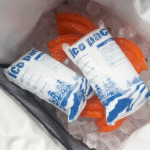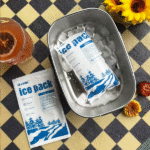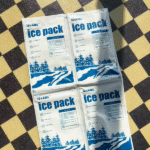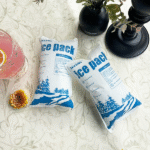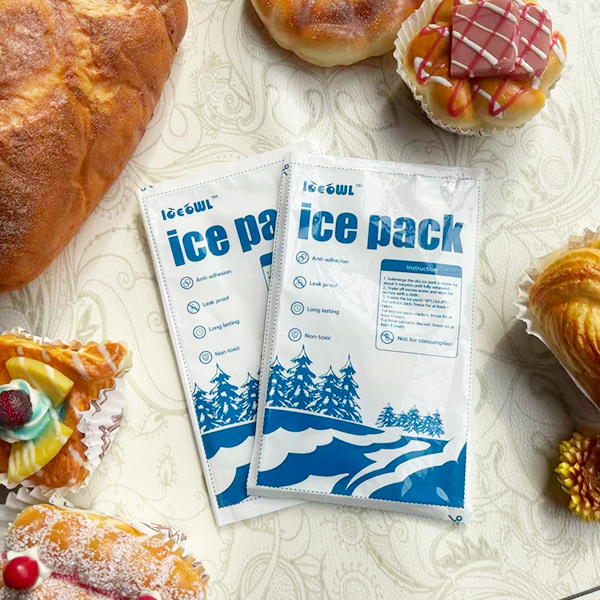
bulk dry ice pack for chocolate delivery: Seleção prática de fornecedores e decisões de embalagem
Comprando a granel pacote de gelo seco for chocolate delivery is not just a procurement task. É uma decisão sobre a faixa de temperatura, sensibilidade do produto, design de pacote, modo de transporte, e quanta prova sua equipe de recebimento ou qualidade precisará após a entrega. A primeira etapa é definir se você precisa de gelo seco de CO2 sólido e verdadeiro, uma embalagem congelada hidratável vendida como uma bolsa de gelo seco, ou um PCM diferente ou Pacote de gel. Uma vez que isso esteja claro, seleção de fornecedores se torna mais prática e menos arriscada.
A verdadeira decisão por trás da compra
The phrase bulk dry ice pack for chocolate delivery sounds specific, mas esconde várias decisões. Você pode estar escolhendo entre gelo seco sólido de CO2, um pacote congelado hidratável, um pacote de gel, um pacote PCM, ou um expedidor isolado configuração. Você também pode estar decidindo se sua remessa precisa de proteção contra congelamento, proteção refrigerada, buffer de calor curto, ou apenas um backup contra exposição temporária.
É por isso que uma conversa útil sobre fornecedores começa com a carga útil. Chocolate delivery depends on route heat, tempo de permanência da operadora, isolamento, and the customer unboxing moment. The goal is controlled cool delivery, not unnecessary deep-freezing. Se o fornecedor não perguntar sobre isso, a recomendação pode ser baseada no catálogo e não na remessa.
A segunda decisão é evidência. Uma mochila pode estar fria e ainda não ser comprovada para o seu percurso. Pergunte se a configuração proposta foi testada em condições semelhantes ao seu modo de transporte, carga útil, exposição ambiental, e critérios de recebimento. Se não, tratar o primeiro pedido como um teste de amostra em vez de uma aprovação completa da aquisição.
Quando as bolsas de gelo seco cabem na remessa
It may fit extreme-heat delivery lanes, frozen chocolate desserts, or bulk B2B shipments with clear unpacking instructions and buffer layers. A razão é simples: o gelo seco absorve fortemente o calor e não se transforma em água líquida. Isso pode ser valioso quando as caixas precisam permanecer secas, quando a condição congelada é importante, ou quando o remetente tiver espaço limitado para gelo líquido.
O verdadeiro gelo seco também traz obrigações. Ele libera gás CO2, então a embalagem não deve ser hermética. Para transporte aéreo, gelo seco normalmente requer marcação adequada, informações de quantidade líquida, e verificações de aceitação da transportadora. Os trabalhadores devem ser treinados para evitar contato direto e áreas de armazenamento ou manuseio mal ventiladas.
Hidratável folhas de embalagens de gelo seco tem um ajuste diferente. Eles podem ser úteis quando um comprador deseja reduzir o peso do envio antes da preparação, armazenamento mais fácil antes da hidratação, ou um pacote flexível que congela em uma folha. Mas o comprador não deve assumir o mesmo perfil de frio do CO2 sólido. Pergunte qual comportamento de temperatura o fornecedor espera e como foi testado.
Quando outro refrigerante é mais seguro
For many direct-to-consumer chocolate parcels, milder pacotes frios, isolamento, prazo de envio, and customer communication may be better than true dry ice. A parcel that arrives frosted can create condensation as soon as the recipient opens it, which may cause sugar bloom or packaging damage. Nestes casos, uma embalagem menos fria, mas mais estável, pode ser a melhor escolha de engenharia.
Um pacote PCM pode ser útil quando a carga precisa de uma faixa refrigerada estreita. Um pacote de gel pode ser adequado para rotas curtas de alimentos refrigerados. Um reutilizável Recipiente isolado pode ser melhor para entregas em circuito fechado. Um veículo refrigerado pode ser necessário quando a carga útil for grande ou a rota tiver muitas paradas. A bolsa de gelo seco deve competir honestamente com essas opções, não como resposta padrão.
O comprador também deve pensar na apresentação do produto. Mesmo quando o produto permanece utilizável, geada, etiquetas molhadas, caixas amolecidas, ou condensação pode criar rejeição ou reclamações de clientes. Para produtos sensíveis à marca, a experiência da embalagem faz parte do resultado da cadeia de frio.
Pontos de avaliação de fornecedores para fornecimento em massa ou fabricante
| Pergunta do comprador | Por que isso importa | Provas a solicitar |
|---|---|---|
| Can the pack be staged without slowing our packing line? | Evita que um líquido refrigerante errado seja utilizado em massa | Folha de especificações do fornecedor e registro de aprovação de amostra |
| What happens when the parcel warms on a porch? | Evita que um líquido refrigerante errado seja utilizado em massa | Folha de especificações do fornecedor e registro de aprovação de amostra |
| Does the pack require a safety insert? | Evita que um líquido refrigerante errado seja utilizado em massa | Folha de especificações do fornecedor e registro de aprovação de amostra |
| How does the supplier recommend separating the coolant from retail packs? | Evita que um líquido refrigerante errado seja utilizado em massa | Folha de especificações do fornecedor e registro de aprovação de amostra |
| Can we test hot-lane delivery before ordering bulk stock? | Evita que um líquido refrigerante errado seja utilizado em massa | Notas de teste de pacote, relatório de amostra, ou protocolo de teste |
Use essas perguntas antecipadamente. Eles ajudam a separar um fornecedor que entende a remessa daquele que vende apenas um componente frio. O fornecedor certo deve ser capaz de explicar não apenas o que a embalagem faz, mas onde não deve ser usado.
Design de embalagem: os detalhes que decidem o desempenho
Uma embalagem é a disposição do produto, refrigerante, isolamento, preenchimento vazio, dispositivo de monitoramento, e embalagem externa. Deve ser escrito de forma suficientemente clara para que outro trabalhador treinado possa repeti-lo. As instruções devem incluir o condicionamento da embalagem, quantidade, colocação, separação do produto, método de fechamento, e qualquer ação de recebimento.
For chocolate delivery, a separação é muitas vezes decisiva. Uma camada de barreira, compartimento, manga do produto, ou entreferro controlado pode evitar danos por congelamento ou condensação. O fornecedor deve explicar como a embalagem deve ser colocada e se o projeto foi verificado com uma carga útil representativa.
O monitoramento da temperatura deve ser planejado, não adicionado casualmente no final. Um registrador próximo ao refrigerante pode mostrar um valor que não representa o produto. Um registrador enterrado no produto pode perder a exposição da borda. O posicionamento correto depende da pergunta que o receptor precisa responder. O objetivo é provar a condição central do produto, identificar uma borda quente, ou documentar a exposição da rota?
Revisão de amostra antes de se comprometer com um pedido grande
Antes de passar da amostra para o volume, testar o sistema em condições realistas. Use a embalagem externa pretendida, isolamento, tamanho da carga útil, quantidade do pacote, e etapas de tratamento. Incluir o tempo normal de preparação e atraso no recebimento, se ocorrerem na vida real. Registre o que acontece com o produto, a caixa, rótulos, e quaisquer materiais absorventes ou de varejo.
A revisão deve incluir o pessoal operacional. A aquisição pode se concentrar no preço e no prazo de entrega, mas as equipes do armazém sabem se a embalagem é fácil de preparar e colocar. As equipes de qualidade sabem quais registros são importantes. As equipes de atendimento ao cliente sabem quais reclamações ocorrem após a entrega. Uma breve revisão multifuncional pode evitar uma longa lista de sinistros evitáveis.
Uma vez aprovado, congelar a especificação. Defina o tamanho do pacote, material, método de condicionamento, Carton, forro, colocação, e instruções. Pergunte ao fornecedor como as mudanças serão comunicadas. Um pedido em massa deve repetir o sistema aprovado, não evoluir silenciosamente para um diferente.
Exemplo prático
A subscription box shipper may ship Monday through Wednesday with forros isolados and a chilled pack so parcels avoid weekend dwell time. Dry ice may be reserved for hotter regions or frozen items, with a warning insert and a barrier that keeps the retail pack dry. O exemplo não é um pacote universal. É um lembrete de que a seleção do refrigerante deve seguir o risco do produto. Duas remessas podem usar o mesmo fornecedor, mas precisam de tipos de embalagens diferentes, métodos de separação, e recebimento de cheques.
Erros comuns para evitar
Um erro é comprar apenas pelo peso da embalagem. Pacote de assuntos em massa, mas não informa como a carga se comporta dentro do remetente. Isolamento, espaço aéreo, massa do produto, rota, e o posicionamento pode alterar o resultado.
Outro erro é tratar a declaração de tempo de espera do fornecedor como uma garantia. O tempo de espera está sempre vinculado às condições de teste. Se o teste indicado usou uma carga útil diferente, Carton, perfil ambiente, ou limite de aceitação, pode não descrever sua remessa.
Ferramentas úteis de decisão
Verifique os detalhes antes de escolher a embalagem
Essas ferramentas rápidas podem ajudá-lo a comparar o risco da rota, necessidades de dimensionamento, escolhas de refrigerante, e detalhes da embalagem antes de solicitar um orçamento.
Forro de caixa & Dimensionamento da cobertura de paletes
Verifique a lógica de dimensionamento do forro da caixa e da tampa do palete para projetos de embalagens isoladas.
Dimensionamento estimadoCalculadora de gelo seco
Estime as necessidades de gelo seco para remessas congeladas ou ultrafrias antes de embalar.
Estimar gelo secoSeletor de embalagens
Compare opções de embalagens isoladas por produto, rota, e necessidade de temperatura.
Encontre embalagensUm terceiro erro é não distinguir a proteção do produto da documentação. Uma bolsa de gelo seco pode ajudar a criar o ambiente certo, mas não fornece provas. Um registrador fornece evidências, mas não esfria o produto. Um sistema controlado usa ambos corretamente quando o risco o justifica.
Verificações de implementação antes da expansão
Um arquivo de aprovação útil deve ser suficientemente simples para uso diário. Mantenha a exigência do produto, especificação do pacote, instrução de condicionamento, layout da caixa, e receber critérios em um só lugar. Quando uma remessa falha, as equipes perdem tempo se a aquisição tiver a cotação do fornecedor, o armazém tem uma nota de embalagem separada, e qualidade não tem registro do julgamento. Um arquivo compacto é mais fácil de manter e treinar.
A sazonalidade deve ser tratada intencionalmente. Um pacote de verão pode precisar de uma quantidade diferente de refrigerante, corte de expedição, ou isolamento externo do que uma embalagem de inverno. Isso não significa que o comprador precise de um novo fornecedor a cada temporada. Isso significa que a especificação da embalagem deve indicar para qual estação ou condição ambiental ela foi revisada., e quando uma segunda configuração é necessária.
O feedback recebido deve ser coletado durante as primeiras remessas após a expansão. Peça aos destinatários que relatem a umidade da caixa, condição do produto, legibilidade do rótulo, refrigerante restante, e qualquer dificuldade de descompactação. Esses detalhes muitas vezes revelam questões práticas antes de se tornarem grandes sinistros. Eles também ajudam o fornecedor a ajustar o tamanho da embalagem, colocação, ou instruções com evidências em vez de suposições.
Finalmente, evite tratar a embalagem como algo separado das operações. Um bom pacote não pode consertar o carregamento tardio, encenação quente, capacidade insuficiente do congelador, ou instruções de recebimento pouco claras. O pacote, o expedidor, e o processo de trabalho deve ser desenhado em conjunto. Isto é especialmente verdade quando a palavra-chave inclui fornecedor, fabricante, atacado, ou massa, porque a decisão será repetida em muitas remessas.
A primeira execução de produção após a aprovação da amostra deve ser observada mais de perto do que um pedido repetido normal. Os operadores devem registrar quanto tempo as embalagens permaneceram fora do freezer, se as caixas fecham facilmente, se algum pacote vazou ou quebrou, e se a disposição do produto correspondia ao desenho. Essas notas são pequenas, mas eles tornam a segunda ordem muito mais segura.
A comunicação do fornecedor deve incluir controle de mudanças. Se a espessura do filme, material absorvente, tamanho do pacote, contagem de caixas, impressão de etiquetas, ou congelar alterações nas instruções após aprovação, o comprador deve ser informado antes do próximo envio. Uma bolsa de gelo seco pode ter aparência semelhante, mas se comportar de maneira diferente na caixa, especialmente quando o projeto depende da massa térmica e do posicionamento.
Para rotas com gelo seco real, treinar a equipe sobre ventilação, manuseio protetor, e a diferença entre o peso do gelo seco e o peso total da embalagem. Para rotas com pacotes hidratáveis de gelo seco, treinar a equipe em imersão, drenando, congelando, inspeção, e expectativas de descarte ou reutilização. Ambas as opções precisam de instruções de trabalho; nem deve depender da memória.
Não ignore a embalagem exterior. Resistência da caixa, padrão de fita, forro interno, separadores, almofadas absorventes, e a colocação da etiqueta influenciam se a remessa é aceita. Uma carga útil pode permanecer fria, mas ainda assim falhar se o pacote chegar molhado, distorcido, difícil de abrir, ou pouco claro para o receptor. Uma boa fonte analisa o pacote completo, não só a bolsa fria.
Uma equipe de compras deve decidir quais evidências são proporcionais ao risco. Um pacote de alimentos congelados de baixo valor pode precisar de um teste prático e de uma inspeção de chegada. Uma via farmacêutica ou de vacina pode precisar de uma revisão controlada, registros do registrador, POPs escritos, e aprovação de qualidade. Pedir as evidências corretas evita o subcontrole e a papelada desnecessária.
O custo total deve incluir resposta a falhas. Produto de substituição, notas de crédito, tratamento de reclamações, reenvio, disposição, e a confiança do cliente pode custar mais do que a própria embalagem fria. Um custo de embalagem ligeiramente mais elevado pode ser razoável se reduzir a probabilidade de danos na chegada e tornar as investigações mais rápidas quando ocorre um atraso na rota..
A melhor especificação em massa é aquela que um armazém pode executar em um dia movimentado. Deve definir a contagem do pacote, posição da embalagem, separador, orientação de carga útil, método de fechamento, posicionamento da etiqueta, e qualquer tempo máximo desde a remoção do congelador até a selagem final. Instruções claras são especialmente importantes quando trabalhadores temporários ou em turnos múltiplos lidam com a embalagem.
Ao comparar dois fornecedores, peça que ambos respondam ao mesmo perfil de remessa. Dê a eles a mesma descrição de carga útil, Tamanho da caixa, tempo de trânsito, temporada, destino, e recebendo padrão. Suas respostas revelarão se eles estão pensando em sua rota ou apenas em vender um produto genérico de mídia de resfriamento.
Perguntas frequentes
How do I choose a bulk dry ice pack for chocolate delivery supplier?
Escolha um fornecedor que possa definir o tipo de embalagem, explique o ajuste do produto, fornecer amostras, discutir os riscos da embalagem, e manter os lotes de produção consistentes. For chocolate delivery, o fornecedor não deve recomendar uma embalagem para cada produto sem perguntar sobre a rota e os requisitos de temperatura.
Quando o verdadeiro gelo seco é a escolha certa?
O verdadeiro gelo seco é mais adequado quando a carga útil precisa de condições congeladas ou muito frias e o pacote pode liberar gás CO2 com segurança. Deve ser usado com marcação de transporte e procedimentos de manuseio corretos quando necessário.
Quando outro refrigerante é melhor?
Outro refrigerante é melhor quando o produto deve permanecer resfriado, mas não congelado. A parcel that arrives frosted can create condensation as soon as the recipient opens it, which may cause sugar bloom or packaging damage. Um pacote de PCM ou gel pode fornecer um perfil de temperatura mais seguro quando combinado com o produto e o remetente.
O que um teste de amostra deve incluir?
Um teste de amostra deve usar o produto real ou uma carga representativa, a caixa planejada, a rota pretendida ou perfil térmico, o processo de condicionamento correto, e recebendo critérios de inspeção. Registre as temperaturas antes de escalar para fornecimento em massa.
O Tempk pode recomendar um pacote sem detalhes da rota??
Uma recomendação básica é possível, mas uma recomendação precisa precisa do tipo de produto, faixa de temperatura necessária, Duração da remessa, tamanho da carga útil, modo de transporte, e condições de manuseio. Esses detalhes ajudam a evitar o super-resfriamento e o sub-resfriamento.
Conclusão
The right way to buy bulk dry ice pack for chocolate delivery is to slow the decision down at the beginning and make it specific. Definir a condição de carga útil, confirme se o pacote é verdadeiro gelo seco ou uma alternativa congelada, projetar a separação e o isolamento, e peça evidências que correspondam à sua rota. Uma vez que esses pontos estejam claros, a compra a granel torna-se uma decisão de embalagem controlada, em vez de uma aposta.
Sobre Tempk
Tempk suporta B2B embalagem da cadeia de frio projetos onde o refrigerante, isolamento, carga útil, e o processo de manuseio devem funcionar juntos. For chocolate delivery, isso muitas vezes significa esclarecer se o gelo seco é realmente necessário, se a carga útil deve ser protegida contra congelamento, e como as amostras devem ser revisadas antes de um pedido maior. O objetivo é uma orientação prática sobre embalagens que os compradores possam discutir com suas equipes de logística e qualidade.
Para uma recomendação prática, envie para Tempk sua rota, condição do produto, tamanho da caixa, e volume de compras para que a embalagem possa corresponder à remessa real, em vez de um item genérico do catálogo.