Quando seu objetivo é manter a comida, bebidas ou remédios seguros sem gastar demais, sacos térmicos isolados baratos oferecer uma solução prática. Escolhido corretamente, essas sacolas econômicas podem manter uma temperatura segura por várias horas e proteger seus produtos durante piqueniques, entregas ou deslocamentos diários. De acordo com 2025 estimativas de mercado, o mercado de refrigeradores isolados deverá crescer de USD 846.6 milhões em 2025 para USD 1.57 bilhão por 2035, destacando uma demanda crescente por soluções portáteis de cadeia de frio. Este guia, atualizado em dezembro 2025, explica como funcionam as bolsas térmicas acessíveis, o que procurar ao fazer compras, e como obter o máximo valor pelo seu dinheiro.
Neste artigo você aprenderá
Principais recursos que definem bolsas térmicas isoladas baratas, incluindo materiais de isolamento, qualidade de vedação e durabilidade.
Como escolher o tamanho e tipo certo—de lancheiras compactas a refrigeradores de mochila—e alinhe-os com o uso pretendido.
Modelos econômicos que valem a pena considerar, com prós e contras extraídos 2025 testes de produtos.
Dicas de manutenção e hacks simples para maximizar a retenção de temperatura e prolongar a vida útil da sua bolsa.
2025 tendências e inovações moldando o mercado, incluindo sustentabilidade, recursos inteligentes e drivers de mercado regionais.
O que define uma bolsa térmica isolada barata?
Sacos térmicos isolados baratos são opções econômicas projetadas para retardar a transferência de calor sem o preço premium. Eles normalmente usam uma estrutura multicamadas semelhante aos coolers de última geração - um tecido externo, um núcleo de espuma, uma película reflexiva e um revestimento seguro para alimentos - mas muitas vezes dependem de materiais de baixo custo e isolamento mais fino. Por exemplo, polietileno expandido (EPE) a espuma é leve e barata, mas mantém o conteúdo frio por 4–8 horas, enquanto polietileno (Educação Física) a espuma pode estender o resfriamento para 6–10 horas. Sacolas econômicas podem apresentar espuma de 3–5 mm, que sob condições moderadas normalmente mantém a temperatura por até 6–8 horas.
Como funciona o isolamento multicamadas
Uma bolsa térmica isolada usa quatro camadas funcionais para retardar a condução, convecção e radiação:
| Camada | Propósito | Considerações orçamentárias | O que isso significa para você |
| Tecido externo | Protege o isolamento contra abrasão e umidade | Os refrigeradores econômicos geralmente usam tecido Oxford ou poliéster 210D em vez de tecidos 600D mais pesados. Esses materiais são mais leves, mas podem rasgar mais cedo. | Um exterior durável mantém sua bolsa utilizável por anos; inspecionar o peso do tecido e a densidade da trama. |
| Núcleo de espuma | Cria bolsas de ar que retardam a transferência de calor | Sacolas acessíveis normalmente usam espuma EPE (Valor R ~1,2–2,4) com 3–8 mm de espessura; espumas mais espessas ou de maior densidade, como EVA ou PU (R≥6) são raros devido ao custo. | Espuma mais espessa e valores R mais elevados prolongam a duração do resfriamento; escolha a maior espessura de espuma dentro do orçamento. |
| Filme reflexivo | Reflete o calor radiante para longe da bolsa | Muitas sacolas econômicas usam papel alumínio ou PE metalizado, que é eficaz quando combinado com espuma; evite sacolas que dependam exclusivamente de forros PEVA. | Uma camada reflexiva aumenta o isolamento sem adicionar peso. |
| Forro interno | Fornece um alimento seguro, superfície limpável | Sacolas de baixo custo costumam usar PEVA ou PVC. Esses materiais são fáceis de limpar, mas podem absorver odores com o tempo. | Um revestimento de alta qualidade evita vazamentos e garante higiene; procure costuras soldadas e materiais de qualidade alimentar. |
Compreender essas camadas ajuda a avaliar se uma sacola de baixo custo pode atender às suas necessidades. Se a espuma for muito fina ou o forro mal vedado, o ar frio escapa rapidamente.
Trocas com refrigeradores baratos
Escolhendo um bolsa térmica isolada barata significa equilibrar custo com desempenho e durabilidade. Bolsas de nível básico com 3 mm A espuma EPE normalmente retém a temperatura por até 6 horas em condições moderadas. Atualizando para 5 milímetros ou 8 mm espuma, especialmente com um forro de alumínio, pode dobrar essa duração para 8–12 horas, mas a bolsa pode custar um pouco mais. Os refrigeradores econômicos também costumam usar costuras de ponto único e zíperes básicos que podem falhar sob carga pesada; examine o reforço de costura e fechamentos ao fazer compras. Finalmente, tecidos com preços mais baixos (210D ou 420D) são mais propensos a rasgar do que o tecido Oxford 600D ou 900D mais pesado.
Como escolher o tamanho e tipo certo de bolsa térmica acessível
Etapa 1: Combine a capacidade com seu uso
Um fator chave de seleção é o volume da bolsa. Sacos subdimensionados levam a armazenamento apertado e fluxo de ar insuficiente, enquanto sacos grandes desperdiçam espaço e gelo. Para estimar a capacidade:
6–Sacos de 10 L: Ideal para refeições individuais, marmitas ou kits promocionais compactos. Ótimo para trabalhadores de escritório ou merenda escolar.
15–Sacos de 20 L: Adequado para compras de supermercado, piqueniques em família ou entregas de comida. Eles equilibram capacidade e portabilidade.
30–Sacos de 40 L: Projetado para catering em grupo, programas de camping ou bebidas. Certifique-se de preenchê-los pelo menos 80 % para manter a eficiência do isolamento.
Ao comparar volumes anunciados, solicite dimensões internas. O isolamento espesso reduz o espaço utilizável - um aspecto ostensivamente 30 A bolsa L pode ter apenas 25 L de capacidade real.
Etapa 2: Avalie isolamento e materiais
Procure estes indicadores:
Espessura da espuma e valor R – Valores de R mais elevados (por exemplo, 6 para espuma PU/XPE) fornecer tempos de espera mais longos. Uma bolsa térmica barata com 10 mm A espuma PE e o forro de alumínio podem manter o conteúdo frio por 8 horas abaixo 86 °F temperaturas externas.
Forro reflexivo – Filmes de alumínio refletem o calor radiante e aumentam o valor R total.
Projeto de vedação – Zíperes de qualidade, abas largas ou fechos magnéticos reduzem a infiltração de ar quente. Vedações ruins causam rápida perda de temperatura.
Tecido externo – Tecido Oxford durável 600D ou 900D resiste à abrasão e rasgos. Tecidos mais leves são aceitáveis para uso leve, mas podem degradar-se mais rapidamente.
Forro e costuras – Revestimentos de qualidade alimentar como PEVA são fáceis de limpar, mas oferecem menos proteção térmica do que papel alumínio. Costuras soldadas evitam vazamentos; costuras coladas ou costuradas podem se separar com o tempo.
Etapa 3: Considere o conforto de manuseio
O conforto é vital se você carrega sua bolsa com frequência. Ajustável, alças acolchoadas distribuem o peso uniformemente e evitam fadiga. Os coolers estilo mochila com painéis respiráveis são ideais para entregadores de bicicleta ou caminhantes. Para sacos maiores de 20–40 L, procure alças transversais ou duas alças para equilibrar cargas pesadas.
Etapa 4: Equilibre preço com durabilidade
Em refrigeradores econômicos, as diferenças de preços reflectem frequentemente pequenas actualizações no isolamento e na construção. Pagando um pouco mais por uma espuma mais espessa, costuras soldadas ou alças reforçadas podem dobrar a vida útil da sua bolsa. Avalie o custo total de propriedade em vez do preço de etiqueta; substituindo um $10 bolsa a cada temporada pode custar mais do que comprar uma $25 saco uma vez.
Tipos de bolsas térmicas econômicas e casos de uso
Bolsas térmicas isoladas baratas vêm em vários formatos. Compreender as diferenças ajuda você a escolher o estilo certo para suas necessidades.
Lancheiras com laterais macias
Estas bolsas compactas apresentam tecidos flexíveis e espuma EPE fina. Eles são leves, dobrável e ideal para refeições diárias ou viagens curtas. Um exemplo clássico é o Lifewit Grande Isolado 24, que contém 24 latas ainda custam uma fração dos modelos premium. Esta bolsa usa tecido Ripstop Oxford com revestimento de PU, um forro PEVA extra grosso e costuras prensadas a quente para torná-lo à prova de vazamentos. Pode ser carregado na cruz ou no ombro e é fácil de embalar. No entanto, seu isolamento fino limita a retenção de frio em viagens de um dia, e o zíper parece frágil.
Bolsas econômicas com laterais macias
Se você precisar de um pouco mais de espaço sem a rigidez de um cooler rígido, bolsas macias com núcleos de espuma oferecem um bom compromisso. O Refrigerador portátil de face macia Coleman Chiller pode aguentar até 30 latas e inclui vários bolsos para bolsas de gelo e utensílios. Uma inserção de plástico removível protege o conteúdo e facilita a limpeza. Mantém o frio por aproximadamente 12 horas e usa costuras soldadas para garantir que permaneça à prova de vazamentos. Embora as opções de cores sejam limitadas e o isolamento seja menor do que o das sacolas premium, oferece um valor excepcional para uso ocasional.
Refrigeradores econômicos estilo mochila
Os refrigeradores de mochila proporcionam conveniência com as mãos livres. O Mochila Sparter 30 latas é uma opção acessível que equilibra a portabilidade, conveniência e capacidade. Possui alças confortáveis forradas em malha, vários bolsos e uma tampa que permanece aberta durante a embalagem. Sua capacidade medida é 17.5 L (35 latas), e tem alta pontuação em capacidade de embalagem e conveniência. No entanto, o desempenho do isolamento da bolsa é limitado – apenas 1,5–1,7 dias abaixo 40 °F – e seus zíperes e costuras parecem baratos. Se o seu orçamento permitir, considere atualizar para um refrigerador de mochila de gama média para melhor retenção de frio.
Refrigeradores para famílias grandes ou camping
Para reuniões maiores, refrigeradores grandes e baratos com isolamento de camada tripla podem oferecer um valor surpreendente. UM 27 O refrigerador isolado L vendido pela Meitianfacai possui forro de alumínio, 10 mm de espuma PE e um revestimento externo de tecido Oxford. Preço em torno $16, ele segura 30 latas mais bolsas de gelo e permanece frio por mais de 8 horas em 86 °F. Inclui dois bolsos laterais de malha, um bolso frontal com zíper e uma alça acolchoada e alça de ombro removível. Embora a durabilidade a longo prazo seja incerta, esta bolsa demonstra que refrigeradores baratos e bem projetados podem atender às necessidades de passeios em família.
Coolers rígidos e designs híbridos
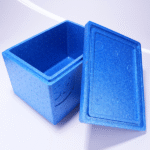
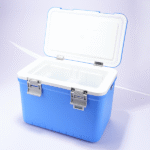
Os refrigeradores rígidos usam espuma PU para isolamento superior, muitas vezes mantendo o frio por 24 a 72 horas. Coolers rígidos baratos são raros devido aos custos de material, mas procure designs híbridos que incorporem painéis finos de PU ou XPE em bolsas macias. Esses sacos semirrígidos fornecem melhor isolamento do que os refrigeradores econômicos típicos, sem o peso do plástico rotomoldado. Eles são adequados para acampamentos noturnos ou entregas em cadeia de frio que exigem tempo de espera prolongado.
Comparando opções acessíveis de bolsas térmicas
A tabela abaixo resume três refrigeradores econômicos representativos, capacidade de destaque, isolamento e melhores usos. Observe que os preços podem variar de acordo com o varejista.
| Modelo | Aprox.. preço (USD) | Capacidade | Isolamento & materiais | Melhor para você |
| Lifewit Grande Isolado 24 | ~$25 | 24 latas (13.2 L) | Tecido Ripstop Oxford; forro PEVA extra grosso; Espuma EPE (3–5mm). O isolamento dura um único dia. | Almoços diários, trabalhadores de escritório ou pequenos piqueniques. Leve e fácil de limpar; limitado para viagens de vários dias. |
| Coleman Chiller Soft Sided portátil | ~$36 | 30 latas (13 × 13.2 × 11 em) | Tecido oxford; forro de plástico removível; isolamento de espuma padrão. Retenção de frio ~12 horas. | Piqueniques casuais, dias de praia ou compras no supermercado. Vários bolsos e uma inserção à prova de vazamentos; menos opções de cores. |
| Meitianfacai 27 L Refrigerador | ~$16 | 30 latas (27 L) | Isolamento de camada tripla: revestimento de papel alumínio + 10 mm espuma PE + exterior de algodão impermeável. Mantém o conteúdo frio por 8 + horas abaixo 86 °F. | Famílias preocupadas com o orçamento ou viagens de acampamento. Grande capacidade e vários bolsos; a durabilidade a longo prazo pode ser limitada. |
Esses exemplos mostram que você pode encontrar bolsas térmicas isoladas baratas e confiáveis se priorizar recursos como espessura da espuma, forros reflexivos e qualidade de vedação. A desvantagem geralmente é menor retenção de frio e menor durabilidade em comparação com coolers premium.
Dicas práticas para maximizar o desempenho
Mesmo o melhor cooler econômico terá desempenho inferior se usado incorretamente. Siga estas etapas para aproveitar ao máximo seu bolsa térmica isolada barata:
Pré-resfrie o saco – Coloque pacotes de gel ou gelo dentro do refrigerador vazio por 10–20 minutos antes de carregar. Isso reduz a temperatura interna e reduz a carga de resfriamento.
Camada de fontes frias – Coloque uma camada de bolsas de gelo ou garrafas congeladas no fundo e nas laterais. O gelo em bloco dura 2 a 4 vezes mais que os cubos.
Agrupar itens semelhantes – Separar produtos congelados, alimentos resfriados e itens ambientais usando divisórias ou inserções modulares para evitar transferência de calor.
Limite de aberturas – Cada vez que você descompacta a bolsa, até 80 % do ar frio escapa. Planeje seu acesso para minimizar aberturas.
Escolha o tamanho certo – Uma bolsa grande deixa bolsas de ar não utilizadas que aquecem rapidamente, enquanto um saco subdimensionado comprime os alimentos e reduz a eficiência do isolamento. Selecione uma bolsa que se ajuste à sua carga típica mais 20–30 % espaço para gelo.
Seguindo estas etapas, você pode estender a retenção de frio de uma bolsa térmica isolada barata e reduzir o desperdício de alimentos.
2025 inovações e tendências de mercado para bolsas térmicas acessíveis
Recursos inteligentes e pensamento sistêmico
As bolsas térmicas modernas estão evoluindo além do isolamento passivo. Alguns modelos acessíveis agora integram bancos de energia portáteis, Luzes LED ou sensores de temperatura Bluetooth, permitindo que os usuários monitorem temperaturas internas e carreguem dispositivos durante aventuras ao ar livre. O pensamento sistêmico enfatiza o treinamento de pacotes, rotinas de limpeza e programas de reutilização para garantir que os sacos tenham um desempenho consistente e reduzir o desperdício. À medida que os custos da tecnologia diminuem, espere que os refrigeradores econômicos incorporem módulos termoelétricos simples para resfriamento ativo.
Melhor vedação e modularidade
Os fabricantes estão atualizando zíperes e fechos mesmo em linhas de baixo custo. Abas mais largas, selos magnéticos e costuras duplas reduzem a infiltração de ar quente. Inserções modulares e revestimentos rígidos permitem aos usuários separar produtos congelados e resfriados, melhorando a eficiência. Procure bolsas baratas com divisórias removíveis ou zíperes para personalizar o layout interno.
Sustentabilidade e materiais biodegradáveis
Bolsas térmicas ecológicas estão ganhando força. Polímeros reciclados (por exemplo, RPET) e espumas biodegradáveis mantêm o isolamento enquanto reduzem o impacto ambiental. Algumas espumas EPS biodegradáveis degradam-se em até 94 % em quatro anos ainda oferecem desempenho térmico comparável. As marcas estão lançando programas de devolução e reutilização para minimizar o desperdício de embalagens. Ao comprar refrigeradores baratos, considere produtos feitos de tecidos reciclados ou espumas compostáveis.
Projetos leves e com rodas
Coolers rígidos ultraleves introduzidos em 2024 estão até 30 % mais leve que as unidades rotomoldadas tradicionais. As versões econômicas podem usar painéis mais finos ou compostos de espuma leves para reduzir o peso e ainda oferecer isolamento adequado. Refrigeradores com rodas e alças telescópicas melhoram a mobilidade para passeios em família.
Insights de mercado e impulsionadores regionais
O mercado global de refrigeradores isolados – incluindo bolsas e refrigeradores rígidos – deverá crescer de USD 846.6 milhões em 2025 para USD 1.57 bilhão por 2035 em um 6.4 % taxa composta de crescimento anual (Cagr). Recreação ao ar livre, a expansão dos serviços de entrega de refeições e o crescimento da logística da cadeia de frio são os principais impulsionadores. Tendências regionais mostram a América do Norte liderando o mercado devido à demanda por camping e entrega de alimentos, A Europa cresce devido às regulamentações de sustentabilidade e a Ásia-Pacífico regista o crescimento mais rápido graças à urbanização e ao comércio eletrónico. Os desafios incluem os elevados custos de produção de materiais de isolamento avançados e a concorrência dos frigoríficos alimentados por bateria, mas surgem oportunidades com refrigeradores biodegradáveis e recursos de rastreamento inteligentes.
Relevância da cadeia de frio
Bolsas térmicas de alto desempenho desempenham um papel crítico na área da saúde. Muitas vacinas devem ser mantidas entre 2–8 °C, e até 50 % podem ser desperdiçados devido a falhas na cadeia de frio. Resfriadores econômicos podem ajudar na distribuição final de vacinas quando combinados com pacotes de gel de alta resistência e materiais de mudança de fase. Selecione sacos com desempenho de isolamento validado e siga as diretrizes regulatórias para transporte farmacêutico.
Perguntas frequentes
Q1: Por quanto tempo os sacos térmicos isolados baratos podem manter os alimentos frios?
A maioria dos refrigeradores econômicos com laterais macias mantém os itens frios por 4 a 12 horas, dependendo da espessura do isolamento, quantidade de gelo e com que frequência você abre o saco. Adicionando pacotes de gel mais grossos, pré-resfriar o saco e minimizar as aberturas pode estender a retenção para 12 horas ou mais.
Q2: Os sacos térmicos baratos são seguros para alimentos congelados ou produtos farmacêuticos??
Eles podem retardar o descongelamento, mas nem sempre conseguem manter as condições de congelamento. Use pacotes de gel fortes ou gelo seco e agrupe os itens congelados. Para vacinas ou medicamentos, escolha bolsas validadas com materiais de mudança de fase e monitoramento de temperatura, e siga os regulamentos.
Q3: Qual é a melhor maneira de limpar uma bolsa térmica acessível?
Use sabão neutro, água morna e um pano macio para limpar o forro. Enxágue e seque completamente com o saco aberto. Evite solventes agressivos, a menos que especificado pelo fabricante.
Q4: Posso usar uma bolsa térmica barata e isolada para alimentos quentes?
Sim. Sacos isolados retardam a perda e o ganho de calor. Ao transportar refeições quentes, pré-aqueça o saco com água quente ou uma bolsa térmica e limite as aberturas. Forros refletivos e espuma ajudarão a manter os alimentos acima 50 °C por várias horas.
Resumo e recomendações acionáveis
Takeaways -chave:
Design multicamadas é o segredo do isolamento. Até bolsas baratas combinam tecido externo, espuma, filme reflexivo e forro interno para retardar a transferência de calor. Espessura da espuma e escolha do material (EPE, Educação Física, EVA ou PU) influenciar diretamente o tempo de espera.
Combine a bolsa com suas necessidades. Escolha a capacidade com base no uso e encha o saco de 80 a 90 % completo para desempenho ideal. Espuma mais espessa e melhores vedações prolongam a retenção.
Olhe além do preço. Pagando um pouco mais por costuras reforçadas, zíperes de qualidade e tecidos duráveis podem economizar dinheiro ao longo do tempo. Considere o custo total de propriedade e o risco de produtos estragados.
Siga as melhores práticas. Pré-frio, camada de fontes frias, agrupar itens e limitar aberturas de sacolas. Essas etapas simples podem dobrar o desempenho de um refrigerador econômico.
Mantenha-se informado. Inovações em recursos inteligentes, materiais sustentáveis e vedação aprimorada estão sendo filtrados em refrigeradores acessíveis. Fique atento a produtos que incorporam tecidos reciclados ou espuma biodegradável.
PRÓXIMOS PASSOS:
Anote seus requisitos específicos – faixa de temperatura, duração da rota e tipo de carga útil – para identificar a capacidade e o nível de isolamento corretos para o seu refrigerador.
Selecione dois ou três modelos acessíveis que atendam aos seus critérios. Solicite ou revise dados de teste de fornecedores para confirmar o desempenho do isolamento.
Realize um teste no mundo real com sua carga típica e bolsas de gelo para avaliar o tempo de espera e a facilidade de uso.
Treine sua família ou equipe em rotinas de embalagem e limpeza para manter um desempenho consistente. Estabeleça um cronograma de manutenção e repare ou substitua as bolsas conforme necessário.
Explore opções ecológicas e considere aderir a programas de devolução ou reutilização para reduzir o desperdício.
Sobre Tempk
Tempk (também conhecido como Tempcontrolpack) é um fabricante orientado à tecnologia especializado em embalagens de cadeia de frio e produtos com temperatura controlada. Fundado em 2015, nós projetar e produzir sacos isolados, bolsas de gelo, painéis de vácuo e outras soluções térmicas para apoiar a entrega de alimentos, produtos farmacêuticos e recreação ao ar livre. Nosso R&O centro D testa continuamente materiais e métodos de construção para melhorar o desempenho e a sustentabilidade do isolamento. Oferecemos uma variedade de bolsas isoladas - sacolas com laterais macias, caixas rígidas, capas de paletes e designs personalizados - com opções reutilizáveis, materiais recicláveis e biodegradáveis. Nossos clientes globais incluem plataformas de entrega de refeições, distribuidores de vacinas e entusiastas de atividades ao ar livre que confiam em nossos produtos para manter seus produtos seguros e frescos.
Chamado à ação: Se você precisa de bolsas térmicas isoladas baratas para uso pessoal ou pedidos em grandes quantidades para o seu negócio, Temp pode ajudar. Entre em contato com nossa equipe para recomendações personalizadas, dados de teste ou para discutir soluções de embalagens sustentáveis. Vamos manter seus produtos atualizados e seu orçamento intacto.