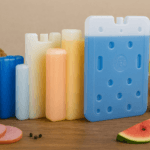
Guia de embalagem da cadeia de frio de sopas resfriadas
Sopas refrigeradas precisam de uma embalagem refrigerada que proteja a segurança alimentar, textura, condição do rótulo, e receber decisões ao mesmo tempo. Uma caixa fria genérica pode manter a temperatura em um teste curto, mas ainda assim falhar comercialmente se os molhos vazarem, caixas ficam molhadas, bolsas são perfuradas, ou a camada superior aquece durante a permanência do correio.
Para planejar, este guia usa um resfriado 0-4 C lane porque muitos programas de alimentos preparados visam a temperatura do refrigerador antes do varejo, catering, ou transferência direta ao consumidor. A faixa final aceita deve sempre seguir a especificação do produto, Plano HACCP, regras alimentares locais, e o acordo de qualidade do cliente receptor.
Dados de planejamento de embalagem
| Faixa de temperatura | 0-4 C para distribuição de sopa gelada; evite congelar quando a textura, separação de creme, ou o estresse do contêiner é uma preocupação. |
|---|---|
| Umidade e condensação | Use proteção da caixa e controle absorvente porque os pacotes de sopa podem criar forte condensação. |
| Pré-resfriamento | Carregue apenas produtos totalmente resfriados; não confie no remetente para remover o calor residual do cozimento. |
| Pressão do pacote | Mantenha xícaras, banheiras, bolsas, e tampas na vertical e apoiadas para que as vedações não sejam tensionadas durante o transporte. |
| Posição do refrigerante | Use pacotes de gel condicionado ao redor da carga com divisórias verticais e uma barreira contra paredes finas da bolsa. |
| Duração do transporte | 24-36 h é comum para pistas de sopa gelada locais ou regionais; 48 h rotas precisam de testes de pista. |
| Perdas comuns | Vazamentos, pálpebras inchadas, saturação da caixa, temperatura central quente, dano na etiqueta, e separação de sabor ou textura. |
| Ajuste de embalagem Tempk | Forro isolado Tempk ou remetente EPP, inserção vertical, mapa do pacote de gel, camada absorvente, e registrador contínuo de temperatura. |
O que muda para este produto
Sopas geladas não devem ser embaladas apenas no tamanho da caixa. A embalagem deve ser projetada em torno da massa do produto, Headspace, atividade aquática, tipo de vedação, e a forma como o cliente abre ou prepara a comida. O sistema de resfriamento deve manter o produto abaixo do limite aprovado sem criar pontos de contato congelados que danifiquem a textura ou a apresentação.
O pré-resfriamento é especialmente importante. Se o produto estiver quente, xícaras de molho quente, ou bolsas recentemente cheias entram no remetente, pacotes de gel são forçados a remover o calor do produto em vez de proteger a rota. Isso reduz o tempo de espera e aumenta a chance de um resultado de recepção quente, mesmo quando a embalagem externa parece aceitável.
Ferramentas úteis de decisão
Verifique os detalhes antes de escolher a embalagem
Essas ferramentas rápidas podem ajudá-lo a comparar o risco da rota, necessidades de dimensionamento, escolhas de refrigerante, e detalhes da embalagem antes de solicitar um orçamento.
Gerador de lista de verificação de conformidade
Crie uma lista de verificação prática para revisão de embalagens, envio, e documentação.
Lista de verificação de construçãoSeletor de embalagens
Compare opções de embalagens isoladas por produto, rota, e necessidade de temperatura.
Encontre embalagensForro de caixa & Dimensionamento da cobertura de paletes
Verifique a lógica de dimensionamento do forro da caixa e da tampa do palete para projetos de embalagens isoladas.
Dimensionamento estimadoAbordagem recomendada de embalagem Tempk
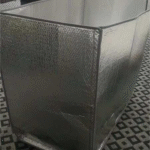
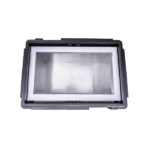
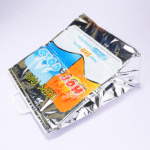
Para pistas de rotina, use um Tempk forro de caixa isolado ou expedidor isolado com pacotes de gel condicionado, uma caixa interna lisa ou bandeja de produto, e um registrador colocado em uma zona de produto representativa. Para cargas mais pesadas ou longa permanência de correio, validar a massa do líquido refrigerante e o tamanho do remetente com perfis de verão e inverno, em vez de depender de um único teste ambiental.
O líquido refrigerante deve ser separado de embalagens delicadas de alimentos. Isso protege as vedações do filme, etiquetas de papel, tampas de concha, bolsas a vácuo, e textura de pão ou macarrão. Onde o vazamento é possível, adicione uma camada absorvente ou saco secundário que contenha líquido sem bloquear o fluxo de ar frio ao redor do produto.
Recebendo cheques
Na chegada, a equipe receptora deve verificar os dados do registrador, secura da caixa, condição do selo, formato do produto, e vazamento visível antes de liberar o estoque. Se o registrador mostrar uma excursão não resolvida ou a caixa estiver saturada, a remessa deve ser realizada de acordo com o procedimento de qualidade do cliente.
Tempk pode oferecer suporte ao dimensionamento do remetente, colocação de pacote de gel, teste de rota, e instruções de embalagem para programas de alimentos preparados refrigerados. Compartilhe as dimensões do produto, quantidade do pedido, faixa alvo, duração da rota, perfil ambiente, e procedimento de recebimento para construir um pacote específico de pista.