Atualizado: dezembro 10, 2025 – Staying ahead of recent research ensures that this longform resource provides the latest insights into cadeia de frio dark chocolate safety. You’ll discover how temperature, humidity and handling affect your favourite treat, why heavy metal reports shouldn’t cause alarm, and how modern packaging and IoT technologies keep every bar intact. Data-driven tips help you select materials, plan routes and ensure compliance.
Condições ideais: Understanding the specific temperature and humidity ranges that protect dark chocolate during transport and storage – including why cadeia de frio dark chocolate safety demands 12–20 °C and humidity below 50 %.
Estratégias de embalagem: Escolhendo materiais de isolamento, phasechange coolants and multilayer packouts to maintain cadeia de frio integrity. Learn how precooling and moisture control prevent fat and sugar bloom.
Metais pesados & contaminants: Summarising 2025 research on cadmium and lead in chocolate, sources of contamination and why moderate consumption remains safe.
Operational practices: Planejamento de rota, shipping schedules and training that minimise risk. Explore how sensors and AI optimize cadeia de frio dark chocolate safety.
2025 tendências & insights de mercado: IoT, AI and sustainability transforming cadeia de frio logistics; improved PCMs, blockchain and ecofriendly packaging.
Perguntas frequentes práticas: Quick answers to common questions about shipping temperatures, Controle de umidade, o uso de gelo seco e mais.
Why does cadeia de frio dark chocolate safety matter?
Protecting quality: Dark chocolate is a delicate food. It melts at 86–90°F (30–32ºC) while milk chocolate softens at 84–88 °F and white chocolate begins melting at 82–84 °F. Even small temperature spikes cause fat bloom – an unattractive grey film – or sugar bloom when moisture condenses. Portanto, cadeia de frio dark chocolate safety involves keeping shipments between 12–20 °C (54–68 °F). Relative humidity must stay under 50 % to prevent sugar crystallisation and mould growth. These thresholds are slightly different depending on the chocolate type; dark chocolate tolerates cooler conditions, while milk and white chocolate require stricter control.
Health considerations: Consumer reports and academic studies have raised concerns about heavy metals in chocolate. UM 2025 review found that although some products exceeded California Proposition 65 limits for cadmium and lead, 97.2 % of samples fell below US FDA interim reference limits. The median concentrations were well below conservative benchmarks, suggesting that typical consumption does not pose appreciable risk. Experts emphasise that metals originate primarily from soil and machinery during processing. The human body absorbs only a fraction of these metals, and a daily ounce of dark chocolate remains safe for adults. Understanding these nuances is part of cadeia de frio dark chocolate safety because proper sourcing, packaging and traceability mitigate contamination.
Understanding temperature & humidity standards for different chocolates
The table below summarises safe temperature ranges and explains why each chocolate type responds differently. Maintaining these ranges is central to cadeia de frio dark chocolate safety because dark chocolate can handle slightly colder environments than milk or white varieties.
| Tipo chocolate | Temperatura segura (°C) | Temperatura segura (°F) | Significado prático |
| Escuro | 14–20 | 57–68 | Tolerates cooler range; lower humidity prevents bitterness; ideal para remessas de longo curso |
| Leite | 15–20 | 59–68 | Contains milk fat that melts sooner; keep close to 18 °C for best texture |
| Branco | 16–20 | 61–68 | Altamente sensível devido à manteiga de cacau e aos sólidos do leite; strict humidity control required |
| Bombons recheados/cremosos | 16–20 | 61–68 | Waterrich fillings demand consistent temperature and moisture barriers |
Preventing fat bloom and sugar bloom
Fat bloom occurs when cocoa butter crystals melt and resolidify, leaving a grey surface. This happens whenever chocolate is exposed to temperatures above 86 °F (30 °C). Sugar bloom appears as gritty white spots when moisture condenses and dissolves surface sugars. To prevent both:
Control ambient conditions: Keep storage between 12–20 °C and humidity below 50 %. Use dehumidifiers and climatecontrolled rooms.
Produtos pré-condicionados: Antes de embalar, hold chocolate and pacotes de gel at 18–20 °C for at least 24 horas. This prevents condensation when the product meets cold coolant.
Layer moisture barriers: Wrap bars in foil or moistureresistant paper, add desiccant sachets and line boxes with plastic film.
Evite refrigeração: Household fridges often exceed 50 % umidade, causando flor de açúcar. If refrigeration is necessary, wrap tightly and allow chocolates to come to room temperature gradually to avoid condensation.
Heavy metal contamination and how to mitigate risks
What do studies show?
Researchers analysed 72 cocoa products from 2014–2022 and found that 43 % of items exceeded Proposition 65 limits for lead, 35 % for cadmium, but none for arsenic. Apesar disso, 97.2 % of samples were below the US FDA interim reference limit for lead. The median concentrations were much lower than these conservative thresholds. The study concluded that occasional consumption of dark chocolate poses little risk for most adults, although eating large quantities or combining multiple sources of metals can exceed safe limits. It also noted that organic products showed higher levels of cadmium and lead.
An independent article published in October 2025 reinforced these findings: despite Consumer Reports highlighting brands with up to 539 % of the daily lead limit, experts argued that bioavailability is low and dark chocolate remains safe when consumed in moderation. Tulane University researchers found that an ounce of dark chocolate per day is safe for adults and only a small risk for children.
Sources of contamination
Agricultural uptake: Cocoa trees absorb cadmium from volcanic or mineralrich soils; cadmium accumulates in beans.
Environmental dust: Lead contamination often occurs when beans are dried outdoors and exposed to dust or industrial pollution.
Processing equipment: Metal grinders and ball mills used by some large manufacturers can leach metals into chocolate. Artisanal producers using stone grinders avoid metalonmetal contact.
Postharvest handling: Storage containers and coatings may introduce metals if they are not foodgrade.
Mitigation strategies for producers
Fonte com responsabilidade: Work with suppliers who test soil and limit cadmium uptake by adjusting soil pH and selecting lowcontamination regions.
Use nonreactive equipment: Opt for stone or rollrefiner equipment to minimise metal contamination.
Implement HACCP and traceability: Hazard Analysis and Critical Control Point plans ensure contaminants are identified and controlled at each step. Realtime data loggers provide traceability to confirm compliance.
Eduque os consumidores: Emphasise moderation and provide transparency on test results.
By integrating these measures, manufacturers support cadeia de frio dark chocolate safety da fazenda ao consumidor.
How to package dark chocolate for safe cadeia de frio shipping
Proper packaging is the backbone of cadeia de frio dark chocolate safety. The goal is to maintain the 12–20 °C temperature range for the duration of transit. The following subsections explain insulation options, cooling agents and packout procedures.
Insulation materials and containers
O isolamento retarda a transferência de calor, allowing coolants to regulate temperature effectively. Os materiais comuns incluem:
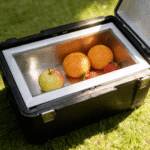
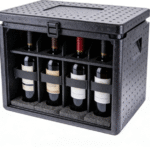
Resfriadores de espuma EPS: Provide strong insulation and structural integrity. Ideal for long transit but not environmentally friendly.
Fibra de algodão ou forros de papel reciclado: Offer moderate insulation with sustainable appeal. Recycled paper can be composted and improves the unboxing experience.
Starchbased foam or biodegradable materials: Reduce environmental impact and suit brands emphasising sustainability.
Contêineres ativos: Use builtin refrigeration powered by batteries or electricity; they maintain precise temperatures for highvalue shipments.
Agentes de resfriamento: pacotes de gel, PCMs e gelo seco
Cooling agents absorb or release heat to maintain the desired temperature:
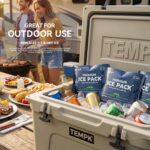
Pacotes de gel: Filled with water or polymers, these packs freeze at a defined temperature and gradually absorb heat as they thaw. They are easy to handle and reusable.
Materiais de mudança de fase (PCMs): Engineered to melt at a specific temperature. PCMs set at 18 °C (64 °F) keep the interior environment stable for longer durations than gel packs. Although more expensive, PCMs can be reused and often reduce the number of cooling units needed.
Gelo seco: Solid carbon dioxide sublimates at –78,5 ° C. (–109,3°F) and is used only for extreme heat or very long shipments. When using dry ice for chocolate, combine it with insulation to avoid overcooling, and never allow direct contact with the product.
Building a multilayer packout
Following a standardised packout procedure ensures consistent cadeia de frio dark chocolate safety:
Precool all components: Hold chocolates, gel packs and PCMs at 18–20 °C for 24 horas.
Prepare primary packaging: Place chocolates in moistureresistant boxes or tins lined with foil. Insert desiccant sachets or moistureabsorbing paper to control humidity.
Add cooling agents: Arrange gel packs or PCMs along the sides and top of the product. Use cardboard or bubble wrap to prevent direct contact.
Insert insulated liner: Fit an EPS or ecofriendly liner inside the outer box to minimise conductive heat transfer.
Fill voids and seal: Use crumpled paper or filler to eliminate air pockets, then seal the box tightly with tape.
Packaging by season
Seasonal conditions determine the amount of insulation and cooling required. The table below summarises recommendations – following these guidelines helps maintain cadeia de frio dark chocolate safety yearround.
| Temporada | Packaging combination | Razão | Benefício para você |
| Inverno (<15 °C) | Forro isolado + 1–2 pacotes de gel | Low ambient temperatures require less cooling; avoid overinsulation to prevent condensation | Lower cost and minimal risk of overheating |
| Primavera/Outono (15–25ºC) | Forro isolado + 2–3 pacotes de gel ou PCMs | Fluctuating temperatures need moderate cooling; PCMs maintain stability | Custo equilibrado, reduced risk of spikes |
| Verão (>25 °C) | Isolamento pesado + 3–4 pacotes de gel ou PCMs; add dry ice for extremely hot zones | High heat and sunlight demand robust cooling and sometimes active containers | Ensures chocolates stay below 20 °C even during heat waves |
Operational best practices for dark chocolate cadeia de frio
Route planning and timing
Proper route planning is integral to cadeia de frio dark chocolate safety because it minimises exposure to extreme temperatures and delays.
Ferramentas úteis de decisão
Verifique os detalhes antes de escolher a embalagem
Essas ferramentas rápidas podem ajudá-lo a comparar o risco da rota, necessidades de dimensionamento, escolhas de refrigerante, e detalhes da embalagem antes de solicitar um orçamento.
Gerador de lista de verificação de conformidade
Crie uma lista de verificação prática para revisão de embalagens, envio, e documentação.
Lista de verificação de construçãoResistência à queda de material de isolamento
Revise a resistência à queda e os fatores de manuseio antes de escolher materiais de isolamento.
Verifique a resistênciaCalculadora de bolsa de gelo
Estime a quantidade de bolsas de gelo em gel para remessas refrigeradas e planejamento prático de rotas.
Estimar bolsas de geloEnvio no início da semana: Send packages Monday through Wednesday to avoid weekend delays【254947893995330†L286-L300】.
Choose express shipping: Overnight or twoday services reduce transit time to 24–72 hours. For journeys exceeding three days, opt for active refrigeration.
Monitor weather and traffic: Check ambient temperatures along the route and adjust packaging or schedule accordingly.
Avoid PO boxes: Ensure someone retrieves the package promptly and stores it in a temperaturecontrolled area【254947893995330†L299-L301】.
Integre sensores IoT: Use GPS and temperature loggers to track conditions in real time and reroute if necessary.
Training and handling
Cold chain personnel must understand cadeia de frio dark chocolate safety princípios:
Eduque a equipe: Train warehouse and delivery workers on temperature requirements, gentle handling and quick transfers to climatecontrolled areas.
Reduza o tempo de permanência: Prestage packages near loading docks and limit exposure to ambient conditions during transfers.
Manter registros: Document temperatures and humidity throughout the journey; use sensor data to verify compliance.
Gerenciamento de umidade
Umidade acima 50 % increases the risk of sugar bloom and microbial growth. To control moisture:
Use desiccants: Place moistureabsorbing sachets or papers inside packaging.
Seal packaging tightly: Prevent outside air infiltration and reduce condensation.
Plano para o clima: In humid regions, consider additional moisture barriers and fast shipping to shorten exposure.
Como a IoT, AI and sustainability shape the cadeia de frio in 2025
Internet das coisas (IoT) sensors and realtime data
O 2025 cadeia de frio landscape is defined by connected devices. Sensores de IoT monitorar temperatura, umidade, light and shock throughout transport. Data flows to cloud platforms, enabling shippers to detect deviations, add gel packs or reroute shipments in real time. This heightened visibility not only preserves product quality but also assures regulatory compliance and builds consumer trust.
Our second illustration below demonstrates these concepts: a delivery truck loaded with chocolate is connected to a cloud via glowing sensors, symbolising realtime monitoring without any explanatory text.
Inteligência artificial e análise preditiva
AI platforms analyse weather forecasts, vehicle performance and historical shipment data to predict temperature risks. They recommend packaging configurations and coolant quantities that balance cost with safety. AI also schedules deliveries to avoid extreme conditions and identifies equipment problems before they cause spoilage.
Automação e robótica
Cold chain warehouses increasingly employ robots for picking and storage. Robots work efficiently at low temperatures and reduce the risk of human error. Automation ensures consistent handling, lowers labour costs and improves throughput.
Ecofriendly packaging and carbon neutrality
Consumidores em 2025 demand sustainability. Companies are replacing singleuse foam with reusable or biodegradable insulation. Carbonneutral shipping programs offset emissions through renewable energy or reforestation projects. Lightweight packaging designs reduce fuel consumption. Highlighting these initiatives not only aligns with environmental goals but also strengthens brand loyalty.
Regulatory considerations and traceability
Food safety regulations require clear labelling, datas de validade, allergen disclosures and documented temperature histories. Realtime data loggers record temperatures and humidity for each package. Em 2025, many jurisdictions enforce HACCP plans and crossborder compliance, making traceability essential to cadeia de frio dark chocolate safety.
Trends and market insights in 2025
IoT proliferation: Sensors become smaller, cheaper and more integrated, enabling continuous tracking.
Otimização baseada em IA: Predictive algorithms reduce energy use, packaging waste and transit time.
Embalagem sustentável: Forros reutilizáveis, recycled materials and carbon offset programmes align with consumer values.
Improved PCMs: Nextgeneration PCMs maintain stable temperatures for up to 96 horas, reducing reliance on dry ice and enabling longer shipments.
Integração Blockchain: Temperature and location data recorded on blockchain prevent tampering and enhance transparency.
Solarpowered lockers: Hotclimate ecommerce retailers deploy lockers with solar refrigeration to keep packages cool until collection.
Crescimento do mercado: The global cadeia de frio logistics sector is valued at USD 436.30 bilhão em 2025 e projetado para alcançar USD 1,359.78 bilhão por 2034. Asia–Pacific leads growth due to rising confectionery consumption, while North America and Europe show strong demand for premium chocolates. Regulatory tightening ensures strict HACCP compliance.
Perguntas frequentes
Q1: Qual é a temperatura ideal de envio para chocolates?
Mantenha o chocolate entre 12–20 °C (54–68 °F). Dark chocolate can be shipped near 14 °C, while milk, white and filled chocolates require temperatures closer to 18–20 °C.
Q2: How long can chocolates stay in transit without quality loss?
When kept within the safe temperature and humidity range, chocolates can remain in transit for 24–72 horas. Para viagens mais longas, use active refrigeration and monitor conditions continuously.
Q3: Por que o controle de umidade é importante?
Umidade acima 50 % causes sugar bloom and encourages mold growth. Maintain relative humidity below this threshold and use desiccants and moisturebarrier wrapping.
Q4: Posso usar gelo seco no envio de chocolates?
Dry ice is extremely cold and should be used only when ambient temperatures exceed 35 °C or shipping times are very long. Always prevent direct contact between dry ice and chocolate.
Q5: Are organic chocolates safer regarding heavy metals?
Não necessariamente. O 2025 multiyear study found that organic products were more likely to have higher levels of cadmium and lead. Responsible sourcing and processing matter more than organic certification for heavy metal mitigation.
Resumo e recomendações
Takeaways -chave:
Cold chain dark chocolate safety depends on maintaining temperatures between 12–20 °C and humidity below 50 % para evitar o florescimento de gordura e açúcar.
Proper packaging uses recipientes isolados, pacotes de gel ou PCMs, moisture barriers and a multilayer packout. Precool all components and choose packaging combinations based on seasonal conditions.
Heavy metal contamination remains a concern, but most chocolates contain levels well below FDA limits; moderate consumption is safe. Mitigate contamination through responsible sourcing, nonmetallic equipment and HACCP plans.
Effective route planning, training and humidity management ensure that packages reach consumers without temperature excursions【254947893995330†L255-L301】.
Sensores de IoT, IA, automation and sustainable packaging are reshaping cadeia de frio logistics in 2025, offering better control, reduced waste and enhanced transparency.
ACTO ACEDIVO PRÓXIMO PASSOS:
Avalie suas operações atuais: Conduct a cadeia de frio audit to identify weak points in temperature control, packaging and transit time. Use sensor data to verify compliance.
Implement multilayer packaging: Adotar forros isolados, gel packs or PCMs and moisture barriers. Precondition products and packaging before sealing.
Invista em tecnologia: Equip shipments with IoT data loggers and integrate data into an AIdriven dashboard for realtime monitoring and predictive analytics.
Abrace a sustentabilidade: Choose recyclable or biodegradable insulation materials, utilise carbonoffset programs and communicate your environmental efforts to customers.
Treinar e educar: Fornecer treinamento regular sobre cadeia de frio dark chocolate safety for all staff. Develop simple checklists and decision tools to guide packout and shipping schedules.
Sobre Tempk
A Tempk é especializada em embalagem da cadeia de frio solutions that protect temperaturesensitive goods like chocolates, pharmaceuticals and perishables. Nossos produtos incluem alto desempenho caixas isoladas, phasechange materials and ecofriendly alternatives, all validated to maintain internal temperatures for up to 39 horas at ambient temperatures of 31 °C. Combinamos experiência no setor com tecnologia avançada, including IoT monitoring and AIdriven logistics, to ensure your shipments arrive safely and sustainably.
Chamado à ação: Pronto para aprimorar seu cadeia de frio dark chocolate safety? Consult our experts for a tailored packaging strategy and explore our range of insulated containers and cooling solutions. We’re here to help your confections arrive in perfect condition.