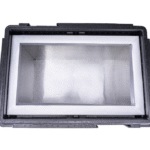
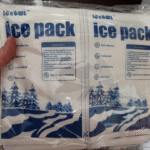
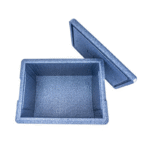
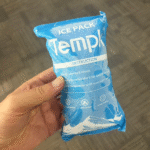
Caixa de gelo para cadeia fria Fabricante de exportação de frutos do mar: Uma estrutura de fornecimento confiável
Fabricante de exportação de frutos do mar com caixa de gelo para cadeia fria: Uma estrutura de fornecimento confiável
A compra mais defensável é aquela que pode ser rastreada desde a exigência do produto até o recebimento da evidência. Para fabricante de exportação de frutos do mar de caixa de gelo de cadeia fria, a questão prática é se a caixa protege a qualidade do produto através do manuseio úmido, atrasos na exportação, transferências, e os controles de recebimento do destino. Isso requer uma visão de todo o sistema: o corpo isolado, refrigerante, separadores, arranjo de carga útil, encerramento, processo de manuseio, e qualquer dispositivo de monitoramento de temperatura. Este artigo foi escrito para processadores de frutos do mar, exportadores, e coordenadores da cadeia de frio. Explica como tomar uma decisão sobre a exportação de frutos do mar refrigerados ou congelados sem depender de declarações vagas de tempo de espera, capacidade nominal, ou um preço de manchete que omite custos importantes.
Comece com o risco do produto e da pista
Escreva um requisito de usuário de uma página antes de selecionar a caixa de gelo para exportação de frutos do mar. Deve identificar o produto e sua condição exigida, dimensões e massa da carga útil, etapas da rota, duração esperada mais política de atraso, exposição quente e fria, modos de transporte, manipulação de eventos, padrão de abertura, necessidades de monitoramento, processo de limpeza ou devolução, e recebendo decisão. Para exportação de frutos do mar refrigerados ou congelados, dê especial atenção ao pré-resfriamento, saneamento, drenagem, compatibilidade do revestimento, empilhamento, margem de atraso, rótulos, e recebendo inspeção.
Separe os critérios de aceitação obrigatórios das preferências. Uma dimensão externa máxima pode ser obrigatória porque a caixa deve caber em um rack. Uma cor pode ser preferida. Uma faixa de temperatura do produto pode ser obrigatória, enquanto um determinado material de isolamento pode estar aberto a propostas de fornecedores. Esta separação permite que os fornecedores melhorem o design sem enfraquecer o resultado. Também evita que uma cotação rica em recursos pareça compatível quando não atende ao requisito principal.
- Documente e confirme o plano de perigo do produto e a condição alvo.
- Documente e confirme o gerenciamento de água e vazamentos.
- Documente e confirme a disposição do revestimento em contato com alimentos.
- Documente e confirme o perfil de atraso na exportação.
- Documentar e confirmar registros de lote e temperatura.
Design para embalagem repetível
Selecione isolamento, refrigerante, separadores, forro, arranjo de carga útil, monitor, encerramento, e instruções como um sistema. As etiquetas dos materiais por si só não prevêem o resultado da montagem. EPS pode ser adequado para uma rota controlada de mão única; O EPP pode suportar manuseio e limpeza repetidos; Os sistemas baseados em VIP podem fornecer maior isolamento em espessuras de parede limitadas, mas requerem proteção do painel. A escolha deve seguir o risco da rota, valor da carga útil, manuseio, modelo de reutilização, e necessidades de evidências.
O líquido refrigerante deve ser condicionado e posicionado para o produto. Pacotes congelados podem criar risco de congelamento local; pouca capacidade de resfriamento armazenada pode reduzir a margem de atraso; refrigerante excessivo ocupa espaço de carga útil e adiciona massa. Use separadores justificados e geometria de empacotamento. Escreva instruções na ordem de trabalho dos operadores, com imagens ou codificação de cores, se isso reduzir erros. Observe a equipe real empacotando o sistema de teste em vez de assumir que um diagrama é autoexplicativo.
A carga útil merece sua própria aprovação. Carregue as caixas primárias reais ou manequins precisos com o líquido refrigerante completo e o conjunto de insertos. Verifique o fechamento, compressão, recuperação, rótulos, elevação, e ajuste do veículo. Para um produto nominal de 40 litros, por exemplo, o número não informa quanta carga útil resta. Para restauração, frutos do mar, ou carne, examinar forros, controle de líquidos, acesso de limpeza, e separação. Para medicina, revise a proteção contra congelamento e o posicionamento do monitor.
Separe o preço de compra do custo do programa
| Campo de cotação | O que solicitar | Por que isso muda a decisão |
|---|---|---|
| Configuração | Material, nota, dimensões, tampa, inserções, refrigerante, e acessórios | Evita que produtos diferentes sejam comparados como se fossem idênticos |
| Base comercial | Quantidade do pedido, ferramentas, embalagem, termo comercial, moeda, e validade | Mostra quais custos estão dentro ou fora do preço unitário |
| Evidência de desempenho | Perfil de teste, carga útil, pacote, faixa de aceitação, e relatar status | Revela se uma reivindicação se assemelha à rota pretendida |
| Controle de qualidade | Amostra aprovada, critérios de inspeção, notificação de alteração, e retenção de registros | Protege a consistência após o primeiro pedido |
| Logística | Dimensões da caixa mestre, unidades por caixa, pesos, e plano de carregamento | Suporta um cálculo realista do custo final |
Normalizar lances para uma moeda, quantidade do pedido, configuração, e ponto de entrega. Adicionar ferramentas, obra de arte, amostras, testes, caixas de exportação, frete, obrigação, e taxas de destino. Em seguida, crie uma visão operacional que inclua mão de obra de embalagem, preparação de refrigerante, armazenar, limpeza, transporte de retorno, perdas, dano, e peças de reposição. O menor preço unitário e o menor custo do programa podem ser ofertas diferentes.
O custo deve ser proporcional à consequência da falha. Os prováveis modos de falha aqui são abuso de temperatura, vazamento de água derretida, retenção de odor, exposição ao sal, compressão, atraso alfandegário, e rastreabilidade incompleta. Um breve, a entrega controlada pode não precisar do pacote de construção ou qualificação mais elaborado. Uma remessa médica de alto valor ou uma rota de exportação imprevisível podem justificar evidências e reservas mais fortes. O objetivo não é a embalagem máxima; é adequado, proteção repetível com uma justificativa visível.
Atraso na exportação de frutos do mar, Água, e Rastreabilidade
Aplique a estrutura de sourcing ao caso de uso real. Definir espécie e forma do produto, condição refrigerada ou congelada, embalagem primária, pré-resfriamento, método de gelo ou refrigerante, rota de exportação, espera na fronteira, e critérios de recebimento. A caixa de gelo deve atender ao plano HACCP de frutos do mar e aos controles acordados entre o expedidor, operadora, e receptor.
Transforme esse risco em um processo controlado, sal, água, empilhamento bruto, punção, docas de carga quentes, voos perdidos, porões alfandegários, e filas de destino podem combinar. A retenção de odores e a secagem incompleta podem causar caixa reutilizável inaceitável mesmo quando a estrutura permanece intacta. Mantenha a água derretida e o produto bruto líquido dentro de contenção primária ou secundária controlada. Estabelecer saneamento, identificação do lote, tempo de embalagem, verificações de selo ou fechamento, monitoramento de temperatura quando necessário, e uma resposta de recebimento para cargas atrasadas ou danificadas.
Em seguida, conecte as evidências ao dinheiro, use testes de rota ou perfis justificados que incluam manuseio realista em piso molhado, densidade de carga útil, pré-resfriamento, atrasos, e posições dos sensores. Inspecione a compactação, integridade do revestimento, vazamento, rótulos, e condição de recebimento juntamente com dados de temperatura. Risco de rejeição de modelo, dano por vazamento, materiais absorventes ou de forro, rotulagem, uso de palete ou caixa, cubo de frete aéreo, trabalho de inspeção, e descarte no destino. Uma proteção mais forte contra atrasos pode ser racional em rotas de exportação imprevisíveis, mesmo quando o seu custo unitário é mais elevado.
No portão de decisão, escolha um fabricante que entenda de embalagem para exportação e possa controlar as dimensões, gestão de água, empilhamento, rótulos, e consistência material. O corpo térmico é apenas um elemento de um carregamento de frutos do mar defensável.
Evidência que conecta a reivindicação à pista
Pergunte exatamente o que significa uma declaração de desempenho. Uma duração deve estar vinculada a um perfil de ambiente, carga útil, condição inicial, arranjo de refrigerante, posições dos sensores, e faixa de aceitação. Uma capacidade deve indicar se é volume interno bruto ou carga útil utilizável. Uma declaração reutilizável deve identificar o processo de inspeção e limpeza. Uma alegação de sustentabilidade deve explicar os limites do sistema e as suposições de fim de vida. Sem condições, um número é linguagem publicitária e não evidência de decisão.
Para medicamentos sensíveis à temperatura, A orientação da OMS enquadra a qualificação como evidência documentada controlada e vincula o desempenho do contêiner aos perfis de transporte e aos critérios de aceitação. Os padrões térmicos ISTA podem apoiar a avaliação estruturada do envio de encomendas. O PIB da UE e as práticas da IATA acrescentam expectativas em torno de equipamentos adequados, manuseio controlado, documentação, e requisitos atuais de carga aérea. As operações de alimentos devem alinhar o procedimento de embalagem e transporte com os procedimentos de transporte sanitário aplicáveis., HACCP, e controles específicos do produto. A equipe responsável pela qualidade ou segurança alimentar determina a aplicabilidade e a disposição.
O plano de monitoramento deve definir a precisão do dispositivo na faixa relevante, status de calibração, intervalo de gravação, método iniciar e parar, sincronização de tempo, colocação, acesso a dados, alarmes, retenção de registros, e resposta. Um registrador é uma evidência, não proteção. Coloque-o onde representa uma condição de carga informada sobre risco, e certifique-se de que o receptor saiba o que fazer com o registro.
Controle de fornecedores após aprovação
Aprovar a configuração e o processo que a torna. Mantenha desenhos controlados, especificações de materiais, listas de componentes, obra de arte, instruções de embalagem, detalhes da caixa mestra, e critérios de aceitação. Identifique as características que afetam o ajuste, encerramento, higiene, durabilidade, ou comportamento térmico. Pergunte como essas características são inspecionadas e registradas durante a produção.
Ferramentas úteis de decisão
Verifique os detalhes antes de escolher a embalagem
Essas ferramentas rápidas podem ajudá-lo a comparar o risco da rota, necessidades de dimensionamento, escolhas de refrigerante, e detalhes da embalagem antes de solicitar um orçamento.
Seletor de embalagens
Compare opções de embalagens isoladas por produto, rota, e necessidade de temperatura.
Encontre embalagensAvaliador de risco da rota
Revise as condições da pista antes de selecionar a embalagem para requisitos operacionais reais.
Verificar risco da rotaRefrigerante & Referência PCM
Compare as opções de refrigerante e PCM quando uma rota precisar de suporte adicional de temperatura.
Comparar opçõesUse um caminho preparado: amostra funcional, teste de engenharia ou embalagem, avaliação térmica ou de rota conforme necessário, piloto ou pré-produção, então aprovação em massa. Cada amostra precisa de uma revisão e propósito. Guarde uma referência aprovada quando for útil. Se o projeto for personalizado, liquidar propriedade de ferramentas, manutenção, direitos de modificação, e tratamento de final de projeto por escrito antes que a ferramenta se torne uma alavanca em uma disputa comercial.
Exigir notificação antes de alterações no material, geometria, refrigerante, inserções, local de fabricação ou processo, obra de arte, e embalagens de desempenho crítico. Decida quais mudanças precisam de revisão de documento, aprovação de amostra, ou requalificação. Isto é fundamental para os sistemas farmacêuticos e ainda valioso para programas de alimentos e atacado porque pequenas substituições podem afetar a adequação e o desempenho em campo.
Pilote todo o fluxo de trabalho
Use este cenário típico: um exportador de frutos do mar embala filés resfriados antes de uma conexão tardia de caminhão, então enfrenta uma espera alfandegária inesperada no aeroporto. Faça as malas sob pressão de tempo realista, prepare a caixa como a rota faz, expô-lo a condições representativas, e conclua o processo de recebimento. Registre o resultado térmico quando aplicável, hora da embalagem, ajuste de carga útil, manuseio de refrigerante, elevação, encerramento, vazamento ou condensação, dano, legibilidade do rótulo, limpeza, e etapas de retorno. O teste deve revelar pontos fracos do processo, bem como pontos fracos do produto.
Marcar uma reunião de revisão com compras, operações, qualidade ou segurança alimentar, e o fornecedor. Classifique as descobertas como segurança ou risco do produto, lacuna de desempenho, problema de usabilidade, oportunidade de custo, ou preferência. Revise os requisitos e a configuração do usuário uma vez, em seguida, repita apenas as verificações afetadas pela mudança sob um plano justificado. A iteração controlada é mais rápida do que aceitar um design fraco e corrigi-lo através de reclamações.
UM 2026 Visão da responsabilidade de reutilização e embalagem
Embalagem reutilizável deve ser avaliado como um loop: emitir, usar, retornar, inspecionar, limpar, seco, loja, reparar, e reeditar. Rastrear disponibilidade, perda, dano, inversão de marcha, e ciclos concluídos. Para sistemas unidirecionais, avaliar o uso de materiais, cubo de envio, opções de descarte, e proteção do produto. O Regulamento de Embalagens e Resíduos de Embalagens da UE geralmente se aplica a partir de agosto 2026 e reforça a necessidade de revisão atual da composição das embalagens, reutilizar, Reciclabalidade, rotulagem, e obrigações específicas do mercado. Não confie no slogan de um fornecedor como prova legal ou ambiental.
As decisões de design podem preservar opções. Tampas ou forros substituíveis, identificação de materiais, dados de composição controlada, inserções modulares, e rótulos de ativos duráveis podem prolongar a vida útil ou simplificar revisões futuras. No entanto, a complexidade adicional também cria mais peças para gerenciar. Selecione recursos porque eles suportam o modelo operacional, não porque pareçam voltados para o futuro.
Perguntas frequentes sobre aquisições
Que informações devo enviar ao solicitar fabricante de exportação de frutos do mar de caixa de gelo para cadeia de frio?
Envie a exigência do produto, dimensões e massa da carga útil, etapas da rota, duração e subsídio de atraso, exposições quentes e frias, padrão de manuseio e abertura, preferência de refrigerante, se justificado, necessidades de monitoramento, quantidade, destino, termo comercial, modelo de limpeza ou devolução, e provas exigidas.
Como posso comparar relatórios de teste de fornecedores?
Comparar configuração, carga útil, perfil ambiente, condições iniciais, condicionamento de refrigerante, posições dos sensores, Critérios de aceitação, método de teste, desvios, e aprovação do relatório. Uma duração mais longa não é automaticamente melhor se as condições não representarem a sua rota.
Devo comprar uma caixa padrão ou desenvolver uma personalizada?
Use uma caixa padrão quando atender à carga útil, rota, manuseio, e necessidades de evidências com custo final aceitável. Considere o desenvolvimento personalizado quando adequado, utilização de carga útil, pacote repetível, limpeza, marca, ou a integração de veículos cria valor operacional suficiente para justificar engenharia e ferramentas.
O que deve ser bloqueado antes da produção em massa?
Bloquear a revisão do desenho, material, cores, inserções, refrigerante, rótulos, instruções de embalagem, caixa mestra, critérios de inspeção, status de amostra aprovada, e processo de notificação de alterações. Confirme o escopo comercial e a base de entrega ao mesmo tempo.
A decisão de fornecimento em uma única visão
| Portão de decisão | Pergunta para responder | Evidência ou resultado |
|---|---|---|
| Exigência | O que deve ser protegido, por qual caminho? | Requisito do usuário aprovado e critérios de aceitação |
| Projeto do sistema | O pacote completo pode ser carregado e repetido? | Lista de configurações, desenho, e instruções de embalagem |
| Desempenho | As evidências correspondem ao desafio pretendido? | Protocolo revisado, registro de teste ou piloto, e desvios |
| Fornecedor | A produção pode permanecer equivalente à amostra aprovada? | Controles de qualidade, plano de inspeção, e processo de mudança |
| Comercial | Qual é o custo de entrega e operacional? | Modelo normalizado de lance e custo |
| Aumento de escala | O fluxo de trabalho pode ser executado de forma confiável?? | Revisão piloto, treinamento, liberar, e feedback de desempenho |
Uma decisão confiante para o fabricante de exportação de frutos do mar de caixas de gelo para cadeia de frio não é uma busca pela caixa mais grossa ou pelo número mais baixo. É uma correspondência documentada entre o produto, rota, pacote, evidência, controle de fornecedores, e custo. Quando esses seis portões estiverem limpos, a aquisição pode comparar alternativas de forma justa e as operações podem usar o sistema escolhido conforme pretendido.
Um primeiro controle 90 Dias
A primeira ordem de produção de caixa térmica para exportação de frutos do mar deve ser tratada como o início da verificação operacional, não é o fim do desenvolvimento. Treinar empacotadores e receptores na configuração aprovada, identificar cada componente, e registrar problemas por revisão e lote quando for prático. Mantenha material de referência aprovado suficiente para investigar a adequação, encerramento, rotulagem, ou reclamações de desempenho sem adivinhar qual versão foi enviada.
Durante as primeiras semanas, revisar o tempo do pacote, disponibilidade de componentes, ajuste de carga útil, dados de temperatura, quando aplicável, lidar com danos, limpeza, exceções de entrega, e recebendo perguntas. Não espere por uma carga rejeitada para saber que as instruções são ambíguas. Uma breve revisão diária durante o lançamento pode se tornar semanal e depois mensal à medida que o processo se estabiliza. Atribua um proprietário para ações e feche-as por meio de atualizações controladas de documentos ou projetos.
Compare o custo real e operacional com as premissas usadas para aprovação. Cubo de frete, trabalho de refrigeração, taxa de retorno, Espaço de armazém, tampas de reposição, dano, e o tempo de resposta do fornecedor podem alterar o caso de negócio. Se o programa for reutilizável, reconciliar emitido, voltou, em quarentena, limpeza, e caixas prontas para uso. Se for unilateral, revise o feedback sobre descarte e danos à embalagem no destino.
Na revisão de 90 dias, decidir se o sistema está pronto para uma implantação mais ampla, precisa de uma melhoria controlada, ou deve permanecer limitado à faixa original. Capture o que foi aprendido na especificação, treinamento, e arquivo de fornecedor. Dimensionar um processo documentado é mais seguro do que dimensionar a memória da equipe do projeto.
Sobre Tempk
Tempk é o embalagem da cadeia de frio marca da Shanghai Tempk Industrial Co., Ltda., estabelecido em 2011. A empresa desenvolve, produz, vende, e serviços de produtos da cadeia de frio, incluindo embalagem isolada formatos e componentes de refrigeração. A Tempk pode apoiar as primeiras discussões sobre a seleção de caixas de gelo para exportação de frutos do mar, geometria da carga útil, arranjos de refrigeração, formatos reutilizáveis ou unilaterais, e fornecimento personalizado ou em massa. Qualquer configuração final deve ser revisada e, onde necessário, testado ou qualificado para o produto do comprador, rota, procedimentos, e obrigações de mercado.
Forneça ao Tempk seu mapa de rotas, detalhes da carga útil, condição necessária do produto, quantidade, e as evidências precisam iniciar uma comparação de embalagens focada.