Soluções de isolamento de cadeia fria para produtos de frutos do mar?
Você precisa soluções de isolamento de cadeia de frio para produtos de frutos do mar quando “principalmente frio” não é bom o suficiente. Se uma caixa aquecer mesmo por uma janela curta, frutos do mar podem perder textura, cheiro, e confiança. Em 2025, a maioria dos programas são projetados para frutos do mar frescos perto do derretimento do gelo (~ 0 ° C.) ou refrigerado 0–4°C, e frutos do mar congelados a ≤ -18°C, com buffer para atrasos. Este guia mostra como escolher materiais, embalar consistentemente, e validar o desempenho com dados simples.
Este artigo irá ajudá-lo a responder:
-
Como soluções de isolamento de cadeia de frio para produtos de frutos do mar proteger pistas frescas versus congeladas
-
Como escolher Isolamento EPS vs EPP vs VIP para produtos de frutos do mar sem gastar demais
-
Como embalagem de transporte de frutos do mar para drenagem de água derretida evita vazamentos e odores
-
Como fazer caixa isolada do tamanho certo para entrega de frutos do mar frescos parar de enviar ar
-
Como um estratégia de isolamento da cadeia de frio de última milha para frutos do mar reduz falhas no tempo da varanda
-
Como fazer validar embalagens isoladas para cadeia de frio de frutos do mar com um plano de teste repetível
Quais são as soluções de isolamento da cadeia de frio para produtos do mar?
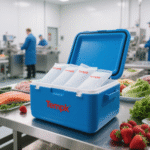
As soluções de isolamento da cadeia de frio para produtos do mar são sistemas de embalagem que retardam o ganho de calor e estabilizam a temperatura desde a embalagem até o recebimento. Pense no isolamento como um casaco de inverno: não cria frio, mas ajuda você a manter o frio que você embalou. Um sistema completo inclui a embalagem externa, isolamento, forro, refrigerante, contenção, e um método de fechamento consistente.
Em frete real, o elo mais fraco geralmente vence. Uma tampa solta, grandes lacunas de ar, ou água derretida bagunçada pode arruinar um isolamento forte. Por isso soluções de isolamento de cadeia de frio para produtos de frutos do mar deve trabalhar em hubs, vans, e portas, não apenas nas especificações do laboratório.
O mapa do fracasso dos frutos do mar (temperatura + água + tempo)
Os frutos do mar são úmidos e sensíveis ao odor. Portanto, seu sistema precisa gerenciar temperatura, umidade, e contenção junto. Se você consertar apenas um, você ainda perde.
| Risco de falha | Causa típica | Conserte você pode padronizar | O que isso significa para você |
|---|---|---|---|
| Pico de temperatura | Isolamento fino, lacunas de ar | Ajuste mais justo + melhor fechamento | Menos reclamações de deterioração |
| Vazamento de água derretida | Ensacamento fraco, sem drenagem | Bolsa dupla + absorventes/camada de drenagem | Entrega mais limpa, menos problemas com a operadora |
| Transferência de odor | Selos ruins, ar preso | Forro apertado + sacos internos selados | Melhor experiência de desembalagem |
| Dano por esmagamento | Caixa fraca, estrutura macia | Caixa mais forte + forro rígido | Menos reembolsos e reenvios |
Dicas práticas que você pode usar esta semana
-
Pistas curtas (≤24h): priorizar a vedação, ajuste apertado, e controle de umidade primeiro.
-
Faixas intermediárias (24-48h): Atualizar isolamento ou adicione cobertura de refrigeração equilibrada (lados + principal).
-
Pistas longas (48-72h+): redesenhar todo o sistema, não apenas “adicionar mais gelo”.
Realidade prática: Muitas falhas vêm de pequenas lacunas – tampa não apertada, pacotes colocados errado, ou forros muito soltos.
Quais metas de temperatura as soluções de isolamento da cadeia de frio para produtos de frutos do mar devem atingir?
Suas soluções de isolamento da cadeia de frio para produtos de frutos do mar devem corresponder ao estado do produto, não a promessa de marketing. Os frutos do mar frescos muitas vezes têm como objetivo condições de derretimento do gelo (~ 0 ° C.) ou um controlado 0–4 ° C. banda. Frutos do mar congelados normalmente têm como alvo ≤ -18ºC para evitar danos por descongelamento e recongelamento. Se você enviar peixes com risco de histamina, um controle mais rígido de tempo-temperatura é crítico.
Não adivinhe a sua “verdade sobre a temperatura”. Defina uma banda alvo, uma regra de excursão máxima, e uma suposição de tempo. Em seguida, treine e audite de acordo com esse padrão.
Uma tabela de metas simples que sua equipe pode seguir
| Tipo de frutos do mar | Alvo prático | Refrigerante típico | Cuidado chave | O que isso significa para você |
|---|---|---|---|---|
| Frutos do mar frescos (gelado) | ~ 0 ° C. (derretendo gelo) | Gelo em flocos/pasta | Contato com água derretida | Drenagem e contenção são obrigatórias |
| Frutos do mar resfriados (sem gelo molhado) | 0–4 ° C. | Pacotes de gel / PCM | Risco de congelamento de bordas | Evite o contato direto do líquido refrigerante em SKUs delicados |
| Frutos do mar congelados | ≤ -18ºC | Gelo seco / PCM congelado | Ciclo de descongelamento e recongelamento | Isolamento + o tempo de buffer é o que mais importa |
| Peixes com risco de histamina (exemplo) | <4.4°C com tempo mínimo de aquecimento | Gelo/PCM + POP estrito | “pequenos aquecimentos” | O monitoramento é mais importante do que você pensa |
| Supergelado (avançado) | -3 a -1°C (controle rígido) | PCM sintonizado | Risco de congelamento parcial | Use apenas com POPs validados |
Dicas práticas para evitar armadilhas comuns
-
Separe embalagens frescas e congeladas. Um pacote “universal” causa falhas silenciosas.
-
Projete nas últimas 2 a 6 horas. O tempo de porta pode ser pior do que o linehaul.
-
Se as reclamações de qualidade persistirem, registrar a rota. “Chega frio” pode esconder picos no meio do percurso.
Cenário real: Um expedidor reduziu as reclamações ao dividir os POPs: um para fresco no gelo, um para congelados.
Quais materiais de isolamento funcionam melhor para soluções de isolamento de cadeia de frio para produtos de frutos do mar?
As melhores soluções de isolamento da cadeia de frio para produtos do mar são aquelas que mantêm a temperatura e sobreviver molhado, pesado, manuseio brusco. Espessura ajuda, mas o ajuste e o fechamento geralmente são mais importantes. Para frutos do mar, você também precisa de tolerância à umidade e resistência à compressão.
Comece com dificuldade de pista (horas + aquecer + exposição de última milha), em seguida, escolha a menor atualização que remove seu principal modo de falha.
Isolamento EPS vs EPP vs VIP para produtos de frutos do mar
| Opção de isolamento | Pontos fortes típicos | Compensações típicas | Pistas mais adequadas | O que isso significa para você |
|---|---|---|---|---|
| Espuma EPS | Baixo custo, valor térmico sólido | Frágil, descarte varia | Faixas de mão única | Boa opção inicial, precisa de plano de resíduos |
| Espuma EPP | Durável, reutilizável, resistente ao impacto | Custo inicial mais alto | Ciclo fechado, repetir pistas | Reduza o desperdício em muitas viagens |
| Painéis de espuma PU | Isolamento forte por espessura | Complexidade de danos/descarte | Pistas médias e longas | Desempenho estável, maior atrito |
| Painéis VIP | Isolamento muito elevado em paredes finas | Custo, precisa de proteção | Pistas premium/longas | Maior tempo de espera sem caixas enormes |
| Forros reflexivos | Reduza o calor radiante | Não é suficiente sozinho | Camada complementar | Funciona melhor como um “reforço,”não é um núcleo |
Dicas práticas para um melhor desempenho de isolamento
-
Fechar lacunas aéreas. Uma tampa solta pode apagar ganhos de isolamento espessos.
-
Dimensione corretamente antes de atualizar os materiais. Menor volume de ar dura mais tempo.
-
Escolha primeiro a robustez em programas molhados. Uma caixa recolhida falha mais rápido do que uma caixa mais fina.
Exemplo real: Algumas equipes ganham horas de desempenho melhorando o fechamento e o ajuste do revestimento – sem alterar a espessura do isolamento.
Quais refrigerantes combinam melhor com soluções de isolamento de cadeia de frio para produtos de frutos do mar?
As soluções de isolamento da cadeia de frio para produtos de frutos do mar funcionam quando o isolamento retarda o calor e o líquido refrigerante o absorve – juntos. Para frutos do mar frescos, o gelo úmido é naturalmente estável em torno da temperatura de fusão, mas cria água derretida. Para resfriado (0–4 ° C.), pacotes de gel ou PCMs geralmente reduzem a bagunça. Para congelado, gelo seco ou PCMs congelados geralmente fornecem o buffer mais forte.
Escolha o refrigerante com base na faixa alvo, então valide o posicionamento. A colocação do líquido refrigerante “somente na parte superior” geralmente cria cantos quentes.
Tabela de seleção de refrigerante (simples e prático)
| Refrigerante | Melhor ao redor | Melhor para | Atenção | O que isso significa para você |
|---|---|---|---|---|
| Gelo molhado | ~ 0 ° C. | Programas frescos no gelo | Vazamento de água derretida | Requer drenagem + disciplina de contenção |
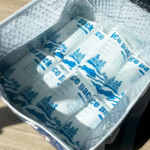
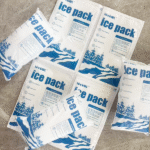
| Pacotes de gel | 0–5 ° C. (varia) | Pistas curtas e médias refrigeradas | Resfriamento irregular | Precisa de condicionamento + colocação equilibrada |
| PCM (sintonizado) | Ponto de ajuste específico | Controle refrigerado estável | Custo mais alto | Reduz oscilações e risco de congelamento de bordas |
| Gelo seco | Congelado | Pistas congeladas, longa duração | Regras de ventilação/etiqueta | Poderoso, mas requer treinamento e POPs |
embalagem para transporte de frutos do mar com drenagem de água derretida que realmente funciona
Seu plano de água derretida deve ser projetado, não improvisado. Trate a umidade como um segundo produto.
| Elemento de embalagem | Melhores práticas | Por que isso importa | Seu benefício |
|---|---|---|---|
| Ensacamento | Bolsa dupla + selos apertados | Evite vazamentos e odores | Menos problemas com operadoras |
| Camada de drenagem | Bandeja elevada ou canal de drenagem | Mantém o produto fora da água derretida | Melhor textura e cheiro |
| absorvente | Almofadas dimensionadas para o pior caso | Captura vazamento | Desembalagem mais limpa |
| Encerramento | O mesmo padrão de fita sempre | Impede “vazamentos na tampa” | Resultados repetíveis |
Dicas e sugestões práticas
-
Usar lado + refrigerante superior para cobertura. Cantos falham primeiro.
-
Evite o contato direto do líquido refrigerante quando o congelamento parcial prejudica a qualidade.
-
Se você usar gelo seco, regras de tratamento de documentos e mantê-lo consistente.
Caso prático: Um remetente aumentou a confiança do cliente ao fazer com que as caixas chegassem limpas e secas, sem alterar as metas de temperatura.
Como dimensionar corretamente as soluções de isolamento da cadeia de frio para produtos de frutos do mar para interromper o transporte aéreo?
O dimensionamento correto é o ganho mais rápido em termos de custo e desempenho em soluções de isolamento de cadeia de frio para produtos de frutos do mar. Quando você envia ar, você paga frete pelo espaço vazio e paga refrigerante para controlá-lo. Um menor, expedidor mais rígido geralmente mantém a temperatura por mais tempo com menos refrigerante.
Pense em “garrafa térmica, não mala.” O ajuste justo reduz o movimento do ar e os pontos quentes.
A ferramenta de tamanho certo “3 medidas” (5 minutos)
-
Medir pegada do produto (C×L×A) incluindo sacos/bandejas internas
-
Medir pegada de refrigerante (pacotes/gelo/espaço de gelo seco)
-
Adicionar espaço tampão apenas para proteção contra esmagamento e controle de vazios
| Fator | O que medir | Regra simples | Erro comum | O que isso significa para você |
|---|---|---|---|---|
| Pegada do produto | Tamanho do produto embalado | Sem barulho | Superdimensionado “por precaução” | Maior ganho de calor, custo mais alto |
| Pegada de refrigerante | Volume + colocação | Cercar, não flutue | Posicionamento somente superior | Cantos quentes e pontas quentes |
| Espaço tampão | Preenchimento vazio + proteção | O suficiente para evitar esmagamento | Muito espaço vazio | Você acaba “enviando ar” |
Dicas práticas que você pode usar hoje
-
Use a medidor de ajuste (modelo simples) então os empacotadores escolhem o tamanho certo rapidamente.
-
Padronizar layouts de embalagem por família SKU (fotos vencem parágrafos).
-
Mantenha um pacote sazonal para “dias quentes”, não overspec durante todo o ano.
Exemplo real: Muitos programas cortam gastos com frete e reduza as excursões após diminuir o tamanho da caixa em uma etapa.
Como você deve embalar frutos do mar usando soluções de isolamento de cadeia de frio para produtos de frutos do mar?
A embalagem é onde as soluções de isolamento da cadeia de frio para produtos de frutos do mar têm sucesso ou falham. Seu design deve ser repetível no volume máximo. Se o pacote variar de acordo com a pessoa, os resultados variam de dia para dia.
Abaixo estão dois fluxos compatíveis com SOP que você pode treinar em minutos.
Fluxo de embalagem para frutos do mar resfriados (0–4°C ou ~0°C)
-
Pré-resfrie o produto até a faixa desejada antes de embalá-lo
-
Pré-condicione pacotes de gel/PCM para um ponto de ajuste consistente
-
Adicione uma camada absorvente inferior ou de drenagem
-
Empacote dois frutos do mar e feche bem
-
Coloque refrigerante lados + principal, então preencha os vazios
-
Feche totalmente o revestimento e sele a caixa com um padrão de fita consistente
Fluxo de embalagem para frutos do mar congelados (≤ -18ºC)
-
Confirme se o núcleo do produto está totalmente congelado antes da embalagem
-
Use isolamento compatível com a duração + risco ambiental
-
Adicione gelo seco/PCM congelado com separação segura e abordagem de ventilação
-
Reduza o espaço vazio para limitar a convecção
-
Fechar e selar consistentemente, em seguida, rotule de acordo com seu SOP
Dicas e sugestões práticas
-
O tempo é importante: definir um “tempo máximo de preparação” rígido entre a embalagem e a coleta.
-
Placação é importante: faça do posicionamento do refrigerante um diagrama, não é um palpite.
-
Assuntos limpos: uma caixa externa seca melhora o manuseio da transportadora e a confiança do cliente.
Resultado real: As equipes geralmente ganham confiabilidade ao padronizar o fechamento e o posicionamento – antes de comprar isolamento premium.
Como você valida e monitora soluções de isolamento da cadeia de frio para produtos de frutos do mar em 2025?
Em 2025, soluções de isolamento da cadeia de frio para produtos do mar devem ser comprovadas com dados, não espero. Comece pequeno: um plano de amostragem com registradores de temperatura de baixo custo, posicionamento consistente, e regras claras de aprovação/reprovação. Isso reduz disputas, melhora os POPs, e evita gastos excessivos.
A validação também ajuda a atualizar a variável certa. Se o aquecimento acontecer tarde, consertar fechamento ou cobertura superior. Se esquentar cedo, atualizar o nível de isolamento.
Um plano de validação que você pode executar esta semana
| Teste | O que você simula | O que gravar | Ideia de aprovação/reprovação | O que isso significa para você |
|---|---|---|---|---|
| Dia médio | Tempo de rota normal | Temperatura máxima + tempo acima do limite | Permanece na faixa alvo | Linha de base confiável |
| Dia quente | Ambiente alto + risco solar | Curva de temperatura | Não há um longo platô quente | Preparação para o verão |
| Cenário de atraso | +12–24h espera | Fim da temperatura + tendência | Ainda seguro no recebimento | Menos falhas surpresa |
Lista de verificação de monitoramento da cadeia de frio de frutos do mar (copie para o SOP)
| Etapa | O que você verifica | Padrão de exemplo | O que você faz a seguir |
|---|---|---|---|
| Pré-embalagem | Temperatura do produto | Atende a faixa alvo | Resfrie ou rejeite |
| Empacotar | Fotos de layout | Corresponde ao padrão | Treine novamente se houver desvio |
| Trânsito | Pico do registrador | Sem picos acima do limite | Ajustar processo/refrigerante |
| Recibo | Doença | Sem vazamento, sem amolecimento | Revisão da causa raiz |
Autoteste rápido: você está subprotegido?
Dê a si mesmo 1 ponto para cada “sim”:
-
As excursões acontecem principalmente perto do horário de entrega?
-
As falhas se aglomeram em dias quentes ou segundas-feiras?
-
Você “adiciona mais gelo” em vez de consertar o fechamento?
-
Seu forro cabe livremente dentro da caixa?
-
Você não tem etapas consistentes de pré-condicionamento?
Pontuação 3–5: você provavelmente precisará de uma atualização do sistema.
Pontuação 1–2: processo e posicionamento podem consertar primeiro.
Como reduzir o risco de última milha com soluções de isolamento da cadeia de frio para produtos do mar?
As soluções de isolamento da cadeia de frio para produtos do mar falham frequentemente no último quilómetro, não o linehaul. Hora da varanda, entrega perdida, e a permanência em veículos quentes pode “esgotar” a vida útil rapidamente. Sua melhor alavanca está operacional: regras de entrega atendida, alertas, e segmentação de pista.
Trate a última milha como uma corrida de revezamento. Se as transferências forem interrompidas, o isolamento não pode salvar a pista.
estratégia de isolamento da cadeia de frio de última milha para frutos do mar (regras simples)
| Risco da última milha | Como é | Melhor controle | Implicação da embalagem | O que isso significa para você |
|---|---|---|---|---|
| Exposição à porta | Caixa ao sol | Janelas de entrega + alertas | Você pode reduzir o “exagero” | Menor custo, Menos reembolsos |
| Entrega perdida | Tente novamente no dia seguinte | Assinatura/retirada | Menos tempo de permanência | Maior taxa de sucesso |
| Carrinha quente ao vivo | Longo atraso na rota | Regras de roteamento | É necessário um isolamento mais forte | Consistência em dias de pico |
Dicas práticas que você pode implementar rapidamente
-
Usar janelas de entrega anteriores para frutos do mar frescos e kits premium.
-
Criar dois modos de entrega: assistido vs não assistido (validado apenas).
-
Atualizar apenas pistas arriscadas, nem todo pedido.
Padrão do mundo real: As últimas 2 a 6 horas podem ser a janela mais perigosa.
Como você reduz o custo total e o carbono sem sacrificar a qualidade?
As soluções de isolamento da cadeia de frio de menor custo para produtos do mar são as que evitam falhas. Reembolsos, reenvio, e os danos à marca são os assassinos ocultos do orçamento. Depois disso, tamanho certo, simplificar materiais, e considere a reutilização apenas quando os retornos forem reais.
A medida mais “ecológica” é muitas vezes menos remessas de reposição. A prevenção de resíduos supera os materiais perfeitos.
Alavancas de custo e sustentabilidade (na ordem certa)
| Alavanca | O que você muda | Por que funciona | Risco de assistir | O que isso significa para você |
|---|---|---|---|---|
| Menos falhas | Melhor POP + controle de última milha | Evita reenvios e desperdícios | Precisa de disciplina | Maior impacto rápido |
| Dimensionamento correto | Caixas menores | Menor frete + é melhor segurar | Complexidade do SKU | Menor custo por pedido |
| Simplificação material | Menos peças misturadas | Descarte mais fácil | Variação de desempenho | Melhor conformidade do cliente |
| Reutilizar programas | Sistemas EPP reutilizáveis | Menor desperdício por viagem | Taxas de devolução | Melhor opção de longo prazo |
Dicas práticas
-
Acompanhar taxa de substituição como um KPI (é um custo e carbono).
-
Mantenha um pacote de verão que evita picos de sinistros sazonais.
-
Escreva as instruções de descarte em linguagem simples que os clientes seguirão.
2025 últimos desenvolvimentos e tendências em isolamento da cadeia de frio de frutos do mar
Em 2025, As soluções de isolamento da cadeia de frio para produtos do mar estão passando de “mais espesso é mais seguro” para “validado, tamanho certo, específico da pista.” As equipes estão adotando pacotes de dois níveis (padrão + risco quente), melhorando os revestimentos tolerantes à umidade, e usando monitoramento leve para reduzir disputas. O isolamento de alto desempenho também é tendência onde as penalidades dimensionais de peso são dolorosas.
Último progresso em um olhar
-
Pacotes baseados em pista: menos políticas de “uma caixa para tudo”
-
Projetos inteligentes em termos de umidade: melhores camadas de drenagem e contenção resistente a vazamentos
-
Monitoramento mais inteligente: registradores de amostragem e padrões claros de aprovação/reprovação
-
Construções mais finas de alto desempenho: tempo de espera mais forte sem caixas grandes
-
Superresfriamento seletivo: somente onde o controle do SOP é rígido e validado
Perguntas frequentes
Q1: O que são soluções de isolamento da cadeia de frio para produtos do mar em termos simples?
São opções de embalagem e SOP que mantêm os frutos do mar em sua faixa de temperatura desejada durante atrasos reais no envio..
Q2: Os frutos do mar frescos e congelados precisam de embalagens diferentes?
Sim. Fresco precisa de estabilidade próxima ao gelo e controle de umidade, enquanto congelado precisa de frio profundo e ciclo mínimo de descongelamento e recongelamento.
Q3: O isolamento mais espesso é sempre melhor?
Não. Dimensionamento correto, fechamento apertado, e o posicionamento consistente geralmente superam o isolamento mais espesso em caixas de grandes dimensões.
Q4: Qual é a primeira melhoria mais fácil de fazer?
Padronize o layout da embalagem (fotos), apertar o fechamento, e adicione um plano de drenagem/absorvente para programas úmidos.
Q5: Com que frequência devo testar a embalagem?
Pelo menos sazonalmente, e sempre que você mudar de faixa, tamanhos de caixa, refrigerantes, ou transportadoras.
Resumo e recomendações
As soluções de isolamento da cadeia de frio para produtos do mar funcionam melhor como um sistema completo: isolamento, refrigerante, contenção, e etapas de embalagem repetíveis. Comece definindo metas (fresco vs congelado) e segmentando pistas por dificuldade. Então corrija o básico: ajuste apertado, fechamento forte, colocação equilibrada de refrigerante, e controle de umidade. Finalmente, valide com um teste simples de dia quente e atraso para atualizar apenas o que os dados comprovam.
Seu plano de ação para o próximo passo (simples e rápido)
-
Defina uma faixa de destino por família de SKU (fresco vs congelado).
-
Construa dois pacotes: padrão e risco quente.
-
Caixas do tamanho certo usando o método de “3 medidas”.
-
Correr 3 testes (média / quente / atraso) com um padrão de posicionamento de registrador.
-
Adicione controles de última milha para faixas e temporadas de alto risco.
Sobre Tempk
E tempk, nós construímos soluções de isolamento de cadeia de frio para produtos de frutos do mar tão prático, sistemas repetíveis. Nós nos concentramos na seleção de isolamento, estratégia de refrigeração, controle de umidade, e pacotes POPs que sua equipe pode seguir rapidamente. Também ajudamos você a validar o desempenho com um plano de teste sazonal simples, assim você reduz reclamações sem gastar demais em embalagens.
Próximo passo: Compartilhe o estado do seu produto (fresco ou congelado), duração da pista, e risco de última milha (assistido vs não assistido). Descreveremos uma direção de sistema específica para cada pista e uma lista de verificação de validação que você pode executar esta semana.