Dispositivos de cadeia fria para frutos do mar & Soluções: Mantendo o peixe fresco e seguro 2026
Maintaining seafood quality across long supply chains requires more than just ice. Cold chain seafood devices and solutions are specialised equipment and processes that keep fish at safe temperatures from harvest to plate. Global standards demand fresh fish stay between 0 °C e 5 °C e frutos do mar congelados em –18 °C ou mais frio. Regulatory frameworks such as the Food Safety Modernization Act (FSMA) and European Union hygiene rules require continuous temperature monitoring and traceability. By understanding the devices, technologies and best practices shaping 2026, você pode proteger a qualidade do produto, cumprir os regulamentos e reduzir o desperdício.
Este artigo responderá:
What devices and solutions make up the seafood cold chain? – Explore cold rooms, abatedores, freezers, caixas isoladas, sensors and other equipment.
How do you build and maintain an effective cold chain? – Learn step by step practices for receiving, arrepiante, armazenar, embalagem, transporte e monitoramento.
Which innovations will shape cold chain seafood devices in 2026? – Discover IoT sensors, Otimização de rotas de IA, blockchain, solar powered units and supercooling technologies.
What regulations apply and how do you stay compliant? – Understand FSMA rules, EU requirements and traceability mandates.
What are practical tips for consumers and small businesses? – Get advice on safely storing seafood at home, packaging for delivery and reducing waste.
What Are Cold Chain Seafood Devices & Soluções?
Cold chain seafood devices and solutions refer to the equipment, packaging and monitoring systems used to maintain low temperatures throughout the seafood supply chain. Fresh fish is highly perishable; enzymes and bacteria break down tissue rapidly. Global standards require fresh fish to be kept entre 0 °C e 5 °C enquanto o peixe congelado deve permanecer em –18 °C ou mais frio. Exceeding these ranges accelerates microbial growth and shortens shelf life. To comply with FSMA and EU regulations, vehicles and equipment must maintain safe temperatures, ensure traceability and provide documented temperature records.
Core Temperature Ranges and Their Significance
The table below summarises the critical temperature zones for seafood and what they mean for you. Keeping fish within the correct range slows bacterial growth, preserves texture and prevents histamine formation.
| Faixa de temperatura | Estágio & Exemplos | O que isso significa para você |
| 0–5 ° C. (32–41 °F) | Peixe fresco, filés resfriados, marisco | Slows bacterial growth and maintains texture; use refrigerated rooms or ice and monitor continuously |
| ≤ –18 °C (≤ 0 °F) | Frozen fillets, blocos de peixe, dedos de peixe | Interrompe a atividade microbiana e prolonga a vida útil; invest in validated freezers and ensure products never thaw during transport |
| 41 °F (5 °C) ou inferior | Alimentos de alto risco (frutos do mar, carnes, laticínio) | Meets U.S. FDA cold holding requirements; verify storage units and vehicles operate below 5 °C |
| 30–32°F (–1 para 0 °C) | Recommended storage for fresh fish (Louisiana fact sheet) | Optimises quality and texture; designate this temperature when contracting carriers and pre cool vehicles |
| –10 to –20 °F (–23 to –29 °C) | Frutos do mar congelados (long distance transport) | Provides a buffer for long journeys; ensure vehicles can maintain ultra low temperatures |
Staying within these ranges is crucial because bacteria like Salmonela e E. coli can double every 20 minutos if temperatures climb into the 5–57 °C “danger zone”. Histamine formation in species such as tuna or mahi mahi also increases above 5 °C.
Essential Devices and Equipment
Building a reliable cold chain requires a combination of mechanical cooling, insulation and monitoring. The table below summarises essential equipment and its role:
| Dispositivo | Propósito | Impacto prático |
| Câmaras frias & abatedores | Rapidly cool fish to near 0 °C and maintain 0–5 °C during staging | Required for HACCP plans and EU hygiene compliance; prevents enzymatic breakdown and slows bacteria |
| Congeladores & freezers ultra baixos | Maintain –18 °C (padrão) or –24 °C for long term storage | Essential for freezing fatty fish; EU regulations demand quick freezing to –18 °C |
| Refrigerated trucks/reefer containers | Keep cargo within set temperature ranges during transport | FSMA mandates sanitation and temperature control; pre cool vehicles before loading |
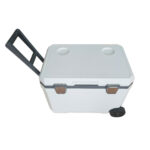
| Caixas isoladas & painéis isolados a vácuo (VIPs) | Slow temperature changes during last mile delivery | VIPs reduce thermal conductivity and increase payload capacity by up to 70 % |
| Máquinas de gelo & slurry ice systems | Produce crushed ice or slurry to remove field heat quickly | Slurry ice cools fish faster and maintains near 0 °C; ideal for rapid chilling after harvest |
| Sensores de temperatura & registradores de dados | Record and store temperature history; IoT devices transmit real time data | Required by FSMA/EU; choose EN certified devices and calibrate regularly |
| Handheld thermometers | Spot check core temperatures during receiving and storage | Verify that deliveries meet ≤ 4.4 °C targets; calibrate units at least every four hours |
Exemplo do mundo real: A salmon exporter installed continuous temperature logging and alert systems to keep deliveries within 0–5 ° C.. Spoilage claims dropped by 25 %.
Building and Maintaining an Effective Seafood Cold Chain
Creating a robust cold chain starts long before fish reaches the warehouse. Each link—receiving, resfriamento rápido, armazenar, embalagem, transport and monitoring—must be planned and executed correctly. Below is a step by step guide that can be converted into HowTo schema markup.
Recebimento e Inspeção
Receiving is your first control point. During delivery, confirm that the truck is clean, pre cooled and loaded with sufficient ice or coolant. Use a three point checklist: (1) ensure the load arrives cold; (2) verify that cooling media is intact; (3) inspect fish texture and smell. Many operations target a core temperature of 4.4 °C (40 °F) ao receber. If any criteria fail, isolate the shipment and document exceptions for supplier discussions.
Rapid Chilling After Harvest
As soon as fish leave the water, remove field heat quickly to prevent enzymatic activity. Usar crushed ice, slurry ice or chilled seawater; pasta de gelo (two parts ice to one part water) cools fish fastest but costs more. Avoid tight stacking to allow cold air circulation and replace melted ice frequently. Monitor core temperature rather than surface readings.
Storage Near Melting Ice
Aim for stability rather than extreme cold during storage. Keep fish at 0–4ºC in conditions close to melting ice; avoid over chilling edges to prevent drip loss. Ice works best when it touches the fish and meltwater drains away; perforated inserts or racks help achieve this. Calibrate thermometers weekly and store raw products below ready to eat items to avoid cross contamination.
Embalagem e Isolamento
Select packaging based on product type, distance and transport mode. Layer fresh seafood in ice within wax impregnated boxes or totes with drainage holes; gel packs are better for long distances. Frozen products should have an ice glaze and be wrapped in polyethylene. Insulation materials—foam boxes, foil/bubble liners or vacuum insulated panels—help maintain temperature. Choose leak proof packaging to protect products if thawing occurs and consider eco friendly materials.
Transporte: Refrigerated Vehicles and Air Circulation
Antes de carregar, ensure that refrigeration systems are operating properly and pre cooled to the transport temperature. Shut off refrigeration units while loading to prevent warm air intrusion. Pack products to allow air circulation—don’t stack boxes flush with ceilings or walls. Para frutos do mar congelados, pack containers tightly together but leave a 9–12 inch air space between the ceiling and the cargo. Designate storage temperatures with carriers: 30–32°F (–1 para 0 °C) for fresh seafood and –10 to –20 °F (–23 to –29 °C) para produtos congelados.
Sanitation and Handling
Maintain clean vessels, processing areas and equipment to avoid contamination. Rinse fish and ensure sanitary conditions on boats, farms and facilities. Use separate spaces for raw and processed seafood and follow Boas Práticas de Fabricação (GMP) e Procedimentos Operacionais Padrão de Saneamento (SSOP).
Continuous Monitoring and Record Keeping
Equip each shipment with temperature loggers, Sensores de IoT e Rastreadores GPS. Continuous monitoring provides real time alerts when temperatures deviate and proves compliance during audits. Under FSMA’s sanitary transportation rule and EU Regulation 853/2004, operators must record and verify temperatures through calibrated instruments, retaining records for at least one year. Use devices certified to standards such as EM 12830/13485/13486 and decide whether you need simple data logging or real time alerts.
Innovations and Trends in Cold Chain Seafood Devices (2026)
The seafood cold chain is evolving rapidly. Em 2025 o mercado global de logística da cadeia de frio foi avaliado em $436 bilhão e está projetado para atingir $1.36 trilhão por 2034, crescendo em um 13.5 % taxa anual. As excursões de temperatura causam 14 % de comida to spoil before reaching retailers, levando a um $400 billion annual loss. The innovations below aim to reduce these losses and meet consumer demand for transparency and sustainability.
IoT e monitoramento em tempo real
Connected sensors now provide continuous temperature and humidity data, sending alerts when breaches occur. AI driven predictive monitoring spots equipment failures and predicts temperature excursions before they happen. Sensors can transmit data every 1–5 minutos via cellular, satélite, BLE or LoRaWAN networks. De acordo com StartUs Insights, startups such as FreshX e Xmap offer platforms for instant booking of temperature controlled freight and real time fleet management, enabling shippers to compare carriers, schedule pick ups and receive alerts when temperatures deviate. Naturelink’s BLE sensor records temperature, umidade e status da porta, providing voice alerts during improper events.
AI Driven Route Optimisation and Electric Refrigeration
Inteligência artificial otimiza rotas de entrega, reducing transit times and fuel use while minimising temperature excursions. Voltair.ai builds an AI powered electric transport refrigeration platform that cuts costs, emissions and energy waste for refrigerated fleets. Its system is compatible with both internal combustion and electric trucks and reduces ownership costs compared to diesel reefer units. AI also supports predictive maintenance and allows fleets to shift from reactive to proactive cold chain management, reducing losses by 45–60 %.
Embalagens Sustentáveis e Soluções Reutilizáveis
Consumer demand for eco friendly packaging is reshaping cold chain devices. Materiais sustentáveis como mushroom mycelium cushioning e seaweed based stretch films estão ganhando tração. Reusable systems cut single use waste and reduce carbon footprint; 74 % dos americanos would prefer refillable formats if available. DS Smith’s DryPack seafood box is a fully recyclable fiber based container that keeps fish below 40 °F (4.4 °C) para mais 40 horas and can be shipped flat, exigindo 81 % menos espaço than foam containers. It has certifications from USDA, CFIA, FDA and FBA and helps processors reduce supply chain costs and waste.
Soluções movidas a energia solar e fora da rede
Rising energy costs and unreliable electricity in remote regions drive adoption of armazenamento refrigerado movido a energia solar. Startups like Iko Chill provide solar powered freezers using materiais de mudança de fase (PCMs) for fisherfolk and farmers, oferta 200 L units with IoT monitoring and battery backup. Customised shipping containers can be converted into smart, solar powered cold storage hubs, reducing post harvest losses and increasing earnings for rural communities.
Battery Free Tags and Ambient IoT
Recent advances allow ambient IoT tags to harvest energy from radio waves, enabling low cost temperature and humidity monitoring without batteries. These tags reduce maintenance and are expected to become mainstream as supply chains digitise.
Blockchain e rastreabilidade digital
Fraud remains a significant challenge: um 2025 meta analysis descobri que 39.1 % dos EUA. seafood samples were mislabeled and 26.2 % involved species substitution. Blockchain fornece registros à prova de adulteração, enabling transparent tracking from catch to consumer. The seafood traceability software market could reach $1.84 bilhão por 2033. Combined with QR codes and digital logs, blockchain allows targeted recalls; one processor traced a temperature deviation to a specific batch and avoided pulling an entire shipment.
Supercooling Storage and Pulsed Electric Field (PEF) Tecnologias
Traditional freezing damages texture and causes drip loss. Supercooling preserves fish at below freezing temperatures without forming ice crystals, keeping taste, texture and nutrition intact. UM 2025–2026 project funded by the U.S. National Institute of Food and Agriculture aims to develop a portable supercooling storage container usando pulsed electric field (PEF) e oscillating magnetic field (OMF) tecnologias. Supercooling could reduce the $25 bilhão lost annually to seafood spoilage and create container variants for trucks, armazéns e lojas de varejo. The project will design modular control units capable of driving electromagnetic fields and test the freshness factors of supercooled fish.
Cold Rooms as a Service and Sustainable Doors
Startups are offering cold rooms as a service soluções. Polar Cold builds energy efficient, IoT enabled cold rooms tailored to clients’ needs, addressing high upfront costs and technical issues. Enquanto isso, OPTIMA DOORS manufactures durable, energy efficient doors made from sustainable materials, offering sliding and hinged options for fisheries and meat processing units.
Insights de mercado e do consumidor
The cold chain logistics market’s explosive growth is driven by ultra cold vaccines, 15–30 minute grocery delivery promises, FSMA 204 traceability mandates and the rise of e mercearia, which is capturing 20 % dos EUA. grocery revenue. Consumers value transparency and sustainability; interactive QR codes and smart packaging allow buyers to check temperature history and origin information. The reusable pallet shipper market is expected to grow from $4.97 bilhão em 2025 para $9.13 bilhão por 2034, refletindo uma mudança em direção à logística circular.
Marco Regulatório e Conformidade
Several regulations govern the seafood cold chain. O Análise de perigos e pontos críticos de controle (HACCP) system forms the foundation of seafood safety; it requires identifying hazards, establishing critical control points and implementing monitoring procedures. Boas Práticas de Fabricação (GMP) e Procedimentos Operacionais Padrão de Saneamento (SSOP) provide detailed hygiene rules for facilities and personnel.
FSMA Requirements
O Lei de Modernização da Segurança Alimentar (FSMA) introduces a sanitary transportation rule that mandates vehicles and equipment capable of maintaining safe temperatures and preventing cross contamination. FSMA 204—the Regra de Rastreabilidade Alimentar—requires seafood businesses to maintain records with Key Data Elements (KDEs) at critical tracking events and to provide information to the FDA within 24 horas. Originally set for Janeiro 20 2026, compliance has been extended to Julho 20 2028. Os importadores devem verificar se os fornecedores estrangeiros atendem. safety standards under the Programa de verificação de fornecedores estrangeiros (FSVP).
EU Regulations and International Standards
O Regulamento da União Europeia 852/2004 requires maintaining the cold chain for food unsafe at ambient temperature. Regulamento 853/2004 specifies storage at melting ice temperatures for fresh fish and –18 °C ou mais frio for frozen fish. Os regulamentos de controlo das pescas da UE exigem o rastreamento de navios, relatórios eletrônicos de captura e rastreabilidade digital faseada para frutos do mar nacionais e importados. Standards such as EM 12830/13485/13486 specify requirements for temperature recorders used in the transport and storage of perishable goods.
Traceability and Mislabelling
Traceability reduces fraud and mislabelling. UM 2025 meta analysis found mislabelling in 39.1 % dos EUA. seafood samples. Capturing catch data (data, tempo, espécies, location and fishing method) immediately after harvest, assigning unique identifiers (batch numbers or QR codes) and standardising data formats (por exemplo, GS1 standards) melhorar a rastreabilidade. Digital systems enable targeted recalls—one processor used QR codes and digital logs to trace a temperature deviation to a specific batch and save the rest of the shipment.
Practical Tips and Solutions for Users
Whether you are a seafood supplier, retailer or home cook, adhering to cold chain best practices prevents spoilage and ensures food safety.
For Producers and Retailers
Pré-resfrie tudo: Refrigeration maintains temperature; it does not cool warm products. Pre chill fish, ice slurry, packaging and truck compartments.
Use o refrigerante certo: O derretimento do gelo é uma ferramenta eficaz para resfriar peixe fresco; ensure adequate quantities of ice and insulated containers maintain 0 °C.
Calibrar equipamento: Check thermometers and sensors at least every four hours. Calibrated devices ensure accurate records for audits.
Documente tudo: Maintain digital logs of temperatures, cleaning and traceability data. Automation reduces errors and streamlines audit preparation.
Separate fresh and frozen sections: Keep frozen products isolated so opening a door for fresh fish doesn’t raise their temperature.
For Consumers and Small Businesses
Purchase seafood last and keep it cold: Transport seafood in a cooler and bury fish in ice or an ice slush to keep it cold.
Store seafood in the coldest part of your refrigerator at a temperature as close to 32 °F (0 °C) as possible. Place fresh fish on ice, sealed in plastic bags or containers.
Freeze properly: Wrap fish tightly in moisture proof bags or plastic wrap and aluminium foil before freezing.
Maintain cleanliness: Keep hands, work areas and utensils clean and avoid cross contamination.
Últimos Desenvolvimentos e Tendências de Mercado (2026)
Visão geral das tendências
The seafood cold chain is influenced by technological, regulatory and consumer trends. The global frozen seafood market is projected to grow from $24.78 bilhão em 2025 para $42.58 bilhão por 2034. Os principais desenvolvimentos incluem:
IoT and predictive monitoring: Connected sensors and AI reduce temperature excursions and equipment failures.
Blockchain e rastreabilidade digital: Tamper proof records enable transparency and targeted recalls.
IoT ambiente e sensores sem bateria: Low power tags harvest energy from radio waves for cost effective monitoring.
Refrigeração movida a energia solar: Solar powered cold storage units reduce reliance on fossil fuels and support off grid communities.
Embalagem sustentável: Recyclable boxes like DS Smith’s DryPack replace polystyrene foam, reduce waste and maintain fish quality.
Otimização de rotas de IA: AI powered systems optimise routes and reduce fuel use.
Supercooling and PEF technologies: Portable supercooling containers preserve fish without ice crystals and could reduce spoilage significantly.
Último progresso em um olhar
Emerging startups: Platforms such as FreshX, Xmap, VOX Cool, Polar Cold, OPTIMA DOORS and Voltair.ai introduce instant booking, real time fleet management, Cold Battery technology, cold rooms as a service, sustainable doors and AI powered refrigeration【459043413551136†L260-L432】.
Market hotspots: StartUs Insights identifies Western Europe and the USA as the regions with the highest startup activity in cold chain management, with London, Dubai, Cingapura, New York and Mumbai being the top hubs.
Extended FSMA 204 linha do tempo: The FDA proposes extending the compliance date for the Food Traceability Rule to Julho 20 2028, giving businesses more time to implement digital traceability.
Transportadores de paletes reutilizáveis: The market for reusable pallet shippers is expected to grow from $4.97 bilhão em 2025 para $9.13 bilhão por 2034, refletindo uma mudança em direção à logística circular.
Expectativas do consumidor: Pesquisas mostram que 74 % dos americanos prefer refillable formats, pushing companies to adopt sustainable packaging.
Perguntas frequentes
Q1: Why must seafood be kept between 0 °C e 5 °C? Keeping seafood near melting ice slows bacterial and enzymatic activity and prevents histamine formation. Temperaturas acima 5 °C allow bacteria like Salmonella and E. coli to double every 20 minutes and dramatically shorten shelf life.
Q2: What packaging works best for shipping seafood? Fresh fish should be layered in ice within strong, wax impregnated boxes or totes with drainage holes; gel packs are ideal for long distances. Caixas de espuma, foil liners and vacuum insulated panels maintain temperature, while leak proof packaging protects products during thawing.
Q3: How does continuous monitoring help with compliance? Temperature loggers and IoT sensors record air and product temperatures, providing evidence for FSMA and EU regulations. Real time alerts allow operators to correct excursions quickly and document conditions for audits.
Q4: What is histamine control and why is it important? Histamine is a toxin produced when fish such as tuna or mahi mahi are held at elevated temperatures. Maintaining proper time and temperature and ensuring immediate chilling prevent histamine formation.
Q5: Are sustainable packaging options effective for cold chain seafood? Sim. Recyclable fiber based boxes like DryPack mantenha o peixe abaixo 40 °F por mais 40 hours and ship flat, cutting storage space by 81 % while replacing non recyclable EPS foam.
Resumo e recomendações
Maintaining seafood quality in 2026 requer cold chain seafood devices and solutions that keep fish within strict temperature ranges, ensure traceability and leverage innovative technologies. As principais conclusões incluem: (1) fresh fish must stay between 0 °C e 5 °C, enquanto o peixe congelado deve permanecer em –18 °C ou mais frio; (2) essential devices include cold rooms, freezers, caixas isoladas, slurry ice systems and IoT sensors; (3) innovations like AI route optimisation, blockchain, supercooling and solar powered refrigeration are transforming the cold chain; (4) FSMA and EU regulations mandate temperature control and digital traceability; e (5) sustainable packaging and ambient IoT tags reduce waste and carbon footprint.
Etapas acionáveis
Assess your equipment: Audit your current cold chain devices and identify gaps. Invest in certified temperature loggers, IoT sensors and validated freezers.
Implementar rastreabilidade digital: Use QR codes or RFID tags to capture catch data and track batches. Adopt blockchain enabled software to prevent mislabelling and enable targeted recalls.
Treine sua equipe: Develop standard operating procedures for receiving, resfriamento rápido, embalagem e transporte. Provide training on FSMA/EU compliance and temperature monitoring.
Explore inovações: Test AI driven route optimisation and solar powered units to reduce costs and emissions. Consider supercooling technologies for high value seafood.
Abrace a sustentabilidade: Transition from polystyrene foam boxes to recyclable or reusable packaging. Engage with suppliers that offer eco friendly materials and reusable pallet shippers.
Sobre Tempk
A Tempk é especialista em embalagens com temperatura controlada e soluções para cadeia de frio. Projetamos e fabricamos caixas isoladas, bolsas de gelo em gel, thermal pallet covers and vacuum insulated panels to keep perishable goods safe. Nosso R&D centre is constantly innovating eco friendly products that are reusable and recyclable. We also provide guidance on FSMA and EU compliance, helping clients navigate regulations and implement digital traceability systems. Escolhendo Tempk, you gain access to high performance cold chain packaging that balances sustainability, efficiency and cost.
Entre em contato
Pronto para atualizar sua cadeia de frio? Contate nossos especialistas para uma avaliação personalizada, or explore our range of insulated boxes, gel packs and real time monitoring devices. Let’s work together to preserve freshness, ensure compliance and reduce waste.