Temperatura da Cadeia de frio: 2025 Conformidade & Monitoring Guide
Your cadeia de frio isn’t just about refrigerated warehouses – it’s a complete temperaturecontrolled system that spans production, armazenar, transporte e entrega. Temperatura da cadeia de frio management ensures that vaccines, Biologics, food and other sensitive goods remain within strict temperature ranges from factory to consumption. Nesta 2025 guide you’ll learn why temperature control matters, how to build a compliant cadeia de frio and which technologies are reshaping temperature monitoring.

What is cadeia de frio temperature and why is it crucial? Learn the definition of cadeia de frio temperature, typical ranges for frozen, refrigerated and ambient goods, e por quê 20 % of pharmaceutical product spoilage is linked to cadeia de frio failures.
How do you manage cadeia de frio temperature effectively? Discover the core components of temperature management, incluindo sensores, registradores de dados, embalagem, armazenamento e transporte.
Quais regulamentos e estruturas de conformidade se aplicam em 2025? Entenda o papel do PIB, HACCP, FSMA, PIB da UE e padrões de calibração como NIST/UKAS.
What are the best practices for maintaining cadeia de frio temperature? Siga etapas práticas para uma manutenção precisa da temperatura, 24/7 monitoramento, infraestrutura validada, manutenção de registros e treinamento de pessoal.
What innovations and trends are shaping cadeia de frio temperature in 2025? Explore como os sensores IoT, Análise de IA, rastreabilidade blockchain e refrigerantes sustentáveis estão transformando o monitoramento de temperatura.
What Is cadeia de frio Temperature and Why Does It Matter?
Faixas de temperatura e definições: A cadeia de frio is a temperaturecontrolled supply chain that protects perishable or sensitive goods during production, armazenar, transporte e distribuição. As principais zonas de temperatura incluem congelados (0 °F ou abaixo), refrigerado (35–40°F) e ambiente controlado (55–70°F). Para certos produtos farmacêuticos e biológicos, temperaturas ultrabaixas de –70 °C ou menos podem ser necessárias. Gerenciamento de temperatura da cadeia de frio refere-se à manutenção dessas faixas em todas as etapas para preservar a qualidade, potência e segurança.
Consequências das excursões de temperatura: Desvios de temperatura, also known as cadeia de frio breaches, ocorrem quando um produto se desvia de sua faixa designada. Violações podem resultar de excesso de calor, excesso de frio ou exposição prolongada fora dos limites de segurança. Mesmo excursões breves podem degradar medicamentos ou estragar alimentos, levando a perdas financeiras, penalidades regulatórias, recalls de produtos e riscos à saúde pública. Global cadeia de frio failures are estimated to contribute to about 20 % de deterioração de produtos farmacêuticos a cada ano. Maintaining proper cadeia de frio temperature is therefore essential for compliance and consumer trust.
Impacto no mercado e na indústria: A logística da cadeia de frio tornou-se cada vez mais importante à medida que o mundo depende de produtos biológicos, vacinas e alimentos perecíveis. The market for cadeia de frio pharmaceuticals grew from US$8.85 billion in 2024 para US$ 10,04 bilhões em 2025 e deverá atingir US$ 18,2 bilhões até 2030. Tendências de crescimento semelhantes são observadas nos setores de alimentos e biotecnologia, onde o controle preciso da temperatura garante a segurança do produto e reduz o desperdício.
Faixas de temperatura em todos os setores
| Zona de temperatura | Faixa Típica | Bens Comuns | Implicações |
| Congelado | 0 °F ou abaixo | Alimentos congelados, sorvete, certas vacinas e terapias celulares | Requer freezers mecânicos ou freezers criogênicos e isolamento robusto para evitar o descongelamento. |
| Refrigerado | 35–40°F (2–8 ° C.) | Vacinas, insulina, laticínios, produtos frescos | Zona de cadeia de frio mais comum; garante que a atividade enzimática e o crescimento microbiano sejam suprimidos. |
| Ambiente Controlado | 55–70°F (20–25ºC) | Produtos farmacêuticos e alimentos que não podem congelar, mas precisam de proteção contra o calor | Mantém a estabilidade dos comprimidos, líquidos e certos alimentos embalados. |
| Ultrabaixo | –70 °C ou menos | Produtos biológicos avançados, terapias genéticas e celulares | Requer armazenamento criogênico especializado e monitoramento em tempo real para proteger a viabilidade do produto. |
Conselhos práticos para manter a temperatura adequada
Conduct a detailed mapping of your cadeia de frio: Identifique cada ponto de contato desde a fabricação até a entrega. Avalie o risco durante o estadiamento, carregando, descarga e entrega lastmile, e garantir que cada ponto tenha controles de temperatura apropriados.
Selecione o equipamento apropriado: Use freezers ultrabaixos para terapias genéticas, refrigeração padrão para vacinas e caminhões refrigerados com múltiplas zonas de temperatura para cargas mistas.
Use embalagens validadas: Para tempos de trânsito longos, escolher remetentes isolados com pacotes de gel, gelo seco ou materiais de mudança de fase para manter temperaturas estáveis.
Eduque os destinatários: Fornecer instruções claras às transportadoras e usuários finais sobre intervalos de armazenamento aceitáveis e ações a serem tomadas ao receber remessas.
Exemplo: Em 2025, uma empresa de distribuição de alimentos implementou sensores digitais de temperatura em cada palete. Quando a porta de um trailer permaneceu aberta por muito tempo, o sistema alertou o motorista e o armazém. Eles fecharam a porta prontamente, evitando quebras de temperatura e economizando milhares de dólares em produtos perecíveis. Este monitoramento proativo mostra como a visibilidade em tempo real pode evitar perdas.
Components of cadeia de frio Temperature Management
Effective cadeia de frio temperature management combines technology, equipamento, processos e pessoas. Abaixo estão os principais componentes que suportam a integridade da temperatura.
Sensores e sistemas de monitoramento
Continuous monitoring is the backbone of a safe cadeia de frio. Sensores de temperatura são o componente central de qualquer sistema de monitoramento; eles incluem registradores de dados, sensores sem fio e termômetros de sonda estrategicamente colocados em toda a cadeia de fornecimento. Esses dispositivos registram os níveis de temperatura em intervalos regulares e transmitem dados para uma plataforma centralizada. Alarmes ambientais alertar as organizações quando as condições ambientais se desviarem dos intervalos aceitáveis, permitindo intervenções rápidas.
Alertas e painéis em tempo real: Sistemas avançados fornecem notificações em tempo real quando as temperaturas ultrapassam os limites predefinidos, permitindo ações corretivas rápidas. Os painéis visualizam tendências de dados e facilitam a tomada de decisões informadas. As trilhas de auditoria documentam todas as atividades relacionadas à temperatura, apoiando a conformidade regulatória.
Embalagem e isolamento
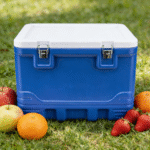
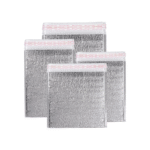
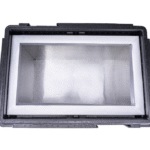
Embalagem especializada mantém a temperatura durante o transporte. As opções incluem caixas isoladas, pacotes de gel, gelo seco e materiais de mudança de fase (PCMs). Embalagem adequadamente projetada cria uma barreira contra flutuações de calor e frio, protegendo mercadorias das condições ambientais. Para trânsito prolongado ou ambientes extremos, múltiplas camadas de isolamento e PCMs ajudam a manter a estabilidade. A embalagem deve ser validada para garantir que possa manter a autonomia necessária durante a viagem.
Equipamento de armazenamento e transporte
O controle da temperatura da cadeia de frio depende de equipamentos adequados às necessidades do produto. Armazéns refrigerados e câmaras frigoríficas mantêm as mercadorias em temperaturas especificadas durante as fases de condicionamento e pré-embarque. Veículos com temperatura controlada—incluindo caminhões refrigerados, vagões e contêineres especializados – gerencie ativamente os ambientes internos para manter condições consistentes. Os veículos podem ter vários compartimentos com diferentes zonas de temperatura para acomodar diversos produtos.
Análise de dados e manutenção preditiva
Modern cadeia de frio temperature management leverages data analytics to detect patterns and prevent failures. Analisando dados históricos de temperatura, Algoritmos de IA podem prever mau funcionamento de equipamentos e riscos baseados em rotas. A manutenção preditiva programa reparos antes que ocorram falhas, reduzindo o tempo de inatividade e evitando variações de temperatura. Combinado com sensores IoT, a análise também oferece suporte à otimização de rotas e à eficiência de combustível, contribuindo para metas de sustentabilidade.
Pessoal e procedimentos
Fatores humanos permanecem críticos. A equipe deve ser treinada em embalagens, manuseio, monitoramento e resposta a emergências. Os procedimentos devem definir faixas de temperatura, como documentar as condições e como responder quando os alarmes disparam. A calibração regular dos dispositivos de monitoramento garante a precisão e o alinhamento com padrões como o NIST (EUA) e UKAS (Reino Unido).
Marcos Regulatórios e Conformidade em 2025
O gerenciamento da temperatura da cadeia de frio está sujeito a diversas estruturas regulatórias que variam de acordo com a região e o produto. Compreender essas diretrizes é essencial para a conformidade.
Regulamentações globais
Boas Práticas de Distribuição (PIB): Diretrizes do PIB definidas por agências como a Organização Mundial da Saúde (QUEM) e organismos regionais como a EMA cobrem padrões de distribuição de produtos farmacêuticos. Eles enfatizam o controle de temperatura, sistemas validados, rastreabilidade e pessoal treinado.
Análise de perigos e pontos críticos de controle (HACCP): Para segurança alimentar, O HACCP concentra-se na identificação de pontos críticos onde os perigos podem ocorrer e na implementação de controles para evitá-los.
Lei de Modernização da Segurança Alimentar (FSMA): Aplica medidas preventivas e documentação para fabricantes e distribuidores de alimentos nos Estados Unidos.
EU GDP and EU GMP Annex 11: Os regulamentos europeus especificam o manuseio, armazenamento e sistemas eletrónicos para medicamentos, incluindo requisitos para validação, trilhas de auditoria e integridade de dados.
Diretrizes da FDA: Nos EUA, Os padrões da FDA determinam as condições de transporte de medicamentos e produtos médicos, enquanto o USDA supervisiona certos alimentos perecíveis.
Diretrizes da OMS para vacinas: Para imunizações, a OMS fornece diretrizes sobre armazenamento e transporte seguros, enfatizando a faixa de 2–8 °C e documentação adequada para manter a potência.
Calibração e certificação
A calibração garante que os dispositivos de monitoramento de temperatura forneçam leituras precisas. Organizações de padronização como NIST e UKAS oferecem serviços de calibração e certificação de que os instrumentos atendem aos requisitos regulatórios de precisão. Calibração e recertificação regulares são cruciais para manter a integridade dos dados e passar nas auditorias.
Listas de verificação de conformidade e melhores práticas
De acordo com GEGO 2025 cadeia de frio compliance checklist, alcançar a conformidade requer:
Embalagem validada & isolamento: Usar embalagem térmica capaz de manter os intervalos exigidos durante toda a duração do trânsito.
Monitoramento de temperatura: Implante sensores calibrados e registradores de dados para capturar dados contínuos.
Visibilidade em tempo real: Integre dados de GPS com sensores para obter informações de localização e condição em tempo real.
Cerca geográfica & alertas: Defina limites virtuais e notificações automatizadas para excursões, desvios ou atrasos de rota.
Documentação & trilhas de auditoria: Mantenha registros digitais seguros de todos os registros de temperatura e históricos de alertas para auditorias.
Procedimentos operacionais padrão & treinamento: Desenvolver POPs e garantir que a equipe seja treinada regularmente.
Ferramentas úteis de decisão
Verifique os detalhes antes de escolher a embalagem
Essas ferramentas rápidas podem ajudá-lo a comparar o risco da rota, necessidades de dimensionamento, escolhas de refrigerante, e detalhes da embalagem antes de solicitar um orçamento.
Verificador de risco de rota
Revise as condições da pista antes de selecionar a embalagem para requisitos operacionais reais.
Verifique o risco da rotaSeletor de embalagens
Compare opções de embalagens isoladas por produto, rota, e necessidade de temperatura.
Encontre embalagensForro de caixa & Dimensionamento da cobertura de paletes
Verifique a lógica de dimensionamento do forro da caixa e da tampa do palete para projetos de embalagens isoladas.
Dimensionamento estimadoTratamento de exceções: Tenha processos claros para responder rapidamente a excursões ou falhas de equipamento.
A adesão a essas práticas não apenas evita a deterioração, mas também demonstra responsabilidade perante reguladores e clientes. Descumprimento pode resultar em multas, lembra, suspensões de licença e danos à reputação.
Best Practices for Maintaining cadeia de frio Temperature
Para manter a integridade da temperatura, as organizações devem implementar práticas comprovadas que se alinhem com as diretrizes regulatórias e as realidades operacionais.
Manutenção precisa da temperatura
At the core of cadeia de frio management is keeping products within designated ranges. Isso requer equipamentos de alta qualidade, de freezers ultrabaixos a caminhões refrigerados. A manutenção e calibração regulares do equipamento garantem um desempenho consistente. Os fabricantes devem definir os requisitos de temperatura para cada produto e comunicá-los claramente através de rotulagem e documentação.
24/7 monitoramento e alerta
Implante registradores de dados automatizados e sistemas em tempo real para monitorar continuamente as temperaturas durante o armazenamento e o transporte. Os sistemas devem fornecer notificações via SMS, e-mail ou indicadores visuais para permitir intervenção imediata. Por exemplo, alguns dispositivos usam sondas preenchidas com glicol para simular as temperaturas do produto e fornecer leituras mais precisas durante o transporte.
Infraestrutura validada
Use equipamentos certificados – unidades de refrigeração, contêineres de transporte e ferramentas de monitoramento – que funcionam consistentemente de acordo com os padrões exigidos. Armazéns com temperatura controlada devem ter múltiplas zonas e fontes de energia de reserva. Os veículos devem ser inspecionados e mantidos regularmente para evitar falhas.
Ambientes de armazenamento seguros
Restringir o acesso a armazenamento refrigerado áreas para pessoal autorizado, manter controles ambientais apropriados (por exemplo, Controle de umidade) e monitorar aberturas de portas. Os alarmes de porta ajudam a evitar flutuações de temperatura devido a portas abertas.
Embalagem especializada
Utilize embalagens térmicas, como transportadores isolados e PCMs, para manter as temperaturas durante o transporte. Escolha a embalagem com base na sensibilidade do produto, duração do trânsito e condições ambientais. Reutilizável, embalagens ecológicas reduzem o desperdício e apoiam os objetivos de sustentabilidade.
Manutenção de registros detalhados
Mantenha documentação abrangente para registros de temperatura, calibração do dispositivo, treinamento da equipe e quaisquer desvios ou ações corretivas. Registros digitais com trilhas de auditoria simplificam os relatórios e demonstram conformidade durante as inspeções.
Planejamento de contingência
Preparar protocolos para quedas de energia, falhas de equipamentos e variações de temperatura. Os planos devem incluir geradores de backup, poupar materiais de embalagem e processos para transferir produtos para instalações alternativas. Simule os piores cenários para testar a capacidade de resposta e refinar os procedimentos.
Treinamento de pessoal
Ensure that all personnel handling temperaturesensitive products are properly trained in cadeia de frio handling, monitoramento e resposta a emergências. O treinamento deve abranger embalagens, colocação do sensor, validação, manutenção de registros e requisitos regulatórios. Cursos regulares de atualização ajudam a manter a competência e o conhecimento das novas tecnologias.
Estudo de caso: Um distribuidor farmacêutico adotou um sistema de monitoramento em tempo real que integrou sensores IoT ao seu sistema de gerenciamento de armazém. Quando uma unidade de refrigeração está com defeito, o sistema alertou a equipe imediatamente. Eles moveram os produtos para um freezer alternativo e consertaram a unidade, evitando uma perda potencial de vacinas no valor de US$ 500.000. Este exemplo ilustra o valor do monitoramento contínuo e do planejamento de contingência.
Innovations and Trends in cadeia de frio Temperature Monitoring (2025)
O cenário da cadeia de frio está evoluindo rapidamente. Em 2025, várias tendências estão moldando a forma como as organizações gerenciam a temperatura.
Sensores IoT e análise preditiva
Sensores habilitados para IoT combinados com análises de IA fornecem dados em tempo real e insights preditivos. Eles monitoram continuamente a temperatura, umidade e localização, e alertar as partes interessadas sobre desvios. Modelos preditivos antecipam falhas de equipamentos e atrasos de rotas, permitindo intervenções proativas. Isso reduz a deterioração, melhora a utilização do equipamento e aumenta a sustentabilidade, otimizando o uso de energia.
Rastreabilidade de blockchain
A tecnologia Blockchain cria um registro inviolável da jornada de um produto, incluindo dados de temperatura em cada ponto de contato. Cada transação é registrada de forma imutável, ensuring that cadeia de frio data cannot be altered. Esta transparência aumenta a confiança do consumidor e simplifica as auditorias. Quando combinado com sensores IoT, blockchain verifica a proveniência e condição do produto, permitindo recalls rápidos e resolução de disputas.
Refrigerantes sustentáveis e embalagens ecológicas
A sustentabilidade ambiental é um motor-chave da inovação. HFOs (hidrofluoroolefinas) e sistemas de refrigeração baseados em CO₂ fornecem resfriamento eficiente com baixo potencial de aquecimento global. Reutilizável materiais de isolamento e embalagens recicladas minimizam o desperdício. Unidades de refrigeração movidas a energia solar permitem o armazenamento refrigerado em regiões com eletricidade não confiável e reduzem as emissões de carbono.
Otimização de rotas alimentada por IA e logística autônoma
Algoritmos de IA analisam o tráfego, dados meteorológicos e de demanda para planejar rotas ideais. Esses sistemas reduzem os tempos de trânsito, minimizar a exposição a condições extremas e reduzir o consumo de combustível. Veículos autônomos e drones estão sendo testados para entrega final de produtos sensíveis à temperatura, particularmente em áreas remotas ou atingidas por desastres.
Veículos multitemperatura e armazenamento modular
Os novos veículos apresentam compartimentos ajustáveis que podem manter múltiplas zonas de temperatura simultaneamente, permitindo cargas mistas de congelados, refrigerated and ambient goods. Soluções modulares de armazenamento permitem a rápida reconfiguração de espaços de armazenamento, acomodando a demanda sazonal e novas categorias de produtos.
Insights de mercado
The cadeia de frio is expanding globally. Em 2025, A Europa continua a dominar devido a normas regulamentares rigorosas e infraestruturas avançadas, while AsiaPacific is the fastestgrowing region due to increased healthcare expenditure and investments in cadeia de frio technology. A América do Norte está adotando sistemas de rastreabilidade digital antes dos prazos da DSCSA e impulsionando a inovação em IoT e blockchain. Iniciativas governamentais, ecommerce and home delivery models are increasing demand for robust cadeia de frio systems across industries.
Perguntas frequentes
Qual faixa de temperatura devo manter para produtos farmacêuticos e vacinas? Para a maioria das vacinas e produtos biológicos, manter uma gama de 2–8 ° C. (35–46°F); certas terapias avançadas requerem armazenamento ultrafrio a –70 °C ou menos.
Como posso detectar rapidamente uma violação da cadeia de frio? Use dispositivos de monitoramento contínuo com alertas em tempo real. Alarmes ambientais e de porta acionam notificações quando as temperaturas oscilam ou as portas são deixadas abertas. Integre sensores com painéis para visualizar tendências de dados e responder prontamente.
Preciso calibrar os sensores regularmente? Sim. A calibração garante precisão e adesão a padrões como NIST e UKAS. Programe a calibração e a recertificação de acordo com as recomendações do fabricante e os requisitos regulamentares.
What industries rely on cadeia de frio temperature monitoring? Produtos farmacêuticos, comida e bebida, biotecnologia, cosmetics and specialty chemicals depend on cadeia de frio temperature control to preserve quality and comply with regulations. Indústrias emergentes como a agricultura de precisão e a logística de transplante de órgãos também exigem uma gestão rigorosa da temperatura.
How do environmental factors affect cadeia de frio temperature? Clima extremo, quedas de energia e longos tempos de permanência podem causar variações de temperatura. Usar embalagem isolada, fontes de energia de backup e monitoramento em tempo real para mitigar esses riscos.
Resumo e recomendações
Takeaways -chave:
O gerenciamento da temperatura da cadeia de frio protege a integridade do produto e a saúde pública. Violações podem degradar bens, criar riscos à saúde e causar perdas financeiras. Aproximadamente 20 % of pharmaceutical product spoilage is due to cadeia de frio failures.
O controle eficaz da temperatura depende da tecnologia, infraestrutura, procedimentos e pessoas. Sensores, monitoramento em tempo real, embalagem validada, armazenamento refrigerado e equipe treinada trabalham juntos para manter a integridade da temperatura.
A conformidade é multifacetada. Aderir ao PIB, HACCP, FSMA, Regulamentos da UE e padrões de calibração. Use listas de verificação para garantir uma embalagem adequada, monitoramento, documentação e treinamento.
A melhoria contínua é essencial. Analise dados para prever riscos, testar planos de contingência, calibrar equipamentos e atualizar POPs regularmente.
A inovação impulsiona a resiliência. IoT, IA, blockchain e refrigerantes sustentáveis estão transformando o monitoramento de temperatura e criando novas eficiências.
Plano de ação:
Evaluate your cadeia de frio: Faça uma auditoria detalhada dos seus processos, equipamentos e documentação. Identifique lacunas no controle de temperatura e treinamento.
Implante monitoramento em tempo real: Invista em sensores, registradores de dados e painéis que fornecem visibilidade e alertas contínuos.
Implementar embalagem e transporte validados: Utilize embalagens adequadas ao produto e ao ambiente de trânsito. Choose carriers and warehouses with proven cadeia de frio capabilities.
Desenvolva POPs e treine a equipe: Escreva procedimentos claros para o manuseio de produtos sensíveis à temperatura e treine a equipe regularmente.
Aproveite a análise e a inovação: Use IA para otimizar rotas, antecipar falhas de equipamentos e reduzir o consumo de energia. Explore refrigerantes e embalagens sustentáveis.
Seguindo estas etapas, você pode reduzir a deterioração, garantir a conformidade, aumentar a sustentabilidade e construir a confiança do cliente. The future of cadeia de frio temperature management is datadriven, conectado e ecológico – comece sua jornada hoje.
Sobre Tempk
A Tempk é especialista em logística com temperatura controlada para ciências biológicas, alimentos e bens de alto valor. Combinamos equipamentos de refrigeração precisos com monitoramento em tempo real e embalagens validadas para manter seus produtos seguros. Nossos engenheiros e especialistas em qualidade entendem as regulamentações globais e os padrões do setor. Fazendo parceria conosco, você ganha acesso a tecnologias de refrigeração sustentáveis, análise preditiva e suporte de conformidade. Se você precisa de freezers ultrabaixos, Sensores IoT ou embalagens personalizadas, podemos personalizar soluções para atender às suas necessidades.
Pronto para otimizar a temperatura da sua cadeia de frio? Contact us for expert consultation and discover how Tempk can help you build a resilient and compliant cadeia de frio.