Commercial Ice Box Temperature-Controlled Shipping: Guia de especificações
The most useful way to plan caixa de gelo comercial envio com temperatura controlada é passar por uma sequência de requisito para evidência. Primeiro defina o produto e a temperatura necessária. Em seguida, modele a carga útil e o espaço de refrigeração, mapear a rota e lidar com os riscos, selecione construção, e decidir quais testes ou documentação devem apoiar a aprovação. Esta sequência mantém as discussões comerciais ancoradas na aplicação e não em reivindicações amplas sobre litros, isolamento, duração, ou preço.
Para comida, farmacêutico, laboratório, especialidade química, and other temperature-sensitive commercial shipments, Compras, operações, engenharia, e as equipes de qualidade devem trabalhar a partir do mesmo briefing controlado. Temperature-controlled shipping is a system outcome. The commercial ice box alone cannot guarantee the result. As seções abaixo combinam o comprador, engenharia, operacional, e perspectivas de controle de fornecedores em um único caminho de decisão, terminando com verificações de implementação que ajudam a amostra aprovada a permanecer representativa da produção e do uso real.
| Resposta de decisão: Select the commercial insulated shipping system only after confirming the payload, geometria utilizável, exigência de temperatura, rota, refrigerante, manuseio, evidência, e controles de produção. Temperature-controlled shipping is a system outcome. The commercial ice box alone cannot guarantee the result. |
|---|
Passe da necessidade à evidência em uma sequência controlada
Uma decisão controlada pode ser organizada em quatro portas. O portão um define o produto e a condição necessária. O portão dois confirma essa carga útil, refrigerante, geometria interna, manuseio, e rota se ajustam à caixa proposta. Portão três avalia evidências, incluindo desenhos, dados materiais, relatórios de teste, controles de fabricação, e limites de aplicação. Portão quatro aprova implementação, incluindo instruções, monitoramento, recebendo, controle de mudanças, e responsabilidades do fornecedor. Um projeto não deve avançar apenas porque um portão parece forte enquanto outro permanece indefinido.
Os portões também criam propriedade útil. As operações podem definir a rota e o método de trabalho; engenharia pode revisar geometria, materiais, e modos de falha; a qualidade pode estabelecer evidências e regras de desvio; a aquisição pode comparar o escopo e os termos comerciais. Para gestores da cadeia de frio, engenheiros de embalagens, equipes de qualidade, expedidores, and procurement professionals, esta estrutura compartilhada reduz esclarecimentos repetidos e torna as citações comparáveis. Também expõe quando uma solicitação ainda é um conceito e não uma especificação pronta para compra. O registro de aprovação final deve mostrar o que foi confirmado, por quem, usando quais evidências, e para qual limite de aplicação.
- Portão 1 – Produto, condição de temperatura, sensibilidade, e consequência do fracasso
- Portão 2 – Envelope de carga útil, refrigerante, rota, manuseio, higiene, e ajuste do usuário
- Portão 3 – Materiais, desenhos, testes, controles de qualidade, e limitações declaradas
- Portão 4 – Piloto, instruções, monitoramento, recebendo, controle de mudanças, e aprovação de lançamento
Escreva o requisito em linguagem operacional
Escreva um requisito do usuário que outra equipe possa aplicar sem ouvir a discussão de vendas original. Identifique a carga útil, embalagem, condição inicial, condição de temperatura necessária, tempo máximo, subsídio de atraso, exposição ambiental, aberturas, veículo ou transportador, manuseio, limpeza, e recebendo decisão. Para comida, farmacêutico, laboratório, especialidade química, and other temperature-sensitive commercial shipments, também indique a consequência de uma falha e se a remessa pode ser substituída, em quarentena, ou investigados sem grandes perturbações.
Turn the primary objective – maintain a defined product temperature condition through a specified route using an integrated box, refrigerante, pacote, monitoramento, and operating process – into measurable acceptance points. Funções separadas fornecidas pelo contêiner físico daquelas fornecidas pelo refrigerante, monitoramento, work instructions, a transportadora, e recebendo. Em seguida, atribua proprietários para suposições não resolvidas. Um requisito controlado do usuário evita que a aprovação final dependa de frases vagas, como durável, médico, qualidade alimentar, à prova de vazamentos, duradouro, ou adequado para cadeia de frio.
- Carga útil definida, embalagem, quantidade, massa, e condição de temperatura
- Pista normal mais atraso, sazonal, abertura, e suposições de transferência
- Componentes do pacote, condicionamento, colocação, e configuração carregada
- Manuseio, restrição, higiene, rótulos, monitoramento, e receber decisões
- Desenhos necessários, evidência de teste, controles de produção, e mudar de propriedade
O Registro de Decisão Específico do Projeto
O registro de aprovação deve resolver os riscos específicos do projeto antes do lançamento comercial: treating the box as the whole system, applying a generic duration to every lane, choosing coolant without product limits, and failing to define acceptance criteria. It should also state how the proposed configuration will maintain a defined product temperature condition through a specified route using an integrated box, refrigerante, pacote, monitoramento, e processo operacional. Estes não são comentários de fundo; são requisitos que precisam de um proprietário, evidência, e uma decisão de aceitação. Quando uma condição ainda não pode ser comprovada, o registro deve identificar o teste restante, piloto, ou ação de qualidade.
Use uma matriz de aplicação que conecte a continuidade do isolamento, compatibilidade de refrigerante, vapor and moisture behavior, proteção estrutural, projeto de fechamento, and dimensional repeatability with the route, manuseio, higiene, monitoramento, e controles de fornecedores. Inclua os três pontos decisivos: Define product range, limites de temperatura, duração da rota, subsídio de atraso, carga útil, exposição sazonal, and receiving criteria before selecting hardware. Controlar o condicionamento do líquido refrigerante, ordem de embalagem, posição do monitor, encerramento, rótulos, and release checks through written instructions. Use development testing and lane qualification appropriately; a generic laboratory test does not guarantee every real route. A escolha final deve ser explicável ao setor de compras, qualidade, operações, e o fornecedor sem depender de apresentação de vendas ou memória pessoal.
Treat the Packout as a Controlled Process
O registro de aprovação deve preencher três lacunas específicas da aplicação antes que o projeto passe para produção ou lançamento.
- Requisito de aprovação: Define product range, limites de temperatura, duração da rota, subsídio de atraso, carga útil, exposição sazonal, and receiving criteria before selecting hardware.
- Requisito de aprovação: Controlar o condicionamento do líquido refrigerante, ordem de embalagem, posição do monitor, encerramento, rótulos, and release checks through written instructions.
- Requisito de aprovação: Use development testing and lane qualification appropriately; a generic laboratory test does not guarantee every real route.
Atribuir um proprietário e evidências de apoio para cada requisito. Se alguém permanecer incerto, mantê-lo como um item de aprovação aberto em vez de esconder a incerteza dentro de uma ampla reclamação do fornecedor.
| Portão de decisão | Confirmação específica do projeto | Evidência aceitável | Proprietário |
|---|---|---|---|
| Requisito do produto | Maintain a defined product temperature condition through a specified route using an integrated box, refrigerante, pacote, monitoramento, e processo operacional | Requisitos aprovados do usuário e informações do produto | Equipes de produto e qualidade |
| Ajuste físico e operacional | Shipment-defined; repetibilidade do pacote, encerramento, rótulos, orientação, restrição, carrier compatibility, e recebendo instruções | Desenho de embalagem, teste de amostra, observação de rota, e revisão de limpeza | Engenharia e operações |
| Limite de desempenho | Temperature-controlled shipping is a system outcome. The commercial ice box alone cannot guarantee the result. | Térmica rastreável, mecânico, monitoramento, e evidência de aplicação | Engenharia e qualidade |
| Controle de fornecedores | User requirements, thermal model or test plan, perfil de rota, configuração de carga útil, condicionamento de refrigerante, monitoramento calibrado, relatório de qualificação, e instruções de operação | Plano de controle, registros, evidência de auditoria, e alterar acordo | Aquisição e qualidade |
| Implementação | Controlar o condicionamento do líquido refrigerante, ordem de embalagem, posição do monitor, encerramento, rótulos, and release checks through written instructions. | Piloto aprovado, instruções, treinamento, recebendo, e plano de escalonamento | Operações e qualidade |
| Decisão do ciclo de vida | embalagem, refrigerante, monitoramento, qualificação, trabalho, frete, atrasos, valor do produto, investigação de desvio, e planejamento de recuperação; right-sized systems, reusable options where return and cleaning work, lower coolant waste, and prevention of product loss | Caso de negócios comparável e revisão periódica de desempenho | Aquisições e operações |
Defina o desempenho da temperatura com condições anexadas
Converta reivindicações térmicas em declarações de aprovação com condições anexadas. A especificação deve identificar a gama de produtos necessária, revisão do pacote, faixa de carga útil, refrigerante e condicionamento, perfil ambiente, duração e margem de atraso, aberturas, plano de sensores, e critério de aceitação. Onde diferentes estações usam pacotes diferentes, aprovar cada configuração explicitamente em vez de tratá-las como ajustes informais do operador.
Crie uma escada de evidências. Comece com cálculos de projeto ou comparação de desenvolvimento, mudar para testes laboratoriais representativos, adicionar qualificação de pista quando o risco exigir, e usar monitoramento operacional para verificar o uso controlado. Cada etapa responde a uma pergunta diferente. A aprovação deve ser baseada no nível que corresponde ao valor do produto, sensibilidade, contexto regulatório, recuperabilidade, e variabilidade de rota, não no nome de certificado mais impressionante de uma proposta.
A capacidade deve ser comprovada com um pacote
Converta a descrição do catálogo em um envelope de carga útil controlado. Solicitar comprimento interno claro, largura, e altura nos pontos onde a carga realmente fica, em seguida, coloque o refrigerante pretendido, separadores, prateleiras, monitor, e produto em desenho ou teste físico. Uma classificação de volume de catálogo descreve o espaço nominal; não indica quantas unidades vendáveis, caixas de vacina, espécimes, ou embalagens de laticínios podem ser carregadas sem perturbar o arranjo aprovado.
A aprovação deve abranger a área externa e a massa carregada, bem como o ajuste interno. O contêiner proposto deve entrar no veículo, passar pelas portas, sente-se com segurança, permitir que a tampa feche sem compressão, e permanecer gerenciável na entrega. Onde os pacotes de verão e inverno diferem, documentar ambos. A especificação aceita deve indicar a carga útil para a configuração definida e identificar qualquer tolerância dimensional que possa alterar a embalagem, restrição, ou desempenho térmico.
Crie uma escada de evidências para a decisão
Organize as evidências de aprovação pela decisão que ela suporta. Desenhos e registros de materiais estabelecem o que é o produto. Testes mecânicos abordam manuseio e restrição. Testes de desenvolvimento térmico comparam projetos. A qualificação testa um pacote definido em relação a um requisito aprovado. Monitoramento de rota mostra como o método controlado se comporta sob variabilidade operacional. O registro de aprovação deve identificar qual nível é necessário e por que, em vez de aceitar uma coleção de relatórios não relacionados.
Antes de confiar em qualquer relatório, compare a versão testada, carga útil, refrigerante, condicionamento, temperaturas iniciais, perfil ambiente, duração, aberturas, orientação, sensores, Critérios de aceitação, e desvios com o uso planejado. Registre as lacunas e decida se são aceitáveis, requer análise, ou exigir testes adicionais. Um nome de relatório ou declaração de aprovação não é suficiente. A conclusão apoiada deve permanecer rastreável à configuração de que a aquisição e a produção realmente comprarão.
Ferramentas úteis de decisão
Verifique os detalhes antes de escolher a embalagem
Essas ferramentas rápidas podem ajudá-lo a comparar o risco da rota, necessidades de dimensionamento, escolhas de refrigerante, e detalhes da embalagem antes de solicitar um orçamento.
Gerador de lista de verificação de conformidade
Crie uma lista de verificação prática para revisão de embalagens, envio, e documentação.
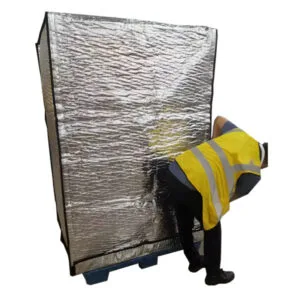
Lista de verificação de construçãoForro de caixa & Dimensionamento da cobertura de paletes
Verifique a lógica de dimensionamento do forro da caixa e da tampa do palete para projetos de embalagens isoladas.
Dimensionamento estimadoCalculadora de gelo seco
Estime as necessidades de gelo seco para remessas congeladas ou ultrafrias antes de embalar.
Estimar gelo secoA aquisição deve testar o processo do fornecedor
Avalie o fabricante proposto em relação ao requisito aprovado, não contra um questionário genérico do fornecedor. Confirme se a oferta cobre apenas a caixa ou um escopo mais amplo que inclui refrigerante, inserções, desenhos de embalagem, testando, suporte de qualificação, monitoramento, rótulos, peças de reposição, treinamento, e assistência ao desvio. Request user requirements, thermal model or test plan, perfil de rota, configuração de carga útil, condicionamento de refrigerante, monitoramento calibrado, relatório de qualificação, e instruções de operação. Toda reivindicação importante deve apontar para um documento controlado, amostra, condição de teste, ou controle de produção.
Concluir due diligence comercial e de qualidade juntos. Revise as fontes de materiais aprovadas, processos críticos, registros de inspeção, calibração, manutenção de ferramentas, não conformidade, ação corretiva, componentes subcontratados, e notificação de alteração de engenharia. Combine quem possui os desenhos, moldes, revisões de produtos, registros, e retestar decisões. Um fornecedor está pronto para aprovação quando pode recriar a configuração aceita e explicar como as alterações serão avaliadas antes de chegarem à remessa.
- Escopo de fornecimento, documentação, testando, qualificação, e suporte
- Especificação controlada, amostra aprovada, lista de materiais, e link de revisão
- Processos críticos, inspeções, registros, calibração, e ação corretiva
- Controle do subcontratado, manutenção de ferramentas, substituições, e notificação de alteração
- Responsabilidade comercial por defeitos, retrabalhar, peças de reposição, e pedidos futuros
Uma implementação controlada evita surpresas caras
A implementação deve passar de uma amostra representativa para um piloto controlado antes da produção total ou do lançamento da rota. Confirme a lista exata de materiais, desenhos, cores, marcações, acessórios, embalagem, e instruções. Use o piloto para testar o tempo de embalagem, erros do usuário, ergonomia carregada, ajuste do veículo, restrição, limpeza, monitoramento, e recebendo. Para uma aplicação com temperatura controlada, verificar se o piloto segue a configuração pretendida do refrigerante e da carga útil, em vez de uma configuração de demonstração mais fácil.
Após aprovação, congelar a especificação crítica e definir o controle de mudanças. Empacotadores de trem, motoristas, Correios, produtos de limpeza, e receptores nas partes do processo que eles possuem. Estabeleça uma revisão da primeira produção e monitore remessas antecipadas em busca de problemas recorrentes. Um lançamento deve incluir contatos de escalonamento e um método para segregar caixas ou componentes suspeitos. Revisão periódica pode causar danos, desvio, retornar, limpeza, e dados de temperatura para refinar o sistema sem enfraquecer o limite qualificado ou aprovado.
Construa um modelo de custo em torno de risco e utilização
Crie um caso de negócios ajustado ao risco com resultados únicos, recorrente, e custos de falha separados. Itens únicos podem incluir design, ferramentas, amostras, validação, e lançamento. Itens recorrentes podem incluir unidades, refrigerante, monitoramento, trabalho, limpeza, frete, inspeção, armazenar, e substituição. Os custos de falha podem incluir retenção de produto, reenvio, investigação de desvio, interrupção do cliente, e perda de capacidade de rota. Use dados do projeto ou suposições claramente identificadas em vez de uma porcentagem genérica de economia.
Compare alternativas no mesmo escopo aprovado. Um preço unitário mais baixo não significa um custo mais baixo se o espaço utilizável for insuficiente, cubo de frete é alto, o trabalho da embalagem é lento, ou fugas de qualidade são frequentes. Um projeto tecnicamente mais forte não é automaticamente melhor se agregar custos sem abordar um risco de rota. A equipe de aprovação deve documentar o compromisso que está aceitando e a medida operacional que mostrará se o valor esperado foi alcançado.
Aplicando o Caminho de Decisão a um Projeto Típico
Aplicar o caminho de decisão completo a um projeto típico. A shipper wants one box for a forty-eight-hour service, but carrier cutoffs, atraso de fim de semana, massa de carga útil, exposição ambiental sazonal, and receiving availability all affect the required design margin. A equipe multifuncional primeiro aprova o requisito do usuário, em seguida, confirma a carga útil e o ajuste do líquido refrigerante com uma amostra física. Ele registra o manuseio carregado, exposição da rota, higiene, monitoramento, e receber necessidades antes de selecionar o nível de evidência e o escopo comercial.
O fabricante escolhido fornece desenhos controlados, materiais, relatórios de teste, e um lote piloto. Aquisição compara a cotação com o escopo aprovado; verificações de qualidade, controle de mudanças e critérios de aceitação; operações executa o piloto com usuários normais. O lançamento ocorre somente depois que as lacunas não resolvidas têm proprietários e datas. O registro final vincula o requisito, configuração, evidência, instruções, e versão de produção para que alterações futuras possam ser avaliadas de forma coerente.
Perguntas finais sobre aquisição
O que deve ser aprovado antes da liberação do pedido de compra?
Aprovar o requisito do usuário, revisão do produto, dimensões internas e externas, materiais, componentes do pacote, base de teste ou qualificação, critérios críticos de inspeção, rótulos, embalagem, documentação, escopo comercial, e responsabilidades de controle de mudanças. Para uso sensível à temperatura, também aprovar a carga útil, condicionamento de refrigerante, suposições de ambiente e duração, plano de sensores, instruções de operação, critérios de recebimento, e limitações não resolvidas.
Como uma amostra aprovada é mantida consistente com a produção?
Vincule a amostra a desenhos controlados, lista de materiais, fontes de materiais aprovadas, configurações de processo, dimensões críticas, métodos de inspeção, e um lote piloto. Guarde uma amostra de referência sempre que for útil, mas não confie apenas na aparência. O fornecedor deve notificar o comprador antes de alterações nas ferramentas, resina, isolamento, hardware, selo, inserir, refrigerante, subcontratado, processo, ou embalagem que possa afetar o funcionamento.
Quem é o responsável pelas decisões de qualificação e conformidade?
A responsabilidade deve ser alocada no acordo do projeto. O fornecedor pode fornecer dados precisos do produto, amostras, relatórios, e suporte técnico; o comprador normalmente define os limites do produto, faixa, Critérios de aceitação, sistema de qualidade, e obrigações de mercado aplicáveis. Um fabricante contratado ou laboratório de testes pode realizar trabalhos, mas isso não elimina a necessidade do proprietário do produto e da equipe de qualidade aprovarem a adequação.
Quando um design personalizado é justificado?
A personalização é justificada quando um produto padrão não consegue atender à geometria crítica da carga útil, capacidade utilizável, restrição, limpeza, marca, rota, acessório, ou necessidades operacionais. Compare o valor com ferramentas, tempo de desenvolvimento, Quantidade mínima, risco de mudança, requisitos de teste, peças de reposição, e revisões futuras. Um formato personalizado deve resolver um requisito documentado em vez de adicionar complexidade que pode ser tratada com uma inserção ou alteração de processo.
What turns an ice box into a temperature-controlled shipping system?
A controlled system combines a defined product temperature condition, carga útil, refrigerante ou PCM, condicionamento, pacote, ambient and duration profile, design margin, monitoramento, encerramento, rótulos, manuseio, critérios de recebimento, and appropriate testing or qualification. The box supplies insulation and structural protection, but the shipping outcome comes from the complete configuration and repeatable operating process.
Conclusão: Aprove um sistema que você possa explicar e repetir
A suitable commercial ice box temperature controlled shipping is the result of disciplined specification rather than a single feature. A decisão mais confiável conecta carga útil, condição de temperatura, rota, espaço utilizável, construção, refrigerante, manuseio, higiene, evidência, controle de produção, e propriedade operacional. Quando esses elementos são explícitos, o departamento de compras pode comparar ofertas de forma justa e as operações podem repetir o método aprovado sem depender de memória ou linguagem de vendas ampla.
- Comece com o produto e a pista, em seguida, confirme o ajuste físico e a embalagem.
- Combine as evidências necessárias com o risco e o limite da aplicação.
- Aprovar controles de fornecedores, implementação, monitoramento, e gerenciamento de mudanças juntos.
- Mantenha um link rastreável desde o requisito até a evidência e a instrução operacional.
Sobre Tempk
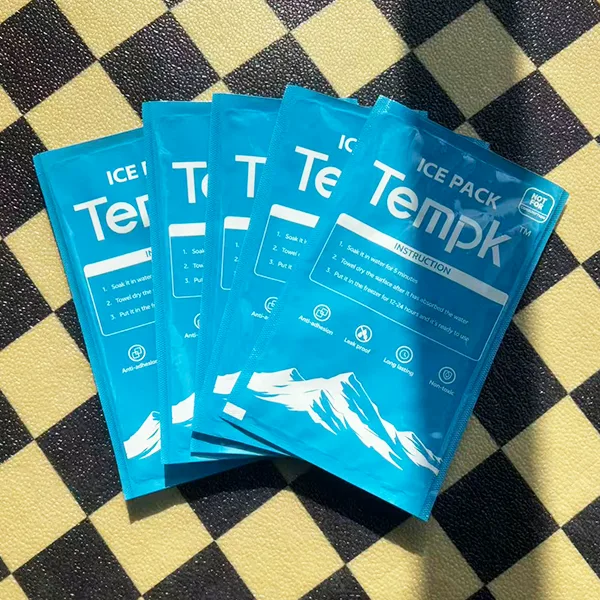
Tempk trabalha em Xangai embalagem da cadeia de frio produtos e soluções e opera desde 2011. As categorias de produtos públicos da empresa incluem bolsas de gelo, caixas isoladas, vácuo-embalagem isolada, sacos e forros, Tampas de paletes, e equipamentos de monitoramento de temperatura. Em vez de selecionar apenas a capacidade, um comprador pode compartilhar o produto, condição necessária, carga útil, rota, temporada, manuseio, e recebendo detalhes para uma discussão mais relevante. Qualquer aplicação sensível à temperatura ainda deve ser confirmada através de testes apropriados, documentação, e revisão de qualidade.
Preparando uma consulta útil
Compartilhe sua carga útil, rota, exigência de temperatura, and expected order scope with Tempk to discuss a practical commercial insulated shipping system configuration.