Caixa de transporte compacta EPP: Uma maneira melhor de especificar um pequeno remetente
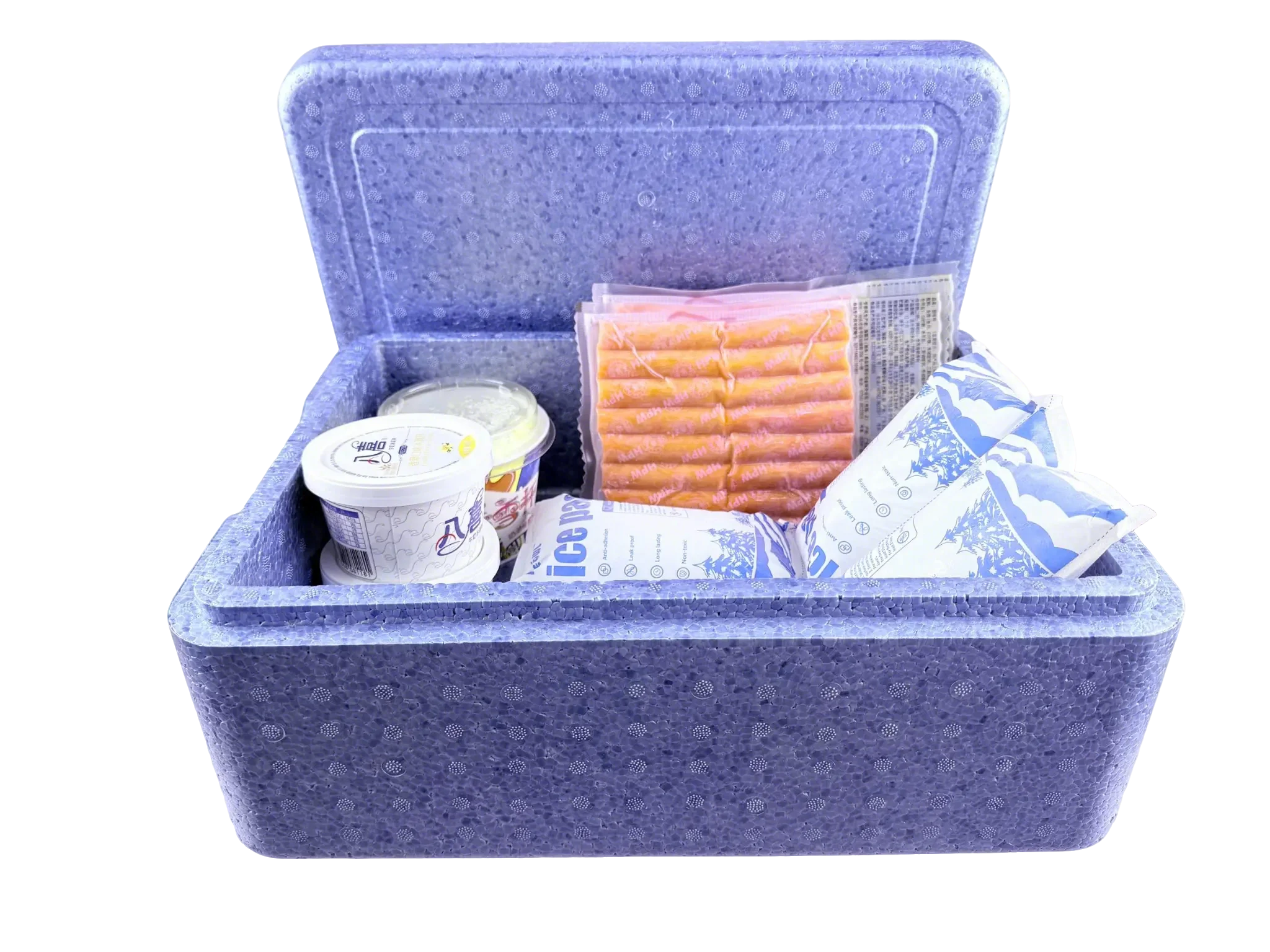
Duas descobertas dispendiosas são que o refrigerante deixa muito pouco espaço de carga útil e a reivindicação térmica do fornecedor cobre um pacote diferente. Um compacto Caixa de transporte EPP pode ser uma escolha prática para proteção, movimento isolado, especialmente onde a baixa massa da embalagem e o manuseio repetido são importantes. A compra ainda deve começar com o envio, não a espuma. Defina as condições do produto, exposição da rota, espaço utilizável, arranjo de refrigerante, evidência, e processo operacional primeiro. Então a caixa pode ser avaliada para um trabalho real em vez de uma lista atraente de propriedades de materiais.
A decisão do produto tem três camadas
Os compradores geralmente pedem um item e recebem respostas sobre três coisas diferentes. Separá-los evita confusão na fase de cotação.
A primeira camada é a transportadora física. Isso inclui a base e a tampa moldadas em EPP, geometria da parede, encerramento, alças, inserções, área de identificação, e dimensões. Seu trabalho pode incluir isolamento, proteção contra impacto, manuseio conveniente, e interação de pilha. Essas funções podem ser inspecionadas e testadas, mas eles não determinam a condição de temperatura de um produto por si só.
A segunda camada é a configuração térmica. Um packout passivo com temperatura controlada combina a caixa isolante com a caixa condicionada pacotes de gel ou materiais de mudança de fase, carga útil, embalagem secundária, espaçadores, barreiras, e um padrão de carregamento preciso. As temperaturas iniciais e o tempo de montagem permitido fazem parte desta camada. Troque o refrigerante, quantidade de carga útil, arranjo, ou design de caixa e o comportamento térmico pode mudar.
A terceira camada é o processo de envio controlado. Abrange onde os componentes são armazenados, quem condiciona o refrigerante, como os operadores carregam e fecham a caixa, qual registrador é colocado onde, como a remessa é etiquetada, como as transferências são gerenciadas, o que a equipe recebe verifica, e como os dados ou excursões são revisados. Reutilizar adiciona coleção, limpeza, inspeção, liberar, e aposentadoria.
Essas camadas respondem a diferentes perguntas:
- O contêiner pode transportar e proteger fisicamente a carga?? Revisar dimensões, estrutura, encerramento, ergonomia, e perigos de distribuição.
- O pacote definido pode manter as condições exigidas? Desenvolva e teste a configuração completa sob desafios térmicos justificados.
- A organização pode reproduzi-lo e controlá-lo?? Estabeleça instruções, treinamento, registros, monitoramento, controle de mudanças, e tratamento de desvio.
Uma declaração material pode apoiar a primeira pergunta. Um relatório térmico pode suportar o segundo se corresponder à configuração exata. Nem prova o terceiro. É por isso que frases amplas como grau farmacêutico, material validado, ou compatível com a cadeia de frio precisam de esclarecimentos. As expectativas de qualidade normalmente se aplicam a um produto, pacote, processo, ou organização dentro de um escopo definido, não para o PPE em abstrato.
Transforme a pista em uma especificação
Uma solicitação útil de cotação começa com um breve roteiro. Não precisa conter detalhes confidenciais do produto, mas deve fornecer ao fornecedor informações suficientes para ver as restrições. Se os fatos ainda não são conhecidos, marque-os como decisões em vez de preencher as lacunas com suposições.
| Pergunta sobre remessa | O que gravar | Por que isso muda a solução |
|---|---|---|
| Em que condições o produto deve permanecer dentro? | Requisitos aprovados de transporte ou armazenamento e qualquer congelamento, aquecer, ou sensibilidade à luz | Orienta a seleção do refrigerante, separação, Critérios de aceitação, e monitoramento |
| Qual é o relógio de viagem? | Início da embalagem, trânsito planejado, transferências, atraso de recebimento, e um subsídio de atraso justificado | Define o período de exposição que a qualificação deve abordar |
| O que realmente ocupa a caixa? | Contagem de produtos, embalagem secundária, dimensões, massa, orientação, e extremos de carregamento | Determina o espaço de carga útil e a massa térmica |
| Qual desafio ambiental é confiável? | Dados de rota sazonal, veículos, instalações, rampas, exposição à porta, e eventos de abertura | Suporta a seleção de um perfil de teste relevante em vez de uma configuração de câmara conveniente |
| Como a unidade será tratada? | Rede de encomendas ou frete, gotas, vibração, compressão, empilhamento, transporte manual, e necessidades de segurança | Impulsiona o projeto estrutural e a seleção de testes mecânicos |
| É unilateral ou devolvido? | Propriedade, rota de recuperação, local de limpeza, inversão de marcha, controle de perdas, e caminho do fim da vida | Determina se um formato reutilizável é operacional e ambientalmente confiável |
| Quais evidências são necessárias? | Aprovação de qualidade interna, documentos do cliente, orientação aplicável, relatórios de teste, e registros de viagem | Define o escopo da documentação antecipadamente |
Esta tabela transforma preferências vagas em entradas de design. Também evita que as dimensões externas se tornem a única base de comparação. Uma caixa pode parecer compacta e, ao mesmo tempo, fornecer pouca carga útil após paredes grossas, refrigerante, divisores, e equipamentos de monitoramento estão incluídos. Solicite um desenho de carregamento ou teste de embalagem física, não apenas um valor de volume bruto.
O tempo de trânsito pode excluir a preparação, conexões perdidas, morada da transportadora, e desembalagem atrasada. A duração da qualificação e as condições ambientais devem cobrir riscos justificados na pista; uma declaração de tempo de espera impressionante sob uma carga útil ou perfil não relacionado não é mais útil.
O comportamento de abertura é outra entrada de especificação. Um pacote lacrado e uma caixa de serviço multi-stop são sistemas diferentes. Cada abertura troca ar interno e externo, perturba as posições dos componentes, e pode expor a carga útil enquanto a equipe procura um item. Se o acesso durante o percurso se destinar, incluí-lo nas instruções de desenvolvimento e teste, em vez de tratá-lo como um detalhe do operador.
Onde o PPE ganha o seu lugar
O polipropileno expandido é um material moldado, principalmente espuma de polipropileno de célula fechada. A estrutura celular proporciona uma combinação útil de baixa massa, isolamento térmico, absorção de energia, resiliência, baixa absorção de água, e resistência a certos produtos químicos. Pode ser moldado em formas integradas, permitindo recessos, costelas, punhos, recursos de localização, e interfaces de tampa a serem projetadas em uma peça.
Essas propriedades podem ser particularmente úteis em um transportador compacto. A baixa massa do casco deixa mais margem de manobra para carga útil e líquido refrigerante. A resiliência pode ser adequada para movimentos repetidos onde uma inserção frágil sofreria choques comuns. Recursos de localização moldados podem facilitar a reprodução de um pacote. Uma tampa e base de EPP também podem ser manuseadas sem um invólucro rígido separado em algumas aplicações, reduzindo o número de componentes soltos.
Toda vantagem tem um limite. O comportamento de uma peça moldada depende do tipo de material, densidade, processamento, geometria, e condição. A resistência química deve ser verificada em relação ao limpador real, desinfetante, etiqueta adesiva, e exposição. A baixa absorção de água não torna as juntas da tampa estanques nem estabelece um processo de higienização. Resiliência ao impacto não significa que a caixa possa ser usada indefinidamente sem inspeção. A reciclabilidade como termoplástico não garante a coleta local ou recuperação bem-sucedida.
Alternativas devem ser mantidas na conversa. Um sentido único expedidor isolado pode ser adequado para uma rota sem fluxo de retorno. Uma caixa externa rígida pode ser preferível quando a segurança, hardware, ou proteção mecânica severa domina. Um sistema motorizado ativo pode ser considerado quando a rota, duração, valor da carga útil, ou estratégia de controle torna a embalagem passiva inadequada. Uma sacola reutilizável não isolada pode ser suficiente para movimentação inteiramente dentro de um ambiente controlado. A questão não é se o EPP é o melhor material em geral; é se o seu equilíbrio de massa, isolamento, proteção, liberdade de moldagem, e a reutilização se enquadra neste modelo operacional.
Teste uma amostra representativa com embalagem secundária e refrigerante. Verifique a liberação, assento da tampa, movimento, equilíbrio, digitalização de etiquetas, empilhamento, e desembalar em condições realistas de local de trabalho. Esta revisão de usabilidade não substitui a qualificação, mas pode eliminar precocemente um design ruim.
Faça a prova seguir a configuração
A evidência deve tornar-se mais específica à medida que a alegação se torna mais específica. As informações técnicas do material podem confirmar que a espuma é EPP e descrever as propriedades medidas de acordo com os métodos indicados. Desenhos de peças acabadas e registros de inspeção estabelecem dimensões e construção. Testes mecânicos examinam perigos como quedas, vibração, e compressão. A qualificação térmica examina o pacote completo. Os registros operacionais mostram se as remessas de rotina seguiram o processo aprovado.
Para sistemas de pacotes isolados, Padrão ISTA 20 fornece um processo estruturado de design e qualificação, e o ISTA 7E fornece perfis térmicos padronizados derivados para ambientes de entrega de encomendas. Uma empresa pode usar esses recursos ou justificar outra abordagem, mas não deve citar um nome de perfil como se fosse o resultado de um pacote. ASTM D4169 pode informar testes de distribuição por meio de sequências de riscos previstos no transporte. As questões térmicas e mecânicas podem interagir, ainda assim, cada um precisa de métodos claros e critérios de aceitação.
Ferramentas úteis de decisão
Verifique os detalhes antes de escolher a embalagem
Essas ferramentas rápidas podem ajudá-lo a comparar o risco da rota, necessidades de dimensionamento, escolhas de refrigerante, e detalhes da embalagem antes de solicitar um orçamento.
Calculadora de bolsa de gelo
Estime a quantidade de bolsas de gelo em gel para remessas refrigeradas e planejamento prático de rotas.
Estimar bolsas de geloForro de caixa & Dimensionamento da cobertura de paletes
Verifique a lógica de dimensionamento do forro da caixa e da tampa do palete para projetos de embalagens isoladas.
Dimensionamento estimadoRefrigerante & Referência PCM
Compare as opções de refrigerante e PCM quando uma rota precisar de suporte adicional de temperatura.
Comparar opçõesUm relatório térmico útil identifica a versão da caixa testada, amostras de produção, refrigerante e condicionamento, carga útil e extremos de carregamento, diagrama de embalagem, condições iniciais, perfil ambiente, localizações dos sensores, equipamento de monitoramento, repetições, limites de aceitação, desvios, e resultados. Deve também indicar o que a conclusão cobre. Se o comprador planeja um pacote de gel diferente, adiciona uma divisória, reduz a carga útil, muda a tampa, ou estende a rota, a relevância do relatório deve ser revista.
O mapeamento de temperatura dentro do pacote é importante porque um único sensor de ar pode perder locais quentes ou frios. Estudos de desenvolvimento podem ajudar a identificar posições desafiadoras; a colocação do sensor de qualificação deve então ser justificada. Os registradores de remessa usados na operação têm uma finalidade diferente. Sua precisão, status de calibração, intervalo, resposta, colocação, método inicial, alarmes, recuperação de dados, e o fluxo de trabalho do relatório deve apoiar a decisão pretendida. Um registrador fornece evidências das condições em seu ponto de medição. Não pode compensar um pacote inadequado.
As referências regulatórias e industriais devem ser aplicadas com igual atenção ao escopo. As boas práticas de distribuição de medicamentos podem exigir condições de armazenamento definidas e responsabilidades a serem mantidas através do transporte. A estrutura de controle de temperatura da IATA pode ser aplicada a cargas de saúde reservadas e manuseadas sob seu horário- e processo sensível à temperatura. OMS publica recursos específicos de desempenho e verificação para caixas frias de vacinas, pacotes de refrigerante, e dispositivos de monitoramento. Nada disso é comum Caixa EPP universalmente adequado. As equipes responsáveis de qualidade e logística devem identificar os requisitos para o produto específico, faixa, e mercado.
Finalmente, controlar os documentos que reproduzem as provas: lista de materiais, desenhos, instruções de embalagem, procedimento de condicionamento do refrigerante, armazenamento de componentes, tempo máximo de montagem, etapas de fechamento e etiqueta, configurações do registrador, recebendo inspeção, e processo de excursão. A qualificação só é útil quando as operações podem repetir o que foi qualificado.
Trate a reutilização como uma frota gerenciada
O argumento financeiro e ambiental para a reutilização depende da circulação alcançada, não é um rótulo. Uma caixa EPP compacta pode ser fisicamente capaz de realizar múltiplas viagens, mas a organização precisa de unidades suficientes nos lugares certos, um serviço de retorno, um processo de limpeza e secagem, capacidade de inspeção, estoque de quarentena, e identificação confiável. Perdas e devoluções lentas podem forçar compras emergenciais ou interromper o envio, mesmo quando as próprias caixas permanecem intactas.
Considere uma empresa hipotética que transporta materiais de controle sensíveis à temperatura entre uma instalação central e dois laboratórios satélites.. O percurso está programado, veículos retornam ao hub, e a equipe de recebimento pode escanear uma caixa antes de colocá-la na área de devolução. Isso faz com que valha a pena explorar um formato EPP reutilizável, mas não resolve a decisão.
A equipe primeiro corrige a condição de transporte aprovada a partir da documentação do produto e mapeia o pior tempo de permanência confiável em cada entrega. Desenvolve um packout com um arranjo de refrigeração definido e executa estudos térmicos e de distribuição. Em paralelo, caixas serializadas de pilotos de operações. Retornos de registros da equipe, tempo de limpeza, dano de fechamento, resíduo de rótulo, inserções faltando, erros de carregamento, e falhas do scanner. O piloto revela que capas de papel removíveis interferem no empilhamento, então o local é redesenhado antes que a configuração seja congelada e testada novamente conforme necessário.
Para uso rotineiro, cada unidade retornada passa por um fluxo de status simples: usado, recebido, inspecionado, limpo, seco, lançado, ou em quarentena. A inspeção concentra-se em riscos funcionais, como deformação da tampa, paredes esmagadas, cortes profundos, contaminação, componentes faltantes, e identificação ilegível. A aposentadoria é baseada nesses critérios, e não em uma contagem universal de ciclos sem suporte.
O controle de mudanças de fornecedores também protege a frota. Os compradores devem concordar quais alterações serão comunicadas, incluindo grau de material, processo de moldagem, ferramenta, alvo de densidade, dimensões, corante quando relevante, geometria da tampa, inserções, e produção terceirizada. A equipe de qualidade pode então decidir se uma revisão de documento, comparação de amostras, teste direcionado, ou uma requalificação mais ampla é apropriada. Sem essa conexão, caixas de substituição podem parecer idênticas, embora não correspondam mais ao arquivo de evidências.
No final do serviço, a empresa deve saber se a recuperação local aceita EPP limpo e como anexar rótulos, fitas, alças, ou outros materiais são removidos. Se não existir nenhuma rota de recuperação, as reivindicações sobre reciclabilidade devem ser formuladas como potencial material e não como resultado alcançado. A mesma honestidade deve ser aplicada à reutilização: rastrear retornos reais, dano, limpeza, e aposentadoria, então melhore o ciclo com evidências.
Perguntas frequentes
O EPP é sempre melhor que o EPS para uma pequena caixa de transporte?
Nenhum material é sempre melhor. O EPP é frequentemente considerado onde a resiliência e o manejo repetido são importantes, enquanto outras espumas ou transportadores compostos podem caber no custo unidirecional, recuperação local, geometria, ou necessidades térmicas de forma diferente. Compare sistemas completos usando a mesma carga útil, rota, desafio ambiental, lidar com riscos, escopo da documentação, e modelo operacional. Não escolha apenas o nome do material.
Como calculo o espaço de carga útil?
Comece com a geometria interna real, em seguida, coloque todo o refrigerante necessário, separadores, embalagem secundária, peças de controle de vazio, e o registrador conforme o plano de carregamento aprovado exige. O envelope acessível restante é a carga útil, sujeito a limites de massa e orientação. Confirme com um teste de carregamento físico. Um volume interno bruto publicado pode não representar o que pode ser enviado com segurança.
A mesma caixa EPP pode usar pacotes de gel ou PCM?
Possivelmente, mas os componentes não são automaticamente intercambiáveis. Diferentes refrigerantes podem ter diferentes comportamentos de fase, instruções de condicionamento, dimensões, riscos de contato, e capacidade térmica. Alterá-los pode alterar as temperaturas da carga útil e o espaço utilizável. Trate o refrigerante e sua disposição como partes controladas do pacote, e revisar ou testar qualquer substituição antes de usar.
Quais mudanças podem desencadear um novo teste?
Os possíveis gatilhos incluem alterações no material da caixa, densidade, geometria da parede ou tampa, ferramentas, refrigerante, condicionamento, carga útil, embalagem secundária, padrão de carregamento, posição do sensor, duração da rota, perfil ambiente, ou instruções de operação. O efeito e o risco de cada mudança devem determinar a resposta. Nem toda mudança requer o mesmo trabalho, mas toda mudança relevante merece avaliação documentada.
Conclusão: Compre uma remessa reproduzível
A especificação de caixa compacta mais forte não começa com uma promessa sobre EPP. Começa com uma carga útil e condição definidas, um relógio de viagem confiável, um perfil de risco ambiental e de manuseio, e uma decisão sobre operação de ida ou retorno. O PPE pode então ser julgado pelo que contribui: uma luz, moldado, isolante, concha absorvente de impacto.
Construa o refrigerante, carga útil, separadores, monitoramento, e instruções em uma configuração controlada. Peça evidências que correspondam. Pilotar os processos humanos e de retorno, definir inspeção e controle de mudanças, e confirme os requisitos aplicáveis com os especialistas responsáveis. Quando essas peças se alinham, uma caixa de transporte compacta em EPP torna-se mais que um contêiner; torna-se um elemento reproduzível de um processo gerenciado de cadeia de frio.
Sobre Tempk
Suprimentos temporários embalagem da cadeia de frio opções que podem ser consideradas como partes de um sistema de remessa definido. Isso inclui pacotes de gel padrão, opções de materiais de mudança de fase projetados, embalagem isolada com projetos EPP, e design de embalagem ou suporte para testes. Nosso papel pode incluir discutir como a carga útil, exposição da rota, colocação de refrigerante, espaço utilizável, monitoramento selecionado pelo cliente, e as evidências afetam a escolha da embalagem. O desempenho final e a adequação devem ser estabelecidos para o produto real do cliente, configuração, faixa, e requisitos de qualidade.
Defina o envio antes do pedido: Compartilhe sua rota, carga útil, condições exigidas, modelo de retorno, e necessidades de evidências com Tempk para comparar opções apropriadas.