Custo da caixa legal: Da especificação à escala
Uma decisão sensata sobre caixa legal o custo pode ser reduzido para cinco perguntas vinculadas: o que deve ser protegido, em qual rota, com qual configuração carregada, sob cujo controle operacional, e com que evidências.
O resultado é uma estrutura de seleção integrada. Combina educação de produto, julgamento de engenharia, risco de rota, qualificação de fornecedor, custo total, e sustentabilidade para que um comprador possa emitir uma solicitação mais clara, execute um teste significativo, e aprove uma configuração com menos surpresas.
Use cinco decisões para controlar a compra
Um projeto completo de caixa térmica comercial pode ser governado por meio de cinco decisões. Primeiro, definir o produto protegido e a condição de aceitação. Segundo, caracterizar a pista e suas transferências. Terceiro, projetar o pacote carregado, incluindo refrigerante, barreiras, monitoramento, e espaço utilizável. Quarto, qualificar o fornecedor e comprovar. Quinto, provar que as operações podem reproduzir, limpar, retornar, e manter a configuração.
A sequência é importante. As equipes criam retrabalho quando escolhem uma caixa, em seguida, tente encaixar o produto e direcioná-lo. Começar pelo produto e pela via permite que diversas arquiteturas sejam comparadas em termos iguais. Também torna a negociação de custos mais útil, porque a cotação descreve um trabalho definido em vez de um contêiner genérico.
A compensação central é uma opção descartável de baixo custo ou reutilizável básica pode ser correta para rotas abertas de mão única, enquanto um sistema premium durável precisa de ciclos de reutilização bem-sucedidos suficientes para se justificar. A estrutura não remove compensações; isso os torna explícitos. A aquisição pode decidir quais consequências são aceitáveis, a engenharia pode documentar a base técnica, qualidade ou segurança alimentar podem estabelecer evidências, e as operações podem testar se o método é repetível.
Decisão 1 e 2: conectar os requisitos do produto à pista
Escreva um resumo de caso de uso de uma página para produtos sensíveis à temperatura e refrigerantes específicos da rota, divisores, monitoramento, e rótulos necessários para movê-los. Incluir as instruções atuais do produto, condição inicial, quantidade, dimensões da caixa ou bandeja, sensibilidade ao congelamento, superaquecimento, luz, contaminação, impacto, ou atraso, e o processo de disposição para uma excursão. Evite importar uma linha comum da indústria para um produto que tenha instruções diferentes.
Em seguida, mapeie a amostragem inicial, compra de produção, distribuição de saída, retornar, limpeza, armazenar, reparar, e substituição. Registrar o tempo decorrido, condições externas sazonais, encenação, ambiente do veículo, abertura de porta, parar contagem, superfícies de transferência, mudanças de custódia, e recebendo armazenamento. Adicione um cenário normal e um desafio realista. O desafio pode ser uma doca quente, receptor atrasado, carga parcial, abertura repetida, ou transferência ao ar livre. Deve representar um dia operacional confiável, não é um pior caso artificial sem probabilidade ou resposta definida.
Atribua cada risco à embalagem, procedimento, equipamento, ou escalada. O isolamento e o líquido refrigerante podem amortecer a exposição ambiental. Um cronograma de rota pode reduzir o tempo de espera. Uma unidade ativa portátil pode ser mais apropriada para alguns movimentos de alto risco. Um compromisso de receptor pode remover uma transferência não controlada. Esta alocação evita que a caixa passiva seja solicitada a compensar cada fraqueza do processo.
Decisão 3: aprovar uma configuração carregada, não é uma caixa nominal
O design carregado deve resolver este problema de capacidade: custo por litro é enganoso, a menos que a capacidade nominal, carga útil utilizável, cubo externo, peso carregado, e a eficiência do transporte são normalizadas. Crie um desenho e uma maquete física mostrando a orientação do produto, refrigerante, barreiras, monitoramento, divisores, tolerâncias, e liberação de fechamento. Calcule ou meça o peso embalado esperado. Confirmar veículo, prateleira, palete, carrinho, e porta ajustada com as maçanetas e a tampa em suas posições de operação.
Controle as temperaturas locais definindo a condição e o posicionamento do líquido refrigerante. O projeto deve evitar contato direto não intencional, lacunas de ar não controladas, e componentes que podem mudar. O trabalho de desenvolvimento pode precisar de vários sensores para mapear a carga, mas o monitoramento de rotina deve usar um local fixo que represente a decisão necessária do produto. Cargas parciais precisam de uma alternativa aprovada em vez de uma versão improvisada do pacote completo.
A construção deve suportar material, processo de moldagem, isolamento, hardware, selos, inserções, terminar, personalização, ferramentas, e os requisitos de controle de qualidade moldam o custo de fabricação. Revise a junta da tampa, pontes térmicas, hardware de alta carga, facilidade de limpeza, substituição de componentes, e compatibilidade com luz solar ou produtos químicos quando relevante. Nomes de materiais são entradas, não conclusões. A especificação aprovada deve definir a construção com detalhes suficientes para preservar a função durante a produção.
Decisão 4: qualificar o fornecedor e as evidências em conjunto
Estabelecer quem é o dono do projeto e quem controla a fábrica. A parte comercial pode ser um fabricante, exportador, distribuidor, ou integrador, mas o comprador precisa de um caminho claro para os desenhos, controles de materiais, inspeção, defeitos, e notificação de alteração. Pergunte quais componentes são críticos e como as unidades de produção são comparadas com a amostra aprovada.
A solicitação de cotação deverá cobrir o preço unitário, ferramentas, amostras, acessórios, refrigerante, impressão personalizada, embalagem, frete, obrigações, testando, documentação, peças de reposição, garantia, e condições de pagamento. Normalize a lista de materiais incluída e as condições de entrega antes de comparar preços. Hardware separado, refrigerante, monitoramento, personalização, ferramentas, testando, documentação, embalagem, frete, e peças de reposição. Isso torna os direcionadores de custos visíveis e evita que um preço baixo de caixa vazia seja comparado com um kit pronto para processo.
Solicite uma cotação comercial completa, especificação, lista de componentes incluídos, método de embalagem, plano de amostra, suposições de evidências de desempenho, e termos de controle de alterações. Leia relatórios de teste para condições, não manchetes. Verifique a carga útil, temperatura inicial, refrigerante, perfil ambiente, duração, aberturas, posições dos sensores, Critérios de aceitação, e se a amostra representava a produção. Registre as lacunas entre essa evidência e a pista pretendida para que a equipe possa decidir que trabalho adicional é proporcional.
| Portão de aprovação | Produção mínima | Razão pela qual o portão existe |
|---|---|---|
| Produto e pista | Resumo do caso de uso com carga útil, doença, rota, exposição, e transferências | Impede que a caixa seja selecionada antes que o trabalho seja definido |
| Configuração carregada | Desenho, lista de componentes, refrigerante, barreiras, sensor, peso, e ajuste | Converte a capacidade nominal em um pacote reproduzível |
| Fornecedor e evidência | Especificação controlada, amostras, relatórios, e mudar regras | Conecta o fornecimento comercial ao projeto aprovado |
| Prontidão operacional | Sop, treinamento, limpeza, recebendo, retornar, e exceções | Mostra que as pessoas podem repetir e manter o método |
| Escala e ciclo de vida | Verificação do primeiro lote, implementação de rota, modelo de custo, rastreamento de ativos, revisar gatilhos | Protege o desempenho e o valor após o lançamento |
As portas de aprovação evitam que um projeto passe diretamente de uma amostra atraente para um pedido em massa. Cada portão cria uma saída tangível e fecha um risco diferente: caso de uso pouco claro, pacote não reproduzível, fornecimento descontrolado, operações fracas, ou um modelo de ciclo de vida não comprovado.
Use orientações regulatórias e técnicas sem reivindicar demais
Orientação confiável ajuda a definir expectativas de controle, mas não transforma uma caixa genérica num sistema aprovado. As instruções do produto e as regras locais aplicáveis permanecem decisivas. Um arquivo técnico deve indicar por que cada referência é relevante e onde testes específicos da rota ou revisão de qualidade ainda são necessários.
A decisão de aprovação deve identificar o envelope operacional testado e as condições que exigem escalonamento. Quando as evidências estão incompletas, converter o desconhecido em uma questão de verificação ou em um limite operacional, em vez de preencher a lacuna com uma afirmação de marketing confiável.
Decisão 5: provar que a organização pode repetir o método
Execute um piloto com os empacotadores reais, motoristas, receptores, pessoal de limpeza, e revisores de qualidade ou segurança alimentar. Observe a identificação do componente, preparação de refrigerante, carregando, monitor placement, encerramento, encenação, elevação, restrição, abertura, entregar, retornar, lavar, secagem, e inspeção. Registrar soluções alternativas; são evidências de que o projeto ou instrução precisa de correção.
Ferramentas úteis de decisão
Verifique os detalhes antes de escolher a embalagem
Essas ferramentas rápidas podem ajudá-lo a comparar o risco da rota, necessidades de dimensionamento, escolhas de refrigerante, e detalhes da embalagem antes de solicitar um orçamento.
Calculadora de bolsa de gelo
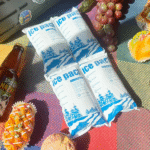
Estime a quantidade de bolsas de gelo em gel para remessas refrigeradas e planejamento prático de rotas.
Estimar bolsas de geloRefrigerante & Referência PCM
Compare as opções de refrigerante e PCM quando uma rota precisar de suporte adicional de temperatura.
Comparar opçõesVerificador de risco de rota
Revise as condições da pista antes de selecionar a embalagem para requisitos operacionais reais.
Verifique o risco da rotaO processo de devolução deve implementar este requisito de higiene: produtos químicos de limpeza, hora de lavar, espaço de secagem, substituição de vedação, e o tratamento de unidades danificadas pertencem ao orçamento. Separar sujo, limpar, reparar, quarentena, e situação de aposentado. Definir critérios objetivos de liberação e controlar peças removíveis. Meça o tempo de limpeza e o espaço de armazenamento para que a quantidade da frota reflita os ativos que estão genuinamente disponíveis, não apenas caixas compradas.
Prepare caminhos de exceção antes do lançamento. A equipe precisa saber o que fazer quando falta um componente de refrigeração, o monitor falha, uma tampa não fecha, uma caixa está danificada, um veículo está atrasado, o receptor está ausente, ou o rastreamento do produto mostra uma excursão. Um caminho curto de escalonamento protege o processo aprovado sob pressão de tempo.
Avalie o custo e a sustentabilidade no mesmo ciclo operacional
Crie o custo total a partir da configuração aprovada: hardware, ferramentas, amostras, refrigerante, monitoramento, rótulos, embalagem, frete, obrigações, trabalho, cubo de veículo, retornar, lavar, secagem, armazenar, reparar, perda, substituição, e manutenção de evidências. Informar o custo por viagem bem-sucedida por coorte de rotas. Isto evita uma decisão limitada sobre o preço unitário e uma afirmação não fundamentada de que a reutilização sempre economiza dinheiro.
A questão da sustentabilidade é que o custo e a sustentabilidade se encontram na utilização: um caixa reutilizável que circula de forma confiável pode distribuir seu material e custo de compra pelas viagens, enquanto um ativo perdido ou ocioso não pode. Circulação de pista, distância de retorno, perda, reparar, lavar recursos, utilização, e tratamento em fim de vida. Um sistema reutilizável cria valor quando a rede consegue mantê-lo em serviço controlado. Dimensionamento correto, componentes reparáveis, e o empilhamento de retorno eficiente podem ser tão importantes quanto o material de base.
A aprovação comercial pode incluir uma análise de sensibilidade. Examine como o resultado muda quando o retorno cai, dano aumenta, mudanças de demanda, ou uma rota precisa de um tamanho diferente. Isso não requer dados de mercado inventados. Utiliza as próprias premissas operacionais da organização para identificar onde a proposta é robusta e onde um modelo de embalagem diferente deve ser mantido.
Dimensione através de portas controladas e gatilhos de mudança
Portão 1 aprova o resumo do caso de uso e o desenho carregado. Portão 2 aprova amostras de intenção de produção e documentos de fornecedores. Portão 3 aprova térmica relevante, mecânico, limpeza, e evidências de rota. Portão 4 aprova o POP, treinamento, processo de exceção, e loop de retorno. Portão 5 libera produção após verificação do primeiro lote. Cada portão tem um proprietário e critérios de aceitação registrados.
Expandir por coortes de rotas semelhantes. Comece com uma via representativa e um desafio confiável, problemas corretos, em seguida, adicione sites que compartilhem carga útil e exposição. Não presuma que um piloto bem-sucedido cobre um veículo diferente, clima, padrão de parada, produto, ou processo de lavagem. Use uma comparação documentada para decidir se as evidências existentes podem ser estendidas.
Manter um registro de alterações após o lançamento. Caixas de produtos, refrigerante, massa de carga útil, sensor, tempo de rota, química de limpeza, material do fornecedor, selo, hardware, ou mudanças de fábrica podem afetar a linha de base. Atribua níveis de revisão para que pequenas atualizações administrativas não desencadeiem trabalho desnecessário, enquanto as mudanças funcionais recebem comparação ou requalificação apropriada.
Mantenha visíveis as principais não-suposições
Não presuma que a capacidade nominal é igual à capacidade de carga útil, esse isolamento cria a temperatura necessária do produto, que um registrador fornece proteção, ou que um teste sob condições diferentes comprove a pista. Não presuma que durabilidade é igual a adequação alimentar ou farmacêutica, ou que a aprovação de um programa seja transferida para outro. O risco específico aqui é pedir a caixa mais barata antes de definir o que a caixa deve fazer e com que frequência será reutilizada.
Transforme cada não suposição em um controle. Use um desenho carregado para capacidade, um plano de refrigeração definido para controle térmico, uma posição fixa do sensor para evidências, uma comparação de rotas para transferibilidade, um processo de limpeza e segregação para higiene, e uma especificação controlada para consistência de produção. Isso torna os princípios do artigo acionáveis em uma solicitação de cotação e em um piloto.
Finalmente, preserve a incerteza honestamente. Quando um parâmetro não é suportado pelas instruções do produto, uma fonte técnica confiável, documentação do fornecedor, ou teste, peça ao fornecedor para confirmar ou planeje uma verificação. Remover um número não suportado é melhor engenharia e melhor aquisição do que apresentar uma precisão que a evidência não pode transmitir.
Perguntas sobre aquisições integradas
Quais informações devem ser enviadas primeiro a um fornecedor?
Envie o tipo de produto e condição necessária, dimensões da caixa ou da carga útil, quantidade, duração da rota, exposição sazonal, padrão de parada e abertura, restrições de veículo ou prateleira, preferência de refrigerante, necessidade de monitoramento, método de limpeza, plano de reutilização, personalização, e volume de pedidos. Marque quaisquer incógnitas para que se tornem questões do projeto em vez de suposições.
Como posso saber se a caixa proposta é muito grande ou muito pequena?
Crie o pacote completo e compare a contagem de carga útil, peso carregado, cubo externo, ajuste do veículo, comportamento de carga parcial, e manuseio. Uma caixa grande pode desperdiçar líquido refrigerante e espaço; um pequeno pode forçar a compressão ou viagens extras. Use perfis de pedidos reais e aprove faixas de carga.
Qual evidência é mais importante antes da produção?
A evidência deve corresponder aos riscos dominantes. No mínimo, dimensões de controle, materiais, componentes, ajuste carregado, manuseio, limpeza, e suposições térmicas relevantes. Cuidados de saúde ou rotas alimentares de alto risco também podem precisar de qualificação, monitoramento calibrado, estudos de rota, registros formais, e aprovação de qualidade ou segurança alimentar.
Como as cotações de custos devem ser comparadas?
Compare a mesma lista de materiais, dimensões, acessórios, refrigerante, monitoramento, personalização, testando, embalagem, quantidade do pedido, condições de entrega, suposições de frete, peças de reposição, e escopo de controle de mudanças. Então modele o trabalho, retornar, limpeza, perda, reparar, e viagens de sucesso. Um preço unitário vazio não é uma comparação completa.
O que deve desencadear a requalificação ou reavaliação?
Alterações nas instruções do produto, carga útil, Carton, refrigerante, sensor, rota, exposição ambiental, padrão de parada, limpeza, material, selo, hardware, processo, ou fábrica pode importar. Defina gatilhos baseados em risco para revisão de documentos, comparação de amostras, testes direcionados, trabalho de rota, ou requalificação total.
Decisão final
Trate o custo da caixa térmica como uma decisão controlada do sistema. Defina o produto e a pista, aprovar o pacote carregado, qualificar controles e evidências de fornecedores, provar o processo operacional, e modelar custo e reutilização em viagens bem-sucedidas. Escale somente depois que amostras de intenção de produção e coortes de rota forem revisadas. Esta abordagem preserva as informações úteis da educação sobre o produto, engenharia, conformidade, operações, e sustentabilidade sem depender de reivindicações universais.
Sobre Tempk
Tempk é o embalagem da cadeia de frio marca da Shanghai Tempk Industrial Co., Ltda. Seu portfólio público inclui pacotes de gel, tijolos de gelo, sacos isolados e forros, PPE e outros caixas isoladas, Caixas de gelo médico, Tampas de paletes, e embalagens personalizadas para logística de alimentos e saúde. Os compradores podem fornecer geometria do produto, condição alvo, rota, refrigerante, monitoramento, manuseio, limpeza, identificação, e requisitos comerciais para que Tempk possa propor uma configuração para revisão de amostra, testando, e discussão da amostra até a produção.
Próxima etapa do projeto
Peça à Tempk para revisar seu projeto de custo de caixa térmica comercial usando a carga útil real, rota, pacote, controles operacionais, e suposições de fornecimento antes que uma cotação em massa seja finalizada.