Fabricante de caixas térmicas: Seleção, Custo, e Quadro de Qualificação
Comece com a remessa ou condição de serviço, não a fotografia da caixa. UM fabricante de caixas térmicas deve ser selecionado somente depois que o comprador tiver definido o que está dentro, quais temperaturas ou condições de manuseio são importantes, quanto tempo a exposição pode durar, e quais evidências são necessárias no recebimento.
A estrutura final combina educação de produto, verificações de engenharia, análise comercial, consciência de qualificação, e governança de fornecedores em um único método de aquisição. O objetivo não é prometer desempenho universal, mas para mostrar o que deve ser definido, testado, documentado, e verificado antes da expansão.
Um escopo claro evita a maioria dos erros de compra
O contêiner é um componente do desempenho, não é uma garantia completa. Para este tópico, a definição útil é uma caixa isolada plataforma selecionada por espaço utilizável, estrutura de isolamento, encerramento, facilidade de limpeza, força de manuseio, acessórios, e compatibilidade de pacotes. O desempenho, portanto, depende da condição exigida da carga útil, a temperatura inicial de cada componente, a quantidade e a colocação do meio de resfriamento, a vedação da tampa, movimento interno do ar, exposição ambiental, e o tempo entre a embalagem e o recebimento. Um fornecedor pode vender a mesma caixa externa em vários mercados, ainda assim, cada mercado pode exigir uma embalagem diferente e evidências diferentes. Os compradores devem manter a construção do produto, configuração térmica, procedimento operacional, e status de qualificação como campos separados na especificação. No registro de aprovação final, conecte o requisito, resposta do fornecedor, observação de amostra, evidência de teste, escopo comercial, e decisão responsável em uma linha rastreável.
O trabalho pretendido é obter estoque, modificado, ou caixas térmicas totalmente personalizadas para uso comercial repetido. Essa declaração deve ser feita de forma mais precisa durante a RFQ: identificar o tipo de produto, dimensões de carga útil, condição aceitável, rota, transferências, duração planejada, extremos sazonais, monitoramento, limpeza, e recebendo decisão. Se um parâmetro for desconhecido, marque-o como um item de verificação aberto. Não deixe que um rótulo de catálogo como 'médico,' 'qualidade alimentar,''serviço pesado,' ou 'cadeia de frio' substituem evidências. Um fornecedor forte ajudará a esclarecer os limites e distinguirá um contêiner de estoque, um pacote montado, e um sistema de envio qualificado. Trate uma suposição não resolvida como um risco gerenciado com um proprietário e data de vencimento, não como uma aceitação silenciosa que só se torna visível após a expansão.
Use o custo total de destino e do ciclo de vida, Não apenas o preço unitário
Para esta compra, o custo é determinado pelo estoque versus design personalizado, ferramentas, materiais, método de construção, volume de pedidos, acessórios, testando, embalagem, frete, inspeção, e manuseio pós-venda. Uma cotação deve indicar quais desses itens estão incluídos, a moeda, tratamento fiscal, Incoterm quando relevante, status de amostra e ferramental, base de pagamento, e período de validade. Os preços unitários não podem ser comparados quando um fornecedor inclui caixas reforçadas para exportação, inspeção, acessórios, ou testes e outro os exclui. Crie uma planilha de comparação que use os mesmos desenhos, lista de materiais, nível de qualidade, método de embalagem, quantidade do pedido, e ponto de entrega. Itens desconhecidos devem permanecer visíveis como abatimentos em vez de serem tratados como zero. Se o material, dimensão, fonte, pacote, base de teste, rota, ou alterações nas instruções de operação, avaliar o efeito antes de assumir que a aprovação anterior ainda se aplica.
O custo total também inclui as consequências da falha. Reembalagem, frete de emergência, lançamento atrasado, revisão de excursão de temperatura, carga útil danificada, retorna, reclamações de garantia, mão de obra extra no armazém, e o estoque obsoleto pode compensar uma pequena diferença de preço unitário. Isso não significa escolher a cotação mais alta. Significa identificar quais controles reduzem o risco material e quais recursos aumentam despesas sem um benefício claro. Uma discussão sobre redução de custos é mais produtiva depois que os requisitos críticos são protegidos: simplificar a decoração, padronizar componentes, melhorar a densidade da caixa, ou use uma plataforma de estoque antes de enfraquecer o isolamento, encerramento, força de manuseio, ou evidência de qualidade. No registro de aprovação final, conecte o requisito, resposta do fornecedor, observação de amostra, evidência de teste, escopo comercial, e decisão responsável em uma linha rastreável.
Escolhas técnicas que merecem critérios de aceitação por escrito
O calor entra pelas paredes, tampa, articulações, aberturas, e qualquer ponte condutora criada por hardware. A taxa é influenciada pela diferença de temperatura, área de superfície exposta, propriedades de isolamento, grossura, geometria, vazamento de ar, e tempo. Um isolamento mais espesso pode ajudar, mas também reduz o volume utilizável ou aumenta o tamanho externo. Uma tampa mais apertada pode reduzir a troca de ar, mas ainda precisa permanecer operacional após manuseio repetido. Filmes refletivos podem alterar a transferência de calor radiativo em uma montagem específica, ainda assim, eles não substituem um isolamento suficiente ou um fechamento controlado. A comparação correta é, portanto, um projeto montado testado sob condições relevantes, nem um único nome de material. Trate uma suposição não resolvida como um risco gerenciado com um proprietário e data de vencimento, não como uma aceitação silenciosa que só se torna visível após a expansão.
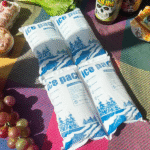
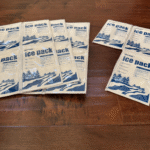
O meio de resfriamento e o posicionamento da carga determinam o que o isolamento está protegendo. Condicionado pacotes de gel ou materiais de mudança de fase podem ser usados para algumas aplicações refrigeradas; produtos congelados ou sistemas de gelo seco seguem regras diferentes. O contato direto pode expor produtos sensíveis a pontos frios locais, então barreiras, cestas, espaçadores, ou condicionamento controlado pode ser importante. O espaço de ar vazio também altera o desempenho e pode permitir que os componentes se desloquem. O comprador deve solicitar um desenho de embalagem que identifique cada componente, orientação, quantidade, e etapa de preparação. Esse desenho se torna uma ferramenta de treinamento, uma referência de registro de teste, e uma linha de base de inspeção em vez de uma sugestão informal. A decisão integrada deve proteger o uso pretendido, mantendo o estoque versus o design personalizado, ferramentas, materiais, método de construção, volume de pedidos, acessórios, testando, embalagem, frete, inspeção, e manuseio pós-venda visível no modelo de custo total.
Transforme todas as afirmações importantes em evidências
Comercial caixas mais frias pode ser moldado rotativamente, moldado por injeção, moldado por sopro, fabricado, ou construído a partir de conjuntos e revestimentos de espuma. Cada rota de construção tem implicações diferentes para as ferramentas, consistência da parede, aparência, peso, reparar, quantidade do pedido, e personalização. Nenhum método é automaticamente melhor. A especificação deve focar nos resultados que importam no serviço pretendido: dimensões internas, ajuste de fechamento, resistência ao manuseio esperado, continuidade do isolamento, facilidade de limpeza, retenção de componentes, e padrões visuais onde o produto é voltado para o consumidor. A decisão integrada deve proteger o uso pretendido, mantendo o estoque versus o design personalizado, ferramentas, materiais, método de construção, volume de pedidos, acessórios, testando, embalagem, frete, inspeção, e manuseio pós-venda visível no modelo de custo total.
Reivindicações térmicas requerem contexto. Pergunte qual carga útil foi usada, como os componentes foram condicionados, onde os sensores foram colocados, qual perfil de ambiente aplicado, como a tampa foi manuseada, e qual critério de aceitação definiu o sucesso. Uma longa duração sob um teste leve não pode ser tratada como desempenho em uma rota severa. O ISTA 7E oferece perfis padronizados de calor e frio para aplicações térmicas embalagem de transporte na entrega de encomendas, embora a qualificação específica da pista ainda possa ser necessária. As evidências devem corresponder ao uso planejado, em vez de decorar uma cotação. Se o material, dimensão, fonte, pacote, base de teste, rota, ou alterações nas instruções de operação, avaliar o efeito antes de assumir que a aprovação anterior ainda se aplica.
Qualificação, Monitoramento, e o controle de mudanças trabalham juntos
Um plano de qualificação prático começa com a condição do produto alvo e os piores cenários operacionais credíveis. Deve definir carga útil representativa, componentes de embalagem, condicionamento, sequência de embalagem, localizações dos sensores, perfil ambiente, duração, eventos de abertura, se relevante, Critérios de aceitação, e margem de contingência. Os perfis térmicos ISTA podem suportar comparação padronizada para aplicações de parcelas apropriadas, mas eles não substituem o conhecimento de uma pista específica. Para outros canais, o remetente pode usar dados de pista mapeados, perfis sazonais, teste de distribuição, e avaliação de risco. O método escolhido deve ser acordado pelas funções responsáveis de qualidade e logística. Trate uma suposição não resolvida como um risco gerenciado com um proprietário e data de vencimento, não como uma aceitação silenciosa que só se torna visível após a expansão.
O monitoramento não cria proteção de temperatura; fornece evidências sobre a exposição. Selecione a precisão do registrador, status de calibração, intervalo de gravação, iniciar procedimento, colocação, lógica de alarme, acesso a dados, e formato do relatório de viagem de acordo com o risco do produto. A sequência operacional é a revisão das especificações, aprovação de amostra, verificação de capacidade, planejamento de produção, controle em processo, inspeção final, embalagem, e envio. Os desvios precisam de um caminho de revisão definido, em vez de uma suposição automática de que a carga útil é aceitável ou inutilizável. Após aprovação, qualquer alteração no isolamento, resina, refrigerante, dimensões, fornecedor, encerramento, instruções de embalagem, Perfil de teste, rota, ou carga útil pode exigir avaliação documentada e possivelmente requalificação. A decisão integrada deve proteger o uso pretendido, mantendo o estoque versus o design personalizado, ferramentas, materiais, método de construção, volume de pedidos, acessórios, testando, embalagem, frete, inspeção, e manuseio pós-venda visível no modelo de custo total.
Fornecedores selecionados com evidências e governança
A questão central do fornecedor é se a fábrica pode controlar o produto completo e documentar a produção consistente, em vez de apresentar apenas um amplo catálogo.. Avalie o controle sobre moldagem ou fabricação, consistência de isolamento, dimensões críticas, ajuste de fechamento, fornecimento de componentes, identificação de lote, e ação corretiva. Pergunte quem é o dono de cada processo, quais operações são subcontratadas, como dimensões e materiais críticos são inspecionados, como o produto rejeitado é controlado, e como a amostra aprovada está vinculada à produção. Se o fornecedor oferecer testes, identificar o laboratório, método, carga útil, disposição do sensor, perfil ambiente, tamanho da amostra, e reportar propriedade. Um relatório sofisticado é útil apenas quando descreve a configuração que você pretende comprar. No registro de aprovação final, conecte o requisito, resposta do fornecedor, observação de amostra, evidência de teste, escopo comercial, e decisão responsável em uma linha rastreável.
- Qual desenho e revisão da lista de materiais regerá a produção?
- O que significa a capacidade cotada após a instalação do pacote operacional?
- Quais afirmações são apoiadas por um relatório de teste, declaração de materiais, ou registro de inspeção?
- Como as amostras são identificadas e vinculadas a lotes de produção posteriores?
- Quais mudanças exigem aprovação por escrito do cliente antes da implementação?
- Quem investiga uma não conformidade e com que rapidez a contenção é iniciada?
Boas respostas são específicas e auditáveis. Um fornecedor que explica as limitações é muitas vezes mais útil do que aquele que rotula cada modelo como adequado para cada mercado. Durante a devida diligência, comparar documentos com a amostra física. Meça dimensões críticas, inspecionar a tampa e o fechamento, revisar superfícies e continuidade do isolamento onde visível, embalar uma carga útil representativa, e fotografe a configuração aprovada. O resultado deve ser uma referência controlada que a aquisição, qualidade, armazém, e as equipes de fornecedores podem reconhecer. Trate uma suposição não resolvida como um risco gerenciado com um proprietário e data de vencimento, não como uma aceitação silenciosa que só se torna visível após a expansão.
Ferramentas úteis de decisão
Verifique os detalhes antes de escolher a embalagem
Essas ferramentas rápidas podem ajudá-lo a comparar o risco da rota, necessidades de dimensionamento, escolhas de refrigerante, e detalhes da embalagem antes de solicitar um orçamento.
Refrigerante & Referência PCM
Compare as opções de refrigerante e PCM quando uma rota precisar de suporte adicional de temperatura.
Comparar opçõesForro de caixa & Dimensionamento da cobertura de paletes
Verifique a lógica de dimensionamento do forro da caixa e da tampa do palete para projetos de embalagens isoladas.
Dimensionamento estimadoCalculadora de gelo seco
Estime as necessidades de gelo seco para remessas congeladas ou ultrafrias antes de embalar.
Estimar gelo seco| Portão de aprovação | O que deve ser corrigido | Registro de lançamento |
|---|---|---|
| Produto e rota | Evita que uma caixa genérica seja tratada como uma solução universal | Caso de uso escrito, carga útil e perfil de rota |
| Espaço utilizável | Meios de resfriamento e divisores reduzem o volume prático de carga útil | Desenho dimensionado da embalagem e teste de embalagem |
| Evidência térmica | As reivindicações de duração dependem da carga útil, condicionamento e perfil ambiental | Método de teste completo e relatório para a configuração proposta |
| Construção | Materiais, articulações, tampa e ferragens afetam o fluxo de calor e o manuseio | Desenho, lista de materiais e inspeção de amostra |
| Operações | Um bom design pode falhar quando a equipe o embala de forma diferente | Instrução de trabalho controlada e plano de treinamento |
| Controle de produção | A amostra aprovada deve representar unidades a granel | Amostra dourada, plano de inspeção e acordo de controle de mudanças |
| Escopo comercial | Uma cotação baixa pode excluir itens de custo importantes | Cotação normalizada e modelo de custo final |
| Fim do uso | A reutilização ou descarte deve se adequar à rede real | Limpeza, inspeção, plano de retorno e recuperação |
A mesa é um auxílio à decisão, não substitui a qualificação. Ele mantém as incógnitas visíveis e vincula cada reivindicação importante a um documento, amostra, teste, ou controle operacional que o comprador pode revisar antes da liberação.
Use uma revisão de cenário antes de liberar o pedido
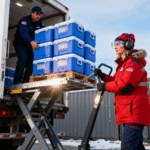
Considere este cenário típico: um distribuidor precisa de uma família de caixas para entrega de alimentos e outra para suprimentos sensíveis à temperatura, com recursos de manuseio compartilhados, mas pacotes diferentes. A equipe deve mapear todos os períodos em que o produto embalado estiver fora do armazenamento controlado, incluindo preparação antes da coleta, carregando, centros, verificações alfandegárias ou de segurança, entrega perdida, esperando no recebimento, e tratamento de devolução. Para cada etapa, identificar a duração esperada, exposição ambiental, quem é o dono da remessa, se a caixa pode ser aberta, e quais dados estão disponíveis. Isso expõe se o principal requisito é o isolamento, um arranjo de refrigerante diferente, um fechamento mais forte, rotulagem mais clara, serviço de operadora mais rápido, um pacote de contingência, ou melhor disciplina de recebimento. A decisão integrada deve proteger o uso pretendido, mantendo o estoque versus o design personalizado, ferramentas, materiais, método de construção, volume de pedidos, acessórios, testando, embalagem, frete, inspeção, e manuseio pós-venda visível no modelo de custo total.
A mesma revisão deveria perguntar o que acontece quando as condições não são ideais. Riscos relevantes incluem controle dimensional deficiente, distorção da tampa, vazios de isolamento, alças fracas, limpeza difícil, acessórios instáveis, e mudanças de produção não anunciadas. Classifique-os por gravidade, probabilidade, e detectabilidade, em seguida, atribua prevenção e resposta. Alguns controles pertencem ao produto, como uma barreira ou alça mais forte. Outros pertencem ao procedimento, como tempo de condicionamento, ordem de embalagem, pré-resfriamento, Treinamento da equipe, instrução de portador, ou uma lista de verificação de recebimento. O fornecedor pode contribuir com evidências de projeto, mas a propriedade da rota permanece com o expedidor e seus parceiros logísticos. Se o material, dimensão, fonte, pacote, base de teste, rota, ou alterações nas instruções de operação, avaliar o efeito antes de assumir que a aprovação anterior ainda se aplica.
Um plano Stage-Gate mantém a expansão reversível
Uma RFQ eficaz separa requisitos obrigatórios de preferências e questões abertas. Anexe um esboço dimensionado da carga útil, volume esperado de pedidos, mercado de entrega, cronograma de destino, necessidades de embalagem e rotulagem, e o cenário operacional. Peça aos fornecedores que declarem conformidade, exceção, ou alternativa proposta contra cada linha. Isso evita um problema comum: um fornecedor cita silenciosamente seu produto padrão mais próximo, enquanto o comprador assume que um requisito personalizado foi aceito. As comparações comerciais devem começar somente depois que as exceções técnicas forem visíveis e a responsabilidade pelos testes, amostras, moldes, frete, e documentos são atribuídos. No registro de aprovação final, conecte o requisito, resposta do fornecedor, observação de amostra, evidência de teste, escopo comercial, e decisão responsável em uma linha rastreável.
Use barreiras de estágio para que os gastos sigam as evidências. Um portão de conceito aprova o requisito; um portão de engenharia aprova desenhos e materiais; uma porta de amostra verifica o ajuste e a função; um portão piloto verifica os controles de produção e embalagem; e um portão de liberação autoriza o volume. Em cada portão, registrar questões abertas, proprietários, datas de vencimento, e a revisão exata revisada. Isso torna mais fácil pausar ou corrigir o projeto antes que um problema seja multiplicado por um pedido completo. Também cria um histórico útil para posterior redução de custos, transferência de fornecedor, ou mudança de projeto. Trate uma suposição não resolvida como um risco gerenciado com um proprietário e data de vencimento, não como uma aceitação silenciosa que só se torna visível após a expansão.
Faça reivindicações ambientais com evidências operacionais
A prioridade ambiental é proteger a carga útil com a combinação menos prática de materiais, energia, refrigerante, trabalho, e transporte. Uma embalagem que utiliza menos material, mas causa perda de produto, não é automaticamente o melhor resultado. A abordagem relevante aqui é selecionar a construção mais simples que atenda às condições de serviço, reduzindo danos e perda de produto, e planejar a reutilização apenas onde houver trabalho de coleta e limpeza. Compare opções descartáveis e reutilizáveis na rede real: distância de saída, distância de retorno, limpeza, secagem, inspeção, taxa de perda, reparar, armazenar, e caminho de fim de uso. Evite afirmações amplas, como “desperdício zero” ou “neutro em carbono”, a menos que um estudo e escopo definidos as apoiem. Se o material, dimensão, fonte, pacote, base de teste, rota, ou alterações nas instruções de operação, avaliar o efeito antes de assumir que a aprovação anterior ainda se aplica.
O design ainda pode remover a ineficiência óbvia. Dimensões externas do tamanho certo, melhorar a densidade da carga útil, padronizar componentes de alto desgaste, evite camadas decorativas que complicam a recuperação, e selecione caixas que protejam o produto sem enviar excesso de ar. Para frotas reutilizáveis, dê a cada ativo um proprietário e status de inspeção. Retire caixas com isolamento danificado, pálpebras distorcidas, superfícies contaminadas, ou fechamentos não confiáveis. A sustentabilidade é mais forte quando está ligada a resultados operacionais mensuráveis: menos remessas danificadas, serviço mais seguro, melhor utilização do cubo, limpeza controlada, e uma rota de recuperação confiável. No registro de aprovação final, conecte o requisito, resposta do fornecedor, observação de amostra, evidência de teste, escopo comercial, e decisão responsável em uma linha rastreável.
Perguntas frequentes
Toda plataforma de caixa isolada é selecionada por espaço utilizável, estrutura de isolamento, encerramento, facilidade de limpeza, força de manuseio, acessórios, e compatibilidade de embalagem adequada para remessa de cadeia de frio?
Não. A adequação depende da condição do produto, rota, duração, carga útil, mídia de resfriamento, método de embalagem, exposição ambiental, manuseio, e evidências. Um Recipiente isolado pode ser um componente útil sem ser um sistema de remessa qualificado. Solicite detalhes do teste vinculados à configuração proposta e peça à equipe responsável de qualidade ou logística que analise o uso final.
Como os compradores devem comparar as declarações de desempenho dos fornecedores?
Compare as condições de teste completas, não apenas a duração ou a temperatura do título. Revise a carga útil, refrigerante, condicionamento, colocação do sensor, perfil ambiente, aberturas, construção de amostra, limites de aceitação, e se a unidade testada corresponde à produção. Se esses detalhes estiverem faltando, trate a reclamação como um tópico para verificação em vez de um fato de compra.
Qual é o erro mais comum em um pedido em grandes quantidades?
Um erro frequente é aprovar a aparência deixando detalhes funcionais indefinidos. Dimensões internas, espaço utilizável, ajuste da tampa, isolamento, hardware, pacote, Carton, inspeção, e as alterações permitidas devem ser escritas antes da produção. Uma amostra assinada é útil, mas desenhos, Critérios de aceitação, e o controle de mudanças tornam a aprovação repetível.
Caso a cotação mais baixa vença?
Somente após cada cotação ter sido normalizada para a mesma especificação e escopo de entrega. Incluir ferramentas, acessórios, testando, inspeção, caixas, frete, obrigações, trabalho de armazém, exposição de garantia, e risco de falha. Um preço mais baixo pode ser a decisão certa quando as evidências e os controles são equivalentes; é arriscado quando o preço baixo vem de um escopo desconhecido.
Quando uma caixa reutilizável é a melhor opção?
A reutilização pode ser atrativa em ambientes controlados, rotas repetidas com propriedade, transporte de retorno, limpeza, secagem, inspeção, reparar, e gerenciamento de perdas. É menos convincente quando as caixas desaparecem, retornar vazio em longas distâncias, ou não pode ser limpo com segurança. Avaliar o ciclo real em vez de assumir que um rótulo reutilizável garante um melhor resultado ambiental.
Visão final da aquisição
A seleção final deve conectar quatro decisões: ajuste de produto e rota, evidência técnica, custo total, e governança de fornecedores. Quando essas decisões são registradas, os compradores podem escalar com menos surpresas e uma base mais clara para análise de qualidade.
Sobre Tempk
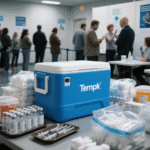
A Tempk apoia os compradores no desenvolvimento de embalagens passivas de cadeia de frio com caixas térmicas, isolamento, pacotes de gel, PCM Bricks, bolsas térmicas, e formatos de remessa médica. Uma solicitação do fabricante da caixa térmica pode ser revisada de forma mais eficaz quando o comprador fornece a rota, carga útil, condição necessária, manuseio, quantidade alvo, e testando expectativas. Tempk pode ajudar a identificar opções de avaliação, enquanto o expedidor e sua equipe de qualidade mantêm a responsabilidade pela aprovação da aplicação e da rota.
Discuta o resumo técnico, plano de amostra, e critérios de aceitação em massa com Tempk antes de bloquear o pedido comercial.