Cool Brick Logistics funciona melhor quando você projeta do recebimento para trás
Uma remessa não é bem-sucedida quando a tampa fecha. É bem sucedido quando o receptor pode aceitar a carga útil com evidência de que o processo definido foi seguido. Isso faz do recebimento o melhor ponto de partida para a logística de tijolos legais. Decida qual condição, registros, e inspeções que o destinatário precisa; em seguida, trabalhe de trás para frente nas transferências, exposições ambientais, embalagem, condicionamento, e seleção de produtos. Um rígido reutilizável tijolo refrigerante pode suportar essa cadeia adicionando capacidade térmica em uma forma estável. Não pode qualificar o remetente, definir o intervalo de carga útil, ou provar o que aconteceu no trânsito.
Comece com a decisão de aceitação
Pergunte à equipe receptora o que a faria aceitar, quarentena, ou rejeitar o envio. A resposta pode envolver um registro de temperatura, um indicador de tempo-temperatura, um selo intacto, um rótulo correto, um recorde de embalagem, condição do líquido refrigerante, hora de chegada, ou evidência visual de danos. Para algumas rotas alimentares, o processo pode ser relativamente simples. Para medicamentos, vacinas, Diagnóstico, ou materiais de alto valor, a revisão da qualidade pode ser mais formal.
Essa visão retrospectiva evita que a equipe de embalagem otimize o resultado errado. Um pacote pode parecer organizado no envio, mas deixar o destinatário incapaz de recuperar os dados. Um registrador pode registrar a rota, mas ficar em um local que não suporta a decisão pretendida. Um tijolo pode permanecer parcialmente congelado na entrega enquanto a carga sofre uma exposição local inaceitável. Nenhuma dessas observações pode ser reduzida a “o líquido refrigerante ainda estava frio”.
Defina a lógica de aceitação em linguagem simples:
A condição de temperatura específica do produto que deve ser mantida.
A janela de tempo coberta, incluindo preparo e manuseio pós-entrega.
As evidências e inspeção disponíveis no recebimento.
A pessoa autorizada a interpretar um alarme ou desvio.
O processo de disposição quando as evidências estão incompletas.
Só então você deverá converter a viagem em um resumo de projeto térmico e operacional.
Construa uma cadeia de evidências, Não é uma lista de produtos
Cada estágio deve preservar uma suposição feita pelo estágio anterior.. A tabela a seguir vincula as decisões à prova.
| Estágio | Decisão que deve ser controlada | Evidências úteis ou controle operacional | Sinal de falha |
|---|---|---|---|
| Definição do produto | O alcance e a sensibilidade necessários estão corretos | Informações sobre produtos aprovados e análise de qualidade | A equipe usa uma categoria genérica de refrigerados |
| Definição de rota | A duração e os riscos ambientais são realistas | Mapa de pistas incluindo permanência, atrasos, e transferências | A estimativa de trânsito exclui escalas ou fins de semana |
| Projeto térmico | Isolamento, refrigerante, carga útil, e divisores trabalham juntos | Dados de configuração e desenvolvimento definidos | Uma reivindicação de componente substitui a evidência do sistema |
| Condicionamento | Os tijolos começam no estado aprovado | Instrução do equipamento, separação de estoque, verificação de liberação | A geada ou o tempo decorrido do freezer é a única verificação |
| Pacote | Quantidade, colocação, separação, e o fechamento são repetíveis | Instrução visual de trabalho e registro de conclusão | Packers improvisam quando a carga útil muda |
| Transporte | A remessa segue a rota controlada e o plano de manuseio | Instrução da transportadora, selos, monitorando, monitoramento conforme justificado | Habitação sem dono ou remanuseio inesperado |
| Recebimento e devolução | A aceitação e a recuperação de ativos foram concluídas | Inspeção, revisão de dados, caminho de quarentena, verificação de retorno | A carga útil é aceita antes que as evidências sejam revisadas |
A tabela é útil porque expõe saltos não suportados. Se o tempo da rota for indefinido, uma reivindicação de tempo de espera não tem significado operacional. Se o condicionamento dos tijolos não for controlado, os resultados dos testes térmicos podem não representar o trabalho diário. Se o destinatário não puder agir sobre os dados do registrador, monitoramento vira registro sem decisão.
Converta a rota em um envelope térmico
O envelope térmico descreve o desafio térmico que o pack-out deve enfrentar. Inclui a gama de produtos necessária, temperaturas iniciais, tempo total, condições ambientais, caminhos de transferência de calor, e margem para variação confiável. Deve capturar mais do que o trecho de transporte programado.
Separe os relógios
Pelo menos quatro relógios podem funcionar durante uma remessa:
Tempo de carga útil fora do armazenamento controlado durante a coleta e embalagem.
Tempo de preparação do refrigerante após o condicionamento.
Transporte de embarcador fechado e tempo de permanência.
Hora de chegada ao armazenamento no destino.
Combiná-los em um único “prazo de entrega” otimista esconde o risco. Uma rota local pode ter pouca condução, mas espera muito tempo na doca. Um pacote pode chegar dentro do prazo e ainda ficar parado no recebimento. O projeto deve usar um período de exposição total justificado e limites claramente definidos.
Trate o risco de calor e frio separadamente
O isolamento retarda o movimento do calor; não decide qual direção é segura. O líquido refrigerante congelado perto de um produto sensível pode criar pontos frios mesmo quando o calor externo entra pelas paredes. Um pack-out precisa de condicionamento adequado do líquido refrigerante, espaçamento, divisores, e colocação de carga útil. Orientação sobre vacinas da OMS, por exemplo, alerta que vacinas sensíveis ao congelamento podem ser danificadas pelo contato com embalagens congeladas. A lição geral é seguir as instruções específicas do produto, em vez de tratar o frio como mais seguro..
Use a física sem fingir que o modelo é a rota
O líquido refrigerante absorve calor sensível à medida que sua temperatura aumenta. Se mudar de fase, pode absorver calor latente durante essa transição. Massa, capacidade térmica, comportamento de fase, e o estado inicial contribuem para o orçamento energético. A geometria controla a rapidez com que o calor atinge o refrigerante e onde os gradientes locais se formam.
Esses conceitos ajudam os designs de tela. Eles não comprovam duração. Costuras, canais de ar, densidade de carga útil, eventos de abertura, variação de fabricação, e o manuseio real complicam o modelo. Use cálculos para fazer perguntas melhores, testes para avaliar a montagem, e monitoramento para saber se as operações correspondem ao projeto.
Especifique o tijolo como uma peça projetada
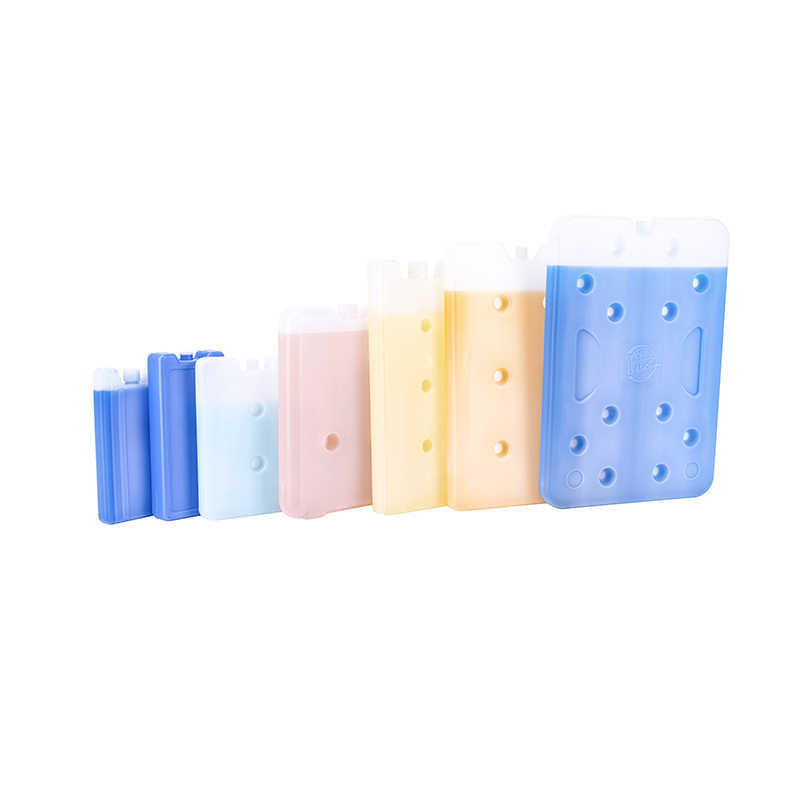
Uma descrição de compra como “azul tijolo de gelo reutilizável”não é suficiente para um pack-out controlado. A especificação deve identificar os recursos que importam para se adequar, comportamento térmico, contenção, manuseio, e controle de versão.
Confirme as dimensões externas em vez do volume nominal apenas. Inclua a massa preenchida ou uma tolerância acordada onde for importante. Identifique o material da casca, design de tampa ou fecho, preenchimento ou fórmula PCM, rótulo, cor, e embalagem de papelão. Condicionamento de estado, armazenar, limpeza, e expectativas de inspeção. Se o tijolo estiver localizado em um recesso moldado, definir a geometria com firmeza suficiente para preservar o ajuste.
O volume nominal pode ser ambíguo. Pode descrever o preenchimento interno, capacidade anunciada, ou uma família de produtos. A perda de carga útil depende do deslocamento externo do tijolo e do espaçamento necessário. Meça no recipiente pretendido.
O controle da fórmula é importante porque dois reservatórios idênticos podem conter refrigerantes com comportamento diferente. Use rotulagem ou cor da casca para reduzir confusões, mas apoie a dica visual com controles de compras e lotes. Pergunte como o fornecedor gerencia uma fórmula, cap, resina, mofo, rótulo, ou mudança de embalagem. Uma mudança que pareça comercialmente pequena pode afetar o condicionamento, ajustar, risco de vazamento, ou desempenho térmico.
Tijolos rígidos e frios são frequentemente selecionados por sua geometria repetível. Proteja essa vantagem controlando as substituições. Um flexível Pacote de gel de massa semelhante não é automaticamente equivalente. Um tijolo mais grosso com o mesmo volume nominal pode alterar a área de superfície e o fluxo de ar. Uma especificação de fase PCM diferente pode alterar a região de temperatura onde o calor latente é absorvido.
Ferramentas úteis de decisão
Verifique os detalhes antes de escolher a embalagem
Essas ferramentas rápidas podem ajudá-lo a comparar o risco da rota, necessidades de dimensionamento, escolhas de refrigerante, e detalhes da embalagem antes de solicitar um orçamento.
Refrigerante & Referência PCM
Compare as opções de refrigerante e PCM quando uma rota precisar de suporte adicional de temperatura.
Comparar opçõesSeletor de embalagens
Compare opções de embalagens isoladas por produto, rota, e necessidade de temperatura.
Encontre embalagensResistência à queda de material de isolamento
Revise a resistência à queda e os fatores de manuseio antes de escolher materiais de isolamento.
Verifique a resistênciaTorne o condicionamento e a embalagem observáveis
Um operador deve ser capaz de dizer em que estado um tijolo está, onde pertence, e o que fazer quando algo está errado. Se essas decisões residirem apenas em um relatório técnico, o processo de warehouse irá flutuar.
As instruções de condicionamento devem abranger o equipamento, arranjo de carregamento, método de preparação, critério de liberação, encenação, e segregação de estoque. Não presuma que o display do freezer é igual à temperatura do núcleo do tijolo. Fluxo de ar, recuperação, empilhamento de tijolos, e o estado de entrada influenciam a prontidão. Quando múltiplas fórmulas PCM estão presentes, forneça-lhes locais de armazenamento separados e identificação inequívoca.
A instrução de embalagem deve mostrar a montagem tridimensional completa. Identificar o fundo, lado, e tijolos superiores; orientação; carga útil; divisores; registrador; preencher material; tampa; selo; e etiquetas. Incluir uma resposta aprovada para cargas subdimensionadas ou superdimensionadas. De outra forma, os packers resolverão problemas de ajuste removendo um componente ou comprimindo o contêiner.
Use controles que correspondam ao modo de falha. Uma folha de contagem detecta os tijolos faltantes, mas não o posicionamento errado. Uma fotografia pode confirmar a colocação, mas não pode provar a fórmula. Uma varredura pode confirmar a identidade, mas não o condicionamento. Combinar alguns controles simples costuma ser mais forte do que adicionar uma tecnologia complicada.
As primeiras cinco remessas são um teste de treinamento
As primeiras remessas de produção revelam se o design é prático. Observe quanto tempo leva a embalagem, quais instruções causam hesitação, se os tijolos se misturam, como a tampa fecha, onde a condensação aparece, e como funcionam o recebimento e a devolução. Estas observações não substituem a qualificação, mas podem expor questões humanas e materiais antes que o volume aumente.
Combine qualificação e monitoramento com o risco
A qualificação é uma demonstração documentada de que um sistema definido funciona conforme pretendido sob condições especificadas. O escopo pode variar de acordo com a organização, produto, e mercado. Por um expedidor passivo, o sistema controlado pode incluir contêiner, modelo e quantidade de refrigerante, condicionamento, carga útil, espaçadores, encerramento, perfil ambiente, localizações dos sensores, e critérios de aceitação.
O ISTA 7E é relevante para testes de exposição térmica de produtos embalados individuais em redes de entrega de encomendas e pode apoiar expedidor isolado testando. Deve ser aplicado dentro do escopo pretendido. Um perfil de teste não garante todas as rotas, e uma referência ISTA não deve ser anexada casualmente a um único tijolo legal.
As expectativas de boas práticas de distribuição de medicamentos direcionam a atenção para a manutenção das condições de armazenamento exigidas no transporte e para o uso de controles baseados em risco. A orientação técnica da OMS aborda de forma semelhante o condicionamento, carregando, manuseio, monitoramento, e qualificação de contêineres. A declaração responsável é, portanto, específica: um pacote nomeado foi avaliado para uma aplicação definida. “Refrigerante globalmente compatível” não é uma conclusão técnica útil.
A estratégia de monitoramento deve responder a uma decisão. Defina se os dados são necessários para qualificação, caracterização da rota, liberação de rotina, investigação de exceção, ou melhoria contínua. Confirme a precisão do registrador, calibração, intervalo de gravação, limites de alarme, atraso de início, colocação, adequação da bateria, sincronização de tempo, e recuperação de dados. Não invente ou copie uma especificação de registrador de outro aplicativo.
No recebimento, uma árvore de decisão escrita deve abordar alarmes, dados faltantes, sensores danificados, chegada tardia, selos quebrados, e desvios de embalagem. Os dados de temperatura precisam de contexto de produto e qualidade; um alarme é um sinal para revisão, nem sempre uma conclusão automática sobre a disposição do produto.
Projete o loop de reutilização com o loop de saída
Um tijolo reutilizável só tem potencial ambiental e económico quando é devolvido e permanece utilizável. Antes da expansão, determinar o número de unidades necessárias em cinco estados: preparar, em trânsito, aguardando retorno, aguardando limpeza, e condicionamento. Adicionar um buffer justificado para a variação da demanda e a retirada, em vez de presumir que cada tijolo comprado está pronto para envio.
Os critérios de inspeção devem ser suficientemente objetivos para que diferentes funcionários possam aplicá-los de forma consistente. Rachaduras, protuberante, vazamento, dano de fechamento, identificação ilegível, resíduo anormal, ou mudanças em massa inexplicáveis podem exigir segregação. A limpeza deve ser compatível com a carcaça, cap, rótulo, e preencher a contenção. Defina a secagem e o armazenamento para que as unidades limpas não se misturem com as devoluções.
Para decisões de sustentabilidade, compare serviços em vez de objetos. O serviço é uma entrega bem-sucedida com temperatura controlada, não é propriedade de um item reutilizável. Considere a produção de materiais, embalagem de entrada, energia de condicionamento, transporte de saída, movimento de retorno, lavar, perda, dano, e fim de vida. A reutilização geralmente se alinha às prioridades de redução na fonte quando os loops funcionam bem, mas o resultado específico da rota depende da circulação real.
Rastreie dados que podem melhorar o custo e o desempenho ambiental: taxa de retorno, tempo de resposta, fonte de dano, exceções de limpeza, compras de reposição de emergência, e usos concluídos antes da aposentadoria. Evite prometer uma contagem fixa de reutilização, a menos que seja compatível com o produto e as condições de uso.
Um piloto projetado do recebimento para trás
Imagine um distribuidor de cuidados de saúde enviando um produto sensível à temperatura para várias clínicas. As clínicas precisam de um processo de aceitação claro, e o distribuidor quer uma embalagem reutilizável de tijolos rígidos. Nenhum número de desempenho da rota é assumido.
O projeto começa na clínica. O receptor deve inspecionar o selo, recuperar o registro de temperatura, confirmar a identidade da remessa, e mova o produto para armazenamento apropriado. Um caminho de exceção identifica quem contatar e onde manter o produto enquanto os dados são revisados.
Trabalhando para trás, a equipe mapeia uma rota direta e uma rota de transferência. Inclui estadiamento em farmácia, coleção de correio, residência no depósito, chegada da clínica, e entrega fora do horário comercial. O grupo térmico seleciona formatos de tijolos candidatos com base na geometria real do contêiner e nos padrões de carga útil. A qualidade analisa os limites do produto e o risco de exposição ao frio.
Os testes de desenvolvimento comparam configurações com cargas representativas. A equipe avalia locais quentes e frios, encerramento, viabilidade de condicionamento, e manuseio do operador. Um protocolo então define o assembly escolhido, perfil, sensores, Critérios de aceitação, e método operacional aprovado. Os testes de rota usam monitoramento para examinar a execução nas transferências.
O piloto de retorno funciona simultaneamente. Clínicas escaneiam ou registram retorno de caixa vazia, o depósito inspeciona e limpa tijolos, e o estoque condicionado é segregado dos retornos. Os dados mostram onde os ativos aguardam e por que as unidades são rejeitadas. Somente depois que os processos de saída e reverso forem viáveis é que as compras dimensionam o programa.
O piloto é bem-sucedido porque “ajuste” inclui a decisão de recebimento, evidência térmica, trabalho diário, e recuperação de ativos. Selecionar o tijolo é um passo importante dentro desse design.
Perguntas que resolvem decisões difíceis
Um comprador deve pedir a fórmula PCM mais fria?
Não. Solicite uma fórmula e abordagem de condicionamento adequadas à faixa permitida da carga útil e ao design do pack-out. Uma superfície mais fria pode aumentar o risco de congelamento ou resfriamento excessivo. A evidência útil diz respeito à fórmula real, massa, colocação, isolamento, carga útil, perfil ambiente, e critérios de aceitação, não é uma afirmação de que inferior é sempre mais forte.
Como deve ser avaliada a declaração de tempo de espera de um fornecedor?
Solicite o contexto completo: recipiente, tipo e contagem de tijolos, condicionamento, carga útil, condições iniciais, perfil ambiente, posições dos sensores, método de teste, e passar critérios. Compare essas condições com sua pista. Se detalhes importantes diferirem, trate a instrução como informação de base e avalie a configuração pretendida em vez de transferir a duração.
O que torna um pacote repetível?
A repetibilidade vem de componentes controlados e trabalho observável. Use modelos de tijolos identificados, condicionamento claro, posições fixas, padrões de carga útil definidos, divisores necessários, instruções visuais, inspeção, e regras de exceção. Treinamento e observação periódica são importantes. Um tijolo rígido suporta repetibilidade através de uma geometria estável, mas o controle do processo cria isso.
Quando uma mudança precisa de revisão?
Revise as alterações que podem afetar o comportamento térmico, ajustar, contenção, identificação, manuseio, ou evidência. Os exemplos incluem uma nova fórmula de preenchimento, resina de casca, cap, mofo, contagem de tijolos, processo de condicionamento, isolamento, divisor, carga útil, rota, ou perfil ambiente. A profundidade da avaliação deve ser baseada no risco e regida pelo seu processo de qualidade.
O monitoramento pode substituir a qualificação do pacote?
Não. A qualificação avalia se um sistema definido é capaz sob condições especificadas. O monitoramento de rotina registra uma remessa em locais selecionados. O monitoramento pode verificar a execução e revelar exceções, mas não redesenha uma embalagem inadequada. As duas atividades respondem a questões complementares.
Decisão final: Controle toda a jornada
O programa de logística de tijolos frios mais forte começa com a decisão de aceitação do receptor e funciona de trás para frente. Define os limites do produto, rota, envelope térmico, especificação de tijolo, condicionamento, empacotar, qualificação, monitoramento, resposta de exceção, e loop de retorno como um processo conectado.
Essa abordagem também cria um padrão de compra mais claro. Escolha um tijolo cuja geometria, material, preencher, identificação, e a embalagem podem ser controladas dentro do sistema pretendido. Exigir evidências com condições declaradas. Em seguida, observe o trabalho diário e gerencie as mudanças. O resultado não é um refrigerante mágico; é um processo de envio que pode ser explicado, repetido, e melhorado.
Sobre Tempk
Suprimentos temporários tijolos de gelo reutilizáveis e placas de gelo PCM para sacos mais frios, caixas médicas, caixas isoladas, e layouts de embalagem repetidos. Sua linha de produtos públicos inclui tijolos de gelo HDPE. Os projetos podem ser customizados por volume, forma de molde, design de boné, cor da concha, Fórmula PCM, rotulagem, e embalagem de papelão. Essas escolhas podem apoiar o ajuste físico, identificação de fórmula, e padronização de armazém. Tempk pode ajudar a estruturar uma discussão de componentes adequada, enquanto o comprador mantém a responsabilidade de combinar o sistema completo com os limites de carga útil, condições da rota, qualificação, monitoramento, e requisitos aplicáveis.
Pronto para especificar o componente dentro de um sistema controlado? Compartilhe sua carga útil, isolamento, faixa de temperatura, rota, processo de condicionamento, desenho de embalagem, e plano de retorno com Tempk para uma discussão de amostra focada.