O controle farmacêutico Cool Brick é comprovado no recebimento, Não no freezer
Um receptor olhando para um registrador alarmado não precisa saber que os tijolos estavam frios no momento do envio. O receptor precisa de uma resposta rastreável: A configuração farmacêutica de tijolo legal aprovada foi embalada e acondicionada corretamente?, a remessa enfrentou o desafio para o qual foi projetada, e quem pode avaliar o medicamento agora? Essa perspectiva muda o projeto. Um rígido tijolo refrigerante não é adquirido como proteção independente; é selecionado como um componente controlado em um isolado, monitorado, sistema qualificado. Muitos fluxos de medicamentos refrigerados utilizam temperaturas de 2°C a 8°C, mas os limites exigidos são sempre específicos do produto. Alguns medicamentos têm condições diferentes, e alguns podem ser danificados pelo congelamento, mesmo durante uma remessa nominalmente refrigerada.
Escreva a decisão de recebimento antes de projetar a caixa
Comece com a decisão que deve ser tomada após o parto. Definir as condições de transporte autorizadas do produto, quais dados devem estar disponíveis, quem analisa esses dados, e quais evidências apoiam a liberação, quarentena, escalada, ou rejeição. Isso evita que o desenvolvimento de embalagens se torne uma competição para produzir um produto de longa duração., gráfico de temperatura plana sem um contexto operacional significativo.
Um requisito de recebimento útil responde a cinco perguntas:
O que identifica a remessa, produto, revisão de pacote, e monitorar?
Quais limites de temperatura e regras de tempo se aplicam a este produto?
Quais verificações físicas são necessárias antes de desembalar ou liberar?
Quem tem autoridade para avaliar uma possível excursão?
O que acontece quando os dados, selos, componentes, ou faltam documentos?
As leituras do monitor de temperatura são evidências, não proteção e não uma decisão de disposição automática. A avaliação pode precisar de informações sobre estabilidade do produto, magnitude e duração da exposição, contexto do sensor, e autorização de qualidade. Material da USP sobre armazenamento, envio, e a temperatura cinética média podem informar um procedimento, mas uma métrica resumida não deve ser usada para descartar uma exposição ao congelamento ou substituir a avaliação específica do produto.
Uma vez que a decisão final é explícita, trabalhar para trás. O monitor deve ser recuperável e colocado corretamente. O pack-out deve estar vinculado a uma instrução controlada. A identidade do tijolo e o estado de condicionamento devem ser verificáveis. A qualificação deve cobrir a carga pretendida e o desafio térmico. A aquisição deve preservar a especificação do componente da qual a evidência depende.
Converta o medicamento e a via em requisitos do usuário
Os requisitos do usuário da embalagem devem ser curtos o suficiente para serem usados e detalhados o suficiente para serem testados.. Comece com as condições do produto rotuladas ou aprovadas de outra forma. Evite tratar 2°C a 8°C como categoria padrão. Grave a sensibilidade ao congelamento, aquecer, luz, vibração, orientação, ou outros fatores relevantes sem assumir que um componente de refrigeração aborda todos eles.
Descreva os limites da carga útil usando configurações de envio reais. A carga mínima pode ser termicamente vulnerável porque contém menos massa de produto e mais espaço vazio. A carga máxima pode restringir a circulação ou colocar as caixas mais próximas de um tijolo. Se os kits intermediários variarem, definir arranjos permitidos ou uma matriz de configuração qualificada.
Em seguida, documente a via como uma sequência de exposições e mudanças de custódia. O tempo de trânsito nominal é apenas uma entrada. Incluir janelas de coleta, encenação, centros, alfândega ou segurança, fins de semana, agendamento de última milha, horas do receptor, e atrasos credíveis. Revise os riscos de verão e inverno de forma independente. A orientação técnica da OMS separa, mas conecta a qualificação do contêiner de transporte, perfil de rota, e monitoramento de transporte; esse é um modelo útil para manter as evidências laboratoriais vinculadas ao uso em campo.
Finalmente, estabelecer restrições operacionais. Quais equipamentos de condicionamento estão disponíveis? Quantos tijolos podem ser espaçados corretamente nele? Quanto tempo um componente condicionado pode permanecer antes de ser embalado? A equipe pode distinguir reservatórios semelhantes contendo diferentes fórmulas de PCM?? Um destinatário pode devolver componentes reutilizáveis? Um projeto que só funciona sob supervisão de engenharia ideal não está pronto para distribuição de rotina.
Use barreiras de evidências em vez de superlativos de produtos
Um projeto controlado passa por portas de evidências. Cada portão remove uma incerteza diferente, e nenhuma pode ser substituída por afirmações como “de longa duração,”“ Grau médico,” ou “em conformidade com o PIB”.
| Portão | Decisão a tomar | Evidência mínima útil |
|---|---|---|
| Produto | O que deve ser protegido? | Condições aprovadas, sensibilidades, faixa de carga útil |
| Componente | O que exatamente é o tijolo? | Desenho, identificação de casca e preenchimento, tolerâncias, critérios de inspeção |
| Projeto | Como as peças irão interagir? | Conceito de embalagem, espaçamento, condicionamento, justificativa térmica |
| Qualificação | O sistema atende aos requisitos? | Protocolo e relatório para cargas definidas, perfis, sensores, e limites |
| Faixa | O uso pretendido corresponde ao desafio? | Revisão de risco de rota, dados medidos quando necessário, justificativa do atraso |
| Operação | Os sites podem reproduzi-lo e avaliá-lo? | Instruções controladas, treinamento, monitoramento, recebendo, desvios |
| Vida útil | As evidências sobreviverão à mudança e à reutilização? | Notificação do fornecedor, inspeção, registros, regras de revisão ou requalificação |
Esta sequência expõe lacunas precocemente. UM expedidor qualificado relatório não consegue estabelecer a identidade de um tijolo substituto proposto. Dados detalhados do material não podem provar o expedidor finalizado. Excelentes dados de pista não podem resgatar uma montagem que a equipe não consegue reproduzir. O dossiê de compras deve preservar todos os sete links.
Líquido refrigerante de equilíbrio, Isolamento, Carga útil, e ar
O desempenho térmico passivo vem da transferência de calor. A energia se move através do recipiente por condução, convecção, e radiação. O isolamento retarda esse movimento. O tijolo absorve ou libera energia à medida que sua temperatura muda e, para um PCM, à medida que o material muda de fase. A carga útil e o ar interno respondem de acordo com sua massa, arranjo, embalagem, e contato com superfícies circundantes.
É por isso que “mais refrigerante” não é uma regra de engenharia. Um tijolo maior ou mais frio pode estender a proteção do lado quente, ainda aumenta o risco de contato frio, consumir volume de carga útil, obstruir a circulação, ou exceder a capacidade de condicionamento. De forma similar, o valor de condutividade térmica de um material não comprova o desempenho de uma caixa com cantos, costuras, uma tampa, e variação de fabricação.
Medicamentos sensíveis ao congelamento requerem separação deliberada de superfícies muito frias. Um tijolo congelado à base de água colocado contra uma caixa de produto pode causar uma excursão local mesmo quando um sensor de ar central permanece aceitável. Um espaçador, buffer condicionado, geometria revisada, ou PCM adequado pode ser considerado, mas cada um se torna parte da configuração controlada. O rótulo PCM por si só não prova nada sobre o comportamento ou adequação da fase; informações específicas da fórmula e testes do sistema são necessários.
Ferramentas úteis de decisão
Verifique os detalhes antes de escolher a embalagem
Essas ferramentas rápidas podem ajudá-lo a comparar o risco da rota, necessidades de dimensionamento, escolhas de refrigerante, e detalhes da embalagem antes de solicitar um orçamento.
Verificador de risco de rota
Revise as condições da pista antes de selecionar a embalagem para requisitos operacionais reais.
Verifique o risco da rotaForro de caixa & Dimensionamento da cobertura de paletes
Verifique a lógica de dimensionamento do forro da caixa e da tampa do palete para projetos de embalagens isoladas.
Dimensionamento estimadoCalculadora de gelo seco
Estime as necessidades de gelo seco para remessas congeladas ou ultrafrias antes de embalar.
Estimar gelo secoO condicionamento estabelece o limite inicial. Definir ponto de ajuste do equipamento, padrão de carregamento, espaçamento, habitar, verificação de status do componente, sequência de remoção, e tempo de transferência permitido. Um freezer lotado de pratos empilhados pode condicioná-los de forma diferente da configuração usada durante a qualificação. Documente o processo prático e teste com componentes preparados dessa forma.
Desafie o sistema, Então leia o escopo com atenção
A qualificação deve identificar o isolamento exato, revisão de tijolo, quantidade e localização do refrigerante, procedimento de condicionamento, simulador de carga útil ou carga de produto, posições dos sensores, desafio ambiental, duração, e critérios de aceitação. Perfis ISTA 7E podem desafiar a térmica embalagem de transporte usado em redes de encomendas. Padrão ISTA 20 fornece um processo mais amplo de design e qualificação para contêineres isolados. Nem significa que um bloco individual seja aprovado para cada medicamento, remetente, ou pista.
Use um perfil genérico quando for justificado, dados da pista quando o comportamento específico da rota é importante, ou uma combinação documentada. Um teste de câmara geralmente fornece estresse repetível; verificação de campo testa suposições sob manuseio real. A avaliação de riscos da organização deve definir o relacionamento. Não comercialize o tempo de espera do laboratório sem explicar o sistema, perfil, carga útil, lógica do sensor, e limites que o produziram.
Leia as falhas como informações. Um ponto frio no canto pode revelar contato condutivo, um problema de carga mínima, ou uma inconsistência de condicionamento. Um aumento tardio do calor pode indicar uma junta da tampa, reserva térmica insuficiente, ou um atraso além da duração do projeto. Investigue a calibração, conjunto, execução de câmara, e integridade dos dados antes do redesenho. Em seguida, altere uma ou mais variáveis controladas com uma hipótese clara e teste novamente conforme apropriado.
O PIB da UE espera que o transporte de medicamentos preserve condições aceitáveis num ambiente gerido pela qualidade., abordagem baseada no risco. As boas práticas de armazenamento e distribuição da OMS abordam responsabilidades documentadas, monitoramento, qualificação, e controles em toda a cadeia de distribuição. Esses princípios definem como as evidências são governadas. Eles não conferem conformidade a um invólucro HDPE, Preenchimento PCM, ou pacote finalizado simplesmente porque um nome padrão aparece em um relatório.
Piloto Hipotético: Torne a incerteza visível
Suponha que uma equipe de qualidade esteja introduzindo uma placa rígida reutilizável em uma linha de medicamentos refrigerada.. Este exemplo hipotético pressupõe um requisito aprovado de 2°C a 8°C e sensibilidade conhecida ao congelamento; não fornece nenhuma reclamação sobre um produto específico, duração, ou configuração Tempk.
A equipe do projeto primeiro congela os requisitos, não os tijolos: limites do produto, dois extremos de carga útil, atraso de rota confiável, desafios de verão e inverno, horas de recebimento, e responsabilidades de monitoramento. Uma placa PCM proposta é dimensionada para caber em uma caixa isolada definida com um separador que evita o contato direto da carga útil. O fornecedor fornece desenhos de componentes e informações específicas de fórmulas, enquanto a engenharia de embalagens é dona do design do sistema.
O trabalho de desenvolvimento identifica as posições de sensores mais desafiadoras. Os testes formais utilizam o processo de condicionamento operacional e critérios de aceitação aprovados. Um piloto de faixa limitada verifica a execução do packer, tempo de transferência, recuperação de monitor, e resposta do receptor. Unidades reutilizáveis são identificadas exclusivamente para o piloto e passam pela inspeção, limpeza, segregação de status, e recondicionamento.
A decisão de implementação não é apenas aprovar ou reprovar. A equipe lista riscos residuais, configurações aprovadas, necessidades de treinamento, desempenho de recuperação, desvios abertos, e gatilhos para revisão. Se uma rota não tiver recebimento confiável ou retorno de tijolo, ele pode permanecer em outra configuração qualificada. Uma implementação parcial controlada é mais forte do que uma afirmação não comprovada de ajuste universal.
Opere a cadeia de evidências todos os dias
Na embalagem, verifique a instrução de trabalho atual, identidade do remetente e do componente, condição e status do tijolo, configuração de carga correta, separadores, monitorar ativação, encerramento, e etiquetas. Registre informações suficientes para reconstruir a remessa sem criar papelada que ninguém usa. Fotografias ou digitalizações podem apoiar controles quando administradas adequadamente, mas não substituem a formação e a responsabilização.
Antes da primeira remessa comercial, conduzir uma revisão de prontidão de linha com as pessoas reais, equipamento, e locais de armazenamento. Confirme se os tijolos recebidos podem corresponder às especificações aprovadas e segregados por preenchimento e status. Equipamento de condicionamento de carga na densidade operacional esperada, confirmar a recuperação após aberturas de portas, e tornar o espaço de contingência visível. Faça com que mais de um operador treinado monte cada caso de carga permitido da instrução sem treinamento. Desafie os controles de erro apresentando uma placa danificada, um item não aprovado de aparência semelhante, um lote condicionado vencido, e um monitor indisponível. O resultado desejado não é velocidade; é reconhecimento e escalonamento corretos. Finalmente, peça ao local receptor para ensaiar um alarme e um evento de dados perdidos. Elimine todas as lacunas de prontidão antes do lançamento, ou documentar uma medida temporária controlada com aprovação de qualidade. Este trabalho de comissionamento testa a capacidade do processo em torno do pacote qualificado sem reivindicar novo desempenho térmico.
No recebimento, inspecionar quanto a danos, vazamento, problemas de selo, layout inesperado, e disponibilidade de dados. Mova a carga suspeita para a condição de retenção definida enquanto a equipe autorizada a avalia. Não use o estado de descongelamento do tijolo como um atalho de aprovação/reprovação. Feche o registro com disposição, justificativa, e qualquer ação corretiva.
Para reutilização, trate cada retorno como um componente de entrada. Inspecione as costuras, bonés, forma, superfície, rótulo, e contaminação contra critérios escritos. Limpe e seque com um método compatível. Mantenha-se sujo, limpar, danificado, condicionado, e unidades prontas separadas. Não existe uma contagem de ciclos de reutilização universal defensável; a aposentadoria deve seguir a evidência do componente, condição observada, e procedimento aprovado.
Alarmes de tendências periódicas, duração da rota, desvios de embalagem, rejeitos de tijolo, perda de retorno, capacidade de condicionamento, atraso do receptor, e mudanças de fornecedores. Esses dados revelam desvios antes que se tornem rotina. O controle de mudanças deve avaliar as alterações no molde, resina, cap, preencher, rótulo, embalagem de papelão, remetente, carga útil, separador, equipamento de condicionamento, operadora, rota, ou plano de monitoramento. O resultado pode ser uma justificativa documentada, verificação direcionada, ou requalificação.
Duas perguntas finais antes da aprovação
Qual é a pergunta mais importante do fornecedor?
Pergunte quais evidências se aplicam ao componente e configuração exatos que você planeja comprar. Isso abre os acompanhamentos necessários: material e identidade de preenchimento, revisão de desenho, tolerâncias, condicionamento, inspeção, remetente testado e carga útil, notificação de alteração, e consistência de produção. Uma reivindicação sem suas condições não pode apoiar a aprovação.
Quando um tijolo reutilizável é a escolha errada?
Pode ser um ajuste inadequado quando a rota não consegue recuperar componentes, limpeza ou controle de status é impraticável, a capacidade de condicionamento é inadequada, geometria sacrifica espaço de carga útil essencial, ou qualificação mostra risco inaceitável de calor ou frio. Um refrigerante flexível, outro formato PCM, um sistema passivo diferente, ou uma solução ativa pode se adequar melhor. Decida com base nos requisitos e evidências, não é uma preferência de reutilização.
Conclusão: Controle a decisão, Não apenas a temperatura
A embalagem farmacêutica mais forte começa com a decisão de liberação no recebimento e é rastreada através do monitoramento, risco de pista, qualificação, projeto do sistema, e evidência de componentes. Refrigerante, isolamento, carga útil, e o ar devem ser avaliados em conjunto. Limites específicos do produto, especialmente sensibilidade ao congelamento, governar o resultado; 2°C a 8°C é comum, mas nunca universal. Instruções de rotina, reutilizar controles, revisão de dados, e o gerenciamento de mudanças preservam o que os testes estabeleceram. Um tijolo rígido e legal é valioso quando torna a cadeia de evidências mais repetível, não quando é tratado como a própria cadeia.
Sobre Tempk
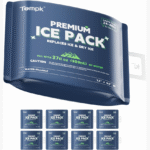
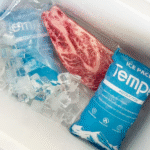
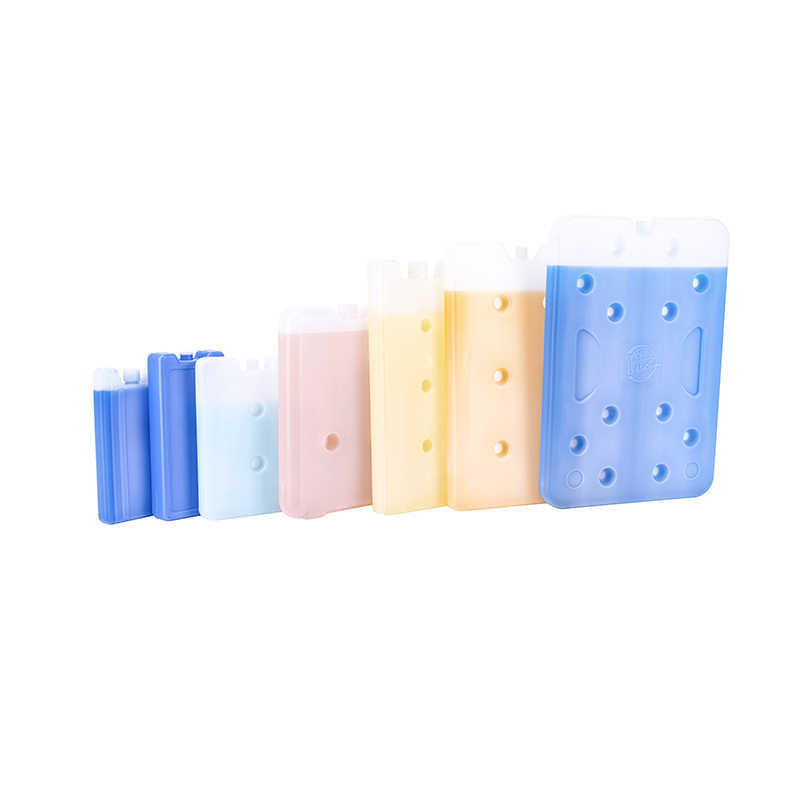
As escolhas de componentes são mais importantes quando mapeiam diretamente um conceito de embalagem aprovado. Tempk fornece tijolos de gelo reutilizáveis e placas de gelo PCM para caixas isoladas, caixas médicas, sacos mais frios, e montagens repetíveis; produtos públicos incluem tijolos de gelo HDPE. Podemos discutir o volume, forma de molde, cap, cor da concha, Fórmula PCM, rótulo, e embalagem cartonada para um projeto definido. Essas opções podem alinhar o tijolo com um remetente e um plano operacional, enquanto as equipes de qualidade e embalagem do comprador permanecem responsáveis pela qualificação da configuração completa e seu uso pretendido.
Antes da aprovação da amostra, compare as suposições propostas de desenho e condicionamento do tijolo com as necessidades do usuário; Tempk pode ajudar a definir as opções de componentes disponíveis.