Guia de embalagem da cadeia de frio de caranguejo para entrega de frutos do mar
Embalagem da cadeia de frio guia para embarques de caranguejo, cobrindo manuseio refrigerado vivo ou cozido, umidade, ventilação, proteção de pressão, colocação de refrigerante, duração da rota, perdas comuns, e seleção de pacote Tempk.
Por que o caranguejo precisa de um pacote específico de frutos do mar
As remessas de caranguejo variam de acordo com o estado. Caranguejo cozido se comporta como um pacote de frutos do mar resfriados, enquanto o caranguejo vivo precisa de manuseio fresco e úmido e proteção contra congelamento e esmagamento. As embalagens de frutos do mar devem proteger a temperatura e a qualidade visível do recebimento juntas. Um pacote pode chegar frio, mas ainda assim falhar se vazar, cheira quente, esmaga produto delicado, ou molha a embalagem exterior.
A embalagem deve partir de um produto frio, use um revestimento interno adequado para frutos do mar, mantenha o refrigerante separado do pacote de frutos do mar, e inclui o recebimento de verificações de temperatura, odor, pingar, textura, e condição da caixa.
Ferramentas úteis de decisão
Verifique os detalhes antes de escolher a embalagem
Essas ferramentas rápidas podem ajudá-lo a comparar o risco da rota, necessidades de dimensionamento, escolhas de refrigerante, e detalhes da embalagem antes de solicitar um orçamento.
Referência de material de isolamento
Compare as opções de materiais de isolamento para diferentes necessidades de embalagens da cadeia de frio.
Compare materiaisGerador de lista de verificação de conformidade
Crie uma lista de verificação prática para revisão de embalagens, envio, e documentação.
Lista de verificação de construçãoCalculadora de bolsa de gelo
Estime a quantidade de bolsas de gelo em gel para remessas refrigeradas e planejamento prático de rotas.
Estimar bolsas de geloTabela de requisitos de embalagem
| Fator de cadeia de frio | Requisito de caranguejo |
|---|---|
| Temperatura alvo | 0-4 C para caranguejo cozido e resfriado; caranguejo vivo requer frescor, úmido, manuseio sem congelamento |
| Umidade e condensação | Alto. Mantenha o vazamento dos pacotes de caranguejo cozido controlado; mantenha o caranguejo vivo fresco e úmido sem água parada |
| Pré-resfriamento | Caranguejo cozido pré-resfriado; estágio de caranguejo vivo fresco antes de embalar |
| Pressão de embalagem | Alto para conchas e garras; evite esmagamento por refrigerante ou outros pacotes de frutos do mar |
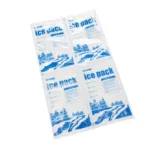
| Posição do refrigerante | Coloque pacotes de gel ao redor da zona do produto com um separador; evite contato direto com congelamento |
| Duração do trânsito | Preferencialmente no mesmo dia ou no dia seguinte para caranguejo vivo; validado 24-48 h pistas refrigeradas para embalagens cozidas |
| Perdas comuns | Quebra de casca, odor, pingar, produto quente, estresse de caranguejo vivo, caixas molhadas, e más condições de recepção |
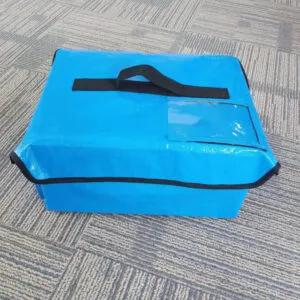
| Resposta de embalagem temporária | Remetente de frutos do mar isolado Tempk com suporte rígido, forro de vazamento, pacotes de gel separados, material absorvente, e lista de verificação de recebimento específica da rota |
Notas de design de rota
Mapeie cada ponto quente na rota: hora da bancada de embalagem, transferência de operadora, permanência no centro de classificação, morada do veículo de entrega, e atraso do receptor. Frutos do mar com alta umidade ou embalagem pequena podem aquecer e vazar mais rápido do que filés densos, então o layout interno deve ser aprovado com o pacote de varejo real.
Use forros selados, camadas absorventes, suporte de bandeja, e separados pacotes de gel onde necessário. Para frutos do mar vivos, evite contato gelado e água parada. Para frutos do mar processados refrigerados, foco na temperatura do produto, controle de gotejamento, controle de odor, e secura da embalagem.
Recomendação temporária
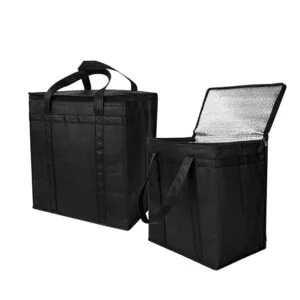
Uma embalagem típica de frutos do mar Tempk usa um expedidor isolado, pacotes de gel condicionado ou frutos do mar bolsas de gelo, forro à prova de vazamento, almofada absorvente, divisor de produto, separador de refrigerante, e um registrador em nível de produto. Aprove a embalagem após verificar a temperatura, odor, pingar, textura, danos na casca ou bandeja, e secura da caixa após a rota real.